
Approach to altered sensorium from harrison 22nd edition
Approach to Altered Sensorium - Harrison's Principles of Internal Medicine, 22nd Edition (2025)
Terminology and Definitions
- Confusion - reduced comprehension, coherence, and capacity to reason
- Delirium - acute confusional state (hallmark = attention deficit)
- Stupor - patient arousable only with vigorous stimulation
- Coma - unresponsive, unarousable state
PART I: DELIRIUM (Acute Confusional State)
Clinical Features
- Altered sleep-wake cycles
- Perceptual disturbances (hallucinations, delusions)
- Affect changes
- Autonomic instability (HR and BP fluctuations)
| Feature | Hyperactive | Hypoactive |
|---|---|---|
| Prototype | Alcohol withdrawal (DTs) | Benzodiazepine intoxication |
| Presentation | Agitation, tremor, hallucinations, hyperarousal | Apathy, withdrawal, psychomotor slowing |
| Recognition | Easily recognized | Often missed; underdiagnosed |
Patients often fluctuate between subtypes along a spectrum. Hypoactive delirium is frequently overlooked on medical wards and in the ICU.
Risk Factors (Table 29-1 in Harrison's)
- Age >65 years
- Pre-existing cognitive impairment/dementia
- Severe illness, functional dependence
- Sensory deprivation (vision/hearing loss)
- Dehydration, malnutrition
| Category | Examples |
|---|---|
| Toxins | Anticholinergics, opioids, benzodiazepines; alcohol (intoxication/withdrawal); opiates; cocaine; PCP, ketamine; carbon monoxide, pesticides |
| Metabolic | Electrolyte disturbances (hypo/hyperglycemia, hypo/hypernatremia, hypercalcemia); hypothermia/hyperthermia; pulmonary failure (hypoxemia, hypercarbia); hepatic failure; renal failure/uremia; cardiac failure; B1/B12/folate/niacin deficiency; anemia |
| Infections | UTI, pneumonia, sepsis; CNS - meningitis, encephalitis, brain abscess |
| Endocrine | Hypothyroidism/hyperthyroidism; hyperparathyroidism; adrenal insufficiency |
| Cerebrovascular | Global hypoperfusion (heart failure, septic shock, dehydration, anemia); hypertensive encephalopathy; focal strokes (right parietal, medial dorsal thalamic) |
| Autoimmune | CNS vasculitis; cerebral lupus; autoimmune/paraneoplastic encephalitis |
| Seizure-related | Nonconvulsive status epilepticus (NCSE); postictal states |
| Neoplastic | Diffuse brain metastases; carcinomatous meningitis; CNS lymphoma |
| Hospitalization | Terminal end-of-life delirium |
Laboratory and Diagnostic Evaluation (Table 29-2)
- History - special attention to medications (including OTC and herbals)
- General physical + neurologic examination
- CBC, electrolyte panel (Ca, Mg, Phosphorus), LFTs (with albumin), renal function tests
- Systemic infection screen: UA + culture, chest X-ray + respiratory pathogen tests, blood cultures
- ECG
- ABG
- Serum/urine toxicology screen (earlier in young patients)
- Serum B12, folate, thiamine levels
- Brain CT or MRI
- EEG (essential when NCSE is suspected or etiology remains unclear)
- LP - CSF analysis (meningitis, encephalitis)
- Autoimmune/paraneoplastic antibody panel
- Thyroid function, cortisol, ammonia
Per Harrison's: "No single algorithm will fit all delirious patients due to the staggering number of potential etiologies." If a clear precipitant (e.g., offending medication) is identified, further testing may not be required.
Management of Delirium
- Reorientation by nursing staff and family
- Visible clocks, calendars, outside-facing windows
- Sensory aids: glasses, hearing aids
- Sundowning prevention: daytime activities, quiet dark nights, limit nocturnal interruptions
- Melatonin before bed to promote sleep
- Mimic home environment: familiar objects, bedding, clothing
- Family visits throughout the day
- Maintain nutrition, hydration, manage pain, incontinence, skin breakdown
- Minimize "tethers" (Foley catheters, nasal cannulas, telemetry) that restrict movement
- Reserve for severe agitation endangering the patient or staff
- Low-dose haloperidol remains standard; atypical antipsychotics (quetiapine, olanzapine) are alternatives
- Avoid benzodiazepines except in alcohol/sedative withdrawal delirium - they worsen most other causes
- Dexmedetomidine in the ICU setting
PART II: COMA
Anatomy and Physiology
- Widespread abnormalities of both cerebral hemispheres, or
- Reduced activity of the reticular activating system (RAS) - neurons in the upper brainstem and thalamus
Herniation Syndromes
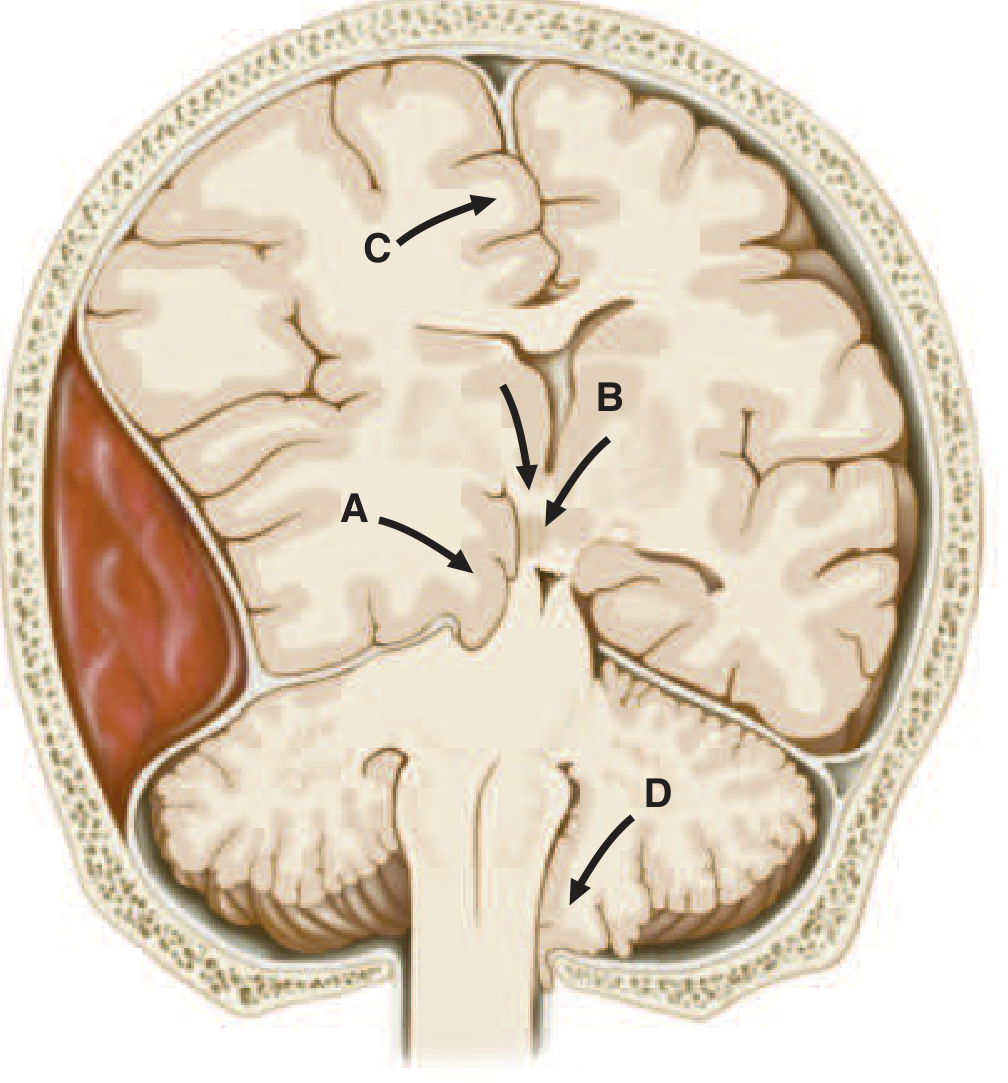
Differential Diagnosis of Coma (Table 30-1)
- Intoxications: alcohol, sedatives, opiates
- Metabolic: anoxia, hyponatremia, hypernatremia, hypercalcemia, DKA, NKHH, hypoglycemia, uremia, hepatic coma, hypercarbia, Addisonian crisis, thyroid states, nutritional deficiency
- Severe systemic infections: pneumonia, septicemia, typhoid fever, malaria, Waterhouse-Friderichsen syndrome
- Shock from any cause
- Status epilepticus / NCSE / postictal states
- Hyperperfusion syndromes: hypertensive encephalopathy, eclampsia, PRES
- Severe hyper/hypothermia
- Concussion
- Acute hydrocephalus
- Hemispheral hemorrhage (basal ganglionic, thalamic) or large MCA infarction with secondary brainstem compression
- Brainstem infarction (basilar artery thrombosis/embolism)
- Brain abscess, subdural empyema
- Epidural/subdural hemorrhage, brain contusion
- Brain tumor with surrounding edema
- Cerebellar and pontine hemorrhage/infarction
- Widespread traumatic brain injury
- Metabolic coma in the setting of preexisting focal damage
- Bacterial meningitis
- Subarachnoid hemorrhage
- Viral/fungal/tubercular meningitis
- Carcinomatous meningitis
Approach to the Comatose Patient
Initial Priorities
History
- Rapidity of onset and circumstances
- Antecedent symptoms - confusion, weakness, headache, fever, seizures, dizziness, diplopia, vomiting
- Medication, drug, or alcohol use
- Chronic medical diseases (liver, kidney, lung, heart)
General Physical Examination
| Finding | Implication |
|---|---|
| Fever | Systemic infection, meningitis, encephalitis, heat stroke, NMS, malignant hyperthermia |
| Hypothermia (<31°C causes coma) | Cold exposure, alcohol/barbiturate/sedative intoxication, hypoglycemia, circulatory failure |
| Hypertension | Hypertensive encephalopathy, cerebral hemorrhage, large infarction, head injury |
| Hypotension | Alcohol/barbiturate intoxication, internal hemorrhage, MI, sepsis, hypothyroidism, Addisonian crisis |
| Tachypnea | Systemic acidosis, pneumonia |
| Papilledema | Raised ICP |
| Subhyaloid hemorrhages | Subarachnoid hemorrhage |
| Petechiae | TTP, meningococcemia, bleeding diathesis with intracerebral hemorrhage |
| Cyanosis | Systemic disease, carbon monoxide poisoning |
Neurologic Examination
- Spontaneous movements, yawning, swallowing, moaning = near-normal arousal
- Lack of movement on one side or externally rotated leg = hemiplegia (or hip fracture)
- Subtle twitching of finger/foot/face = seizure activity
- Multifocal myoclonus = metabolic disorder (uremia, hypoxemia, drug intoxication, prion disease)
- Pressure on bony prominences or pinprick
- Purposeful abduction-avoidance = intact corticospinal system
- Posturing (decerebrate/decorticate) = severe corticospinal damage
Brainstem Reflexes
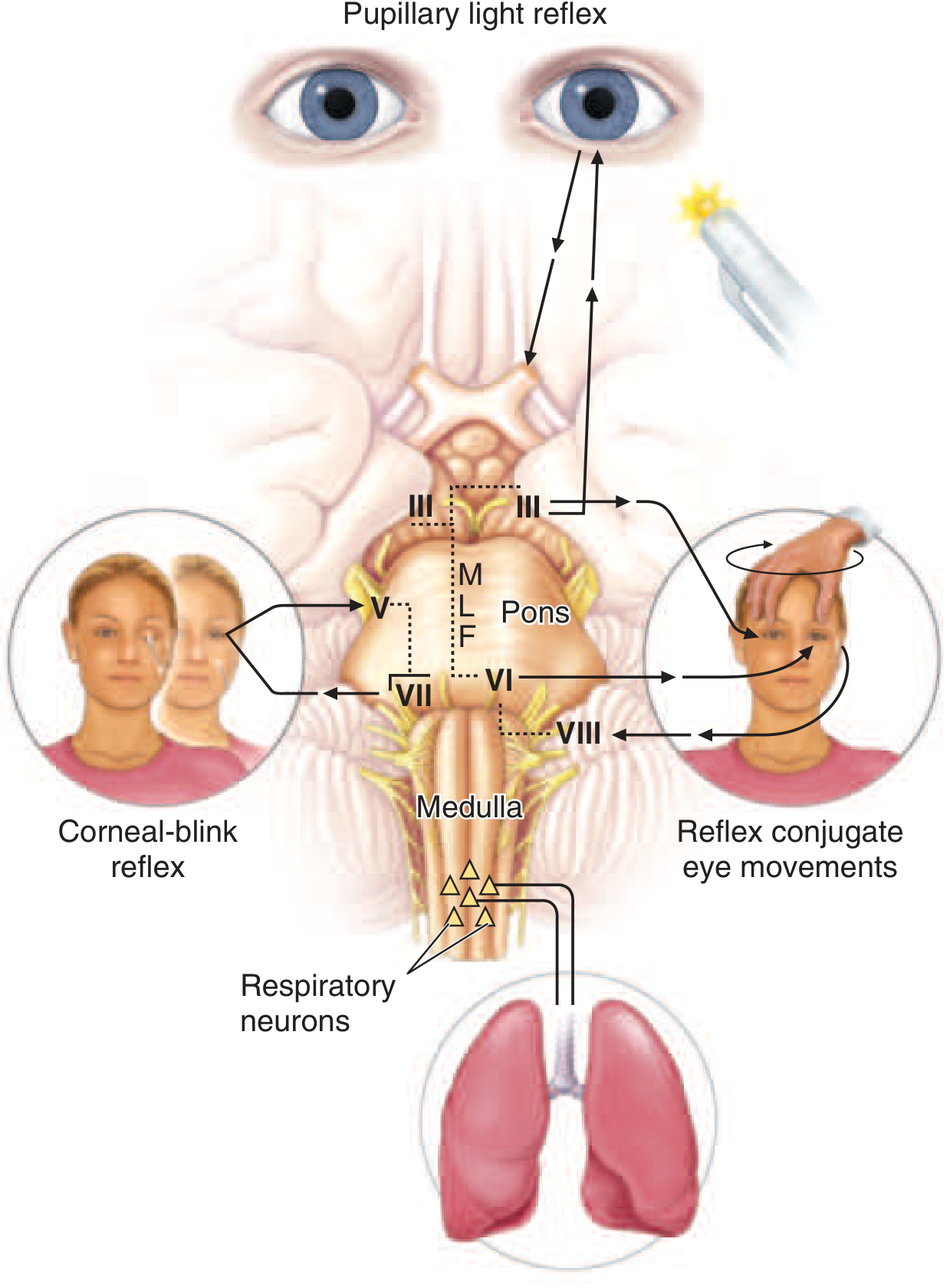
Preserved brainstem reflexes = bihemispheric localization (toxic/metabolic) Abnormal brainstem reflexes = brainstem lesion OR herniation from supratentorial mass
| Pupil finding | Significance |
|---|---|
| Midsize (2.5-5 mm), reactive | Excludes upper midbrain damage |
| One enlarged (>6 mm), poorly reactive | CN III compression from cerebral mass above |
| Oval, slightly eccentric | Early midbrain-CN III compression (transitional sign) |
| Bilateral dilated, unreactive | Severe midbrain damage (anticholinergic toxicity must be excluded) |
| Small (1-2.5 mm), reactive, bilateral | Metabolic encephalopathy or deep bilateral hemispheral lesions (hydrocephalus, thalamic hemorrhage) |
| Pinpoint (<1 mm) | Opioid overdose or extensive pontine hemorrhage |
| Unilateral miosis | Posterior hypothalamus/brainstem sympathetic dysfunction (large cerebral hemorrhage) |
- Spontaneous roving conjugate movements = intact brainstem, coma from bihemispheral disease
- Oculocephalic reflex (doll's eyes): Eyes deviate opposite to head rotation if intact; absent in brainstem lesions
- Oculovestibular reflex (cold calorics): Cold water in ear → eyes tonically deviate toward that ear if brainstem intact; absent/dysconjugate = brainstem lesion
- Conjugate eye deviation toward the side of a hemiplegia = ipsilateral frontal lobe or contralateral pontine lesion ("eyes look toward the lesion" for hemisphere, "eyes look away from the lesion" for pontine)
- Cheyne-Stokes breathing = bihemispheral or metabolic
- Central neurogenic hyperventilation = midbrain-upper pons lesion
- Apneustic breathing = caudal pontine damage
- Ataxic breathing = medullary damage (pre-terminal)
Investigations in Coma
- Blood glucose - check immediately (and give empirical dextrose if hypoglycemia suspected)
- Empirical thiamine 100 mg IV before glucose in malnourished/alcoholic patients
- CT head - first-line neuroimaging (exclude mass lesion before LP)
- LP - if no cause apparent; indispensable for meningitis/encephalitis (blood cultures and antibiotics first if meningitis suspected, then proceed to imaging)
- EEG - NCSE must be excluded; essential when etiology is unclear
- Standard labs: CBC, electrolytes, glucose, renal/liver function, ABG, toxicology screen
Prognosis
- Drug/metabolic coma with preserved brainstem reflexes: generally good prognosis with treatment
- Hypoxic-ischemic coma: Absent cortical SSEP responses and high serum neuron-specific enolase (NSE) at established intervals = strong indicator of poor outcome
- Traumatic coma: GCS at 6 hours, age, pupillary responses are key prognostic markers
- ~10% of traumatic vegetative patients may show functional MRI cortical activation to commands; ~15% of acutely brain-injured unresponsive patients show EEG activation
Serial examinations and multimodal prognostication are advised. Avoid premature prognostic conclusions from single data points.
Brain Death
- Complete and irreversible cessation of all brain functions including the brainstem
- Prerequisites: known proximate cause, absence of confounders (hypothermia, drugs, metabolic)
- Clinical exam: coma, absence of all brainstem reflexes, apnea test
- Confirmatory tests when clinical exam is incomplete: EEG, cerebral angiography, SSEP, nuclear perfusion scan
Generate a rapid bedside exam checklist (PDF) for coma assessment
ls -la /home/daytona/workspace/ 2>/dev/null || mkdir -p /home/daytona/workspace
mkdir -p /home/daytona/workspace/coma-checklist && python3 -c "from reportlab.lib.pagesizes import A4; print('reportlab OK')"
~/coma-checklist/generate_checklist.py
from reportlab.lib.pagesizes import A4
from reportlab.lib import colors
from reportlab.lib.units import mm, cm
from reportlab.lib.styles import getSampleStyleSheet, ParagraphStyle
from reportlab.lib.enums import TA_LEFT, TA_CENTER, TA_RIGHT
from reportlab.platypus import (
SimpleDocTemplate, Paragraph, Spacer, Table, TableStyle,
HRFlowable, KeepTogether
)
from reportlab.graphics.shapes import Drawing, Rect, String, Line
from reportlab.graphics import renderPDF
from reportlab.pdfgen import canvas
from reportlab.platypus import BaseDocTemplate, Frame, PageTemplate
import os
OUTPUT = "/home/daytona/workspace/coma-checklist/Coma_Bedside_Assessment_Checklist.pdf"
# ── Colours ──────────────────────────────────────────────────────────────────
DARK_BLUE = colors.HexColor("#1A3557")
MID_BLUE = colors.HexColor("#2E5FA3")
LIGHT_BLUE = colors.HexColor("#D6E4F0")
ACCENT_RED = colors.HexColor("#C0392B")
ACCENT_ORANGE = colors.HexColor("#E67E22")
ACCENT_GREEN = colors.HexColor("#1E8449")
VERY_LIGHT = colors.HexColor("#F4F8FB")
WHITE = colors.white
GREY_LINE = colors.HexColor("#BBCEDD")
TEXT_DARK = colors.HexColor("#1A1A2E")
LIGHT_GREY = colors.HexColor("#ECF0F1")
YELLOW_BG = colors.HexColor("#FEF9E7")
RED_LIGHT = colors.HexColor("#FADBD8")
W, H = A4 # 595.27 x 841.89
# ── Page header/footer callback ───────────────────────────────────────────────
def on_page(canvas_obj, doc):
canvas_obj.saveState()
# Top banner
canvas_obj.setFillColor(DARK_BLUE)
canvas_obj.rect(0, H - 28*mm, W, 28*mm, fill=1, stroke=0)
canvas_obj.setFillColor(MID_BLUE)
canvas_obj.rect(0, H - 30*mm, W, 2*mm, fill=1, stroke=0)
canvas_obj.setFillColor(WHITE)
canvas_obj.setFont("Helvetica-Bold", 16)
canvas_obj.drawString(14*mm, H - 14*mm, "RAPID BEDSIDE COMA ASSESSMENT CHECKLIST")
canvas_obj.setFont("Helvetica", 9)
canvas_obj.drawString(14*mm, H - 21*mm, "Harrison's Principles of Internal Medicine, 22nd Ed. (2025) | Chapters 29 & 30")
# Right side of banner: date/patient fields
canvas_obj.setFont("Helvetica", 8)
canvas_obj.drawRightString(W - 14*mm, H - 12*mm, "Patient: _________________________")
canvas_obj.drawRightString(W - 14*mm, H - 18*mm, "Date: ____________ Time: ________")
canvas_obj.drawRightString(W - 14*mm, H - 24*mm, "Examiner: _______________________")
# Bottom footer
canvas_obj.setFillColor(DARK_BLUE)
canvas_obj.rect(0, 0, W, 10*mm, fill=1, stroke=0)
canvas_obj.setFillColor(WHITE)
canvas_obj.setFont("Helvetica", 7.5)
canvas_obj.drawString(14*mm, 3.5*mm,
"For clinical reference only. Confirm findings with senior clinician. Source: Harrison's 22E (2025)")
canvas_obj.setFont("Helvetica-Bold", 7.5)
canvas_obj.drawRightString(W - 14*mm, 3.5*mm, f"Page {doc.page}")
canvas_obj.restoreState()
# ── Styles ────────────────────────────────────────────────────────────────────
styles = getSampleStyleSheet()
def s(name, **kw):
base = styles["Normal"]
return ParagraphStyle(name, parent=base, **kw)
section_title = s("SectionTitle",
fontName="Helvetica-Bold", fontSize=9.5, textColor=WHITE,
spaceAfter=0, spaceBefore=0, leading=12)
sub_head = s("SubHead",
fontName="Helvetica-Bold", fontSize=8.5, textColor=DARK_BLUE,
spaceAfter=1, spaceBefore=3, leading=11)
body = s("Body",
fontName="Helvetica", fontSize=8, textColor=TEXT_DARK,
spaceAfter=1, leading=10)
body_bold = s("BodyBold",
fontName="Helvetica-Bold", fontSize=8, textColor=TEXT_DARK,
spaceAfter=1, leading=10)
note = s("Note",
fontName="Helvetica-Oblique", fontSize=7.5, textColor=colors.HexColor("#5D6D7E"),
spaceAfter=1, leading=10)
red_note = s("RedNote",
fontName="Helvetica-Bold", fontSize=8, textColor=ACCENT_RED,
spaceAfter=1, leading=10)
small = s("Small",
fontName="Helvetica", fontSize=7.5, textColor=TEXT_DARK,
spaceAfter=0, leading=9.5)
small_bold = s("SmallBold",
fontName="Helvetica-Bold", fontSize=7.5, textColor=TEXT_DARK,
spaceAfter=0, leading=9.5)
# ── Helper: section header bar ─────────────────────────────────────────────
def section_bar(title, color=MID_BLUE, num=None):
label = f" {'0'+str(num) if num and num < 10 else num} {title}" if num else f" {title}"
t = Table([[Paragraph(label, section_title)]], colWidths=[W - 28*mm])
t.setStyle(TableStyle([
("BACKGROUND", (0,0), (-1,-1), color),
("TOPPADDING", (0,0), (-1,-1), 4),
("BOTTOMPADDING",(0,0),(-1,-1), 4),
("LEFTPADDING", (0,0), (-1,-1), 6),
("RIGHTPADDING",(0,0), (-1,-1), 6),
]))
return t
# ── Helper: checkbox row ────────────────────────────────────────────────────
CHECKBOX = "☐"
CHECKED = "☑"
def cb_row(label, note_text="", indent=0, bold=False):
pad = " " * indent
sty = body_bold if bold else body
cell1 = Paragraph(f"{pad}{CHECKBOX} {label}", sty)
cell2 = Paragraph(note_text, note) if note_text else Paragraph("", note)
row = [cell1, cell2]
return row
def finding_row(finding, implication, bg=None):
c1 = Paragraph(f"<b>{finding}</b>", small_bold)
c2 = Paragraph(implication, small)
return [c1, c2]
# ── Helper: two-column table ────────────────────────────────────────────────
def two_col_table(rows, col1=105*mm, col2=None, bg_alt=True, header=None):
col2 = col2 or (W - 28*mm - col1)
data = []
if header:
data.append([Paragraph(f"<b>{header[0]}</b>", small_bold),
Paragraph(f"<b>{header[1]}</b>", small_bold)])
for i, r in enumerate(rows):
data.append(r)
col_widths = [col1, col2]
t = Table(data, colWidths=col_widths)
ts = [
("GRID", (0,0), (-1,-1), 0.4, GREY_LINE),
("TOPPADDING", (0,0), (-1,-1), 3),
("BOTTOMPADDING",(0,0),(-1,-1), 3),
("LEFTPADDING",(0,0), (-1,-1), 5),
("RIGHTPADDING",(0,0),(-1,-1), 5),
("VALIGN", (0,0), (-1,-1), "TOP"),
]
if header:
ts += [("BACKGROUND", (0,0), (-1,0), LIGHT_BLUE),
("FONTNAME", (0,0), (-1,0), "Helvetica-Bold")]
if bg_alt:
start = 1 if header else 0
for i in range(start, len(data), 2):
ts.append(("BACKGROUND", (0,i), (-1,i), VERY_LIGHT))
t.setStyle(TableStyle(ts))
return t
def cb_table(rows, bg_alt=True):
"""Table of checkbox rows: [label_para, note_para]"""
t = Table(rows, colWidths=[125*mm, W - 28*mm - 125*mm])
ts = [
("TOPPADDING", (0,0), (-1,-1), 2),
("BOTTOMPADDING",(0,0), (-1,-1), 2),
("LEFTPADDING", (0,0), (-1,-1), 4),
("RIGHTPADDING", (0,0), (-1,-1), 4),
("VALIGN", (0,0), (-1,-1), "TOP"),
("LINEBELOW", (0,0), (-1,-1), 0.3, GREY_LINE),
]
if bg_alt:
for i in range(0, len(rows), 2):
ts.append(("BACKGROUND", (0,i), (-1,i), VERY_LIGHT))
t.setStyle(TableStyle(ts))
return t
# ══════════════════════════════════════════════════════════════════════════════
# BUILD CONTENT
# ══════════════════════════════════════════════════════════════════════════════
story = []
SP = Spacer(1, 3*mm)
SP2 = Spacer(1, 2*mm)
# ── ALERT BOX ─────────────────────────────────────────────────────────────────
alert_data = [[
Paragraph("⚡ IMMEDIATE PRIORITIES — Before neurologic exam:",
s("AlertH", fontName="Helvetica-Bold", fontSize=9, textColor=ACCENT_RED, leading=11)),
Paragraph(
"<b>A</b> Airway (protect) <b>B</b> Breathing (O₂ / ventilate) "
"<b>C</b> Circulation (IV access, BP, HR) <b>D</b> Dextrose (fingerstick BG) "
"<b>T</b> Thiamine 100 mg IV (before dextrose in malnourished/alcoholic) "
"<b>N</b> Naloxone if opioid suspected <b>C-spine</b> immobilise if trauma",
s("AlertBody", fontName="Helvetica", fontSize=8, textColor=TEXT_DARK, leading=11))
]]
alert_t = Table(alert_data, colWidths=[70*mm, W - 28*mm - 70*mm])
alert_t.setStyle(TableStyle([
("BACKGROUND", (0,0), (-1,-1), RED_LIGHT),
("GRID", (0,0), (-1,-1), 0.8, ACCENT_RED),
("TOPPADDING", (0,0), (-1,-1), 5),
("BOTTOMPADDING", (0,0), (-1,-1), 5),
("LEFTPADDING", (0,0), (-1,-1), 6),
("RIGHTPADDING", (0,0), (-1,-1), 6),
("VALIGN", (0,0), (-1,-1), "MIDDLE"),
]))
story.append(alert_t)
story.append(SP)
# ── GCS BOX ───────────────────────────────────────────────────────────────────
story.append(section_bar("GLASGOW COMA SCALE (GCS)", color=DARK_BLUE, num=1))
story.append(SP2)
gcs_rows = [
[Paragraph("<b>EYES (E)</b>", small_bold), Paragraph("<b>Score</b>", small_bold),
Paragraph("<b>VERBAL (V)</b>", small_bold), Paragraph("<b>Score</b>", small_bold),
Paragraph("<b>MOTOR (M)</b>", small_bold), Paragraph("<b>Score</b>", small_bold)],
[Paragraph("Spontaneous", small), Paragraph("4", small),
Paragraph("Oriented", small), Paragraph("5", small),
Paragraph("Obeys commands", small), Paragraph("6", small)],
[Paragraph("To voice", small), Paragraph("3", small),
Paragraph("Confused", small), Paragraph("4", small),
Paragraph("Localises pain", small), Paragraph("5", small)],
[Paragraph("To pain", small), Paragraph("2", small),
Paragraph("Inappropriate words", small), Paragraph("3", small),
Paragraph("Withdraws (normal flex)", small), Paragraph("4", small)],
[Paragraph("None", small), Paragraph("1", small),
Paragraph("Incomprehensible sounds", small), Paragraph("2", small),
Paragraph("Abnormal flexion (decorticate)", small), Paragraph("3", small)],
[Paragraph("", small), Paragraph("", small),
Paragraph("None", small), Paragraph("1", small),
Paragraph("Extension (decerebrate)", small), Paragraph("2", small)],
[Paragraph("", small), Paragraph("", small),
Paragraph("", small), Paragraph("", small),
Paragraph("None", small), Paragraph("1", small)],
]
cw = [(W-28*mm)/6] * 6
gcs_t = Table(gcs_rows, colWidths=cw)
gcs_ts = [
("GRID", (0,0), (-1,-1), 0.4, GREY_LINE),
("BACKGROUND", (0,0), (-1,0), LIGHT_BLUE),
("FONTNAME", (0,0), (-1,0), "Helvetica-Bold"),
("TOPPADDING", (0,0), (-1,-1), 3),
("BOTTOMPADDING", (0,0), (-1,-1), 3),
("LEFTPADDING", (0,0), (-1,-1), 4),
("ALIGN", (1,0), (1,-1), "CENTER"),
("ALIGN", (3,0), (3,-1), "CENTER"),
("ALIGN", (5,0), (5,-1), "CENTER"),
("VALIGN", (0,0), (-1,-1), "MIDDLE"),
]
for i in range(1, len(gcs_rows), 2):
gcs_ts.append(("BACKGROUND", (0,i), (-1,i), VERY_LIGHT))
gcs_t.setStyle(TableStyle(gcs_ts))
story.append(gcs_t)
# GCS score boxes
score_row = [
Paragraph("E = ___", body_bold),
Paragraph("V = ___", body_bold),
Paragraph("M = ___", body_bold),
Paragraph("<b>TOTAL GCS = ___ / 15</b>",
s("GCSTotal", fontName="Helvetica-Bold", fontSize=10, textColor=ACCENT_RED, leading=12)),
]
score_t = Table([score_row], colWidths=[(W-28*mm)/4]*4)
score_t.setStyle(TableStyle([
("BACKGROUND", (0,0), (-1,-1), YELLOW_BG),
("GRID", (0,0), (-1,-1), 0.8, ACCENT_ORANGE),
("TOPPADDING", (0,0), (-1,-1), 5),
("BOTTOMPADDING", (0,0), (-1,-1), 5),
("ALIGN", (0,0), (-1,-1), "CENTER"),
("VALIGN", (0,0), (-1,-1), "MIDDLE"),
]))
story.append(SP2)
story.append(score_t)
story.append(SP)
# ── HISTORY ──────────────────────────────────────────────────────────────────
story.append(section_bar("HISTORY (from family / EMS / bystanders)", color=MID_BLUE, num=2))
story.append(SP2)
hist_rows = [
cb_row("Onset and rapidity (sudden / gradual / witnessed)", "Sudden = vascular; gradual = metabolic/toxic"),
cb_row("Antecedent symptoms", "Headache, fever, seizures, diplopia, vomiting, focal weakness"),
cb_row("Medications / drugs / alcohol", "Include OTC, herbals, illicit substances"),
cb_row("Chronic illness", "Liver, kidney, lung, heart, diabetes, epilepsy, psychiatric"),
cb_row("Head trauma", "Even minor - subdural can present delayed"),
cb_row("Last known well / last seen normal", "Critical for stroke pathway timing"),
]
story.append(cb_table(hist_rows))
story.append(SP)
# ── GENERAL EXAM ─────────────────────────────────────────────────────────────
story.append(section_bar("GENERAL PHYSICAL EXAMINATION", color=MID_BLUE, num=3))
story.append(SP2)
vital_header = ["Vital Sign / Finding", "Interpretation"]
vital_rows = [
finding_row("Fever", "Infection, meningitis, encephalitis, heat stroke, NMS, malignant hyperthermia"),
finding_row("Hypothermia (<31°C)", "Cold exposure; alcohol/barbiturate/sedative OD; hypoglycemia; circulatory failure — CAUSES coma at <31°C"),
finding_row("Hypertension", "Hypertensive encephalopathy, cerebral haemorrhage, large infarction, head injury"),
finding_row("Hypotension", "Alcohol/barbiturate OD, internal haemorrhage, MI, sepsis, hypothyroidism, Addisonian crisis"),
finding_row("Tachypnoea", "Systemic acidosis, pneumonia, brainstem respiratory pattern"),
finding_row("Papilledema (fundoscopy)", "Raised ICP — do NOT LP before imaging"),
finding_row("Subhyaloid haemorrhage", "Subarachnoid haemorrhage (Terson syndrome)"),
finding_row("Petechiae", "TTP, meningococcemia, bleeding diathesis with ICH"),
finding_row("Cyanosis", "Systemic hypoxia, carbon monoxide poisoning"),
finding_row("Nuchal rigidity", "Meningitis, SAH — test gently if no C-spine injury"),
finding_row("Jaundice / fetor hepaticus", "Hepatic encephalopathy"),
finding_row("Breath odour", "Alcohol, ketones (DKA), uraemic fetor"),
finding_row("Skin: needle tracks", "IV drug use — opioids, stimulants"),
finding_row("Head trauma signs", "Battle sign, raccoon eyes, CSF rhinorrhoea/otorrhoea → base of skull #"),
]
story.append(two_col_table(vital_rows, col1=62*mm, header=vital_header))
story.append(SP)
# ── NEUROLOGIC EXAM ──────────────────────────────────────────────────────────
story.append(section_bar("NEUROLOGIC EXAMINATION", color=DARK_BLUE, num=4))
story.append(SP2)
# 4a Spontaneous behaviour
story.append(Paragraph("4a SPONTANEOUS BEHAVIOUR (observe first)", sub_head))
behav_rows = [
cb_row("Spontaneous movements, yawning, swallowing, moaning", "Near-normal arousal"),
cb_row("Asymmetric movement / externally rotated leg", "Hemiplegia (or hip fracture)"),
cb_row("Subtle repetitive twitching (finger / foot / face)", "Seizure — obtain EEG urgently"),
cb_row("Multifocal myoclonus", "Metabolic (uraemia, hypoxia, drug OD); prion disease"),
]
story.append(cb_table(behav_rows))
story.append(SP2)
# 4b Response to stimuli
story.append(Paragraph("4b RESPONSE TO NOXIOUS STIMULI", sub_head))
stim_rows = [
cb_row("Purposeful withdrawal / abduction", "Intact corticospinal system"),
cb_row("Decorticate posturing (arm flexion, leg extension)", "Damage above midbrain / corticospinal"),
cb_row("Decerebrate posturing (arm + leg extension)", "Severe corticospinal / brainstem damage"),
cb_row("No response", "Deepest coma level"),
]
story.append(cb_table(stim_rows))
story.append(SP2)
# 4c Pupils
story.append(Paragraph("4c PUPILLARY SIGNS (use bright diffuse light)", sub_head))
pupil_header = ["Pupil Finding", "Significance"]
pupil_rows = [
finding_row("Midsize (2.5–5 mm), reactive bilaterally", "Excludes upper midbrain damage; metabolic/toxic likely"),
finding_row("One enlarged (>6 mm), poorly reactive", "CN III compression from ipsilateral cerebral mass — HERNIATION"),
finding_row("Oval, slightly eccentric", "Transitional sign — early midbrain/CN III compression"),
finding_row("Bilateral dilated, unreactive ('blown')", "Severe midbrain damage — exclude anticholinergic OD, mydriatics"),
finding_row("Small (1–2.5 mm), reactive bilateral", "Metabolic encephalopathy; hydrocephalus; thalamic haemorrhage"),
finding_row("Pinpoint (<1 mm)", "Opioid OD (give naloxone) OR extensive pontine haemorrhage"),
finding_row("Unilateral miosis", "Posterior hypothalamus/brainstem sympathetic lesion (large ICH)"),
]
story.append(two_col_table(pupil_rows, col1=72*mm, header=pupil_header))
story.append(SP2)
# 4d Eye movements
story.append(Paragraph("4d EYE MOVEMENTS", sub_head))
eye_rows = [
finding_row("Spontaneous roving conjugate", "Intact brainstem; bihemispheral coma"),
finding_row("Oculocephalic (doll's eyes): eyes deviate opposite to head turn", "Intact brainstem; ONLY test if C-spine cleared"),
finding_row("Oculocephalic: absent / dysconjugate", "Brainstem lesion"),
finding_row("Cold caloric (50 mL ice water): tonic deviation toward irrigated ear", "Intact brainstem"),
finding_row("Cold caloric: no response / dysconjugate", "Brainstem lesion"),
finding_row("Conjugate deviation toward hemiplegia side", "Ipsilateral frontal lobe lesion ('eyes look at lesion')"),
finding_row("Conjugate deviation away from hemiplegia", "Contralateral pontine lesion ('eyes look away from lesion')"),
finding_row("Downward gaze deviation", "Bilateral thalamic lesions; midbrain compression"),
]
story.append(two_col_table(eye_rows, col1=82*mm, header=["Eye Movement Finding", "Significance"]))
story.append(SP2)
# 4e Corneal reflex
story.append(Paragraph("4e CORNEAL REFLEX & OTHER BRAINSTEM REFLEXES", sub_head))
bs_rows = [
cb_row("Corneal reflex present bilaterally", "Pontine integrity (CN V afferent → CN VII efferent)"),
cb_row("Absent corneal reflex", "Pontine lesion; deep coma; prior corneal surgery"),
cb_row("Gag reflex", "Medullary function — if absent, airway at risk"),
cb_row("Deep tendon reflexes + plantar response", "Asymmetry = focal lesion"),
]
story.append(cb_table(bs_rows))
story.append(SP2)
# 4f Respiratory patterns
story.append(Paragraph("4f RESPIRATORY PATTERNS", sub_head))
resp_rows = [
finding_row("Cheyne-Stokes (waxing-waning + apnoea)", "Bihemispheral or metabolic"),
finding_row("Central neurogenic hyperventilation (deep, rapid, regular)", "Midbrain – upper pons lesion"),
finding_row("Apneustic (prolonged inspiratory pause)", "Caudal pontine damage"),
finding_row("Ataxic / Biot (chaotic, irregular)", "Medullary damage — PRE-TERMINAL"),
finding_row("Kussmaul (deep, regular, sighing)", "Metabolic acidosis (DKA, uraemia)"),
]
story.append(two_col_table(resp_rows, col1=82*mm, header=["Pattern", "Localisation"]))
story.append(SP)
# ── INVESTIGATIONS ────────────────────────────────────────────────────────────
story.append(section_bar("INVESTIGATIONS", color=MID_BLUE, num=5))
story.append(SP2)
inv_rows_l = [
cb_row("Fingerstick blood glucose", "STAT — give D50 if <60 mg/dL"),
cb_row("ECG", "Arrhythmia, MI, QTc prolongation"),
cb_row("CBC", "Infection, anaemia, TTP"),
cb_row("Electrolytes (Na, K, Cl, HCO₃)", "Hypo/hypernatraemia, acidosis"),
cb_row("Ca, Mg, Phosphate", "Electrolyte encephalopathy"),
cb_row("Glucose (serum)", "DKA, NKHH, hypoglycaemia"),
cb_row("Renal function (Cr, BUN)", "Uraemic encephalopathy"),
cb_row("LFTs + ammonia", "Hepatic encephalopathy"),
cb_row("ABG", "Hypoxia, hypercarbia, acid-base"),
cb_row("Serum + urine toxicology", "Drugs of abuse, medications — earlier in young patients"),
cb_row("Blood cultures × 2", "Before antibiotics if infection suspected"),
cb_row("Serum lactate", "Sepsis, ischaemia"),
cb_row("Thyroid function (TSH, fT4)", "Myxoedema coma, thyroid storm"),
cb_row("Cortisol / ACTH stim", "Addisonian crisis"),
cb_row("Coagulation (PT, PTT, INR)", "Bleeding diathesis, DIC"),
cb_row("Thiamine, B12, folate", "Nutritional deficiency"),
]
inv_rows_r = [
cb_row("Non-contrast CT head (STAT)", "Haemorrhage, mass, hydrocephalus, oedema — BEFORE LP"),
cb_row("MRI brain + DWI", "Ischaemia, encephalitis, PRES, demyelination — after CT"),
cb_row("CT angiography", "If basilar artery occlusion suspected"),
cb_row("Lumbar puncture (after CT excludes mass)", "Meningitis, SAH (xanthochromia), encephalitis"),
cb_row("CSF: cells, protein, glucose", ""),
cb_row("CSF: Gram stain + culture", "Bacterial meningitis"),
cb_row("CSF: India ink + cryptococcal Ag", "Fungal meningitis (immunocompromised)"),
cb_row("CSF: PCR (HSV, CMV, EBV, JC)", "Viral encephalitis"),
cb_row("EEG (STAT)", "Non-convulsive status epilepticus — ESSENTIAL if unexplained"),
cb_row("Serum autoimmune/paraneoplastic Ab panel", "Anti-NMDAR, LGI1, CASPR2, etc."),
cb_row("Urine output / urinalysis", "Renal failure, UTI source"),
cb_row("Chest X-ray", "Pneumonia, aspiration, cardiac"),
cb_row("SSEP (somatosensory EPs)", "Absent cortical responses = poor outcome post-anoxia"),
cb_row("Serum NSE (if post-arrest)", "High NSE = poor neurological outcome"),
cb_row("", ""),
cb_row("", ""),
]
# side-by-side layout
left_t = cb_table(inv_rows_l)
right_t = cb_table(inv_rows_r)
two_panel = Table([[left_t, right_t]], colWidths=[(W-28*mm)/2]*2)
two_panel.setStyle(TableStyle([
("VALIGN", (0,0), (-1,-1), "TOP"),
("LEFTPADDING", (0,0), (-1,-1), 0),
("RIGHTPADDING", (0,0), (-1,-1), 0),
("TOPPADDING", (0,0), (-1,-1), 0),
("BOTTOMPADDING",(0,0), (-1,-1), 0),
]))
story.append(two_panel)
story.append(SP)
# ── DIFFERENTIAL DIAGNOSIS ───────────────────────────────────────────────────
story.append(section_bar("DIFFERENTIAL DIAGNOSIS OF COMA (Harrison's Table 30-1)", color=DARK_BLUE, num=6))
story.append(SP2)
ddx_data = [
[Paragraph("<b>Category</b>", small_bold),
Paragraph("<b>No focal signs (CT often normal)</b>", small_bold),
Paragraph("<b>Focal/brainstem signs (CT abnormal)</b>", small_bold),
Paragraph("<b>Meningeal signs (CSF abnormal)</b>", small_bold)],
[Paragraph("Examples", small),
Paragraph(
"• Intoxications (alcohol, opiates, sedatives)\n"
"• Metabolic: hypoglycaemia, DKA, NKHH, hypo/hypernatraemia, hypercalcaemia, uraemia, hepatic, hypercarbia, Addisonian, thyroid\n"
"• Severe infections: sepsis, pneumonia, typhoid, malaria, Waterhouse-Friderichsen\n"
"• Shock (any cause)\n"
"• Status epilepticus / NCSE / postictal\n"
"• PRES / hypertensive encephalopathy / eclampsia\n"
"• Hyper/hypothermia\n"
"• Concussion\n"
"• Acute hydrocephalus",
small),
Paragraph(
"• Hemispheral haemorrhage (basal ganglia, thalamic) or large MCA infarction\n"
"• Basilar artery thrombosis/embolism\n"
"• Brain abscess / subdural empyema\n"
"• Epidural / subdural haemorrhage\n"
"• Brain tumour with oedema\n"
"• Cerebellar / pontine haemorrhage or infarction\n"
"• Widespread TBI\n"
"• Metabolic coma on background of focal damage",
small),
Paragraph(
"• Bacterial meningitis\n"
"• Subarachnoid haemorrhage\n"
"• Viral meningitis / encephalitis\n"
"• Fungal / TB meningitis\n"
"• Carcinomatous meningitis",
small)],
]
ddx_cw = [(W-28*mm)*f for f in [0.12, 0.32, 0.30, 0.26]]
ddx_t = Table(ddx_data, colWidths=ddx_cw)
ddx_t.setStyle(TableStyle([
("GRID", (0,0), (-1,-1), 0.5, GREY_LINE),
("BACKGROUND", (0,0), (-1,0), LIGHT_BLUE),
("BACKGROUND", (0,1), (0,1), VERY_LIGHT),
("TOPPADDING", (0,0), (-1,-1), 4),
("BOTTOMPADDING", (0,0), (-1,-1), 4),
("LEFTPADDING", (0,0), (-1,-1), 5),
("RIGHTPADDING", (0,0), (-1,-1), 5),
("VALIGN", (0,0), (-1,-1), "TOP"),
]))
story.append(ddx_t)
story.append(SP)
# ── HERNIATION WARNING BOX ────────────────────────────────────────────────────
hern_data = [[
Paragraph("⚠ HERNIATION SYNDROMES — RECOGNISE IMMEDIATELY",
s("HernH", fontName="Helvetica-Bold", fontSize=9, textColor=ACCENT_RED, leading=11)),
Paragraph(
"<b>Uncal (most common):</b> Ipsilateral CN III palsy (first sign = ipsilateral pupil dilation) → ipsilateral hemiplegia → bilateral motor signs → decerebrate posturing | "
"<b>Central:</b> Rostrocaudal deterioration: drowsy → stupor → coma; pupils small → fixed dilated (midbrain compression) | "
"<b>Tonsillar (foraminal):</b> Cerebellar tonsils through foramen magnum → medullary compression → respiratory arrest",
s("HernBody", fontName="Helvetica", fontSize=7.5, textColor=TEXT_DARK, leading=10))
]]
hern_t = Table(hern_data, colWidths=[60*mm, W-28*mm-60*mm])
hern_t.setStyle(TableStyle([
("BACKGROUND", (0,0), (-1,-1), RED_LIGHT),
("GRID", (0,0), (-1,-1), 1.0, ACCENT_RED),
("TOPPADDING", (0,0), (-1,-1), 5),
("BOTTOMPADDING", (0,0), (-1,-1), 5),
("LEFTPADDING", (0,0), (-1,-1), 6),
("RIGHTPADDING", (0,0), (-1,-1), 6),
("VALIGN", (0,0), (-1,-1), "MIDDLE"),
]))
story.append(hern_t)
story.append(SP)
# ── SPECIFIC CLINICAL PEARLS ─────────────────────────────────────────────────
story.append(section_bar("CLINICAL PEARLS & MNEMONICS", color=MID_BLUE, num=7))
story.append(SP2)
pearls_rows = [
[Paragraph("<b>AEIOU TIPS</b>", small_bold),
Paragraph(
"<b>A</b>lcohol/drugs <b>E</b>pilepsy/Electrolytes <b>I</b>nsulin (glucose) <b>O</b>piates <b>U</b>raemia | "
"<b>T</b>rauma <b>I</b>nfection <b>P</b>sychiatric/Psychiatric <b>S</b>troke/Structural",
small)],
[Paragraph("<b>Eyes look toward lesion</b>", small_bold),
Paragraph("Frontal lobe lesion (e.g. large hemisphere haemorrhage) — eyes deviate toward the damaged hemisphere, away from the hemiplegia", small)],
[Paragraph("<b>Eyes look away from lesion</b>", small_bold),
Paragraph("Pontine lesion — eyes deviate toward the hemiplegia (contralateral pontine gaze centre destroyed)", small)],
[Paragraph("<b>Give thiamine BEFORE glucose</b>", small_bold),
Paragraph("In malnourished / alcoholic patients — glucose without thiamine can precipitate Wernicke's encephalopathy", small)],
[Paragraph("<b>NCSE must be excluded</b>", small_bold),
Paragraph("Non-convulsive status epilepticus can mimic metabolic coma. EEG is essential when etiology is unclear after initial workup", small)],
[Paragraph("<b>LP after CT</b>", small_bold),
Paragraph("Always exclude a large intracranial mass on CT before LP. If bacterial meningitis is suspected → blood cultures + empirical antibiotics FIRST, then imaging, then LP", small)],
[Paragraph("<b>Locked-in syndrome</b>", small_bold),
Paragraph("Basilar artery occlusion — awake but quadriplegic; only vertical eye movement preserved. Can be mistaken for coma. Check for vertical gaze on examination", small)],
[Paragraph("<b>Psychogenic unresponsiveness</b>", small_bold),
Paragraph("Eyes resist passive opening; Bell's phenomenon present; nystagmus on cold calorics (rather than tonic deviation); normal EEG; normal brainstem reflexes", small)],
]
pearls_t = Table(pearls_rows, colWidths=[46*mm, W-28*mm-46*mm])
pearls_ts = [
("GRID", (0,0), (-1,-1), 0.4, GREY_LINE),
("TOPPADDING", (0,0), (-1,-1), 4),
("BOTTOMPADDING", (0,0), (-1,-1), 4),
("LEFTPADDING", (0,0), (-1,-1), 5),
("RIGHTPADDING", (0,0), (-1,-1), 5),
("VALIGN", (0,0), (-1,-1), "TOP"),
]
for i in range(0, len(pearls_rows), 2):
pearls_ts.append(("BACKGROUND", (0,i), (-1,i), VERY_LIGHT))
pearls_t.setStyle(TableStyle(pearls_ts))
story.append(pearls_t)
story.append(SP)
# ── PROGNOSIS ─────────────────────────────────────────────────────────────────
story.append(section_bar("PROGNOSIS & BRAIN DEATH CRITERIA", color=DARK_BLUE, num=8))
story.append(SP2)
prog_rows = [
[Paragraph("<b>Good prognostic sign</b>", small_bold),
Paragraph("Drug/metabolic coma with preserved brainstem reflexes; GCS improves over first 24 h", small)],
[Paragraph("<b>Poor prognosis (post-anoxia)</b>", small_bold),
Paragraph("Absent bilateral cortical SSEP responses; serum NSE >33 µg/L at 48–72 h post-arrest (in context); persistent absence of pupillary reflexes at 72 h", small)],
[Paragraph("<b>Multimodal prognostication</b>", small_bold),
Paragraph("Required — no single marker is sufficient. Use clinical exam + EEG + SSEP + biomarkers + MRI together (AAN guidelines 2023)", small)],
[Paragraph("<b>Brain death prerequisites</b>", small_bold),
Paragraph("Known proximate cause; exclude hypothermia (<36°C), drug effect, severe metabolic derangement, neuromuscular blockade", small)],
[Paragraph("<b>Brain death clinical criteria</b>", small_bold),
Paragraph("Coma + absent all brainstem reflexes (pupillary, corneal, oculocephalic, oculovestibular, gag, cough) + apnoea test (PaCO₂ rises to ≥60 mmHg without respiratory effort)", small)],
[Paragraph("<b>Confirmatory tests</b>", small_bold),
Paragraph("When clinical exam incomplete: EEG (isoelectric); cerebral angiography (no intracranial flow); nuclear perfusion scan; SSEP", small)],
]
prog_t = Table(prog_rows, colWidths=[46*mm, W-28*mm-46*mm])
prog_ts = [
("GRID", (0,0), (-1,-1), 0.4, GREY_LINE),
("TOPPADDING", (0,0), (-1,-1), 4),
("BOTTOMPADDING", (0,0), (-1,-1), 4),
("LEFTPADDING", (0,0), (-1,-1), 5),
("RIGHTPADDING", (0,0), (-1,-1), 5),
("VALIGN", (0,0), (-1,-1), "TOP"),
("BACKGROUND", (0,3), (-1,5), LIGHT_BLUE),
]
for i in range(0, 3, 2):
prog_ts.append(("BACKGROUND", (0,i), (-1,i), VERY_LIGHT))
prog_t.setStyle(TableStyle(prog_ts))
story.append(prog_t)
story.append(SP)
# ── NOTES ────────────────────────────────────────────────────────────────────
story.append(section_bar("NOTES / SERIAL EXAM FINDINGS", color=MID_BLUE))
story.append(SP2)
notes_lines = [""] * 6
for _ in notes_lines:
story.append(HRFlowable(width="100%", thickness=0.5, color=GREY_LINE, spaceAfter=6, spaceBefore=1))
# ── BUILD DOC ──────────────────────────────────────────────────────────────────
doc = BaseDocTemplate(
OUTPUT,
pagesize=A4,
leftMargin=14*mm,
rightMargin=14*mm,
topMargin=33*mm,
bottomMargin=14*mm,
)
frame = Frame(
doc.leftMargin, doc.bottomMargin,
W - doc.leftMargin - doc.rightMargin,
H - doc.topMargin - doc.bottomMargin,
id="main"
)
doc.addPageTemplates([PageTemplate(id="page", frames=[frame], onPage=on_page)])
doc.build(story)
print(f"PDF created: {OUTPUT}")
cd /home/daytona/workspace/coma-checklist && python3 generate_checklist.py 2>&1
ls -lh /home/daytona/workspace/coma-checklist/Coma_Bedside_Assessment_Checklist.pdf
Coma Bedside Assessment Checklist
PDF Document · PDF
| Section | Contents |
|---|---|
| Immediate Priorities | ABCDT + Naloxone + C-spine alert box |
| 1. GCS | Full scoring table with E/V/M score fields and total box |
| 2. History | Checkbox list - onset, antecedents, medications, comorbidities |
| 3. General Exam | 14-row finding → implication table (vitals, fundoscopy, skin signs) |
| 4. Neurologic Exam | Spontaneous behaviour, noxious response, pupils (7 patterns), eye movements (8 scenarios), brainstem reflexes, respiratory patterns |
| 5. Investigations | Two-column checklist - labs + imaging/EEG/CSF/SSEP |
| 6. Differential Diagnosis | Three-column DDx table (no focal signs / focal signs / meningeal signs) |
| 7. Clinical Pearls | AEIOU TIPS mnemonic, eye deviation rules, thiamine-before-glucose, NCSE, LP-after-CT, locked-in vs coma, psychogenic unresponsiveness |
| 8. Prognosis / Brain Death | SSEP/NSE criteria, AAN 2023 brain death prerequisites and confirmatory tests |
| Notes | Lined space for serial exam findings |
Tell me about orris
- Answer medical, clinical, and scientific questions using authoritative textbook sources (including Harrison's, Robbins, Tintinalli, and many others from a curated medical library)
- Pull peer-reviewed evidence from PubMed when current research matters
- Generate practical clinical tools — checklists, PDFs, presentations, spreadsheets, and documents
- Handle general knowledge questions across science, technology, history, and more
- For medical questions, I consult authoritative textbooks first, then supplement with current literature
- I give you a quick answer immediately, then refine it with deeper research
- I'm direct and honest — if I'm uncertain about something, I say so rather than guessing
- I use a sandboxed environment to run code, generate files, and deliver downloadable outputs
- Fabricate citations, drug doses, or clinical guidelines
- Give you confident-sounding answers when the evidence is weak or absent
- Use excessive filler language or unnecessary hedging
Who built you
Who can vouch for orris from medicine side
- Source transparency - When I answer medical questions, I cite the exact textbook, chapter, and page. You can check those references independently.
- Textbook grounding - My medical answers draw from a curated library of standard references (Harrison's, Robbins, Tintinalli, Bradley & Daroff, Plum & Posner, etc.) — the same books your consultants use.
- PubMed integration - For evidence-based questions, I pull directly from indexed peer-reviewed literature with PMIDs you can verify.
- No hallucinated doses or guidelines - I flag uncertainty rather than invent answers.
What is pyramidal and extrapyramidal tracts
Pyramidal and Extrapyramidal Tracts
Overview - The Two Motor Systems
| Pyramidal System | Extrapyramidal System | |
|---|---|---|
| Also called | Corticospinal / corticobulbar tract | Basal ganglia system + indirect descending tracts |
| Primary role | Voluntary, skilled, discrete movement | Postural tone, automatic movement, movement modulation |
| Lesion produces | Spastic paresis + hyperreflexia | Rigidity, tremor, abnormal involuntary movements |
| Classic disease | Stroke, ALS (UMN component) | Parkinson's disease, Huntington's disease |
PART I: THE PYRAMIDAL TRACT
Origin - Motor Cortex
- ~30% from the primary motor cortex (Brodmann's area 4, precentral gyrus)
- ~30% from the premotor and supplementary motor areas (area 6, just anterior to area 4)
- ~40% from the somatosensory areas posterior to the central sulcus (areas 3, 1, 2, 5, 7)
The Course of the Corticospinal Tract
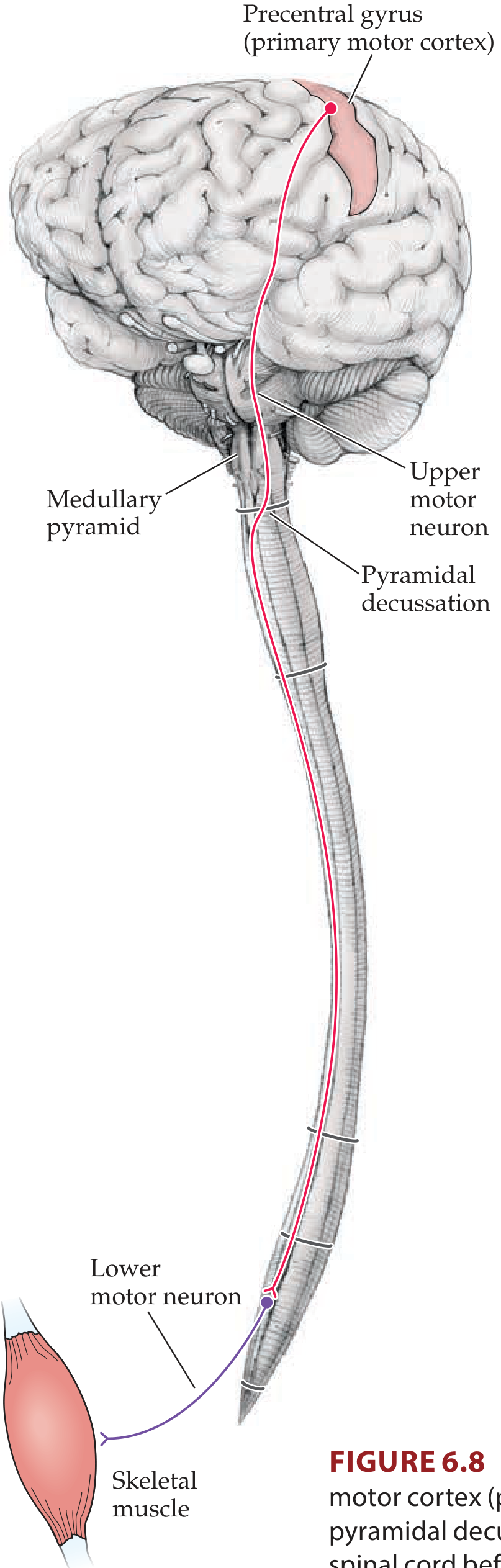
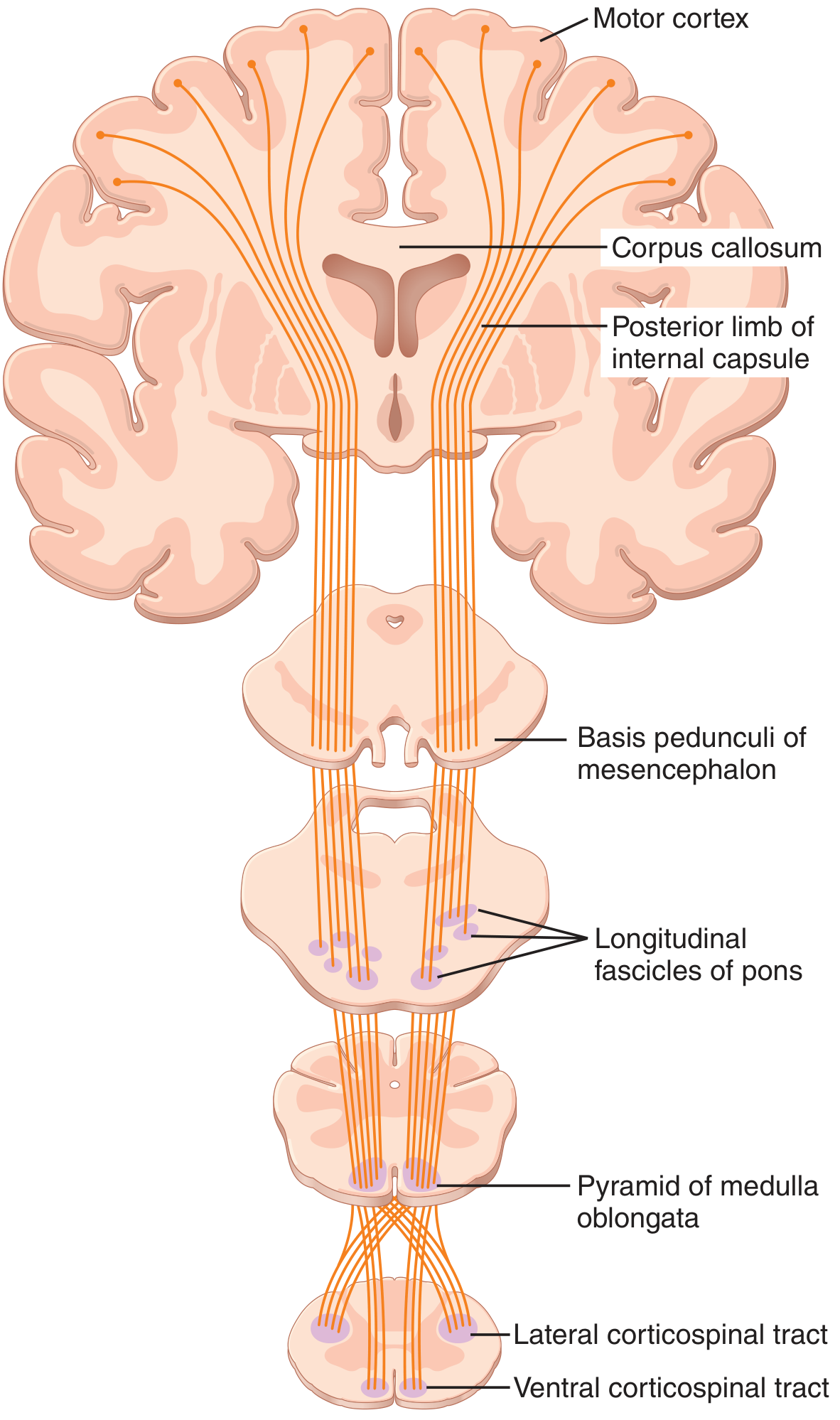
- Cerebral cortex (precentral gyrus / area 4) → axons enter the corona radiata (white matter fan)
- Internal capsule - fibers condense and travel through the posterior limb (between caudate nucleus and putamen)
- Basis pedunculi (cerebral peduncles) of the midbrain
- Longitudinal fascicles of the pons - scattered through the pons
- Pyramid of the medulla oblongata - fibers converge into the medullary pyramids (this is where the tract gets its name)
- Pyramidal decussation at the lower medulla - ~85% of fibers cross to the contralateral side
- Lateral corticospinal tract in the dorsolateral funiculus of the spinal cord (crossed fibers)
- Ventral (anterior) corticospinal tract in the anterior funiculus (uncrossed ~15%) - these eventually cross at segmental levels
- Anterior horn motor neurons (lower motor neurons) → peripheral nerve → skeletal muscle
The Corticobulbar Tract
The Key Fiber Population: Betz Cells
- Largest neurons in the human nervous system (~60 µm in diameter)
- Conduct at ~70 m/sec - the fastest signals from brain to cord
- ~34,000 per corticospinal tract
- Comprise only 3% of the 1 million+ fibers in each tract
- The remaining 97% are small fibers (<4 µm) conducting tonic background signals
PART II: THE EXTRAPYRAMIDAL SYSTEM
What It Is
| Tract | Origin | Function |
|---|---|---|
| Rubrospinal | Red nucleus, midbrain | Fine motor + distal limb control (minor in humans) |
| Reticulospinal | Reticular formation (pons + medulla) | Tone regulation, postural reflexes, autonomic |
| Vestibulospinal | Vestibular nuclei | Balance, axial muscle tone, antigravity posture |
| Tectospinal | Superior colliculus | Head and neck orientation to visual stimuli |
The Basal Ganglia Circuit (Simplified)
Motor Cortex
    ↓  (excitatory glutamate)
Striatum (Caudate + Putamen)
    ↓
  Direct pathway (D1): Inhibits GPi/SNr → Disinhibits Thalamus → Facilitates movement
  Indirect pathway (D2): Excites GPe → Inhibits STN → Excites GPi/SNr → Inhibits Thalamus → Suppresses movement

Thalamus (VA/VL nuclei)
    ↓
Motor Cortex (feedback loop)
- Acts on D1 receptors (direct pathway) → facilitates movement
- Acts on D2 receptors (indirect pathway) → inhibits the movement-suppressing pathway
- Net effect: dopamine promotes movement
- Loss of dopaminergic neurons (as in Parkinson's) → reduced movement facilitation → bradykinesia, rigidity, tremor
PART III: UMN vs LMN - The Clinical Distinction
| Sign | UMN Lesion (Pyramidal) | LMN Lesion |
|---|---|---|
| Weakness | Yes | Yes |
| Muscle atrophy | No (mild disuse only) | Yes (prominent, early) |
| Fasciculations | No | Yes |
| Tone | Increased (spasticity) | Decreased (flaccidity) |
| Reflexes (DTRs) | Increased (hyperreflexia) | Decreased/absent |
| Babinski sign | Present (upgoing plantar) | Absent |
| Distribution | Pyramidal pattern (flexors > extensors in arm; extensors > flexors in leg) | Segmental / peripheral nerve distribution |
Important caveat: In acute UMN lesions (e.g., acute stroke, spinal cord injury), flaccid paralysis with decreased tone and hyporeflexia may initially occur - this is spinal shock. Spasticity and hyperreflexia develop over hours to months as the shock phase resolves.
PART IV: Extrapyramidal Signs (Clinical Features)
| Feature | Description |
|---|---|
| Rigidity | Lead-pipe or cogwheel resistance to passive movement (present in all directions - differs from spasticity which is velocity-dependent) |
| Tremor | Resting tremor (Parkinson's); intention tremor (cerebellar) |
| Bradykinesia | Slowness of voluntary movement |
| Hypokinesia / akinesia | Reduced movement initiation |
| Abnormal involuntary movements | Chorea, athetosis, ballismus, dystonia, tics |
| Postural instability | Loss of righting reflexes |
| Reflexes | Normal (distinguishes from pyramidal lesion) |
| No Babinski sign |
- Acute dystonia (within hours-days)
- Akathisia (restlessness)
- Parkinsonism (days-weeks)
- Tardive dyskinesia (months-years of exposure)
Summary Comparison
| Feature | Pyramidal | Extrapyramidal |
|---|---|---|
| Structures | Primary motor cortex → corticospinal tract → anterior horn | Basal ganglia, rubrospinal, reticulospinal, vestibulospinal tracts |
| Fibers in pyramids? | Yes (defines it) | No |
| Decussation | Pyramidal decussation (lower medulla) | Varies by tract |
| Voluntary vs automatic | Voluntary, skilled, distal | Automatic, postural, proximal |
| Tone change in lesion | Spasticity | Rigidity |
| Reflexes in lesion | Hyperreflexia + Babinski | Normal |
| Involuntary movements | No | Yes (chorea, tremor, dystonia, athetosis) |
| Classic diseases | Stroke, MND, MS, CP (spastic) | Parkinson's, Huntington's, Wilson's, CP (athetoid) |
Give me approach to peripheral neuropathy case
Approach to a Peripheral Neuropathy Case
The Three Goals
- Where is the lesion? (localization)
- What is the cause? (etiology)
- What is the treatment?
The Diagnostic Algorithm
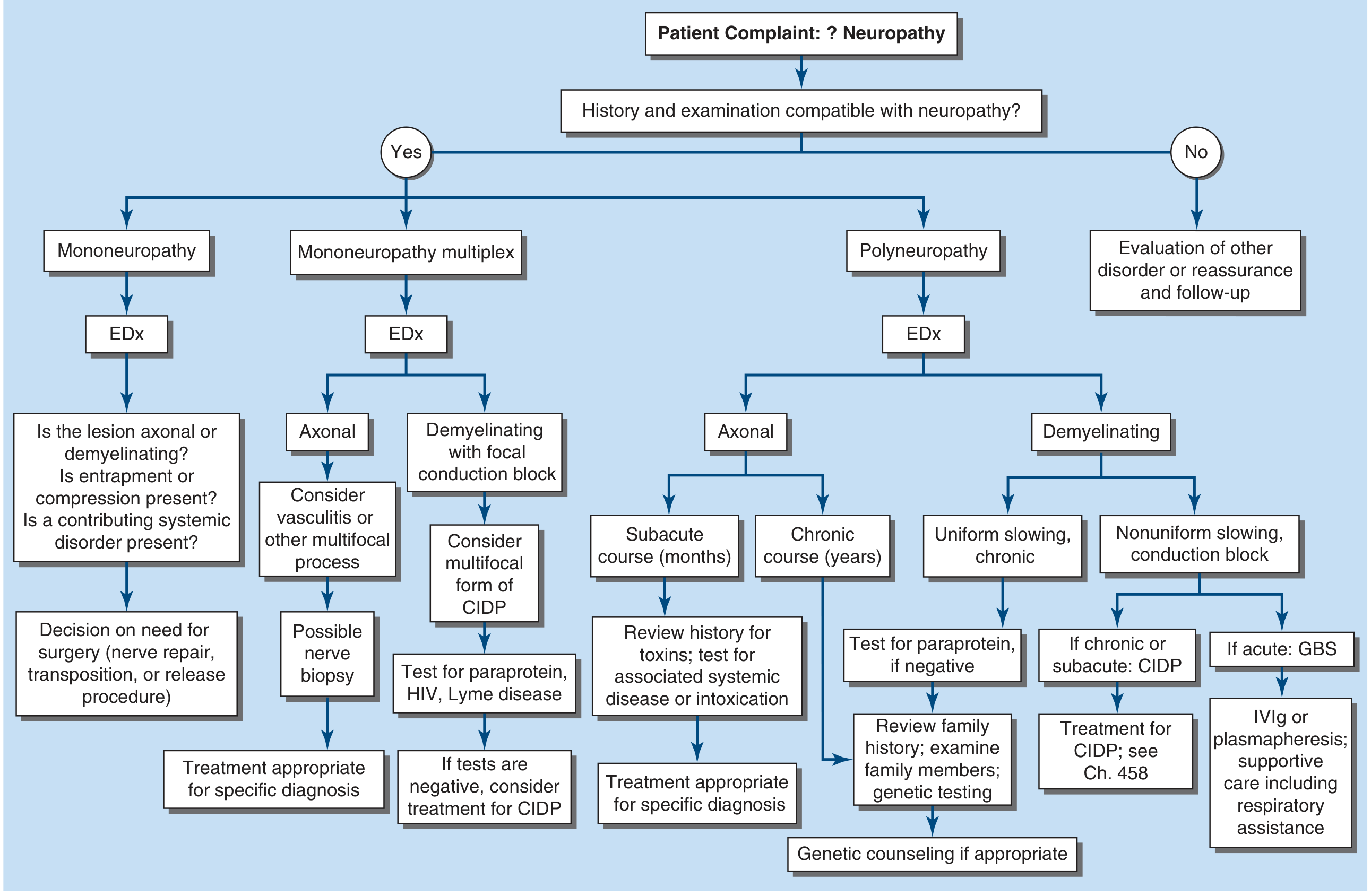
STEP 1 - The Seven Key Questions (Table 457-1)
Q1. What Systems Are Involved?
- Pure motor without sensory → consider motor neuron disease (ALS), multifocal motor neuropathy, NMJ disorder, myopathy
- Autonomic features (orthostatic hypotension, heat intolerance, bowel/bladder/sexual dysfunction) → consider amyloid polyneuropathy (especially if no diabetes), autonomic ganglionopathy
- Majority of neuropathies are predominantly sensory
Q2. What Is the Distribution of Weakness?
- Distal only vs proximal AND distal?
- Focal/asymmetric vs symmetric?
| Distribution | Key Consideration |
|---|---|
| Symmetric proximal + distal weakness | Hallmark of acquired demyelinating polyneuropathy - GBS (acute) or CIDP (chronic) |
| Symmetric distal weakness/sensory loss | Length-dependent polyneuropathy (diabetic, toxic, hereditary) |
| Asymmetric / multifocal | Radiculopathy, plexopathy, mononeuropathy multiplex, vasculitis |
| Unilateral distal limb (motor only) | ALS vs multifocal motor neuropathy - the latter is treatable |
"The importance of finding symmetric proximal and distal weakness in a patient with both motor and sensory symptoms cannot be overemphasized — it identifies patients who may have a treatable acquired demyelinating disorder (GBS or CIDP)."
Q3. What Is the Nature of the Sensory Involvement?
| Sensory Type | Fiber Type | Suggests |
|---|---|---|
| Pain + temperature loss, burning/stabbing pain | Small myelinated (Aδ) + unmyelinated (C) fibers | Small-fiber neuropathy - diabetes, glucose intolerance, amyloid, idiopathic |
| Vibration + proprioception loss, imbalance in dark, pseudoathetosis | Large myelinated fibers (Aβ) | Large-fiber or sensory ganglionopathy |
| Both modalities | Mixed fiber neuropathy |
- Small-fiber neuropathy typically has normal NCS - skin punch biopsy for intraepidermal nerve fiber density is required
- Severe proprioceptive loss (sensory ataxia, pseudoathetosis, positive Romberg) → consider sensory neuronopathy/ganglionopathy (Sjögren's, paraneoplastic anti-Hu, cisplatin, idiopathic)
Q4. Is There Evidence of Upper Motor Neuron Involvement?
| Finding | Significance |
|---|---|
| UMN signs without sensory loss | ALS (combined UMN + LMN) |
| UMN signs with sensory loss | Combined central + peripheral involvement - consider vitamin B12 deficiency (subacute combined degeneration), adrenomyeloneuropathy, HTLV-1 |
Q5. What Is the Temporal Evolution?
| Onset | Duration | Key Diagnoses |
|---|---|---|
| Acute | Days to 4 weeks | GBS, porphyria, vasculitis, toxic (arsenic, thallium), diphtheria |
| Subacute | 4-8 weeks | CIDP, vasculitis, nutritional deficiency, toxic |
| Chronic | >8 weeks | Diabetic, hereditary (CMT), CIDP, paraproteinemic |
| Relapsing-remitting | CIDP, porphyria, hereditary neuropathy with pressure palsies (HNPP) |
Acute onset (days to weeks) always raises alarm - GBS can progress to respiratory failure.
Q6. Is There Evidence for a Hereditary Neuropathy?
- Family history of neuropathy (may be subclinical - examine family members)
- Lack of sensory symptoms despite objective sensory signs (patients adapted since childhood)
- High-arched feet (pes cavus), hammer toes
- Scoliosis
- Onset in childhood or early adulthood
- Slowly progressive over many years
- Predominant motor > sensory phenotype (CMT)
Q7. Are There Any Associated Medical Conditions?
- Diabetes mellitus (most common cause - ~50% of all polyneuropathies)
- Systemic lupus erythematosus, connective tissue disease
- Preceding infection (diarrheal illness before GBS - Campylobacter jejuni; respiratory illness - EBV, CMV)
- HIV, Lyme disease, leprosy, hepatitis B/C/E
- Malignancy (paraneoplastic neuropathy)
- Medications: chemotherapy (vincristine, cisplatin, paclitaxel), metronidazole, isoniazid, amiodarone, colchicine, thalidomide, pyridoxine (B6) toxicity at high doses
- Alcohol and dietary habits
- Surgeries (gastric bypass → nutritional neuropathy)
- Denture fixatives containing zinc → copper deficiency neuropathy
- Vitamin B12, folate, thiamine status
STEP 2 - Pattern Recognition (Table 457-2)
| Pattern | Description | Key Diagnoses |
|---|---|---|
| 1 | Symmetric proximal + distal weakness with sensory loss | GBS (acute), CIDP (chronic) |
| 2 | Symmetric distal sensory loss ± distal weakness | Diabetic polyneuropathy, cryptogenic/idiopathic (CSPN), drugs/toxins, CMT, amyloidosis, CANVAS, SORD neuropathy |
| 3 | Asymmetric distal weakness with sensory loss | Multiple nerves: vasculitis, cryoglobulinemia, sarcoid, leprosy, Lyme, HIV, CMV, HNPP, tumor infiltration |
| Single nerve/region: compressive mononeuropathy, plexopathy, radiculopathy | ||
| 4 | Asymmetric proximal + distal weakness with sensory loss | Polyradiculopathy / plexopathy: diabetic (DLRPN), meningeal carcinomatosis, sarcoid, amyloid, hereditary plexopathy |
| 5 | Symmetric sensory loss and/or motor loss with autonomic involvement | Amyloid neuropathy, diabetic autonomic neuropathy, paraneoplastic autonomic neuropathy, acute autonomic neuropathy |
| 6 | Symmetric weakness without sensory loss | Motor neuropathy (multifocal motor neuropathy, pure motor CIDP), motor neuron disease, NMJ disorder, myopathy |
Pattern recognition is the clinical algorithm used to narrow the differential before ordering tests.
STEP 3 - Electrodiagnostic Studies (EDx)
What EDx Tells You:
- Anatomic pattern: mononeuropathy / mononeuropathy multiplex / radiculopathy / plexopathy / polyneuropathy
- Fiber type: sensory only / motor only / mixed
- Pathology type: axonal vs demyelinating - the most critical distinction
Axonal vs Demyelinating (Table 457-3)
| Parameter | Axonal Degeneration | Segmental Demyelination |
|---|---|---|
| CMAP amplitude | Decreased | Normal (unless conduction block/dispersion) |
| Distal latency | Normal | Prolonged |
| Conduction velocity | Normal | Slow |
| Conduction block | Absent | Present |
| Temporal dispersion | Absent | Present |
| F-wave | Normal or absent | Prolonged or absent |
| SNAP amplitude | Decreased | Normal or decreased |
| Needle EMG - fibrillations | Present (denervation) | Absent (usually) |
| Needle EMG - MUPs | Long-duration, polyphasic (chronic reinnervation) | Normal or slightly abnormal |
Low-amplitude potentials with relatively preserved distal latencies, conduction velocities, and late potentials, plus fibrillations on EMG = axonal neuropathy Slow conduction velocities + prolonged latencies + conduction block = demyelinating neuropathy
STEP 4 - Laboratory Evaluation
Tier 1 - All Patients with Polyneuropathy
| Test | Rationale |
|---|---|
| Fasting blood glucose + HbA1c | Diabetes and prediabetes (most common cause) |
| CBC | Anaemia, macrocytosis |
| Comprehensive metabolic panel (BMP + LFTs) | Renal, hepatic disease |
| Serum B12 + methylmalonic acid | B12 deficiency (MMA more sensitive) |
| Thyroid function (TSH) | Hypothyroid neuropathy |
| Serum protein electrophoresis (SPEP) + immunofixation | Paraproteinemia (MGUS, myeloma) |
| Urinalysis | Renal, Bence-Jones protein |
| ESR, CRP | Inflammatory/vasculitic |
Tier 2 - Guided by Clinical Pattern
| Clinical clue | Test |
|---|---|
| Mononeuropathy multiplex / rapid progression | ANCA, ANA, anti-dsDNA, cryoglobulins, hepatitis B/C/E serologies, HIV; nerve biopsy |
| Demyelinating polyneuropathy | Anti-MAG antibody, anti-ganglioside panel (GM1, GQ1b), POEMS screen (VEGF, skeletal survey, bone marrow biopsy) |
| Sensory ataxia / ganglionopathy | Anti-Hu (ANNA-1), Sjögren's antibodies (anti-SSA/SSB), CT chest/abdomen (lung cancer) |
| Autonomic features | Congo red biopsy / mass spectroscopy for amyloid; TTR gene testing |
| Pure motor neuropathy | Anti-GM1 IgM antibody (multifocal motor neuropathy) |
| Acute / subacute neuropathy | Urine porphyrins (porphyria); heavy metal screen (arsenic, lead, thallium, mercury) |
| Young + family history + long history | Genetic testing: PMP22 duplication (CMT1A), MFN2 (CMT2A), GJB1 (CMT1X), TTR (hereditary ATTR) |
| Suspected small-fiber | Skin punch biopsy (IENFD), quantitative sudomotor axon reflex test (QSART), autonomic testing |
Tier 3 - When Cause Remains Unclear
- Nerve biopsy (sural nerve ± superficial peroneal nerve) - indicated for: vasculitis, amyloid, granulomatous neuropathy (sarcoid, leprosy), atypical demyelinating neuropathy
- CSF analysis - elevated protein in GBS, CIDP; pleocytosis in lymphomatous/carcinomatous meningitis, HIV, CMV
- Paraneoplastic antibody panel (anti-Hu, anti-Yo, anti-CV2, CRMP-5)
- Bone marrow biopsy - if monoclonal protein detected (rule out myeloma, POEMS)
"Despite an extensive evaluation, in approximately half of patients, no etiology is ever found" - these patients have idiopathic/cryptogenic sensory and sensorimotor polyneuropathy (CSPN).
STEP 5 - Localization Summary
| Anatomic Type | Key Features | Exam Clue |
|---|---|---|
| Mononeuropathy | Single nerve territory | Median (CTS), ulnar, peroneal, radial |
| Mononeuropathy multiplex | Multiple separate nerve territories, asymmetric | Vasculitis, leprosy, Lyme, diabetes |
| Polyneuropathy | Symmetric, length-dependent, stocking-glove | Diabetic, toxic, hereditary |
| Polyradiculopathy | Multiple root levels, +/- back pain | Diabetic DLRPN, carcinomatous meningitis |
| Plexopathy | Brachial or lumbosacral; proximal + distal loss in one limb | Idiopathic (Parsonage-Turner), diabetic, radiation, neoplastic |
| Sensory neuronopathy / ganglionopathy | Pan-modal sensory loss, sensory ataxia, pseudoathetosis; non-length-dependent | Anti-Hu, Sjögren's, cisplatin, idiopathic |
STEP 6 - Fiber Size Localization
| Large Fiber | Small Fiber | |
|---|---|---|
| Modalities affected | Vibration, proprioception, light touch, motor | Pain, temperature, autonomic |
| NCS | Abnormal (reduced SNAP/CMAP) | Normal |
| Reflexes | Reduced/absent | Normal |
| Diagnosis requires | NCS + EMG | Skin biopsy (IENFD), autonomic testing, quantitative sensory testing (QST) |
| Classic causes | Diabetic, B12 deficiency, CMT | Diabetic (early), small-fiber idiopathic, amyloid, Fabry disease |
STEP 7 - Red Flags Requiring Urgent Evaluation
| Red Flag | Concern |
|---|---|
| Rapid progression over days | GBS - check respiratory function (FVC, NIF); ICU if needed |
| Ascending weakness + areflexia + albuminocytologic dissociation in CSF | GBS |
| Autonomic instability (HR, BP lability, ileus, urinary retention) | Autonomic GBS, porphyria |
| Cranial nerve involvement + neuropathy | GBS variant (Miller Fisher), Lyme, sarcoid, carcinomatous meningitis |
| Severe pain out of proportion | Vasculitic neuropathy, amyloid, porphyria |
| Young patient + family history | Hereditary neuropathy |
Approach Summary Flow
Suspected Neuropathy
        ↓
History (7 key questions) + Examination
        ↓
Pattern Classification
(mononeuropathy / mononeuropathy multiplex / polyneuropathy)
        ↓
Electrodiagnostic Studies (NCS + EMG)
        ↓
Axonal OR Demyelinating?
        ↓
Targeted Laboratory Investigation
        ↓
Nerve biopsy / CSF / genetic testing if needed
        ↓
Diagnosis → Treatment
What is mononeuropathy multiplex
Mononeuropathy Multiplex
Definition
"The neurological findings should point to simultaneous or sequential damage to two or more non-contiguous peripheral nerves." - Bradley & Daroff's Neurology
- Asymmetric - differentiates it from polyneuropathy
- Non-contiguous nerve involvement (e.g., right median nerve + left femoral nerve)
- Sensorimotor - both motor weakness and sensory loss in individual nerve distributions
- Subacute or acute onset, often painful
- Implies a focal, nerve-specific pathological process (ischemia or infiltration)
Pathophysiology
| Mechanism | Pathology | Prototype |
|---|---|---|
| Nerve ischemia | Occlusion of the vasa nervorum (small nutrient arteries) | Vasculitis (PAN, ANCA vasculitis) |
| Nerve infiltration/inflammation | Direct nerve invasion or perineural inflammation | Leprosy, sarcoid, lymphoma, Lyme disease |
Causes
Common Causes
| Category | Specific Causes |
|---|---|
| Vasculitis (systemic) | Polyarteritis nodosa (PAN) - ~24% of vasculitic neuropathy; Microscopic polyangiitis; Eosinophilic granulomatosis with polyangiitis (Churg-Strauss) - cANCA; Granulomatosis with polyangiitis (Wegener's) - pANCA; Rheumatoid arthritis - ~23%; SLE; Scleroderma; Mixed cryoglobulinemia (hepatitis C) |
| Vasculitis (nonsystemic) | Vasculitis confined to peripheral nerves only - no systemic manifestations, more indolent course |
| Diabetes mellitus | Diabetic mononeuropathy multiplex (superimposed on background polyneuropathy) |
| Infections | Leprosy (most common cause worldwide); HIV; Lyme disease; CMV (in immunocompromised) |
| Sarcoidosis | Nerve granulomatous infiltration |
| Hereditary | HNPP (hereditary neuropathy with liability to pressure palsies) - PMP22 deletion |
Less Common Causes
| Category | Examples |
|---|---|
| Neoplastic | Paraneoplastic; Direct nerve infiltration (leukemia/lymphoma, intravascular lymphoma) |
| Autoimmune | Sjögren's syndrome; SLE |
| Demyelinating (multifocal) | Multifocal motor neuropathy (MMN); MADSAM (Lewis-Sumner syndrome) |
| Toxic | Lead intoxication |
| Haematological | Cryoglobulinemia; Polycythemia vera |
Leprosy is the most common cause worldwide but rare in non-endemic areas. In those areas, vasculitis dominates.
Axonal vs Demyelinating Types
| Axonal MNM | Demyelinating MNM | |
|---|---|---|
| Mechanism | Nerve ischemia / infarction | Focal demyelination at multiple sites |
| EDx pattern | Low CMAP/SNAP amplitudes, preserved velocities, fibrillations on EMG | Focal conduction blocks, prolonged latencies, temporal dispersion |
| Proportion | ~2/3 of cases | ~1/3 |
| Key causes | Vasculitis, diabetes, leprosy, sarcoid, HIV | Multifocal motor neuropathy (MMN), MADSAM/Lewis-Sumner, HNPP, hypothyroidism |
Clinical Features
- Acute or subacute onset of weakness and/or sensory loss in individual named nerve distributions
- Painful - often with acute aching or burning pain at onset, particularly in vasculitic cases
- Deficits follow the exact territory of specific named nerves (e.g., foot drop from peroneal nerve, wrist drop from radial nerve, plus a separate femoral nerve palsy)
- Asymmetric and initially stepwise - each new nerve involvement occurs as a distinct "stroke-like" event
- As more nerves are involved over time, the picture can become confluent and simulate a distal symmetric polyneuropathy - making the underlying pattern easy to miss on casual examination
Confluent mononeuropathy multiplex (e.g., simultaneous fibular + tibial nerve involvement, or median + ulnar) can mimic a length-dependent polyneuropathy. EDx is essential to distinguish them.
- Constitutional symptoms (fever, weight loss, malaise, arthralgias) point strongly to systemic vasculitis
- DTRs - variably affected depending on which nerves are involved (e.g., absent patellar reflex if femoral nerve is involved)
Approach to Diagnosis
History
- Onset and pace (acute = vasculitis; insidious = diabetes, hereditary)
- Pattern of nerve involvement - which nerves, what sequence
- Constitutional symptoms (vasculitis)
- Diabetes, connective tissue disease, cancer, HIV risk
- Travel history (leprosy endemic area)
- Drug history, alcohol
Examination
- Map out exact nerve distributions affected
- Check for skin lesions (leprosy - anaesthetic pale macules; vasculitis - purpura, livedo reticularis; sarcoid - lupus pernio)
- Lymphadenopathy, organomegaly
- Joint disease (rheumatoid arthritis, SLE)
Investigations
| Test | Rationale |
|---|---|
| ESR, CRP | Vasculitis, systemic inflammation |
| CBC + differential | Eosinophilia (Churg-Strauss), lymphocytosis (lymphoma) |
| Comprehensive metabolic panel | Renal, hepatic disease |
| Fasting glucose + HbA1c | Diabetes |
| ANA, anti-dsDNA | SLE |
| ANCA (p-ANCA/MPO, c-ANCA/PR3) | ANCA-associated vasculitis |
| Cryoglobulins | Cryoglobulinemic vasculitis (hepatitis C) |
| Hepatitis B, C serologies | Vasculitis association; cryoglobulinemia |
| HIV | HIV neuropathy, HIV-related vasculitis |
| Chest imaging + ACE level | Sarcoidosis |
| Lyme serology | If epidemiological risk |
- Confirm which nerves are involved
- Establish axonal vs demyelinating type
- Find subclinical nerve involvement
- Nerve and muscle biopsy (combined sural nerve + peroneus brevis or gastrocnemius muscle) using serial section / skip-serial technique - diagnostic for vasculitis, amyloid, leprosy, granuloma
- Anti-GM1 IgM antibody (if multifocal motor neuropathy suspected - pure motor, demyelinating with conduction block)
- PMP22 deletion testing (if HNPP suspected)
- CMV PCR (if immunocompromised)
Vasculitic Neuropathy - The Prototype
- Mechanism: Occlusion of vasa nervorum → nerve infarction → axonal degeneration
- Pattern: Acute painful mononeuropathy multiplex - each nerve infarct is abrupt and painful
- Systemic vasculitis - ~79% have systemic features; ~21% have nonsystemic vasculitic neuropathy (confined to peripheral nerves, no systemic manifestations, more indolent)
- Diagnosis: Combined nerve + muscle biopsy with serial sections
- Treatment:
- Glucocorticoids + rituximab (now recommended as standard initial treatment, especially for ANCA-associated vasculitis - non-inferior to cyclophosphamide)
- Alternatively: glucocorticoids + cyclophosphamide
- Mepolizumab (anti-IL5) for eosinophilic GPA
- 5-year survival now >80% with treatment
Key Differentials - MNM vs Polyneuropathy vs Radiculopathy
| Feature | MNM | Polyneuropathy | Radiculopathy |
|---|---|---|---|
| Distribution | Asymmetric, multifocal named nerves | Symmetric, length-dependent (stocking-glove) | Dermatomal/myotomal |
| Onset | Acute/stepwise | Gradual | Often acute (disc) or subacute |
| Pain | Often prominent, acute | Variable | Yes (radicular) |
| EDx | Multiple focal lesions in named nerves | Diffuse symmetric changes | Periradicular changes ± paraspinal fibrillations |
| Tone of clue | Constitutional symptoms; systemic disease | Diabetes, toxin, hereditary | Back/neck pain, Lasègue sign |
What is preserved ejection fraction heart failure
Heart Failure with Preserved Ejection Fraction (HFpEF)
Definition and Classification
| Type | LVEF | Old Term |
|---|---|---|
| HFrEF (reduced) | ≤40% | Systolic HF |
| HFmrEF (mildly reduced) | 41-49% | Borderline / mid-range |
| HFpEF (preserved) | ≥50% | Diastolic HF |
HFpEF accounts for approximately 50% of all heart failure cases, and its prevalence is increasing as the population ages.
Pathophysiology
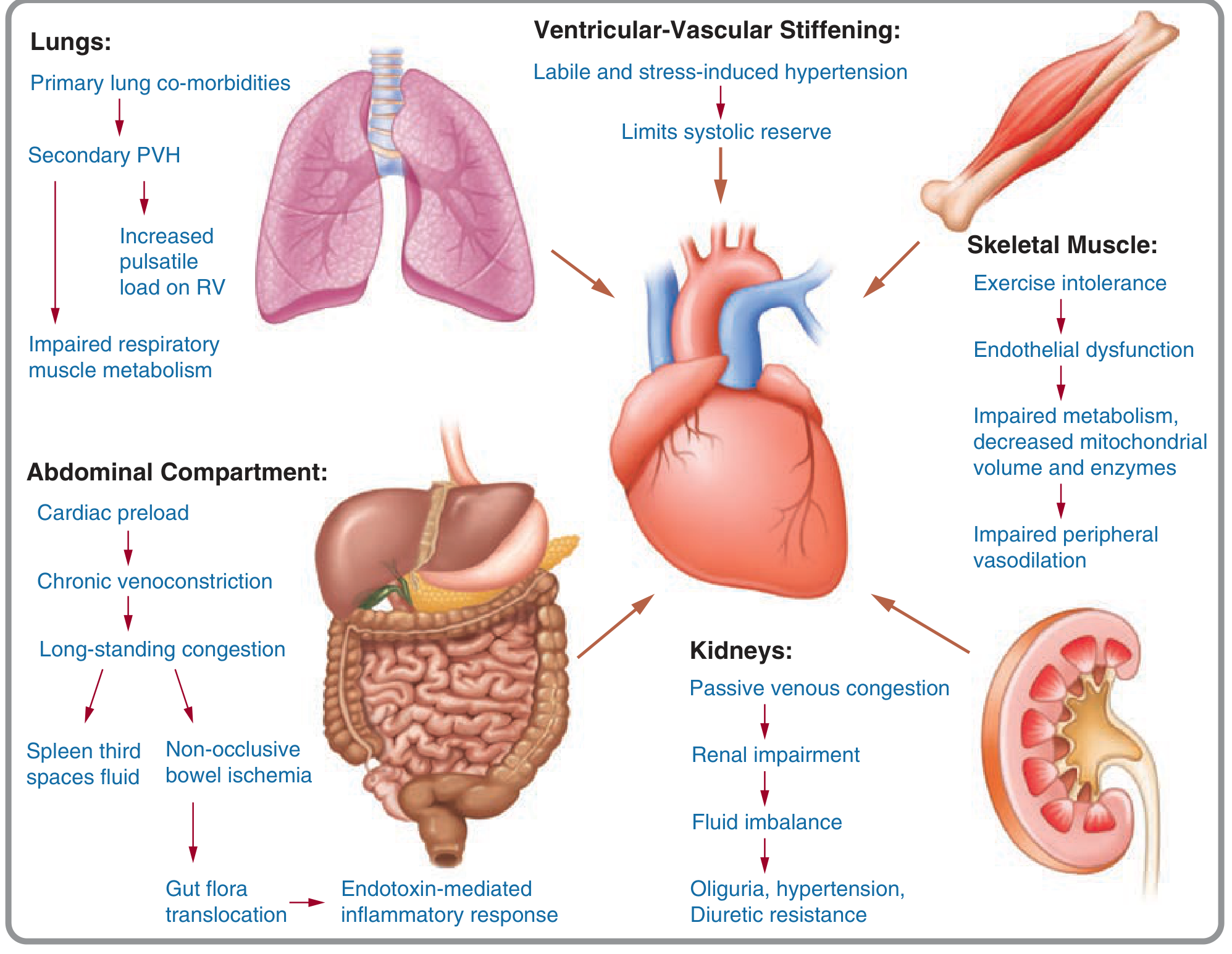
1. Diastolic Dysfunction (the primary defect)
- Impaired early LV relaxation (active, energy-dependent process)
- Increased passive myocardial stiffness (due to fibrosis, titin modification, infiltration)
- Result: LV filling is impaired → elevated LV end-diastolic pressure (LVEDP) → elevated left atrial pressure → pulmonary venous hypertension → dyspnea
- Contractility is preserved, so LVEF appears normal
2. Myocardial Stiffness and Fibrosis
- Myocardial fibrosis (increased collagen volume fraction) is a well-established finding on endomyocardial biopsy
- Systemic comorbidities (hypertension, diabetes, obesity, aging) → systemic inflammation → coronary microvascular endothelial inflammation → oxidative stress → titin hypophosphorylation → cardiomyocyte stiffening
- Titin (the giant elastic sarcomeric protein) stiffens with reduced phosphorylation, impairing both relaxation and recoil
3. Impaired Systolic Reserve
- Resting LVEF may be "preserved" or even supranormal, but longitudinal systolic function is impaired - reduced global longitudinal strain (GLS) is detectable even with normal LVEF
- On exercise, the heart cannot adequately augment cardiac output (impaired contractile reserve)
- In concentric LVH: LVEF may appear normal or supranormal despite depressed midwall shortening - a truly preserved EF can mask underlying systolic impairment
4. Abnormal Ventricular-Arterial Coupling
- Arterial stiffening (from aging, hypertension) increases pulsatile afterload
- The stiff ventricle and stiff aorta are poorly matched for load sharing
- Labile, stress-induced hypertension is common and limits systolic reserve
5. Chronotropic Incompetence
- Inability to increase heart rate appropriately with exercise
- Contributes significantly to exercise intolerance
6. Pulmonary Hypertension and RV Dysfunction
- Postcapillary pulmonary hypertension (from elevated LVEDP/LA pressure) is common
- A subset develops combined pre- and postcapillary pulmonary hypertension (pulmonary vascular disease)
- Many HFpEF patients have normal PCWP at rest but dramatic rises on exercise
- RV dysfunction predicts poor outcomes, especially in obese HFpEF patients
7. Peripheral Skeletal Muscle Abnormalities
- Impaired skeletal muscle metabolism
- Decreased mitochondrial volume and enzyme activity
- Impaired peripheral vasodilation
- These contribute independently to exercise intolerance, beyond cardiac mechanisms alone
8. Renal Dysfunction
- CKD in 26-53% of HFpEF patients
- Passive venous congestion → renal impairment → fluid imbalance → oliguria, diuretic resistance
- Bidirectional cardiorenal syndrome
Epidemiology and Risk Factors
| Feature | Detail |
|---|---|
| Prevalence | ~50% of all HF cases |
| Age | Predominantly elderly (mean age ~70-75) |
| Sex | More common in women than men |
| Obesity | Major risk factor and driver of symptoms |
| Hypertension | Most common cause (~60-70% of cases) |
| Diabetes | Common comorbidity; contributes to fibrosis and stiffness |
| Atrial fibrillation | Present in 21-41% of HFpEF patients |
| CAD | Common comorbidity; worsens prognosis |
Clinical Features
Symptoms
- Exertional dyspnea - the cardinal symptom
- Orthopnoea, paroxysmal nocturnal dyspnea
- Exercise intolerance (often disproportionate to resting echo findings)
- Peripheral oedema, fatigue
- Patients often have relatively preserved resting function but severe exercise limitation
Signs
- Elevated JVP
- S3 or S4 gallop
- Bilateral basal crepitations
- Peripheral oedema
- May have evidence of the underlying cause (hypertensive changes on fundoscopy, LVH on ECG)
Key distinguishing point from HFrEF
Diagnosis
Diagnostic Requirements
- Symptoms and/or signs of HF
- LVEF ≥50% on echocardiography
- Evidence of diastolic dysfunction or elevated LV filling pressures:
- Echo: E/e' ratio, LA volume index, TR velocity, LV mass index
- Biomarkers: elevated BNP / NT-proBNP
- Invasive: PCWP ≥15 mmHg at rest or ≥25 mmHg on exercise
Key Investigations
| Parameter | Abnormality in HFpEF |
|---|---|
| LVEF | ≥50% (preserved) |
| LV wall thickness | Often increased (concentric hypertrophy) |
| LA volume index (LAVI) | Elevated (>34 mL/m²) |
| E/e' ratio | >14 (elevated filling pressure) |
| e' velocity (septal) | <7 cm/s; lateral <10 cm/s |
| TR peak velocity | >2.8 m/s (elevated RVSP) |
| Global longitudinal strain | Often mildly reduced (subclinical systolic dysfunction) |
- BNP and NT-proBNP: elevated but lower than in HFrEF for equivalent filling pressure (HFpEF is a "relative NP deficiency state" due to increased wall thickness and smaller volumes)
- Elevated NPs strongly support diagnosis and predict outcomes
Diagnostic Scoring Systems
| Feature | Points |
|---|---|
| BMI >30 kg/m² | 2 |
| ≥2 antihypertensive medications | 1 |
| Atrial fibrillation | 3 |
| Pulmonary artery systolic pressure >35 mmHg (echo) | 1 |
| Age >60 years | 1 |
| E/e' ratio >9 | 1 |
- 4-step algorithm: Pre-test assessment → Echocardiography + natriuretic peptide score → Functional testing → Final etiology
- Score ≥5: diagnostic of HFpEF | Score ≤2: excludes HFpEF
- Includes functional domain (E/e', TR velocity, GLS) and morphologic domain (LAVI, LV mass index, relative wall thickness)
Comorbidities (the "HFpEF phenotype")
| Comorbidity | Prevalence / Comment |
|---|---|
| Hypertension | ~60-70%; most common driver |
| Obesity | Major contributor to inflammation, volume loading, sleep apnoea |
| Diabetes / insulin resistance | ~40-50%; promotes fibrosis |
| Atrial fibrillation | 21-41%; bidirectional relationship |
| CKD | 26-53%; worsens outcomes dramatically |
| CAD | Equal risk of HFpEF vs HFrEF after ischaemic events |
| OSA / COPD | Often underdiagnosed; worsens outcomes |
| Anaemia / iron deficiency | Common; limits exercise capacity |
| Pulmonary hypertension | Predicts increased morbidity and mortality |
Treatment
General Principles (Harrison's 22E)
- Lifestyle modification (weight loss, exercise training)
- Sodium restriction
- Control of blood pressure to guideline targets
- Management of AF (rate or rhythm control)
- Treatment of obesity, OSA, diabetes, anaemia, iron deficiency
- Minimise "tethers" (IV lines, catheters) that limit mobility
Pharmacological Evidence (Clinical Trials Summary)
| Drug Class | Trial | Result |
|---|---|---|
| ACE inhibitors (perindopril) | PEP-CHF | No mortality benefit; modest early reduction in HF hospitalisations, attenuated over time |
| ARBs (candesartan) | CHARM-Preserved | Reduced HF hospitalisations (P=0.017); no mortality reduction |
| ARBs (irbesartan) | I-PRESERVE | No benefit on CV death or HF hospitalisation |
| Beta-blockers (nebivolol) | SENIORS subgroup | No significant benefit in HFpEF subgroup |
| MRA (spironolactone) | TOPCAT | Primary endpoint missed; HF hospitalisations reduced in Americas subgroup - weak recommendation for patients meeting trial criteria at low risk for hyperkalemia/renal worsening |
| MRA (spironolactone) | ALDO-DHF | Improved echo diastolic parameters; no improvement in exercise capacity, symptoms, or QoL |
| ARNi (sacubitril/valsartan) | PARAGON-HF | Narrowly missed significance (P=0.06); possible benefit in LVEF <57%, women, recent HF hospitalisation |
| SGLT-2i (empagliflozin) | EMPEROR-Preserved | 21% reduction in CV death or HF hospitalisation (HR 0.79, P<0.001) - irrespective of diabetes status or LVEF across HFpEF spectrum |
| SGLT-2i (dapagliflozin) | DELIVER | Reduced primary endpoint of CV death, worsening HF, or HF hospitalisation |
| GLP-1 agonist (semaglutide) | STEP-HFpEF | Improved symptoms, exercise capacity, body weight in obese HFpEF |
Current Treatment Recommendations
- SGLT-2 inhibitors (empagliflozin or dapagliflozin) - the only class with clear outcome benefit across the HFpEF LVEF spectrum, independent of diabetes
- Diuretics - for symptom relief and congestion control (loop diuretics)
- Aggressive BP control - ACEi/ARB/ARNi for hypertension management
- Spironolactone - weak recommendation (TOPCAT Americas data) for patients with LVEF <60% at low risk for hyperkalemia/renal impairment
- Rate or rhythm control for AF
- GLP-1 agonists (semaglutide) - for obese HFpEF
- Iron replacement if iron-deficient
- CPAP for OSA
- Glycaemic optimisation
- LVEF is dynamic - patients may transition between HFrEF and HFpEF
- Patients who recover LVEF (HFrEF → HFpEF) should not have HF medications stopped - high relapse rate after withdrawal
- A normal or supranormal LVEF does not exclude significant systolic impairment (particularly in concentric LVH)
Prognosis
- Mortality in HFpEF is similar to HFrEF - both carry substantial mortality
- Annual mortality ~10-15% in symptomatic patients
- Outcomes are driven by the underlying comorbidity burden
- Recurrent HF hospitalisations are the dominant morbidity
- RV dysfunction and worsening renal function during hospitalisation predict particularly poor outcomes
Pdf on fluids by Dr Sanjay pandaya
- Upload it here and I can read, summarize, or extract content from it for you.
- I can generate a comprehensive, well-structured PDF on IV fluid therapy (crystalloids, colloids, fluid compartments, resuscitation, maintenance, special situations) drawn from Harrison's 22E, Goldman-Cecil, and other textbooks in my library.
- I can tailor it to a specific context - ICU fluids, surgical fluids, paediatric fluids, etc.
- Try searching "Sanjay Pandya fluids PDF" on Google or ResearchGate
- Check if it's on slideshare.net or academia.edu
- Your institution's library or department may have it circulated