I have all 37 cases. Here is a full structured explanation of every case:
State Interdisciplinary Exam - All 37 Clinical Cases Explained
CASE 1 - Contrast-Induced Nephropathy (AKI Stage 3)
Clinical picture: 58-year-old post-coronary stenting (5 days earlier). Develops anuria (<100 mL/2 days), leg edema, BP 160/110. Creatinine 589 µmol/L, urea 50 mmol/L, K+ 6.5, pH 7.19.
Diagnosis:
- Main: Contrast-induced nephropathy → AKI Stage 3 (anuria + creatinine 589)
- Background: CAD + stenting, CHF FC II, HTN Stage III Risk 4, T2DM, Obesity II
Life-threatening complications: Hyperkalemia (6.5 mmol/L), severe metabolic acidosis (pH 7.19), uremia
Emergency management:
- ICU admission
- Urgent decision on renal replacement therapy (indication: anuria, urea >30, K+ elevated, pH <7.25)
- Hyperkalemia correction: IV calcium gluconate 10% - 30 mL bolus; IV 40% glucose + insulin (2 units/5g glucose); furosemide 40-60 mg IV; sodium/calcium polystyrene sulfonate 15g x4/day orally or rectally
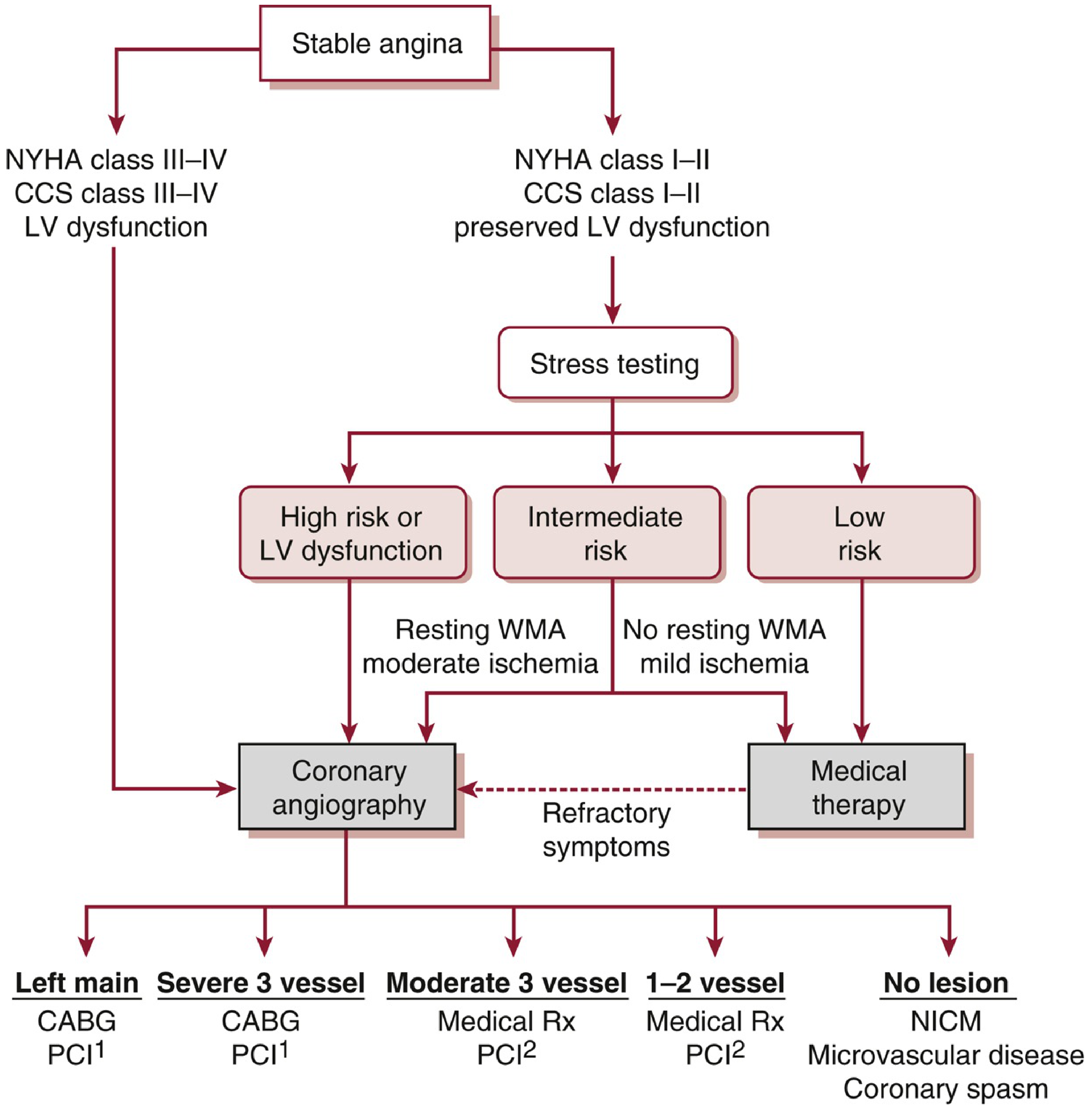
Prevention before contrast studies:
- Stop nephrotoxic drugs 3-4 days before
- Hydration: 0.9% NaCl 1-1.5 mL/kg/h for 6-12h before AND after procedure
- Use minimum contrast volume
- Monitor creatinine at 48 and 72h post-procedure
- Use rosuvastatin 40/20 mg or atorvastatin 80 mg in CKD patients
CASE 2 - Acute Gouty Arthritis + CKD
Clinical picture: 50-year-old male, uric acid 895 µmol/L (12 years), attacks of arthritis at multiple joints, tophi, HTN refractory to enalapril+amlodipine. Creatinine 200 µmol/L. Urinalysis: uric acid crystals, casts, low SG.
Diagnosis:
- Main: Acute gouty arthritis (1st MTP joint), tophi, chronic tubulo-interstitial nephritis, CKD C3b
- Comorbidity: HTN Stage II uncontrolled, Risk 4
Acute treatment:
- Nimesulide 200-400 mg/day; if ineffective → Colchicine 0.5 mg start, then 1 mg x3/day (adjust dose for GFR)
- Allopurinol is contraindicated in acute attack; target uric acid <360 µmol/L
- Anti-gout diet, alcohol prohibition
HTN management in gout+CKD:
- Losartan 100 mg/day (uricosuric effect) + amlodipine 10 mg/day
- Thiazide diuretics contraindicated (raise uric acid)
- CKD C3b management: low-protein diet, phosphorus-calcium correction, anemia prevention
Differential diagnosis: Rheumatoid arthritis, osteoarthritis, drug nephropathy
Classic gout features: Nocturnal joint attacks (1st MTP), tophi, "punch-out" lesions on X-ray, hyperuricemia, gouty nephropathy
CASE 3 - Chronic Glomerulonephritis, Nephrotic Syndrome
Clinical picture: 23-year-old male with chronic tonsillitis. Massive edema, oliguria, after sore throat. BP 140/95. Protein 5.4 g/L in urine, daily proteinuria 7.3 g/day, cholesterol 9 mmol/L, albumin 33%, total protein 45.6 g/L.
Main syndrome: Nephrotic syndrome - hypoalbuminemia + hypo-oncotic edema + hypercholesterolemia + proteinuria >3.5 g/day
Diagnosis: Chronic glomerulonephritis, nephrotic syndrome, exacerbation (after tonsillitis trigger)
Life-threatening complication: Interstitial pulmonary edema (basal rales bilaterally)
Emergency:
- ICU hospitalization
- IV furosemide 40 mg (control water balance)
- If diuresis <200 mL/12h, urea >30, hyperkalemia, pH <7.25 → renal replacement therapy (hemodialysis/ultrafiltration)
Treatment:
- Morphological variant guides therapy (nephrobiopsy needed)
- Immunosuppression: GCS alternating with alkylating cytostatics (cyclophosphamide, chlorambucil) as 1st line; alternative: calcineurin inhibitors
- Edema: Loop diuretics + IV albumin, water balance monitoring, salt restriction ≤5 g/day
- VTE prevention: Enoxaparin 1 mg/kg SC x2/day or UFH 5000 IU x4/day SC (monitor aPTT)
- RAAS blockade: ACE inhibitor or ARB (if no hyperkalemia, adequate GFR)
CASE 4 - Chronic Pyelonephritis Exacerbation + DM + HTN
Clinical picture: 50-year-old male, T2DM (metformin), HTN (valsartan). Fever 37.8°C, lumbar heaviness, urinalysis: leukocytes 20-30/hpf, specific gravity 1.012, traces of protein. Leukocytosis 11×10⁹, stabs 8%. Kidney ultrasound: deformed pelvis bilaterally.
Diagnosis: Chronic bilateral complicated pyelonephritis, exacerbation; CKD C? (calculate GFR)
Features in elderly pyelonephritis:
- Bilateral forms predominate (unilateral rare by 8th decade)
- Purulent forms more frequent (up to 25% men)
- Minimal typical symptoms (no fever, no lumbar pain)
- Atypical: confusion, falls, incontinence, normochromic anemia, HTN
- Common organisms: E. coli, Enterococcus; with obstruction: anaerobes
- Possible false-negative urine culture
Work-up: Urine per Nechiporenko, Zimnitsky test, GFR calculation, urine culture, prostate/bladder ultrasound, PSA, urology referral if obstruction
Treatment:
- Levofloxacin 500 mg x1/day for 10 days + adequate hydration
After normalization (10 days):
- Transition to herbal uroseptics for 6 months
- Avoid hypothermia
- If E. coli isolated: Urovaxom (OM-89) 1 capsule/day x 3 months (immunoprophylaxis)
CASE 5 - Rheumatoid Arthritis + Multiple Comorbidities
Clinical picture: 42-year-old female manager, 6 months of symmetric polyarthritis (PIP, MCP, wrist, knee joints), morning stiffness until midday, 4 kg weight loss, RF+ 120, ACCP+ 320, ESR 45, anemia (Hb 95), X-ray: periarticular osteoporosis, erosions. Also: heartburn/epigastric pain on NSAIDs, shortness of breath on exertion.
Diagnosis:
- Main: Rheumatoid arthritis, seropositive (RF+, ACCP+), advanced stage, Activity Grade 3, Radiological Stage II, FC II
- Comorbidities: NSAID-induced interstitial nephritis, Chronic erosive gastritis HP+, Anemia of chronic inflammation
Immediate symptomatic therapy (before workup results): Prednisolone 5-30 mg/day (until DMARD takes effect)
After workup (serum iron low, ferritin low, FGDS shows erosive gastritis HP+, hypostenuria on Zimnitsky):
- Iron supplements (IDA confirmed)
- 4-component HP eradication therapy
- Methotrexate 15 mg/week + folic acid (avoid MTX side effects) as DMARD
- Stop NSAIDs (interstitial nephritis)
- Dose adjust MTX after 3 months
Biologic DMARDs for RA:
- TNF-α inhibitors: infliximab, adalimumab, golimumab, certolizumab pegol, etanercept
- Other mechanisms: rituximab (anti-CD20), abatacept (CTLA4-Ig), tocilizumab (anti-IL-6)
CASE 6 - Systemic Lupus Erythematosus (SLE)
Clinical picture: 25-year-old, 1 year of disease. Started with fever, malar rash, macrohematuria → irregular prednisolone → arthritis, lymphadenopathy, pericarditis, bilateral exudative pleurisy. CBC: Hb 84, leukocytes 3.2×10⁹, platelets 140×10⁹. Urinalysis: proteinuria 2.2%, hematuria 40/hpf. Creatinine 144 µmol/L.
Diagnosis: SLE with nephritis, skin involvement, lymphadenopathy, pericarditis, pleuritis (polyserositis), arthritis, pancytopenia (three-lineage cytopenia), subacute course
Work-up: LE cells, ANA (antinuclear factor), anti-dsDNA, anti-Sm antibody, CIC, antiphospholipid panel (lupus anticoagulant, anti-cardiolipin antibodies), RF
Pathomechanism: SLE = hyperproduction of non-organ-specific autoantibodies (especially anti-dsDNA) → immune complex deposition → immunoinflammatory damage to organs → nephrotic syndrome + 3-lineage cytopenia
Differential diagnosis: Drug-induced lupus, granulomatous polyangiitis, HIV, primary CGN, RA
Treatment:
- Hydroxychloroquine + glucocorticoids
- High activity: pulse therapy methylprednisolone 500-1000 mg IV x3 days
- Lupus nephritis: cyclophosphamide (induction); azathioprine or mycophenolate mofetil (maintenance)
- Antihypertensives: ACE inhibitors, calcium antagonists
- Biologic: abatacept 125 mg SC weekly
- Plasmapheresis for refractory disease
CASE 7 - SLE with CNS Involvement (Neurovasculitis)
Clinical picture: 24-year-old female, 3 months: polyarthritis, malar + discoid rash, oral ulcers, peripheral + cavitary edema, stupor, neurological deficit (neurovasculitis). Pancytopenia, ESR 68, proteinuria 2.2 g/L, casts, hematuria, high-titer ANA, anti-dsDNA, anti-Sm antibodies. CRP 9.
Diagnosis: SLE, acute course, Activity Grade 3, with skin + joints + kidneys + CNS involvement + pancytopenia
Justification: Arthritis + malar rash + nephritis + cytopenia + lupus neurovasculitis + ANA + anti-native DNA + anti-Sm Ab + ESR 68
Differential: RA, primary glomerulonephritis, bone marrow disorders
Work-up: CXR, Echo, abdominal + renal US, kidney biopsy, daily proteinuria, brain MRI, LFTs, RFTs, electrolytes, lipid fractions, total protein + fractions, APS panel
Pulse therapy dose for neurovasculitis emergency: Methylprednisolone 1000 mg IV x 3 days
CASE 8 - Infective Endocarditis (IE)
Clinical picture: 53-year-old artist. Tooth extraction 2.5 months ago. Fever 39.5°C, sweating, chills, 10 kg weight loss, dyspnea, dizziness. Alcohol abuse + heavy smoker. Echo: vegetation 0.8×0.8 cm on aortic valve, aortic regurgitation Grade III, mitral regurgitation Grade II, LV dilation (EDD 6 cm, LA 5.5 cm). BP 130/40 (wide pulse pressure). Soft protodiastolic murmur at Botkin-Erb point and 2nd ICS right.
Syndromes:
- Inflammatory/septicemic (fever, chills, acute phase reactants)
- Intoxication (weakness, sweating, anorexia, weight loss, arthralgia, anemia)
- Valvular damage (aortic insufficiency)
- Thromboembolic disorders (Janeway lesions)
- Immune disorders (glomerulonephritis, hepatitis, splenomegaly, RF+)
- Heart failure
Diagnosis (DUKE criteria):
- Major: Echocardiographic evidence of intracardiac mass on valve
- Minor: Fever >38°C, predisposing heart condition, septic infarct pneumonia
- Sufficient: 1 major + 3 minor criteria
Complications: CHF Stage IIA, NYHA FC IV; glomerulonephritis; moderate anemia
Work-up: Blood cultures x3 (before antibiotics if possible) to identify organism and sensitivity
Treatment: Empirical antibiotics given severity; Grade III aortic regurgitation + large vegetation = indication for valve replacement → urgent cardiac surgery consultation
CASE 9 - Rheumatoid Arthritis + Secondary Amyloidosis
Clinical picture: 52-year-old female with 16-year RA history. Now: fever 38°C, wrist/MCP/PIP joint inflammation + stiffness. Proteinuria 6.6 g/L, daily proteinuria 9 g/day, hypoalbuminemia (albumin 30), total protein 50, creatinine 120 µmol/L (GFR ~45 ml/min = CKD C3a), cholesterol 7 mmol/L. RF+ 1:160.
Main syndromes: Articular, nephrotic, immunoinflammatory
Diagnosis:
- Main: RA, seropositive, late stage, erosive, Ro Stage II
- Complication: Secondary systemic AA amyloidosis (most likely cause of nephrotic syndrome in long-standing RA), CKD C3a A4
Differential for nephrotic in RA: Systemic vasculitis, amyloidosis, paraneoplastic nephrotic syndrome including myeloma
Work-up: ACCP, nephrobiopsy (verify amyloidosis + typing), abdominal + renal + cardiac US, ECG, coagulogram, LFTs, GFR calculation
Treatment:
- Urgent hospitalization (nephrotic syndrome + high RA activity)
- Correct DMARD therapy to reduce RA activity
- Edema: loop diuretics + IV albumin, fluid balance, salt ≤5 g/day
- VTE prevention: enoxaparin 1 mg/kg SC x2/day or UFH 5000 IU x4/day
- RAAS blockade: ACE inhibitor or ARB
CASE 10 - Isolated Systolic Hypertension in the Elderly
Clinical picture: 72-year-old retired woman, 20-year HTN history, irregular therapy. BP 162/62 → pulse pressure = 100 mmHg. BMI 30.5 (Obesity I), WC 102 cm. Insomnia, memory loss.
Diagnosis: HTN Stage II, Isolated Systolic AH (ISAH), Risk 3 (high). LVH. Obesity I.
Justification of ISAH: Pulse pressure ≥60 mmHg in elderly = sign of arterial wall stiffness. PP = 162 - 62 = 100 mmHg.
Preferred antihypertensive combination for elderly ISAH: Calcium channel blocker + thiazide diuretic (per current national recommendations). Alternative if CCB intolerant: ACE inhibitor or ARB.
After 3 months (BP 140-150/65, LDL 3.6, GFR 63, ALT 50):
- For age ≥70: target SBP 130-139 mmHg (subject to good tolerance), DBP 70-79 mmHg
- Intensify to triple fixed combination (ACE/ARB + diuretic + calcium antagonist) for better adherence
Hypertensive episode emergency (BP 180/100 + symptoms):
- Captopril 25 mg sublingual, BP check after 30-40 min
- If persistent: repeat captopril 25 mg sublingual, recheck 30-40 min
- If ineffective: call ambulance (EMS)
CASE 11 - Post-MI, Post-Stenting + Uncontrolled HTN + Dyslipidemia
Clinical picture: 75-year-old male, 3 months post-inferior STEMI (RCA stented with DES). Now: headache, dizziness, BP 190/100 on lisinopril 20 mg. LDL 3.6 mmol/L (target <1.4). Rosuvastatin 10 mg only.
Diagnosis: IHD. Post-infarction cardiosclerosis (inferior wall). RCA stenting (DES). HTN Stage III, uncontrolled, Risk 4 (very high). Dyslipidemia Type IIa (Fredrickson).
Drug groups for ongoing therapy:
- DAPT: ASA 75 mg + ticagrelor 90 mg twice daily until 1 year post-event (until June 18, 2024). Note: uncontrolled HTN increases bleeding risk → urgent BP correction
- Antihypertensives: Add calcium antagonist and/or diuretic to lisinopril
- Target BP for age + comorbidity: 130-139/70-79 mmHg
- Statin: Increase rosuvastatin dose (10 mg insufficient)
LDL target: <1.4 mmol/L (very high CV risk: established CAD)
- Current LDL 3.6 → increase statin + add ezetimibe 10 mg/day
CASE 12 - Stable Angina FC II + HTN + Dyslipidemia → STEMI
Clinical picture: 68-year-old driver, 2 months of exertional chest pain (>500m, relieved by rest). Misdiagnosed as intercostal neuralgia. HTN 5 years untreated. BMI 33.9, heredity positive (father+brother MI <55y). BP 170/100. LDL 3.57. ECG: LVH.
Diagnosis: IHD. Angina FC II. HTN Stage III, uncontrolled, Risk 4 (very high). LVH. Dyslipidemia Type IIb. Obesity I.
Work-up: OAM, CBC, biochemistry, GFR, lipid profile, ECG, Echo, carotid duplex (BCA), Holter ECG. Determine pretest probability → stress test or direct CAG if high probability.
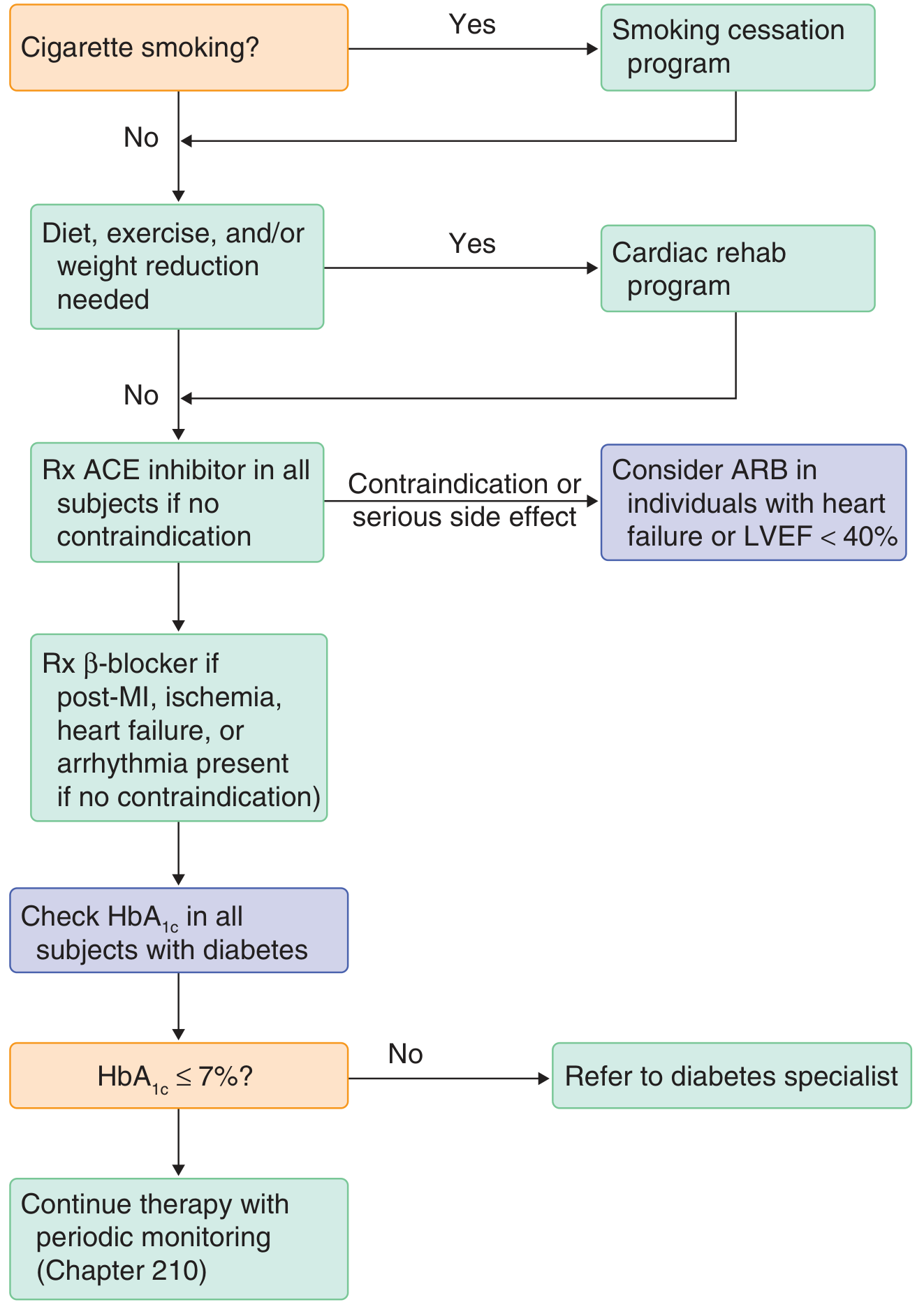
Drug groups: Beta-blocker (1st line antianginal); short-acting nitrates PRN; antiplatelet (aspirin); high-intensity statin; RAAS blocker + diuretic or CCB (target BP <130/80)
CV risk and LDL target: Very high risk (established CAD) → LDL target <1.4 mmol/L
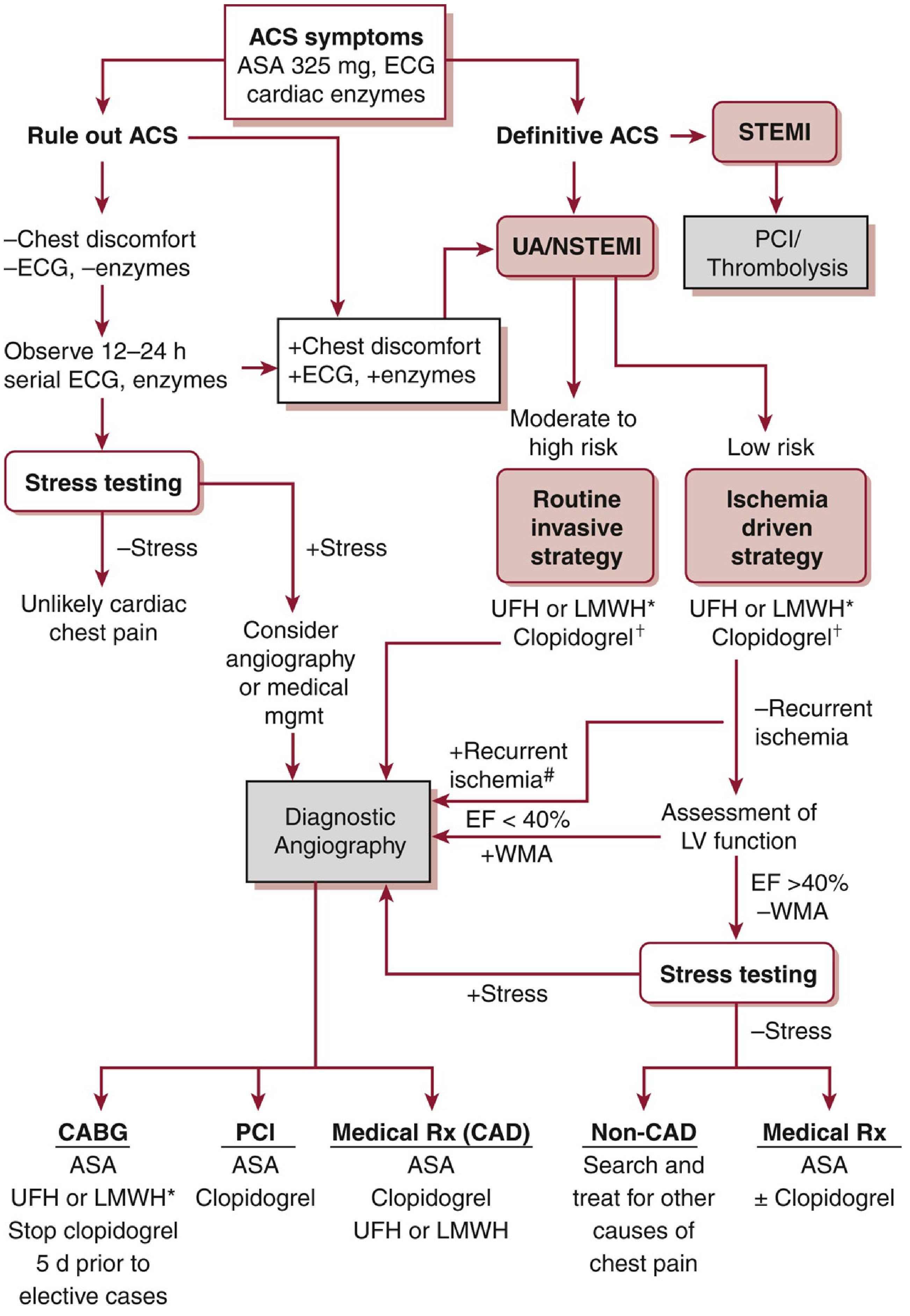
Emergency scenario (ST elevation V1-V4, nitrates x2 ineffective → STEMI):
- Prehospital: nitrates, morphine, oxygen, DAPT loading, anticoagulant SC
- Emergency transfer to PCI center; if delivery >120 min impossible → thrombolysis
- PCI + stenting of culprit artery
- Troponin to confirm MI
CASE 13 - Post-STEMI + Permanent Atrial Fibrillation + Dyslipidemia
Clinical picture: 75-year-old woman, 3 months post-inferior STEMI (RCA stented with DES). Permanent AF for 3 years (2 failed electrical cardioversions). HR 140, pulse 110, BP 110/80. Ankle swelling. LDL 3.2 (above target). CHA₂DS₂-VASc = 6, HAS-BLED = 2.
Diagnosis: IHD + PICS (inferior wall). RCA DES stenting. Permanent AF (EHRA 2b, CHA₂DS₂-VASc 6, HAS-BLED 2). CHF IIA.
Anticoagulation in AF (modern approach):
- CHA₂DS₂-VASc ≥2 in men / ≥3 in women → continuous anticoagulation indicated
- Preferred: Direct oral anticoagulants - apixaban, rivaroxaban, or dabigatran
- If no contraindications to NOACs, preferred over warfarin
Drug plan:
- Antiplatelet + NOAC: Clopidogrel 75 mg + NOAC (up to 12 months post-MI); then NOAC monotherapy
- Statins (indefinitely) - intensify to reach LDL <1.4
- Beta-blockers (rate control for AF + post-MI benefit, indefinitely)
- ACE inhibitor or ARB (indefinitely)
LDL target: <1.4 mmol/L (very high CV risk)
CASE 14 - Stable Angina FC II + HTN + Dyslipidemia
Clinical picture: 55-year-old mechanic, 2 years of exertional retrosternal pain (fast walk, stairs >2 flights), relieved by 1 sublingual NTG. HTN 5 years untreated. Heavy smoker (2 packs/day). BMI 33.9. LDL 4.2 (severely elevated). LVH on ECG.
Diagnosis: IHD. Angina FC II. HTN Stage III, uncontrolled, Risk 4 (very high). LVH. Dyslipidemia Type IIb. Obesity I.
Work-up: Per stable CAD guidelines - CBC, OAM, biochemistry, GFR, lipid profile, ECG, Echo, carotid duplex, Holter ECG. Stress test (if no contraindications) or CAG if high pretest probability.
Drug groups:
- Aspirin
- High-intensity statin (lipid-lowering)
- Beta-blocker and/or CCB and/or organic nitrates (antianginal)
- RAAS blocker (ACE/ARB) in combination for BP control
LDL target: <1.4 mmol/L (established CAD = very high risk)
CASE 15 - Permanent AF + Post-STEMI → GI Bleeding on Anticoagulant
Clinical picture: 75-year-old woman, 6 years post-inferior STEMI (RCA DES). Permanent AF 2 years. HR 140, pulse 110, BP 110/80. LDL 3.9. Irregular therapy.
Diagnosis: IHD + PICS (inferior wall). Permanent AF (tachysystolic, EHRA IIb, CHA₂DS₂-VASc 6, HAS-BLED 2). CHF IIA/FC II.
Work-up: CBC, OAM, biochemistry, GFR, lipid profile, TSH, ECG, Echo, Holter ECG
Anticoagulation: Preferred: NOAC - rivaroxaban 20 mg once daily; or warfarin (INR target 2.0-3.0)
Warfarin INR monitoring:
- At target INR: check at least monthly
- If out of range: check every 3 days; when INR 2-3, then weekly, then twice monthly, then monthly
GI bleeding emergency (black stool, weakness, abdominal pain on anticoagulant):
- Stop anticoagulant immediately
- Hospitalization in surgical department
- Assess degree of blood loss
- Urgent EGDS (EGD)
- Conservative hemostasis therapy
- Reassess risk/benefit of resuming anticoagulation; adjust regimen
CASE 16 - Bronchial Asthma (First Episode)
Clinical picture: 25-year-old driver, 3 months of episodes of suffocation with expiratory difficulty, hard sputum, attacks 2-3x/week especially at night, resolve spontaneously in ~1 hour. Scattered dry high-pitched rales. Mother has asthma.
Diagnosis: Bronchial asthma, allergic, first detected, exacerbation (not severe)
Work-up: CBC, OAM, biochemistry, total IgE, CXR, spirometry with salbutamol 400 mcg reversibility test (key diagnostic test), ECG, pulse oximetry
Acute treatment:
- Hospitalization, smoking cessation
- Inhaled bronchodilators (fenoterol/ipratropium bromide 1 mL) via nebulizer x3-4/day
- Inhaled GCS (beclomethasone or budesonide) 1000-2000 mcg/day
- After exacerbation control: asthma school education + basic therapy
Basic therapy in remission: According to Step 3 clinical guidelines for BA
CASE 17 - Community-Acquired Pneumonia → Deterioration
Clinical picture: 50-year-old non-smoker, 3-day history of fever 38°C, malaise, cough with light sputum. Breath weakened in lower right lung, crepitus, dullness. RR 20, HR 100.
Diagnosis: Community-acquired pneumonia, right-sided, non-severe
Work-up: CBC, CRP, CXR in 2 projections, SpO₂
Risk stratification (CRB-65): No confusion (0), RR <30 (0), BP >90/60 (0), age <65 (0) = Score 0 → outpatient treatment
Treatment: Amoxicillin 1000 mg x2/day orally + mucolytics (ambroxol or acetylcysteine) + oral rehydration + antipyretics for fever >38.5°C
After 3 days: condition worsened, green sputum, leukocytes 3.0×10⁹ (leukopenia!), lymphocytes 86%, ESR 30:
- This suggests viral etiology (lymphocytosis, leukopenia) or inadequate treatment
- Hospitalize in pulmonology/therapeutic department
- Change antibiotic to IV: amoxicillin/clavulanic acid 1.2 g x3/day or 3rd-gen cephalosporin (ceftriaxone 2-4 g/day) + macrolide (azithromycin 500 mg/day) or respiratory fluoroquinolone monotherapy (levofloxacin 1000 mg/day or moxifloxacin 400 mg/day)
CASE 18 - Community-Acquired Pneumonia
Clinical picture: 44-year-old smoker, preceded by URTI. Sudden fever 39°C, chills, dry then productive cough, right-sided chest pain. Bronchial breathing + crepitus in lower right lung, increased bronchophony, vocal fremitus. SpO₂ 99%, RR 22.
Diagnosis: Community-acquired pneumonia, right-sided, non-severe
Work-up: CBC, CRP, CXR in 2 projections
Outpatient treatment (age <60, no comorbidities, no respiratory failure, clear mind, stable hemodynamics)
Treatment: Amoxicillin or macrolide (clarithromycin/azithromycin) orally + ambroxol + oral rehydration + antipyretics >38.5°C
Severe pneumonia criteria:
- Major ("big") criteria: Severe respiratory failure (requiring ventilation), septic shock (requiring vasopressors)
- Minor ("small") criteria: RR >30/min; PaO₂/FiO₂ ≤250; multilobar infiltration; confusion; uremia (BUN ≥20 mg/dL); leukopenia <4×10⁹; thrombocytopenia <100×10¹²; hypothermia <36°C; hypotension requiring IV fluids
CASE 19 - CAP in Diabetic Patient + Antibiotic Assessment
Clinical picture: 51-year-old engineer with T2DM (diet-controlled). 2 days of weakness, mucopurulent sputum, fever 38.5°C. Smoking 30 pack-years. Decreased percussion + crepitus right lower lobe. CXR: S9 infiltration heterogeneous. Local doctor prescribed azithromycin 500 mg x1/day x3 days outpatient.
Q1. Was the diagnosis correct? Yes - CAP right-sided, non-severe ✓
Q2. Was outpatient treatment correct?
- CRB-65: confusion 0, RR <30 0, SBP >90 0, age <65 → Score 0 → outpatient acceptable
- However, with DM inpatient is preferable (comorbidity). Outpatient acceptable per score but borderline.
Q3. Was azithromycin correct? Yes - in mild CAP, azithromycin covers all major pathogens of CAP (Streptococcus pneumoniae, atypicals)
Q4. Criteria for antibiotic effectiveness:
- Temperature persistently <37.2°C for ≥48 hours
- No intoxication syndrome
- RR <20/min (without chronic DN)
- No purulent sputum (except chronic producers)
- CBC: leukocytes <10×10⁹, neutrophils <80%, juvenile forms <6%
Severe pneumonia criteria: (same as Case 18 above)
CASE 20 - COPD Gold 4 + Cor Pulmonale Decompensated
Clinical picture: 57-year-old heavy smoker (37 pack-years). FEV1 = 30% predicted, FEV1/FVC = 0.6. SpO₂ 87%. CAT score 28. Exacerbations 2-3x/year, 1 hospitalization last year. Right heart hypertrophy on ECG. Cyanosis, leg edema, liver 2 cm below costal margin, distended neck veins. Polycythemia (Hb 168).
Diagnosis: COPD, GOLD Stage 4 (extremely severe), Group D, exacerbation. Chronic cor pulmonale (decompensated). Respiratory failure Grade 2.
Treatment:
- Hospitalize, smoking cessation
- Low-flow oxygen 2-4 L/min (maintain SpO₂ >94%)
- Nebulizer bronchodilators (fenoterol/ipratropium, salbutamol) x2-3/day
- Inhaled GCS (beclomethasone/budesonide) 1000 mcg/day
- Theophylline 100-300 mg/day
- Mucolytics (ambroxol, ACC)
- Diuretics: loop (torasemide) + potassium-sparing (spironolactone) for edema
- Heparin (thrombosis prevention in cor pulmonale)
Indications for long-term low-flow O₂ therapy (LTOT):
- Absolute: pO₂ ≤55 mmHg or SpO₂ ≤88%
- Relative (special conditions): pO₂ 55-59 mmHg or SpO₂ 89% WITH: cor pulmonale, edema, polycythemia (Ht >55%)
- No indication: pO₂ ≥60 mmHg, SpO₂ ≥90% (without special conditions)
Respiratory failure definition & grades:
- DN = PaO₂ <60 mmHg and/or PaCO₂ >45 mmHg
- Grade 1: PaO₂ 60-79 / SpO₂ 90-94%
- Grade 2: PaO₂ 40-59 / SpO₂ 75-89%
- Grade 3: PaO₂ <40 / SpO₂ <75%
CASE 21 - COPD (Emphysematous Type)
Clinical picture: 52-year-old typesetter, 30 cigarettes/day since age 20. Progressive dyspnea + weight loss for 2 years. Barrel-shaped chest, box percussion sound, diffusely weakened vesicular breathing. SpO₂ 96%. Liver +4 cm (cor pulmonale). Accent II tone over PA.
Diagnosis: COPD (emphysematous/"pink puffer" type)
Justification: Smoking history (HCI >10 pack-years), broncho-obstructive syndrome, gradual progressive course, emphysema signs on exam
Work-up: CBC, OAM, biochemistry (creatinine, glucose, bilirubin, ALT, AST, CRP), spirometry + salbutamol reversibility test, CXR, ECG
Treatment:
- Smoking cessation
- Basic therapy: Long-acting M-anticholinergic (tiotropium bromide, aclidinium bromide, glycopyrronium) - preferred in GOLD C/D emphysema
- Short-acting inhaled bronchodilator PRN (fenoterol/ipratropium, salbutamol)
LTOT indications: Same as Case 20
CASE 22 - Duodenal Ulcer + HP + GI Bleed Complication
Clinical picture: 45-year-old engineer, 3-year history of epigastric pain (hunger pain, nocturnal pain), constant heartburn, heaviness after eating, nausea. Smokes, coffee abuse, irregular meals. EFGDS: ulcer defect 0.5 cm on posterior wall of duodenal bulb, white fibrin base, urease test positive.
Diagnosis: Peptic ulcer of duodenal bulb, HP-associated, subacute phase, with pain and dyspeptic syndromes, moderate severity
Work-up: X-ray (niche sign, convergence of folds), endoscopy (visual + targeted biopsy), intragastric pH-metry, electrogastrography, HP detection (breath test, PCR of feces, morphological biopsy)
Treatment (4-component eradication):
- PPI (omeprazole 20 mg x2/day) + clarithromycin 500 mg x2/day + amoxicillin 1000 mg x2/day x14 days
- Gastroprotector: De-Nol (bismuth subcitrate)
- Antacids (Maalox/Almagel) or alginates (Gaviscon)
GI bleeding complication (coffee-ground vomiting, weakness, dizziness):
- Lay patient flat, lower head if hemodynamically unstable
- Cold compress to epigastric region, NPO (nothing by mouth or water)
- Etamsylate 12.5% 2-4 mL IV
- Urgent hospitalization to surgical department
CASE 23 - Cholelithiasis + Chronic Calculous Cholecystitis → Biliary Colic
Clinical picture: 48-year-old obese woman, mother had cholecystectomy. 10-15 years of biliary pain after fatty food, stops with drotaverine. Now 2 weeks of constant pain + nausea + chills. Murphy+, Lepene+, Ortner+. US: gallbladder enlarged, walls 4 mm, multiple calculi up to 2.5 cm. CBD 6 mm.
Diagnosis: GSD. Chronic calculous cholecystitis, without exacerbation. Hypomotor GB dysfunction. Chronic reflux gastritis (type C), exacerbation. Chronic duodenitis. Duodeno-gastric reflux.
Additional work-up:
- Fecal elastase-1 (exocrine pancreatic function)
- Pancreatic amylase + lipase (exclude pancreatitis)
- MR-pancreatocholangiography or endo-US (CBD stones, pancreatobiliary zone)
- Duodenal sounding (biliary dyskinesia type + bile culture)
Treatment:
- Planned laparoscopic cholecystectomy
- UDCA (Ursofalk, Ursosan) courses under US control
- Antispasmodics (Odeston, Buscopan)
- Prokinetics (metoclopramide, domperidone)
- Diet: no fatty, fried, smoked, flour
Biliary colic emergency (acute pain, nausea, vomiting):
- Myotropic antispasmodics IV/IM (drotaverine) or selective antispasmodics (Odeston, Buscopan)
- If persistent: hospitalize in surgical department
CASE 24 - Chronic Alcoholic Pancreatitis Exacerbation
Clinical picture: 46-year-old driver, alcohol abuse 7 years. After celebration: constant epigastric pain radiating to back/left abdomen, nausea, vomiting, bloating, steatorrhea x3/day (greasy, fetid). US: heterogeneous pancreas, calcifications, dilated duct, head 5 cm. Liver enlarged (alcoholic steatosis). Gallstone 8 mm.
Diagnosis: Chronic alcoholic pancreatitis, pain form, with exocrine insufficiency, exacerbation. Alcoholic hepatic steatosis. GSD, chronic calculous cholecystitis, latent.
Work-up: Biochemistry (glucose, lipase, amylase, LFTs, bilirubin, alkaline phosphatase), urinary diastase, fecal elastase-1, glycemic profile + HbA1c (exclude DM), abdominal CT (exclude cysts/tumors), EGDS (exclude duodenal ulcer), surgical consultation
Treatment:
- Hospitalize, absolute alcohol abstinence, diet #5
- Antispasmodic: drotaverine 80 mg IM x2/day
- Analgesics: baralgin, paracetamol
- Enzyme replacement therapy (Creon) for exocrine insufficiency
- Glycemia correction if needed
Refractory pain management:
- If NSAIDs insufficient: narcotic analgesics (promedol, morphine) or tramadol
- Antioxidant therapy
- Tricyclic antidepressants (amitriptyline) as pain modulators
CASE 25 - Chronic Biliary-Dependent Pancreatitis + Pancreatogenic Diabetes
Clinical picture: 47-year-old, post-cholecystectomy (age 40). 6 months post-op: persistent upper abdominal pain, radiating to back, worse with diet errors. Last 1.5-2 years: chronic loose stool, 8 kg weight loss, perineal itching, polydipsia, polyuria. Positive Kerte's sign, Mayo-Robson's sign (head of pancreas involvement).
Diagnosis: Chronic biliary-dependent pancreatitis, pain form, with exocrine AND endocrine insufficiency, exacerbation. Pancreatogenic diabetes mellitus (mild course)
Work-up: CBC, OAM, urine amylase, biochemistry including lipase, amylase, glucose, C-peptide, coprogram, fecal elastase-1, abdominal US, endoscopic US, MR-cholangiopancreatography, CT abdomen
Treatment:
- Diet #5p (fasting x3 days initially)
- PPIs (suppress gastric secretion)
- Enzyme preparations (Creon, Micrasim)
- M-anticholinergics (platyphylline)
- Myotropic antispasmodics (mebeverin, drotaverine)
- Insulin therapy in low doses (pancreatogenic DM)
Differential diagnosis: Gastric ulcer, GSD/chronic cholecystitis, inflammatory bowel disease, abdominal ischemic syndrome, pancreatic cancer, duodenitis with SIBO
Pathogenesis: Biliary tract disease → ↑pressure in CBD → biliary-pancreatic reflux of infected bile → partial activation of pancreatic enzymes in ducts → edema-hemorrhage-destruction → fibrosis → exo- and endocrine insufficiency
CASE 26 - Chronic Atrophic Gastritis Associated with H. pylori
Clinical picture: 45-year-old woman, 20-year chronic gastritis, exacerbations 1-2x/year, never had eradication therapy. Current exacerbation after diet error. EFGDS: atrophic mucosa in antrum, rapid urease test positive. Biopsy: atrophy + chronic polymorphocellular infiltration.
Diagnosis: Chronic atrophic gastritis, HP-associated, exacerbation
Additional work-up: CBC, abdominal US, GI fluoroscopy, coprogram, stool for dysbiosis
Treatment:
- Nolpaza (pantoprazole) 40 mg morning x3 weeks
- De-Nol 120 mg x4/day x3 weeks
- Ganaton (itopride) 50 mg x3/day x3 weeks (prokinetic)
- If patient consents: eradication - clarithromycin 500 mg x2/day + amoxicillin 1000 mg x2/day x14 days + PPI
Role of H. pylori: Central etiopathogenetic factor in: chronic gastritis type B, duodenitis/gastroduodenitis, peptic ulcer (gastric and duodenal), MALT lymphoma, non-cardiac gastric cancer. HP pathogenicity factors: colonization (motility, adhesins, urease), persistence (enzymes, LPS, coccal forms), disease-causing (vacuolating cytotoxin VacA, CagA antigen, pro-inflammatory factors)
CASE 27 - GERD with Erosive Esophagitis
Clinical picture: 45-year-old woman, 3 months of heartburn + acid regurgitation, worse lying down + bending after meals. Smoker (10 cigarettes/day). BMI 31. EGDS: multiple areas of mucosal hyperemia + non-confluent erosions of distal esophagus <5 mm.
Diagnosis: GERD, endoscopically positive form, Stage II (Grade A), with typical symptoms
Work-up: 24h esophageal pH-metry; EGDS + biopsy; barium fluoroscopy; PPI diagnostic test. Additional: manometry (LES tone), esophageal impedancemetry, scintigraphy, genetic screening for Barrett's esophagus
Treatment (combination):
- PPIs (rabeprazole, dexlansoprazole)
- Antacids
- Prokinetics (itopride)
Lifestyle recommendations:
- Fractional meals in small volumes, 2-3h intervals; no food 2-3h before bed
- Exclude: canned food, smoked meats, fatty/fried food; reduce coffee
- Weight loss
- Avoid: excessive physical exertion, bending forward, lying down <30-60 min after eating
- Sleep with elevated head of bed
- Smoking cessation
Pathogenesis: ↓LES pressure → ↓esophageal peristalsis → delayed gastric emptying → duodenogastric + gastroesophageal reflux → mucosal exposure to acid/pepsin → esophagitis
CASE 28 - Chronic Alcoholic Hepatitis + Intrahepatic Cholestasis
Clinical picture: 48-year-old, 13 years heavy alcohol use (>60 g ethanol/day). Jaundice, telangiectasias (chest/back/shoulders), palmar erythema, right hypochondrium pain. ALT 203, AST 214, GGTP 89, ALP 298, total bilirubin 25. Indirect bilirubin elevated (22.5). Hepatitis B and C markers negative. Elastometry: F2 fibrosis (METAVIR). No varices findings.
Diagnosis: Chronic alcoholic hepatitis, moderate activity, moderate fibrosis (F2). Intrahepatic cholestasis.
Work-up: EGDS (assess esophageal varices, assess mucosa), abdominal US (other organs, gallbladder, pancreas), MR liver + MR-cholangiopancreatography
Treatment:
- Alcohol abstinence (primary etiological treatment) + narcologist consultation
- Antispasmodic for pain: mebeverine 200 mg x2/day
- Hepatoprotector: S-adenosylmethionine (Heptral) 400-1600 mg/day x1 month
- UDCA 8-10 mg/kg/day x3 months (cholestasis + hepatoprotection)
After 1 month (improvement, normalized LFTs):
- Abdominal US every 6 months
- Hepatoprotector courses x2/year
- Long-term UDCA 2 tablets (600 mg)/day
Pathogenesis: Ethanol → acetaldehyde accumulation → ↓β-oxidation of fatty acids → lipid peroxidation → disruption of phospholipid cell membranes → alcoholic hyaline → disruption of intracellular transport → balloon dystrophy → hepatocyte necrosis → fibrosis. Cytolysis: ↑ALT, ↑AST.
CASE 29 - GERD + Erosive Gastritis + Possible HP + GI Bleed
Clinical picture: 48-year-old welder, shift worker, smoker (20 cigarettes/day since age 13). 2 years of severe heartburn, acid regurgitation especially lying down/bending. Episode of black liquid stool 3 days ago (resolved). EGDS: multiple small erosions lower third esophagus (up to 50% circumference), cardia incompetent, gastric mucosal prolapse into esophagus, multiple flat erosions in antrum. Occult blood positive.
Diagnosis: GERD. Chronic erosive reflux esophagitis Stage II, exacerbation. Chronic erosive antral gastritis, HP-associated(?), exacerbation, complicated by mild bleeding.
Work-up: 24h intraluminal esophageal pH-metry, esophageal manometry, barium fluoroscopy (with lateroposition), mucosal biopsy (esophagus + stomach), HP blood test
Treatment plan:
- Non-drug: fractional meals, no lying 3h post-meal, elevated headboard, no tight clothes, smoking cessation, avoid heavy loads
- Rabeprazole 20 mg x1/day before meals x8 weeks, then maintenance 20 mg/day x52 weeks
- Itopride (Ganaton) 1 tab x3/day before meals x4 weeks
- Maalox 1 tab x3/day 40-60 min after meals
- UDCA 250 mg x2/day x4 weeks (for bile reflux)
Eradication if HP confirmed:
- Rabeprazole 20 mg x2/day + amoxicillin 1000 mg x2/day + clarithromycin 500 mg x2/day x10-14 days
- Add bismuth subcitrate 2 tabs x2/day or rebamipide for mucosal protection
Control endoscopy: annually; gastroenterologist review every 6 months; disability certificate 21-28 days (complicated form up to 2.5 months)
Pathogenesis: ↓LES function + ↓esophageal clearance + damaging refluxant (acid/bile/pepsin) + esophageal hypersensitivity → esophagitis/erosions/Barrett's/strictures
CASE 30 - Peptic Ulcer + Accomplished GI Bleeding + IHD (Complex Comorbidity)
Clinical picture: 69-year-old with post-MI (1.5 years ago), post-stenting (10 months), on aspirin + clopidogrel (stopped rosuvastatin 5 months ago). 4-5 weeks epigastric pain, black stools for 2 days a week ago (resolved). Anemia: Hb 103, MCV 22 (microcytic, hypochromic). Cholesterol 7.8, TG 2.6. ECG: old anterior MI (Q waves V1-V4, negative T).
Diagnosis: Peptic ulcer of stomach/duodenum, exacerbation. Accomplished GI bleeding. Posthemorrhagic anemia (mild). Possible NAFLD, chronic pancreatitis. IHD, PICS, post-stenting, angina FC II, CHF IIA. Dyslipidemia.
Work-up: OAM, biochemistry (LFTs, bilirubin, alkaline phosphatase, GGTP, amylase, total protein, glucose), abdominal US, EGDS, colonoscopy, anti-HP antibodies, cardiologist consultation
Management:
- Diet 4-5x/day, avoid spicy/salty/fried/smoked
- De-Nol, Duspatalin, fibrate (Trakor for high TG), iron preparations
- PPI, HP eradication if confirmed
PPI choice for this patient:
- Pantoprazole or rabeprazole - these are NOT metabolized via CYP450 system → less liver burden + less interaction with clopidogrel (unlike omeprazole/esomeprazole which reduce clopidogrel efficacy)
- PPI standard dose x2/day + bismuth subcitrate 120 mg x4/day + clarithromycin 500 mg x2/day + amoxicillin 1000 mg x2/day (or metronidazole 500 mg x2/day)
Pathogenesis of PUD: Imbalance between aggressive factors (HCl, pepsin, HP, bile, NSAIDs, smoking) and mucosal protective factors (mucus, bicarbonate, prostaglandins, blood flow, cell regeneration). HP + blood group 0 are key risk factors for duodenal ulcer.
CASE 31 - Ulcerative Colitis, Left-Sided, Moderate Attack
Clinical picture: 29-year-old programmer, 5 months of progressive diarrhea 5-6x/day (including at night) with blood and mucus, tenesmus, left flank pain, 5 kg weight loss. Worsened after self-treatment with chloramphenicol. Sigmoidoscopy: diffuse hyperemia, edema, contact bleeding, confluent erosions, fibrin, blood-mucus. Fecal calprotectin 532 µg/g. CRP 95 mg/L.
Diagnosis: Ulcerative colitis, acute course, left-sided lesion, moderate severity attack
Work-up: Bacterial stool culture, abdominal X-ray, colonoscopy with biopsy (full extent assessment), irrigoscopy, abdominal US, CT with bowel contrast
Treatment:
- Non-drug: Diet #4, psychological support
- 5-ASA (mesalazine): 3-4.8 g/day orally + 2-4 g/day as enemas x6-8 weeks
- Remission maintenance: mesalazine 1.2-2.4 g/day orally + 2 g x2/week enemas
- If 5-ASA insufficient: GCS budesonide 9 mg/day x8 weeks
Disability assessment: Moderate disease in exacerbation phase = temporary disability 1.5-2 months
Pathogenesis: Immune dysregulation (genetic factors, food allergy, stress, dysbiosis) → activation of pro-inflammatory cytokines → lymphoplasmacytic infiltration of colonic mucosa
CASE 32 - B12 Deficiency Anemia, Severe (Funicular Myelosis + CHF)
Clinical picture: 65-year-old woman, 6 months progressive weakness, difficulty swallowing, dyspnea, leg swelling. Bright red smooth cracked tongue (Hunter's glossitis). Pancytopenia: Hb 40, erythrocytes 1.0×10¹², MCV 110, MCH 40, reticulocytes 0.1%. Macro- and anisocytosis, megalocytes, Jolly bodies, Cabot rings. Neurological: distal hyperesthesia, ↑deep tendon reflexes, ↓muscle strength (funicular myelosis).
Diagnosis:
- Main: Chronic DNA/RNA-dependent hyperchromic macrocytic anemia, severe
- Complications: Leukopenia; funicular myelosis (subacute combined degeneration of spinal cord); myocardial dystrophy, LVH, CHF Stage IIB, FC III-IV
Work-up: Biochemistry (bilirubin fractions - to type jaundice); Echo (CHF verification); EGDS + colonoscopy (exclude GI pathology); stool for helminth ova (exclude Diphyllobothrium latum); serum B12 + folic acid + methylmalonic acid levels; antibodies to parietal cells + Castle's intrinsic factor; bone marrow aspirate (exclude leukemia)
Differential:
- Folic deficiency anemia - no funicular myelosis
- IDA - microcytic, ↓serum iron
- Hemolytic anemia - reticulocytosis, not macrocytic
- Acute leukemia - no thrombocytopenia here, no blast cells
Treatment:
- Cyanocobalamin 500 mcg IM daily x1 week (neurological symptoms = higher dose); then 500 mcg every 5-7 days until Hb/WBC normalize; then 500 mcg weekly x2 months (depot formation)
- Given severity of anemia + myocardial dystrophy: erythrocyte suspension transfusion indicated
- Efficacy: reticulocyte rise at days 5-7; Hb rise after 1-1.5 weeks; LDH/bilirubin normalization
CASE 33 - Iron Deficiency Anemia, Severe (Sideropenic Syndrome)
Clinical picture: 21-year-old disabled female (cerebral palsy), never ate meat, frequently ate soil (pica/geophagia). Fatigue, hair loss, cheilitis, taste perversion. Hb 60 g/L, color index 0.63, MCV ↓ (microcytic, hypochromic). Serum iron 4.1 µmol/L (low), TIBC 103 µmol/L (↑ = unsaturated), occult blood negative x3.
Diagnosis: Chronic iron deficiency anemia, severe (Hb 60 g/L)
Justification:
- Anemic syndrome: fatigue, anorexia, functional cardiac murmur
- Sideropenic syndrome: hair loss, cheilitis, taste perversion (geophagia), ↓serum iron, ↑TIBC, low color index
Work-up: LFTs (hepatomegaly); stool for helminth ova (eats soil → Ascaris, Toxocara); stool occult blood; EGDS + sigmoidoscopy/colonoscopy; ferritin (exclude relative iron deficiency); abdominal + pelvic US; gynecology consultation
Differential: B12-deficiency anemia (exclude - hypochromic, ↓iron, ↑TIBC = opposite of B12); anemia of chronic disease (no sideropenic syndrome); thalassemia (↑reticulocytes, target cells, normal/elevated iron, splenomegaly, bilirubin)
Treatment:
- Oral iron preparations (ferrous or ferric), 100-120 mg elemental iron/day in 1-2 doses (polymaltose complex preferred - good absorption, fewer side effects)
- Continue until Hb normalizes, then maintenance 50-60 mg/day x3-4 months to replenish depot
- Efficacy: clinical improvement days 5-6; reticulocytes rise days 8-12; Hb rises after 2.5-3 weeks
- Consider IV iron (iron carboxymaltose, iron hydroxide sucrose) given cognitive deficit and need for compliance
- Transfusion NOT indicated (no cardiovascular compromise, no circulatory-hypoxic syndrome meeting transfusion threshold)
CASE 34 - Acute Leukemia (First Attack)
Clinical picture: 35-year-old male, 1 month of severe weakness, dyspnea, bruising all over, nosebleeds, gingival bleeding, fever 38.1°C. CBC: Hb 76, leukocytes 35×10⁹, blasts 21%, platelets 21×10⁹. No lymphocytes/monocytes/stabs. Hepatomegaly to navel level. Splenomegaly. Elevated bilirubin 48.8, prolonged aPTT 50s.
Clinical syndromes:
- Hemorrhagic (bruising, nose/gum bleeding, thrombocytopenia)
- Circulatory-hypoxic (weakness, dyspnea, anemia)
- Hyperplastic (hepatosplenomegaly, leukemic infiltration)
- Intoxication (fever, weakness)
Diagnosis: Acute leukemia (unspecified), 1st attack, extended phase. Metaplastic anemia (moderate). Metaplastic thrombocytopenia with hemorrhagic syndrome. Leukemic liver infiltration.
Work-up:
- Sternal puncture (cytological bone marrow exam - confirm blast cell dominance)
- Cytochemical reactions on blast cells (lineage determination)
- Immunophenotyping - most informative (distinguish AML vs ALL)
- Cytogenetic/molecular biology (prognosis, targeted therapy eligibility)
- Biochemistry: bilirubin fractions, GFR, LDH, AST, ALT, urea, uric acid
- Viral hepatitis markers
- Abdominal US, ECG, Echo, CXR
Treatment:
- Admit to hematology department
- Specific chemotherapy depends on AML vs ALL variant
- Blood component therapy:
- Anemia correction: erythrocyte suspension transfusion
- Hemorrhagic syndrome: FFP (fresh frozen plasma) + platelet concentrate transfusion
- Hepatoprotectors (UDCA) for hyperbilirubinemia/liver involvement
- Infusion therapy + forced diuresis + xanthine oxidase inhibitors (allopurinol) for tumor lysis nephropathy prevention
CASE 35 - IDA in Young Woman + Menorrhagia (Mild, then Follow-up)
Clinical picture: 28-year-old woman, anemia since age 16, irregular iron therapy. Profuse menstruation x5-7 days every 21 days. 2 pregnancies. Weakness, palpitations (HR 110), dizziness, taste perversion (dry pasta, buckwheat), sore throat. Hb 94 g/L, MCH 25 pg, MCV 76 fl (microcytic), serum iron 7.6, ferritin 8.8 µg/L.
Diagnosis: Chronic IDA, mild degree (Hb >90 g/L). Circulatory-hypoxic + sideropenic syndromes confirmed by lab.
Work-up: Gynecologist consultation; stool for occult blood; abdominal + pelvic US; EGDS; sigmoidoscopy (exclude GI blood loss source)
Drug choice: Oral iron (polymaltose iron complex) 200 mg/day until Hb normalizes
After 2 months (Hb normalized to 122, but ferritin still low at 12 µg/L):
- Continue therapy at reduced dose 100 mg/day for 4-6 months to replenish iron depot
- Monitor ferritin every 6 months while menorrhagia persists
CASE 36 - B12 Deficiency Anemia, Severe (Elderly + Anginal Symptoms)
Clinical picture: 67-year-old woman, 6 months progressive weakness, "shaky gait," tingling in limbs (funicular myelosis). New: pressing retrosternal pain + dyspnea on exertion (last 2 months). Jaundiced + pale skin. Splenomegaly. Hb 68 g/L, MCV 104.6, MCH 40.6, reticulocytes 0.8%, thrombocytopenia (70×10⁹), leukopenia (2.3×10⁹). Macrocytosis, hypersegmented neutrophils, Jolly bodies, Cabot rings. Indirect bilirubin 38.4 µmol/L (hemolytic component). Bone marrow: megaloblastic hematopoiesis.
Diagnosis: Chronic hyperchromic macrocytic anemia, severe (Hb <70 g/L). Circulatory-hypoxic syndrome, neurological deficit (unsteadiness, hyperesthesia, tingling) = funicular myelosis.
Work-up: Serum B12 + folic acid; antibodies to helminths; stool for helminths; abdominal US; EGDS + colonoscopy
Expected EGDS finding: Atrophy of gastric mucosa (autoimmune atrophic gastritis → ↓intrinsic factor → ↓B12 absorption)
Transfusion indications:
- Age + increasing anginal symptoms on exertion + Hb <70 → erythrocyte suspension transfusion indicated
Treatment:
- If B12 deficiency: cyanocobalamin 500 mcg/day IM x1 month, then 500 mcg IM x1/week x2 months
- If folic acid deficiency: folic acid 1-2 mg/day x1 month
CASE 37 - B12 Deficiency Anemia, Severe + Cognitive Decline + Atrophic Gastritis
Clinical picture: 63-year-old woman, HTN on lisinopril+amlodipine. 6 months of severe weakness + cognitive impairment (forgetfulness, word-finding difficulty). Crimson tongue (Hunter's glossitis). Pale + mucous membranes. Epigastric sensitivity. Liver +2 cm. CBC: Hb 52 g/L, MCV 108, MCH 36.1, thrombocytopenia (PLT 76×10⁹), leukopenia (WBC 2.8×10⁹). Macrocytosis.
Diagnosis: DNA/RNA-dependent anemia (B12 deficiency, folic acid deficiency), severe (Hb <60 g/L = emergency hospitalization)
Management:
- Emergency hospitalization in therapeutic hospital (Hb <60 g/L + moderate thrombocytopenia = urgent)
- EGDS → atrophic gastritis found (confirms mechanism of B12 deficiency)
- Cyanocobalamin 500 mcg/day IM started
After 1 month (Hb improved to 96, but cognitive symptoms remain):
- Atrophic gastritis confirmed → continue cyanocobalamin 500 mcg IM every 2 weeks
- Add folic acid (atrophic gastritis impairs folate absorption also)
- Cognitive symptoms may be slow to resolve (neurological damage is slower to reverse than hematological)
Q4 - Can diet increase Hb?
- No - because atrophic gastritis impairs intrinsic factor production → B12 cannot be absorbed from food or oral multivitamins regardless of diet quality. Only parenteral B12 is effective. Dietary advice alone is ineffective in pernicious anemia.
Quick Reference Summary Table
| Case | Diagnosis | Key Drug(s) |
|---|
| 1 | Contrast-induced nephropathy, AKI Stage 3 | Calcium gluconate IV, glucose+insulin, furosemide |
| 2 | Acute gouty arthritis + CKD | Nimesulide/colchicine; losartan (not thiazides!) |
| 3 | CGN nephrotic syndrome | GCS + cyclophosphamide; furosemide + albumin; enoxaparin |
| 4 | Chronic pyelonephritis exacerbation | Levofloxacin 500 mg x10 days; urovaxom maintenance |
| 5 | Rheumatoid arthritis | Prednisolone bridge → methotrexate 15 mg/week + folic acid |
| 6 | SLE + nephritis + polyserositis | Hydroxychloroquine + GCS; pulse methylprednisolone; cyclophosphamide |
| 7 | SLE + neurovasculitis | Methylprednisolone 1000 mg IV x3 days |
| 8 | Infective endocarditis (aortic valve) | Empiric antibiotics; valve replacement surgery |
| 9 | RA + secondary AA amyloidosis | DMARD correction; diuretics + albumin; enoxaparin; RAAS blockade |
| 10 | ISAH elderly | CCB + thiazide diuretic; captopril SL for crisis |
| 11 | Post-STEMI + HTN uncontrolled | DAPT (ASA + ticagrelor 90 mg x2); add CCB/diuretic; statin ↑ + ezetimibe |
| 12 | Stable angina II + HTN | Beta-blocker; aspirin; statin; RAAS+diuretic/CCB; STEMI→PCI |
| 13 | Post-MI + permanent AF | Clopidogrel + NOAC (12 months) → NOAC monotherapy; statins; beta-blocker |
| 14 | Stable angina II + HTN + dyslipidemia | Aspirin; statin; beta-blocker ± CCB ± nitrates; RAAS + diuretic |
| 15 | Permanent AF + post-MI → GI bleed | Rivaroxaban or warfarin (INR 2-3); surgical admission for GI bleed |
| 16 | Bronchial asthma (first episode) | Fenoterol/ipratropium nebulizer + inhaled GCS; step 3 basic therapy |
| 17 | CAP right non-severe → deterioration | Amoxicillin → if deterioration: IV amoxiclav or cephalosporin + macrolide |
| 18 | CAP right non-severe | Amoxicillin or macrolide orally |
| 19 | CAP (diabetic, outpatient) | Azithromycin appropriate for mild CAP |
| 20 | COPD GOLD 4 + cor pulmonale | O₂ therapy; nebulized bronchodilators; inhaled GCS; diuretics; heparin |
| 21 | COPD (emphysematous) | Long-acting anticholinergic (tiotropium); SABA PRN |
| 22 | Duodenal ulcer HP+ | PPI + clarithromycin + amoxicillin x14 days; De-Nol; GI bleed: surgery |
| 23 | Calculous cholecystitis | Laparoscopic cholecystectomy; UDCA; antispasmodics |
| 24 | Alcoholic pancreatitis exacerbation | Abstinence; drotaverine; analgesics; enzymes; insulin if DM |
| 25 | Biliary-dependent pancreatitis + pancreatogenic DM | PPIs; Creon; anticholinergics; antispasmodics; insulin |
| 26 | Atrophic gastritis HP+ | PPI + De-Nol + prokinetic; eradication (clarithromycin + amoxicillin) |
| 27 | GERD erosive esophagitis Stage II | PPI (rabeprazole) + prokinetics + antacids; lifestyle modification |
| 28 | Alcoholic hepatitis + cholestasis | Abstinence; S-adenosylmethionine; UDCA |
| 29 | GERD + erosive gastritis + HP | Rabeprazole x8 weeks; itopride; UDCA; HP eradication |
| 30 | PUD + GI bleed + post-MI (complex) | Pantoprazole/rabeprazole (not CYP450-metabolized); De-Nol; iron; EGDS |
| 31 | Ulcerative colitis moderate left-sided | Mesalazine 3-4.8 g/day oral + enemas; GCS if refractory |
| 32 | B12 deficiency anemia severe + funicular myelosis | Cyanocobalamin 500 mcg IM daily x1 week; blood transfusion |
| 33 | IDA severe (pica) | Oral iron 100-120 mg/day; consider IV iron |
| 34 | Acute leukemia | Bone marrow biopsy + immunophenotyping → chemotherapy; blood products |
| 35 | IDA mild + menorrhagia | Iron polymaltose 200 mg/day → reduce to 100 mg/day x4-6 months |
| 36 | B12 deficiency severe + angina | Cyanocobalamin 500 mcg IM; erythrocyte transfusion (anginal symptoms) |
| 37 | B12 deficiency + atrophic gastritis + cognitive decline | Cyanocobalamin 500 mcg IM x2 weeks; add folic acid; diet alone ineffective |