
Make a difference bw aptt and pt from robbins
I'll look up aPTT vs PT from Robbins right away.
Searching sources...
Reading File
Finding Sources
Finding Sources
Finding Sources
Finding Sources
I found the exact Robbins sections. Let me read both in full.
Reading File
Reading File
I have all the content needed directly from Robbins. Let me also fetch the coagulation pathway diagram.
Loading Image
Here is a full comparison of PT vs aPTT directly from Robbins (both Pathologic Basis of Disease and Basic Pathology):
PT vs aPTT - Robbins Pathology
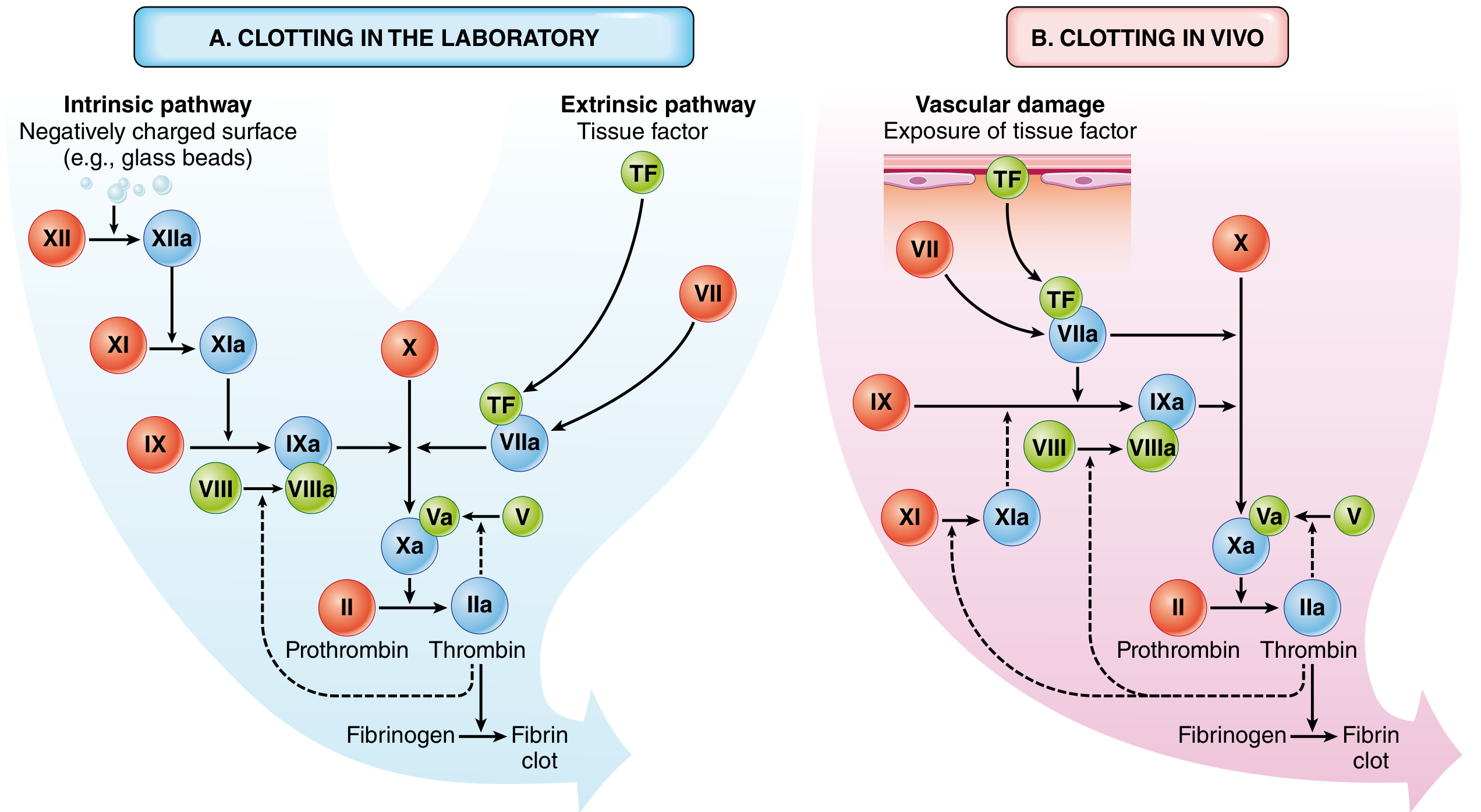
Fig. 4.6 - Robbins, Cotran & Kumar Pathologic Basis of Disease
| Feature | PT (Prothrombin Time) | aPTT (Activated Partial Thromboplastin Time) |
|---|---|---|
| Pathway tested | Extrinsic + common pathway | Intrinsic + common pathway |
| Reagents added | Tissue thromboplastin (e.g., brain extract) + Ca²⁺ | Kaolin (or negatively charged particles like glass beads) + cephalin (platelet phospholipid substitute) + Ca²⁺ |
| How it works | Exogenous tissue factor initiates the extrinsic pathway | Kaolin activates contact-dependent factor XII; cephalin substitutes for platelet phospholipids |
| Factors assessed | VII, X, V, II (prothrombin), fibrinogen | XII, XI, IX, VIII, X, V, II (prothrombin), fibrinogen |
| Unique factor | Factor VII (only detected by PT, not aPTT) | Factors VIII, IX, XI, XII (only detected by aPTT, not PT) |
| Common pathway factors | X, V, II, fibrinogen | X, V, II, fibrinogen |
| What prolongs it | Deficiency/dysfunction of factor V, VII, X, prothrombin, or fibrinogen | Deficiency/dysfunction of factors V, VIII, IX, X, XI, XII, prothrombin, fibrinogen, OR antiphospholipid antibodies |
| Clinical use / drug monitoring | Warfarin (coumadin) monitoring - warfarin blocks vitamin K-dependent factors (II, VII, IX, X) but PT is more sensitive because factor VII has the shortest half-life | Heparin monitoring (heparin potentiates antithrombin III, which inhibits thrombin and Xa) |
| Expressed as | Seconds; also reported as INR (International Normalized Ratio) for standardization | Seconds |
| Liver disease | Prolonged (liver makes most clotting factors; PT/PTT both used as markers of hepatocyte synthetic function) | Prolonged |
Key Points to Remember (Robbins)
- PT = Extrinsic pathway - initiated by adding tissue factor from outside. The unique factor is VII.
- aPTT = Intrinsic pathway - initiated by contact activation (negatively charged surface). Unique factors are VIII, IX, XI, XII.
- Both share the common pathway: factors X → V → II (prothrombin → thrombin) → fibrinogen → fibrin clot.
- Hemophilia A (factor VIII deficiency) and Hemophilia B (factor IX deficiency): aPTT prolonged, PT normal.
- Warfarin (vitamin K antagonist): PT/INR prolonged first (factor VII has the shortest half-life ~6 hrs), aPTT prolonged later.
- Factor XI deficiency: aPTT prolonged but only mild bleeding - Robbins notes this shows the intrinsic pathway plays a minor role in hemostasis in vivo.
- Antiphospholipid antibodies: Paradoxically prolong aPTT in the test tube but cause thrombosis in vivo.
Source: Robbins, Cotran & Kumar Pathologic Basis of Disease, Chapter 4 (Coagulation Cascade, p.122) and Chapter 14 (Bleeding Disorders, p.619).
This is a shared conversation. Sign in to Orris to start your own chat.