
Who classification of thymine tumour and currency concept in morphology and molecular pathology 10 marks question in md path examination
currency concept morphology molecular pathology MD pathology examination
"currency concept" pathology "molecular pathology" India exam thymoma
"morphology is the currency" pathology Rosai molecular diagnosis
https://schaberg.faculty.ucdavis.edu/wp-content/uploads/site…
Who classification of thymic tumour and currenct concept in morphology and molecular pathology 10 marks question in md path examination
WHO Classification of Thymic Tumours and Current Concept in Morphology and Molecular Pathology
PART 1: WHO CLASSIFICATION OF THYMIC TUMOURS (5 marks)
Introduction
WHO Histologic Classification (2004/2015, updated 5th ed. 2022)
| WHO Type | Previous Terminology | Key Features |
|---|---|---|
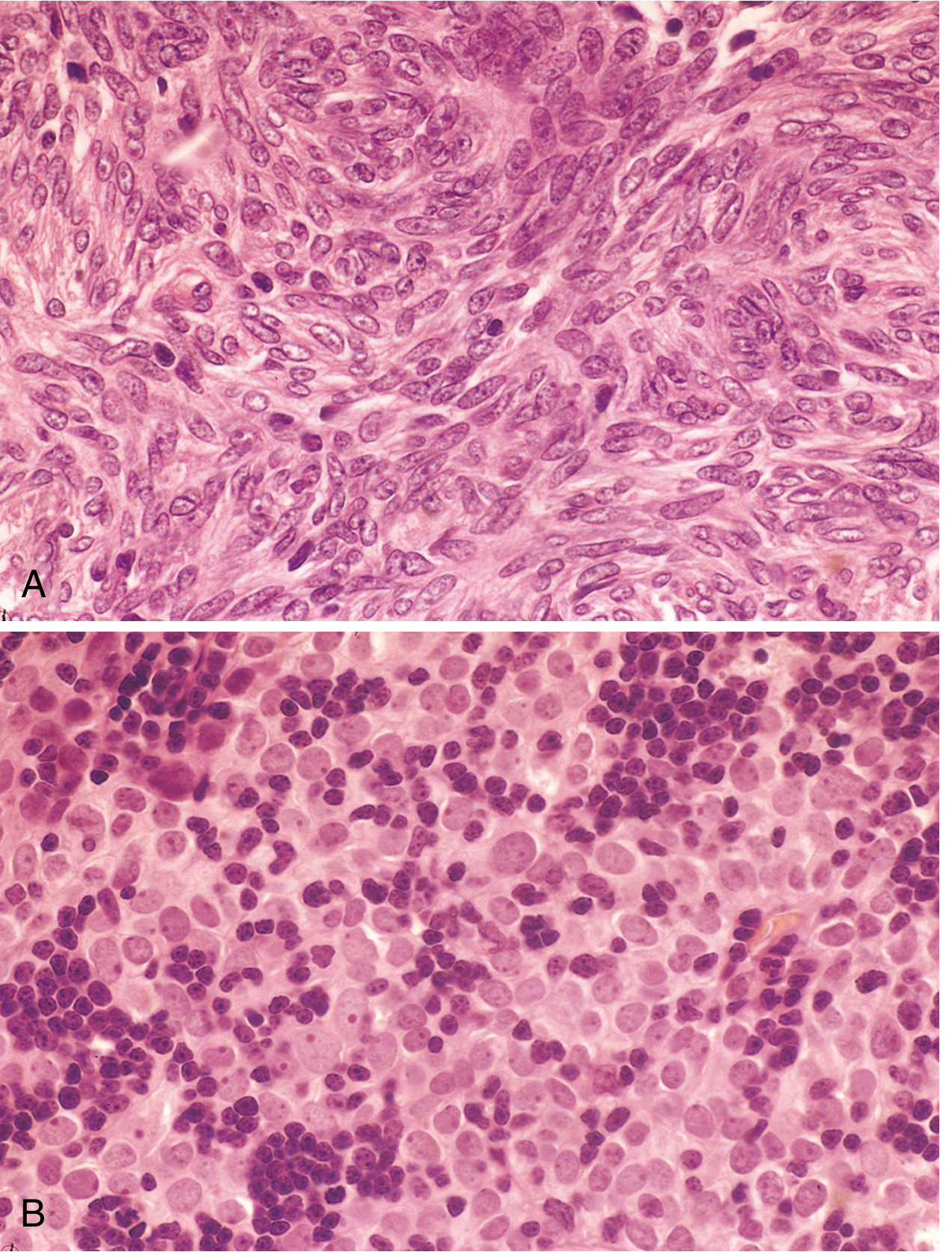
| Type A | Medullary / Spindle cell thymoma | Bland, oval/spindle-shaped epithelial cells; rare or no thymocytes; low mitotic activity |
| Type AB | Mixed thymoma | Morphology of A + B1/B2 components; can be intermingled or separated |
| Type B1 | Predominantly cortical / Organoid / Lymphocyte-predominant thymoma | Functional-appearing thymic cortex; scattered epithelial cells (<3 contiguous); medullary islands with Hassall corpuscle-like elements |
| Type B2 | Cortical thymoma | Mixed neoplastic polygonal epithelial cells + abundant thymocytes; medullary islands occasionally present |
| Type B3 | Well-differentiated thymic carcinoma / Squamoid thymoma | Predominantly epithelial cells; rare thymocytes; mild cytologic atypia |
| Type C | Thymic carcinoma | Overtly malignant cytology; 9 subtypes (squamous cell carcinoma most common; lymphoepithelioma-like ~50% EBV+) |
The A→AB→B1→B2→B3 sequence reflects an increasing ratio of epithelial cells to lymphocytes, with increasing malignant potential.
Macroscopic Features
- Lobulated, firm, gray-white masses up to 15-20 cm
- May show areas of cystic necrosis and calcification
- Most are encapsulated; 20-25% penetrate the capsule
- Arise in the anterior superior mediastinum (account for 20-30% of anterosuperior mediastinal tumours)
Microscopic Features (Key Points)
Simplified Clinical Classification (Robbins)
- Cytologically benign and noninvasive
- Cytologically benign but invasive/metastatic (5-year survival <50% with extensive invasion)
- Cytologically malignant = thymic carcinoma
Masaoka-Koga Staging (used alongside WHO grading)
| Stage | Description |
|---|---|
| I | Encapsulated; no microscopic capsular invasion |
| IIA | Microscopic transcapsular invasion |
| IIB | Macroscopic invasion into surrounding fatty tissue |
| III | Invasion into neighbouring organs (pericardium, great vessels, lung) |
| IVA | Pleural/pericardial dissemination |
| IVB | Lymphogenous or haematogenous metastasis |
Associated Paraneoplastic Syndromes
- Myasthenia gravis (most common; ~30-45% of thymomas)
- Pure red cell aplasia
- Hypogammaglobulinemia
- SLE, Sjogren syndrome, polymyositis, rheumatoid arthritis
- Hashimoto thyroiditis, Addison disease
PART 2: CURRENT CONCEPT IN MORPHOLOGY AND MOLECULAR PATHOLOGY (5 marks)
The "Currency Concept" - Morphology as the Gold Standard
"Morphology remains the gold standard against which any claim based on new technology needs to be measured... a novel diagnostic technique ought to be suspect if it does violence to a universally agreed-upon diagnosis arrived at by more traditional means."
How Molecular Information Complements Morphology
1. Neoplasm Classification
- Many tumours have characteristic molecular alterations that are now definitional
- Example: Oligodendroglioma was previously defined by morphology alone; it is now further defined by IDH mutation + 1p/19q co-deletion (WHO CNS 5th ed.)
- Example: GIST - morphologically spindle cell tumour, but confirmed/classified by KIT/PDGFRA mutations
- Molecular findings now drive the WHO classification of haematolymphoid, CNS, and soft tissue tumours
2. Therapeutic Targeting (Precision Oncology)
- Identifying actionable mutations guides targeted therapy
- Example: EGFR mutations in lung adenocarcinoma → tyrosine kinase inhibitors
- Example: BRAF V600E in melanoma → vemurafenib
Genetics → Morphology vs. Morphology → Genetics
| Pattern | Description | Examples |
|---|---|---|
| "Simple" genetics | Single initiating mutation drives a specific, reproducible morphology | GIST (KIT mutation), Follicular lymphoma (t(14;18)), Ewing sarcoma (EWSR1-FLI1) |
| "Complex" genetics | Many accumulated mutations; very abnormal karyotype; significant morphologic heterogeneity | High-grade carcinoma, Undifferentiated pleomorphic sarcoma, Myxofibrosarcoma |
Molecular Landscape of Thymic Tumours (Application to Thymoma)
| Molecular Feature | Significance |
|---|---|
| GTF2I L424H missense mutation | Found in 74-82% of Type A/AB thymomas; thymoma-specific oncogene; confirms diagnosis in small biopsies |
| YAP1::MAML2 fusion | Present in almost all metaplastic thymomas |
| KMT2A-MAML2 translocation | Rare WHO B2/B3 thymomas |
| Loss of 6q25.2-25.3 (FOXC1) | Most common chromosomal deletion; tumour suppressor role |
| TP53, HRAS, NRAS mutations | Present in some thymomas; higher in carcinomas |
| High PDL1 expression | Common, but immune checkpoint inhibitors carry high autoimmune side-effect risk |
| EBV genome (monoclonal) | ~50% of lymphoepithelioma-like thymic carcinoma |
Key principle: Since most thymomas can be diagnosed on morphology alone, molecular analysis is reserved for small biopsies, ambiguous cases, or therapeutic decision-making - illustrating the "currency concept" in practice.
Rosai's Framework: Integration is the Future
"Future discoveries will not likely be made by morphologists ignorant of molecular biologic findings, or biologists scornful of morphologic data, but by those willing and capable of integrating them through a team approach." - Rosai and Ackerman's Surgical Pathology, 10th ed.
- H&E morphology remains the fastest, most cost-effective, and most information-rich first-line tool
- Immunohistochemistry (IHC) bridges morphology and molecular (protein expression)
- Molecular testing (PCR, FISH, NGS) provides classification, prognostication, and therapeutic guidance
- Together, they form a hierarchical, integrated diagnostic pyramid
Summary Table
| Tool | Role | Limitation |
|---|---|---|
| H&E morphology | Foundation/currency; pattern recognition | Cannot always distinguish entities with identical morphology |
| IHC | Protein-level validation; bridging | Antibody variability; not mutation-specific |
| FISH/Cytogenetics | Specific translocations/copy number | Only targeted loci |
| PCR/Sanger | Specific point mutations | Low sensitivity for low tumour purity |
| NGS/Next-gen sequencing | Comprehensive mutational profiling | Cost, time, interpretation complexity |
- Robbins, Cotran & Kumar - Pathologic Basis of Disease (10th ed.), p. 592
- Fischer's Mastery of Surgery (8th ed.), Chapter 92
- Rosai J. "The Continuing Role of Morphology in the Molecular Age." Mod Pathol 2001;14:258-260
- Marx A et al. "Molecular pathology of thymomas." Virchows Arch 2021;478:101-110 [PMID: 33674910]
- Fishman's Pulmonary Diseases and Disorders (5th ed.), Chapter 82
Odontogenic tumours 10 marks md pathology exam history cyto who robbins
WHO 2022 classification odontogenic tumours history cytology MD pathology exam
https://pmc.ncbi.nlm.nih.gov/articles/PMC9999699
odontogenic tumours history WHO classification 1971 1992 2005 ameloblastoma BRAF KRAS molecular pathology
Odontogenic Tumours: WHO Classification, History, Cytology, and Molecular Pathology
INTRODUCTION
PART 1: HISTORY OF WHO CLASSIFICATION
| Edition | Year | Key Features |
|---|---|---|
| 1st WHO | 1971 | First centralized histological characterization (Pindborg, Kramer, Torloni). Based purely on histogenesis (epithelial, mesenchymal, mixed) |
| 2nd WHO | 1992 | Included odontogenic cysts; refined entities |
| 3rd WHO | 2005 | Removed odontogenic cysts; added keratocystic odontogenic tumour (KCOT); introduced new entities like sclerosing odontogenic carcinoma |
| 4th WHO | 2017 | Major revisions: KCOT reverted back to "odontogenic keratocyst" (cyst); odontogenic carcinosarcoma reinstated; metastasizing ameloblastoma reclassified as benign; desmoplastic ameloblastoma merged into conventional subtype |
| 5th WHO | 2022 | Added adenoid ameloblastoma as new entity; added "essential and desirable diagnostic criteria" for each entity; surgical ciliated cyst added to jaw cysts |
PART 2: WHO 2022 CLASSIFICATION OF ODONTOGENIC TUMOURS
A. MALIGNANT ODONTOGENIC TUMOURS
- Ameloblastic carcinoma
- Primary intraosseous carcinoma, NOS
- Sclerosing odontogenic carcinoma
- Clear cell odontogenic carcinoma (CCOC)
- Ghost cell odontogenic carcinoma
- Ameloblastic fibrosarcoma
- Ameloblastic fibro-dentinosarcoma / fibro-odontosarcoma
B. BENIGN ODONTOGENIC TUMOURS
I. Benign Epithelial Odontogenic Tumours
| Tumour | Key Feature |
|---|---|
| Ameloblastoma (conventional, unicystic, peripheral, metastasizing) | Most common odontogenic neoplasm |
| Adenoid ameloblastoma | NEW in 2022; rare |
| Squamous odontogenic tumour (SOT) | From rests of Malassez |
| Calcifying epithelial odontogenic tumour (CEOT / Pindborg tumour) | Amyloid deposits + calcification |
| Adenomatoid odontogenic tumour (AOT) | "Two-thirds rule": anterior, females, <30 yr |
II. Benign Mixed Epithelial and Mesenchymal Odontogenic Tumours
- Ameloblastic fibroma
- Primordial odontogenic tumour
- Odontoma (compound and complex types)
- Dentinogenic ghost cell tumour
III. Benign Mesenchymal Odontogenic Tumours
- Odontogenic fibroma
- Odontogenic myxoma/myxofibroma
- Cementoblastoma
- Cemento-ossifying fibroma
PART 3: DETAILED CYTOLOGY AND HISTOLOGY OF KEY TUMOURS
1. AMELOBLASTOMA
| Subtype | Histology |
|---|---|
| Follicular | Islands of odontogenic epithelium; peripheral tall columnar cells with palisaded, hyperchromatic nuclei; reverse nuclear polarity (nuclei away from basement membrane); central stellate reticulum-like cells; cysts may form within stellate cells |
| Plexiform | Anastomosing strands/cords of epithelium; cysts form in stroma rather than within epithelium |
| Acanthomatous | Squamous metaplasia of stellate reticulum |
| Granular cell | Coarse eosinophilic granular cytoplasm |
| Basal cell | Resembles basal cell carcinoma |
| Desmoplastic | Dense desmoplastic stroma; mixed radiolucent-radiopaque on imaging |
- Peripheral palisading of columnar cells
- Reverse polarity of nuclei (Vickers-Gorlin sign)
- Subnuclear vacuolation resembling pre-ameloblasts
- Central loose stellate reticulum-like cells
- Type I (luminal): cyst lining only
- Type II (intraluminal): polypoid projections into lumen
- Type III (intramural): mural nodular growth - behaves like SMA, requires radical treatment
2. CALCIFYING EPITHELIAL ODONTOGENIC TUMOUR (CEOT / Pindborg Tumour)
- ~3% of odontogenic tumours; mandible:maxilla = 2:1; peak 40 years
- Histology: Sheets and islands of polyhedral cells with:
- Marked nuclear pleomorphism including giant/monster nuclei - but no mitotic figures (key: pleomorphism without mitoses)
- Eosinophilic hyaline/amyloid material within/around cells
- Liesegang rings - concentric calcification
- Congo red positive amyloid; shows apple-green birefringence under polarised light
3. ADENOMATOID ODONTOGENIC TUMOUR (AOT)
- Histology:
- Well-encapsulated with thick fibrous capsule
- Nodular, trabecular, cribriform patterns
- Columnar/cuboidal cells form duct-like (glandular) structures - hence "adenomatoid"
- Nuclei palisade away from lumen
- Eosinophilic amorphous droplets; calcifications
- Treatment: Enucleation curative; virtually no recurrence
4. ODONTOGENIC KERATOCYST (OKC) / formerly KCOT
- Among the most common odontogenic cysts/tumours
- Peak: 2nd-3rd decade; M:F = 1.6:1; 75% mandible (molar-angle-ramus)
- Hallmark histology:
- Thin uniform parakeratinized epithelium (6-8 cells thick)
- Palisaded, hyperchromatic, polarised basal cells (tombstone appearance)
- Flat epithelial-connective tissue interface (no rete ridges)
- Satellite/daughter cysts in wall
- Lumen contains keratin squames (creamy content)
- PTCH1 mutation (Gorlin-Goltz syndrome) - multiple OKC + basal cell carcinomas + skeletal anomalies
- High recurrence rate (~25-60%) due to:
- Thin fragile wall prone to perforation
- Budding of basal cells → daughter cysts
- Satellite cysts in wall
5. ODONTOGENIC MYXOMA
- Mesenchymal tumour from dental papilla/follicle
- Locally invasive; mandible > maxilla
- Histology: Loosely arranged stellate/spindle cells in abundant myxoid/mucoid stroma; few collagen fibres
- Radiology: Multilocular "tennis racket" / "soap bubble" / "honeycomb" pattern with fine bony septa
6. CEMENTOBLASTOMA
- Benign tumour of functional cementoblasts fused to root of a vital tooth (usually lower first molar)
- Histology: Cementum-like mineralised tissue in sheets/trabeculae; reversal lines; peripheral fibrovascular zone with active cementoblasts; no encapsulation
- Complete excision with involved tooth required to prevent recurrence
PART 4: MOLECULAR PATHOLOGY OF ODONTOGENIC TUMOURS
Ameloblastoma - MAPK Pathway Activation (~80%)
| Mutation | Frequency | Location |
|---|---|---|
| BRAF V600E | ~60-82% | Primarily mandibular conventional and unicystic types |
| RAS (KRAS, NRAS, HRAS) | ~10-15% | Often maxillary lesions |
| FGFR2 mutations | ~5% | Rare |
| SMO (Hedgehog pathway) | Minority | Mutually exclusive with MAPK |
Clinical implication: BRAF V600E-mutant ameloblastomas respond to vemurafenib (BRAF inhibitor) - demonstrated in Stage IV metastatic/unresectable cases. This is the first targeted therapy for odontogenic tumours.
Odontogenic Keratocyst / OKC
- PTCH1 inactivation (chromosome 9q22) - tumour suppressor; component of Hedgehog signalling pathway
- Sporadic OKC: somatic PTCH1 mutations
- Gorlin-Goltz syndrome: germline PTCH1 mutation
CEOT (Pindborg Tumour)
- Hyaline material is odontogenic amyloid (derived from amelogenin)
- Congo red positive; apple-green birefringence under polarised light
Odontogenic Myxoma
- USP6::CDH11 fusion in ~70% of cases (similar to aneurysmal bone cyst)
Adenoid Ameloblastoma (new 2022 entity)
- Characterised by CTNNB1 (beta-catenin) mutations - activating Wnt signalling
Odontomas
- Represent hamartomas rather than true neoplasms
- Associated with aberrant activation of Wnt/beta-catenin signalling and decreased Sema3A expression
PART 5: IMMUNOHISTOCHEMISTRY IN DIAGNOSIS
| Marker | Tumour |
|---|---|
| CK5, CK14, CK19 | Ameloblastoma (broad cytokeratin positivity) |
| Vimentin | Odontogenic myxoma |
| S-100 | Granular cell ameloblastoma |
| Congo red / Thioflavin T | CEOT amyloid |
| p63 | Ameloblastoma basal/peripheral cells |
| CD56, Calretinin | Ameloblastoma (recently reported) |
| SOX2 | Odontogenic epithelial tumours |
SUMMARY TABLE
| Tumour | Origin | Radiology | Key Histology | Molecular |
|---|---|---|---|---|
| Ameloblastoma | Dental lamina rests | Soap-bubble / honeycomb | Follicular/plexiform; palisading; reverse polarity | BRAF V600E (60%), RAS |
| CEOT | Stratum intermedium | Mixed radiolucent-opaque | Pleomorphism, no mitoses, amyloid, Liesegang rings | - |
| AOT | Dental follicle | Dentigerous radiolucency | Glandular structures, duct-like, capsule | - |
| OKC | Dental lamina | Unilocular/multilocular | Parakeratinized, palisaded basal cells, flat interface | PTCH1 mutation |
| Myxoma | Dental papilla | Tennis racket multilocular | Myxoid stroma, stellate cells | USP6::CDH11 |
| Cementoblastoma | Cementoblasts | Radio-opaque mass fused to root | Cementum trabeculae, reversal lines | - |
| Odontoma | Mixed tooth elements | Radiopaque mass | Enamel + dentine + cementum + pulp | Wnt/Sema3A |
- Scott-Brown's Otorhinolaryngology Head & Neck Surgery, 8th ed., Chapter 25
- Robbins, Cotran & Kumar - Pathologic Basis of Disease, 10th ed.
- WHO Classification of Head and Neck Tumours, 5th ed. (2022)
- Speight PM & Takata T. Virchows Arch 2018;472:331-339
- Kurppa KJ et al. High frequency of BRAF V600E mutations in ameloblastoma. J Pathol 2014;232:492
- Khoshkam V et al. WHO Classification of Odontogenic Lesions 2022. PMC9999699
Can you make it short but with every details intact I have to memorise them
ODONTOGENIC TUMOURS — Rapid Revision Sheet (MD Path, 10 marks)
1. WHO CLASSIFICATION — HISTORY (5 editions)
| Year | Edition | Key Change |
|---|---|---|
| 1971 | 1st | First histological classification (Pindborg, Kramer) — epithelial / mesenchymal / mixed |
| 1992 | 2nd | Included odontogenic cysts |
| 2005 | 3rd | Removed cysts; KCOT added (neoplasm status); sclerosing odontogenic carcinoma added |
| 2017 | 4th | KCOT → back to "odontogenic keratocyst" (cyst); desmoplastic ameloblastoma merged into conventional; metastasizing ameloblastoma → reclassified as benign |
| 2022 | 5th | Adenoid ameloblastoma added (only new entity); essential + desirable diagnostic criteria introduced |
2. WHO 2022 CLASSIFICATION SKELETON
MALIGNANT
├── Odontogenic carcinomas: Ameloblastic Ca, Primary intraosseous Ca NOS,
│   Sclerosing OC, Clear cell OC, Ghost cell OC
├── Odontogenic carcinosarcoma
└── Odontogenic sarcomas: Ameloblastic fibrosarcoma ± dentinoid/enameloid

BENIGN EPITHELIAL
├── Ameloblastoma (conventional, unicystic, peripheral, metastasizing)
├── Adenoid ameloblastoma (NEW 2022)
├── Squamous odontogenic tumour (SOT)
├── CEOT (Pindborg tumour)
└── AOT

BENIGN MIXED (epithelial + mesenchyme)
├── Ameloblastic fibroma
├── Primordial odontogenic tumour
├── Odontoma (compound / complex)
└── Dentinogenic ghost cell tumour

BENIGN MESENCHYMAL
├── Odontogenic fibroma
├── Odontogenic myxoma
├── Cementoblastoma
└── Cemento-ossifying fibroma
3. KEY TUMOURS — COMPRESSED DETAILS
AMELOBLASTOMA
| Feature | Detail |
|---|---|
| Most common odontogenic neoplasm | ~1% of oral biopsies |
| Site | Mandible molar-ramus (5:1 over maxilla) |
| X-ray | Multilocular "soap-bubble/honeycomb" |
| Follicular pattern | Islands of epithelium; peripheral palisaded columnar cells; reverse nuclear polarity (nuclei away from BM); central stellate reticulum; cysts in stellate cells |
| Plexiform pattern | Anastomosing strands; cysts in stroma |
| Other variants | Acanthomatous (squamous met), Granular cell, Basal cell, Desmoplastic |
| 3 cytological hallmarks | ① Peripheral palisading ② Reverse polarity ③ Subnuclear vacuolation |
| Unicystic (UA) | 5-15%; teens; Type I (luminal) = conservative; Type III (intramural) = radical |
| Treatment | En-bloc resection (infiltrates 5mm beyond X-ray limits) |
CEOT (Pindborg Tumour)
- 3% of OGT; mandible:maxilla = 2:1; peak 40 yr; mixed radiolucent-opaque ± unerupted tooth
- Histology: Polyhedral cells + marked nuclear pleomorphism + NO mitoses + eosinophilic amyloid globules (Congo red +ve, apple-green birefringence) + Liesegang ring calcifications
- Recurrence ~15%; higher after enucleation
AOT (Adenomatoid Odontogenic Tumour)
- Dentigerous radiolucency + discrete radiopaque foci
- Histology: Encapsulated; nodular/trabecular/cribriform; duct-like (glandular) structures; columnar cells with palisaded nuclei away from lumen; eosinophilic droplets
- Enucleation curative; virtually no recurrence
ODONTOGENIC KERATOCYST (OKC) / formerly KCOT
- 2nd-3rd decade; M:F 1.6:1; 75% mandible (molar-angle-ramus)
- Unilocular or scalloped multilocular radiolucency; creamy keratin in lumen
- Histology:
- Thin uniform parakeratinized epithelium (6-8 cells)
- Palisaded hyperchromatic "tombstone" basal cells
- Flat epithelium-connective tissue interface (no rete ridges)
- Satellite/daughter cysts in wall
- PTCH1 mutation → Gorlin-Goltz syndrome (multiple OKC + BCC + skeletal anomalies)
- High recurrence (25-60%): thin wall fragments; daughter cysts; basal cell budding
ODONTOGENIC MYXOMA
- Mesenchymal; locally invasive; mandible > maxilla
- X-ray: "Tennis racket" / "soap bubble" fine bony septa (multilocular)
- Histology: Stellate/spindle cells in abundant myxoid stroma; sparse collagen
- Molecular: USP6::CDH11 fusion (~70%)
CEMENTOBLASTOMA
- Only odontogenic tumour fused to root of vital tooth (lower 1st molar)
- X-ray: radiopaque mass fused to root with radiolucent halo
- Histology: Cementum-like trabeculae + reversal lines + active cementoblasts at periphery
- Treatment: Excision with involved tooth (recurs otherwise)
SQUAMOUS ODONTOGENIC TUMOUR (SOT)
- From rests of Malassez in periodontal ligament
- Triangular radiolucency between roots
- Histology: Rounded islands of well-differentiated squamoid cells in fibrous stroma; no atypia
4. MOLECULAR PATHOLOGY — MASTER TABLE
| Tumour | Mutation/Pathway | Significance |
|---|---|---|
| Ameloblastoma | BRAF V600E (~60-82%, mandibular) | Targeted therapy: vemurafenib works |
| Ameloblastoma | RAS (KRAS/NRAS/HRAS) (~15%) | Maxillary lesions |
| Ameloblastoma | FGFR2, SMO (Hedgehog) | Mutually exclusive with MAPK |
| OKC | PTCH1 inactivation (9q22) | Gorlin-Goltz syndrome (germline); sporadic (somatic) |
| Odontogenic myxoma | USP6::CDH11 fusion (~70%) | Like aneurysmal bone cyst |
| Adenoid ameloblastoma | CTNNB1 (beta-catenin) | Wnt pathway activation |
| Odontoma | Wnt/β-catenin + ↓Sema3A | Hamartoma, not neoplasm |
| CEOT amyloid | Amelogenin-derived | Congo red +ve; apple-green birefringence |
Key principle: BRAF V600E → confirmed 2014 by 3 independent groups; ~94% of mandibular unicystic ameloblastomas carry it. First odontogenic tumour with proven targeted therapy response.
5. IHC QUICK REFERENCE
| Marker | Positive in |
|---|---|
| CK5, CK14, CK19 | Ameloblastoma |
| Congo red / Thioflavin T | CEOT (amyloid) |
| Vimentin | Odontogenic myxoma |
| p63 | Ameloblastoma periphery |
| S-100 | Granular cell ameloblastoma |
6. ONE-LINE DIFFERENTIATORS (Memory Anchors)
| Tumour | Pathognomonic clue |
|---|---|
| Ameloblastoma | Reverse polarity + stellate reticulum |
| CEOT | Monster nuclei + NO mitoses + Liesegang calcification |
| AOT | Duct-like structures + "two-thirds female/maxilla/canine" |
| OKC | Tombstone basal cells + flat interface + parakeratosis |
| Myxoma | Myxoid stroma + tennis-racket septa |
| Cementoblastoma | Fused to tooth root + reversal lines |
| Odontoma | All tooth tissues present = hamartoma |
- Give WHO classification skeleton (malignant → benign epithelial → mixed → mesenchymal)
- History: 1971 → 1992 → 2005 (KCOT added) → 2017 (KCOT removed back) → 2022 (adenoid ameloblastoma)
- Elaborate ameloblastoma (follicular vs plexiform; 3 cytological hallmarks; unicystic subtypes; BRAF)
- CEOT: pleomorphism without mitoses + amyloid
- AOT: two-thirds rule + glandular structures
- OKC: tombstone basal cells + PTCH1 + Gorlin
- Molecular table: BRAF/MAPK, PTCH1, USP6::CDH11, CTNNB1
Remove that history part
ODONTOGENIC TUMOURS — Rapid Revision Sheet (MD Path, 10 marks)
1. WHO 2022 CLASSIFICATION SKELETON
MALIGNANT
├── Odontogenic carcinomas: Ameloblastic Ca, Primary intraosseous Ca NOS,
│   Sclerosing OC, Clear cell OC, Ghost cell OC
├── Odontogenic carcinosarcoma
└── Odontogenic sarcomas: Ameloblastic fibrosarcoma ± dentinoid/enameloid

BENIGN EPITHELIAL
├── Ameloblastoma (conventional, unicystic, peripheral, metastasizing)
├── Adenoid ameloblastoma (NEW 2022)
├── Squamous odontogenic tumour (SOT)
├── CEOT (Pindborg tumour)
└── AOT

BENIGN MIXED (epithelial + mesenchyme)
├── Ameloblastic fibroma
├── Primordial odontogenic tumour
├── Odontoma (compound / complex)
└── Dentinogenic ghost cell tumour

BENIGN MESENCHYMAL
├── Odontogenic fibroma
├── Odontogenic myxoma
├── Cementoblastoma
└── Cemento-ossifying fibroma
2. KEY TUMOURS — COMPRESSED DETAILS
AMELOBLASTOMA
| Feature | Detail |
|---|---|
| Most common odontogenic neoplasm | ~1% of oral biopsies |
| Site | Mandible molar-ramus (5:1 over maxilla) |
| X-ray | Multilocular "soap-bubble / honeycomb" |
| Follicular pattern | Islands of epithelium; peripheral palisaded columnar cells; reverse nuclear polarity (nuclei away from BM); central stellate reticulum; cysts within stellate cells |
| Plexiform pattern | Anastomosing strands/cords; cysts form in stroma |
| Other variants | Acanthomatous (squamous met), Granular cell, Basal cell, Desmoplastic |
| 3 cytological hallmarks | ① Peripheral palisading ② Reverse polarity ③ Subnuclear vacuolation |
| Unicystic (UA) | 5-15%; teens; Type I (luminal) = conservative; Type III (intramural) = radical, like SMA |
| Treatment | En-bloc resection (infiltrates 5mm beyond X-ray limits); maxillary lesions: mortality up to 60% on recurrence |
CEOT (Pindborg Tumour)
- 3% of OGT; mandible:maxilla = 2:1; peak 40 yr; mixed radiolucent-opaque ± unerupted tooth
- Histology: Polyhedral cells + marked nuclear pleomorphism + NO mitoses + eosinophilic amyloid globules (Congo red +ve, apple-green birefringence under polarised light) + Liesegang ring calcifications
- Recurrence ~15%; higher after enucleation
AOT (Adenomatoid Odontogenic Tumour)
- Dentigerous radiolucency + discrete radiopaque foci
- Histology: Thick fibrous capsule; nodular/trabecular/cribriform; duct-like (glandular) structures; columnar cells with palisaded nuclei away from lumen; eosinophilic amorphous droplets
- Enucleation curative; virtually no recurrence
ODONTOGENIC KERATOCYST (OKC)
- 2nd-3rd decade; M:F 1.6:1; 75% mandible (molar-angle-ramus)
- Unilocular or scalloped radiolucency; creamy keratin in lumen
- Histology:
- Thin uniform parakeratinized epithelium (6-8 cells thick)
- Palisaded hyperchromatic "tombstone" basal cells
- Flat epithelium-CT interface (no rete ridges)
- Satellite/daughter cysts in wall
- High recurrence (25-60%): thin wall fragments + daughter cysts + basal cell budding
- PTCH1 mutation → Gorlin-Goltz syndrome (multiple OKC + basal cell carcinomas + skeletal anomalies)
ODONTOGENIC MYXOMA
- Mesenchymal; locally invasive; mandible > maxilla
- X-ray: "Tennis racket" fine bony septa (multilocular)
- Histology: Stellate/spindle cells in abundant myxoid stroma; sparse collagen
- Molecular: USP6::CDH11 fusion (~70%)
CEMENTOBLASTOMA
- Only odontogenic tumour fused to root of vital tooth (lower 1st molar)
- X-ray: radiopaque mass fused to root with radiolucent halo
- Histology: Cementum-like trabeculae + reversal lines + active cementoblasts at periphery
- Treatment: Excision with involved tooth (recurs otherwise)
SQUAMOUS ODONTOGENIC TUMOUR (SOT)
- From rests of Malassez in periodontal ligament; mandible > maxilla
- Triangular radiolucency between roots of vital erupted teeth
- Histology: Rounded islands of well-differentiated squamoid cells in fibrous stroma; no atypia; no palisading
3. MOLECULAR PATHOLOGY — MASTER TABLE
| Tumour | Mutation / Pathway | Significance |
|---|---|---|
| Ameloblastoma | BRAF V600E (~60-82%, mandibular) | Targeted therapy: vemurafenib effective in Stage IV |
| Ameloblastoma | RAS (KRAS/NRAS/HRAS) (~15%) | Maxillary lesions; mutually exclusive with BRAF |
| Ameloblastoma | FGFR2, SMO (Hedgehog) | Mutually exclusive with MAPK pathway |
| OKC | PTCH1 inactivation (9q22) | Sporadic (somatic); Gorlin-Goltz (germline) |
| Odontogenic myxoma | USP6::CDH11 fusion (~70%) | Similar to aneurysmal bone cyst |
| Adenoid ameloblastoma | CTNNB1 (beta-catenin) | Wnt pathway activation |
| Odontoma | Wnt/β-catenin ↑ + ↓Sema3A | Hamartoma, not true neoplasm |
| CEOT amyloid | Amelogenin-derived protein | Congo red +ve; apple-green birefringence |
BRAF V600E confirmed in 2014 by 3 independent groups simultaneously. ~94% of mandibular unicystic ameloblastomas carry it. First odontogenic tumour with proven targeted therapy.
4. IHC QUICK REFERENCE
| Marker | Positive in |
|---|---|
| CK5, CK14, CK19 | Ameloblastoma |
| Congo red / Thioflavin T | CEOT amyloid |
| Vimentin | Odontogenic myxoma |
| p63 | Ameloblastoma (peripheral cells) |
| S-100 | Granular cell ameloblastoma variant |
5. ONE-LINE DIFFERENTIATORS (Memory Anchors)
| Tumour | Pathognomonic clue |
|---|---|
| Ameloblastoma | Reverse polarity + stellate reticulum |
| CEOT | Monster nuclei + NO mitoses + Liesegang rings |
| AOT | Duct-like structures + two-thirds female/maxilla/canine |
| OKC | Tombstone basal cells + flat interface + parakeratosis |
| Myxoma | Myxoid stroma + tennis-racket septa |
| Cementoblastoma | Fused to tooth root + reversal lines |
| Odontoma | All tooth tissues present = hamartoma |