
endocrine glads
Reading File
The endocrine glands are specialized organs that secrete hormones directly into the bloodstream to regulate body functions including metabolism, growth, reproduction, and homeostasis. The major glands include the pituitary, thyroid, parathyroid, adrenal glands, pancreas, gonads, and pineal gland.
Searching sources...
Finding Sources
Searching the Web
endocrine glands overview hormones functions anatomy
Reading File
Reading File
Reading File
Loading Image
Reading File
Here is a thorough overview of the endocrine glands, drawn from Junqueira's Basic Histology (17e) and Guyton & Hall Medical Physiology:
Endocrine Glands - Overview
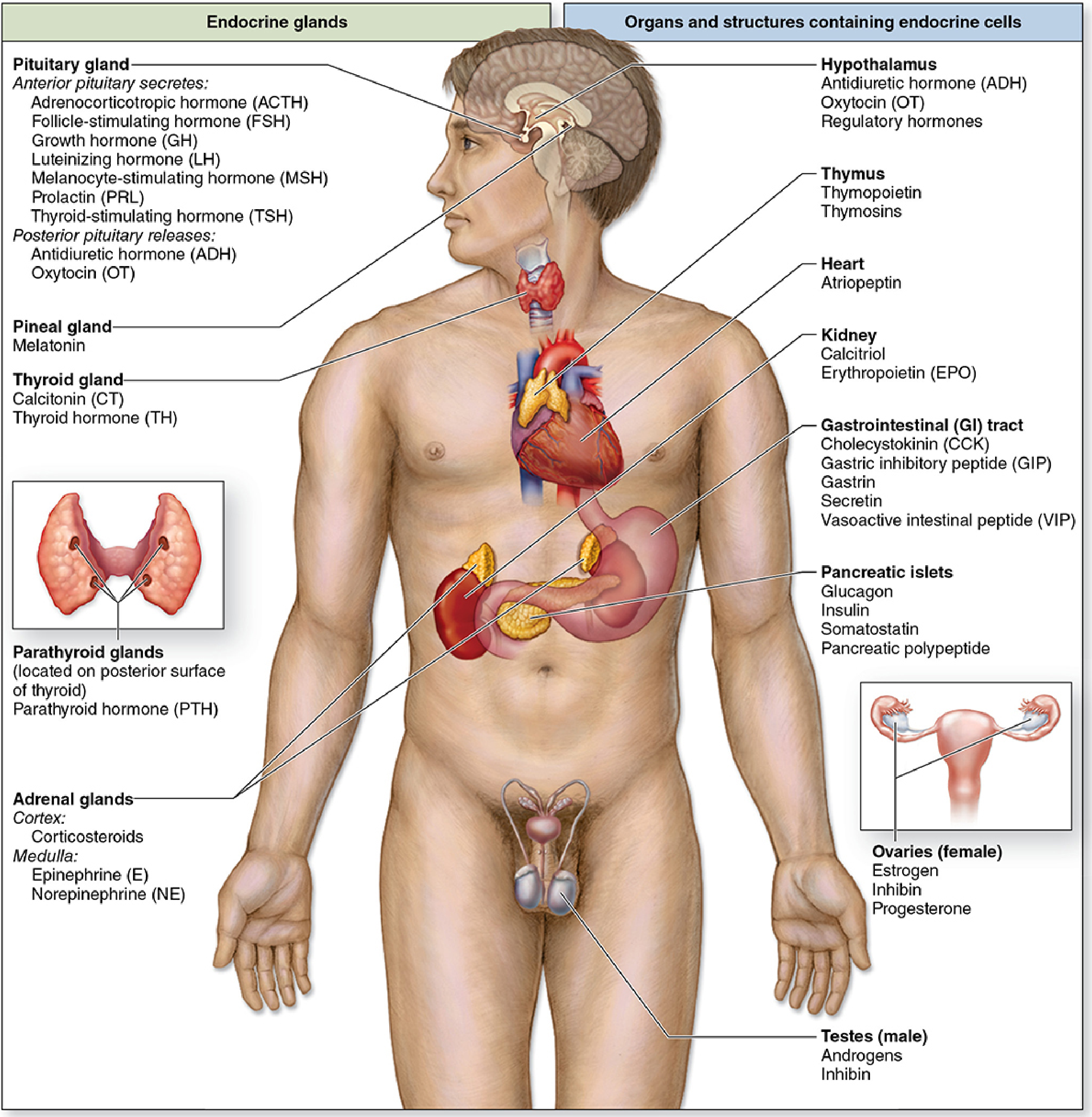
Endocrine glands are ductless glands that secrete hormones directly into the bloodstream, lymphatics, or intercellular spaces. Unlike exocrine glands, they have no secretory ducts. Hormones travel through the circulation to reach target cells bearing specific receptors.
Types of Hormonal Signaling
| Type | Description | Example |
|---|---|---|
| Endocrine | Hormone travels via blood to distant target | Cortisol from adrenal → liver |
| Paracrine | Acts on nearby cells through interstitial fluid | Gastrin from pyloric G cells |
| Autocrine | Acts on the secreting cell itself | IGF-1 |
| Juxtacrine | Signaling molecule stays on cell surface | Embryonic tissue interactions |
The Major Endocrine Glands
1. Hypothalamus
Although primarily neural tissue, the hypothalamus functions as the master regulator of the endocrine system through releasing and inhibiting hormones that control the pituitary.
| Hormone | Action |
|---|---|
| TRH (Thyrotropin-releasing hormone) | Stimulates TSH and prolactin release |
| CRH (Corticotropin-releasing hormone) | Stimulates ACTH release |
| GHRH / Somatostatin | Stimulates / inhibits growth hormone |
| GnRH | Stimulates LH and FSH release |
| Dopamine | Inhibits prolactin release |
| ADH (vasopressin) & Oxytocin | Stored and released by posterior pituitary |
2. Pituitary Gland (Hypophysis)
The "master gland" - weighs ~0.5 g, sits in the sella turcica of the sphenoid bone, and has two distinct parts:
Anterior Pituitary (Adenohypophysis) - arises from oral ectoderm (Rathke's pouch):
- GH - promotes growth and protein synthesis
- TSH - stimulates thyroid hormone synthesis
- ACTH - stimulates adrenocortical hormone synthesis
- FSH - ovarian follicle growth / sperm maturation
- LH - ovulation, corpus luteum, testosterone synthesis
- Prolactin - breast development and milk secretion
- MSH - melanocyte stimulation
Posterior Pituitary (Neurohypophysis) - neural outgrowth from the brain:
- ADH (Vasopressin) - water reabsorption in kidneys, vasoconstriction
- Oxytocin - uterine contractions, milk ejection
3. Thyroid Gland
Located anterior to the larynx in the neck.
- T3 (Triiodothyronine) & T4 (Thyroxine) - raise basal metabolic rate of nearly all cells; amine hormones transported bound to proteins
- Calcitonin (from parafollicular C cells) - lowers blood calcium by promoting bone deposition
4. Parathyroid Glands
Four small glands on the posterior surface of the thyroid.
- PTH (Parathyroid hormone) - raises blood calcium (opposes calcitonin); increases bone resorption, renal calcium reabsorption, and vitamin D activation
5. Adrenal Glands
Paired glands sitting atop each kidney, with two functionally distinct zones:
Adrenal Cortex (steroid hormones, 3 zones):
- Zona glomerulosa - Aldosterone (mineralocorticoid): increases Na⁺ reabsorption and K⁺ excretion
- Zona fasciculata - Cortisol (glucocorticoid): regulates glucose/fat metabolism, anti-inflammatory
- Zona reticularis - Androgens (DHEA): weak sex steroids
Adrenal Medulla (chromaffin cells, neural crest origin):
- Epinephrine & Norepinephrine - catecholamines that mediate the "fight or flight" sympathetic response
6. Pancreatic Islets (Islets of Langerhans)
Scattered clusters within the exocrine pancreas:
- Alpha cells - Glucagon: raises blood glucose
- Beta cells - Insulin: lowers blood glucose (most abundant islet cell)
- Delta cells - Somatostatin: inhibits insulin and glucagon secretion
- PP cells - Pancreatic polypeptide: inhibits pancreatic exocrine secretion
7. Gonads
Testes:
- Testosterone & Androgens (Leydig cells) - male secondary sex characteristics, spermatogenesis
- Inhibin (Sertoli cells) - inhibits FSH
Ovaries:
- Estrogen - female secondary sex characteristics, endometrial proliferation
- Progesterone - prepares uterus for implantation, maintains pregnancy
- Inhibin - inhibits FSH
8. Pineal Gland
Small gland deep in the brain, between the cerebral hemispheres.
- Melatonin - regulates circadian rhythm and sleep-wake cycles; secretion peaks at night
Organs With Secondary Endocrine Functions
| Organ | Hormone | Function |
|---|---|---|
| Hypothalamus | ADH, Oxytocin | Released via posterior pituitary |
| Thymus | Thymopoietin, Thymosins | T-cell maturation |
| Heart | Atriopeptin (ANP) | Reduces blood pressure and Na⁺ |
| Kidney | Calcitriol (active vit D), EPO | Calcium balance, erythropoiesis |
| GI Tract | Gastrin, Secretin, CCK, GIP, VIP | Digestive regulation |
| Adipose tissue | Leptin, Adiponectin | Energy balance, metabolism |
Hormone Chemistry
Hormones fall into three chemical classes, which determines how they act:
| Class | Examples | Receptor Location | Action Mechanism |
|---|---|---|---|
| Peptides/Proteins | Insulin, GH, ACTH, PTH | Cell surface | 2nd messenger (cAMP, IP3) |
| Steroids | Cortisol, Aldosterone, Estrogen | Intracellular | Direct gene transcription |
| Amines | Epinephrine, T3/T4 | Surface (catecholamines) / Intracellular (thyroid) | Mixed |
Feedback Control
Most endocrine axes operate by negative feedback:
- The hypothalamus releases a hormone → stimulates pituitary → pituitary stimulates target gland → target gland hormone rises → feeds back to inhibit hypothalamus and pituitary
- Example: Hypothalamus (CRH) → Pituitary (ACTH) → Adrenal (Cortisol) → Cortisol inhibits CRH/ACTH
- Positive feedback is rare; classic example is the LH surge at ovulation triggered by rising estrogen
Sources: Junqueira's Basic Histology, 17e, Chapter 20; Guyton and Hall Textbook of Medical Physiology, Table 75.1; THIEME General Anatomy and Musculoskeletal System
Search for clinical images of endocrine gland histology and pathology
Searching sources...
Finding Sources
Finding Sources
Finding Sources
Finding Sources
Finding Sources
Finding Sources
Good - found rich sources. Now reading the key histology and pathology sections in parallel to extract all image URLs.
Reading File
Reading File
Reading File
Excellent - found many images. Now let me read more sections to gather thyroid/pancreas/parathyroid histology images, and the Robbins pathology figures.
Reading File
Reading File
Reading File
Now let me read the thyroid histology and Robbins pathology images for pituitary adenoma and thyroid/adrenal pathology:
Reading File
Reading File
Now I have a rich set of images. Let me fetch all the key ones in parallel:
Loading Image
Loading Image
Loading Image
Loading Image
Loading Image
Excellent images retrieved. Now fetching the adrenal gland histology and thyroid hormone synthesis diagrams:
Loading Image
Loading Image
Loading Image
Now let me read the thyroid gland histology section and get those images too:
Reading File
Loading Image
Loading Image
Here is a curated gallery of clinical histology and pathology images of the endocrine glands, drawn from Junqueira's Basic Histology (17e) and Robbins & Kumar Basic Pathology:
Endocrine Gland Histology & Pathology - Image Gallery
1. PITUITARY GLAND - Anatomy & Structure
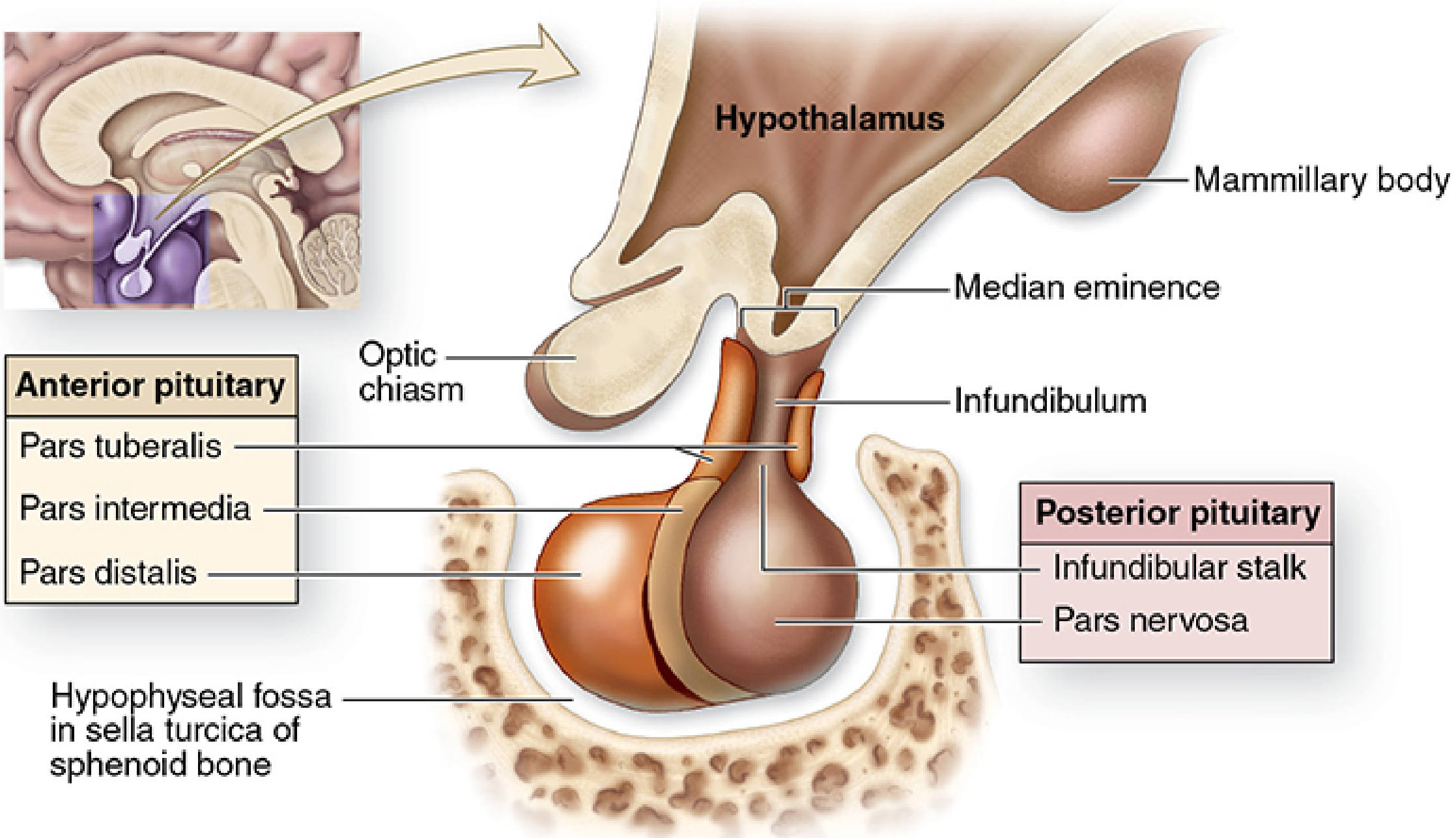
Fig. 20-2 - Pituitary gland anatomy. The anterior lobe (adenohypophysis) sits in the sella turcica of the sphenoid bone. The posterior lobe (neurohypophysis) connects directly to the hypothalamus via the infundibular stalk. The pars intermedia lies between the two lobes. (Junqueira's Basic Histology, 17e)
2. HYPOTHALAMUS-PITUITARY AXIS - Hormone Control Diagram
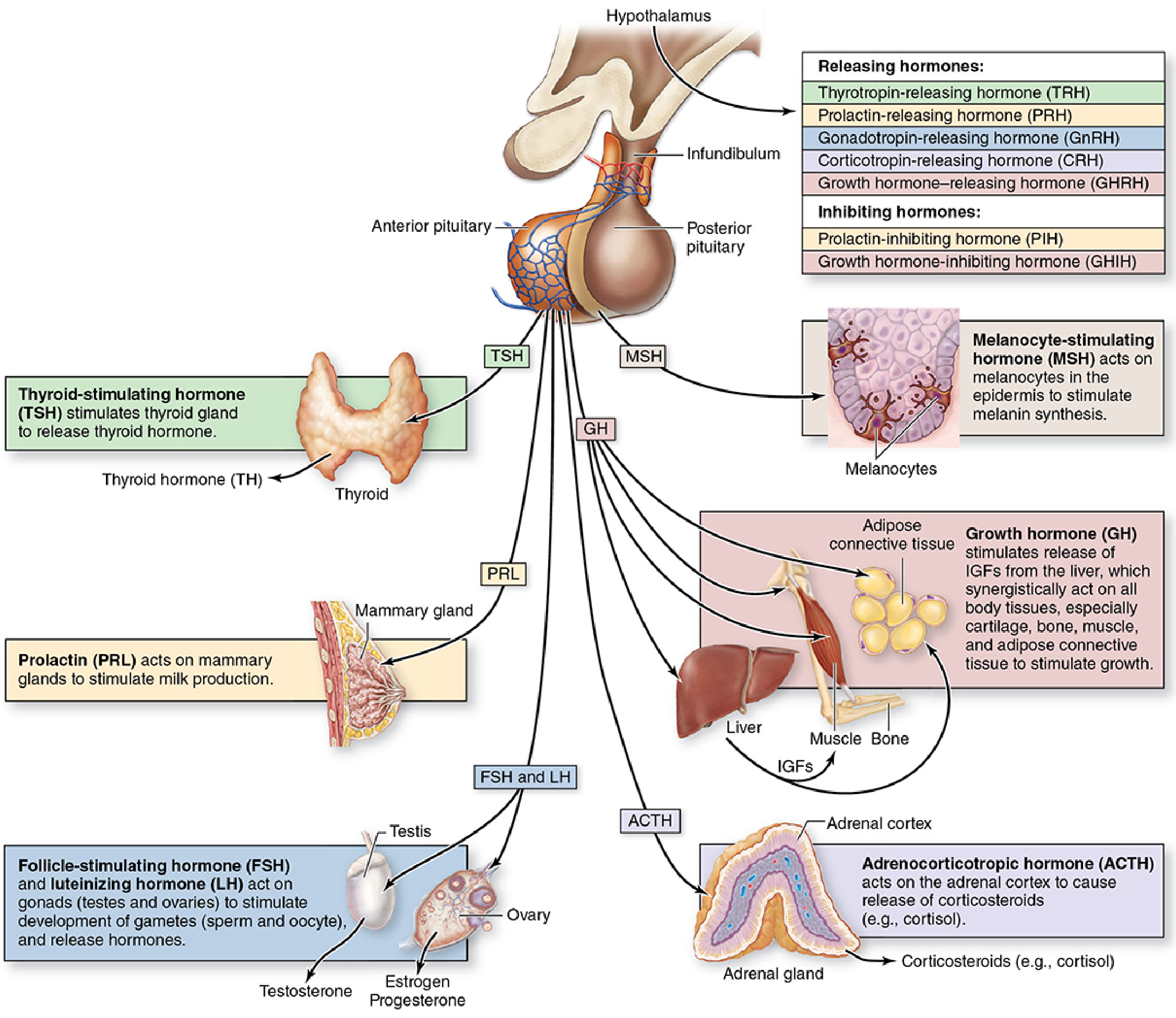
Fig. 20-5 - Hypothalamic-pituitary hormonal axis. Hypothalamic releasing hormones travel via the portal blood supply to stimulate the six major anterior pituitary hormones, each targeting a specific peripheral organ. (Junqueira's Basic Histology, 17e)
3. HYPOTHALAMUS-PITUITARY AXIS - Pathology Summary (Robbins)
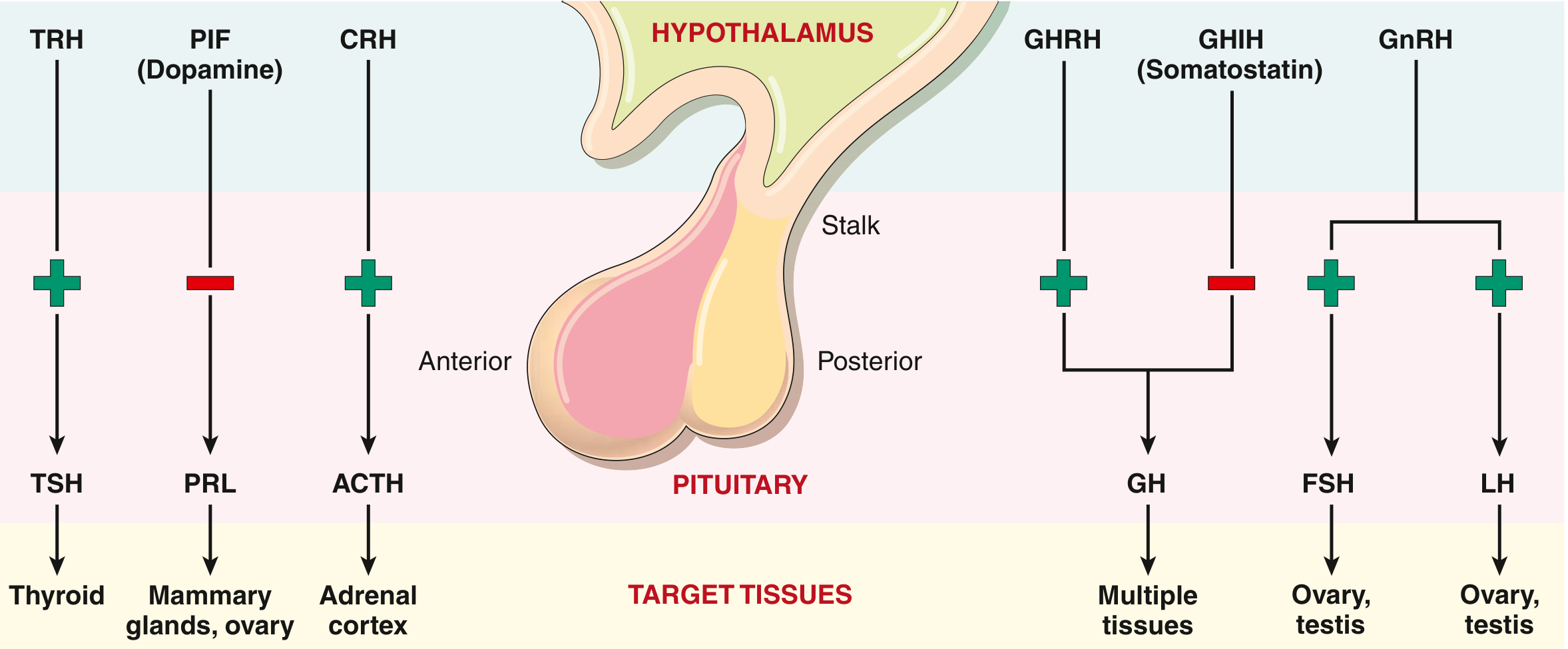
Fig. 18.2 - Hypothalamic-pituitary axis (Robbins). Stimulatory (+) and inhibitory (-) connections are clearly annotated. Dopamine (prolactin-inhibiting factor) uniquely inhibits prolactin release - loss of this inhibition causes hyperprolactinemia. (Robbins & Kumar Basic Pathology)
4. PARS INTERMEDIA - Histology (H&E)
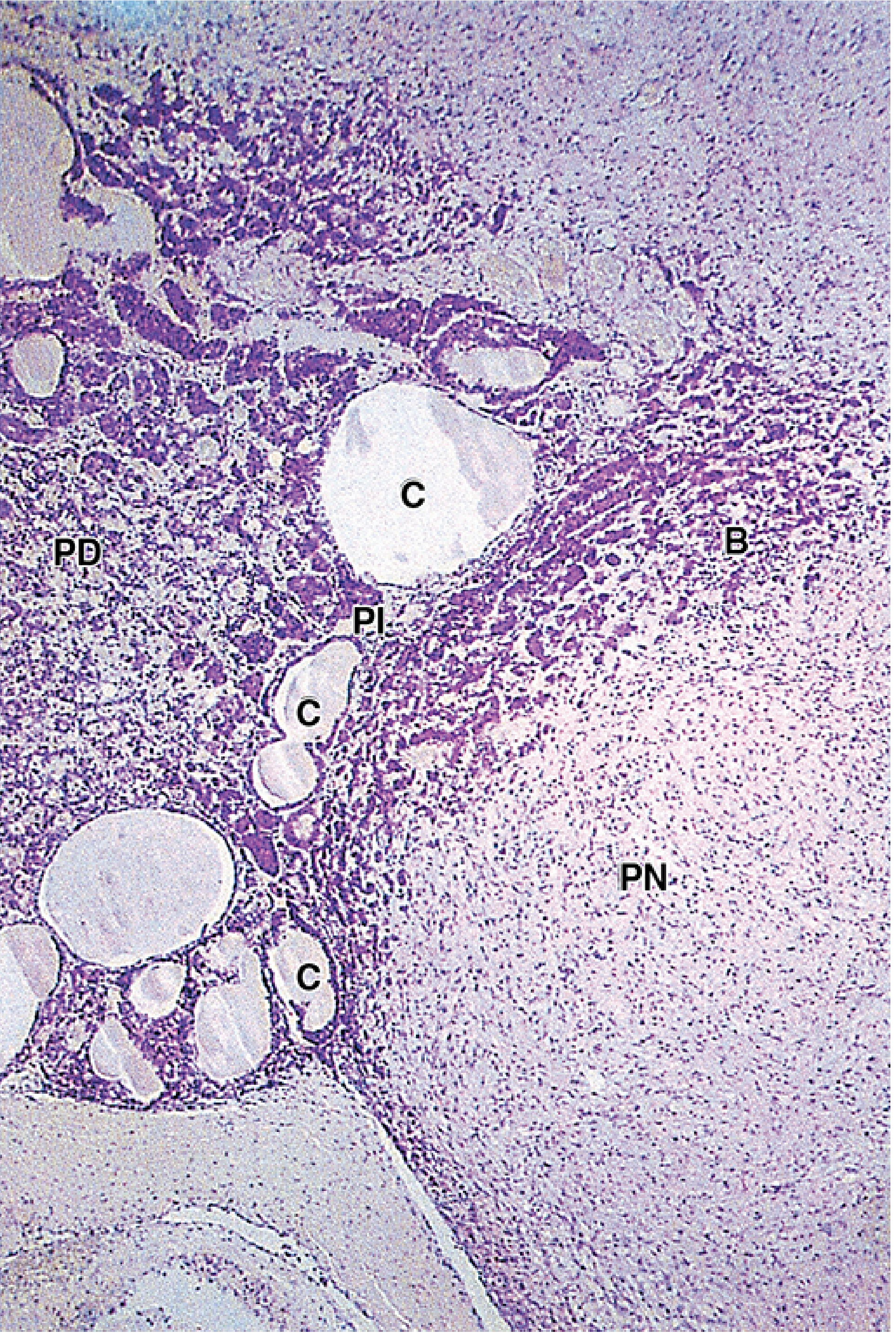
Fig. 20-9 - Pars intermedia histology. The narrow pars intermedia (PI) lies between the pars distalis (PD) and pars nervosa (PN). Key features are the colloid-filled cysts (C) - remnants of the embryonic Rathke's pouch - and basophilic corticotroph cells (B). (x56, H&E) (Junqueira's Basic Histology, 17e)
5. PITUITARY ADENOMA - Gross & Histology (Pathology)
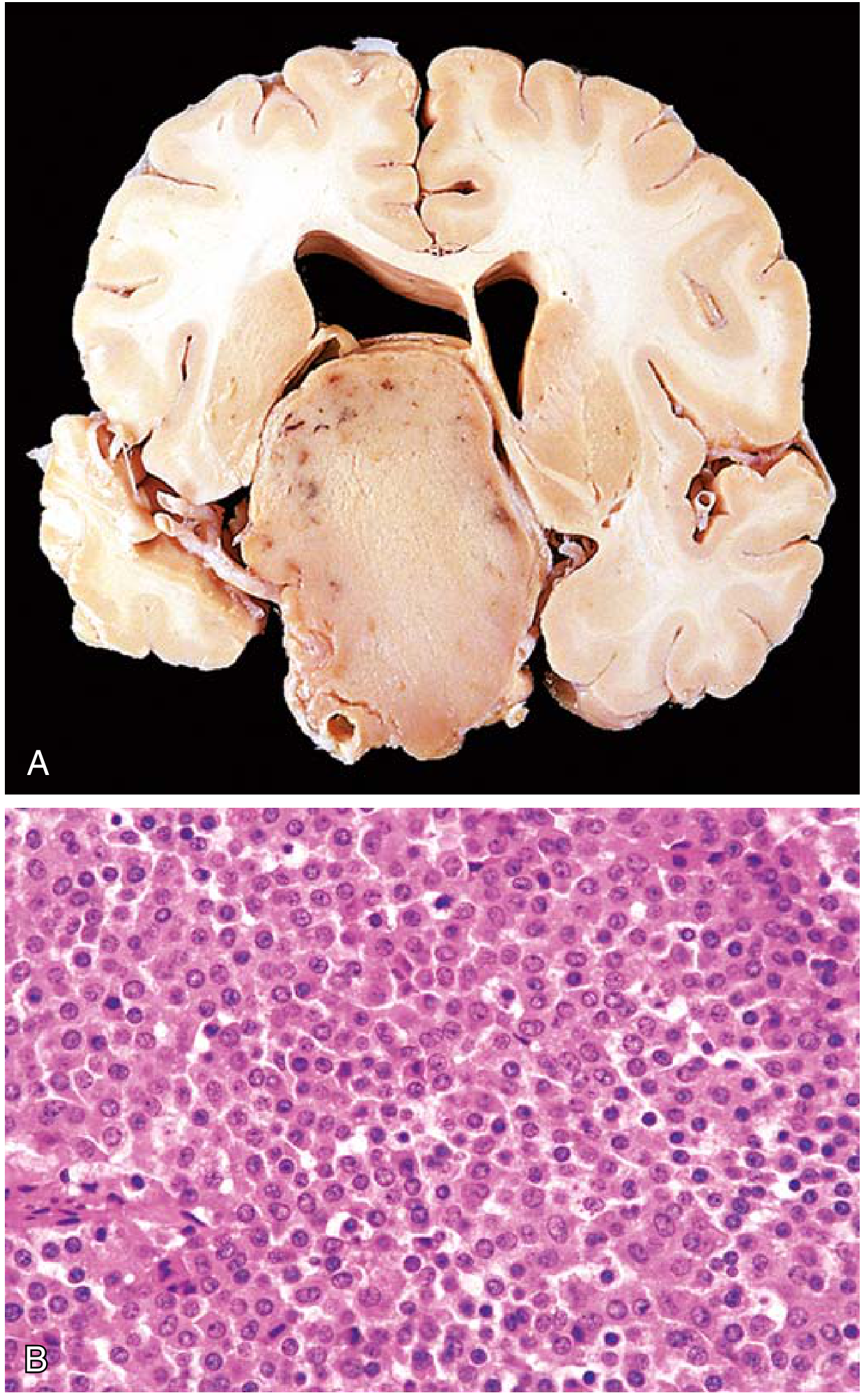
Fig. 18.3 - Pituitary adenoma. (A) Gross specimen: large non-functioning adenoma that has grown beyond the sella turcica and distorts the overlying brain. Non-functioning adenomas tend to be larger at diagnosis than hormone-secreting ones. (B) Histology: monomorphic cells with scant reticulin - contrast with the mixed chromophil population of normal pituitary. (Robbins & Kumar Basic Pathology)
6. THYROID GLAND - Low-Power Histology (H&E)
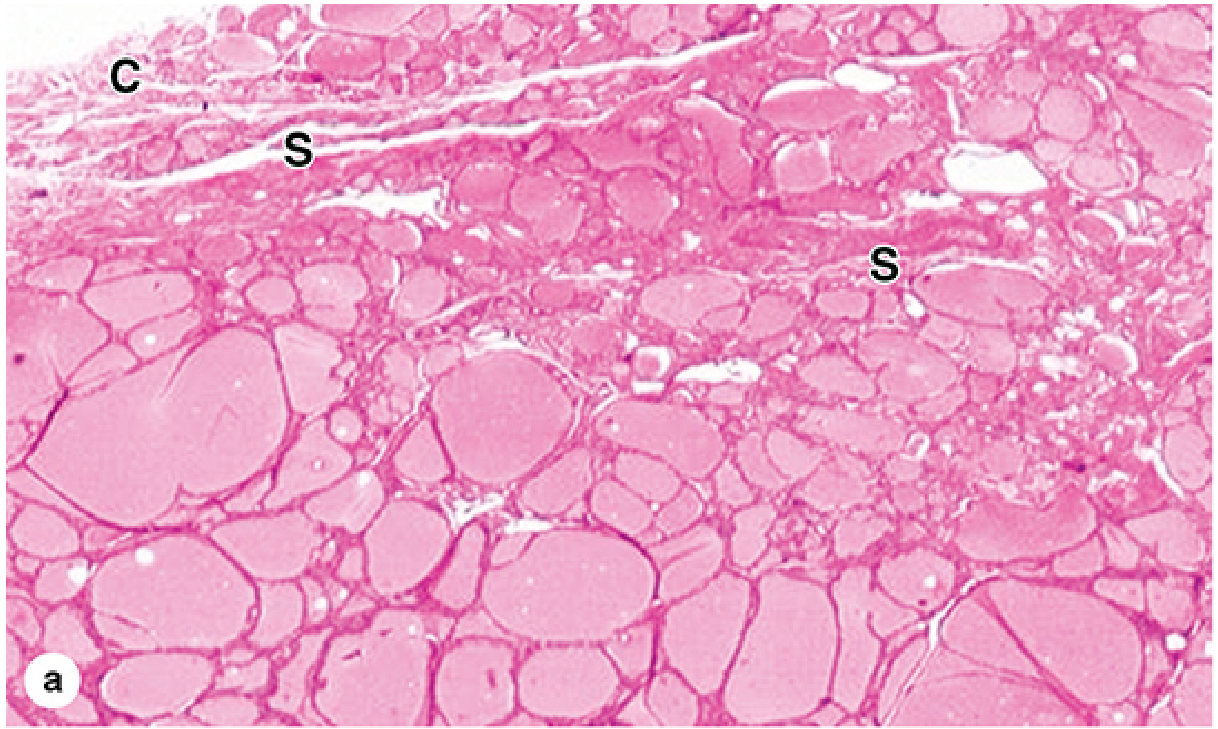
Fig. 20-19a - Thyroid gland (low power). The capsule (C) sends septa (S) with blood vessels into the parenchyma. The entire gland consists of colloid-filled follicles packed closely together - the only endocrine gland that stores hormones extracellularly in the follicular colloid (thyroglobulin). (Junqueira's Basic Histology, 17e)
7. THYROID FOLLICLES - High-Power Histology
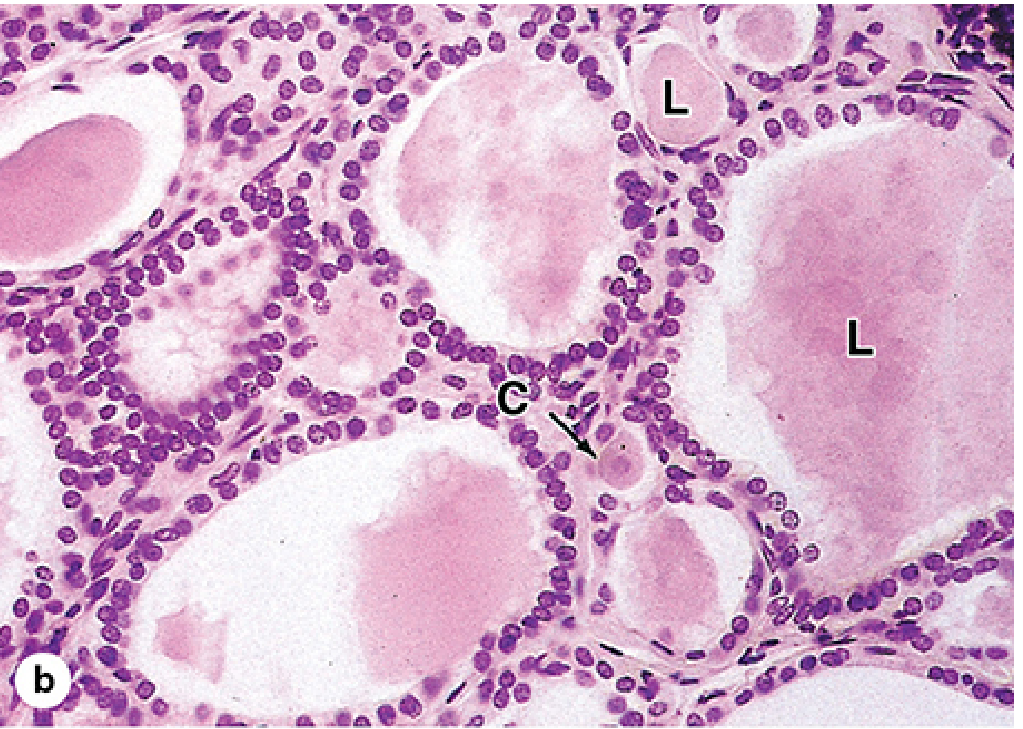
Fig. 20-19b - Thyroid follicles (high power). Follicular lumens (L) are filled with homogeneous eosinophilic colloid (thyroglobulin). A parafollicular C cell (C) - the calcitonin-secreting cell - is identified between follicles. Thyrocyte height reflects activity: tall columnar = active (high TSH), flat squamous = inactive. (Junqueira's Basic Histology, 17e)
8. THYROID HORMONE SYNTHESIS - Cellular Diagram
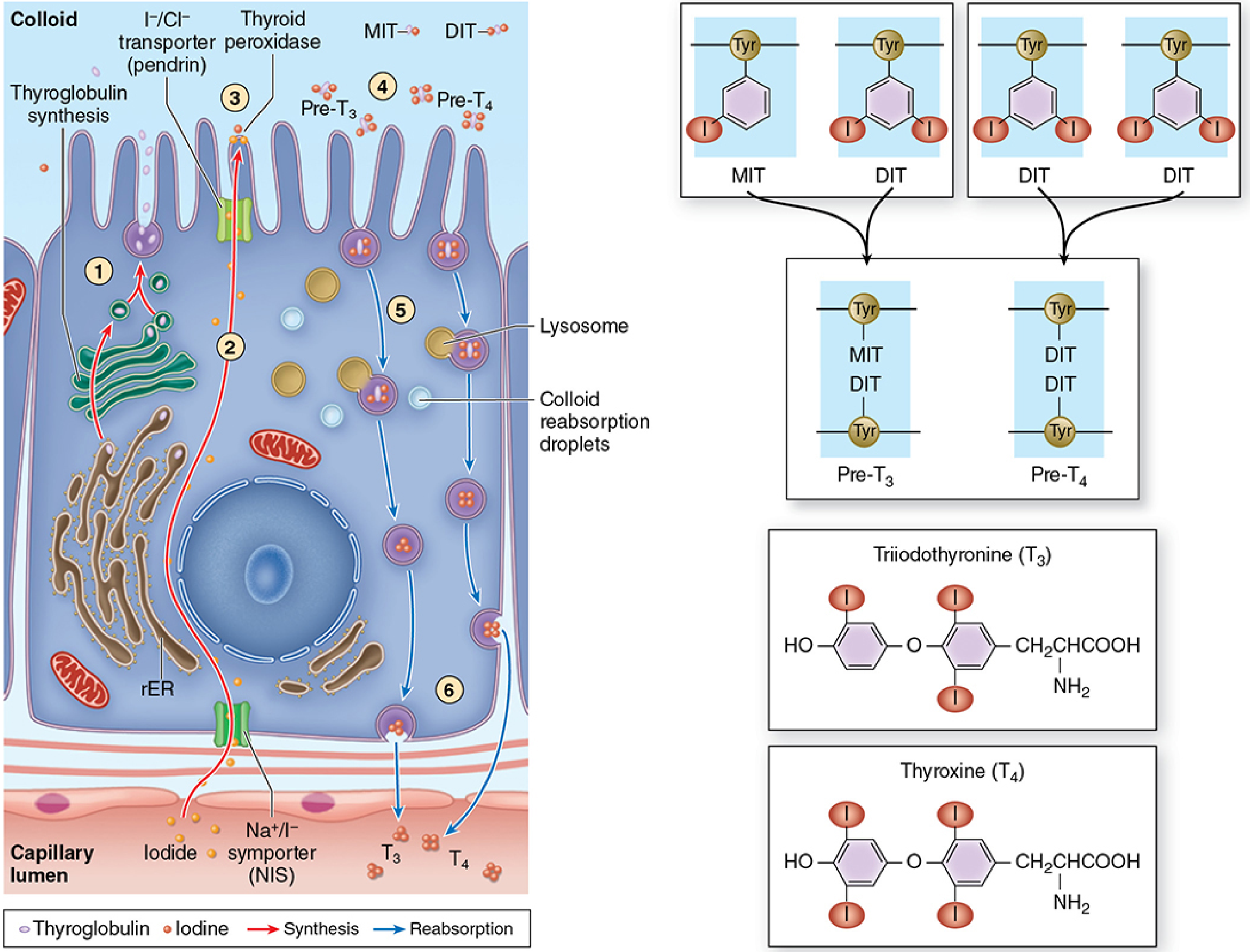
Fig. 20-21 - Thyroid hormone synthesis. The 6-step process: thyroglobulin synthesis → iodide uptake via Na⁺/I⁻ symporter (NIS) → iodide transport to colloid via pendrin → thyroid peroxidase-mediated iodination → endocytosis of iodinated thyroglobulin → lysosomal cleavage releasing T3 and T4. Both phases are driven by TSH. (Junqueira's Basic Histology, 17e)
9. ADRENAL GLAND - Zones (Diagram + Histology)
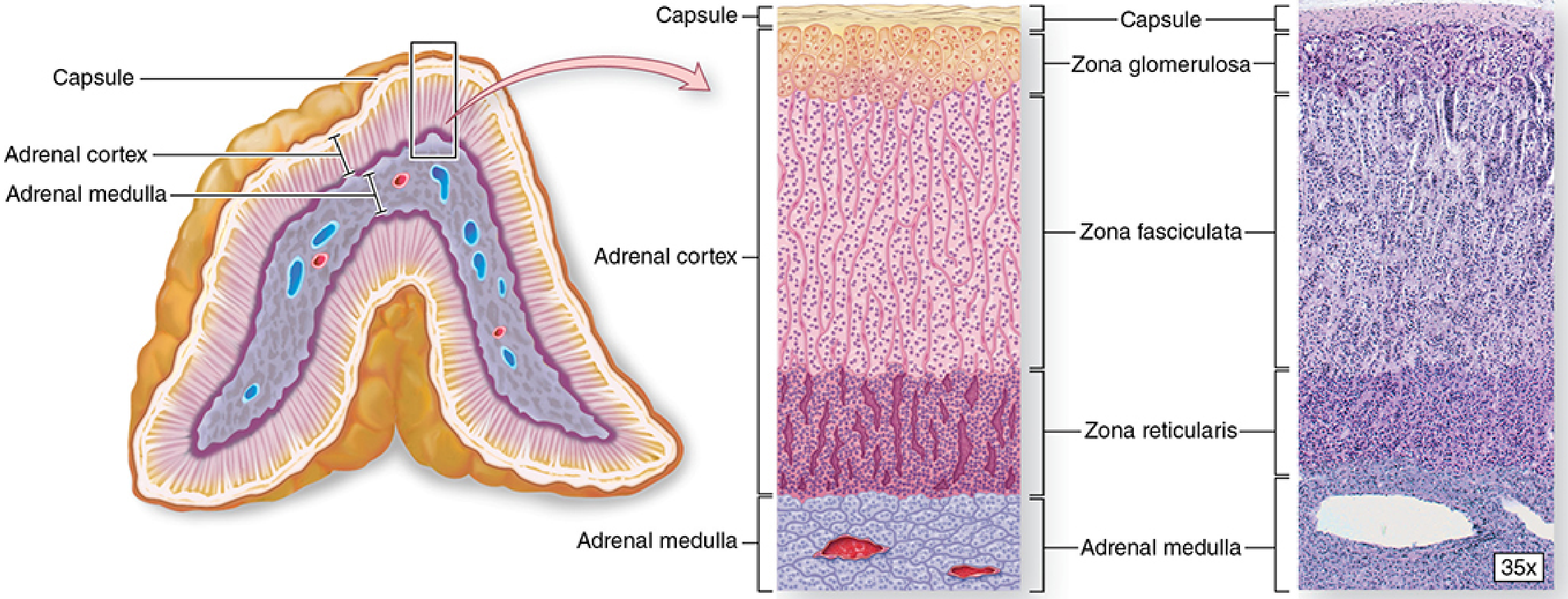
Fig. 20-14 - Adrenal gland zones. The cortex has 3 concentric zones, each producing different steroid hormones:
- Zona glomerulosa (outermost, ~15%) → Aldosterone (mineralocorticoid)
- Zona fasciculata (middle, ~65-80%) → Cortisol (glucocorticoid) - cells appear vacuolated due to lipid droplets
- Zona reticularis (inner) → Androgens (DHEA)
- Adrenal medulla (center, neural crest origin) → Epinephrine & Norepinephrine (Junqueira's Basic Histology, 17e)
10. ADRENAL CORTEX CELL - Electron Microscopy
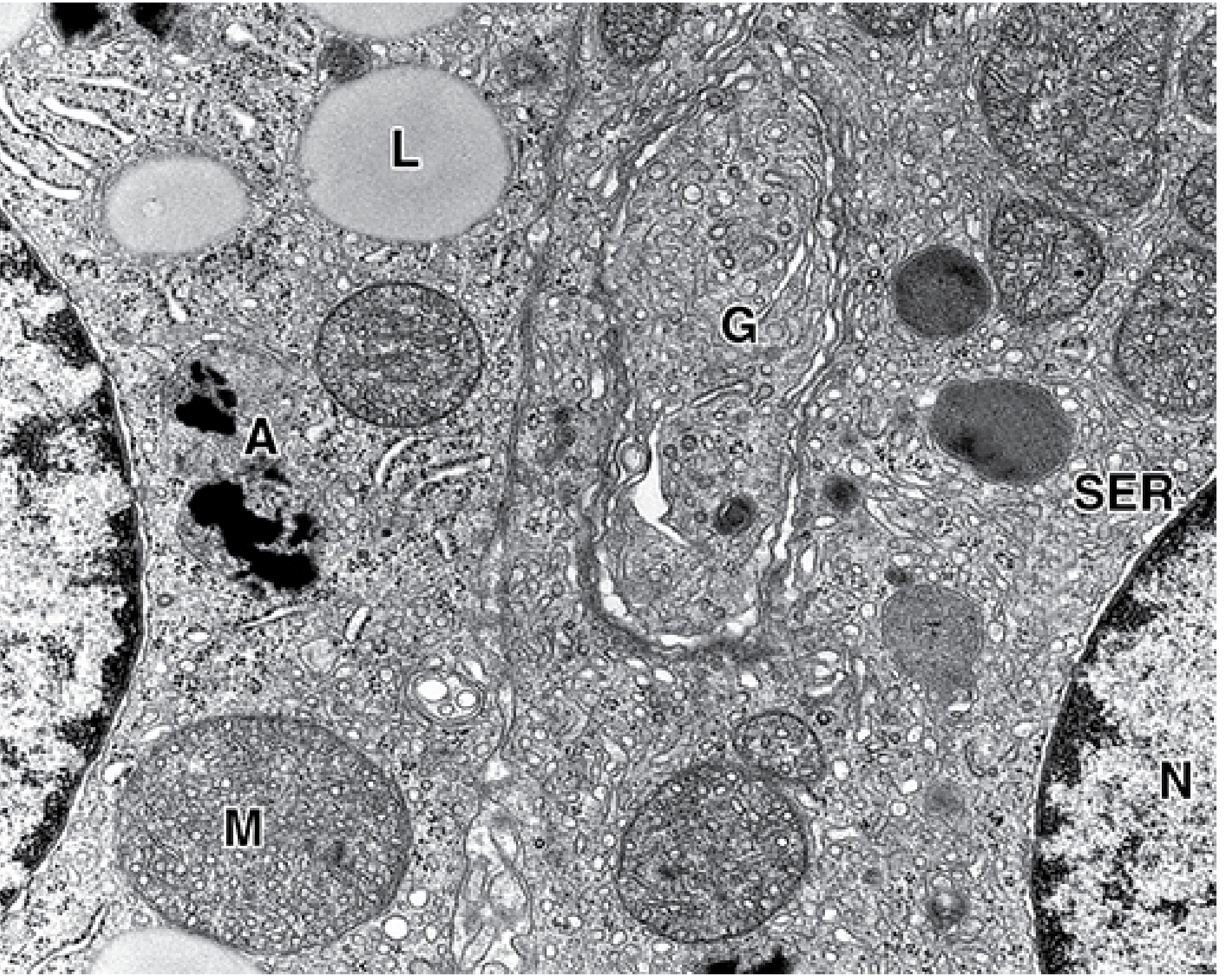
Fig. 20-13 - Adrenocortical cell ultrastructure (TEM, x25,700). Classic features of steroid-secreting cells: lipid droplets (L) containing cholesterol substrate, mitochondria (M) with tubular (not shelf-like) cristae containing steroidogenic enzymes, and abundant smooth ER (SER) for steroid synthesis. Steroids are not stored - they diffuse directly through the plasma membrane. (Junqueira's Basic Histology, 17e)
Key Histological Findings - Quick Reference
| Gland | Key Histological Feature | Clinical Significance |
|---|---|---|
| Pituitary anterior | Mixed basophils, eosinophils, chromophobes | Chromophobe = degranulated / stem cells |
| Pituitary intermediate | Colloid cysts (Rathke remnants) | Craniopharyngioma arises from remnants |
| Pituitary adenoma | Monomorphic cells, loss of reticulin | Bitemporal hemianopsia if large |
| Thyroid | Colloid-filled follicles, variable epithelial height | Low columnar = active; flat = hypoactive |
| Adrenal zona fasciculata | Vacuolated "spongy" cells (lipid-laden) | Lipid washed out in H&E = pale, foamy look |
| Adrenal medulla | Chromaffin cells (neural crest) | Pheochromocytoma from these cells |
| Pancreatic islets | Pale islets within exocrine parenchyma | Beta cell loss → Type 1 DM |
Sources: Junqueira's Basic Histology - Text and Atlas, 17e; Robbins & Kumar Basic Pathology
This is a shared conversation. Sign in to Orris to start your own chat.