

IMG_0733.jpeg
Burning to spices and heat, diagnosis
Reading File
The image shows a tongue with a thick white coating covering most of the dorsal surface, with some areas of redness/erythema visible at the edges and tip. Combined with the symptom of burning sensation worsened by spices and heat, this picture is consistent with oral candidiasis (thrush).
Searching sources...
Finding Sources
Finding Sources
Searching PubMed
"oral candidiasis" diagnosis treatment
Reading File
Reading File
Finding Sources
Reading File
Loading Image
The textbook image from Andrews' Diseases of the Skin (Fig. 15.14 - Thrush in chronic mucocutaneous candidiasis) closely matches what is seen in the user's photo. Here is the full clinical analysis:
Diagnosis: Oral Candidiasis (Thrush)
The photograph and symptom of burning pain worsened by spices and heat are classic for pseudomembranous oral candidiasis, caused by overgrowth of Candida albicans (or less commonly other Candida species).
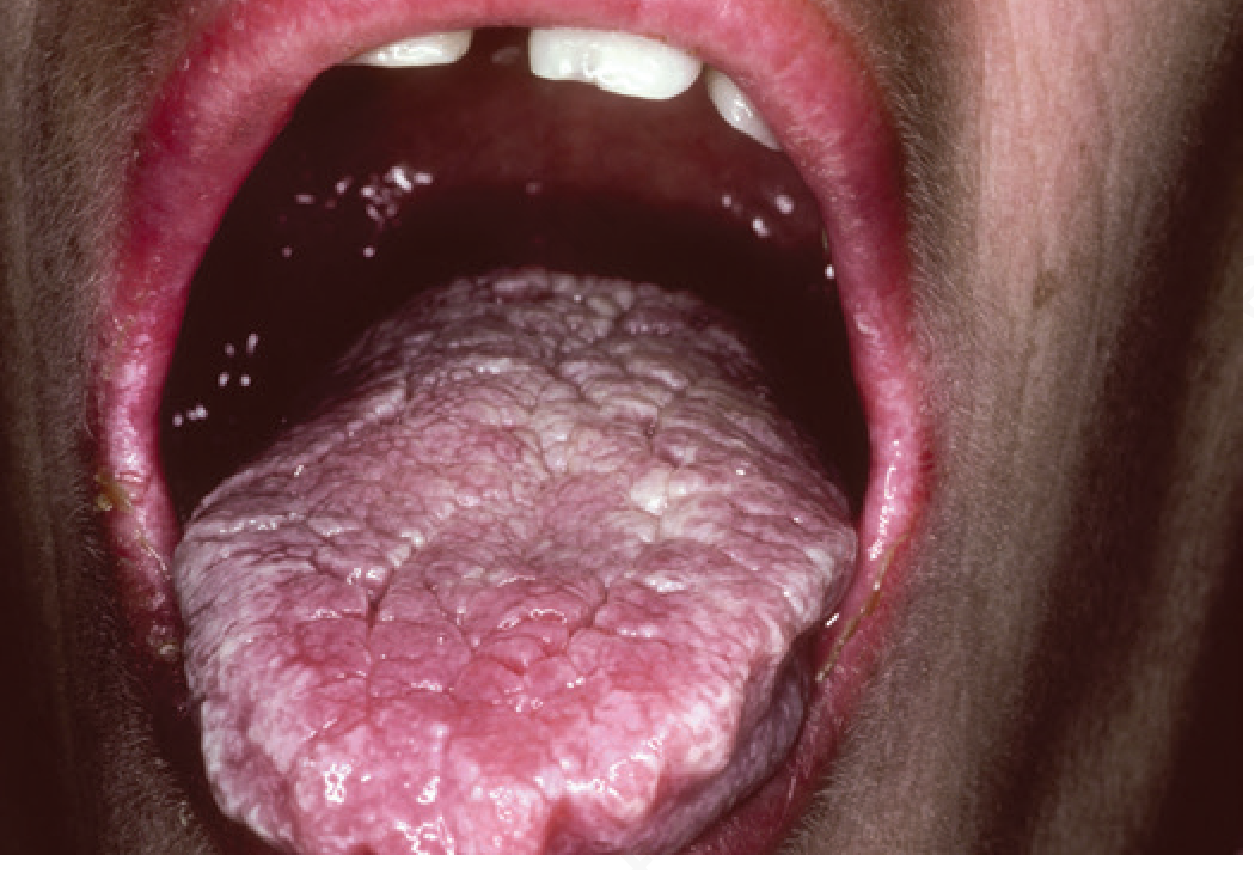
What the image shows
- Thick white-grayish pseudomembranous coating covering most of the dorsal tongue
- Underlying erythema visible at the edges and tip (the red base is moist and inflamed)
- The white plaques have a curd-like, slightly raised texture - characteristic of Candida pseudomembranes
- These plaques can typically be scraped off, leaving a bleeding or erythematous base underneath
This matches the textbook description exactly: "grayish white membranous plaques found on the surface of the tongue... the base of these plaques is moist, reddish, and macerated" - Andrews' Diseases of the Skin, p. 354.
Why the burning is worse with spices and heat
The pseudomembranes and underlying mucosal erosion expose raw nerve endings. Capsaicin (in spicy food) and thermal stimuli directly irritate this already-inflamed surface, causing intense burning. This is a hallmark complaint in oral candidiasis.
Goldman-Cecil Medicine notes the classic symptoms as: "burning of the mouth and tongue, dysgeusia, dysphagia, and hoarseness" alongside white pseudomembranes.
Predisposing Factors to Consider
Ask about these - they are the most common triggers in adults:
| Risk Factor | Why it matters |
|---|---|
| Recent antibiotic use | Disrupts normal oral flora |
| Inhaled corticosteroids (e.g., for asthma) | Topical immunosuppression |
| Dry mouth (xerostomia) | Saliva contains innate antifungal proteins |
| Diabetes mellitus | High glucose feeds Candida; impaired immunity |
| Dentures | Biofilm reservoir |
| HIV / immunosuppression | Thrush in an adult with no clear trigger warrants HIV testing |
| Systemic corticosteroids or chemotherapy | Immune suppression |
Differential Diagnosis
| Condition | Distinguishing features |
|---|---|
| Oral hairy leukoplakia | Lateral tongue, cannot be scraped off, EBV-related, HIV-associated |
| Lichen planus | Reticular white lines (Wickham's striae), often bilateral buccal mucosa |
| Geographic tongue | Migrating smooth red patches, not white plaques |
| Leukoplakia | Fixed white patch, cannot be scraped, smoking-associated - requires biopsy |
| Morsicatio (cheek/tongue chewing) | White shredded appearance, lateral surfaces |
The key distinguishing test: scrape with a tongue depressor - candidal plaques lift off, leaving an erythematous base. Leukoplakia and oral hairy leukoplakia do not scrape off.
Treatment
First-line (topical):
- Nystatin suspension 100,000 units/mL - swish and swallow 4-5 mL four times daily for 7-14 days
- Clotrimazole troches 10 mg - let dissolve in mouth 5x daily for 14 days (good for adults)
Systemic (for persistent, severe, or immunocompromised cases):
- Fluconazole 150 mg single dose - effective for most uncomplicated mucocutaneous infections
- For esophageal or laryngeal involvement: Fluconazole 200 mg day 1, then 100-200 mg daily for 14-21 days
- Fluconazole-resistant cases: Itraconazole 200 mg/day for 14-21 days
Supportive measures:
- Avoid spicy, acidic, and very hot foods until resolved
- Improve oral hygiene
- If using inhaled steroids: rinse mouth thoroughly after each use
- Treat any underlying diabetes or dry mouth
Important Note
If there is no clear predisposing factor (no antibiotics, no steroids, no dentures, otherwise healthy adult), the presence of oral thrush should prompt evaluation for HIV infection - lymphadenopathy, CBC, and HIV serology. This is a well-established clinical guideline.
This is an educational analysis, not a clinical diagnosis. Please see a physician or dentist for examination, confirmation (KOH scraping or culture if needed), and appropriate prescription treatment.
This is a shared conversation. Sign in to Orris to start your own chat.