
analyse_media
Here is a full breakdown of the prescription:
Prescription Summary
Doctor: Dr. Anil Kumar - MBBS, MD-Dermatology, DVD
Consultant Dermatologist and Cosmetic Dermatologist (Skin, Hair & Laser)
Clinic: #369-F, B.E.L. Layout, Dwarakavasa Road, Bangalore - 560 091
Patient: Poornesh, 18 years, Male
Date: 14/07/2021
Diagnosis
- Complaint: Multiple papulopustular eruptions over the face for 1 year
- Diagnosis: Acne Vulgaris, Grade II + Post-inflammatory Reactive Hyperpigmentation (PRH)
Medications Prescribed
| # | Medicine | Instructions |
|---|---|---|
| 1 | Cap. Doxyclari (Doxycycline capsule) - Qty: 20 | 1 capsule in the morning (1-0-0) |
| 2 | SEBUMchar Gel (sebum-control topical gel) - Qty: 1 tube | Apply morning and night (1-0-1) |
| 3 | Cuticlair Acne Face Wash | Use to wash face (routine use) |
What These Medicines Do
- Doxycycline (Cap. Doxyclari): An antibiotic that reduces the bacteria (C. acnes) responsible for acne and also has anti-inflammatory effects. Standard treatment for moderate acne.
- SEBUMchar Gel: A topical gel designed to control excess sebum (oil) on the face and reduce breakouts.
- Cuticlair Acne Face Wash: A medicated face wash that helps cleanse pores, reduce oiliness, and manage acne-prone skin.
Note: This is a doctor's prescription for Grade II Acne Vulgaris. The Kannada notes in red (ಬೆಳಗ್ಗೆ = Morning, ರಾತ್ರಿ = Night) indicate timing instructions. Always follow your doctor's advice and complete the antibiotic course as directed.
Acne vulgaris means
Reading File
Searching sources...
Finding Sources
Reading File
Reading File
Loading Image
What is Acne Vulgaris?
Acne vulgaris is the medical term for common acne - the skin condition almost everyone gets during their teenage years. Here's a simple breakdown:
- "Acne" = a skin disease involving the oil glands and hair follicles
- "Vulgaris" = Latin for "common" (meaning it's the ordinary/most common type)
So "Acne Vulgaris" simply means common acne.
What Causes It?
According to Harrison's Principles of Internal Medicine and Robbins Pathologic Basis of Disease, four key factors work together:
- Clogged pores - Dead skin cells and excess oil block the hair follicle opening, forming a plug (comedone)
- Hormones (Androgens) - At puberty, hormones cause the oil glands to grow and produce more sebum (oil)
- Bacteria - Cutibacterium acnes (formerly Propionibacterium acnes) bacteria live in the clogged pore and release fatty acids that cause inflammation
- Inflammation - The body's immune response attacks the clogged follicle, causing redness, swelling, and pus
Types of Acne Lesions
| Type | What it looks like |
|---|---|
| Whitehead (closed comedone) | Small white bump - pore is blocked and closed |
| Blackhead (open comedone) | Dark spot - pore is open, oil oxidizes to black (not dirt!) |
| Papule | Small, red, raised bump |
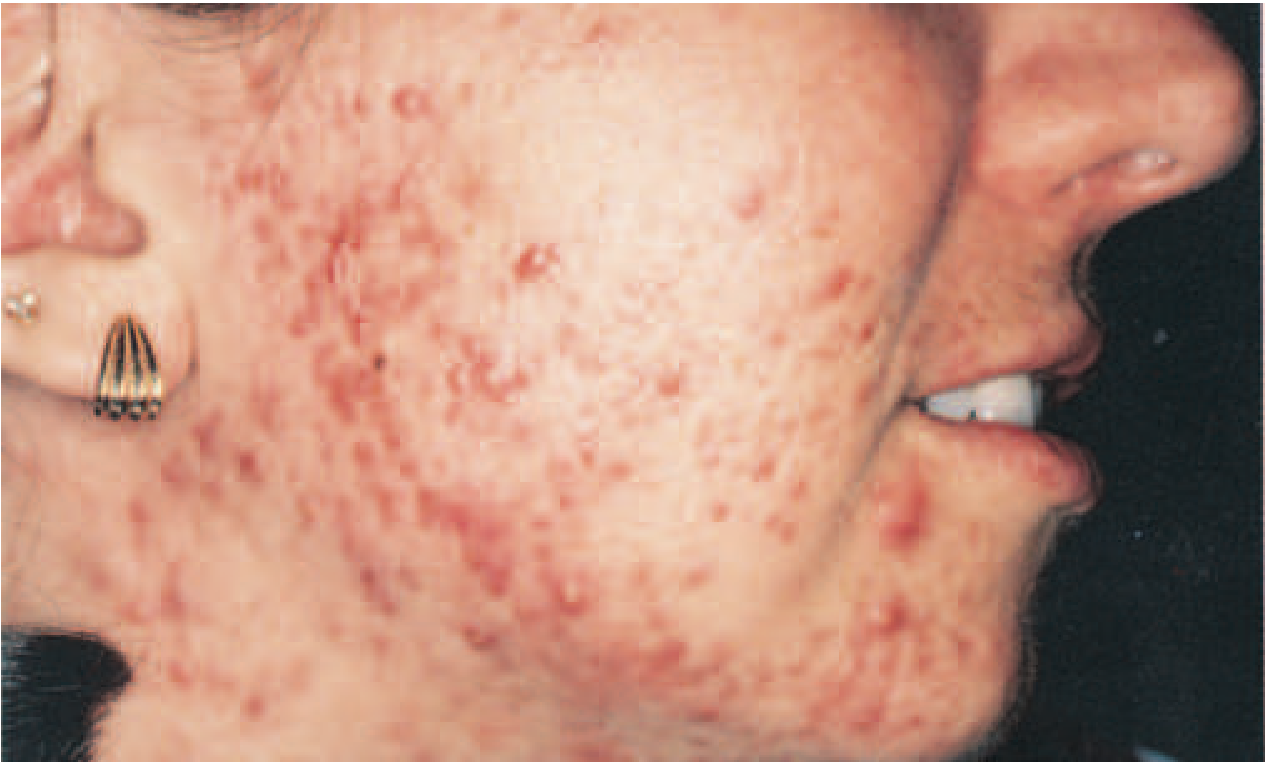
| Pustule | Red bump with pus (white/yellow tip) - what your prescription calls "papulopustular" |
| Nodule/Cyst | Deep, painful, large lumps that can cause scarring |
What "Grade II" Means (Your Diagnosis)
Acne is graded by severity:
| Grade | Description |
|---|---|
| Grade I | Mild - mainly whiteheads and blackheads |
| Grade II | Moderate - papules and pustules on face (your case) |
| Grade III | Severe - many pustules and nodules |
| Grade IV | Very severe - cysts, nodules, risk of scarring |
Poornesh's Grade II acne means moderate acne with red inflamed pimples and pustules - treated well with the antibiotic (Doxycycline) and topical gel prescribed.
Key Points
- It is not caused by poor hygiene or eating oily food (a common myth)
- It is largely driven by genetics and hormones
- It usually improves with age and is very treatable
- With proper treatment like what was prescribed, most Grade II acne clears up well within 6-8 weeks
This is a shared conversation. Sign in to Orris to start your own chat.