
Fetch all the images of all the metabolic cycles in biochemistry and integrate into one in an order
Reading File
Now let me search the library for metabolic cycle images in parallel.
Finding Sources
Finding Sources
Now let me read the key blocks from Harper's (the best biochemistry source) to find all image URLs for metabolic cycles.
Reading File
Finding Sources
I found TCA cycle images. Now let me read the other critical sections for glycolysis, urea cycle, fatty acid oxidation, and pentose phosphate pathway from Harper's and Lippincott.
Finding Sources
Reading File
Reading File
Now let me read the glycolysis and urea cycle sections from Lippincott/Basic Medical Biochemistry.
Reading File
Reading File
Reading File
Excellent! I now have image URLs for the key metabolic cycles. Let me also get the glycolysis and beta-oxidation detailed pathway images, and the electron transport chain image.
Reading File
Reading File
Reading File
I now have all the image URLs I need. Let me also get the full TCA cycle detailed image from Harper's and the ETC image, then fetch them all.
Reading File
Reading File
I now have all the image URLs I need. Let me fetch all of them in parallel - I have 10 fetch_image calls to use. Here are the key metabolic cycle images to fetch:
- TCA Cycle overview (Harper's Fig 16-1):
31c950ff... - TCA Cycle full detail (Harper's Fig 16-2):
d074946c... - TCA Cycle reactions (Harper's Fig 16-3):
bbe2aec2... - Glycolysis phases (Basic Med Biochem Fig 22.4):
cc3535ca... - Glucose-6-P branching (Basic Med Biochem Fig 22.5):
33f01c3c... - Urea Cycle (Basic Med Biochem Fig 36.10):
d1989d72... - Pentose Phosphate Pathway (Harper's Fig 20-3):
bbe54dd5... - Beta-oxidation energy yield (Lippincott Fig 16.18):
907a17c1... - Carnitine shuttle (Lippincott Fig 16.16):
b81f0f73... - Electron Transport Chain (Lippincott Fig 6.8):
5002a90e...
Loading Image
Loading Image
Loading Image
Loading Image
Loading Image
Loading Image
Loading Image
Loading Image
Loading Image
Loading Image
All 10 metabolic cycle images have been successfully retrieved. Here they are organized in the correct metabolic order - from fuel intake through energy extraction:
Integrated Metabolic Cycles of Biochemistry
The major metabolic cycles are interconnected in a logical flow: dietary fuels (glucose, fatty acids, amino acids) are broken down stepwise, with electrons ultimately passed to oxygen via the electron transport chain to generate ATP. Here they are presented in sequence.
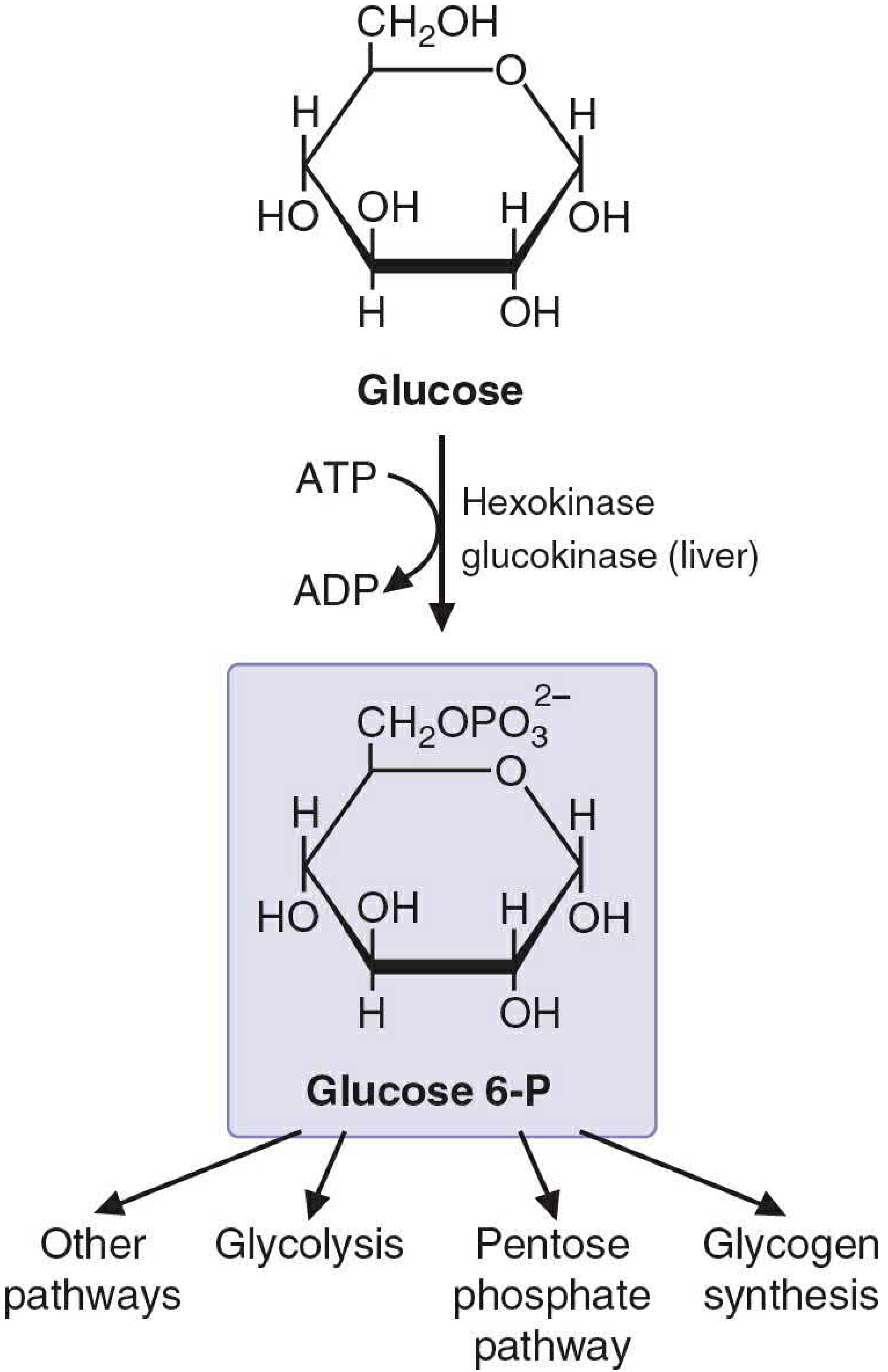
1. Glycolysis - Glucose 6-Phosphate Branch Point
Glucose enters metabolism via phosphorylation to Glucose-6-Phosphate (G-6-P), the central hub that feeds into glycolysis, the pentose phosphate pathway, or glycogen synthesis.
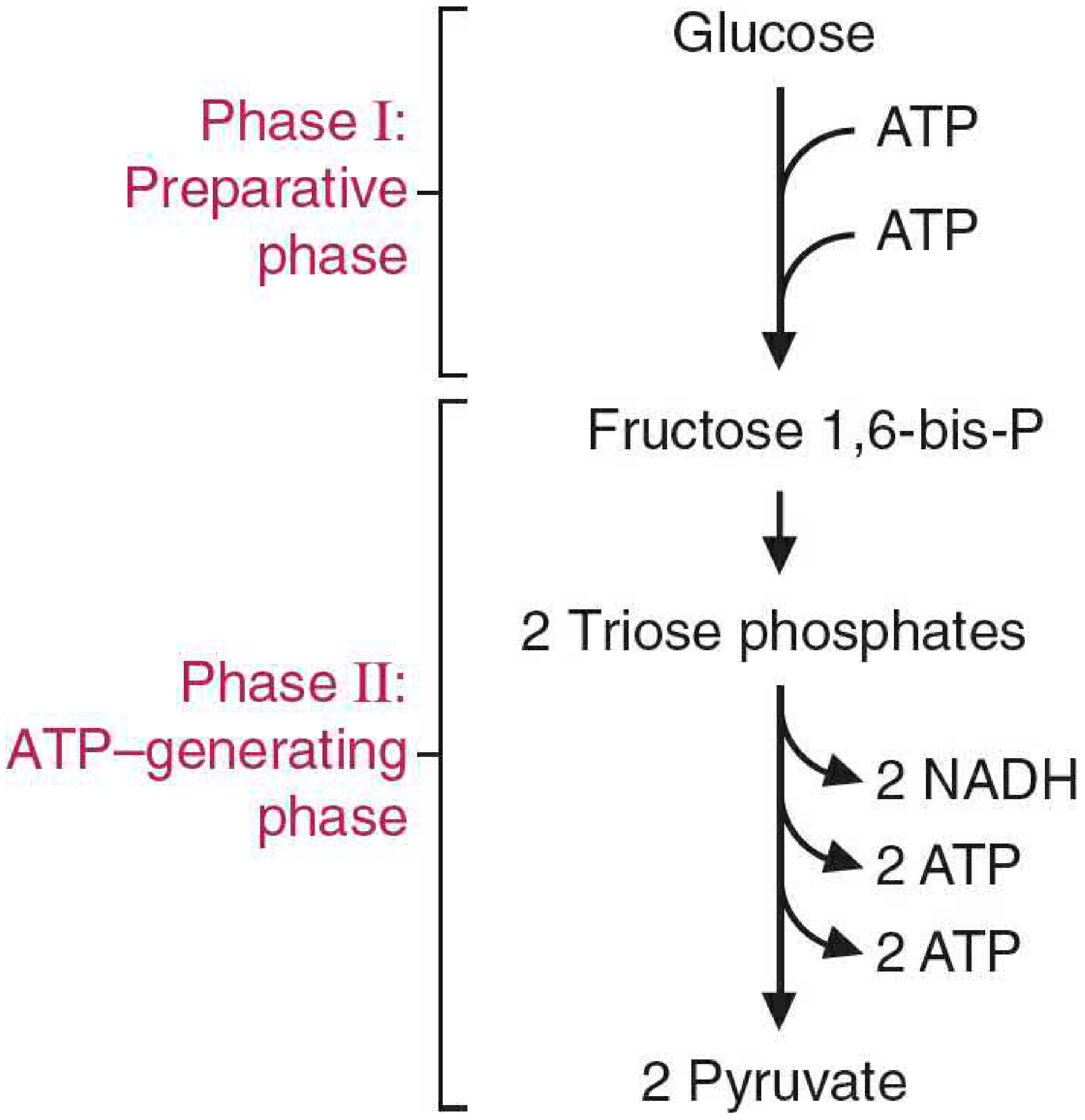
2. Glycolysis - Two-Phase Pathway
Glycolysis converts glucose to 2 pyruvate in two phases: a preparative (energy-investing) phase and an ATP-generating phase.
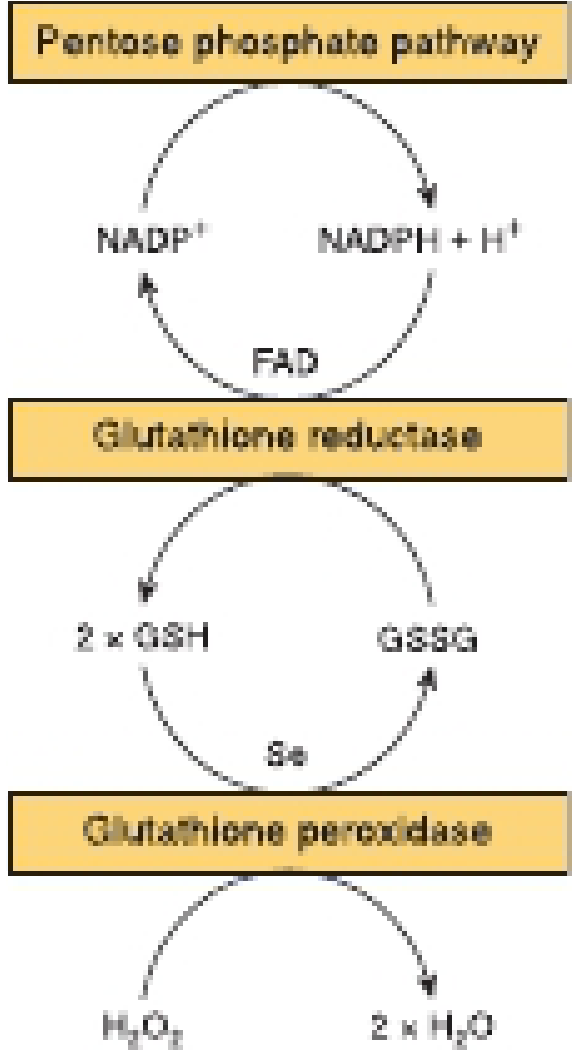
3. Pentose Phosphate Pathway (Hexose Monophosphate Shunt)
The alternative oxidative route for Glucose-6-P, generating NADPH for reductive biosynthesis and antioxidant defense, and ribose-5-phosphate for nucleotide synthesis. It links to glutathione recycling in red blood cells.
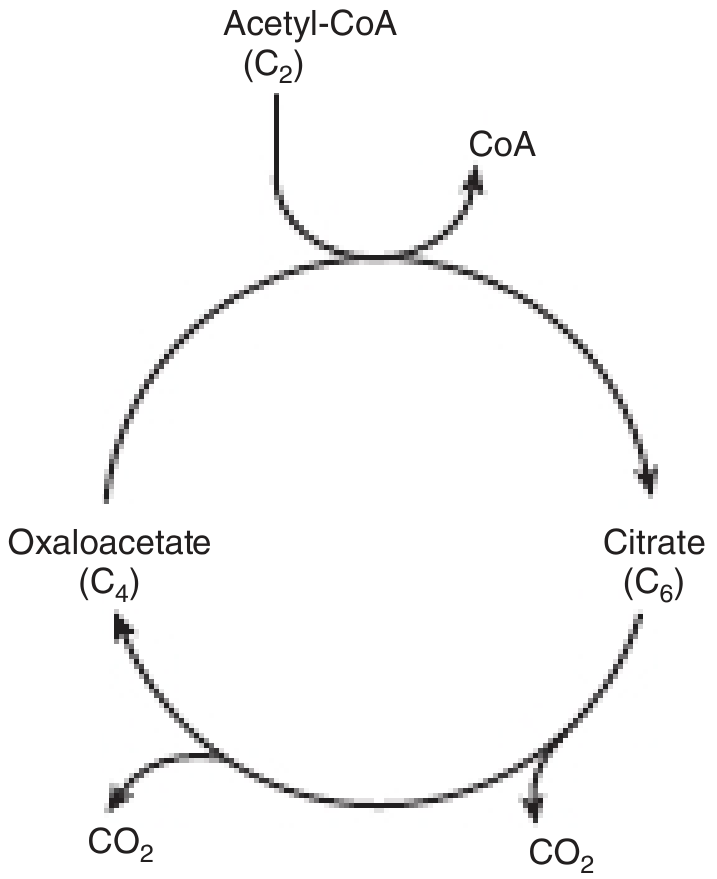
4. Citric Acid (Krebs) Cycle - Overview
Pyruvate from glycolysis is converted to Acetyl-CoA, which enters the TCA cycle. Two carbons enter as Acetyl-CoA; two leave as CO₂. Oxaloacetate is regenerated each turn.
5. Citric Acid (Krebs) Cycle - Linked to Respiratory Chain
The same cycle shown with its connection to the respiratory chain, illustrating how NADH and FADH₂ produced per turn feed oxidative phosphorylation to generate 9 ATP (+ 1 GTP) per acetyl-CoA.
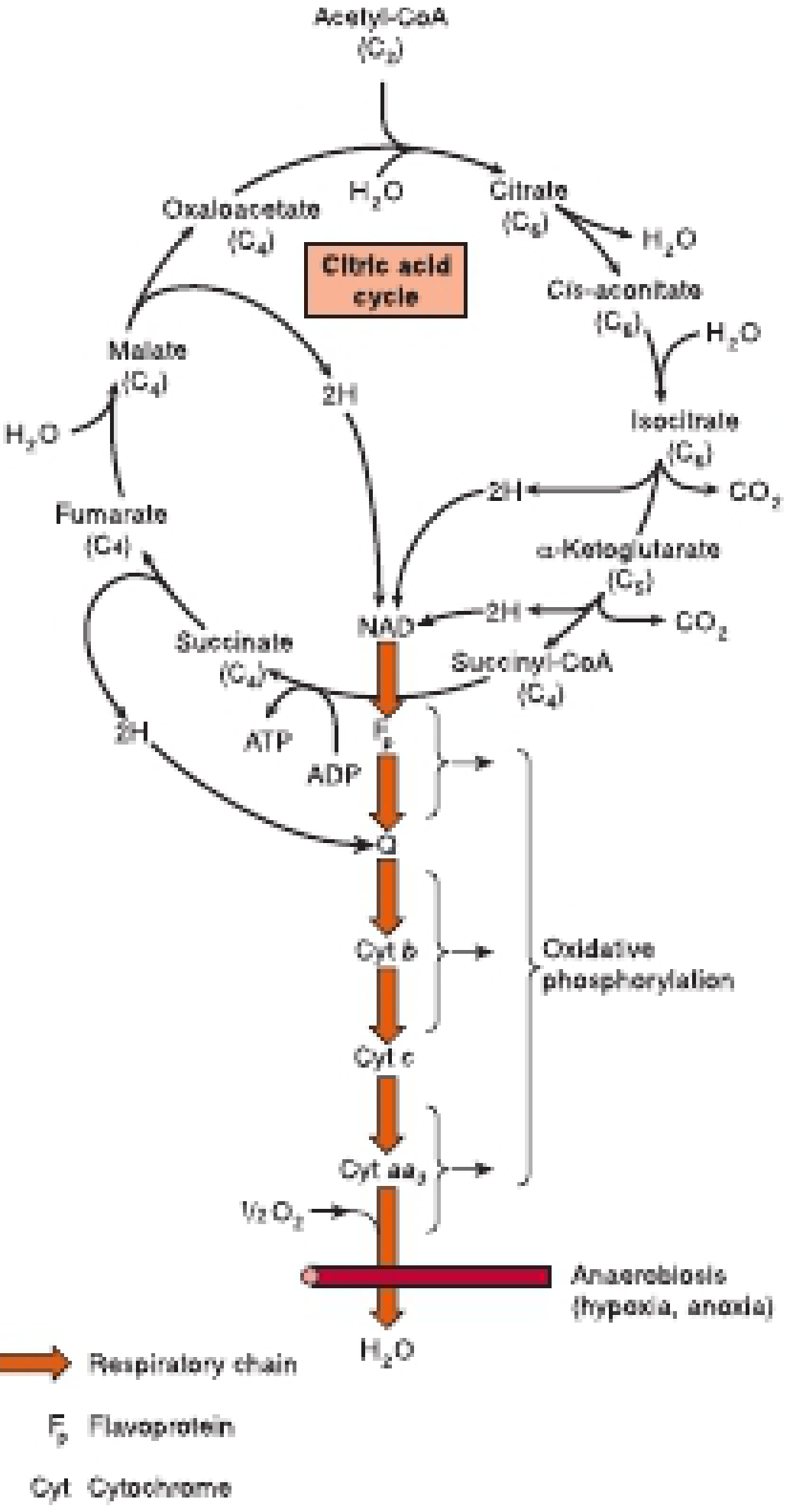
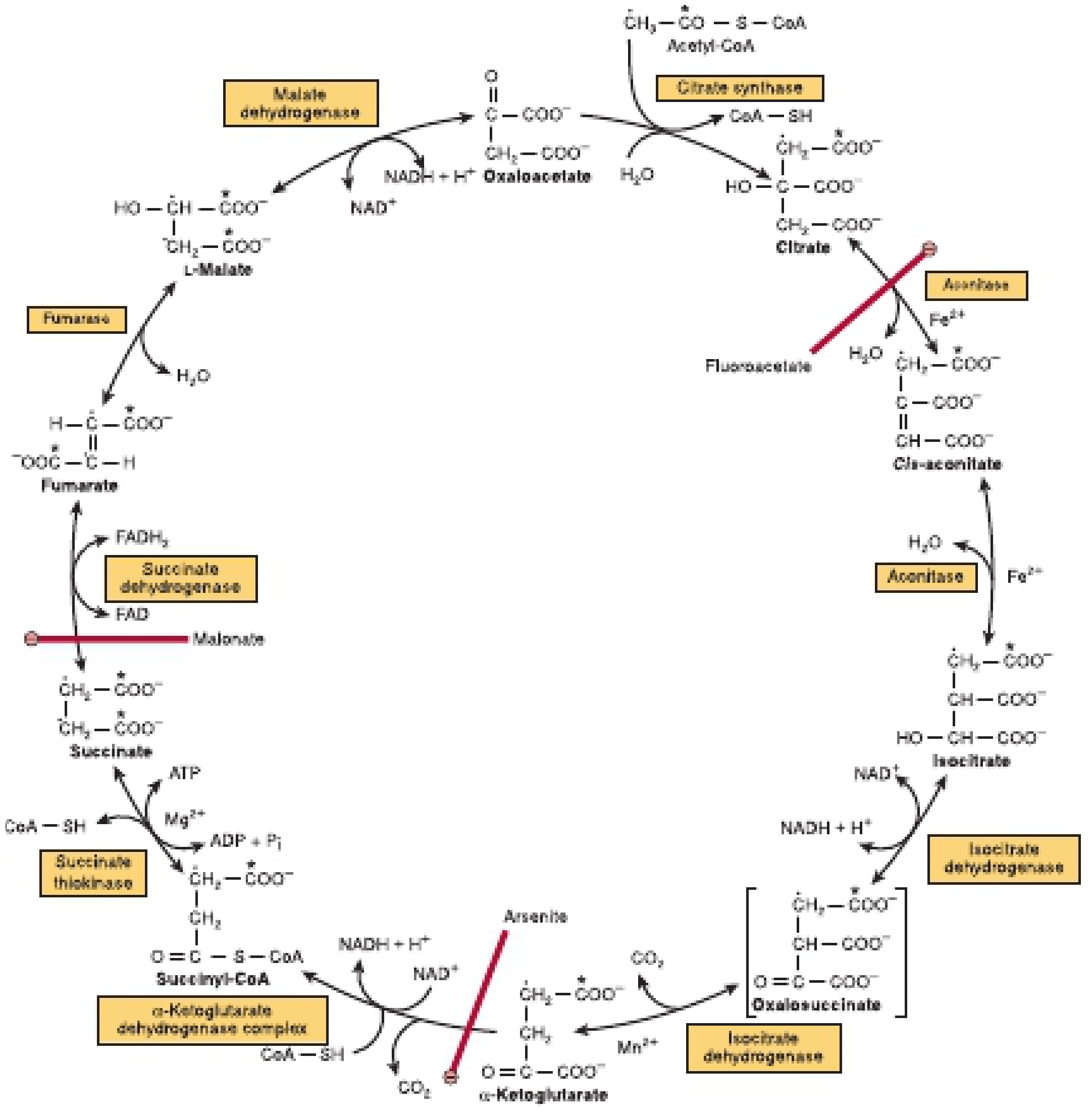
6. Citric Acid (Krebs) Cycle - Full Enzymatic Detail
The complete cycle showing all intermediates, enzymes (citrate synthase, aconitase, isocitrate dehydrogenase, alpha-ketoglutarate dehydrogenase, succinate thiokinase, succinate dehydrogenase, fumarase, malate dehydrogenase), and inhibition sites (fluoroacetate, malonate, arsenite).
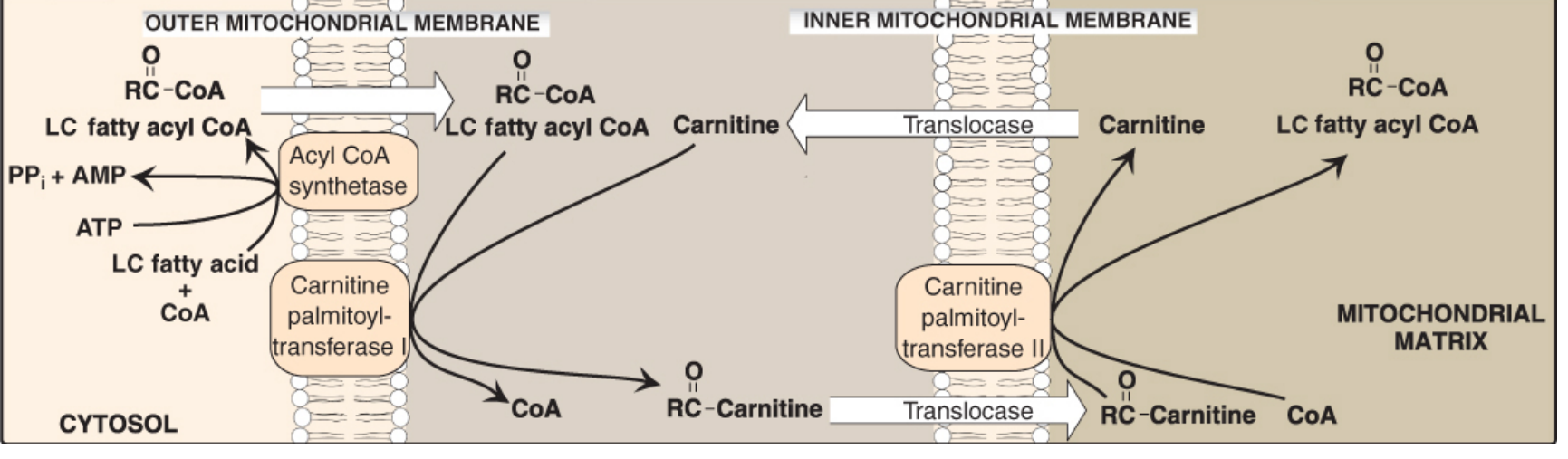
7. Fatty Acid Beta-Oxidation - Carnitine Shuttle (Entry Step)
Long-chain fatty acids cannot cross the inner mitochondrial membrane on their own. They are shuttled as acylcarnitine by CPT-I and CPT-II across both membranes before entering beta-oxidation in the matrix.
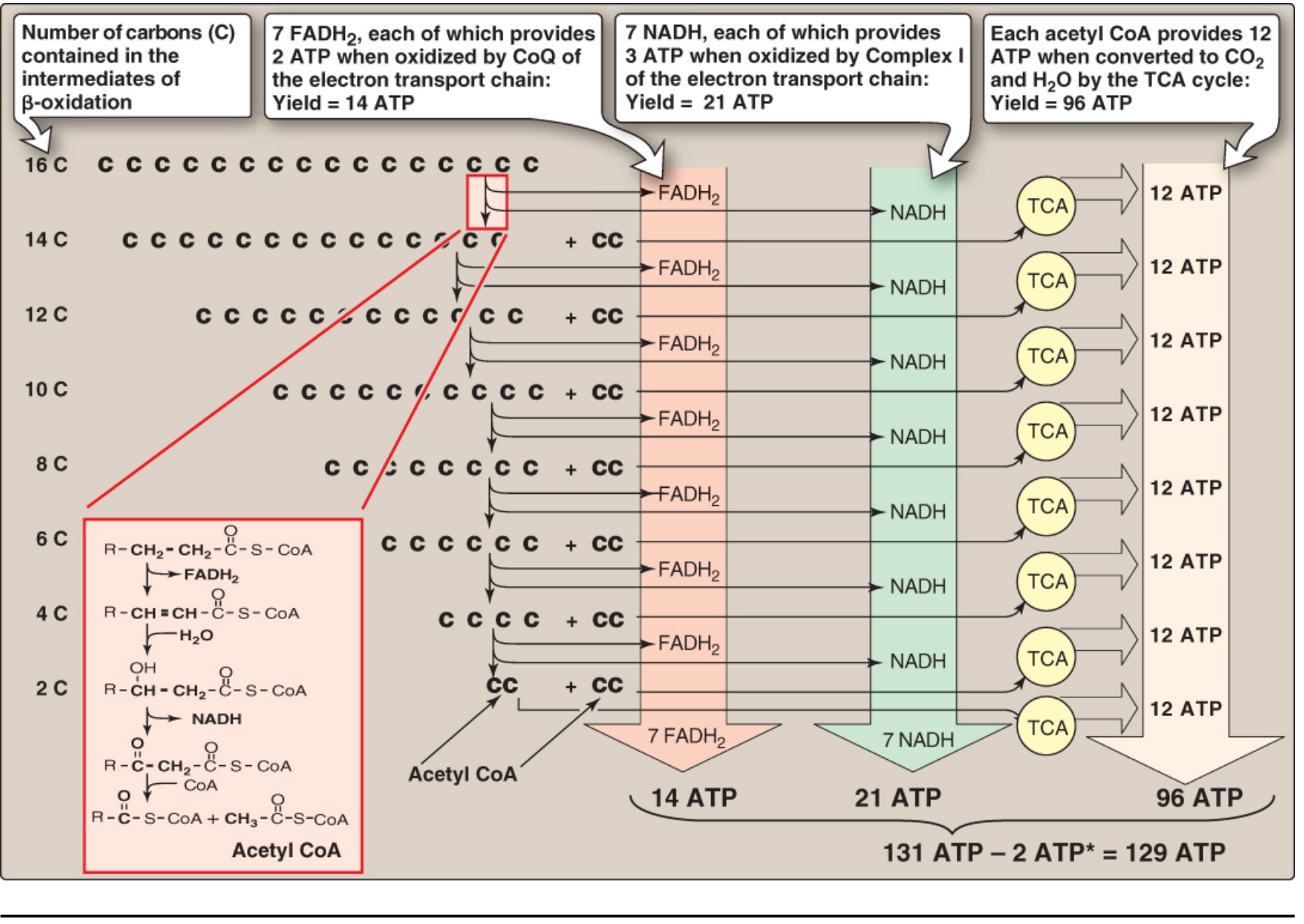
8. Fatty Acid Beta-Oxidation - Energy Yield
Each cycle of beta-oxidation removes 2 carbons as acetyl-CoA, producing FADH₂ and NADH. Full oxidation of palmitate (16C) yields 129 net ATP, linking beta-oxidation to the TCA cycle and oxidative phosphorylation.
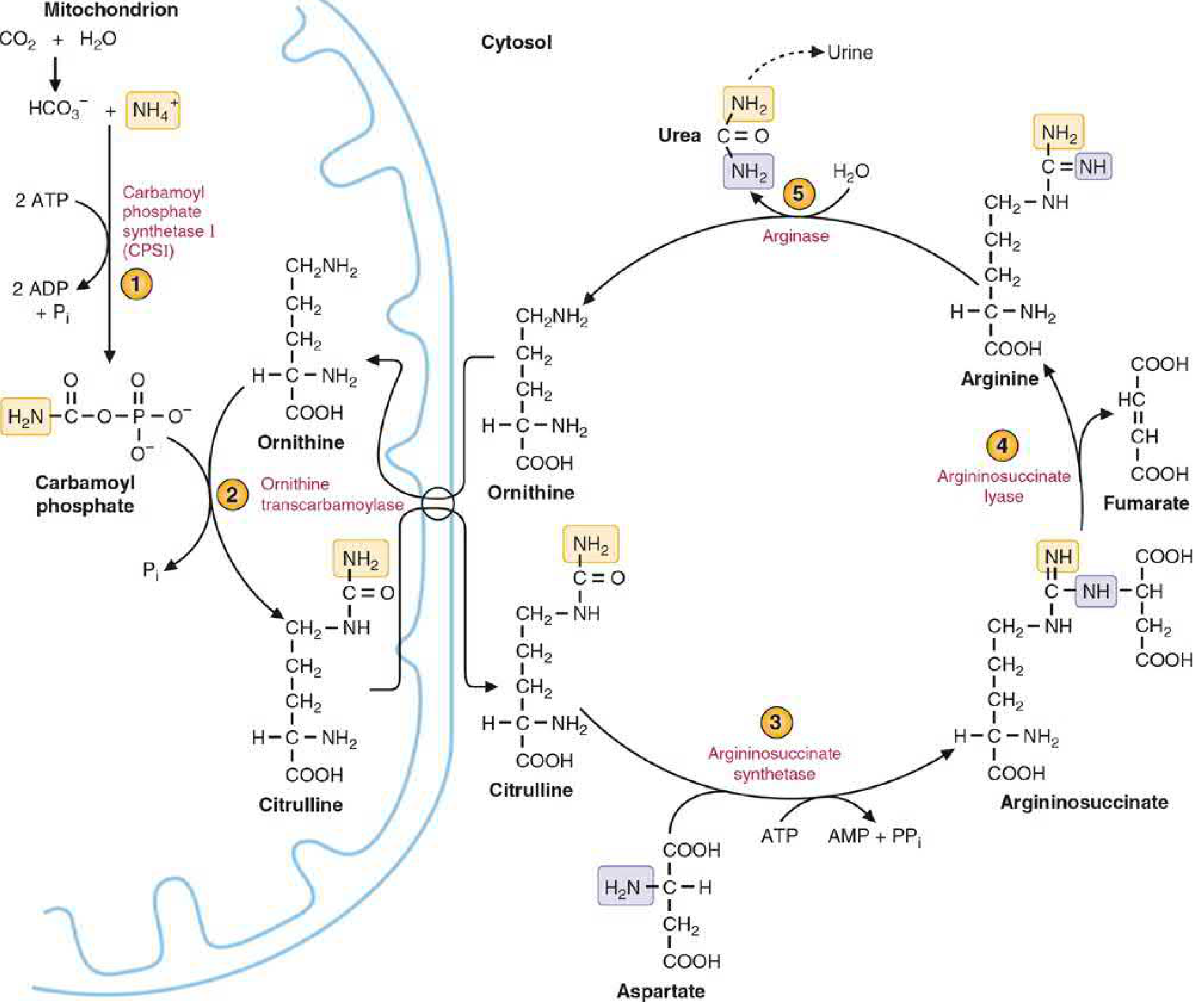
9. Urea Cycle - Nitrogen Disposal
Amino acid catabolism generates ammonia (toxic), which is detoxified in the liver via the urea cycle. Nitrogen enters as NH₄⁺ (→ carbamoyl phosphate) and aspartate; urea is released to urine. The cycle spans both mitochondria and cytosol. Fumarate produced links back to the TCA cycle.
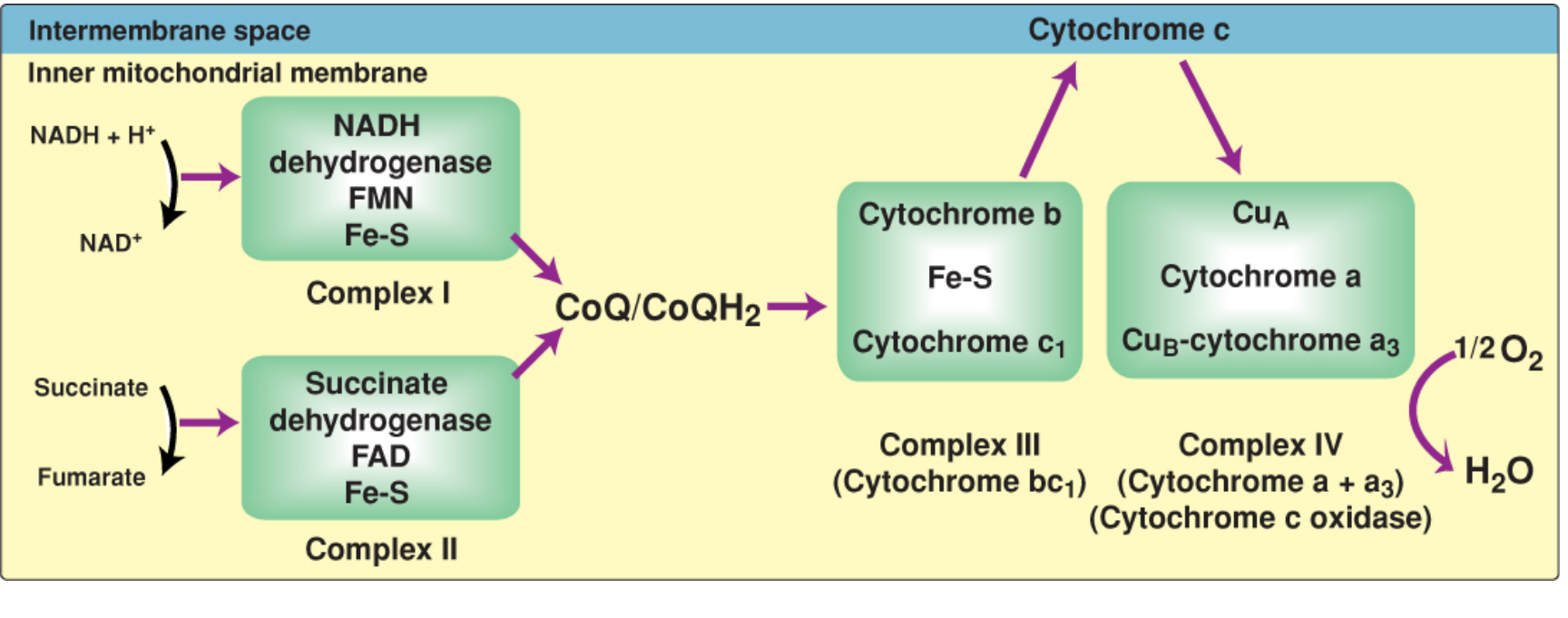
10. Electron Transport Chain (Oxidative Phosphorylation)
The final common pathway. NADH and FADH₂ from all cycles above donate electrons through Complexes I-IV in the inner mitochondrial membrane, driving proton pumping and ATP synthesis. O₂ is the final electron acceptor, reduced to H₂O.
How the Cycles Connect
| Pathway | Input | Output | Links to |
|---|---|---|---|
| Glycolysis | Glucose | 2 Pyruvate, 2 NADH, 2 ATP | TCA cycle, Pentose phosphate pathway |
| Pentose Phosphate Pathway | Glucose-6-P | NADPH, Ribose-5-P | Nucleotide synthesis, antioxidant defense |
| TCA Cycle | Acetyl-CoA | 3 NADH, 1 FADH₂, 1 GTP, 2 CO₂ | Electron transport chain; Urea cycle (fumarate) |
| Beta-Oxidation | Fatty acyl-CoA | Acetyl-CoA, NADH, FADH₂ | TCA cycle, ETC |
| Urea Cycle | NH₄⁺, Aspartate | Urea (excreted), Fumarate | TCA cycle (fumarate → malate) |
| Electron Transport Chain | NADH, FADH₂, O₂ | H₂O, ATP (bulk) | Final output of all other cycles |
All images sourced from Harper's Illustrated Biochemistry (32e), Lippincott Illustrated Reviews: Biochemistry (8e), and Basic Medical Biochemistry: A Clinical Approach (6e).
Also integrate protein and lipid metabolism cycles with this
Searching the medical library for protein and lipid metabolism cycle images now.
Searching sources...
Finding Sources
Finding Sources
Finding Sources
Reading File
Reading File
Reading File
Good, I have image URLs for ketogenesis, cholesterol/HMG-CoA. Now let me get fatty acid synthesis (FAS) cycle, amino acid catabolism, and transamination diagrams.
Reading File
Reading File
Reading File
Excellent - I have all the image URLs I need. Let me also get the cholesterol synthesis pathway image and the transamination diagram, then fetch all images in parallel.
Reading File
Finding Sources
Reading File
Reading File
I now have all the image URLs I need. Let me also quickly get the lipolysis/TAG metabolism image and fetch all 10 images in parallel.
Finding Sources
I have all the images I need. Now fetching all 10 in parallel - covering fatty acid synthesis, ketogenesis, cholesterol synthesis, amino acid catabolism overview, transamination/deamination, and protein metabolism:
Loading Image
Loading Image
Loading Image
Loading Image
Loading Image
Loading Image
Loading Image
Loading Image
Loading Image
Loading Image
You've run out of free credits. Sign up for a free account to continue using Orris.
This is a shared conversation. Sign in to Orris to start your own chat.