


IMG_3063.png
IMG_3062.png
Already on metformin
Reading File
Finding Sources
Finding Sources
Searching PubMed
type 2 diabetes metformin inadequate glycemic control add-on therapy
Reading File
Reading File
Finding Sources
Reading File
Reading File
Loading Image
I now have everything needed for a thorough, well-sourced answer. Here is the full analysis:
Lab Results Summary - Mr. Sandeep Soni Ji, 58M (Dated 27/06/2026)
🔴 Key Abnormal Findings
| Test | Result | Status | Normal |
|---|---|---|---|
| HbA1c | 8.32% | ⬆ HIGH | <5.7% (non-diabetic); Goal of therapy <7.0% |
| Average Blood Glucose | 192.08 mg/dL | ⬆ HIGH | 80-140 mg/dL (good control) |
| Serum Triglycerides | 171.96 mg/dL | ⬆ BORDERLINE HIGH | Desirable <150 mg/dL |
✅ Values Within Normal Range
| Test | Result | Normal |
|---|---|---|
| Total Cholesterol | 168.64 mg/dL | Desirable <200 |
| HDL | 48.32 mg/dL | 35-79.5 |
| LDL | 85.93 mg/dL | 60-165 |
| VLDL | 34.39 mg/dL | 20-50 |
| Cholesterol/HDL Ratio | 3.49 | Low Risk (3.32-4.40) |
| LDL/HDL Ratio | 1.78 | Low Risk (<3.0) |
Clinical Interpretation
1. Diabetes - Inadequately Controlled on Metformin
The HbA1c of 8.32% is clearly in the diabetic range and above the therapeutic target of <7.0%. The report itself notes "action suggested: >8.0%" - his value crosses this threshold, meaning a medication change or addition is needed. Average blood glucose of ~192 mg/dL corresponds to "poor control" by the lab's own reference.
Metformin can reduce HbA1c by 1.0-1.5%, but since he is already on it, monotherapy is no longer sufficient. A second agent must be added.
2. What to Add to Metformin? (Goldman-Cecil Medicine treatment algorithm)
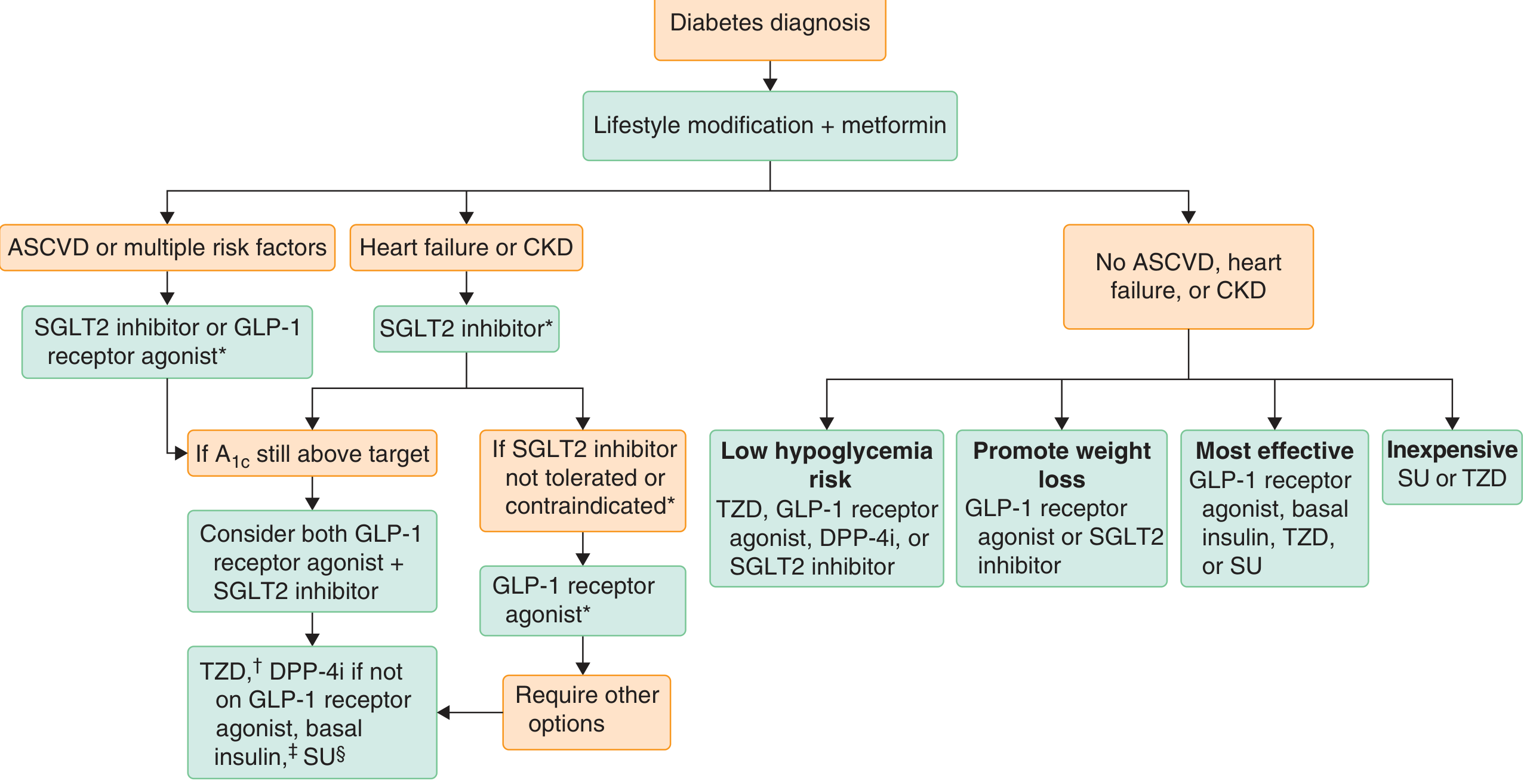
The choice of second agent depends on clinical priorities:
| Priority | Best Add-On | Notes |
|---|---|---|
| Proven CV benefit / multiple risk factors (age 58M is a risk factor) | SGLT2 inhibitor (empagliflozin, dapagliflozin) or GLP-1 RA (semaglutide, liraglutide) | Guidelines strongly prefer these first |
| Weight loss needed | GLP-1 RA or SGLT2 inhibitor | Both cause weight loss; GLP-1 RA also reduces triglycerides |
| Cost-conscious | Sulfonylurea (glimepiride) or TZD (pioglitazone) | Effective but SU causes weight gain and hypoglycemia risk |
| Low hypoglycemia risk | DPP-4 inhibitor (sitagliptin), GLP-1 RA, SGLT2i | All three |
At age 58 with borderline-high triglycerides and diabetes, a GLP-1 receptor agonist is particularly attractive - it lowers HbA1c by ~1.0-1.2%, reduces triglycerides, promotes weight loss, and has cardiovascular outcome benefits (semaglutide, liraglutide, dulaglutide). - Goldman-Cecil Medicine, International Edition
The SGLT2 inhibitors are also excellent if there is any concern about cardiac or kidney disease.
3. Triglycerides - Borderline High (171.96 mg/dL)
At 171.96 mg/dL, this falls in the borderline-high zone (150-199 mg/dL). This does not yet require drug therapy but warrants attention:
- For TG <200 mg/dL: first-line treatment is lifestyle modification - weight reduction and increased physical activity. - Tietz Textbook of Laboratory Medicine, 7th Ed.
- Drug therapy (fibrates, high-intensity statins, omega-3) is considered when TG reaches 200-499 mg/dL.
- Importantly, poorly controlled diabetes itself drives hypertriglyceridemia. Getting HbA1c under control will likely bring triglycerides down too.
- GLP-1 receptor agonists also independently lower triglyceride levels, making them doubly appropriate here.
Action Points for the Treating Doctor
- Add a second antidiabetic agent - GLP-1 receptor agonist (e.g., oral or injectable semaglutide) is a strong option given his age, TG elevation, and the need for HbA1c reduction >1%. SGLT2 inhibitor is an alternative.
- Check renal function (eGFR) before adding SGLT2i (needs eGFR >45) and ensure metformin dose is appropriate.
- Check Vitamin B12 - long-term metformin use is associated with B12 deficiency, which can worsen neuropathy.
- Lifestyle counseling - dietary fat/carbohydrate restriction, alcohol avoidance, and regular aerobic exercise will help both glycemic control and triglycerides.
- Repeat HbA1c in 3 months after medication adjustment to assess response.
- Triglycerides - reassess after glycemic control improves; if still elevated, consider fenofibrate.
Disclaimer: This analysis is for informational purposes only and is not a substitute for consultation with the treating physician. All medication changes should be made by a qualified doctor who knows the full clinical picture.
Sources: Goldman-Cecil Medicine International Edition; Katzung's Basic & Clinical Pharmacology 16th Ed.; Tietz Textbook of Laboratory Medicine 7th Ed.
Snake bite management
Reading File
Finding Sources
Searching PubMed
"snakebite" AND "management" AND "antivenom"
Reading File
Reading File
Reading File
Reading File
Reading File
Reading File
Reading File
Reading File
Reading File
Loading Image
Loading Image
Finding Sources
I now have comprehensive, multi-source content. Here is the full structured guide on snakebite management:
Snakebite Management
1. Epidemiology & Overview
Snakebite is the world's deadliest neglected tropical disease. Estimates suggest 1.2-5.5 million bites annually worldwide, causing ~63,000-125,000 deaths and ~400,000 amputations. The burden falls overwhelmingly on South Asia, Sub-Saharan Africa, and Latin America - particularly among farmers, women, and children in rural communities. In India, the "big four" venomous snakes are the Indian cobra (Naja naja), Russell's viper (Daboia russelii), saw-scaled viper (Echis carinatus), and common krait (Bungarus caeruleus). - Park's Textbook of Preventive & Social Medicine; Harrison's 22E
Key fact: 70% of all snakebites are from non-venomous species. Of bites by venomous snakes, only ~50% actually envenomate the patient (the rest are "dry bites"). - Park's / Government of India National Protocol 2007
2. Types of Snake Venom
| Venom Type | Mechanism | Key Species | Clinical Effects |
|---|---|---|---|
| Cytotoxic / Haemotoxic | Tissue digestion, haemolysis, destroys endothelial lining | Vipers, Russell's viper | Local necrosis, swelling, coagulopathy, DIC, haemorrhage |
| Neurotoxic | Blocks neuromuscular transmission | Cobras, kraits, coral snakes, sea snakes | Ptosis, dysphagia, diplopia, respiratory paralysis |
| Mixed | Both effects | Some cobras, spitting cobras | Combined local + systemic |
3. Clinical Features
Warning Signs of Severe Envenomation
- Snake identified as a dangerous species
- Rapid early extension of local swelling from bite site
- Early tender regional lymphadenopathy (spread via lymphatics)
- Systemic symptoms: collapse, hypotension, shock, nausea, vomiting, severe headache
- Heaviness of eyelids / early ptosis or ophthalmoplegia
- Early spontaneous systemic bleeding (gums, nose, vomit, stool, urine)
- Dark brown/black urine (haemoglobinuria/myoglobinuria - indicates rhabdomyolysis/AKI)
Local Effects (Viper/Cytotoxic)
- Fang marks, pain, progressive oedema (can involve entire limb within 1 hour in severe cases)
- Ecchymosis, haemorrhagic blebs (may appear within hours)
- Local tissue necrosis
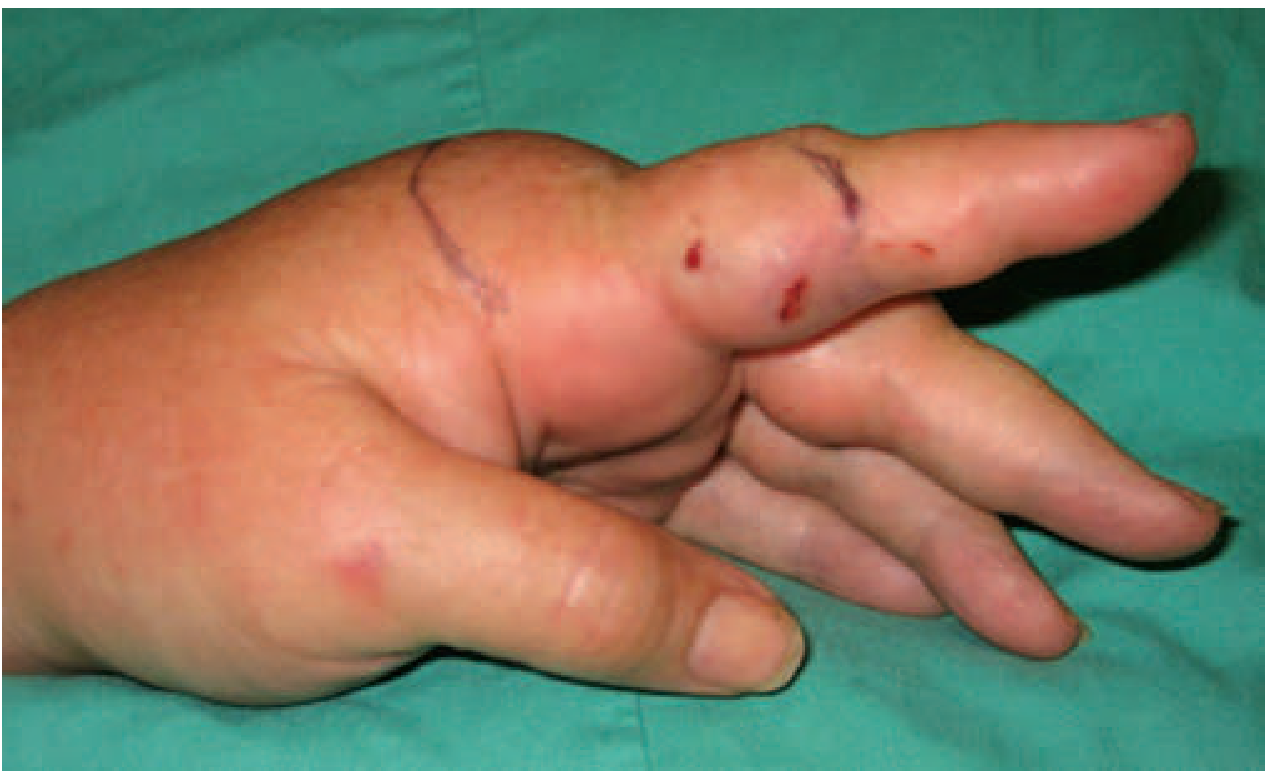
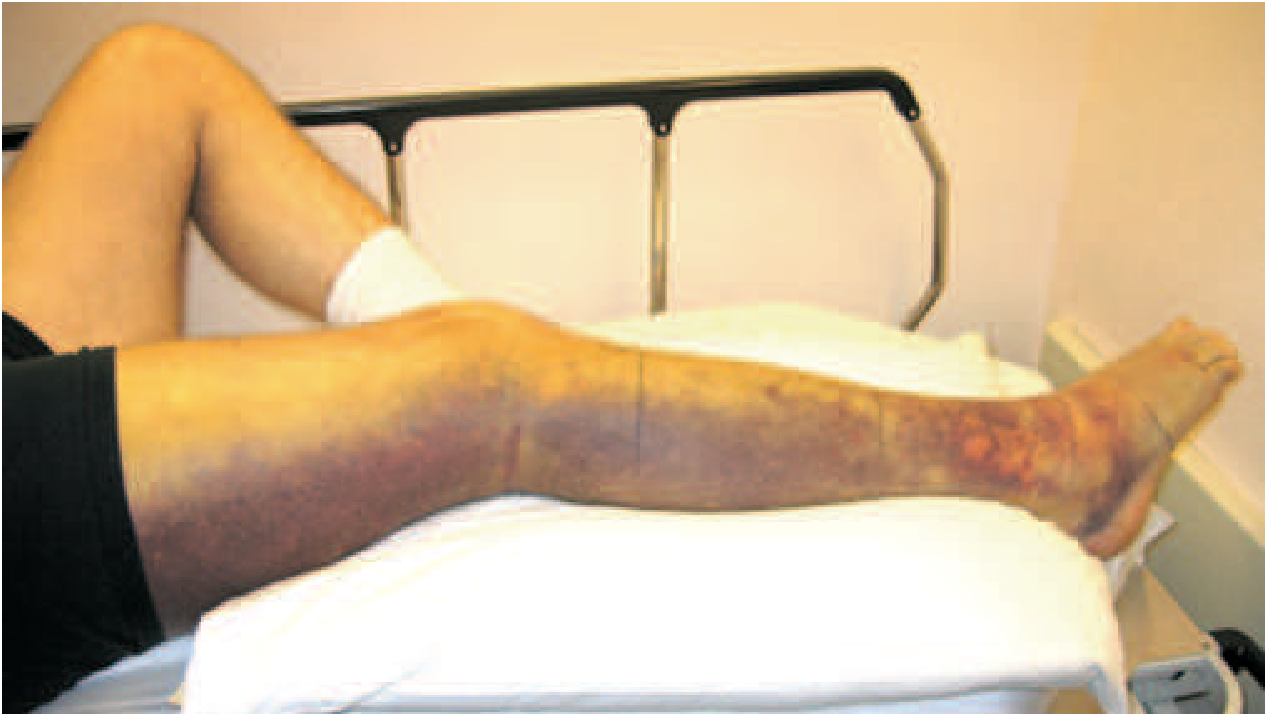
Systemic Effects (Neurotoxic - Elapids)
- Ptosis (often first sign), ophthalmoplegia, diplopia
- Dysphagia, dysphonia
- Respiratory failure (respiratory paralysis is the main cause of death)
- Altered sensorium
Haematological (Viper)
- Coagulopathy (DIC pattern): thrombocytopenia, elevated PT, low fibrinogen
- Haemolysis, haemoconcentration followed by anaemia
4. First Aid (Prehospital)
DO ✅
- Reassure the patient - panic increases heart rate and venom absorption
- Immobilize the bitten limb - splint as you would a fracture; keep at or below heart level
- Remove rings, bracelets, watches, tight clothing around the bitten limb (anticipate swelling)
- Clean the wound with soap and running water; cover with sterile dressing
- Transport immediately to the nearest facility with antivenom - this is the single most important step
- For elapid (neurotoxic) bites - apply pressure-immobilization bandage (wrap entire limb snugly, 40-70 mmHg; should allow 1-2 fingers underneath) to delay lymphatic absorption
- Take a photograph of the snake from a safe distance for identification - do NOT attempt to capture it
DO NOT ❌
| Harmful Practice | Reason |
|---|---|
| Tourniquets / tight ligatures | Cause ischaemia; do not prevent systemic envenomation |
| Incision and suction | Worsens local tissue damage, increases infection risk; ineffective |
| Ice application | Causes additional tissue injury |
| Alcohol / stimulants | Vasodilators - accelerate venom absorption |
| Seeking traditional healers first | Causes critical life-threatening delays |
| Electric shock "therapy" | No evidence; dangerous |
| Pressure immobilization for viper bites | Concentrates necrotizing venom locally - worsens tissue damage |
- Harrison's 22E; Tintinalli's Emergency Medicine; Park's / Government of India Protocol
5. Assessment at Health Facility
History
- Time of bite, snake description/photo
- First aid applied
- Symptoms developed since bite
Clinical Examination
- Fang marks (number, location)
- Extent of local swelling - mark the edge with pen and document time (advancing edge >10 cm/hour = indication for antivenom)
- Signs of systemic envenomation (as above)
- Vital signs: BP, pulse, SpO2, RR
Investigations (20WBCT - a quick bedside test)
20-Minute Whole Blood Clotting Test (20WBCT):
- Place 2 mL fresh venous blood in a clean glass test tube; leave undisturbed for 20 minutes
- If blood is non-clotting = viper envenomation with coagulopathy → antivenom indicated
- Repeat every 6 hours to monitor response
Lab tests:
- CBC, coagulation profile (PT, aPTT, fibrinogen, D-dimer)
- Serum creatinine, urea, electrolytes (renal function)
- Urine: appearance (dark = haemoglobin/myoglobin), dipstick for blood
- ECG, chest X-ray as needed
6. Antivenom - The Definitive Treatment
Indications for Antivenom
Give antivenom when ANY of the following are present:
| Category | Signs |
|---|---|
| Local | Rapid progressive swelling involving >half the bitten limb within hours; advancing edge >10 cm/h |
| Haematological | Positive 20WBCT (non-clotting blood), thrombocytopenia, active bleeding |
| Neurological | Ptosis, ophthalmoplegia, respiratory distress, bulbar palsy |
| Cardiovascular | Hypotension, shock, ECG changes |
| Renal | Oliguria, dark urine, rising creatinine |
Administration (Polyvalent Antivenom - India / South Asia)
- Skin test is NOT recommended by WHO - it is unreliable and causes delays without preventing anaphylaxis
- Dilute antivenom in 250-500 mL of 0.9% normal saline
- Infuse IV over 1 hour (not as IV push)
- Starting dose: 8-10 vials (adults and children receive the same dose - dose is based on venom, not body weight)
- If signs of envenomation persist or 20WBCT remains positive at 6 hours, repeat the same dose
- Keep adrenaline (epinephrine) 0.5 mg IM drawn up and ready before starting infusion
Antivenom Reactions
| Reaction | Time | Management |
|---|---|---|
| Early anaphylaxis | Within 10-180 min | Stop infusion immediately. Give adrenaline 0.5 mg IM (thigh). Antihistamines IV. Steroids IV. Restart when controlled at slow rate (5-10 mL/h, titrate up). |
| Pyrogenic reaction | 1-2 hours | Paracetamol, slow infusion rate |
| Serum sickness | 1-2 weeks later | Oral prednisolone 1-2 mg/kg/day, taper over 1-2 weeks; antihistamines |
- Harrison's 22E; Park's Textbook
7. Specific Complications and Management
Neurotoxic Envenomation (Elapids - Cobra, Krait)
- Give antivenom promptly
- Neostigmine + atropine trial: Neostigmine 0.5-2.5 mg IV/IM + Atropine 0.6 mg IV (blocks muscarinic side effects) - may reverse post-synaptic neurotoxicity (cobra); ineffective for pre-synaptic (krait)
- Endotracheal intubation and mechanical ventilation if respiratory failure - may be needed for days to weeks
- Monitor for aspiration
Haemotoxic / Coagulopathy (Vipers)
- Antivenom reverses coagulopathy within hours; blood products should ONLY be given after adequate antivenom to avoid fuelling consumptive coagulopathy
- Fresh frozen plasma (FFP) or whole blood if dangerously low fibrinogen/platelet count with active haemorrhage
- Avoid NSAIDs, aspirin (increase bleeding risk) - use paracetamol for analgesia
Acute Kidney Injury (AKI)
- Maintain urine output; IV fluids
- AKI is usually due to acute tubular necrosis and is frequently reversible with antivenom and supportive care
- Peritoneal dialysis or haemodialysis if oliguric renal failure develops
- Snake envenomation is a significant cause of AKI in South Asia (recent meta-analysis: PMID 41776424)
Rhabdomyolysis
- IV fluids, urinary alkalinization
- Monitor urine output, creatinine kinase
Local Necrosis / Wound
- Do NOT perform fasciotomy unless compartment pressure confirmed >30-40 mmHg after adequate antivenom has been given
- Tetanus prophylaxis
- Antibiotics only if wound was manipulated, incised, or mouth suction was applied (prophylactic antibiotics not routinely needed)
- Surgical debridement of necrotic tissue; skin grafting for major tissue loss at specialist centre
- Encourage early mobilization/exercises of the bitten limb
8. Referral Criteria (Transfer to Higher Centre)
Transfer patient if:
- 20WBCT still positive 6 hours after initial antivenom dose
- Progressive paralysis or respiratory difficulty
- Oliguria / rising creatinine
- Anaphylaxis unresponsive to adrenaline
- Shock unresponsive to fluids
- Severe necrosis or compartment syndrome signs
- No antivenom available at current facility
9. Management Summary by Level of Care
COMMUNITY (First Aid)
└─ Reassure, immobilize, remove jewellery, transport FAST
PRIMARY HEALTH CENTRE
└─ ABC assessment, 20WBCT, antivenom if available
└─ Paracetamol analgesia (NOT NSAIDs)
└─ IV saline for shock
└─ Transfer if not improving or antivenom unavailable
DISTRICT HOSPITAL
└─ Full bloods, ECG, urinalysis
└─ Antivenom (repeat doses as needed)
└─ Neostigmine/atropine for neurotoxic
└─ Intubation + ventilation for respiratory failure
└─ Dialysis for AKI
REFERRAL / SPECIALIST HOSPITAL
└─ ICU monitoring
└─ Advanced surgical management (skin grafting)
└─ Haemodialysis
└─ Renal/surgical specialities as needed
10. Monitoring
- Vital signs and neurological status: hourly in first 24 hours
- Mark swelling margins with time-stamped pen markings
- Repeat 20WBCT at 6 hours after antivenom dose
- Urine output hourly (catheterise if needed)
- All snakebite patients should be admitted for at least 24 hours even if initially asymptomatic, as envenomation signs can be delayed
Sources: Harrison's Principles of Internal Medicine 22E (2025); Tintinalli's Emergency Medicine: A Comprehensive Study; Park's Textbook of Preventive and Social Medicine; Government of India National Snakebite Protocol 2007
Snake bite management
I just covered snakebite management in detail in our previous conversation. Here's a concise structured summary you can reference quickly:
Snakebite Management - Quick Reference
Key Facts
- 70% of bites are from non-venomous snakes
- 50% of venomous bites are dry bites (no venom injected)
- Commonest cause of death: respiratory paralysis (elapids) and haemorrhage/AKI (vipers)
- India's "Big Four": Cobra, Russell's Viper, Saw-Scaled Viper, Common Krait
Venom Types
| Type | Species | Features |
|---|---|---|
| Neurotoxic | Cobra, Krait, Coral snake | Ptosis → respiratory failure |
| Haemotoxic/Cytotoxic | Russell's Viper, Saw-scaled Viper | Coagulopathy, local necrosis, AKI |
| Mixed | Some cobras | Both local + systemic |
Signs of Severe Envenomation
- Rapid advancing local swelling
- Tender regional lymphadenopathy
- Ptosis, ophthalmoplegia (neurotoxic)
- Spontaneous bleeding from gums/nose/urine
- Hypotension, shock
- Dark brown/black urine (rhabdomyolysis/haemolysis)
- Positive 20WBCT (blood non-clotting = viper coagulopathy)
First Aid - DO / DON'T
| ✅ DO | ❌ DO NOT |
|---|---|
| Reassure, keep calm | Apply tourniquet |
| Immobilize limb (splint) | Incise or suck the wound |
| Remove jewellery/tight clothing | Apply ice |
| Clean wound, cover with dressing | Give alcohol/stimulants |
| Transport IMMEDIATELY | Seek traditional healers first |
| Photograph snake from safe distance | Try to catch the snake |
| Pressure-immobilization bandage (elapids only) | Pressure bandage for viper bites |
20-Minute Whole Blood Clotting Test (20WBCT)
Place 2 mL blood in clean glass tube - leave 20 min undisturbed
- Non-clotting = viper envenomation → antivenom indicated
- Repeat at 6 hours post-antivenom to confirm response
Antivenom - The Only Definitive Treatment
Indications (any ONE present)
- Positive 20WBCT / active bleeding
- Ptosis, neurological signs
- Progressive swelling >half the limb / advancing >10 cm/hr
- Hypotension/shock
- Oliguria, dark urine
Administration
- Dilute 8-10 vials in 250-500 mL normal saline
- Infuse IV over 1 hour (never rapid IV push)
- Same dose for adults and children (based on venom quantity, not weight)
- No skin test - unreliable and causes harmful delay
- Have adrenaline 0.5 mg IM drawn up before starting
- Repeat dose at 6 hours if 20WBCT still positive or signs persist
Antivenom Reactions
| Reaction | Timing | Treatment |
|---|---|---|
| Anaphylaxis | 10-180 min | Stop infusion → Adrenaline 0.5 mg IM → Antihistamine + steroid IV → Restart slowly |
| Pyrogenic | 1-2 hr | Paracetamol, slow rate |
| Serum sickness | 1-2 weeks | Prednisolone 1-2 mg/kg/day, taper |
Complication Management
| Complication | Management |
|---|---|
| Respiratory paralysis | Intubation + mechanical ventilation (days to weeks); Neostigmine + Atropine trial (cobra) |
| Coagulopathy | Antivenom first; FFP/blood only AFTER adequate antivenom |
| AKI | IV fluids, monitor urine output; dialysis if oliguric |
| Local necrosis | Tetanus prophylaxis, antibiotics if wound manipulated, surgical debridement |
| Compartment syndrome | More antivenom first; fasciotomy only if pressure confirmed >30-40 mmHg post-antivenom |
| Rhabdomyolysis | IV fluids, urine alkalinization, monitor CK |
Analgesia: Paracetamol (adults 500 mg-1g; children 10-15 mg/kg) - avoid NSAIDs/aspirin (increase bleeding)
Transfer to Higher Centre If:
- 20WBCT positive at 6 hours after antivenom
- Progressive neurological deterioration
- Oliguria / rising creatinine
- Shock unresponsive to fluids
- Anaphylaxis unresponsive to adrenaline
- Compartment syndrome / severe necrosis
- No antivenom available
Monitoring (Minimum 24 hours admission)
- Hourly vitals + neurological status
- Mark swelling border with pen + timestamp
- Repeat 20WBCT at 6 hours post-antivenom
- Urine output monitoring (catheterize if needed)
- All patients admitted ≥24 hours - envenomation signs can be delayed
Sources: Harrison's Principles of Internal Medicine 22E (2025); Tintinalli's Emergency Medicine; Park's Textbook of Preventive & Social Medicine; Government of India National Snakebite Protocol 2007
Neurologic snake bite
Reading File
Finding Sources
Finding Sources
Searching PubMed
"neurotoxic snakebite" AND "neostigmine" OR "elapid envenomation" AND "treatment"
Reading File
Reading File
Reading File
Reading File
Reading File
Finding Sources
Reading File
Finding Sources
Finding Sources
Reading File
Reading File
Reading File
Excellent - I now have very rich, detailed content from multiple authoritative sources. Here is the comprehensive answer:
Neurologic Snakebite (Neurotoxic Envenomation)
1. Which Snakes Cause Neurotoxic Bites?
India / South Asia
| Snake | Toxin Type | Key Feature |
|---|---|---|
| Common Krait (Bungarus caeruleus) | Pre-synaptic neurotoxin | Bites at night while victim sleeps; only muscular paralysis, minimal local signs; most dangerous neurologic snake in India |
| Indian Cobra (Naja naja) | Post-synaptic neurotoxin | Both convulsions AND paralysis; local necrosis may dominate |
| King Cobra | Post-synaptic | Massive envenomation, rapid onset |
| Sea Snakes | Pre-synaptic + myotoxin | Polymyositis, myoglobinuria, renal failure |
Worldwide
| Region | Species | Notes |
|---|---|---|
| Africa | Black mamba, Green mamba | Near 100% fatal untreated; extremely rapid onset |
| Australia | Taipan, Tiger snake, Brown snake, Death adder | Some of the most toxic venoms known |
| Americas | Coral snake (Micrurus spp.) | Delayed onset (2-5 hrs); no local swelling |
| Asia | Cobras, Kraits | Major burden of neurotoxic deaths |
Fatal dose (dried venom): Krait 6 mg; Cobra 12 mg; Russell's viper 15 mg; Echis 8 mg. Krait venom is gram-for-gram the most dangerous of India's Big Four. - Essentials of Forensic Medicine & Toxicology, 36th Ed. 2026
2. Mechanism of Neurotoxicity
Two distinct mechanisms - this distinction is clinically critical because it determines reversibility and treatment response:
NEUROMUSCULAR JUNCTION
Motor nerve Synaptic cleft Muscle end plate
(pre-synaptic) (post-synaptic)
ACh vesicles ──────────────────────────► ACh receptors
■ PRE-SYNAPTIC toxins: ■ POST-SYNAPTIC toxins:
(Krait β-bungarotoxin, (Cobra α-neurotoxin)
Taipan, Sea snake) Block ACh receptors
Destroy nerve terminal externally (reversible)
→ IRREVERSIBLE damage → REVERSIBLE with antivenom
→ Nerve must regrow (days-weeks) + neostigmine
| Pre-synaptic Neurotoxin | Post-synaptic Neurotoxin | |
|---|---|---|
| Species | Krait, Taipan, Sea snake | Cobra, Death adder |
| Mechanism | Destroys ACh release apparatus at motor nerve terminal | Blocks nicotinic ACh receptor on muscle end-plate |
| Reversibility | IRREVERSIBLE once binding occurs - antivenom cannot undo damage already done | REVERSIBLE - antivenom + neostigmine may restore function |
| Neostigmine response | Poor/no response | Good response |
| Key implication | Give antivenom EARLY before paralysis advances | Earlier reversible; neostigmine trial worthwhile |
- Goldman-Cecil Medicine International Edition; Harrison's Principles of Internal Medicine 22E
3. Clinical Presentation - Sequence of Neurotoxic Paralysis
Neurotoxic envenomation causes a descending flaccid paralysis. The pattern is characteristic:
Onset Timing
- Krait: Insidious onset, often 6-12 hours after bite (bites while sleeping - victim may not even realize they were bitten)
- Cobra: 1-4 hours
- Mamba / Australian brown snake: 15-30 minutes (medical emergency within minutes)
- Coral snake: 2-5 hours (delayed but irreversible if untreated)
Progression of Signs (Roughly in Order)
EARLY (1st signs)
↓ Ptosis (drooping of eyelids) ← most consistent early sign
↓ Ophthalmoplegia (eye muscle paralysis, diplopia)
↓ Fixed/constricted pupils
↓ Facial muscle weakness
↓
INTERMEDIATE
↓ Dysphagia (difficulty swallowing) ← aspiration risk begins
↓ Dysphonia (altered voice, dysarthria)
↓ Excessive salivation
↓ Jaw weakness (trismus in sea snakes)
↓ Limb weakness (ascending from legs)
↓
LATE / LIFE-THREATENING
↓ Diaphragm and intercostal muscle paralysis
↓ Respiratory failure ← MAIN CAUSE OF DEATH
↓ Hypoxic cardiac arrest
Local Signs (Neurotoxic)
- Minimal or absent at bite site - this is a key distinguishing feature from viper bites
- Small fang marks, slight redness, minor burning pain only
- NO significant swelling, NO ecchymosis, NO coagulopathy (unless mixed venom)
Cobra bites may be an exception - some cobras (especially spitting cobras) cause significant local necrosis alongside neurological effects. - Tintinalli's Emergency Medicine
Other Systemic Features
- Nausea, vomiting
- Dizziness, confusion, drowsiness
- Seizures (cobra)
- Hypotension (usually a late sign, from autonomic effects)
- Normal blood pressure and coagulation (helps differentiate from viper)
4. WHO Clinical Syndromes for South/Southeast Asian Neurotoxic Snakebite
| Syndrome No. | Type | Local Effects | Circumstance | Snake |
|---|---|---|---|---|
| 4 | Neurotoxic paralysis | Minimal/none | - | Cobra |
| 4A | Neurotoxic paralysis | Minimal/none | Bitten on land, while sleeping on ground | Krait |
| 4B | Neurotoxic paralysis | Minimal/none | At sea/water, with or without myalgia | Sea snake |
- Goldman-Cecil Medicine (WHO Southeast Asian Snakebite Syndromes table)
5. Investigations
| Test | Expected Finding | Significance |
|---|---|---|
| CBC, coagulation | Normal | Helps distinguish from viper |
| 20WBCT | Clots normally | Confirms no coagulopathy |
| SpO2, ABG | ↓ O2, ↑ CO2 (late) | Monitor respiratory failure |
| Pulmonary function (FVC, NIF) | Declining | Serial bedside testing - key early warning |
| Serum CK | Elevated (sea snake, krait) | Rhabdomyolysis |
| Urine | Myoglobinuria (sea snake) | Renal involvement |
| ECG | Bradycardia, arrhythmias (late) | Autonomic effects |
Baseline and serial measurement of inspiratory pressure and vital capacity is particularly important in elapid bites to detect early respiratory muscle weakness before clinical deterioration. - Tintinalli's Emergency Medicine
6. Management
Step 1: First Aid (Field)
- Pressure-immobilization bandage - applies specifically to neurotoxic (elapid) bites
- Wrap entire bitten limb with elastic bandage, snugly but not arterially compromising
- Target wrap pressure: 40-70 mmHg (upper limb), 55-70 mmHg (lower limb)
- Immobilize the limb with a splint
- Restricts lymphatic drainage - delays systemic venom absorption
- Do NOT use this technique for viper bites (concentrates necrotizing venom)
- Transport IMMEDIATELY to nearest hospital
Step 2: Secure ABCs at Hospital
AIRWAY ← PRIORITY #1
- Assess swallowing (ask patient to swallow; watch for pooling saliva)
- Position: semi-recumbent, lateral if decreased consciousness (aspiration risk)
- Have intubation equipment ready at bedside from the start
BREATHING
- SpO2 monitoring continuously
- Serial FVC/NIF measurements every 30-60 min
- Low threshold for intubation (see below)
CIRCULATION
- IV access × 2
- IV fluids (normal saline) - usually not needed early but have ready
Step 3: Antivenom (Most Important Treatment)
Critical principle: For pre-synaptic neurotoxins (krait), antivenom must be given BEFORE significant paralysis sets in - once the nerve terminal is damaged, antivenom cannot reverse it. Do not wait to see "how bad it gets."
| Consideration | Detail |
|---|---|
| Antivenom type | Polyvalent antivenom (covers cobra, krait, Russell's viper, Echis) in India |
| Dose | 8-10 vials IV (same dose for adults and children) |
| Route | IV infusion in 250-500 mL normal saline over 1 hour |
| Skin test | NOT recommended (unreliable, causes delay) |
| When to repeat | If neurological signs progress at 1-2 hours, repeat same dose |
| Maximum | Up to 10 vials total in severe cases |
Indications for antivenom in neurotoxic bite:
- Ptosis or any cranial nerve sign
- Limb weakness
- Dysphagia or respiratory difficulty
- Even suspected elapid bite without symptoms yet - in coral snake bites (delayed onset, irreversible), antivenom should be given prophylactically if definite bite confirmed
Step 4: Neostigmine + Atropine Trial
This is the key pharmacological intervention specific to neurotoxic snakebite:
Mechanism: Neostigmine inhibits acetylcholinesterase → increases ACh in synaptic cleft → partially overcomes post-synaptic receptor blockade
Effective for: Post-synaptic toxins (Cobra, Death adder) ✅
Less/not effective for: Pre-synaptic toxins (Krait) - nerve terminal already damaged ❌
Protocol:
- Give Atropine 0.6 mg IV first (to block muscarinic side effects of neostigmine - salivation, bradycardia, bronchospasm)
- Then give Neostigmine 0.5-2.5 mg IV or IM
- Assess response over 30 minutes - look for improvement in ptosis, swallowing
- If response: continue as maintenance (neostigmine 0.5 mg IM every 4-6 hours + atropine)
- If no response: likely pre-synaptic toxin; focus on ventilatory support
Harrison's 22E recommends an "acetylcholinesterase inhibitor trial" for any cranial nerve abnormality in snakebite - even as an initial diagnostic-therapeutic step.
Step 5: Respiratory Support - Critical
Indications for immediate intubation and mechanical ventilation:
- FVC < 15 mL/kg or NIF < -25 cmH2O
- SpO2 falling despite supplemental oxygen
- Pooling secretions, inability to swallow
- Visible respiratory distress, paradoxical breathing
- Rapidly progressive paralysis
Important points:
- Ventilatory support may be required for days to weeks - especially with krait (pre-synaptic; nerve regrowth takes time)
- Use RSI (rapid sequence intubation) - avoid succinylcholine if rhabdomyolysis suspected (hyperkalaemia risk)
- Do NOT delay intubation - respiratory arrest in neurotoxic snakebite is often abrupt
Step 6: Specific Situations
| Situation | Management |
|---|---|
| Bulbar paralysis (unable to swallow/cough) | Early intubation, nasogastric tube, strict aspiration precautions |
| Sea snake bite | Antivenom + IV fluids for myoglobinuria; monitor renal function; dialysis if AKI |
| Krait bite while sleeping (no witnessed bite) | High suspicion - bilateral ptosis on waking is virtually pathognomonic; treat as neurotoxic even without confirmed history |
| Spitting cobra - eye exposure | Immediate copious irrigation with water/saline; NO antivenom needed (no systemic absorption); ophthalmology review for corneal injury |
| Exotic/non-native elapid | Contact local zoo / Association of Zoos and Aquariums antivenom index; mortality untreated = 20-30% (cobra) to ~100% (mamba) |
7. Colubrine vs Viperine Bite - Bedside Comparison
| Feature | Colubrine (Neurotoxic) Cobra, Krait | Viperine (Haemotoxic) Russell's, Echis |
|---|---|---|
| Local swelling | Minimal/absent | Marked, rapidly spreading |
| Pain at bite | Slight | Severe, immediate |
| Onset of symptoms | 30 min - 12 hours | Immediate to 15 min |
| Paralysis | Yes - descending | No |
| Speech/swallowing | Difficult | Normal |
| Salivation | Increased | Normal |
| Pupils | Normal | Dilated, non-reactive |
| Blood pressure | Normal (early) | Hypotension |
| Bleeding/clotting | Normal | Abnormal (coagulopathy) |
| 20WBCT | Clots | Non-clotting |
| Dark urine | Sea snakes | Haemoglobinuria/myoglobin |
| Death | Respiratory paralysis | Haemorrhage / AKI |
- Essentials of Forensic Medicine & Toxicology 36th Ed.; Parikh's Textbook of Medical Jurisprudence
8. Monitoring in ICU
- Continuous SpO2, cardiac monitoring
- Neuro checks hourly: ptosis, eye movements, swallowing, grip strength, respiratory effort
- Serial FVC/NIF every 30-60 minutes while worsening
- Urine output hourly (sea snake / rhabdomyolysis cases)
- Repeat neurological exam after neostigmine to assess response
- Watch for recovery signs: ptosis improving, returning gag reflex, improving grip strength
9. Prognosis
- With timely antivenom and ventilatory support: most patients recover fully
- Pre-synaptic neurotoxin (krait): recovery takes days to weeks (nerve regrowth required)
- Post-synaptic neurotoxin (cobra): faster recovery once antivenom given
- Untreated krait bite mortality: very high (>70% in some series)
- Sea snake: usually reversible if treated; myopathy may persist for months
Sources: Harrison's Principles of Internal Medicine 22E (2025); Goldman-Cecil Medicine International Edition; Tintinalli's Emergency Medicine: A Comprehensive Study; Essentials of Forensic Medicine & Toxicology 36th Ed. (2026); Parikh's Textbook of Medical Jurisprudence; Sabiston Textbook of Surgery 7e
What does serum sickness mean in snake bite
Finding Sources
Finding Sources
Reading File
Reading File
All the information needed is now in hand. Here is a thorough explanation:
Serum Sickness in Snakebite
What Is It?
Serum sickness is a delayed immune reaction that occurs 1-2 weeks after antivenom administration. It is NOT caused by the snake venom itself - it is caused by the antivenom.
Antivenom is made by injecting horses or sheep with snake venom, then collecting and purifying their antibodies. These animal-derived proteins (foreign antigens) trigger an immune response in the human body - that immune response is what serum sickness is.
Why Does It Happen? (The Immunology)
Serum sickness is a Type III Hypersensitivity Reaction (Immune Complex-Mediated):
SEQUENCE OF EVENTS:
1. Antivenom given IV
(Contains foreign animal proteins = antigens)
↓
2. Patient's immune system recognizes these
as foreign (7-14 days later)
↓
3. Patient produces IgG/IgM antibodies
against antivenom proteins
↓
4. Antigen (antivenom) + Antibody (patient's)
= IMMUNE COMPLEXES form in circulation
↓
5. Immune complexes deposit on:
- Blood vessel walls
- Glomerular basement membrane (kidney)
- Joint synovium
- Skin
↓
6. Complement activation + Leukocyte
infiltration → INFLAMMATION & tissue damage
↓
SERUM SICKNESS SYMPTOMS
This is the same mechanism as systemic lupus erythematosus and some forms of glomerulonephritis - all involve immune complex deposition. - Katzung's Basic & Clinical Pharmacology 16th Ed.
When Does It Occur?
| Reaction Type | Timing | Mechanism |
|---|---|---|
| Anaphylaxis (early reaction) | During infusion / within minutes-hours | Type I (IgE-mediated, immediate) |
| Serum sickness (late reaction) | 7-14 days after antivenom | Type III (immune complex, delayed) |
Symptoms
Serum sickness typically presents with a combination of:
| Symptom | Description |
|---|---|
| Fever | Low-grade to moderate |
| Skin rash | Urticaria (hives), erythematous eruptions, itching - usually the first sign |
| Arthralgia / Arthritis | Joint pain and swelling - multiple joints |
| Myalgia | Muscle aches and pains |
| Lymphadenopathy | Swollen lymph glands |
| Peripheral oedema | Swelling of hands, feet |
| Glomerulonephritis | Renal involvement (less common, manifests as proteinuria, haematuria) |
| Neurologic symptoms | Rare - peripheral neuropathy |
Symptoms generally last 6-12 days and resolve once the antivenom proteins are cleared from the body. - Tintinalli's Emergency Medicine; Mulholland & Greenfield's Surgery 7e
How Common Is It?
| Antivenom Type | Serum Sickness Rate |
|---|---|
| Old equine (horse-derived) whole IgG antivenom | Very high - up to 50%+ |
| Ovine (sheep-derived) Fab fragment antivenom (CroFab) | 13-16% |
| Modern Fab₂ fragment antivenoms | Lower than whole IgG |
The newer generation antivenoms (using antibody fragments rather than whole antibodies) have a lower rate because the Fc portion (the most immunogenic part of the antibody) is removed during purification. - Mulholland & Greenfield's Surgery 7e
Treatment
| Step | Drug | Dose | Duration |
|---|---|---|---|
| First line | Oral prednisolone (corticosteroid) | 1-2 mg/kg/day | Until symptoms resolve, then taper over 1-2 weeks |
| Adjunct | Oral antihistamine (cetirizine / diphenhydramine) | Standard doses | For itch and urticaria |
| Adjunct | Analgesics (paracetamol) | Standard doses | For fever and joint pain |
| Severe cases | IV methylprednisolone | 125 mg IV bolus | Short course |
| Refractory | Plasmapheresis | - | Removes immune complexes from circulation |
Do NOT use NSAIDs (aspirin, ibuprofen) - these are already contraindicated post-snakebite due to bleeding risk from residual coagulopathy.
Key Points to Remember
- Serum sickness ≠ anaphylaxis - they look different and happen at different times
- It is caused by antivenom proteins, not the venom itself
- It occurs in the outpatient phase - patient may have been discharged already when symptoms start
- Counsel every patient who receives antivenom about the possibility of symptoms developing 1-2 weeks later and when to return
- It is not a contraindication to future antivenom use - if needed again urgently, antivenom should still be given (the risk of untreated envenomation is greater)
- Prednisolone taper is the mainstay - symptoms resolve fully in virtually all cases
Simple Way to Explain It to a Patient
"The antivenom we gave you was made from animal blood (horse/sheep). Your body has now recognized those animal proteins as foreign and is reacting to them - a bit like an allergic reaction that comes on slowly. This is causing your rash, joint pains and fever. It is not dangerous if treated. We will give you steroid tablets for about 2 weeks and antihistamines for the itch. Most people feel completely better within 1-2 weeks."
Sources: Mulholland & Greenfield's Surgery 7e; Katzung's Basic & Clinical Pharmacology 16th Ed.; Tintinalli's Emergency Medicine; Harrison's Principles of Internal Medicine 22E; Robbins Pathologic Basis of Disease
Scorpion bite
Finding Sources
Searching PubMed
"scorpion envenomation" AND "management" AND "antivenom"
Finding Sources
Reading File
Searching PubMed
"scorpion sting" treatment prazosin antivenom
Reading File
Finding Sources
Finding Sources
Reading File
Reading File
Reading File
Loading Image
Reading File
I now have comprehensive, multi-source data. Here is the complete guide:
Scorpion Envenomation - Complete Management Guide
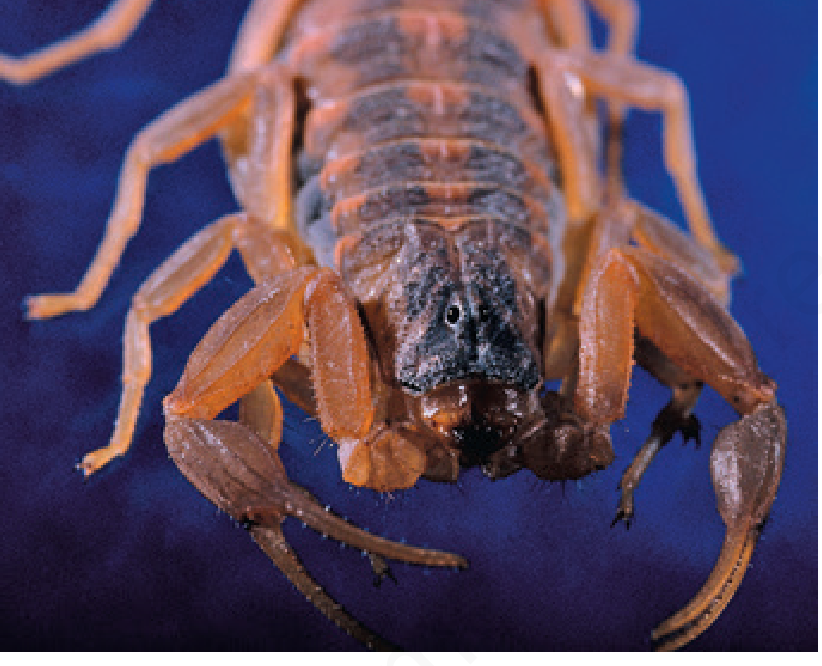
1. Epidemiology & Important Species
Scorpions cause more worldwide cases of significant envenomation than any other venomous animal group except snakes. Mexico alone treats >300,000 stings annually. Of ~1000 known scorpion species, only about 30 are potentially lethal.
| Species | Region | Main Effect |
|---|---|---|
| Hottentotta tamulus (Indian Red Scorpion) | India, Nepal, Pakistan | Autonomic storm, pulmonary oedema, myocarditis - most dangerous in India |
| Leiurus quinquestriatus | Middle East, North Africa | Massive catecholamine release, cardiac failure; 50% mortality in untreated children |
| Androctonus spp. | North Africa, Middle East | Cardiovascular toxicity, pulmonary oedema |
| Mesobuthus tamulus | India | Catecholamine excess, cardiovascular |
| Centruroides sculpturatus | USA (Arizona) | Neuromuscular toxicity, cranial nerve dysfunction |
| Tityus serrulatus | Brazil | Catecholamine release; also acute pancreatitis |
| Tityus trinitatis | Trinidad | Acute pancreatitis |
| Hemiscorpius lepturus | Iran | Cytotoxic (NOT neurotoxic) - local necrosis, haemolysis, AKI |
| Parabuthus, Buthotus | South Africa | CNS toxicity |
Behaviour: Nocturnal; hide in shoes, clothing, bedding, rock crevices, under bark. Sting only in self-defence. - Harrison's 22E
2. Mechanism of Toxicity
Primary Mechanism - Sodium Channel Activation
Scorpion toxin (peptide neurotoxin)
↓
Binds voltage-gated Na⁺ channels
(Sites 3 & 4 on the channel)
↓
Prevents channel inactivation
→ Channels stay OPEN
↓
Sustained, excessive nerve depolarization
↓
┌─────────────────────────────────────────┐
│ SOMATIC nervous system: │
│ Motor nerve hyperexcitability │
│ → muscle twitching, jerking │
│ │
│ AUTONOMIC nervous system: │
│ Sympathetic + parasympathetic │
│ simultaneous stimulation │
│ → AUTONOMIC STORM │
└─────────────────────────────────────────┘
Autonomic Storm (Key Concept for Indian Red Scorpion)
The simultaneous flood of catecholamines (adrenaline, noradrenaline) causes:
- Massive vasoconstriction → hypertension
- Increased cardiac work → myocardial injury
- Pulmonary capillary leak → pulmonary oedema
- Myocarditis → cardiogenic shock
This is why prazosin (alpha-1 blocker) is the key drug for Indian red scorpion envenomation - it directly counters the catecholamine surge.
- Katzung's Basic & Clinical Pharmacology 16th Ed.; Goldman-Cecil Medicine
3. Clinical Features
Local Effects (Most Stings)
- Immediate sharp burning pain at sting site - often the most prominent symptom
- Localised erythema and tenderness
- "Tap test" positive - tapping over the sting site greatly worsens the pain (characteristic of Centruroides)
- Minimal or no visible swelling (unlike most insect stings) - important diagnostic clue
- Paraesthesia, hyperaesthesia spreading from sting site
Systemic toxicity occurs in <10% of stings overall. - Tintinalli's EM
Grading of Severity (Centruroides / General)
| Grade | Features |
|---|---|
| Grade 1 | Local pain and/or paraesthesia at sting site only |
| Grade 2 | Pain and/or paraesthesia remote from sting site |
| Grade 3 | Cranial nerve dysfunction OR somatic skeletal neuromuscular dysfunction |
| Grade 4 | Both cranial nerve AND somatic skeletal neuromuscular dysfunction |
Neuromuscular Effects (Centruroides / Neurotoxic Species)
- Restlessness, agitation - nearly universal
- Abnormal, uncontrolled eye movements (opsoclonus-like)
- Blurred vision, diplopia
- Slurred speech, dysarthria
- Profuse salivation, lacrimation, rhinorrhoea
- Difficulty handling secretions → airway risk
- Tongue fasciculations
- Muscle twitching, jerking of extremities - may mimic seizures
- Loss of pharyngeal muscle control → dysphagia
- Uncoordinated respiratory movements → respiratory compromise
Cardiovascular / Autonomic Effects (Indian Red Scorpion, Androctonus, Leiurus)
- Hypertension (early and severe - from catecholamine surge)
- Tachycardia or bradycardia (autonomic instability)
- Pulmonary oedema - due to catecholamine-induced cardiac injury
- Cardiogenic shock (myocarditis)
- Diaphoresis, pallor, cold extremities
- Arrhythmias
Other Features
- Nausea, vomiting
- Hyperthermia
- Rhabdomyolysis, acidosis
- Acute pancreatitis (Tityus trinitatis/serrulatus)
- Priapism (South American yellow scorpion Tityus serrulatus)
- Haemolysis + AKI (Hemiscorpius lepturus in Iran)
Timeline
- Symptoms progress to maximal severity within ~5 hours
- Usually subside within 1-2 days
- Pain and paraesthesia may persist for weeks
- Fatal respiratory or cardiac arrest most common in young children and elderly
4. Investigations
| Test | Relevance |
|---|---|
| ECG | Arrhythmias, ST changes (myocarditis) |
| Chest X-ray | Pulmonary oedema |
| Troponin, CK-MB | Myocardial injury |
| Echocardiography | Depressed myocardial contractility - key bedside test |
| Serum amylase/lipase | Pancreatitis (Tityus spp.) |
| CBC, renal function | Haemolysis, AKI (Hemiscorpius) |
| Serum CK, urine myoglobin | Rhabdomyolysis |
| Blood glucose | Hyperglycaemia from catecholamine surge |
5. Management
Step 1: First Aid
- Remove from area of further stings
- Apply cold packs to sting site - reduces venom absorption and pain
- Keep patient calm - anxiety increases catecholamine release
- Apply pressure dressing over sting site
- Transport to hospital if any systemic symptoms
Step 2: Assess Grade
GRADE 1-2 (Local effects only)
│
├─ Local wound care
├─ Analgesia (paracetamol / NSAIDs / local lidocaine infiltration)
├─ Tetanus prophylaxis
└─ Observe 4-6 hours; discharge with return precautions
GRADE 3-4 (Systemic effects)
│
├─ Hospital admission
├─ Monitor: ECG, SpO2, BP, urine output
├─ IV access
├─ Consider antivenom
└─ Treat specific complications (see below)
Step 3: Specific Drug Treatments
A. Antivenom - Most Effective Intervention
- Available for many species; IV administration is preferred - rapidly reverses cranial nerve dysfunction and muscular symptoms
- Indicated for Grade 3 and 4 envenomations
- Anascorp (equine F[ab']₂): Initial dose 3 vials IV; additional 1 vial every 30-60 min as needed
- For Indian species: give antivenom promptly at first sign of systemic involvement
- At 4 hours post-antivenom, significantly greater symptom resolution vs. no antivenom
B. Prazosin - Key Drug for Indian Red Scorpion (Hottentotta tamulus / Mesobuthus tamulus)
Dose: Oral prazosin 30 μg/kg/dose at 3-hour intervals until clinical syndrome resolves - Goldman-Cecil Medicine International Edition
- Alpha-1 adrenergic receptor blocker
- Directly counters the catecholamine-driven autonomic storm
- Reduces hypertension, afterload, and prevents/treats pulmonary oedema
- Highly effective as adjunct to antivenom in Indian scorpion envenomation
- Rosen's Emergency Medicine: "Prazosin has been effective, especially in addition to antivenom, for catecholamine excess and cardiovascular compromise in Mesobuthus tamulus stings"
C. Benzodiazepines (Midazolam) - For Neuromuscular Agitation
- Continuous IV midazolam infusion reduces agitation and involuntary movements
- Use with caution - close respiratory monitoring required (sedatives + scorpion neurotoxin = respiratory compromise risk)
- Also first-line for apparent seizure-like activity (distinguish from true seizures)
D. Cardiovascular Support
| Problem | Drug |
|---|---|
| Hypertension | Nifedipine, nitroprusside, hydralazine, or prazosin |
| Pulmonary oedema | Prazosin or nitroglycerin (reduce preload/afterload); ventilatory support |
| Cardiogenic shock | Dobutamine (inotrope); avoid vasopressors that worsen catecholamine surge |
| Bradyarrhythmia | Atropine |
| Tachyarrhythmia | Antiarrhythmics; treat underlying cause |
Do NOT use atropine routinely - use only for clinically significant bradycardia. Atropine can worsen tachycardia and hypertension in catecholamine excess states.
E. Airway Management
- High priority in Grade 3-4 with hypersalivation and pharyngeal dysfunction
- Suction secretions; positioning (lateral if decreased consciousness)
- Low threshold for intubation in children with respiratory compromise
- Mechanical ventilation if pulmonary oedema or respiratory muscle involvement
Step 4: Special Situations
| Situation | Management |
|---|---|
| Children | Higher risk of severe/fatal envenomation; lower antivenom threshold; close monitoring mandatory |
| Pulmonary oedema | Prazosin + nitroglycerin + dobutamine (if cardiogenic); CPAP/intubation if needed |
| Acute pancreatitis (Tityus spp.) | IV fluids, bowel rest, analgesia, monitor amylase/lipase |
| Haemolysis + AKI (Hemiscorpius) | IV fluids; dialysis if oliguric renal failure; antivenom (available in Iran) |
| Pregnancy | Cautious antivenom use - weigh fetal risk vs. maternal benefit |
6. Comparison: Indian Red Scorpion vs Other Species
| Feature | Hottentotta tamulus (India) | Centruroides (USA) |
|---|---|---|
| Primary toxicity | Cardiovascular (catecholamine storm) | Neuromuscular |
| Key symptoms | Hypertension, pulmonary oedema, myocarditis | Cranial nerve palsy, muscle jerking, hypersalivation |
| Local swelling | Minimal | Minimal |
| Specific drug | Prazosin | Midazolam (sedation) |
| Antivenom | Available and effective | Anascorp (FDA-approved) |
| Mortality | High in children if untreated | Fatal mainly in very young/elderly |
7. What NOT to Do
| ❌ Avoid | Reason |
|---|---|
| Ice directly on wound | Ice packs are fine, but prolonged direct ice causes additional tissue injury |
| Atropine routinely | Worsens tachycardia; only for symptomatic bradycardia |
| Opiates without monitoring | Respiratory depression + neurotoxin = dangerous; close monitoring mandatory |
| Tourniquet | Not effective for scorpion envenomation |
| Incision/suction | Ineffective, harmful |
8. Disposition
| Grade | Disposition |
|---|---|
| Grade 1 | Observe 4-6 hours, discharge if no systemic progression |
| Grade 2 | Observe minimum 6-8 hours; discharge if stable |
| Grade 3-4 | Admit to hospital / ICU; antivenom; specific management |
| Children with any systemic sign | Admit regardless of grade |
Sources: Harrison's Principles of Internal Medicine 22E (2025); Goldman-Cecil Medicine International Edition; Tintinalli's Emergency Medicine: A Comprehensive Study; Rosen's Emergency Medicine: Concepts and Clinical Practice; Andrews' Diseases of the Skin: Clinical Dermatology; Katzung's Basic & Clinical Pharmacology 16th Ed.
IMG_3062.png
IMG_3063.png
Suggest metformin Dapaglifozin tablet dosage in this condition
Finding Sources
Finding Sources
Finding Sources
Reading File
Finding Sources
Finding Sources
Reading File
Finding Sources
Scorpion bite management
I covered scorpion envenomation management in detail earlier today. Here is the complete structured summary:
Scorpion Envenomation - Complete Management
Key Facts
- More worldwide envenomations than any venomous animal except snakes
- Only ~30 of ~1000 species are potentially lethal
- Most dangerous in India: Hottentotta tamulus (Indian Red Scorpion)
- Nocturnal - hides in shoes, clothing, bedding, crevices
- Systemic toxicity occurs in <10% of stings
Mechanism
Scorpion toxin → Voltage-gated Na⁺ channels stay open → Sustained nerve depolarization → Simultaneous sympathetic + parasympathetic storm → Massive catecholamine release
Clinically Important Species
| Species | Region | Primary Effect |
|---|---|---|
| Hottentotta tamulus | India, Nepal, Pakistan | Autonomic storm, pulmonary oedema, myocarditis |
| Leiurus quinquestriatus | Middle East, N. Africa | Cardiac failure; 50% mortality in children |
| Androctonus spp. | N. Africa, Middle East | Cardiovascular toxicity |
| Mesobuthus tamulus | India | Catecholamine excess |
| Centruroides sculpturatus | USA (Arizona) | Neuromuscular, cranial nerve dysfunction |
| Tityus serrulatus | Brazil | Catecholamines + acute pancreatitis |
| Hemiscorpius lepturus | Iran | Cytotoxic - necrosis, haemolysis, AKI |
Clinical Features
Local (Most Stings)
- Immediate sharp burning pain at sting site
- Tap test positive - tapping worsens pain (Centruroides)
- Minimal or NO swelling - key distinguishing feature
- Paraesthesia, hyperaesthesia spreading from site
Grading of Severity
| Grade | Features |
|---|---|
| 1 | Local pain/paraesthesia at sting site only |
| 2 | Pain/paraesthesia remote from sting site |
| 3 | Cranial nerve dysfunction OR skeletal neuromuscular dysfunction |
| 4 | BOTH cranial nerve AND skeletal neuromuscular dysfunction |
Neuromuscular Symptoms (Centruroides)
- Restlessness, agitation (nearly universal with systemic toxicity)
- Abnormal eye movements, blurred vision, diplopia
- Slurred speech, tongue fasciculations
- Profuse salivation → airway risk
- Muscle twitching/jerking → mimics seizures
- Respiratory muscle dysfunction
Cardiovascular / Autonomic Symptoms (Indian Red Scorpion)
- Hypertension (severe, early)
- Tachycardia or bradycardia
- Pulmonary oedema (catecholamine-induced myocardial injury)
- Cardiogenic shock / myocarditis
- Profuse sweating, pallor
Other
- Nausea, vomiting
- Hyperthermia, rhabdomyolysis
- Acute pancreatitis (Tityus spp.)
- Priapism (South American Tityus serrulatus)
- Haemolysis + AKI (Hemiscorpius)
Timeline
- Max severity at ~5 hours
- Resolves in 1-2 days (pain/paraesthesia may last weeks)
- Fatal arrest most common in young children and elderly
Investigations
| Test | Relevance |
|---|---|
| ECG | Arrhythmias, ST changes (myocarditis) |
| Chest X-ray | Pulmonary oedema |
| Echo (bedside) | Depressed contractility |
| Troponin, CK-MB | Myocardial injury |
| Amylase/lipase | Pancreatitis (Tityus) |
| Serum CK, urine myoglobin | Rhabdomyolysis |
| Renal function, CBC | Haemolysis, AKI |
| Blood glucose | Hyperglycaemia from catecholamine surge |
Management
First Aid
- Cold packs to sting site (reduces absorption + pain)
- Keep patient calm (anxiety worsens catecholamine release)
- Pressure dressing over sting site
- Transport to hospital if ANY systemic symptoms
Treatment by Grade
GRADE 1-2
├─ Paracetamol / NSAID / local lidocaine for pain
├─ Tetanus prophylaxis
└─ Observe 4-6 hours; discharge with return precautions
GRADE 3-4
├─ Hospital admission / ICU
├─ IV access, ECG, SpO2, BP monitoring
├─ Antivenom (if available)
└─ Treat specific complications
Drug Treatment Summary
| Drug | Indication | Dose |
|---|---|---|
| Antivenom (IV preferred) | Grade 3-4; any systemic sign | 3 vials IV; repeat 1 vial q30-60 min as needed |
| Prazosin (α1-blocker) | Indian Red Scorpion - hypertension, autonomic storm | 30 μg/kg/dose orally every 3 hours until syndrome resolves |
| Midazolam (IV infusion) | Neuromuscular agitation, muscle jerking | Titrate to effect; monitor respiration closely |
| Nifedipine / Nitroprusside / Hydralazine | Hypertension | Standard antihypertensive doses |
| Nitroglycerin | Pulmonary oedema (reduce preload) | Standard doses |
| Dobutamine | Cardiogenic shock / pulmonary oedema with low output | Inotropic support |
| Atropine | Symptomatic bradyarrhythmia ONLY | 0.6 mg IV; repeat as needed |
Prazosin is the cornerstone drug for Indian Red Scorpion - it directly blocks the alpha-1 receptors that mediate the catecholamine-driven hypertension and pulmonary oedema.
Airway Management
- High priority when profuse salivation + pharyngeal dysfunction
- Suction secretions frequently
- Lateral position if decreased consciousness
- Early intubation for respiratory compromise in children
- Mechanical ventilation for pulmonary oedema or respiratory failure
What NOT To Do
| ❌ Avoid | Reason |
|---|---|
| Atropine routinely | Worsens tachycardia and hypertension |
| Opiates without monitoring | Respiratory depression risk with neurotoxin |
| Tourniquet | Ineffective |
| Incision / suction | Harmful, ineffective |
Disposition
| Disposition | |
|---|---|
| Grade 1-2, adult, asymptomatic after 4-6 hrs | Discharge with precautions |
| Grade 3-4 ANY patient | Admit to hospital |
| Any child with systemic sign | Admit - higher mortality risk |
| Pulmonary oedema / shock | ICU |
Sources: Harrison's Principles of Internal Medicine 22E (2025); Goldman-Cecil Medicine; Tintinalli's Emergency Medicine; Rosen's Emergency Medicine; Andrews' Diseases of the Skin; Katzung's Basic & Clinical Pharmacology 16th Ed.
Sulphas poisoning
Finding Sources
Finding Sources
Searching PubMed
"aluminium phosphide" poisoning management treatment
Reading File
Reading File
Searching PubMed
"aluminium phosphide" poisoning mortality treatment
Reading File
Finding Sources
Finding Sources
Reading Article
PMID: 40874872
Finding Sources
Reading Article
PMID: 42145294
Reading File
Reading File
Reading File
Loading Image
I now have comprehensive content from three forensic medicine textbooks plus two very recent Indian studies (2025-2026). Here is the complete answer:
Sulphas (Aluminium Phosphide / Celphos) Poisoning
What Is It?
"Sulphas" is the common street name for Aluminium Phosphide (ALP) tablets, marketed as:
- Celphos, Alphos, Quickphos, Phostoxin, Phosphotex, Fumigran
It is a grain fumigant, insecticide, and rodenticide - widely available, cheap, and notoriously lethal. It is known in India as "the agent of sure death." It is a leading cause of suicidal and homicidal poisoning in rural North India (Haryana, Punjab, Rajasthan, UP).
Chemistry & Mechanism
ALP + Moisture (gastric HCl/water)
↓
Al(OH)₃ + PH₃ (Phosphine gas)
↓
Inhibits Cytochrome Oxidase (Complex IV)
of mitochondrial electron transport chain
↓
┌──────────────────────────────────────┐
│ Cell cannot produce ATP │
│ ALL organs affected simultaneously │
│ → Cardiogenic shock (main killer) │
│ → Multi-organ failure │
└──────────────────────────────────────┘
- HCl in the stomach accelerates phosphine release
- ALP is also absorbed by the liver → slowly releases phosphine → prolongs symptoms
- Phosphine is also excreted unchanged through the lungs → explains the garlicky odour on breath
- Systemic poison - affects every organ
Basic Facts
| Parameter | Detail |
|---|---|
| Tablet weight | 3 g per tablet (56% active ALP) |
| Phosphine per tablet | 1 g of PH₃ released per tablet |
| Fatal dose | 1-3 tablets (1-3 g) - even a fragment can kill |
| Fatal period | 6-12 hours (majority of deaths within 24 hrs) |
| Inhalation | PH₃ at 400-600 ppm fatal within 1 hour |
| Mortality | 35-100% - among the highest of all pesticide poisonings |
| Odour | Characteristic garlicky / fishy smell |
| Colour | Grayish-green tablets |
Clinical Features
By Severity
| Severity | Features |
|---|---|
| Mild | Nausea, vomiting, headache, abdominal pain, mucous membrane irritation → usually recover |
| Moderate | Ataxia, paraesthesia, tremors, diplopia, jaundice, muscular weakness, incoordination |
| Severe / Fatal | ARDS, cardiac arrhythmias, congestive heart failure, pulmonary oedema, convulsions, coma |
By System (Severe Ingestion)
| System | Manifestations |
|---|---|
| GIT | Nausea, vomiting, retrosternal / epigastric burning pain, diarrhoea, intense thirst, massive GI bleeding |
| CVS | Hypotension, shock, arrhythmias (sinus tachycardia, bradycardia, heart block), myocarditis, pericarditis, acute congestive heart failure → Cardiogenic shock = most common cause of death |
| Respiratory | Cough, dyspnoea, tightness in chest, cyanosis, pulmonary oedema, respiratory failure, ARDS |
| CNS | Headache, dizziness, restlessness, excitement/agitation, convulsions, altered consciousness, hypoxic encephalopathy, coma |
| Renal | Oliguria, renal failure |
| Hepatic | Jaundice, hepatitis, hepatomegaly |
| Other | Cold clammy skin, hypocalcaemia, tetany, ECG abnormalities, muscle wasting, bleeding diathesis (capillary damage) |
Key clinical hallmark: Garlicky/fishy odour on breath + cardiovascular collapse in a young patient from rural India = ALP poisoning until proven otherwise.
Chemical Bedside Test (Breath / Gastric Test)
Silver Nitrate Filter Paper Test:
- Impregnate filter paper with 0.1 N Silver Nitrate (AgNO₃)
- Ask patient to breathe through it for 5-10 minutes (or place over gastric aspirate heated to 50°C)
- Filter paper turns BLACK = phosphine present (AgNO₃ reduced to metallic Ag by PH₃)
- Note: Breath test positive only if patient ingested >6 g ALP
AgNO₃ (white) + PH₃ → Ag (black) + H₃PO₄
Safety Note: Risk to Rescuers
The patient's vomit and breath contain phosphine gas. Healthcare workers and relatives must:
- Work in well-ventilated areas
- Avoid leaning over vomiting patient
- Do NOT perform mouth-to-mouth resuscitation
- Open windows; wear gloves and mask
Management
⚠️ NO SPECIFIC ANTIDOTE EXISTS
All treatment is supportive, targeting individual complications.
Step 1: Gastric Decontamination
| Method | Details |
|---|---|
| Gastric lavage | With potassium permanganate (KMnO₄) - oxidizes phosphine to non-toxic phosphate; repeat 2-3 times. Only after endotracheal intubation to protect airway. |
| Alternative lavage solutions | 3-5% sodium bicarbonate, 1% copper sulphate, mineral oil / liquid paraffin |
| Activated charcoal | 100 g in sorbitol (NOT water - water accelerates phosphine release); 240 mL for every 30 g; adsorbs phosphine |
| Antacids | Reduce gastric acid → slow phosphine generation; reduce absorption |
| Liquid paraffin | Aids excretion of ALP and phosphine from gut |
Controversy: Some recent guidelines caution against gastric lavage because adding water/moisture to remaining ALP in stomach accelerates phosphine generation. Intubate first, then decide.
Step 2: Cardiovascular Support
| Problem | Treatment |
|---|---|
| Shock / Hypotension | IV fluids 4-6 litres in first 3-6 hrs (50% normal saline) + hydrocortisone |
| Cardiogenic shock | Low dose dopamine 4-6 μg/kg/min IV infusion |
| Arrhythmias | Magnesium sulphate (see below) + anti-arrhythmics as needed |
| Refractory cardiogenic shock | VA-ECMO (see below) |
Step 3: Magnesium Sulphate (KEY DRUG)
Rationale: Corrects hypomagnesaemia, treats arrhythmias, reduces organ toxicity
Dose:
- Loading: 1 g IV bolus
- Repeat at 2 hours
- Maintenance: 1-1.5 g IV every 6 hours for 5-7 days as continuous IV infusion
Monitor for hypermagnesaemia especially in renal failure (MgSO₄ is contraindicated or dose-reduced when eGFR severely impaired)
Step 4: Metabolic Acidosis Correction (CRITICAL - 2026 Evidence)
Metabolic acidosis is the central pathophysiological disturbance.
Protocol (Rungta et al., Indian J Anaesth 2026 - PMID 42145294):
- Aggressive high-volume sodium bicarbonate: 20 mL/kg of 8.4% NaHCO₃ (in place of conventional crystalloids)
- Target: Raise arterial pH above 7.2 rapidly
- Continue: 50 mEq NaHCO₃ IV every 15 minutes until bicarbonate >15 mmol/L
- Combine with Renal Replacement Therapy (RRT/haemodialysis) to support endogenous bicarbonate production
- This protocol significantly improved survival vs. conventional management (P=0.047)
Step 5: Steroids
- IV Hydrocortisone 400 mg every 4-6 hours - highly effective; reduces pulmonary oedema and vasopressor requirement; reduces dopamine dose needed
Step 6: Respiratory Support
- Oxygen for hypoxia
- Mechanical ventilation for ARDS/respiratory failure
- Steroids help manage pulmonary oedema
Step 7: Other Supportive Measures
| Measure | Detail |
|---|---|
| Calcium IV | For hypocalcaemia and tetany |
| Antibiotics | For secondary infections |
| Renal support | Haemodialysis / peritoneal dialysis for renal failure AND metabolic acidosis |
| Seizure control | Benzodiazepines |
| Monitoring | Continuous ECG, SpO2, ABG, urine output, electrolytes |
Step 8: VA-ECMO (Veno-Arterial ECMO) - Last Resort
From Kumar et al., Clin Toxicol 2025 - PMID 40874872 - Real-world study of 182 ALP patients, 78 on VA-ECMO:
| Finding | Result |
|---|---|
| Survival with VA-ECMO | 67.9% |
| Mortality without admission | 100% |
| Median ECMO duration | 48 hours |
| ECG abnormalities on presentation | 94.9% |
| Multi-organ dysfunction | 76.9% |
| Concurrent dialysis needed | 67.9% |
VA-ECMO indications: Refractory cardiogenic shock unresponsive to fluids, vasopressors, and inotropes. Provides temporary circulatory bridge while the myocardial toxicity recovers. Must be initiated early (within 1 hour of ED arrival in this study).
Management Summary Table
| Treatment | Drug/Dose | Purpose |
|---|---|---|
| Gastric lavage | KMnO₄ solution (after intubation) | Oxidize phosphine |
| Activated charcoal | 100 g in sorbitol | Adsorb phosphine |
| Antacids + Liquid paraffin | Standard doses | Reduce absorption, aid excretion |
| Magnesium sulphate | 1 g IV bolus → 1-1.5 g q6h × 5-7 days | Arrhythmia, organ protection |
| NaHCO₃ | 20 mL/kg 8.4% aggressive + 50 mEq q15 min | Correct metabolic acidosis |
| Hydrocortisone | 400 mg IV q4-6 hours | Pulmonary oedema, shock |
| Dopamine | 4-6 μg/kg/min infusion | Cardiogenic shock |
| IV fluids | 4-6 L in 3-6 hrs (50% NS) | Volume resuscitation |
| Calcium IV | As needed | Hypocalcaemia, tetany |
| RRT / Haemodialysis | As needed | Acidosis, renal failure |
| VA-ECMO | Last resort | Refractory cardiogenic shock |
| O₂ / Mechanical ventilation | As needed | Respiratory failure |
Postmortem Appearances
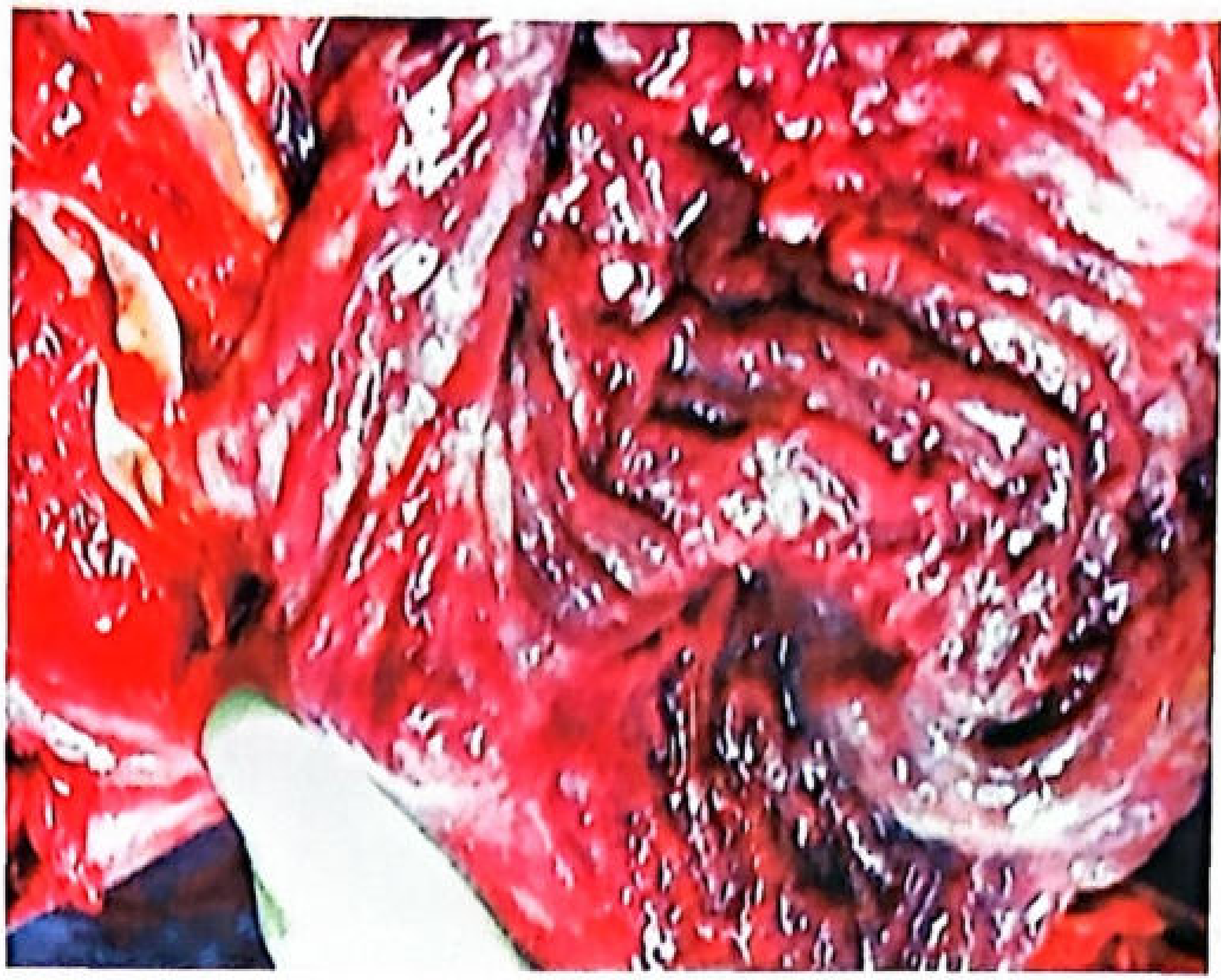
Gross:
- Garlicky odour at mouth, nostrils, and gastric contents
- Bloodstained froth at mouth and nostrils
- Congested mucosa of oesophagus, stomach, duodenum (decreasing distally in small intestine)
- Congestion of lungs, liver, spleen, kidneys, brain
- Centrizonal haemorrhagic necrosis of liver
Histopathology:
| Organ | Findings |
|---|---|
| Stomach | Congestion, oedema, leucocytic infiltration, sloughing of mucosa |
| Lungs | Congestion, oedema, desquamation of respiratory epithelium, thickened alveoli |
| Kidneys | Congestion, necrosis, tubular degeneration |
| Adrenals | Congestion, haemorrhage, necrosis, lipid depletion in cortex |
| Heart | Congestion, oedema, fragmentation of fibres, focal necrosis, leucocytic infiltration |
| Brain | Congestion, oedema |
Medicolegal Aspects
- Suicidal - most common (easy availability, single tablet sufficient)
- Homicidal - used in dowry deaths in rural India (tablet ground into food)
- Accidental - occupational (grain storage workers, fumigators)
- Must collect: gastric contents, blood, urine, liver for chemical analysis
- Silver nitrate test on breath is a rapid bedside forensic screen
Sources: Essentials of Forensic Medicine & Toxicology 36th Ed. (2026); P.C. Dikshit Textbook of Forensic Medicine & Toxicology; Parikh's Textbook of Medical Jurisprudence; Kumar et al., Clin Toxicol 2025 [PMID 40874872]; Rungta et al., Indian J Anaesth 2026 [PMID 42145294]
IMG_3062.png
IMG_3063.png
Decide a treatment line with dosages for the following report
Finding Sources
Finding Sources
Finding Sources
Reading File
Reading File
Finding Sources
I now have all the dosing data needed. Here is the complete, specific treatment plan for Mr. Sandeep Soni Ji:
Treatment Plan - Mr. Sandeep Soni Ji, 58Y/Male
Report Date: 27/06/2026
Patient Summary
| Parameter | Value | Status |
|---|---|---|
| HbA1c | 8.32% | ⬆ HIGH - Poor control (target <7.0%) |
| Average Blood Glucose | 192.08 mg/dL | ⬆ Poor control |
| Serum Triglycerides | 171.96 mg/dL | ⬆ Borderline high |
| Total Cholesterol | 168.64 mg/dL | ✅ Normal |
| LDL | 85.93 mg/dL | ✅ Normal |
| HDL | 48.32 mg/dL | ✅ Normal |
Current medication: Metformin (dose unknown) - inadequate glycaemic control
Before Starting: Mandatory Pre-checks
Before adding dapagliflozin, the following must be checked if not already done:
| Investigation | Why Needed | Threshold |
|---|---|---|
| Serum Creatinine / eGFR | Dapagliflozin unsafe if eGFR <45; Metformin unsafe if eGFR <30 | eGFR must be ≥45 |
| LFT (Liver Function) | Dapagliflozin dose reduced in hepatic failure | |
| Urine R/E | Rule out UTI before starting (SGLT2i increases UTI risk) | |
| Vitamin B12 | Metformin causes B12 deficiency over time |
Prescribed Treatment Line
Drug 1: Metformin (Optimise First)
Background: Metformin reduces HbA1c by 1.0-1.5%. If current dose is suboptimal, titrate up before or alongside adding the second agent.
| Phase | Dose | Timing |
|---|---|---|
| Week 1 (if not already at this dose) | Metformin 500 mg | Once daily with breakfast |
| Week 2 | Metformin 500 mg | Twice daily (morning + evening with meals) |
| Week 4 | Metformin 1000 mg | Twice daily with meals |
| Target maintenance dose | Metformin 1000 mg BD (2000 mg/day) | Morning + evening with food |
Maximum effective dose: 2000 mg/day (little additional benefit above this). Absolute maximum is 2550 mg/day. - Katzung's Basic & Clinical Pharmacology 16th Ed.
Take with food to minimise GI side effects (nausea, diarrhoea). Extended-release (XR) formulation preferred if GI intolerance is an issue.
Drug 2: Dapagliflozin 10 mg (Add-on to Metformin)
Rationale for choosing Dapagliflozin specifically:
- HbA1c 8.32% - needs ~1.2% additional reduction → Dapagliflozin adds 0.5-1.0% on top of optimised Metformin
- Borderline-high triglycerides (171.96) - SGLT2 inhibitors independently reduce triglycerides and promote weight loss
- Age 58M - cardiovascular risk profile benefits from SGLT2i (proven reduction in heart failure and renal progression)
- No hypoglycaemia risk (works via kidneys, insulin-independent)
| Details | |
|---|---|
| Drug | Dapagliflozin (Farxiga / Forxiga) |
| Starting dose | 5 mg once daily (morning, with or without food) |
| Maintenance dose | 10 mg once daily (after 2-4 weeks if tolerated) |
| Standard dose | 10 mg once daily - this is the usual full dose |
| Timing | Morning, with or without food |
| Condition | Requires eGFR ≥45 before starting; not for glycaemic effect if eGFR <45 |
Standard dose of dapagliflozin for type 2 diabetes is 10 mg once daily. The 5 mg dose is the starting/cautious dose and the recommended dose in hepatic impairment. - Katzung's Basic & Clinical Pharmacology 16th Ed.
Available Fixed-Dose Combination (Preferred for Adherence)
For convenience and to improve compliance, consider Metformin + Dapagliflozin fixed-dose combination tablet (Xigduo / equivalent brand available in India):
| Combination Tablet | Dose | Frequency |
|---|---|---|
| Dapagliflozin 10 mg + Metformin 500 mg | 1 tablet | Twice daily with meals |
| OR Dapagliflozin 10 mg + Metformin 1000 mg | 1 tablet | Twice daily with meals |
This gives the full dapagliflozin 10 mg dose split across the combination + full metformin 1000-2000 mg/day in a single tablet regime.
Drug 3: Lifestyle Modification (Non-negotiable)
| Intervention | Target |
|---|---|
| Diet | Low refined carbohydrate, low saturated fat; small frequent meals |
| Exercise | 30 min brisk walking 5 days/week (reduces HbA1c by ~0.5-0.7% independently) |
| Triglycerides | Avoid alcohol, refined sugars, fruit juices; reduce rice and wheat portions |
| Weight loss | Target 5-10% body weight reduction if overweight |
Monitoring Schedule
| Parameter | Frequency |
|---|---|
| HbA1c | Every 3 months after medication change; target <7.0% |
| Fasting + PP blood glucose | Monthly initially |
| eGFR / Creatinine | Before starting; then every 6 months |
| Serum Triglycerides | Recheck at 3 months (should improve with glycaemic control) |
| Vitamin B12 | Annually (long-term metformin use) |
| Urine R/E | If symptoms of UTI/genital infection develop |
Side Effects to Counsel
| Drug | Warn About |
|---|---|
| Metformin | Nausea, diarrhoea (take with food; usually settles in 2 weeks); rare lactic acidosis; B12 deficiency long-term |
| Dapagliflozin | Genital fungal infection (keep area clean/dry); UTI symptoms (burning micturition); increased urination; stop before any surgery or prolonged fasting (DKA risk); stay well hydrated |
Summary Prescription Card
1. Metformin 500 mg → titrate to 1000 mg BD with meals
(or Metformin XR 1000 mg OD if GI intolerance)
2. Dapagliflozin 10 mg → once daily morning
(Start at 5 mg for 2-4 weeks, then increase to 10 mg)
OR: Fixed combination tablet:
Dapagliflozin 10 mg + Metformin 1000 mg — 1 tablet BD with meals
3. Lifestyle: Diet + 30 min walking × 5 days/week
Pre-check: eGFR, creatinine, LFT, urine R/E before starting Dapagliflozin
Follow-up: HbA1c at 3 months — target <7.0%
⚠️ Disclaimer: This is a clinical guidance suggestion based on the lab values provided. All prescriptions must be finalised by the treating physician after complete clinical evaluation including history, examination, renal/liver function tests, and assessment of contraindications.
Sources: Katzung's Basic & Clinical Pharmacology 16th Ed.; Goldman-Cecil Medicine International Edition; Harrison's Principles of Internal Medicine 22E (2025)
This is a shared conversation. Sign in to Orris to start your own chat.