
I saw cavities on my molar teeth itsin early stage just a dark line
early stage molar cavity dark line treatment options remineralization
What That Dark Line Is
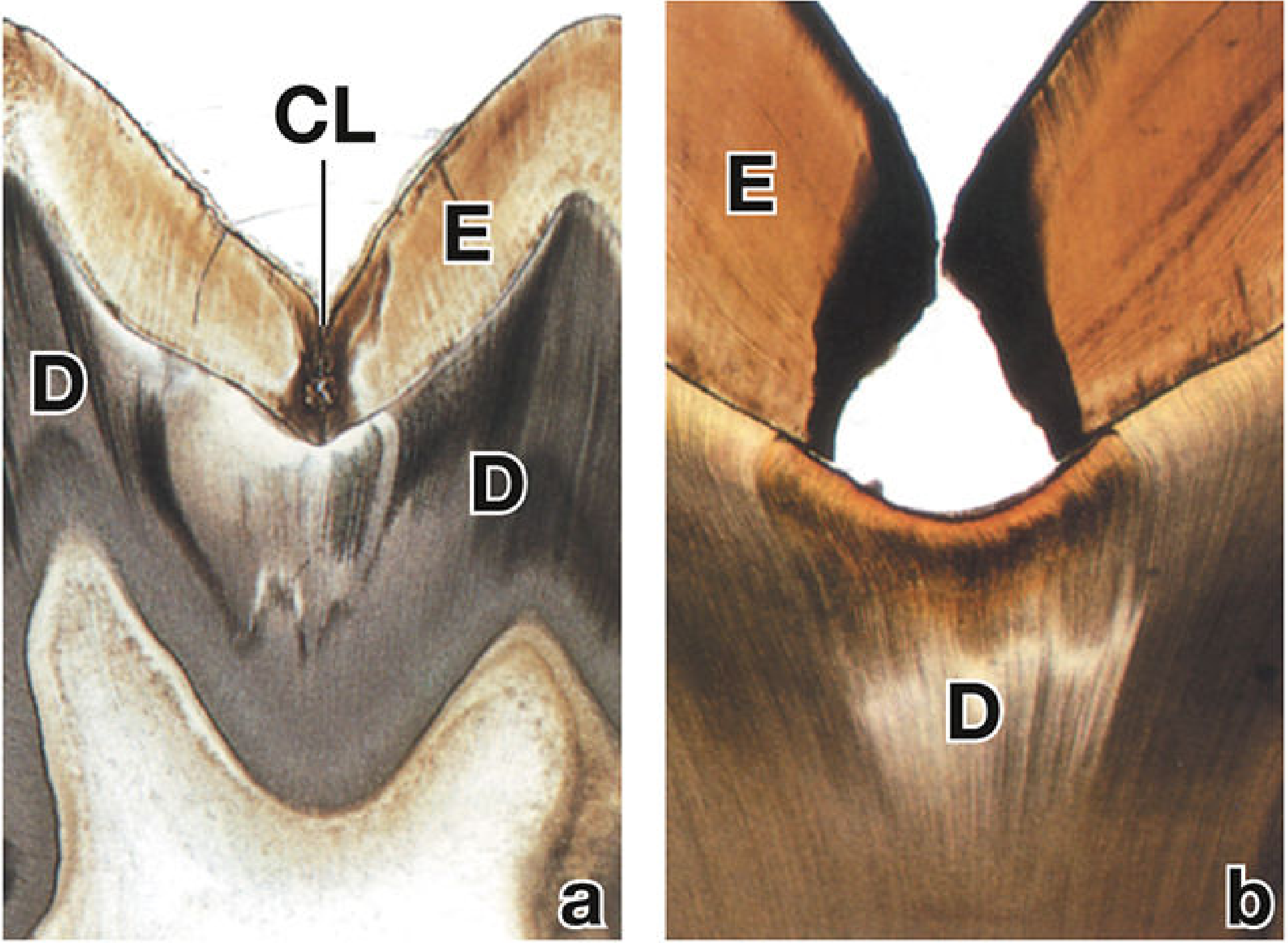
What Happens If Left Untreated
- The lesion spreads laterally at the enamel-dentin junction (the boundary is weaker)
- Bacteria then invade the dentinal tubules, causing deeper decay
- Eventually the pulp gets exposed, causing pain and requiring a root canal
- The tooth structure weakens and may fracture
Your Options Right Now
1. See a Dentist First (Non-Negotiable)
2. If Still in Enamel - Possible Non-Drilling Options
| Approach | What It Does |
|---|---|
| Fluoride varnish (applied by dentist) | Fluoride replaces the hydroxyl ion in hydroxyapatite crystals, making enamel more acid-resistant and promoting remineralization of small lesions |
| Sealant placement | A resin material is flowed into the fissure to seal bacteria out - works best for very early lesions |
| Silver Diamine Fluoride (SDF) | A liquid applied to the cavity that stops decay progression and hardens softened dentin |
| Curodont / ICON resin infiltration | Newer non-invasive options that penetrate and seal early lesions |
3. If Into Dentin - Filling Required
4. What You Can Do at Home Right Now
- Fluoride toothpaste - brush twice daily; fluoride promotes remineralization of small carious lesions. Optimal water fluoride is 0.5-1.0 ppm. - Histology: A Text and Atlas, p. 1468
- Cut sugar and refined carbohydrates - these are the fuel for S. mutans
- Drink more water / stay hydrated - saliva is your natural defense. It contains calcium, phosphate, and proteins (statherin, proline-rich proteins) that remineralize enamel and form a protective pellicle on your teeth. Low saliva flow = more decay. - Cummings Otolaryngology, p. 3961
- Antibacterial mouthwash (chlorhexidine or CPC) - reduces bacterial load in fissures
- Avoid snacking between meals - give your saliva time to neutralize acid between eating episodes
Bottom Line
Suggest which toothpaste i should go with
best toothpaste for early cavity remineralization fluoride hydroxyapatite 2025 dentist recommended
hydroxyapatite fluoride toothpaste caries remineralization comparison
https://carifree.com/blog/hydroxyapatite-vs-fluoride-toothpa…
The Two Main Active Ingredients
1. Fluoride
- Substituting into the hydroxyapatite crystal of your enamel, making it more acid-resistant
- Acting as an antibacterial agent against S. mutans
- Promoting remineralization of small lesions
2. Nano-Hydroxyapatite (n-HAP)
Toothpaste Recommendations by Category
Best Overall for Early Cavities (Fluoride-Based)
| Toothpaste | Fluoride | Why It Helps |
|---|---|---|
| Sensodyne Pronamel | 1450 ppm NaF | Specifically formulated to re-harden enamel, low abrasion |
| Colgate Total | 1450 ppm NaF | Antibacterial (stannous fluoride) + enamel protection |
| Clinpro 5000 (prescription) | 5000 ppm NaF | High-dose fluoride for high-risk patients - ask your dentist |
Standard OTC toothpastes contain 1000-1450 ppm fluoride. For early active caries in adults, 1450 ppm is better than 1000 ppm - always check the label and pick the higher concentration.
Best for Remineralization (Hydroxyapatite-Based)
| Toothpaste | Key Ingredient | Notes |
|---|---|---|
| Boka Ela Mint | Nano-hydroxyapatite | Popular, fluoride-free, good for those avoiding fluoride |
| Risewell | Nano-hydroxyapatite | Mineral-rich, widely available online |
| CariFree Gel 1100 | Nano-HAP + fluoride | Combines both - good dual-action option |
What to Avoid
- Toothpastes with whitening abrasives (high RDA) - they scratch enamel and make early cavities worse
- Charcoal toothpastes - highly abrasive, no proven remineralization benefit
- Toothpastes with low/no fluoride unless they contain nano-hydroxyapatite as a substitute
The Bottom Line: My Recommendation for You

I saw a product
Salt oral care toothpaste ingredients nano hydroxyapatite fluoride free saltoralcare.com India
Salt toothpaste Dawn Dusk ingredients cavity remineralization review
https://saltoralcare.com/pages/dusk-night-toothpaste-faqs
Salt Oral Care - What It Is
What Their Toothpastes Contain
- Grapefruit water
- Papain and Bromelain enzymes - these break down stains and excess plaque (good for cleaning)
- Other "remineralizing" ingredients (they don't publicly list a full INCI ingredient list clearly)
- No fluoride - explicitly fluoride-free
- No nano-hydroxyapatite mentioned prominently
- Saffron-based, similar "natural" positioning
My Honest Verdict for Your Situation
| Factor | Salt Oral Care | What You Need |
|---|---|---|
| Fluoride | ❌ None | ✅ Important for arresting early caries |
| Nano-HAP | Not confirmed | ✅ Good alternative to fluoride |
| Anti-plaque enzymes | ✅ Papain/Bromelain | Helpful but not sufficient alone |
| Abrasiveness | Low (good) | ✅ What you want |
| Evidence for caries arrest | ❌ No clinical trials | Fluoride/HAP have solid RCT evidence |
What to Do
- Sensodyne Pronamel (1450 ppm fluoride) - available across India, ~Rs. 200-250
- Colgate Total - widely available, proven anti-caries
- Perfora Nano-Hydroxyapatite toothpaste - another Indian brand, but this one actually lists n-HAP as an active ingredient, which is the fluoride-free route with actual evidence
Can it reverse
early caries reversal remineralization toothpaste fluoride
non-cavitated caries lesion remineralization arrest
Can a Cavity Be Reversed?
The Short Answer
The Two Stages - What's Reversible and What's Not
Stage 1: Demineralization (white spot / dark line in fissure)
         → Enamel is weakened but INTACT
         → ✅ REVERSIBLE with fluoride / nano-HAP toothpaste

Stage 2: Cavitation (actual hole forms)
         → Enamel structure has physically broken down
         → ❌ NOT reversible - needs a filling

Stage 3: Dentin involvement
         → Bacteria are inside the tooth
         → ❌ Needs drilling + filling urgently
What "Reversal" Actually Means Scientifically
"Fluoride promotes remineralization of small carious lesions... resistance to acid breakdown of enamel is facilitated by the substitution of fluoride ion for the hydroxyl ion in the hydroxyapatite crystal."
- Histology: A Text and Atlas, p. 1468
What Gives You the Best Chance of Reversal
| Factor | What Helps |
|---|---|
| Toothpaste | 1450 ppm fluoride OR nano-hydroxyapatite - twice daily, don't rinse after |
| Diet | Cut sugar and acidic drinks - every sugar hit feeds the bacteria for 20-40 min |
| Saliva | Stay hydrated; chew sugar-free xylitol gum after meals to boost saliva flow |
| In-office | Ask dentist about fluoride varnish application (much higher concentration than toothpaste) |
| Fissure sealant | Dentist seals the groove to cut off bacteria from oxygen and nutrients |
| Time | Remineralization takes weeks to months of consistent effort |
Bottom Line on Salt Oral Care for Reversal
water flosser oral irrigator plaque reduction caries
oral irrigation interdental cleaning plaque gingivitis
water flosser vs string floss molar cavity prevention evidence dentist review 2024
Is a Water Flosser Worth It for Your Situation?
What the Evidence Says
"Water flossers are more effective in plaque removal compared to dental floss, especially from inaccessible interproximal areas."
- 29% greater plaque reduction with water flossers vs string floss after single use
- Particularly better at reaching deep fissures and back molars - exactly where your cavity is
- Pressurized water flushes out bacteria and food debris that a brush simply cannot reach
- Reduces gingivitis (gum inflammation) significantly better than string floss
How It Helps Your Molar Cavity Specifically
- Disrupts the bacterial biofilm (plaque) in grooves and between teeth
- Reduces acid production by S. mutans (the bacteria causing your cavity)
- Helps saliva and fluoride reach areas previously blocked by plaque
- Reduces inflammation around the tooth, supporting natural healing
The Hirti Device - Is It Good Enough?
| Spec | Hirti (₹645) | What's Ideal |
|---|---|---|
| Modes | 3 (soft/normal/pulse) | ✅ Pulse mode is most effective for plaque |
| Water tank | 220ml | ✅ Sufficient for full session |
| Waterproof | IPX7 | ✅ Good |
| Rating | 3.4★ (51 reviews) | ⚠️ Average - not great |
| Brand reputation | Budget/generic | ⚠️ Unknown longevity |
Better Alternatives at Different Price Points
| Brand | Price (approx.) | Why Better |
|---|---|---|
| ORACURA Smart PLUS (shown in the same search!) | ₹1,500-2,000 | Indian brand, much better reviews, dentist recommended in India |
| Waterpik WP-150 | ₹2,500-3,000 | Gold standard, most research done on Waterpik devices |
| Philips Sonicare Flosser | ₹3,000+ | Premium, excellent pressure control |