
CVS complete examination and history for MD medicine student in details with standard book
Reading File
Now let me search the medical library for comprehensive CVS examination content.
Finding Sources
Finding Sources
Finding Sources
Excellent! Found key sources. Let me now read the major CVS examination sections from Harrison's and Goldman-Cecil, plus search for more specific CVS topics in parallel.
Reading File
Finding Sources
Finding Sources
Reading File
Finding Sources
Finding Sources
Reading File
Reading File
Reading File
Reading File
Reading File
Reading File
I now have extensive content from Harrison's and Goldman-Cecil Medicine. Let me fetch the key images and gather a few more specific details.
Loading Image
Loading Image
Reading File
I now have comprehensive content from Harrison's 22nd edition and Goldman-Cecil Medicine. Let me compose the full, detailed CVS history and examination guide.
Cardiovascular System (CVS) - Complete History & Examination
For MD Medicine Students
Primary Sources: Harrison's Principles of Internal Medicine, 22nd Ed. (2025); Goldman-Cecil Medicine, International Edition; Braunwald's Heart Disease; Fuster & Hurst's The Heart, 15th Ed.
PART I: CVS HISTORY TAKING
1. Introduction & Patient Identification
- Name, age, sex, occupation, domicile
- Referred by / presenting complaints (in patient's own words)
- Duration of each complaint
2. Chief Complaints - The "Cardinal Symptoms" of Heart Disease
The 7 cardinal symptoms of cardiac disease to ask about:
| Symptom | Key Cardiac Causes |
|---|---|
| Chest pain / discomfort | Angina, ACS, pericarditis, aortic dissection |
| Dyspnea | Heart failure (LV), pulmonary oedema, cardiac tamponade |
| Palpitations | Arrhythmias, AF, SVT, VT |
| Syncope / presyncope | AS, HOCM, complete heart block, VT |
| Oedema (leg / dependent) | RV failure, biventricular failure, constrictive pericarditis |
| Fatigue / easy fatigability | Low cardiac output, heart failure |
| Cough / haemoptysis | MS, LV failure (pulmonary oedema), PE |
3. History of Presenting Complaints (SOCRATES for each symptom)
A. CHEST PAIN
- Site: Central, retrosternal, left chest, epigastric
- Onset: Sudden vs. gradual; at rest vs. exertion
- Character:
- Squeezing/crushing/pressure-like = ischaemic (angina/ACS)
- Sharp, pleuritic, worse lying flat, relieved sitting forward = pericarditis
- Tearing/ripping, radiating to back = aortic dissection
- Burning, epigastric = GERD (differential)
- Radiation: To left arm, jaw, neck, back (aortic dissection)
- Associated symptoms: Sweating, nausea, vomiting, dyspnea, syncope
- Time: Duration (minutes = angina; >20 min = ACS; constant = pericarditis)
- Exacerbating/Relieving: Exertion, emotion, cold, heavy meals; relief with nitrates (angina), sitting forward (pericarditis)
- Severity: 1-10 scale
Grading of Angina - Canadian Cardiovascular Society (CCS):
| Class | Definition |
|---|---|
| I | Angina only with strenuous exertion |
| II | Slight limitation - angina on walking >2 blocks or climbing >1 flight |
| III | Marked limitation - angina on walking <2 blocks or climbing <1 flight |
| IV | Inability to do any activity without discomfort; angina at rest |
(Goldman-Cecil Medicine, Table 293, p. 391)
B. DYSPNEA
- Type: Exertional dyspnea (ED), orthopnea, paroxysmal nocturnal dyspnea (PND), dyspnea at rest
- NYHA Functional Classification for exertional dyspnea:
- Class I: No symptoms with ordinary activity
- Class II: Slight limitation; symptoms with moderate exertion
- Class III: Marked limitation; symptoms with minimal exertion, comfortable at rest
- Class IV: Symptoms at rest or with any activity
- Orthopnea: Number of pillows used (2-pillow, 3-pillow orthopnea); due to redistribution of fluid from legs to pulmonary circulation when lying flat
- PND: Awakens patient from sleep after 1-2 hours; relieved by sitting up or standing; caused by pulmonary oedema
- Cardiac vs. pulmonary dyspnea: Ask about wheeze, productive cough, history of smoking, occupational exposure
C. PALPITATIONS
- Character: Fast, slow, irregular, "fluttering," "thudding"
- Onset: Sudden/gradual, at rest/exertion
- Associated: Presyncope, chest pain, dyspnea
- Precipitating: Coffee, alcohol, thyroid disease, anxiety
- Duration and termination: Spontaneous, Valsalva manoeuvre
- Ask about: Prior ECG, ablation, medications
D. SYNCOPE
- Pre-syncope vs. true loss of consciousness
- Postural (orthostatic hypotension), exertional (AS, HOCM - high risk!), situational (micturition, cough, defaecation - vasovagal)
- Warning (prodrome): Lightheadedness, sweating = vasovagal vs. no warning = Stokes-Adams (complete heart block, VT)
- Recovery: Rapid = vasovagal; prolonged confusion = seizure
- Tongue bite, incontinence = suggest seizure
E. OEDEMA
- Location: Dependent (bilateral ankle/leg = cardiac), unilateral = DVT/venous insufficiency
- Duration, progression
- Worse at end of day, improved after recumbency (cardiac)
- Ask about ascites, facial puffiness (nephrotic syndrome differential)
- Associated: SOB, abdominal distension (ascites with RHF)
F. COUGH & HAEMOPTYSIS
- Dry nocturnal cough = LV failure, ACE inhibitor side effect
- Frothy pink sputum = acute pulmonary oedema
- Haemoptysis = mitral stenosis, PE, Eisenmenger syndrome
4. Past Medical History (PMH)
- Previous cardiac events: MI, heart failure, cardiac surgery, PCI/CABG, pacemaker/ICD
- Hypertension (duration, control, medications)
- Diabetes mellitus
- Hyperlipidaemia
- Rheumatic fever (important for valvular disease, especially MS)
- Congenital heart disease
- Stroke/TIA
- Peripheral vascular disease
- Renal disease
- Thyroid disease
- Previous ECG/Echo/angiogram findings
5. Drug History
- Current cardiac medications: antihypertensives, anticoagulants, antiplatelets, statins, diuretics, nitrates, digoxin, antiarrhythmics
- Cardiotoxic drugs: Doxorubicin, trastuzumab, clozapine
- Drugs causing QT prolongation: antipsychotics, macrolides, fluoroquinolones
- NSAIDs (worsen heart failure, increase BP)
- OCP (increases thrombotic risk)
- Over-the-counter/herbal medications
- Allergies: Drug name, type of reaction
6. Family History
- First-degree relatives with:
- Premature coronary artery disease (men <55 yrs, women <65 yrs)
- Sudden cardiac death (especially at young age - suggests HOCM, channelopathies: LQTS, Brugada)
- Hypertension, diabetes, hyperlipidaemia
- Cardiomyopathy (familial dilated, HOCM)
- Marfan syndrome, connective tissue disorders
- Congenital heart disease
7. Social History
- Smoking: Pack-years, current or ex-smoker, passive exposure
- Alcohol: Units per week (alcoholic cardiomyopathy, AF trigger, hypertension)
- Recreational drugs: Cocaine (coronary spasm, MI, dissection), amphetamines, anabolic steroids
- Diet: Saturated fat, salt intake
- Exercise: Level of physical activity (important for functional assessment)
- Occupation: Physical demands, occupational toxin exposure, stress
- Travel history: Endemic areas (Chagas disease, infective endocarditis risk)
- Socioeconomic: Affects access to care, medication compliance
8. Systems Review (relevant to CVS)
- Respiratory: Wheeze, chronic cough, sputum
- GI: Nausea, vomiting (inferior MI), abdominal pain (mesenteric ischaemia, hepatomegaly)
- Renal: Oliguria, haematuria (endocarditis), nocturia (HF)
- Neurological: TIA, stroke, visual disturbances (emboli)
- Musculoskeletal: Joint pains (rheumatic fever, reactive arthritis)
- Endocrine: Sweating, heat intolerance, weight change (thyroid), polyuria/polydipsia (diabetes)
PART II: CVS PHYSICAL EXAMINATION
STEP 1: GENERAL EXAMINATION (Begins before laying hands on the patient)
From Harrison's 22E, p. 1903: "The examination begins with an assessment of the general appearance of the patient, with notation of age, posture, demeanor, and overall health status."
A. General Appearance
- Comfortable at rest vs. in distress, breathless, diaphoretic
- State of nutrition: Cachectic (cardiac cachexia in advanced HF), obese (metabolic syndrome)
- Position: Sitting upright/leaning forward (pericarditis), unable to lie flat (orthopnea)
- Cheyne-Stokes respiration (advanced heart failure, low cardiac output)
- Pallor, cyanosis (central vs. peripheral), jaundice
B. Skin & Nails
- Central cyanosis: Tongue + mucous membranes; significant right-to-left shunt (congenital HD, Eisenmenger)
- Peripheral cyanosis (acrocyanosis): Fingers/toes only; low flow states - HF, shock, peripheral vascular disease
- Differential cyanosis: Lower limbs only (PDA + pulmonary hypertension, right-to-left shunt at great vessel level)
- Clubbing: Chronic cyanotic congenital HD (ToF, TGA), infective endocarditis, lung disease
- Splinter haemorrhages: Infective endocarditis (also trauma)
- Osler's nodes: Painful red nodules on finger pads - infective endocarditis
- Janeway lesions: Painless haemorrhagic macules on palms/soles - infective endocarditis
- Koilonychia: Spoon-shaped nails (iron deficiency, high output failure)
- Xanthelasma, xanthomas: Hyperlipidaemia; tendon xanthomas = familial hypercholesterolaemia
- Arcus cornealis (arcus senilis): <45 yrs suggests dyslipidaemia
- Malar flush: Mitral stenosis (MS facies), scleroderma
- Petechiae: Infective endocarditis
C. Facies
- Malar flush (MS)
- Exophthalmos + lid retraction: Hyperthyroidism
- Expressionless face + ptosis: Myotonic dystrophy (associated with AV block, arrhythmia)
- Down syndrome facies, Turner's syndrome, Marfan habitus
D. Skeletal/Dysmorphic Features
| Feature | Syndrome | Cardiac Association |
|---|---|---|
| Tall, high-arched palate, arachnodactyly, lens dislocation | Marfan syndrome | Aortic root dilatation, AR, MVP |
| Webbed neck, short stature, cubitus valgus | Turner syndrome | CoA, bicuspid AorticV, AS |
| Widely spaced eyes, low-set ears, mental retardation | Down syndrome | ASD, VSD, AVSD |
| Thumb/radial hypoplasia | Holt-Oram | ASD, VSD |
| Pterygium colli, hypertelorism | Noonan syndrome | Pulmonary stenosis, HCM |
STEP 2: VITAL SIGNS
A. Heart Rate
- Normal: 60-100 bpm
- Method: Radial pulse for 60 seconds
- Rate: Bradycardia (<60) or tachycardia (>100)
- Character and rhythm
B. Blood Pressure
- Measure both arms: >10 mmHg difference = subclavian artery stenosis, aortic dissection, or coarctation
- Measure both arms AND at least one leg when coarctation of aorta suspected (BP higher in arms than legs in CoA)
- Pulsus paradoxus: >10 mmHg fall in SBP during inspiration = cardiac tamponade, severe asthma, constrictive pericarditis
- Hypertensive urgency/emergency assessment
- Wide pulse pressure: Aortic regurgitation, hyperthyroidism, severe anaemia, AV fistula
- Narrow pulse pressure: Aortic stenosis, cardiac tamponade, constrictive pericarditis, severe LV dysfunction
C. Respiratory Rate
- Tachypnoea (>20/min): Heart failure, pulmonary oedema
D. Temperature
- Fever: Infective endocarditis, pericarditis, myocarditis, acute rheumatic fever
E. Peripheral O2 Saturation (SpO2)
- <94% warrants further investigation
STEP 3: THE HANDS, FACE, NECK (Peripheral Examination)
A. Hands
- Clubbing (grade I-IV)
- Splinter haemorrhages, Osler's nodes, Janeway lesions
- Peripheral cyanosis, capillary refill time
- Tremor (thyrotoxicosis)
- Temperature: Cold peripheries = low cardiac output
B. Eyes
(Goldman-Cecil, p. 392): "Examination of the fundi may show diabetic or hypertensive retinopathy or Roth spots typical of infectious endocarditis."
- Xanthelasma (hyperlipidaemia)
- Corneal arcus
- Kayser-Fleischer rings (Wilson's disease - cardiomyopathy)
- Roth spots (infective endocarditis)
- Retinal artery occlusion (embolism from LA thrombus or myxoma)
- Subconjunctival haemorrhage
- Exophthalmos (hyperthyroidism)
C. Mouth
- Dentition and oral hygiene (source of bacteraemia - endocarditis risk)
- High-arched palate (Marfan syndrome)
- Bifid uvula (Loeys-Dietz syndrome)
- Orange tonsils (Tangier disease)
- Telangiectasias on tongue/lips (Osler-Weber-Rendu syndrome - source of R-to-L shunt if pulmonary AVMs)
- Cyanotic tongue (central cyanosis)
STEP 4: CAROTID PULSE
- Method: Palpate one side at a time, gentle pressure, below the angle of the jaw
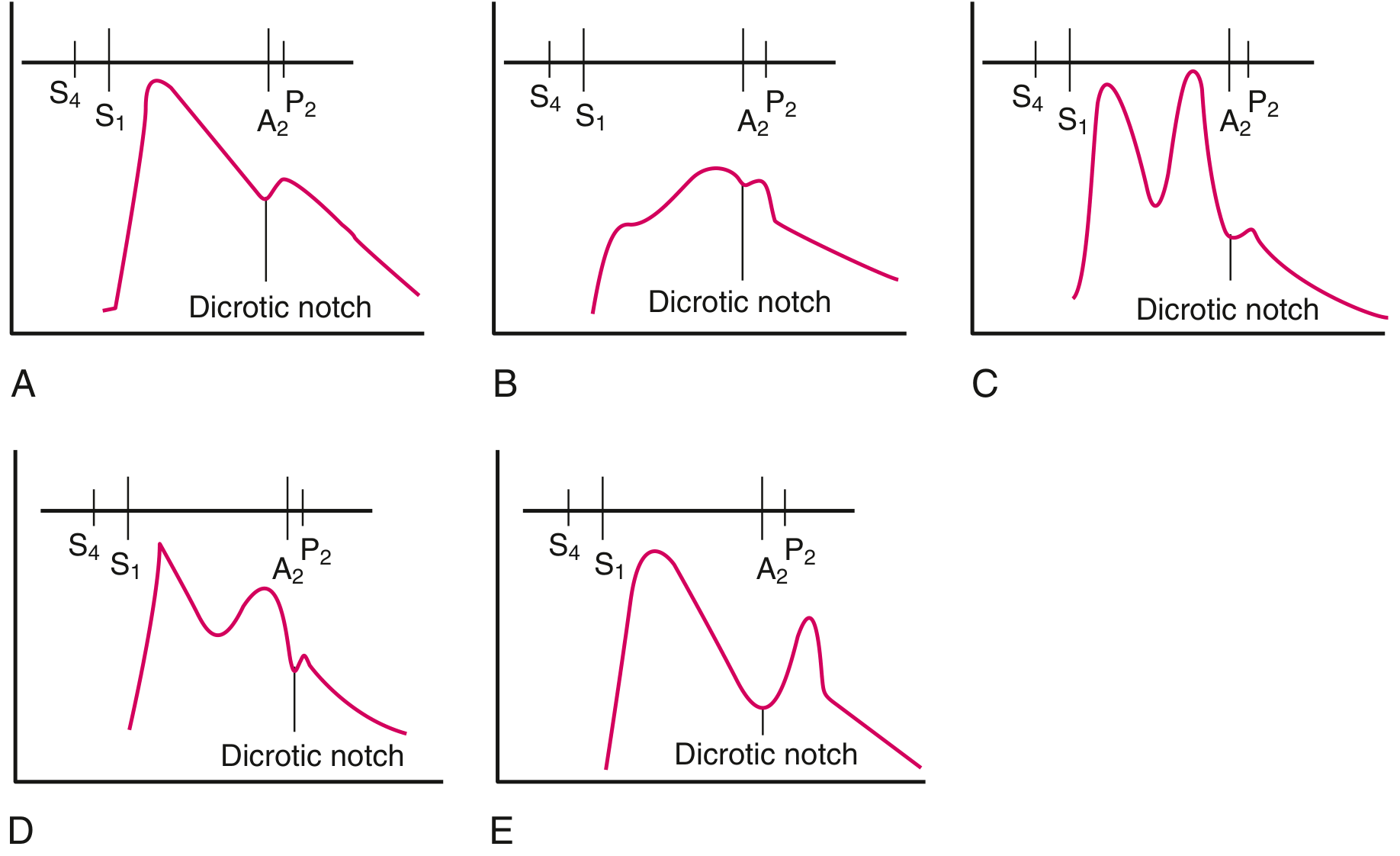
- Character of the carotid pulse:
| Pulse Character | Description | Clinical Association |
|---|---|---|
| Normal (normal) | Smooth, single systolic peak | Normal |
| Anacrotic (slow-rising, parvus et tardus) | Slow upstroke, delayed peak near S2 | Aortic stenosis (severe) |
| Bisferiens | Two systolic peaks (percussion + tidal wave) | Aortic regurgitation (significant), HOCM |
| Hyperkinetic (bounding, Corrigan's/water-hammer) | Rapid upstroke, collapsing quality | AR, hyperthyroidism, anaemia, AV fistula |
| Dicrotic | Accentuated dicrotic wave felt as double pulse | Severe HF, sepsis, cardiac tamponade |
| Pulsus alternans | Alternating strong and weak beats | Severe LV systolic dysfunction |
| Pulsus paradoxus | Marked decrease on inspiration | Tamponade, severe asthma |
STEP 5: JUGULAR VENOUS PRESSURE (JVP)
Harrison's 22E, p. 1904: "The JVP is the single most important bedside measurement from which to estimate the volume status."
A. How to Assess JVP
- Position patient at 30-45° (use 45° initially; adjust to visualise the meniscus)
- Turn head slightly to the left to examine the right internal jugular vein (preferred - directly in line with SVC and RA)
- Identify the venous pulsation just lateral to the sternocleidomastoid muscle
- Measure the vertical height of the venous pulsation above the sternal angle of Louis
- Normal = <4.5 cm above the sternal angle at 45°
- The sternal angle is approximately 5 cm above the mid-right atrium, so total CVP (cmH2O) = height above sternal angle + 5 cm
- If JVP is elevated, sit the patient fully upright with legs dangling to better assess the upper limit
- If not visible at 30-45°, check at 60° or even 90° (sitting)
IJV vs. EJV vs. Carotid distinctions:
| Feature | JVP (Venous) | Carotid (Arterial) |
|---|---|---|
| Pulsation character | Biphasic (2 peaks), soft, diffuse | Monophasic, forceful, discrete |
| Obliteration with pressure | Easily obliterated proximally | NOT obliterated |
| Posture effect | Falls with sitting up | No change |
| Inspiration effect | Falls (normal) | No change |
| Abdominojugular test | Rises | No change |
B. JVP Waveform Components
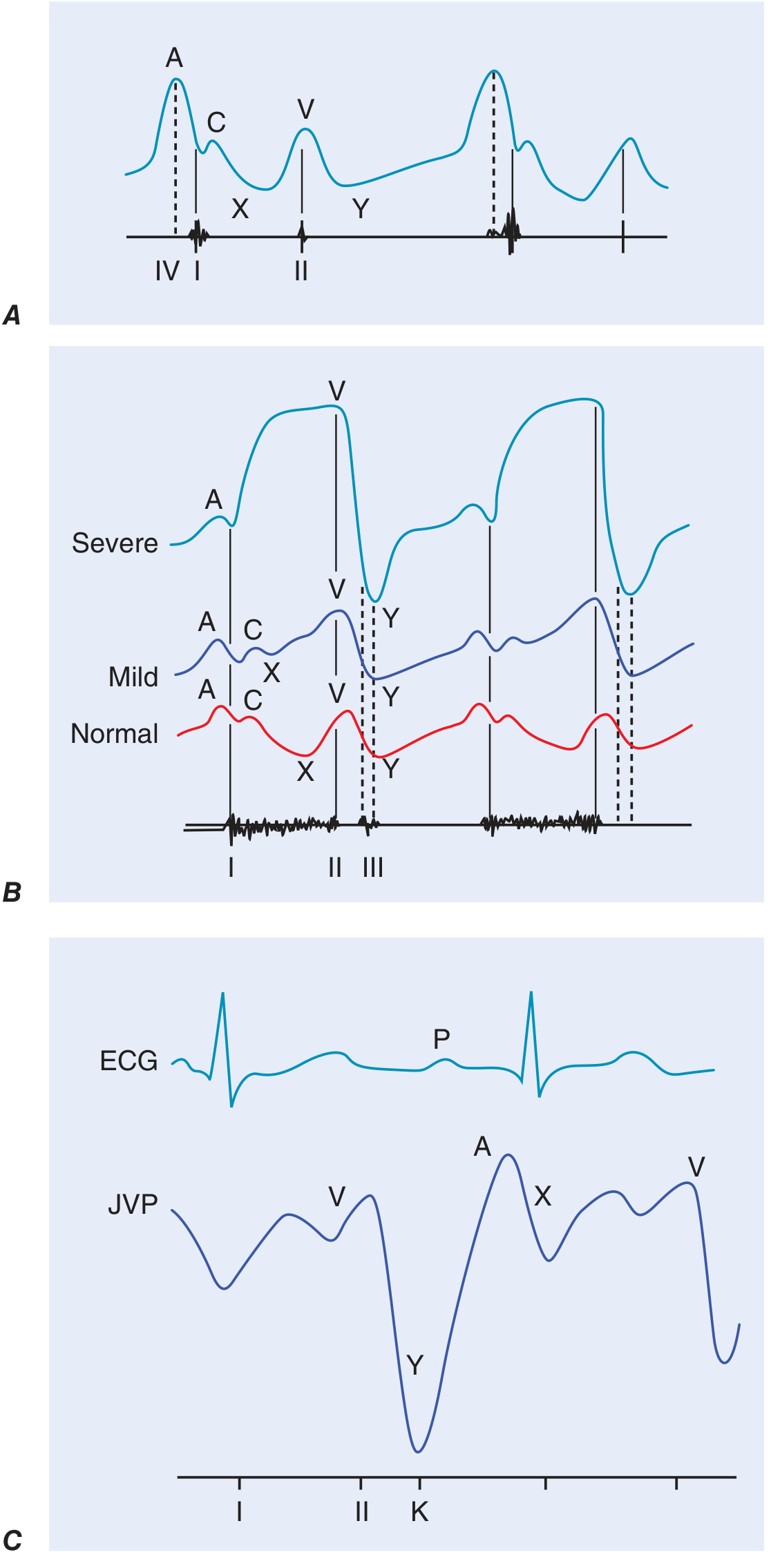
| Component | Mechanism | Timing relative to cardiac cycle |
|---|---|---|
| a wave | Right atrial presystolic contraction | Just after P wave on ECG, before S1 |
| c wave | Tricuspid valve pushed into RA during early RV systole / carotid artefact | Interrupts x descent |
| x descent | RA relaxation + downward displacement of TV | Systolic descent |
| v wave | Atrial filling against closed tricuspid valve (atrial diastole) | During ventricular systole, peaks near S2 |
| y descent | Tricuspid valve opening, ventricular filling begins | After peak of v wave |
C. Abnormalities of JVP Waveform
| Abnormality | Waveform Change | Clinical Cause |
|---|---|---|
| Elevated JVP | >4.5 cm above sternal angle | RHF, fluid overload, tamponade, constrictive pericarditis, SVC obstruction |
| Giant/cannon a waves | Exaggerated a wave | AV dissociation (VT vs. SVT), complete heart block, TR, RV failure |
| Absent a wave | No a wave | Atrial fibrillation |
| Large v waves | Prominent v wave, ventriculrised waveform | Tricuspid regurgitation (severe) |
| Blunted/absent y descent | Slow y descent | Tricuspid stenosis, cardiac tamponade |
| Prominent y descent | Sharp y descent | Constrictive pericarditis, severe RHF |
| Kussmaul's sign | JVP rises (or fails to fall) with inspiration | Constrictive pericarditis, RV infarct, restrictive cardiomyopathy, massive PE |
D. Abdominojugular Reflux (Hepatojugular Reflux)
- Apply firm pressure over right upper quadrant (upper abdomen) for >15 seconds
- Positive = sustained rise in JVP >3 cm
- Indicates elevated pulmonary capillary wedge pressure >15 mmHg
- Assess at 10 seconds (allow abdominal muscle tensing to subside)
- Caution patient not to Valsalva during test
STEP 6: PRECORDIAL EXAMINATION
Patient positioned: Supine at 45°, then left lateral decubitus for apex/low-frequency sounds
A. INSPECTION
- Chest shape: Barrel chest, pectus excavatum (compresses heart, can produce systolic murmur), pectus carinatum, kyphoscoliosis (cor pulmonale), asymmetry
- Scars:
- Midline sternotomy = CABG, valve surgery, congenital HD surgery
- Left submammary/lateral thoracotomy = mitral valvotomy (old closed commissurotomy), BT shunt
- Right infraclavicular scar = pacemaker/ICD implant
- Visible pulsations:
- Apex beat (visible in ~50% of normals)
- Visible left parasternal heave = RV hypertrophy
- Epigastric pulsation = aortic aneurysm, right ventricular enlargement
- Pulsatile neck veins (see JVP section)
- Dilated veins on chest wall: SVC obstruction, caval obstruction
B. PALPATION
Palpate in sequence: Apex beat → Left parasternal region → Aortic area → Pulmonary area → Epigastric area → Back (for aortic coarctation collateral pulsations)
1. Apex Beat
- Location: Normally in the 5th intercostal space, midclavicular line (MCL)
- Character:
Type Description Association Normal Tapping, localised, <2.5 cm Normal Heaving (sustained, forceful) Hyperdynamic, displaced, lifts finger LVH (pressure overload: AS, hypertension) Hyperdynamic (thrusting, volume-loaded) Vigorous, displaced laterally Volume overload: AR, MR, VSD Tapping Palpable S1, sharp Mitral stenosis (loud S1 palpable) Diffuse/dyskinetic Broad, unsustained, multiple areas LV aneurysm, dilated cardiomyopathy Double impulse Two distinct pulsations HOCM (systolic + atrial), LV aneurysm Absent Not palpable Obesity, emphysema, pericardial effusion, dextrocardia - Displacement: Lateral (LV dilatation/LVH), downward, mediastinal shift
2. Parasternal Heave (Right Ventricular Impulse)
- Place heel of hand over left parasternal area (2nd-4th ICS)
- Sustained heave lifting the hand = right ventricular hypertrophy/overload (pulmonary hypertension, pulmonary stenosis, severe MS, large ASD)
3. Thrills
- A palpable murmur (grade 4+ murmur): Systolic thrill = AS, VSD, PS; Diastolic thrill = MS (rare), AR
- Location as per murmur site
4. Palpable Heart Sounds
- Palpable S1 (tapping apex) = MS
- Palpable P2 in pulmonary area = pulmonary hypertension
5. Percussion
- Limited use in cardiac exam
- May help delineate cardiac borders
- Shifting of cardiac border to the right (dextrocardia - confirmed by apex beat)
- Dull left costophrenic angle (pleural effusion in heart failure)
C. AUSCULTATION
Stethoscope use:
- Diaphragm (high-frequency): S1, S2, AR, MR, pericardial rub, ejection clicks
- Bell (low-frequency, light pressure): S3, S4, MS (mitral diastolic murmur)
Auscultatory areas (listen over all 5 areas):
- Aortic area: 2nd right intercostal space, right sternal border (2RICS)
- Pulmonary area: 2nd left intercostal space, left sternal border (2LICS)
- Erb's point (left 3rd ICS): AR often best heard here in leaning-forward position
- Tricuspid area: Lower left sternal border (4-5th ICS, LLSB)
- Mitral area (Apex): 5th ICS, MCL - left lateral decubitus position for low-frequency sounds
Heart Sounds
S1 (First Heart Sound)
- Closure of mitral (M1) and tricuspid (T1) valves at onset of systole; M1 precedes T1
- Heard best at the apex
- Loud S1: MS (restricted leaflet excursion, mobile but not closing fully until high LA pressure), hyperdynamic states (fever, anaemia, thyrotoxicosis), short PR interval
- Soft S1: LV dysfunction, calcified/immobile MV, prolonged PR interval (1° AV block), MR
- Variable S1: AF, complete AV dissociation
S2 (Second Heart Sound)
- Closure of aortic (A2) and pulmonary (P2) valves; A2 precedes P2
- Heard best at base (2nd ICS)
- Splitting of S2:
Type Behaviour Cause Physiological splitting Widens on inspiration, closes on expiration Normal Wide splitting Wide but moves with respiration RBBB, pulmonary stenosis, ASD Fixed splitting Wide, does NOT change with respiration ASD (classic) Paradoxical (reversed) splitting Narrows on inspiration LBBB, severe AS, HOCM Absent P2 P2 not audible Severe PS, pulmonary atresia Loud P2 Accentuated, may be palpable Pulmonary hypertension Loud A2 Systemic hypertension
Added Heart Sounds (S3 and S4)
| Sound | Quality | Timing | Mechanism | Clinical Significance |
|---|---|---|---|---|
| S3 (Third HS) | Low-pitched "gallop" (Kentucky: lub-dub-TA) | Early diastole, after S2 | Rapid ventricular filling causing wall vibration | Pathological in adults >40: LV failure, volume overload (MR, AR, VSD); physiological in young/pregnancy |
| S4 (Fourth HS) | Low-pitched presystolic gallop (Tennessee: TA-lub-dub) | Late diastole, before S1 | Atrial kick into a stiff/hypertrophied ventricle | LVH (HTN, AS, HOCM), acute MI, restrictive cardiomyopathy; never normal |
Summation Gallop: S3 + S4 merge in tachycardia (sounds like a galloping horse)
Opening Snap (OS): Early diastolic high-pitched sound - mitral stenosis (mobile anterior leaflet). OS-S2 interval narrows as MS becomes more severe (closer to S2 = higher LA pressure = more severe MS)
Ejection Clicks: High-pitched early systolic sounds
- Aortic ejection click: 2RICS, does NOT vary with respiration - aortic stenosis, bicuspid aortic valve, aortic root dilatation
- Pulmonary ejection click: 2LICS, disappears on inspiration - pulmonary valve stenosis
Mid-systolic Click(s): Mitral valve prolapse (MVP); best at apex; moves earlier with standing/Valsalva (decreases preload)
Pericardial Friction Rub: Scratchy, to-and-fro sound (may have 3 components: atrial systole, ventricular systole, ventricular diastole); best heard with patient leaning forward, in full expiration; increases with pressure from diaphragm; pathognomonic of pericarditis
Heart Murmurs
Grading (Levine scale):
| Grade | Description |
|---|---|
| 1/6 | Barely audible, only with concentration in a quiet room |
| 2/6 | Faint but easily heard |
| 3/6 | Moderately loud, no thrill |
| 4/6 | Loud with palpable thrill |
| 5/6 | Very loud, audible with stethoscope edge only touching chest |
| 6/6 | Audible without stethoscope |
Systolic Murmurs:
| Murmur | Character | Location | Radiation | Key Features |
|---|---|---|---|---|
| Aortic Stenosis | Ejection (crescendo-decrescendo), harsh | 2RICS | To carotids | Soft A2, slow-rising pulse (parvus et tardus), sustained apex, S4, ejection click |
| Pulmonary Stenosis | Ejection, systolic | 2LICS | Left shoulder | Ejection click (disappears on inspiration), wide split S2, RV heave |
| HOCM | Ejection/mixed (obs + MR component) | LLSB to apex | Variable | Louder with Valsalva/standing; softer with squatting/leg raise; bisferiens pulse |
| Mitral Regurgitation | Holosystolic, plateau, blowing | Apex | Left axilla/back | Soft S1, S3, displaced apex, +/- signs of LV enlargement |
| Tricuspid Regurgitation | Holosystolic | LLSB | Increases with inspiration (Carvallo's sign), prominent v waves in JVP, pulsatile hepatomegaly | |
| VSD | Holosystolic, harsh | Mid-LLSB | Thrill at LLSB, louder with small defects ("maladie de Roger") | |
| MVP | Late systolic murmur | Apex | Axilla | Preceded by mid-systolic click; click and murmur move earlier with Valsalva/standing |
Diastolic Murmurs (always significant - always indicate structural disease):
| Murmur | Character | Location | Key Features |
|---|---|---|---|
| Aortic Regurgitation | Early diastolic, high-pitched, blowing | 3rd LICS (Erb's) | Heard leaning forward, full expiration; collapsing pulse; wide PP; Austin Flint murmur (diastolic rumble at apex) |
| Pulmonary Regurgitation | Early diastolic, high-pitched | 2-3rd LICS | Graham-Steell murmur: pulmonary hypertension |
| Mitral Stenosis | Mid-diastolic, low-pitched rumble | Apex (left lateral decubitus) | Opening snap + diastolic rumble with pre-systolic accentuation (if sinus rhythm); loud S1; tapping apex; RV heave; AF in advanced MS |
| Tricuspid Stenosis | Mid-diastolic | LLSB | Increases with inspiration; prominent a wave in JVP |
Continuous Murmurs: Heard throughout systole and diastole, peak around S2
- PDA: "Machinery murmur" - left infraclavicular area
- Ruptured sinus of Valsalva aneurysm
- AV fistula
- Coarctation of aorta (also intercostal/back)
Dynamic Auscultation - Response to Manoeuvres:
| Manoeuvre | Effect | HOCM | AS | MR | MVP |
|---|---|---|---|---|---|
| Valsalva (strain phase) | Decreases preload | LOUDER | Softer | Softer | Click earlier, louder |
| Standing quickly | Decreases preload | LOUDER | Softer | Softer | Click earlier |
| Squatting | Increases preload + afterload | SOFTER | Louder | Louder | Click later, softer |
| Passive leg raise | Increases preload | SOFTER | Louder | Louder | Click later |
| Hand grip (isometric) | Increases afterload | SOFTER | Softer | LOUDER | Softer |
| Amyl nitrite | Decreases afterload/preload | LOUDER | Louder | Softer | Click earlier |
STEP 7: LUNG EXAMINATION (Cardiovascular Assessment)
- Bibasal crepitations (fine): Pulmonary oedema / LV failure
- Wheeze: Cardiac asthma (bronchoconstriction from interstitial oedema)
- Dullness at lung bases: Pleural effusion (LV failure - typically bilateral; unilateral right > left)
- Reduced air entry: Pleural effusion
STEP 8: ABDOMINAL EXAMINATION
(Goldman-Cecil, p. 393): "The most common cause of hepatomegaly in patients with heart disease is hepatic engorgement from elevated right-sided pressures associated with right ventricular failure."
- Hepatomegaly: Tender, smooth liver edge = congestive hepatopathy (RHF)
- Pulsatile hepatomegaly: Tricuspid regurgitation (systolic expansion)
- Hepatojugular reflux: Press on RUQ; JVP rises = elevated PCWP, RHF
- Ascites: Congestive cardiac failure (right-sided), constrictive pericarditis
- Splenomegaly: Infective endocarditis (septic emboli), LV failure (portal hypertension)
- Aortic pulsation: Abdominal aortic aneurysm (pulsatile, expansile mass in midline)
- Arterial bruits: Renal artery bruits (renovascular hypertension), iliac bruit
STEP 9: PERIPHERAL VASCULAR EXAMINATION
- Peripheral pulses: Radial, brachial, carotid, femoral, popliteal, posterior tibial, dorsalis pedis - note presence, character, symmetry
- Radio-femoral delay: Coarctation of the aorta (femoral pulse delayed relative to radial)
- Radio-radial inequality: Subclavian artery stenosis, aortic dissection
- Absent peripheral pulses: PVD, embolism
- Ankle-Brachial Index (ABI): <0.9 = peripheral arterial disease
- Varicosities, venous insufficiency, DVT signs
- Peripheral oedema: Pitting/non-pitting; bilateral (cardiac, hypoalbuminaemic) vs. unilateral (DVT, lymphoedema)
- Note: Pitting oedema also caused by dihydropyridine calcium channel blockers
- Homans' sign (dorsiflexion calf pain) - neither sensitive nor specific for DVT
STEP 10: COMPLETING THE EXAMINATION
- Thank and cover the patient
- State: "To complete my examination I would also like to:
- Measure blood pressure in both arms (and legs if coarctation suspected)
- Perform fundoscopy (hypertensive/diabetic retinopathy, Roth spots)
- Check urine dipstick (haematuria in endocarditis, proteinuria in renal disease)
- Review 12-lead ECG, chest X-ray, echocardiogram
- Perform pulse oximetry
- Examine the back (kyphoscoliosis, sacral oedema in bedridden patients)
- Sacral oedema: Always check in bedridden/immobile patients"
PART III: SUMMARY TABLES
NYHA vs. CCS vs. Specific Activity Scale
| Class | NYHA | CCS Angina |
|---|---|---|
| I | No symptoms with ordinary activity | Angina only with strenuous exertion |
| II | Slight limitation; symptoms with moderate exertion | Angina walking >2 blocks or >1 flight of stairs |
| III | Marked limitation; symptoms with minimal exertion | Angina walking <2 blocks or <1 flight |
| IV | Symptoms at rest | Angina at rest |
(Goldman-Cecil Medicine, Table 29-3)
Signs That Indicate Specific Conditions
| Clinical Finding | Condition |
|---|---|
| Tapping apex + opening snap + mid-diastolic rumble | Mitral Stenosis |
| Displaced heaving apex + early diastolic murmur (Erb's) + collapsing pulse | Aortic Regurgitation |
| Slow-rising pulse + ejection systolic murmur (carotids) + S4 | Aortic Stenosis |
| Holosystolic murmur (apex, axilla) + S3 + displaced apex | Mitral Regurgitation |
| Murmur louder with Valsalva + bisferiens pulse + S4 | HOCM |
| Elevated JVP + pulsatile hepatomegaly + holosystolic murmur (LLSB, Carvallo's) | Tricuspid Regurgitation |
| Elevated JVP + Kussmaul's sign + rapid y descent + pericardial knock | Constrictive Pericarditis |
| Pulsus paradoxus + elevated JVP + muffled heart sounds + hypotension | Cardiac Tamponade (Beck's Triad) |
| Fever + new murmur + splinter haemorrhages + Osler's nodes | Infective Endocarditis |
Sources
- Harrison's Principles of Internal Medicine, 22nd Edition (2025), McGraw Hill - Chapter 246: Physical Examination of the Cardiovascular System, pp. 1902-1909
- Goldman-Cecil Medicine, International Edition - Chapter 39: Physical Examination for Detection of Signs of Cardiovascular Disease, pp. 391-393
- Fuster and Hurst's The Heart, 15th Edition - Clinical Cardiovascular Examination
- Braunwald's Heart Disease, 2-Volume Set, A Textbook of Cardiovascular Medicine
Create a study guide PDF on CVS examination findings and their meanings
Reading File
Running Command
ls -la /home/daytona/workspace/ && mkdir -p /home/daytona/workspace/cvs-study-guide
CLD with Ascitis complete examination and history for MD medicine student in details with standard book
Reading File
Finding Sources
Finding Sources
Finding Sources
Finding Sources
Finding Sources
Finding Sources
Reading File
Reading File
Reading File
Reading File
Finding Sources
Reading File
Finding Sources
Finding Sources
Reading File
Reading File
Reading File
Reading File
Finding Sources
Reading File
Reading File
I now have comprehensive content from Sleisenger & Fordtran's GI & Liver Disease, Harrison's 22E, Bailey & Love's Surgery, and Rosen's Emergency Medicine. Let me now compose the complete, detailed answer.
Chronic Liver Disease (CLD) with Ascites
Complete History & Examination for MD Medicine Students
Primary Sources: Sleisenger & Fordtran's Gastrointestinal and Liver Disease; Harrison's Principles of Internal Medicine 22E (2025); Goldman-Cecil Medicine; Bailey & Love's Short Practice of Surgery 28E; Rosen's Emergency Medicine
PART I: HISTORY TAKING
1. Patient Identification
- Name, age, sex, occupation, address, religion (alcohol prohibition relevant), marital status
- Referred from / Source of history (patient / relative - encephalopathy may impair recall)
2. Chief Complaints (in order of duration)
Typical presenting complaints in CLD with ascites:
- Abdominal distension / swelling (ascites) - onset, duration, progression
- Jaundice - eyes/skin yellowing
- Swelling of legs (bilateral pedal oedema)
- Haematemesis / melaena (variceal bleeding)
- Altered consciousness / drowsiness / confusion (hepatic encephalopathy)
- Loss of appetite, weight loss, easy fatigability
- Abdominal pain / discomfort
- Abdominal pain + fever (spontaneous bacterial peritonitis - SBP)
- Decreased urine output (hepatorenal syndrome)
3. History of Presenting Complaints
A. ASCITES (Abdominal Distension)
- Onset: Sudden vs. gradual; duration (weeks/months/years)
- Progression: Stable, slowly progressive, or rapidly increasing
- Extent: Only abdomen, or also scrotal/penile oedema (grade 3)
- Grading of ascites (International Ascites Club - Sleisenger & Fordtran, p. 1799):
Grade Description Grade 1 Mild - only detectable by ultrasound Grade 2 Moderate - detectable by physical examination, moderate abdominal distension Grade 3 Large/tense - marked abdominal distension - Recurrent ascites: ≥3 episodes per year despite treatment = refractory ascites
- Associated symptoms: Breathlessness (diaphragm elevation/hepatic hydrothorax), difficulty eating (early satiety)
- Treatment: Diuretics, paracentesis - any prior episodes treated?
B. JAUNDICE
- Onset: Sudden (acute hepatitis, biliary obstruction) vs. gradual (CLD)
- Colour of urine (dark = conjugated hyperbilirubinaemia), stool colour (pale = obstructive jaundice)
- Associated: Pruritus (cholestatic), abdominal pain (biliary), fever (cholangitis/hepatitis)
- Progression: Deepening or improving
- Prior episodes?
C. HAEMATEMESIS / MELAENA (Variceal Bleeding)
- Number of episodes, quantity of blood, colour (bright red = arterial/oesophageal variceal; coffee grounds = gastric)
- Melaena: Black tarry stool = upper GI bleeding
- Associated: Pre-syncope, tachycardia, hypotension
- Prior endoscopy/banding/sclerotherapy?
- Note: "Upper GI bleeding in patients with cirrhosis, often from esophageal varices, carries a 10-15% mortality" (Rosen's EM, p. 2502)
D. HEPATIC ENCEPHALOPATHY
- Changes in sleep pattern (early feature - sleep reversal), personality changes, irritability
- Confusion, disorientation, drowsiness, coma (progression)
- Precipitating factors (see below)
- Grade of encephalopathy at presentation
- West-Haven Criteria for HE Grading:
Grade Features Grade 0 (minimal HE) No clinical symptoms; only detected on psychometric testing Grade I Mild confusion, sleep disturbance, mood changes, slurred speech Grade II Drowsiness, disorientation, asterixis (flapping tremor), inappropriate behaviour Grade III Somnolence but arousable, gross disorientation, asterixis prominent Grade IV Coma; no response to verbal or painful stimuli - Common precipitants (TIPS mnemonic):
- Infections (SBP, UTI, pneumonia)
- GI bleed (increased protein/ammonia load)
- Constipation
- Electrolyte imbalance (hypokalemia, alkalosis - diuretic-induced)
- Sedative/opiate drugs
- Dehydration
- Hepatocellular carcinoma development
- Renal failure (hepatorenal syndrome)
- Large protein meal
- TIPS procedure itself (portosystemic shunting)
E. FEVER / ABDOMINAL PAIN (Suspicious of SBP)
- Fever, rigors, diffuse abdominal pain = SBP until proven otherwise
- "SBP is an acute infection of ascitic fluid that should be considered in any patient with ascites and abdominal pain, fever, or unexplained clinical deterioration" (Rosen's EM, p. 2526)
- Spontaneous vs. triggered, antibiotic use
F. DECREASED URINE OUTPUT (Hepatorenal Syndrome)
- Oliguria/anuria in the background of CLD with ascites = hepatorenal syndrome
- "Hepatorenal syndrome is heralded by an increasing creatinine level in the setting of liver failure, and is associated with a high rate of mortality" (Rosen's EM, p. 2510)
- Aggravated by: Diuretic overuse, NSAIDs, contrast agents, ACE inhibitors/ARBs
4. Aetiology-Directed History ("Why does this patient have CLD?")
Ask specifically about each major cause:
A. Alcohol
- Duration, quantity (units/week or standard drinks/day), type of alcohol
- Last drink taken
- CAGE questionnaire (Cut down, Annoyed, Guilty, Eye-opener) - ≥2 positive = harmful use
- Alcoholic hepatitis episodes
- Liver biopsy? Social/occupational impact of alcohol
B. Viral Hepatitis
- Hepatitis B: Vaccination history, IV drug use, blood transfusion, sexual contacts (esp. MSM), vertical transmission (born to HBsAg+ mother), body piercing/tattooing, shared razors/needles
- Hepatitis C: IV drug use (most common in West), blood transfusion (before 1992), needlestick injury, tattoos, sexual contacts, vertical transmission
- Hepatitis D: Only with HBV; ask in HBV patients
- Hepatitis E: Travel to endemic areas (India, SE Asia, Africa), contaminated water, pregnancy
C. Non-Alcoholic Fatty Liver Disease (NAFLD/MASH)
- Metabolic risk factors: Obesity (BMI, waist circumference), type 2 diabetes, dyslipidaemia, hypertension, metabolic syndrome
- Sedentary lifestyle, high-calorie diet
D. Autoimmune
- Autoimmune hepatitis: Young/middle-aged woman, other autoimmune diseases (thyroid, IBD, RA, vitiligo), fatigue, joint pains
- Primary Biliary Cholangitis (PBC): Middle-aged woman, pruritus, fatigue, xanthelasma, sicca syndrome (dry eyes/mouth)
- Primary Sclerosing Cholangitis (PSC): Young man, associated IBD (UC >50% of cases), episodic jaundice, pruritus
E. Hereditary/Metabolic
- Haemochromatosis: Family history, joint pains, diabetes, skin bronzing, impotence (males), cardiomyopathy
- Wilson's disease: Young age (<40 yrs), neuropsychiatric symptoms, Kayser-Fleischer rings, family history
- Alpha-1 antitrypsin deficiency: Early-onset emphysema, family history
F. Drug-Induced Liver Injury (DILI)
- Methotrexate (chronic use), amiodarone, isoniazid, valproate, herbal medicines, supplement use
- Paracetamol overdose (acute on chronic)
G. Biliary Disease
- Gallstones, recurrent cholangitis, biliary stricture
- Prior biliary surgery
H. Vascular
- Budd-Chiari syndrome: Hypercoagulable states (OCP, JAK2 mutation, nephrotic syndrome), hepatic vein thrombosis
- Congestive cardiac failure (cardiac cirrhosis): History of RHF, constrictive pericarditis
I. Cryptogenic
- All causes excluded = cryptogenic cirrhosis (often end-stage NAFLD)
5. Past Medical History
- Prior episodes of hepatic decompensation: Jaundice, ascites, HE, variceal bleed
- Hospitalizations, paracenteses performed (number, volume drained)
- Prior liver biopsy and findings
- History of diabetes, hypertension, cardiovascular disease, thyroid disease
- Previous blood transfusions (hepatitis C risk)
- Abdominal surgeries
- Known malignancy (metastatic disease causing ascites)
6. Drug History
- Diuretics: Spironolactone + furosemide (standard CLD ascites regimen)
- Beta-blockers (for portal hypertension/varices prophylaxis: propranolol, carvedilol)
- Lactulose (HE treatment/prevention)
- Rifaximin (HE prophylaxis/treatment)
- Antiviral medications: Tenofovir, entecavir (HBV), DAAs (HCV)
- NSAIDs, ACE inhibitors, ARBs: Contraindicated in decompensated cirrhosis/ascites - can precipitate AKI/HRS
- Anticoagulants (if Budd-Chiari/portal vein thrombosis)
- Hepatotoxic drugs to enquire about: Methotrexate, amiodarone, isoniazid, herbal preparations
- Vitamin K, albumin infusions
- Allergies
7. Family History
- Liver disease (hereditary conditions: Haemochromatosis, Wilson's, Alpha-1-AT deficiency)
- Hepatitis B (vertical transmission)
- Alcoholism
- Malignancy (HCC, colon cancer - PSC association)
- Autoimmune conditions
8. Social History
- Alcohol: Detailed quantification, type, duration (see above)
- Smoking: Pack-years (also risk factor for HCC)
- Recreational drugs: IV drug use (hepatitis B/C), cocaine/ecstasy (hepatotoxic)
- Occupation: Healthcare worker (HBV/HCV risk), chemical exposure (vinyl chloride, carbon tetrachloride - angiosarcoma), aflatoxin exposure
- Diet and nutrition: Protein intake (important - muscle wasting in cirrhosis; protein restriction now discouraged), salt intake
- Travel history: Endemic areas for hepatitis E, schistosomiasis (sub-Saharan Africa, Middle East - "clay pipestem fibrosis")
- Sexual history: Multiple partners, MSM (HBV risk)
- Socioeconomic: Housing, support network, compliance with treatment, ability for follow-up
- Religion: Muslim/Jewish/etc. (alcohol prohibition makes alcohol less likely)
9. Systems Review (relevant to CLD)
- Pruritus (cholestasis - PBC, PSC, biliary obstruction)
- Weight loss, anorexia, muscle wasting
- Easy bruising/bleeding (coagulopathy, thrombocytopenia)
- Confusion, sleep disturbance (HE)
- Decreased libido, menstrual irregularity (in women), gynecomastia/testicular atrophy (men) - endocrine dysfunction
- Joint pains (autoimmune, haemochromatosis, PSC)
- Shortness of breath (hepatic hydrothorax, hepatopulmonary syndrome, portopulmonary hypertension)
- Haematochezia/rectal bleeding (haemorrhoids from portal hypertension)
- Abdominal pain (SBP, hepatoma)
PART II: PHYSICAL EXAMINATION
STEP 1: GENERAL EXAMINATION
Before touching the patient - observe from the end of the bed:
A. General Appearance
- Conscious, oriented, cooperative vs. drowsy/confused/encephalopathic?
- Nutritional status: Thin, emaciated, muscle wasting (temporal wasting, interosseous muscle wasting, quadriceps wasting) - despite enlarged abdomen; "skin and bone with a big belly" - cardiac cachexia or cirrhotic wasting
- Jaundice: Scleral icterus, skin yellowing (best seen in natural light, mucous membranes)
- Pallor: Conjunctival pallor (anaemia from bleeding/hypersplenism/nutritional deficiency)
- Cyanosis: Hepatopulmonary syndrome (right-to-left intrapulmonary shunting); peripheral cyanosis
- Oedema: Bilateral pedal oedema, scrotal/penile oedema visible
- Abdominal distension: Flanks full/bulging, shifted umbilicus, visible veins on abdomen
- Fetor hepaticus: Sweet, musty breath ("breath of the dead") - hallmark of hepatic encephalopathy; caused by dimethyl sulphide and mercaptans (volatile sulphur compounds) produced by gut bacteria from nitrogenous compounds bypassing the liver
- Flapping tremor (asterixis): Ask patient to hold arms outstretched with wrists dorsiflexed - observe for flapping movements (negative myoclonus: intermittent lapse in sustained posture due to brief loss of muscle tone); seen in grades II-III HE
STEP 2: VITAL SIGNS
- Temperature: Fever (SBP, hepatitis, cholangitis, hepatocellular carcinoma)
- Pulse: Tachycardia (bleeding, infection, cardiac failure); bounding/high-volume pulse (hyperdynamic circulation in cirrhosis - high CO, low SVR); may be regular or irregular (AF common in alcoholic liver disease)
- Blood Pressure: Hypotension (sepsis/SBP, variceal haemorrhage, HRS), wide pulse pressure (hyperdynamic state)
- Respiratory Rate: Tachypnoea (hepatic hydrothorax, pulmonary complications, SBP)
- SpO2: Low in hepatopulmonary syndrome; check for positional oxygen desaturation (platypnoea-orthodeoxia = hypoxia worsens when sitting up - hepatopulmonary syndrome)
STEP 3: HANDS
A. Nails
- Leuconychia (Terry's nails / white nails): Hypoalbuminaemia; white opacification of nails; "white nails (leukonychia)" (Bailey & Love, p. 1667) - a hallmark of chronic liver disease
- Clubbing: CLD (hepatopulmonary syndrome, biliary cirrhosis), also infective endocarditis, lung disease
- Koilonychia: Spoon-shaped nails (iron deficiency anaemia in CLD)
- Muehrcke's lines: Paired white horizontal lines (hypoalbuminaemia)
- Half-and-half nails (Lindsay's nails): Proximal white + distal brown (uraemia, also seen in CLD)
- Splinter haemorrhages: Infective endocarditis (also trauma)
B. Skin of Hands/Palms
- Palmar erythema: Reddening of the thenar and hypothenar eminences (sparing the central palm) - due to increased oestrogen from impaired hepatic metabolism; "palmar erythema" (Bailey & Love, p. 1666-1667)
- Dupuytren's contracture: Fibrosis of palmar fascia with flexion contracture of ring/little fingers; associated with alcoholic liver disease and alcohol use
- Palmar creases: Pale = anaemia
C. Tremor / Asterixis
- Coarse tremor of hands (alcohol withdrawal)
- Asterixis (flapping tremor): As described above - HE grade II onwards; also seen in uraemia, respiratory failure, drug toxicity (not specific to liver disease)
- Note: "The most useful clinical sign is a flapping tremor when [the arms are outstretched]" (Bailey & Love, p. 1672)
D. Wrist/Forearm
- Bruising: Coagulopathy (prolonged PT/INR)
- Peripheral muscle wasting (sarcopenia/cirrhotic myopathy)
STEP 4: ARMS, UPPER LIMBS
- Spider naevi: Cutaneous vascular abnormalities (central arteriole with radiating vessels); blanch completely on pressure and refill from the centre outward; found in the distribution of superior vena cava (face, neck, arms, upper chest - above nipple line); >5 is significant; "spider naevi (cutaneous vascular abnormalities that blanch on pressure)" (Bailey & Love, p. 1666); due to excess oestrogen; increase in number with worsening liver function; also seen in pregnancy and thyrotoxicosis (physiological), but >5 above nipple line = pathological
- Bruising: Forearms, due to coagulopathy (low clotting factors) + thrombocytopenia (hypersplenism)
- Track marks: IV drug use (hepatitis B/C risk)
- Xanthomas: Hyperlipidaemia (PBC association)
- Hyperpigmentation: Haemochromatosis (bronze diabetes)
STEP 5: HEAD AND FACE
A. Eyes
- Scleral icterus: Earliest visible sign of jaundice (bilirubin >2-3 mg/dL); examine in natural light
- Kayser-Fleischer rings: Gold-brown rings at the corneal periphery (Descemet's membrane) - Wilson's disease; best seen with slit-lamp; visible to naked eye in deep green-brown form
- Xanthelasma: Yellowish plaques around eyelids (PBC, hyperlipidaemia)
- Anaemia: Conjunctival pallor
- Parotid enlargement: Alcohol-related (bilateral parotid swelling = "chipmunk face" in alcoholism)
B. Mouth and Face
- Fetor hepaticus: Characteristic musty/sweet breath (see above)
- Jaundice: Skin and mucous membranes
- Angular stomatitis: Malnutrition, iron/B12 deficiency
- Glossitis: Nutritional deficiency
- Parotid enlargement: Alcoholism
- Loss of facial hair (in men), feminisation of features: Endocrine dysfunction
- Cushingoid facies: Iatrogenic (steroids for autoimmune hepatitis)
C. Gynecomastia (if examining upper body at this point)
- Bilateral tender breast tissue enlargement in men due to increased estrogen/decreased testosterone from liver failure and impaired hormone metabolism
- Also: Pubic and axillary hair loss, testicular atrophy (examine later)
STEP 6: CHEST AND UPPER BODY
- Gynecomastia: As above
- Spider naevi: Distribution of SVC territory
- Chest hair loss / feminisation: Men with CLD
- Prominent chest veins: Collateral vessels if SVC obstruction, or inferior collaterals from portal hypertension
- Dupuytren's: Chest wall nodules (rare)
- Scratch marks: Pruritus (cholestatic liver disease - PBC, PSC, biliary obstruction)
- Respiratory examination: Reduced breath sounds at right base (hepatic hydrothorax - right-sided pleural effusion in cirrhosis due to diaphragmatic defects; represents 5-10% of all pleural effusions in cirrhosis)
STEP 7: ABDOMINAL EXAMINATION
This is the central part of the examination in CLD with ascites.
A. INSPECTION
- Shape: Abdominal distension - generalised (ascites), flanks full/bulging ("full flanks"), central bulge (tense ascites), "frog abdomen"
- Umbilicus: Everted/protruding (tense ascites); periumbilical hernia (hernia through weakened umbilical/epigastric region)
- Caput medusae: Dilated tortuous veins radiating from the umbilicus in a "sun ray" pattern; represents recanalised paraumbilical vein draining to superficial epigastric veins; flow is away from umbilicus (centrifugal); pathognomonic of portal hypertension
- Veins on abdomen: Distinguish caput medusae from inferior vena cava (IVC) obstruction:
Feature Caput Medusae (Portal HTN) IVC Obstruction Distribution Radiates from umbilicus Flanks + lower abdomen Flow direction Away from umbilicus (centrifugal) Upward (cephalad) in lower abdomen - Striae: Stretch marks from rapid abdominal distension
- Visible peristalsis: Not expected unless bowel obstruction
- Respiratory movement: Reduced abdominal movement with respiration (tense ascites)
- Scars: Paracentesis marks, prior surgery (diagnostic laparotomy, shunt surgery)
B. PALPATION
Position patient supine; warm hands; watch patient's face for discomfort throughout
1. Superficial Palpation (all 9 regions)
- Tenderness: Localised (SBP, hepatoma, cholangitis) vs. diffuse (SBP)
- Guarding/rigidity: Peritonitis (SBP)
- Note: In tense ascites, palpation may be difficult and misleading
2. Deep Palpation - Liver
- Start from right iliac fossa, move upward toward right costal margin
- Feel for liver edge on inspiration
- Normal liver: Not palpable (or just palpable at costal margin)
- Hepatomegaly in CLD:
Character Cause Firm, smooth, tender, enlarged Acute hepatitis, congestive hepatopathy Firm, irregular/nodular, non-tender Cirrhosis (shrunken/normal), hepatocellular carcinoma (HCC) Rock-hard, irregular, non-tender HCC, metastatic disease Smooth, tender Congestive cardiac failure, Budd-Chiari Pulsatile liver Tricuspid regurgitation - Note: In established cirrhosis, the liver may actually be small/shrunken (not palpable); the right lobe atrophies and the left lobe hypertrophies
- Measure span: Normally <12 cm in MCL; >12 cm = hepatomegaly
3. Deep Palpation - Spleen
- Start from right iliac fossa, move diagonally toward left costal margin
- Enlarge spleen moves medially and downward; cannot get above it; dull to percussion; has a notch on its medial border
- Splenomegaly in CLD: Due to congestive splenomegaly (portal hypertension - blood backs up in splenic vein); causes hypersplenism (thrombocytopenia, leucopenia, anaemia)
- Grade splenomegaly:
Grade Measurement Grade 1 (mild) Palpable below costal margin but less than 5 cm Grade 2 (moderate) 5-10 cm below costal margin Grade 3 (massive) >10 cm below costal margin; may reach iliac fossa - Distinguished from kidney: Can get above the spleen only if it is NOT enlarged; spleen moves with respiration; spleen is dull to percussion; spleen has a notch; kidney is ballotable
4. Fluid Thrill and Shifting Dullness (for Ascites)
(i) Shifting Dullness:
- Percuss from umbilicus toward the flank: Percuss until note becomes dull; mark the point
- Ask patient to roll to the opposite side (keep finger in place); wait 30 seconds
- Percuss again at the same point - if now resonant = shifting dullness (positive for ascites)
- Sensitivity ~83%, Specificity ~56% for ascites >1-1.5 L
- Best test for moderate ascites
(ii) Fluid Thrill:
- Patient/helper places edge of hand in the midline (to dampen fat wave)
- Examiner places one hand flat on one flank
- Examiner flicks/taps the other flank sharply
- A transmitted impulse felt on the resting hand = positive fluid thrill
- Indicates large ascites (grade 3); not reliable for small amounts
- Sensitivity ~58%, Specificity ~90%
(iii) Puddle Sign (for minimal ascites):
- Patient kneels on all fours for several minutes (allows fluid to pool centrally)
- Percuss over the most dependent part (umbilicus area)
- Detects as little as 120 mL of fluid
(iv) Bulging Flanks:
- Simply the fullness/convexity of the flanks when the patient lies supine
- Sensitivity ~72%
5. Palpation of Kidney
- Bimanual palpation: Place one hand posterior (loin), one hand anterior
- In cirrhosis: Look for polycystic kidneys (associated with liver cysts - ADPKD)
- Large kidneys may be felt in renal amyloidosis or nephrotic syndrome (differential cause of ascites with SAAG <1.1)
6. Palpation for Hernia
- Umbilical hernia: Very common in tense ascites; examine for cough impulse
- Epigastric hernia
- Risk of rupture with tense ascites (umbilical hernia rupture = surgical emergency)
C. PERCUSSION
- Liver dullness: 2nd/3rd ICS to right costal margin (normal); assess span
- Splenic dullness: Left 9th to 11th ICS in mid-axillary line = Traube's space; dullness = splenomegaly
- Ascites: Shifting dullness (see above); flanks dull, centre resonant
- Fluid level: Can percuss upper limit of ascitic fluid
D. AUSCULTATION
- Bowel sounds: Normal / reduced (paralytic ileus in SBP/peritonitis) / absent (peritonitis)
- Hepatic bruit: Vascular bruit over liver = hepatocellular carcinoma (arterio-venous malformation within tumour), or acute alcoholic hepatitis (increased intrahepatic blood flow)
- Splenic rub: Splenic infarction (rare)
- Venous hum at umbilicus (Cruveilhier-Baumgarten syndrome): Continuous hum heard at umbilicus due to blood flowing through recanalised paraumbilical vein into caput medusae veins; augmented by Valsalva
STEP 8: GENITALIA AND PERINEUM (Male)
- Testicular atrophy: Hallmark of chronic liver disease and hypogonadism; due to hyperestrogenism and suppressed LH/FSH
- Scrotal oedema: With severe ascites
- Loss of pubic/axillary hair: Feminisation
STEP 9: LOWER LIMBS
- Bilateral pedal oedema: Pitting, bilateral, worse at end of day; due to hypoalbuminaemia + portal hypertension + secondary hyperaldosteronism
- Pitting character: Press thumb firmly over pretibial area or dorsum of foot for 5-10 seconds; pit depth graded 1+ to 4+
- Assess extent: Ankle, mid-calf, knee, thigh, sacrum (if bedridden)
- Muscle wasting: Quadriceps (best seen with knee extended), gastrocnemii - cirrhotic sarcopenia
- Peripheral neuropathy: Alcohol-related (loss of vibration, proprioception, ankle jerks)
- Scratch marks: Pruritus (cholestatic liver disease)
- Bruising: Coagulopathy
STEP 10: NEUROLOGICAL EXAMINATION (for HE)
- Mental state / orientation: Time, place, person (West-Haven grading)
- Asterixis (flapping tremor): As described - characteristic of HE grades II-III
- Dysarthria/slurred speech: HE
- Rigidity, hyperreflexia: Severe HE (grades III-IV)
- Plantar responses: Extensor (Babinski positive) in severe HE
- Constructional apraxia: Simple tests - ask patient to draw a 5-pointed star, connect numbered dots (Number Connection Test) - impaired in minimal HE
- Altered consciousness/GCS: Grade IV HE
STEP 11: COMPLETING THE EXAMINATION
State: "To complete my examination I would also like to:"
- Measure blood pressure in both arms
- Examine for signs of the underlying aetiology (e.g., signs of alcohol use: parotid enlargement, Dupuytren's; signs of Wilson's: KF rings on slit lamp)
- Examine the back: Sacral oedema (bedridden patients), spinal tenderness
- Rectal examination: Haemorrhoids (portal hypertension), melaena, rectal varices
- Fundoscopy: Hypertensive/diabetic retinopathy, Roth spots (endocarditis)
- Urine dipstick: Haematuria (endocarditis, IgA nephropathy in liver disease), proteinuria (nephrotic syndrome)
- DIAGNOSTIC PARACENTESIS: Ascitic fluid analysis - critical in new ascites or suspected SBP
PART III: SUMMARY - KEY SIGNS AND THEIR MEANINGS
Signs of Chronic Liver Disease (Grouped by Region)
| Region | Sign | Mechanism/Significance |
|---|---|---|
| Hands | Leuconychia (white nails) | Hypoalbuminaemia |
| Palmar erythema | Excess oestrogen (impaired hepatic metabolism) | |
| Dupuytren's contracture | Alcohol-associated | |
| Asterixis (flapping tremor) | Hepatic encephalopathy (Grades II-III) | |
| Clubbing | Hepatopulmonary syndrome, biliary cirrhosis | |
| Koilonychia | Iron deficiency anaemia | |
| Bruising | Coagulopathy + thrombocytopenia | |
| Arms/Trunk | Spider naevi (>5, SVC territory) | Excess oestrogen (impaired conjugation) |
| Scratch marks | Cholestatic pruritus (PBC, PSC) | |
| Gynecomastia | Excess oestrogen / impaired androgen metabolism | |
| Loss of body/axillary/pubic hair | Hypogonadism / feminisation | |
| Hyperpigmentation (bronze) | Haemochromatosis | |
| Face | Scleral icterus | Hyperbilirubinaemia (>2-3 mg/dL) |
| Kayser-Fleischer rings | Wilson's disease | |
| Parotid enlargement | Alcoholic liver disease | |
| Fetor hepaticus | Hepatic encephalopathy (volatile sulphur compounds) | |
| Xanthelasma | PBC / hyperlipidaemia | |
| Abdomen | Caput medusae | Portal hypertension (recanalised paraumbilical vein) |
| Hepatomegaly (firm, smooth) | Acute hepatitis, congestive hepatopathy | |
| Hepatomegaly (nodular, rock-hard) | HCC, metastases | |
| Liver shrunken/impalpable | End-stage cirrhosis (fibrosis + nodule formation) | |
| Splenomegaly | Portal hypertension + congestive splenomegaly → hypersplenism | |
| Ascites (shifting dullness, fluid thrill) | Sodium retention + portal HTN + hypoalbuminaemia | |
| Abdominal tenderness | SBP (diffuse), hepatoma (localised RUQ) | |
| Hepatic bruit | HCC, acute alcoholic hepatitis | |
| Cruveilhier-Baumgarten venous hum | Recanalised paraumbilical vein (portal hypertension) | |
| Genitalia | Testicular atrophy | Hypogonadism (liver failure) |
| Lower limbs | Bilateral pitting oedema | Hypoalbuminaemia + sodium retention |
| Muscle wasting | Cirrhotic sarcopenia | |
| Peripheral neuropathy | Alcohol-related, nutritional deficiency |
Ascites: Grading and SAAG
Grades (International Ascites Club):
- Grade 1: US-only detectable
- Grade 2: Moderate, detectable clinically
- Grade 3: Tense, marked distension
Serum-Ascites Albumin Gradient (SAAG)
(Sleisenger & Fordtran, p. 1799 - 4220):
SAAG = Serum albumin - Ascitic fluid albumin
| SAAG Value | Interpretation | Common Causes |
|---|---|---|
| ≥1.1 g/dL (High gradient) | Portal hypertension (97% accuracy) | Cirrhosis, congestive heart failure, Budd-Chiari, portal vein thrombosis, massive hepatic metastases, sinusoidal obstruction |
| <1.1 g/dL (Low gradient) | Not portal hypertension | Peritoneal carcinomatosis, tuberculous peritonitis, nephrotic syndrome, pancreatic ascites, biliary ascites, bowel obstruction/infarction, serositis |
Child-Pugh Score for Severity of Cirrhosis
(Harrison's 22E, p. 819 - Table 347-6)
| Parameter | Score 1 | Score 2 | Score 3 |
|---|---|---|---|
| Bilirubin | <2.0 mg/dL | 2.0-3.0 mg/dL | >3.0 mg/dL |
| Albumin | >3.5 g/dL | 3.0-3.5 g/dL | <3.0 g/dL |
| PT prolonged / INR | <4 sec / <1.7 | 4-6 sec / 1.7-2.3 | >6 sec / >2.3 |
| Ascites | None | Easily controlled | Poorly controlled |
| Hepatic encephalopathy | None | Minimal (Grade I-II) | Advanced (Grade III-IV) |
| Class | Score | 1-year survival | 2-year survival |
|---|---|---|---|
| A (Compensated) | 5-6 | 100% | 85% |
| B (Significant dysfunction) | 7-9 | 80% | 60% |
| C (Decompensated) | 10-15 | 45% | 35% |
"Decompensation indicates cirrhosis, with a Child-Pugh score of ≥7 (class B)" - Harrison's 22E
MELD Score
MELD = 3.78 × ln[Bilirubin(mg/dL)] + 11.2 × ln[INR] + 9.57 × ln[Creatinine(mg/dL)] + 6.43
- Higher MELD = worse prognosis, higher transplant priority
- MELD ≥15: Consider transplant listing
- MELD >20: High short-term mortality, urgent referral
- MELD-Na (MELD + sodium) - improved accuracy
Complications of CLD with Ascites (to look for and ask about)
| Complication | Key Clinical Features |
|---|---|
| Spontaneous Bacterial Peritonitis (SBP) | Fever, abdominal pain, deteriorating encephalopathy; ascitic PMN >250 cells/mm³; E. coli and Klebsiella most common |
| Hepatic Encephalopathy | Altered consciousness, asterixis, fetor hepaticus; graded I-IV; precipitant usually identifiable |
| Hepatorenal Syndrome (HRS) | Rising creatinine + oligo/anuria in context of CLD; Type 1 = acute/rapidly progressive; Type 2 = gradual; triggered by SBP, diuretics, NSAID/ACE-I/ARB use |
| Variceal Haemorrhage | Haematemesis or melaena; 10-15% mortality per episode; oesophageal > gastric varices |
| Hepatic Hydrothorax | Diaphragm defects allowing ascitic fluid into pleural space; usually right-sided (70%); presents as dyspnoea |
| Hepatopulmonary Syndrome | Intrapulmonary vasodilatation; platypnoea-orthodeoxia; SpO2 drops sitting up; clubbing; spider naevi |
| Portopulmonary Hypertension | Pulmonary hypertension in portal hypertension; dyspnoea, RV failure |
| Hepatocellular Carcinoma (HCC) | Rapid deterioration, weight loss, RUQ pain, fever, new vascular bruit, worsening of previously compensated CLD |
| Umbilical Hernia rupture | In tense ascites - surgical emergency (runs/weeps/ruptures) |
| Dilutional Hyponatraemia | Na+ <130 mEq/L despite expanded ECF; fluid restriction needed |
Sources
- Sleisenger & Fordtran's Gastrointestinal and Liver Disease - Chapter 93: Ascites and Its Complications (Pathogenesis, Diagnosis, Management, pp. 1799-1803); Chapter 94: Hepatic Encephalopathy (pp. 1815-1816); Chapter 92: Portal Hypertension
- Harrison's Principles of Internal Medicine, 22nd Edition (2025) - Chapter 347: Grading and Staging of Liver Disease, Child-Pugh Score, MELD Score (p. 819)
- Rosen's Emergency Medicine: Concepts and Clinical Practice - Chapter on Cirrhosis, Hepatic Encephalopathy, SBP (pp. 2494-2534)
- Bailey & Love's Short Practice of Surgery, 28th Edition - Chapter 69: Acute Liver Failure / Chronic Liver Disease clinical features (pp. 1659-1672)
- Goldman-Cecil Medicine, International Edition - Physical Examination for Cardiovascular/Abdominal Signs
This is a shared conversation. Sign in to Orris to start your own chat.