
Explain hypertension
"hypertension"[MeSH Terms] AND "management"[MeSH Terms]
hypertension blood pressure cardiovascular diagram pathophysiology
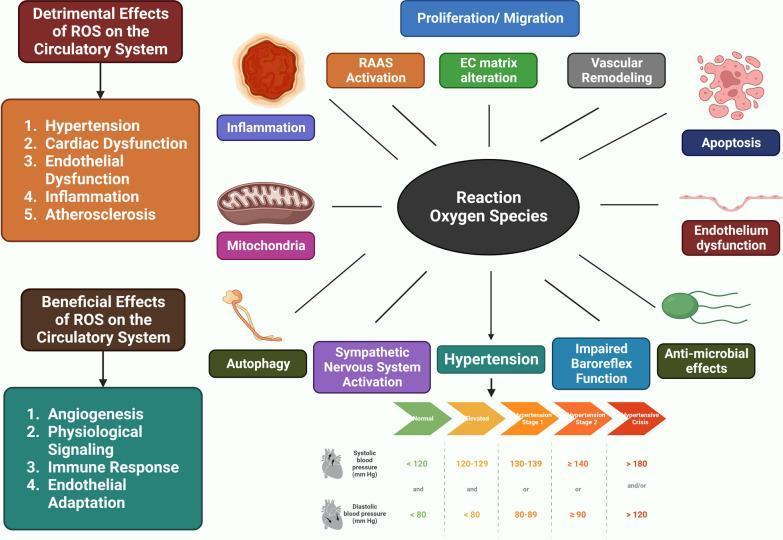
This medical infographic illustrates the multifaceted role of Reactive Oxygen Species (ROS) in the human circulatory system through a central concept map and supporting charts. The central node, 'Reactive Oxygen Species,' branches into several physiological and pathological processes, including Inflammation, RAAS Activation, Endothelial Matrix (EC) Alteration, Vascular Remodeling, Apoptosis, Endothelium Dysfunction, Anti-microbial effects, Impaired Baroreflex Function, Hypertension, Sympathetic Nervous System Activation, Autophagy, and Mitochondrial involvement. Sidebars categorize these into 'Detrimental Effects' (Hypertension, Cardiac and Endothelial Dysfunction, Inflammation, Atherosclerosis) and 'Beneficial Effects' (Angiogenesis, Physiological Signaling, Immune Response, Endothelial Adaptation). A diagnostic chart at the bottom defines blood pressure categories (mmHg) from Normal (<120/80) and Elevated (120-129/<80) to Hypertension Stage 1 (130-139 or 80-89), Stage 2 (≥140 or ≥90), and Hypertensive Crisis (>180 and/or >120). The diagram serves as an educational tool for understanding oxidative stress mechanisms in cardiovascular pathophysiology and blood pressure management.
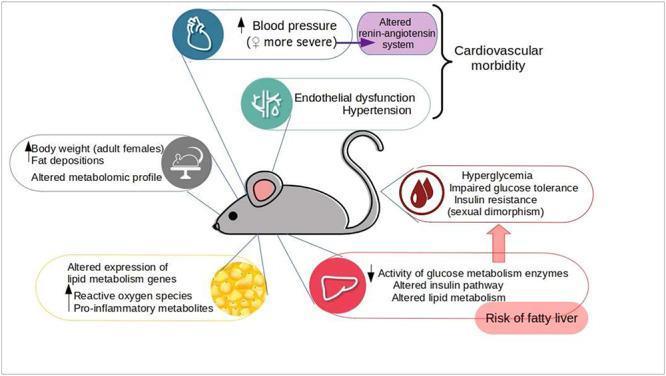
A medical infographic and pathophysiology diagram summarizing cardiometabolic alterations observed in animal models (specifically mice) conceived via Assisted Reproductive Technology (ART). The central figure of a mouse is connected to several callout bubbles identifying systemic and organ-specific dysfunctions. Cardiovascular findings include increased blood pressure (noting female-specific severity), altered renin-angiotensin system, endothelial dysfunction, and hypertension, collectively categorized as cardiovascular morbidity. Metabolic findings are divided among the liver, adipose tissue, and blood: hepatic alterations include reduced glucose metabolism enzyme activity, altered insulin pathways, and risk of fatty liver; adipose tissue shows altered lipid metabolism gene expression, increased reactive oxygen species, and pro-inflammatory metabolites; systemic blood markers indicate hyperglycemia, impaired glucose tolerance, and insulin resistance with noted sexual dimorphism. Additional findings include increased body weight in adult females, fat depositions, and an altered metabolomic profile. This diagram illustrates the long-term metabolic syndrome risks associated with ART-induced developmental programming.
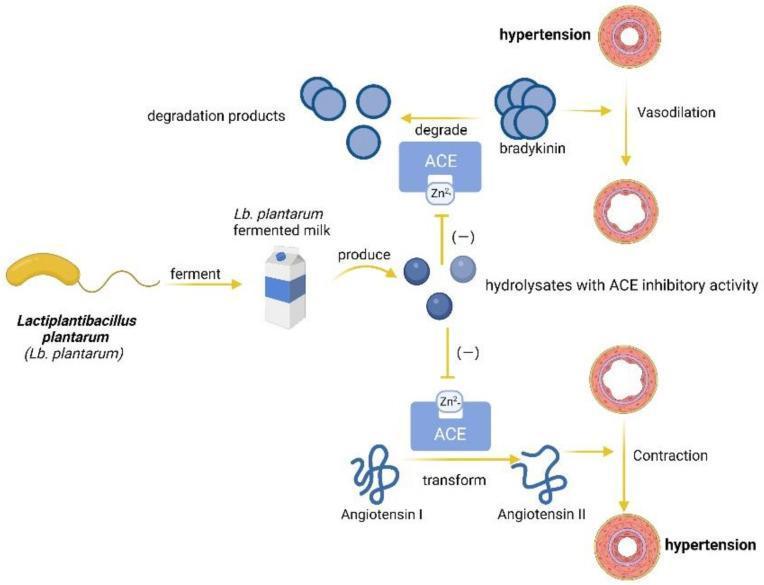
This pathophysiology diagram illustrates the anti-hypertensive mechanism of Lactiplantibacillus plantarum (Lb. plantarum) in functional foods. The process begins with Lb. plantarum fermenting milk, which produces bioactive hydrolysates. These hydrolysates function as Angiotensin-Converting Enzyme (ACE) inhibitors, targeting the zinc-binding (Zn2+) site of the ACE protein. The diagram depicts two physiological pathways influenced by this inhibition: 1) The Bradykinin Pathway: Typically, ACE degrades the vasodilator bradykinin into inactive products. By inhibiting ACE, hydrolysates prevent bradykinin degradation, promoting vasodilation and relieving hypertension. 2) The Renin-Angiotensin Pathway: Normally, ACE transforms Angiotensin I into the potent vasoconstrictor Angiotensin II, leading to vascular contraction and hypertension. The hydrolysates inhibit this transformation, preventing pathological vasoconstriction. The visual contrast emphasizes the transition from constricted, hypertensive blood vessel states to relaxed, dilated states through the modulation of enzymatic activity. This diagram serves as a model for how probiotic-derived peptides can mitigate cardiovascular risk factors by interfering with the biochemical pathways responsible for systemic blood pressure regulation.
Hypertension: A Comprehensive Overview
Definition
| Category | Systolic (mmHg) | Diastolic (mmHg) | |
|---|---|---|---|
| Normal | <120 | and | <80 |
| Elevated | 120-129 | and | <80 |
| Stage 1 Hypertension | 130-139 | or | 80-89 |
| Stage 2 Hypertension | ≥140 | or | ≥90 |
| Hypertensive Crisis | >180 | and/or | >120 |
Epidemiology
Blood Pressure Physiology
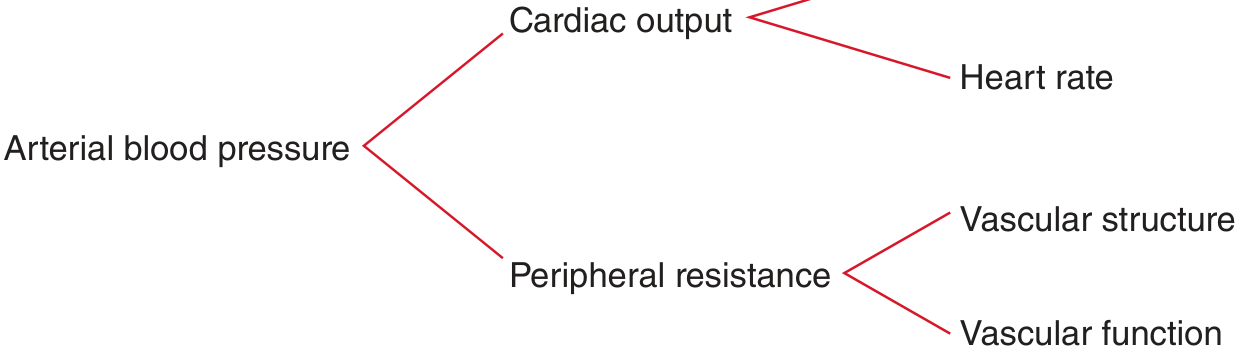
- Cardiac output depends on stroke volume and heart rate; changes in CO are important in acute BP responses.
- Peripheral vascular resistance is determined by functional and anatomic changes in small arteries and arterioles. The vascular endothelium regulates tone through nitric oxide, prostacyclins, endothelin, and the renin-angiotensin-aldosterone system (RAAS).
Classification by Cause
1. Primary (Essential) Hypertension (~90-95% of cases)
- Overweight/Obesity: Accounts for 65-75% of the risk for primary hypertension. Visceral fat leads to RAAS activation, increased sympathetic tone, renal compression, and mineralocorticoid receptor (MR) activation. - Fuster and Hurst's The Heart, 15th Ed.
- Diet: Excess sodium, insufficient potassium intake, unhealthy diet (low in fruits, vegetables, whole grains)
- Physical inactivity
- Alcohol consumption (particularly heavy/binge drinking)
- Genetics: Modest polygenic associations; rare monogenic forms exist (see table below)
- Environmental exposures: Air pollution (PM2.5 linked to 3-5 mmHg rise in SBP), heavy metals (lead, mercury, cadmium, arsenic), cold temperatures
- Psychosocial stress
- Insulin resistance / Metabolic syndrome: Dyslipidemia, hyperinsulinemia, and hyperglycemia often co-occur with hypertension. - Harrison's, p. 2178-2180
| Disorder | Inheritance | Aldosterone | K+ | Treatment |
|---|---|---|---|---|
| Liddle Syndrome | Autosomal dominant | Low | Low-normal | Amiloride, triamterene |
| Gordon Syndrome | Autosomal dominant | Low | High | Thiazide, low-Na diet |
| FH-I (GRA) | Autosomal dominant | High | Decreased | Glucocorticoids, MR antagonist |
| AME | Autosomal recessive | Low | Low-normal | Dexamethasone, MR antagonist |
| Congenital Adrenal Hyperplasia (DOC) | Autosomal recessive | Low | Low-normal | Glucocorticoids, MR antagonist |
2. Secondary Hypertension (~5-10% of cases)
- Hypertension is treatment-resistant (requires ≥3 drugs)
- There is an abrupt worsening of previously controlled BP
- Target organ damage is disproportionate to the BP level
- Lab findings suggest a cause (unprovoked hypokalemia, proteinuria, LVH)
| Cause | Notes |
|---|---|
| Renovascular disease (renal artery stenosis) | RAAS overactivation; especially in young women (fibromuscular dysplasia) or older adults (atherosclerosis) |
| Primary hyperaldosteronism | Most common secondary cause; look for hypokalemia, adrenal adenoma |
| Pheochromocytoma | Catecholamine excess; episodic headache, sweating, palpitations |
| Chronic kidney disease | Sodium/water retention, RAAS activation |
| Obstructive sleep apnea | Sympathetic activation, hypoxia-mediated |
| Cushing syndrome | Glucocorticoid excess |
| Thyroid disease (hypo- or hyperthyroidism) | |
| Coarctation of the aorta | Particularly in young patients; arm-leg BP differential |
| Drug-induced | NSAIDs, OCPs, stimulants, decongestants, corticosteroids |
Pathophysiology
-
RAAS activation: Angiotensin II causes vasoconstriction, promotes aldosterone secretion (sodium/water retention), and stimulates sympathetic activity. This is the main target of ACE inhibitors, ARBs, and aldosterone antagonists.
-
Sympathetic nervous system overactivity: Raises heart rate, cardiac output, and peripheral resistance; also directly stimulates renin release.
-
Endothelial dysfunction: Reduced nitric oxide bioavailability impairs vasodilation. Obesity, oxidative stress, and inflammation all contribute.
-
Renal pressure natriuresis impairment: The kidney normally excretes excess sodium when BP rises. In hypertension, this curve is "reset" - more BP is required to achieve the same sodium excretion.
-
Vascular remodeling: Chronic hypertension causes structural changes in vessel walls (hypertrophy, stiffening), perpetuating resistance.
-
Inflammation and oxidative stress: Reactive oxygen species (ROS) activate the RAAS, impair endothelial function, and promote vascular remodeling.
Target Organ Damage
- Heart: Left ventricular hypertrophy (LVH), diastolic dysfunction, heart failure, coronary artery disease, atrial fibrillation
- Brain: Ischemic stroke, hemorrhagic stroke, vascular dementia, lacunar infarcts
- Kidneys: Hypertensive nephrosclerosis, proteinuria, accelerated chronic kidney disease leading to ESKD
- Eyes: Hypertensive retinopathy (AV nicking, flame hemorrhages, papilledema in severe cases)
- Peripheral arteries: Peripheral arterial disease (hypertension confers 2.5-fold risk in men and 3.9-fold in women) - Textbook of Family Medicine 9e
Diagnosis
- Office BP measurement: Two readings on two separate occasions (standard approach). The patient should be seated, rested, arm at heart level.
- Home BP monitoring (HBPM): Useful to confirm diagnosis and exclude white-coat hypertension.
- 24-hour ambulatory BP monitoring (ABPM): Gold standard; also detects masked hypertension and nocturnal dipping patterns.
- Initial workup should include: urinalysis, serum creatinine, electrolytes, fasting glucose, lipids, ECG. These screen for target organ damage and secondary causes.
Management
Lifestyle Modifications (First-line for all stages)
- Weight loss: Even modest weight reduction (5-10 kg) lowers BP significantly
- DASH diet (high in fruits, vegetables, low-fat dairy; low in saturated fat and sodium)
- Sodium restriction: Target <2.3 g/day (ideally <1.5 g/day)
- Potassium intake: Increase through dietary sources
- Physical activity: ≥150 min/week of aerobic exercise
- Alcohol reduction: Limit to ≤2 drinks/day (men), ≤1/day (women)
- Smoking cessation: Does not directly lower BP but drastically reduces overall cardiovascular risk
Pharmacotherapy
- Stage 1 hypertension + high cardiovascular risk (10-year ASCVD ≥10%)
- Stage 2 hypertension (BP ≥140/90) in all cases
| Class | Examples | Key Indications |
|---|---|---|
| ACE inhibitors | Ramipril, lisinopril, enalapril | CKD, diabetes, heart failure, post-MI |
| ARBs (Angiotensin Receptor Blockers) | Losartan, valsartan, telmisartan | Same as ACEi; use if ACEi causes cough |
| Calcium channel blockers (CCBs) | Amlodipine, nifedipine | Elderly, isolated systolic HTN, black patients |
| Thiazide diuretics | Chlorthalidone, hydrochlorothiazide | General first-line; reduces volume |
| Aldosterone antagonists | Spironolactone, eplerenone | Resistant hypertension, heart failure |
| Beta-blockers | Metoprolol, carvedilol | Post-MI, heart failure, atrial fibrillation |
Key evidence: The ALLHAT trial showed no significant difference between thiazides, CCBs, and ACE inhibitors for primary cardiovascular outcomes in the general hypertensive population. However, for CKD with proteinuria, ACE inhibitors or ARBs are preferred first-line. - Brenner and Rector's The Kidney
- General adults: <130/80 mmHg (ACC/AHA) or <140/90 mmHg (older guidelines)
- CKD with proteinuria: <130/80 mmHg
- Elderly (≥60-65 years): Individualized; a 2025 Cochrane review confirms pharmacotherapy reduces mortality in adults ≥60 years
Resistant Hypertension
Special Populations
- Pregnancy: Preferred drugs are methyldopa, labetalol, nifedipine. ACE inhibitors and ARBs are contraindicated (teratogenic).
- CKD: ACE inhibitors/ARBs first-line (renoprotective via reducing intraglomerular pressure and proteinuria); add thiazide as second agent.
- Diabetes: Target <130/80 mmHg; ACE inhibitors/ARBs preferred.
- Elderly: Treat, but start low and go slow; avoid orthostatic hypotension.
- Black patients: CCBs and thiazides preferred (RAAS blockers are less effective as monotherapy).
Key Takeaways
- Hypertension is the world's leading modifiable cardiovascular risk factor, causing stroke, MI, heart failure, CKD, and dementia.
-
90% of cases are primary (essential) with no single identifiable cause; obesity is the single biggest contributor.
- The central pathophysiologic mechanism is impaired renal pressure-natriuresis, compounded by RAAS overactivation, sympathetic excess, and endothelial dysfunction.
- Treatment requires both lifestyle change and, in most patients, pharmacotherapy - the four main classes are ACEi/ARB, CCB, thiazide, and aldosterone antagonists.
- A 2025 systematic review (PMID 41390616) confirms current guidelines emphasize individualized target BP with team-based care improving outcomes.