
Cell physiology from start to end and from basic to mbbs to advanced level in detail from any standard book of physiology like guyton or any books
Reading File
Searching sources...
Let me search the library for cell physiology content from the available textbooks.
Finding Sources
Finding Sources
Finding Sources
Finding Sources
Excellent - Guyton and Hall has the cell physiology content right in block 1. Let me read it comprehensively.
Reading File
Finding Sources
Reading File
Reading File
Reading File
Reading File
Reading File
Reading File
Reading File
I now have extensive material from Guyton & Hall covering all major aspects of cell physiology. Let me compile a comprehensive, well-structured response.
Cell Physiology - Complete Guide
From Guyton & Hall Textbook of Medical Physiology (14th Edition)
1. COMPOSITION OF THE CELL (PROTOPLASM)
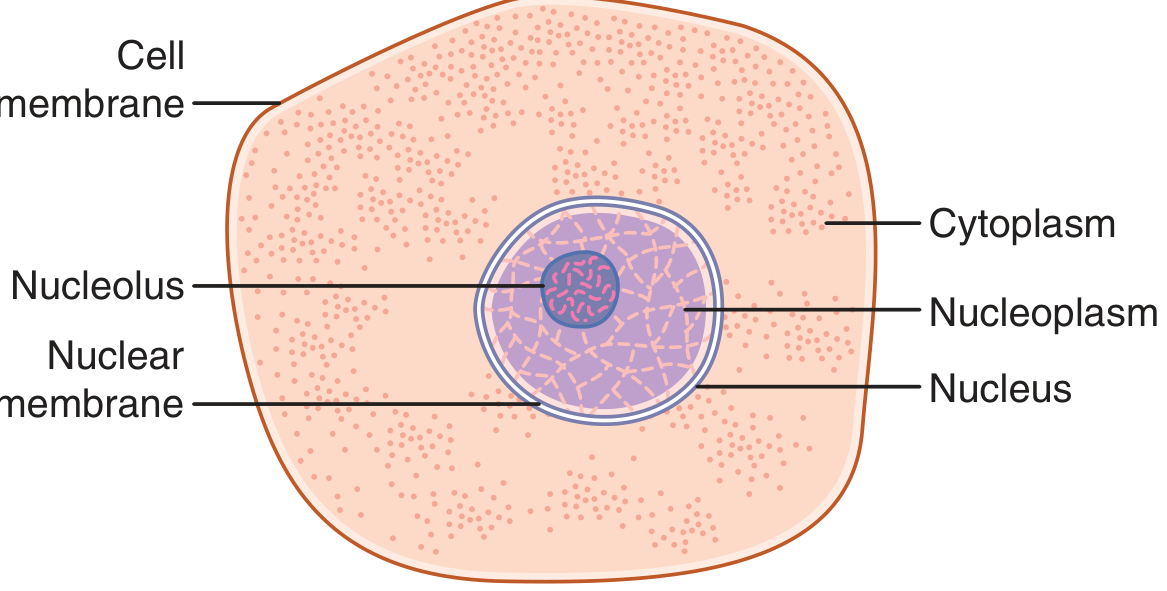
A cell is the basic living unit of the body. Its contents are collectively called protoplasm, composed of five major substances:
| Substance | Content | Role |
|---|---|---|
| Water | 70-85% (except fat cells) | Solvent for chemical reactions |
| Proteins | 10-20% | Structural + enzymatic |
| Lipids | ~2% (mainly phospholipids + cholesterol) | Membrane formation |
| Carbohydrates | ~1% (up to 6% in liver) | Energy, glycoproteins |
| Electrolytes | K⁺, Mg²⁺, PO₄³⁻, Na⁺, Cl⁻, Ca²⁺ | Electrochemical impulses |
The cell has two major structural regions:
- Nucleus - control center (DNA, genes)
- Cytoplasm - metabolic factory (organelles)
2. CELL MEMBRANE (PLASMA MEMBRANE)
Structure
- Thickness: 7.5 to 10 nanometers
- Composition: 55% proteins, 25% phospholipids, 13% cholesterol, 4% other lipids, 3% carbohydrates
- Basic structure: a lipid bilayer - two layers of lipid molecules, each one molecule thick, continuous over the entire cell surface
- Large globular proteins are interspersed throughout this lipid film
Lipid Bilayer Components
- Phospholipids - most abundant; phosphate end (hydrophilic, faces water) + fatty acid tail (hydrophobic, faces inward)
- Sphingolipids - similar structure to phospholipids
- Cholesterol - dissolved in the fatty portion of the lipid bilayer; regulates membrane fluidity and permeability
The hydrophobic tails face each other in the center; hydrophilic heads face the extracellular and intracellular fluids. This arrangement creates a natural waterproof barrier.
Membrane Proteins
Two types:
- Integral (transmembrane) proteins - penetrate all the way through the bilayer; function as channels or carriers
- Peripheral proteins - attached to only one surface; often function as enzymes or structural elements
Protein functions include:
- Channel proteins - watery pores for water, ions, small molecules (selective)
- Carrier (transporter) proteins - bind specific molecules and undergo conformational changes to move them across
- Receptor proteins - bind hormones/ligands to trigger intracellular signals
- Enzymes - catalyze membrane-associated reactions
- Structural proteins - anchor cytoskeleton to membrane
The fluid mosaic model describes the membrane as a sea of lipids in which proteins float and can move laterally.
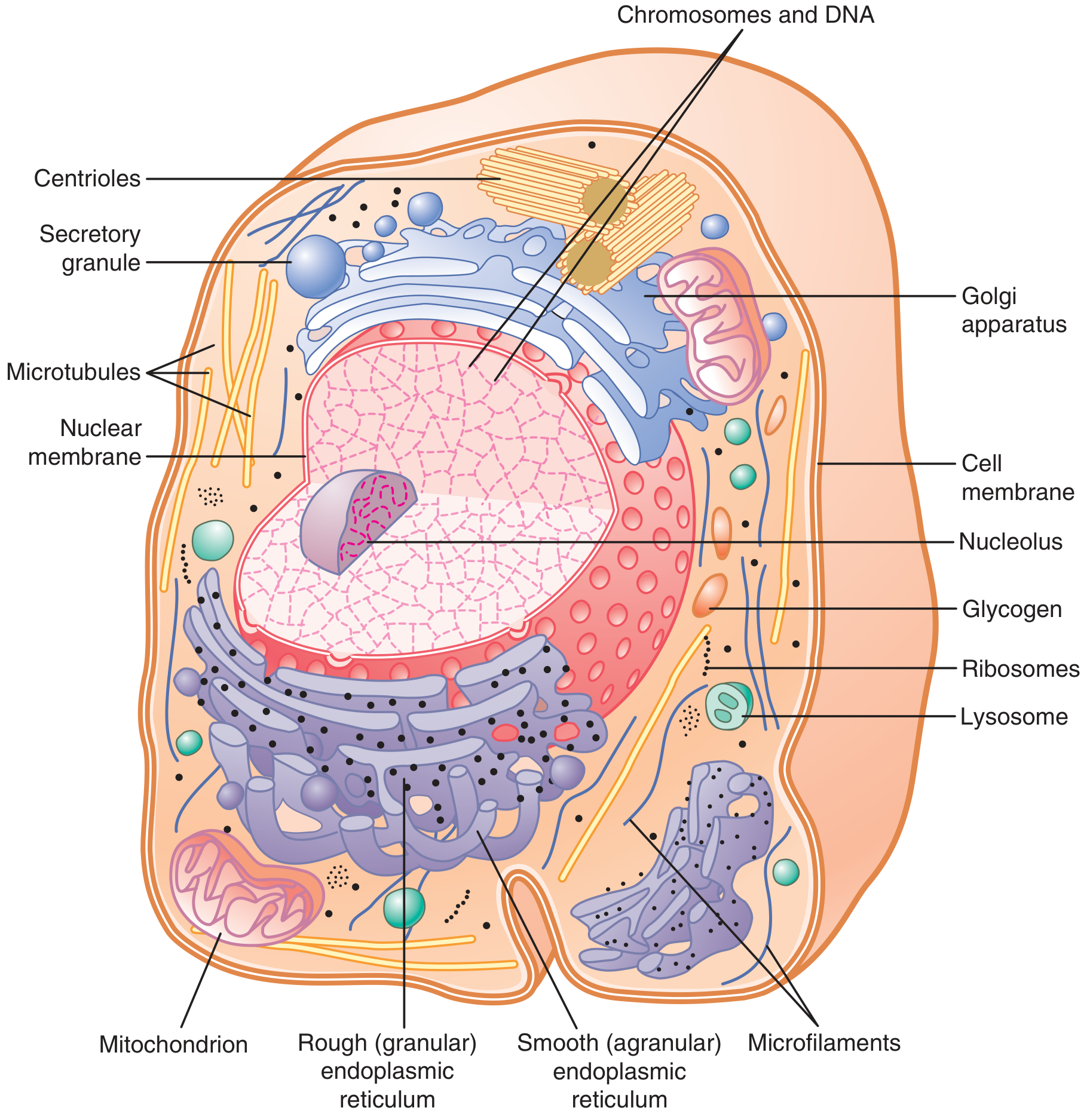
3. CYTOPLASM AND ITS ORGANELLES
A. Endoplasmic Reticulum (ER)
Two types:
- Rough ER (RER): studded with ribosomes; synthesizes proteins destined for secretion or the cell membrane
- Smooth ER (SER): no ribosomes; synthesizes lipids (including steroid hormones), detoxifies drugs, stores Ca²⁺ in muscle cells
B. Golgi Apparatus
- Works with the ER as the cell's "processing and packaging plant"
- Receives proteins from ER vesicles → modifies, concentrates, packages them → secretory vesicles bud off and are transported to the cell surface for exocytosis
- Also manufactures carbohydrates and combines them with proteins to form glycoproteins
C. Mitochondria
- The cell's "powerhouse" - generate ~95% of all ATP
- Double membrane: outer smooth membrane + inner membrane with folds called cristae
- The cristae project into the matrix and contain the ATP synthase enzymes
- Contain their own DNA (circular, maternally inherited) and ribosomes
- Can reproduce independently by splitting in two
ATP production pathway:
- Glucose → (glycolysis in cytoplasm) → Pyruvic acid → only <5% ATP from this step
- Pyruvate → Acetyl-CoA → Krebs (citric acid) cycle in mitochondrial matrix
- Hydrogen atoms stripped → electrons removed → hydrogen ions combine with O₂ → chemiosmotic mechanism → ATP synthase converts ADP + Pi → ATP
D. Lysosomes
- Membranous sacs containing hydrolytic (digestive) enzymes
- pH inside ~5.0 (acidic) - activates the enzymes
- Functions:
- Digest material from phagocytosis (bacteria, dead cells)
- Digest material from pinocytosis (extracellular fluid droplets)
- Autophagy - digest worn-out cell organelles
- Lysosomal enzymes break down proteins, carbohydrates, lipids, nucleic acids
- Clinical relevance: Lysosomal storage diseases (e.g., Gaucher's, Tay-Sachs) result from enzyme deficiencies
E. Peroxisomes
- Similar to lysosomes but contain oxidases rather than hydrolytic enzymes
- Oxidize amino acids and fatty acids; use catalase to break down H₂O₂ → H₂O + O₂
- Abundant in liver cells (detoxification of alcohol, drugs)
F. Ribosomes
- Composed of ribosomal RNA (rRNA) + proteins
- Two subunits: large (60S) + small (40S) → together = 80S
- Site of protein translation
- Found free in cytoplasm (synthesize cytoplasmic proteins) or attached to rough ER (synthesize secreted/membrane proteins)
G. Cell Cytoskeleton
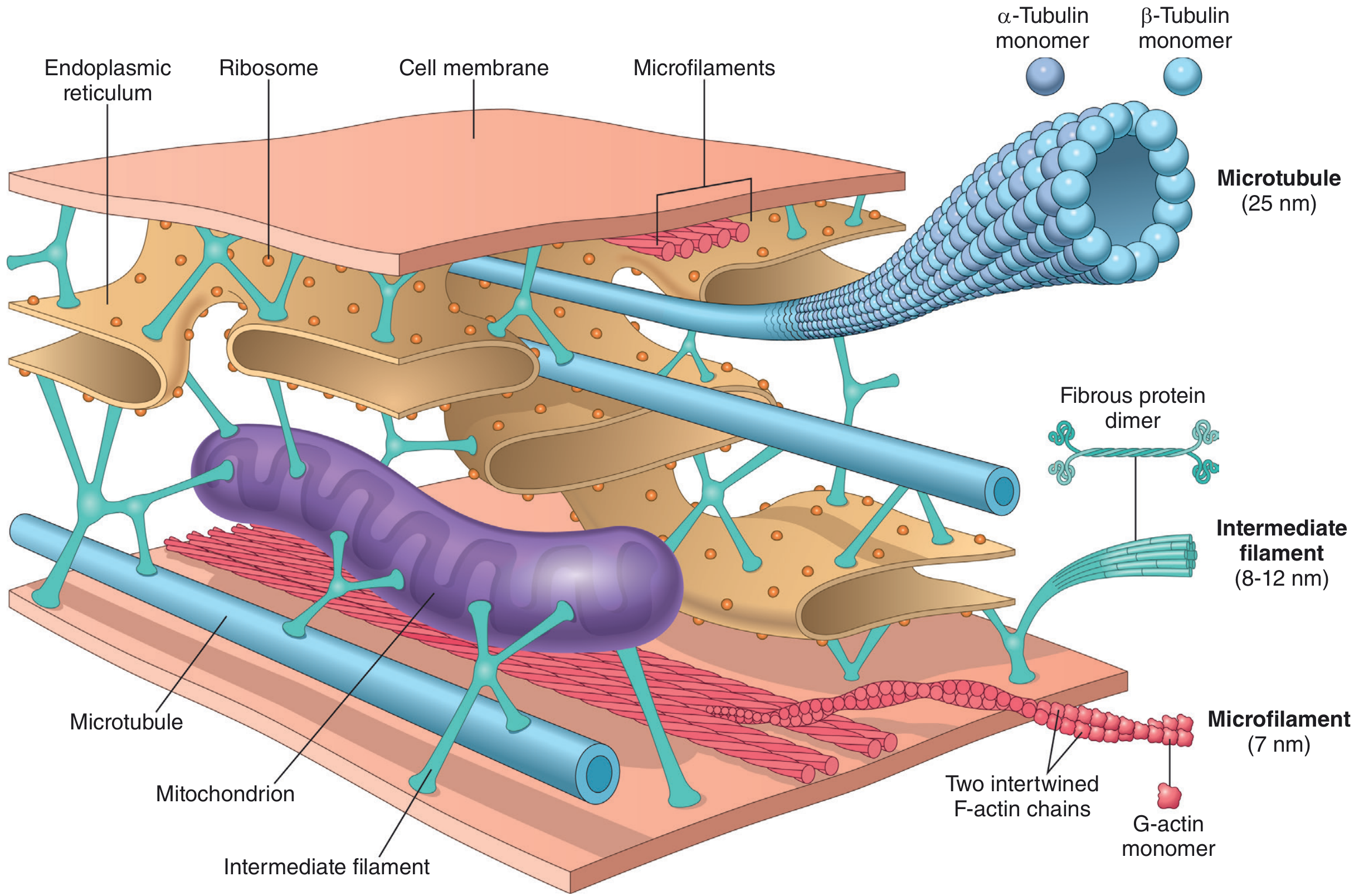
Three types of protein fibers (Fig. 2.9):
| Structure | Protein | Diameter | Function |
|---|---|---|---|
| Microfilaments | Actin | ~7 nm (thinnest) | Cell movement, shape, muscle contraction |
| Intermediate filaments | Desmin (muscle), Neurofilaments (neurons), Keratin (epithelium) | ~10 nm | Mechanical strength |
| Microtubules | Tubulin | ~25 nm (largest) | Organelle transport, mitotic spindle, cilia structure |
Microtubules act as intracellular conveyor belts transporting vesicles, granules, and organelles. The cytoskeleton determines cell shape, participates in division, and enables cell movement.
4. NUCLEUS
The nucleus is the control center of the cell.
Nuclear Membrane (Nuclear Envelope)
- Two separate bilayer membranes (inner + outer)
- Outer membrane is continuous with the ER
- Contains nuclear pores - large protein complexes (~9 nm diameter) that allow selective passage of RNA, proteins, and other molecules
Nucleolus
- Dense body within the nucleus (not membrane-bound)
- Site of ribosomal RNA (rRNA) synthesis and ribosome assembly
- Prominent in cells that are actively synthesizing protein
Chromatin and Chromosomes
- DNA is wrapped around histone proteins to form nucleosomes (DNA + 8 histones = nucleosome bead)
- Nucleosomes coil further → 30-nm fiber → loops → chromosomes
- Human cells: 46 chromosomes in 23 pairs (diploid)
- ~6 feet of DNA is packed into a nucleus ~6 micrometers in diameter
5. TRANSPORT ACROSS THE CELL MEMBRANE
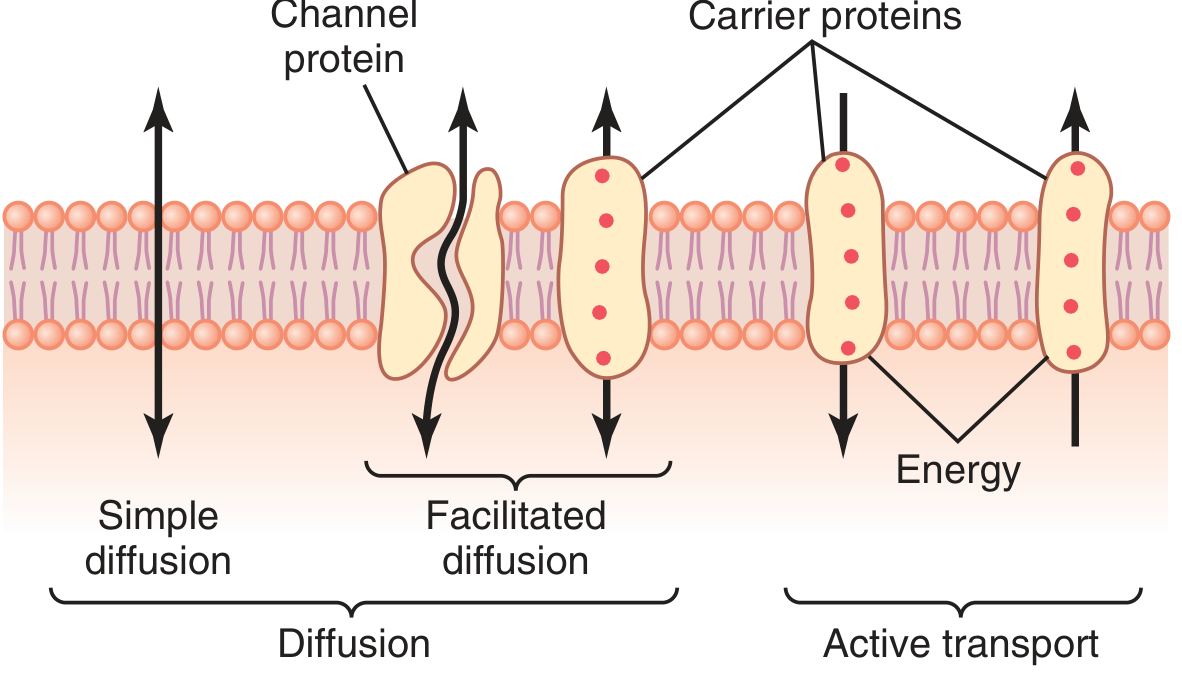
This is one of the most important topics in cell physiology. Two fundamental mechanisms:
A. DIFFUSION (Passive)
Definition: Random molecular movement down a concentration gradient - no energy required.
Types:
-
Simple Diffusion
- Molecules move directly through the lipid bilayer OR through protein channels
- Rate is proportional to:
- Concentration gradient
- Lipid solubility (for lipid-soluble substances)
- Molecular size (smaller = faster)
- Cross-sectional area of membrane
- Examples: O₂, CO₂, alcohol, steroid hormones (lipid-soluble - diffuse directly through lipid)
-
Facilitated Diffusion
- Requires a carrier protein or channel protein
- Still moves DOWN the concentration gradient (no energy needed)
- Examples: Glucose transport into cells (via GLUT transporters), amino acid transport
Osmosis is a special form of diffusion - movement of water through a semipermeable membrane from low-solute (high water concentration) to high-solute (low water concentration) regions.
- Osmotic pressure - pressure needed to prevent osmotic movement
- Tonicity of solutions: isotonic, hypertonic, hypotonic
Net Diffusion Rate Formula:
Net rate ∝ (Concentration₁ - Concentration₂) × Membrane permeability
B. ACTIVE TRANSPORT (Energy-Requiring)
Definition: Movement of ions/molecules against a concentration or electrochemical gradient, requiring energy (usually ATP).
Primary Active Transport:
- Energy from direct ATP hydrolysis
- Most important example: Na⁺-K⁺-ATPase pump (Sodium-Potassium pump)
- Pumps 3 Na⁺ OUT and 2 K⁺ IN per ATP hydrolyzed
- Maintains: intracellular Na⁺ low (~14 mEq/L), intracellular K⁺ high (~140 mEq/L)
- Generates the resting membrane potential
- Electrogenic (creates net negative charge inside)
- Other examples: Ca²⁺-ATPase, H⁺-K⁺-ATPase (stomach parietal cells)
Secondary Active Transport (Co-transport/Counter-transport):
- Uses the Na⁺ gradient (created by Na⁺-K⁺-ATPase) as the energy source - no direct ATP used
- Symport (co-transport): Na⁺ and another substance move in the same direction
- Example: Na⁺-glucose co-transporter (SGLT1) in intestinal epithelium
- Example: Na⁺-amino acid co-transport
- Antiport (counter-transport/exchange): Na⁺ moves in, another substance moves out
- Example: Na⁺-Ca²⁺ exchanger (NCX) in cardiac muscle
- Example: Na⁺-H⁺ exchanger
C. ENDOCYTOSIS AND EXOCYTOSIS
Endocytosis (cell engulfing material):
- Phagocytosis ("cell eating"): ingestion of large particles (bacteria, dead cells) - mostly immune cells (macrophages, neutrophils)
- Pseudopods flow around the particle → phagosome forms → fuses with lysosome → digestion
- Pinocytosis ("cell drinking"): ingestion of tiny droplets of extracellular fluid
- Common in most cells
- Receptor-mediated endocytosis: highly selective; ligand binds receptor in a coated pit (clathrin-coated) → clathrin-coated vesicle forms → internalizes specific molecules (e.g., LDL cholesterol, hormones)
Exocytosis (cell secreting material):
- Vesicles formed in ER/Golgi fuse with cell membrane → contents released outside
- Triggered by: Ca²⁺ influx, nerve signals, hormones
- Examples: secretion of hormones, neurotransmitters, digestive enzymes
6. MEMBRANE POTENTIALS
Resting Membrane Potential (RMP)
- Typical value in nerve/muscle: -70 to -90 mV (inside negative)
- Maintained by:
- Selective membrane permeability - K⁺ leaks out more than Na⁺ leaks in (through leak channels)
- Na⁺-K⁺-ATPase - electrogenic pump (extrudes 3 Na⁺ for every 2 K⁺ brought in)
- The Nernst equation calculates the equilibrium potential for a single ion:
E = (61/z) × log(Co/Ci) mV
- The Goldman-Hodgkin-Katz equation accounts for all permeable ions
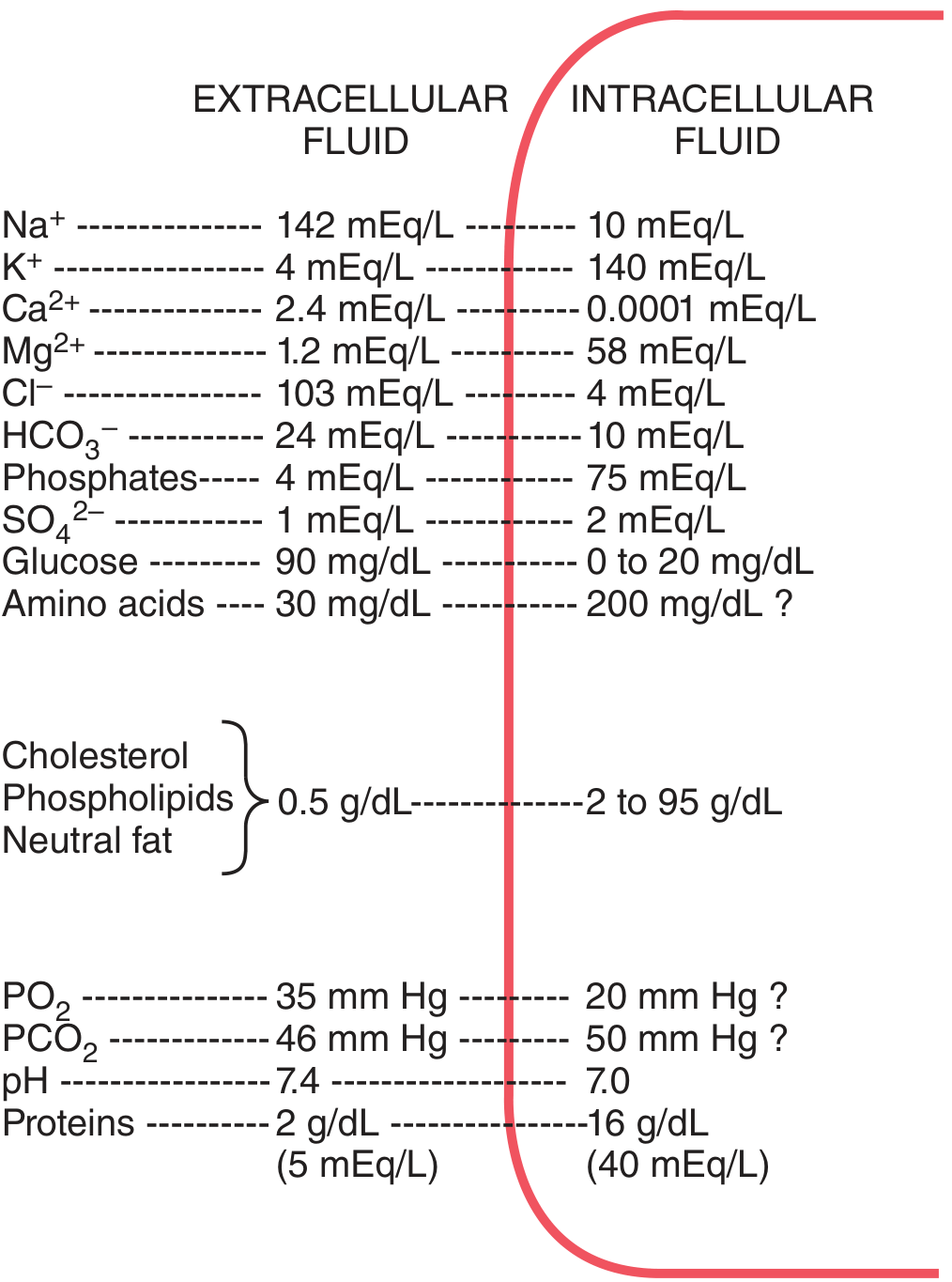
| Ion | Intracellular | Extracellular |
|---|---|---|
| Na⁺ | 14 mEq/L | 142 mEq/L |
| K⁺ | 140 mEq/L | 4 mEq/L |
| Cl⁻ | 4 mEq/L | 103 mEq/L |
| Ca²⁺ | 0.0001 mEq/L | 2.4 mEq/L |
7. GENETIC CONTROL OF CELL FUNCTION
DNA Structure
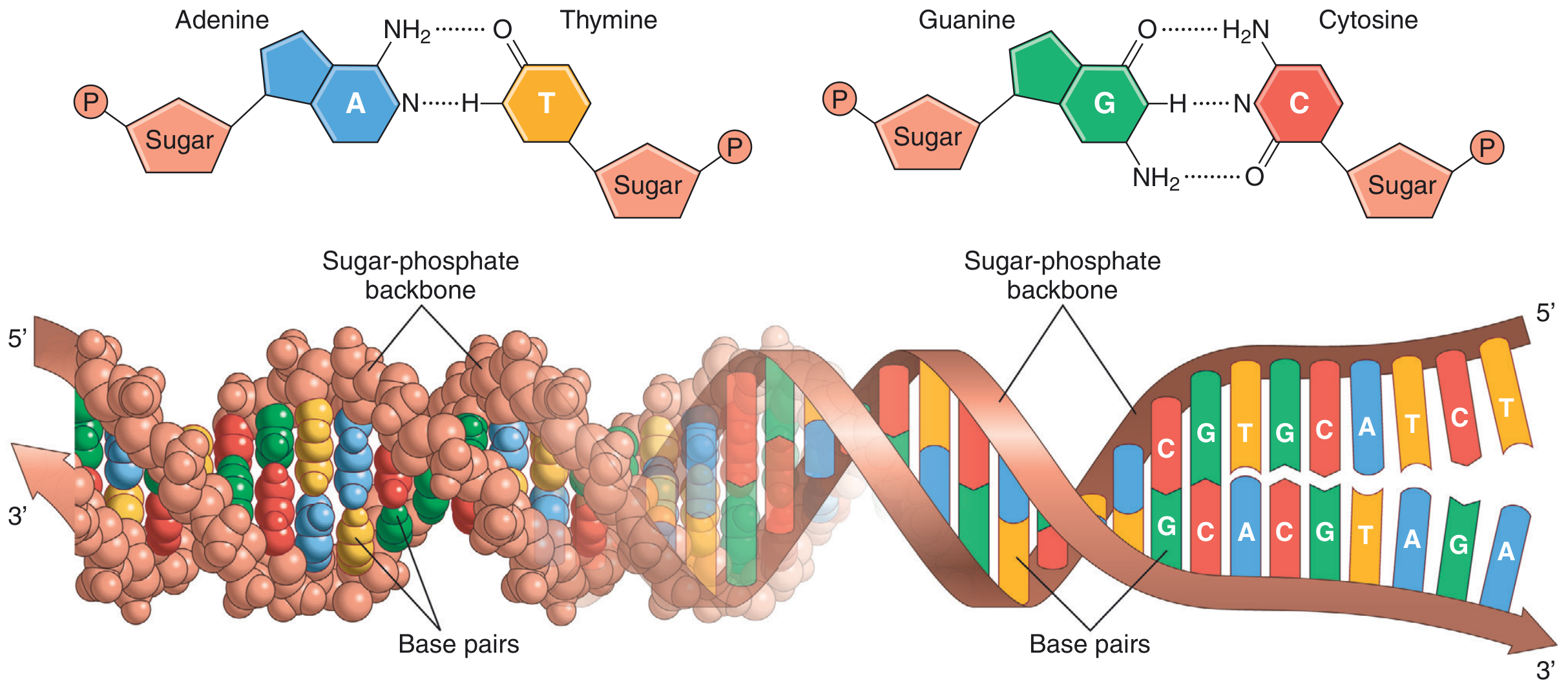
- Double helix composed of two strands wound around each other
- Each strand = alternating phosphate + deoxyribose backbone with nitrogenous bases attached
- Four bases: Adenine (A), Thymine (T), Guanine (G), Cytosine (C)
- Base pairing: A-T (2 hydrogen bonds), G-C (3 hydrogen bonds) - complementary
- Antiparallel strands: one runs 5'→3', the other 3'→5'
From Gene to Protein: The Central Dogma
DNA → RNA → Protein
Step 1: Transcription (Nucleus)
- RNA polymerase unwinds DNA and reads the template strand
- Builds messenger RNA (mRNA) using RNA nucleotides (U replaces T)
- mRNA is processed: introns removed, exons spliced → mature mRNA leaves nucleus through nuclear pores
- RNA types produced:
- mRNA (messenger) - carries genetic code to ribosome
- tRNA (transfer) - carries amino acids; has anticodon complementary to mRNA codon
- rRNA (ribosomal) - structural component of ribosomes
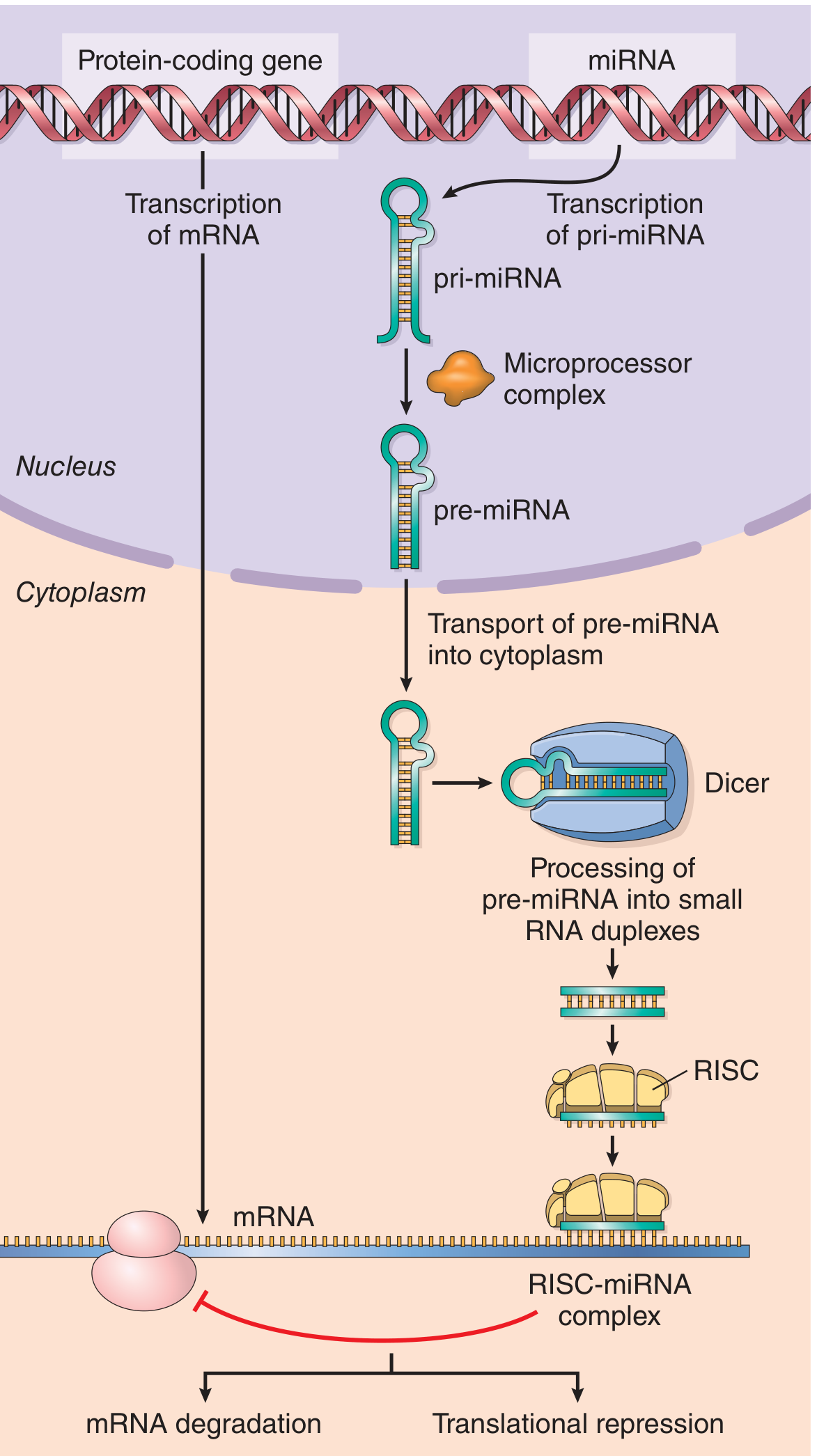
- miRNA / siRNA - regulatory non-coding RNAs (suppress gene expression)
Step 2: Translation (Ribosomes in cytoplasm)
- mRNA threads through ribosome
- Each codon (3 nucleotides) on mRNA specifies one amino acid
- tRNA anticodon matches the mRNA codon → delivers correct amino acid
- Ribosome links amino acids via peptide bonds → polypeptide chain
- Chain released when a stop codon (UAA, UAG, UGA) is reached
- Polyribosomes: multiple ribosomes read the same mRNA simultaneously → mass production
Genetic Code
- 64 possible codons (4³ = 4 bases, 3 at a time)
- 61 code for amino acids, 3 are stop codons
- The code is degenerate (multiple codons can code for the same amino acid) but non-ambiguous (one codon codes for only one amino acid)
DNA Replication
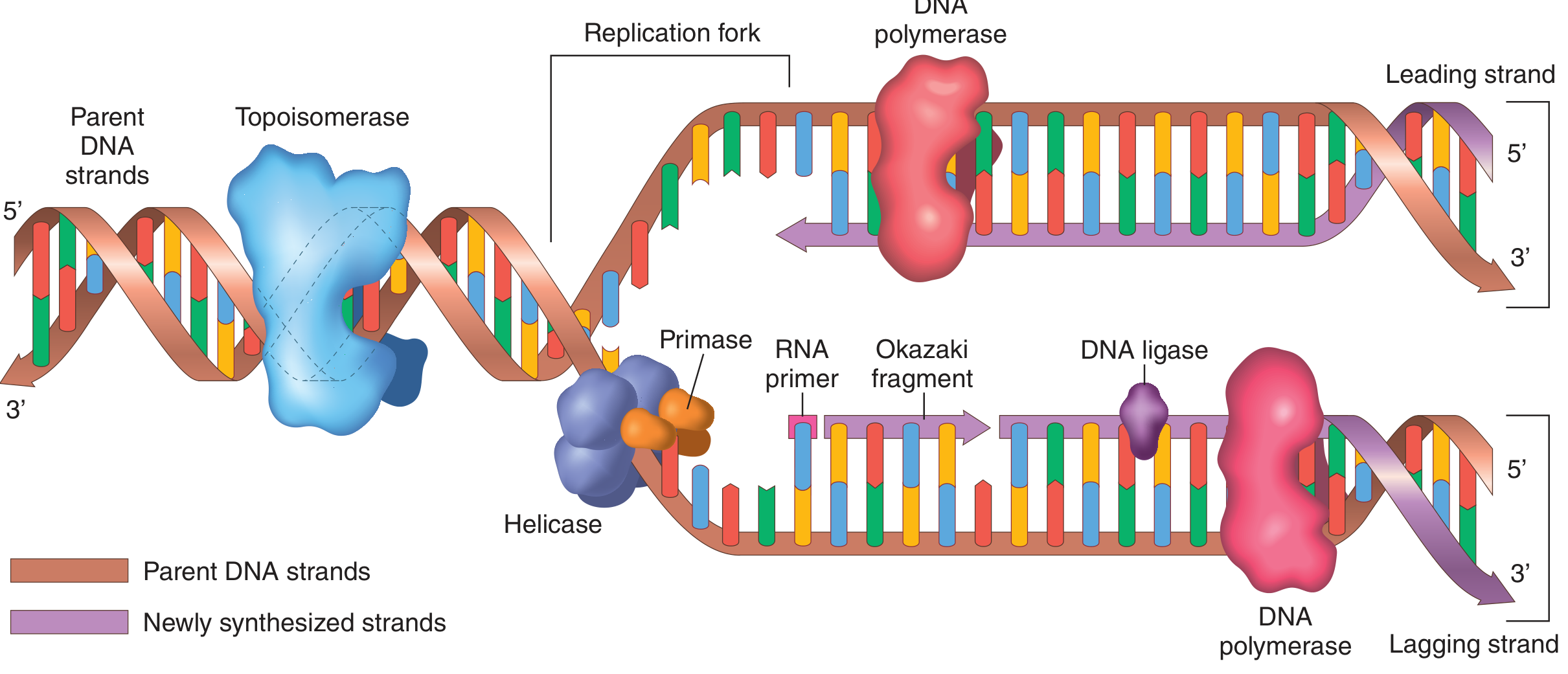
- Semi-conservative: each new DNA molecule has one old strand + one new strand
- Key enzymes:
- Helicase - unwinds the double helix at the replication fork
- Primase - lays down RNA primer
- DNA polymerase - adds new nucleotides (only works 5'→3')
- DNA ligase - joins Okazaki fragments on the lagging strand
- Topoisomerase - relieves tension ahead of the replication fork
- DNA proofreading: polymerase checks for errors; repair enzymes correct mismatches → mutation rate is extremely low
- A mutation = permanent alteration in the base sequence
Chromosome Organization
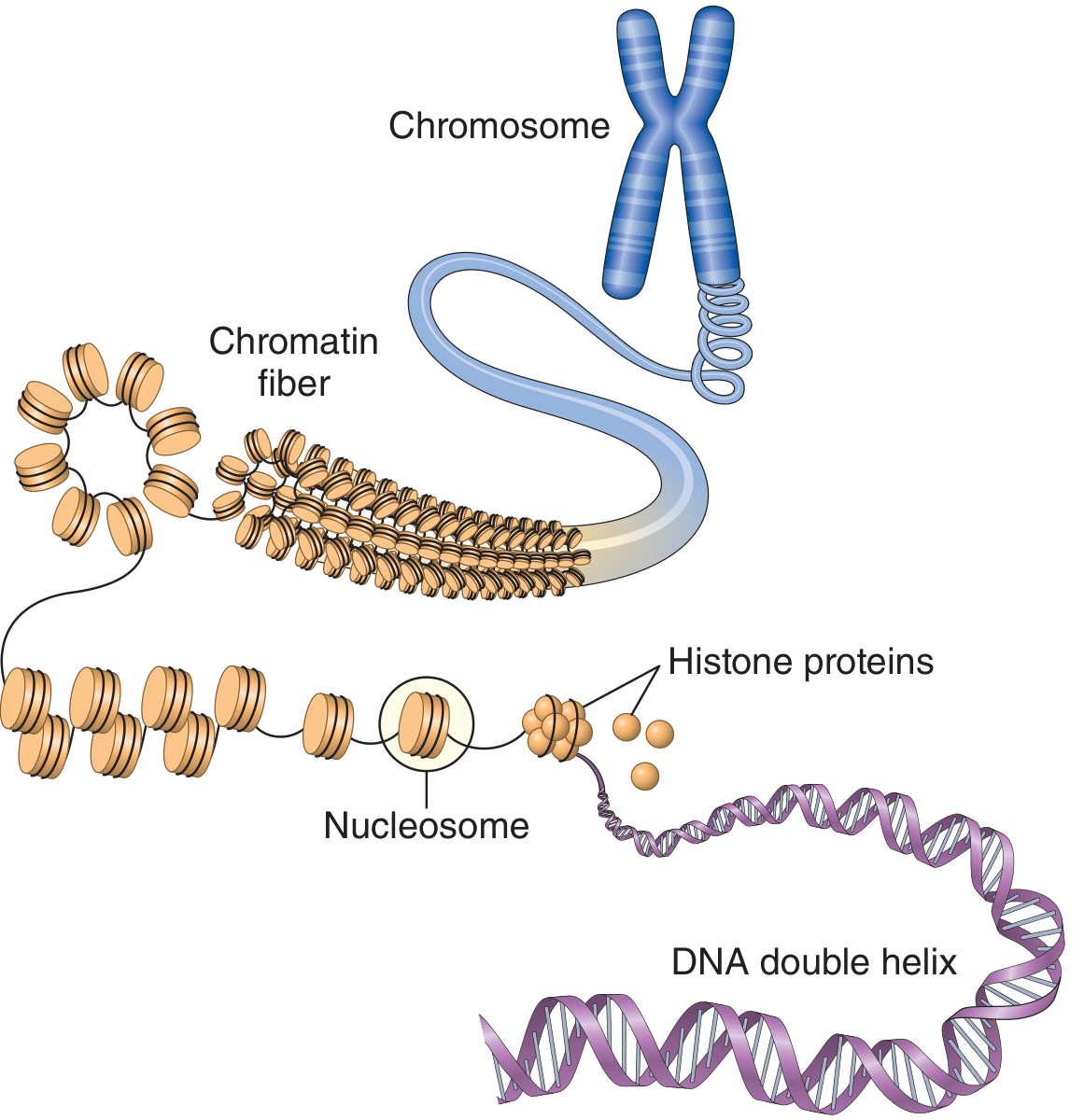
- DNA is wound around histone proteins → nucleosomes (beads on a string)
- Nucleosomes coil → chromatin fibers → chromosomes
- 46 chromosomes (23 pairs) in human diploid cells
- Approx. 6 feet of DNA packaged into a 6 µm nucleus
Gene Regulation
- Transcription factors (proteins) bind to specific DNA sequences (promoters/enhancers) to activate or suppress gene transcription
- Epigenetic regulation: histone modification (acetylation, methylation) controls chromatin accessibility
- miRNA/siRNA pathway: miRNAs bind to complementary mRNA sequences → prevent translation or cause mRNA degradation (RNA-induced silencing complex, RISC)
- Important: miRNA alterations are associated with cancer and heart disease
8. ENERGY METABOLISM - ATP
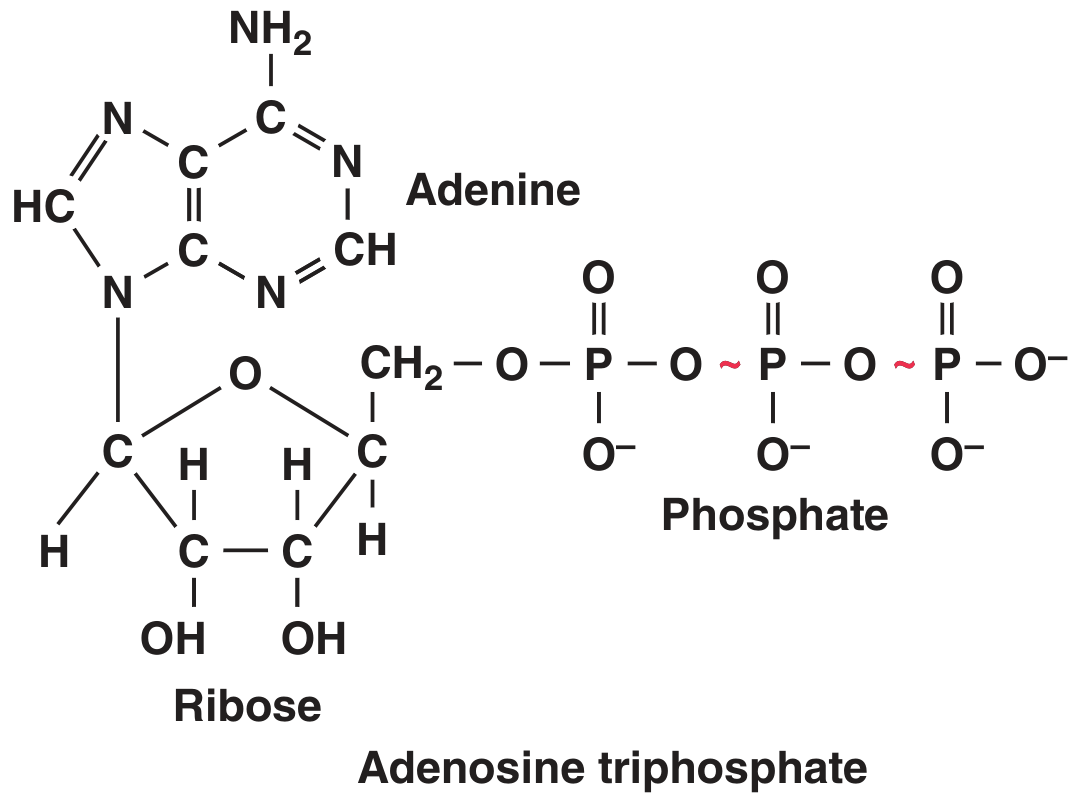
ATP (Adenosine Triphosphate) is the universal energy currency.
Structure of ATP
- Adenine + Ribose + 3 phosphate groups
- Last two phosphate groups are connected by high-energy bonds (~12,000 cal/mol each)
- ATP → ADP + Pi: releases energy to drive cell functions
ATP Uses in the Cell
- Muscle contraction
- Active transport (Na⁺-K⁺ pump, Ca²⁺ pump)
- Protein synthesis (ribosomes)
- DNA/RNA synthesis
- Ciliary movement
- Cell division
ATP Production
Glycolysis (cytoplasm): Glucose → 2 Pyruvate + 2 ATP (net) + 2 NADH
Oxidative phosphorylation (mitochondria, ~95% of ATP):
- Pyruvate → Acetyl-CoA
- Krebs Cycle → NADH + FADH₂ + CO₂
- Electron transport chain → H⁺ gradient across inner mitochondrial membrane
- ATP synthase uses H⁺ gradient (chemiosmosis) → ATP
Net yield: ~30-32 ATP per glucose molecule
9. CELL REPRODUCTION - CELL CYCLE AND MITOSIS
Cell Cycle Phases
| Phase | What Happens |
|---|---|
| G₁ (Gap 1) | Cell grows, synthesizes proteins |
| S (Synthesis) | DNA replication |
| G₂ (Gap 2) | Further growth, preparation for division |
| M (Mitosis) | Cell divides |
G₀ = quiescent phase (cells not actively dividing, e.g., neurons, muscle cells)
Mitosis Stages
- Prophase - chromosomes condense; mitotic spindle begins to form from centrioles
- Metaphase - chromosomes align at the metaphase plate (cell equator); spindle fibers attach to centromeres
- Anaphase - sister chromatids pulled to opposite poles by microtubules
- Telophase - nuclear envelope reforms around each set; chromosomes decondense
- Cytokinesis - cytoplasm divides → two daughter cells
Each daughter cell receives identical copies of all 46 chromosomes.
Control of Cell Division
- Cyclins and cyclin-dependent kinases (CDKs) regulate cell cycle checkpoints
- Checkpoints: G₁/S (DNA integrity check), G₂/M (DNA replication complete?), spindle checkpoint (chromosomes attached properly?)
- Proto-oncogenes → stimulate division; when mutated become oncogenes (cancer)
- Tumor suppressor genes (e.g., p53, Rb) → inhibit division; loss of function → cancer
Meiosis (for context)
- Only in reproductive cells
- Two divisions → 4 cells with 23 chromosomes each (haploid)
- Crossing over in meiosis I increases genetic diversity
10. CELL LOCOMOTION
Cells can move using:
- Amoeboid movement (pseudopods): actin polymerization at the leading edge pushes the membrane forward (e.g., macrophages, white blood cells)
- Cilia and flagella: structures containing a 9+2 arrangement of microtubules (9 peripheral doublets + 2 central singlets); powered by dynein ATPase; coordinated beating moves fluid (cilia in airways) or propels the cell (sperm flagellum)
Summary: Key Numbers to Remember (MBBS Exam)
| Parameter | Value |
|---|---|
| Cell membrane thickness | 7.5-10 nm |
| Membrane composition | 55% protein, 25% phospholipid, 13% cholesterol |
| Water content of cell | 70-85% |
| Protein content of cell | 10-20% |
| Resting membrane potential | -70 to -90 mV |
| Intracellular K⁺ | ~140 mEq/L |
| Extracellular Na⁺ | ~142 mEq/L |
| Na⁺-K⁺ pump ratio | 3 Na⁺ out : 2 K⁺ in per ATP |
| Human chromosomes | 46 (23 pairs) |
| ATP high-energy bond energy | ~12,000 cal/mol |
| ATP from oxidative phosphorylation | ~95% of total |
| Nuclear pore diameter | ~9 nm |
Source: Guyton and Hall Textbook of Medical Physiology, 14th Edition - Chapters 2, 3, and 4
This is a shared conversation. Sign in to Orris to start your own chat.