

1000130704.jpg
Right flank pain Vomiting 1 episode Temperature 99 fahrenheit
Reading File
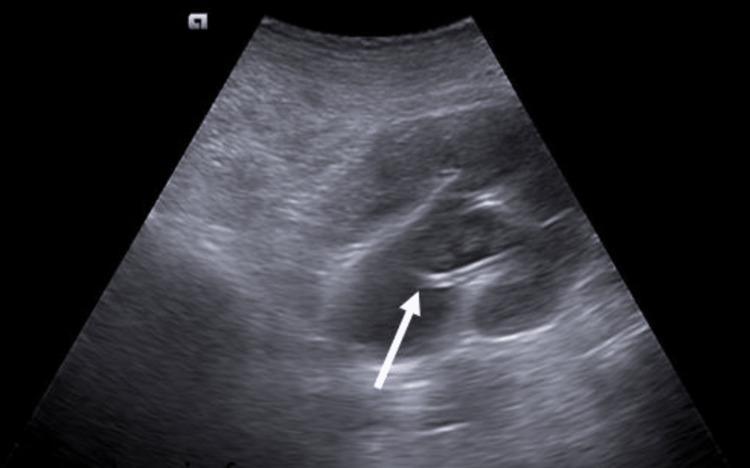
Quick answer: The USG report shows right renal Grade I-II hydronephrosis (HDN) with a dilated upper ureter, most likely due to an obstructing ureteric calculus (kidney stone). Combined with the right flank pain, one episode of vomiting, and low-grade fever (99°F), this is a classic presentation of right-sided ureteric colic with partial ureteral obstruction.
Searching sources...
Finding Sources
Finding Sources
Finding Sources
Finding Sources
Reading File
Reading File
Finding Sources
Reading File
Reading File
Here is a full clinical analysis of this case:
Clinical Assessment
Patient: Dilshada, 24-year-old female
Date: 13-08-2026
Presenting Complaints
- Right flank pain
- 1 episode of vomiting
- Low-grade fever (99°F / 37.2°C)
USG Abdomen & Pelvis - Key Findings
- Right kidney: Grade I-II hydronephrosis (HDN) with dilated upper ureter - likely secondary to a ureteric calculus
- Left kidney: Normal, no hydronephrosis or calculus
- Bilateral VUJ (vesico-ureteric junction): Clear
- Uterus & Ovaries: Normal - no gynecological cause identified
- Liver, gallbladder, pancreas, spleen: All normal
Diagnosis
Right Ureteric Calculus with Partial Ureteral Obstruction causing:
- Grade I-II right hydronephrosis (HDN)
- Dilated upper ureter
- Ureteric/renal colic (flank pain + vomiting)
- Low-grade fever (may reflect inflammation or early infection)
The clinical triad of flank pain + vomiting + fever, combined with USG findings, is classic for an obstructing upper ureteric stone.
Investigations to Order Now
| Test | Reason |
|---|---|
| Urine routine/microscopy | Check for hematuria, pyuria, crystals, infection |
| Urine culture & sensitivity | Rule out concurrent UTI/urosepsis - important given fever |
| Serum creatinine & urea | Assess baseline kidney function / obstruction impact |
| Serum electrolytes | Check for derangement |
| CBC (complete blood count) | Elevated WBC would indicate infection/sepsis risk |
| Non-contrast CT KUB | Gold standard - USG missed exact stone location/size; CT confirms stone, measures size, guides treatment |
| Urine pregnancy test | Standard of care in all females of reproductive age with abdominal/flank pain |
Management
1. Pain Control (First Priority)
- NSAIDs are first-line for renal colic - as effective or superior to opioids with fewer side effects
- Diclofenac sodium 75 mg IM (if vomiting prevents oral route) OR
- Ketorolac 15-30 mg IV/IM - excellent for acute colic
- Ensure adequate hydration (IV normal saline 75-150 mL/hr) since NSAIDs can risk AKI in dehydration
- Goldman-Cecil Medicine notes NSAIDs are preferred over opioids for renal colic
- Antiemetic (e.g., ondansetron 4 mg IV or metoclopramide) for vomiting
2. Medical Expulsive Therapy (MET)
If the stone is < 10 mm and there is no sign of sepsis or significant obstruction:
- Tamsulosin 0.4 mg orally once daily - an alpha-blocker that reduces ureteral spasm and increases spontaneous stone passage rates by ~50%
- Can be attempted for 4-6 weeks if pain is controlled, kidney function is normal, and no UTI
- Repeat ultrasound every 1-2 weeks to monitor
As noted in Goldman-Cecil Medicine: "Expulsive therapy can reduce ureteral spasm and increase spontaneous passage rates by about 50%... tamsulosin (0.4 mg orally daily)... appears to promote the passage of the stone more quickly and effectively than nifedipine."
3. Antibiotic Consideration
- Given the low-grade fever, send urine culture first
- If urine shows signs of infection OR fever rises, empirical antibiotics should be started (e.g., ciprofloxacin 500 mg BD or ceftriaxone 1g IV if hospitalized)
- Fever + obstruction = urological emergency - requires urgent decompression (ureteral stenting or nephrostomy)
4. Indications for Urgent Urological Referral / Hospitalization
Admit and refer to urology if ANY of the following occur:
- Fever worsening or signs of sepsis (hypotension, rigors, chills)
- Persistent vomiting / inability to tolerate oral intake
- Renal function deteriorating (rising creatinine)
- Stone > 10 mm (unlikely to pass spontaneously)
- Bilateral obstruction or solitary kidney
5. Interventional Options (if conservative management fails)
- Ureteroscopy with laser lithotripsy (URS) - preferred for upper ureteric stones
- Extracorporeal shock wave lithotripsy (ESWL) - for smaller stones
- Ureteric stenting or percutaneous nephrostomy - if infected hydronephrosis (pyonephrosis) develops
Reassurance Points
- Gynecological causes ruled out: ovaries normal, no free fluid, no cyst or mass
- Left kidney is completely normal
- Bilateral VUJ clear - no bilateral obstruction
Summary Plan
| Priority | Action |
|---|---|
| Immediate | Pain relief (NSAID IM/IV), antiemetic, IV fluids |
| Urgent | Urine R/M, urine culture, CBC, creatinine, CT KUB |
| Short-term | Tamsulosin 0.4 mg OD (MET), monitor fever closely |
| Follow-up | Repeat USG in 1-2 weeks; urology referral if no improvement in 4-6 weeks |
| Red flag watch | Fever spike, chills, or worsening pain = emergency urology referral |
Note: This analysis is for clinical decision support. Final management should be individualized by the treating physician after examination and lab results.
- Goldman-Cecil Medicine, Medical Expulsive Therapy section
- Rosen's Emergency Medicine, Nephrolithiasis Management
Can we give cefixime 200mg bd
Cefixime 200 mg BD is a reasonable oral antibiotic choice here, but with some important caveats specific to this case.
Searching sources...
Finding Sources
Finding Sources
Finding Sources
Finding Sources
Reading File
Reading File
Cefixime 200 mg BD - Assessment for This Case
Short Answer: Yes, but with conditions
Cefixime is a 3rd-generation oral cephalosporin with good gram-negative coverage (E. coli, Klebsiella, Proteus - the most common urinary pathogens). It is a reasonable empirical antibiotic here, but the decision depends on what your goal is.
Context-Specific Analysis
This patient has a ureteric calculus with Grade I-II hydronephrosis and a low-grade fever (99°F / 37.2°C). The fever is mild and may simply be inflammatory rather than infective. Until urine culture results are available, the clinical question is:
Is this infection, or just inflammation from obstruction?
| Scenario | Is Cefixime Appropriate? |
|---|---|
| Low-grade fever, no pyuria on urine R/M, no systemic signs | Antibiotic may not be needed yet - watchful waiting |
| Mild UTI / pyuria on urine R/M, patient stable, tolerating orals | Yes - Cefixime 200 mg BD x 7-10 days is appropriate |
| Fever with confirmed upper tract infection (pyelonephritis pattern) | Cefixime is acceptable but ciprofloxacin 500 mg BD is the preferred first-line per IDSA guidelines |
| High fever, chills, rigors, vomiting preventing oral intake | No - parenteral antibiotics required (ceftriaxone 1g IV or ciprofloxacin IV) |
What the Guidelines Say
Per IDSA guidelines cited in Campbell-Walsh Urology and Rosen's Emergency Medicine:
- Fluoroquinolones (ciprofloxacin 500 mg BD x 7 days) are first-line for pyelonephritis/upper UTI
- Oral cephalosporins (like cefixime) are acceptable when quinolone resistance is a concern, but are recommended after an initial dose of long-acting parenteral antibiotic (ceftriaxone 1g IM/IV) to ensure tissue/blood-level coverage
- Cefixime achieves excellent urine levels but lower tissue/blood levels compared to fluoroquinolones - this matters in upper tract infection
Practical Recommendation for Dilshada
- Send urine R/M and culture first - this is the most important step before committing to any antibiotic
- If urine shows infection (pyuria, bacteriuria) and she is stable and tolerating orals:
- Give ceftriaxone 1g IM single dose + then cefixime 200 mg BD x 7-10 days - this is a well-supported regimen
- OR use ciprofloxacin 500 mg BD x 7 days as a simpler alternative (if local resistance < 10%)
- If urine is clean - hold antibiotics, repeat if fever spikes
- If fever worsens or she develops rigors/chills - hospitalize and switch to IV antibiotics
One Important Caution
She has right-sided ureteral obstruction. Antibiotics alone do NOT clear an infected obstructed system - the obstruction itself must be relieved (ureteral stent or nephrostomy) if there is confirmed infection behind the stone. An infected, obstructed kidney is a urological emergency regardless of which antibiotic is chosen.
- Rosen's Emergency Medicine, Complex Urinary Tract Infection
- Campbell-Walsh Urology, Pyelonephritis Management
This is a shared conversation. Sign in to Orris to start your own chat.