
sub cutenous empysema
Reading File
Finding Sources
Finding Sources
Searching PubMed
"subcutaneous emphysema" management
Reading File
Reading File
Reading File
Loading Image
Reading File
I now have comprehensive information from multiple authoritative sources. Here is a detailed answer:
Subcutaneous Emphysema
Subcutaneous emphysema (also called surgical emphysema) is the presence of free air or gas trapped within the subcutaneous tissue planes. The hallmark clinical sign is crepitus - a crackling sensation felt (and sometimes heard) on palpation of the affected skin, described as feeling like "bubble wrap" or crunching snow.
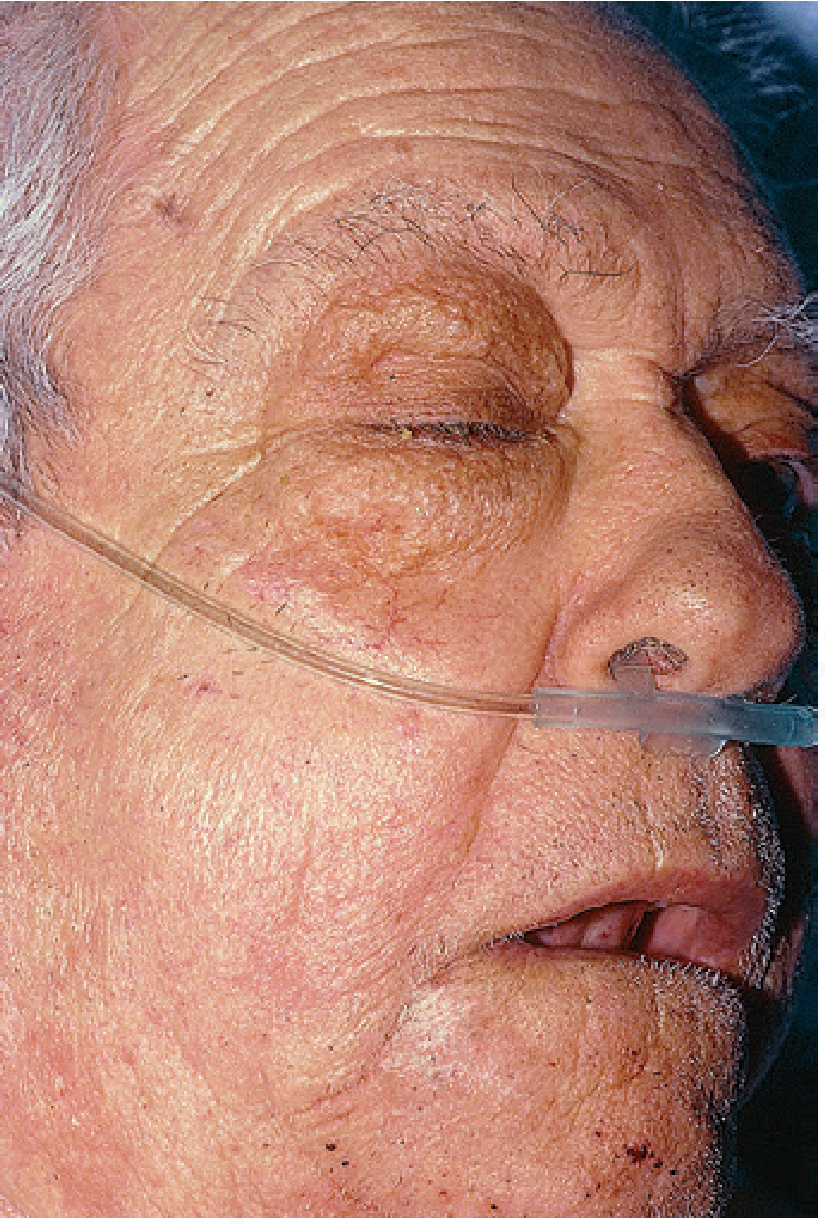
Causes
1. Traumatic
- Rib fractures - most common cause; air leaks from injured lung into the chest wall through a parietal pleural defect, or dissects back along bronchi into the hilum, mediastinum, and extrapleural spaces
- Fracture of nasal air sinuses - produces facial subcutaneous emphysema
- Dental procedures using compressed air instruments or high-speed drills (can perforate thin bone at tooth root apex)
- Penetrating chest or neck injuries (pharynx, larynx, esophagus)
2. Iatrogenic / Procedural
- Tracheostomy
- Laparoscopic surgery (CO2 insufflation) - leakage around trocar sheaths; can become extensive, spreading to neck, extremities, and mediastinum
- Chest tube or pleural drain placement
- Thoracic surgery
- Closure of operative wounds trapping air
3. Spontaneous / Mediastinal Extension
- Spontaneous pneumomediastinum (from violent cough, asthma, childbirth)
- Boerhaave syndrome - esophageal rupture after forceful vomiting or Heimlich maneuver; air tracks from mediastinum to neck and chest wall
- Esophageal perforation (subcutaneous emphysema in the neck on palpation is a classic sign)
4. Infective
- Gas gangrene (Clostridial myonecrosis) - gas-producing organisms generate crepitus in soft tissues; this is a surgical emergency. This must be distinguished from other causes
- Other gas-forming infections (e.g., necrotizing fasciitis)
5. Intra-abdominal Causes
- Inflammatory bowel disease, colorectal cancer, perirectal abscess, pancreatitis, cystitis
Pathophysiology
Air enters soft tissue through one of several routes:
- Directly through a breach in the skin or mucosa (trauma, surgery)
- Lung parenchyma or tracheobronchial tree air dissects through a parietal pleural defect into the chest wall
- Interstitial lung injury: air tracks retrograde along bronchi → hilum → mediastinum → extrapleural spaces → subcutaneous tissues
- Gas-forming bacteria producing gas in situ
Once in the subcutaneous plane, air dissects freely along fascial planes and between muscle bundles, potentially spreading widely (face, neck, mediastinum, trunk, limbs).
Clinical Features
| Feature | Detail |
|---|---|
| Crepitus | Pathognomonic - crackling on palpation; placing a stethoscope over the area amplifies the sound |
| Swelling | Soft, puffy, non-tender swelling over affected area |
| Distribution | Commonly chest wall, neck, face; may become generalized |
| Periorbital swelling | Seen when air tracks to face (as in the image above) |
| Neck crepitus | Strongly suggests esophageal perforation or tracheal injury |
Key Clinical Associations and Warning Signs
- Assume underlying pneumothorax in any patient with subcutaneous emphysema after chest trauma - even if not visible on chest X-ray. POCUS is more sensitive than CXR for pneumothorax detection.
- Severe emphysema after chest trauma → suspect major bronchial injury → investigate with bronchoscopy
- Neck subcutaneous emphysema → probable esophageal perforation (confirmed by water-soluble contrast swallow or CT esophagogram)
- If the patient requires positive-pressure ventilation, insert a chest tube on the involved side prophylactically
Investigations
- Chest X-ray - shows linear translucencies tracking between muscle bundles and fascial planes; can obscure underlying structures and make pneumothorax diagnosis difficult
- CT thorax - gold standard when CXR is inconclusive; clearly delineates the extent of air and identifies underlying pneumothorax, pneumomediastinum, or bony injury
- POCUS (point-of-care ultrasound) - more sensitive than CXR for pneumothorax
- Bronchoscopy - if major bronchial tear is suspected
- Water-soluble contrast swallow / CT esophagogram - if esophageal perforation is suspected
Management
| Situation | Action |
|---|---|
| Mild, localized (e.g., post-laparoscopic) | Observation; usually resolves spontaneously as gas is reabsorbed |
| Trauma + subcutaneous emphysema | Treat as pneumothorax until excluded; chest drain if intubating |
| Major bronchial injury suspected | Bronchoscopy + surgical consultation |
| Esophageal perforation (Boerhaave) | Urgent surgical repair; broad-spectrum antibiotics |
| Gas gangrene (Clostridial) | Emergency surgical debridement + high-dose IV penicillin G; hyperbaric O2 as adjunct |
| Laparoscopic CO2 emphysema | Usually self-limiting; reduce insufflation pressure; consider conversion to open |
| Extensive/symptomatic emphysema | Subcutaneous drains (small incisions or infraclavicular catheters) to vent air in severe cases; high-flow O2 accelerates nitrogen washout and air reabsorption |
Summary
Subcutaneous emphysema is a sign, not a diagnosis - the priority is always to identify the underlying cause. The most important immediate concern in the trauma setting is occult pneumothorax. Neck emphysema signals a potentially life-threatening injury to the upper aerodigestive tract. Gas gangrene must be excluded in infected cases as it carries high mortality without rapid surgical intervention.
Sources: Tintinalli's Emergency Medicine (9e), Andrews' Diseases of the Skin, S Das Manual on Clinical Surgery (13e), Grainger & Allison's Diagnostic Radiology
This is a shared conversation. Sign in to Orris to start your own chat.