
Anxiety disorder
What aspect of anxiety disorders are you looking for? · Who is this for?
All
"anxiety disorders"[MeSH Terms] AND treatment
anxiety disorder classification DSM-5 overview 2025
Anxiety Disorders - Comprehensive Overview
1. Definition & What Is an Anxiety Disorder?
- Excessive fear (a response to a real or perceived imminent threat)
- Excessive worry (apprehensive anticipation of future threats)
- Stahl's Essential Psychopharmacology, p. 375
2. Classification (DSM-5-TR)
| Disorder | Key Feature | Typical Onset |
|---|---|---|
| Separation Anxiety Disorder | Fear of separation from attachment figures | Childhood |
| Selective Mutism | Failure to speak in specific social situations | Childhood |
| Specific Phobia | Fear of a specific object/situation | Variable |
| Social Anxiety Disorder (SAD) | Fear of social scrutiny/embarrassment | Adolescence |
| Panic Disorder | Recurrent unexpected panic attacks + anticipatory worry | Early adulthood |
| Agoraphobia | Fear/avoidance of situations where escape is difficult | Early adulthood |
| Generalized Anxiety Disorder (GAD) | Persistent, excessive worry about multiple domains | Before age 20 |
| Substance/Medication-Induced Anxiety | Anxiety due to substance use | Any |
| Anxiety due to Medical Condition | Anxiety from a physiological cause | Any |
Note: OCD and PTSD are no longer classified as anxiety disorders in DSM-5, though they share overlapping symptom dimensions.
3. Epidemiology
-
Anxiety disorders are the most common class of psychiatric disorders
-
~1/3 of people meet criteria at some point in their lifetime
-
Approximately 19% of U.S. adults are affected at any given time
-
Disorders are highly comorbid - patients frequently have two or more anxiety disorders simultaneously, plus major depression (>80% comorbidity in GAD), dysthymia, or substance use disorders
-
Early effective treatment can prevent the development of comorbid conditions
-
Harrison's Principles of Internal Medicine 22E, p. 3700
4. Neurobiology & Pathophysiology
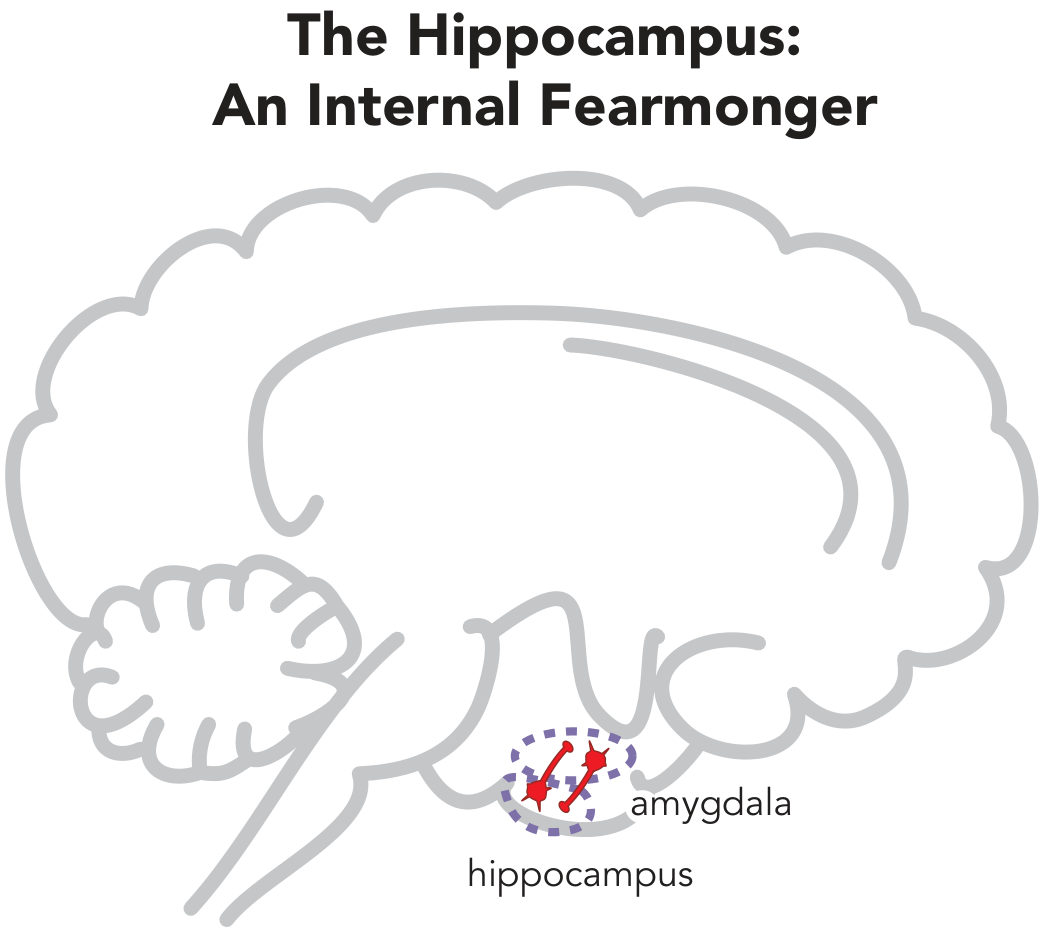
The Fear Circuit
- Prefrontal Cortex / VMPFC - top-down regulation; suppresses amygdala output
- Hippocampus - contextual memory; stores fear memories and re-experiences (critical in PTSD)
- Amygdala - generates fear outputs; drives autonomic, endocrine, and behavioral responses
- CSTC loops (cortico-striato-thalamo-cortical) - generate the symptom of worry
Key Neurotransmitters
| Neurotransmitter | Role in Anxiety |
|---|---|
| GABA | Inhibitory; reduced GABAergic tone → increased amygdala excitability |
| Serotonin (5-HT) | Modulates fear and worry circuits; SSRI/SNRI target |
| Norepinephrine | Arousal and autonomic activation; SNRIs target this |
| Glutamate | Excitatory; excessive release in amygdala drives fear |
| CRF (Corticotropin-Releasing Factor) | Stress axis activation |
Fear Conditioning vs. Fear Extinction
-
Fear conditioning: Synaptic strengthening in the amygdala following a threatening stimulus (long-term potentiation)
-
Fear extinction: New learning that suppresses fear - VMPFC and hippocampus activate GABAergic interneurons in the amygdala's intercalated cell mass, gating fear output
-
Fear extinction is more labile than fear conditioning - it can reverse over time ("renewal"), which explains relapse after CBT
-
This is the neurobiological basis for exposure therapy
-
Stahl's Essential Psychopharmacology, pp. 382-390
5. Clinical Features by Disorder
Generalized Anxiety Disorder (GAD)
- Persistent, excessive, unrealistic worry about multiple life domains (work, health, finances)
- Symptoms: muscle tension, impaired concentration, restlessness/"on edge," insomnia, autonomic arousal
- Duration: ≥6 months, more days than not
- Lifetime prevalence: 5-6%; higher in first-degree relatives
- Unlike panic disorder - no short-lived episodic attacks; worry is chronic and pervasive
Panic Disorder
- Recurrent unexpected panic attacks: sudden surge of intense fear peaking within minutes
- Symptoms: palpitations, sweating, trembling, shortness of breath, chest pain, dizziness, derealization, fear of dying/losing control
- Followed by ≥1 month of anticipatory anxiety OR behavioral change (avoidance)
- Patients have heightened sensitivity to somatic symptoms - triggers a feedback loop escalating arousal
Social Anxiety Disorder (SAD)
- Marked fear of social/performance situations where scrutiny may occur
- Fear of acting in a way that will be humiliating or embarrassing
- Avoidance of social situations causes significant functional impairment
Specific Phobia
- Intense, irrational fear of a specific object or situation (heights, animals, blood, flying)
- Immediate anxiety response upon exposure; recognized as excessive by the individual
PTSD (now in "Trauma and Stressor-Related Disorders")
-
Following exposure to actual/threatened death, serious injury, or sexual violence
-
Four symptom clusters: intrusion, avoidance, negative cognitions/mood, hyperarousal/reactivity
-
Hippocampal re-experiencing of traumatic memories activates the amygdala → fear response
-
Harrison's Principles of Internal Medicine 22E, p. 2978-2990
6. Diagnosis
- Rule out medical causes - hyperthyroidism, pheochromocytoma, cardiac arrhythmias, hypoglycemia, substance use/withdrawal
- Screening tools: GAD-7 (most validated), PHQ for comorbid depression, PRIME-MD
- Duration thresholds: GAD ≥6 months; specific phobia/SAD symptoms persistent
- Assess comorbidities: depression, substance use, other anxiety disorders
- Rule out substance-induced anxiety: caffeine, stimulants, corticosteroids, thyroid hormone, alcohol withdrawal
7. Treatment
Pharmacological
| Drug Class | Examples | Indications | Notes |
|---|---|---|---|
| SSRIs | Fluoxetine, Sertraline, Paroxetine, Escitalopram | GAD, Panic, SAD, PTSD | Start at low doses; 2-6 weeks for effect |
| SNRIs | Venlafaxine, Duloxetine | GAD, Panic, SAD | Dual serotonin + NE action |
| Benzodiazepines | Alprazolam, Clonazepam, Diazepam | Acute/adjunct; Panic | Rapid effect; risk of dependence; short-term use |
| Buspirone | Buspirone | GAD specifically | 5-HT1A agonist; no dependence; 2-4 weeks onset |
| TCAs | Imipramine, Clomipramine | Panic, GAD (2nd line) | Effective but more side effects |
| MAOIs | Phenelzine | Refractory, atypical features | Dietary restrictions limit use |
| α2δ Ligands | Pregabalin, Gabapentin | GAD, SAD, comorbid pain | Block voltage-sensitive Ca²⁺ channels; reduce glutamate release in amygdala |
| Beta-blockers | Propranolol | Performance anxiety (situational) | Peripheral autonomic symptoms only |
- Start SSRIs at 1/3 to 1/2 normal antidepressant dose (e.g., fluoxetine 5-10 mg, sertraline 25-50 mg, venlafaxine 37.5 mg)
- Maintain treatment 1-2 years after response to prevent relapse
- Benzodiazepines: positive allosteric modulation at GABA-A receptors in the amygdala and CSTC circuits → reduce fear and worry
- α2δ ligands: bind to presynaptic VSCCs → reduce excessive glutamate release → blunt amygdala hyperactivity
Psychological / Non-pharmacological
| Treatment | Mechanism | Evidence |
|---|---|---|
| Cognitive Behavioral Therapy (CBT) | Restructures maladaptive cognitions + behavioral exposure | Gold standard; comparable to pharmacotherapy |
| Exposure Therapy | Repeated confrontation of feared stimuli in safe environment → fear extinction in amygdala | Highly effective for phobias, PTSD, panic |
| Mindfulness-Based Therapy | Reduces rumination; enhances prefrontal regulation of amygdala | Strong evidence for GAD |
| Aerobic Exercise | Reduces cortisol, increases GABA/serotonin | Recent meta-analysis (PMID: 40432290) confirms significant reduction in anxiety |
Treatment Approach Summary
1st line:  SSRI or SNRI + CBT (combined > monotherapy)
Acute relief: Short-term benzodiazepine while awaiting SSRI effect
GAD-specific: Buspirone or pregabalin as alternatives
Refractory: Augmentation (aripiprazole, valproate) or MAOI
Duration: Minimum 1-2 years after remission
8. Special Considerations
- Comorbid depression: Very common (>80% in GAD); SSRIs/SNRIs treat both
- Substance use: Screen carefully - alcohol and benzodiazepines used for self-medication create dependence
- Pregnancy: Psychotherapy preferred; weigh risks of pharmacotherapy individually
- Children/adolescents: CBT is first-line; SSRIs second-line; ADHD is a common comorbidity with anxiety (PMID: 40245462)
- CBD: A 2024 systematic review and meta-analysis (PMID: 38924898) examined CBD for anxiety; evidence is emerging but not yet sufficient for routine recommendation
9. Prognosis
- Anxiety disorders are chronic but treatable
- Early treatment reduces comorbidity risk
- Combined pharmacotherapy + CBT produces superior outcomes vs. either alone
- Relapse is common if treatment is stopped prematurely
- Fear extinction is more labile than fear conditioning - long-term behavioral maintenance strategies are important
- Harrison's Principles of Internal Medicine 22E (2025), Chapter 463
- Stahl's Essential Psychopharmacology - Neuroscientific Basis, Chapter 8
- MSD Manual Professional Edition - Overview of Anxiety Disorders
In anesthesia and surgery
"preoperative anxiety" AND "anesthesia"
anxiety disorder anesthesia surgery perioperative management 2024 2025
https://pmc.ncbi.nlm.nih.gov/articles/PMC11901026
https://www.nysora.com/education-news/managing-depression-an…
Anxiety in Anesthesia and Surgery
1. Prevalence & Clinical Significance
- 40-85% of patients are apprehensive before surgery (depending on assessment method) - Barash's Clinical Anesthesia, p. 1803
- Up to two-thirds of ambulatory surgery patients show symptoms of anxiety - Miller's Anesthesia 10e
- Up to 30% of patients suffer from anesthesia-related preoperative anxiety, whether the procedure is elective or emergent
- 10% of surgical patients have a diagnosed generalized anxiety disorder - NYSORA / Rolfzen et al., Anesthesiology 2024
Why It Matters - Consequences of Unmanaged Perioperative Anxiety
| Domain | Consequence |
|---|---|
| Cardiovascular | Tachycardia, hypertension from sympathetic activation |
| Anesthetic | Higher anesthetic doses required; difficult/stormy induction |
| Postoperative pain | Increased pain sensitivity; higher opioid requirements |
| Recovery | Longer hospital stay; higher readmission rates |
| Delirium | Preoperative anxiety is a risk factor for emergence delirium (especially in children) |
| Mortality | Elevated 30-day postoperative mortality with untreated perioperative mental illness |
| Satisfaction | Reduced patient satisfaction with anesthesia and care |
- Cummings Otolaryngology, PMC11901026
2. Risk Factors for Perioperative Anxiety
- Patient factors: Pre-existing anxiety disorder, depression, somatization, fearful temperament, poor sleep night before surgery
- Surgical factors: Type of surgery (ophthalmology, ENT - highest risk for emergence delirium), emergency vs. elective (both are equally affected for preoperative anxiety)
- Systemic factors: Poor information/communication; surgery in public vs. private hospital; ASA class III/IV
- Social factors: Lack of family support; previous negative hospital experiences
- Pediatric-specific: Age 2-7 years highest risk; separation anxiety peaks at age 1-3; adolescents may mask anxiety despite high internal distress
3. Preoperative Assessment
- GAD-2 / GAD-7 - brief, validated tools
- PHQ-2 - for comorbid depression
- Modified Yale Preoperative Anxiety Scale (mYPAS) - standard in pediatric anesthesia
- Pre-anesthesia evaluation clinics: An anesthesiologist-led preoperative evaluation clinic is associated with reduced anxiety, improved acceptance of regional anesthesia, fewer day-of-surgery cancellations, and shorter hospital stay - Miller's Anesthesia 10e
Key insight: A preoperative consultation more than 2 weeks before surgery can reduce anxiety and improve satisfaction, especially when the same anesthesiologist who consulted also provides intraoperative care. More patients were adequately prepared by a preoperative interview than by 2 mg/kg pentobarbital IM given 1 hour before surgery. - Barash's Clinical Anesthesia, p. 1803
4. Management of Perioperative Anxiety
A. Psychological / Non-Pharmacological (First-Line)
| Intervention | Evidence | Notes |
|---|---|---|
| Preoperative visit + patient education | Strong | Explain anticipated events; earn trust and confidence |
| CBT techniques | Strong | Reframe anxiety-inducing thoughts; sense of control |
| Distraction (video, music, VR) | Strong | Watching videos/movies during induction is highly effective; can be equivalent or superior to premedication |
| Virtual Reality (VR) | Growing | Reduces mYPAS scores in children; reduces anxiety before sternotomy; PMID 40305092 2025 meta-analysis confirms efficacy |
| Music therapy | Moderate | Significant anxiety reduction in patients under spinal anesthesia |
| Parental presence (pediatric) | Mixed | Standard at many centers but recent evidence does NOT support it as universally optimal |
| Play therapy (pediatric) | Strong | Especially effective for ages 3-6 |
| Hypnosis / guided imagery | Moderate | Effectively calms patients |
| Aromatherapy (lavender) | Modest | Modest decreases in preoperative anxiety |
| Massage / relaxation techniques | Moderate | Promotes relaxation |
| Prehospitalization programs | Moderate | Tours of OR, interactive books, videos - must be done days before, not same-day |
Important: Preoperative depressant drugs should never be used as a substitute for a comforting and tactful preoperative visit. - Barash's Clinical Anesthesia
B. Pharmacological (Anxiolytic Premedication)
Adults
| Drug | Route | Dose | Key Properties |
|---|---|---|---|
| Midazolam (IV) | IV (just before induction) | 1-2 mg | Rapid onset; reduces anxiety AND postoperative nausea; amnesia; most commonly used |
| Midazolam (oral) | PO | 7.5-15 mg | More anxiolysis than temazepam; more sedation and amnesia; may delay recovery |
| Alprazolam (oral) | PO | Comparable anxiolysis to midazolam; no amnesia; greater early psychomotor impairment | |
| Temazepam (oral) | PO | Less anxiolysis than oral midazolam | |
| Diazepam | PO/IV | Long-acting; useful when prolonged anxiolysis needed | |
| Pregabalin | PO | 75-150 mg | Useful in patients with anxiety disorder + pain; reduces opioid requirements |
| Hydroxyzine | PO/IM | Antihistamine-based; useful alternative if benzodiazepines contraindicated | |
| Buspirone | PO | In patients on chronic buspirone - continue perioperatively |
Meta-analysis: No evidence that anxiolytic premedication delays discharge in ambulatory patients, though some psychomotor impairment exists. Recovery primarily depends on other factors (type of anesthetic, duration).
Children
| Drug | Route | Dose | Notes |
|---|---|---|---|
| Midazolam (oral) | PO | 0.2-0.5 mg/kg (max 15 mg) | Most widely used; reduces emergence agitation with sevoflurane; 0.2 mg/kg preferred for outpatients |
| Dexmedetomidine (intranasal) | IN | 1-2 mcg/kg | Alpha-2 agonist; effective anxiolysis with minimal respiratory depression |
| Ketamine (oral/IM) | PO/IM | Used in very anxious/uncooperative children | |
| Clonidine (oral) | PO | Alpha-2 agonist; useful premedication in children |
Note: Oral midazolam itself can provoke anxiety in children - giving the child a small toy first significantly reduces this. Distraction/play therapy is often equivalent or superior.
- Miller's Anesthesia 10e, pp. 9973-9975
5. Patients with Pre-Existing Anxiety Disorders on Chronic Medications
Continuing Existing Medications
- SSRIs/SNRIs: Generally continue perioperatively unless contraindicated by NPO status. Sudden cessation causes withdrawal (flu-like symptoms, "brain zaps") or relapse
- Benzodiazepines (chronic use): Continue - abrupt withdrawal risks seizures and severe rebound anxiety
- Buspirone: Continue when possible
- MAOIs: Require special planning - interactions with many anesthetic agents (meperidine/serotonin syndrome; indirect sympathomimetics)
Drug Interaction Risks
| Interaction | Risk | Notes |
|---|---|---|
| SSRIs + serotonergic anesthetics | Serotonin syndrome | Avoid meperidine, tramadol, ondansetron in high doses |
| SSRIs + major surgery | Increased bleeding risk | Especially mastectomy, hepatic surgery; SSRIs impair platelet function |
| Benzodiazepines + anesthetics | Synergistic CNS depression | Reduce induction doses; monitor closely |
| MAOIs + meperidine | Potentially fatal serotonin syndrome | Absolute contraindication |
| MAOIs + indirect sympathomimetics | Hypertensive crisis | Avoid ephedrine; use phenylephrine instead for hypotension |
| TCAs + volatile agents | Arrhythmias | Enhanced cardiac sensitization |
Perioperative Phase-Specific Management
- Screen with PHQ-2/GAD-2
- Medication reconciliation - continue psychiatric drugs
- Educate and counsel; involve family support
- Continue existing medications when possible
- Coordinate with psychiatry if complex
- Avoid serotonin-augmenting anesthetics in SSRI patients
- For hypotension: prefer phenylephrine over ephedrine in MAOI patients
- Reassess mental status (brief tools)
- Resume all psychiatric medications as soon as oral intake resumes
- Higher risk for emergence delirium, postoperative cognitive dysfunction, and acute pain
- Consider structured psychological support; telehealth follow-up
6. Special Populations
Pediatric Patients
- <9 months: Respond to surrogates (rocking, soothing)
- 1-3 years: Separation anxiety - distraction + parental surrogates
- 3-6 years: Fear of bodily harm - reassurance + play therapy
- 7-12 years: Want explanation + active participation; VR, videos highly effective
- Adolescents: May mask anxiety; screen carefully; risk factors include baseline anxiety, depression, somatization
Elderly / Cognitive Impairment
- Higher risk of emergence delirium and postoperative cognitive dysfunction
- Minimize benzodiazepines (Beers Criteria)
- Dexmedetomidine preferred for sedation/anxiolysis
Regional Anesthesia
- Pre-anesthesia evaluation clinics improve acceptance of regional anesthesia
- Regional techniques may themselves reduce anxiety by providing better pain control
- Anxiolytic premedication facilitates patient cooperation for block placement
7. Summary Algorithm
Perioperative Anxiety Management
│
├── PREOP: Screen (GAD-2/PHQ-2) → Risk stratify
│       │
│       ├── Non-pharmacological (ALL patients):
│       │     • Preoperative visit + education
│       │     • Music, VR, distraction
│       │     • Family involvement
│       │
│       └── Pharmacological (selected patients):
│             Adults: IV midazolam pre-induction
│             Children: Oral midazolam 0.2 mg/kg OR
│                       Intranasal dexmedetomidine
│
├── INTRAOP: Continue chronic psych meds
│            Check drug interactions (SSRIs, MAOIs)
│            Sympathomimetic selection in MAOI patients
│
└── POSTOP: Resume meds ASAP
            Monitor for delirium/PCOD
            Structured psychological support
            Mental health follow-up at discharge
- Miller's Anesthesia 10e - Management of Anxiety, Perioperative Anxiety in Children
- Barash's Clinical Anesthesia 9e - Psychological Preparation/Premedication
- Rolfzen ML et al. Management of Depression and Anxiety in Perioperative Medicine. Anesthesiology 2024;141:765-778
- Bello CM et al. Perioperative Anxiety: Current Status and Future Perspectives. PMC 2025
- Li H et al. Virtual Reality for Preoperative Anxiety. J Med Internet Res 2025 - PMID 40305092
Peri operative management of diabetes patients during anaesthesia
"diabetes mellitus"[MeSH Terms] AND "perioperative care"[MeSH Terms]
perioperative management diabetes mellitus anesthesia guidelines 2024 2025
https://www.nysora.com/education-news/updated-guidelines-for…
https://www.ncbi.nlm.nih.gov/books/NBK540965
https://emedicine.medscape.com/article/284451-table
Perioperative Management of Diabetes Mellitus During Anaesthesia
1. Why This Matters - The Metabolic Stress Response
- Counterregulatory hormones released: Cortisol, glucagon, growth hormone, catecholamines
- Net effects: Reduced insulin secretion, increased insulin resistance, elevated lipolysis and proteolysis, hyperglycaemia
- Anaesthesia and surgery interrupt normal meal and insulin schedules
Consequences of Uncontrolled Perioperative Hyperglycaemia
| Complication | Mechanism |
|---|---|
| Increased infection / impaired wound healing | Neutrophil dysfunction; impaired phagocytosis |
| Prolonged ICU / hospital stay | Vascular and immune dysfunction |
| Worse neurological outcomes (stroke, cardiac surgery) | Reactive oxygen species; direct cellular damage |
| Cardiovascular events | Endothelial dysfunction; pro-thrombotic state |
| DKA (Type 1 especially) | Insulin deficiency + stress hormones |
| Iatrogenic hypoglycaemia | Insulin over-dosing + unpredictable intake |
2. Preoperative Assessment & Optimization
History & Examination
- Type of diabetes (T1DM vs T2DM), duration
- Current medications: insulin type/regimen, OHAs, CGM/insulin pump use
- HbA1c - marker of medium-term glycaemic control
- Diabetic complications:
- Cardiovascular: CAD, autonomic neuropathy, orthostatic hypotension
- Renal: Nephropathy - affects drug dosing, contrast use
- Neuropathy: Autonomic neuropathy → gastroparesis → aspiration risk
- Retinopathy: Eye protection intraoperatively
Key Laboratory Investigations
- Blood glucose (immediate)
- HbA1c - if >8% (T1DM) or >7% (T2DM) → consider delaying elective surgery
- Serum electrolytes (hypokalaemia common)
- Serum creatinine / eGFR (affects metformin, contrast, SGLT2 decisions)
- Urine ketones (especially T1DM)
- ECG (silent MI common in diabetic autonomic neuropathy)
When to Delay Elective Surgery
- HbA1c above target range (>8% T1DM, >7% T2DM)
- Abnormal electrolytes
- Ketonuria / DKA / HHS
- Uncontrolled hyperglycaemia without a sustainable plan
Scheduling
- Schedule as the first case of the day - minimises fasting duration, reduces glycaemic variability
- Arrive early in the morning; check blood glucose on arrival
3. Perioperative Blood Glucose Targets
| Society | Target BG |
|---|---|
| ADA (American Diabetes Association) | 140-180 mg/dL (7.8-10 mmol/L) |
| SAMBA 2024 (Ambulatory Anaesthesia) | <180 mg/dL |
| Society of Critical Care Medicine | <150 mg/dL |
| American College of Physicians | 140-200 mg/dL |
| General consensus upper limit | <200 mg/dL |
Key principle: Glucose trends are more important than single readings. Premixed insulin regimens should be avoided - too high a risk of hypoglycaemia.
4. Medication Management - What to Do With Each Drug Class
Insulin
| Situation | Management |
|---|---|
| T1DM (any surgery) | Never stop basal insulin - even during fasting, to prevent DKA. Hold rapid/short-acting insulin unless BG is elevated |
| T2DM on insulin | Continue basal insulin the evening before; reduce long-acting dose by 20-25% the evening before to prevent morning hypoglycaemia |
| Short procedures | Sliding scale subcutaneous insulin + hourly BG monitoring |
| Long / major surgery | IV insulin infusion (regular insulin) - concurrent separate infusions of insulin + glucose (more easily adjusted than GIK combined); check BG every 1-2 hours |
| Insulin pump (CSII) | May continue for procedures <2 hours; switch to IV infusion for longer/major operations - must coordinate with anaesthesiologist and endocrinologist |
Oral / Non-Insulin Antidiabetic Agents
| Drug Class | Examples | Perioperative Action | Reason |
|---|---|---|---|
| Metformin | Metformin | Hold on day of surgery (generally); continue if minor procedure + renal function normal | Risk of lactic acidosis with haemodynamic instability, contrast, dehydration |
| Sulfonylureas | Glipizide, Glyburide, Glimepiride | Hold day of surgery | Prolonged action → hypoglycaemia risk |
| Meglitinides | Repaglinide, Nateglinide | Hold day of surgery | Same as sulfonylureas |
| SGLT2 Inhibitors | Empagliflozin, Dapagliflozin, Canagliflozin | Stop 3 days before (4 days for ertugliflozin) | Risk of euglycaemic DKA - low BG despite significant ketosis; may go unrecognised |
| GLP-1 Receptor Agonists | Semaglutide, Liraglutide, Dulaglutide | Daily dosing: hold day of surgery; Weekly dosing: hold 1 week before surgery (ASA/ADS 2024 guidance) | Delayed gastric emptying → gastroparesis → aspiration risk even with prolonged fasting |
| DPP-4 Inhibitors | Sitagliptin, Saxagliptin | Generally hold day of surgery (ADA does not recommend inpatient use; SITA-HOSPITAL trial shows they are safe) | Low hypoglycaemia risk but no strong evidence for inpatient use |
| Thiazolidinediones | Pioglitazone | Hold day of surgery | Fluid retention; no acute benefit |
| Alpha-glucosidase inhibitors | Acarbose | Hold day of surgery | Oral intake-dependent mechanism; no benefit when fasting |
SGLT2 inhibitor warning: Euglycaemic DKA is a serious perioperative risk - BG may appear "normal" while significant ketoacidosis is developing. Always check ketones if a patient has been on an SGLT2 inhibitor recently. [FDA label warning; StatPearls]
GLP-1 agonist warning: The ASA 2024 consensus guidance and 2025 ADS/ANZCA recommendations (PMID 40814081) specifically address aspiration risk. These drugs delay gastric emptying and can cause significant gastric residue even after prolonged fasting. Consider full-stomach precautions if not held appropriately.
5. Intraoperative Management
Blood Glucose Monitoring
- Check BG on arrival and then every 1-2 hours intraoperatively
- More frequent checks in complex/long cases
- CGM systems can be used with point-of-care BG meters (SAMBA 2024); accuracy may vary perioperatively (PMID 40613260) - do not rely on CGM alone without confirming with capillary BG
Insulin Administration
- Short, minor procedures (well-controlled T2DM): Sliding scale subcutaneous + hourly BG checks
- Major / long surgery, T1DM, poorly controlled T2DM: IV infusion of regular insulin
- Run insulin infusion and dextrose as two separate infusions (easier to titrate than combined GIK)
- Insulin infusion via side port on the same line as the dextrose infusion
- Use a separate non-glucose isotonic fluid for volume replacement
- Target BG: 140-180 mg/dL (ADA) or <180 mg/dL (SAMBA)
Fluid Management
- Avoid dextrose-containing fluids as the sole resuscitation fluid in diabetic patients
- Use isotonic saline or balanced crystalloids (Ringer's/Hartmann's) for fluid replacement
- Hartmann's solution contains small amounts of lactate but is acceptable - not significantly hyperglycaemic
Treatment of Hyperglycaemia Intraoperatively
- BG 180-250 mg/dL: Insulin correction per sliding scale or infusion titration
- BG >300 mg/dL: IV insulin infusion mandatory
- Avoid correctional-only ("correction factor") insulin approach alone - too unpredictable
Treatment of Hypoglycaemia
- BG <70 mg/dL or symptomatic:
- IV access in place: 50 mL of 50% dextrose (D50W) IV
- No IV: Glucose tablet or clear juice (if awake)
- Recheck BG in 15 minutes
- Reduce insulin dose; investigate cause
Anaesthetic Considerations Specific to Diabetics
| Issue | Management |
|---|---|
| Gastroparesis / autonomic neuropathy | Full stomach precautions; RSI; prokinetic (metoclopramide) before induction |
| Orthostatic hypotension | "Tilt test" in OR; adequate IV volume resuscitation before regional or general anaesthesia |
| Silent myocardial ischaemia | ECG monitoring; lower threshold for cardiac workup |
| Difficult airway | "Stiff joint syndrome" (limited atlanto-occipital joint mobility from glycosylation); prayer sign assessment |
| Positioning | Peripheral neuropathy → pressure area care; padding |
| Beta-blockers | Consider in diabetic patients with ≥2 cardiac risk factors undergoing intermediate/major non-cardiac surgery (reduces postoperative MI/ischaemia); they do NOT worsen glucose intolerance or mask hypoglycaemia symptoms significantly |
| Steroids (dexamethasone) | Causes significant hyperglycaemia 4-8 hours post-dose; a 2024 meta-analysis (PMID 39151134) confirms perioperative dexamethasone raises BG in diabetic patients - enhanced monitoring required |
6. Postoperative Management
Immediate Goals
- Ensure adequate BG control before discharge (ambulatory) or transfer (inpatients)
- Target BG 140-180 mg/dL (ADA); <200 mg/dL absolute upper limit
- Resume oral medications and diet as soon as possible
Resuming Medications
- Insulin: Restart usual regimen as soon as oral intake is established
- Metformin: Resume when eating normally and renal function confirmed stable (especially if contrast was used)
- SGLT2 inhibitors: Do not restart until wound healing is established and patient is eating normally
- GLP-1 agonists: Resume at next scheduled dose once tolerating oral intake
- Sulfonylureas/meglitinides: Resume with first meal
Key Postoperative Risks
| Risk | Prevention |
|---|---|
| Hypoglycaemia | Avoid insulin stacking; align insulin with meals; monitor BG 4-6 hourly until eating |
| Wound infection | Tight glycaemic control; glycaemic target <200 mg/dL |
| DKA (T1DM) | Never stop basal insulin; PONV prophylaxis to promote early oral intake |
| Euglycaemic DKA | If recent SGLT2 inhibitor use - check ketones even if BG "normal" |
| Acute kidney injury | Avoid hypotension; judicious nephrotoxic agent use; hold metformin if dehydrated |
| Gastroparesis exacerbation | Minimize opioids; use prokinetics; gradual dietary progression |
| Delirium | More common in elderly diabetics; glycaemic control + orientation measures |
PONV Prophylaxis
- Especially important in T1DM - PONV delays return to oral intake, risks DKA, and prevents resumption of the baseline insulin regimen
7. Special Situations
Emergency Surgery
- No time for optimization - accept that glycaemia will not be ideal
- Check BG immediately; start IV insulin infusion if BG >180 mg/dL
- Hold ALL oral agents immediately
- Check for DKA/HHS - treat before or concurrent with surgery if life-threatening
- Aspiration precautions always (gastroparesis presumed possible)
T1DM vs T2DM Summary Differences
| Feature | T1DM | T2DM |
|---|---|---|
| Basal insulin | Never stop - DKA risk | Reduce dose 20-25% night before |
| Oral agents | Not applicable | Hold per class (see table above) |
| DKA risk | High - requires prophylaxis | Lower (except SGLT2-related euDKA) |
| Pump (CSII) | Common; manage carefully | Less common |
| PONV | Prioritize prophylaxis | Standard prophylaxis |
Insulin Pump (CSII) Management
- Continue for procedures <2 hours (coordinate with anaesthesiologist)
- Switch to IV infusion for longer or major operations
- Check institutional policy; requires patient ability to self-manage
- Recent studies show better glycaemic control (longer time-in-range) with pumps without increased hypoglycaemia or ketosis
8. Summary Algorithm
PREOPERATIVE
│
├── Assess: Type, duration, HbA1c, complications, medications
├── Labs: BG, HbA1c, electrolytes, creatinine, ECG, urine ketones
├── Optimize: HbA1c <7-8% before elective surgery
├── Schedule FIRST CASE of the day
└── Medications:
      Stop: Sulfonylureas, meglitinides, SGLT2 (3-4 days), GLP-1 (1 day/1 week)
      Reduce: Long-acting insulin 20-25% night before
      Continue: Basal insulin (T1DM especially); metformin (minor procedures)

INTRAOPERATIVE
│
├── BG monitoring: on arrival, then every 1-2 hours
├── Target: 140-180 mg/dL
├── Short/minor: Sliding scale SC insulin
├── Long/major, T1DM: IV insulin infusion (separate from glucose infusion)
├── Fluids: Isotonic (not dextrose) for resuscitation
└── Special: Aspiration precautions, tilt test, padding, stiff joint assessment

POSTOPERATIVE
│
├── Resume oral intake + medications ASAP
├── PONV prophylaxis (especially T1DM)
├── BG monitoring every 4-6 hours until eating normally
├── Watch for: hypoglycaemia, wound infection, DKA, AKI, gastroparesis
└── Discharge: BG controlled; patient educated on medication resumption
- Barash's Clinical Anesthesia 9e, Chapter 23 - Perioperative Glucose Management, p. 1781-1782
- StatPearls - Diabetic Perioperative Management (NIH/NCBI)
- Rajan N et al. SAMBA 2024 Updated Consensus Statement on Perioperative Blood Glucose Management. Anesth Analg 2024;139(3):459-477
- Hocking SL et al. 2025 ADS/ANZCA/GESA/NACOS Recommendations on peri-procedural GLP-1/GIP receptor agonists. PMID 40814081
- Jones IA et al. Perioperative Dexamethasone in Diabetic Patients (meta-analysis). Anesth Analg 2024 - PMID 39151134
- CPOC Guideline for Perioperative Care in Diabetes (Updated 2022)
Create a quick-reference perioperative diabetes management checklist
What format do you want the checklist in? · Who is the primary user?
Create a printable PDF perioperative diabetes checklist
Sedation in icu for copd intubated patients
Plethysmograph waveform