
I have patient with history of substance abuse and he has been on different types of antipsychotic drugs . His facial colour is also tanned. Now he wants to gain a glow on his face . He used to do addiction with pcm , cough syrup, dendrite and different things. So which ointment and vitamin supplements should I prescribe him and also he to feel energetic through out day as he feels lazy I will check his tsh level tho assuming his cbc and tsh is normal suggest some medication that may help him feel energetic.
antipsychotic drug skin hyperpigmentation tanning treatment topical vitamin C glutathione
substance abuse nutritional deficiencies vitamins fatigue B12 B complex iron treatment
chlorpromazine antipsychotic drug induced skin tanning pigmentation mechanism management sunscreen
fatigue treatment substance abuse recovery coenzyme Q10 iron B complex ashwagandha safe antipsychotic combination
Clinical Assessment & Management Plan
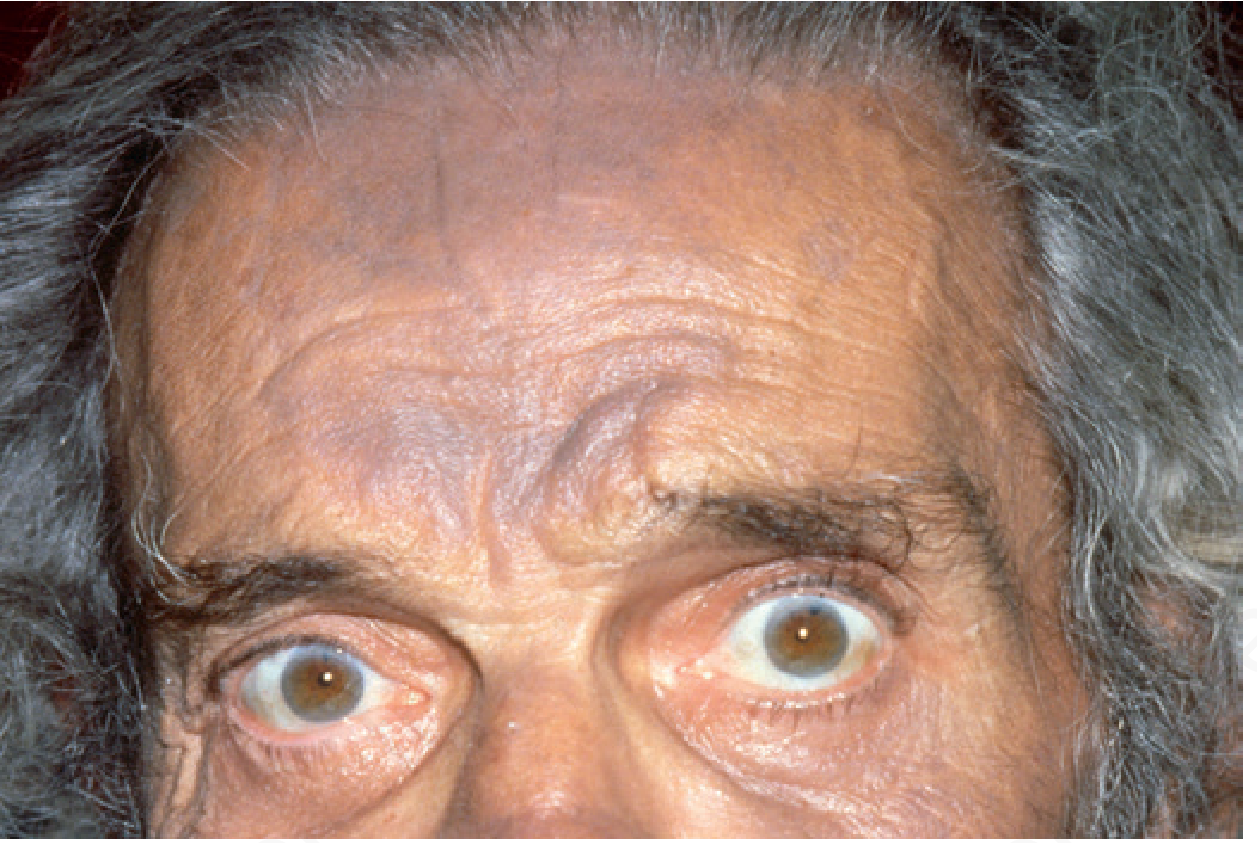
Understanding the Skin Tanning/Hyperpigmentation
1. TOPICAL OINTMENTS / SKIN-BRIGHTENING
Priority: Strict Photoprotection First
- Broad-spectrum SPF 30–50 sunscreen (zinc oxide or titanium dioxide base) — apply daily. This is mandatory. UV exposure worsens drug-induced pigmentation and stimulates more melanin. Without sun protection, no brightening agent works.
Topical Brightening Agents (prescribe in sequence or combination)
| Agent | Formulation | Evidence | Notes |
|---|---|---|---|
| Niacinamide 4–5% cream | Topical, BD | Inhibits melanosome transfer to keratinocytes; well-tolerated, no irritation | First choice, very safe |
| Vitamin C (L-ascorbic acid) 10–20% serum | Topical, OD morning | Inhibits tyrosinase; antioxidant; boosts collagen | Use AM under sunscreen |
| Kojic acid 1–2% cream | Topical, BD | Tyrosinase inhibitor; effective for hyperpigmentation | Can cause mild contact dermatitis |
| Azelaic acid 15–20% | Topical, BD | Selective cytotoxicity to hyperactive melanocytes; anti-inflammatory | Also helps post-inflammatory marks |
| Tranexamic acid 2–5% cream | Topical, BD | Blocks keratinocyte–melanocyte signalling; good evidence for melasma | Can combine with niacinamide |
| Glutathione 0.5–2% lotion | Topical, BD | A 2025 systematic review (Int J Dermatology) confirmed significant melanin reduction at 0.5%; shifts eumelanin → pheomelanin | Newer but growing evidence |
2. ORAL VITAMIN SUPPLEMENTS (Addressing Deficiencies from Substance Abuse)
Core Supplementation Protocol
| Supplement | Dose | Rationale |
|---|---|---|
| Vitamin B Complex (B1, B2, B3, B5, B6, B9, B12) | 1 tablet OD | Universal depletion in polydrug abuse. B1 (thiamine) prevents neurological complications. B3 prevents fatigue/anxiety. B6 restores neurotransmitter synthesis. B12 corrects energy depletion, mood |
| Vitamin B12 (Methylcobalamin) | 1500 mcg OD orally (or 1000 mcg IM weekly × 4 weeks if severe) | Even if CBC is normal, subclinical B12 deficiency causes fatigue and cognitive sluggishness. Substance abusers are frequently deficient |
| Vitamin C 500–1000 mg | OD | Antioxidant; essential for collagen synthesis; depleted by smoking, drug use; also enhances topical skin benefits when taken orally |
| Zinc 10–15 mg | OD (with food) | Depleted in substance abuse; important for skin repair, immune function, enzyme activity |
| Vitamin D3 1000–2000 IU | OD | Deficiency is very common; contributes to fatigue, depression, low mood — common comorbidities in recovery |
| Folic acid (Vitamin B9) 1 mg | OD | Depleted in drug abuse; essential for cell repair and skin turnover. Always prescribe B12 alongside folate |
| Magnesium glycinate 300–400 mg | OD at night | Depleted in 70% of substance users; governs 300+ enzymatic reactions; improves sleep quality and energy the next day |
⚠️ Important: Always correct B12 before or alongside folic acid. Giving folate alone when B12 is also deficient can mask hematological findings while neurological damage continues.
For Skin Glow Specifically (Oral)
- Oral glutathione 250–500 mg/day — systematic review evidence for melanin reduction; also acts as a hepatic antioxidant which is beneficial given paracetamol abuse history
- Biotin 5000 mcg OD — supports skin, nail, and hair health
- Omega-3 fatty acids 1–2 g OD — reduces inflammatory hyperpigmentation, improves skin barrier, supports brain recovery
3. FOR FATIGUE & ENERGY (Assuming CBC and TSH Are Normal)
Medications / Supplements for Energy
| Agent | Dose | Notes |
|---|---|---|
| Methylcobalamin (B12) | 1500 mcg OD | First-line; direct effect on energy metabolism and neurological function |
| Iron (ferrous sulfate 200 mg) | OD if ferritin is low (check ferritin even if CBC normal) | Non-anemic iron deficiency causes fatigue; a meta-analysis showed >60% reduction in fatigue with iron supplementation even in non-anemic subjects with low ferritin |
| Coenzyme Q10 (CoQ10) 100–200 mg | OD with meals | Supports mitochondrial ATP production; antipsychotics can deplete mitochondrial function |
| Vitamin D3 2000 IU | OD | Deficiency = persistent fatigue and low mood; supplement if 25-OH-D level is low |
| Ashwagandha (KSM-66) 300–600 mg | OD | Adaptogen; clinical evidence for reducing fatigue, cortisol, and improving energy in stressed/depleted individuals |
| Magnesium 300–400 mg | At night | Poor sleep quality (common post-addiction) is a major driver of daytime fatigue |
Additional Practical Points
- Review current antipsychotic: If sedation is a side effect, discuss switching to a less sedating agent (e.g., aripiprazole, lurasidone) with the psychiatrist. Avoid stimulants.
- Dendrite (toluene) abuse damages the CNS, liver, kidneys, and myelin — fatigue may partly be due to residual neurotoxicity. Thiamine (B1) 100 mg daily is especially important here.
- Excessive paracetamol (PCM) use depletes hepatic glutathione stores — oral glutathione and N-acetylcysteine (NAC) 600 mg BD are strongly indicated as hepatoprotective agents and will also contribute to skin brightening.
- N-Acetylcysteine (NAC) 600 mg BD — replenishes glutathione, hepatoprotective (critical given PCM abuse history), reduces cravings in addiction recovery, and supports energy
Summary Prescription Card
- Niacinamide 4% + Tranexamic acid 3% cream — apply BD
- Vitamin C serum 15% — apply AM before sunscreen
- SPF 50 sunscreen — every morning, mandatory
- Azelaic acid 15% — add at 4 weeks if needed
- B-Complex (B1–B12) — 1 tab OD
- Methylcobalamin 1500 mcg — OD
- Vitamin C 500 mg — OD
- Zinc 15 mg — OD with food
- Vitamin D3 2000 IU — OD
- Folic acid 1 mg — OD
- Magnesium glycinate 300 mg — at bedtime
- Oral glutathione 250–500 mg — OD
- Biotin 5000 mcg — OD
- NAC 600 mg — BD (for liver protection post-PCM abuse + glutathione replenishment)
- CoQ10 100 mg — OD with meals
- Omega-3 1 g — OD
- Serum ferritin (even if CBC normal)
- 25-OH Vitamin D level
- Serum B12, folate
- LFTs (paracetamol hepatotoxicity assessment)
- Ophthalmology referral (corneal/lens changes from antipsychotics)
Disclaimer: This information is for clinical reference only. Prescribing decisions must be individualized based on full patient assessment, current medications, renal/hepatic function, and potential drug interactions with ongoing antipsychotic therapy.