
Classify benzodiazepine
Reading File
Now let me search the medical library for benzodiazepine classification.
Finding Sources
Finding Sources
Let me search for the main classification sections in pharmacology textbooks.
Finding Sources
Finding Sources
Good results. Let me now read the key sections from Lippincott and Katzung for full classification details.
Reading File
Reading File
Excellent content. Now let me get the Lippincott classification table and the Katzung classification details.
Reading File
Finding Sources
Reading File
Let me get the classification table from Lippincott and Katzung details on BZD classification by half-life.
Reading File
I now have rich content for a comprehensive classification. Let me fetch the key classification chart image from Lippincott.
Loading Image
I now have everything needed for a thorough classification answer. Here it is:
Classification of Benzodiazepines
Benzodiazepines are a group of CNS depressants that act as positive allosteric modulators of the GABA-A receptor, increasing the frequency of chloride channel opening in response to GABA. They can be classified by several criteria.
1. Classification by Duration of Action (Half-life)
This is the most clinically important classification:
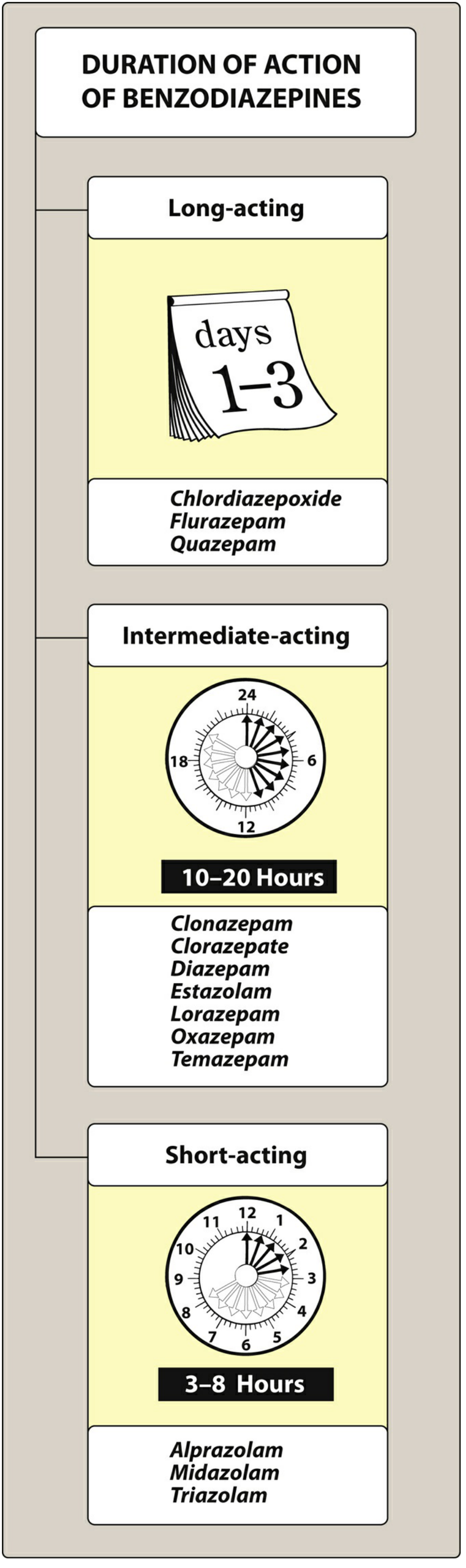
Figure 16.4 - Lippincott Illustrated Reviews: Pharmacology
| Category | Half-life | Examples | Clinical Use |
|---|---|---|---|
| Ultra-short-acting | < 1-4 hrs | Midazolam, Triazolam | Pre-anaesthesia, procedural sedation |
| Short-acting | 3-8 hrs | Alprazolam, Triazolam | Panic disorder, acute anxiety |
| Intermediate-acting | 10-20 hrs | Clonazepam, Clorazepate, Diazepam, Estazolam, Lorazepam, Oxazepam, Temazepam | Anxiety, insomnia |
| Long-acting | 1-3 days (t½ > 24 hrs) | Chlordiazepoxide, Flurazepam, Quazepam | Alcohol withdrawal, daytime anxiety |
Longer-acting agents tend to form pharmacologically active metabolites (e.g., diazepam forms desmethyldiazepam/nordiazepam), which extend duration further. Short-acting agents such as triazolam produce more abrupt and severe withdrawal reactions on discontinuation.
- Lippincott Illustrated Reviews: Pharmacology, p. 552-553
2. Classification by Primary Therapeutic Use
| Use | Drugs of Choice |
|---|---|
| Anxiety (GAD, panic disorder) | Alprazolam, Lorazepam, Diazepam, Chlordiazepoxide |
| Insomnia (hypnotic) | Temazepam, Flurazepam, Triazolam, Estazolam, Quazepam |
| Anticonvulsant / Seizures | Clonazepam, Diazepam (IV), Lorazepam (IV) |
| Pre-anaesthetic sedation / procedural | Midazolam |
| Alcohol withdrawal | Chlordiazepoxide, Diazepam, Lorazepam |
| Muscle relaxant | Diazepam |
| Status epilepticus | Lorazepam (first-line IV), Diazepam |
3. Classification by Chemical Structure
All benzodiazepines share a core benzene ring fused to a 1,4-diazepine ring, but differ in side chain substitutions:
| Subtype | Features | Examples |
|---|---|---|
| 2-keto compounds | Classic structure; long-acting | Diazepam, Chlordiazepoxide, Clorazepate, Flurazepam, Halazepam |
| 3-hydroxy compounds | Hydroxyl at C-3; directly glucuronidated (no active metabolites) | Lorazepam, Oxazepam, Temazepam |
| Triazolo compounds | Triazole ring fused; high potency, short-acting | Alprazolam, Triazolam, Estazolam |
| Imidazo compounds | Imidazole ring; water-soluble at low pH | Midazolam |
| Nitro compounds | Nitro group at C-7 | Clonazepam, Nitrazepam |
4. Classification by Metabolism
| Category | Features | Examples |
|---|---|---|
| Phase I + II metabolism | Hepatic oxidation (CYP3A4/CYP2C19) then glucuronidation; form active metabolites; accumulate in liver/renal disease | Diazepam, Chlordiazepoxide, Flurazepam |
| Phase II only (LOT drugs) | Direct glucuronidation only; no active metabolites; safer in hepatic/renal impairment, elderly, pregnancy | Lorazepam, Oxazepam, Tamazepam |
The "LOT" drugs (Lorazepam, Oxazepam, Temazepam) are preferred in hepatic dysfunction and the elderly because they bypass CYP-mediated phase I metabolism entirely.
- Lippincott Illustrated Reviews: Pharmacology, p. 553
5. Classification by Potency
| Potency | Examples |
|---|---|
| High potency | Alprazolam, Clonazepam, Lorazepam, Triazolam |
| Intermediate potency | Oxazepam, Temazepam |
| Low potency | Chlordiazepoxide, Diazepam, Flurazepam |
6. Four-Category Classification (Tietz / Clinical Labs)
The Tietz classification based on elimination half-life divides benzodiazepines into:
- Ultra-short-acting (t½ < 4 hrs) - Midazolam
- Short-acting (t½ < 6 hrs) - Triazolam
- Intermediate-acting (t½ 6-24 hrs) - Alprazolam, Lorazepam, Oxazepam
- Long-acting (t½ > 24 hrs) - Diazepam, Chlordiazepoxide, Clonazepam, Flurazepam
- Tietz Textbook of Laboratory Medicine, 7th Edition
Key Clinical Pearls
-
All benzodiazepines are Schedule IV controlled substances (high abuse potential; physical and psychological dependence)
-
They cross the placental barrier and are excreted in breast milk - avoid in pregnancy
-
CYP3A4 inhibitors (erythromycin, ritonavir, ketoconazole, grapefruit juice) significantly increase levels of most benzodiazepines
-
Antagonist: Flumazenil (competitive GABA-A benzodiazepine site antagonist) reverses sedation but has a short half-life
-
Withdrawal risk is greatest with short-acting, high-potency agents (e.g., alprazolam, triazolam)
-
Lippincott Illustrated Reviews: Pharmacology, pp. 546-558
-
Tietz Textbook of Laboratory Medicine, 7th Edition, pp. 4096-4115
No I want classification on based on pharmacological
Benzodiazepines are classified pharmacologically based on their pharmacological actions/effects - anxiolytic, hypnotic, anticonvulsant, muscle relaxant, and amnestic properties. Let me pull the detailed textbook content on this.
Searching sources...
Finding Sources
Finding Sources
Reading File
Reading File
Now let me get Goodman & Gilman's content on GABA receptor subtypes and the specific pharmacological actions mediated by each subunit.
Reading File
Finding Sources
Finding Sources
Reading File
Reading File
Excellent. I now have comprehensive content from multiple authoritative textbooks. Here is the complete pharmacological classification:
Classification of Benzodiazepines - Based on Pharmacological Actions
All benzodiazepines share the same core mechanism - they are positive allosteric modulators of the GABA-A receptor. They bind at the α/γ subunit interface (distinct from the GABA binding site) and increase the frequency of Cl⁻ channel opening, causing neuronal hyperpolarization. However, they differ in which pharmacological actions predominate, largely based on which GABA-A receptor subunits they engage.
The 5 Core Pharmacological Actions
| Action | GABA-A Subunit Responsible | Effect |
|---|---|---|
| Anxiolytic | α2, α3 subunits | Inhibits limbic system neuronal circuits |
| Sedative / Hypnotic | α1 subunit (BZ1/ω1 receptor) | Reduces arousal, produces sleep |
| Anticonvulsant | α1, α2 subunits (partially) | Suppresses seizure spread |
| Muscle Relaxant | α2 subunit in spinal cord | Increases presynaptic inhibition in spinal cord |
| Anterograde Amnesia | α1 subunit (GABA-A) | Impairs encoding of new memories |
All benzodiazepines exhibit all five actions to varying degrees - the difference lies in their relative potency at each action.
- Lippincott Illustrated Reviews: Pharmacology, pp. 547-549
- Goodman & Gilman's Pharmacological Basis of Therapeutics, p. 447
Classification by Predominant Pharmacological Action
1. Anxiolytics (Anti-anxiety)
Act primarily on α2/α3-GABA-A subunits in the limbic system. At low doses, reduce anxiety without causing significant sedation.
| Drug | Notes |
|---|---|
| Alprazolam | First-line for panic disorder; high potency |
| Lorazepam | Also used in acute anxiety and status epilepticus |
| Diazepam | Long-acting; also used in alcohol withdrawal |
| Chlordiazepoxide | First benzodiazepine discovered; alcohol withdrawal |
| Oxazepam | Preferred in elderly/hepatic disease (no active metabolites) |
| Clonazepam | Also potent anticonvulsant |
2. Hypnotics (Sleep induction)
Act predominantly via α1 subunit (BZ1/ω1 receptors). Decrease sleep latency, increase stage II NREM sleep, and decrease REM and slow-wave sleep.
| Drug | Notes |
|---|---|
| Triazolam | Short-acting; sleep onset difficulty |
| Temazepam | Intermediate-acting; sleep maintenance |
| Flurazepam | Long-acting; risk of daytime hangover, avoid in elderly |
| Estazolam | Intermediate-acting hypnotic |
| Quazepam | Long-acting; selective for BZ1 receptors |
| Nitrazepam | Used in some countries for insomnia |
Short-acting hypnotics (e.g., triazolam) are better for difficulty falling asleep. Intermediate-acting agents (e.g., temazepam) are preferred for difficulty staying asleep.
- Lippincott Illustrated Reviews: Pharmacology, p. 550
3. Anticonvulsants
Suppress seizure activity by potentiating GABA-mediated inhibitory circuits at multiple CNS levels.
| Drug | Use |
|---|---|
| Clonazepam | Absence seizures, myoclonic seizures, Lennox-Gastaut syndrome |
| Diazepam (IV) | Status epilepticus (acute termination) |
| Lorazepam (IV) | First-line for status epilepticus |
| Nitrazepam | Infantile spasms (West syndrome) |
| Clorazepate | Adjunct therapy for partial seizures |
Note: Tolerance develops to the anticonvulsant effects over time, which limits long-term use for recurrent seizure disorders.
- Goodman & Gilman's, pp. 447-449
4. Muscle Relaxants
Relax skeletal muscle spasticity via enhanced presynaptic inhibition at spinal cord interneurons (α2-GABA-A). These do not act directly on skeletal muscle.
| Drug | Use |
|---|---|
| Diazepam | Most commonly used; skeletal muscle spasm, spasticity in MS, cerebral palsy |
| Clonazepam | Muscle relaxation in non-sedating doses |
Diazepam is the primary benzodiazepine with clinically relevant muscle relaxant activity. Most other benzodiazepines require doses that also cause significant sedation.
- Goodman & Gilman's, p. 447
5. Pre-anaesthetic / Amnestic Agents
Produce conscious sedation and anterograde amnesia (inability to form new memories after drug administration), mediated by α1-GABA-A receptors.
| Drug | Notes |
|---|---|
| Midazolam | Drug of choice for procedural sedation; water-soluble, rapid onset, short-acting, reliable anterograde amnesia |
| Lorazepam | Used for pre-op anxiety and sedation |
| Diazepam | Pre-anaesthetic medication |
Midazolam is the most widely used benzodiazepine for procedural sedation because it produces reliable anterograde amnesia, has rapid onset, and its effects are reversible with flumazenil.
- Lippincott Illustrated Reviews: Pharmacology, p. 551
Pharmacological Action vs. Receptor Subtype Summary
GABA-A Receptor Subtype → Pharmacological Effect
─────────────────────────────────────────────────
α1 (BZ1 / ω1)     →  Sedation, Hypnosis, Amnesia
α2 (BZ2 / ω2)     →  Anxiolysis, Muscle relaxation
α3                 →  Anxiolysis
α5                 →  Memory/cognitive effects
This is why Z-drugs (zolpidem, zaleplon, zopiclone) - which are selective for BZ1 (α1) receptors - produce mainly sedation/hypnosis but have less anxiolytic and no muscle relaxant activity compared to classical benzodiazepines.
BZ Receptor Subtypes (Peripheral vs. Central)
| Receptor | Location | Effect |
|---|---|---|
| BZ1 (ω1) | Brain (cortex, cerebellum) | Sedation, hypnosis, amnesia |
| BZ2 (ω2) | Limbic system, spinal cord | Anxiolysis, muscle relaxation, anticonvulsant |
| BZ3 (peripheral BZR) | Peripheral tissues, mitochondria | Steroidogenesis; NOT part of GABA-A complex |
Key Clinical Point: Dose-Dependent Spectrum
As stated in Goodman & Gilman's: "As the dose of a benzodiazepine is increased, sedation progresses to hypnosis and then to stupor." This means the pharmacological effects exist on a continuum:
Low dose → Anxiolysis → Medium dose → Sedation → Higher dose → Hypnosis → Very high dose → Anesthesia/Stupor
- Goodman & Gilman's Pharmacological Basis of Therapeutics, p. 447
- Lippincott Illustrated Reviews: Pharmacology, pp. 546-551
- Roberts and Hedges' Clinical Procedures in Emergency Medicine
This is a shared conversation. Sign in to Orris to start your own chat.