
Jasa upar bataya hai mare accounts ka sawalu ka jawab detailed ka sath wasa ab ma ap ko bemari ka bara pushunga .canine distemper diseas ka bara ma vet book sa Tamam tar knowledge chahyea vet book sa ak b point miss na ho or 100 authentic ho . Us ko asan English ma likh ka bajyen sequence ka sath . Jis ko parka ma ak acha vet ban saku or mujay 100 neutering ke Samaj a sakay . Ap jitna ho sakay explain karo vet books sa or apni knowledge b use kar sakti but I need 100 accuracy with 0 prcn error . Or last ma ya b explain karna k surgery sa phla Kya cheezian dakhni hai surgery ka bad Kya Dana hai kin cheezu ka khyal rakhna hai surgery or us ka types or matlab mujay ziada sa ziada knowledge chahyea . Or English ma fully detailed I wannaa become perfect by seeking much more knowledge. Explain as much as u can . From all sources take your time and give me details
canine distemper virus CDV pathogenesis clinical signs treatment
canine distemper virus
canine distemper disease complete veterinary guide etiology pathogenesis clinical signs diagnosis treatment prevention
PMID: 36039286
PMID: 39202744
PMID: 39066240
canine distemper Merck veterinary manual pathogenesis lesions treatment prognosis full details
canine distemper virus biology structure replication immune evasion nervous system lesions histopathology veterinary
veterinary surgery pre-operative post-operative care dogs checklist anesthesia preparation recovery
canine distemper neurological signs demyelination encephalitis treatment
canine distemper diagnosis differential diagnosis CSF analysis PCR RT-PCR serology conjunctival scraping veterinary
veterinary pre-surgical assessment physical examination blood work fasting anesthesia protocol post-op wound care medications
canine distemper supportive treatment ribavirin vitamin A immunostimulants phenobarbital seizures nursing care protocol
veterinary surgery types soft tissue orthopedic types of surgical procedures dogs post-op pain management antibiotics fluid therapy
🐾 CANINE DISTEMPER DISEASE (CDV) — Complete Veterinary Guide
PART 1 — THE VIRUS ITSELF (Etiology)
What Causes It?
- Family: Paramyxoviridae
- Genus: Morbillivirus
- Type: Single-stranded, negative-sense RNA virus (enveloped)
- Shape: Pleomorphic (not always a fixed shape) — roughly spherical
- Size: 150–250 nm in diameter
- Human Measles Virus (HMV)
- Rinderpest Virus of cattle
Viral Structure — Know the Proteins
| Protein | Name | Function |
|---|---|---|
| H | Hemagglutinin | Attaches to host cell receptors (SLAM, Nectin-4) |
| F | Fusion protein | Merges viral envelope with cell membrane |
| N | Nucleocapsid | Protects the RNA genome |
| M | Matrix | Links envelope to nucleocapsid |
| P | Phosphoprotein | RNA transcription |
| L | Large protein (Polymerase) | RNA replication |
| C & V | Non-structural | Virulence factors — suppress innate immunity (interferon blocking) |
Viral Lineages
- 17 official lineages have been described worldwide
- An 18th lineage was proposed in India (2019)
- Genetic variation is highest in the H protein gene
- This variation creates challenges for vaccines because old vaccine strains may not perfectly neutralize newer wild strains
PART 2 — EPIDEMIOLOGY
Who Gets It?
- Domestic dogs (most common)
- Wild dogs, wolves, coyotes, foxes, jackals
- Ferrets (extremely susceptible — often fatal)
- Minks, otters, badgers, wolverines
- Raccoons
- Lions, leopards, tigers, cheetahs — CDV outbreaks have caused mass mortalities in wild lion populations (Serengeti, Tanzania)
- Recent emergence in non-human primates in Brazil (2025 — Santos et al. [PMID: 41287151])
How Does It Spread? (Transmission)
- Primary route: Direct contact — inhalation of aerosolized respiratory secretions (sneezing, coughing)
- Secondary routes: Contact with infected urine, feces, ocular/nasal discharge
- Virus in environment: CDV is unstable — it dies quickly in the environment at room temperature. However, it survives longer in cold temperatures (below 4°C)
- No insect vectors — only direct animal contact
- Vertical transmission possible: infected pregnant females can pass CDV to puppies (stillbirths, abortions)
- Unvaccinated puppies aged 3–6 months (after maternal antibody wanes)
- Immunocompromised dogs
- Shelter dogs with poor vaccination coverage
PART 3 — PATHOGENESIS (How CDV Destroys the Body)
Step 1 — Entry and Initial Replication (Days 1–4)
- CDV enters via the respiratory tract (inhaled aerosols)
- The virus uses two main receptors to enter cells:
- SLAM (Signaling Lymphocyte Activation Molecule) — expressed on immune cells (lymphocytes, macrophages, dendritic cells)
- Nectin-4 — expressed on epithelial cells of respiratory and GI tracts
- The virus first infects macrophages and dendritic cells in the tonsils and bronchial lymph nodes
- Initial replication = rapid viral multiplication in lymphoid tissue
Step 2 — Primary Viremia (Days 4–6)
- CDV spreads through the bloodstream (inside lymphocytes and monocytes) to all lymphoid organs:
- Spleen, thymus, lymph nodes, bone marrow, Peyer's patches in the gut
- Severe lymphopenia develops — the virus destroys T and B lymphocytes
- This creates profound immunosuppression — the dog cannot fight CDV or any secondary infection
- Clinical sign at this stage: high fever (40–41°C), lethargy, anorexia
Step 3 — Secondary Viremia (Days 7–14)
- If the dog cannot mount a strong antibody response, the virus escapes lymphoid tissue
- CDV spreads to epithelial cells throughout the body via Nectin-4:
- Respiratory tract (bronchi, lungs)
- Gastrointestinal tract
- Urogenital tract
- Skin
- Uvea of the eye
- Central nervous system
Step 4 — Organ Involvement
- Directly through the olfactory nerve
- Via infected lymphocytes crossing the blood-brain barrier
The Three Patterns of CDV in the Nervous System
| Type | Age Affected | Timing | Lesion | Character |
|---|---|---|---|---|
| Polioencephalomalacia | Young dogs | Acute | Gray matter | Rapid, often fatal |
| Demyelinating Leukoencephalomyelitis | Older dogs | Chronic/progressive | White matter | Slow progression |
| Old Dog Encephalitis (ODE) | Older dogs | Chronic | Diffuse | Very rare, slow |
PART 4 — CLINICAL SIGNS (What You See on Exam)
Phase 1 — Early/Systemic Signs (first 1–2 weeks)
- Biphasic fever — first spike at day 3–6, then returns
- Lethargy and depression
- Loss of appetite (anorexia)
- Serous (watery) nasal discharge → becomes mucopurulent (thick, green-yellow)
- Serous then mucopurulent ocular discharge
- Mild cough
- Lymphopenia on blood work
Phase 2 — Respiratory Signs
- Dry cough → productive moist cough
- Rhinitis, sinusitis
- Bronchopneumonia — crackling lung sounds on auscultation
- Dyspnea (difficulty breathing) in severe cases
- Lung consolidation visible on X-ray
Phase 3 — Gastrointestinal Signs
- Vomiting
- Hemorrhagic or profuse diarrhea
- Dehydration
- Mucous bloody stool in severe cases
Phase 4 — Neurological Signs (can appear weeks to months later)
- Myoclonus (chewing gum seizures) — rhythmic twitching of jaw or limbs — this is PATHOGNOMONIC (unique) for CDV
- Focal or generalized seizures
- Ataxia (wobbly gait, falling)
- Paresis or paralysis (limb weakness)
- Head tilt, circling
- Nystagmus (rapid eye movements)
- Hyperesthesia (increased sensitivity to touch)
- Mental dullness, behavior changes
- Vestibular signs (balance problems)
Clinical pearl: Neurological signs can appear in dogs that seemed to recover from the respiratory phase — this is called "late neurological distemper."
Phase 5 — Other Organ Signs
- Keratoconjunctivitis sicca (dry eye) — CDV destroys the lacrimal gland
- Anterior uveitis (red, painful eye)
- Optic neuritis — sudden blindness
- Chorioretinitis — white/gray lesions visible in the retina on fundoscopy
- Hyperkeratosis of footpads — pads become hard, cracked, dry → this is called "Hard Pad Disease" (old name for CDV)
- Hyperkeratosis of the nose (planum nasale)
- Enamel hypoplasia — permanently pitted, discolored teeth if puppy was infected during tooth development
- Pregnant females: abortion, stillbirths, weak "fading" puppies
PART 5 — GROSS PATHOLOGY & HISTOPATHOLOGY (What You See at Necropsy)
Gross (macroscopic) Lesions:
- Thymic atrophy — shrunken, pale thymus (especially in puppies)
- Lung consolidation — gray-red firm patches
- Splenomegaly in some cases
- Mucosal erosions in GI tract
- Hard, cracked footpads
- Demyelinating white matter lesions visible in brain cross-sections
Histopathology (Microscopic) Lesions:
- Intranuclear and intracytoplasmic inclusion bodies in epithelial and neuronal cells — CLASSIC finding
- Lentz inclusion bodies — eosinophilic (pink-staining) inclusions
- Interstitial pneumonia with alveolar infiltration by lymphocytes and macrophages
- Demyelination with gliosis — loss of myelin sheaths in the white matter of the brain and spinal cord
- Perivascular lymphocytic cuffing — cuffs of lymphocytes around blood vessels in the brain
- Meningoencephalitis
- Lymphoid depletion in spleen, thymus, lymph nodes
PART 6 — DIAGNOSIS
Step 1 — Clinical Suspicion
- Multisystemic signs (respiratory + GI + neurological together)
- Mucopurulent ocular/nasal discharge
- Hard footpads
- Myoclonus (jaw twitching)
Step 2 — Laboratory Testing
Blood Work (CBC + Chemistry)
- Lymphopenia — hallmark finding
- Neutrophilia (if secondary bacterial infection)
- Thrombocytopenia in some cases
- Elevated liver enzymes possible
- Hypoalbuminemia (protein loss through GI)
Specific CDV Tests
| Test | Sample | Notes |
|---|---|---|
| RT-PCR (gold standard) | Blood, conjunctival swab, urine, CSF | Detects viral RNA; fastest and most sensitive |
| Real-time RT-PCR (qRT-PCR) | Same | Most sensitive; quantitative |
| ELISA / IFA (serology) | Serum | Detects antibodies (IgG, IgM); elevated IgM = acute infection |
| Immunofluorescence (FA) | Tissue smears, conjunctival scrapings | Rapid (24–48 hrs); good for initial screening |
| Immunohistochemistry (IHC) | Tissue biopsy / necropsy | Detects viral antigen in tissue |
| Rapid antigen test (lateral flow) | Conjunctival swab/urine | Quick in-clinic test; less sensitive |
| CSF analysis | CSF | Increased lymphocytes and protein; can run PCR on CSF |
| Histopathology | Necropsy tissue | Identifies inclusion bodies and demyelination |
Best Samples to Submit:
- Live dog: Conjunctival swab + urine + blood (EDTA) → RT-PCR
- Neurological dog: CSF + blood → RT-PCR
- Dead animal: Tonsil, spleen, lung, brain tissue → IHC + histopathology + FA
Key point: IFA on tissue becomes negative once the dog develops antibodies or if only neurological signs are present. In those cases, CSF RT-PCR is your best tool.
Differential Diagnosis (What Else Could It Be?)
| Condition | Key Difference |
|---|---|
| Canine Parvovirus | Mainly GI, no respiratory/neuro signs |
| Canine Infectious Hepatitis (Adenovirus-1) | Hepatitis, corneal edema ("blue eye"), no footpad changes |
| Rabies | Neurological only, no respiratory/GI phase, zoonotic |
| Bordetella (Kennel Cough) | Only respiratory, no systemic illness |
| Canine Herpesvirus | Mainly neonates, no hard pad |
| Toxoplasmosis | Can mimic neuro signs; serology differentiates |
| Epilepsy | No systemic illness |
| Hypoglycemia | Low blood glucose |
PART 7 — TREATMENT
- Keep the dog alive while the immune system fights the virus
- Control secondary infections
- Manage neurological and GI signs
Supportive Care
- IV crystalloids (Normal Saline, Lactated Ringer's Solution)
- Correct dehydration, electrolyte imbalances
- Maintain blood pressure
- Rate: based on dehydration percentage + maintenance needs
- Assist feeding if not eating — syringe feeding or nasogastric tube
- High-quality, easily digestible food
- Dogs with GI signs: bland diet (chicken + rice), small frequent meals
- Not to kill CDV (virus is unaffected by antibiotics)
- Target: secondary bacterial pneumonia, urinary tract infections
- Common choices:
- Amoxicillin-Clavulanate (Clavamox)
- Enrofloxacin
- Doxycycline (also anti-inflammatory effects in respiratory tissue)
- Chloramphenicol (CNS penetration if neuro signs)
- Duration: 7–14 days minimum
- Nebulization with saline ± bronchodilators (Albuterol)
- N-Acetylcysteine (mucolytic) for thick secretions
- Coupage (physiotherapy chest tapping) to mobilize secretions
- Oxygen therapy for dogs with pneumonia (SpO₂ < 94%)
- Anti-emetics: Maropitant (Cerenia), Metoclopramide
- Anti-diarrheal: Metronidazole (also anti-inflammatory)
- GI protectants: Omeprazole, Sucralfate
- Probiotics: help restore normal gut flora
- Phenobarbital — anticonvulsant for seizures (2–5 mg/kg PO BID)
- Potassium bromide — add-on if seizures not controlled
- Diazepam (IV) — for acute status epilepticus
- Methocarbamol — muscle relaxant for severe myoclonus
- For brain edema: Dexamethasone (short-term; controversial due to immunosuppression)
- Artificial tears for keratoconjunctivitis sicca (KCS)
- Antibiotic eye drops (Chloramphenicol, Tobramycin) for secondary bacterial conjunctivitis
- Atropine eye drops for anterior uveitis
- Vitamin A — supports epithelial integrity and immune response
- Vitamin C — antioxidant support
- Vitamin B complex — neurological support
- Ribavirin — shows in vitro activity against CDV, but toxic in dogs (hemolytic anemia, bone marrow suppression). Not routinely used.
- Immunomodulators — Interferon-α (human or feline recombinant): some clinical reports of benefit, especially for neurological CDV. NOT proven in controlled trials.
Isolation Protocol
- ALL suspected CDV cases must be immediately isolated from other dogs
- Barrier nursing: gloves, gown, separate equipment
- CDV is killed by most common disinfectants: bleach (1:32), Virkon, quaternary ammonium compounds
- Virus dies at 50–60°C in minutes
Prognosis
| Situation | Prognosis |
|---|---|
| Mild respiratory signs only | Good — most recover |
| Respiratory + GI | Guarded |
| Neurological signs present | Guarded to Poor |
| Myoclonus (chewing gum fits) | Poor — often permanent |
| Old Dog Encephalitis | Very Poor |
| Severe pneumonia in puppy | Poor |
- Dogs that develop myoclonus rarely recover fully — the myoclonus often remains permanent even after the infection resolves
- Overall mortality rate: 50% in dogs showing neurological signs
- Surviving dogs may have permanent neurological deficits, dry eyes, or enamel hypoplasia
PART 8 — PREVENTION & VACCINATION
Core Vaccine — DHPP / DA2PP
| Abbreviation | Disease |
|---|---|
| D | Distemper |
| H or A2 | Hepatitis (Adenovirus-2) |
| P | Parvovirus |
| P | Parainfluenza |
Vaccination Schedule
- First vaccine: 6–8 weeks of age
- Booster: every 3–4 weeks until 16 weeks old (minimum 3 doses)
- Why? — Maternal antibodies (from mother's colostrum) block the vaccine until they wane
- Final puppy dose should be at or after 16 weeks to ensure protection
- Booster: 1 year after last puppy dose
- Then every 3 years (per WSAVA guidelines for MLV vaccines)
- Modified Live Virus (MLV) — most common, most effective. Provides faster and stronger immunity. Risk of post-vaccinal encephalitis is extremely rare but documented.
- Recombinant canary pox-vectored vaccine (e.g., Recombitek) — safer for immunocompromised dogs and wildlife
- Inactivated (killed) vaccines — used less often; require adjuvant; weaker immunity; multiple doses needed
- MLV Measles vaccine — historically used to protect puppies that still have maternal antibodies to CDV; measles virus is antigenically related enough to cross-protect
Vaccine Failure — Why It Happens?
- Vaccination during the "window of susceptibility" when maternal antibodies are too high to allow response but too low to protect
- Inadequate cold chain (vaccine not kept at 2–8°C)
- Dog already infected at time of vaccination
- Antigenic mismatch — increasing concern because wild CDV strains (especially in Asia, Europe, South America) differ significantly from classic Snyder Hill or Lederle vaccine strains in the H protein
Wildlife Control
- In shelters: vaccinate ALL dogs immediately upon intake + booster in 14 days
- Oral bait vaccines are being developed/tested for wild carnivores
- Wildlife populations (lions, wild dogs) remain at high risk because no practical mass vaccination program exists for them
PART 9 — PRE-SURGICAL ASSESSMENT & POST-SURGICAL CARE IN VETERINARY MEDICINE
SECTION A — PRE-SURGICAL (Before Surgery)
1. Patient History (Anamnesis)
- Signalment — species, breed, age, sex, weight
- Chief complaint — why is surgery needed?
- Vaccination history — is the dog current on vaccines?
- Medication history — any current drugs? (NSAIDs, anticoagulants, steroids — these affect surgery)
- Previous surgeries — any anesthetic reactions?
- Allergies — to drugs, materials
- Last meal — fasting status
- Reproductive status — intact female? Could be pregnant?
- Diet history, travel history, recent illness
2. Physical Examination (Pre-Op PE)
| System | What to Check |
|---|---|
| Cardiovascular | Heart rate, rhythm, murmurs, pulse quality, CRT (capillary refill time) |
| Respiratory | Respiratory rate, effort, lung sounds, SpO₂ |
| Temperature | Normal dog: 37.5–39.2°C |
| Body condition score | 1–9 scale; extremes increase anesthetic risk |
| Mucous membranes | Pink and moist = good; pale/white = anemia; yellow = jaundice |
| Hydration | Skin turgor, eye position, gum moisture |
| Lymph nodes | Any enlargement? |
| Abdomen | Pain, masses, distension |
| Neurological | Any deficits? |
| Surgical site | Any infection, wounds, skin condition |
3. ASA Physical Status Classification (Risk Scoring)
| Class | Description | Example |
|---|---|---|
| ASA I | Normal healthy patient | Young dog, elective neuter |
| ASA II | Mild systemic disease | Slightly obese, mild skin disease |
| ASA III | Moderate systemic disease | Controlled diabetes, moderate dehydration |
| ASA IV | Severe life-threatening disease | Severe renal failure, uncontrolled heart disease |
| ASA V | Moribund — not expected to survive | Gastric dilation-volvulus (GDV) in extremis |
4. Pre-Operative Diagnostic Tests
- CBC (Complete Blood Count): Check for anemia, infection, thrombocytopenia
- Serum Chemistry Panel: Liver (ALT, ALP), kidneys (BUN, creatinine), glucose, electrolytes
- Urinalysis: Kidney function, UTI
- PCV (Packed Cell Volume) + Total Protein: Quick anemia/protein check
- Clotting times (PT, aPTT): If bleeding disorder suspected, or on anticoagulants
- Thoracic X-rays: Lung disease, cardiac size, metastasis check
- Abdominal ultrasound: Organ masses, free fluid
- ECG: Dogs >7 years, or known cardiac disease
- Blood pressure: Hypertensive patients
- Blood type + crossmatch: If major blood loss expected (surgery for splenic rupture, etc.)
5. Fasting (NPO — Nothing by Mouth)
- Food: Withhold for 8–12 hours before surgery
- Water: Can be given up until 2–4 hours before, then withheld
- Purpose: Prevent aspiration of stomach contents under anesthesia (aspiration pneumonia = deadly complication)
- Caution: Neonates and diabetics should NOT be fasted as long — risk of hypoglycemia
6. Pre-Anesthetic Medications (Premedication)
| Drug | Purpose |
|---|---|
| Acepromazine | Sedation, anti-emetic, reduces anxiety |
| Atropine or Glycopyrrolate | Anti-cholinergic — prevents excessive salivation and bradycardia |
| Opioids (Morphine, Buprenorphine, Butorphanol) | Pre-emptive analgesia (pain relief before surgery) |
| Benzodiazepines (Diazepam, Midazolam) | Sedation, muscle relaxation, especially in old/sick dogs |
| Alpha-2 agonists (Dexmedetomidine) | Deep sedation, analgesia; causes bradycardia — monitor closely |
| NSAIDs (Meloxicam, Carprofen) | Pre-emptive analgesia — give before surgery when blood pressure is stable |
7. IV Catheter Placement
- Place an IV catheter in the cephalic or saphenous vein before induction
- Allows: drug delivery, fluid therapy, emergency drug access
8. Anesthesia Induction
- Propofol IV — most common induction agent in dogs; smooth and controllable
- Alfaxalone — alternative; useful in compromised patients
- After induction: intubate the trachea with an endotracheal tube to:
- Protect airway from aspiration
- Deliver inhalant anesthesia (Isoflurane or Sevoflurane)
9. Intraoperative Monitoring
- Heart rate and rhythm (ECG)
- SpO₂ (pulse oximetry) — keep > 95%
- Blood pressure (BP) — keep mean arterial pressure > 60 mmHg
- End-tidal CO₂ (ETCO₂) — keep 35–45 mmHg
- Temperature — keep > 37°C; use warm IV fluids, warming blanket
- Depth of anesthesia — response to stimulus, eye position, jaw tone
- IV fluid rate — maintenance: 5–10 mL/kg/hr during surgery
10. Surgical Site Preparation
- Clip hair widely around the surgical site (at least 5 cm margin)
- Clean with chlorhexidine or povidone-iodine scrub → alternating with sterile saline/alcohol
- Minimum 3 scrub cycles using a spiral-outward motion
- Apply sterile drapes around the surgical field
SECTION B — TYPES OF VETERINARY SURGERY
- Spay (ovariohysterectomy) and neuter (orchiectomy/castration)
- Lump/mass removal (skin tumors, lipomas)
- GI surgery: foreign body removal, enterotomy, intestinal resection & anastomosis
- Bladder surgery (cystotomy for stones)
- Gastric dilatation-volvulus (GDV) decompression and gastropexy
- Liver/spleen surgery
- Lung lobectomy
- Wound repair and skin grafts
- Hernia repair
- Fracture repair (plates, screws, pins, external fixators)
- TPLO (Tibial Plateau Leveling Osteotomy) for cruciate ligament rupture
- Luxating patella repair
- Femoral head and neck excision (FHO)
- Arthroscopy
- Cherry eye correction
- Enucleation (eye removal)
- Cataract surgery
- Disc surgery (hemilaminectomy for IVDD)
- Tooth extractions, jaw fracture repair
SECTION C — POST-SURGICAL CARE
1. Recovery Room (Immediate Post-Op — First 1–2 Hours)
- Keep in a quiet, warm, padded area
- Monitor continuously — do not leave alone until fully awake
- Keep in sternal recumbency (chest down, not flat on side) — reduces aspiration risk
- Extubate (remove endotracheal tube) when dog shows swallowing reflexes
- Monitor vital signs every 15 minutes:
- Temperature (hypothermia is common post-op — keep warm)
- Heart rate and rhythm
- Respiratory rate
- Blood pressure
- SpO₂
- Pain score (see below)
- Keep IV catheter in place until dog is stable and alert
- Continue IV fluids until drinking on its own
2. Pain Assessment (Critical Post-Op Skill)
- Glasgow Composite Pain Scale (GCPS) — behavioral indicators
- Colorado State University Acute Pain Scale — visual scale
- Vocalization (whimpering, crying)
- Restlessness, inability to settle
- Hunched posture, guarding the surgical site
- Biting or licking the incision
- Dilated pupils, elevated heart rate
- Aggression when touched near incision
3. Post-Operative Analgesia
| Drug Type | Drug | Route | Notes |
|---|---|---|---|
| Opioids | Morphine, Buprenorphine, Tramadol | IV, IM, PO | Strong analgesia; watch for nausea |
| NSAIDs | Meloxicam (Metacam), Carprofen, Robenacoxib | PO, SC | Anti-inflammatory + analgesic; avoid if renal or GI disease |
| Local anesthetics | Lidocaine, Bupivacaine | Wound infusion, nerve blocks | Excellent for incision pain |
| Gabapentin | — | PO | Neuropathic pain; orthopedic cases |
| Ketamine CRI | — | IV infusion | NMDA antagonist; reduces chronic pain |
4. Wound Care & Incision Monitoring
| Sign | Meaning |
|---|---|
| Redness around wound | Inflammation — normal first 48 hrs; if persists = infection |
| Swelling | Normal minor swelling; excessive = seroma or hematoma |
| Discharge (clear/slight) | Normal for first 24–48 hrs |
| Purulent (pus) discharge | Infection — culture and start antibiotics |
| Opening of wound (dehiscence) | Emergency — return to hospital |
| Odor from wound | Infection |
| Suture pulling out | Excessive movement/licking |
- Elizabethan collar (E-collar / cone of shame) — must be worn at all times to prevent licking and biting
- Bandaging — especially for orthopedic limb wounds
- Keep incision dry — no bathing until sutures are removed (10–14 days)
- No swimming, no running
5. Activity Restriction
- Strict rest for 10–14 days minimum for soft tissue surgery
- 4–8 weeks for orthopedic surgery
- Short leash walks only for urination/defecation
- No jumping, stairs, rough play
- Baby gates or crate rest to restrict movement
6. Post-Op Medications Typically Prescribed
| Medication | Why Given | Duration |
|---|---|---|
| Antibiotic (Amoxicillin, Cephalexin) | Prevent post-op infection | 5–7 days |
| NSAID (Meloxicam, Carprofen) | Pain and inflammation | 3–7 days |
| Opioid (Tramadol, Buprenorphine) | Additional pain control | 3–5 days |
| Anti-emetic (Maropitant) | Nausea from opioids or anesthesia | 2–3 days |
| Gastroprotectant (Omeprazole) | If on NSAIDs or GI ulcer risk | During NSAID course |
7. Feeding Post-Surgery
- Withhold food for 2–4 hours after recovery (nausea from anesthesia)
- Offer small amounts of water first
- Gradual return to normal food over 24 hours
- For GI surgery: special liquid diet or easily digestible food for 5–7 days
8. Suture/Staple Removal
- Skin sutures/staples removed at 10–14 days
- Internal (absorbable) sutures dissolve on their own
- At suture removal: reassess wound for complete healing
9. Follow-Up Visits
- 1–3 days post-op: pain check, wound check
- 10–14 days: suture removal
- 4–6 weeks: recheck for orthopedic surgery, healing assessment
- 6–8 weeks: full return to normal activity for major surgery
10. Red Flags — When to Return to the Vet Immediately
| Emergency Sign | Action |
|---|---|
| Wound opening (dehiscence) | Emergency vet NOW |
| Heavy bleeding from wound | Emergency vet NOW |
| Dog not waking up properly | Emergency vet NOW |
| Pale/white or blue gums | Emergency vet NOW |
| Collapsed, non-responsive | Emergency vet NOW |
| Not eating for > 48 hrs post-op | Call vet |
| Severe swelling/hot incision | Call vet |
| Persistent vomiting/diarrhea | Call vet |
| Crying or groaning in pain | Call vet |
| Fever > 39.5°C | Call vet |
QUICK SUMMARY CARDS
CDV — Key Facts for Exams
| Feature | Detail |
|---|---|
| Causative agent | Morbillivirus canis (CDV) |
| Family/Genus | Paramyxoviridae / Morbillivirus |
| Type | ssRNA, enveloped, negative sense |
| Receptors used | SLAM (immune cells), Nectin-4 (epithelial cells) |
| Most susceptible | Unvaccinated puppies 3–6 months |
| Pathognomonic sign | Myoclonus ("chewing gum fits") |
| Classic skin sign | Hard pad (hyperkeratosis of footpads) |
| Classic eye sign | KCS (dry eye), optic neuritis, chorioretinitis |
| Histopathology | Intranuclear + intracytoplasmic inclusion bodies, demyelination |
| Best diagnosis test | RT-PCR on conjunctival swab + urine + blood |
| No specific antiviral | Treatment = supportive only |
| Core vaccine | DHPP — MLV, given from 6 weeks, every 3–4 weeks until 16 weeks |
| Vaccine boosters | 1 year, then every 3 years |
| Disinfection | 1:32 bleach, Virkon, quaternary ammonium |
| Zoonotic? | NO — does not infect humans |
- Jawetz, Melnick & Adelberg's Medical Microbiology 28e (Paramyxoviruses chapter)
- Merck Veterinary Manual — Canine Distemper
- Karki M et al. — Canine morbillivirus (CDV): a review on current status, emergence and diagnostics. Virusdisease 2022 [PMID: 36039286]
- Rivera-Martínez A et al. — Canine Distemper Virus: Origins, Mutations, Diagnosis, and Epidemiology in Mexico. Life 2024 [PMID: 39202744]
- Rendon-Marin S et al. — Safety and Immunogenicity of CDV Vaccines. Viruses 2024 [PMID: 39066240]
- AAHA Anesthesia and Monitoring Guidelines for Dogs and Cats 2020
- VCA Animal Hospitals — Pre-surgical Preparation and Testing
- Preoperative Planning — Veterian Key (veterinary surgery textbook source)
Jasa upar bataya hai mare accounts ka sawalu ka jawab detailed ka sath wasa ab ma ap ko bemari ka bara pushunga .canine Harpes virus diseas ka bara ma vet book sa Tamam tar knowledge chahyea vet book sa ak b point miss na ho or 100 authentic ho . Us ko asan English ma likh ka bajyen sequence ka sath . Jis ko parka ma ak acha vet ban saku or Ap jitna ho sakay explain karo vet books sa or apni knowledge b use kar sakti but I need 100 accuracy with 0 prcn error . matlab mujay ziada sa ziada knowledge chahyea . Or English ma fully detailed I wannaa become perfect by seeking much more knowledge. Last ma Kuch important sawal or un ka jawab b likh dayen Jo mostly pushay jatay is bemari ka bara ma pet owners or normally common question Explain as much as u can . From all sources take your time and give me details
canine herpesvirus CHV-1 neonatal puppies pathogenesis clinical signs
canine herpesvirus CHV-1 complete veterinary guide etiology pathogenesis clinical signs neonatal fading puppy syndrome diagnosis treatment prevention
canine herpesvirus infection dogs
canine herpesvirus CHV-1 virus structure replication latency immune response pathology gross lesions histopathology necropsy findings
PMID: 18501279
PMID: 23438442
canine herpesvirus CHV-1 adult dogs respiratory genital signs upper respiratory tract infection vaginitis balanoposthitis treatment management
canine herpesvirus CHV-1 diagnosis PCR serology ELISA treatment antiviral acyclovir hyperimmune serum warming neonates prevention vaccine Eurican Herpes
canine herpesvirus CHV-1 seroprevalence epidemiology worldwide kennel breeding fertility reproductive failure abortion whelping box temperature management
canine herpesvirus prevalence seroprevalence reproductive failure dogs
canine herpesvirus CHV-1 differential diagnosis fading puppy syndrome brucellosis toxoplasmosis parvovirus distemper nursing care temperature incubator
canine herpesvirus CHV ocular keratitis conjunctivitis adult dogs treatment
PMID: 41259018
canine herpesvirus neurological sequelae survivors ataxia blindness vestibular damage prognosis long term outcomes puppies
🐾 CANINE HERPESVIRUS DISEASE (CHV-1) — Complete Veterinary Guide
PART 1 — THE VIRUS ITSELF (Etiology)
What Causes It?
- Canid Herpesvirus 1 (CaHV-1)
- Varicellovirus canidalpha1 (new official name)
| Property | Detail |
|---|---|
| Family | Herpesviridae |
| Subfamily | Alphaherpesvirinae |
| Genus | Varicellovirus |
| Related viruses | Feline Herpesvirus-1, Pseudorabies (Aujeszky's), Equine Herpesvirus, Human Varicella-Zoster virus |
| Genome | Double-stranded DNA (dsDNA) |
| Size | 120–200 nm in diameter |
| Shape | Enveloped, icosahedral nucleocapsid |
| Serotypes | Only ONE serotype known (important exam point) |
Why Is It Called an Alphaherpesvirus?
- Fast replication in host cells
- Wide host cell range — can infect many different cell types
- Establish latency in nerve ganglia (they hide in the nervous system and never fully leave)
Viral Structure — Know the Proteins
- Core — contains the linear dsDNA genome
- Icosahedral Capsid — protein shell surrounding the genome
- Tegument — amorphous protein layer between capsid and envelope; contains viral proteins that help take over the host cell immediately after entry
- Envelope — lipid bilayer (taken from the host cell membrane) studded with glycoproteins
- gB — cell entry (membrane fusion)
- gC — cell attachment to heparan sulfate on host cell surface
- gD — binds specific host entry receptors
- gE and gI — help the virus spread cell-to-cell without being detected by antibodies
- Common disinfectants (bleach, alcohol, iodine, Virkon)
- Detergents and soaps
- Heat above 37°C (very important — this is why temperature management saves neonates)
- Drying (the virus does not survive long outside the host)
Key Biological Property — Temperature Sensitivity
CHV-1 replicates optimally at 35–36°C (95–97°F)
- Normal adult dog body temperature: 38.5–39.2°C
- This temperature is too high for CHV-1 to replicate effectively — so adult dogs control the infection
- Neonatal puppies CANNOT regulate their own body temperature. Their core body temperature is often 35–36°C — the PERFECT temperature for CHV-1 to multiply
- This is why neonates die and adults survive
- Why only neonates die
- Why warming incubators save puppies
- Why the upper respiratory tract (cooler mucous membranes) and genital tract are the main sites in adults
PART 2 — EPIDEMIOLOGY
Who Is Affected?
- Domestic dogs — primary and most important host
- Wild canids — wolves, foxes, coyotes, jackals
- Does NOT infect humans, cats, or most other species — host range is restricted to canids
Global Distribution
- In kennels and breeding facilities: 30–100% of dogs — most studies report ~80% seropositive in kennel populations
- In random pet dog populations: 40%+ in European studies; <10% in some US random studies
- The true prevalence is likely underestimated because:
- Antibody titers drop rapidly after infection (within 1–2 months)
- Many infections are subclinical
- Testing is not always done
Who Is Most at Risk?
| Group | Risk Level | Why |
|---|---|---|
| Neonatal puppies < 3 weeks old | EXTREME — up to 100% mortality | Cannot thermoregulate, no maternal immunity if mother not previously exposed |
| Puppies 3–5 weeks old | High — often survive but with neurological damage | Temperature regulation improving but still immature |
| Pregnant bitches | High — abortion, stillbirth | Acute primary infection during gestation |
| Dogs in kennels/breeding facilities | High | Close contact, high viral load |
| Immunosuppressed adult dogs | Moderate | Reactivation of latent virus |
| Healthy adult dogs | Low — usually subclinical | Normal body temperature suppresses viral replication |
PART 3 — TRANSMISSION
How Does CHV-1 Spread?
- Nasal secretions, oral secretions (sniffing, licking, playing)
- Vaginal/preputial secretions (sexual contact, genital licking)
- Urine
- When a puppy passes through an infected birth canal, it is directly exposed to high concentrations of CHV-1 in vaginal secretions
- This is the most common route of infection in neonates
- During acute primary CHV-1 infection in a pregnant bitch
- Virus crosses the placenta and infects the fetuses directly
- Results in: fetal death, abortion, mummification, stillbirth, or premature birth of weak/infected puppies
- Inhalation of infectious aerosols from infected dogs
- Responsible for mild upper respiratory infections in adult dogs
- Via contaminated hands, fomites (equipment, bedding) — but CHV-1 is fragile in the environment, so this is less important than direct contact
- Latently infected adult dogs periodically reactivate and shed virus — often without any visible symptoms
- Triggers for reactivation:
- Stress (transport, surgery, new environment)
- Corticosteroid/immunosuppressive drug administration
- Pregnancy and whelping — the hormonal changes around parturition can reactivate CHV-1 in the mother, exposing her own newborn puppies
PART 4 — PATHOGENESIS (Step by Step)
In Neonatal Puppies (< 3 weeks)
- Virus enters via the oronasal route (licking the infected mother's mouth/nose), respiratory tract, or during passage through the infected birth canal
- Initial replication in the tonsils and upper respiratory mucosa
- Because the puppy's body temperature (35–36°C) is ideal for CHV-1, the virus replicates explosively
- Virus spreads via the bloodstream to ALL major organs within 24–48 hours
- CHV-1 targets endothelial cells (cells lining blood vessels) and parenchymal cells (working cells of organs)
- The virus causes necrosis (cell death) and hemorrhage in every organ it reaches:
- Lungs → focal necrosis and hemorrhage → respiratory failure
- Kidneys (cortex) → necrosis and petechiae
- Adrenal glands → necrosis
- Liver → multifocal hepatic necrosis
- GI tract → hemorrhagic enteritis
- Lymph nodes → enlargement and necrosis
- Spleen → splenomegaly and necrosis
- Brain → meningoencephalitis, cerebellar hypoplasia, necrosis
- Eyes → retinal necrosis, blindness
- Death usually occurs 24–36 hours after onset of clinical signs
- The incubation period (exposure to first signs) is 4–6 days
- Entire litters can be wiped out within 24 hours
Why Is There No Fever? — CRITICAL EXAM POINT
- There is NO fever (or it is very low-grade)
- Because the puppy's body temperature is already low (35–36°C) — the virus keeps temperature suppressed
- A sick neonatal puppy WITHOUT fever should always raise suspicion for CHV-1
- This is how CHV-1 differs from most other infections
In Pregnant Bitches (Acute Primary Infection)
-
If a bitch has never been exposed to CHV-1 before and gets infected during the last 3 weeks of pregnancy, the virus can:
- Cross the placenta (transplacental infection)
- Cause fetal death, mummification, resorption
- Lead to abortion (spontaneous termination of pregnancy)
- Cause premature delivery of stillborn or weak, infected puppies
-
The bitch herself usually shows no or only mild symptoms (nasal discharge, vaginal discharge)
-
If a bitch was previously exposed and has antibodies, she may still reactivate and shed virus during whelping, but her antibodies provide some protection via colostrum to her puppies
In Adult Dogs (Chronic/Latent Infection)
- After primary infection, CHV-1 retreats to the trigeminal ganglion and becomes latent (dormant)
- The dog's immune system CANNOT eliminate the virus from the ganglion
- Periodically, with stress or immunosuppression → reactivation → virus travels back down the nerve → shedding in oral, nasal, or genital secretions
- This cycle continues for the dog's entire life
In the Nervous System (Surviving Puppies)
- Puppies aged 3–5 weeks that survive neonatal CHV-1 may develop permanent neurological damage because:
- The virus damages the developing cerebellum (balance center) → permanent ataxia
- Damages the optic nerve and retina → permanent blindness
- Destroys the vestibular apparatus → persistent head tilt, balance problems
- Causes cerebellar hypoplasia (underdevelopment of the cerebellum)
PART 5 — CLINICAL SIGNS
A. Neonatal Puppies (< 3 weeks old)
- Persistent, constant crying / vocalization (the puppy cries incessantly — pain from abdominal lesions)
- Anorexia — stops nursing, refuses milk, cannot suckle
- Weakness, depression, lethargy — the puppy becomes limp, soft
- Hypothermia (low body temperature) — cold to touch
- Abdominal pain — abdomen looks distended and painful on palpation
- Nasal discharge — serous to mucopurulent
- Dyspnea / tachypnea — breathing difficulty (lung involvement)
- Soft/yellow-green diarrhea
- Petechiae (pinpoint red hemorrhages) on:
- Gums (oral mucous membranes)
- Inner ear flap
- Conjunctiva (whites of the eyes)
- Abdomen and skin
- Loss of righting reflex — puppy cannot turn itself over
- No fever (this is pathognomonic — absence of fever in a severely ill neonate)
- Day 0: Exposure (birth or first days of life)
- Day 4–6: First signs appear (crying, not nursing)
- Day 5–7: Rapid deterioration
- Death within 24–36 hours of first visible signs
B. Puppies 3–5 Weeks Old
- Generally less severe because they can somewhat regulate body temperature
- More likely to survive but with long-term consequences
- Clinical signs:
- Mild to moderate lethargy, poor growth
- Mild respiratory signs
- Some will develop neurological signs as they grow:
- Ataxia (wobbling, difficulty walking, falling)
- Blindness (partial or complete)
- Head tilt (vestibular damage)
- Deafness (inner ear damage)
- Cerebellar hypoplasia — puppies that seem "clumsy" even after full recovery
C. Pregnant Bitches
- Often asymptomatic (no visible illness)
- May show:
- Mild vaginal discharge (serous or mucopurulent)
- Mild nasal discharge
- Lethargy
- Reproductive consequences:
- Abortion in mid-to-late pregnancy
- Stillborn puppies
- Resorption of fetuses (early pregnancy loss)
- Premature delivery of weak, dying puppies
- Infertility — repeated pregnancy losses with no other explanation
- Producing live puppies that rapidly die (fading puppy syndrome)
D. Adult Dogs (Non-Pregnant)
- Mild upper respiratory infection
- Serous nasal discharge
- Sneezing
- Cough (may be part of "Kennel Cough" / infectious tracheobronchitis complex)
- Tonsillitis
- Usually self-limiting — resolves without treatment
- Females: Vesicular vaginitis — small fluid-filled blisters/vesicles on the vaginal mucosa; reddened, inflamed vaginal lining; mucopurulent vaginal discharge
- Males: Balanoposthitis (posthitis) — vesicles and inflammation of the prepuce and glans penis; discharge from prepuce; dog may lick the area excessively
- Both forms are usually mild and self-limiting
- Conjunctivitis — redness, discharge
- Blepharitis — eyelid inflammation
- Ulcerative keratitis — painful corneal ulcers, often dendritic (branching) pattern — classic herpesvirus corneal ulcer shape
- Non-ulcerative keratitis — corneal cloudiness without open ulcer
- Occurs during primary infection or reactivation
- Particularly important in dogs receiving immunosuppressive drugs (steroids, cyclosporine) — reactivation can cause serious eye disease (Ledbetter, NZ Vet J 2013 [PMID: 23438442]; Soleimani et al. 2025 [PMID: 41259018])
PART 6 — GROSS PATHOLOGY & HISTOPATHOLOGY
Gross (Macroscopic) Lesions at Necropsy — CLASSIC PICTURE
Disseminated focal necrosis AND hemorrhages throughout multiple organs
| Organ | Gross Lesion |
|---|---|
| Kidneys | Multifocal pale/white necrotic foci with surrounding red hemorrhage on cortex — "pin-cushion" appearance; ecchymotic (blotchy) hemorrhages |
| Lungs | Multifocal red-gray consolidation (hemorrhagic necrosis), petechiae on pleural surface |
| Liver | Multifocal pale yellow/gray necrotic foci |
| Adrenal glands | Marked necrosis — often the most severely affected gland |
| GI tract | Hemorrhagic gastroenteritis, petechiae on intestinal mucosa |
| Lymph nodes | Enlarged and hyperemic (all lymph nodes affected) |
| Spleen | Splenomegaly (swollen spleen) |
| Brain | Meningoencephalitis; hemorrhage; cerebellar hypoplasia |
| Eyes | Retinal necrosis, optic neuritis visible |
Histopathology (Microscopic Lesions)
- Necrosis in parenchymal cells of affected organs
- Hemorrhage into the adjacent tissue
- Minimal inflammatory reaction — because the immune system is immature and overwhelmed
- Intranuclear inclusion bodies — eosinophilic (pink-staining) inclusions within nuclei of infected cells
- Cowdry Type A inclusions are typical of herpesviruses
- Found in epithelial cells of kidneys, liver, lungs, adrenals
- In the brain: meningitis, perivascular cuffing, glial nodules, and neuronal necrosis
- In the eye: retinal necrosis and optic neuritis
PART 7 — DIAGNOSIS
Step 1 — Clinical Suspicion
| Scenario | Why Suspect CHV-1 |
|---|---|
| Neonatal puppy < 3 weeks, suddenly ill or dead | Classic age group |
| Entire litter dying rapidly | Hallmark of CHV-1 |
| No fever in a severely ill neonate | CHV-1 is one of the only severe infections where fever is absent |
| Persistent crying + not nursing + petechiae | Classic triad |
| Bitch with history of repeated abortion, stillbirths | CHV-1 reproductive failure |
| Adult dog with vesicular vaginitis/balanoposthitis | Genital form |
| Dog with dendritic corneal ulcer | Ocular form |
Step 2 — Diagnostic Tests
Post-Mortem (Necropsy) Diagnosis — Most Reliable for Neonates
| Test | Sample | Notes |
|---|---|---|
| Virus Isolation | Fresh tissue (kidney, adrenal, lung, spleen, liver) | Classic gold standard; grow virus in cell culture; time-consuming (days) |
| PCR / Real-time PCR | Fresh tissue, swabs (nasal, vaginal, conjunctival), blood | Most sensitive and commonly used now; detects viral DNA even in small amounts |
| Immunofluorescence (IFA) | Frozen tissue sections, smears | Detects viral antigen directly; rapid but needs fresh tissue |
| Immunohistochemistry (IHC) | Formalin-fixed paraffin-embedded tissue | Detects viral antigen in archived tissue; good for retrospective diagnosis |
| Electron Microscopy (EM) | Fresh tissue | Can visualize herpesvirus particles; not routinely done |
| Histopathology | Fixed tissue sections | Intranuclear inclusion bodies + necrosis = suggestive |
Ante-Mortem (Live Dog) Diagnosis
| Test | Sample | Notes |
|---|---|---|
| PCR (best option) | Conjunctival swab, nasal swab, vaginal/preputial swab, blood, urine | Most sensitive; preferred for live animals |
| Serology — ELISA | Serum | Detects IgG antibodies; seroconversion confirms recent exposure; but titers drop rapidly (1–2 months) so may miss infection |
| Seroneutralization (SN) test | Serum | Detects neutralizing antibodies; more specific |
| Virus Isolation from swabs | Nasal, vaginal, conjunctival swabs | Less sensitive than PCR but confirms live virus shedding |
- CHV-1 antibody titers drop very quickly — within 1–2 months of infection
- A dog can be actively infected but seronegative (negative antibody test)
- A negative serology does NOT mean a dog is free of CHV-1
- PCR is the preferred diagnostic method for active infection
Differential Diagnosis — What Else Causes Similar Signs?
| Disease | Similarity to CHV-1 | Key Difference |
|---|---|---|
| Canine Parvovirus Type 1 (Minute Virus of Canines) | Neonatal death, fading puppies | Different virus; usually less hemorrhagic; PCR differentiates |
| Canine Distemper Virus (CDV) | Multisystemic disease | CDV causes fever; different age group; inclusion bodies different |
| Canine Adenovirus Type 1 (Infectious Hepatitis) | Hepatic necrosis, hemorrhage | Ocular "blue eye" change; intranuclear inclusions in liver but different distribution |
| Brucellosis (Brucella canis) | Abortion, stillbirth, reproductive failure | Zoonotic; serological test differentiates; no neonatal hemorrhage pattern |
| Toxoplasmosis (Toxoplasma gondii) | Multisystemic, abortion | Protozoan not virus; serology; intracellular cysts visible |
| Bacterial Septicemia (E. coli, Streptococcus) | Fading puppies, rapid death | Culture reveals bacteria; no intranuclear inclusions |
| Mastitis in the dam | Whole litter fails to thrive | Exam of dam shows engorged, inflamed mammary glands |
| Canine Herpesvirus vs. Fading Puppy Syndrome | Both cause neonatal deaths | "Fading puppy" is a symptom, not a diagnosis — CHV-1 is a key cause to rule in/out |
PART 8 — TREATMENT
Critical Reality Check First:
There is no specific licensed antiviral drug approved for CHV-1 treatment in dogs. Treatment is primarily supportive. In neonates, treatment is often unrewarding because the disease progresses within hours.
Treatment of Neonatal Puppies
1. Warming Therapy — MOST IMPORTANT FIRST STEP
- Raise the puppy's body temperature to 37–38.5°C (98.6–101°F)
- Use:
- Incubator set to 35°C (95°F) ambient temperature at 50% relative humidity
- Warming box with a heat lamp
- Heating pad (be careful — do not burn the puppy; use a towel as a buffer)
- Why it works: CHV-1 cannot replicate efficiently above 37°C. Raising body temperature directly suppresses viral replication.
- This is the single most important intervention in neonatal CHV-1
- Note: Recent evidence suggests warming alone may not fully stop disease progression once signs appear, but it significantly reduces losses in exposed but not-yet-symptomatic littermates
2. Passive Immunization (Hyperimmune Serum)
- Collect serum from a seropositive adult female dog (previously exposed, has antibodies)
- Inject intraperitoneally (IP) into exposed puppies before signs appear
- The maternal antibodies provide passive immunity to neutralize the virus
- This is most effective as prophylaxis (prevention before signs) rather than treatment
- Can also transfer the litter to a seropositive nursing female — her colostrum provides protective antibodies
3. IV/Oral Fluid Therapy
- Dehydration develops rapidly
- Administer warmed fluids:
- Subcutaneous or intraperitoneal routes in neonates (veins too small for IV in very young pups)
- Balanced electrolyte solution (Normal Saline or Lactated Ringer's)
- Add dextrose (glucose) to prevent hypoglycemia
- Rate: Based on hydration status and puppy weight
4. Nutritional Support
- If puppy cannot nurse: tube feeding with puppy milk replacer
- Small, frequent feeds (every 2 hours in neonates)
- Keep warm before and during feeding
5. Antiviral Drugs (Limited Evidence)
- Acyclovir (Zovirax):
- A nucleoside analogue that inhibits viral DNA polymerase
- Works well against human herpesviruses
- In vitro activity against CHV-1 demonstrated
- Clinical effectiveness in dogs is uncertain — limited studies
- Can be used as part of treatment but should not be relied upon as the primary intervention
- Dose: varies; consult a veterinary pharmacologist
- May be toxic at high doses
- Cidofovir and Ganciclovir — investigated in research settings; not routine clinical use
6. Antibiotics
- CHV-1 is a virus — antibiotics do NOT kill it
- BUT: Use antibiotics to prevent or treat secondary bacterial infections (pneumonia, septicemia) in weakened puppies
- Common choices: Amoxicillin, Ampicillin (IV in neonates)
7. Oxygen Therapy
- For puppies with respiratory distress (lung involvement)
- Use an oxygen cage or flow-by oxygen
8. Supportive Nursing
- Keep puppies clean and dry
- Ensure they are feeding
- Isolate affected puppies from others in the kennel
Treatment of Adult Dogs
| Condition | Treatment |
|---|---|
| Respiratory signs (mild) | Supportive care, antibiotics for secondary infection, rest |
| Vaginitis / Balanoposthitis | Topical antiseptic rinses (chlorhexidine dilute), keep area clean; usually self-resolves |
| Ocular keratitis | Topical antiviral eye drops: Trifluridine (1% solution), or Idoxuridine; plus topical antibiotics to prevent secondary bacterial infection; pain relief (topical atropine or NSAID) |
| Ocular conjunctivitis/blepharitis | Topical antibiotics + lubricating drops |
| Immunosuppressed dog with reactivation | Reduce/stop immunosuppressive drugs if possible; supportive care; topical or systemic antiviral if severe |
Prognosis Summary
| Patient | Prognosis |
|---|---|
| Neonates < 3 weeks with systemic disease | Very Poor to Grave — up to 100% mortality even with treatment |
| Neonates that survive | Guarded — permanent neurological damage common (ataxia, blindness, deafness) |
| Puppies 3–5 weeks | Guarded to Fair — may survive but with residual deficits |
| Pregnant bitches with acute primary infection | Guarded for litter (abortion/stillbirth); fair for the bitch herself |
| Adult dog — respiratory/genital | Good — self-limiting, full recovery expected |
| Adult dog — ocular disease | Good with treatment; recurrence possible; guarded if corneal scarring develops |
| Immunosuppressed adult with reactivation | Fair to Guarded depending on severity |
PART 9 — PREVENTION & CONTROL
1. Vaccination
- A commercial vaccine exists: Eurican Herpes 205 (Merial/Boehringer Ingelheim)
- Inactivated (killed) CHV-1 vaccine
- Indicated for use in breeding bitches to protect future litters
- Vaccination schedule:
- First dose: during proestrus/estrus (when the bitch comes into heat)
- Second dose: 1–2 weeks before expected whelping
- Revaccinate with every pregnancy
- The vaccine does NOT prevent infection but stimulates high antibody levels in the dam → antibodies passed to puppies in colostrum → passive protection for the litter
- NOT a lifelong vaccine — immunity from CHV-1 antibodies is short-lived (weeks to months), so revaccination with every breeding is necessary
- As of the time of this writing, no licensed CHV-1 vaccine is available in the USA
- Prevention relies on management practices
2. Management Practices (Most Important in Non-Vaccinated Countries)
- Isolate the pregnant bitch for the last 3 weeks of gestation — away from all other dogs
- Keep the dam and puppies isolated for 3 weeks after birth
- This prevents exposure to shedding carrier dogs during the most vulnerable period
- The litter's "safe window" is: from 3 weeks before birth to 3 weeks after birth
- Keep the whelping environment at 29–32°C (84–90°F) ambient temperature for the first 2 weeks
- Puppies should not drop below 35.5°C (96°F) body temperature
- Use a thermometer to check puppy body temperatures regularly
- Incubator, heat lamp, or under-blanket heating mat are acceptable
- Ensure every puppy nurses within the first 12–24 hours of life to receive maternal antibodies via colostrum
- If dam is known seronegative (no antibodies), consider sourcing colostrum from a seropositive female
- Disinfect whelping box and equipment with bleach (1:30 dilution) or Virkon
- Wash hands thoroughly between handling litters
- Do not share equipment between litters
- Test breeding dogs for CHV-1 via PCR (swabs) or serology before breeding
- Paired serology (2 samples 2–3 weeks apart) showing seroconversion confirms recent active infection
- Minimize stress for breeding dogs — stress is the main trigger for viral reactivation
- Avoid transporting pregnant bitches to new environments
- Provide stable, calm whelping environments
PART 10 — LATENCY AND REACTIVATION (Advanced Concept)
Where Does the Virus Hide?
What Triggers Reactivation?
| Trigger | Mechanism |
|---|---|
| Stress (transport, new kennel, showing) | Cortisol release → immunosuppression → virus reactivates |
| Corticosteroid drugs | Directly suppress immune function → virus escapes ganglia |
| Parturition (whelping) | Hormonal shifts, physical stress → reactivation |
| Other illness | Immune distraction → CHV-1 takes advantage |
| Immunosuppressive drugs | Cyclosporine, chemotherapy → reactivation |
| Spontaneous reactivation | Occurs periodically without obvious trigger |
What Happens During Reactivation?
- Virus travels back down the nerve to the mucosal surface
- Dog begins shedding virus in oral, nasal, or genital secretions
- Often completely asymptomatic — the dog looks healthy but is spreading virus
- This is why CHV-1 persists in dog populations despite vaccination efforts — seroprevalence approaches 80% in kennels because most infected adult carriers shed periodically without owners knowing
- It is biologically impossible to eradicate CHV-1 from a kennel once it is present
PART 11 — QUICK REFERENCE SUMMARY TABLE
| Feature | Key Information |
|---|---|
| Causative agent | Canine Herpesvirus-1 (CHV-1) / Varicellovirus canidalpha1 |
| Family / Subfamily | Herpesviridae / Alphaherpesvirinae |
| Genome | dsDNA, enveloped |
| Serotypes | Only ONE |
| Optimal replication temperature | 35–36°C |
| Normal dog body temperature | 38.5–39.2°C (suppresses CHV-1 in adults) |
| Most vulnerable host | Neonatal puppies < 3 weeks |
| Key clinical sign in neonates | Persistent crying + no nursing + NO fever + petechiae |
| Key feature differentiating from other neonatal diseases | ABSENCE of fever in a critically ill puppy |
| Latency site | Trigeminal ganglion (lifelong) |
| Classic gross lesion | Multifocal necrosis + hemorrhage in kidneys, lungs, liver, adrenals |
| Classic histopathology | Intranuclear (Cowdry A) inclusion bodies + necrosis |
| Best diagnostic test | PCR (swabs or tissue) |
| Treatment (neonates) | Warming (35°C incubator) + hyperimmune serum + fluid support |
| Treatment (ocular) | Topical antiviral drops (trifluridine) + antibiotics |
| Prevention (Europe) | Eurican Herpes vaccine — given each pregnancy |
| Prevention (management) | Isolate last 3 weeks gestation + 3 weeks post-birth; keep warm |
| Zoonotic? | NO — cannot infect humans |
| Seroprevalence in kennels | Up to 80% |
| Mortality in neonates (untreated) | Up to 100% |
| Reactivation triggers | Stress, steroids, parturition, immunosuppression |
PART 12 — FREQUENTLY ASKED QUESTIONS (FAQ)
Questions from Pet Owners:
- Isolation — keep the pregnant bitch away from all other dogs for the last 3 weeks before whelping
- Vaccinate (if you are in Europe — Eurican Herpes vaccine with each pregnancy)
- Whelping box temperature — keep it warm (29–32°C ambient) so puppies maintain a body temperature > 37°C
- Ensure puppies nurse within 12 hours of birth for colostrum protection
- Start warming therapy immediately
- Administer hyperimmune serum if available
- Provide fluid and glucose support
- Run PCR testing for confirmation
- Perform PCR of nasal, oral, and vaginal swabs to check for active shedding
- Run serology (ELISA) to check antibody status
- If seronegative: protect the bitch carefully during breeding and pregnancy from exposure
- If seropositive: she carries the virus; vaccination (where available) before each pregnancy is recommended
- Merck Veterinary Manual — Canine Herpesvirus Infection
- Decaro N, Martella V, Buonavoglia C — Canine adenoviruses and herpesvirus. Vet Clin North Am Small Anim Pract 2008 [PMID: 18501279]
- Ledbetter EC — Canine herpesvirus-1 ocular diseases of mature dogs. NZ Vet J 2013 [PMID: 23438442]
- Soleimani S et al. — Prevalence and Clinical Impacts of CHV-1 in Dogs: A Review. Vet Med Sci 2025 [PMID: 41259018]
- Dr. Emmanuel Fontaine — Why Is Canine Herpes So Hard to Eliminate? (2026)
- AKC — Canine Herpes Virus: What Breeders Should Know
- Texas A&M Veterinary Medical Diagnostic Laboratory — CHV Case Studies (2024)
- Jawetz, Melnick & Adelberg's Medical Microbiology 28e (Herpesviridae classification)
Jasa upar bataya hai mare accounts ka sawalu ka jawab detailed ka sath wasa ab ma ap ko bemari ka bara pushunga .canine Distemper virus diseas ka bara ma vet book sa Tamam tar knowledge chahyea vet book sa ak b point miss na ho or 100 authentic ho . Us ko asan English ma likh ka bajyen sequence ka sath . Jis ko parka ma ak acha vet ban saku or Ap jitna ho sakay explain karo vet books sa or apni knowledge b use kar sakti but I need 100 accuracy with 0 prcn error . matlab mujay ziada sa ziada knowledge chahyea . Or English ma fully detailed I wannaa become perfect by seeking much more knowledge. Last ma Kuch important sawal or un ka jawab b likh dayen Jo mostly pushay jatay is bemari ka bara ma pet owners or normally common question Explain as much as u can . From all sources take your time and give me details
Ma ak vetenarian hun ma chahta hun aka acha sa acha vet banu or mujay ziada sa ziada explaination or knowledge chahyea. Ab ma ap ko case bajunga us ko ap na vet book sa detail ma explain karna hai . Tamam tar vet books tamam tar vet reserch articles or apni knowledge use karka acha sa acha or detailed explaination da do . Or Jo mushkil terms hai un ko bracket ma explain b Kya karo . Or mujay 100 accuracy or authentic knowledge chahyea. Or har diseas ka dusri diseas sa kesa differentiate karyen ya b Bata dayen Sath . Or pathognomonic signs batayen . Or detailed explanation. Aj ap mujay *FELINE LOWER URINARY TRACT INFLAMMATION (FLUTI)* ka bara ma batayen English ma . Or tamam tar aspect sa cler karyen is ko . Koi cheez miss na ho . Is ko parna ka bad mujay is bemari ka har cheez conceptually clear hona chahyea or tamam tar vet books vet articles researches or apni knowledge use karo jitna ho sakay detailed explaination do bht ziada details . Last ma Kuch important question Jo Clint's pushtay hai ya wasa generally Kuch question important exam ya interview ma pusha jatay hai wo b batayen . Explain as much as u can . I wanna become perfect vet . Mara concepts cler ho or ma easly yad kar saku . Han last ma 2 cases b add karna history sa laka treatment tak . Or details lalo compile karka acha sa bajna . Har cheez cler ho .
"feline lower urinary tract disease" FLUTD pathophysiology treatment
FLUTD FLUTI feline lower urinary tract inflammation complete veterinary guide etiology pathogenesis FIC idiopathic cystitis urolithiasis diagnosis treatment
feline idiopathic cystitis stress GAG layer bladder pathophysiology
FLUTD feline urethral obstruction uroliths struvite oxalate plug treatment deobstruction perineal urethrostomy fluid therapy prognosis Merck veterinary
feline idiopathic cystitis environmental enrichment stress management treatment
feline urethral obstruction management deobstruction prognosis cats
FLUTD feline anatomy lower urinary tract bladder anatomy glycosaminoglycan layer urothelium C-fiber nociceptors HPA axis stress response FIC Pandora syndrome
PMID: 35812890
PMID: 25813400
feline urinary tract disease urinalysis crystalluria diagnosis workup
FLUTD differential diagnosis bacterial cystitis neoplasia anatomical defects urethral stricture diagnosis tests urinalysis radiograph ultrasound cystoscopy treatment protocol
feline urethral obstruction treatment potassium hyperkalemia ECG cardiac
FLUTD urethral obstruction male cat hyperkalemia treatment calcium gluconate perineal urethrostomy recurrence risk diet wet food water intake management long term
Would you like me to generate a comprehensive PDF or Word document with the complete FLUTD guide once credits refresh?
Ma ak vetenarian hun ma chahta hun aka acha sa acha vet banu or mujay ziada sa ziada explaination or knowledge chahyea. Ab ma ap ko case bajunga us ko ap na vet book sa detail ma explain karna hai . Tamam tar vet books tamam tar vet reserch articles or apni knowledge use karka acha sa acha or detailed explaination da do . Or Jo mushkil terms hai un ko bracket ma explain b Kya karo . Or mujay 100 accuracy or authentic knowledge chahyea. Or har diseas ka dusri diseas sa kesa differentiate karyen ya b Bata dayen Sath . Or pathognomonic signs batayen . Or detailed explanation. Aj ap mujay *corneal ulcers * ka bara ma batayen English ma . Or tamam tar aspect sa cler karyen is ko . Koi cheez miss na ho . Is ko parna ka bad mujay is bemari ka har cheez conceptually clear hona chahyea or tamam tar vet books vet articles researches or apni knowledge use karo jitna ho sakay detailed explaination do bht ziada details . Last ma Kuch important question Jo Clint's pushtay hai ya wasa generally Kuch question important exam ya interview ma pusha jatay hai wo b batayen . Explain as much as u can . I wanna become perfect vet . Mara concepts cler ho or ma easly yad kar saku . Jitna ho sakay har taraf sa cler karo mara concepts or ak b point miss na ho tamam tar books sa combine karka compile karka easy English ma baj dana mushkil Alfaz ko bracket ma explain karna . Or han accuracy 100 chahyea mujay . Khas kar dose rates Jo ap Bata Rahi. Ho sakay to kuch picture b add kardo google sa nikalka .
Topic map: Veterinary Corneal Ulcers
-
Corneal anatomy and normal healing
- Epithelium, stroma, Descemet's membrane, endothelium
- Why corneal ulcers are painful and how they heal
-
Definition and classification
- Superficial epithelial ulcers
- Stromal ulcers
- Deep ulcers, descemetoceles, and corneal perforation
- Simple, complicated, melting, indolent, infected, and traumatic ulcers
-
Causes and risk factors
- Trauma, foreign bodies, dry eye, eyelid abnormalities, infection, breed predisposition, chemical injury, and neurologic disease
-
Clinical signs and ophthalmic examination
- Blepharospasm, epiphora, photophobia, fluorescein staining, Schirmer tear test, tonometry, eyelid examination, and corneal sensation
-
Diagnostics and differential diagnosis
- Cytology, bacterial culture and susceptibility testing
- How to differentiate ulceration from uveitis, glaucoma, conjunctivitis, keratitis, herpesvirus disease, and corneal sequestrum
-
Medical treatment
- Pain relief, topical antimicrobials, anticollagenase therapy, atropine, lubrication, systemic analgesia
- Safe versus dangerous drugs
- Drug dose ranges and monitoring principles, species-specific cautions
-
Melting ulcers and emergency management
- What "melting" means, why it can progress quickly, stabilization, and when referral is urgent
-
Surgical treatment
- Debridement, diamond burr, grid keratotomy, conjunctival grafts, corneoconjunctival transposition, amniotic membrane, and keratoplasty
- Indications and complications
-
Species-specific chapters
- Dogs: including brachycephalic ocular syndrome and indolent ulcers
- Cats: feline herpesvirus-1, sequestrum, and eosinophilic keratitis
- Horses and other species if you need them
-
Aftercare, prognosis, prevention, client communication
- Recheck schedule, Elizabethan collar, owner warnings, recurrence prevention
- Cases, exam questions, and client FAQs
- Case-based decision making from history through treatment
- Interview and viva questions with answers
High-level overview
Choose the first corneal-ulcer section for a detailed veterinary lesson.
🐾 CANINE DISTEMPER DISEASE (CDV) — Complete Veterinary Guide
PART 1 — THE VIRUS ITSELF (Etiology)
What Causes It?
- Family: Paramyxoviridae
- Genus: Morbillivirus
- Type: Single-stranded, negative-sense RNA virus (enveloped)
- Shape: Pleomorphic (not always a fixed shape) — roughly spherical
- Size: 150–250 nm in diameter
- Human Measles Virus (HMV)
- Rinderpest Virus of cattle
Viral Structure — Know the Proteins
| Protein | Name | Function |
|---|---|---|
| H | Hemagglutinin | Attaches to host cell receptors (SLAM, Nectin-4) |
| F | Fusion protein | Merges viral envelope with cell membrane |
| N | Nucleocapsid | Protects the RNA genome |
| M | Matrix | Links envelope to nucleocapsid |
| P | Phosphoprotein | RNA transcription |
| L | Large protein (Polymerase) | RNA replication |
| C & V | Non-structural | Virulence factors — suppress innate immunity (interferon blocking) |
Viral Lineages
- 17 official lineages have been described worldwide
- An 18th lineage was proposed in India (2019)
- Genetic variation is highest in the H protein gene
- This variation creates challenges for vaccines because old vaccine strains may not perfectly neutralize newer wild strains
PART 2 — EPIDEMIOLOGY
Who Gets It?
- Domestic dogs (most common)
- Wild dogs, wolves, coyotes, foxes, jackals
- Ferrets (extremely susceptible — often fatal)
- Minks, otters, badgers, wolverines
- Raccoons
- Lions, leopards, tigers, cheetahs — CDV outbreaks have caused mass mortalities in wild lion populations (Serengeti, Tanzania)
- Recent emergence in non-human primates in Brazil (2025 — Santos et al. [PMID: 41287151])
How Does It Spread? (Transmission)
- Primary route: Direct contact — inhalation of aerosolized respiratory secretions (sneezing, coughing)
- Secondary routes: Contact with infected urine, feces, ocular/nasal discharge
- Virus in environment: CDV is unstable — it dies quickly in the environment at room temperature. However, it survives longer in cold temperatures (below 4°C)
- No insect vectors — only direct animal contact
- Vertical transmission possible: infected pregnant females can pass CDV to puppies (stillbirths, abortions)
- Unvaccinated puppies aged 3–6 months (after maternal antibody wanes)
- Immunocompromised dogs
- Shelter dogs with poor vaccination coverage
PART 3 — PATHOGENESIS (How CDV Destroys the Body)
Step 1 — Entry and Initial Replication (Days 1–4)
- CDV enters via the respiratory tract (inhaled aerosols)
- The virus uses two main receptors to enter cells:
- SLAM (Signaling Lymphocyte Activation Molecule) — expressed on immune cells (lymphocytes, macrophages, dendritic cells)
- Nectin-4 — expressed on epithelial cells of respiratory and GI tracts
- The virus first infects macrophages and dendritic cells in the tonsils and bronchial lymph nodes
- Initial replication = rapid viral multiplication in lymphoid tissue
Step 2 — Primary Viremia (Days 4–6)
- CDV spreads through the bloodstream (inside lymphocytes and monocytes) to all lymphoid organs:
- Spleen, thymus, lymph nodes, bone marrow, Peyer's patches in the gut
- Severe lymphopenia develops — the virus destroys T and B lymphocytes
- This creates profound immunosuppression — the dog cannot fight CDV or any secondary infection
- Clinical sign at this stage: high fever (40–41°C), lethargy, anorexia
Step 3 — Secondary Viremia (Days 7–14)
- If the dog cannot mount a strong antibody response, the virus escapes lymphoid tissue
- CDV spreads to epithelial cells throughout the body via Nectin-4:
- Respiratory tract (bronchi, lungs)
- Gastrointestinal tract
- Urogenital tract
- Skin
- Uvea of the eye
- Central nervous system
Step 4 — Organ Involvement
- Directly through the olfactory nerve
- Via infected lymphocytes crossing the blood-brain barrier
The Three Patterns of CDV in the Nervous System
| Type | Age Affected | Timing | Lesion | Character |
|---|---|---|---|---|
| Polioencephalomalacia | Young dogs | Acute | Gray matter | Rapid, often fatal |
| Demyelinating Leukoencephalomyelitis | Older dogs | Chronic/progressive | White matter | Slow progression |
| Old Dog Encephalitis (ODE) | Older dogs | Chronic | Diffuse | Very rare, slow |
PART 4 — CLINICAL SIGNS (What You See on Exam)
Phase 1 — Early/Systemic Signs (first 1–2 weeks)
- Biphasic fever — first spike at day 3–6, then returns
- Lethargy and depression
- Loss of appetite (anorexia)
- Serous (watery) nasal discharge → becomes mucopurulent (thick, green-yellow)
- Serous then mucopurulent ocular discharge
- Mild cough
- Lymphopenia on blood work
Phase 2 — Respiratory Signs
- Dry cough → productive moist cough
- Rhinitis, sinusitis
- Bronchopneumonia — crackling lung sounds on auscultation
- Dyspnea (difficulty breathing) in severe cases
- Lung consolidation visible on X-ray
Phase 3 — Gastrointestinal Signs
- Vomiting
- Hemorrhagic or profuse diarrhea
- Dehydration
- Mucous bloody stool in severe cases
Phase 4 — Neurological Signs (can appear weeks to months later)
- Myoclonus (chewing gum seizures) — rhythmic twitching of jaw or limbs — this is PATHOGNOMONIC (unique) for CDV
- Focal or generalized seizures
- Ataxia (wobbly gait, falling)
- Paresis or paralysis (limb weakness)
- Head tilt, circling
- Nystagmus (rapid eye movements)
- Hyperesthesia (increased sensitivity to touch)
- Mental dullness, behavior changes
- Vestibular signs (balance problems)
Clinical pearl: Neurological signs can appear in dogs that seemed to recover from the respiratory phase — this is called "late neurological distemper."
Phase 5 — Other Organ Signs
- Keratoconjunctivitis sicca (dry eye) — CDV destroys the lacrimal gland
- Anterior uveitis (red, painful eye)
- Optic neuritis — sudden blindness
- Chorioretinitis — white/gray lesions visible in the retina on fundoscopy
- Hyperkeratosis of footpads — pads become hard, cracked, dry → this is called "Hard Pad Disease" (old name for CDV)
- Hyperkeratosis of the nose (planum nasale)
- Enamel hypoplasia — permanently pitted, discolored teeth if puppy was infected during tooth development
- Pregnant females: abortion, stillbirths, weak "fading" puppies
PART 5 — GROSS PATHOLOGY & HISTOPATHOLOGY (What You See at Necropsy)
Gross (macroscopic) Lesions:
- Thymic atrophy — shrunken, pale thymus (especially in puppies)
- Lung consolidation — gray-red firm patches
- Splenomegaly in some cases
- Mucosal erosions in GI tract
- Hard, cracked footpads
- Demyelinating white matter lesions visible in brain cross-sections
Histopathology (Microscopic) Lesions:
- Intranuclear and intracytoplasmic inclusion bodies in epithelial and neuronal cells — CLASSIC finding
- Lentz inclusion bodies — eosinophilic (pink-staining) inclusions
- Interstitial pneumonia with alveolar infiltration by lymphocytes and macrophages
- Demyelination with gliosis — loss of myelin sheaths in the white matter of the brain and spinal cord
- Perivascular lymphocytic cuffing — cuffs of lymphocytes around blood vessels in the brain
- Meningoencephalitis
- Lymphoid depletion in spleen, thymus, lymph nodes
PART 6 — DIAGNOSIS
Step 1 — Clinical Suspicion
- Multisystemic signs (respiratory + GI + neurological together)
- Mucopurulent ocular/nasal discharge
- Hard footpads
- Myoclonus (jaw twitching)
Step 2 — Laboratory Testing
Blood Work (CBC + Chemistry)
- Lymphopenia — hallmark finding
- Neutrophilia (if secondary bacterial infection)
- Thrombocytopenia in some cases
- Elevated liver enzymes possible
- Hypoalbuminemia (protein loss through GI)
Specific CDV Tests
| Test | Sample | Notes |
|---|---|---|
| RT-PCR (gold standard) | Blood, conjunctival swab, urine, CSF | Detects viral RNA; fastest and most sensitive |
| Real-time RT-PCR (qRT-PCR) | Same | Most sensitive; quantitative |
| ELISA / IFA (serology) | Serum | Detects antibodies (IgG, IgM); elevated IgM = acute infection |
| Immunofluorescence (FA) | Tissue smears, conjunctival scrapings | Rapid (24–48 hrs); good for initial screening |
| Immunohistochemistry (IHC) | Tissue biopsy / necropsy | Detects viral antigen in tissue |
| Rapid antigen test (lateral flow) | Conjunctival swab/urine | Quick in-clinic test; less sensitive |
| CSF analysis | CSF | Increased lymphocytes and protein; can run PCR on CSF |
| Histopathology | Necropsy tissue | Identifies inclusion bodies and demyelination |
Best Samples to Submit:
- Live dog: Conjunctival swab + urine + blood (EDTA) → RT-PCR
- Neurological dog: CSF + blood → RT-PCR
- Dead animal: Tonsil, spleen, lung, brain tissue → IHC + histopathology + FA
Key point: IFA on tissue becomes negative once the dog develops antibodies or if only neurological signs are present. In those cases, CSF RT-PCR is your best tool.
Differential Diagnosis (What Else Could It Be?)
| Condition | Key Difference |
|---|---|
| Canine Parvovirus | Mainly GI, no respiratory/neuro signs |
| Canine Infectious Hepatitis (Adenovirus-1) | Hepatitis, corneal edema ("blue eye"), no footpad changes |
| Rabies | Neurological only, no respiratory/GI phase, zoonotic |
| Bordetella (Kennel Cough) | Only respiratory, no systemic illness |
| Canine Herpesvirus | Mainly neonates, no hard pad |
| Toxoplasmosis | Can mimic neuro signs; serology differentiates |
| Epilepsy | No systemic illness |
| Hypoglycemia | Low blood glucose |
PART 7 — TREATMENT
- Keep the dog alive while the immune system fights the virus
- Control secondary infections
- Manage neurological and GI signs
Supportive Care
- IV crystalloids (Normal Saline, Lactated Ringer's Solution)
- Correct dehydration, electrolyte imbalances
- Maintain blood pressure
- Rate: based on dehydration percentage + maintenance needs
- Assist feeding if not eating — syringe feeding or nasogastric tube
- High-quality, easily digestible food
- Dogs with GI signs: bland diet (chicken + rice), small frequent meals
- Not to kill CDV (virus is unaffected by antibiotics)
- Target: secondary bacterial pneumonia, urinary tract infections
- Common choices:
- Amoxicillin-Clavulanate (Clavamox)
- Enrofloxacin
- Doxycycline (also anti-inflammatory effects in respiratory tissue)
- Chloramphenicol (CNS penetration if neuro signs)
- Duration: 7–14 days minimum
- Nebulization with saline ± bronchodilators (Albuterol)
- N-Acetylcysteine (mucolytic) for thick secretions
- Coupage (physiotherapy chest tapping) to mobilize secretions
- Oxygen therapy for dogs with pneumonia (SpO₂ < 94%)
- Anti-emetics: Maropitant (Cerenia), Metoclopramide
- Anti-diarrheal: Metronidazole (also anti-inflammatory)
- GI protectants: Omeprazole, Sucralfate
- Probiotics: help restore normal gut flora
- Phenobarbital — anticonvulsant for seizures (2–5 mg/kg PO BID)
- Potassium bromide — add-on if seizures not controlled
- Diazepam (IV) — for acute status epilepticus
- Methocarbamol — muscle relaxant for severe myoclonus
- For brain edema: Dexamethasone (short-term; controversial due to immunosuppression)
- Artificial tears for keratoconjunctivitis sicca (KCS)
- Antibiotic eye drops (Chloramphenicol, Tobramycin) for secondary bacterial conjunctivitis
- Atropine eye drops for anterior uveitis
- Vitamin A — supports epithelial integrity and immune response
- Vitamin C — antioxidant support
- Vitamin B complex — neurological support
- Ribavirin — shows in vitro activity against CDV, but toxic in dogs (hemolytic anemia, bone marrow suppression). Not routinely used.
- Immunomodulators — Interferon-α (human or feline recombinant): some clinical reports of benefit, especially for neurological CDV. NOT proven in controlled trials.
Isolation Protocol
- ALL suspected CDV cases must be immediately isolated from other dogs
- Barrier nursing: gloves, gown, separate equipment
- CDV is killed by most common disinfectants: bleach (1:32), Virkon, quaternary ammonium compounds
- Virus dies at 50–60°C in minutes
Prognosis
| Situation | Prognosis |
|---|---|
| Mild respiratory signs only | Good — most recover |
| Respiratory + GI | Guarded |
| Neurological signs present | Guarded to Poor |
| Myoclonus (chewing gum fits) | Poor — often permanent |
| Old Dog Encephalitis | Very Poor |
| Severe pneumonia in puppy | Poor |
- Dogs that develop myoclonus rarely recover fully — the myoclonus often remains permanent even after the infection resolves
- Overall mortality rate: 50% in dogs showing neurological signs
- Surviving dogs may have permanent neurological deficits, dry eyes, or enamel hypoplasia
PART 8 — PREVENTION & VACCINATION
Core Vaccine — DHPP / DA2PP
| Abbreviation | Disease |
|---|---|
| D | Distemper |
| H or A2 | Hepatitis (Adenovirus-2) |
| P | Parvovirus |
| P | Parainfluenza |
Vaccination Schedule
- First vaccine: 6–8 weeks of age
- Booster: every 3–4 weeks until 16 weeks old (minimum 3 doses)
- Why? — Maternal antibodies (from mother's colostrum) block the vaccine until they wane
- Final puppy dose should be at or after 16 weeks to ensure protection
- Booster: 1 year after last puppy dose
- Then every 3 years (per WSAVA guidelines for MLV vaccines)
- Modified Live Virus (MLV) — most common, most effective. Provides faster and stronger immunity. Risk of post-vaccinal encephalitis is extremely rare but documented.
- Recombinant canary pox-vectored vaccine (e.g., Recombitek) — safer for immunocompromised dogs and wildlife
- Inactivated (killed) vaccines — used less often; require adjuvant; weaker immunity; multiple doses needed
- MLV Measles vaccine — historically used to protect puppies that still have maternal antibodies to CDV; measles virus is antigenically related enough to cross-protect
Vaccine Failure — Why It Happens?
- Vaccination during the "window of susceptibility" when maternal antibodies are too high to allow response but too low to protect
- Inadequate cold chain (vaccine not kept at 2–8°C)
- Dog already infected at time of vaccination
- Antigenic mismatch — increasing concern because wild CDV strains (especially in Asia, Europe, South America) differ significantly from classic Snyder Hill or Lederle vaccine strains in the H protein
Wildlife Control
- In shelters: vaccinate ALL dogs immediately upon intake + booster in 14 days
- Oral bait vaccines are being developed/tested for wild carnivores
- Wildlife populations (lions, wild dogs) remain at high risk because no practical mass vaccination program exists for them
PART 9 — PRE-SURGICAL ASSESSMENT & POST-SURGICAL CARE IN VETERINARY MEDICINE
SECTION A — PRE-SURGICAL (Before Surgery)
1. Patient History (Anamnesis)
- Signalment — species, breed, age, sex, weight
- Chief complaint — why is surgery needed?
- Vaccination history — is the dog current on vaccines?
- Medication history — any current drugs? (NSAIDs, anticoagulants, steroids — these affect surgery)
- Previous surgeries — any anesthetic reactions?
- Allergies — to drugs, materials
- Last meal — fasting status
- Reproductive status — intact female? Could be pregnant?
- Diet history, travel history, recent illness
2. Physical Examination (Pre-Op PE)
| System | What to Check |
|---|---|
| Cardiovascular | Heart rate, rhythm, murmurs, pulse quality, CRT (capillary refill time) |
| Respiratory | Respiratory rate, effort, lung sounds, SpO₂ |
| Temperature | Normal dog: 37.5–39.2°C |
| Body condition score | 1–9 scale; extremes increase anesthetic risk |
| Mucous membranes | Pink and moist = good; pale/white = anemia; yellow = jaundice |
| Hydration | Skin turgor, eye position, gum moisture |
| Lymph nodes | Any enlargement? |
| Abdomen | Pain, masses, distension |
| Neurological | Any deficits? |
| Surgical site | Any infection, wounds, skin condition |
3. ASA Physical Status Classification (Risk Scoring)
| Class | Description | Example |
|---|---|---|
| ASA I | Normal healthy patient | Young dog, elective neuter |
| ASA II | Mild systemic disease | Slightly obese, mild skin disease |
| ASA III | Moderate systemic disease | Controlled diabetes, moderate dehydration |
| ASA IV | Severe life-threatening disease | Severe renal failure, uncontrolled heart disease |
| ASA V | Moribund — not expected to survive | Gastric dilation-volvulus (GDV) in extremis |
4. Pre-Operative Diagnostic Tests
- CBC (Complete Blood Count): Check for anemia, infection, thrombocytopenia
- Serum Chemistry Panel: Liver (ALT, ALP), kidneys (BUN, creatinine), glucose, electrolytes
- Urinalysis: Kidney function, UTI
- PCV (Packed Cell Volume) + Total Protein: Quick anemia/protein check
- Clotting times (PT, aPTT): If bleeding disorder suspected, or on anticoagulants
- Thoracic X-rays: Lung disease, cardiac size, metastasis check
- Abdominal ultrasound: Organ masses, free fluid
- ECG: Dogs >7 years, or known cardiac disease
- Blood pressure: Hypertensive patients
- Blood type + crossmatch: If major blood loss expected (surgery for splenic rupture, etc.)
5. Fasting (NPO — Nothing by Mouth)
- Food: Withhold for 8–12 hours before surgery
- Water: Can be given up until 2–4 hours before, then withheld
- Purpose: Prevent aspiration of stomach contents under anesthesia (aspiration pneumonia = deadly complication)
- Caution: Neonates and diabetics should NOT be fasted as long — risk of hypoglycemia
6. Pre-Anesthetic Medications (Premedication)
| Drug | Purpose |
|---|---|
| Acepromazine | Sedation, anti-emetic, reduces anxiety |
| Atropine or Glycopyrrolate | Anti-cholinergic — prevents excessive salivation and bradycardia |
| Opioids (Morphine, Buprenorphine, Butorphanol) | Pre-emptive analgesia (pain relief before surgery) |
| Benzodiazepines (Diazepam, Midazolam) | Sedation, muscle relaxation, especially in old/sick dogs |
| Alpha-2 agonists (Dexmedetomidine) | Deep sedation, analgesia; causes bradycardia — monitor closely |
| NSAIDs (Meloxicam, Carprofen) | Pre-emptive analgesia — give before surgery when blood pressure is stable |
7. IV Catheter Placement
- Place an IV catheter in the cephalic or saphenous vein before induction
- Allows: drug delivery, fluid therapy, emergency drug access
8. Anesthesia Induction
- Propofol IV — most common induction agent in dogs; smooth and controllable
- Alfaxalone — alternative; useful in compromised patients
- After induction: intubate the trachea with an endotracheal tube to:
- Protect airway from aspiration
- Deliver inhalant anesthesia (Isoflurane or Sevoflurane)
9. Intraoperative Monitoring
- Heart rate and rhythm (ECG)
- SpO₂ (pulse oximetry) — keep > 95%
- Blood pressure (BP) — keep mean arterial pressure > 60 mmHg
- End-tidal CO₂ (ETCO₂) — keep 35–45 mmHg
- Temperature — keep > 37°C; use warm IV fluids, warming blanket
- Depth of anesthesia — response to stimulus, eye position, jaw tone
- IV fluid rate — maintenance: 5–10 mL/kg/hr during surgery
10. Surgical Site Preparation
- Clip hair widely around the surgical site (at least 5 cm margin)
- Clean with chlorhexidine or povidone-iodine scrub → alternating with sterile saline/alcohol
- Minimum 3 scrub cycles using a spiral-outward motion
- Apply sterile drapes around the surgical field
SECTION B — TYPES OF VETERINARY SURGERY
- Spay (ovariohysterectomy) and neuter (orchiectomy/castration)
- Lump/mass removal (skin tumors, lipomas)
- GI surgery: foreign body removal, enterotomy, intestinal resection & anastomosis
- Bladder surgery (cystotomy for stones)
- Gastric dilatation-volvulus (GDV) decompression and gastropexy
- Liver/spleen surgery
- Lung lobectomy
- Wound repair and skin grafts
- Hernia repair
- Fracture repair (plates, screws, pins, external fixators)
- TPLO (Tibial Plateau Leveling Osteotomy) for cruciate ligament rupture
- Luxating patella repair
- Femoral head and neck excision (FHO)
- Arthroscopy
- Cherry eye correction
- Enucleation (eye removal)
- Cataract surgery
- Disc surgery (hemilaminectomy for IVDD)
- Tooth extractions, jaw fracture repair
SECTION C — POST-SURGICAL CARE
1. Recovery Room (Immediate Post-Op — First 1–2 Hours)
- Keep in a quiet, warm, padded area
- Monitor continuously — do not leave alone until fully awake
- Keep in sternal recumbency (chest down, not flat on side) — reduces aspiration risk
- Extubate (remove endotracheal tube) when dog shows swallowing reflexes
- Monitor vital signs every 15 minutes:
- Temperature (hypothermia is common post-op — keep warm)
- Heart rate and rhythm
- Respiratory rate
- Blood pressure
- SpO₂
- Pain score (see below)
- Keep IV catheter in place until dog is stable and alert
- Continue IV fluids until drinking on its own
2. Pain Assessment (Critical Post-Op Skill)
- Glasgow Composite Pain Scale (GCPS) — behavioral indicators
- Colorado State University Acute Pain Scale — visual scale
- Vocalization (whimpering, crying)
- Restlessness, inability to settle
- Hunched posture, guarding the surgical site
- Biting or licking the incision
- Dilated pupils, elevated heart rate
- Aggression when touched near incision
3. Post-Operative Analgesia
| Drug Type | Drug | Route | Notes |
|---|---|---|---|
| Opioids | Morphine, Buprenorphine, Tramadol | IV, IM, PO | Strong analgesia; watch for nausea |
| NSAIDs | Meloxicam (Metacam), Carprofen, Robenacoxib | PO, SC | Anti-inflammatory + analgesic; avoid if renal or GI disease |
| Local anesthetics | Lidocaine, Bupivacaine | Wound infusion, nerve blocks | Excellent for incision pain |
| Gabapentin | — | PO | Neuropathic pain; orthopedic cases |
| Ketamine CRI | — | IV infusion | NMDA antagonist; reduces chronic pain |
4. Wound Care & Incision Monitoring
| Sign | Meaning |
|---|---|
| Redness around wound | Inflammation — normal first 48 hrs; if persists = infection |
| Swelling | Normal minor swelling; excessive = seroma or hematoma |
| Discharge (clear/slight) | Normal for first 24–48 hrs |
| Purulent (pus) discharge | Infection — culture and start antibiotics |
| Opening of wound (dehiscence) | Emergency — return to hospital |
| Odor from wound | Infection |
| Suture pulling out | Excessive movement/licking |
- Elizabethan collar (E-collar / cone of shame) — must be worn at all times to prevent licking and biting
- Bandaging — especially for orthopedic limb wounds
- Keep incision dry — no bathing until sutures are removed (10–14 days)
- No swimming, no running
5. Activity Restriction
- Strict rest for 10–14 days minimum for soft tissue surgery
- 4–8 weeks for orthopedic surgery
- Short leash walks only for urination/defecation
- No jumping, stairs, rough play
- Baby gates or crate rest to restrict movement
6. Post-Op Medications Typically Prescribed
| Medication | Why Given | Duration |
|---|---|---|
| Antibiotic (Amoxicillin, Cephalexin) | Prevent post-op infection | 5–7 days |
| NSAID (Meloxicam, Carprofen) | Pain and inflammation | 3–7 days |
| Opioid (Tramadol, Buprenorphine) | Additional pain control | 3–5 days |
| Anti-emetic (Maropitant) | Nausea from opioids or anesthesia | 2–3 days |
| Gastroprotectant (Omeprazole) | If on NSAIDs or GI ulcer risk | During NSAID course |
7. Feeding Post-Surgery
- Withhold food for 2–4 hours after recovery (nausea from anesthesia)
- Offer small amounts of water first
- Gradual return to normal food over 24 hours
- For GI surgery: special liquid diet or easily digestible food for 5–7 days
8. Suture/Staple Removal
- Skin sutures/staples removed at 10–14 days
- Internal (absorbable) sutures dissolve on their own
- At suture removal: reassess wound for complete healing
9. Follow-Up Visits
- 1–3 days post-op: pain check, wound check
- 10–14 days: suture removal
- 4–6 weeks: recheck for orthopedic surgery, healing assessment
- 6–8 weeks: full return to normal activity for major surgery
10. Red Flags — When to Return to the Vet Immediately
| Emergency Sign | Action |
|---|---|
| Wound opening (dehiscence) | Emergency vet NOW |
| Heavy bleeding from wound | Emergency vet NOW |
| Dog not waking up properly | Emergency vet NOW |
| Pale/white or blue gums | Emergency vet NOW |
| Collapsed, non-responsive | Emergency vet NOW |
| Not eating for > 48 hrs post-op | Call vet |
| Severe swelling/hot incision | Call vet |
| Persistent vomiting/diarrhea | Call vet |
| Crying or groaning in pain | Call vet |
| Fever > 39.5°C | Call vet |
QUICK SUMMARY CARDS
CDV — Key Facts for Exams
| Feature | Detail |
|---|---|
| Causative agent | Morbillivirus canis (CDV) |
| Family/Genus | Paramyxoviridae / Morbillivirus |
| Type | ssRNA, enveloped, negative sense |
| Receptors used | SLAM (immune cells), Nectin-4 (epithelial cells) |
| Most susceptible | Unvaccinated puppies 3–6 months |
| Pathognomonic sign | Myoclonus ("chewing gum fits") |
| Classic skin sign | Hard pad (hyperkeratosis of footpads) |
| Classic eye sign | KCS (dry eye), optic neuritis, chorioretinitis |
| Histopathology | Intranuclear + intracytoplasmic inclusion bodies, demyelination |
| Best diagnosis test | RT-PCR on conjunctival swab + urine + blood |
| No specific antiviral | Treatment = supportive only |
| Core vaccine | DHPP — MLV, given from 6 weeks, every 3–4 weeks until 16 weeks |
| Vaccine boosters | 1 year, then every 3 years |
| Disinfection | 1:32 bleach, Virkon, quaternary ammonium |
| Zoonotic? | NO — does not infect humans |
- Jawetz, Melnick & Adelberg's Medical Microbiology 28e (Paramyxoviruses chapter)
- Merck Veterinary Manual — Canine Distemper
- Karki M et al. — Canine morbillivirus (CDV): a review on current status, emergence and diagnostics. Virusdisease 2022 [PMID: 36039286]
- Rivera-Martínez A et al. — Canine Distemper Virus: Origins, Mutations, Diagnosis, and Epidemiology in Mexico. Life 2024 [PMID: 39202744]
- Rendon-Marin S et al. — Safety and Immunogenicity of CDV Vaccines. Viruses 2024 [PMID: 39066240]
- AAHA Anesthesia and Monitoring Guidelines for Dogs and Cats 2020
- VCA Animal Hospitals — Pre-surgical Preparation and Testing
- Preoperative Planning — Veterian Key (veterinary surgery textbook source)
🐾 CANINE HERPESVIRUS DISEASE (CHV-1) — Complete Veterinary Guide
PART 1 — THE VIRUS ITSELF (Etiology)
What Causes It?
- Canid Herpesvirus 1 (CaHV-1)
- Varicellovirus canidalpha1 (new official name)
| Property | Detail |
|---|---|
| Family | Herpesviridae |
| Subfamily | Alphaherpesvirinae |
| Genus | Varicellovirus |
| Related viruses | Feline Herpesvirus-1, Pseudorabies (Aujeszky's), Equine Herpesvirus, Human Varicella-Zoster virus |
| Genome | Double-stranded DNA (dsDNA) |
| Size | 120–200 nm in diameter |
| Shape | Enveloped, icosahedral nucleocapsid |
| Serotypes | Only ONE serotype known (important exam point) |
Why Is It Called an Alphaherpesvirus?
- Fast replication in host cells
- Wide host cell range — can infect many different cell types
- Establish latency in nerve ganglia (they hide in the nervous system and never fully leave)
Viral Structure — Know the Proteins
- Core — contains the linear dsDNA genome
- Icosahedral Capsid — protein shell surrounding the genome
- Tegument — amorphous protein layer between capsid and envelope; contains viral proteins that help take over the host cell immediately after entry
- Envelope — lipid bilayer (taken from the host cell membrane) studded with glycoproteins
- gB — cell entry (membrane fusion)
- gC — cell attachment to heparan sulfate on host cell surface
- gD — binds specific host entry receptors
- gE and gI — help the virus spread cell-to-cell without being detected by antibodies
- Common disinfectants (bleach, alcohol, iodine, Virkon)
- Detergents and soaps
- Heat above 37°C (very important — this is why temperature management saves neonates)
- Drying (the virus does not survive long outside the host)
Key Biological Property — Temperature Sensitivity
CHV-1 replicates optimally at 35–36°C (95–97°F)
- Normal adult dog body temperature: 38.5–39.2°C
- This temperature is too high for CHV-1 to replicate effectively — so adult dogs control the infection
- Neonatal puppies CANNOT regulate their own body temperature. Their core body temperature is often 35–36°C — the PERFECT temperature for CHV-1 to multiply
- This is why neonates die and adults survive
- Why only neonates die
- Why warming incubators save puppies
- Why the upper respiratory tract (cooler mucous membranes) and genital tract are the main sites in adults
PART 2 — EPIDEMIOLOGY
Who Is Affected?
- Domestic dogs — primary and most important host
- Wild canids — wolves, foxes, coyotes, jackals
- Does NOT infect humans, cats, or most other species — host range is restricted to canids
Global Distribution
- In kennels and breeding facilities: 30–100% of dogs — most studies report ~80% seropositive in kennel populations
- In random pet dog populations: 40%+ in European studies; <10% in some US random studies
- The true prevalence is likely underestimated because:
- Antibody titers drop rapidly after infection (within 1–2 months)
- Many infections are subclinical
- Testing is not always done
Who Is Most at Risk?
| Group | Risk Level | Why |
|---|---|---|
| Neonatal puppies < 3 weeks old | EXTREME — up to 100% mortality | Cannot thermoregulate, no maternal immunity if mother not previously exposed |
| Puppies 3–5 weeks old | High — often survive but with neurological damage | Temperature regulation improving but still immature |
| Pregnant bitches | High — abortion, stillbirth | Acute primary infection during gestation |
| Dogs in kennels/breeding facilities | High | Close contact, high viral load |
| Immunosuppressed adult dogs | Moderate | Reactivation of latent virus |
| Healthy adult dogs | Low — usually subclinical | Normal body temperature suppresses viral replication |
PART 3 — TRANSMISSION
How Does CHV-1 Spread?
- Nasal secretions, oral secretions (sniffing, licking, playing)
- Vaginal/preputial secretions (sexual contact, genital licking)
- Urine
- When a puppy passes through an infected birth canal, it is directly exposed to high concentrations of CHV-1 in vaginal secretions
- This is the most common route of infection in neonates
- During acute primary CHV-1 infection in a pregnant bitch
- Virus crosses the placenta and infects the fetuses directly
- Results in: fetal death, abortion, mummification, stillbirth, or premature birth of weak/infected puppies
- Inhalation of infectious aerosols from infected dogs
- Responsible for mild upper respiratory infections in adult dogs
- Via contaminated hands, fomites (equipment, bedding) — but CHV-1 is fragile in the environment, so this is less important than direct contact
- Latently infected adult dogs periodically reactivate and shed virus — often without any visible symptoms
- Triggers for reactivation:
- Stress (transport, surgery, new environment)
- Corticosteroid/immunosuppressive drug administration
- Pregnancy and whelping — the hormonal changes around parturition can reactivate CHV-1 in the mother, exposing her own newborn puppies
PART 4 — PATHOGENESIS (Step by Step)
In Neonatal Puppies (< 3 weeks)
- Virus enters via the oronasal route (licking the infected mother's mouth/nose), respiratory tract, or during passage through the infected birth canal
- Initial replication in the tonsils and upper respiratory mucosa
- Because the puppy's body temperature (35–36°C) is ideal for CHV-1, the virus replicates explosively
- Virus spreads via the bloodstream to ALL major organs within 24–48 hours
- CHV-1 targets endothelial cells (cells lining blood vessels) and parenchymal cells (working cells of organs)
- The virus causes necrosis (cell death) and hemorrhage in every organ it reaches:
- Lungs → focal necrosis and hemorrhage → respiratory failure
- Kidneys (cortex) → necrosis and petechiae
- Adrenal glands → necrosis
- Liver → multifocal hepatic necrosis
- GI tract → hemorrhagic enteritis
- Lymph nodes → enlargement and necrosis
- Spleen → splenomegaly and necrosis
- Brain → meningoencephalitis, cerebellar hypoplasia, necrosis
- Eyes → retinal necrosis, blindness
- Death usually occurs 24–36 hours after onset of clinical signs
- The incubation period (exposure to first signs) is 4–6 days
- Entire litters can be wiped out within 24 hours
Why Is There No Fever? — CRITICAL EXAM POINT
- There is NO fever (or it is very low-grade)
- Because the puppy's body temperature is already low (35–36°C) — the virus keeps temperature suppressed
- A sick neonatal puppy WITHOUT fever should always raise suspicion for CHV-1
- This is how CHV-1 differs from most other infections
In Pregnant Bitches (Acute Primary Infection)
-
If a bitch has never been exposed to CHV-1 before and gets infected during the last 3 weeks of pregnancy, the virus can:
- Cross the placenta (transplacental infection)
- Cause fetal death, mummification, resorption
- Lead to abortion (spontaneous termination of pregnancy)
- Cause premature delivery of stillborn or weak, infected puppies
-
The bitch herself usually shows no or only mild symptoms (nasal discharge, vaginal discharge)
-
If a bitch was previously exposed and has antibodies, she may still reactivate and shed virus during whelping, but her antibodies provide some protection via colostrum to her puppies
In Adult Dogs (Chronic/Latent Infection)
- After primary infection, CHV-1 retreats to the trigeminal ganglion and becomes latent (dormant)
- The dog's immune system CANNOT eliminate the virus from the ganglion
- Periodically, with stress or immunosuppression → reactivation → virus travels back down the nerve → shedding in oral, nasal, or genital secretions
- This cycle continues for the dog's entire life
In the Nervous System (Surviving Puppies)
- Puppies aged 3–5 weeks that survive neonatal CHV-1 may develop permanent neurological damage because:
- The virus damages the developing cerebellum (balance center) → permanent ataxia
- Damages the optic nerve and retina → permanent blindness
- Destroys the vestibular apparatus → persistent head tilt, balance problems
- Causes cerebellar hypoplasia (underdevelopment of the cerebellum)
PART 5 — CLINICAL SIGNS
A. Neonatal Puppies (< 3 weeks old)
- Persistent, constant crying / vocalization (the puppy cries incessantly — pain from abdominal lesions)
- Anorexia — stops nursing, refuses milk, cannot suckle
- Weakness, depression, lethargy — the puppy becomes limp, soft
- Hypothermia (low body temperature) — cold to touch
- Abdominal pain — abdomen looks distended and painful on palpation
- Nasal discharge — serous to mucopurulent
- Dyspnea / tachypnea — breathing difficulty (lung involvement)
- Soft/yellow-green diarrhea
- Petechiae (pinpoint red hemorrhages) on:
- Gums (oral mucous membranes)
- Inner ear flap
- Conjunctiva (whites of the eyes)
- Abdomen and skin
- Loss of righting reflex — puppy cannot turn itself over
- No fever (this is pathognomonic — absence of fever in a severely ill neonate)
- Day 0: Exposure (birth or first days of life)
- Day 4–6: First signs appear (crying, not nursing)
- Day 5–7: Rapid deterioration
- Death within 24–36 hours of first visible signs
B. Puppies 3–5 Weeks Old
- Generally less severe because they can somewhat regulate body temperature
- More likely to survive but with long-term consequences
- Clinical signs:
- Mild to moderate lethargy, poor growth
- Mild respiratory signs
- Some will develop neurological signs as they grow:
- Ataxia (wobbling, difficulty walking, falling)
- Blindness (partial or complete)
- Head tilt (vestibular damage)
- Deafness (inner ear damage)
- Cerebellar hypoplasia — puppies that seem "clumsy" even after full recovery
C. Pregnant Bitches
- Often asymptomatic (no visible illness)
- May show:
- Mild vaginal discharge (serous or mucopurulent)
- Mild nasal discharge
- Lethargy
- Reproductive consequences:
- Abortion in mid-to-late pregnancy
- Stillborn puppies
- Resorption of fetuses (early pregnancy loss)
- Premature delivery of weak, dying puppies
- Infertility — repeated pregnancy losses with no other explanation
- Producing live puppies that rapidly die (fading puppy syndrome)
D. Adult Dogs (Non-Pregnant)
- Mild upper respiratory infection
- Serous nasal discharge
- Sneezing
- Cough (may be part of "Kennel Cough" / infectious tracheobronchitis complex)
- Tonsillitis
- Usually self-limiting — resolves without treatment
- Females: Vesicular vaginitis — small fluid-filled blisters/vesicles on the vaginal mucosa; reddened, inflamed vaginal lining; mucopurulent vaginal discharge
- Males: Balanoposthitis (posthitis) — vesicles and inflammation of the prepuce and glans penis; discharge from prepuce; dog may lick the area excessively
- Both forms are usually mild and self-limiting
- Conjunctivitis — redness, discharge
- Blepharitis — eyelid inflammation
- Ulcerative keratitis — painful corneal ulcers, often dendritic (branching) pattern — classic herpesvirus corneal ulcer shape
- Non-ulcerative keratitis — corneal cloudiness without open ulcer
- Occurs during primary infection or reactivation
- Particularly important in dogs receiving immunosuppressive drugs (steroids, cyclosporine) — reactivation can cause serious eye disease (Ledbetter, NZ Vet J 2013 [PMID: 23438442]; Soleimani et al. 2025 [PMID: 41259018])
PART 6 — GROSS PATHOLOGY & HISTOPATHOLOGY
Gross (Macroscopic) Lesions at Necropsy — CLASSIC PICTURE
Disseminated focal necrosis AND hemorrhages throughout multiple organs
| Organ | Gross Lesion |
|---|---|
| Kidneys | Multifocal pale/white necrotic foci with surrounding red hemorrhage on cortex — "pin-cushion" appearance; ecchymotic (blotchy) hemorrhages |
| Lungs | Multifocal red-gray consolidation (hemorrhagic necrosis), petechiae on pleural surface |
| Liver | Multifocal pale yellow/gray necrotic foci |
| Adrenal glands | Marked necrosis — often the most severely affected gland |
| GI tract | Hemorrhagic gastroenteritis, petechiae on intestinal mucosa |
| Lymph nodes | Enlarged and hyperemic (all lymph nodes affected) |
| Spleen | Splenomegaly (swollen spleen) |
| Brain | Meningoencephalitis; hemorrhage; cerebellar hypoplasia |
| Eyes | Retinal necrosis, optic neuritis visible |
Histopathology (Microscopic Lesions)
- Necrosis in parenchymal cells of affected organs
- Hemorrhage into the adjacent tissue
- Minimal inflammatory reaction — because the immune system is immature and overwhelmed
- Intranuclear inclusion bodies — eosinophilic (pink-staining) inclusions within nuclei of infected cells
- Cowdry Type A inclusions are typical of herpesviruses
- Found in epithelial cells of kidneys, liver, lungs, adrenals
- In the brain: meningitis, perivascular cuffing, glial nodules, and neuronal necrosis
- In the eye: retinal necrosis and optic neuritis
PART 7 — DIAGNOSIS
Step 1 — Clinical Suspicion
| Scenario | Why Suspect CHV-1 |
|---|---|
| Neonatal puppy < 3 weeks, suddenly ill or dead | Classic age group |
| Entire litter dying rapidly | Hallmark of CHV-1 |
| No fever in a severely ill neonate | CHV-1 is one of the only severe infections where fever is absent |
| Persistent crying + not nursing + petechiae | Classic triad |
| Bitch with history of repeated abortion, stillbirths | CHV-1 reproductive failure |
| Adult dog with vesicular vaginitis/balanoposthitis | Genital form |
| Dog with dendritic corneal ulcer | Ocular form |
Step 2 — Diagnostic Tests
Post-Mortem (Necropsy) Diagnosis — Most Reliable for Neonates
| Test | Sample | Notes |
|---|---|---|
| Virus Isolation | Fresh tissue (kidney, adrenal, lung, spleen, liver) | Classic gold standard; grow virus in cell culture; time-consuming (days) |
| PCR / Real-time PCR | Fresh tissue, swabs (nasal, vaginal, conjunctival), blood | Most sensitive and commonly used now; detects viral DNA even in small amounts |
| Immunofluorescence (IFA) | Frozen tissue sections, smears | Detects viral antigen directly; rapid but needs fresh tissue |
| Immunohistochemistry (IHC) | Formalin-fixed paraffin-embedded tissue | Detects viral antigen in archived tissue; good for retrospective diagnosis |
| Electron Microscopy (EM) | Fresh tissue | Can visualize herpesvirus particles; not routinely done |
| Histopathology | Fixed tissue sections | Intranuclear inclusion bodies + necrosis = suggestive |
Ante-Mortem (Live Dog) Diagnosis
| Test | Sample | Notes |
|---|---|---|
| PCR (best option) | Conjunctival swab, nasal swab, vaginal/preputial swab, blood, urine | Most sensitive; preferred for live animals |
| Serology — ELISA | Serum | Detects IgG antibodies; seroconversion confirms recent exposure; but titers drop rapidly (1–2 months) so may miss infection |
| Seroneutralization (SN) test | Serum | Detects neutralizing antibodies; more specific |
| Virus Isolation from swabs | Nasal, vaginal, conjunctival swabs | Less sensitive than PCR but confirms live virus shedding |
- CHV-1 antibody titers drop very quickly — within 1–2 months of infection
- A dog can be actively infected but seronegative (negative antibody test)
- A negative serology does NOT mean a dog is free of CHV-1
- PCR is the preferred diagnostic method for active infection
Differential Diagnosis — What Else Causes Similar Signs?
| Disease | Similarity to CHV-1 | Key Difference |
|---|---|---|
| Canine Parvovirus Type 1 (Minute Virus of Canines) | Neonatal death, fading puppies | Different virus; usually less hemorrhagic; PCR differentiates |
| Canine Distemper Virus (CDV) | Multisystemic disease | CDV causes fever; different age group; inclusion bodies different |
| Canine Adenovirus Type 1 (Infectious Hepatitis) | Hepatic necrosis, hemorrhage | Ocular "blue eye" change; intranuclear inclusions in liver but different distribution |
| Brucellosis (Brucella canis) | Abortion, stillbirth, reproductive failure | Zoonotic; serological test differentiates; no neonatal hemorrhage pattern |
| Toxoplasmosis (Toxoplasma gondii) | Multisystemic, abortion | Protozoan not virus; serology; intracellular cysts visible |
| Bacterial Septicemia (E. coli, Streptococcus) | Fading puppies, rapid death | Culture reveals bacteria; no intranuclear inclusions |
| Mastitis in the dam | Whole litter fails to thrive | Exam of dam shows engorged, inflamed mammary glands |
| Canine Herpesvirus vs. Fading Puppy Syndrome | Both cause neonatal deaths | "Fading puppy" is a symptom, not a diagnosis — CHV-1 is a key cause to rule in/out |
PART 8 — TREATMENT
Critical Reality Check First:
There is no specific licensed antiviral drug approved for CHV-1 treatment in dogs. Treatment is primarily supportive. In neonates, treatment is often unrewarding because the disease progresses within hours.
Treatment of Neonatal Puppies
1. Warming Therapy — MOST IMPORTANT FIRST STEP
- Raise the puppy's body temperature to 37–38.5°C (98.6–101°F)
- Use:
- Incubator set to 35°C (95°F) ambient temperature at 50% relative humidity
- Warming box with a heat lamp
- Heating pad (be careful — do not burn the puppy; use a towel as a buffer)
- Why it works: CHV-1 cannot replicate efficiently above 37°C. Raising body temperature directly suppresses viral replication.
- This is the single most important intervention in neonatal CHV-1
- Note: Recent evidence suggests warming alone may not fully stop disease progression once signs appear, but it significantly reduces losses in exposed but not-yet-symptomatic littermates
2. Passive Immunization (Hyperimmune Serum)
- Collect serum from a seropositive adult female dog (previously exposed, has antibodies)
- Inject intraperitoneally (IP) into exposed puppies before signs appear
- The maternal antibodies provide passive immunity to neutralize the virus
- This is most effective as prophylaxis (prevention before signs) rather than treatment
- Can also transfer the litter to a seropositive nursing female — her colostrum provides protective antibodies
3. IV/Oral Fluid Therapy
- Dehydration develops rapidly
- Administer warmed fluids:
- Subcutaneous or intraperitoneal routes in neonates (veins too small for IV in very young pups)
- Balanced electrolyte solution (Normal Saline or Lactated Ringer's)
- Add dextrose (glucose) to prevent hypoglycemia
- Rate: Based on hydration status and puppy weight
4. Nutritional Support
- If puppy cannot nurse: tube feeding with puppy milk replacer
- Small, frequent feeds (every 2 hours in neonates)
- Keep warm before and during feeding
5. Antiviral Drugs (Limited Evidence)
- Acyclovir (Zovirax):
- A nucleoside analogue that inhibits viral DNA polymerase
- Works well against human herpesviruses
- In vitro activity against CHV-1 demonstrated
- Clinical effectiveness in dogs is uncertain — limited studies
- Can be used as part of treatment but should not be relied upon as the primary intervention
- Dose: varies; consult a veterinary pharmacologist
- May be toxic at high doses
- Cidofovir and Ganciclovir — investigated in research settings; not routine clinical use
6. Antibiotics
- CHV-1 is a virus — antibiotics do NOT kill it
- BUT: Use antibiotics to prevent or treat secondary bacterial infections (pneumonia, septicemia) in weakened puppies
- Common choices: Amoxicillin, Ampicillin (IV in neonates)
7. Oxygen Therapy
- For puppies with respiratory distress (lung involvement)
- Use an oxygen cage or flow-by oxygen
8. Supportive Nursing
- Keep puppies clean and dry
- Ensure they are feeding
- Isolate affected puppies from others in the kennel
Treatment of Adult Dogs
| Condition | Treatment |
|---|---|
| Respiratory signs (mild) | Supportive care, antibiotics for secondary infection, rest |
| Vaginitis / Balanoposthitis | Topical antiseptic rinses (chlorhexidine dilute), keep area clean; usually self-resolves |
| Ocular keratitis | Topical antiviral eye drops: Trifluridine (1% solution), or Idoxuridine; plus topical antibiotics to prevent secondary bacterial infection; pain relief (topical atropine or NSAID) |
| Ocular conjunctivitis/blepharitis | Topical antibiotics + lubricating drops |
| Immunosuppressed dog with reactivation | Reduce/stop immunosuppressive drugs if possible; supportive care; topical or systemic antiviral if severe |
Prognosis Summary
| Patient | Prognosis |
|---|---|
| Neonates < 3 weeks with systemic disease | Very Poor to Grave — up to 100% mortality even with treatment |
| Neonates that survive | Guarded — permanent neurological damage common (ataxia, blindness, deafness) |
| Puppies 3–5 weeks | Guarded to Fair — may survive but with residual deficits |
| Pregnant bitches with acute primary infection | Guarded for litter (abortion/stillbirth); fair for the bitch herself |
| Adult dog — respiratory/genital | Good — self-limiting, full recovery expected |
| Adult dog — ocular disease | Good with treatment; recurrence possible; guarded if corneal scarring develops |
| Immunosuppressed adult with reactivation | Fair to Guarded depending on severity |
PART 9 — PREVENTION & CONTROL
1. Vaccination
- A commercial vaccine exists: Eurican Herpes 205 (Merial/Boehringer Ingelheim)
- Inactivated (killed) CHV-1 vaccine
- Indicated for use in breeding bitches to protect future litters
- Vaccination schedule:
- First dose: during proestrus/estrus (when the bitch comes into heat)
- Second dose: 1–2 weeks before expected whelping
- Revaccinate with every pregnancy
- The vaccine does NOT prevent infection but stimulates high antibody levels in the dam → antibodies passed to puppies in colostrum → passive protection for the litter
- NOT a lifelong vaccine — immunity from CHV-1 antibodies is short-lived (weeks to months), so revaccination with every breeding is necessary
- As of the time of this writing, no licensed CHV-1 vaccine is available in the USA
- Prevention relies on management practices
2. Management Practices (Most Important in Non-Vaccinated Countries)
- Isolate the pregnant bitch for the last 3 weeks of gestation — away from all other dogs
- Keep the dam and puppies isolated for 3 weeks after birth
- This prevents exposure to shedding carrier dogs during the most vulnerable period
- The litter's "safe window" is: from 3 weeks before birth to 3 weeks after birth
- Keep the whelping environment at 29–32°C (84–90°F) ambient temperature for the first 2 weeks
- Puppies should not drop below 35.5°C (96°F) body temperature
- Use a thermometer to check puppy body temperatures regularly
- Incubator, heat lamp, or under-blanket heating mat are acceptable
- Ensure every puppy nurses within the first 12–24 hours of life to receive maternal antibodies via colostrum
- If dam is known seronegative (no antibodies), consider sourcing colostrum from a seropositive female
- Disinfect whelping box and equipment with bleach (1:30 dilution) or Virkon
- Wash hands thoroughly between handling litters
- Do not share equipment between litters
- Test breeding dogs for CHV-1 via PCR (swabs) or serology before breeding
- Paired serology (2 samples 2–3 weeks apart) showing seroconversion confirms recent active infection
- Minimize stress for breeding dogs — stress is the main trigger for viral reactivation
- Avoid transporting pregnant bitches to new environments
- Provide stable, calm whelping environments
PART 10 — LATENCY AND REACTIVATION (Advanced Concept)
Where Does the Virus Hide?
What Triggers Reactivation?
| Trigger | Mechanism |
|---|---|
| Stress (transport, new kennel, showing) | Cortisol release → immunosuppression → virus reactivates |
| Corticosteroid drugs | Directly suppress immune function → virus escapes ganglia |
| Parturition (whelping) | Hormonal shifts, physical stress → reactivation |
| Other illness | Immune distraction → CHV-1 takes advantage |
| Immunosuppressive drugs | Cyclosporine, chemotherapy → reactivation |
| Spontaneous reactivation | Occurs periodically without obvious trigger |
What Happens During Reactivation?
- Virus travels back down the nerve to the mucosal surface
- Dog begins shedding virus in oral, nasal, or genital secretions
- Often completely asymptomatic — the dog looks healthy but is spreading virus
- This is why CHV-1 persists in dog populations despite vaccination efforts — seroprevalence approaches 80% in kennels because most infected adult carriers shed periodically without owners knowing
- It is biologically impossible to eradicate CHV-1 from a kennel once it is present
PART 11 — QUICK REFERENCE SUMMARY TABLE
| Feature | Key Information |
|---|---|
| Causative agent | Canine Herpesvirus-1 (CHV-1) / Varicellovirus canidalpha1 |
| Family / Subfamily | Herpesviridae / Alphaherpesvirinae |
| Genome | dsDNA, enveloped |
| Serotypes | Only ONE |
| Optimal replication temperature | 35–36°C |
| Normal dog body temperature | 38.5–39.2°C (suppresses CHV-1 in adults) |
| Most vulnerable host | Neonatal puppies < 3 weeks |
| Key clinical sign in neonates | Persistent crying + no nursing + NO fever + petechiae |
| Key feature differentiating from other neonatal diseases | ABSENCE of fever in a critically ill puppy |
| Latency site | Trigeminal ganglion (lifelong) |
| Classic gross lesion | Multifocal necrosis + hemorrhage in kidneys, lungs, liver, adrenals |
| Classic histopathology | Intranuclear (Cowdry A) inclusion bodies + necrosis |
| Best diagnostic test | PCR (swabs or tissue) |
| Treatment (neonates) | Warming (35°C incubator) + hyperimmune serum + fluid support |
| Treatment (ocular) | Topical antiviral drops (trifluridine) + antibiotics |
| Prevention (Europe) | Eurican Herpes vaccine — given each pregnancy |
| Prevention (management) | Isolate last 3 weeks gestation + 3 weeks post-birth; keep warm |
| Zoonotic? | NO — cannot infect humans |
| Seroprevalence in kennels | Up to 80% |
| Mortality in neonates (untreated) | Up to 100% |
| Reactivation triggers | Stress, steroids, parturition, immunosuppression |
PART 12 — FREQUENTLY ASKED QUESTIONS (FAQ)
Questions from Pet Owners:
- Isolation — keep the pregnant bitch away from all other dogs for the last 3 weeks before whelping
- Vaccinate (if you are in Europe — Eurican Herpes vaccine with each pregnancy)
- Whelping box temperature — keep it warm (29–32°C ambient) so puppies maintain a body temperature > 37°C
- Ensure puppies nurse within 12 hours of birth for colostrum protection
- Start warming therapy immediately
- Administer hyperimmune serum if available
- Provide fluid and glucose support
- Run PCR testing for confirmation
- Perform PCR of nasal, oral, and vaginal swabs to check for active shedding
- Run serology (ELISA) to check antibody status
- If seronegative: protect the bitch carefully during breeding and pregnancy from exposure
- If seropositive: she carries the virus; vaccination (where available) before each pregnancy is recommended
- Merck Veterinary Manual — Canine Herpesvirus Infection
- Decaro N, Martella V, Buonavoglia C — Canine adenoviruses and herpesvirus. Vet Clin North Am Small Anim Pract 2008 [PMID: 18501279]
- Ledbetter EC — Canine herpesvirus-1 ocular diseases of mature dogs. NZ Vet J 2013 [PMID: 23438442]
- Soleimani S et al. — Prevalence and Clinical Impacts of CHV-1 in Dogs: A Review. Vet Med Sci 2025 [PMID: 41259018]
- Dr. Emmanuel Fontaine — Why Is Canine Herpes So Hard to Eliminate? (2026)
- AKC — Canine Herpes Virus: What Breeders Should Know
- Texas A&M Veterinary Medical Diagnostic Laboratory — CHV Case Studies (2024)
- Jawetz, Melnick & Adelberg's Medical Microbiology 28e (Herpesviridae classification)
Topic map: Veterinary Corneal Ulcers
-
Corneal anatomy and normal healing
- Epithelium, stroma, Descemet's membrane, endothelium
- Why corneal ulcers are painful and how they heal
-
Definition and classification
- Superficial epithelial ulcers
- Stromal ulcers
- Deep ulcers, descemetoceles, and corneal perforation
- Simple, complicated, melting, indolent, infected, and traumatic ulcers
-
Causes and risk factors
- Trauma, foreign bodies, dry eye, eyelid abnormalities, infection, breed predisposition, chemical injury, and neurologic disease
-
Clinical signs and ophthalmic examination
- Blepharospasm, epiphora, photophobia, fluorescein staining, Schirmer tear test, tonometry, eyelid examination, and corneal sensation
-
Diagnostics and differential diagnosis
- Cytology, bacterial culture and susceptibility testing
- How to differentiate ulceration from uveitis, glaucoma, conjunctivitis, keratitis, herpesvirus disease, and corneal sequestrum
-
Medical treatment
- Pain relief, topical antimicrobials, anticollagenase therapy, atropine, lubrication, systemic analgesia
- Safe versus dangerous drugs
- Drug dose ranges and monitoring principles, species-specific cautions
-
Melting ulcers and emergency management
- What "melting" means, why it can progress quickly, stabilization, and when referral is urgent
-
Surgical treatment
- Debridement, diamond burr, grid keratotomy, conjunctival grafts, corneoconjunctival transposition, amniotic membrane, and keratoplasty
- Indications and complications
-
Species-specific chapters
- Dogs: including brachycephalic ocular syndrome and indolent ulcers
- Cats: feline herpesvirus-1, sequestrum, and eosinophilic keratitis
- Horses and other species if you need them
-
Aftercare, prognosis, prevention, client communication
- Recheck schedule, Elizabethan collar, owner warnings, recurrence prevention
- Cases, exam questions, and client FAQs
- Case-based decision making from history through treatment
- Interview and viva questions with answers
High-level overview
Just give completely details don't ask me for suggestions just explain .
veterinary corneal ulcer dog cat treatment
veterinary corneal ulcers dogs cats diagnosis treatment melting ulcer ophthalmology review
PMID: 40322935
https://todaysveterinarypractice.com/ophthalmology/feline-co…
veterinary corneal ulcer dog fluorescein stain melting ulcer clinical photograph
dog cat corneal ulcer treatment antibiotic atropine indolent ulcer
Veterinary Corneal Ulcers in Dogs and Cats
Important clinical rule: A painful red eye should be treated as an ophthalmic emergency until a corneal ulcer, glaucoma, anterior uveitis, foreign body, or lens luxation has been excluded. Never prescribe a topical corticosteroid before fluorescein staining.
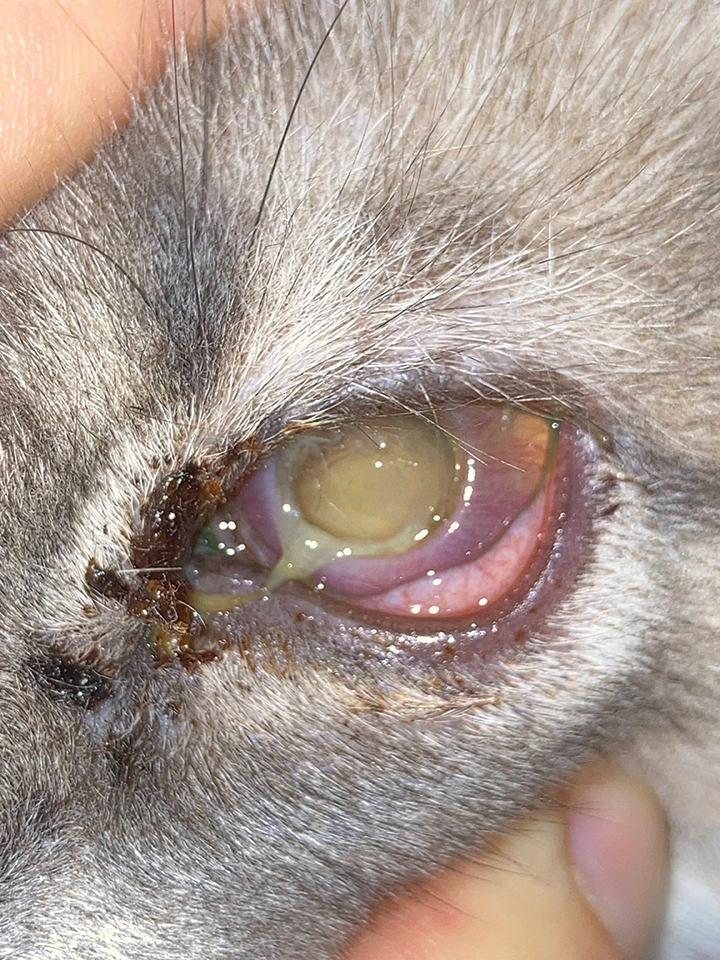
1. Corneal Anatomy: Know This Before Treating an Ulcer
Main corneal layers
| Layer | Main function | Importance in ulcers |
|---|---|---|
| Tear film | Lubricates, nourishes, protects the eye | Deficient tears predispose to ulceration |
| Epithelium | Outer protective cell barrier | A superficial ulcer involves this layer |
| Basement membrane | Anchors epithelium to stroma | Defective adhesion is central in indolent ulcers |
| Stroma | Thick collagen layer that gives strength and clarity | Stromal loss means a more serious ulcer |
| Descemet’s membrane | Strong membrane before the endothelium | When exposed, it is a descemetocele |
| Endothelium | Inner cell layer that pumps fluid out of cornea | Does not regenerate well; injury can cause edema |
Why corneal ulcers are painful
- Blepharospasm (forceful eyelid closure)
- Photophobia (avoidance of light)
- Epiphora (excess tearing)
- Reflex anterior uveitis (inflammation inside the front of the eye)
- Miosis (small pupil) due to ciliary-body spasm
2. Definitions and Classification
A. Superficial corneal ulcer
- Usually stains brightly with fluorescein.
- Often heals in 3 to 7 days if uncomplicated.
- Common causes: trauma, foreign body, dry eye, eyelid hair rubbing the cornea.
B. Stromal ulcer
- More serious because it weakens the cornea.
- May appear as a crater with edema, white cellular infiltration, or a cloudy blue margin.
- Requires careful monitoring and often more aggressive treatment.
C. Deep stromal ulcer
- High risk of rupture.
- Must be considered a veterinary ophthalmic emergency.
- Surgical support is often needed.
D. Descemetocele
- Deep crater
- Clear, shiny, smooth central “bubble”
- Fluorescein stains the ulcer edges but does not stain the exposed Descemet’s membrane itself
E. Corneal perforation
- Sudden collapse or flattening of the anterior chamber
- Iris prolapse through the cornea
- Aqueous humor leakage
- Positive Seidel test: fluorescein dye becomes diluted by aqueous humor leaking from the wound
- Severe uveitis, hyphema (blood in the eye), or endophthalmitis
F. Melting ulcer / keratomalacia
- Bacteria, especially Pseudomonas and beta-hemolytic Streptococcus
- Neutrophils and other inflammatory cells
- Damaged corneal cells
- Yellow-gray or cream infiltrate
- Soft, gelatinous, “soupy,” or liquefied stroma
- Rapid ulcer deepening over hours to days
- Severe pain, discharge, edema, uveitis
G. Indolent ulcer / SCCED
- Usually occurs in middle-aged or older dogs
- Common in Boxers, but can occur in any breed
- Superficial defect that does not heal normally
- Loose, nonadherent epithelial edge
- Minimal stromal inflammation
- Fluorescein often spreads beneath the loose epithelial margin
H. Infected ulcerative keratitis
- Dense white, yellow, or cream infiltrate
- Progressive stromal loss
- Mucopurulent discharge
- Marked conjunctival hyperemia
- Severe edema
- Hypopyon (white blood cells in the anterior chamber)
- Melting or rapid enlargement
3. Causes of Corneal Ulceration
A. Trauma
- Cat scratch or dog fight
- Plant material or grass awn
- Branch injury
- Grooming accident
- Rubbing against furniture
- Self-trauma from pawing at the eye
B. Foreign body
- Under the upper eyelid
- In the conjunctival sac
- In the cornea
- Behind the third eyelid
C. Eyelid or eyelash abnormalities
| Disorder | Meaning | Typical effect |
|---|---|---|
| Entropion | Inward rolling eyelid | Hair rubs against cornea |
| Distichiasis | Extra eyelashes from meibomian gland openings | Repeated corneal irritation |
| Ectopic cilia | Hair grows through conjunctiva toward cornea | Often causes painful focal ulcer |
| Trichiasis | Normal hairs directed toward cornea | Chronic irritation |
| Lagophthalmos | Incomplete eyelid closure | Exposure ulceration |
| Macroblepharon | Excessively large eyelid opening | Common in brachycephalic dogs |
D. Brachycephalic ocular syndrome
- Prominent eyes
- Large palpebral fissure (eyelid opening)
- Incomplete blinking
- Medial canthal entropion
- Nasal-fold trichiasis
- Reduced corneal sensation
- Tear-film abnormalities
E. Keratoconjunctivitis sicca (KCS)
- Thick mucoid discharge
- Dull corneal surface
- Conjunctival redness
- Corneal pigmentation and vascularization
- Recurrent or nonhealing ulcers
F. Infectious disease
Dogs
- Staphylococcus spp.
- Streptococcus spp.
- Pseudomonas aeruginosa
- Proteus spp.
- Enterobacteriaceae
Cats
- Dendritic ulcers: branching pattern
- Geographic ulcers: larger irregular lesions
- Concurrent conjunctivitis, sneezing, or nasal discharge may occur
- Can recur after stress or immunosuppression
G. Chemical injury
- Immediate, copious flushing is the priority.
- Alkali injuries are often more severe because alkalis penetrate tissues deeply.
- Do not delay irrigation while searching for medications.
H. Neurotrophic or exposure-related ulceration
- Facial nerve paralysis
- Trigeminal nerve dysfunction
- Brachycephalic anatomy
- Previous surgery or trauma
- Severe chronic ocular-surface disease
I. Systemic or metabolic disease
- Diabetes mellitus
- Hypothyroidism in dogs
- Hyperadrenocorticism
- Immunosuppressive treatment
- Malnutrition
- Severe systemic illness
4. Risk Factors
- Brachycephalic breed
- Dry eye
- Older Boxer or other dog with SCCED
- Previous ulcer history
- Indoor-outdoor exposure and plant trauma
- Cat fights
- Inadequate blink or facial nerve dysfunction
- Chronic topical corticosteroid use
- Immunosuppressive drugs
- Poor tear-film production
- Environmental irritants
- Poorly fitted Elizabethan collar or bandage contact lens
- Previous corneal surgery
5. Clinical Signs
- Blepharospasm
- Photophobia
- Epiphora
- Ocular discharge
- Conjunctival hyperemia
- Third-eyelid elevation
- Rubbing face or pawing at the eye
- Corneal haze, edema, or white infiltrate
- Visible corneal indentation or crater
- Miosis from reflex uveitis
- Reduced vision or blindness in severe lesions
Signs that suggest a complicated ulcer
- Cream, yellow, or white stromal infiltrate
- Gelatinous corneal surface
- Progressive ulcer size or depth
- Marked corneal edema
- Hypopyon or hyphema
- Deep stromal loss
- Iris visible near ulcer base
- No improvement within 48 to 72 hours
- Ulcer not healed after 7 to 10 days
6. Essential Ophthalmic Examination Sequence
Recommended order
- Observe from a distance before touching the eye.
- Check vision and menace response, if practical.
- Examine eyelids, eyelashes, third eyelid, facial symmetry.
- Perform Schirmer tear test.
- Collect samples for cytology/culture if indicated.
- Apply topical anesthetic only after samples if possible.
- Examine under magnification and focal light.
- Measure intraocular pressure with tonometry.
- Apply fluorescein stain.
- Dilate pupil only if appropriate and only after assessing for glaucoma, lens luxation, and ulcer severity.
A. Schirmer Tear Test (STT)
- Approximately 15 mm/min or more: generally adequate
- 10 to 14 mm/min: borderline, interpret with clinical signs
- Less than 10 mm/min: suspicious for KCS
- Less than 5 mm/min: strongly supportive of KCS
B. Fluorescein stain
- Bright green uptake: epithelial defect or ulcer
- Deep crater with unstained central point: possible descemetocele
- Green dye diluted by fluid streaming: positive Seidel test, indicating leakage from perforation
C. Tonometry
- Low IOP can support anterior uveitis.
- High IOP suggests glaucoma.
- Do not assume every painful red eye is an ulcer.
D. Corneal cytology and bacterial culture
- Deep stromal ulcer
- Melting ulcer
- Large infiltrate
- Severe mucopurulent discharge
- Failure of empirical therapy
- Recurrent infection
- Prior antimicrobial exposure
- Suspected fungal infection
- Neutrophils
- Degenerate neutrophils
- Bacteria
- Fungal hyphae or yeast
- Eosinophils in feline eosinophilic keratitis
- Atypical cells, if neoplasia is possible
7. Differential Diagnosis
Corneal ulcer versus conjunctivitis
| Finding | Corneal ulcer | Conjunctivitis |
|---|---|---|
| Fluorescein stain | Positive | Negative |
| Pain | Often marked | Usually mild |
| Blepharospasm | Common | Less marked |
| Corneal defect | Present | Absent |
| Main tissue affected | Cornea | Conjunctiva |
Corneal ulcer versus anterior uveitis
| Finding | Corneal ulcer | Anterior uveitis |
|---|---|---|
| Fluorescein stain | Usually positive | Negative unless ulcer also exists |
| Corneal defect | Present | Usually absent |
| IOP | May be low due to reflex uveitis | Often low |
| Aqueous flare | May occur if severe | Common |
| Hypopyon | Possible in severe ulcer | Possible |
Corneal ulcer versus glaucoma
| Finding | Ulcer | Glaucoma |
|---|---|---|
| IOP | Normal or low | Elevated |
| Fluorescein stain | Positive | Usually negative |
| Pupil | Often miotic | Often dilated or poorly responsive |
| Cornea | Local defect or infiltrate | Diffuse edema is common |
| Pain | Severe | Severe |
Corneal ulcer versus corneal sequestrum in cats
- May be associated with chronic irritation, FHV-1, brachycephalic conformation, or tear-film abnormalities.
- It can occur with or without ulceration.
- A dark plaque is not simply “pigmentation.”
- Surgical keratectomy is often required if deep, painful, progressive, or nonhealing.
Corneal ulcer versus eosinophilic keratitis in cats
- Pink-white raised corneal plaques
- Vascularization
- Eosinophils on cytology
- May be associated with FHV-1
8. Medical Treatment Principles
Core treatment goals
- Treat or prevent infection.
- Relieve pain.
- Stop stromal collagen destruction.
- Correct the underlying cause.
- Prevent self-trauma.
- Reassess frequently.
- Use surgery before rupture occurs, not after.
A. Elizabethan collar
B. Topical antibiotics
Simple, superficial, noninfected ulcers
| Drug | Typical frequency for uncomplicated ulcer | Comments |
|---|---|---|
| Chloramphenicol 0.5% to 1% | q6-8h | Broad coverage; avoid repeated unnecessary use |
| Triple antibiotic product | q6-8h | Formula varies by country |
| Tobramycin 0.3% | q6-8h | Useful topical aminoglycoside |
| Erythromycin ointment | q6-8h | Often used for prophylaxis, especially superficial ulcers |
Infected or melting ulcers
- Fortified cefazolin plus tobramycin
- A fluoroquinolone where indicated
- Culture-directed antimicrobial treatment
C. Anticollagenase treatment for melting ulcers
| Treatment | Typical use |
|---|---|
| Autologous serum | q1-2h initially |
| Plasma | q1-2h initially |
| EDTA, often 0.3% or higher compounded preparation | q1-2h initially |
| N-acetylcysteine, commonly 5% to 10% compounded preparation | q1-2h initially |
D. Atropine for pain from uveitis
- Atropine 1% ophthalmic solution or ointment
- Often one drop once daily, then reduce or stop once adequate pupil dilation and pain control occur
- In dogs, it may last several days
- In cats, use carefully because bitter taste reaching the mouth can cause salivation, vomiting, or reduced appetite
E. Systemic analgesia
- NSAID, if not contraindicated
- Gabapentin
- Opioid analgesia for severe pain
- Sedation or hospital analgesia for deep, infected, or surgical cases
F. Lubricants and tear support
- Preservative-free artificial tears
- Sodium hyaluronate gel
- Lubricating ophthalmic ointment
- Cyclosporine ophthalmic formulation
- Tacrolimus ophthalmic formulation
G. Feline herpesvirus treatment
- Consider systemic famciclovir
- A commonly used clinical range is 40 to 90 mg/kg orally every 8 to 12 hours, with protocol selection based on severity, formulation, renal status, and current feline-ophthalmology guidance.
- Topical cidofovir 0.5% twice daily is used in some settings.
9. Drugs to Avoid
Never use topical corticosteroids on an ulcerated cornea
- Dexamethasone
- Prednisolone acetate
- Hydrocortisone
- Delays epithelial healing
- Suppresses local immune responses
- Increases risk of bacterial or fungal infection
- Increases collagenase activity
- Can convert a mild ulcer into a melting ulcer or perforation
Avoid topical anesthetics as home treatment
- Proparacaine
- Tetracaine
Do not treat crystalluria-like appearances blindly
10. Indolent Ulcers / SCCED: Management
Diagnosis
- Adult or older dog
- Superficial ulcer lasting more than 7 to 14 days
- Loose epithelial margins
- No marked infiltrate or melting
- Fluorescein dye tracking under loose epithelium
Treatment
-
Identify and correct cause:
- KCS
- entropion
- ectopic cilia
- foreign body
- exposure disease
-
Gentle epithelial debridement:
- Topical anesthetic applied by veterinarian
- Loose epithelium removed with sterile cotton-tipped applicator
-
Mechanical stimulation of epithelial attachment:
- Diamond burr debridement
- Grid keratotomy
- Punctate keratotomy
-
Topical antibiotic and pain control.
-
Recheck within several days.
11. Melting Ulcers: Emergency Protocol
Immediate priorities
- Confirm ulcer depth and look for leakage.
- Obtain cytology and culture if possible.
- Begin frequent topical broad-spectrum antimicrobial therapy.
- Start anticollagenase treatment.
- Provide systemic analgesia.
- Treat uveitis with atropine if no contraindication.
- Use an Elizabethan collar.
- Recheck every 12 to 24 hours initially.
- Plan surgery promptly if deep, progressive, or structurally unstable.
Surgical indications
- Descemocele
- Corneal perforation
- Deep ulcer with progressive stromal loss
- Uncontrolled melting despite aggressive medical therapy
- Ulcer with more than approximately 50% stromal loss
- Iris prolapse
- Large lesion with poor mechanical stability
- Failure to heal despite correct medical management
Surgical options
| Procedure | Main use |
|---|---|
| Conjunctival pedicle graft | Deep ulcer, perforation, vascular support |
| Corneoconjunctival transposition | Deep central/paracentral defects |
| Lamellar keratectomy plus graft | Necrotic/infected stromal tissue |
| Amniotic membrane graft | Surface support and healing aid |
| Biosynthetic graft | Structural support |
| Corneal transplant / keratoplasty | Severe deep defect or perforation |
| Temporary third-eyelid flap | Protection only, not adequate sole therapy for severe active melting |
| Temporary tarsorrhaphy | Reduces exposure and protects surface |
12. Dog Versus Cat Differences
| Feature | Dogs | Cats |
|---|---|---|
| Common causes | Trauma, SCCED, KCS, brachycephalic exposure, eyelid disease | FHV-1, trauma, corneal sequestrum, brachycephalic exposure |
| SCCED | Common | Less common |
| KCS | Common | Less common, though tear-film abnormalities occur |
| Herpesvirus | Not a main routine cause | Very important cause |
| Corneal sequestrum | Rare | Important differential |
| Fungal keratitis | Uncommon but possible | Uncommon but possible |
| Steroid concern | Avoid with any ulcer | Avoid with any ulcer, especially active herpesvirus ulcer |
13. Prognosis
| Ulcer type | Prognosis for comfort and vision |
|---|---|
| Superficial uncomplicated ulcer | Excellent |
| SCCED after correct procedure | Good to excellent |
| KCS-associated ulcer | Good if tear disease is controlled |
| FHV-1 ulcer | Fair to good, but recurrence possible |
| Infected stromal ulcer | Guarded until stable |
| Melting ulcer | Guarded, vision-threatening |
| Descemetocele | Guarded, requires urgent treatment |
| Perforation | Guarded to poor depending on speed of repair, infection, and intraocular damage |
14. Home-Care Instructions for Clients
- Apply every prescribed medicine exactly as directed.
- Wait approximately 5 minutes between different eye drops.
- Apply drops before ointments.
- Keep the Elizabethan collar on all the time.
- Do not let the pet rub the eye.
- Never use human “redness relief” drops.
- Never use old eye drops from a previous problem.
- Never use steroid eye drops unless specifically prescribed after a veterinary eye examination.
- Return urgently if the eye looks cloudier, more painful, more swollen, more yellow/white, or if vision seems reduced.
15. Quick Clinical Decision Algorithm
Cat or dog with painful red eye
- No: assess glaucoma, uveitis, conjunctivitis, foreign body, dry eye, lens disease.
- Yes: continue.
- Yes: topical prophylactic antibiotic, pain control, E-collar, recheck in 3 to 5 days.
- Yes: cytology/culture, frequent topical therapy, anticollagenase, analgesia, consider hospitalization/referral/surgery.
- Re-examine for SCCED, KCS, entropion, ectopic cilia, FHV-1, foreign body, infection, or systemic disease.
- Investigate and treat for FHV-1; avoid corticosteroids while epithelium is ulcerated.
16. Important Exam and Interview Questions
1. What stain confirms a corneal ulcer?
2. What is a descemetocele?
3. What is a melting ulcer?
4. Which drugs are contraindicated in corneal ulcers?
5. What does a creamy infiltrate around an ulcer suggest?
6. What causes SCCED?
7. Why is atropine used in a painful corneal ulcer?
8. Why must the Schirmer tear test be done before topical anesthetic or other drops?
9. What is the main viral cause of feline corneal ulceration?
10. What is the immediate priority in a suspected chemical eye injury?
17. Common Client Questions
“Can a corneal ulcer make my pet blind?”
“Is this ulcer contagious?”
“Why is my pet keeping the eye closed?”
“Can I use my own antibiotic eye drops?”
“Why does my dog need an Elizabethan collar?”
“Why has my cat’s ulcer returned?”
Key Memory Points
- Fluorescein-positive defect = corneal ulcer.
- Never use topical steroids on an ulcerated cornea.
- Melting ulcer = emergency.
- Descemetocele or perforation = urgent surgery/referral.
- SCCED = loose epithelium and poor epithelial adhesion, not simply infection.
- FHV-1 is a major cause of feline corneal ulcers.
- KCS, eyelid disease, and brachycephalic anatomy must be identified and corrected.
- Pain control, E-collar, and scheduled rechecks are part of treatment, not optional extras.
Same isi traha ab Keratoconjunctivitis Sicca (KCS) ka bara ma full details A to z batao . Har cheez cler ho . Han suggestions na pusho just explain please
canine keratoconjunctivitis sicca diagnosis treatment cyclosporine tacrolimus
veterinary keratoconjunctivitis sicca dog cat diagnosis Schirmer tear test cyclosporine tacrolimus treatment review
canine keratoconjunctivitis sicca dry eye clinical photo mucoid discharge corneal pigmentation
PMID: 40557470
canine keratoconjunctivitis sicca neurogenic pilocarpine diagnosis
https://www.vet.cornell.edu/departments-centers-and-institut…
Keratoconjunctivitis Sicca (KCS) in Veterinary Practice
Complete Guide to “Dry Eye” in Dogs and Cats
- Kerato- = cornea
- Conjunctivitis = inflammation of conjunctiva
- Sicca = dry
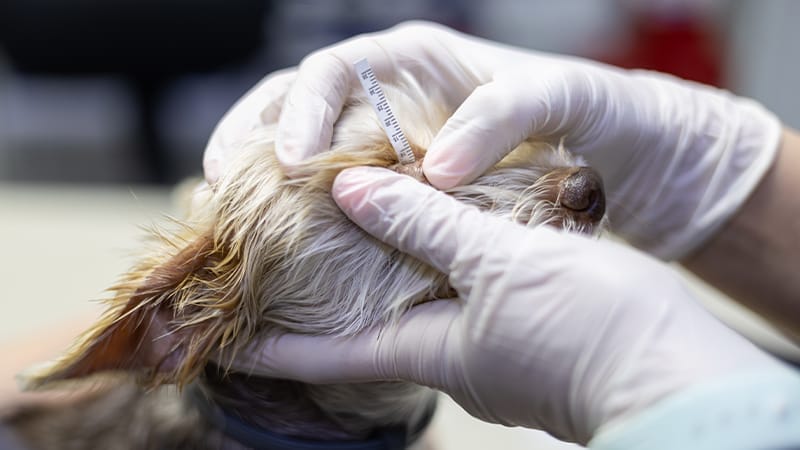
1. Normal Tear Film and Why It Matters
Functions of tears
- Lubricate the cornea and eyelids
- Remove dust, debris, bacteria, and inflammatory substances
- Supply oxygen, nutrients, antibodies, growth factors, and antimicrobial proteins
- Maintain a smooth optical surface for clear vision
- Prevent epithelial cells from drying and dying
- Support corneal wound healing
Tear-film components
| Component | Main source | Function |
|---|---|---|
| Lipid layer | Meibomian glands in eyelids | Reduces tear evaporation |
| Aqueous layer | Main lacrimal gland and gland of the third eyelid | Provides water, proteins, antibodies, nutrients |
| Mucin layer | Conjunctival goblet cells and corneal epithelium | Allows tears to spread and adhere to cornea |
- Quantitative KCS: too little aqueous tear production.
- Qualitative KCS: poor tear quality, despite a possibly normal Schirmer tear test result. For example, lipid or mucin deficiency can cause rapid tear evaporation or poor tear adherence.
2. Tear-Producing Structures
- 60% of aqueous tears are produced by the main lacrimal gland
- 40% are produced by the gland of the third eyelid or nictitans gland
Clinical principle: A “cherry eye” gland should usually be repositioned, not removed, unless there is a rare compelling reason.
3. Causes of KCS
A. Immune-mediated KCS: the most common canine cause
Typical patient
- Middle-aged dog
- Bilateral disease
- Chronic thick mucus or mucopurulent discharge
- Red eyes and progressive corneal pigmentation
- Low Schirmer tear test values
B. Breed predisposition
- American Cocker Spaniel
- English Cocker Spaniel
- English Bulldog
- Cavalier King Charles Spaniel
- Shih Tzu
- Lhasa Apso
- West Highland White Terrier
- Pug
- Pekingese
- Miniature Schnauzer
- Yorkshire Terrier
- Bloodhound
- Boston Terrier
C. Drug-induced KCS
- Sulfonamides, particularly trimethoprim-sulfonamide products
- Etodolac
- Some drugs with anticholinergic effects
- Rarely, other drugs that affect autonomic innervation or lacrimal gland function
D. Neurogenic KCS
- Usually unilateral
- Very low or absent tears in one eye
- Dry nostril on the same side, called ipsilateral nasal dryness
- May occur after otitis media/interna, trauma, neurologic disease, or facial/trigeminal/autonomic nerve dysfunction
E. Congenital KCS
F. Infectious KCS
- Canine distemper virus
- Chronic viral conjunctivitis
- Feline herpesvirus-1 in cats
G. Iatrogenic KCS
- Removal of third-eyelid gland
- Radiation therapy affecting lacrimal glands
- Severe ocular surgery
- Damage to nerves during surgery or trauma
H. Systemic and endocrine disease
- Diabetes mellitus
- Hypothyroidism
- Hyperadrenocorticism
- Immune-mediated diseases
- Severe chronic systemic disease
4. Pathophysiology: How KCS Damages the Eye
- Immune cells infiltrate the lacrimal gland.
- Chronic inflammation damages tear-producing acini.
- Aqueous tear production falls.
- The cornea and conjunctiva become dry and inflamed.
- Mucus, bacteria, cellular debris, and inflammatory material accumulate.
- The epithelial barrier becomes damaged.
- Corneal ulcers, bacterial keratitis, neovascularization, fibrosis, and pigmentation develop.
- Chronic damage can impair vision permanently.
Corneal changes in chronic KCS
| Change | Meaning |
|---|---|
| Conjunctival hyperemia | Redness from dilated conjunctival blood vessels |
| Chemosis | Swelling of conjunctiva |
| Mucopurulent discharge | Thick mucus plus inflammatory cells/bacteria |
| Corneal edema | Blue-gray cloudiness from fluid in cornea |
| Neovascularization | New blood vessels growing into normally clear cornea |
| Pigmentary keratitis | Brown-black pigment developing in cornea |
| Fibrosis/scarring | White or gray scar tissue |
| Ulcerative keratitis | Corneal surface defect or ulcer |
5. Clinical Signs
- Thick yellow, cream, green, or gray eye discharge
- Sticky mucus strands
- Red conjunctiva
- Dull, dry-looking corneal surface
- Squinting or blepharospasm (forceful eyelid closure)
- Photophobia (light avoidance)
- Pawing or rubbing the face
- Third-eyelid elevation
- Corneal opacity
- Corneal blood vessels
- Brown-black corneal pigmentation
- Recurrent corneal ulcers
- Reduced vision in chronic severe disease
6. Diagnosis
A. Schirmer Tear Test I: the key diagnostic test
Correct technique
- Do the STT before topical anesthetic, fluorescein, irrigation, or most other eye drops.
- Open the test strip without touching its calibrated portion.
- Fold at the notch.
- Place it in the lower conjunctival fornix, usually at the lateral lower eyelid.
- Leave for 60 seconds.
- Record millimeters wetted per minute.
Interpretation in dogs
| STT-I result | Interpretation |
|---|---|
| ≥15 mm/min | Generally normal |
| 10-14 mm/min | Borderline or suspicious, interpret with signs and repeat if needed |
| <10 mm/min | Consistent with decreased tear production/KCS in an appropriate clinical setting |
| <5 mm/min | Severe tear deficiency, strongly supportive of KCS |
| 0 mm/min | Profound tear deficiency; consider severe immune-mediated, neurogenic, congenital, or end-stage gland disease |
B. Fluorescein stain
- Bright green uptake indicates exposed corneal stroma or epithelial loss.
- KCS-associated ulcers require treatment in addition to tear stimulation.
- Never use topical corticosteroids if a corneal ulcer is present.
C. Tonometry
- KCS can cause painful red eyes, but so can glaucoma and uveitis.
- A low IOP supports uveitis.
- A high IOP supports glaucoma.
D. Tear-film breakup time
E. Rose Bengal or lissamine green staining
F. Cytology and culture
- Corneal ulceration
- Dense white/yellow infiltrate
- Mucopurulent discharge
- Melting ulcer
- Failure of empirical therapy
- Recurrent bacterial keratitis
7. Important Differentials
| Condition | How to differentiate |
|---|---|
| Conjunctivitis | May cause redness/discharge but usually has normal STT and no chronic corneal changes |
| Corneal ulcer | Fluorescein-positive lesion; can be secondary to KCS |
| Glaucoma | High IOP; often corneal edema and a dilated pupil |
| Anterior uveitis | Low IOP, aqueous flare, miosis, intraocular inflammation |
| Allergic conjunctivitis | Itching, chemosis, seasonal pattern; STT often normal |
| Entropion/trichiasis | Eyelid or hairs rub on cornea; examine lid position carefully |
| Brachycephalic ocular syndrome | Exposure, lagophthalmos, medial entropion, nasal-fold hairs; tear deficiency may be secondary |
| FHV-1 ocular disease in cats | Dendritic/geographic ulcers, recurrent conjunctivitis, upper respiratory signs; PCR may help but must be interpreted clinically |
| Corneal sequestrum in cats | Brown-black to black corneal plaque, often painful; may coexist with dry-eye disease |
| Neurogenic KCS | Usually unilateral plus ipsilateral dry nostril and neurologic history |
| Drug-induced KCS | Medication history, especially sulfonamides or etodolac |
8. Is There a Pathognomonic Sign?
Low Schirmer tear test value + thick mucoid/mucopurulent discharge + chronic corneal surface disease.
Unilateral severe tear deficiency with a dry nostril on the same side.
9. Treatment Principles
- Increase natural tear production where possible.
- Reduce immune-mediated inflammation.
- Replace missing tears and protect the cornea.
- Treat ulcers, secondary infection, and eyelid disease.
10. Topical Immunomodulators and Lacrimostimulants
A. Cyclosporine
- Cyclosporine ophthalmic ointment 0.2%: commonly applied every 12 hours
- Compounded cyclosporine preparations, often 1% or 2%, may be used by ophthalmologists or when commercial products are unsuitable
Expected response
- Improvement in ocular comfort/discharge: often within weeks
- Increase in tear production: may take 4 to 8 weeks or longer
- Some severely chronic cases do not regain normal STT values but still improve clinically
B. Tacrolimus
- Tacrolimus 0.02% to 0.03%, often applied every 12 hours
- Some clinicians use higher concentrations in refractory cases, but formulation and frequency should be selected by a veterinarian or veterinary ophthalmologist
- Cyclosporine response is inadequate
- KCS is severe
- Pigmentary keratitis is prominent
- The patient does not tolerate cyclosporine
C. Pilocarpine for neurogenic KCS
- Vomiting
- Diarrhea
- Salivation
- Reduced appetite
- Bradycardia
- Miosis
- Bronchoconstriction
11. Artificial Tears and Lubricants
- At the beginning of treatment
- In severe cases
- In nonresponsive cases
- In neurogenic disease
- In cats with qualitative tear deficiency
- When corneal ulceration is present
Options
| Product type | Use |
|---|---|
| Preservative-free tear drops | Mild disease; frequent daytime use |
| Sodium hyaluronate drops or gel | Better retention and lubrication |
| Carbomer gel | Longer contact time |
| Lubricating ointment | Severe disease, exposure disease, night-time protection |
| Autologous serum | Selected severe ocular-surface disease or nonhealing ulcers |
Practical point
- Drops may need use every 2 to 6 hours in severe dry eye.
- Gels/ointments usually last longer.
- Apply drops first, wait 5 minutes, then apply ointment last.
12. Treatment of Secondary Infection and Corneal Ulcers
When no ulcer is present
- Chloramphenicol
- Tobramycin
- Triple-antibiotic ophthalmic preparations
When an ulcer is present
- Fluorescein stain at every relevant recheck
- Topical antibiotic
- Pain control
- Lubrication
- E-collar in dogs
- Culture/cytology for deep, infected, or melting lesions
- Do not use topical corticosteroids
13. What Must Be Avoided
A. Topical corticosteroids if ulcer is present
- Delay epithelial healing
- Promote infection
- Increase collagen breakdown
- Convert an ulcer into a melting ulcer
- Increase risk of perforation
B. Repeated home use of topical anesthetics
C. Stopping immunomodulators when the eye looks better
14. Surgical Treatment
A. Parotid duct transposition (PDT)
Advantages
- Can provide continuous moisture
- Useful in refractory severe KCS
- Can help preserve comfort and vision
Limitations and complications
- Mineral deposition on cornea
- Wet face/tear overflow
- Duct obstruction
- Sialadenitis
- Corneal irritation
- Continued need for medical treatment in some cases
B. Correct associated eyelid and exposure disease
- Entropion surgery
- Medial canthoplasty
- Nasal-fold resection
- Ectopic cilia removal
- Temporary or permanent tarsorrhaphy in selected exposure cases
15. KCS in Cats
Feline causes
- FHV-1-associated ocular disease
- Chronic conjunctivitis
- Lacrimal-gland damage
- Brachycephalic conformation
- Corneal sequestrum-associated surface disease
- Qualitative tear-film deficiency
- Drug effects or systemic disease in selected cases
Important feline differences
- FHV-1 is a major differential diagnosis.
- Cats may have a normal or near-normal STT but still have tear-film abnormalities.
- Cats often tolerate or respond differently to lacrimostimulants than dogs.
- Tear replacement and treatment of underlying FHV-1 or chronic ocular-surface disease may be more important than in typical canine immune-mediated KCS.
- Be cautious with atropine because bitter taste may cause hypersalivation and anorexia.
16. Monitoring and Recheck Plan
Initial monitoring
- Recheck in approximately 2 to 4 weeks after initiating immunomodulator therapy
- Repeat STT before applying drops
- Perform fluorescein stain if pain, discharge, cloudiness, or ulcer risk is present
- Assess corneal pigmentation, vascularization, ulceration, and infection
Long-term monitoring
- Rechecks every 3 to 6 months are often reasonable
- More frequent checks for severe disease, pigmentary keratitis, ulcers, changing STT values, or medication changes
Signs of treatment response
- Less mucus and discharge
- Reduced redness
- Better corneal luster
- Improved STT value
- Reduced ulcer recurrence
- Slower or reduced pigmentation progression
- Improved comfort
17. Prognosis
| Situation | Prognosis |
|---|---|
| Early immune-mediated KCS with good response | Good for comfort and vision with lifelong therapy |
| Severe chronic KCS with heavy pigmentation | Guarded for vision; comfort may still improve |
| Neurogenic KCS | Variable; depends on nerve recovery and pilocarpine response |
| Drug-induced KCS recognized early | Fair to good if drug is stopped promptly |
| KCS with active corneal ulcer | Guarded until ulcer heals |
| KCS with melting ulcer/perforation | Guarded; emergency treatment and possible surgery required |
| Feline FHV-1-associated surface disease | Variable, recurrence is possible |
18. Important Clinical Errors to Avoid
- Diagnosing KCS without doing an STT.
- Performing STT after topical anesthetic or multiple drops.
- Missing corneal ulceration.
- Using a steroid-containing drop in an ulcerated eye.
- Ignoring eyelid conformation and trichiasis.
- Treating chronic mucus with antibiotic alone while missing tear deficiency.
- Expecting cyclosporine or tacrolimus to work immediately.
- Stopping treatment when the eye appears normal.
- Failing to investigate unilateral severe KCS for neurologic disease.
- Ignoring FHV-1 and corneal sequestrum in cats.
19. Key Exam and Interview Questions
1. What is the most common cause of KCS in dogs?
2. What is the first test in suspected KCS?
3. What STT value strongly supports KCS in a dog?
4. What are the major tear-producing glands in dogs?
5. Why should a prolapsed third-eyelid gland be replaced rather than removed?
6. What treatment is most commonly used for immune-mediated canine KCS?
7. What clue suggests neurogenic KCS?
8. What drug can be used in neurogenic KCS?
9. Why are corticosteroids dangerous in an ulcerated eye?
10. What is a major cause of recurrent corneal ulceration in cats with dry-eye signs?
20. Common Client Questions and Answers
“Will my dog become blind?”
“Can KCS be cured?”
“Why is there thick green discharge if my dog has dry eye?”
“Can I stop the drops after my dog looks normal?”
“Is KCS contagious?”
“Why does my dog need an Elizabethan collar?”
“Can human artificial tears be used?”
21. Easy Memory Summary
Think: DRY EYE
-
D: Discharge, dryness, dull cornea
-
R: Redness, rubbing, recurrent ulcers
-
Y: Yellow-green mucus
-
E: Evaluate with STT before drops
-
Y: Year-round and often lifelong treatment
-
E: Exclude ulcer, infection, eyelid disease, and neurologic causes
Main treatment memory
Stimulate tears + replace tears + protect cornea + treat the cause.
Evidence note
Anterior Uveitis........a to z
veterinary anterior uveitis dogs cats diagnosis treatment
veterinary anterior uveitis dog cat diagnosis differential treatment review
veterinary canine anterior uveitis aqueous flare hypopyon clinical photograph
https://www.merckvetmanual.com/emergency-medicine-and-critic…
canine feline uveitis infectious neoplasia diagnosis treatment
Anterior Uveitis in Dogs and Cats
Complete Veterinary Guide: A to Z
- Iritis = inflammation of the iris
- Cyclitis = inflammation of the ciliary body
- Uvea = the vascular, pigmented middle layer of the eye
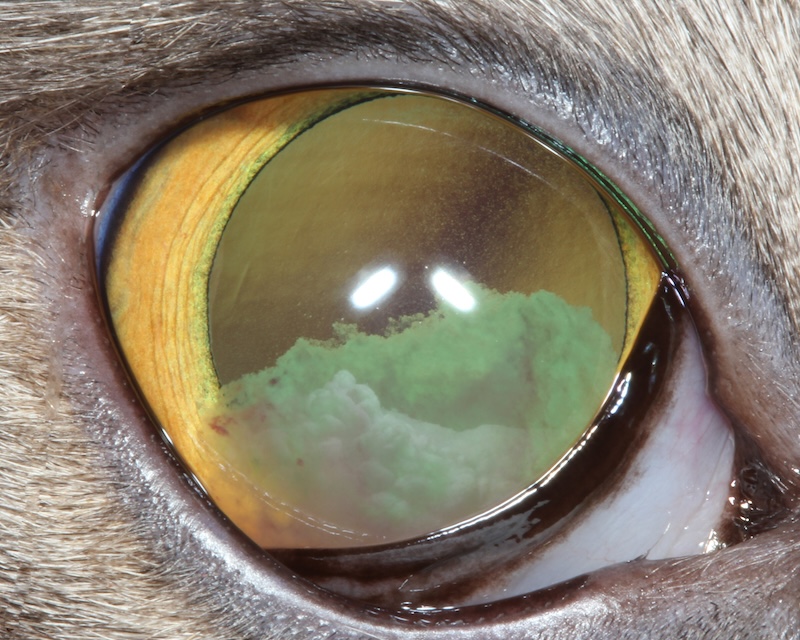
1. Anatomy You Must Know
The uvea
| Structure | Location | Main functions |
|---|---|---|
| Iris | Colored diaphragm in front of lens | Controls pupil size and light entry |
| Ciliary body | Behind iris | Produces aqueous humor and controls lens accommodation |
| Choroid | Vascular layer behind retina | Supplies nutrients to outer retina |
- Iris
- Ciliary body
- Anterior chamber
- Iridocorneal angle (aqueous-humor drainage region)
Aqueous humor
- Aqueous flare
- Fibrin
- Hypopyon
- Hyphema
- Reduced intraocular pressure in many acute cases
2. Definition and Classification
Anterior uveitis
Posterior uveitis
Panuveitis
A patient with anterior uveitis must always be checked for posterior-segment involvement because the actual disease may be panuveitis.
Acute versus chronic uveitis
| Type | Meaning |
|---|---|
| Acute | Sudden onset active inflammation |
| Chronic | Persistent inflammation over weeks/months |
| Recurrent | Episodes improve then return |
| Granulomatous | Inflammation containing macrophages and granuloma-type lesions, often associated with systemic infectious, immune-mediated, or neoplastic disease |
| Non-granulomatous | Often more acute, with protein/cell leakage and fibrin |
3. What Happens in Uveitis? Pathophysiology
Normal blood-aqueous barrier
During anterior uveitis
- Inflammation damages the blood-aqueous barrier.
- Protein leaks into aqueous humor.
- Inflammatory cells migrate into the anterior chamber.
- Prostaglandins cause pain, vasodilation, miosis, and reduced aqueous humor production.
- Ciliary-body inflammation reduces aqueous production.
- Intraocular pressure often falls.
- Fibrin, cells, blood, or debris can obstruct aqueous drainage.
- Chronic inflammation can later cause secondary glaucoma.
Why the pupil becomes small
Why intraocular pressure is often low
A normal or high pressure does not rule out uveitis.
4. Causes of Anterior Uveitis
A. Local ocular causes
1. Corneal ulceration
- Corneal pain stimulates trigeminal pathways.
- Reflex inflammation develops in the iris and ciliary body.
- The patient may have miosis and low IOP.
If uveitis is secondary to a corneal ulcer, do not use topical corticosteroids or topical NSAIDs on the ulcerated eye.
2. Trauma
- Blunt trauma
- Penetrating trauma
- Cat scratch
- Dog fight
- Foreign body
- Chemical injury
3. Lens-induced uveitis
- Cataract with lens capsule leakage
- Hyper-mature cataract
- Lens luxation
- Traumatic lens rupture
- Lens surgery
4. Lens luxation
- Anterior lens luxation can cause acute glaucoma and severe pain.
- Posterior lens luxation may also trigger uveitis.
5. Intraocular neoplasia
- Melanoma or melanocytoma
- Lymphoma
- Adenoma/adenocarcinoma of ciliary body
- Feline post-traumatic ocular sarcoma
- Metastatic tumors
6. Retinal disease or detachment
B. Systemic infectious causes
- Bilateral uveitis
- Recurrent uveitis
- Granulomatous inflammation
- Fever, weight loss, lymphadenopathy, neurological signs, renal/hepatic abnormalities, or abnormal CBC/biochemistry results
Important infectious differentials in dogs
| Disease | Key clues |
|---|---|
| Leptospirosis | Fever, renal/hepatic injury, thrombocytopenia, uveitis |
| Ehrlichiosis | Thrombocytopenia, anemia, bleeding, lymphadenopathy |
| Anaplasmosis | Tick exposure, thrombocytopenia, polyarthritis |
| Borrelia burgdorferi | Tick exposure, lameness, immune signs |
| Brucella canis | Reproductive disease, discospondylitis, zoonotic concern |
| Blastomycosis | Respiratory disease, skin lesions, lymphadenopathy, ocular lesions |
| Histoplasmosis | GI, respiratory, systemic signs, ocular lesions |
| Coccidioidomycosis | Geographic exposure, respiratory/osseous signs |
| Leishmaniasis | Endemic/travel history, skin/renal/ocular signs |
| Toxoplasmosis | Neurologic, respiratory, retinal/choroidal lesions |
| Protothecosis | Retinal disease, CNS/GI signs, systemic illness |
Important infectious differentials in cats
| Disease | Key clues |
|---|---|
| Feline infectious peritonitis (FIP) | Young cat, fever, weight loss, effusion or dry FIP signs, severe uveitis |
| Toxoplasmosis | Chorioretinitis, neurologic/systemic illness |
| FeLV/FIV-associated disease | Immunosuppression, lymphoma, chronic illness |
| Bartonella spp. | Possible association, but interpret test results carefully |
| Cryptococcosis | Nasal disease, CNS signs, chorioretinitis |
| Histoplasmosis/blastomycosis | Geographic fungal exposure |
| Feline herpesvirus-1 | More commonly corneal/conjunctival disease, but can contribute to inflammation |
| Feline leukemia-associated lymphoma | Intraocular or systemic neoplasia |
C. Immune-mediated causes
1. Idiopathic uveitis
2. Uveodermatologic syndrome
- Bilateral uveitis
- Depigmentation of eyelids, lips, nose, and skin
- Poliosis (whitening of hair)
- Vitiligo-like changes
- Retinal detachment in severe cases
3. Immune-mediated systemic disease
- Immune-mediated polyarthritis
- Systemic lupus erythematosus
- Vasculitis
- Immune-mediated thrombocytopenia with hyphema
- Vaccine-associated inflammatory responses, rarely
D. Metabolic and systemic noninfectious causes
1. Diabetes mellitus
2. Systemic hypertension
3. Hyperlipidemia
4. Renal disease and systemic inflammation
5. Clinical Signs
Signs clients may notice
- Squinting
- Red eye
- Tearing
- Cloudy or blue-looking cornea
- Small pupil
- Eye appears painful
- Light avoidance
- Vision loss
- Blood in front of the eye
- White/yellow material in front of the eye
- Change in iris color
- Unequal pupil size
- Lethargy, fever, weight loss, or poor appetite if systemic disease is involved
Examination signs
| Sign | Explanation |
|---|---|
| Blepharospasm | Forceful eyelid closure due to pain |
| Epiphora | Excessive tearing |
| Conjunctival/episcleral hyperemia | Red eye due to vessel dilation |
| Miosis | Small pupil from prostaglandin effect |
| Aqueous flare | Protein/cells in aqueous humor visible as a smoky beam |
| Corneal edema | Blue-gray corneal cloudiness |
| Fibrin | Yellow-white protein strands/clot in anterior chamber |
| Hypopyon | White inflammatory cells settling in anterior chamber |
| Hyphema | Blood in anterior chamber |
| Keratic precipitates | Inflammatory cell deposits on corneal endothelium |
| Low IOP | Reduced aqueous humor production |
| Posterior synechiae | Iris adheres to lens |
| Anterior synechiae | Iris adheres to cornea or drainage angle |
| Dyscoria | Irregular pupil shape |
| Cataract | Lens opacity, often secondary to chronic inflammation |
| Secondary glaucoma | High IOP due to blocked drainage |
6. Important Findings Explained
Aqueous flare
Fibrin
Hypopyon
- Severe uveitis
- Endophthalmitis
- Infectious keratitis
- Systemic infection
- Intraocular neoplasia
Hyphema
- Trauma
- Uveitis
- Hypertension
- Coagulopathy
- Thrombocytopenia
- Neoplasia
- Retinal detachment
- Lens luxation
Synechiae
- Posterior synechiae: iris adheres to lens
- Anterior synechiae: iris adheres to cornea or drainage angle
7. Is There a Pathognomonic Sign?
Miosis + low intraocular pressure + aqueous flare.
8. Diagnostic Workup
Step 1: Complete ocular examination
- Menace response and vision assessment
- Pupillary light reflexes
- Eyelid and third-eyelid examination
- Schirmer tear test
- Fluorescein staining
- Tonometry
- Slit-lamp biomicroscopy
- Fundic examination after dilation when safe
- Ocular ultrasound if the posterior segment cannot be seen
Step 2: Fluorescein stain
- Corneal ulceration can cause reflex uveitis.
- Corneal ulceration changes treatment.
- Topical corticosteroids are contraindicated if the cornea is ulcerated.
Step 3: Tonometry
| IOP result | Main interpretation |
|---|---|
| Low | Supports active uveitis |
| Normal | Does not exclude uveitis |
| High | Consider secondary glaucoma, lens luxation, angle obstruction, or mixed disease |
Step 4: Examine posterior segment
- Chorioretinitis
- Retinal hemorrhage
- Retinal detachment
- Optic neuritis
- Vitritis
- Mass lesions
Step 5: Physical examination
- Temperature
- Lymph nodes
- Mucous membranes
- Skin lesions
- Nasal discharge
- Joint pain/swelling
- Neurological signs
- Reproductive history
- Travel and tick exposure
- Weight loss
- Organomegaly
Step 6: Minimum laboratory database
- CBC
- Serum biochemistry panel
- Urinalysis
- Blood pressure measurement
- FeLV/FIV testing in cats, as indicated
- Infectious-disease testing selected according to geography and risk factors
Step 7: More targeted testing
- Toxoplasma IgM/IgG testing
- FIP-related testing and systemic evaluation
- Tick-borne disease panel
- Leptospira PCR/serology
- Fungal antigen testing
- Thoracic radiographs
- Abdominal ultrasound
- Lymph-node aspirates
- Aqueocentesis and aqueous-humor PCR/cytology in selected referral cases
- Ocular ultrasound
- CT/MRI if orbital, neurologic, or mass lesion suspected
Do not order every infectious-disease test in every animal. Select tests according to signalment, location, travel, clinical signs, laboratory abnormalities, and ocular findings.
9. Differential Diagnosis of a Red Painful Eye
| Condition | Key differences from anterior uveitis |
|---|---|
| Corneal ulcer | Fluorescein-positive; may cause reflex uveitis |
| Glaucoma | Usually high IOP, often mydriasis rather than miosis |
| Conjunctivitis | Usually no aqueous flare or low IOP |
| Episcleritis/scleritis | Deep redness; may coexist with uveitis |
| Lens luxation | Displaced lens, irregular anterior chamber depth, possible high IOP |
| Endophthalmitis | Severe intraocular infection, marked pain, hypopyon, vision threat |
| Orbital disease | Exophthalmos, pain opening mouth, third-eye elevation |
| Corneal edema due to endothelial disease | Often diffuse edema without miosis/aqueous flare |
| Intraocular tumor | Chronic unilateral uveitis, mass, hyphema, glaucoma, iris changes |
10. Treatment Principles
- Control ocular inflammation and pain.
- Identify and treat the underlying cause.
A. Mydriatic and cycloplegic therapy
Atropine
- Dilate the pupil
- Reduce painful ciliary muscle spasm
- Reduce risk of posterior synechiae
- Improve comfort
- Do not use if glaucoma or anterior lens luxation is suspected.
- Monitor IOP.
- In cats, bitter taste can cause salivation, vomiting, or anorexia.
- Do not use excessive frequency once mydriasis is achieved.
B. Topical corticosteroids
- Prednisolone acetate 1%
- Dexamethasone 0.1%
Absolute rule
- Corneal ulceration
- Suspected infectious keratitis
- Fungal corneal infection
- Uncontrolled systemic infection without appropriate concurrent anti-infective treatment
- Certain active viral ocular diseases, particularly when herpesvirus epithelial ulceration is present
C. Topical NSAIDs
- Diclofenac 0.1%
- Flurbiprofen 0.03%
- Ketorolac 0.5%
- In mild anterior uveitis
- When corticosteroids are contraindicated
- In an ulcerated eye where anti-inflammatory support is required, though treatment must be selected carefully
- In cases with concern for herpesvirus reactivation in cats
D. Systemic corticosteroids
- Prednisone/prednisolone: 0.5 to 1 mg/kg orally every 24 hours
E. Systemic NSAIDs
- Renal function
- Hydration
- Liver disease
- GI ulcer risk
- Concurrent NSAID/steroid exposure
F. Cause-specific therapy
| Cause | Core treatment |
|---|---|
| Corneal ulcer | Treat ulcer; no topical steroid |
| Lens-induced uveitis | Anti-inflammatory control, assess cataract/lens surgery |
| Lens luxation | Emergency pressure/lens management, surgery when needed |
| Bacterial systemic infection | Appropriate systemic antibiotics |
| Fungal disease | Systemic antifungal therapy plus ocular therapy |
| Toxoplasmosis | Anti-protozoal therapy under veterinary supervision |
| FIP | Current FIP antiviral protocols where legal/available plus supportive eye therapy |
| Neoplasia | Oncology evaluation, chemotherapy, surgery, or enucleation depending on tumor |
| Uveodermatologic syndrome | Long-term immunosuppression after infection ruled out |
| Hypertension | Treat underlying cause and control blood pressure |
| Idiopathic noninfectious uveitis | Topical anti-inflammatory therapy, mydriatic, monitoring |
11. Special Situation: Uveitis With Corneal Ulcer
- Topical antibiotic as indicated
- Systemic analgesia/NSAID when appropriate
- Atropine if no glaucoma/lens luxation
- E-collar in dogs
- Frequent reassessment
- Topical corticosteroids
- Topical NSAIDs in many ulcer cases, particularly if healing is poor or ulcer is infected/melting
- Repeated topical anesthetic use at home
12. Complications
| Complication | How it develops |
|---|---|
| Posterior synechiae | Iris sticks to lens |
| Anterior synechiae | Iris sticks to cornea/drainage angle |
| Iris bombe | Posterior synechiae cause iris bulging forward |
| Secondary glaucoma | Drainage angle becomes blocked |
| Cataract | Chronic inflammation damages lens |
| Lens luxation | Damage to zonules/ocular structures |
| Retinal detachment | Severe posterior/panuveitis or hypertension |
| Phthisis bulbi | Chronic inflammation causes a small shrunken blind eye |
| Blindness | Due to corneal, lens, retinal, optic nerve, or glaucoma complications |
13. Prognosis
| Situation | Prognosis |
|---|---|
| Mild reflex uveitis from superficial corneal ulcer | Usually good if ulcer heals |
| Blunt trauma without structural damage | Variable to good |
| Lens-induced uveitis | Guarded unless lens disease is controlled |
| Idiopathic mild unilateral uveitis | Often fair to good with monitoring |
| Severe bilateral immune-mediated disease | Guarded, often requires long-term therapy |
| Fungal or systemic infectious uveitis | Depends on systemic disease and early treatment |
| Intraocular neoplasia | Guarded to poor for the affected eye |
| Chronic uveitis with glaucoma/cataract | Guarded for vision |
| Phthisis bulbi | Poor for vision, but comfort may still be managed |
14. Client Instructions
- Increased redness or pain
- Eye kept closed
- Cornea becomes blue, white, yellow, or cloudy
- New blood in the eye
- White/yellow material in the eye
- Vision loss
- Pupil suddenly large or unequal
- Increased globe size
- Lethargy, fever, poor appetite, weight loss, or neurologic signs
- Give eye drops exactly as prescribed.
- Wait about 5 minutes between different drops.
- Use drops before ointments.
- Do not stop medication just because the eye looks better.
- Do not use leftover steroid drops or human eye products.
- Do not allow a dog to rub the eye.
15. High-Yield Exam Questions
1. What is anterior uveitis?
2. What three findings strongly support acute anterior uveitis?
3. Why is IOP often low in acute uveitis?
4. Can uveitis have normal or high IOP?
5. What is aqueous flare?
6. What is hypopyon?
7. What is hyphema?
8. Why is atropine used?
9. When is atropine contraindicated?
10. When are topical corticosteroids contraindicated?
11. What is the major rule in a uveitic red eye?
12. Why is bilateral uveitis more concerning?
16. Short Clinical Cases
Case 1: Reflex anterior uveitis secondary to corneal ulcer
A 4-year-old Shih Tzu presents with squinting, tearing, and rubbing the left eye after running through bushes.
- Blepharospasm
- Mild miosis
- Fluorescein-positive superficial corneal ulcer
- Low-normal IOP
- Mild aqueous flare
Superficial corneal ulcer with reflex anterior uveitis.
- Topical antibiotic appropriate for uncomplicated ulcer
- Atropine cautiously for ciliary spasm if IOP/lens position are acceptable
- Systemic analgesia as indicated
- Elizabethan collar
- Recheck with fluorescein stain in 3 to 5 days
- No topical corticosteroid
The uveitis is secondary to a corneal ulcer. Treat the ulcer and do not use topical steroid.
Case 2: Bilateral uveitis in a cat
A 2-year-old cat has lethargy, weight loss, intermittent fever, and both eyes have become cloudy.
- Bilateral miosis
- Marked aqueous flare
- Fibrin in anterior chamber
- Mild hypopyon
- Low IOP
- Possible retinal lesions on fundic exam
- FIP
- Toxoplasmosis
- Fungal infection
- Lymphoma
- Immune-mediated panuveitis
- Other systemic inflammatory or infectious diseases
- CBC, biochemistry, urinalysis
- FeLV/FIV testing
- Blood pressure
- Toxoplasma serology as indicated
- Imaging and additional FIP/systemic-disease workup based on findings
- Ocular ultrasound if posterior segment cannot be visualized
Control severe ocular inflammation and pain, but do not use systemic immunosuppression blindly before evaluating infectious disease. Treat the identified systemic cause.
Bilateral severe uveitis is often a systemic-disease problem, not simply an eye problem.
Final Memory Summary
Think: M-FLOW
- M = Miosis
- F = Flare
- L = Low IOP
- O = Ocular or systemic cause
- W = Work up bilateral/recurrent disease
Never forget
- Anterior uveitis is a sign, not a diagnosis.
- Fluorescein stain is essential.
- Tonometry is essential.
- Miosis, aqueous flare, and low IOP are classic.
- Treat pain and inflammation promptly.
- Never use topical steroids in an ulcerated cornea.
- Bilateral disease requires systemic investigation.
- Chronic uveitis can cause cataract, glaucoma, and blindness.
Explain posterior uveitis and panuveitis in dogs and cats
canine feline posterior uveitis panuveitis diagnosis treatment
veterinary posterior uveitis panuveitis dogs cats causes diagnosis treatment chorioretinitis
dog cat posterior uveitis chorioretinitis retinal detachment fundus photograph
https://todaysveterinarypractice.com/ophthalmology/managing-…
canine feline uveitis posterior chorioretinitis
Posterior Uveitis and Panuveitis in Dogs and Cats
1. Core Definitions
Uvea
- Iris - the colored part that controls pupil size
- Ciliary body - produces aqueous humor and helps support the lens
- Choroid - vascular tissue behind the retina that supplies oxygen and nutrients to the outer retina
Posterior uveitis
Chorioretinitis = inflammation of the choroid and retina.
Panuveitis
- Iris
- Ciliary body
- Choroid
- Anterior uveitis signs, such as miosis and aqueous flare
- Posterior uveitis signs, such as chorioretinitis, vitreous inflammation, retinal hemorrhage, or retinal detachment
Posterior uveitis and panuveitis are not final diagnoses. They are ophthalmic findings that should trigger a search for the underlying local or systemic disease.
2. Why Posterior Uveitis Is Important
- Systemic infectious disease
- Immune-mediated disease
- Cancer
- Hypertension
- Retinal disease
- Severe trauma
3. Anatomy Required to Understand Posterior Uveitis
A. Choroid
- Supplies nutrients and oxygen to outer retina
- Supports retinal pigment epithelium
- Removes metabolic waste
- Helps maintain retinal health
B. Retina
- Retinal pigment epithelium (RPE) - supports photoreceptors
- Photoreceptors - rods and cones
- Retinal vessels - nourish the inner retina
- Optic nerve head - carries visual information to the brain
C. Vitreous
- Vitritis - inflammation of vitreous
- Vitreous haze - cloudy vitreous from inflammatory cells/protein
- Vitreous hemorrhage - bleeding into vitreous
4. Pathophysiology
A. Breakdown of the blood-retinal barrier
- The blood-retinal barrier breaks down.
- Protein, inflammatory cells, antibodies, or infectious organisms enter choroid and retina.
- Retinal edema (swelling) develops.
- Retinal blood vessels may leak, become inflamed, or hemorrhage.
- Choroidal inflammation damages retinal pigment epithelium.
- Retinal detachment can occur.
- Photoreceptor damage and retinal scarring can cause permanent blindness.
B. Why retinal detachment occurs
- Exudative means separation caused by fluid/inflammatory exudate beneath the retina.
- It differs from traumatic or degenerative retinal detachment.
C. Why vision is affected
- Retinal inflammation
- Retinal detachment
- Vitreous opacity
- Optic neuritis
- Chorioretinal scarring
- Secondary glaucoma
- Cataract due to chronic anterior uveitis
5. Causes of Posterior Uveitis and Panuveitis
I-MINTH
Infectious
Metabolic/systemic
Immune-mediated
Neoplastic
Traumatic
Hypertensive/hematologic
A. Infectious Causes in Dogs
| Disease | Important clinical clues |
|---|---|
| Ehrlichiosis | Tick exposure, thrombocytopenia, anemia, bleeding, lymphadenopathy |
| Anaplasmosis | Tick exposure, fever, joint pain, thrombocytopenia |
| Rocky Mountain spotted fever | Tick exposure, fever, vasculitis, retinal hemorrhage |
| Leptospirosis | Renal/hepatic disease, fever, thrombocytopenia, uveitis |
| Borrelia burgdorferi | Tick exposure, lameness, systemic inflammatory signs |
| Brucella canis | Reproductive failure, discospondylitis, zoonotic concern |
| Toxoplasmosis | Neurologic, pulmonary, hepatic, or retinal lesions |
| Neospora caninum | Neuromuscular signs, especially young dogs |
| Blastomycosis | Respiratory signs, skin lesions, lymph nodes, chorioretinitis |
| Histoplasmosis | GI signs, weight loss, respiratory/systemic illness |
| Cryptococcosis | Nasal/CNS signs, ocular lesions |
| Coccidioidomycosis | Geographic exposure, respiratory or bone disease |
| Leishmaniasis | Travel/endemic history, skin lesions, renal disease, lymph nodes |
| Protothecosis | Retinal disease, blindness, neurologic/GI disease |
Key canine message
B. Infectious Causes in Cats
| Disease | Important clues |
|---|---|
| Feline infectious peritonitis (FIP) | Young cat, fever, weight loss, effusion or dry FIP signs, severe uveitis/chorioretinitis |
| Toxoplasmosis | Chorioretinitis, CNS disease, respiratory illness, immunosuppression |
| FeLV-associated disease | Immunosuppression, anemia, lymphoma |
| FIV-associated disease | Chronic infection, immunosuppression, secondary infections |
| Cryptococcosis | Nasal bridge swelling, nasal discharge, neurologic signs, ocular lesions |
| Bartonella spp. | Possible association, but a positive test alone does not prove causation |
| Histoplasmosis | Geographic exposure, systemic fungal illness |
| Blastomycosis | Fungal systemic disease, ocular and skin lesions |
| Feline herpesvirus-1 | Usually causes anterior surface disease, but may coexist with other inflammation |
| Systemic bacterial sepsis | Fever, systemic illness, inflammatory leukogram |
Key feline message
C. Immune-Mediated Causes
1. Idiopathic immune-mediated uveitis
2. Uveodermatologic syndrome
- Bilateral panuveitis
- Retinal detachment
- Depigmentation of nose, lips, eyelids, and skin
- Poliosis (white hair)
- Vitiligo-like lesions
- Severe recurrent inflammation
- Akita
- Siberian Husky
- Alaskan Malamute
- Samoyed
- Chow Chow
- Shetland Sheepdog
3. Steroid-responsive retinal detachment
D. Neoplastic Causes
- Direct invasion of the eye
- Metastasis
- Inflammation secondary to a tumor
- Paraneoplastic immune effects
| Species | Important neoplastic causes |
|---|---|
| Dogs | Lymphoma, melanoma, ciliary-body tumors, metastatic carcinoma, multiple myeloma |
| Cats | Lymphoma, diffuse iris melanoma, feline post-traumatic ocular sarcoma, metastatic neoplasia |
Red flags for neoplasia
- Chronic unilateral uveitis in an older animal
- Intraocular mass
- Persistent hyphema
- Secondary glaucoma
- Iris thickening or color change
- Poor response to anti-inflammatory treatment
- Prior eye trauma in a cat
- Systemic lymphadenopathy or unexplained weight loss
E. Trauma and Lens Disease
- Blunt trauma
- Penetrating trauma
- Intraocular foreign body
- Lens capsule rupture
- Lens luxation
- Cataract-related lens protein leakage
- Ocular surgery
F. Endophthalmitis and Panophthalmitis
Endophthalmitis
- Penetrating trauma
- Intraocular surgery
- Corneal perforation
- Hematogenous bacterial or fungal spread
- Intraocular foreign body
- Severe pain
- Hypopyon
- Fibrin
- Vitritis
- Markedly reduced vision
- Retinal detachment
- Globe enlargement or later shrinkage
Panophthalmitis
6. Clinical Signs
Owner-observed signs
- Sudden or gradual vision loss
- Bumping into objects
- Reluctance in dim light
- Dilated or irregular pupils
- Red eye
- Squinting, tearing, light sensitivity
- Cloudy eye
- Blood in the eye
- White/yellow area visible in the eye
- Behavioral change from vision loss
- Systemic signs: fever, weight loss, anorexia, lethargy, coughing, skin lesions, neurologic signs
Ophthalmic signs of posterior uveitis
| Finding | Meaning |
|---|---|
| Vitritis | Inflammatory cells/protein in vitreous |
| Vitreous haze | Cloudy vitreous, reduced fundus visibility |
| Chorioretinal infiltrates | Yellow-white, gray, or tan lesions in fundus |
| Retinal hemorrhage | Bleeding in retina |
| Retinal edema | Swelling of retina |
| Retinal vasculitis | Inflammation of retinal vessels |
| Retinal detachment | Retina separated from underlying tissues |
| Optic neuritis | Inflammation/swelling of optic nerve head |
| Chorioretinal scars | Old healed lesions, pigmentation and hyperreflectivity |
| Reduced menace response | Possible vision loss |
Signs indicating panuveitis
- Miosis
- Aqueous flare
- Fibrin
- Hypopyon
- Hyphema
- Low IOP
- Keratic precipitates
- Posterior synechiae
- Cataract
- Vitritis
- Chorioretinitis
- Retinal detachment
7. Fundus Findings: Active Versus Inactive Chorioretinitis
Active chorioretinitis
- Gray-white, yellow, or tan lesions
- Hyporeflective areas in tapetal fundus
- Retinal edema
- Retinal hemorrhages
- Vascular engorgement or perivascular infiltrates
- Exudate
- Retinal detachment
- Vitreous inflammatory cells
Inactive or healed chorioretinitis
- Hyperreflective areas of tapetum
- Pigment clumping
- Chorioretinal scars
- Retinal thinning
- Attenuated retinal vessels
- Old focal areas of retinal degeneration
Active lesions often look swollen, gray, infiltrative, or hemorrhagic. Old lesions often look scarred, hyperreflective, pigmented, and noninflamed.
8. Is There a Pathognomonic Sign?
Posterior uveitis
- Vitritis plus active chorioretinal lesions
- Retinal detachment with inflammatory signs
- Retinal hemorrhage plus chorioretinitis
Panuveitis
- Anterior uveitis signs plus vitritis/chorioretinitis in the same eye
Inflammatory disease in both anterior and posterior portions of the uvea = panuveitis.
9. Diagnostic Approach
Step 1: Full ocular examination
- Vision assessment and menace response
- Pupillary light reflexes
- Schirmer tear test
- Fluorescein stain
- Tonometry
- Slit-lamp examination
- Dilated fundus examination
- Ocular ultrasonography if the fundus cannot be visualized
Step 2: Fluorescein stain
- Corneal ulceration can cause reflex anterior uveitis.
- Presence of an ulcer changes treatment.
- Topical corticosteroids are contraindicated in ulcerated cornea.
Step 3: Tonometry
- Acute anterior uveitis often lowers IOP.
- Posterior uveitis may not alter IOP much unless anterior structures are involved.
- High IOP suggests secondary glaucoma and requires urgent treatment.
Step 4: Dilated fundus examination
- Vitritis
- Chorioretinal lesions
- Hemorrhage
- Retinal detachment
- Retinal vascular changes
- Optic neuritis
- Mass lesions
Step 5: Ocular ultrasonography
- Corneal edema
- Hyphema
- Hypopyon
- Cataract
- Dense vitritis
- Small pupil
- Intraocular mass suspicion
- Retinal detachment
- Vitreal opacities
- Lens luxation
- Intraocular mass
- Foreign body
- Globe rupture
Step 6: Systemic workup
- CBC
- Serum biochemistry
- Urinalysis
- Blood pressure
- Thorough physical examination
- Travel history
- Vaccination history
- Tick exposure
- Diet and environmental history
- Reproductive history where relevant
Step 7: Advanced tests
- Thoracic radiographs
- Abdominal ultrasound
- Lymph-node aspirate
- Fine-needle aspiration of mass lesions
- Toxoplasma serology
- FIP-related diagnostics
- FeLV/FIV testing
- Tick-borne disease panel
- Leptospira PCR/serology
- Fungal antigen tests
- Ocular fluid sampling: aqueocentesis/vitreocentesis
- Cytology, PCR, culture, or antibody testing of ocular fluid
- CT/MRI for neurologic, orbital, or suspected neoplastic disease
10. Treatment Principles
Main rule
Posterior uveitis requires systemic treatment because topical drugs do not adequately reach the posterior segment.
A. Treat the underlying cause
| Cause | Main strategy |
|---|---|
| Tick-borne infection | Specific antimicrobial treatment |
| Leptospirosis | Appropriate antibiotics and renal/hepatic supportive care |
| Toxoplasmosis | Antiprotozoal treatment selected by veterinarian |
| Fungal disease | Systemic antifungal treatment |
| FIP | Antiviral protocol where legally available, plus ocular support |
| Lymphoma | Oncology workup and chemotherapy where indicated |
| Intraocular tumor | Enucleation or specialized oncology/ophthalmology management |
| Lens-induced disease | Control inflammation and address lens pathology |
| Uveodermatologic syndrome | Long-term immunosuppression after infection exclusion |
| Immune-mediated idiopathic disease | Systemic anti-inflammatory or immunosuppressive therapy after workup |
B. Anti-inflammatory treatment
Systemic corticosteroids
Do not begin systemic immunosuppression before reasonable exclusion of infectious disease, unless infection is already being appropriately treated and the risk-benefit decision supports steroid use.
Systemic NSAIDs
- For mild disease
- As temporary anti-inflammatory treatment while infectious workup is pending
- When corticosteroids are contraindicated
- Dehydration
- Kidney disease
- GI disease
- Liver dysfunction
- Patients already receiving corticosteroids or another NSAID
Additional immunosuppressants
- Cyclosporine
- Mycophenolate mofetil
- Azathioprine in dogs only, with appropriate monitoring
- Chlorambucil in selected feline cases
- Other protocol-specific immunomodulators
C. Topical treatment if anterior uveitis is present
- Topical prednisolone acetate or dexamethasone may be used
- Topical NSAID may be selected when topical steroids are contraindicated
- Atropine 1% may be used for miosis and painful ciliary spasm
Do not use topical corticosteroids when:
- Corneal ulcer is present
- Infectious keratitis is suspected
- Fungal corneal disease is suspected
- Active herpesvirus epithelial ulceration is present in a cat
D. Retinal detachment treatment
- Hypertension: control blood pressure
- Infectious disease: targeted anti-infective therapy
- Immune-mediated detachment: systemic immunosuppression only after infection is excluded
- Neoplasia: treat tumor where possible
11. Important Differentials
Posterior uveitis versus retinal detachment from hypertension
| Feature | Inflammatory chorioretinitis | Hypertensive retinopathy |
|---|---|---|
| Uveitis | Common | May be absent or mild |
| Retinal hemorrhage | Possible | Common |
| Blood pressure | May be normal | Often markedly elevated |
| Cause | Infection, immune disease, neoplasia | Renal disease, hyperthyroidism, endocrine disease |
| Chorioretinal infiltrates | More suggestive | Less typical |
Posterior uveitis versus progressive retinal atrophy (PRA)
| Feature | Posterior uveitis | PRA |
|---|---|---|
| Pain/redness | May occur | Usually absent |
| Vitritis/inflammation | May occur | Absent |
| Retinal lesions | Inflammatory/hemorrhagic | Degenerative changes |
| Onset | Variable | Usually progressive |
| IOP | May be altered if panuveitis | Usually normal |
Posterior uveitis versus sudden acquired retinal degeneration syndrome (SARDS)
| Feature | Posterior uveitis | SARDS |
|---|---|---|
| Fundus initially | May show inflammation/detachment | Often initially normal |
| Inflammation | Present | Not expected |
| ERG | May be variable | Typically extinguished |
| Systemic signs | Depends on cause | Often polyuria, polydipsia, polyphagia, weight gain |
Posterior uveitis versus intraocular neoplasia
- Chronic unilateral disease
- Intraocular mass
- Hyphema
- Irregular iris
- Secondary glaucoma
- Lack of sustained response to anti-inflammatory therapy
- Older animal or cat with previous eye trauma
12. Complications
- Permanent retinal degeneration
- Retinal detachment
- Optic neuritis and optic atrophy
- Cataract
- Posterior synechiae
- Iris bombe
- Secondary glaucoma
- Lens luxation
- Vitreous degeneration
- Chronic pain
- Phthisis bulbi
- Blindness
- Endophthalmitis/panophthalmitis in severe infection
13. Prognosis
| Condition | Prognosis |
|---|---|
| Mild posterior uveitis with treatable cause | Fair to good |
| Immune-mediated disease treated early | Variable, often fair with long-term monitoring |
| Toxoplasmosis with early treatment | Variable, depends on retinal/CNS involvement |
| Tick-borne infectious disease | Often fair if diagnosed and treated early |
| Fungal disease | Guarded due to systemic severity |
| FIP-related uveitis | Depends on systemic response to antiviral treatment |
| Retinal detachment | Guarded for vision; better if treated early |
| Endophthalmitis | Guarded to poor |
| Intraocular neoplasia | Guarded, may require enucleation |
| Chronic recurrent panuveitis with glaucoma | Guarded to poor for vision |
14. Key Exam Questions
What is posterior uveitis?
What is panuveitis?
Why is posterior uveitis often systemic?
Why is topical treatment not enough for posterior uveitis?
What is vitritis?
What is chorioretinitis?
What is exudative retinal detachment?
What is the major danger of systemic corticosteroids?
Which feline diseases are important causes of panuveitis?
Which canine diseases are important causes?
15. Practical Memory Summary
Posterior Uveitis = Think “RETINA”
- R - Retinal hemorrhage, retinal detachment
- E - Exudation and edema
- T - Think systemic testing
- I - Infectious, immune-mediated, infiltrative cancer
- N - Need systemic therapy
- A - Assess vision, blood pressure, fundus, and ultrasound
Panuveitis = Anterior + Posterior Disease
- Miosis + aqueous flare + low IOP
plus - Vitritis + chorioretinitis + retinal lesion/detachment
Glaucoma A to z detailed as much as u can . Use authentic 100 sources.
canine feline glaucoma diagnosis treatment primary glaucoma
veterinary glaucoma dogs cats diagnosis treatment primary secondary glaucoma tonometry gonioscopy emergency
veterinary canine glaucoma buphthalmos corneal edema clinical photograph tonometry