
Explain 10 heart disease with ecgs and images
Reading File
Finding Sources
Finding Sources
Finding Sources
Finding Sources
Finding Sources
Finding Sources
Finding Sources
Finding Sources
Now let me read the key content blocks from Braunwald's Heart Disease and Fuster's Heart for ECG-rich content on multiple conditions simultaneously.
Reading File
Reading File
Reading File
Reading File
Reading File
Reading File
Reading File
Reading File
Reading File
Reading File
I now have rich content from the textbooks. Let me gather the key images and a few more content sections, then compile the comprehensive answer.
Finding Sources
Finding Sources
I now have rich content to compile. Let me also fetch some key ECG images and read the STEMI/WPW ECG sections quickly.
Reading File
Reading File
I have excellent content. Now let me fetch the key ECG and pathology images to display them in the answer.
Loading Image
Loading Image
Loading Image
Loading Image
Loading Image
Loading Image
Loading Image
Loading Image
Loading Image
Here is a comprehensive guide to 10 heart diseases with ECG findings and images, drawn from Braunwald's Heart Disease, Robbins Pathology, Rosen's Emergency Medicine, Fuster and Hurst's The Heart, and Tintinalli's Emergency Medicine.
10 Heart Diseases: ECG Findings and Images
1. ST-Elevation Myocardial Infarction (STEMI)
Pathophysiology: Acute thrombotic occlusion of a coronary artery (usually at a disrupted atherosclerotic plaque) causes transmural ischemia and irreversible myocyte necrosis. The subendocardium is most vulnerable - ischemic damage begins there within 20-40 minutes and spreads outward as a "wavefront" toward the epicardium.
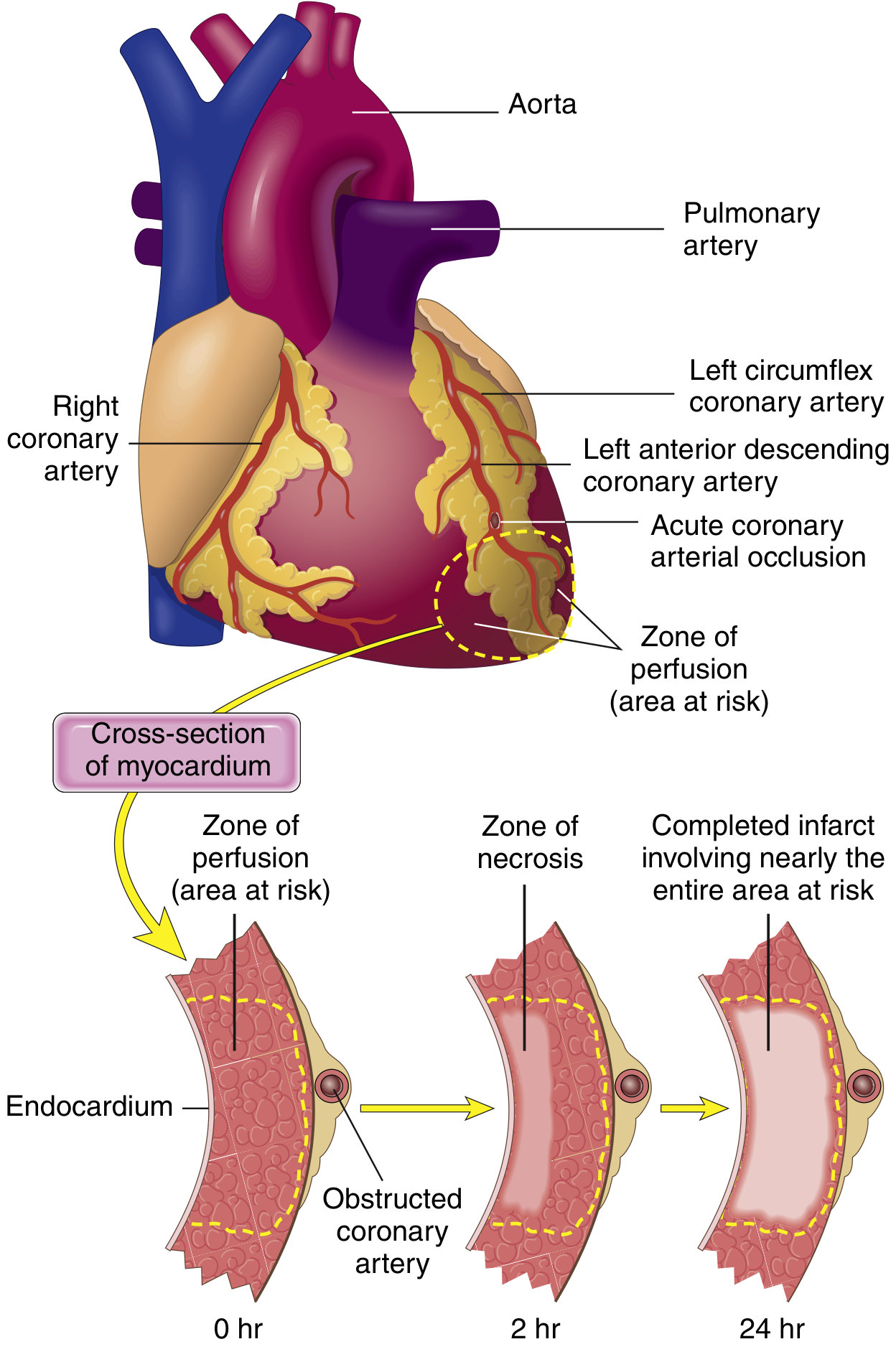
ECG Findings:
- Hyperacute T waves (earliest finding, minutes)
- ST-segment elevation ≥1 mm in 2+ contiguous limb leads, or ≥2 mm in 2+ contiguous precordial leads
- Q waves develop within hours (indicate irreversible necrosis)
- ST depression in reciprocal leads
| Territory | Occluded Vessel | ST elevation in leads |
|---|---|---|
| Anterior | LAD | V1-V4 |
| Anterolateral | LAD/LCx | V2-V6, I, aVL |
| Inferior | RCA | II, III, aVF |
| Lateral | LCx | I, aVL, V5-V6 |
| Left main | LMCA | aVR + widespread depression |
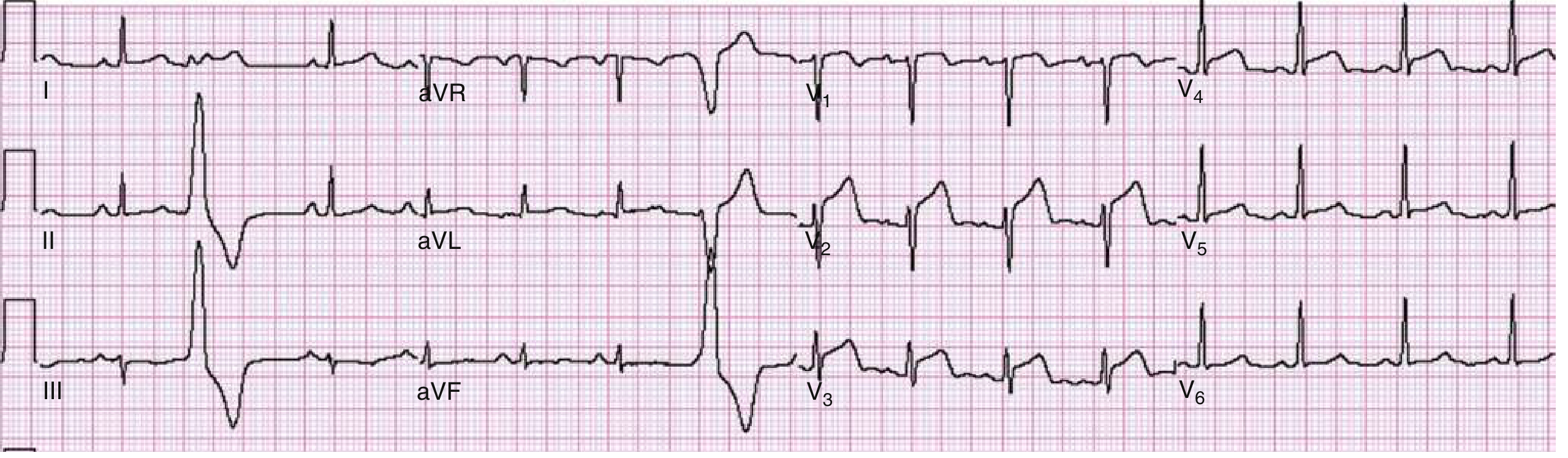
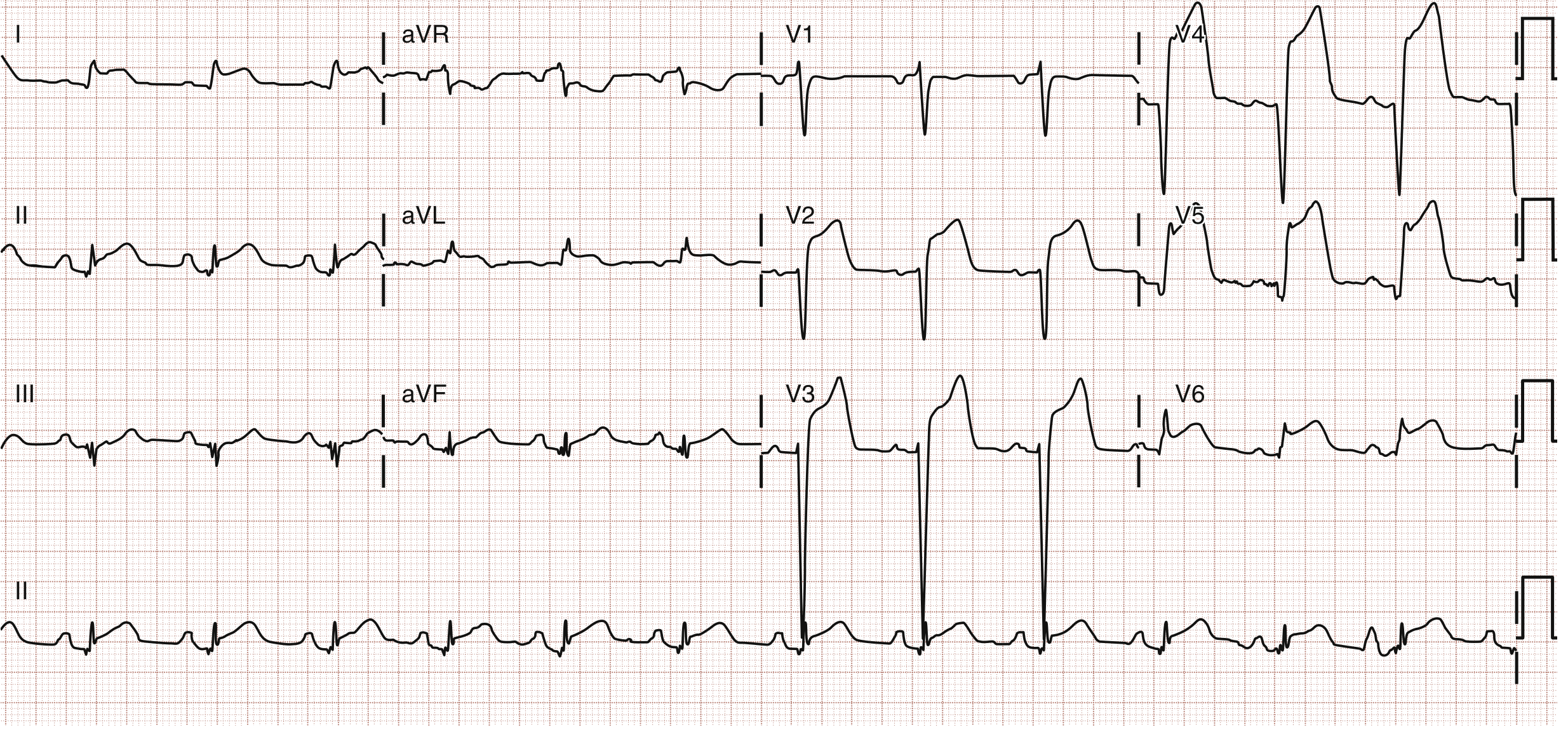
Management: Immediate PCI (door-to-balloon <90 min) or fibrinolysis if PCI unavailable within 120 min.
2. NSTEMI / Unstable Angina (ACS)
Pathophysiology: Partial coronary occlusion or plaque erosion causes subendocardial ischemia without full-thickness infarction. Biomarkers (troponin) are elevated in NSTEMI but not in unstable angina. Unstable angina is characterized by increasingly frequent chest pain precipitated by less exertion or at rest.
ECG Findings:
- ST depression (horizontal or downsloping is most significant) in ischemic territory
- T-wave inversions (symmetric, deep in Wellens syndrome indicating proximal LAD stenosis)
- No ST elevation (by definition)
- ECG may be normal in up to 30% - serial ECGs are mandatory
- Left main disease / proximal LAD occlusion: ST elevation in aVR with widespread ST depression
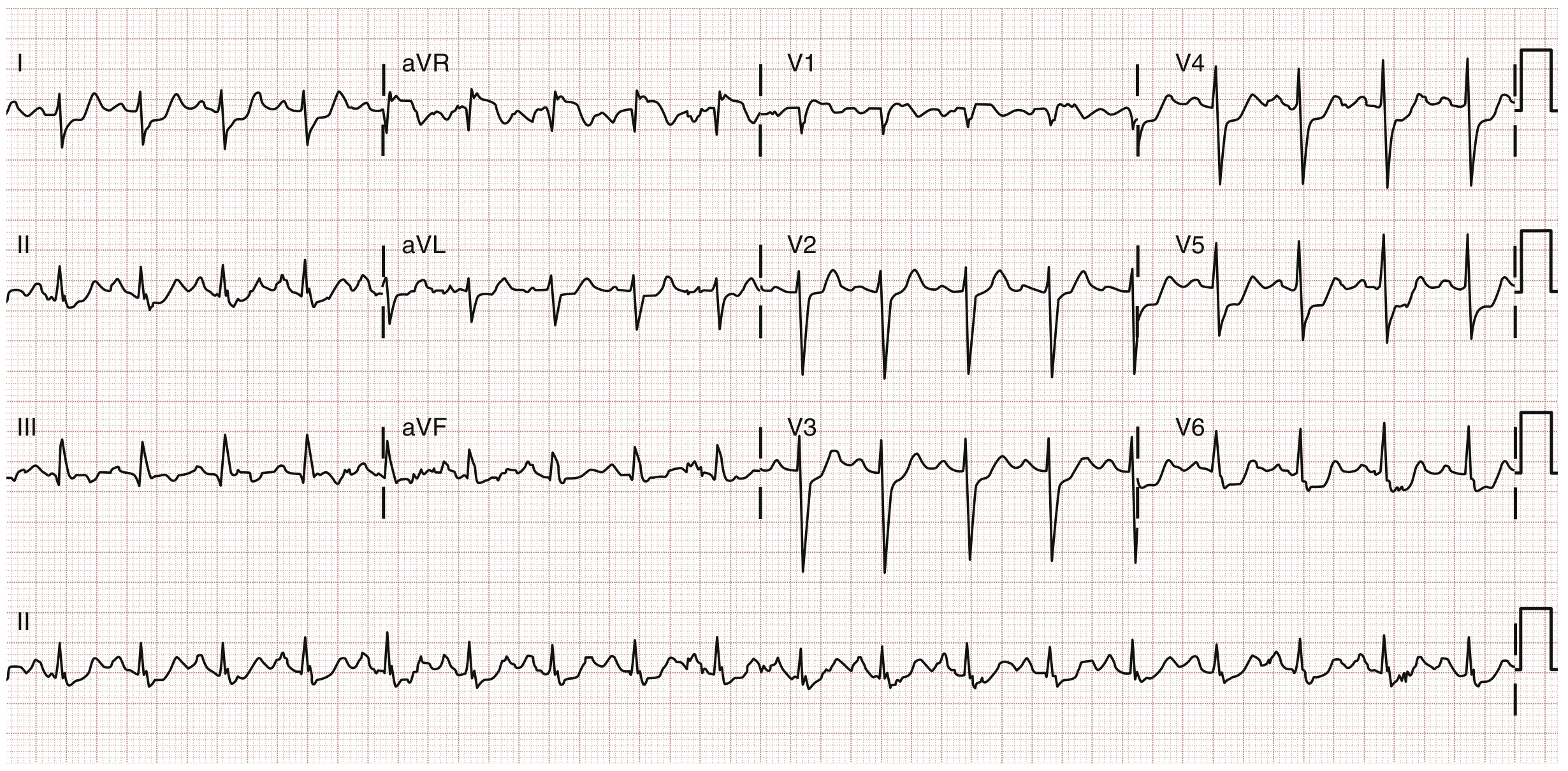
Key point: The de Winter ECG pattern (upsloping ST depression with tall T waves in precordial leads + STE in aVR) represents a proximal LAD occlusion equivalent and should be treated as a STEMI.
3. Atrial Fibrillation (AF)
Pathophysiology: Chaotic, rapid firing from multiple atrial foci (often pulmonary vein triggers) causes disorganized atrial electrical activity. Age-related atrial fibrosis, hypertension, structural heart disease, and thyrotoxicosis are common substrates. AF occurs in ~12% of patients ≥75 years. Nonvalvular AF carries a fivefold increased risk of stroke.
ECG Findings:
- Absent P waves - replaced by irregular fibrillatory baseline (f-waves), best seen in V1 and II
- Irregularly irregular RR intervals - the hallmark
- Ventricular rate typically 110-160 bpm (uncontrolled)
- Narrow QRS (unless aberrant conduction or accessory pathway)
- If Wolff-Parkinson-White + AF: very rapid, wide, irregular complexes - life-threatening
Symptoms: Palpitations, dyspnea, fatigue, lightheadedness; may present as acute pulmonary edema in a stiff LV.
Management: Rate control (beta-blockers, diltiazem, digoxin) vs rhythm control; anticoagulation based on CHA₂DS₂-VASc score (all patients ≥75 years score ≥2 and are candidates for anticoagulation).
4. Heart Failure (HF)
Pathophysiology: The heart cannot pump sufficient blood to meet metabolic demands. HFrEF (ejection fraction <40%) reflects systolic dysfunction; HFpEF (EF ≥50%) reflects diastolic dysfunction. Common causes include ischemic heart disease, hypertension, valvular disease, and cardiomyopathies.
ECG Findings:
- Left ventricular hypertrophy pattern: tall R in V5-V6, deep S in V1-V2 (Sokolow-Lyon criteria: S in V1 + R in V5 or V6 ≥35 mm)
- Left bundle branch block (LBBB) is common in HFrEF and indicates dyssynchrony
- Low voltage (amplitude <5 mm in limb leads, <10 mm precordial) in pericardial effusion or amyloid
- Atrial fibrillation is frequently comorbid
- ST-T changes reflecting myocardial strain
- QRS prolongation ≥150 ms with LBBB is an indication for CRT (cardiac resynchronization therapy)
Clinical features: Dyspnea on exertion, orthopnea, paroxysmal nocturnal dyspnea, bilateral leg edema, elevated JVP, S3 gallop.
5. Dilated Cardiomyopathy (DCM)
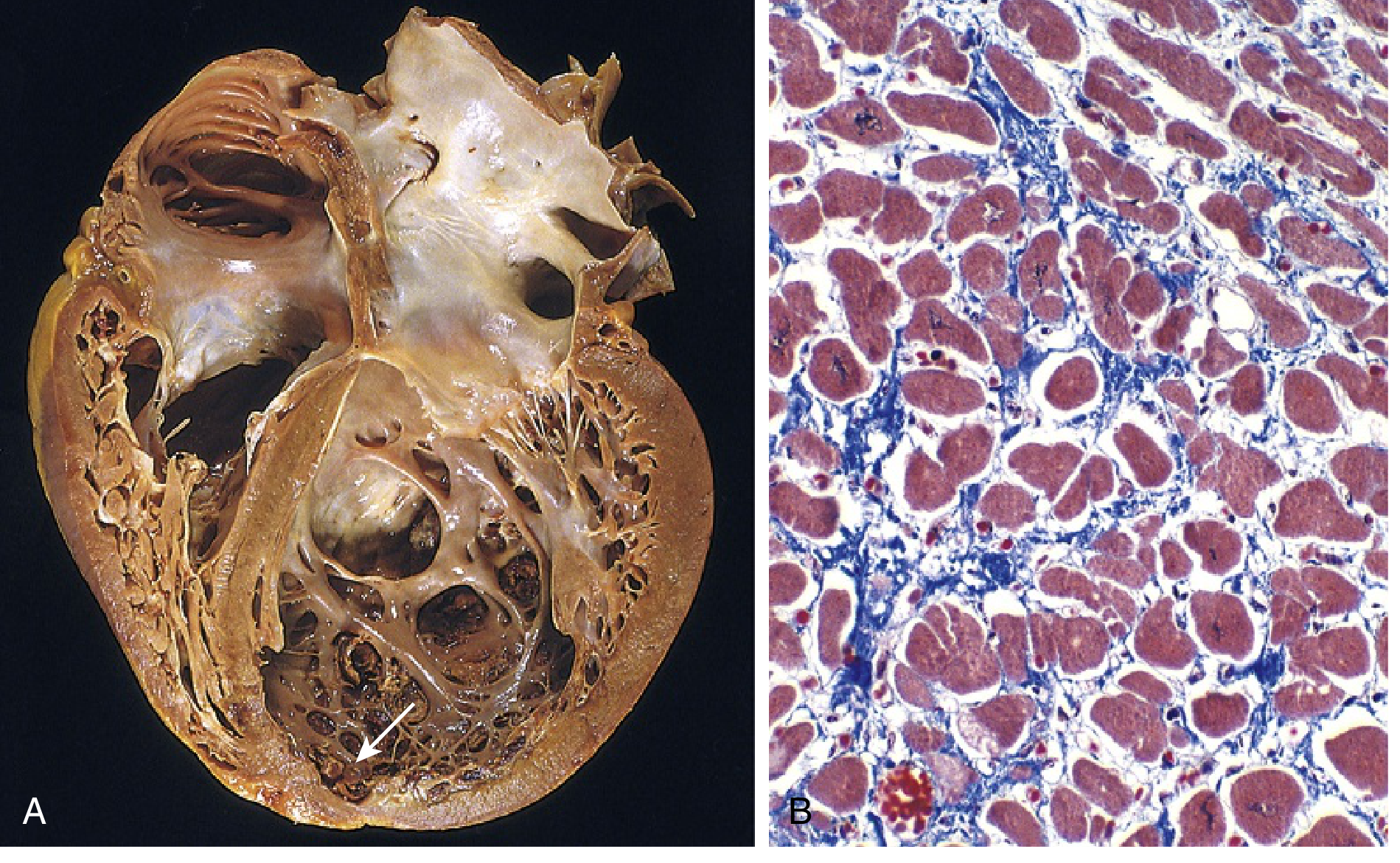
Pathophysiology: Progressive cardiac dilation and systolic dysfunction. Causes include genetic mutations (titin mutations account for ~20%; also beta-myosin heavy chain, dystrophin), viral myocarditis (coxsackievirus B, parvovirus B19), alcohol toxicity, peripartum state, and chemotherapy (anthracyclines). EF is typically <25% at end stage.
Gross/Histology: Heart is enlarged (2-3× normal weight), all four chambers dilated, walls may be thinned. Mural thrombi common. Histology shows myocyte hypertrophy with enlarged nuclei alongside attenuated stretched cells and interstitial fibrosis.
ECG Findings:
- LBBB (most common conduction abnormality)
- Sinus tachycardia compensatory
- Atrial fibrillation very common
- Poor R-wave progression in precordial leads
- Frequent PVCs or non-sustained VT
- Q waves mimicking ischemia in some cases
- Low voltage in advanced disease
6. Hypertrophic Cardiomyopathy (HCM)
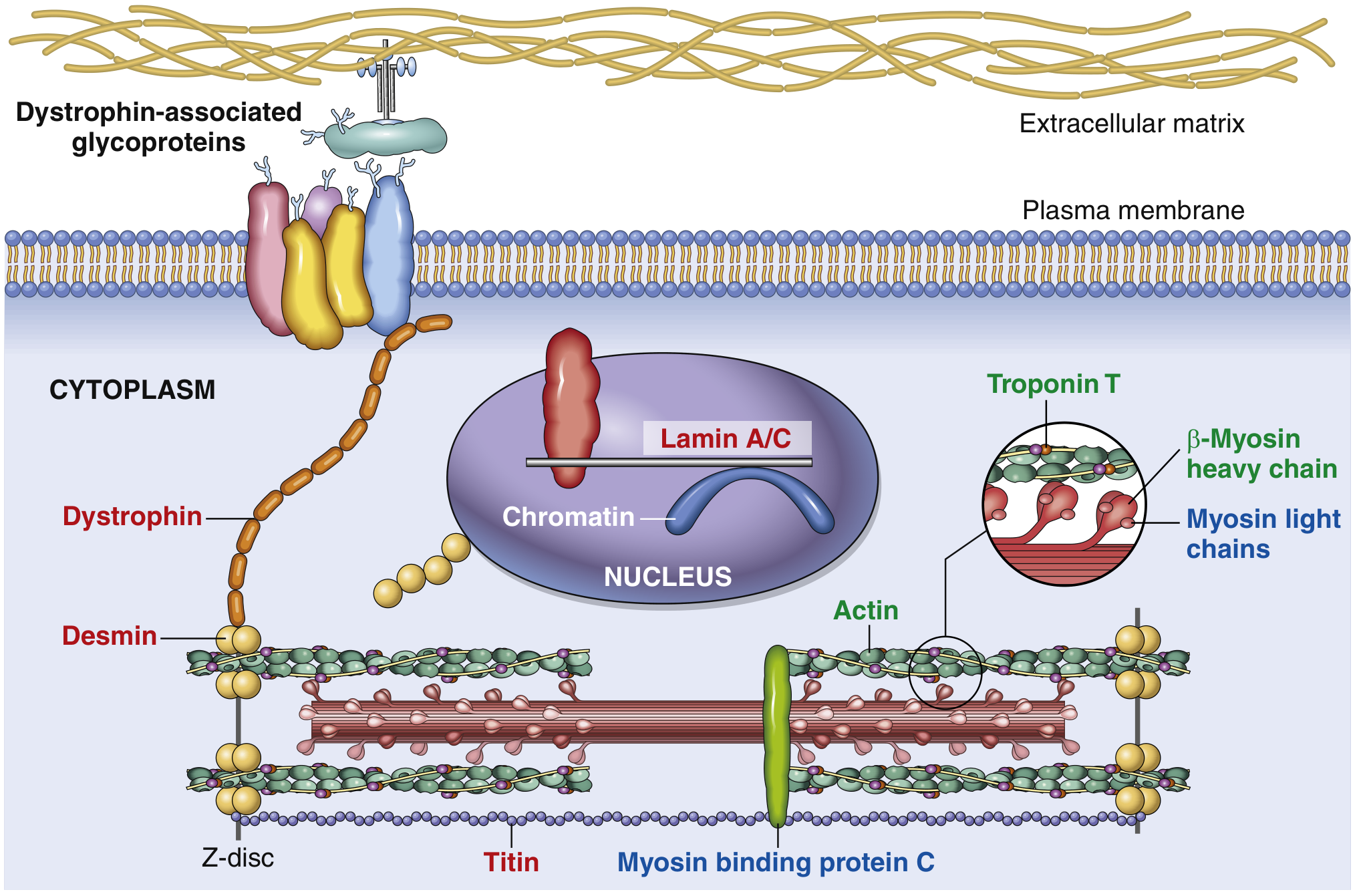
Pathophysiology: Autosomal dominant gain-of-function mutations in sarcomeric proteins - most commonly beta-myosin heavy chain, myosin-binding protein C, and troponin T (these three account for 70-80% of cases). The result is hypercontractility with increased energy consumption and diastolic dysfunction. In 90% of cases there is asymmetric septal hypertrophy; in one-third there is dynamic LVOT obstruction (SAM of the mitral valve against the septum).
Morphology: Massive myocardial hypertrophy without dilation, "banana-shaped" LV cavity, myocyte disarray on histology.
ECG Findings:
- LVH voltage criteria (usually striking)
- Deep, narrow Q waves in lateral/inferior leads (II, III, aVF, I, aVL, V4-V6) - "septal Q waves" from the hypertrophied septum
- ST-T changes - widespread T-wave inversions and ST depression, especially in lateral leads
- Giant negative T waves particularly in apical variant HCM
- Left axis deviation
- Arrhythmias: AF, non-sustained VT - risk of sudden cardiac death in young athletes
Key: HCM is the most common cause of sudden cardiac death in athletes under age 35.
7. Arrhythmogenic Right Ventricular Cardiomyopathy (ARVC)
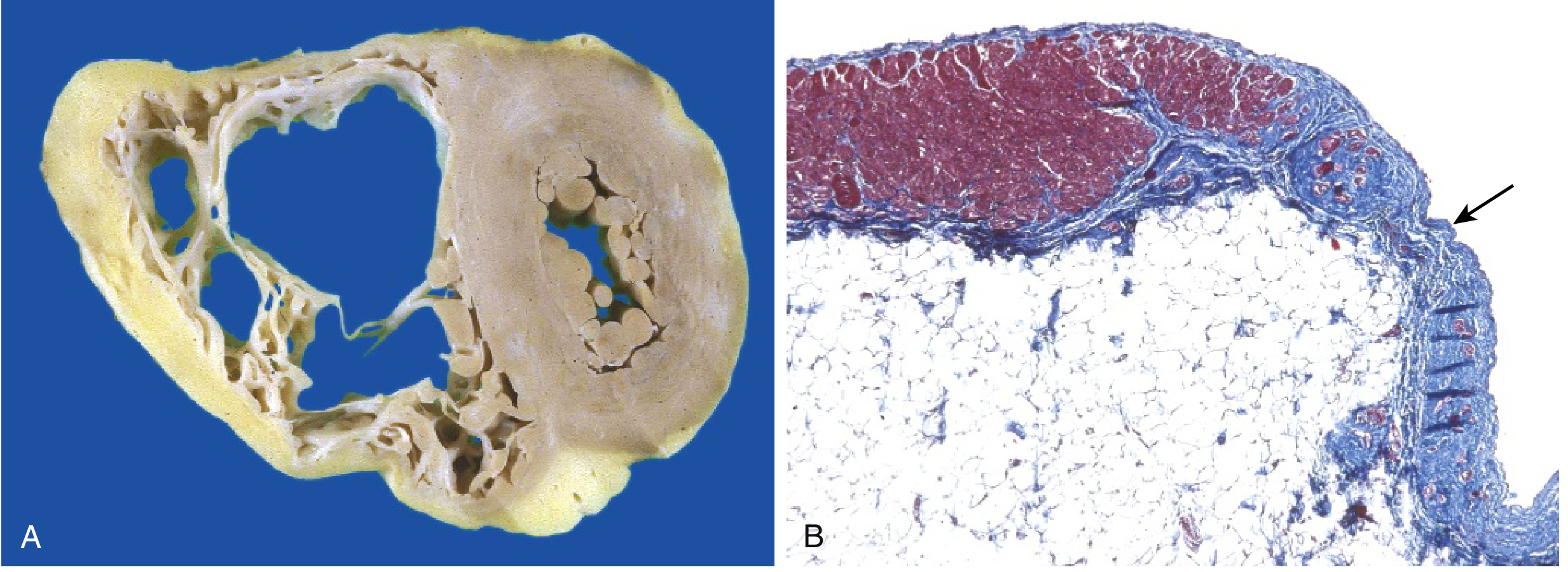
Pathophysiology: Autosomal dominant mutations in desmosomal junction proteins (plakoglobin, desmoplakin, plakophilin-2), causing myocyte death - particularly during strenuous exercise - with fibrofatty replacement of the right ventricular free wall. Prevalence is 1:2000-5000. Accounts for nearly 10% of sudden cardiac deaths in athletes.
Gross/Histology: RV free wall markedly thinned with transmural replacement by adipose tissue and fibrosis (the left panel showed this pattern from Robbins above for ARVC - Fig. 9.26).
ECG Findings:
- Epsilon wave - small positive deflection after the QRS in V1-V3 (pathognomonic - seen in ~30%)
- T-wave inversions in V1-V3 (or beyond V3 in more advanced disease)
- Prolonged S-wave upstroke ≥55 ms in V1-V3
- Right bundle branch block pattern
- VT with left bundle branch block morphology (right ventricular origin)
- Ventricular ectopy - usually RV origin (LBBB morphology on ECG)
8. Ventricular Fibrillation (VF) / Polymorphic Ventricular Tachycardia
Pathophysiology: VF is rapid, chaotic, asynchronous ventricular contraction resulting from multiple functional reentry wavelets traveling through the ventricular myocardium. It is the most common arrhythmia causing out-of-hospital cardiac arrest. CAD and MI are the most common underlying etiology; others include cardiomyopathies, HCM, myocarditis, electrolyte disturbances, inherited channelopathies, and pro-arrhythmic drugs. Each minute of delay in defibrillation decreases survival by 7-10%.
ECG Findings:
- Ventricular Fibrillation: Rapid, irregular, chaotic, dysmorphic pattern with no identifiable QRS complexes - the baseline appears as a rapidly fluctuating, disorganized waveform
- Polymorphic VT: Clearly defined QRS complexes but constantly changing morphology, axis, and cycle length
- Torsades de Pointes (TdP): Polymorphic VT in setting of prolonged QT, appearing to "twist" around a central axis - classically seen after quinidine, erythromycin, haloperidol, hypokalemia/hypomagnesemia
Management: Immediate unsynchronized defibrillation. Biphasic waveform defibrillators require less energy and have higher success rates than monophasic.
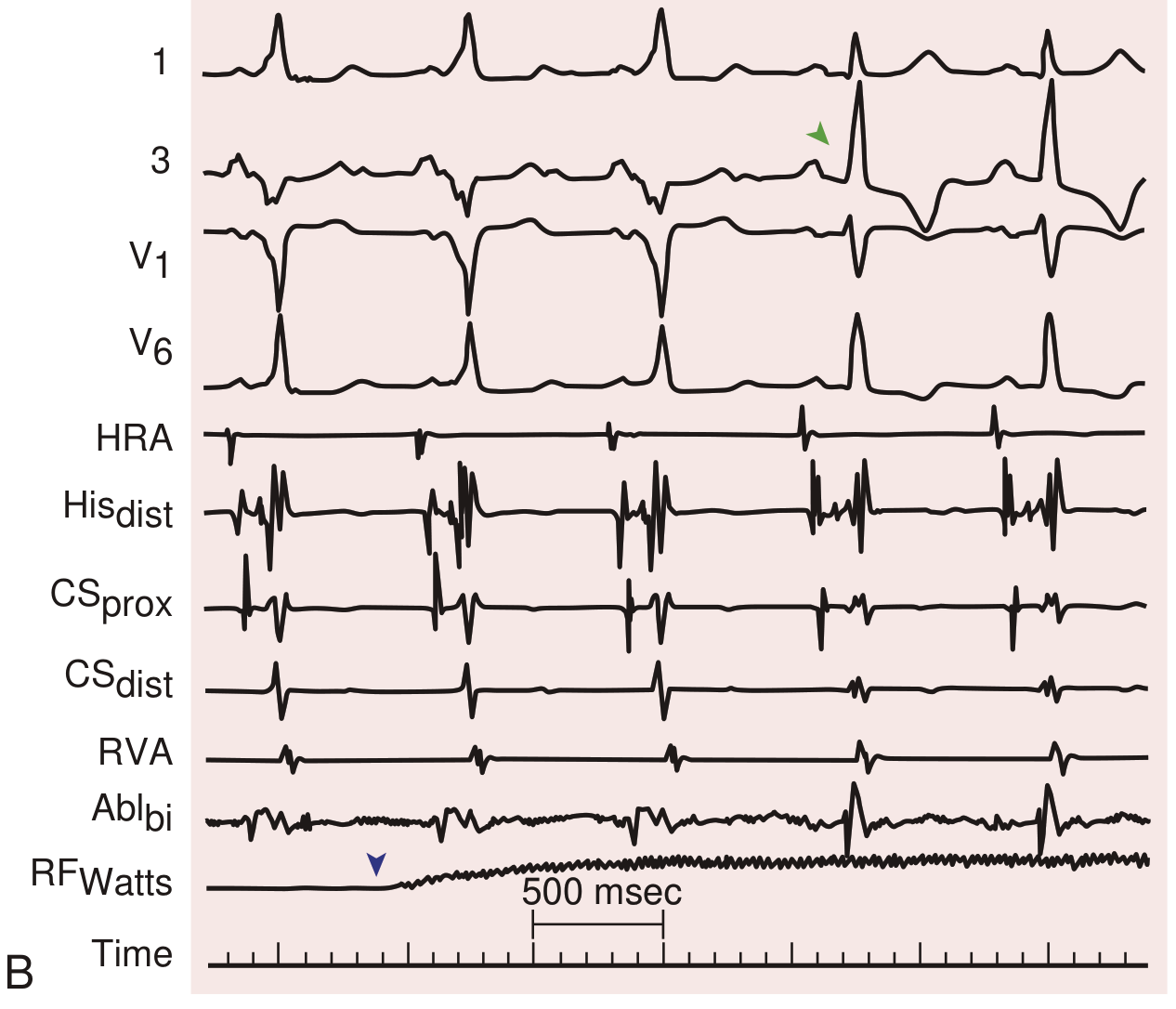
9. Wolff-Parkinson-White (WPW) Syndrome
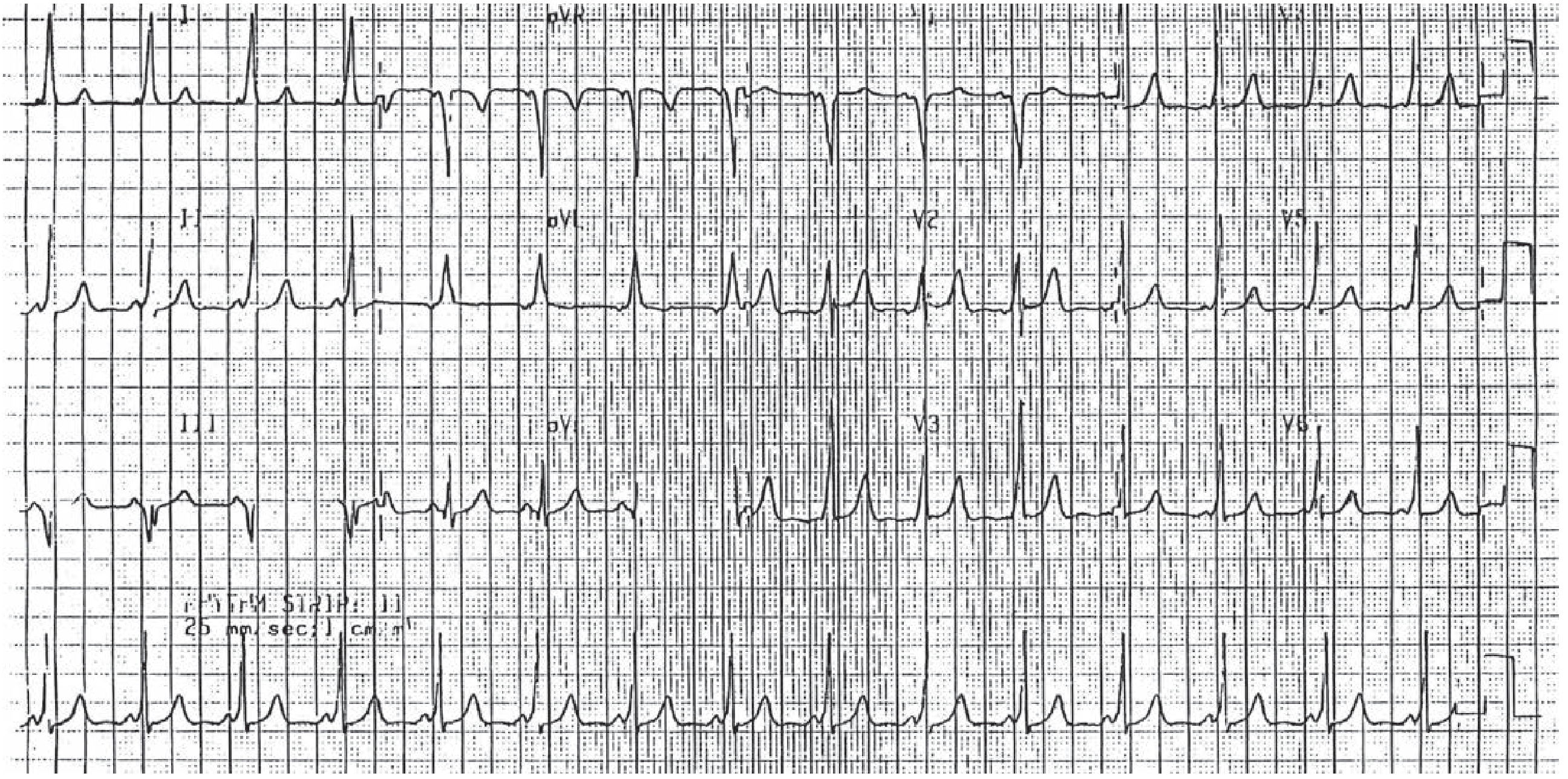
Pathophysiology: An accessory atrioventricular conduction pathway (Bundle of Kent) bypasses the AV node, causing pre-excitation of the ventricle. This creates the classic triad of short PR interval, delta wave, and wide QRS. Dysrhythmias occur in ~50% of patients. Orthodromic AVRT (antegrade through AV node, retrograde through accessory pathway) produces narrow-complex tachycardia. Antidromic AVRT produces wide-complex tachycardia. AF in WPW is potentially lethal because impulses bypass the AV node and can cause very rapid ventricular rates leading to VF.
ECG Findings:
- Short PR interval (<0.12 seconds)
- Delta wave - slurred upstroke of the QRS complex (initial slurring due to slow pre-excitation via accessory pathway)
- Wide QRS (>0.12 seconds) - the delta wave + normal QRS fused
- During AVRT: narrow-complex regular tachycardia (orthodromic) at 150-250 bpm
- During AF with WPW: irregularly irregular, wide complex, rapid (potentially >300 bpm) - "ventricular pre-excitation with AF"
Management: Verapamil and digoxin are contraindicated in WPW (can accelerate conduction through the accessory pathway, precipitating VF). Acute: adenosine (stable), cardioversion (unstable). Definitive: radiofrequency catheter ablation.
10. Aortic Stenosis (AS)
Pathophysiology: Progressive calcification and narrowing of the aortic valve (most commonly degenerative/calcific in adults >65; bicuspid aortic valve in younger adults). Obstruction to LV outflow causes chronic pressure overload, leading to concentric LV hypertrophy, diastolic dysfunction, and eventually systolic failure. Symptomatic AS (angina, syncope, dyspnea) carries a poor prognosis without intervention - median survival without valve replacement is 2-3 years after symptoms appear.
ECG Findings:
- Left ventricular hypertrophy (LVH): Tall R waves in lateral leads (V5-V6, I, aVL), deep S in V1-V2, with associated "strain pattern"
- LV strain pattern: ST depression and T-wave inversion in leads I, aVL, V4-V6 (downward slope of ST-T in leads with tall R waves)
- Left atrial enlargement: Broad, notched P waves in II (P mitrale) and biphasic P in V1
- Left axis deviation
- Atrial fibrillation (late, indicates decompensation and loss of atrial kick - poorly tolerated)
- LBBB in advanced disease
Classic clinical triad: Angina, syncope, and dyspnea/heart failure (survival after each: angina ~5 yrs, syncope ~3 yrs, HF ~2 yrs without intervention).
Management: Surgical aortic valve replacement (SAVR) or transcatheter aortic valve replacement (TAVR) for symptomatic severe AS or asymptomatic severe AS with EF <50%.
Summary Table
| # | Disease | Key ECG Findings |
|---|---|---|
| 1 | STEMI | ST elevation in contiguous leads, Q waves, reciprocal depression |
| 2 | NSTEMI/UA | ST depression, T-wave inversions, possibly normal |
| 3 | Atrial Fibrillation | No P waves, irregularly irregular rhythm |
| 4 | Heart Failure | LVH, LBBB, low voltage, AF |
| 5 | Dilated Cardiomyopathy | LBBB, AF, PVCs, poor R progression |
| 6 | Hypertrophic Cardiomyopathy | LVH, deep septal Q waves, lateral T inversions |
| 7 | ARVC | Epsilon wave, T inversions V1-V3, LBBB-morphology VT |
| 8 | Ventricular Fibrillation | Chaotic baseline, no QRS complexes; TdP = twisting polymorphic VT |
| 9 | WPW Syndrome | Short PR, delta wave, wide QRS |
| 10 | Aortic Stenosis | LVH with strain pattern, LAE, LAD, LBBB (late) |
*Sources: Braunwald's Heart Disease (9780323722193) | Robbins & Kumar Basic Pathology (9780323790185) | Rosen's Emergency Medicine (9780323757898) | Fuster and Hurst's The Heart, 15e (9781264257560) | Tintinalli's Emergency Medicine (9781260019933) | Guyton and Hall Medical Physiology (9780443111013)*Here's a summary of what was covered across the 10 conditions:
Quick Reference:
-
STEMI - ST elevation in contiguous leads localized to the infarct territory (anterior, inferior, lateral). The two real ECG images above show anterior and anterolateral STEMI patterns from actual patient cases.
-
NSTEMI/Unstable Angina - ST depression, T inversions, or a normal ECG. The third ECG shows STE in aVR + widespread depression indicating left main disease.
-
Atrial Fibrillation - Absent P waves + irregularly irregular RR intervals. Risk of stroke is 5x baseline; CHA₂DS₂-VASc guides anticoagulation.
-
Heart Failure - ECG shows LVH, LBBB, or low voltage; LBBB with QRS ≥150 ms triggers consideration for CRT.
-
Dilated Cardiomyopathy - LBBB, AF, PVCs, poor R-wave progression. EF typically <25% at end stage; titin mutations are the most common genetic cause.
-
Hypertrophic Cardiomyopathy - Deep narrow septal Q waves in lateral/inferior leads, LVH voltage, giant T inversions in apical variant. Leading cause of sudden death in young athletes.
-
ARVC - The epsilon wave (small post-QRS deflection in V1-V3) is pathognomonic. VT has LBBB morphology (right ventricular origin).
-
Ventricular Fibrillation - Completely chaotic tracing, no QRS. Torsades de Pointes is the polymorphic VT variant associated with long QT (drug-induced or congenital).
-
WPW Syndrome - Short PR + delta wave + wide QRS. Never give verapamil or digoxin. Ablation is curative.
-
Aortic Stenosis - LVH with lateral strain pattern (ST depression + T inversions in V4-V6) is the hallmark ECG finding. The clinical triad of angina, syncope, and dyspnea marks progressive severity.
This is a shared conversation. Sign in to Orris to start your own chat.