
Radiology -Imaging congenital renal abnormalities and lesions 1.embryology 2. Classification 3. Imaging protocol ct and MRI 4. Renal agenesis and associated syndromes 5. Renal hypoplasia,suprapneumary kidney, cross fused ectopia it's types 6. Abnormal positioned kidney ,renal ectopia 7. Fusion abnormalities 8. Duplex pelvic calyces system 8. Normal mimicer 9. All cystic renal dysplasia and it's association
Reading File
This is a broad, multi-topic radiology/imaging question. Let me run parallel searches across all major subtopics simultaneously.
Finding Sources
Finding Sources
Finding Sources
Finding Sources
Finding Sources
Finding Sources
Reading File
Finding Sources
Finding Sources
Reading File
Reading File
Reading File
Reading File
Reading File
Reading File
Reading File
Reading File
Reading File
Reading File
Reading File
Searching the Web
CT MRI protocol congenital renal anomalies imaging radiology 2024
Loading Image
Loading Image
Loading Image
Loading Image
Loading Image
Loading Image
Here is a comprehensive, structured reference on imaging of congenital renal abnormalities, drawn from Grainger & Allison's Diagnostic Radiology, Brenner & Rector's The Kidney, and Campbell-Walsh Wein Urology.
Imaging of Congenital Renal Abnormalities
1. Embryology
The kidney develops through three sequential phases:
- Pronephros (weeks 3-4): rudimentary, non-functional, regresses completely
- Mesonephros (weeks 4-8): temporarily functional, gives rise to the Wolffian (mesonephric) duct
- Metanephros (week 5 onward): the permanent kidney - arises from two elements:
- Ureteric bud: an outgrowth of the Wolffian duct that induces the metanephric blastema and eventually forms the ureter, renal pelvis, calyces, and collecting ducts
- Metanephric blastema (mesenchyme): forms nephrons, glomeruli, and tubules
Key developmental events:
- The ureteric bud must contact the metanephric mesenchyme at precisely the right time and location - early or late budding leads to renal malformations, dysplasia, hypoplasia, or agenesis
- From weeks 6-9, the kidneys ascend from the pelvis to the retroperitoneum (L1-L2), rotating 90° medially so the hilum faces anteromedially
- Arterial supply shifts progressively cranially from lateral sacral branches to final supply from the aorta at L2
- Failure of ascent or abnormal budding underlies most anomalies
Molecular regulators:
- GDNF/RET signaling: GDNF from metanephric mesenchyme activates RET receptor on ureteric bud, driving branching morphogenesis
- EYA1/SIX1: expressed in metanephric mesenchyme; mutations cause Branchio-Oto-Renal (BOR) syndrome
- Sonic Hedgehog (SHH)/GLI3: Hedgehog loss-of-function produces renal agenesis/hypodysplasia (seen in Smith-Lemli-Opitz syndrome, Pallister-Hall syndrome)
2. Classification of Congenital Renal Anomalies
Renal abnormalities can be systematically sub-classified by the following categories (Grainger & Allison):
| Category | Examples |
|---|---|
| Number | Agenesis, supernumerary kidney |
| Size/Parenchyma | Hypoplasia, dysplasia |
| Position | Ectopia (pelvic, iliac, thoracic), malrotation |
| Fusion | Horseshoe kidney, crossed fused ectopia, pancake kidney |
| Collecting system | Duplex system, bifid pelvis, ureterocele, UPJ obstruction |
| Vasculature | Accessory arteries, retro-aortic/circum-aortic left renal vein |
| Cystic | ADPKD, ARPKD, MCDK, obstructive cystic dysplasia, simple cysts |
3. Imaging Protocols - CT and MRI
Ultrasound (first-line)
- Antenatal US: most anomalies first detected here; assesses kidney size, echogenicity, presence, and collecting system dilatation
- Normal kidney: slightly less echogenic than liver, difference increases with age
- Corticomedullary differentiation can mimic hydronephrosis in neonates (normal variant)
- Fetal lobulation visible up to age 5
CT Protocol
- Non-contrast phase: baseline attenuation, calculi, gross anatomical survey
- Arterial/corticomedullary phase (25-30 s): renal vasculature, accessory arteries - important before surgery on anomalous kidneys
- Nephrographic phase (70-100 s): parenchymal assessment, masses, fusion anomalies, isthmus of horseshoe kidney
- Excretory/urographic phase (5-10 min): collecting system anatomy - identifies duplication, ureterocele, UPJ obstruction, ectopic insertion
- CTU (CT Urography): combines above phases; gold standard for complex collecting system anomalies, ectopia, and duplex systems in adults
- Multiplanar reconstructions (coronal, sagittal) are essential for fully characterizing positional and fusion anomalies
MRI Protocol
- Preferred in children, pregnant patients, and radiation-sensitive situations
- T2 HASTE/SSFSE coronal: excellent for collecting system (bright urine), anomalies of position and fusion
- T1 pre/post gadolinium: parenchymal function, enhancement patterns
- MR Urography (MRU): static fluid MRU (heavily T2-weighted, no contrast) and excretory MRU (with gadolinium and furosemide) for functional assessment
- DWI: adjunct for cystic lesion characterization and function in dysplastic kidneys
- Allows excellent soft-tissue delineation without radiation - ideal for pediatric duplex systems, ectopic ureters, and cystic diseases
Nuclear Medicine
- DMSA scan: cortical function, scarring, split function - used for horseshoe kidney isthmus function (Fig. 27.14), unilateral agenesis confirmation
- MAG3/DTPA diuretic renogram: UPJ obstruction, drainage curves, split function
- VCUG (Micturating Cystourethrogram): vesicoureteric reflux, posterior urethral valves, ureterocele
4. Renal Agenesis and Associated Syndromes
Unilateral renal agenesis (1 in 500-1,000 live births):
- Results from failure of the ureteric bud to join the metanephric blastema
- Often asymptomatic; contralateral kidney undergoes compensatory hypertrophy
- Ipsilateral absent/rudimentary ureter in most cases
Associated anomalies - unilateral agenesis:
- Males (up to 70%): absent epididymis, vas deferens, seminal vesicle; seminal vesicle cyst
- Females (70%): Müllerian anomalies - vaginal/uterine agenesis, unicornuate uterus = Mayer-Rokitansky-Küster-Hauser (MRKH) syndrome
- Absent ipsilateral adrenal gland: 10%
- VACTERL association (vertebral, anorectal, cardiac, tracheo-esophageal, renal, limb)
- Turner syndrome, trisomy 21/22, cardiac anomalies, skeletal (clubfeet)
- Ipsilateral seminal vesicle cysts (associated with ejaculatory duct obstruction)
Imaging clue on plain film: Left renal agenesis - splenic flexure lies medial to the lesser curve of the stomach (bowel fills the renal fossa)
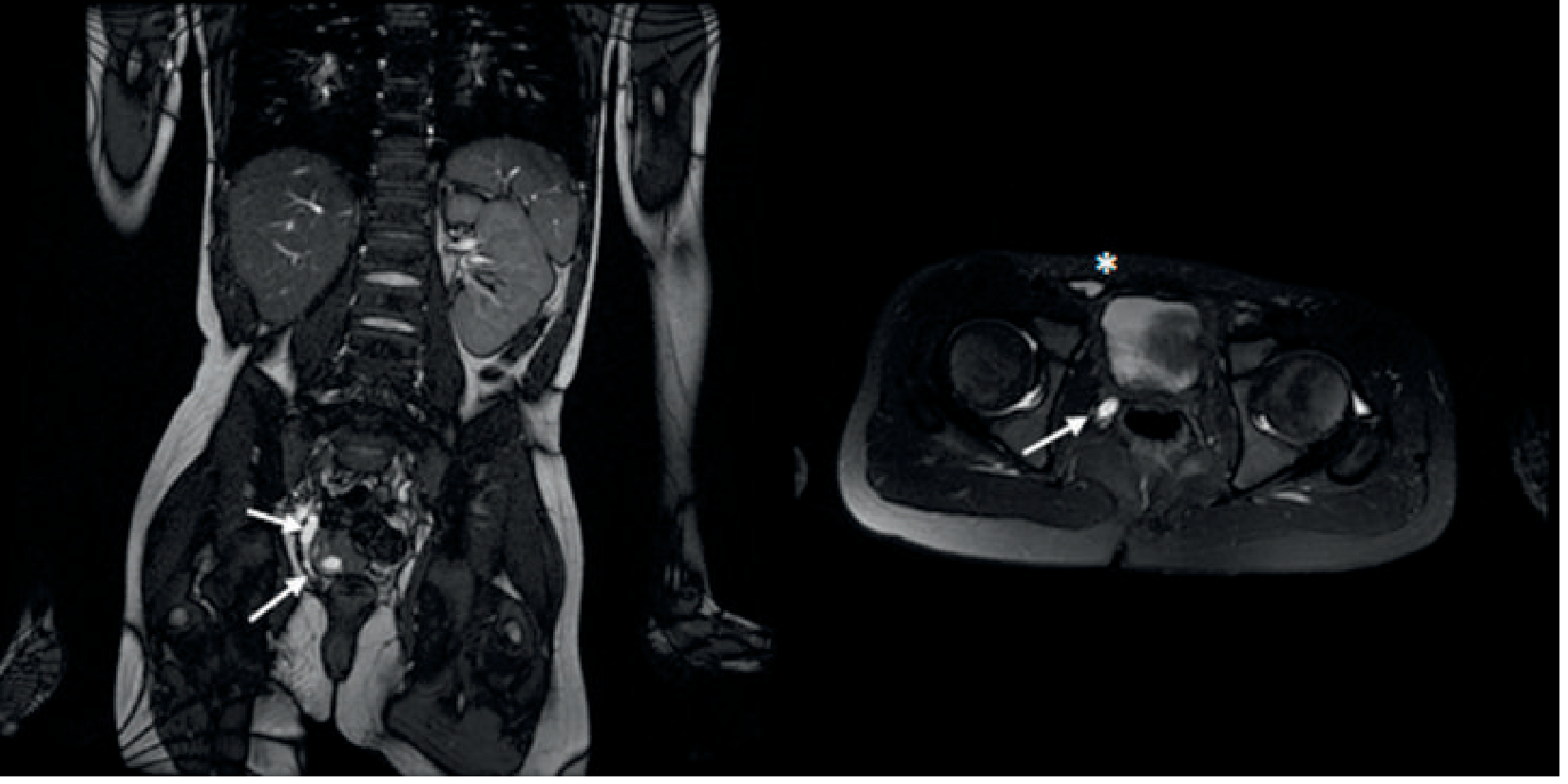
Bilateral renal agenesis (1 in 4,000 live births):
- Potter sequence: oligohydramnios → pulmonary hypoplasia + facial anomalies (low-set ears, broad flat nose, prominent infraorbital folds, limb deformities)
- Previously uniformly fatal; rare survivors described with aggressive NICU support
Associated syndromes (molecular genetics):
| Syndrome | Gene | Renal Phenotype |
|---|---|---|
| BOR (Branchio-Oto-Renal) | EYA1, SIX1 | Agenesis, hypodysplasia, VUR, duplication |
| Fraser syndrome | FRAS1, FREM2, GRIP1 | Bilateral agenesis/hypoplasia |
| Pallister-Hall | GLI3 | Agenesis, dysplasia, hydronephrosis |
| Smith-Lemli-Opitz | DHCR7 | Agenesis, hypodysplasia |
| Okihiro (radial ray) | SALL4 | Unilateral agenesis, VUR, cross-fused ectopia |
5. Renal Hypoplasia, Supernumerary Kidney, and Cross-Fused Ectopia
Renal Hypoplasia
- Small kidney with reduced number of nephrons - developmental arrest in first trimester
- Distinct from dysplasia (which involves abnormal tissue patterning)
- Imaging: decreased kidney size; may show hyperechoic cortex or small cystic foci on US
- CT/MRI: small smooth kidney, preserved but diminished parenchyma, normal architecture
- Differential: acquired atrophy (scarred, irregular surface) vs hypoplasia (smooth surface, normal internal structure)
Supernumerary (Suprapneumary) Kidney
- Rare: presence of an additional kidney, distinct from the normal two
- Usually occurs on the left (probable ureteric bud duplication)
- Located caudal to the normal kidney
- Drainage: either separate ureter or branch of a bifid ureter
- Imaging: CT/MRU shows separate renal parenchymal unit with its own collecting system and blood supply
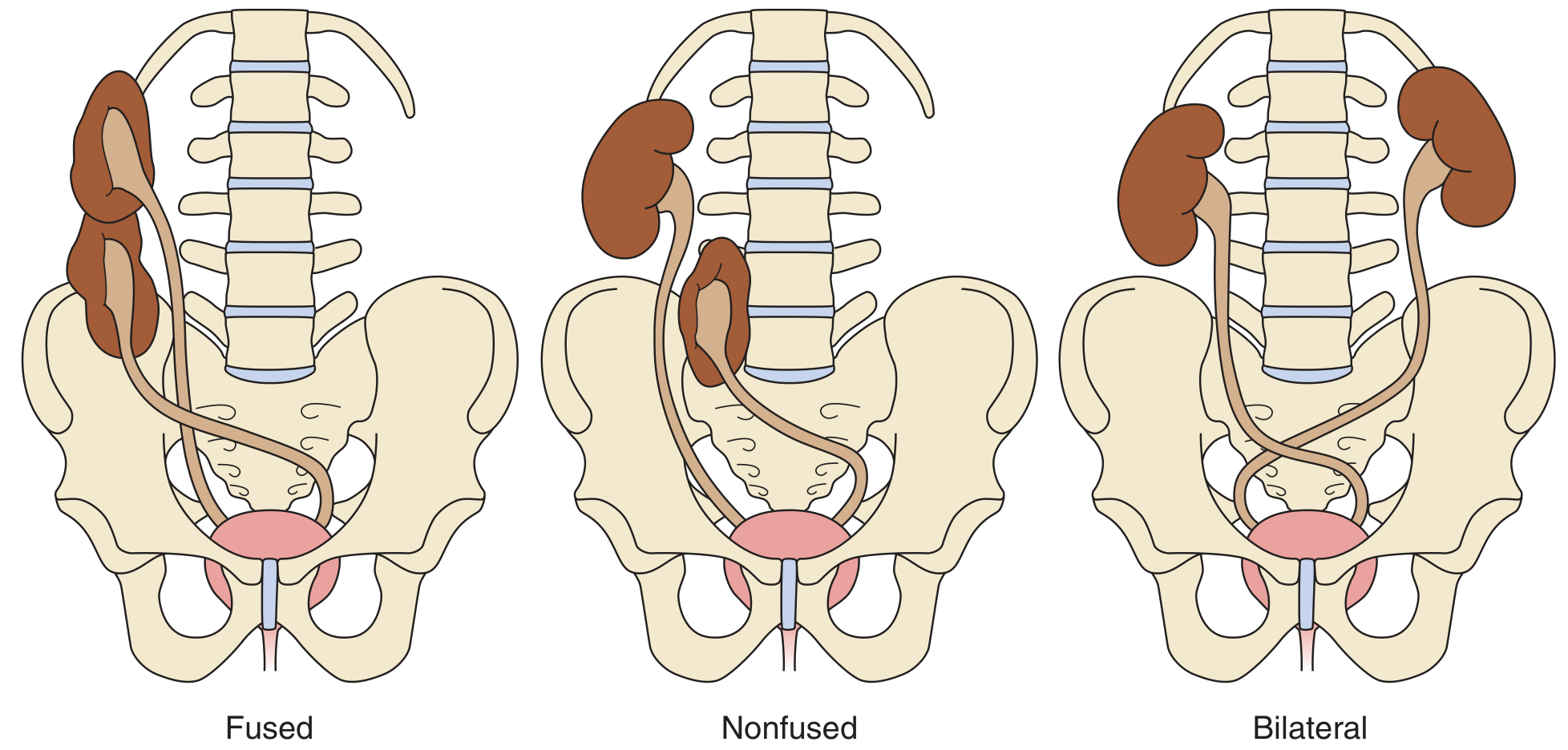
Cross-Fused Renal Ectopia - Types
Renal ectopia is classified into three types (Brenner & Rector):
| Type | Description |
|---|---|
| Crossed fused ectopia | Kidney migrates across midline and fuses to the lower pole of the contralateral kidney - most common type |
| Simple crossed (nonfused) ectopia | Kidney crosses midline but does not fuse - lies at the rim of the pelvis |
| Bilateral ectopia | Both kidneys cross the midline with their native ureters, which still insert normally into the bladder |
- More common in males; left kidney is more commonly the ectopic one
- The ureter from the ectopic lower kidney crosses the midline and usually inserts normally into the bladder on its native side
- Abnormalities of vasculature are common when crossed fused ectopia exists
- Complications: UPJ obstruction, nephrolithiasis, VUR, infection
Imaging:
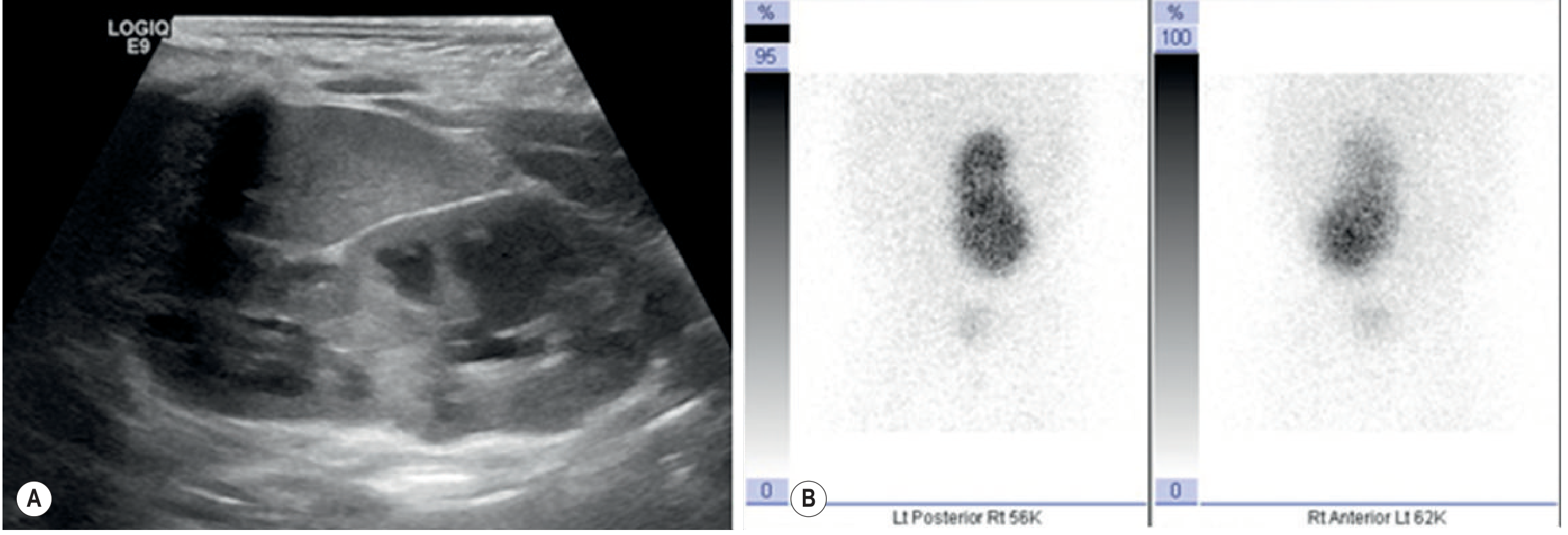
- US: parenchymal band conjoining both kidneys, abnormal location
- DMSA scan: functional tissue on the ectopic side confirms renal tissue
- CT/MRU: defines parenchymal fusion, vascular supply, collecting system
6. Abnormally Positioned Kidney / Renal Ectopia
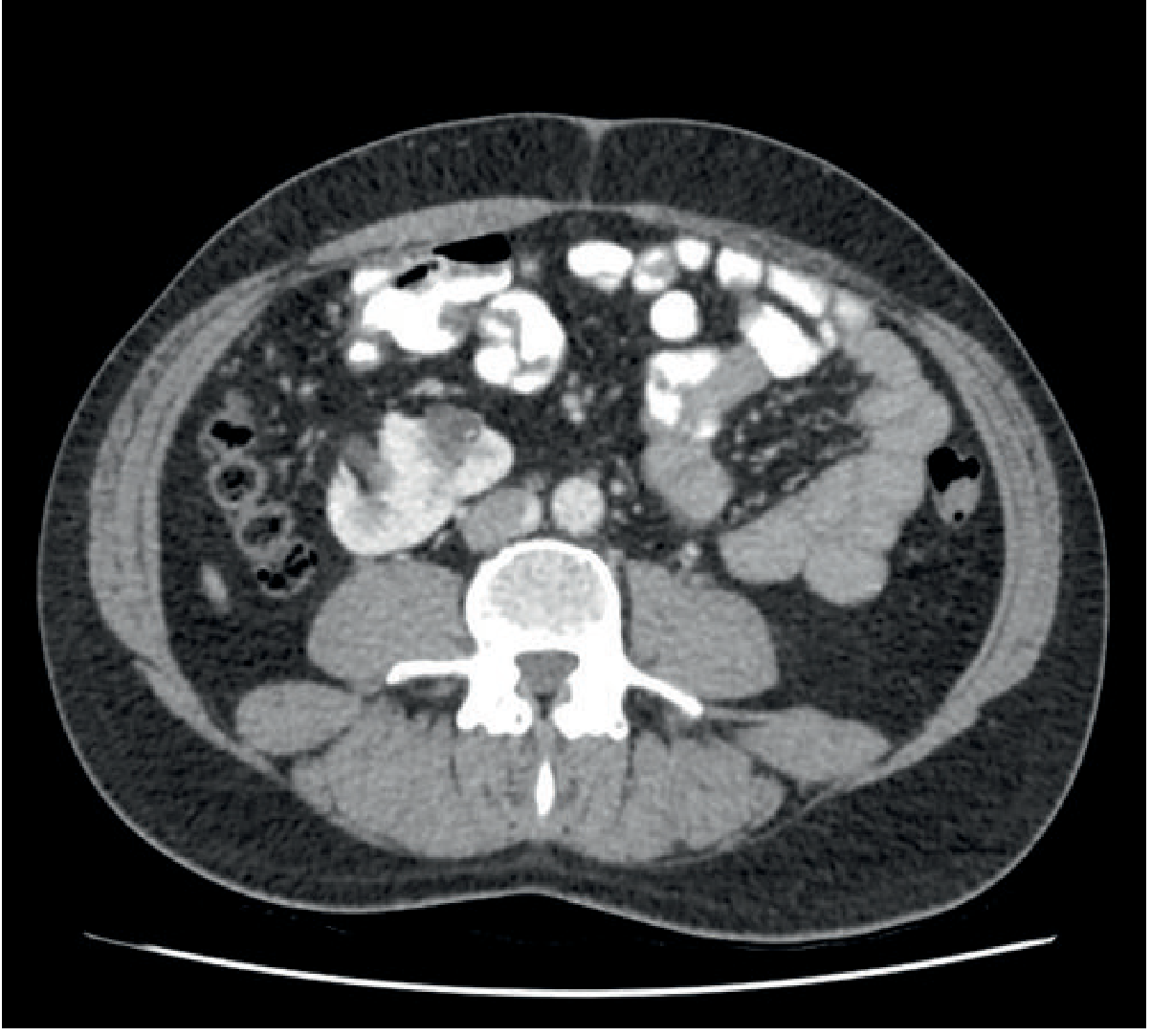
Normal ascent: kidneys migrate from pelvis to L1-2 retroperitoneum with 90° medial rotation, supplied sequentially by more cranial aortic branches.
Renal malrotation: abnormal rotation around the long axis, placing the ureteropelvic junction anteriorly (most common) or posteriorly.
Ectopic kidney positions (cranio-caudal, most to least common):
| Position | Description |
|---|---|
| Pelvic kidney | Most common ectopic position; kidney lies in the true pelvis |
| Iliac kidney | In the iliac fossa |
| Abdominal (lumbar) | Failed ascent; between pelvis and normal position |
| Thoracic kidney | Rare; kidney in the posterior mediastinum through a diaphragmatic defect (Bochdalek hernia) |
| Crossed ectopia | Crosses the midline (see above) |
Complications of ectopic kidneys:
- Decreased function
- UPJ obstruction (aberrant vessel crossing)
- Vesicoureteric reflux
- Nephrolithiasis
- Increased susceptibility to trauma (no bony protection)
- Higher incidence of anomalies in the contralateral kidney as well
Imaging: Absent kidney in the expected retroperitoneal fossa. Look in the pelvis, iliac fossa, and chest. CT/MRI define position, vascular supply, and collecting system. DMSA confirms function in an ectopic unit.
7. Fusion Abnormalities
Horseshoe Kidney
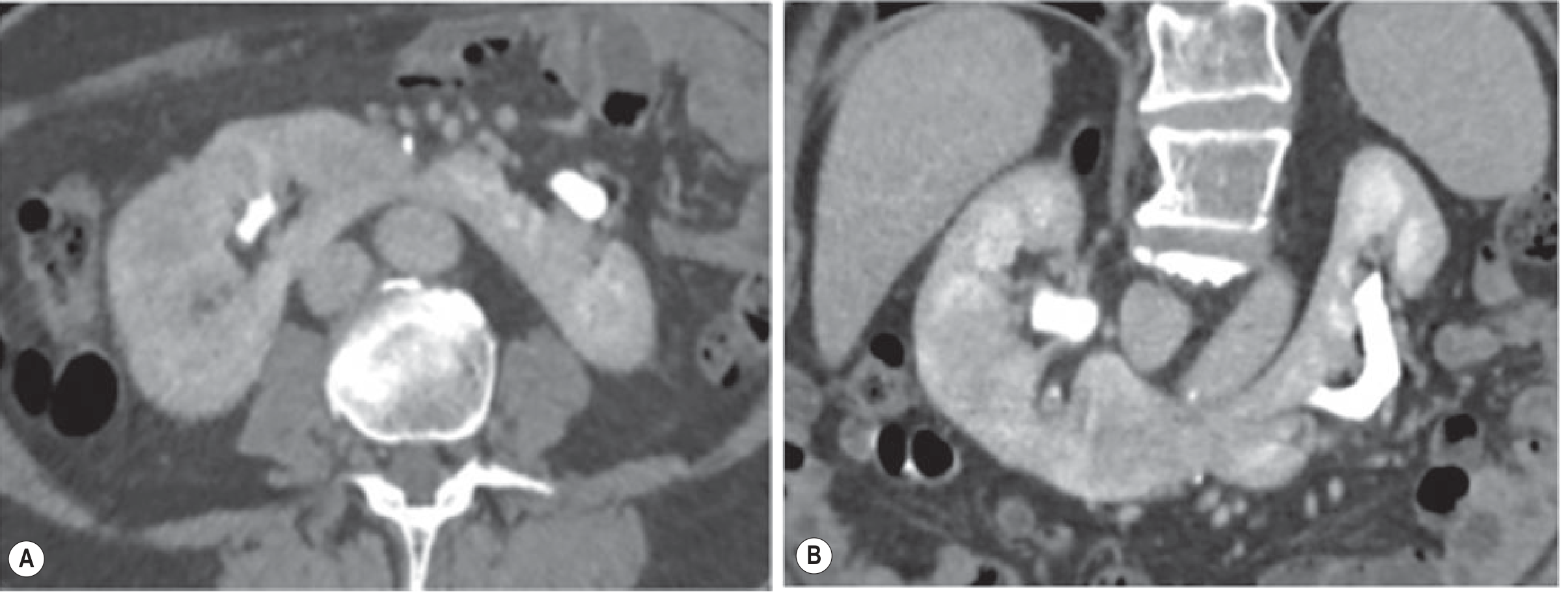
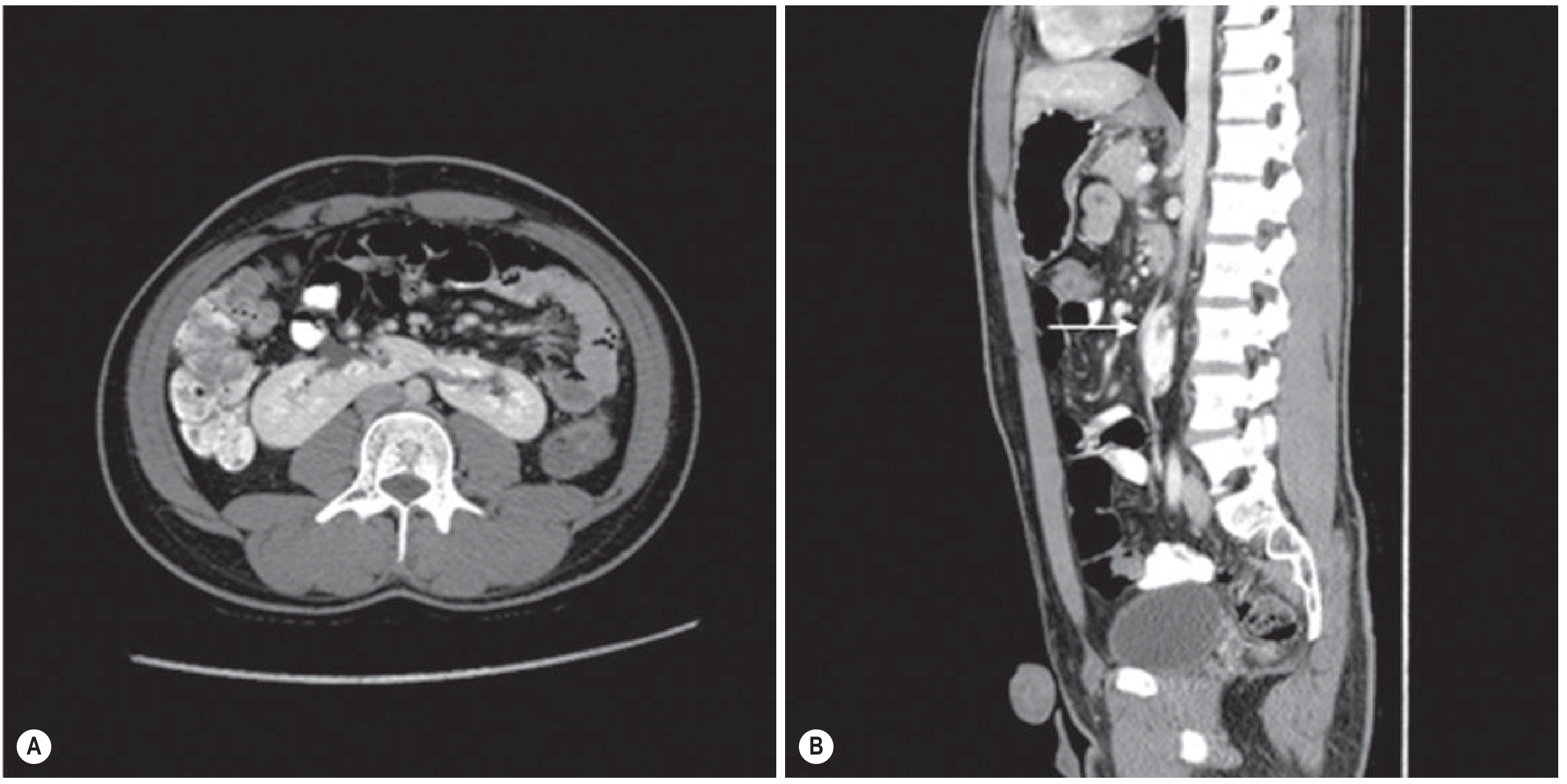
- Most common renal fusion anomaly: 1 in 400-1,000 births; 2:1 male predominance
- Results from contact and fusion of both kidneys (usually lower poles, 90% of cases) during ascent
- The isthmus lies anterior to the IVC and aorta but posterior to the inferior mesenteric artery (IMA) - the IMA prevents full ascent
- Isthmus: fibrous band or functioning parenchyma (85-95%)
- Renal axes: lower poles face medially (opposite of normal)
Associations:
- Turner syndrome (up to 7% have horseshoe kidney)
- Trisomy 18, trisomy 21
- Neural tube defects
- UPJ obstruction (high incidence due to high ureteric insertion), VUR, nephrolithiasis
- Increased risk of Wilms tumor, carcinoid tumors, transitional cell carcinoma, and lymphoma
Imaging: Lower poles medially rotated, isthmus crossing midline, UPJ high insertion. CT is gold standard for defining isthmus composition and vascular supply.
Pancake Kidney
- Bilateral pelvic kidneys that fuse - produces a single flat pelvic renal mass
- Both collecting systems present within fused mass
- Diagnosed with CT/MRU
L-Shaped / Sigmoid / Lump Kidney
- Other configurations of crossed fused ectopia in which the orientation of the fused unit differs
8. Duplex Pelvicalyceal System (Ureteral Duplication)
Most common congenital urinary tract anomaly: reported incidence 0.8-5%
Arises when two separate ureteric buds develop from a single Wolffian duct.
Types
- Partial (bifid) duplication: two pelves join proximal to the UVJ; may show Y-shaped ureter
- Bifid pelvis: two pelvices joined proximal to UPJ (upper calyces → upper pelvis; mid/lower → lower pelvis)
- Y-ureter: ureters join distal to UPJ - can cause yo-yo (ureteroureteral) reflux
- Complete duplication: two entirely separate ureters inserting separately into the bladder (or ectopically)
Weigert-Meyer Rule
The upper moiety ureter inserts ectopically (below and medial to normal orifice, or extravesical); the lower moiety ureter inserts normally (above and lateral). This is the Weigert-Meyer rule.
- Upper pole moiety: tends to obstruct (ectopic insertion, ureterocele)
- Lower pole moiety: tends to reflux (laterally displaced orifice)
Ureterocele
- Cystic dilatation of the intravesical distal ureter
- Orthotropic (simple) ureterocele: at normal position, typically adults
- Ectopic ureterocele: in duplex system, upper moiety, inserts below normal (females >> males)
- Cobra-head/spring-onion sign on IVU/CTU
- US: thin-walled cystic structure at bladder base
Imaging of duplex system:
- US: echogenic band ("columnar of Bertin") between upper and lower moieties; dilated upper pole in obstruction
- CT/MRU: defines both moieties, ureteric courses, and site of insertion
- VCUG: demonstrates VUR into lower moiety; may opacify ureterocele
- MRU preferred in children for complete anatomical mapping without radiation
~1/3 of patients with complete duplication have an additional congenital anomaly (horseshoe kidney, MCDK, etc.)
9. Normal Mimickers
Several normal variants can simulate pathology on imaging:
| Mimicker | What It Can Simulate | Key Features |
|---|---|---|
| Fetal (persistent) lobulation | Renal mass or scarring | Regular scalloping along inter-lobar septa; no parenchymal loss; seen up to 5 yrs, persists as normal variant in adults |
| Column of Bertin (septum of Bertin) | Renal mass (pseudomass) | Isoechoic to cortex on US; isodense to cortex on all CT phases; no mass effect; found between pyramids |
| Dromedary hump | Left renal mass | Lateral cortical bulge on the left due to splenic impression; cortex isodense to rest of kidney |
| Junctional parenchymal defect | Scar or mass | Hyperechoic triangular defect at upper pole anteriorly (junction of upper and middle lobar units); contains fat on CT |
| Extrarenal pelvis | Hydronephrosis | Renal pelvis extends outside renal sinus; pelvis >2 cm but normal calyces and no obstruction |
| Corticomedullary differentiation in neonates | Hydronephrosis/calyces | Normal US appearance in neonates; medullary pyramids are hypoechoic |
| Accessory renal arteries | Not a pathology per se | Present in ~30% unilateral, 10% bilateral; may cross UPJ causing obstruction; must be identified pre-operatively |
| Retro-aortic/circum-aortic left renal vein | Venous obstruction | Variant; not associated with renal deformities; gonadal/adrenal veins drain differently |
10. Cystic Renal Dysplasia - Full Spectrum and Associations
A. Renal Dysplasia (General)
- Abnormality of tissue patterning: decreased nephron number, loss of corticomedullary differentiation, metaplastic transformation of mesenchyme to cartilage/bone, abnormal stroma
- Typically small for age; polymorphic cysts may or may not be present
- Histology: paucity of glomeruli/tubules, disorganized elements, thickened/dilated renal tubules
B. Multicystic Dysplastic Kidney (MCDK)
- Most severe form of renal dysplasia
- Kidney replaced almost entirely by large polymorphic cysts with no discernible functioning parenchyma
- Incidence: ~1 in 4,000; more common in males; usually unilateral
- Contralateral kidney undergoes compensatory hypertrophy
- Natural history: spontaneous involution over time (size decreases; may completely involute)
- Detected on antenatal US: large peripheral cystic areas, no identifiable renal parenchyma, cysts do not communicate
- CT/MRI: multiple non-communicating cysts of varying size, no renal pelvis identifiable, absent normal parenchyma
- DMSA: absent/minimal function
- Associations: contralateral UPJ obstruction (~5-10%), VUR, contralateral hypoplasia
C. Obstructive Cystic Renal Dysplasia (ORD)
- Results from prolonged urinary tract obstruction during gestation
- Secondary to: posterior urethral valves, ureterocele, urethral agenesis
- US: hyperechoic thinned cortex, loss of corticomedullary differentiation, dilated collecting system, parenchymal cysts
D. Autosomal Recessive Polycystic Kidney Disease (ARPKD)
- PKHD1 gene mutation (chromosome 6); 1 in 20,000 live births
- Affects kidneys and liver (congenital hepatic fibrosis)
- Kidneys: cystic dilatation of collecting ducts → multiple microcysts usually <2 mm
- US: large bilaterally echogenic kidneys in neonate (microcysts too small to resolve individually); oligohydramnios on antenatal US
- With age: cysts may become large enough to be visible
- Liver: Caroli disease (intrahepatic biliary ectasia), congenital hepatic fibrosis, portal hypertension
E. Autosomal Dominant Polycystic Kidney Disease (ADPKD)
- PKD1 gene (chromosome 16) ~85%; PKD2 gene (chromosome 4) ~15%
- 1 in 400-1,000 live births - most common inherited cause of ESRD
- PKD1 mutations: earlier and more severe disease
- Symptoms: hematuria, flank pain, hypertension, proteinuria, renal insufficiency
Extra-renal associations (ADPKD):
- Intracranial (berry) aneurysms (~10%) - major cause of morbidity
- Hypertension
- Colonic diverticulosis
- Mitral and aortic valve dysfunction
- Aortic dissection
- Multiple biliary hamartomas (von Meyenberg complexes)
- Cysts in liver, spleen, pancreas
Imaging: Markedly enlarged kidneys bilaterally; numerous cysts of variable size replacing normal parenchyma. CT/MRI: bilateral renal enlargement, innumerable cysts, internal hemorrhage (variable T1 signal), calcification. Renal length may exceed 20-30 cm in advanced disease.
F. Simple Renal Cysts
- Common with increasing age; not congenital per se but commonly encountered
- Classified by Bosniak criteria (I-IV) for malignancy risk stratification
- Parapelvic cysts arise from renal parenchyma adjacent to the sinus
- Peripelvic cysts arise from lymphatics within the renal sinus
G. Medullary Sponge Kidney (MSK)
- Cystic dilatation of medullary collecting tubules
- Associated with nephrocalcinosis and recurrent stones
- IVU/CTU: "paintbrush" or "bouquet of flowers" appearance - contrast fills dilated tubules
- Not a true dysplasia but included in cystic renal spectrum
H. Nephronophthisis / Juvenile Nephronophthisis
- Autosomal recessive; commonest genetic cause of end-stage renal failure in children
- Small/normal-sized kidneys; corticomedullary cysts on imaging; loss of corticomedullary differentiation
- Associated with retinal dystrophy (Senior-Løken syndrome), Joubert syndrome
I. Summary Table - Cystic Diseases
| Condition | Inheritance | Gene | Cyst location | Key Associations | Imaging |
|---|---|---|---|---|---|
| ARPKD | AR | PKHD1 (chr 6) | Collecting ducts (microcysts <2mm) | Congenital hepatic fibrosis, Caroli | Echogenic enlarged kidneys; oligohydramnios |
| ADPKD | AD | PKD1/PKD2 | All nephron segments | Berry aneurysms, liver/pancreas cysts, MVP | Bilateral enlarged kidneys, innumerable cysts |
| MCDK | Sporadic | -- | Multiple large cysts, no pelvis | Contralateral UPJ obstruction, VUR | Large non-communicating cysts, no parenchyma, involutes |
| Obstructive dysplasia | Acquired | -- | Parenchymal cysts + dilated system | PUV, ureterocele | Echogenic cortex, dilated collecting system |
| Nephronophthisis | AR | NPHP genes | Corticomedullary interface | Retinal dystrophy, Joubert syndrome | Small kidneys, corticomedullary cysts |
| Medullary sponge | Sporadic/AD | -- | Collecting tubules (medullary) | Nephrocalcinosis, stones | "Paintbrush" tubules on CTU |
| Simple cysts | Acquired | -- | Cortex/medulla | -- | Bosniak I-IV |
Sources:
- Grainger & Allison's Diagnostic Radiology, Chapter 27-28 (Congenital Abnormalities of the Urinary Tract, Congenital Cystic Renal Disease)
- Brenner & Rector's The Kidney, Chapter 72 (Spectrum of Kidney and Urinary Tract Disorders in Children)
- Campbell-Walsh Wein Urology (Radiologic Anatomy of the Renal Parenchyma; CAKUT genetics)Here is a complete, organized reference covering all the topics you requested.
Radiology - Imaging of Congenital Renal Abnormalities
1. Embryology
The kidney develops through three sequential phases:
- Pronephros (weeks 3-4): rudimentary, non-functional, completely regresses
- Mesonephros (weeks 4-8): temporarily functional, gives rise to the Wolffian (mesonephric) duct
- Metanephros (week 5+): the permanent kidney, arising from two elements:
- Ureteric bud: outgrowth of the Wolffian duct - forms ureter, renal pelvis, calyces, and collecting ducts
- Metanephric blastema (mesenchyme): forms nephrons, glomeruli, and tubules
Key events:
- Ureteric bud must contact the metanephric mesenchyme at precisely the right time - early or late budding leads to renal malformations, dysplasia, hypoplasia, or agenesis
- Weeks 6-9: kidneys ascend from pelvis to L1-L2 retroperitoneum with 90° medial rotation (hilum faces anteromedially)
- Arterial supply shifts progressively cranially; failure of earlier arteries to involute = accessory renal arteries (~30% unilateral, 10% bilateral)
- Failure of ascent = ectopic kidney; failure of fusion arrest at midline = horseshoe/fused kidney
Key molecular regulators:
| Pathway | Role | Clinical relevance |
|---|---|---|
| GDNF/RET | GDNF (from mesenchyme) activates RET on ureteric bud, drives branching | Loss → agenesis |
| EYA1/SIX1 | Metanephric mesenchyme transcription; also expressed in ear/branchial tissue | Mutations → BOR syndrome |
| SHH/GLI3 | Hedgehog signaling regulates ureteric branching | Loss → agenesis (Smith-Lemli-Opitz, Pallister-Hall) |
2. Classification
Renal abnormalities are sub-classified by six categories:
| Category | Examples |
|---|---|
| Number | Agenesis, supernumerary kidney |
| Size/Parenchyma | Hypoplasia, dysplasia |
| Position | Pelvic/iliac/thoracic ectopia, malrotation |
| Fusion | Horseshoe kidney, crossed fused ectopia, pancake kidney |
| Collecting system | Duplex system, ureterocele, UPJ obstruction, bifid pelvis |
| Cystic | ADPKD, ARPKD, MCDK, obstructive dysplasia, simple cysts |
3. Imaging Protocol - CT and MRI
First-line: Ultrasound
- Antenatal US: most anomalies first detected here
- Normal kidney: slightly less echogenic than liver (difference increases with age)
- Neonatal corticomedullary differentiation can mimic hydronephrosis (normal)
- Fetal lobulation visible up to age 5
CT Urography (CTU) Protocol
| Phase | Timing | Purpose |
|---|---|---|
| Non-contrast | Baseline | Calculi, gross anatomy |
| Arterial/corticomedullary | 25-30 s | Vascular supply, accessory arteries (pre-op) |
| Nephrographic | 70-100 s | Parenchymal assessment, fusion anomalies, isthmus |
| Excretory/urographic | 5-10 min | Collecting system: duplication, ureterocele, ectopic insertion, UPJ |
- Multiplanar reconstructions (coronal, sagittal) are mandatory for positional and fusion anomalies
- CTU is the gold standard for complex collecting system anomalies in adults
MRI / MR Urography (MRU)
- Preferred in children and pregnancy (no radiation)
- T2 HASTE/SSFSE coronal: collecting system, fusion, position (bright urine)
- T1 pre/post gadolinium: parenchymal enhancement, function
- Static MRU: heavy T2-weighted, no contrast - outlines dilated collecting systems
- Excretory MRU: gadolinium + furosemide - functional and anatomical mapping
- DWI: adjunct for cystic lesion characterization and dysplastic kidney assessment
Nuclear Medicine
- DMSA scan: cortical scarring, split function, confirms ectopic/fused renal tissue
- MAG3/DTPA diuretic renogram: UPJ obstruction assessment
- VCUG: VUR, posterior urethral valves, ureterocele
4. Renal Agenesis and Associated Syndromes
Unilateral renal agenesis (1 in 500-1,000 births): failure of ureteric bud to join metanephric blastema; absent/rudimentary ipsilateral ureter in most cases.
| Population | Associated anomalies |
|---|---|
| Males (up to 70%) | Absent epididymis, vas deferens, seminal vesicle; seminal vesicle cyst |
| Females (70%) | Müllerian anomalies: vaginal/uterine agenesis, unicornuate uterus = MRKH syndrome |
| All (10%) | Absent ipsilateral adrenal gland |
| All | VACTERL; Turner syndrome; trisomy 21/22; cardiac, skeletal anomalies |
Imaging clue on plain film: Left renal agenesis - splenic flexure lies medially to the lesser curve of the stomach (bowel occupies renal fossa)
Bilateral renal agenesis (1 in 4,000 births): Potter sequence - oligohydramnios → pulmonary hypoplasia + facial anomalies (low-set ears, broad flat nose, prominent infraorbital folds)
Associated syndromes:
| Syndrome | Gene | Renal phenotype |
|---|---|---|
| BOR (Branchio-Oto-Renal) | EYA1, SIX1 | Agenesis, hypodysplasia, VUR, duplication |
| Fraser syndrome | FRAS1, FREM2 | Bilateral agenesis/hypoplasia |
| Pallister-Hall | GLI3 | Agenesis, dysplasia, hydronephrosis |
| Smith-Lemli-Opitz | DHCR7 | Agenesis, hypodysplasia |
| Okihiro (radial ray) | SALL4 | Unilateral agenesis, VUR, cross-fused ectopia |
5. Renal Hypoplasia, Supernumerary Kidney, and Cross-Fused Ectopia
Renal Hypoplasia
- Small kidney with reduced nephron number - developmental arrest in first trimester
- Distinct from dysplasia (abnormal tissue patterning) and acquired atrophy (irregular scarred surface)
- Imaging: Small, smooth kidney; preserved but diminished parenchyma; may show hyperechoic cortex or small cysts on US
Supernumerary Kidney
- Extra kidney (beyond the normal pair); rare
- Usually on the left (probable ureteric bud duplication)
- Located caudal to the normal kidney
- Drained by a separate ureter or a branch of a bifid ureter
- CT/MRU: separate renal unit with its own parenchyma, collecting system, and vascular supply
Cross-Fused Renal Ectopia
| Type | Description |
|---|---|
| Crossed fused (most common) | Kidney migrates across midline, fuses to the lower pole of the contralateral kidney |
| Simple crossed (nonfused) | Kidney crosses midline, does not fuse; lies at the pelvic rim |
| Bilateral ectopia | Both kidneys cross the midline; native ureters still insert normally into the bladder |
- More common in males; the left kidney is more commonly the ectopic one
- The ectopic kidney's ureter crosses the midline and inserts ipsilaterally into the bladder
- Complications: UPJ obstruction, stones, VUR, infection
Imaging:
- US: parenchymal band between kidneys; abnormal position
- DMSA: confirms functional renal tissue in the ectopic location
- CT/MRU: defines fusion, vascular supply, collecting system
6. Abnormally Positioned Kidney / Renal Ectopia
Normal ascent: pelvis → L1-2 retroperitoneum, with 90° medial rotation. Failure at any point = ectopia.
| Position | Notes |
|---|---|
| Pelvic kidney | Most common ectopic type; true pelvis; prone to UPJ obstruction, trauma |
| Iliac kidney | Iliac fossa |
| Abdominal/lumbar | Between pelvis and normal position |
| Thoracic kidney | Rare; through Bochdalek diaphragmatic defect; diagnosed on chest X-ray/CT |
| Crossed ectopia | Crosses midline (see above) |
Complications: Decreased function, UPJ obstruction, VUR, nephrolithiasis, increased trauma risk.
Malrotation: Abnormal rotation around the long axis; UPJ faces anteriorly (most common); may cause extrinsic obstruction.
Imaging approach: If kidney absent in retroperitoneal fossa, systematically scan pelvis, iliac fossa, and mediastinum. CT/MRI define position, vasculature (multiple anomalous vessels common), and collecting system. DMSA confirms function.
7. Fusion Abnormalities
Horseshoe Kidney
- Most common fusion anomaly: 1 in 400-1,000 births; 2:1 male predominance
- Both kidneys (usually lower poles, 90%) fuse across the midline during ascent
- The isthmus lies anterior to the aorta and IVC, posterior to the inferior mesenteric artery (IMA) - which halts further ascent
- Isthmus composition: fibrous or functioning parenchyma (85-95%)
- Lower poles point medially (reversed renal axes)
Associations:
- Turner syndrome (7%), trisomy 18, trisomy 21, neural tube defects
- UPJ obstruction (high ureteric insertion), VUR, nephrolithiasis
- Increased risk: Wilms tumor, carcinoid, transitional cell carcinoma, lymphoma
Pancake (Disc) Kidney
- Bilateral pelvic kidneys that fuse anteriorly, producing a single flat pelvic renal mass with two collecting systems
Other Fusion Types (variants of crossed fused ectopia)
- Sigmoid/S-shaped kidney: the two kidneys fuse at opposite poles
- L-shaped kidney: perpendicular configuration
- Lump/cake kidney: irregular complete fusion
8. Duplex Pelvicalyceal System (Ureteral Duplication)
Most common congenital urinary tract anomaly: incidence 0.8-5%
Arises when two separate ureteric buds develop from a single Wolffian duct.
Types
- Partial (bifid) duplex:
- Bifid pelvis: two pelvices joined proximal to UPJ
- Y-ureter (bifid ureter): ureters join distal to UPJ; can cause yo-yo (ureteroureteral) reflux if one segment disproportionately enlarged
- Complete duplex: two entirely separate ureters from kidney to bladder (or ectopically)
Weigert-Meyer Rule
Upper moiety ureter inserts ectopically - below and medial to the normal orifice, sometimes extravesical. Lower moiety ureter inserts normally (above and lateral).
- Upper pole: tends to obstruct (ectopic/ureterocele)
- Lower pole: tends to reflux (laterally displaced orifice, shorter submucosal tunnel)
Ureterocele
- Cystic dilatation of the intravesical distal ureter
- Orthotropic (simple): at normal position; typically in adults; usually asymptomatic
- Ectopic: in duplex system, upper moiety, inserts below trigone; more common in females; may prolapse into urethra
- Cobra-head / spring-onion sign on IVU or CTU
Imaging approach:
- US: echogenic band (column of Bertin) between moieties; dilated upper pole in obstruction; ureterocele as thin-walled cyst at bladder base
- CTU/MRU: full anatomical map of both moieties, ureteric courses, insertion sites
- VCUG: VUR into lower moiety; may opacify ureterocele
- Approximately 1/3 of patients with complete duplication have an additional congenital anomaly
9. Normal Mimickers
| Mimicker | What It Simulates | Key Distinguishing Features |
|---|---|---|
| Persistent fetal lobulation | Renal mass or cortical scar | Regular scalloping along inter-lobar septa; no parenchymal loss; isoechoic/isodense to cortex |
| Column of Bertin (prominent septum) | Cortical mass / pseudotumor | Isoechoic to cortex on US; isodense on all CT phases; located between pyramids; no mass effect; normal enhancement on contrast CT |
| Dromedary hump | Left renal mass | Left lateral cortical bulge from splenic impression; isodense to rest of cortex on all CT phases |
| Junctional parenchymal defect | Cortical scar or angiomyolipoma | Triangular hyperechoic/fat-containing defect at upper pole anteriorly (junction of lobar units); contains fat on CT |
| Extrarenal pelvis | Hydronephrosis | Pelvis extends outside sinus; calyces normal caliber; no obstruction on renogram |
| Corticomedullary differentiation in neonates | Hydronephrosis/dilated calyces | Normal US appearance; hypoechoic medullary pyramids; resolves with age |
| Accessory renal arteries | Pathological vascular structure | Normal variant (~30% unilateral); supplies lower pole; critical to identify pre-operatively (can cross UPJ causing obstruction) |
| Retro-aortic / circum-aortic left renal vein | Venous obstruction | Normal variant; no associated renal deformity; gonadal/adrenal veins drain differently |
10. Cystic Renal Dysplasia - Full Spectrum and Associations
Renal Dysplasia (General Definition)
Abnormality of tissue patterning: decreased nephron number, loss of corticomedullary differentiation, metaplastic transformation of mesenchyme to cartilage/bone, disorganized stroma.
Multicystic Dysplastic Kidney (MCDK)
- Extreme form: kidney almost entirely replaced by large polymorphic non-communicating cysts, no identifiable renal pelvis, no functioning parenchyma
- Incidence ~1 in 4,000; more common in males; usually unilateral
- Natural history: gradual spontaneous involution
- Antenatal US: large peripheral cysts, no parenchyma
- DMSA: absent/minimal function
- Associations: contralateral UPJ obstruction (~5-10%), VUR, contralateral hypoplasia
Obstructive Cystic Renal Dysplasia
- Due to prolonged gestation urinary obstruction (posterior urethral valves, ureterocele, urethral agenesis)
- US: hyperechoic thinned cortex, loss of corticomedullary differentiation, dilated collecting system, parenchymal cysts
Autosomal Recessive PKD (ARPKD)
- PKHD1 gene, chromosome 6; 1 in 20,000 births
- Kidneys: cystic dilatation of collecting ducts → microcysts <2 mm
- Liver: congenital hepatic fibrosis, Caroli disease, portal hypertension
- Early US: bilaterally enlarged echogenic kidneys (microcysts too small to resolve); oligohydramnios antenatally
- With age: cysts become large enough to see individually
Autosomal Dominant PKD (ADPKD)
- PKD1 (chr 16, ~85%) and PKD2 (chr 4, ~15%); 1 in 400-1,000 births
- Most common inherited cause of ESRD
- Imaging: bilaterally enlarged kidneys, innumerable cysts of variable size
Extra-renal associations:
- Intracranial (berry) aneurysms (~10%)
- Colonic diverticulosis
- Mitral and aortic valve dysfunction
- Aortic dissection
- Von Meyenberg complexes (biliary hamartomas)
- Cysts in liver, spleen, pancreas
Medullary Sponge Kidney (MSK)
- Cystic dilatation of medullary collecting tubules
- Associated with nephrocalcinosis and recurrent stones
- CTU/IVU: "paintbrush" or "bouquet of flowers" - contrast fills dilated tubules
Nephronophthisis
- Autosomal recessive; most common genetic cause of ESRD in children
- Small/normal-sized kidneys; corticomedullary cysts; loss of differentiation
- Associated with: retinal dystrophy (Senior-Løken syndrome), Joubert syndrome (cerebellar vermis hypoplasia)
Summary Table - Cystic Renal Diseases
| Condition | Inheritance | Gene | Cyst Location | Key Associations | US Appearance |
|---|---|---|---|---|---|
| ARPKD | AR | PKHD1 (chr 6) | Collecting ducts (<2mm microcysts) | Hepatic fibrosis, Caroli, portal HTN | Enlarged echogenic kidneys |
| ADPKD | AD | PKD1/PKD2 | All nephron segments | Berry aneurysms, liver/pancreas cysts | Bilateral enlarged, innumerable cysts |
| MCDK | Sporadic | -- | Large non-communicating cysts | Contralateral UPJ obstruction, VUR | Cysts without pelvis, involutes |
| Obstructive dysplasia | Acquired (obstruction) | -- | Parenchymal + dilated system | PUV, ureterocele | Echogenic cortex, dilated system |
| Nephronophthisis | AR | NPHP1-20 | Corticomedullary interface | Senior-Løken, Joubert syndrome | Small kidneys, interface cysts |
| Medullary sponge | Sporadic/AD | -- | Collecting tubules (medullary) | Nephrocalcinosis, stones | Echogenic medullary pyramids |
| Simple cysts | Acquired | -- | Cortex/medulla | -- | Anechoic, posterior acoustic enhancement |
References:
- Grainger & Allison's Diagnostic Radiology, Chapters 27-28 (Congenital Abnormalities of the Urinary Tract; Congenital Cystic Renal Disease)
- Brenner & Rector's The Kidney, Chapter 72 (Spectrum of Kidney and Urinary Tract Disorders in Children)
- Campbell-Walsh Wein Urology (CAKUT genetics, Radiologic Anatomy of the Renal Parenchyma)
This is a shared conversation. Sign in to Orris to start your own chat.