
Give me important diagram for 2nd internal exam gnm 1st year asking chance more
Asking for Preferences
Which subject(s) is your 2nd internal exam covering?
I'll cover all major GNM 1st year subjects. Let me pull the most exam-important diagrams across all of them.
Reading File
Finding Sources
Searching the Web
GNM 1st year 2nd internal exam important diagrams anatomy physiology microbiology
Searching Images
heart anatomy diagram chambers valves
Searching Images
neuron structure diagram
Searching Images
respiratory system lungs anatomy diagram
Searching Images
kidney nephron structure diagram
Searching Images
digestive system anatomy diagram stomach intestine
Searching Images
cell structure organelles diagram
Searching Images
endocrine system glands hormones diagram
Searching Images
bacteria cell structure gram staining microbiology
Now I have everything I need. Here is a comprehensive guide to the most exam-important diagrams for GNM 1st Year 2nd Internal Exam, covering all major subjects:
🩺 GNM 1st Year — 2nd Internal Exam: Most Important Diagrams
📌 ANATOMY & PHYSIOLOGY
1. Structure of the Heart (Chambers, Valves & Blood Flow)
Very high chance — asked almost every year
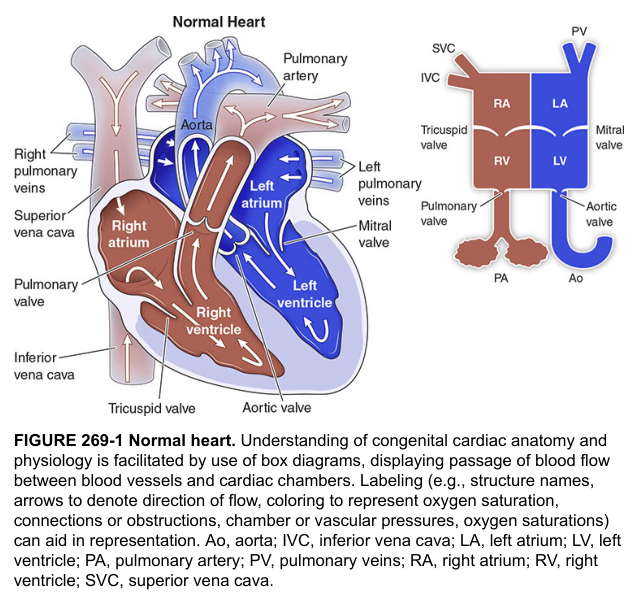
Label these parts:
- 4 chambers: Right atrium, Right ventricle, Left atrium, Left ventricle
- Valves: Tricuspid, Pulmonary, Mitral (Bicuspid), Aortic
- Major vessels: Superior/Inferior Vena Cava, Pulmonary artery, Pulmonary veins, Aorta
- Direction of blood flow (deoxygenated = blue arrows; oxygenated = red arrows)
2. Structure of a Neuron (Nerve Cell)
High chance — nervous system chapter
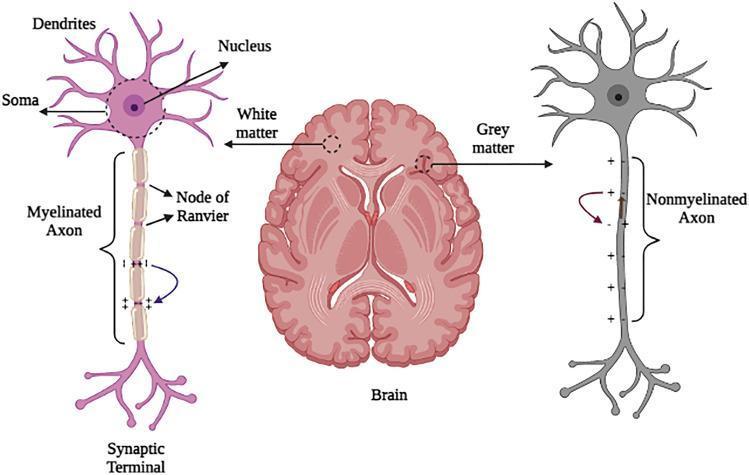
Label these parts:
- Cell body (Soma) with nucleus
- Dendrites (receive impulses)
- Axon (carries impulse away)
- Myelin sheath
- Node of Ranvier
- Synaptic terminal (axon end)
- Differentiate: myelinated vs non-myelinated
3. Nephron — Structure of the Kidney's Functional Unit
High chance — excretory system
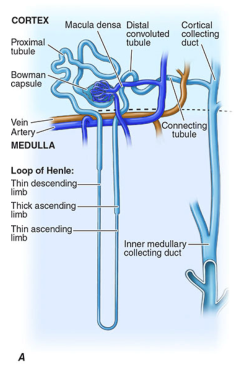
Label these parts:
- Bowman's capsule & Glomerulus (cortex)
- Proximal convoluted tubule (PCT)
- Loop of Henle (descending & ascending limb — medulla)
- Distal convoluted tubule (DCT)
- Collecting duct
- Blood supply: Afferent arteriole → Glomerulus → Efferent arteriole → Peritubular capillaries
4. Respiratory System / Lungs
Moderate–high chance
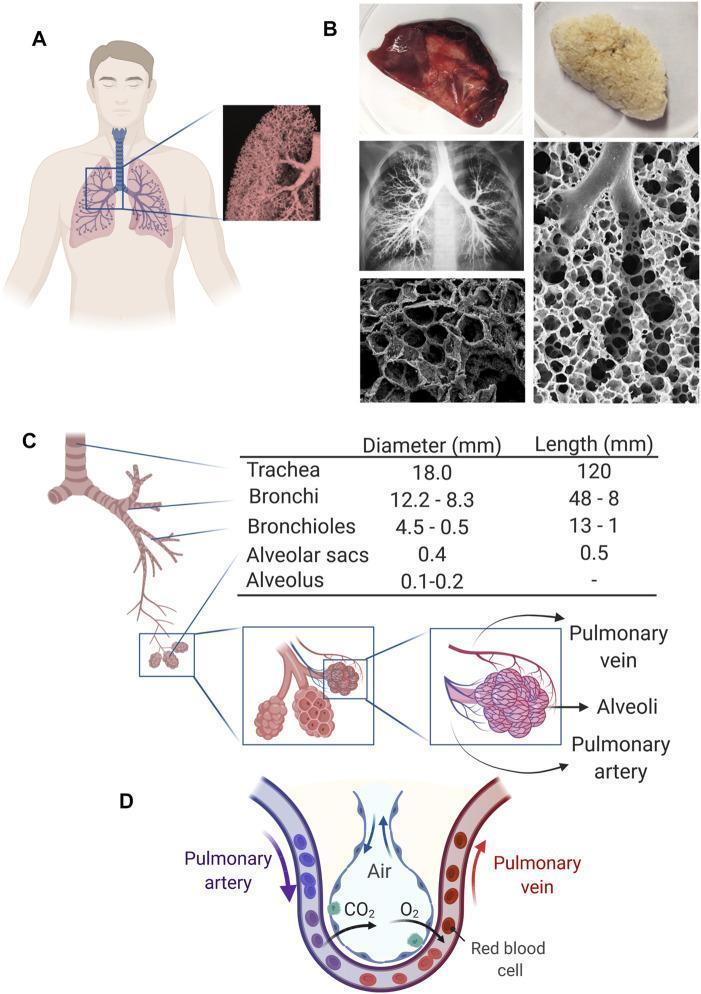
Label these parts:
- Nasal cavity → Pharynx → Larynx → Trachea
- Primary bronchi → Secondary bronchi → Bronchioles
- Alveoli (air sacs) — site of gas exchange
- Diaphragm
- Lobes of lungs: Right (3 lobes), Left (2 lobes)
- Alveolus cross-section showing O₂ in / CO₂ out
5. Endocrine System — Hypothalamus-Pituitary Axis
Moderate chance — endocrine chapter
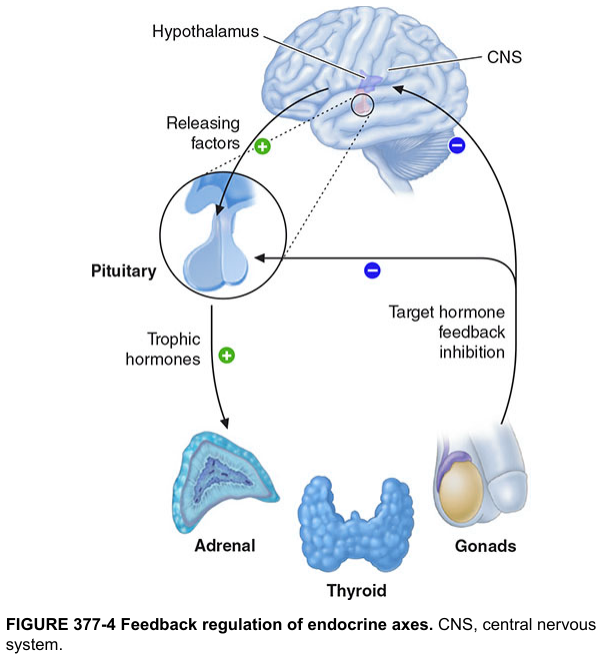
Label these:
- CNS → Hypothalamus → Releasing hormones
- Anterior Pituitary → Trophic hormones (TSH, ACTH, FSH, LH, GH)
- Target glands: Thyroid, Adrenal glands, Gonads
- Negative feedback loop arrows
📌 MICROBIOLOGY
6. Bacterial Cell Structure
Very high chance
Draw a bacterial cell showing:
- Cell wall (Gram +ve = thick peptidoglycan; Gram −ve = thin peptidoglycan + outer membrane)
- Cell membrane (plasma membrane)
- Cytoplasm
- Nucleoid (circular DNA — no true nucleus)
- Ribosomes (70S)
- Flagellum, Pili/Fimbriae
- Capsule (in some)
- Plasmid
7. Gram Staining — Procedure Diagram
High chance — asked as flowchart/steps
Draw a flow diagram:
- Crystal violet (primary stain) → all cells purple
- Gram's iodine (mordant) → fixes stain
- Acetone/Alcohol (decolorizer) → Gram +ve stay purple; Gram −ve lose color
- Safranin (counterstain) → Gram −ve turn pink/red
Result: Gram +ve = Purple/Violet | Gram −ve = Pink/Red
8. Virus Structure (General)
Moderate chance
Label:
- Capsid (protein coat)
- Nucleic acid (DNA or RNA inside)
- Envelope (in enveloped viruses, e.g., HIV, Influenza)
- Spikes/Surface antigens
- No cell organelles, no ribosomes
📌 ANATOMY — ADDITIONAL HIGH-CHANCE DIAGRAMS
9. Digestive System
Label sequentially:
- Mouth → Esophagus → Stomach → Duodenum → Jejunum → Ileum → Cecum → Ascending/Transverse/Descending Colon → Rectum → Anus
- Accessory organs: Liver, Gallbladder, Pancreas (with their ducts)
10. Cross-Section of the Spinal Cord
- Grey matter (H-shaped, contains anterior/posterior horns)
- White matter (surrounds grey matter)
- Central canal
- Dorsal root (sensory), Ventral root (motor)
- Dorsal root ganglion
📌 QUICK MEMORY TIPS FOR EXAM
| Diagram | Key Point to Remember |
|---|---|
| Heart | Blood flow direction: Body → RA → RV → Lungs → LA → LV → Body |
| Neuron | Dendrites = receive; Axon = send impulse |
| Nephron | Filtration in Bowman's capsule; reabsorption in PCT & Loop of Henle |
| Gram stain | +ve = Purple (thick wall retains violet); −ve = Pink (thin wall decolorized) |
| Endocrine axis | Hypothalamus → Pituitary → Target organ → Negative feedback |
| Lungs | Right = 3 lobes; Left = 2 lobes (heart indentation) |
Preparation tip: For each diagram, practice labeling it at least 3 times without looking. Examiners award marks for neatness, correct labels, and arrows showing direction (especially for heart and nephron). All diagrams above are commonly asked in both short answer (2-mark diagrams) and long answer (with explanation) format in GNM board and internal exams.
This is a shared conversation. Sign in to Orris to start your own chat.