
Colloid dressing
Reading File
Colloid dressings (also called hydrocolloid dressings) are moist wound dressings used for partial and full-thickness wounds. Let me search the textbooks for detailed information.
Searching sources...
Finding Sources
Finding Sources
Good results. Let me read the most relevant sections - the Dermatology textbook has a dedicated "Hydrocolloids" section, and Schwartz's Surgery has wound dressing content.
Reading File
Reading File
Now let me read the dedicated Hydrocolloids section from Dermatology and also the chart image.
Reading File
Finding Sources
Let me continue reading the hydrocolloid section for indications, contraindications, and wound types.
Reading File
I now have comprehensive information. Let me fetch the dressing comparison chart image and compile the final answer.
Loading Image
I now have all the information needed for a comprehensive answer.
Hydrocolloid (Colloid) Dressings
Definition and Etymology
"Colloid" comes from the Greek term for a two-phase system - a uniform dispersion of one phase of matter (unfilterable small particles) into another phase or matrix. Mutually attractive charges exist between the particles, contributing to the diffusible properties of colloids. This property accounts for the absorptive and expansive capacity of colloid gels, which function as a semipermeable membrane. Gel swelling occurs because the particle concentration of the gel is higher than that of the surrounding medium, drawing water from surroundings into the gel.
Composition and Structure
Hydrocolloid dressings (e.g., DuoDERM®) are available in sheet and paste forms and consist of two layers:
| Layer | Content |
|---|---|
| Inner (adhesive) layer | Hydrophilic colloid base = mixture of pectin, karaya, guar, or carboxymethyl cellulose + adhesive containing polyisobutylene, styrene isoprene, or ethylene vinyl acetate |
| Outer layer | Thin semipermeable polyurethane film |
When in contact with wound exudate, a gel forms, and as a unit, the dressing is semipermeable to water vapor and gases.
A second type is a synthetic, non-adherent, high-density plastic woven polymer (e.g., N-Terface®) through which fluid flows to an overlying dressing without adhering to new epithelium.
Hydrocolloid dressings were first employed as ostomy products and have since been adapted for wound care.
Mechanism of Action
- Gel formation: Exudate is absorbed by the hydrocolloid, producing a yellowish-brown gelatinous mass - this is a normal finding (not pus), and the patient must be counselled about this.
- Autolytic debridement: The accumulated exudate in a moist, semipermeable environment becomes a source of phagocytic cells and endogenous enzymes, promoting autolytic debridement that can be washed away with saline.
- Angiogenesis stimulation: The semipermeable outer barrier has been shown to stimulate angiogenesis and increase the rate of healing.
- Occlusion with absorbency: Combines benefits of both, unlike simple film dressings.
Advantages
- Can be cut and conformed to wound shape (sheet form)
- Waterproof - impermeable to water, oxygen, and CO2; popular "waterproof" dressing
- Adhere directly - no secondary dressing required
- Cushioning/pressure-relieving effect, especially at bony prominences (increases as dressing absorbs exudate)
- Colloidal gel prevents adherence to wound base - atraumatic removal
- Promotes autolytic debridement
- Stimulates angiogenesis
- Can be left in place for extended periods (less frequent changes)
- No secondary dressing needed
Disadvantages
- Maceration of peri-wound skin
- Risk of irritant or allergic contact dermatitis (to adhesives)
- Risk of forming excessive granulation tissue
- End product (thick, yellow-brown, often foul-smelling gel) can resemble purulent discharge - must educate patient
- Contraindicated in infected and/or highly exudative wounds (occlusion may enhance bacterial growth)
Indications (Wound Selection)
Hydrocolloid dressings are best suited for wounds based on depth and drainage as shown in the chart below:
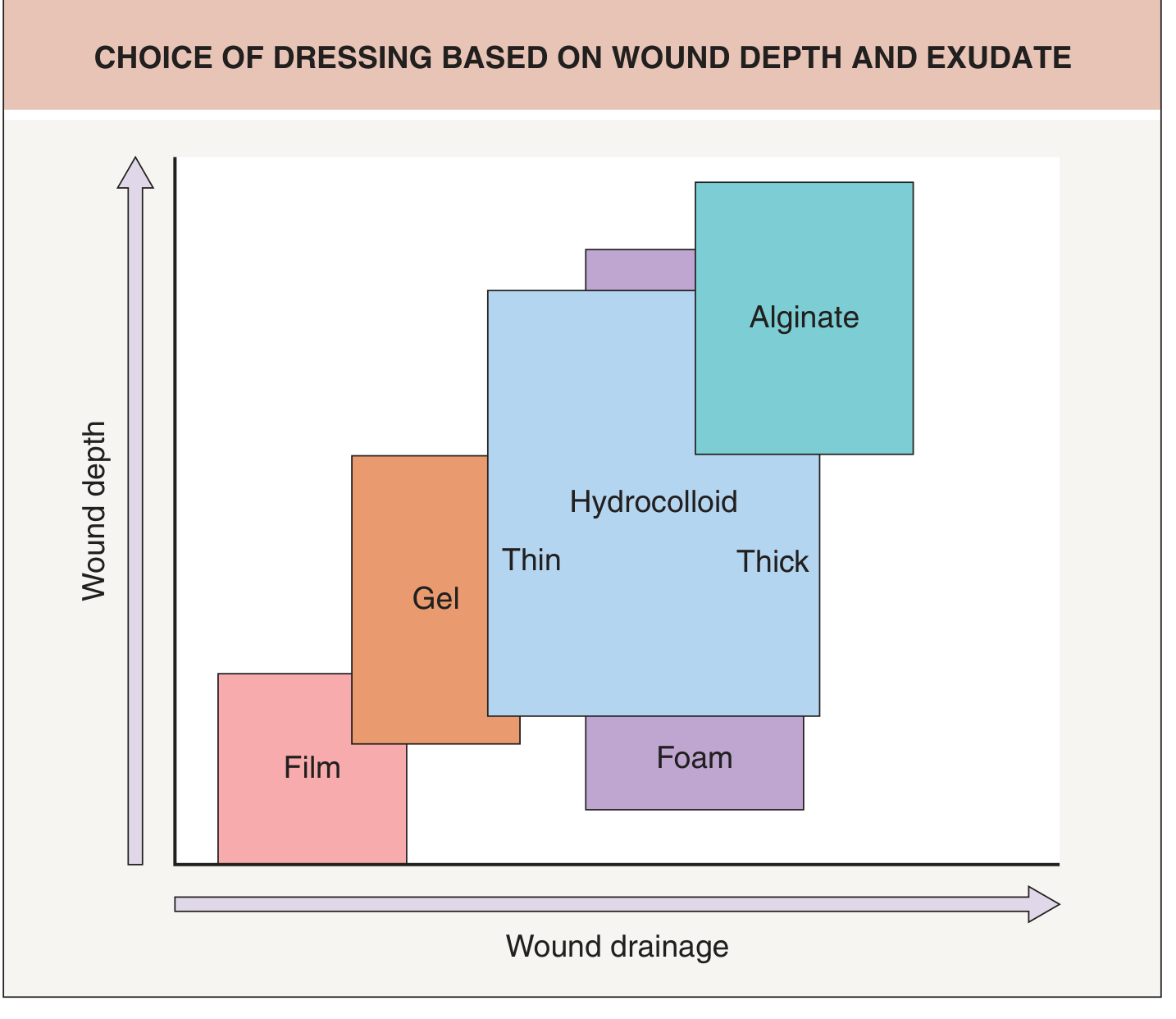
Fig. 145.10 - Dermatology 2-Volume Set 5e
As seen in the chart:
- Thin hydrocolloid - moderate wound depth, low-to-moderate drainage
- Thick hydrocolloid - deeper wounds with moderate-to-high drainage
- Hydrocolloid occupies a broad range but yields to alginate for very deep/highly exudative wounds
Clinical uses include:
- Partial and full-thickness wounds
- Pressure ulcers (especially at bony prominences - extra-thin hydrocolloid)
- Venous and arterial leg ulcers
- Post-debridement wound cover
- Mastocytoma (hydrocolloid dressing under occlusion for symptom control)
- Post-surgical wounds with minimal-to-moderate drainage
Comparison with Other Dressing Types
| Dressing | Best for |
|---|---|
| Film | Shallow wound, minimal drainage |
| Gel/Hydrogel | Provides moisture to dry wounds, burn care |
| Hydrocolloid | Moderate depth, low-moderate drainage; maintains moisture |
| Alginate | Deep wounds with high exudate (hemostatic, absorptive) |
| Foam | Shallow-moderate depth with moderate drainage |
Key Clinical Points
- Hydrocolloid and hydrogel dressings form complex structures with water - fluid absorption occurs with particle swelling, aiding atraumatic removal
- Hydrogel differs in being a cross-linked polymer with high water content, allowing high evaporation without compromising wound hydration (better for burns)
- The foul-smelling yellow-brown gel on removal is not infection - patient education is essential
- Occlusion is contraindicated in infected or highly exudative wounds
Sources: Dermatology 2-Volume Set 5e, p. 2968-2969 (Bolton 2025); Schwartz's Principles of Surgery 11th Ed, p. 335
This is a shared conversation. Sign in to Orris to start your own chat.