
How can I diagnose ARDS in ward setting without any ventilator available.. I am new PGR In general medicine ..
"acute respiratory distress syndrome" AND "diagnosis" AND "non-invasive"
PMID: 41935702
Diagnosing ARDS in a Ward Setting Without a Ventilator
1. Understand What ARDS Is (Briefly)
- Murray & Nadel's Textbook of Respiratory Medicine: "No diagnostic gold standard exists for ARDS, and it remains unclear whether it represents a single pathophysiologic process or multiple processes with similar clinical presentations."
2. The Berlin Definition - What It Requires and What to Do Without a Ventilator
| Criterion | Requirement |
|---|---|
| Timing | Onset within 1 week of a known clinical insult or new/worsening respiratory symptoms |
| Chest imaging | Bilateral opacities on CXR/CT - not fully explained by collapse, nodules, or effusion |
| Origin of edema | Respiratory failure not fully explained by cardiac failure or fluid overload |
| Oxygenation | PaO₂/FiO₂ (P/F ratio) ≤300 mmHg with PEEP ≥5 cmH₂O |
3. The Ward Workaround - Use the S/F Ratio Instead of P/F Ratio
"A 2007 analysis of ARDSnet data showed that the S/F ratio strongly correlated with a simultaneously drawn P/F ratio, and that an S/F ratio of 315 corresponds to a P/F ratio of 300 (the diagnostic cutoff for ARDS)."
S/F Ratio Cutoffs (ARDS Severity):
| Severity | P/F Ratio | Equivalent S/F Ratio |
|---|---|---|
| Mild | 201-300 mmHg | ~240-315 |
| Moderate | 101-200 mmHg | ~148-240 |
| Severe | ≤100 mmHg | ≤148 |
Important caveat: S/F ratio is most accurate when SpO₂ is ≤96%. If the patient is maintaining SpO₂ >97% on oxygen, the non-linear relationship makes this less reliable.
How to Calculate S/F Ratio on the Ward:
| Device | Flow Rate | Approximate FiO₂ |
|---|---|---|
| Nasal cannula | 1 L/min | 0.24 |
| Nasal cannula | 2 L/min | 0.28 |
| Nasal cannula | 4 L/min | 0.36 |
| Nasal cannula | 6 L/min | 0.44 |
| Simple face mask | 6-8 L/min | 0.40-0.50 |
| Non-rebreather mask | 10-15 L/min | 0.60-0.90 |
| Room air | - | 0.21 |
4. Assess the Bilateral Opacities - CXR on the Ward
- Bilateral diffuse alveolar infiltrates/opacities
- Affecting all lung zones
- Not explained by pleural effusions alone, lobar collapse, or nodules
- No features of cardiogenic pulmonary edema (Kerley B lines, cardiomegaly, upper lobe diversion) - though these can coexist
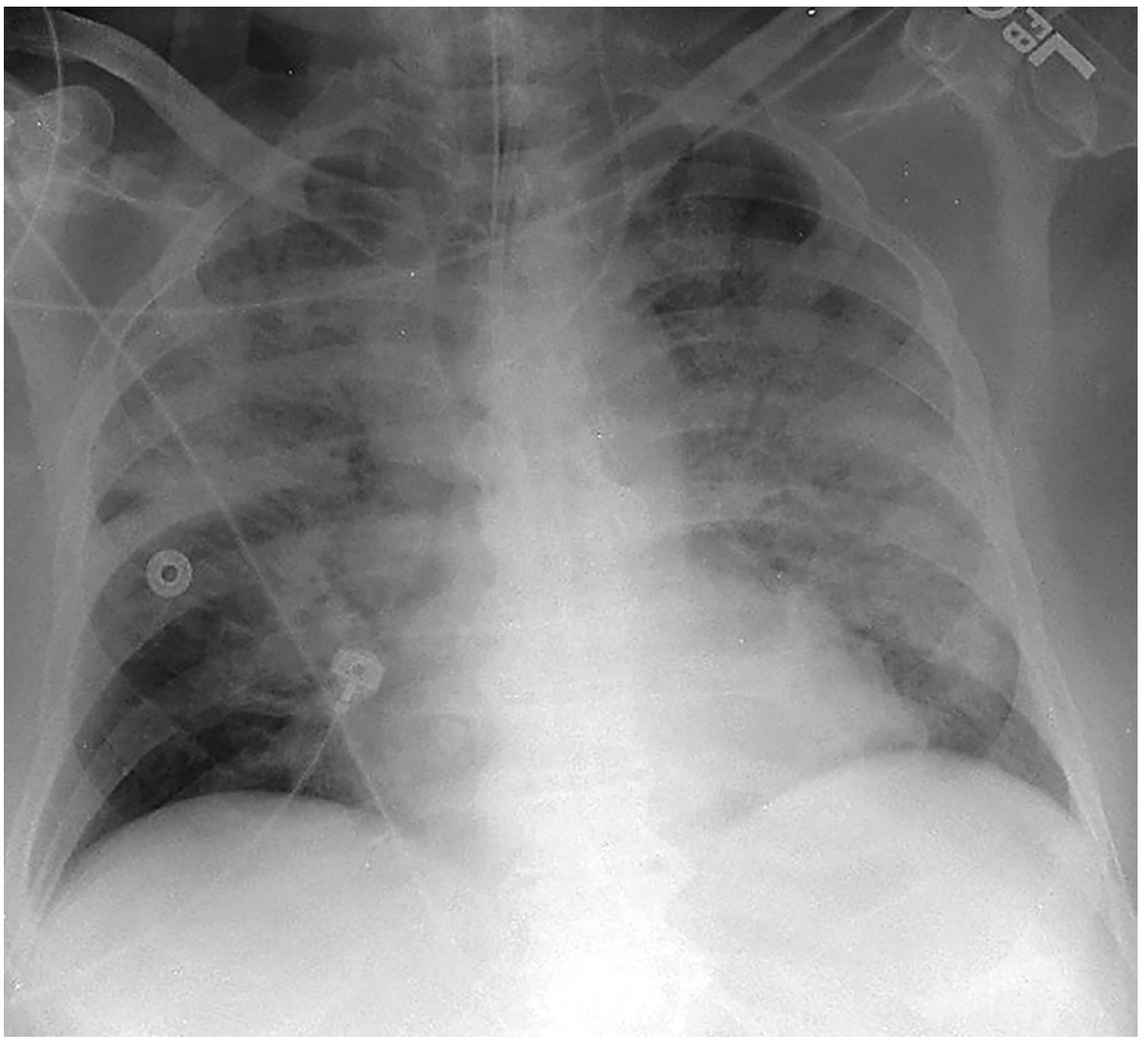
Note: Inter-observer variability for CXR interpretation in ARDS is moderate (kappa ~0.5), so training and experience matter. When in doubt, always discuss with a senior.
5. Exclude Cardiogenic Pulmonary Edema (the Most Important Differential)
- History of heart failure, valvular disease, ACS?
- JVP elevated? S3 gallop on auscultation?
- Respond to diuresis? (Cardiogenic edema responds; ARDS does not)
- BNP/NT-proBNP: A very low level argues against heart failure, but elevated BNP does NOT exclude ARDS (many ARDS patients have concurrent elevated BNP due to RV strain)
- Bedside echo (point-of-care ultrasound): If available, look for LV dysfunction, dilated LA/LV, mitral regurgitation
6. Identify a Precipitating Cause (Always Look!)
- Pneumonia (bacterial, viral - especially COVID-19, influenza)
- Aspiration of gastric contents
- Inhalation injury / near-drowning
- Sepsis (most common overall cause)
- Severe trauma / polytrauma
- Pancreatitis
- Massive transfusion / transfusion-related acute lung injury (TRALI)
- Drug overdose / toxins
7. Lung Ultrasound (LUS) - If Available on Your Ward
- Bilateral B-lines (≥3 B-lines per intercostal space) - highest specificity when bilateral
- Diffuse non-homogeneous B-line pattern (irregular, spared areas)
- Subpleural consolidations
- Pleural line abnormalities (thickened, irregular)
- Absence of A-lines (which would suggest normal aeration)
LUS is particularly useful in resource-limited settings and wards without ABG or ventilators.
8. A Practical Ward Diagnostic Checklist
- Timeline: Did symptoms start within the last 7 days? Is there a known insult (sepsis, pneumonia, trauma, pancreatitis)?
- Bilateral opacities on CXR: Are they present? Are they not explained by collapse or pleural effusion alone?
- Exclude cardiac cause: No clinical evidence of left heart failure as the primary driver? (Bedside echo / BNP helpful)
- Oxygenation: Calculate S/F ratio using SpO₂ and FiO₂. Is S/F ≤315? (Equivalent to P/F ≤300)
- ABG: Get one if possible - a PaO₂ lets you calculate the true P/F ratio and also identifies hypercapnia from respiratory fatigue
- LUS: If available, confirm bilateral B-line pattern
9. Key Points to Remember
- ARDS is a clinical diagnosis - no gold standard test exists
- The S/F ratio (SpO₂/FiO₂) is your best friend on a ward without ABG or ventilator - S/F ≤315 is equivalent to P/F ≤300
- Bilateral CXR opacities + a known risk factor + hypoxemia = suspect ARDS until proven otherwise
- Always exclude cardiogenic pulmonary edema - this is the primary differential
- Lung ultrasound is a validated, radiation-free bedside tool with good diagnostic accuracy
- Recognizing ARDS early on the ward is more important than formal criteria - if you suspect it, act and escalate
- Fishman's Pulmonary Diseases and Disorders, SpO₂/FiO₂ section
- Murray & Nadel's Textbook of Respiratory Medicine, ARDS Diagnosis chapter
- Tintinalli's Emergency Medicine, Table 29B-1 (Berlin Definition)
- Current Surgical Therapy 14e, ARDS section
- Sreedharan JK et al. "Lung ultrasound for ARDS diagnosis: A systematic review and meta-analysis." Respiratory Medicine, 2026. [PMID: 41935702]
How to assess different types of blood transfusion reactions clinically with history, timing, clinical examination in emergency and wards effectively
"transfusion reactions" AND "diagnosis" AND "clinical"
Clinical Assessment of Blood Transfusion Reactions - A Practical Guide for the Ward & Emergency
Epidemiology - Know the Frequencies First
| Reaction | Incidence per Unit |
|---|---|
| Febrile non-haemolytic (FNHTR) | ~1:1,100 (most common) |
| Allergic (mild) | ~1:1,200 |
| Allergic (severe/anaphylaxis) | ~1:15,500 |
| TACO | ~1:9,000 |
| Delayed haemolytic | ~1:32,000 |
| Acute haemolytic (ABO) | ~1:110,000 |
| TRALI | ~1:140,000 |
| Bacterial contamination/Septic | ~1:500,000 (platelets higher risk) |
The Master Framework: Think in Three Axes
Type-by-Type Clinical Assessment
1. Acute Haemolytic Transfusion Reaction (AHTR) - Most Dangerous
- Has the patient had previous transfusions? (prior sensitisation)
- Was there a labelling/identification error? (Ask nursing staff - was the unit checked against wristband?)
- Did symptoms start immediately after the transfusion began?
- Fever (often ≥1-2°C rise within 15 minutes) with rigors
- Chills and flushing
- Chest pain and back/flank pain (very characteristic - from complement activation and renal vasoconstriction)
- Anxiety and sense of impending doom
- Tachycardia and hypotension (shock in severe cases)
- Dyspnoea
- Haemoglobinuria - dark red/brown urine (check urine pad or catheter bag immediately)
- In anaesthetised/unconscious patients: unexplained hypotension, diffuse oozing from wound, haemoglobinuria
- Stop transfusion, return bag to blood bank
- Direct Coombs test (DAT) - will be positive
- Repeat type and crossmatch on fresh sample
- FBC, LFT (unconjugated bilirubin), LDH (elevated), serum haptoglobin (decreased/absent)
- Plasma free haemoglobin (elevated - pink-tinged plasma)
- Urine for haemoglobin (dipstick positive)
- PT, aPTT, fibrinogen (DIC screen)
- U&E/creatinine
Key clinical clue: Back pain + haemoglobinuria + fever starting within minutes of transfusion = AHTR until proven otherwise. This is a medical emergency.
2. Febrile Non-Haemolytic Transfusion Reaction (FNHTR) - Most Common
- Previous transfusions with similar reactions? (increases likelihood of FNHTR)
- Pre-existing fever before transfusion? (must be excluded)
- Which blood product? (platelets more common than RBCs)
- Temperature rise ≥1°C above baseline (or ≥38°C)
- Chills and rigors (sometimes dramatic shaking)
- No skin changes (no urticaria, no flushing)
- Haemodynamics stable (no significant hypotension)
- No haemoglobinuria
Critical point: FNHTR cannot be distinguished from AHTR at the bedside on history and examination alone. Treat as AHTR first, investigate to exclude haemolysis.
3. Allergic Transfusion Reaction - Second Most Common
- Known allergies or atopic history?
- Previous allergic transfusion reactions?
- Prior history of IgA deficiency?
- Which product? (Plasma-containing products - FFP, platelets - more likely than washed RBCs)
| Mild | Moderate/Severe |
|---|---|
| Urticaria (hives) | Generalised urticaria >2/3 body |
| Pruritus | Angioedema (lip/tongue swelling) |
| Flushing | Bronchospasm (wheeze) |
| Normal haemodynamics | Stridor (laryngeal oedema) |
| Hypotension, tachycardia | |
| Shock |
Clinical distinction from AHTR: Allergic reactions typically have urticaria/angioedema and no fever. AHTR has fever, back pain, haemoglobinuria and no urticaria. However, anaphylaxis can mimic AHTR haemodynamically - both can cause severe hypotension.
4. TRALI (Transfusion-Related Acute Lung Injury) - Leading Cause of Transfusion Death
- Which product? (FFP and platelets most common, but any plasma-containing product)
- Did respiratory symptoms start during or within 6 hours of transfusion?
- Any pre-existing lung disease or ARDS risk factors? (Type 1 TRALI vs Type 2 TRALI)
- Acute onset dyspnoea (this is the dominant symptom)
- Hypoxia - rapidly falling SpO₂
- Bilateral coarse crackles on auscultation
- Fever (common)
- Hypotension (in ~50%)
- No signs of fluid overload - JVP NOT elevated, no peripheral oedema (this is the key difference from TACO)
- CXR: bilateral infiltrates (looks just like ARDS)
- New hypoxia (SpO₂ <90% on room air, or PaO₂/FiO₂ <300)
- Bilateral opacities on CXR
- Onset within 6 hours of transfusion
- No pre-existing ALI before transfusion
- No evidence of circulatory overload (TACO)
5. TACO (Transfusion-Associated Circulatory Overload) - Often Missed or Confused with TRALI
- Age >70 years
- Pre-existing cardiac failure, renal failure, low albumin
- Rapid transfusion rate
- Multiple units given in short time (especially >2 units in 6 hours)
- Positive fluid balance >3L
| Feature | TRALI | TACO |
|---|---|---|
| JVP | Normal/low | Elevated |
| BP | Low/normal | Hypertension (common) |
| Response to diuretic | No | Yes - improves |
| Peripheral oedema | Absent | May be present |
| Orthopnoea | Uncommon | Common |
| BNP | Low/normal | Markedly elevated (>1000) |
| CXR | Bilateral infiltrates, no cardiomegaly | Bilateral infiltrates, +/- cardiomegaly, Kerley B lines |
The single most useful clinical bedside test: Elevated JVP + hypertension + orthopnoea during transfusion = TACO. Low/normal JVP + hypotension + fever = TRALI.
6. Septic/Bacterial Transfusion Reaction - Rare but Highly Lethal
- Was the blood bag inspected before transfusion? (purple/black discolouration, gas bubbles, unusual smell are warning signs)
- Was it platelets? (highest risk - stored at 22°C)
- How quickly did the patient deteriorate?
- Fever ≥38°C with rise >1°C (very high - sometimes >40°C)
- Rigors (often violent/dramatic)
- Hypotension and shock (rapid onset)
- Tachycardia
- Nausea, vomiting
- Dyspnoea
- May have warm peripheries early (distributive/septic shock picture)
Key clue: Temperature >40°C + rapid cardiovascular collapse during transfusion, especially with platelets = septic reaction until proven otherwise. Much more dramatic than FNHTR.
7. Delayed Haemolytic Transfusion Reaction (DHTR)
- Previous transfusion 5-14 days ago?
- Haematology patient, sickle cell patient (hyperhemolysis syndrome)?
- Unexplained fever, jaundice, or anaemia worse than expected?
- Often subclinical - found on routine bloods
- Low-grade fever
- Jaundice (new or worsening icterus)
- Pallor (anaemia)
- Dark urine (haemoglobinuria - less dramatic than AHTR)
- Rarely: back pain, flank pain
8. Post-Transfusion Purpura (PTP) and Transfusion-Associated GvHD (TA-GvHD)
- Timing: 5-12 days post-transfusion
- Signs: Sudden-onset petechiae and purpura, thrombocytopenia, gum bleeding
- Mechanism: Anti-platelet antibodies destroy both donor and native platelets
- Timing: 2 days to 6 weeks after transfusion
- Signs: Triad of fever + rash (starts on trunk, spreads peripherally) + diarrhoea, with hepatitis and pancytopenia
- Occurs in immunocompromised patients or if receiving blood from a family member (HLA-similar donor)
- Extremely high mortality (>90%)
Master Summary Table: Timing + Dominant Signs
| Reaction | Timing | Fever | Rash/Urticaria | Dyspnoea | BP | Haemoglobinuria | Dominant Clue |
|---|---|---|---|---|---|---|---|
| AHTR | Minutes-24h | +++, sudden | No | ± | Low (shock) | Yes | Back pain + haemoglobinuria |
| FNHTR | 1-6h | ++, gradual | No | No | Normal | No | Fever only, stable |
| Allergic (mild) | Minutes-2h | No | Yes - hives | No | Normal | No | Urticaria |
| Anaphylaxis | Minutes | No | ± severe | Yes - wheeze/stridor | Very low | No | Stridor + shock |
| TRALI | <6h | ++ | No | Severe | Low | No | Non-cardiogenic pulm. oedema |
| TACO | <12h | ± | No | Yes | High | No | JVP↑ + HT + orthopnoea |
| Septic | During/rapid | +++, >40°C | No | ± | Low (shock) | No | Explosive rigors + shock |
| DHTR | 3-14 days | ± | No | No | Normal | ± | Jaundice + falling Hb |
| PTP | 5-12 days | No | Purpura | No | Normal | No | Petechiae + thrombocytopenia |
| TA-GvHD | 2-42 days | Yes | Rash + diarrhoea | No | Normal | No | Rash + diarrhoea + pancytopenia |
The First 5 Minutes: Universal Ward Response Algorithm
- Stop the transfusion - immediately, no matter what reaction is suspected
- Keep IV line open with 0.9% saline (new line if possible - don't use the same giving set)
- Assess A-B-C: airway, breathing, circulation - vital signs, SpO₂
- Look for haemoglobinuria - inspect urine (catheterise if needed)
- Call for help + notify blood bank immediately, return blood bag
- Assess clinically using the framework above
- Draw blood samples (before giving any IV fluids) for urgent investigations:
- Repeat group and crossmatch (fresh sample, correct labelling)
- Coombs test (DAT)
- FBC, LDH, haptoglobin, indirect bilirubin, plasma free Hb
- U&E, coagulation (PT, aPTT, fibrinogen)
- Blood cultures (if septic reaction suspected)
Practical Memory Aids
- Back pain + dark urine early in transfusion = AHTR (emergency)
- Hives + itch, no fever = Allergic (may be safe to restart after antihistamine if mild)
- Fever only, haemodynamics stable = FNHTR (but exclude AHTR first)
- Acute breathlessness + bilateral infiltrates + low BP + within 6h = TRALI (non-cardiogenic)
- Acute breathlessness + high BP + high JVP + within 12h = TACO (cardiogenic overload)
- Explosive >40°C fever + rapid shock with platelets = Septic reaction
- Jaundice + fever 5-14 days later = DHTR
- Petechiae 5-12 days later = Post-transfusion purpura
- Rash + diarrhoea + pancytopenia weeks later in immunocompromised = TA-GvHD
- Goldman-Cecil Medicine International Edition, Transfusion Reactions chapter (Tables 162-2, 162-3)
- Tintinalli's Emergency Medicine, Table 238-7 (Transfusion Reactions)
- Harrison's Principles of Internal Medicine 22E, Haemolytic Transfusion Adverse Reactions chapter
- Hirayama F et al. "Recent progress in understanding of allergic transfusion reaction." Curr Opin Immunol, 2025. [PMID: 40840009]
- Lowack J et al. "Pulmonary transfusion reactions as an immunological spectrum disorder." Curr Opin Immunol, 2026. [PMID: 41202391]
What is the clinical significance of pancytopenia in a patient with decompensated liver disease? How to proceed further and what differential diagnosis to be kept in mind and how to treat them in each of the differential causes
"pancytopenia" AND "cirrhosis" AND "hematologic"
"pancytopenia" AND "liver cirrhosis"
Pancytopenia in Decompensated Liver Disease - Full Clinical Guide
Why This Matters Clinically
- Often multifactorial - not a single diagnosis
- A poor prognostic marker - correlates with degree of portal hypertension and hepatic synthetic failure
- Clinically consequential - increases risk of bleeding, infection, and anaemia-related complications
- Sometimes a red flag - occasionally signals a separate, life-threatening diagnosis co-existing with liver disease (lymphoma, aplastic anaemia, MDS, etc.)
Pathophysiology Overview - Why Does Liver Disease Cause Pancytopenia?
| Mechanism | Line Affected | Degree |
|---|---|---|
| Splenic sequestration (hypersplenism) | All three lines | Moderate (most common) |
| Decreased thrombopoietin production | Platelets >> WBC | Moderate |
| Bone marrow suppression (alcohol/viruses) | All three lines | Mild-moderate |
| Folate/B12 deficiency | RBC >> platelets | Mild-moderate |
| DIC/consumptive coagulopathy | Platelets >> RBC | Variable |
| Occult/chronic GI blood loss | RBC primarily | Progressive |
| Autoimmune destruction | Variable | Variable |
Part 1: Clinical Significance - What It Tells You
Thrombocytopenia (most common finding)
- Moderate thrombocytopenia (50,000-75,000/µL): ~13% of cirrhotic patients
- Severe thrombocytopenia (<50,000/µL): ~1% of cirrhotics
- The severity correlates with the degree of liver fibrosis and portal hypertension
- Raises bleeding risk - but the liver paradoxically also loses anti-coagulant factors, so the net haemostatic balance is complex (not simply "more bleeding")
Leucopenia
- Typically mild (WBC 2,000-3,500/µL) in pure hypersplenism
- Significant leucopenia (<1,500/µL) should prompt a search beyond hypersplenism alone
- Increases susceptibility to spontaneous bacterial peritonitis (SBP), bacteraemia, and infections
Anaemia
- Almost universal in decompensated liver disease
- Multiple causes: GI blood loss, haemolysis, bone marrow suppression, folate deficiency, haemodilution
- Often normocytic (when multiple causes coexist) or macrocytic (folate/B12 deficiency, alcohol)
- MCV alone is unreliable due to mixed deficiencies
Part 2: History - What to Ask
From the patient:
| Domain | Questions | Points To |
|---|---|---|
| Aetiology of liver disease | Alcohol? HBV/HCV/HDV? Autoimmune? NAFLD? | Alcoholic marrow toxicity, viral marrow suppression |
| Duration and onset | When did pancytopenia start? Gradual or sudden? | Acute = DIC, sepsis; Chronic = hypersplenism |
| Alcohol use | Current/past? Quantity? Recent binge? | Direct marrow suppression, folate deficiency |
| Diet | Malnutrition? Vegetarian? Alcohol diet? | Folate, B12 deficiency |
| Medications | Antivirals, diuretics, antibiotics, NSAIDs, immunosuppressants | Drug-induced marrow suppression |
| Bleeding symptoms | Melaena, haematemesis, PR bleed, heavy periods | GI blood loss contributing to anaemia |
| Constitutional symptoms | Weight loss, night sweats, fever, bone pain | Haematological malignancy, lymphoma, TB |
| Transfusions | Prior blood transfusions? | Alloimmunisation, viral hepatitis from transfusion |
| Family history | Similar blood counts? Liver disease in family? | Hereditary disorders (Wilson's, haemochromatosis) |
| Geography/travel | Endemic areas? | Kala-azar (visceral leishmaniasis), malaria |
Part 3: Clinical Examination
General:
- Pallor - anaemia severity
- Jaundice - hepatic dysfunction
- Petechiae / purpura - thrombocytopenia severity (look at skin, oral mucosa)
- Ecchymoses - coagulopathy
- Lymphadenopathy - lymphoma, infection
- Fever - infection (SBP, bacteraemia), lymphoma
Abdomen:
- Splenomegaly - assess size carefully (percussion + palpation); marked splenomegaly (>15 cm) strongly suggests hypersplenism
- Hepatomegaly or small shrunken liver - stage of cirrhosis
- Ascites - decompensation marker
- Caput medusae, dilated veins - portal hypertension
- Left upper quadrant tenderness - splenic congestion, infarct
Stigmata of chronic liver disease:
- Spider naevi, palmar erythema, leukonychia, Dupuytren's contracture, parotid enlargement, gynaecomastia, asterixis (encephalopathy), fetor hepaticus
Red flags on examination suggesting a cause BEYOND liver disease:
- Generalised lymphadenopathy - lymphoma, leukaemia, TB
- Bone tenderness - marrow infiltration (leukaemia, myeloma)
- Massive splenomegaly (>20 cm) - myelofibrosis, haematological malignancy, kala-azar
- Skin rash - SLE, viral infections
- Cranial nerve palsies or meningism - haematological malignancy with CNS involvement
- Skin hyperpigmentation + wasting - kala-azar
Part 4: Differential Diagnoses - With Clinical Approach and Treatment
CAUSE 1: Hypersplenism from Portal Hypertension (Most Common)
- Spleen enlarged on examination (often palpably)
- All three cell lines mildly-moderately reduced (platelets most affected)
- No lymphadenopathy
- Consistent with the degree of portal hypertension
- CBC: mild-moderate pancytopenia, normal cell morphology
- Ultrasound abdomen: confirms splenomegaly, portal vein diameter >13 mm, hepatic echotexture
- Upper GI endoscopy: varices confirm portal hypertension
- No need for bone marrow biopsy if picture is typical
- Treat the underlying liver disease and portal hypertension - this is the primary approach
- Non-selective beta-blockers (NSBBs) (propranolol/carvedilol): reduce portal pressure, may modestly improve hypersplenism over time
- TIPS (Transjugular Intrahepatic Portosystemic Shunt): Reduces portal pressure significantly; improves thrombocytopenia and leucopenia - used when portal hypertension is severe and causing clinical problems
- Splenectomy: Not recommended for hypersplenism per se in portal hypertension - no correlation between degree of pancytopenia and clinical outcomes, and high perioperative risk in cirrhotics (Schwartz's Principles of Surgery)
- Splenic artery embolisation: Partial embolisation can raise platelet counts; used pre-procedurally in some centres
- TPO receptor agonists (for thrombocytopenia specifically before procedures):
- Avatrombopag and lusutrombopag - approved for preprocedural thrombocytopenia in chronic liver disease; avoid eltrombopag (portal vein thrombosis risk)
- (Goodman & Gilman's Pharmacology; Sabiston Textbook of Surgery)
- Platelet transfusions: Reserve for active bleeding or platelet count <50,000/µL before invasive procedures
CAUSE 2: Alcohol - Direct Bone Marrow Toxicity + Folate Deficiency
- History of heavy alcohol use
- Macrocytic anaemia (MCV >100 fL, often >110 fL)
- Thrombocytopenia more prominent than leucopenia
- Hypersegmented neutrophils on blood film (folate deficiency)
- Tongue smooth/beefy red (glossitis), peripheral neuropathy
- May have concurrent B12 deficiency (poor diet, gastric atrophy)
- Pancytopenia often improves within 2-4 weeks of alcohol abstinence
- Serum folate, RBC folate, serum B12
- Blood film: macrocytosis, hypersegmented neutrophils, oval macrocytes
- Bone marrow biopsy (if needed): megaloblastic changes
- Alcohol abstinence - most important; marrow recovers significantly
- Folic acid replacement: 5 mg OD orally for 4 months (or longer in ongoing deficiency)
- B12 replacement if deficient: 1 mg IM hydroxocobalamin daily × 7 days, then weekly × 4, then monthly (or high-dose oral B12 1000 mcg/day if no malabsorption)
- Thiamine 100 mg IV/IM (prevent Wernicke's encephalopathy) before any glucose
- Nutritional support, multivitamins
- Treat alcoholic hepatitis if present (steroids in severe disease with MELD criteria)
CAUSE 3: Viral Hepatitis (HBV, HCV, HEV, EBV, CMV)
- Acute hepatitis: pancytopenia accompanying acute liver failure
- Chronic HCV: leucopenia and thrombocytopenia common; worsened by interferon therapy
- Acute EBV/CMV hepatitis: splenomegaly + lymphocytosis (atypical lymphocytes on film) + transaminitis
- HBV-associated aplastic anaemia: severe pancytopenia, hypocellular marrow, not explained by cirrhosis alone
- HBsAg, Anti-HBc, HBV DNA, Anti-HCV, HCV RNA, Anti-HEV IgM
- EBV monospot / EBV VCA IgM, CMV IgM
- If severe pancytopenia: bone marrow biopsy (hypocellular = aplastic anaemia)
- HCV: Direct-acting antivirals (DAAs) - sofosbuvir-based regimens; thrombocytopenia and leucopenia improve significantly after viral clearance
- HBV: Entecavir or tenofovir; avoids bone marrow suppression (unlike older agents)
- EBV/CMV hepatitis: Supportive; severe cases (immunocompromised) - ganciclovir for CMV, acyclovir for EBV
- HBV-associated aplastic anaemia: Requires haematology input; anti-thymocyte globulin (ATG) + cyclosporin or haematopoietic stem cell transplantation (HSCT)
CAUSE 4: DIC (Disseminated Intravascular Coagulation)
- Acute clinical deterioration (sepsis, bleeding, organ failure)
- Bleeding from multiple sites (IV cannula, gums, skin)
- Platelets falling rapidly (not just chronically low)
- Prolonged PT, aPTT, low fibrinogen
- Elevated D-dimer (very high)
- Microangiopathic haemolytic anaemia (MAHA) - schistocytes on blood film
| Test | Liver disease alone | DIC |
|---|---|---|
| Factor VIII | Normal or elevated | Markedly reduced |
| D-dimer | Mildly elevated | Very markedly elevated |
| Fibrinogen | Normal-low | Low, falling rapidly |
| Schistocytes | Absent | Present |
- Treat the precipitant (antibiotics for infection, control of bleeding source)
- FFP (Fresh Frozen Plasma): 15 mL/kg to replace coagulation factors in active bleeding
- Cryoprecipitate: For fibrinogen <1.5 g/L (10 units raises fibrinogen ~0.5-1 g/L)
- Platelets: Transfuse if <50,000/µL with active bleeding
- Vitamin K 10 mg IV (rule out vitamin K deficiency component)
- Heparin: Only in DIC where thrombosis predominates; use cautiously in liver disease
- Thromboelastography (TEG/ROTEM) guided transfusion is preferred if available
CAUSE 5: Drug-Induced Marrow Suppression
- Diuretics (spironolactone - can cause thrombocytopenia; rarely severe)
- Trimethoprim/sulphamethoxazole (SBP prophylaxis) - folate antagonism
- Ribavirin + interferon (older HCV treatment) - haemolytic anaemia + severe pancytopenia
- Carbimazole (if co-existing thyroid disease)
- Methotrexate (used in autoimmune hepatitis)
- Azathioprine (autoimmune hepatitis) - dose-dependent marrow suppression
- Rifampicin/pyrazinamide (if treating TB hepatitis)
- Careful medication review - check dates when drug was started vs. when pancytopenia appeared
- Stop or reduce the offending agent
- TPMT genotyping before azathioprine; dose adjust if TPMT low
- G-CSF (filgrastim) for severe drug-induced neutropenia if clinically indicated
CAUSE 6: Autoimmune Causes (Evans Syndrome / Autoimmune Hepatitis)
- Young woman, autoimmune hepatitis history
- Positive direct Coombs test (AIHA)
- Elevated reticulocyte count (haemolysis)
- Anti-nuclear antibody (ANA), anti-smooth muscle antibody (ASMA) positive
- Elevated IgG
- Blood film: spherocytes, polychromasia
- Prednisolone 0.5-1 mg/kg/day - first line for AIHA and AIH
- Azathioprine as steroid-sparing agent in AIH (start after steroid response confirmed)
- IVIG 2 g/kg - for severe ITP/Evans syndrome unresponsive to steroids
- Rituximab - second line for refractory autoimmune cytopenias
- Haematology + hepatology co-management
CAUSE 7: Infiltrative / Haematological Malignancy (Must Not Miss)
- Hepatosplenic T-cell lymphoma (rare, aggressive; common in Crohn's/immunosuppressed)
- Diffuse large B-cell lymphoma with liver/marrow involvement
- Myelofibrosis - massive splenomegaly, leukoerythroblastic picture
- Acute leukaemia presenting with hepatosplenomegaly
- Multiple myeloma with liver infiltration
- Hepatocellular carcinoma with marrow metastases (rare)
- Pancytopenia out of proportion to degree of portal hypertension
- Massive splenomegaly (>20 cm)
- Generalised lymphadenopathy
- Bone pain, pathological fractures
- Fever, drenching night sweats, unintentional weight loss
- Leukoerythroblastic picture on blood film (immature myeloid cells + nucleated RBCs = marrow infiltration)
- Rising LDH, uric acid
- Peripheral blood film (mandatory in all cases)
- Serum protein electrophoresis + immunofixation (myeloma)
- Serum LDH, uric acid, beta-2 microglobulin
- CT chest/abdomen/pelvis (lymphadenopathy staging)
- Bone marrow aspirate + trephine biopsy - indicated when:
- Pancytopenia disproportionate to liver disease severity
- Abnormal cells on blood film
- Constitutional symptoms present
- Platelet count unexpectedly very low (<30,000/µL)
CAUSE 8: Kala-azar / Visceral Leishmaniasis (Important in Endemic Regions)
- Prolonged irregular fever (weeks to months)
- Massive splenomegaly (can be enormous - extends to iliac fossa)
- Weight loss, wasting, malnutrition
- Hepatomegaly
- Skin darkening (kala = black, azar = fever)
- Leucopenia often profound
- rK39 rapid antigen test (quick, bedside)
- Serum anti-Leishmania antibodies
- Bone marrow aspirate/biopsy: Leishman-Donovan bodies (amastigotes in macrophages)
- Splenic aspirate (highest yield, 95% sensitive - done only in stable patients in specialist centres)
- PCR for Leishmania DNA
- Liposomal amphotericin B - drug of choice, single or short course (10 mg/kg total dose over 5 days or 3 mg/kg/day × 5 days)
- Miltefosine (oral): 2.5 mg/kg/day × 28 days (not in pregnancy)
- Older: Sodium stibogluconate (pentavalent antimony) - high toxicity, replaced in most regions
- Haematological recovery follows parasite clearance
CAUSE 9: Aplastic Anaemia Co-existing with Liver Disease
- Severe pancytopenia - all lines very low
- No splenomegaly (this is key - distinguishes from hypersplenism)
- No lymphadenopathy
- Bleeding + infections
- Post-hepatitis aplastic anaemia can develop 2-3 months after acute hepatitis
- Bone marrow biopsy: hypocellular marrow (<25% cellularity) - diagnostic
- Reticulocyte count: very low (reticulocytopenia)
- PNH clone testing (flow cytometry) - important as aplastic anaemia and PNH overlap
- HSCT (Haematopoietic Stem Cell Transplantation): First line for severe aplastic anaemia if <35-40 years and matched donor available
- ATG (Anti-Thymocyte Globulin) + Cyclosporin: For those without matched donor or older age
- Eltrombopag added to ATG + cyclosporin: improves response rates in aplastic anaemia
- Supportive: G-CSF (filgrastim) for severe neutropenia, platelet/RBC transfusions
- Haematology referral is mandatory
Part 5: Practical Investigation Framework (Step-by-Step)
Step 1 - Confirm and characterise the pancytopenia (FIRST visit to the chart)
CBC with differential + reticulocyte count
Peripheral blood film (MANDATORY - most informative single test)
| Finding | Points To |
|---|---|
| Macrocytes + hypersegmented neutrophils | Folate/B12 deficiency |
| Target cells, stomatocytes, echinocytes | Liver disease (non-specific) |
| Schistocytes (fragmented RBCs) | DIC, TTP/HUS, MAHA |
| Teardrop cells (dacrocytes) | Myelofibrosis, marrow infiltration |
| Leukoerythroblastic picture | Marrow infiltration (malignancy, myelofibrosis) |
| Spherocytes + polychromasia | AIHA |
| Blast cells | Acute leukaemia |
| Atypical lymphocytes | EBV, CMV, hepatitis C |
| Neutropenia disproportionate to rest | Aplastic anaemia, drug effect |
Step 2 - Assess severity and coagulation
PT/INR, aPTT, thrombin time
Fibrinogen, D-dimer (DIC screen)
LFT panel: bilirubin, AST/ALT, ALP, GGT, albumin
Renal function: creatinine, electrolytes (hepatorenal syndrome)
Step 3 - Investigate the cause
Serum folate, RBC folate, Vitamin B12
Reticulocyte count (high = haemolysis; low = bone marrow failure)
Direct Coombs test (AIHA)
Serum haptoglobin, LDH, unconjugated bilirubin (haemolysis screen)
Step 4 - Liver disease specific
HBsAg, HBeAg, HBV DNA, Anti-HBc
Anti-HCV, HCV RNA (quantitative)
ANA, ASMA, AMA, Anti-LKM (autoimmune hepatitis/PBC)
Serum protein electrophoresis
Ultrasound abdomen (spleen size, portal vein diameter, liver echotexture, nodularity)
Upper GI endoscopy (varices, portal hypertensive gastropathy)
Step 5 - When to do Bone Marrow Biopsy
- Platelets persistently <30,000/µL not explained by portal hypertension
- Neutrophils <1,000/µL (severe neutropenia)
- Leukoerythroblastic picture on blood film
- Unexplained constitutional symptoms (fever, weight loss, night sweats)
- Rising LDH/beta-2 microglobulin
- Suspected haematological malignancy
- Suspected aplastic anaemia (no splenomegaly, all lines very low, reticulocytopenia)
- Failed response to treatment of presumed hypersplenism
Part 6: Treatment Summary by Priority
| Priority | Intervention |
|---|---|
| Always first | Treat the precipitating cause of decompensation (infection, bleeding) |
| Specific to cause | See cause-by-cause treatment above |
| Thrombocytopenia before procedure | Avatrombopag/lusutrombopag (licensed); platelet transfusion if <50,000/µL + bleeding |
| Folate deficiency | Folic acid 5 mg/day; replete B12 if needed |
| Alcohol | Abstinence; thiamine before glucose; nutritional support |
| Autoimmune | Steroids + azathioprine; IVIG/rituximab for refractory |
| Viral hepatitis | DAAs (HCV); entecavir/tenofovir (HBV) |
| DIC | FFP + cryoprecipitate + treat precipitant |
| Haematological malignancy | Urgent haematology referral; staging; specific chemotherapy |
| Aplastic anaemia | ATG + cyclosporin ± eltrombopag; HSCT if eligible |
| Kala-azar | Liposomal amphotericin B |
Quick Summary - The 3-Question Bedside Framework
-
Is the degree of pancytopenia proportionate to the severity of liver disease and splenomegaly?
- YES → hypersplenism likely, investigate and treat liver disease/portal hypertension
- NO (pancytopenia too severe for degree of disease) → look for an additional cause
-
What does the blood film show?
- Normal morphology → hypersplenism, folate deficiency, alcohol
- Abnormal (blasts, schistocytes, teardrop cells, atypical lymphocytes) → urgent further workup
-
Are there red flags?
- Massive splenomegaly, lymphadenopathy, bone pain, fever + night sweats, very low counts → do not stop at "hypersplenism" - pursue bone marrow biopsy and haematology opinion
- Harrison's Principles of Internal Medicine 22E, Splenomegaly and Hypersplenism; Portal Hypertension chapter
- Goldman-Cecil Medicine, Thrombocytopenia in Liver Disease; Haemostasis in Liver Disease chapter
- Yamada's Textbook of Gastroenterology, Platelet count and Liver Disease chapter
- Goodman & Gilman's Pharmacological Basis of Therapeutics, TPO Receptor Agonists chapter
- Sabiston Textbook of Surgery, Haemostasis and Coagulation chapter
- Schwartz's Principles of Surgery, Portal Hypertension chapter
- Barash Clinical Anaesthesia 9e, Haemostasis in Liver DiseaseThis is a detailed, ward-ready clinical guide. Here are the key takeaways for quick recall:
- Blood film - it's the single most informative, cheapest, fastest test
- Ask: is this proportionate to the liver disease? - if platelet count is <30,000/µL or WBC <1,500/µL, don't just label it hypersplenism
- Look for red flags - lymphadenopathy, massive splenomegaly, bone pain, night sweats, leukoerythroblastic picture → get haematology involved and consider bone marrow biopsy
How to assess different types of shocks clinically in the emergency department, especially if a patient presents in shock with cold peripheries and no other obvious signs of infection, MI is present. What differential diagnosis should be kept in mind and how to proceed and treat each accordingly?
How to assess different types of shocks clinically in the emergency department, especially if a patient presents in shock with cold peripheries and no other obvious signs of infection, MI is present. What differential diagnosis should be kept in mind and how to proceed and treat each accordingly? Especially in resource-limited settings where only simple baselines are available and no invasive procedures can be done
Shock in the Emergency Department - Clinical Assessment, Differentials, and Treatment in Resource-Limited Settings
The Physiological Framework - What Is Shock?
| Type | Cardiac Output | SVR | Filling Pressures | Peripheries |
|---|---|---|---|---|
| Cardiogenic | ↓ | ↑ (compensatory) | ↑ (congested) | Cold, clammy |
| Hypovolaemic | ↓ | ↑ (compensatory) | ↓ (empty) | Cold, clammy |
| Obstructive | ↓ (impeded) | ↑ | ↑ or ↓ (depends on cause) | Cold, clammy |
| Distributive (septic, anaphylactic, neurogenic) | ↑ or normal early | ↓↓ | ↓ | Warm, flushed (early) → cold (late) |
The Clinical Question in Your Scenario
- Cardiogenic shock (MI is present - this is the most likely and most dangerous)
- Obstructive shock (PE, cardiac tamponade, tension pneumothorax)
- Hypovolaemic shock (haemorrhage, dehydration - look for a source)
Part 1: The Bedside Framework - 5 Clinical Questions to Ask in Order
Q1: What do the peripheries feel like?
- Cold, clammy, mottled: Cardiogenic, hypovolaemic, or obstructive shock
- Warm, flushed, bounding pulse: Distributive (septic, anaphylactic, early neurogenic)
In your scenario: Cold peripheries → proceed to Q2
Q2: What are the neck veins (JVP) doing?
| JVP Finding | Suggests |
|---|---|
| Elevated / distended neck veins | Cardiogenic shock OR obstructive shock |
| Flat / collapsed neck veins | Hypovolaemic shock |
| Elevated + paradoxical rise on inspiration (Kussmaul's) | Cardiac tamponade, constrictive pericarditis, massive PE |
Q3: Are there signs of pulmonary oedema?
- Yes (bilateral basal crackles, orthopnoea, pink frothy sputum): Cardiogenic shock (left heart failure)
- No: Consider obstructive shock (PE, tamponade, tension pneumothorax) or right heart failure cardiogenic shock
Q4: Is the trachea midline? Are breath sounds equal?
- Trachea deviated + absent breath sounds on one side: Tension pneumothorax - immediate needle decompression
- Muffled heart sounds + elevated JVP + hypotension (Beck's Triad): Cardiac tamponade
Q5: Is there an obvious source of fluid loss?
- Bleeding (external, melaena, haematemesis)?
- Vomiting/diarrhoea, burns, polyuria?
- Recent surgery or trauma?
Part 2: History - What to Ask in the First 2 Minutes
| Domain | Questions | Points To |
|---|---|---|
| Cardiac | Chest pain (onset, character, radiation)? Prior MI, angina, heart failure? | Cardiogenic shock from MI/ACS |
| Respiratory | Sudden dyspnoea? Pleuritic chest pain? Leg swelling? Long travel/immobility? | PE |
| Pericardial | Recent viral illness? Pericarditis? Cancer? Renal failure? Chest trauma? | Tamponade |
| Bleeding | Vomiting blood? Dark stools? Trauma? Haematuria? Recent surgery? | Hypovolaemic shock |
| Allergy | Insect sting, new medication, food ingestion before collapse? | Anaphylactic shock |
| Medications | Beta-blockers, calcium channel blockers, digoxin overdose? | Drug-induced cardiogenic shock |
| Endocrine | Steroid use (Addisonian crisis)? Diabetes (DKA)? Known thyroid disease? | Adrenal crisis, myxoedema coma |
| Spinal/Neurological | Recent fall? Trauma to back/neck? New neurological symptoms? | Neurogenic shock |
Part 3: Clinical Examination - Systematic Approach in Shock
General Inspection (5 seconds)
- Level of consciousness: GCS/AVPU (tissue hypoperfusion → confusion → coma)
- Skin colour: Pale, mottled, cyanotic → cold shock; flushed, erythematous → distributive
- Diaphoresis (sweating): Suggests high sympathetic activity → cardiogenic or hypovolaemic
- Urticaria, angioedema, stridor → anaphylaxis
Vital Signs (30 seconds)
- BP both arms (significant difference >15 mmHg → aortic dissection)
- Heart rate: Tachycardia is universal; bradycardia in shock = very bad sign (vagal, high spinal injury, complete heart block, beta-blocker OD, right coronary MI)
- Respiratory rate: Fast in all shock states; slow + laboured = respiratory failure complication
- SpO₂: Desaturating → PE, ARDS complication, tension pneumothorax, pulmonary oedema
- Temperature: Fever → sepsis; hypothermia → severe sepsis, adrenal crisis, myxoedema
Capillary Refill Time (CRT)
- Normal <2 seconds. Prolonged CRT reflects poor peripheral perfusion
- Check on sternum (central CRT) - more reliable than fingers in cold environments
- Central CRT >3 seconds = significant shock
JVP Assessment (Critical Step)
- Flat/not visible at 45° → hypovolaemia (empty tank)
- Visible above clavicle at 45° → elevated JVP (congested)
- Kussmaul's sign (JVP rises on inspiration) → tamponade, PE, right heart failure
Chest Examination
- Auscultation: Bilateral fine crackles (pulmonary oedema - LV failure); absent breath sounds + hyper-resonance (tension pneumothorax); wheeze (anaphylaxis, cardiogenic asthma)
- Tracheal position: Deviation away from affected side → tension pneumothorax
- Percussion: Hyper-resonance → pneumothorax; dullness → haemothorax, pleural effusion
- Respiratory pattern: Kussmaul breathing (deep, rapid) → metabolic acidosis from shock
Cardiac Examination
- S3 gallop (third heart sound) → left ventricular failure, volume overload
- S4 → stiff ventricle, MI, hypertrophic disease
- Muffled/distant heart sounds → pericardial effusion/tamponade
- New murmur:
- Pan-systolic murmur at apex → acute mitral regurgitation (papillary muscle rupture post-MI)
- Pan-systolic murmur at lower sternal edge → ventricular septal defect (VSD) - mechanical complication of MI
- Soft Aortic area murmur → aortic stenosis (cause of cardiogenic shock)
Abdominal Examination
- Pulsatile epigastric mass → ruptured AAA (hypovolaemic shock)
- Peritonism → intraperitoneal haemorrhage, ischaemic bowel
- Rectal examination / check for melaena → upper GI bleed
Peripheral Examination
- Ankle/sacral oedema → chronic heart failure (supports cardiogenic shock diagnosis)
- Asymmetric leg swelling + calf tenderness → DVT → PE source
- Track marks/IV drug use → endocarditis, infective shock
- Skin turgor, dry mucosae → dehydration/hypovolaemia
- Ecchymoses, trauma marks → haemorrhagic shock
Part 4: Investigations Available in Resource-Limited Settings
Tier 1 - Always available (basic ward/ED)
| Test | What it tells you |
|---|---|
| 12-lead ECG | MI (STEMI, NWMI), arrhythmia, PE (S1Q3T3, RV strain), pericarditis |
| Urine output monitoring | Organ perfusion marker - target >0.5 mL/kg/hr |
| SpO₂ | Oxygenation, PE, pulmonary oedema |
| Blood glucose (glucometer) | Hypoglycaemia, DKA contributing |
| Urine dipstick | Infection, renal failure, diabetes |
Tier 2 - Usually available at district/secondary level
| Test | What it tells you |
|---|---|
| FBC | Anaemia (haemorrhagic shock), leucocytosis/leucopenia (sepsis) |
| U&E/Creatinine | AKI from shock, hyperkalaemia (MI) |
| Blood glucose (formal) | DKA, HONK |
| Arterial/venous blood gas | Lactate (shock severity), acidosis, oxygenation, PCO₂ |
| Troponin (if available) | Confirms/excludes MI |
| CXR (chest X-ray) | Pulmonary oedema, pneumothorax, wide mediastinum (dissection), cardiomegaly |
| Serum lactate | Best single marker of tissue hypoperfusion severity (>2 mmol/L = concerning; >4 = severe) |
Tier 3 - Ideal but may not be available
- Echocardiography (point-of-care): Most valuable single tool in undifferentiated shock - can show LV function, effusion/tamponade, RV dilatation (PE), volume status (IVC size)
- D-dimer: Low sensitivity at very high pre-test probability of PE in shock
- BNP/NT-proBNP: Elevated in cardiogenic shock
Part 5: Differential Diagnoses in Detail - With Treatment
1. CARDIOGENIC SHOCK FROM ACUTE MI (Your Primary Diagnosis to Manage First)
- History: Chest pain (crushing, radiating to arm/jaw), preceding angina, risk factors (diabetes, hypertension, smoking, hyperlipidaemia)
- Diaphoresis, pallor, anxiety
- Cold, clammy skin (compensatory vasoconstriction)
- Elevated JVP (if RV involved or biventricular failure)
- Bilateral basal crackles (LV failure → pulmonary oedema)
- S3 gallop, tachycardia
- ECG: STEMI, LBBB, ST depression (NSTEMI), Q waves
| Complication | Timing | Murmur | Other |
|---|---|---|---|
| Acute MR (papillary muscle rupture) | 2-7 days post-MI | Pan-systolic at apex | Acute pulmonary oedema |
| VSD (septal rupture) | 3-5 days post-MI | Harsh pan-systolic at LLSE + thrill | Step-up in O₂ in RV |
| Free wall rupture | 3-7 days | No murmur | Sudden death/tamponade |
| RV infarction | Acute | No specific murmur | Hypotension + elevated JVP, clear lungs |
- Occurs with inferior STEMI (right coronary artery)
- Hypotension + elevated JVP + clear lungs (no pulmonary oedema)
- ECG: ST elevation in V4R (right-sided leads - always check in inferior MI)
- Treat with fluids (the RV needs preload) - NOT diuretics
- Avoid nitrates and diuretics (they reduce preload and worsen shock)
- Oxygen: titrate to SpO₂ ≥94% (avoid hyperoxia in acute MI)
- IV access × 2, send bloods (troponin, FBC, U&E, lactate)
- 12-lead ECG immediately + continuous monitoring
- Aspirin 300 mg stat (chew/crush) + P2Y12 inhibitor (ticagrelor 180 mg or clopidogrel 600 mg loading dose)
- Anticoagulation: Heparin 5,000 units IV bolus
- If hypotensive (SBP <90 mmHg): Norepinephrine (noradrenaline) is the vasopressor of choice (start at 0.1-0.2 mcg/kg/min, titrate to MAP ≥65 mmHg)
- Add Dobutamine 2-20 mcg/kg/min if low output state persists (inotrope)
- Avoid:
- Beta-blockers acutely in shock (negative inotrope)
- Nitrates in RV infarction or significant hypotension
- Large fluid boluses in LV failure (worsen pulmonary oedema)
- STEMI: Primary PCI is gold standard. If unavailable → Thrombolysis (streptokinase or alteplase) if no contraindications
- NSTEMI with shock: Urgent PCI
- Thrombolysis contraindications: Prior haemorrhagic stroke, active bleeding, recent surgery, uncontrolled hypertension (>180/110)
- Furosemide 40 mg IV if pulmonary oedema present and MAP adequate
- Do not diurese in RV infarction
- Arrhythmias: VF/VT → immediate defibrillation; complete heart block → atropine, then temporary pacing
- Mechanical complications → urgent surgical/catheter intervention
2. CARDIOGENIC SHOCK FROM OTHER CAUSES
Acute Decompensated Heart Failure (non-ischaemic)
- Dilated cardiomyopathy, myocarditis, severe hypertension
- History: Known heart failure, viral prodrome (myocarditis in young), extreme hypertension
- Same clinical picture as above but no acute ECG changes of MI
- Treatment: Dobutamine + diuresis; treat precipitant; avoid beta-blockers acutely
Severe Valvular Disease
- Acute severe aortic stenosis, acute severe MR (chordal rupture)
- Murmur on examination
- Treatment: Stabilise with vasopressors, urgent surgical/catheter intervention
Arrhythmia-Induced Cardiogenic Shock
- Rapid AF, VT, complete heart block, extreme bradycardia
- ECG is diagnostic
- Treatment: Cardioversion (if VT/rapid AF with haemodynamic compromise), pacing (if complete heart block), atropine 0.5-1 mg IV for symptomatic bradycardia
3. OBSTRUCTIVE SHOCK - CARDIAC TAMPONADE
- Hypotension
- Elevated JVP (distended neck veins)
- Muffled/distant heart sounds
- Pulsus paradoxus (>10 mmHg fall in SBP during inspiration) - the most sensitive bedside sign; palpate the pulse while asking patient to breathe normally - pulse disappears on inspiration in significant tamponade
- Tachycardia (often >120)
- Kussmaul's sign (JVP rises on inspiration)
- No pulmonary oedema (lungs are clear - the problem is filling, not ejection failure)
- Hypotension worsens with any nitrates or diuretics
- ECG: Low-voltage complexes, electrical alternans (alternating QRS height - pathognomonic), sinus tachycardia
- CXR: Flask-shaped enlarged cardiac silhouette (globular heart)
- Pericardiocentesis (needle aspiration of pericardium) - immediate; life-saving
- Subxiphoid approach: 45° angle toward left shoulder, aspirate until haemodynamics improve
- Even 50 mL removal can dramatically improve BP
- While preparing: IV fluid bolus (250-500 mL NS) to increase preload temporarily
- Do NOT give diuretics or nitrates (fatal)
- Avoid positive pressure ventilation if possible (reduces venous return, worsens tamponade)
- Send fluid for cytology, culture, AFB (to identify cause)
- Aortic dissection tamponade: Do NOT give thrombolytics - emergent surgery
4. OBSTRUCTIVE SHOCK - TENSION PNEUMOTHORAX
- Tachycardia + hypotension (shock)
- Tracheal deviation away from affected side (late sign)
- Absent/markedly reduced breath sounds on one side
- Hyper-resonance to percussion on affected side
- Elevated JVP (mediastinal shift impedes venous return)
- Worsening hypoxia and respiratory distress
- In ventilated patients: rapidly rising peak airway pressures
- Needle decompression immediately:
- 2nd intercostal space, mid-clavicular line, large-bore cannula (14G)
- Hiss of air = confirms diagnosis
- Followed by chest tube insertion (5th ICS, mid-axillary line) as definitive treatment
- Oxygen high flow
5. OBSTRUCTIVE SHOCK - MASSIVE PULMONARY EMBOLISM
- History: DVT risk factors (immobility, surgery, malignancy, pregnancy, OCP), sudden onset dyspnoea, pleuritic chest pain, haemoptysis
- Elevated JVP (RV outflow obstruction + acute RV failure)
- Clear lungs (no pulmonary oedema)
- Tachycardia, tachypnoea, hypoxia
- ECG: Sinus tachycardia (most common); S1Q3T3 pattern (S wave in lead I, Q wave and inverted T in lead III); new right bundle branch block; RV strain pattern (T wave inversion in V1-V4)
- CXR: Usually normal; may show Westermark sign (oligaemia), Hampton's hump (wedge infarct)
- D-dimer: Elevated but non-specific; in massive PE with shock, pre-test probability is so high D-dimer testing is unhelpful
- Pulsus paradoxus absent (differentiates from tamponade)
- Oxygen, IV access, monitor
- Anticoagulation: Unfractionated heparin 80 units/kg IV bolus then 18 units/kg/hr infusion
- Thrombolysis (in haemodynamically unstable/massive PE):
- Alteplase 100 mg IV over 2 hours (or 0.6 mg/kg if cardiac arrest)
- Streptokinase 1.5 million units over 2 hours
- Contraindications: Active bleeding, recent surgery (<10 days), prior intracranial bleed
- Vasopressors: Norepinephrine to maintain MAP ≥65
- Cautious fluid: Small bolus only (250-500 mL) - do not overload (worsens RV dilation)
- If thrombolysis contraindicated: Surgical embolectomy or catheter-directed therapy
6. HYPOVOLAEMIC SHOCK
- Flat JVP (empty tank - the key differentiator from cardiogenic/obstructive)
- Clear lungs (no pulmonary oedema)
- History of fluid loss (bleeding, vomiting, diarrhoea, burns, polyuria, fistulae)
- No muffled heart sounds, normal trachea position, equal breath sounds
- Skin turgor reduced (dehydration)
- HR rises, BP falls progressively with blood loss
| Class | Blood Loss | HR | SBP | Mental Status |
|---|---|---|---|---|
| I | <750 mL (<15%) | <100 | Normal | Normal |
| II | 750-1500 mL (15-30%) | 100-120 | Normal | Anxious |
| III | 1500-2000 mL (30-40%) | >120 | Decreased | Confused |
| IV | >2000 mL (>40%) | >140 | Very low | Unconscious |
- Upper GI bleed: melaena, haematemesis, epigastric pain, known ulcer/varices/NSAIDs
- Ruptured AAA: pulsatile abdominal mass, tearing back pain (classic triad)
- Ectopic pregnancy: woman of childbearing age, pelvic pain (always check pregnancy test)
- Intra-abdominal injury: trauma, peritonism
- Non-haemorrhagic: severe D&V, burns, diabetic ketoacidosis, Addisonian crisis
- Two large-bore IV cannulae (16G or larger)
- Warm IV fluids: 1-2L crystalloid rapidly (0.9% saline or Ringer's lactate); reassess after each bolus
- Blood transfusion for haemorrhagic shock (O-negative if cross-match unavailable)
- For massive haemorrhage: 1:1:1 ratio of packed RBC : FFP : platelets
- Source control: Treat the bleeding source (pressure, surgery, endoscopy, embolisation)
- Vasopressors (norepinephrine) only as bridge while volume being replaced - don't rely on vasopressors alone in hypovolaemia
- Avoid NSAIDS, anticoagulants
- Treat underlying cause: PPI + endoscopy (GI bleed), surgical referral (ruptured AAA)
7. DISTRIBUTIVE SHOCK - Late/Cold Septic Shock
- Fever or hypothermia (<36°C or >38.5°C)
- Source of infection (cellulitis, wound, chest sounds, urinary symptoms, abdominal tenderness)
- Known immunosuppression (HIV, diabetes, steroids, chemotherapy)
- Leucocytosis or leucopenia on FBC
8. ADRENAL CRISIS (Addisonian Crisis) - Must Not Miss
- Severe hypotension, often unresponsive to fluids and vasopressors
- Profound weakness, lethargy, nausea, vomiting, abdominal pain
- Skin hyperpigmentation (buccal mucosa, palmar creases, pressure points) - in Addison's disease
- Hyponatraemia, hyperkalaemia (on U&E)
- Hypoglycaemia (on glucose)
- Eosinophilia on FBC (unusual in shock states which typically cause eosinopenia)
- History of steroid use
- Hydrocortisone 100 mg IV STAT - do not wait for cortisol levels if clinical suspicion high
- Repeat hydrocortisone 100 mg IV 6-8 hourly
- IV 0.9% saline + 5% dextrose (correct dehydration + hypoglycaemia)
- Do NOT give fludrocortisone acutely (hydrocortisone at high doses has sufficient mineralocorticoid effect)
- Treat precipitant (infection, etc.)
- Cortisol level - take blood sample BEFORE giving steroids if possible, but do not delay treatment
9. ANAPHYLACTIC SHOCK
- Adrenaline (epinephrine) 0.5 mg IM (0.5 mL of 1:1000) - immediate, in anterolateral thigh
- Repeat every 5 minutes if no response
- IV fluids 1-2L rapidly
- Antihistamines (chlorphenamine 10 mg IV) + hydrocortisone 200 mg IV
- Salbutamol nebulisation if bronchospasm
Part 6: The Clinical Decision Tool - Bedside Algorithm for Cold Shock
PATIENT IN SHOCK WITH COLD PERIPHERIES
            ↓
     ASSESS JVP / NECK VEINS
    ________________________
    |                      |
  LOW JVP               ELEVATED JVP
    |                      |
HYPOVOLAEMIC      ________________________
SHOCK             |          |           |
  - Find          |   LUNGS CLEAR?       |
  source          |          |           |
  - IV fluids     YES       NO          MUFFLED HEART SOUNDS?
  - Treat    (Obstructive) (Cardiogenic)       |
  cause           |     Pulm oedema       YES → TAMPONADE
               ___________                  → Pericardiocentesis
               |           |
        TRACHEA       JVP + CLEAR
        DEVIATED?     LUNGS + NO
        ABSENT BS?    TRACHEAL DEV?
             |              |
          YES              YES
            ↓               ↓
       TENSION           MASSIVE PE
       PNEUMO-          (Check ECG -
       THORAX           RBBB, S1Q3T3)
        ↓                    ↓
    IMMEDIATE           THROMBOLYSIS
    NEEDLE DECOM-       + HEPARIN
    PRESSION
- RV infarction (inferior MI + clear lungs + elevated JVP)
- Adrenal crisis (steroid history + hyponatraemia + hyperkalaemia + unresponsive shock)
- Late/decompensated septic shock (fever history, source of infection)
Part 7: The Key Bedside Tests Available Without Invasive Monitoring
| Tool | Availability | Key Use |
|---|---|---|
| ECG | Everywhere | MI, arrhythmia, PE, tamponade (electrical alternans) |
| Chest X-ray | Most resource-limited settings | Pulmonary oedema, pneumothorax, cardiomegaly |
| Urine output (catheter) | Always | Best organ perfusion marker |
| Blood glucose | Always (glucometer) | Hypoglycaemia, DKA, Addisonian crisis |
| JVP assessment | Bedside, free | Differentiates cardiogenic/obstructive vs. hypovolaemic |
| Peripheral skin temp | Bedside, free | Warm = distributive; cold = cardiogenic/hypovolaemic/obstructive |
| Fluid challenge response | Bedside | 250 mL bolus: BP improves → hypovolaemia; BP worsens/oedema worsens → cardiogenic |
| Capillary refill time | Bedside, free | >3s central CRT = significant hypoperfusion |
| Pulsus paradoxus | BP cuff only | >10 mmHg drop in systole with inspiration → tamponade |
Quick Memory Aid: "The 5 JVP Questions in Cold Shock"
- Barash, Cullen & Stoelting's Clinical Anaesthesia 9e - Types of Shock, Haemodynamic Monitoring
- Harrison's Principles of Internal Medicine 22E - Shock chapter
- Tintinalli's Emergency Medicine - Shock and Resuscitation
- Schwartz's Principles of Surgery - Haemorrhagic and Obstructive Shock
- Surviving Sepsis Campaign Guidelines (adapted)This is a complete, ward-ready and ED-ready guide. Here are the key takeaways tailored for resource-limited settings:
- Feel the neck veins (JVP) - this one sign divides your differential in half immediately
- Listen to the chest (pulmonary oedema vs. clear vs. absent breath sounds)
- Check the ECG - STEMI/LBBB = reperfuse; S1Q3T3/RBBB = PE; electrical alternans = tamponade; bradycardia/complete heart block = pacemaker
How to diagnose pulmonary embolism in ward settings with limited resources and how to treat it when clinical suspicion is high? What is the dosage of anticoagulants, especially heparin and enoxaparin, warfarin given prophylactically in different ward patients for pulmonary embolism, for the patients that are bedridden for a longer period of time and especially when the hospital stay is five or more than five days?
"pulmonary embolism" AND "diagnosis" AND "treatment" AND "guidelines"
Pulmonary Embolism: Diagnosis in Resource-Limited Settings, Treatment, and Anticoagulant Dosing Guide
Part 1: Understanding PE - Why Clinical Diagnosis Matters
Part 2: Recognise PE Clinically - History and Examination
Symptoms to Ask About
| Symptom | Frequency | Notes |
|---|---|---|
| Dyspnoea (sudden onset) | ~80% | Most common; may be only symptom |
| Pleuritic chest pain | ~52% | Sharp, worse on breathing; peripheral PE |
| Cough | ~20% | Often dry |
| Haemoptysis | ~11% | Classically small-volume, rust-coloured |
| Syncope/presyncope | ~14% | Massive PE - sudden obstructive shock |
| Leg pain/swelling | ~44% | DVT as source |
| Palpitations | ~10% | Tachycardia |
Important: Up to 25% of PE patients have NO classical symptoms. Unexplained tachycardia in a hospitalised patient should always trigger PE consideration.
Risk Factors to Elicit (Virchow's Triad)
- Prolonged immobility (hospital stay ≥5 days is your patient's specific concern)
- Long-haul travel (>4 hours)
- Paralysis, plaster cast, wheelchair
- Bedridden from any cause
- Active malignancy (especially pancreas, lung, brain, blood)
- Previous DVT/PE
- Pregnancy/postpartum (6 weeks after delivery)
- Oral contraceptive pill/HRT/SERMs (tamoxifen)
- Inherited thrombophilia (Factor V Leiden, Protein C/S deficiency, antithrombin deficiency)
- Antiphospholipid antibody syndrome
- Nephrotic syndrome
- Inflammatory bowel disease
- Obesity (BMI >30)
- Recent surgery (especially orthopaedic - hip/knee replacement)
- Trauma (especially lower limb fractures, spinal injury)
- Central venous catheter
- Varicose veins, prior venous surgery
Examination Findings
| Finding | Notes |
|---|---|
| Tachycardia (>100/min) | Most common sign; can be sole finding |
| Tachypnoea (>20/min) | Very common |
| Hypoxia (SpO₂ <94%) | Correlates with clot burden |
| Pleuritic rub | Pulmonary infarction; late sign |
| Reduced breath sounds + dullness | Pleural effusion (haemorrhagic) from infarction |
| Elevated JVP | Acute RV failure (massive/submassive PE) |
| S2 loud (loud P2) | Pulmonary hypertension from PE |
| Right ventricular S3 | Acute cor pulmonale |
| Unilateral calf swelling, warmth, tenderness | DVT source; measure calves 10 cm below tibial tuberosity |
| Low-grade fever | Common in first 48-72 hours |
| Hypotension + shock | Massive PE (haemodynamic compromise) |
Part 3: Clinical Probability Scoring - Use This Before Ordering Any Test
Wells Score for PE - The Most Practical Bedside Tool
| Clinical Variable | Points |
|---|---|
| Clinical signs/symptoms of DVT (leg swelling, tenderness) | 3 |
| PE is the most likely diagnosis or as likely as another | 3 |
| Heart rate >100 beats/min | 1.5 |
| Immobilisation or surgery within prior 4 weeks | 1.5 |
| Prior DVT or PE | 1.5 |
| Haemoptysis | 1 |
| Active malignancy (treatment within 6 months, or palliative) | 1 |
- <2 points = Low probability (PE in ~3.4%)
- 2-6 points = Moderate probability (PE in ~27.8%)
- >6 points = High probability (PE in ~78.4%)
- ≤4 = PE "unlikely" → Check D-dimer; if <500 ng/mL, PE excluded
- >4 = PE "likely" → Proceed to imaging (CTPA) or empirical anticoagulation if imaging unavailable
PERC Rule - Use in LOW Probability Patients to EXCLUDE PE Without D-Dimer
- Age <50 years
- Heart rate <100/min throughout ED stay
- SpO₂ >94% on room air
- No haemoptysis
- No prior DVT/PE
- No surgery/trauma requiring hospitalisation or anaesthesia in last 4 weeks
- No oestrogen use (OCP, HRT, pregnancy)
- No unilateral leg swelling (asymmetric calves)
If any ONE PERC criterion is positive, do not use PERC to exclude - proceed with D-dimer/Wells scoring.
Part 4: Investigations Available in Ward/Resource-Limited Settings
Tier 1 - Always Available
12-Lead ECG
| ECG Finding | Significance |
|---|---|
| Sinus tachycardia | Most common, non-specific |
| S1Q3T3 (S wave in I, Q wave + inverted T in III) | Classic pattern; present in ~20% |
| New RBBB (complete or incomplete) | Acute RV pressure overload |
| T-wave inversion V1-V4 (right precordial) | RV strain; common; sensitive |
| Right axis deviation | Acute cor pulmonale |
| P pulmonale (peaked P waves) | RV strain |
| Atrial fibrillation (new) | Can precipitate or be precipitated by PE |
| ST elevation aVR | Massive PE with RV ischaemia |
| Sinus rhythm with normal ECG | Does not exclude PE |
Key point: S1Q3T3 is not pathognomonic - it's seen in only 20% of PE cases but when present in a tachycardic dyspnoeic patient, PE probability rises significantly.
Chest X-Ray
| CXR Finding | Meaning |
|---|---|
| Westermark sign | Oligaemia (absent pulmonary markings) distal to clot - subtle |
| Hampton's hump | Wedge-shaped pleural-based opacity (infarction) |
| Fleischner sign | Enlarged central pulmonary artery (raised pulmonary pressure) |
| Elevated hemidiaphragm | Plate atelectasis from reduced surfactant |
| Pleural effusion (small, unilateral) | Haemorrhagic, from infarction |
| Platelike/linear atelectasis | Very common in PE; non-specific |
| Normal CXR | Very common; does NOT exclude PE |
Critical use of CXR in resource-limited settings: The main value of CXR in suspected PE is to exclude other diagnoses (pneumothorax, pneumonia, cardiac failure, aortic dissection).
SpO₂ and Arterial Blood Gas (if available)
- Hypoxia (PaO₂ <80 mmHg on ABG) in most significant PE
- Respiratory alkalosis (low PaCO₂, high pH) - due to hyperventilation
- A-a gradient widened - best marker of PE-related gas exchange failure
- Normal SpO₂ does NOT exclude PE (especially in young patients with small PE)
Blood Tests
- D-Dimer: Very sensitive (95-97%) but not specific. A normal D-dimer in low/intermediate probability effectively excludes PE. Elevated D-dimer is non-specific (raised in infection, malignancy, surgery, pregnancy, cardiac failure, liver disease). Age-adjusted D-dimer cutoff for patients ≥50 years: Age × 10 µg/L (FEU units) or Age × 5 µg/L (DDU units). Example: 70-year-old → cutoff = 700 µg/L FEU.
- FBC: WBC raised (non-specific); check for anaemia (worsens hypoxia)
- Troponin: Elevated in massive/submassive PE (RV ischaemia) → poor prognosis marker
- BNP/NT-proBNP: RV strain marker; elevated = worse prognosis
- Serum creatinine: Essential before initiating LMWH - adjusts dose if renal failure
Tier 2 - Ideal But May Not Be Available
- CTPA (CT Pulmonary Angiography): Gold standard; 95%+ sensitivity and specificity
- Echocardiography (POCUS): RV dilatation (RV:LV ratio >0.9), paradoxical septal motion, McConnell's sign (free wall akinesia + apex sparing) strongly support PE; can directly visualise clot in main pulmonary artery
- Bilateral lower limb Doppler ultrasound: If DVT confirmed in symptomatic patient with clinical PE features, can proceed to treatment without CTPA
- V/Q scan: If CTPA unavailable; requires nuclear medicine
Part 5: The Diagnostic Algorithm for Resource-Limited Ward Settings
SUSPECTED PE IN WARD PATIENT
            ↓
      HAEMODYNAMICALLY UNSTABLE?
      (SBP <90, shock, cardiac arrest)
        /                    \
      YES                     NO
        ↓                      ↓
  MASSIVE PE          APPLY WELLS SCORE
  → Empirical              ________
    thrombolysis        /          \
    (if no CI)       ≤4            >4
    + UFH           (PE           (PE
                   unlikely)     likely)
                     ↓               ↓
                 D-DIMER          CTPA if available
                (if avail)           OR
                /      \        EMPIRICAL
              -ve       +ve     ANTICOAG
            PE           ↓      if high clinical
           excluded     CTPA    probability +
                        or      no CTPA
                        empiric
                        anticoag
When to Start Empirical Anticoagulation WITHOUT Imaging:
- Wells score >4 (PE "likely") OR high clinical probability by gestalt
- CT scan unavailable or delayed >4 hours
- No contraindications to anticoagulation
- No alternative diagnosis clearly explains the presentation
- Clinical course is deteriorating
(Murray & Nadel's: "Prompt administration of therapeutic doses of an anticoagulant regimen with proven efficacy is indicated in the absence of contraindications.")
- Active major bleeding (haemoptysis, GI bleed, intracranial bleed)
- Very recent surgery (<24-48 hours for high-bleed-risk procedures)
- Known bleeding diathesis, severe thrombocytopenia (<50,000/µL)
- Uncontrolled severe hypertension (SBP >200 mmHg)
Part 6: TREATMENT - Anticoagulant Dosing (The Core of Your Question)
Classification by Haemodynamic Status
| Category | Definition | Treatment |
|---|---|---|
| Massive PE | Hypotension (SBP <90 for ≥15 min) OR cardiac arrest | Thrombolysis + UFH |
| Submassive PE | Normotensive + RV dysfunction (echo/troponin/BNP) | UFH ± thrombolysis (case-by-case) |
| Low-risk PE | Normotensive + no RV dysfunction | LMWH or DOAC |
DRUG 1: UNFRACTIONATED HEPARIN (UFH) - Most Available in Resource-Limited Settings
- Haemodynamically unstable (potential thrombolysis candidate - can stop UFH quickly)
- Renal failure (eGFR <30 mL/min)
- Very high bleeding risk (can reverse with protamine)
- Morbid obesity (>150 kg) - LMWH dosing unreliable
- Need for monitoring (aPTT)
80 units/kg IV bolus (for PE/DVT treatment) (Alternative: 5,000 units IV bolus as a simpler approximation when weight not known)
18 units/kg/hr IV continuous infusion (Example: 70 kg patient → 80 × 70 = 5,600 units bolus, then 18 × 70 = 1,260 units/hr)
| aPTT (seconds) | Action |
|---|---|
| <50 | Increase rate by 4 units/kg/hr + re-bolus 80 units/kg |
| 50-59 | Increase rate by 2 units/kg/hr |
| 60-100 | No change (therapeutic) |
| 101-120 | Decrease rate by 2 units/kg/hr |
| >120 | Hold 1 hour, then decrease by 3 units/kg/hr |
(Murray & Nadel's: "Hull and colleagues reported a 15-fold increase in recurrent VTE in patients who did not achieve therapeutic anticoagulant effect within 24 hours.")
- Minimum 5 days AND until INR is ≥2 for 2 consecutive days (if bridging to warfarin)
- Overlap with warfarin for at least 5 days
- 25,000 units heparin in 500 mL 0.9% saline = 50 units/mL
- For 1,000 units/hr → run at 20 mL/hr
- Adjust using the nomogram above
DRUG 2: ENOXAPARIN (Low Molecular Weight Heparin - LMWH)
- Haemodynamically stable PE (preferred over UFH in most stable patients)
- Does not require aPTT monitoring (easier in resource-limited settings)
- Can be given subcutaneously (does not require IV pump)
- Predictable dose-response
| Enoxaparin dose | Frequency | Weight consideration |
|---|---|---|
| 1 mg/kg SC | Every 12 hours | Standard dosing (preferred) |
| 1.5 mg/kg SC | Every 24 hours (once daily) | Acceptable alternative; slightly less evidence |
- BD dosing: 60 mg SC every 12 hours
- OD dosing: 90 mg SC every 24 hours
| Situation | Adjustment |
|---|---|
| Renal failure (eGFR <30 mL/min) | Use UFH instead; if must use enoxaparin, reduce to 1 mg/kg once daily and monitor anti-Xa |
| Obesity (>100 kg or BMI >40) | Use actual body weight but cap at 144 mg per dose; monitor anti-Xa levels |
| Pregnancy | 1 mg/kg SC every 12 hours throughout; increase dose as weight rises with gestation |
| Severe liver disease | Prefer UFH (can monitor aPTT) |
| Age >75 years (elderly) | Consider reducing to 0.75 mg/kg BD; higher bleeding risk |
DRUG 3: WARFARIN - Oral Long-Term Anticoagulation
- Warfarin takes 5-7 days to reach full anticoagulant effect
- Early warfarin transiently depletes Protein C/S (natural anticoagulants) before depleting pro-coagulant factors → paradoxical thrombosis risk in the first 48-72 hours
5 mg orally once daily (standard initiation dose) 2-3 mg/day for: age >70 years, low body weight (<50 kg), hepatic impairment, concurrent interacting medications (amiodarone, fluconazole, metronidazole), malnutrition/poor nutrition
INR 2.0-3.0 (target 2.5)
- Check INR on Day 3, Day 5 after starting
- Once therapeutic and stable, check every 1-4 weeks
- More frequent if dose changes, intercurrent illness, or new medications
| INR | Action |
|---|---|
| <1.5 | Increase weekly dose by 10-20% |
| 1.5-1.9 | Increase weekly dose by 5-10% |
| 2.0-3.0 | No change (therapeutic) |
| 3.1-3.9 | Reduce weekly dose by 5-10% |
| 4.0-5.0 | Withhold 1-2 doses, reduce weekly dose |
| >5.0 | Withhold warfarin; consider Vitamin K 1-2 mg oral; check for bleeding |
| Situation | Duration |
|---|---|
| Provoked PE (surgery, immobility, clear reversible cause) | Minimum 3 months, then stop |
| Unprovoked PE (no clear cause identified) | 6-12 months, extended indefinitely if low bleed risk |
| Active malignancy | Use LMWH (DOACs becoming preferred); indefinitely until cancer resolved |
| Antiphospholipid syndrome | Indefinitely |
| Recurrent PE | Indefinitely |
DRUG 4: THROMBOLYSIS - For Massive/Haemodynamically Unstable PE
- Massive PE: Hypotension (SBP <90 mmHg), cardiac arrest, or severe sustained hypoxia
- Consider in Submassive PE with rapidly deteriorating clinical status, severe RV dysfunction, refractory hypoxia
| Agent | Dose | Route | Duration |
|---|---|---|---|
| Alteplase (tPA) | 100 mg | IV infusion | Over 2 hours |
| Alteplase (cardiac arrest) | 0.6 mg/kg (max 50 mg) | IV bolus | Over 15 minutes |
| Streptokinase | 250,000 IU loading + 100,000 IU/hr | IV | 24 hours total |
| Streptokinase (accelerated) | 1.5 million IU | IV | Over 2 hours |
| Urokinase | 4,400 IU/kg loading + 4,400 IU/kg/hr | IV | 12-24 hours |
- Do NOT give UFH bolus for 4 hours after alteplase
- Restart UFH (without bolus) when aPTT <80 seconds
- Monitor closely for bleeding (especially intracranial)
- Prior haemorrhagic stroke ever
- Ischaemic stroke within 3 months
- Active major bleeding
- CNS neoplasm
- Suspected aortic dissection
- Significant head trauma within 3 months
- Surgery within 10 days
- Severe uncontrolled hypertension (>180/110 mmHg)
- Traumatic CPR
- Pregnancy
- Platelet count <100,000/µL
Part 7: VTE Prophylaxis for Hospitalised/Bedridden Patients (≥5 Days)
Who Needs Prophylaxis? - The Padua Prediction Score
| Risk Factor | Points |
|---|---|
| Active malignancy | 3 |
| Previous VTE | 3 |
| Reduced mobility (anticipated ≥3 days) | 3 |
| Known thrombophilia | 3 |
| Recent trauma/surgery within 1 month | 2 |
| Age ≥70 years | 1 |
| Heart/respiratory failure | 1 |
| Acute MI or ischaemic stroke | 1 |
| Acute infection/rheumatologic disorder | 1 |
| Obesity (BMI ≥30) | 1 |
| Hormone treatment (OCP, HRT) | 1 |
Pharmacological Prophylaxis Dosing (NOT Treatment Doses - Much Lower)
Enoxaparin (LMWH) - Preferred Prophylactic Agent
40 mg SC once daily (standard prophylaxis for most medical/surgical patients)
| Situation | Dose |
|---|---|
| Standard adult (>50 kg, eGFR >30) | Enoxaparin 40 mg SC OD |
| Renal failure (eGFR 15-30 mL/min) | Enoxaparin 20 mg SC OD |
| Renal failure (eGFR <15 or on dialysis) | UFH 5,000 units SC BD or TDS (heparin not renally cleared) |
| Body weight <50 kg (frail, elderly) | Enoxaparin 20 mg SC OD |
| Body weight >100 kg (obese) | Enoxaparin 40 mg SC BD (standard 40 mg may be inadequate) |
| Post-orthopaedic surgery (hip/knee replacement) | Enoxaparin 40 mg SC OD starting 12 hours post-op; continue 10-14 days (hip: 28-35 days) |
| Pregnancy (prophylaxis) | Enoxaparin 40 mg SC OD (increase with weight gain in later trimesters) |
Unfractionated Heparin (UFH) - When LMWH Not Available or Renal Failure
Heparin 5,000 units SC every 8-12 hours (2-3 times daily)
| Schedule | Notes |
|---|---|
| 5,000 units SC every 12 hours (BD) | Standard prophylaxis |
| 5,000 units SC every 8 hours (TDS) | Higher-risk patients (post-major abdominal surgery, multiple VTE risk factors) |
Fondaparinux - Alternative if HIT (Heparin-Induced Thrombocytopenia)
2.5 mg SC once daily Avoid if eGFR <30 mL/min.
Duration of Prophylaxis for Hospitalised Patients
| Situation | Duration |
|---|---|
| Medical inpatients (pneumonia, heart failure, stroke, etc.) | Throughout hospital stay minimum; extended 6-14 days post-discharge if continued reduced mobility |
| General surgery | 7-10 days post-surgery |
| Hip replacement | 28-35 days total (evidence shows prolonged benefit) |
| Knee replacement | 14 days minimum |
| Abdominal/pelvic cancer surgery | 28 days post-operatively |
| Prolonged bedridden stay (≥5 days, your patient) | Throughout immobility + reassess at discharge; consider extended prophylaxis 6-14 days if still reduced mobility |
For a patient bedridden for ≥5 days with Padua score ≥4: Start enoxaparin 40 mg SC OD on admission, continue daily until patient is ambulatory and Padua score falls <4.
Mechanical Prophylaxis - Always Combine with Pharmacological
- Graduated compression stockings (GCS): Class I (14-17 mmHg) for medical patients; Class II (17-23 mmHg) post-surgical; wear throughout hospital stay
- Intermittent pneumatic compression (IPC) devices: Superior to GCS alone; use in surgical patients and when pharmacological prophylaxis contraindicated (active bleeding)
- Early mobilisation: Encourage walking as soon as safe; even bedside exercises improve venous flow
- Adequate hydration: Prevents blood hyperviscosity
- Active major bleeding
- Active intracranial pathology
- Platelet count <50,000/µL
- Within 24 hours of major surgery with high bleeding risk
Part 8: Special Patient Groups
Cancer Patients
- Prophylaxis: Enoxaparin 40 mg SC OD throughout chemotherapy/hospitalisation
- Treatment of established PE: LMWH preferred over warfarin (studies show lower recurrence with LMWH)
- DOACs (apixaban, rivaroxaban) now acceptable alternatives (CARAVAGGIO, SELECT-D trials)
- Avoid warfarin in active GI malignancy (higher bleeding with warfarin)
Pregnancy
- Prophylaxis: Enoxaparin 40 mg SC OD (not warfarin - teratogenic in first trimester, causes fetal haemorrhage in third)
- Treatment of PE in pregnancy: Enoxaparin 1 mg/kg SC BD (therapeutic)
- Stop enoxaparin 24 hours before planned delivery; restart 6 hours after normal vaginal delivery, 24 hours after Caesarean
- Continue prophylaxis for 6 weeks postpartum
Renal Failure (eGFR <30 mL/min)
- Prophylaxis: UFH 5,000 units SC BD or TDS (safest)
- Treatment: UFH IV (weight-based, aPTT monitored)
- Avoid LMWH/fondaparinux (renally cleared - accumulates, increases bleed risk)
Elderly (>75 years)
- Use prophylaxis doses as standard (benefit outweighs risk if Padua score ≥4)
- For treatment: Reduce enoxaparin to 0.75 mg/kg BD; monitor anti-Xa
- Start warfarin at 2-3 mg and titrate slowly; more sensitive to warfarin effect
Summary Table - Anticoagulant Doses at a Glance
| Drug | Prophylaxis Dose | Treatment Dose (PE/DVT) | Route |
|---|---|---|---|
| Enoxaparin | 40 mg OD | 1 mg/kg BD or 1.5 mg/kg OD | SC |
| UFH (prophylaxis) | 5,000 units BD/TDS | Not for prophylaxis | SC |
| UFH (treatment) | Not used | 80 units/kg bolus + 18 units/kg/hr infusion | IV |
| Fondaparinux (prophylaxis) | 2.5 mg OD | Not for this use | SC |
| Fondaparinux (treatment) | Not applicable | 5/7.5/10 mg OD (by weight) | SC |
| Warfarin | Not used for primary prophylaxis | 5 mg OD (start); titrate to INR 2-3 | Oral |
| Rivaroxaban | Not standard (15 mg BD with food for 3wk, then 20 mg OD) | 15 mg BD × 21 days, then 20 mg OD | Oral |
| Apixaban | Not standard | 10 mg BD × 7 days, then 5 mg BD | Oral |
| Streptokinase (massive PE) | Not applicable | 1.5 million IU over 2 hours | IV |
| Alteplase (massive PE) | Not applicable | 100 mg over 2 hours | IV |
Quick Ward Reference Card
- Calculate Wells score immediately
- Check SpO₂, HR, BP, ECG, CXR
- Send D-dimer (if low/intermediate probability)
- If Wells >4 or haemodynamically unstable → Start anticoagulation NOW
- Enoxaparin 1 mg/kg SC (if stable, eGFR >30) OR UFH 80 units/kg IV bolus + 18 units/kg/hr (if unstable or renal failure)
- Plan CTPA as soon as available to confirm
- If shock + PE confirmed/strongly suspected → Thrombolysis (streptokinase 1.5 million IU IV over 2 hours)
- Enoxaparin 40 mg SC OD (if eGFR >30) throughout hospital stay
- UFH 5,000 units SC BD or TDS (if eGFR <30 or LMWH unavailable)
- Compression stockings + early mobilisation for everyone
- Murray & Nadel's Textbook of Respiratory Medicine, PE Diagnosis and Treatment chapters (Table 82.7)
- Tintinalli's Emergency Medicine, Tables 56-4, 56-5 (PERC, Wells Score)
- Linnemann B, Klamroth R. "Revised German S2k Guideline on Diagnosis and Treatment of VTE." Hamostaseologie, 2024 [PMID: 38688265]
- Fishman's Pulmonary Diseases, Clinical Prediction Rules chapter
- Grainger & Allison's Diagnostic Radiology, PE Diagnosis chapterThe three most important numbers to remember for your daily ward work:
| Purpose | Drug | Dose |
|---|---|---|
| Prophylaxis (any bedridden patient ≥5 days, Padua ≥4) | Enoxaparin | 40 mg SC OD |
| Prophylaxis (if renal failure eGFR <30) | UFH | 5,000 units SC BD |
| Treatment (confirmed/strongly suspected PE, haemodynamically stable) | Enoxaparin | 1 mg/kg SC every 12 hours |
| Treatment (unstable/shock/thrombolysis candidate) | UFH | 80 units/kg IV bolus + 18 units/kg/hr infusion |
| Transition to oral (long-term after 5+ days of injectable) | Warfarin | 5 mg OD, target INR 2-3 |
- Never use warfarin alone for acute PE - always bridge with heparin/LMWH for minimum 5 days until INR is ≥2 for 2 consecutive days
- In renal failure - avoid LMWH; use UFH (aPTT-monitored)
- In massive PE with shock - thrombolysis first (streptokinase 1.5 million IU over 2 hours), heparin follows after aPTT normalises
- Prophylaxis starts on admission - do not wait until day 5; the risk accumulates from day 1
How to clinically suspect infective endocarditis if a patient presents with high-grade fever for one month?
"infective endocarditis" AND "diagnosis" AND "criteria"
Clinical Suspicion of Infective Endocarditis in a Patient with High-Grade Fever for One Month
Part 1: Why Think of IE Immediately?
- Fever is present in 80-96% of IE cases - it is the single most common finding (Braunwald's Heart Disease; Goldman-Cecil)
- Subacute IE (classically caused by viridans streptococci) develops insidiously over weeks to months with non-specific symptoms before diagnosis
- Many patients look "not that sick" despite valvular destruction occurring silently
- Embolic complications (stroke, renal infarction, splenic infarction) can be the presenting event
Part 2: The History - What to Ask (Systematic Approach)
A. Characterise the Fever
- Duration, pattern (continuous vs. intermittent remittent), height of fever
- Associated rigors/chills (common in IE)
- Night sweats
- Response to antipyretics (partial improvement is typical in IE)
- Key: Has the fever been investigated anywhere? Any antibiotics given already? (Prior antibiotics reduce blood culture sensitivity by ~30%)
B. Constitutional Symptoms
| Symptom | % Patients |
|---|---|
| Fever/chills | 80-95% |
| Weakness/fatigue | 40-50% |
| Malaise | 20-40% |
| Night sweats | 20-40% |
| Anorexia + weight loss | 20-40% |
| Myalgias/arthralgias | 10-30% |
| Dyspnoea | 20-40% |
| Headache | 20-40% |
| Back pain (presenting complaint) | 5-10% |
| Confusion/delirium | 10-20% |
C. Predisposing Risk Factors - Ask These Directly
- Rheumatic heart disease (most common in South Asia, Africa - mitral stenosis/regurgitation)
- Congenital heart disease (bicuspid aortic valve, VSD, PDA)
- Prosthetic heart valve (mechanical or bioprosthetic)
- Prior history of IE
- Previous cardiac surgery
- Implantable cardiac devices (pacemaker, ICD leads)
- Mitral valve prolapse with regurgitation
- Hypertrophic obstructive cardiomyopathy
- Intravenous drug use (IVDU) - most common risk factor for tricuspid valve IE; ask carefully and non-judgementally
- Recent dental procedures (dental extraction, root canal within 3 months)
- Recent invasive procedures (colonoscopy, cystoscopy, central line, haemodialysis catheter)
- Haemodialysis patients (high-risk due to repeated vascular access)
- Diabetes mellitus (immunocompromised)
- HIV infection
- Organ transplant/immunosuppression
- Poor dentition/gingival disease
D. Embolic/Focal Symptoms to Ask About
- Sudden focal neurological deficit (stroke from septic embolism to MCA or other cerebral arteries)
- Left-sided chest/flank pain (splenic infarction - left upper quadrant)
- Back pain (vertebral osteomyelitis, psoas abscess from septic emboli)
- Haematuria (renal emboli/infarction or immune-complex glomerulonephritis)
- Visual change (retinal embolism, Roth spots)
- Cold, painful extremity (peripheral arterial embolism)
- Cough/haemoptysis/pleuritic pain = right-sided IE (tricuspid) → septic pulmonary emboli
Part 3: Physical Examination - A to Z (Do Not Miss Any System)
General
- Fever (>38°C) - present in 96% of IE cases (Goldman-Cecil)
- Pallor (anaemia of chronic infection, very common in subacute IE)
- Cachexia/weight loss
- Toxic or "not as ill as expected" appearance
Vital Signs
- Temperature: often 38.5-40°C in acute IE; may be low-grade (37.5-38°C) in subacute IE, elderly, or renal failure
- Tachycardia (compensatory, from fever and anaemia)
- Widened pulse pressure → suggests acute aortic regurgitation (valve destruction)
- Hypotension → septic shock or acute severe valve regurgitation causing heart failure
Hands - Examine Carefully (High Yield)
- Linear, non-blanching, dark red/brown streaks in the nail beds
- Parallel to nail growth direction
- Most significant when in the proximal nail bed (distal splinters are common from trauma and non-specific)
- Present in 5-15% of IE cases
- Can be seen in: vasculitis, trauma, psoriasis, antiphospholipid syndrome (less specific)
- Tender, erythematous or violaceous subcutaneous nodules
- Located on the thenar and hypothenar eminences, pulps of fingers and toes
- They wax and wane over hours-days
- Present in 3-10% of IE; when present, very specific
- Mechanism: Mixed - immune complex deposition + microemboli
- Non-tender, erythematous or haemorrhagic macular lesions
- Located on palms and soles (distinct location from Osler's nodes)
- Embolic in origin (microemboli)
- Present in 5-10% of IE
- Memory trick: Janeway = painless, palms/soles; Osler = painful, On the fingers
- Suggests chronic IE (weeks to months of infection)
- Non-specific but supportive in the right context
Eyes - Do Not Skip
- Small red spots on the bulbar conjunctiva (pull down lower eyelid)
- Present in 10-40% of IE
- Caused by microemboli
- Retinal haemorrhages with a pale centre (composed of coagulated fibrin)
- Present in 2-10% of IE
- Best seen with direct ophthalmoscopy; refer to ophthalmology if suspected
- Also seen in: severe anaemia, leukaemia, SLE, diabetes
Skin - Look Everywhere
- Small non-blanching red/purple spots (<2mm)
- Found most commonly on conjunctiva, palate, and extremities
- Present in 10-40% of IE
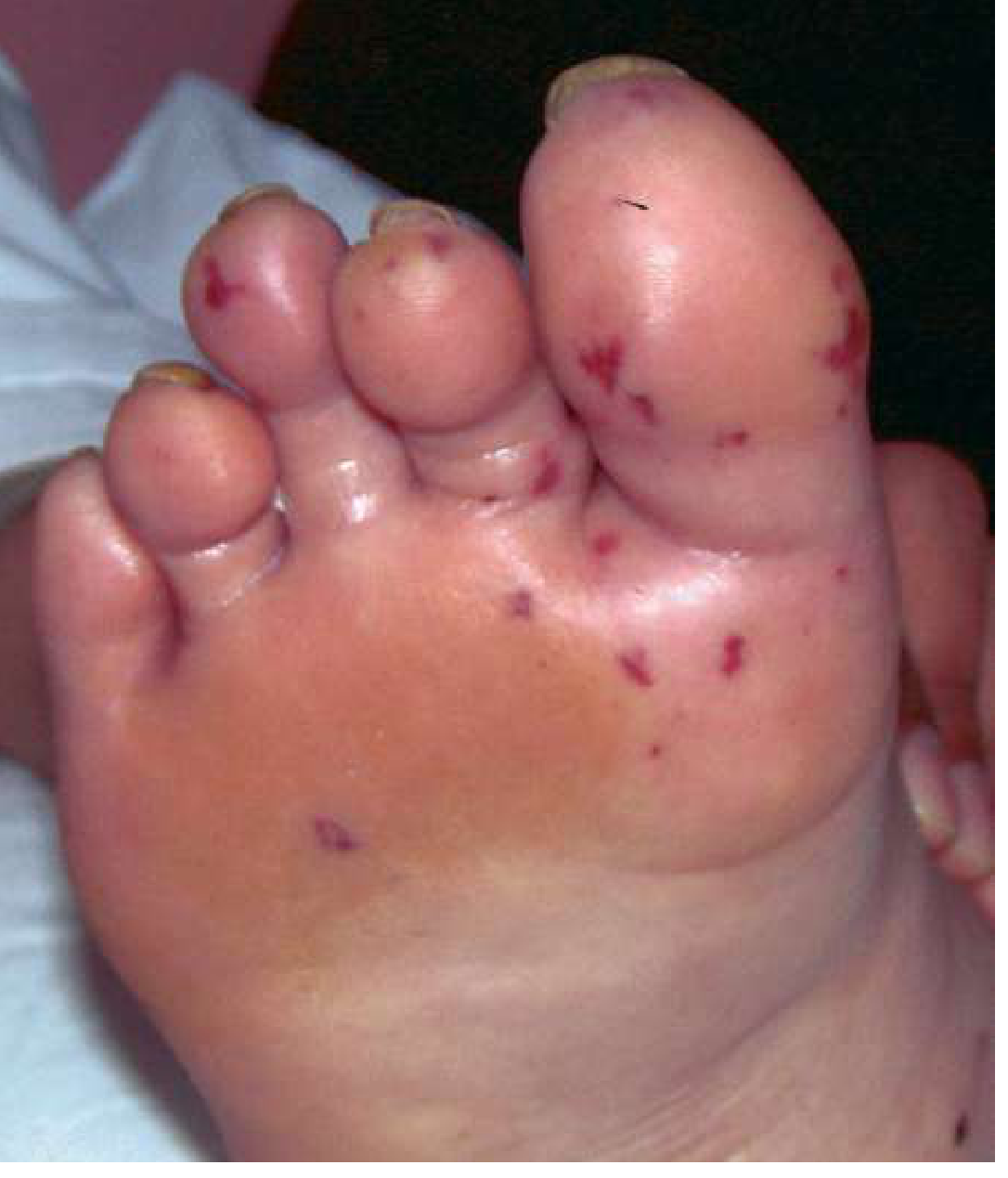
Cardiovascular Examination
| Murmur finding | Frequency |
|---|---|
| Any murmur present | 75-85% |
| New murmur | 10-50% |
| Changing/worsening murmur | 5-20% |
- Listen carefully for new murmur or worsening of a known murmur on every examination
- Aortic regurgitation (diastolic murmur) → aortic valve IE → widened pulse pressure, water-hammer pulse, head bobbing (de Musset's sign)
- Mitral regurgitation (pan-systolic murmur at apex) → mitral valve IE
- Tricuspid regurgitation → IVDU-associated IE (pansystolic at lower left sternal edge, increases with inspiration - Carvallo's sign)
- Listen in multiple positions (left lateral decubitus for mitral; sitting forward for aortic)
- Elevated JVP
- Bibasal crackles (pulmonary oedema)
- S3 gallop
- Peripheral oedema
- Heart failure in an IE patient = urgent surgical assessment needed
Abdomen
- Present in 10-40% of cases
- More common in subacute IE (weeks of infection)
- Left upper quadrant tenderness may indicate splenic infarction or abscess
- Tender spleen with fever = do CT abdomen
Neurological Examination
- Focal neurological deficit (hemiplegia, aphasia, field defect) → septic embolic stroke
- Cranial nerve palsies
- Visual field defects
- Altered mental status / delirium (toxic-metabolic encephalopathy)
- Meningism (rare - suggests mycotic aneurysm rupture or meningitis)
- Always document a baseline neurological examination
Musculoskeletal
- Joint swelling/tenderness (immune complex arthritis or septic arthritis from emboli)
- Back tenderness → vertebral osteomyelitis (IE can seed vertebral bodies; always examine spine)
- Psoas tenderness/hip pain → psoas abscess
Other
- Dental examination: Poor dentition, gum disease - source identification
- Catheter/line sites: Healthcare-associated IE - look at CVC, peripheral lines, pacemaker pocket
- IVDU signs: Track marks at antecubital fossa, forearms, groins, feet
Part 4: The Modified Duke Criteria - Your Diagnostic Framework
MAJOR Criteria (2 major = Definite IE)
- Typical organism (viridans streptococci, S. aureus, Streptococcus gallolyticus, HACEK organisms, community-acquired Enterococcus) in 2 separate blood cultures OR
- Persistent bacteremia with ANY organism: ≥2 cultures >12 hours apart, OR ≥3 cultures, OR majority of ≥4 cultures >1 hour apart
- Echo findings: Oscillating/mobile mass on valve or supporting structure (vegetation), abscess, new partial dehiscence of prosthetic valve OR
- New valvular regurgitation (new murmur)
MINOR Criteria
- Predisposing condition (IVDU or predisposing cardiac lesion)
- Fever ≥38°C
- Vascular phenomena: Arterial emboli, septic pulmonary emboli, mycotic aneurysm, intracranial haemorrhage, conjunctival haemorrhages, Janeway lesions
- Immunologic phenomena: Glomerulonephritis, Osler nodes, Roth spots, rheumatoid factor
- Echo findings consistent with IE but not meeting major criterion
- Microbiologic evidence not meeting major criterion
Classification:
| Category | Definition |
|---|---|
| Definite IE | 2 Major OR 1 Major + 3 Minor OR 5 Minor |
| Possible IE | 1 Major + 1 Minor OR 3 Minor |
| Rejected | Firm alternative diagnosis OR resolution with ≤4 days antibiotics |
- Fever ≥38°C (1 minor)
- Predisposing cardiac condition or risk factor (1 minor)
- Splinter haemorrhages / Osler nodes / Janeway lesions (vascular/immunologic: 1 minor each)
- This could already constitute "Possible IE" (3 minor criteria) - enough to start workup urgently.
Part 5: Investigations
Blood Cultures - The Single Most Important Test
- Draw at least 3 sets (each = 1 aerobic + 1 anaerobic bottle) from 3 separate venepuncture sites
- Draw them at least 1 hour apart (documents continuous bacteraemia, a hallmark of IE)
- If critically ill: all 3 sets within 30 minutes without delay
- Do NOT start antibiotics before drawing blood cultures (reduces sensitivity by ~30%)
- Incubate for at least 5 days (HACEK organisms grow slowly)
- Label with time, site, and patient details meticulously
Echocardiography
- Transthoracic Echo (TTE): First investigation; 60-80% sensitivity for native valve vegetations
- Transoesophageal Echo (TOE/TEE): 90-100% sensitivity; preferred for prosthetic valves, poor TTE windows, suspected abscess, negative TTE with high suspicion
- Look for: vegetations (oscillating mass on valve), abscess (perivalvular), new regurgitation, leaflet perforation, prosthetic valve dehiscence
Basic Blood Tests
| Test | Expected Finding in IE |
|---|---|
| FBC | Normocytic normochromic anaemia (very common); leucocytosis (acute IE), normal WBC (subacute) |
| ESR | Elevated (61% of cases) |
| CRP | Markedly elevated |
| Serum creatinine | Elevated if embolic nephritis or immune-complex glomerulonephritis |
| Urine dipstick/microscopy | Haematuria (microscopic) + proteinuria → immune complex GN |
| Rheumatoid factor | Positive in up to 50% of subacute IE (minor Duke criterion) |
| LFT | Mildly elevated in sepsis; useful baseline |
| Troponin | Elevated if mycotic coronary embolism or myocarditis |
ECG
- New conduction defects (PR prolongation, new bundle branch block, complete heart block) → perivalvular abscess extending to conduction system - a serious complication requiring urgent surgery
- Check daily in confirmed IE
Imaging (if available)
- CT chest/abdomen/pelvis: Identify embolic complications (splenic/renal/cerebral infarcts, pulmonary septic emboli in right-sided IE)
- MRI brain: Detect clinically silent cerebral emboli (present in up to 80% of IE at autopsy)
- X-ray chest: Pulmonary infiltrates/septic emboli (right-sided IE)
Part 6: Common Causative Organisms and Clinical Clues
| Organism | Clinical Context | Course |
|---|---|---|
| Viridans streptococci (S. mutans, S. sanguinis, S. mitis) | Dental procedures, poor dentition, native valve | Subacute - weeks of symptoms |
| Streptococcus gallolyticus (S. bovis) | Colon cancer/polyps - order colonoscopy | Subacute |
| Staphylococcus aureus | IVDU, healthcare contact, skin/soft tissue source, CVC | Acute - days of severe illness |
| Enterococcus faecalis | GI/GU procedures, elderly, urinary tract source | Subacute |
| HACEK organisms (Haemophilus, Aggregatibacter, Cardiobacterium, Eikenella, Kingella) | Dental/oral flora, slow-growing, culture-negative initially | Subacute |
| Coagulase-negative staphylococci | Prosthetic valve (early <2 months post-surgery) | Variable |
| Candida/Aspergillus (Fungal) | IVDU, prolonged antibiotics, TPN, immunocompromised | Subacute, large vegetations |
| Coxiella burnetii (Q fever) | Farm/animal exposure, often culture-negative | Subacute, positive serology |
Important clinical pearl: S. gallolyticus bacteraemia or IE should prompt colonoscopy - there is a strong association with colorectal adenoma/carcinoma.
Part 7: Complications to Identify
| Complication | Clinical Sign | Action |
|---|---|---|
| Heart failure (most common cause of death) | New/worsening dyspnoea, pulmonary oedema, S3 | Urgent surgery consultation |
| Perivalvular abscess | New conduction defect on ECG, fever persisting despite antibiotics | TOE urgent, cardiac surgery |
| Embolic stroke | New focal neurological deficit | CT/MRI brain; anticoagulation is NOT routinely given; surgery before stroke if emboli size increasing |
| Mycotic aneurysm | Severe headache, neck stiffness, neurological deterioration | CT angiography head |
| Splenic abscess | LUQ pain, persistent fever despite appropriate antibiotics | CT abdomen; drainage or splenectomy |
| Septic pulmonary emboli (right-sided IE) | Haemoptysis, pleuritic pain, chest X-ray nodules | Manage right-sided IE (often conservative) |
| Acute renal failure | Rising creatinine, haematuria | Embolic infarction vs immune complex GN; supportive care |
| Vertebral osteomyelitis | Back pain, spinal tenderness | MRI spine |
Part 8: Empirical Antibiotic Treatment (Once Blood Cultures Drawn)
Empirical Treatment (Before Culture Results):
Ampicillin-sulbactam 12 g/day IV (in divided doses) + Gentamicin 3 mg/kg/day IV (divided 8-hourly)
Vancomycin 30 mg/kg/day IV (in 2 divided doses) + Gentamicin 3 mg/kg/day
Vancomycin 30 mg/kg/day IV ± Gentamicin
Targeted Treatment by Organism:
| Organism | Antibiotic | Duration |
|---|---|---|
| Viridans streptococci (penicillin-sensitive) | Benzylpenicillin G 12-18 million units/day IV ± gentamicin | 4-6 weeks (2 weeks if uncomplicated + gentamicin combination) |
| S. aureus (MSSA) - native valve | Flucloxacillin/nafcillin 12 g/day IV | 6 weeks |
| S. aureus (MRSA) | Vancomycin 30 mg/kg/day IV | 6 weeks |
| Enterococcus | Ampicillin 12 g/day + Gentamicin 3 mg/kg/day | 4-6 weeks |
| HACEK | Ceftriaxone 2 g/day IV | 4 weeks |
| Prosthetic valve IE (any organism) | As above + Rifampicin 900 mg/day PO (after 3-5 days) | 6 weeks minimum |
Surgical Indications (When Medical Treatment Is Not Enough):
- Heart failure from severe valve regurgitation (most common indication)
- Perivalvular abscess, fistula, or destructive penetrating lesion
- Persistent fever/bacteraemia despite 7-10 days appropriate antibiotics
- Large mobile vegetation (>10 mm) with recurrent emboli despite antibiotics
- Fungal endocarditis
- Prosthetic valve IE caused by S. aureus (most require surgery)
Quick IE Suspicion Checklist at the Bedside
- Does the patient have a cardiac valve lesion, prosthetic valve, or IVDU history?
- Is there a new or changing heart murmur?
- Are there splinter haemorrhages in proximal nail beds?
- Osler's nodes (tender nodules on fingertips/toe pads)?
- Janeway lesions (painless spots on palms/soles)?
- Petechiae on conjunctiva, palate, or skin?
- Splenomegaly?
- Any embolic event (stroke, flank pain, back pain)?
- Haematuria on dipstick?
- Any recent procedure that could cause bacteraemia (dental, urological, GI)?
- Goldman-Cecil Medicine, Table 61-2 (Physical Findings in IE), Table 61-3 (Modified Duke Criteria)
- Braunwald's Heart Disease, Table 80.1 (Symptoms), Table 80.2 (Physical Findings)
- Frameworks for Internal Medicine, Infective Endocarditis chapter
- Jawetz, Melnick & Adelberg's Medical Microbiology - Antibiotic therapy for IE
How to treat a patient with chronic kidney disease and fluid overload and severe shortness of breath, given furosemide 80mg 3 times daily. What can be done in an emergency to decrease his shortness of breath even when his urine output is about nil? Isosorbide dinitirite is also given at a low dose what other measures can be done. What investigations are to be done for further calling our dialysis?
"acute pulmonary edema" AND "renal failure" AND "treatment"
CKD with Refractory Fluid Overload, Near-Anuria, and Acute Dyspnoea - Emergency Management and Dialysis Decision
Understanding the Problem - Why Furosemide 80mg TDS Is Not Working
- Reduced nephron mass means fewer tubular cells to respond to furosemide
- Furosemide works by being secreted into the tubular lumen via organic acid transporters - in uraemia, accumulated organic acids competitively block this secretion
- Hypoalbuminaemia (very common in CKD) means furosemide remains protein-bound in plasma and cannot reach the tubule
- Sodium avidity - the remaining nephrons avidly reabsorb sodium, overcoming furosemide's effect
- With near-zero urine output, oral/IV furosemide simply cannot remove the fluid burden
Part 1: Immediate Emergency Management - The First 30 Minutes
STOP and THINK: The "LMNOP" Mnemonic for Acute Pulmonary Oedema
M - Morphine - IV for venodilation and anxiety relief
N - Nitrates - Escalate isosorbide dinitrate
O - Oxygen - High flow + non-invasive ventilation
P - Position - Sit the patient upright
Step 1 - Position and Oxygen (IMMEDIATE, within 2 minutes)
- Sit the patient upright at 90° (high Fowler's position) - this alone reduces venous return to the lungs by 30-40% via hydrostatic redistribution of fluid to dependent areas
- Dangle legs over the bedside if possible (further reduces preload)
- High-flow oxygen: 10-15L/min via non-rebreather mask; target SpO₂ ≥94-96%
- Do NOT give oxygen at >96% in known chronic hypercapnic COPD patients - but in pure fluid overload without COPD, high-flow oxygen is appropriate
- IV access × 2, continuous monitoring (ECG, SpO₂, BP, RR)
Step 2 - Escalate Nitrates (Most Effective Drug in This Situation)
- If already on low-dose isosorbide dinitrate orally → Switch to IV glyceryl trinitrate (GTN) / nitroglycerin
- GTN infusion: Start at 10-20 mcg/min IV, titrate up every 5-10 minutes by 10 mcg/min
- Can go up to 200-400 mcg/min if BP tolerates (keep SBP >100 mmHg)
- Sublingual GTN 0.4 mg (or isosorbide dinitrate 5mg SL) can be given while setting up IV - works within 2-3 minutes
- Contraindications: SBP <90 mmHg, use of PDE-5 inhibitors (sildenafil, tadalafil) within 24-48 hours, hypertrophic obstructive cardiomyopathy
Step 3 - Non-Invasive Ventilation (NIV) - Most Powerful Non-Pharmacological Intervention
- Start at 5-7.5 cmH₂O, increase to 10-12.5 cmH₂O
- Keeps alveoli open, prevents alveolar flooding, improves oxygenation
- First choice in pure fluid overload without respiratory muscle failure
- IPAP 12-16 cmH₂O, EPAP 4-8 cmH₂O
- Better if CO₂ is rising (combined respiratory failure)
- Use if CPAP alone insufficient
Step 4 - Morphine (Use Cautiously in Renal Failure)
- 2-5 mg IV slowly - causes venodilation + anxiolysis + reduces the work of breathing sensation
- CAUTION in CKD: Morphine metabolite (morphine-6-glucuronide) accumulates in renal failure → respiratory depression
- Use only if patient is very distressed AND blood pressure is adequate
- Consider low-dose diamorphine (1-2.5 mg IV) as alternative
- Have naloxone ready
Step 5 - Maximise/Escalate Diuretic Strategy
- Oral furosemide bioavailability is only 40-60% in heart failure/CKD (gut oedema reduces absorption)
- IV furosemide is 2× more potent than the same oral dose
- If on 80mg oral TDS → equivalent to giving 40mg IV TDS
- Bolus: 200 mg IV furosemide (yes - high doses are needed in anuric CKD)
- Then: Continuous IV infusion 20-40 mg/hour
- Continuous infusion produces more sustained natriuresis than bolus dosing in diuretic resistance
Metolazone 2.5-5 mg orally 30 minutes BEFORE furosemide
-
This is the classic "sequential nephron blockade" - blocks the distal tubule AND the loop simultaneously
-
Furosemide blocks the loop of Henle; thiazides block the distal convoluted tubule
-
When combined, sodium that "escapes" furosemide's effect is blocked downstream
-
Dramatically increases urine output even in patients previously unresponsive to furosemide alone
-
Start with 2.5 mg metolazone once daily to assess response; can increase to 10 mg
-
Alternative: Hydrochlorothiazide 25-50 mg or Chlorothiazide 500 mg IV (if oral route problematic)
- Spironolactone 25-50 mg blocks aldosterone-driven distal sodium reabsorption
- Caution: Risk of hyperkalaemia in CKD - check K+ first; avoid if K+ >5.5 mmol/L
- Carbonic anhydrase inhibitor - blocks proximal tubular sodium reabsorption
- 500 mg IV daily alongside furosemide (ADVOR trial showed benefit)
- Practical in CKD and may enhance loop diuretic response
Step 6 - Sodium and Fluid Restriction
- Strict fluid restriction: 500-750 mL/24 hours (input - all sources including IV medications, feeds)
- Sodium restriction: <2g sodium/day (no added salt diet)
- Stop all unnecessary IV fluids (D5W, 0.9% saline flushes, etc.)
- Concentrated IV medications (give in minimum volume)
Step 7 - Stop Nephrotoxic and Sodium-Retaining Drugs
- NSAIDs (ibuprofen, diclofenac, naproxen, ketorolac) - worsen renal function and cause sodium retention
- ACE inhibitors/ARBs - consider temporary hold if creatinine rising sharply (may be worsening renal perfusion)
- Contrast-containing medications
- Metformin (accumulates in renal failure → lactic acidosis)
- Potassium-sparing agents if K+ already high
Part 2: Emergency Measures That Work Without Kidney Function (The "Renal-Independent" Toolkit)
1. Non-Invasive Ventilation (CPAP/BiPAP) - already covered above
2. Venesection / Therapeutic Phlebotomy (Resource-Limited Settings)
- Remove 250-500 mL of blood from a large peripheral or central vein
- Immediately reduces preload and pulmonary congestion
- Indicated when:
- No other means of fluid removal available
- Patient haemodynamically stable enough (SBP >110)
- Emergency bridge to dialysis
- Not done if patient is anaemic (Hb <8 g/dL)
- A historical technique still valid in resource-limited settings
3. Rotating Tourniquets (Historical; Rarely Used Now)
- Apply BP cuffs to 3 of 4 limbs, inflate to mid-diastolic pressure
- Rotates every 15 minutes (one limb free at a time)
- Traps venous blood in peripheral vasculature, reduces preload
- Labour-intensive; largely replaced by NIV and nitrates
4. Inotropes (if Cardiogenic Component Contributing)
- If the fluid overload is partly from low cardiac output (heart not pumping well):
- Dobutamine 2-10 mcg/kg/min IV → improves cardiac output → better renal perfusion → may improve diuretic response
- Only if hypotensive or low-output state suspected
5. Ultrafiltration (if available)
- Isolated ultrafiltration can be done even without full dialysis setup
- Removes 100-300 mL/hour of pure water
- Available in nephrology units with basic equipment
- The most effective bridge when diuretics fail and dialysis not yet started
Part 3: Preparing for Dialysis - What Investigations Are Needed
Investigations Required Before Initiating Dialysis
Immediate Bloods (Within 1 Hour)
| Test | What You Are Looking For |
|---|---|
| Serum potassium (K+) | Hyperkalaemia >6.5 mmol/L = emergency indication for dialysis |
| Serum creatinine + eGFR | Quantify renal function; trend over days |
| Blood urea nitrogen (BUN/urea) | Uraemia (urea >35-40 mmol/L = symptomatic threshold); serum urea >50 mmol/L with symptoms = urgent dialysis |
| Arterial blood gas | pH <7.1 or bicarbonate <12 mmol/L = severe metabolic acidosis → urgent dialysis |
| Serum bicarbonate | If <15 mmol/L, dialysis indicated even without other criteria |
| Serum sodium | Hypo or hypernatraemia affecting treatment approach |
| Serum phosphate | Elevated in CKD; causes vascular calcification |
| Serum calcium | Hypocalcaemia (common in CKD); hyperkalaemia treatment (calcium gluconate) |
| Serum albumin | Hypoalbuminaemia worsens oedema; nutritional status |
| Lactate | >4 mmol/L = tissue hypoxia, critical illness severity |
| FBC | Anaemia (uraemic anaemia), leucocytosis (infection), thrombocytopenia |
| Coagulation (PT, aPTT) | Uraemic coagulopathy |
| LFT + total bilirubin | Rule out hepatic cause of oedema; assess for hepatorenal |
| Blood cultures × 2 | Before inserting dialysis catheter; rule out sepsis as precipitant |
| Serum uric acid | Gouty nephropathy; also marker of cell turnover |
| HbA1c | If diabetic nephropathy suspected |
| Troponin + ECG | Rule out ACS precipitating acute decompensation |
| CXR (chest) | Pulmonary oedema severity; cardiac size; rule out infection |
Investigations for Dialysis Planning
| Test | Purpose |
|---|---|
| Renal ultrasound | Kidney size (small, echogenic = chronic CKD; normal size = AKI or AKI-on-CKD); obstruction (hydronephrosis - must rule out!); asymmetry (renovascular disease) |
| ECG (12-lead) | Hyperkalaemic changes (peaked T waves, widened QRS, sine wave - emergency); arrhythmias; pericarditis (uraemic pericarditis - friction rub = urgent dialysis) |
| Echocardiogram | LV function (cardiorenal syndrome type); pericardial effusion (uraemic); valvular disease; uraemic cardiomyopathy |
| Urine protein:creatinine ratio | Quantify proteinuria (even small volumes); nephrotic syndrome assessment |
| Urine microscopy | Red cell casts (GN), granular casts (AKI), renal tubular cells (ATN) |
| Urine sodium | <20 mmol/L = pre-renal; >40 mmol/L = intrinsic renal failure |
| Serology (if not known CKD aetiology): ANA, ANCA, Anti-GBM, complement (C3, C4), Anti-dsDNA, hepatitis B/C serology, HIV | Glomerulonephritis workup; secondary causes of CKD |
| Hepatitis B, C, HIV | Mandatory before dialysis (infection control; antiviral prophylaxis) |
| Parathyroid hormone (PTH) | Secondary hyperparathyroidism in CKD; renal osteodystrophy |
| Serum iron, TIBC, ferritin | Uraemic anaemia; iron deficiency (for EPO therapy planning) |
| Chest X-ray | Before inserting any central access; baseline cardiothoracic ratio |
| Vascular access assessment | Doppler of arm vessels if AV fistula planned; avoid peripheral cannulae in non-dominant arm (preserve vascular access) |
The AEIOU Indications for Emergency Dialysis
| Letter | Indication | Threshold |
|---|---|---|
| A - Acidosis | Metabolic acidosis refractory to medical management | pH <7.1 or bicarbonate <12 mmol/L |
| E - Electrolytes | Hyperkalaemia unresponsive to medical treatment | K+ >6.5 with ECG changes, or K+ >7.0 regardless |
| I - Intoxication | Dialysable toxins/drugs (lithium, salicylates, methanol, ethylene glycol) | Any severe toxicity |
| O - Overload | Fluid overload refractory to diuretics causing respiratory failure | Your patient's situation - this is an indication for emergency dialysis |
| U - Uraemia | Symptomatic uraemia | Pericarditis, uraemic encephalopathy, uraemic bleeding, nausea/vomiting |
Part 4: Types of Renal Replacement Therapy - Choose What Is Available
Haemodialysis (HD)
- Standard intermittent HD: 4-hour sessions, 3-4 times/week
- Best for rapid electrolyte correction and fluid removal
- Requires stable haemodynamics (can drop BP)
- Continuous ambulatory peritoneal dialysis (CAPD) as alternative if available
Peritoneal Dialysis (PD) - Important in Resource-Limited Settings
- Can be started emergently with an acute PD catheter (Tenckhoff or rigid PD catheter)
- Does NOT require haemodialysis machine
- Gentle, continuous fluid removal - good for haemodynamically unstable patients
- Avoid if: recent abdominal surgery, peritonitis, abdominal adhesions, diaphragmatic defects
- Highly relevant in resource-limited settings where HD machines are unavailable
Continuous Renal Replacement Therapy (CRRT)
- Continuous veno-venous haemofiltration (CVVHF) or haemodiafiltration (CVVHDF)
- Best for haemodynamically unstable ICU patients
- Gentle, continuous fluid removal (100-300 mL/hour)
- Requires ICU, trained staff, specialised equipment
Part 5: While Preparing for Dialysis - Emergency Treatment of Hyperkalaemia (If Present)
Stepwise Treatment:
Calcium gluconate 10% - 10-20 mL (1-2 ampoules) IV over 5-10 minutes (or calcium chloride 10% - 6.8 mL)
- Works within 1-3 minutes; lasts 30-60 minutes
- Does NOT lower K+ - only protects the heart from arrhythmia
Insulin + Dextrose: 10 units soluble insulin IV + 50 mL 50% dextrose (or 125 mL 20% dextrose) IV
- Lowers K+ by 0.5-1.5 mmol/L; lasts 4-6 hours
Salbutamol (albuterol) 10-20 mg nebulised (can also be given IV)
- Lowers K+ by 0.5-1 mmol/L; works within 30 minutes
- Especially useful as it also treats bronchospasm from fluid overload
- Contraindicated in tachyarrhythmias
Sodium bicarbonate 8.4% - 50-100 mL IV if pH <7.2
- Shifts K+ intracellularly; also treats acidosis
Calcium resonium (sodium polystyrene sulphonate) 15g oral/rectal
- Slow K+ removal via GI tract (hours-days)
- Less effective in acute emergency
Patiromer or Sodium Zirconium Cyclosilicate (ZS-9) if available
- Newer K+ binders, more rapid and reliable than calcium resonium
Part 6: Full Management Summary (Checklist Format)
In the First 15 Minutes:
- Sit patient upright at 90°, legs dependent
- High-flow oxygen 10-15 L/min NRM; target SpO₂ 94-98%
- IV access × 2 (avoid antecubital fossa/forearm of non-dominant arm - preserve for AV fistula)
- Continuous monitoring: ECG, SpO₂, BP every 5 minutes
- Sublingual GTN 0.4 mg (or isosorbide dinitrate 5 mg SL) immediately
- Start NIV: CPAP 7.5-10 cmH₂O (or BiPAP if hypercapnic)
- Urgent bloods: K+, creatinine, urea, ABG, FBC, troponin, LFT
- 12-lead ECG immediately (rule out ACS + check for hyperkalaemia changes)
- Catheterise patient (accurate hourly urine measurement)
In the First Hour:
- IV GTN infusion at 20 mcg/min, titrate up (keep SBP >100)
- IV furosemide 200 mg bolus (or continuous infusion 20-40 mg/hour)
- Add metolazone 5 mg oral (sequential nephron blockade) - give 30 minutes before furosemide
- If hyperkalaemia (K+ >6.0 + ECG changes): calcium gluconate + insulin/dextrose immediately
- Strict fluid restriction: 500 mL/24h input only
- Stop all NSAIDs, nephrotoxins, unnecessary IV fluids
- CXR (portable)
- Morphine 2 mg IV (if still severely distressed, SpO₂ maintained, not hypercapnic)
In the First 4-6 Hours (While Awaiting Dialysis):
- Repeat K+, creatinine, ABG after 2-4 hours
- Renal ultrasound (rule out obstruction - easily missed and treatable!)
- Nephrology consultation for emergency dialysis
- Hepatitis B/C, HIV testing (mandatory before dialysis)
- Blood cultures before any central line placement
- Assess for uraemic pericarditis (listen for friction rub), encephalopathy, bleeding
- Echocardiogram if available (cardiac function, pericardial effusion)
- Insert temporary dialysis catheter (internal jugular or femoral vein) and commence dialysis/ultrafiltration
Key Messages to Remember
-
In an anuric CKD patient with pulmonary oedema - nitrates and NIV are your most powerful immediate tools, not diuretics. Don't waste time waiting for diuretic response that won't come.
-
Metolazone + furosemide (sequential nephron blockade) is the most effective oral combination to break diuretic resistance - always try this before abandoning medical therapy.
-
"AEIOU" - your patient meets "O" (overload) for emergency dialysis. Check for A (acidosis) and E (electrolytes - K+) which may be present simultaneously.
-
Always do renal ultrasound first - obstructive uropathy (bilateral hydronephrosis, full bladder) is the one completely reversible cause of oliguria/anuria that is easily missed and easily fixed with a catheter or nephrostomy.
-
In resource-limited settings: peritoneal dialysis is a valid and immediately available alternative to haemodialysis - it does not require a machine, can remove fluid gently, and can be life-saving.
-
Preserve vascular access - avoid cannulae in the forearm/antecubital of the non-dominant arm; this is the site for a future AV fistula.