
Explain fertility indicators like birth rate, general fertility rate, general marital fertility rate, age specific fertility rate, total fertility rate, gross reproductive rate, net reproductive rate, pregnancy rate , abortion rate ... With an examples in simpler way
Fertility Indicators - A Complete, Simple Guide
The Core Idea
Key rule: Stillbirths, foetal deaths, and abortions are NOT counted as live births in fertility measurement.
1. Crude Birth Rate (CBR)
CBR = (Live births in a year / Mid-year total population) × 1000
2. General Fertility Rate (GFR)
GFR = (Live births in a year / Mid-year female population aged 15-49) × 1000
3. General Marital Fertility Rate (GMFR)
GMFR = (Live births in a year / Mid-year married female population aged 15-49) × 1000
4. Age-Specific Fertility Rate (ASFR)
ASFR = (Live births to women in age group X / Mid-year female population in age group X) × 1000
5. Age-Specific Marital Fertility Rate (ASMFR)
ASMFR = (Live births to married women in age group X / Mid-year married female population in age group X) × 1000
6. Total Fertility Rate (TFR)
TFR = 5 × (Sum of all ASFRs from age 15-49) / 1000
7. Total Marital Fertility Rate (TMFR)
TMFR = 5 × (Sum of all ASMFRs from age 15-49) / 1000
8. Gross Reproduction Rate (GRR)
GRR = 5 × (Sum of ASFRs for female live births only) / 1000
GRR ≈ TFR × 0.488
9. Net Reproduction Rate (NRR)
NRR = GRR × (probability of a girl surviving to mean age of childbearing)
| NRR | Meaning |
|---|---|
| NRR = 1 | Exactly replacement level (≈ 2-child norm) |
| NRR > 1 | Population will grow |
| NRR < 1 | Population will shrink (below replacement) |
10. Pregnancy Rate
Pregnancy Rate = Number of all pregnancies in a year / Married women aged 15-44 (or 15-49)
11. Abortion Rate
Abortion Rate = (All abortions in a year / Women aged 15-44) × 1,000
Abortion Ratio = Number of abortions / Number of live births × 1,000
Quick Summary Table
| Indicator | Numerator | Denominator | Key Feature |
|---|---|---|---|
| CBR | Live births | Total population | Simplest; least accurate |
| GFR | Live births | Women 15-49 | Removes men + non-reproductive ages |
| GMFR | Live births | Married women 15-49 | Removes unmarried women |
| ASFR | Live births in age group | Women in that age group | Shows fertility pattern by age |
| ASMFR | Live births to married women in age group | Married women in that age group | Age + marital status |
| TFR | Sum of all ASFRs × 5 | 1000 | Average children per woman lifetime |
| TMFR | Sum of all ASMFRs × 5 | 1000 | Average children per married woman |
| GRR | Sum of female ASFRs × 5 | 1000 | Daughters per woman (ignores mortality) |
| NRR | GRR adjusted for survival | - | Daughters per woman (real-world); NRR=1 = replacement |
| Pregnancy Rate | ALL pregnancies | Married women 15-49 | Counts conception, not just births |
| Abortion Rate | All abortions | Women 15-44 | Per 1,000 women |
| Abortion Ratio | All abortions | Live births | Per 1,000 births |
The Conceptual Ladder (Memory Aid)
CBR  →  GFR  →  GMFR  →  ASFR  →  TFR  →  GRR  →  NRR
 ↑        ↑       ↑        ↑        ↑       ↑       ↑
Crude   Women   Married  Age-    Lifetime  Girls   Girls
rate    only    only     specific  avg    only    who survive
Targets and goals of family planning according to park textbook
Targets and Goals of Family Planning - Park's Textbook
Definition First (What Family Planning Actually Means)
| Goal | Meaning in Simple Terms |
|---|---|
| (a) Avoid unwanted births | Don't have children you don't want |
| (b) Bring about wanted births | Help couples who want children to have them |
| (c) Regulate intervals between pregnancies | Proper spacing of children |
| (d) Control timing of births in relation to parents' age | Not too young, not too old |
| (e) Determine the number of children | Decide the ideal family size |
Family planning is not synonymous with just birth control. It is much broader.
Scope of Family Planning (13 Components per WHO, 1970)
- Proper spacing and limitation of births
- Advice on sterility
- Education for parenthood
- Sex education
- Screening for pathological conditions related to the reproductive system (e.g., cervical cancer)
- Genetic counselling
- Premarital consultation and examination
- Carrying out pregnancy tests
- Marriage counselling
- Preparation of couples for the arrival of their first child
- Providing services for unmarried mothers
- Teaching home economics and nutrition
- Providing adoption services
Family Planning as a Basic Human Right
- UN Conference on Human Rights, Tehran (1968) - First recognized family planning as a basic human right.
- Bucharest World Population Conference (1974) - Declared: "All couples and individuals have the basic human right to decide freely and responsibly the number and spacing of their children."
- World Conference, International Women's Year (1975) - Declared the right of women to decide freely on the number and spacing of their children.
Health Goals / Targets of Family Planning
(i) Avoidance of Unwanted Pregnancies
- Prevents criminal abortions (the most dangerous consequence of unwanted pregnancy)
- Reduces mental health disturbances in mothers
- Access to family planning alone could reduce maternal deaths by 25% and child mortality by 20%
(ii) Limiting Births and Proper Spacing
- Risk of maternal death rises with each pregnancy beyond the 3rd, and significantly from the 5th onwards
- Family planning reduces rupture of uterus, uterine atony, toxaemia, eclampsia, placenta praevia, anaemia, and cervical cancer risk
(iii) Timing of Births
- Mothers face the greatest risk of dying below age 20 and above age 35
- Family planning ensures births happen at the safest ages
Key Demographic Concepts and Targets
Eligible Couples
- A currently married couple where the wife is aged 15-45 years
- At least 150-180 eligible couples per 1,000 population in India
- About 20% of eligible couples are in the 15-24 years age group
- Around 2.5 million couples join the reproductive group every year
- The Eligible Couple Register is the basic working document for family planning programmes
Target Couples (Historical)
- Originally: couples with 2-3 living children (those most urgently in need of family planning)
- Definition was later expanded to include couples with 1 child or even newly married couples
- Today, the term "Eligible Couple" has replaced "Target Couple" - because India moved to a target-free approach from 1st April 1996
Couple Protection Rate (CPR)
- Defined as the percentage of eligible couples effectively protected against childbirth by any approved method (sterilization, IUD, condom, oral pills)
- Sterilization accounts for over 60% of protected couples
- Demographers hold that NRR = 1 can only be achieved if CPR exceeds 60%
- Previous NPP target: CPR of 42% by 1990 (end of Seventh Five Year Plan) and 60% by 2000
National Population Policy (NPP) 2000 - Goals and Targets
Background
- India's first National Population Policy was in 1976 (raised legal marriage age: females 15→18, males 18→21)
- 1977: Modified to target-free approach, renamed "Family Welfare Programme"
- National Health Policy 1983: Set goal of NRR = 1 by 2000 (not achieved)
- NPP 2000: Latest and most comprehensive
Core Objective of NPP 2000
Bring the TFR to replacement level by 2010 Long-term: Achieve requirements for suitable economic growth, social development, and environmental protection
The 14 National Socio-Demographic Goals (to be achieved by 2010)
| # | Goal | Target |
|---|---|---|
| 1 | Address unmet needs for reproductive and child health services | Universal access |
| 2 | Free and compulsory school education up to age 14 | Drop-outs below 20% for boys and girls |
| 3 | Reduce Infant Mortality Rate | Below 30 per 1,000 live births |
| 4 | Reduce Maternal Mortality Ratio | Below 100 per 1,00,000 live births |
| 5 | Universal immunization | Against all vaccine-preventable diseases |
| 6 | Delay marriage for girls | Not earlier than age 18, preferably after 20 |
| 7 | Institutional deliveries | 80% institutional; 100% by trained persons |
| 8 | Universal access to contraception | Wide basket of choices |
| 9 | Registration | 100% registration of births, deaths, marriages, pregnancies |
| 10 | Contain AIDS | Integrate RTI/STI management with NACO |
| 11 | Prevent and control communicable diseases | - |
| 12 | Integrate Indian Systems of Medicine (ISM) | In reproductive and child health services |
| 13 | Promote small family norm | Achieve replacement level TFR |
| 14 | Convergence of social sector programmes | Make family welfare people-centred |
NPP 2000 Key Features
- Target-free approach - voluntary, informed choice
- Covers women's education, empowerment, nutrition
- Focuses on unmet needs, urban slums, tribal populations, adolescent health
- Increased participation of men in planned parenthood
- Collaboration with NGOs
- To be implemented and managed at Panchayat and Nagar Palika levels
Summary: The Demographic Goals in One Line Each
| Indicator | Target |
|---|---|
| NRR | = 1 (replacement level) - requires CPR > 60% |
| TFR | = 2.1 (replacement level) by 2010 |
| IMR | < 30 per 1,000 live births |
| MMR | < 100 per 1,00,000 live births |
| CPR | > 60% |
| Institutional deliveries | 80% |
| Deliveries by trained personnel | 100% |
| Age at marriage (girls) | ≥ 18 years (preferably ≥ 20) |
Write about intrauterine devices and its types according to park textbook for a 7marks university answer
Intra-Uterine Devices (IUDs)
Definition
Types of IUDs
| Generation | Type | Example |
|---|---|---|
| 1st | Non-medicated / Inert | Lippes Loop |
| 2nd | Copper-bearing | Cu-T-380A, Multiload |
| 3rd | Hormone-releasing | Progestasert, Mirena (LNG-20) |
1st Generation IUDs - Non-medicated (Inert) IUDs
- Made of polyethylene or other polymers
- Appeared in different shapes and sizes - loops, spirals, coils, rings, and bows
- No metal or hormone added
- Can be left in place indefinitely as long as there are no side-effects
Lippes Loop (Most Important)
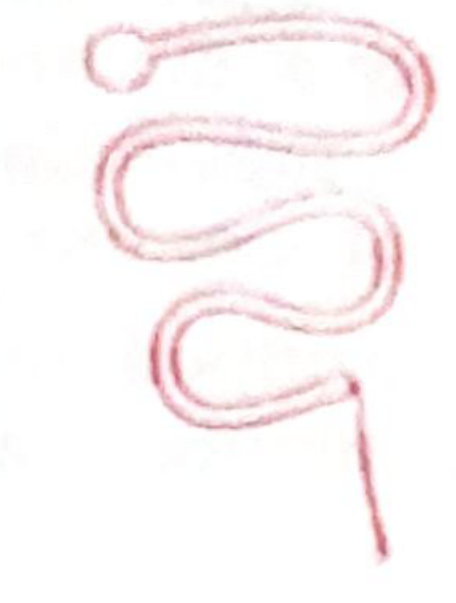
- Shape: Double-S shaped device
- Material: Polyethylene (non-toxic, non-tissue reactive, extremely durable)
- Contains barium sulphate to allow X-ray visualization
- Has attached threads/"tail" of fine nylon that project into the vagina - for confirmation of position and easy removal
- Available in 4 sizes: A, B, C, D (D is largest)
- Larger sizes = greater anti-fertility effect + lower expulsion rate, but higher removal rate due to pain/bleeding
- Larger loops (C and D) = more suitable for multiparous women
- Best known and most commonly used device in developing countries
2nd Generation IUDs - Copper-Bearing IUDs
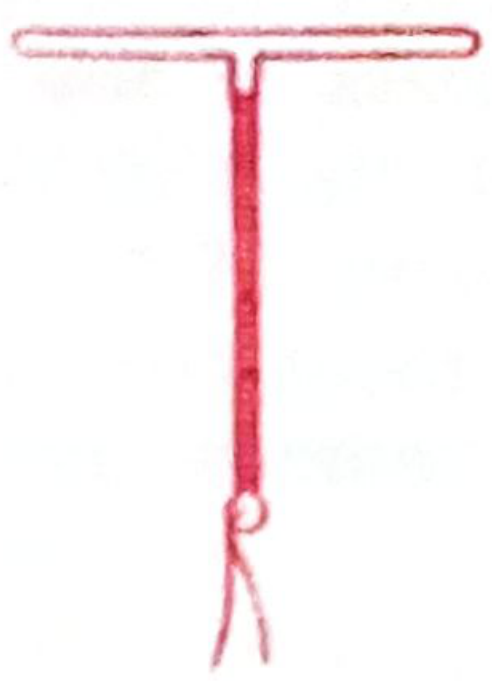

Available Copper Devices:
- Copper-7
- Copper T-200
- Cu-T-220 C
- Cu-T-380 A or Ag (introduced in India's National Family Welfare Programme in 2002)
- Nova T
- Multiload devices: ML-Cu-250, ML-Cu-375
Note: Nova T and Cu-T-380 Ag have a silver core over which the copper wire is wrapped.
Effective Life of Copper IUDs:
| Device | Approved Duration |
|---|---|
| Cu-T-380A | 10 years (effective up to 12 years) |
| Cu-T-200 | 4 years |
| Nova T | 5 years |
Advantages of Copper Devices (over inert IUDs):
- Low expulsion rate
- Lower incidence of side-effects (pain and bleeding)
- Easier to fit even in nulliparous women
- Better tolerated by nullipara
- Increased contraceptive effectiveness
- Effective as post-coital contraceptive if inserted within 3-5 days of unprotected intercourse
3rd Generation IUDs - Hormone-Releasing IUDs
(a) Progestasert (Progesterone-releasing IUD)
- T-shaped device filled with 38 mg of progesterone (natural hormone)
- Releases progesterone at 65 mcg/day
- Direct local effect on uterine lining, cervical mucus, and possibly sperms
- Must be replaced every year (progesterone depleted in 12-18 months)
(b) LNG-20 / Mirena (Levonorgestrel-releasing IUD)
- T-shaped device releasing 20 mcg of levonorgestrel (potent synthetic steroid) per day
- Pregnancy rate: 0.2 per 100 women (very effective)
- Fewer ectopic pregnancies
- Associated with lower menstrual blood loss and fewer days of bleeding than copper devices
- Effective life: 10 years (possibly longer)
- Particularly valuable for women in developing countries where inert devices cause significant anaemia due to blood loss
Mechanism of Action
| Type | Mechanism |
|---|---|
| All IUDs | Cause a foreign-body reaction in uterus → cellular and biochemical changes in endometrium and uterine fluids → impairs viability of gametes → reduces chances of fertilization |
| Copper IUDs | Copper ions enhance cellular endometrial response; alter biochemical composition of cervical mucus → affect sperm motility, capacitation, and survival |
| Hormone-releasing IUDs | Increase viscosity of cervical mucus → prevent sperm entry; maintain high progesterone in endometrium → endometrium unfavourable for implantation |
Effectiveness
| Device | Pregnancy Rate (%) | Expulsion Rate (%) | Removal Rate (%) |
|---|---|---|---|
| Lippes Loop | 3 | 12-20 | Higher |
| Copper devices | Lower than Lippes | Lower than Lippes | Lower |
- Effectiveness of copper devices is directly related to the surface area of copper (usually 200-220 sq. mm)
- Overall effectiveness of IUDs = comparable to oral contraceptives due to higher continuation rates
Advantages of IUDs (General)
Contraindications
- Suspected pregnancy
- Pelvic inflammatory disease (PID)
- Vaginal bleeding of undiagnosed aetiology
- Cancer of cervix, uterus, adnexa or other pelvic tumours
- Previous ectopic pregnancy
- Anaemia
- Menorrhagia
- History of PID since last pregnancy
- Purulent cervical discharge
- Distortions of uterine cavity (congenital malformations, fibroids)
- Unmotivated person
Timing of Insertion
- Best time: During menstruation or within 10 days of start of menstrual period (cervical canal is wider, uterus relaxed, pregnancy risk is remote)
- Post-partum: 6-8 weeks after delivery ("post-puerperal insertion") - most convenient, combined with follow-up
- Immediate post-partum: First week after delivery (higher risk of perforation and expulsion)
- Post-abortion: Immediately after first trimester legal abortion (not recommended after second trimester abortion)
India's National Programme
- Under India's National Family Welfare Programme, Cu-T-200B was initially used
- From 2002 onwards, Cu-T-380A was introduced into the national programme
How to write for an exam on iud
How to Write an IUD Answer in Exams
Step 1 - Read the Marks First
| Marks | What to Write |
|---|---|
| 2 marks | Definition + types only |
| 5 marks | Definition + types with brief details + mechanism + advantages |
| 7 marks | Full answer (below) |
| 10 marks | Full answer + contraindications + timing + India's programme + table |
Step 2 - The Perfect Structure for 7 Marks
1. Introduction / Definition        → 0.5 mark
2. Classification / Types           → 1.5 marks  ← examiner's eye goes here first
3. Details of each type             → 2.5 marks
4. Mechanism of Action              → 1 mark
5. Advantages + Contraindications   → 1 mark
6. Timing of Insertion (bonus)      → 0.5 mark
                              TOTAL = 7 marks
Step 3 - Write It Like This
Opening Line (never skip this)
"An Intra-Uterine Device (IUD) is a contraceptive device inserted into the uterine cavity to prevent pregnancy. It is a spacing method of contraception."
Classification (this is your most important paragraph)
IUDs are classified into 3 generations:

1st Generation  →  Non-medicated / Inert IUDs     →  e.g., Lippes Loop
2nd Generation  →  Copper-bearing IUDs             →  e.g., Cu-T-380A
3rd Generation  →  Hormone-releasing IUDs          →  e.g., Mirena (LNG-20)
Details - What to Write for Each Type
- Double-S shaped, made of polyethylene
- Contains barium sulphate (for X-ray visualization)
- Has nylon tail/thread - confirms position, aids removal
- 4 sizes: A, B, C, D (D = largest; C and D for multiparous women)
- Can be left indefinitely if no side-effects
- Number in name = copper surface area in sq. mm
- Earlier: Copper-7, Cu-T-200 / Newer: Cu-T-380A, Nova T, Multiload
- Cu-T-380A effective for 10 years (used in India's programme since 2002)
- Smaller → fits even nulliparous women
- Works as post-coital contraceptive within 3-5 days
- Progestasert: 38 mg progesterone, releases 65 mcg/day, replaced yearly
- Mirena (LNG-20): 20 mcg levonorgestrel/day, effective 10 years
- Lower menstrual blood loss than copper devices
- Useful in women with anaemia
Mechanism of Action (write in 3 lines max)
"IUDs cause a foreign-body reaction in the uterus leading to cellular and biochemical changes in the endometrium, which impair gamete viability and reduce fertilization. Copper ions additionally affect sperm motility, capacitation and survival by altering cervical mucus. Hormonal IUDs increase cervical mucus viscosity and make the endometrium unfavourable for implantation."
Advantages (list format - fast to write, easy to read)
- Simple, no hospitalization needed
- Inexpensive and reversible
- Highest continuation rate
- Single act of motivation
- Free of systemic side-effects
Contraindications (2 categories - absolute vs relative)
Closing Line (bonus - shows awareness)
"In India, Cu-T-200B was used under the National Family Welfare Programme; Cu-T-380A has been introduced since 2002."
Step 4 - Exam Writing Rules
| Rule | Why |
|---|---|
| Start each section with a heading | Examiner can spot content at a glance |
| Use tables wherever possible | Saves time, looks organized |
| Never write in one long paragraph | Hard to read, loses marks |
| Bold key terms | Highlights knowledge |
| Write the generation names (1st/2nd/3rd) | Direct Park's terminology - scores marks |
| Always mention Cu-T-380A and Mirena by name | These are the examiners' favourites |
| Mention barium sulphate in Lippes Loop | A specific detail that shows you studied |
| Mention "65 mcg/day" for Progestasert | Shows factual precision |
Step 5 - Common Mistakes to Avoid
| Mistake | What to do instead |
|---|---|
| Writing only Lippes Loop | Always cover all 3 generations |
| Forgetting the mechanism | Always include it - it's 1 mark on its own |
| Writing contraindications without "absolute/relative" division | Always divide them |
| Not mentioning India's national programme | Always end with it for community medicine papers |
| Writing too much on advantages, too little on types | Types + details = 4 out of 7 marks; prioritize them |
Quick Memory Aid for IUD Types
"1st - LOOP (Lippes) - Inert plastic
 2nd - COPPER - Kills sperm
 3rd - HORMONE - Changes mucus"
- 200 → old device, 4 years
- 380 → new device, 10 years ← this is what India uses
Write about hormonal contraceptivs according to park textbook for a7 marks in a easy and simpler way for university exams
Hormonal Contraceptives
Introduction
Classification (Most Important - Learn This First)
HORMONAL CONTRACEPTIVES
│
├── A. ORAL PILLS
│     1. Combined pill            ← Most important
│     2. Progestogen-only pill (POP / Minipill)
│     3. Post-coital pill (Emergency contraception)
│     4. Once-a-month (long-acting) pill
│     5. Male pill
│
└── B. DEPOT (Slow-release) FORMULATIONS
      1. Injectable contraceptives
      2. Subdermal implants (Norplant)
      3. Vaginal rings
A. ORAL PILLS
1. Combined Pill ⭐ (Most Important)
- Oestrogen: Ethinyl oestradiol (EE) - currently 30-35 mcg per tablet
- Progestogen: Levonorgestrel, Norethisterone, Desogestrel
- Start on the 5th day of the menstrual cycle
- Take 1 tablet daily for 21 days at a fixed time (preferably bedtime)
- Then take a 7-day break → withdrawal bleeding occurs during this time
- Restart the next cycle
⚠️ The bleeding during the break is called "withdrawal bleeding" - NOT true menstruation. Blood loss is about half that of a normal period.
- MALA-N - Free of cost, supplied through PHCs
- MALA-D - Available at Rs. 3/packet (28 pills = 21 OCP + 7 iron tablets)
- Both contain: Levonorgestrel 0.15 mg + Ethinyl Estradiol 0.03 mg
2. Progestogen-Only Pill (POP) - "Minipill"
- Women for whom combined pill is contraindicated (e.g., cardiovascular risk, age >35)
- Women with risk factors for neoplasia
- Not widely used because of poor cycle control and higher pregnancy rate
3. Post-coital Pill (Emergency Contraception / "Morning-After Pill")
| Method | Dose | Timing |
|---|---|---|
| Levonorgestrel 0.75 mg | 1st tab within 72 hrs + 2nd tab after 12 hrs | Emergency |
| OCP with 50 mcg EE | 2 pills within 72 hrs + 2 pills after 12 hrs | Emergency |
| OCP with 30-35 mcg EE | 4 pills within 72 hrs + 4 pills after 12 hrs | Emergency |
| Mifepristone 10 mg | Once within 72 hours | Emergency |
Used after unprotected sex, rape, or contraceptive failure. Failure rate < 1%.
4. Once-a-Month Pill
- Contains quinestrol (long-acting oestrogen) + short-acting progestogen
- Results are disappointing - pregnancy rate too high, irregular bleeding
- Not recommended for wide use
5. Male Pill
- Research ongoing since 1950
- Gossypol (from cotton-seed oil) - causes azoospermia but 10% men may have permanent azoospermia after 6 months. Also potentially toxic.
- Not yet suitable for use
B. DEPOT (Slow-Release) FORMULATIONS
1. Injectable Contraceptives
(a) Progestogen-Only Injectables
| Drug | Full Name | Dose | Frequency |
|---|---|---|---|
| DMPA | Depot-medroxyprogesterone acetate (Depo-Provera) | 150 mg IM | Every 3 months |
| NET-EN | Norethisterone enantate (Noristerat) | 200 mg IM | Every 2 months |
| DMPA-SC | Lower dose DMPA subcutaneous | 104 mg SC | Every 3 months |
- In use since the 1960s
- Gives 99% protection for at least 3 months
- Mechanism: Mainly suppresses ovulation; also affects cervical mucus, endometrium, and fallopian tubes
- Does not affect lactation → good for postpartum spacing
- Best for: Multiparous women aged >35 who have completed families
- Side effects: Weight gain, irregular bleeding, prolonged infertility after stopping
- 200 mg IM every 2 months
- Mechanism similar to DMPA (ovulation suppression + cervical mucus)
- Slightly higher failure rate (0.4%) compared to DMPA
- Initial injection must be within first 5 days of menstrual period
⚠️ Never massage the injection site after DMPA/NET-EN.
(b) Combined Injectable Contraceptives (Progestogen + Oestrogen)
- Given monthly (every 4 weeks ± 3 days)
- Examples: Cyclofem (MPA 25 mg + Estradiol cypionate 5 mg), Mesigyna (NET-EN 50 mg + Estradiol valerate 5 mg)
- Mechanism: Suppression of ovulation + cervical mucus changes
- Failure rate: 0.2% or less (Cyclofem); 0.4% (Mesigyna)
- Side-effects less than progestogen-only injectables
- Contraindicated in breastfeeding women until 6 months postpartum
2. Subdermal Implants (Norplant)
- Developed by Population Council, New York
- 6 silastic (silicone rubber) capsules, each containing 35 mg levonorgestrel
- Implanted under the skin of the forearm or upper arm
- Effective for over 5 years
- Fully reversible on removal
- Newer version: Norplant-2 = only 2 rods (easier to insert/remove)
- 3-year pregnancy rate: 0.7%
- Main disadvantage: Menstrual irregularities + requires surgical insertion/removal
3. Vaginal Rings
- Contains levonorgestrel
- Hormone slowly absorbed through vaginal mucosa (bypasses liver → lower dose needed)
- Worn in vagina for 3 weeks, then removed for 1 week
Mechanism of Action (Summary)
| Type | Mechanism |
|---|---|
| Combined pill | Blocks pituitary gonadotropin secretion → inhibits ovulation |
| Progestogen-only pill | Makes cervical mucus thick and scanty → blocks sperm penetration; inhibits tubal motility |
| DMPA/NET-EN | Suppresses ovulation + affects endometrium + cervical mucus + fallopian tubes |
| Combined injectables | Suppresses ovulation + affects cervical mucus + endometrium |
Effectiveness
| Method | Effectiveness |
|---|---|
| Combined pill (correct use) | Almost 100% |
| Developed countries (actual) | < 1% pregnancy rate/year |
| Progestogen-only pill | Slightly less than combined |
| DMPA | 99% for 3 months |
| Norplant (implant) | 3-year pregnancy rate 0.7% |
Effectiveness reduced by drugs: Rifampicin, Phenobarbitone, Ampicillin
Contraindications of Combined Pill
- Cardiovascular disease (myocardial infarction, DVT, stroke)
- Hypertension
- Suspected pregnancy
- Breast/genital cancers
- Liver disease
- Undiagnosed vaginal bleeding
- Age >35 with smoking
- Diabetes mellitus
- Migraine
- Gallbladder disease
Advantages of Hormonal Contraceptives
- Almost 100% effective (combined pill)
- Reversible (fertility returns after stopping)
- Reduces menstrual pain and blood loss
- Reduces risk of ovarian and endometrial cancer
- Treats endometriosis
- Injectables - no daily compliance needed, do not affect lactation (DMPA)
Key Facts to Remember for Exam
| Point | Fact |
|---|---|
| India's pill | MALA-N (free) and MALA-D (Rs. 3) |
| Dose in current pills | 30-35 mcg oestrogen |
| Start day | 5th day of menstrual cycle |
| DMPA dose | 150 mg IM every 3 months |
| NET-EN dose | 200 mg IM every 2 months |
| Norplant capsules | 6 capsules, 35 mg levonorgestrel each, 5 years |
| Emergency pill in India | Levonorgestrel 0.75 mg within 72 hrs |
| Bleeding during pill break | "Withdrawal bleeding" - not true menstruation |
| Drug interactions | Rifampicin, Phenobarbitone, Ampicillin reduce effectiveness |
Give a clear notes on hormonal contraceptivs for university exams in a single page
HORMONAL CONTRACEPTIVES — One-Page Notes
Park's PSM | For University Exams
CLASSIFICATION
- Combined pill ⭐
- Progestogen-only pill (Minipill)
- Post-coital pill (Emergency)
- Once-a-month pill
- Male pill
- Injectables (DMPA, NET-EN)
- Subdermal implants (Norplant)
- Vaginal rings
A. ORAL PILLS
1. Combined Pill ⭐
- Contains: Oestrogen (EE 30-35 mcg) + Progestogen
- Taken: Day 5 of cycle → 21 days daily → 7-day break → restart
- Bleeding during break = "Withdrawal bleeding" (NOT true menstruation)
- India: MALA-N (free via PHC) and MALA-D (Rs. 3, 28 tablets)
- Both contain: Levonorgestrel 0.15 mg + EE 0.03 mg
- Effectiveness: ~100%
- MOA: Blocks pituitary gonadotropins → inhibits ovulation
2. Progestogen-Only Pill (Minipill)
- Contains: Only progestogen (norethisterone / levonorgestrel)
- For women in whom combined pill is contraindicated (CVS risk, age >35)
- MOA: Thick cervical mucus → blocks sperm + inhibits tubal motility
- Drawback: Poor cycle control, higher pregnancy rate
3. Post-coital Pill (Emergency Contraception)
- Use within 72 hours of unprotected sex
| Drug | Dose |
|---|---|
| Levonorgestrel 0.75 mg | 1 tab within 72 hrs + 1 tab after 12 hrs ✅ (India) |
| OCP 50 mcg EE | 2 tabs within 72 hrs + 2 tabs after 12 hrs |
| OCP 30-35 mcg EE | 4 tabs within 72 hrs + 4 tabs after 12 hrs |
| Mifepristone 10 mg | Single dose within 72 hrs |
4. Once-a-Month Pill
- Quinestrol + short-acting progestogen → Disappointing results, high pregnancy rate
5. Male Pill
- Gossypol (cotton-seed oil) → causes azoospermia
- Problem: 10% permanent azoospermia, potentially toxic → not in use
B. DEPOT FORMULATIONS
1. Injectable Contraceptives
| Drug | Dose | Frequency | Key Point |
|---|---|---|---|
| DMPA (Depo-Provera) | 150 mg IM | Every 3 months | Does NOT affect lactation |
| NET-EN (Noristerat) | 200 mg IM | Every 2 months | — |
| DMPA-SC | 104 mg SC | Every 3 months | Under skin, not muscle |
- Give within first 5 days of menstrual period
- Never massage the injection site
- Side effects: Weight gain, irregular bleeding, prolonged infertility
- Best for: Multiparous women >35 yrs
- Monthly injection (every 4 weeks ± 3 days)
- Examples: Cyclofem, Mesigyna
- Failure rate: 0.2% (Cyclofem)
- Contraindicated in breastfeeding < 6 months postpartum
2. Subdermal Implants — Norplant
- 6 silastic capsules, 35 mg levonorgestrel each
- Inserted under skin of forearm/upper arm
- Duration: 5 years | Fully reversible
- Norplant-2: Only 2 rods (easier insertion/removal)
- 3-year pregnancy rate: 0.7%
- Disadvantage: Menstrual irregularities + needs surgical insertion
3. Vaginal Rings
- Levonorgestrel ring worn 3 weeks in, 1 week out
- Bypasses liver → lower dose effective
MECHANISM OF ACTION (Summary)
| Type | MOA |
|---|---|
| Combined pill | Inhibits ovulation (blocks gonadotropins) |
| Progestogen-only | Thick cervical mucus + inhibits tubal motility |
| DMPA | Suppresses ovulation + affects endometrium + cervical mucus |
CONTRAINDICATIONS of Combined Pill
DRUGS THAT REDUCE PILL EFFECTIVENESS
Rifampicin · Phenobarbitone · Ampicillin
QUICK RECALL BOX 🔲
Combined pill     → Day 5, 21 days, 7-day break, ~100% effective
MALA-N            → Free | MALA-D → Rs.3 (LNG 0.15mg + EE 0.03mg)
DMPA              → 150mg IM, every 3 months, doesn't affect lactation
NET-EN            → 200mg IM, every 2 months
Norplant          → 6 capsules, 35mg LNG each, 5 years, upper arm
Emergency pill    → Levonorgestrel 0.75mg within 72 hrs (India)
Withdrawal bleed  → NOT true menstruation (half the normal blood loss)
Reduce efficacy   → Rifampicin, Phenobarbitone, Ampicillin
Add a note on emergency contraception according to park textbook in a exam university notes
EMERGENCY CONTRACEPTION (Post-coital Contraception)
Park's Textbook of Preventive and Social Medicine | University Exam Notes
Definition
When is it Used?
- After unprotected intercourse
- After rape
- After contraceptive failure (e.g., condom rupture, missed pills)
Time Window
⏱️ Must be used within 72 hours (3 days) of unprotected intercourse
Two Main Methods (as per Park's)
METHOD 1 — IUD (Non-Hormonal)
- Insert a copper IUD within 5 days of unprotected intercourse
- Simplest technique
- Especially useful if woman wants ongoing contraception
METHOD 2 — Hormonal (More Commonly Used)
| Option | Drug | Dose | Timing |
|---|---|---|---|
| 1st choice (India) ⭐ | Levonorgestrel 0.75 mg | 1 tab within 72 hrs + 1 tab after 12 hrs | 2-dose regimen |
| Option 2 | OCP with 50 mcg ethinyl estradiol | 2 tabs within 72 hrs + 2 tabs after 12 hrs | Yuzpe method |
| Option 3 | OCP with 30 or 35 mcg ethinyl estradiol | 4 tabs within 72 hrs + 4 tabs after 12 hrs | Yuzpe method |
| Option 4 | Mifepristone 10 mg | Single dose within 72 hrs | — |
Mechanism of Action
| Drug | MOA |
|---|---|
| Levonorgestrel | Inhibits or delays ovulation; alters cervical mucus |
| Combined OCP (Yuzpe) | Inhibits ovulation; may also prevent implantation |
| Mifepristone | Anti-progesterone → prevents implantation |
| Copper IUD | Spermicidal + prevents implantation |
⚠️ Emergency contraception prevents pregnancy - it does NOT terminate an existing pregnancy. It is NOT an abortifacient.
Effectiveness
- Failure rate: < 1%
- Most effective when taken as early as possible after unprotected sex
- Levonorgestrel is the most widely used and approved method in India
Important Points for Exam
| Point | Fact |
|---|---|
| India's approved drug | Levonorgestrel 0.75 mg |
| Regimen | 1st tab within 72 hrs + 2nd tab 12 hrs later |
| IUD window | Within 5 days (longer window than pills) |
| Effect on foetus (if fails) | No evidence of foetal abnormalities |
| Is it an abortion pill? | NO - prevents pregnancy, does not end one |
| Failure rate | < 1% |
| Mifepristone dose for EC | 10 mg (much lower than MTP dose of 200-600 mg) |
One-Line Recall
EC = Within 72 hrs | LNG 0.75 mg × 2 doses (12 hrs apart) ← India
     OR Copper IUD within 5 days
     OR Mifepristone 10 mg single dose
     Failure rate < 1% | NOT an abortifacient
Distinguish: EC vs MTP (Medical Termination of Pregnancy)
| Feature | Emergency Contraception | MTP (Mifepristone for abortion) |
|---|---|---|
| Purpose | Prevent pregnancy | Terminate existing pregnancy |
| Mifepristone dose | 10 mg | 200-600 mg |
| Window | Within 72 hrs | Up to 9 weeks |
| Pregnancy exists? | No (prevents it) | Yes (terminates it) |
How to write problem statement for every communicable answer similar to all questions
How to Write a Problem Statement for Any Communicable Disease
What is a Problem Statement?
- How common is the disease (incidence/prevalence globally + India)
- How deadly is it (mortality/morbidity)
- Why it matters (WHO classification, public health significance)
- Current situation (any recent outbreaks, trends, elimination targets)
The Universal Formula (Use for Every Disease)
Sentence 1 → Global burden (WHO data, global cases/deaths)
Sentence 2 → India's burden (India-specific figures, rank)
Sentence 3 → Vulnerable population (who is most affected)
Sentence 4 → Current status / trends (elimination target, recent progress)
Sentence 5 → Why it is a public health problem (one concluding line)
The Template (Fill in the blanks)
"[Disease name] is a [major/significant/serious] public health problem [worldwide/in developing countries/in India]. According to WHO, approximately [X million/billion] people are [affected/infected/at risk] globally, with [X deaths] per year. India accounts for [X% of global burden / ranks Xth globally]. The disease predominantly affects [children under 5 / reproductive age group / immunocompromised / rural population / tribal areas]. [Current trend - e.g., despite progress, X cases were reported in India in 20XX]. It is [notifiable/vaccine-preventable/elimination target disease], making it a priority for public health action."
Disease-Wise Problem Statements (Ready to Use)
TUBERCULOSIS (TB)
TB is one of the leading infectious causes of death worldwide and a major public health problem, especially in developing countries. According to WHO, approximately 10 million people develop TB annually and about 1.5 million die from it each year. India has the highest TB burden globally, contributing about 26% of global cases. The disease disproportionately affects the economically productive age group (15-54 years), the malnourished, immunocompromised, and people in overcrowded settings. India launched the National TB Elimination Programme (NTEP) with the target of eliminating TB by 2025 (5 years ahead of the global 2030 target). TB thus remains the most important communicable disease problem in India.
MALARIA
Malaria remains one of the world's most serious public health problems, particularly in tropical and subtropical regions. WHO estimates approximately 247 million cases and 619,000 deaths annually, mostly in sub-Saharan Africa. India accounts for about 2% of global malaria cases but contributes significantly to the South-East Asia regional burden. Children under 5 years and pregnant women are the most vulnerable groups. In India, Plasmodium vivax and Plasmodium falciparum are the two main species, with P. falciparum causing the more severe and fatal form. India's National Framework for Malaria Elimination (NFME) aims to eliminate malaria by 2030. Malaria is a notifiable disease in India.
TYPHOID
Typhoid fever is an acute systemic illness caused by Salmonella typhi and is a significant public health problem in developing countries with poor sanitation. WHO estimates 11-20 million cases and 128,000-161,000 deaths globally per year. India is among the high-burden countries, contributing significantly to the global case load. The disease predominantly affects children and young adults in areas with contaminated water supply and poor hygiene. It is a water-borne/food-borne disease closely linked to socio-economic and environmental conditions. Typhoid is a notifiable disease in India.
CHOLERA
Cholera is an acute diarrhoeal disease caused by Vibrio cholerae and remains a serious public health problem in areas with inadequate water supply and sanitation. WHO estimates 1.3-4 million cases and 21,000-143,000 deaths annually worldwide. Cholera affects 47-80 countries globally and is endemic in parts of Asia, Africa, and Latin America. In India, cholera occurs endemically with periodic outbreaks, particularly during floods and in areas with poor drinking water facilities. It can cause death within hours if untreated (case fatality rate up to 25-50% without treatment, < 1% with treatment). Cholera is a notifiable disease under International Health Regulations (IHR) and one of the three diseases subject to international surveillance.
MEASLES
Measles is a highly contagious viral disease and one of the leading causes of vaccine-preventable childhood mortality globally. Despite the availability of an effective vaccine, WHO reported over 9 million cases and 136,000 deaths in 2022, mostly in children under 5. India has made significant progress through the Measles-Rubella (MR) vaccination campaign, but outbreaks still occur in areas with low immunization coverage. Measles is 5-10 times more dangerous in malnourished children and can cause serious complications including pneumonia, encephalitis, and blindness. India's target is elimination of measles and control of rubella by 2023. It is a notifiable disease in India.
POLIOMYELITIS
Poliomyelitis (polio) is an acute viral illness caused by poliovirus that can cause irreversible paralysis in children under 5. Polio was once one of the most feared childhood diseases worldwide, causing over 350,000 cases annually in the 1980s. India was declared polio-free by WHO on 27th March 2014 - a landmark achievement. Globally, wild poliovirus type 2 and 3 have been eradicated; only WPV1 remains endemic in Pakistan and Afghanistan. India's success was achieved through the Pulse Polio Programme (Universal Immunization + National Immunization Days). Sustained vigilance is needed to prevent re-importation, making it a continued public health priority.
HIV/AIDS
HIV/AIDS is a global pandemic and one of the most serious public health challenges of the 21st century. According to UNAIDS, approximately 38 million people are living with HIV globally, with 1.5 million new infections and 650,000 AIDS-related deaths in 2021. India has the 3rd largest number of HIV-infected persons in the world, with an estimated 2.4 million people living with HIV. The epidemic in India is concentrated among high-risk groups - injecting drug users, female sex workers, men having sex with men (MSM), and truckers. NACO (National AIDS Control Organisation) oversees India's response through successive NACP phases, with the goal of ending AIDS as a public health threat by 2030. HIV is a notifiable disease in India.
DENGUE
Dengue is the fastest-spreading vector-borne disease in the world and a major public health problem in tropical and subtropical countries. WHO estimates 100-400 million infections annually in over 100 countries, with about 22,000 deaths. India is one of the high-burden countries with large outbreaks reported every year, particularly during and after the monsoon season. The disease is transmitted by Aedes aegypti mosquito and predominantly affects urban and semi-urban areas. Severe dengue (dengue haemorrhagic fever/dengue shock syndrome) has a high case fatality rate without treatment. There is no specific antiviral treatment, making prevention and vector control the mainstay of management.
LEPROSY
Leprosy (Hansen's disease) caused by Mycobacterium leprae was once one of the most feared and stigmatizing diseases. Through the Multi-Drug Therapy (MDT) programme launched by WHO in 1981, the global burden was drastically reduced. India officially eliminated leprosy as a public health problem in 2005 (prevalence < 1 per 10,000). However, India still accounts for about 50-60% of global new leprosy cases, indicating continued transmission. About 1.2 lakh new cases are detected annually in India. High-burden states include Bihar, Uttar Pradesh, Chhattisgarh, and Jharkhand. Leprosy is the only infectious disease that causes permanent physical disability due to nerve damage, giving it unique public health significance.
The Sentence Builders (Mix and Match)
- "...is a major public health problem worldwide, particularly in developing countries..."
- "...WHO estimates X million cases and X deaths annually..."
- "...endemic in X countries / X tropical regions..."
- "...one of the leading causes of morbidity and mortality in [children / adults / developing world]..."
- "...India bears the highest/second highest burden globally..."
- "...India accounts for X% of global cases..."
- "...X cases/deaths are reported annually in India..."
- "...remains endemic in X states of India..."
- "...predominantly affects children under 5..."
- "...most common in the economically productive age group (15-49 years)..."
- "...high-risk groups include [name them]..."
- "...more severe in the malnourished and immunocompromised..."
- "...India's target is elimination by [year]..."
- "...it is a notifiable disease under [act/regulation]..."
- "...despite significant progress, it remains a major challenge..."
- "...recent outbreaks/resurgence have reaffirmed its public health importance..."
Quick Rules for Problem Statement
| Rule | Detail |
|---|---|
| Length | 4-5 sentences maximum |
| Position | Always the first paragraph |
| Numbers | Always quote WHO figures or India data |
| Tone | Epidemiological, not clinical |
| End | Always mention notifiability or elimination target if applicable |
| Never | Write clinical symptoms in the problem statement |
Memory Trick
"G-I-V-T-P"
- G - Global burden
- I - India burden
- V - Vulnerable population
- T - Trends / targets
- P - Public health significance (notifiable / elimination / priority)
How to remember all these problems statement with numbers... Help mee
How to Remember Problem Statement Numbers
First - The Honest Truth
You do NOT need to memorize every exact number. Examiners give marks for knowing the approximate magnitude and using the right units. A student who writes "approximately 10 million cases" scores the same as one who writes "10.6 million cases."
The Secret: Group Numbers by SIZE
TIER 1 — BILLIONS (Global exposure/risk)
Malaria risk population    → 3.3 billion at risk
TB infection (latent)      → 1/4 of world population infected
Dengue                     → 100-400 million infections/year
Memory trick: "Billions = BIG 3: Malaria risk, TB latent, Dengue"
TIER 2 — TENS OF MILLIONS (Cases per year globally)
TB new cases        → 10 million/year
Typhoid             → 11-20 million/year
Cholera             → 1.3-4 million/year
Memory trick: "TB and Typhoid are TENS of millions twins"
TIER 3 — MILLIONS (People living with / infected)
HIV (living with)   → 38 million
Leprosy (India)     → 1.2 lakh new cases/year (India only)
Malaria cases       → 247 million/year
Memory trick: "HIV = 38, Malaria cases = 247" (38 + 247 = roughly remember as HIV is smaller number, Malaria is bigger)
TIER 4 — DEATHS (These are the shocking numbers - easy to remember)
TB deaths           → 1.5 million/year      ← "1.5 lakh in India alone too"
Malaria deaths      → 619,000/year          ← "6 lakh roughly"
HIV deaths          → 650,000/year          ← "same as malaria - 6-7 lakh"
Cholera deaths      → 21,000-143,000/year   ← "21k minimum"
Measles deaths      → 136,000/year          ← "1.36 lakh"
Dengue deaths       → 22,000/year           ← "22k"
The "PAIR" Trick - Link Cases with Deaths
| Disease | Cases (global/year) | Deaths (global/year) | Pair Memory |
|---|---|---|---|
| TB | 10 million | 1.5 million | "10 get sick, 1.5 die" |
| Malaria | 247 million | 619,000 | "247 crore at risk, 6 lakh die" |
| HIV | 1.5 million new | 650,000 | "1.5 million new = same as TB deaths" |
| Measles | 9 million | 136,000 | "9 million sick, 1.36 lakh die" |
| Cholera | 1.3-4 million | 21,000-143,000 | "Treatment cuts death 50x" |
India-Specific Numbers - The EASY ONES
TB        → India = 26% of global burden (highest in world)
HIV       → 2.4 million living with HIV (3rd highest globally)
Malaria   → India = 2% of global cases
Leprosy   → India = 50-60% of global new cases (eliminated 2005 but still highest)
Polio     → India polio-free since 27 March 2014 ✅
Memory: "TB = 26%, HIV = 2.4M, Leprosy = 50-60%, Polio = 2014"
The "STORY METHOD" for Hard Numbers
TB Story:
"In a city of 10 million TB patients, 1.5 million die (like the population of a small city wiped out). India holds 26 of every 100 patients in the world."
HIV Story:
"38 million people live with HIV - roughly the population of Canada. Every year 1.5 million new people join them."
Malaria Story:
"247 million get malaria - that's more than the entire population of Brazil. But only 619,000 die because most survive with treatment."
The "UNIT" Trick - Never Mix Up Zeros
| Unit | Diseases |
|---|---|
| Billions | Malaria (at risk), TB (latent) |
| Hundreds of millions | Malaria cases (247M), Dengue (100-400M) |
| Tens of millions | TB cases (10M), Typhoid (11-20M) |
| Single millions | HIV living (38M), Measles (9M) |
| Hundreds of thousands | Deaths - TB (1.5M), HIV (650K), Malaria (619K) |
| Tens of thousands | Dengue deaths (22K), Cholera deaths (21K) |
The FASTEST Revision Card (Screenshot This)
┌─────────────────────────────────────────────────┐
│         PROBLEM STATEMENT NUMBERS               │
│                                                  │
│  TB        → 10M cases | 1.5M deaths | India 26%│
│  Malaria   → 247M cases | 619K deaths | India 2%│
│  HIV       → 38M living | 650K deaths | India 3rd│
│  Dengue    → 100-400M cases | 22K deaths         │
│  Cholera   → 1.3-4M cases | 21-143K deaths       │
│  Typhoid   → 11-20M cases | 128-161K deaths      │
│  Measles   → 9M cases | 136K deaths              │
│  Leprosy   → India 1.2L new/yr | India 50-60%    │
│  Polio     → India free since 27 Mar 2014        │
└─────────────────────────────────────────────────┘
If You Forget the Exact Number in the Exam
| Instead of exact number | Write this |
|---|---|
| You forget TB cases | "TB affects millions worldwide, with India having the highest burden (approximately 26% of global cases)" |
| You forget malaria deaths | "Malaria causes significant mortality, particularly among children under 5 in sub-Saharan Africa" |
| You forget HIV numbers | "Millions globally live with HIV, with India having one of the largest burdens in Asia" |
Golden Rule: If you remember the RANK (highest, 2nd highest, 26%) you will NEVER lose marks even if you forget the exact number.
3-Day Revision Plan for These Numbers
One Final Tip
- Don't write: "10,234,567 cases"
- Write: "approximately 10 million cases annually" ✅
- Write: "WHO estimates around 10 million new cases per year" ✅