
teach me sick sinus syndrome for mrcp part one
Reading File
Finding Sources
Finding Sources
Finding Sources
Searching PubMed
"sick sinus syndrome"[MeSH Terms] AND pacemaker
Searching the Web
sick sinus syndrome MRCP part 1 exam tachy-brady ECG features
Reading File
Reading File
Reading File
Sick Sinus Syndrome (Sinus Node Dysfunction) — MRCP Part 1
1. What it is
Sick sinus syndrome (SSS), also called sinus node dysfunction (SND), is a disorder of the sinoatrial (SA) node's ability to generate and transmit an impulse at an appropriate rate. It is an "umbrella" diagnosis covering several ECG patterns, not a single rhythm - MRCP loves to test recognition of the underlying mechanisms.
"Sinus node dysfunction encompasses a group of disorders including sinus bradycardia, sinoatrial exit block, sinus arrest (pause of >2 to 3 seconds) during sinus rhythm, chronotropic incompetence, and tachycardia-bradycardia (tachy-brady) syndrome. Sinus node dysfunction in combination with symptoms... is called sick sinus syndrome." - Goldman-Cecil Medicine, International Edition
2. Components you must know for exam recognition
| Pattern | Definition/ECG clue |
|---|---|
| Sinus bradycardia | Sinus rate <60 bpm (physiological down to 45-50 at rest, so context matters) |
| Sinus arrest | Absent P waves for >3 seconds; the pause is not a multiple of the preceding PP interval |
| Sinoatrial exit block | SA node fires normally but the impulse is delayed/blocked exiting to atrial tissue. 2nd-degree type 1: progressive PP shortening before the pause, with the post-pause PP interval being less than twice the pre-pause interval (Wenckebach-like). Type 2: pause is an exact multiple of the preceding PP interval |
| Chronotropic incompetence | Failure of heart rate to rise appropriately with exercise/physiological demand |
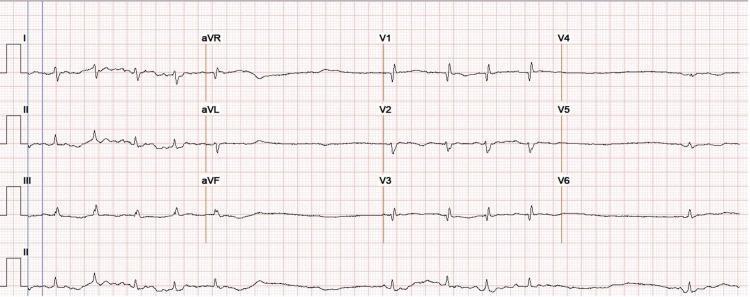
| Tachy-brady syndrome | Alternating bradycardia and paroxysmal atrial tachyarrhythmia (commonly AF, atrial flutter, or SVT), often with a long pause on termination of the tachycardia due to a "stunned" sinus node - this is the classic exam vignette causing syncope |
3. Epidemiology and causes
- Most common cause: idiopathic fibrodegenerative disease of the SA node (age-related fibrosis) - occurs mainly in the elderly, more than half of symptomatic patients are women over 60 (Bradley and Daroff's Neurology).
- Braunwald's notes it affects roughly 1 in 600 cardiac patients over 65.
- Secondary/reversible causes (high-yield for MRCP because they're correctable):
- Drugs: beta-blockers, digoxin, verapamil/diltiazem, amiodarone, lithium, clonidine
- Ischaemic heart disease (especially inferior MI - SA node is supplied by the RCA in ~60%)
- Hypothyroidism, hypothermia, hyperkalaemia
- Infiltrative disease (amyloidosis, sarcoidosis, haemochromatosis)
- Post cardiac surgery (especially atrial surgery - Mustard/Senning, Fontan procedures) - a favourite paediatric-cardiology exam link
- Lyme disease can cause reversible conduction disease (more classically AV block)
- Genetic forms exist (mutations in SCN5A, HCN4, ANK2, MYH6) causing familial idiopathic SND - Braunwald's Heart Disease flags this as an evolving area but it's more MRCP Part 2/cardiology-subspecialty detail than core Part 1.
4. Clinical features
Often asymptomatic and picked up incidentally. When symptomatic:
- Syncope/pre-syncope (from pauses or from post-tachycardia sinus recovery delay)
- Fatigue, dizziness, exertional intolerance (chronotropic incompetence)
- Palpitations (from the tachycardia component)
- Worsening heart failure
Important exam point: isolated sinus node dysfunction rarely itself causes syncope - syncope in SSS is more often due to the associated reentrant atrial tachyarrhythmia or the post-tachycardia pause, not the bradycardia alone (Tintinalli's Emergency Medicine).
5. Diagnosis
- 12-lead ECG (often normal at rest - the disease is paroxysmal)
- Ambulatory (Holter) monitoring is the key investigation because of the episodic nature of the arrhythmias (Ganong's Physiology)
- Correlating symptoms with rhythm is required to make the diagnosis
- Electrophysiological study: sinus node recovery time (SNRT) can be measured (overdrive suppression testing) if non-invasive tests are inconclusive
6. Management (exam-relevant principles)
- Treat/remove reversible causes first (stop offending drugs, correct electrolytes/thyroid).
- Permanent pacemaker implantation is the definitive treatment for symptomatic SND - it is the single leading indication for pacemaker implantation in adults.
- The pacemaker treats the bradycardia component but does not prevent the tachycardia - patients with tachy-brady syndrome often still need rate control or antiarrhythmic/anticoagulation therapy for the atrial tachyarrhythmia (usually AF) after pacing, since AV-node-blocking drugs can now be used safely once paced.
- Anticoagulation should be considered as per standard AF risk stratification (CHA2DS2-VASc) if atrial fibrillation is part of the picture.
Classic exam trap: giving a beta-blocker or digoxin to control the tachycardia component in tachy-brady syndrome before pacing can worsen the bradycardia/pauses and precipitate syncope or asystole - this is why pacing usually precedes/accompanies rate-control therapy.
7. Quick recall summary for MRCP
- SSS = umbrella term for SA node dysfunction: bradycardia, sinus arrest, SA exit block, chronotropic incompetence, tachy-brady syndrome.
- Best initial test = Holter monitor (episodic).
- Most common underlying cause = age-related fibrosis of SA node.
- Most common associated arrhythmia = atrial fibrillation.
- Definitive treatment = permanent pacemaker (if symptomatic); this does not treat the tachycardia arm.
- Watch for reversible drug causes (beta-blockers, digoxin, calcium channel blockers, lithium) before committing to a pacemaker.
Recent evidence check: a 2024 systematic review/meta-analysis (PMID 38640303) compared AF ablation versus pacemaker therapy specifically in tachy-brady syndrome, and a 2023 meta-analysis (PMID 37023861) examined the association between SSS and AF - these support the exam-level teaching that AF is closely linked to SSS and that pacing remains central to management, without changing the core facts above.
Sources: Braunwald's Heart Disease, 2 Vol Set (p.1313 area); Goldman-Cecil Medicine International Edition; Tintinalli's Emergency Medicine; Ganong's Review of Medical Physiology; Bradley and Daroff's Neurology in Clinical Practice.
Want me to follow up with a set of MRCP Part 1-style single-best-answer practice questions on this topic?
This is a shared conversation. Sign in to Orris to start your own chat.