
Give all details and classification of thyroid lesion
Reading File
Now I'll search the medical library for comprehensive thyroid lesion content in parallel.
Finding Sources
Finding Sources
Finding Sources
Finding Sources
Finding Sources
Reading File
Reading File
Reading File
Reading File
Reading File
Reading File
Reading File
Reading File
Reading File
Searching PubMed
thyroid neoplasm classification WHO 2022
Reading File
Loading Image
Loading Image
Loading Image
Loading Image
Loading Image
I now have comprehensive material from Robbins & Kumar Basic Pathology and Cummings Otolaryngology. Let me compile the full, detailed answer.
Thyroid Lesions - Classification and Full Details
Sources: Robbins & Kumar Basic Pathology; Cummings Otolaryngology Head and Neck Surgery; Fischer's Mastery of Surgery
MASTER CLASSIFICATION OF THYROID LESIONS
THYROID LESIONS
├── A. NON-NEOPLASTIC
│ ├── Goiter (Diffuse / Multinodular)
│ └── Thyroiditis
│ ├── Hashimoto
│ ├── Subacute Granulomatous (de Quervain)
│ ├── Painless (Subacute Lymphocytic)
│ └── Riedel
├── B. BENIGN NEOPLASMS
│ └── Follicular Adenoma
│ ├── Nonfunctioning (cold nodule)
│ └── Toxic Adenoma (hot nodule)
└── C. MALIGNANT NEOPLASMS (Thyroid Carcinoma)
├── Papillary Thyroid Carcinoma (PTC) - >85%
├── Follicular Thyroid Carcinoma (FTC) - 5-15%
├── Anaplastic (Undifferentiated) Carcinoma - <5%
└── Medullary Thyroid Carcinoma (MTC) - ~5%
PART I: NON-NEOPLASTIC LESIONS
1. Goiter
Diffuse Goiter
Caused by reduced thyroid hormone synthesis, most commonly from dietary iodine deficiency. Low T3/T4 drives a compensatory TSH rise, causing follicular cell hypertrophy and hyperplasia. Endemic goiter applies when >10% of a population in a given region is affected. Sporadic goiter is more common in females, peaking at puberty or young adulthood; causes include goitrogenic foods (Brassicaceae vegetables, calcium) and inherited enzyme defects (dyshormonogenetic goiter).
Morphology:
- Follicles lined by crowded columnar cells (hyperplastic phase) or flattened cuboidal cells (involution/colloid phase)
- Cut surface: brown, gelatinous, translucent
Multinodular Goiter (MNG)
Virtually all long-standing diffuse goiters convert to MNG. The gland is lobulated, asymmetrically enlarged, and may reach massive size. Cut surface shows irregular nodules with variable colloid, fibrosis, hemorrhage, calcification, and cystic change. Patients are generally euthyroid but may develop secondary hyperthyroidism (Plummer disease/toxic MNG) or experience compressive symptoms (dysphagia, stridor, SVC obstruction).
2. Thyroiditis
| Type | Mechanism | Key Features | Outcome |
|---|---|---|---|
| Hashimoto | Autoimmune (anti-TPO, anti-Tg Abs) | Dense lymphocytic infiltrate, germinal centers, Hurthle cell change, hypothyroidism | Permanent hypothyroidism |
| Subacute Granulomatous (de Quervain) | Post-viral; neutrophils → macrophages/granulomas | Painful neck, fever, ESR↑, transient hyper then hypothyroid | Self-limited, 6-8 wks |
| Painless (Subacute Lymphocytic) | Autoimmune variant of Hashimoto | Painless goiter, lymphocytic infiltrate, transient thyrotoxicosis | Returns to euthyroid; minority progress to hypothyroidism |
| Riedel | IgG4-related disease | Dense fibrosclerosis extending beyond thyroid, rock-hard fixed mass, may mimic malignancy | May be hypothyroid |
PART II: BENIGN NEOPLASMS
Follicular Adenoma
The most common benign thyroid tumor. A solitary, spherical lesion enclosed by a well-defined, intact fibrous capsule - the hallmark feature that distinguishes it from follicular carcinoma.
Molecular Pathogenesis:
- Toxic adenoma: Gain-of-function mutations in the TSH receptor (TSHR) or the Gs-alpha subunit (GNAS) → constitutive TSH signaling → autonomous thyroid hormone secretion → hyperthyroidism
- Nonfunctioning adenoma: Mutations in RAS (<20%) and PTEN (shared with follicular carcinoma)
Morphology:
- Solitary, compresses adjacent thyroid
- Uniform follicles containing colloid, minimal mitoses
- Cells may show Hurthle (oxyphil) cell change
- Intact, complete capsule - mandatory criterion
Clinical Features:
- Most present as painless nodules
- Nonfunctioning: cold nodule on radionuclide scan (up to 10% of cold nodules are malignant)
- Toxic adenoma: warm/hot nodule, features of thyrotoxicosis
- FNA + ultrasound essential pre-operatively
- Surgically excised to evaluate capsular integrity
- Excellent prognosis; do not recur
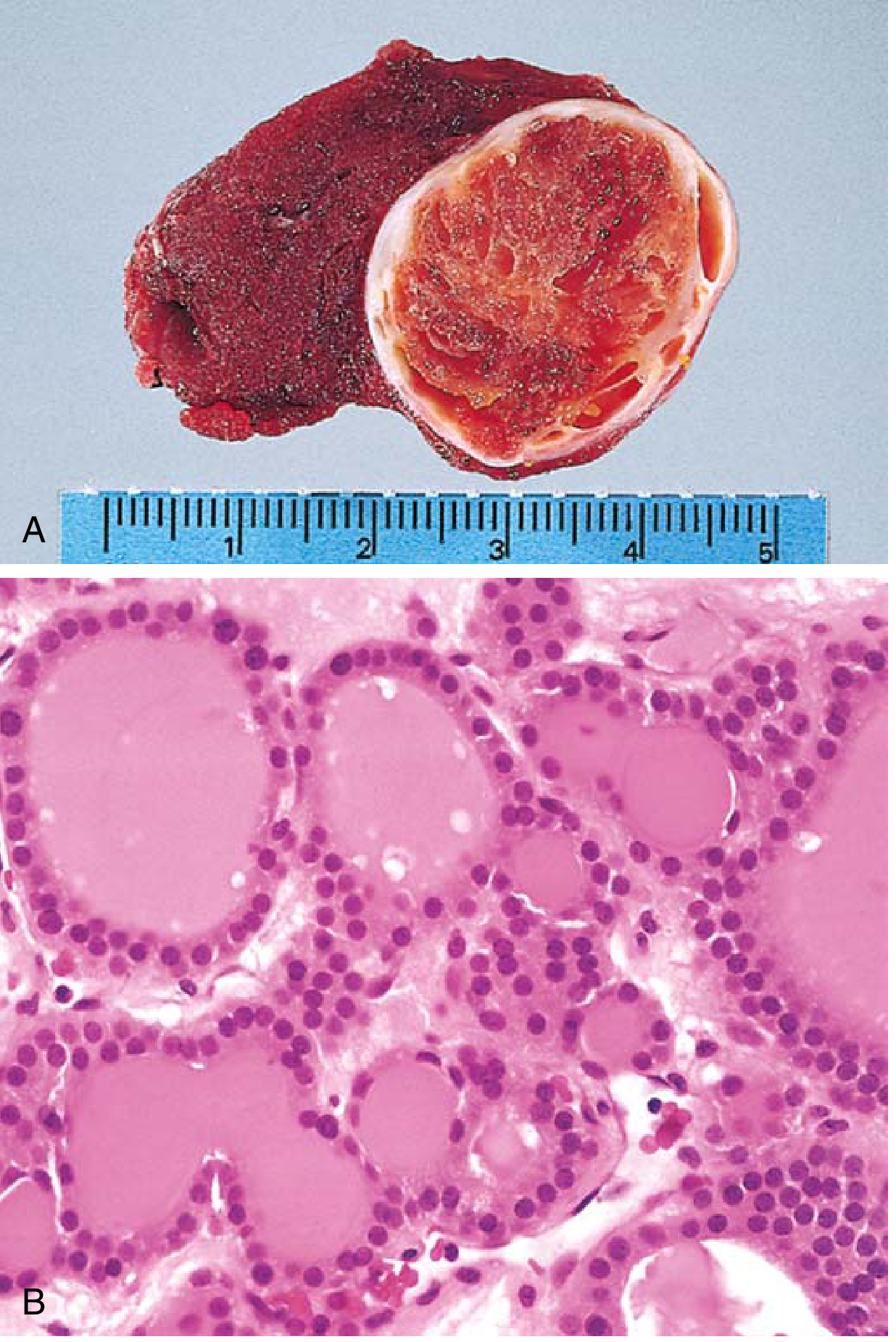
Fig. 18.10 - Follicular adenoma of the thyroid. (A) Solitary, well-circumscribed nodule. (B) Well-differentiated follicles with colloid.
PART III: MALIGNANT NEOPLASMS (Thyroid Carcinomas)
Most thyroid carcinomas (except MTC) are derived from follicular epithelium. Three follicular cell-derived malignancies all share constitutive activation of signaling pathways downstream of receptor tyrosine kinases.
Frequency Overview
| Type | Frequency | Cell of Origin |
|---|---|---|
| Papillary Thyroid Carcinoma (PTC) | >85% | Follicular epithelium |
| Follicular Thyroid Carcinoma (FTC) | 5-15% | Follicular epithelium |
| Anaplastic Carcinoma | <5% | Follicular epithelium (dedifferentiated) |
| Medullary Thyroid Carcinoma (MTC) | ~5% | Parafollicular C cells |
1. Papillary Thyroid Carcinoma (PTC)
Most common thyroid malignancy (>85%)
Molecular Pathogenesis (MAP kinase pathway activation):
- BRAF point mutation: 40-65% (most common single alteration)
- RAS mutations: 10-30%
- RET/NTRK gene fusions (translocations): 10-20%
- These are mutually exclusive - each one constitutively activates MAPK signaling
- Ionizing radiation (especially in first 2 decades of life) is a major risk factor; incidence surged among children after Chernobyl (1986)
Morphology:
- Solitary or multifocal; may be encapsulated or infiltrative
- Diagnostic nuclear hallmarks (sufficient even without papillary architecture):
- Branching papillae with fibrovascular stalks lined by cuboidal cells
- Ground-glass (Orphan Annie eye) nuclei - optically clear/empty due to finely dispersed chromatin
- Intranuclear pseudo-inclusions - cytoplasmic invaginations
- Intranuclear grooves
- Psammoma bodies - concentrically calcified structures in papillary cores (rarely in follicular or medullary carcinomas)
- Lymphatic invasion common; blood vessel invasion uncommon in smaller lesions
- Cervical lymph node metastasis in up to 50% of cases
Variants (>12 recognized):
- Encapsulated follicular variant (common; carries PAX8-PPARG fusion in ~1/3)
- Tall cell, columnar cell, diffuse sclerosing, oncocytic, hobnail, and others
Clinical Features:
- Usually a painless neck mass (within thyroid or as cervical node metastasis)
- Nonfunctional; FNA is diagnostic pre-operatively
- 10-year survival >95% - indolent course
- Isolated cervical node metastases do not significantly worsen prognosis
- Hematogenous metastasis to lungs in a minority
- Prognosis influenced by: age >40, extrathyroidal extension, distant metastases
2. Follicular Thyroid Carcinoma (FTC)
5-15% of thyroid cancers; F:M ratio 3:1; peak age 40-60 years
Molecular Pathogenesis (PI3K/AKT pathway):
- RAS mutations (shared with adenomas and anaplastic carcinoma)
- PIK3CA gain-of-function (encodes PI3K)
- PTEN loss-of-function (negative regulator of PI3K)
- PAX8-PPARG fusion [t(2;3)(q13;p25)] - found in up to 50%; PAX8 regulates thyroid development, PPARG governs terminal differentiation
- Iodine deficiency increases FTC risk; iodine-sufficient areas show stable/declining incidence
Morphology:
- Single nodule; may be well-circumscribed or widely infiltrative
- Grossly indistinguishable from follicular adenoma
- On microscopy: uniform cells forming small colloid-containing follicles
- Diagnosis of carcinoma requires demonstration of capsular and/or vascular invasion (requires extensive sampling of the tumor-capsule interface)
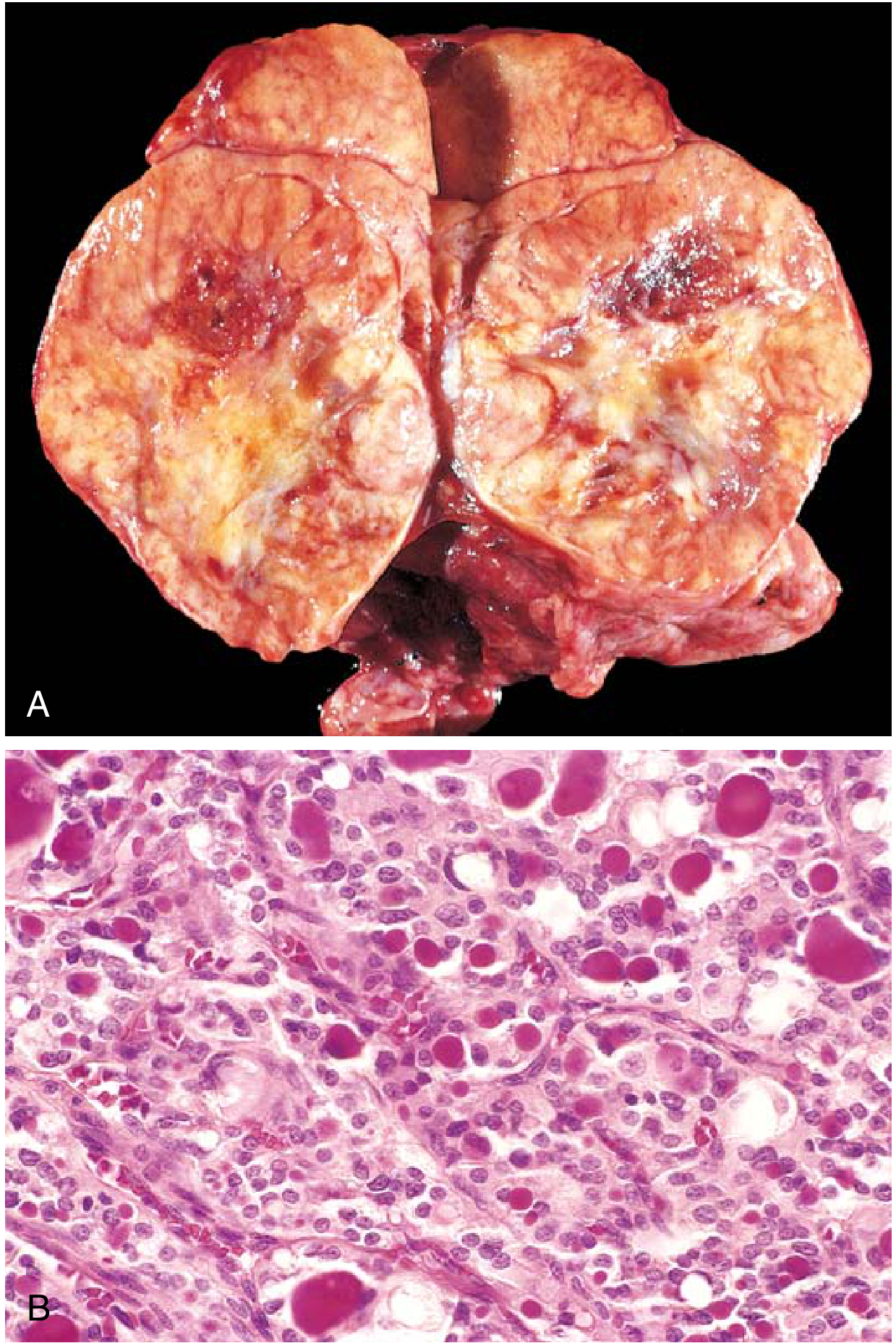
Fig. 18.13 - Follicular thyroid carcinoma. (A) Light-tan cut surface with hemorrhagic foci replacing the thyroid lobe. (B) Glandular lumens containing recognizable colloid.
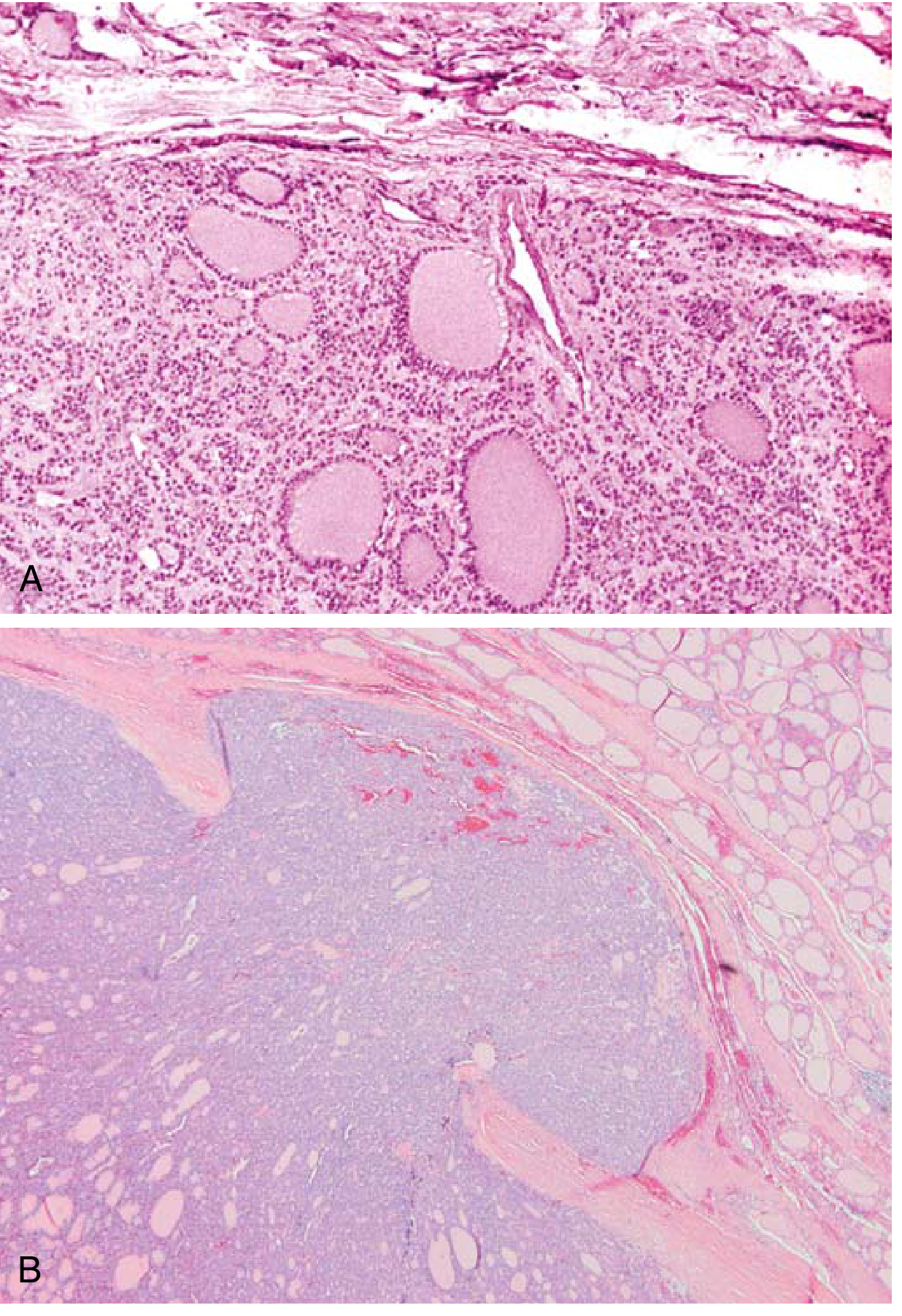
Fig. 18.14 - Capsular invasion. (A) Follicular adenoma with intact fibrous capsule and compressed normal parenchyma. (B) Follicular carcinoma showing capsular invasion (minimal here, may be widespread).
Subtypes by invasion:
- Minimally invasive FTC: Focal capsular ± vascular invasion; <10% die within 10 years
- Widely invasive FTC: Extensive invasion; ~50% die within 10 years
Clinical Features:
- Presents as solitary cold nodule
- Hematogenous spread (lungs, bone, liver) is characteristic - in contrast to PTC's lymphatic spread
- Regional lymph node metastasis is uncommon
- Rarely hyperfunctional
Hurthle Cell (Oncocytic) Carcinoma:
- A variant with brightly eosinophilic granular cytoplasm (oxyphil change)
- Worst survival among well-differentiated thyroid cancers
- Highest incidence of distant metastases among well-differentiated tumors
3. Anaplastic (Undifferentiated) Thyroid Carcinoma
<5% of thyroid cancers; most aggressive; near 100% mortality
Epidemiology: Mean age at diagnosis ~65 years; ~25% have a history of prior well-differentiated carcinoma; another ~25% harbor a concurrent well-differentiated tumor in the resected specimen.
Molecular Pathogenesis:
- Shares mutations with well-differentiated carcinomas (RAS, PIK3CA)
- Additional mutations unique to anaplastic carcinoma:
- TP53 loss-of-function (most important driver of dedifferentiation)
- Typically arises by progression/dedifferentiation from existing papillary or follicular carcinoma
Morphology:
- Bulky masses growing rapidly beyond the thyroid capsule into adjacent neck structures
- Microscopically: highly anaplastic cells - large and pleomorphic, or spindle-shaped, or a mixture
- Foci of papillary/follicular differentiation may be present (pointing to origin)
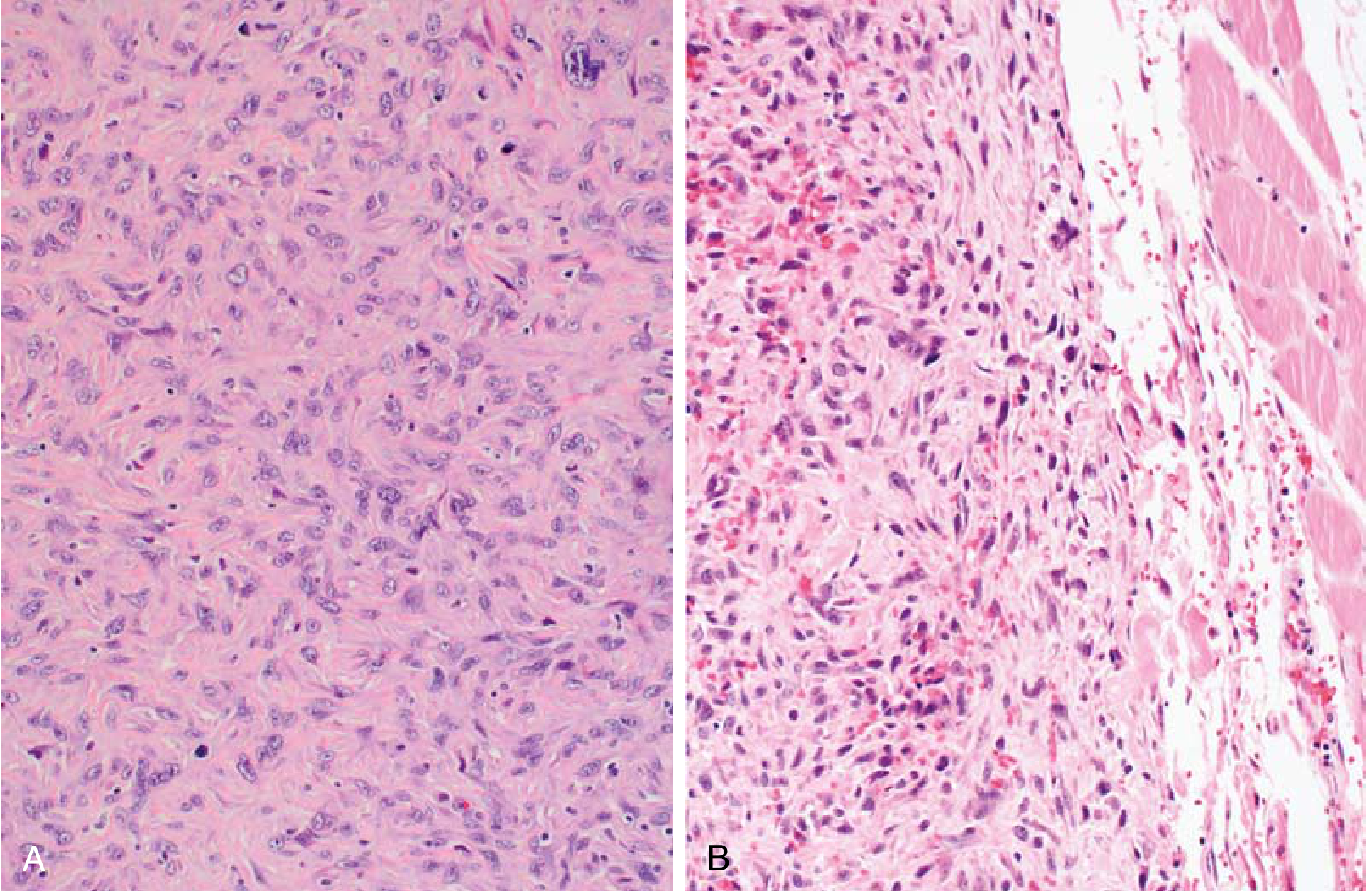
Fig. 18.15 - Anaplastic thyroid carcinoma. (A) Highly pleomorphic epithelioid and spindle cells. (B) Spindle cells infiltrating adjacent skeletal muscle.
Clinical Features:
- Rapid growth, invading vital neck structures
- Distant metastases common
- Death in most cases within 1 year due to aggressive local extension
- Unresponsive to most conventional therapies; BRAF-targeted therapy (dabrafenib + trametinib) used for BRAF V600E-mutated tumors
4. Medullary Thyroid Carcinoma (MTC)
~5% (some sources ~3%) of thyroid cancers; arises from parafollicular C cells
Unique biology:
- C cells are of neuroectodermal origin, located mainly in the lateral superior thyroid poles
- Secrete calcitonin (diagnostic and surveillance marker), CEA, serotonin, somatostatin, VIP, histaminidases, prostaglandins
Genetics/Etiology:
- Sporadic (70%): Unifocal; acquired RET mutations in ~50%; peak age 50-60 years; M = F
- Familial (30%): Germline RET mutations; autosomal dominant, ~100% penetrance; multicentric and bilateral in 90%
- Familial MTC alone (no associated endocrinopathy)
- MEN-2A: MTC + pheochromocytoma + primary hyperparathyroidism
- MEN-2B: MTC + pheochromocytoma + mucosal neuromas + Marfanoid habitus (most aggressive; MTC can appear in first year of life)
Morphology:
- Solid, firm, gray, nonencapsulated but well-circumscribed
- Polygonal to spindle-shaped cells in nests, trabeculae, or glandlike structures
- Amyloid deposits in stroma (derived from altered calcitonin molecules) - a distinctive feature
- Familial MTC: multicentric C-cell hyperplasia in surrounding parenchyma (precursor lesion)
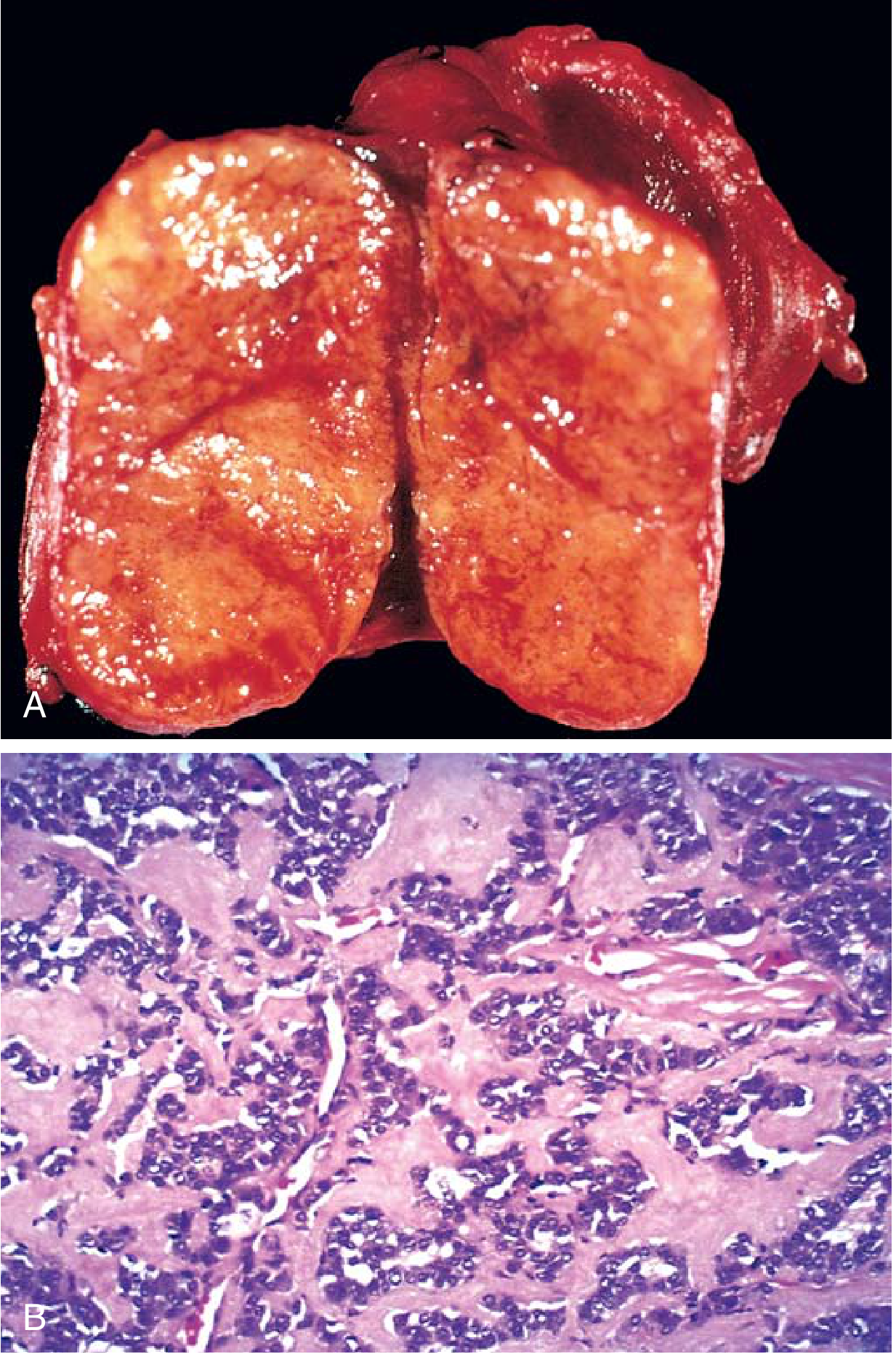
Fig. 18.16 - Medullary thyroid carcinoma. (A) Solid mass without fibrous capsule. (B) Abundant amyloid as homogeneous pink extracellular material.
Clinical Features:
- Neck mass ± cervical lymphadenopathy (palpable nodes in ≤20%)
- Local invasion symptoms: dysphagia, dyspnea, dysphonia
- Diarrhea/flushing from VIP or serotonin secretion
- Distant metastases in 50% at diagnosis (mediastinum, liver, lung, bone)
- Does NOT respond to radioiodine or TSH suppression (C cell origin)
Workup:
- Serum calcitonin + CEA
- RET mutation testing in all patients
- Screen for pheochromocytoma (24-hr urinary catecholamines/metanephrines + abdominal MRI)
- Screen for hyperparathyroidism (serum calcium)
Treatment:
- Total thyroidectomy + bilateral central neck dissection (level VI, VII)
- Lateral neck dissection for palpable nodes or elevated calcitonin (ipsilateral if >20 pg/mL, bilateral if >200 pg/mL)
- Targeted therapy for advanced disease: vandetanib or cabozantinib (RET inhibitors); newer RET-selective inhibitors (selpercatinib, pralsetinib) under study
COMPARATIVE SUMMARY TABLE
| Feature | PTC | FTC | Anaplastic | MTC |
|---|---|---|---|---|
| Frequency | >85% | 5-15% | <5% | ~5% |
| Cell origin | Follicular epithelium | Follicular epithelium | Follicular epithelium | Parafollicular C cells |
| Key mutation | BRAF V600E (40-65%) | PAX8-PPARG, RAS, PIK3CA | TP53 + RAS/PIK3CA | RET (germline/somatic) |
| Spread | Lymphatic (cervical LN) | Hematogenous (lung, bone) | Local invasion + distant | Both; 50% distant at dx |
| Marker | Thyroglobulin | Thyroglobulin | None specific | Calcitonin, CEA |
| Psammoma bodies | Yes | No | No | No |
| Radioiodine response | Yes | Yes | No | No |
| 10-year survival | >95% | ~85% (minimal inv.) | <5% | 70-80% (sporadic) |
| Familial association | Rare | Rare | None | 30% (MEN-2A/2B) |
BETHESDA SYSTEM (FNA Cytology Classification)
FNA is the primary diagnostic tool for thyroid nodules and uses the Bethesda System for Reporting Thyroid Cytopathology:
| Category | Description | Malignancy Risk | Management |
|---|---|---|---|
| I | Non-diagnostic/Unsatisfactory | N/A | Repeat FNA |
| II | Benign | ~0-3% | Clinical follow-up |
| III | Atypia of Undetermined Significance (AUS/FLUS) | ~10-30% | Repeat FNA or molecular testing |
| IV | Follicular Neoplasm / Suspicious for FN | ~25-40% | Surgical lobectomy |
| V | Suspicious for Malignancy | ~50-75% | Near-total thyroidectomy or lobectomy |
| VI | Malignant | ~97-99% | Total thyroidectomy |
ULTRASOUND RISK CLASSIFICATION (TI-RADS / ATA)
Features suggesting malignancy (in decreasing specificity):
- Hypoechogenicity / marked hypoechogenicity
- Microcalcifications (psammoma bodies)
- Irregular margins / infiltrative borders
- Taller-than-wide shape on transverse view
- Extrathyroidal extension
Features suggesting benign nodule:
- Purely cystic lesion
- Spongiform appearance (honeycomb pattern)
- Isoechoic/hyperechoic with smooth margins
- Comet-tail artifact (colloid crystals)
- Hot on radionuclide scan
Recent literature note: A 2024 review (PMID: 38672067) discusses updates to the WHO 2022 classification of thyroid tumors, including recognition of low-risk encapsulated follicular variant PTC as "non-invasive follicular thyroid neoplasm with papillary-like nuclear features" (NIFTP) - a borderline entity with essentially benign behavior that should be distinguished from invasive carcinoma.
- Robbins & Kumar Basic Pathology, Chapter 18 (Endocrine System)
- Cummings Otolaryngology Head and Neck Surgery, Chapter 28
- Fischer's Mastery of Surgery, 8th ed., Chapter on Well-Differentiated Thyroid Carcinoma
Give me all details about thyroid lesion
Reading File
This is a broad, visual topic - I'll run parallel searches across multiple textbooks simultaneously.
Finding Sources
Finding Sources
Finding Sources
Excellent - found Robbins Pathologic Basis of Disease (the big Robbins), Sabiston Surgery, Cummings Otolaryngology, Gray's Anatomy, Junqueira's Histology, and Scott-Brown's. Let me pull all key sections in parallel.
Reading File
Reading File
Reading File
Reading File
Reading File
Reading File
Reading File
Reading File
Reading File
Reading File
Reading File
Reading File
Reading File
Reading File
Loading Image
Loading Image
Reading File
Loading Image
Loading Image
Reading File
Loading Image
Loading Image
Loading Image
Here is the complete, all-detail reference on thyroid lesions compiled from Robbins Pathologic Basis of Disease, Sabiston Textbook of Surgery, Cummings Otolaryngology, and Scott-Brown's Otorhinolaryngology.
THYROID LESIONS - Complete Reference
Sources: Robbins & Cotran Pathologic Basis of Disease; Robbins & Kumar Basic Pathology; Sabiston Textbook of Surgery; Cummings Otolaryngology Head and Neck Surgery; Scott-Brown's Otorhinolaryngology
SECTION 1: NORMAL THYROID - ANATOMY & PHYSIOLOGY
Anatomy
The thyroid gland consists of two lateral lobes connected by a thin isthmus, located below and anterior to the larynx. It develops embryologically from an evagination of the pharyngeal epithelium at the foramen cecum at the base of the tongue, then descends to its normal anterior neck position. This embryologic pathway explains ectopic thyroid tissue: lingual thyroid (at the base of the tongue) and ectopic deposits high in the neck. The gland is divided by thin fibrous septa into lobules, each containing 20-40 colloid-filled follicles lined by cuboidal to low columnar epithelium. It lies within the anterior layer of the deep cervical (visceral) fascia, anterior and lateral to the thyroid, cricoid, and upper tracheal cartilages. Normal iodine content makes it higher density than muscle on unenhanced CT.
HPT Axis & Hormone Synthesis
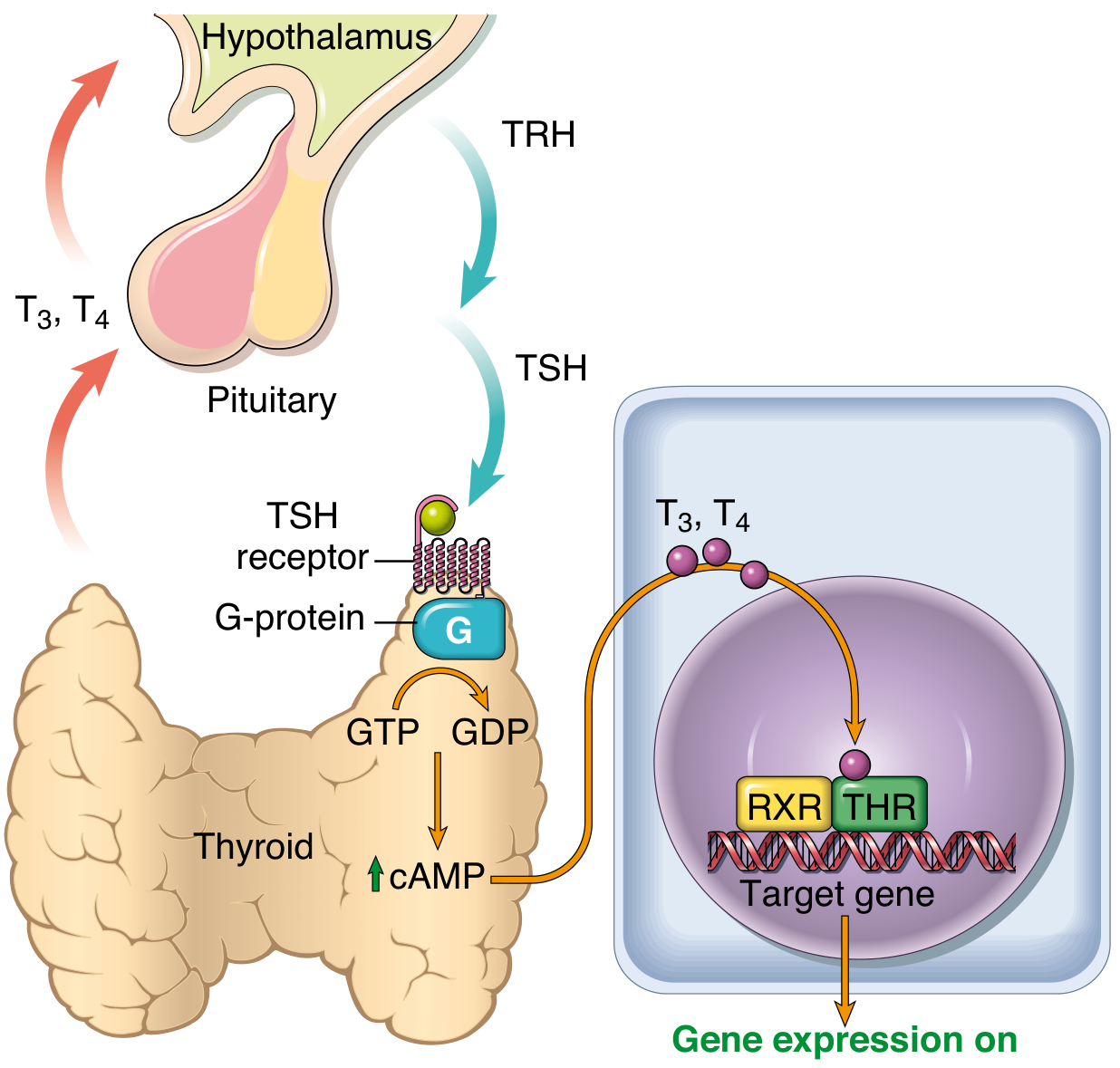
Fig. 24.8 - Homeostasis in the hypothalamus-pituitary-thyroid axis. TRH → TSH → TSH receptor → Gs protein → cAMP → thyroid hormone synthesis. T3/T4 feed back to suppress both hypothalamus and pituitary.
- TRH (hypothalamus) → stimulates TSH from anterior pituitary thyrotrophs
- TSH binds thyroid follicular cell TSH receptor → Gs protein → ↑cAMP → promotes growth, T3/T4 synthesis and release
- Follicular epithelial cells convert thyroglobulin into T4 (thyroxine) and lesser amounts of T3
- Most circulating T4/T3 is bound to thyroxine-binding globulin (TBG), transthyretin, and albumin; only free fraction is active
- In periphery, T4 is deiodinated to T3, which binds thyroid hormone nuclear receptors with 10-fold greater affinity
- Net effect: increased basal metabolic rate; critical for brain development in fetus and neonate
SECTION 2: MASTER CLASSIFICATION OF THYROID LESIONS
THYROID LESIONS
│
├── A. NON-NEOPLASTIC
│ ├── 1. Goiter
│ │ ├── Diffuse (Endemic / Sporadic)
│ │ └── Multinodular Goiter (MNG)
│ │ └── Toxic MNG (Plummer Disease)
│ │
│ └── 2. Thyroiditis
│ ├── Hashimoto Thyroiditis (chronic lymphocytic)
│ ├── Graves Disease (autoimmune hyperthyroidism)
│ ├── Subacute Granulomatous (de Quervain)
│ ├── Painless / Subacute Lymphocytic (postpartum)
│ └── Riedel Thyroiditis (IgG4-related fibrosis)
│
├── B. BENIGN NEOPLASMS
│ └── 3. Follicular Adenoma
│ ├── Nonfunctioning ("cold" nodule)
│ ├── Toxic Adenoma ("hot" nodule / Plummer adenoma)
│ └── Oncocytic (Hürthle cell) Adenoma [WHO 2022 separate entity]
│
└── C. MALIGNANT NEOPLASMS
│
├── FOLLICULAR CELL-DERIVED (95%)
│ ├── 4. Papillary Thyroid Carcinoma (PTC) - >85%
│ │ ├── Classical/conventional
│ │ ├── Encapsulated follicular variant
│ │ ├── Tall cell variant (aggressive)
│ │ ├── Hobnail variant (aggressive)
│ │ ├── Diffuse sclerosing variant
│ │ ├── Columnar cell variant
│ │ └── (>12 variants total)
│ │
│ ├── BORDERLINE / LOW-RISK ENTITIES
│ │ ├── NIFTP (Non-Invasive Follicular Thyroid Neoplasm with
│ │ │ Papillary-like nuclear features) - essentially benign
│ │ ├── HTT (Hyalinizing Trabecular Tumor)
│ │ └── UMP (Uncertain Malignant Potential)
│ │
│ ├── 5. Follicular Thyroid Carcinoma (FTC) - 5-15%
│ │ ├── Minimally invasive
│ │ └── Widely invasive
│ │
│ ├── 6. Oncocytic Carcinoma of Thyroid (OCA) - ~5% of DTC
│ │ [WHO 2022 replaces "Hürthle cell carcinoma"]
│ │
│ ├── 7. Poorly Differentiated Thyroid Carcinoma (PDTC)
│ │ [insular carcinoma] - between DTC and anaplastic
│ │
│ └── 8. Anaplastic (Undifferentiated) Carcinoma - <5%
│
├── C-CELL DERIVED (5%)
│ └── 9. Medullary Thyroid Carcinoma (MTC)
│ ├── Sporadic (70%)
│ └── Familial (30%)
│ ├── MEN-2A (MTC + pheo + HPT)
│ ├── MEN-2B (MTC + pheo + mucosal neuromas)
│ └── Familial MTC (no other endocrinopathy)
│
└── RARE / SECONDARY
├── Primary Thyroid Lymphoma (usually DLBCL, in Hashimoto background)
└── Metastases to thyroid (renal cell, lung, breast, melanoma)
SECTION 3: NON-NEOPLASTIC LESIONS IN DETAIL
3A. GOITER
Pathogenesis: Reduced thyroid hormone synthesis (usually from dietary iodine deficiency) → compensatory TSH rise → follicular cell hypertrophy and hyperplasia → thyroid enlargement. Compensatory mechanisms usually maintain euthyroidism. Severe deficiency causes goitrous hypothyroidism.
Diffuse Goiter
| Type | Definition | Cause |
|---|---|---|
| Endemic | Goiter in >10% of population in a region | Dietary iodine deficiency |
| Sporadic | Non-endemic; F > M; peaks at puberty/young adulthood | Goitrogens (Brassicaceae - cabbage, cauliflower), enzyme defects, unknown |
| Dyshormonogenetic | Congenital biosynthetic enzyme defect | Inherited mutations |
Morphology (diffuse stage):
- Follicles lined by crowded columnar cells (hyperplastic phase)
- Involution produces flattened cuboidal cells and colloid-rich gland (colloid goiter)
- Cut surface: brown, glassy, translucent
Multinodular Goiter (MNG)
Virtually all long-standing diffuse goiters convert to MNG. The gland becomes lobulated, asymmetrically enlarged, sometimes massively so. Cut surface: irregular nodules with variable amounts of brown, gelatinous colloid; areas of fibrosis, hemorrhage, calcification, and cystic change.
Clinical Features:
- Dominant: neck mass and compressive symptoms (dysphagia, stridor, SVC obstruction with retrosternal extension)
- Usually euthyroid
- Toxic MNG (Plummer disease): autonomous hyperthyroidism develops in long-standing MNG; multiple warm/hot nodules on scintigraphy
- Nodules within MNG carry a ~5% risk of malignancy (similar to solitary nodules)
3B. THYROIDITIS
Hashimoto Thyroiditis (Chronic Lymphocytic Thyroiditis)
The most common cause of hypothyroidism in iodine-sufficient regions. Peak incidence in women aged 45-65 years; F:M ratio 10-20:1.
Pathogenesis (autoimmune):
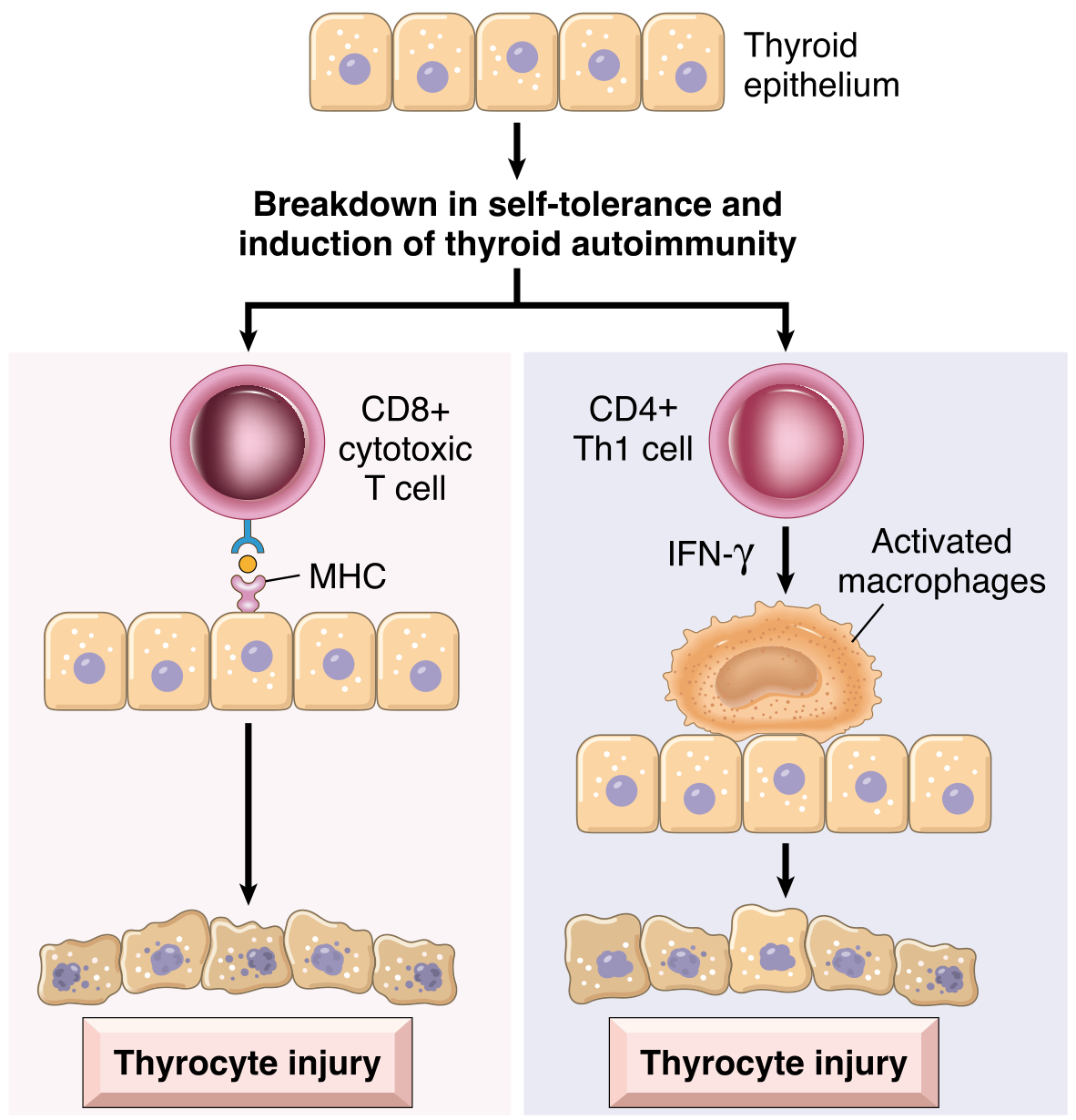
Fig. 24.10 - Pathogenesis of Hashimoto thyroiditis. Breakdown of peripheral tolerance → CD8+ and CD4+ T cell-mediated progressive destruction of thyrocytes.
- Autoantibodies: anti-thyroid peroxidase (anti-TPO) and anti-thyroglobulin in the vast majority
- Genetic predisposition: polymorphisms in CTLA4, PTPN22, IL2RA (T-cell regulatory genes)
- CD8+ cytotoxic T cells directly kill follicular cells
- CD4+ Th1 cells produce IFN-γ → macrophage activation → follicular damage
Morphology:
- Thyroid diffusely enlarged, well-demarcated, pale yellow-tan, firm
- Extensive mononuclear infiltrate: lymphocytes, plasma cells, lymphoid follicles with germinal centers
- Atrophic thyroid follicles with eosinophilic oncocytes (formerly Hürthle cells) - metaplastic response
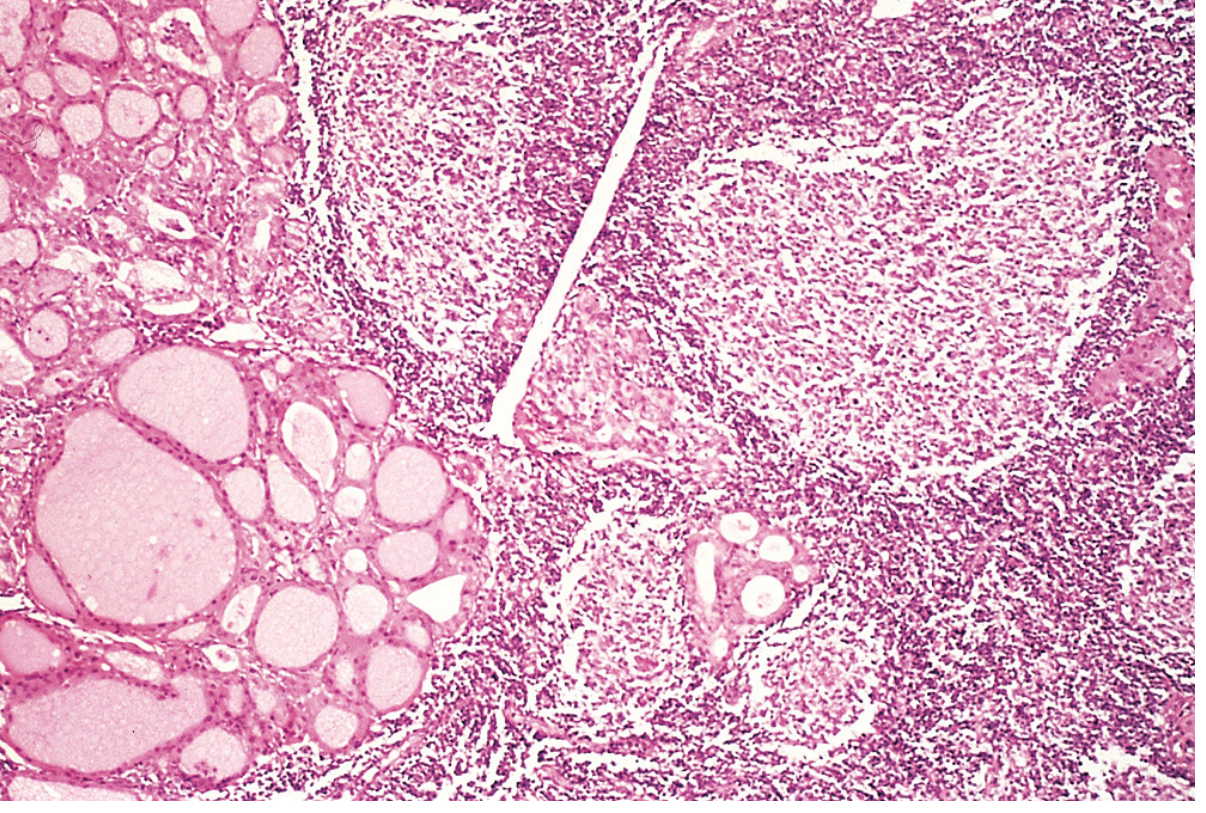
Fig. 24.11 - Hashimoto thyroiditis. Atrophic thyroid follicles (left) adjacent to dense lymphocytic infiltrate with germinal center formation (right).
FNA hallmarks: Oncocytes + heterogeneous lymphocytes
Clinical: Progressive hypothyroidism (TSH↑, T4↓); increased risk of thyroid lymphoma (especially DLBCL); increased risk of other autoimmune diseases
Graves Disease
Most common cause of endogenous hyperthyroidism (~85% of cases). Peak age 20-40 years; F:M ratio up to 7:1.
Pathogenesis: Autoantibodies called thyroid-stimulating immunoglobulins (TSIs) bind and activate the TSH receptor → mimics TSH → continuous thyroid stimulation → hypertrophy + hyperplasia + excess hormone release
Classic Triad:
- Thyrotoxicosis
- Ophthalmopathy (exophthalmos - from retroorbital glycosaminoglycan deposition + lymphocytic infiltration)
- Dermopathy (pretibial myxedema - scaly, indurated skin over shins)
Morphology: Diffuse hypertrophy and hyperplasia; tall columnar follicular cells; minimal colloid; lymphoid infiltrates
Lab: Free T3↑, T4↑, TSH↓; elevated TSIs (TRAbs); diffuse increased radioiodine uptake
Treatment: β-blockers (symptomatic), thionamides (methimazole, PTU), radioiodine ablation, thyroidectomy
Subacute Granulomatous Thyroiditis (de Quervain Thyroiditis)
Pathogenesis: Post-viral; typically follows upper respiratory infection (paramyxovirus, coxsackievirus). Neutrophilic infiltrate early → replaced by lymphocytes, plasma cells, macrophages, and giant cells around extravasated colloid (granulomatous reaction)
Clinical Features:
- Acute onset: painful neck, particularly with swallowing; fever; malaise; ESR and WBC elevated
- Triphasic thyroid function:
- Transient thyrotoxicosis (follicle destruction → preformed hormone release)
- Hypothyroid phase (depleted stores)
- Return to euthyroidism within 6-8 weeks
- Self-limited; NSAIDs/steroids for pain
Painless (Subacute Lymphocytic) Thyroiditis
- Autoimmune variant of Hashimoto thyroiditis
- Affects middle-aged women; subset occurs postpartum (postpartum thyroiditis)
- Circulating antithyroid antibodies in majority
- Painless thyroid mass or transient thyrotoxicosis → euthyroidism; minority progress to hypothyroidism
- Histology: lymphocytic infiltration + hyperplastic germinal centers
Riedel Thyroiditis
- Manifestation of IgG4-related disease
- Dense lymphoplasmacytic infiltrates and extensive fibrosis involving thyroid and contiguous neck structures (may encase parathyroids, recurrent laryngeal nerve)
- Clinically: rock-hard, fixed thyroid mass - mimics malignancy
- Associated with IgG4-related fibrosis elsewhere (retroperitoneum, etc.)
- ~1/3 of patients are hypothyroid
- Treatment: steroids (IgG4-RD protocol), surgery for compressive symptoms
SECTION 4: FOLLICULAR ADENOMA (Benign Neoplasm)
The most common benign thyroid tumor. A solitary, spherical lesion compressing adjacent normal parenchyma, enclosed by a complete, intact fibrous capsule - the defining criterion distinguishing it from carcinoma.
Molecular Pathogenesis
| Subtype | Mutations |
|---|---|
| Toxic adenoma | Gain-of-function mutations in TSHR or GNAS (Gs-alpha subunit) → constitutive cAMP activation → autonomous hormone secretion |
| Nonfunctioning adenoma | RAS mutations (<20%), PTEN mutations (shared with FTC) |
Morphology
- Solitary, well-demarcated, compresses adjacent parenchyma
- Uniform follicles with colloid, minimal mitoses
- Intact circumferential capsule (mandatory criterion)
- Cells may show Hürthle (oncocytic) cell change
Functional Classification
| Type | Scintigraphy | Hormone Status | Malignancy Risk |
|---|---|---|---|
| Nonfunctioning adenoma | Cold nodule | Euthyroid | ~10% of cold nodules malignant |
| Toxic adenoma | Hot/warm nodule | Hyperthyroid | Rare |
Clinical
- Painless mass; found on routine exam or imaging
- FNA + ultrasound mandatory pre-operatively
- Surgical excision required to evaluate capsular integrity (cannot exclude carcinoma by FNA alone in follicular lesions)
- Excellent prognosis; no recurrence after excision
SECTION 5: BORDERLINE / LOW-RISK ENTITIES (WHO 2022)
NIFTP (Non-Invasive Follicular Thyroid Neoplasm with Papillary-like Nuclear Features)
- Previously called "encapsulated follicular variant of PTC"
- Has nuclear features of PTC (ground-glass nuclei, grooves) but no capsular or vascular invasion
- Almost always follows a benign course
- Thyroid lobectomy is adequate treatment; no RAI needed
- Reclassified from cancer to borderline/precancerous entity to prevent overtreatment
HTT (Hyalinizing Trabecular Tumor)
- Trabecular growth pattern with hyalinized stroma
- Almost always benign; lobectomy adequate
UMP (Uncertain Malignant Potential)
- Features intermediate between adenoma and carcinoma
- Metastatic potential uncertain; requires closer follow-up
SECTION 6: MALIGNANT THYROID NEOPLASMS IN DETAIL
Molecular Oncogenesis Overview (WHO 2022 / Cancer Genome Atlas)
The two dominant pathways in follicular cell-derived thyroid cancer:
1. MAPK (MAP kinase) pathway - primarily drives PTC
- Activated by growth factors → RTK → RAS → RAF → MEK → ERK
- Promotes proliferation, dedifferentiation, and tumor growth
- Key alterations: BRAF V600E (PTC), RET/PTC fusions, NTRK fusions, RAS mutations
2. PI3K/AKT pathway - primarily drives FTC and anaplastic carcinoma
- Key alterations: RAS mutations, PIK3CA gain-of-function, PTEN loss-of-function, PAX8-PPARG fusion
Key principle: In PTC, BRAF, RAS, and RET/NTRK fusions are mutually exclusive (each one is sufficient to activate MAPK constitutively).
Environmental risk factor: Ionizing radiation, especially in the first 2 decades of life. After Chernobyl (1986), incidence of PTC surged among children. Radiation-induced PTCs show higher frequency of chromosomal rearrangements (RET/PTC fusions).
6A. PAPILLARY THYROID CARCINOMA (PTC)
Most common thyroid malignancy: >85% of cases
Epidemiology: All ages; peak 25-50 years; F > M; most thyroid cancers related to prior radiation
Key Molecular Alterations:
- BRAF V600E - 40-65% (most common single mutation; correlates with reduced differentiation markers, higher risk of extrathyroidal extension)
- RAS mutations - 10-30%
- RET/PTC gene fusions - 10-20% (>20 fusion partners; PTC1/CCDC6 most common)
- NTRK1 or NTRK3 fusions - subset, especially childhood tumors
Morphology
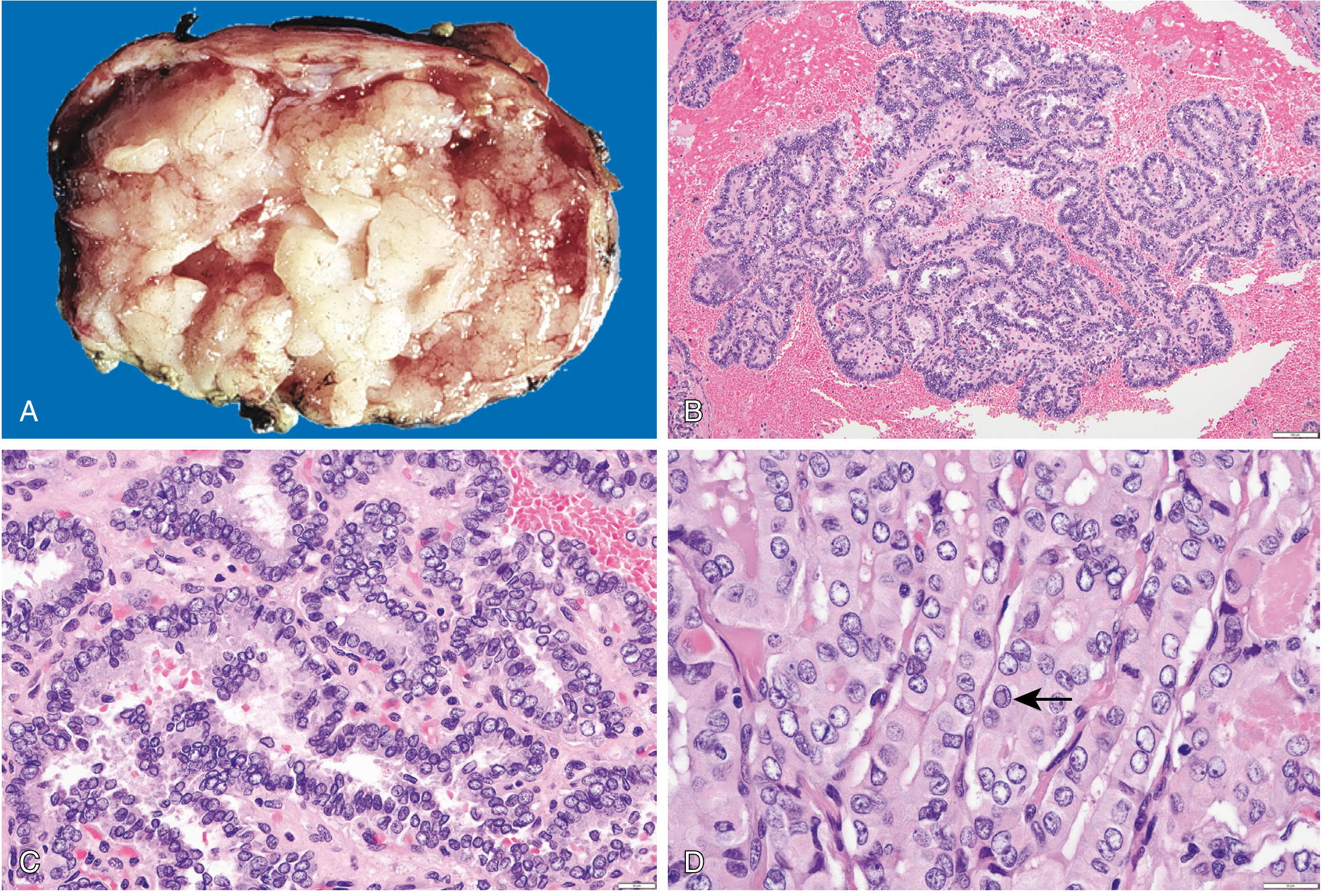
Fig. 24.19 - Papillary carcinoma of the thyroid. (A) Gross papillary structures. (B) Well-formed papillae. (C) Characteristic "Orphan Annie eye" nuclei - enlarged, overlapping, grooved with pale empty chromatin. (D) Intranuclear cytoplasmic pseudoinclusion (arrow).
Diagnostic nuclear hallmarks (sufficient for diagnosis even without papillary architecture):
| Feature | Description |
|---|---|
| Ground-glass (Orphan Annie eye) nuclei | Optically clear, empty nuclei from finely dispersed chromatin |
| Nuclear grooves | "Coffee-bean" appearance from nuclear membrane irregularities |
| Intranuclear pseudoinclusions | Cytoplasmic invaginations into the nucleus |
| Psammoma bodies | Concentrically calcified structures in papillary cores - virtually absent in follicular and medullary carcinomas |
| Branching papillae | Fibrovascular stalks lined by cuboidal cells |
Pattern of Spread:
- Lymphatic spread to cervical lymph nodes in up to 50% of cases
- Hematogenous spread (lung) in a minority
Variants and Their Significance:
| Variant | Notes |
|---|---|
| Classical/conventional | Standard morphology |
| Encapsulated follicular variant | Encapsulated; nuclear features of PTC; follicular architecture; similar prognosis to classical |
| NIFTP | Non-invasive follicular variant; reclassified as benign/borderline |
| Tall cell variant | >50% cells taller than wide; associated with BRAF V600E; poorer prognosis |
| Hobnail variant | Apical protrusions; aggressive |
| Diffuse sclerosing | Young patients; lymphatic emboli; aggressive |
| Columnar cell | Rare; aggressive |
Clinical Features:
- Usually presents as asymptomatic cold thyroid nodule or cervical lymph node metastasis
- Moves freely with thyroid on swallowing
- Hoarseness/dysphagia/dyspnea = advanced disease
- FNA with molecular testing is diagnostic preoperatively
- 10-year survival >95% - most indolent thyroid malignancy
- Isolated cervical lymph node metastases do not significantly worsen prognosis
- Poor prognosis factors: age >40, extrathyroidal extension, distant metastases, BRAF mutation in aggressive variants
Treatment:
- Low-risk DTC (<1 cm): lobectomy or active surveillance
- Intermediate-risk (1-4 cm, no ETE or nodes): lobectomy acceptable alternative to total thyroidectomy
- High-risk (≥4 cm, nodal or distant metastases, ETE, familial): total thyroidectomy + lymph node dissection
- Adjuvant radioactive iodine (RAI/I-131) for higher-risk cases
- TSH suppression with levothyroxine
- Targeted therapy: lenvatinib, sorafenib for RAI-refractory advanced disease; BRAF inhibitors (dabrafenib) for BRAF V600E
6B. FOLLICULAR THYROID CARCINOMA (FTC)
5-15% of thyroid cancers; F:M 3:1; peak age 40-60 years
Key Molecular Alterations:
- PAX8-PPARG fusion [t(2;3)(q13;p25)] - up to 50%
- RAS mutations - most common point mutations (shared with follicular adenomas)
- PIK3CA gain-of-function - ~10%
- PTEN loss-of-function - ~10%
- TERT promoter mutations (widely invasive/aggressive subset)
- Iodine deficiency increases FTC incidence; iodine-sufficient areas show stable/declining rates
The Adenoma-Carcinoma Problem: FTC cannot be distinguished from follicular adenoma by:
- Clinical exam
- Ultrasound features
- FNA cytology (FNA reports "follicular neoplasm" = indeterminate, Bethesda IV)
Diagnosis requires histology demonstrating capsular and/or vascular invasion:
Subtypes by invasion extent:
| Subtype | Invasion | 10-Year Mortality |
|---|---|---|
| Minimally invasive FTC | Focal capsular penetration ± minimal vascular invasion | <10% |
| Widely invasive FTC | Extensive vascular/capsular invasion | ~50% |
Morphology:
- Single nodule; may be well-circumscribed or widely infiltrative
- Microscopy: uniform cells in small follicles resembling normal thyroid
- Key diagnostic finding: mushroom-like protrusion of tumor through fibrous capsule (capsular invasion) and/or tumor cells inside vascular spaces lined by endothelium (vascular invasion)
Pattern of Spread:
- Hematogenous (lungs, bone, liver) - contrasts sharply with PTC's lymphatic spread
- Regional lymph node metastases <10%
Oncocytic Carcinoma of the Thyroid (OCA) [WHO 2022]:
- Previously called Hürthle cell carcinoma (now discouraged - historical misnomer)
- At least 75% oncocytic (eosinophilic granular cytoplasm) cells
- ~5% of differentiated thyroid cancers
- Peak age: 6th-7th decades
- Can metastasize both lymphatically AND hematogenously
- Distant metastases in up to 20% at initial diagnosis
- 5-year overall survival ~85%, but only 24% with distant metastases
- Does NOT reliably take up radioiodine (functional mitochondrial abnormality)
Clinical:
- Presents as cold solitary thyroid nodule
- Surgical excision + pathologic examination required for definitive diagnosis
6C. POORLY DIFFERENTIATED THYROID CARCINOMA (PDTC)
- Also called insular carcinoma (from insulae = islands of tumor cells)
- Intermediate behavior between well-differentiated carcinomas and anaplastic carcinoma
- Molecular alterations: PDTC mutations (RAS, BRAF) + additional hits (TERT promoter, TP53)
- Histology: solid/trabecular/insular growth; mitoses; necrosis
- More aggressive than PTC or FTC; poorer prognosis
- May retain some RAI uptake
6D. ANAPLASTIC (UNDIFFERENTIATED) THYROID CARCINOMA (ATC)
The most aggressive thyroid malignancy; near 100% mortality
Epidemiology: Mean age ~65 years; equal F:M at this age group; ~25% have prior history of well-differentiated thyroid carcinoma; another ~25% harbor concurrent well-differentiated tumor
Molecular Pathogenesis:
- TP53 loss-of-function (most important unique driver - enables dedifferentiation)
- TERT promoter mutations - central role in aggressive behavior
- Also carries mutations from precursor well-differentiated carcinomas: RAS, BRAF, PIK3CA
- Can arise de novo or by dedifferentiation from existing papillary/follicular carcinoma (more common)
Morphology:
- Bulky masses growing rapidly beyond the thyroid capsule into adjacent neck structures
- Highly anaplastic cells: large pleomorphic, or spindle-shaped, or mixed
- Foci of papillary/follicular differentiation may be present (pointing to origin from prior cancer)
- Necrosis common
Clinical Features:
- Rapid neck mass growth - days to weeks
- Local compression/invasion: hoarseness, dysphagia, stridor
- Distant metastases common at presentation
- Death usually within 1 year (often <6 months) from local disease
- Does not respond to RAI or TSH suppression
Treatment (limited benefit):
- Surgery + external beam radiation + chemotherapy (multimodality)
- Dabrafenib + trametinib (BRAF + MEK inhibition) for BRAF V600E-mutated ATC - most impactful modern therapy
- Pembrolizumab and other immunotherapies under investigation
6E. MEDULLARY THYROID CARCINOMA (MTC)
~5% (some sources 3%) of thyroid cancers; derived from parafollicular C cells (neuroectodermal origin)
C Cell Biology:
- Located mainly in the lateral portions of the superior thyroid poles
- Secrete calcitonin, CEA, serotonin, somatostatin, VIP, histaminidases, prostaglandins
- Calcitonin lowers serum calcium (opposes PTH) - but hypocalcemia is NOT prominent in MTC
Genetic Classification:
| Type | Frequency | Genetics | Age | Features |
|---|---|---|---|---|
| Sporadic | 70% | Somatic RET mutation (~50%) | 50-60 years | Unifocal; M=F |
| Familial MTC | 30% of all MTC | Germline RET mutation | Younger | Multifocal, bilateral (90%) |
| MEN-2A | Germline RET mutation (codon 634 most common) | Variable | MTC + pheochromocytoma + primary HPT | |
| MEN-2B | Germline RET codon 918 mutation (most aggressive) | Children | MTC + pheo + mucosal neuromas + Marfanoid habitus; MTC can appear at 7 months of age |
Key molecular feature of familial MTC: Multifocal C-cell hyperplasia in surrounding thyroid parenchyma = precursor lesion. Bilateral multicentric C-cell hyperplasia should raise the possibility of inherited predisposition even without known family history.
Morphology:
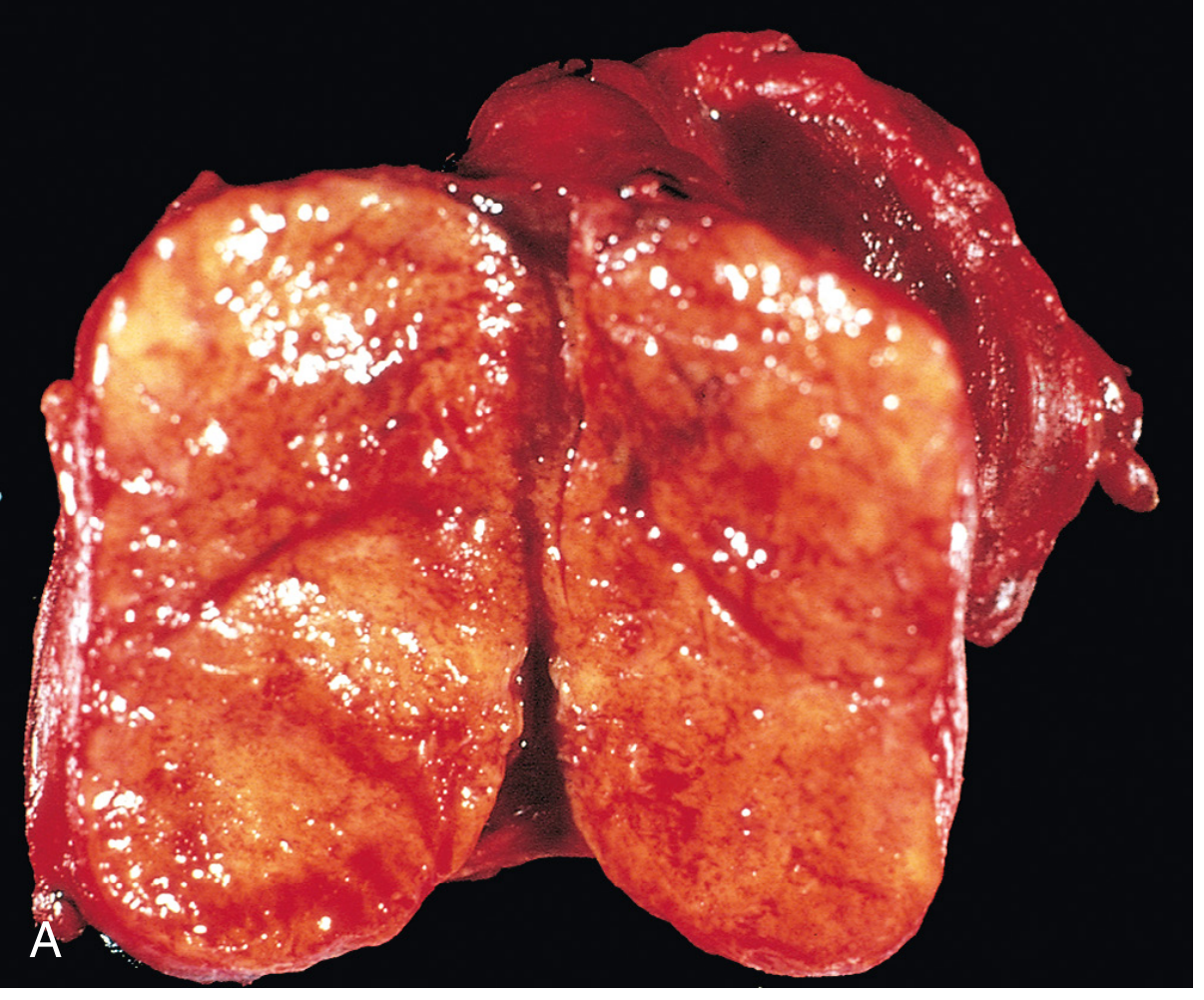
Fig. 24.22 - Medullary carcinoma of the thyroid. (A) Solid mass without connective tissue capsule. (B) Nested neoplasm with round nuclei, stippled chromatin, and intercellular deposition of pink-colored amyloid derived from calcitonin.
- Solid, firm, gray, nonencapsulated but well-circumscribed
- Polygonal to spindle-shaped cells in nests, trabeculae, glandlike structures
- Amyloid deposits in stroma (derived from altered calcitonin molecules) - pathognomonic feature; confirmed by Congo red staining
- Electron microscopy: membrane-bound dense secretory granules
- Sporadic: solitary; familial: bilateral, multicentric
Clinical Presentation:
- Neck mass ± palpable cervical lymphadenopathy
- Local invasion: dysphagia, dyspnea, dysphonia
- Diarrhea/flushing from VIP/serotonin secretion (paraneoplastic)
- Cushing syndrome from ACTH production (rare)
- Distant metastases in 50% at diagnosis (mediastinum, liver, lung, bone)
Workup (mandatory):
- Serum calcitonin + CEA
- RET mutation testing (germline in all patients)
- Screen for pheochromocytoma: 24-hr urine catecholamines + metanephrines + abdominal MRI (must be done BEFORE thyroidectomy - undiagnosed pheo causes intraoperative hypertensive crisis and death)
- Screen for hyperparathyroidism (serum calcium)
- Family screening if germline RET mutation found
Treatment:
- Total thyroidectomy (high multicentricity and aggressive course)
- Bilateral central neck dissection (levels VI-VII) for all patients
- Lateral neck dissection based on calcitonin levels (ipsilateral if >20 pg/mL; bilateral if >200 pg/mL)
- Children with MEN-2A: prophylactic total thyroidectomy before age 5
- Children with MEN-2B: prophylactic thyroidectomy before age 1
- Targeted therapy for advanced disease: vandetanib (RET/VEGFR/EGFR inhibitor) or cabozantinib (RET/MET/VEGFR inhibitor) - both FDA approved
- Newer selective RET inhibitors: selpercatinib (LOXO-292), pralsetinib - superior selectivity with fewer off-target effects
Surveillance: Calcitonin is more sensitive for residual/recurrent disease; CEA levels predict survival; increasing calcitonin = residual or recurrent disease
SECTION 7: EVALUATION OF THYROID NODULES
Epidemiology of Thyroid Nodules
- Palpable nodules: ~5% of women, ~1% of men (iodine-replete areas)
- Ultrasound-detectable nodules: 19-68% of the general population ("incidentalomas")
- Most nodules are benign and require no extensive workup or surgery
- Primary indications for surgery: (1) concern for malignancy, (2) hyperfunction, (3) compressive symptoms
Red Flags for Malignancy (History/Physical)
- Age <20 or >70 years
- Male sex
- Hoarseness, dysphagia (local invasion)
- Firm, fixed (immobile) nodule
- Nodule size >3-4 cm
- Cervical lymphadenopathy
- History of head/neck irradiation
- First-degree family history of thyroid cancer or MEN syndrome
Diagnostic Algorithm
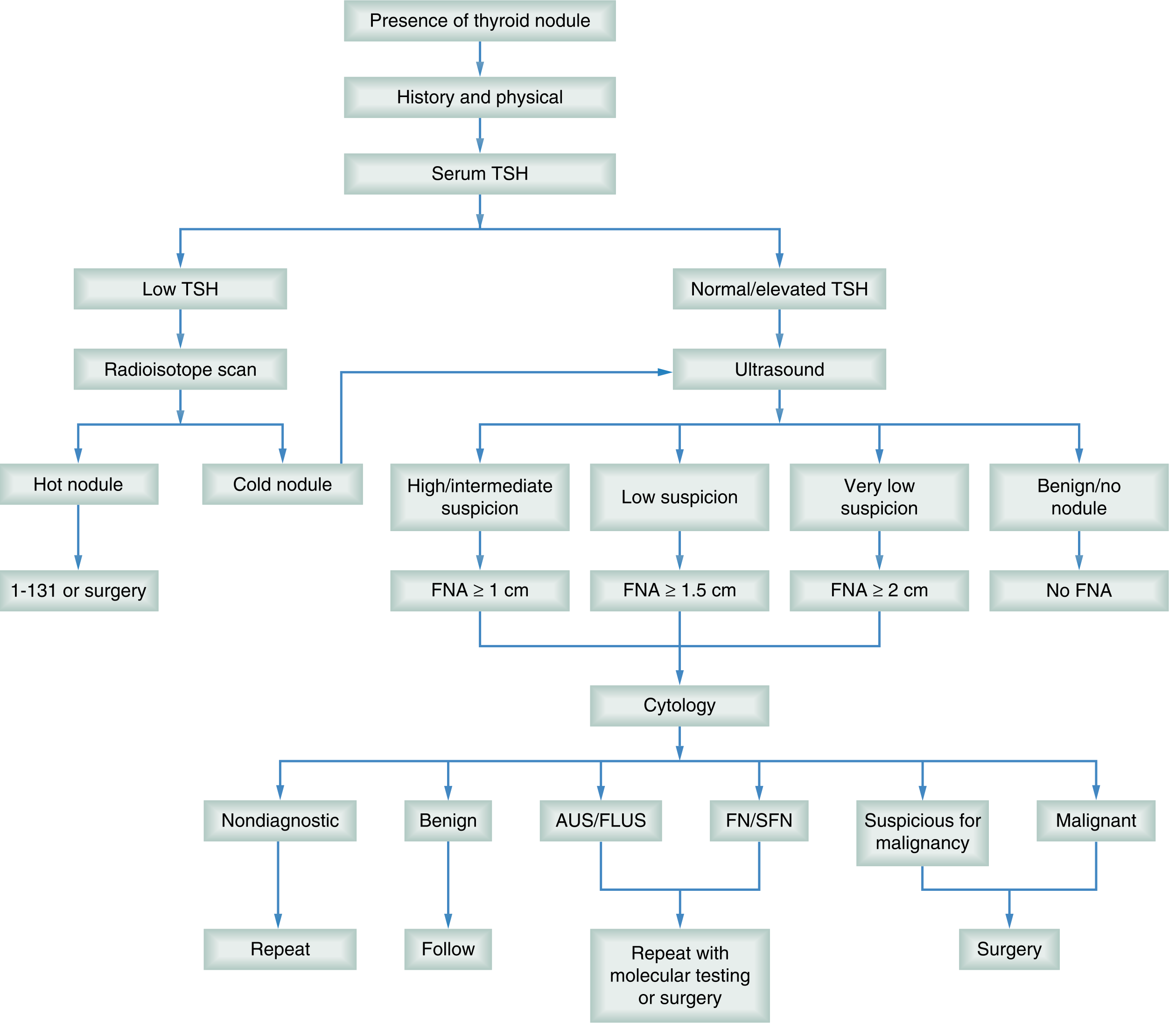
Fig. 73.14 - Workup of a thyroid nodule. Initial TSH → low: radioisotope scan; normal/elevated: ultrasound risk stratification → FNA based on risk category → Bethesda cytology → management.
Ultrasound Risk Stratification
Features Suggesting Malignancy (in decreasing specificity)
- Microcalcifications (psammoma bodies - PTC)
- Hypoechogenicity / marked hypoechogenicity
- Irregular, infiltrative margins
- Taller-than-wide shape (on transverse view)
- Extrathyroidal extension
- Intranodular vascularity (more correlated with FTC)
Features Suggesting Benign Nodule
- Purely cystic (nearly 0% malignancy risk)
- Spongiform pattern (>50% microcystic = dramatic risk reduction)
- Isoechoic/hyperechoic with smooth margins and thin peripheral halo
- Comet-tail artifact (colloid crystals)
- Hot on radionuclide scan
ATA Risk Categories and FNA Thresholds
| ATA Category | Ultrasound Features | FNA Threshold |
|---|---|---|
| High suspicion | Solid hypoechoic ± irregular margin, microcalcifications, taller-than-wide, ETE | ≥1 cm |
| Intermediate suspicion | Hypoechoic solid, smooth margins | ≥1 cm |
| Low suspicion | Isoechoic/hyperechoic solid, or partially cystic | ≥1.5 cm |
| Very low suspicion | Spongiform or partially cystic, without suspicious features | ≥2 cm |
| Benign/no nodule | Purely cystic | No FNA |
The Bethesda System for Reporting Thyroid FNA Cytopathology
| Category | Diagnosis | Risk of Malignancy | Recommended Action |
|---|---|---|---|
| I | Nondiagnostic / Unsatisfactory | N/A | Repeat FNA (ultrasound-guided) |
| II | Benign | ~0-3% | Clinical follow-up |
| III | Atypia / Follicular Lesion of Undetermined Significance (AUS/FLUS) | ~10-30% | Repeat FNA or molecular testing |
| IV | Follicular Neoplasm / Suspicious for FN (FN/SFN) | ~25-40% | Surgical lobectomy (for histologic diagnosis) |
| V | Suspicious for Malignancy | ~50-75% | Near-total/total thyroidectomy or lobectomy |
| VI | Malignant | ~97-99% | Total thyroidectomy |
Key limitation of FNA: Cannot distinguish follicular adenoma from follicular carcinoma (requires capsular integrity assessment on surgical specimen) → Bethesda IV always requires surgery.
Molecular Testing (Bethesda III/IV)
| Panel | Technology | Use |
|---|---|---|
| Afirma Gene Sequencing Classifier | RNA expression | Improves "rule-out" for benign nodules |
| ThyroSeq v3 | DNA/RNA next-gen sequencing | Detects BRAF, RAS, RET, PAX8-PPARG, TERT, etc. |
| ThyGenX/ThyraMIR | DNA mutations + miRNA | Combined mutation + microRNA profiling |
SECTION 8: STAGING (AJCC 8th Edition)
For differentiated thyroid carcinoma (DTC):
Age is the dominant staging variable:
Age <55 years
| Stage | Definition |
|---|---|
| Stage I | Any T, any N, M0 |
| Stage II | Any T, any N, M1 |
(No Stage III or IV exists for patients <55 with DTC - reflects excellent prognosis)
Age ≥55 years
| Stage | Definition |
|---|---|
| Stage I | T1-T2, N0/NX, M0 |
| Stage II | T1-T2 N1 M0 OR T3a/T3b any N M0 |
| Stage III | T4a, any N, M0 |
| Stage IVA | T4b, any N, M0 |
| Stage IVB | Any T, any N, M1 |
For MTC and anaplastic carcinoma: Age does not dominate staging; ATC is always Stage IVA-IVC at diagnosis.
SECTION 9: RESPONSE-TO-THERAPY CLASSIFICATION (ATA)
After initial therapy for DTC, patients are reclassified based on response:
| Response Category | Definition | Outcome |
|---|---|---|
| Excellent response | No clinical, biochemical, or structural evidence of disease | 1-4% risk of recurrence |
| Biochemical incomplete | Abnormal Tg or rising anti-Tg antibodies, no localizable disease | 50% achieve NED; 20% develop structural disease |
| Structural incomplete | Persistent/new locoregional or distant metastases | Disease-specific mortality: 11% locoregional, 50% distant |
| Indeterminate | Non-specific biochemical/structural findings | 15-20% develop structural disease on follow-up |
SECTION 10: COMPARATIVE SUMMARY TABLE
| Feature | PTC | FTC | OCA | PDTC | ATC | MTC |
|---|---|---|---|---|---|---|
| % of thyroid Ca | >85% | 5-15% | ~5% of DTC | Rare | <5% | ~5% |
| Cell origin | Follicular epithelium | Follicular epithelium | Follicular (oncocytic) | Follicular epithelium | Follicular (dediff.) | Parafollicular C cells |
| Peak age | 25-50 | 40-60 | 60-70 | 50-60 | ~65 | 50-60 (sporadic) |
| F:M | F>>M | F>M (3:1) | F>M | F>M | F=M | F=M |
| Key mutations | BRAF V600E (40-65%), RAS, RET fusions | PAX8-PPARG, RAS, PIK3CA | RAS | RAS, TP53, TERT | TP53, TERT, BRAF | RET (germline/somatic) |
| Spread | Lymphatic (cervical LN) | Hematogenous (lung, bone) | Both lymphatic + hematogenous | Both | Local invasion + distant | Both; 50% distant at dx |
| FNA diagnosis | Yes (nuclear features) | No (indeterminate) | No (indeterminate) | Variable | Yes (pleomorphic) | Yes + calcitonin |
| Radioiodine | Yes | Yes | No | Partial | No | No |
| Serum marker | Thyroglobulin | Thyroglobulin | Thyroglobulin | Thyroglobulin | None specific | Calcitonin, CEA |
| Psammoma bodies | Yes | No | No | No | No | No |
| Amyloid in stroma | No | No | No | No | No | Yes |
| 10-year survival | >95% | 85% (minimal inv.) ~50% (wide inv.) | 85% overall | 50-70% | <5% | 70-80% (sporadic) |
| Familial syndrome | Rare | Rare | Rare | None | None | 30% (MEN-2A/2B) |
- Robbins & Cotran Pathologic Basis of Disease, Chapter 24
- Robbins & Kumar Basic Pathology, Chapter 18
- Sabiston Textbook of Surgery, Chapter 73
- Cummings Otolaryngology Head and Neck Surgery, Chapters 27-28
- Scott-Brown's Otorhinolaryngology Head and Neck Surgery Vol. 1, Chapter 60This is a comprehensive, multi-textbook reference on all thyroid lesions. Here is a summary of what was covered:
What Was Covered
The answer spans 10 major sections drawing from 5 authoritative textbooks (Robbins Pathologic Basis of Disease, Robbins Basic Pathology, Sabiston Surgery, Cummings Otolaryngology, and Scott-Brown's Otorhinolaryngology):
-
Normal thyroid anatomy and physiology - HPT axis, hormone synthesis, TSH signaling (with diagram)
-
Complete classification tree - All lesions from non-neoplastic to malignant, including the 2022 WHO updates
-
Non-neoplastic lesions in full detail:
- Diffuse and multinodular goiter (endemic vs sporadic)
- Hashimoto thyroiditis (with pathogenesis diagram and histology image)
- Graves disease (triad, TSI mechanism, treatment)
- de Quervain, painless/postpartum, and Riedel thyroiditis
-
Follicular adenoma - toxic vs nonfunctioning, molecular genetics, hot/cold nodule distinction
-
WHO 2022 borderline entities - NIFTP, HTT, UMP
-
All 6 malignant subtypes with morphology images, molecular alterations, spread patterns, prognosis, and targeted therapies - PTC (with Orphan Annie eye nuclei image), FTC (capsular invasion), OCA (new WHO 2022 term), PDTC, ATC (anaplastic), MTC (amyloid, RET/MEN-2)
-
Thyroid nodule evaluation - red flags, ATA risk stratification, FNA thresholds (with algorithm flowchart)
-
Bethesda System (Bethesda I-VI) with malignancy risks
-
AJCC 8th edition staging for DTC
-
Complete comparative summary table across all 6 malignant types
This is a shared conversation. Sign in to Orris to start your own chat.