
Explain the topic ultrasound in pregnancy for obg
Reading File
Finding Sources
Finding Sources
Finding Sources
Finding Sources
Good — I have clear paths to the key sections. Let me now read the main obstetric ultrasound content in parallel.
Reading File
Reading File
Reading File
Reading File
Reading File
Reading File
I now have comprehensive content. Let me also quickly pull the first-trimester ultrasound section and the Doppler section.
Reading File
Reading File
I now have comprehensive content from the textbooks. Let me compile a thorough OBG-oriented explanation.
Ultrasound in Pregnancy — OBG Overview
Source: Creasy & Resnik's Maternal-Fetal Medicine: Principles and Practice; Berek & Novak's Gynecology
1. Introduction & Safety
Obstetric ultrasound is the primary imaging modality in pregnancy. It is non-ionizing and has an extensive safety record when used with proper clinical indication. It uses high-frequency sound waves reflected from tissues to generate real-time images. The ALARA ("as low as reasonably achievable") principle applies — output should be minimized while achieving diagnostically adequate images.
2. Types of Obstetric Ultrasound Examinations
Examinations are categorized by clinical indication and level of detail:
| CPT Code | Examination Type | Description |
|---|---|---|
| 76801 | First trimester (< 14 weeks), transabdominal | Routine first-trimester screening |
| 76805 | Standard (≥ 14 weeks) | Midtrimester anatomy scan — fetal size, anatomy, placenta |
| 76811 | Detailed fetal anatomic exam | For high-risk cases; performed once per pregnancy per practice |
| 76815 | Limited | Answers a discrete question (fetal heart activity, placental location, AFI) |
| 76816 | Follow-up | Repeat exams — growth reassessment, organ re-evaluation |
| 76817 | Transvaginal | Any gestational age via TVS |
| 76818/76819 | Biophysical Profile (BPP) | With or without nonstress test |
3. First-Trimester Ultrasound (< 14 Weeks)
Key Objectives
- Confirm intrauterine pregnancy and exclude ectopic
- Establish gestational age — crown-rump length (CRL) is the most accurate biometric parameter in the first trimester
- Determine fetal cardiac activity
- Assess fetal number and chorionicity in multiples (most accurately determined before 14 weeks)
- Nuchal translucency (NT) measurement at 11–13+6 weeks for Down syndrome and other aneuploidies screening
- Detect major structural anomalies (with emerging evidence for late first-trimester detailed scans)
Crown-Rump Length (CRL)
- Most reliable dating method; accurate to ±5–7 days
- Obtained in a true neutral position — fetus neither hyperflexed nor hyperextended
Nuchal Translucency
- The fluid-filled space at the back of the fetal neck
- NT ≥ 3.0 mm is associated with increased risk of trisomy 21, 18, 13, cardiac defects, and other structural anomalies
- Combined with serum free β-hCG and PAPP-A (combined first-trimester screening) for detection rates of ~85–90%
4. Midtrimester Anatomy Scan (18–22 Weeks) — The "Anatomy Scan"
This is the most important routine obstetric ultrasound examination. It serves as a major checkpoint for:
- Confirming/correcting gestational age by comparing obstetric dates with fetal biometry
- Detecting structural anomalies before fetal viability
- Identifying placental abnormalities (previa, accreta spectrum)
- Detecting uterine abnormalities (fibroids, etc.)
Studies show that a scan at 18–20 weeks detects major structural anomalies in approximately 60% of cases in unselected populations (Gagnon et al.).
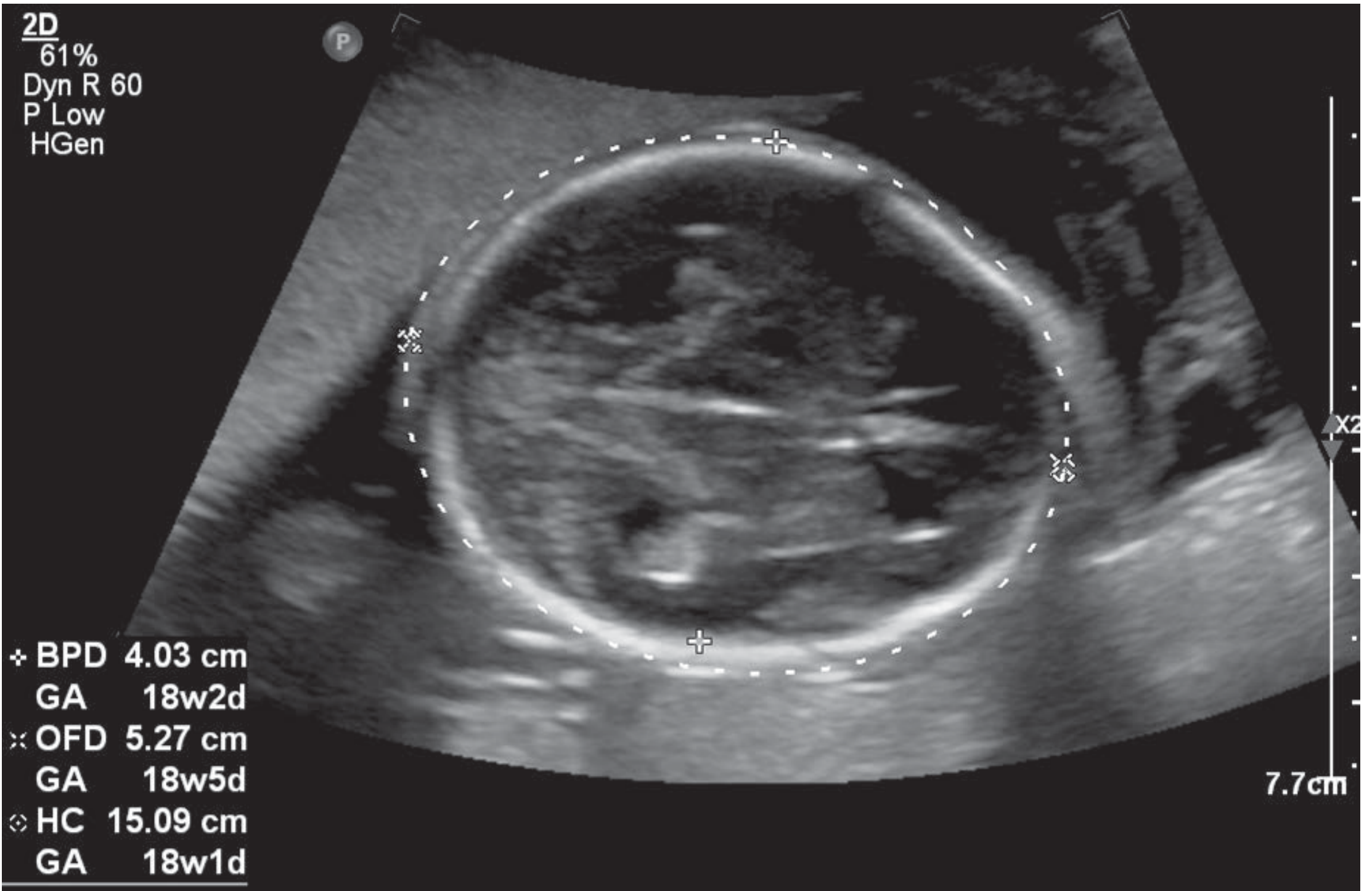
Fetal Biometry (Standard Measurements)
| Measurement | Abbreviation | Plane |
|---|---|---|
| Biparietal diameter | BPD | Axial transthalamic plane |
| Head circumference | HC | Same axial plane |
| Abdominal circumference | AC | Axial plane at stomach/umbilical vein |
| Femur length | FL | Long axis of femur |
These four measurements are used to calculate Estimated Fetal Weight (EFW) and gestational age.
Detailed Fetal Anatomy Checklist (CPT 76805)
Head & Face
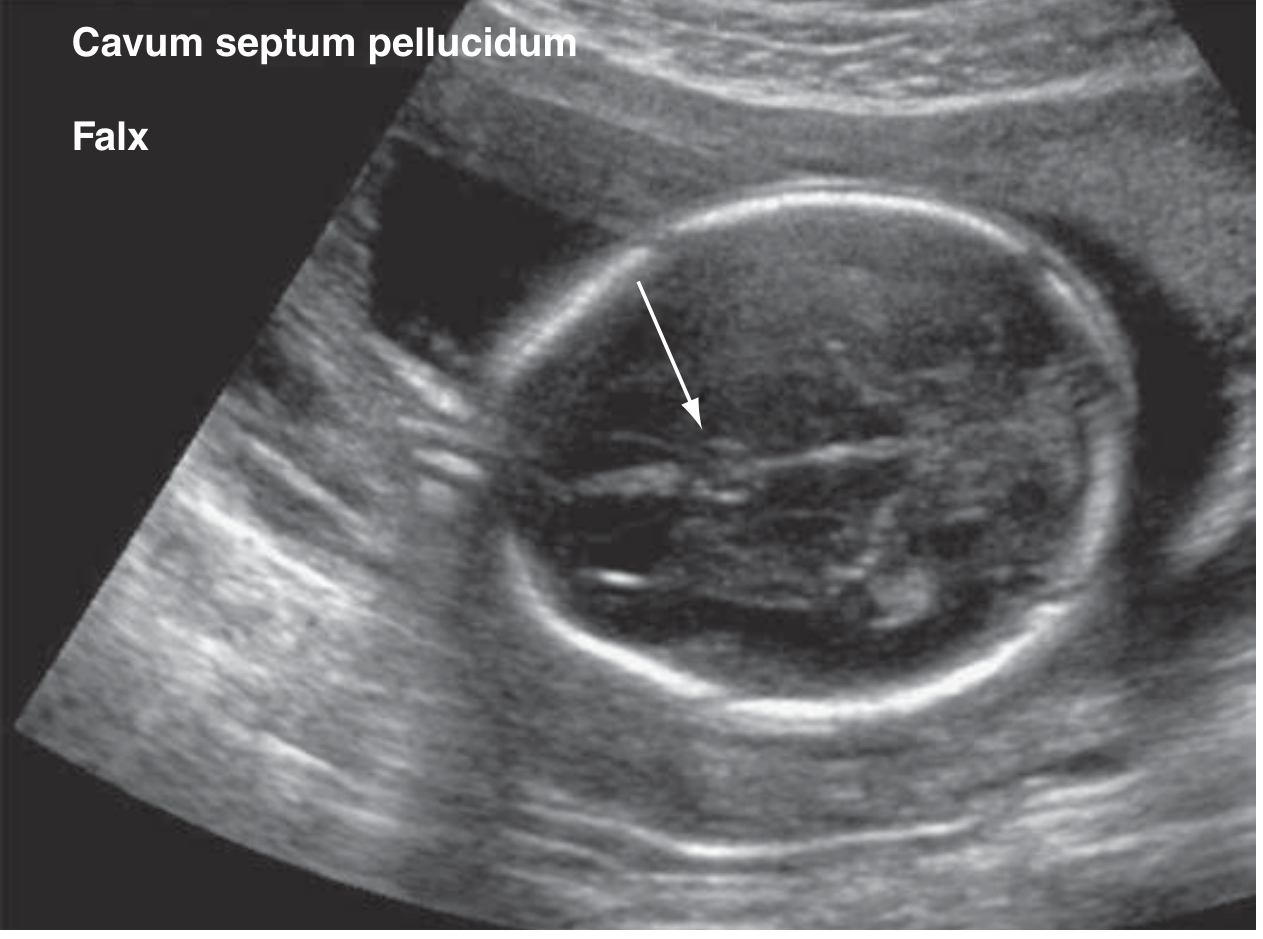
- Cranial bones, falx cerebri, cavum septi pellucidi
- Thalami, lateral ventricles (normal < 10 mm)
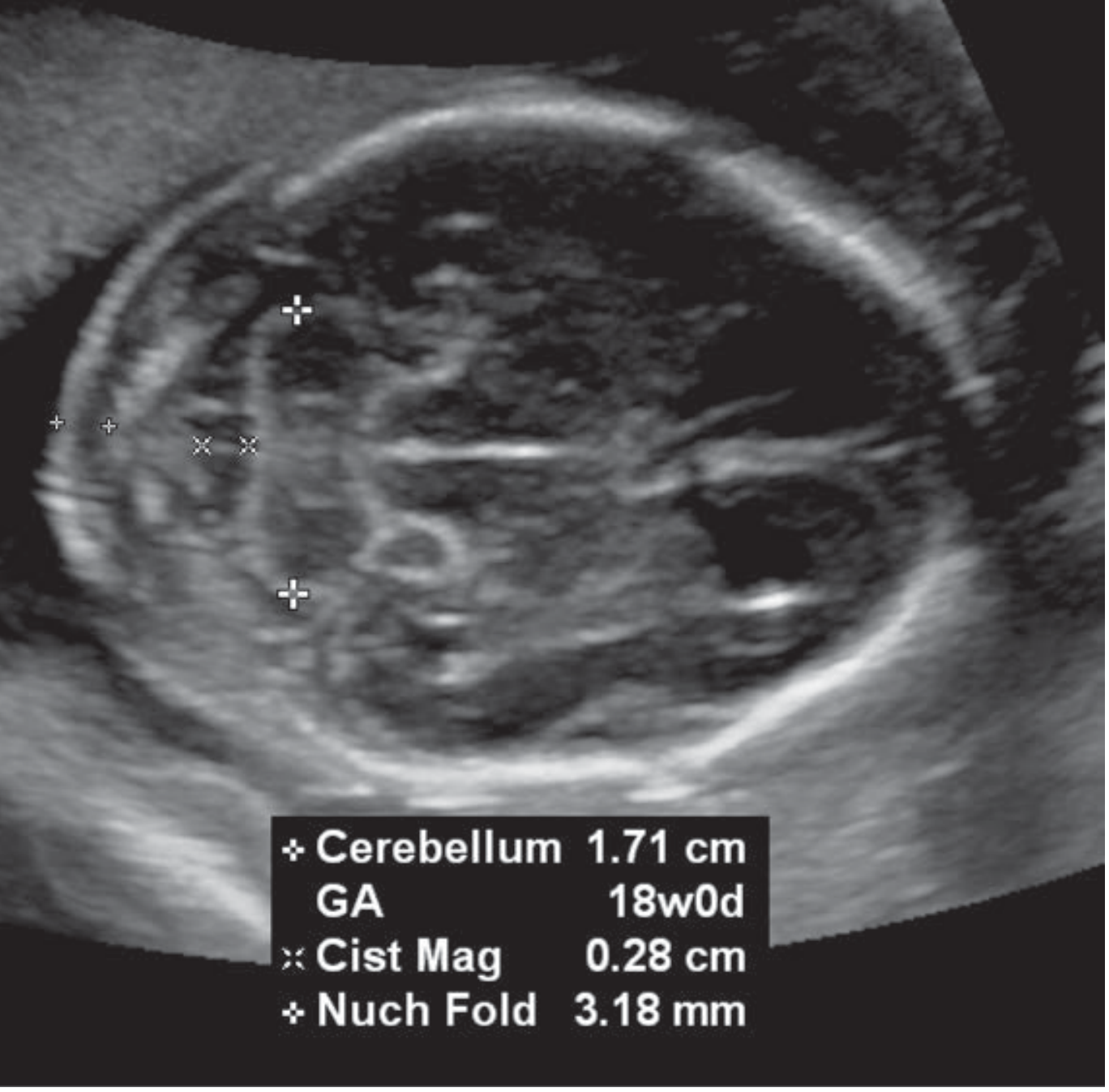
- Cerebellum, cisterna magna
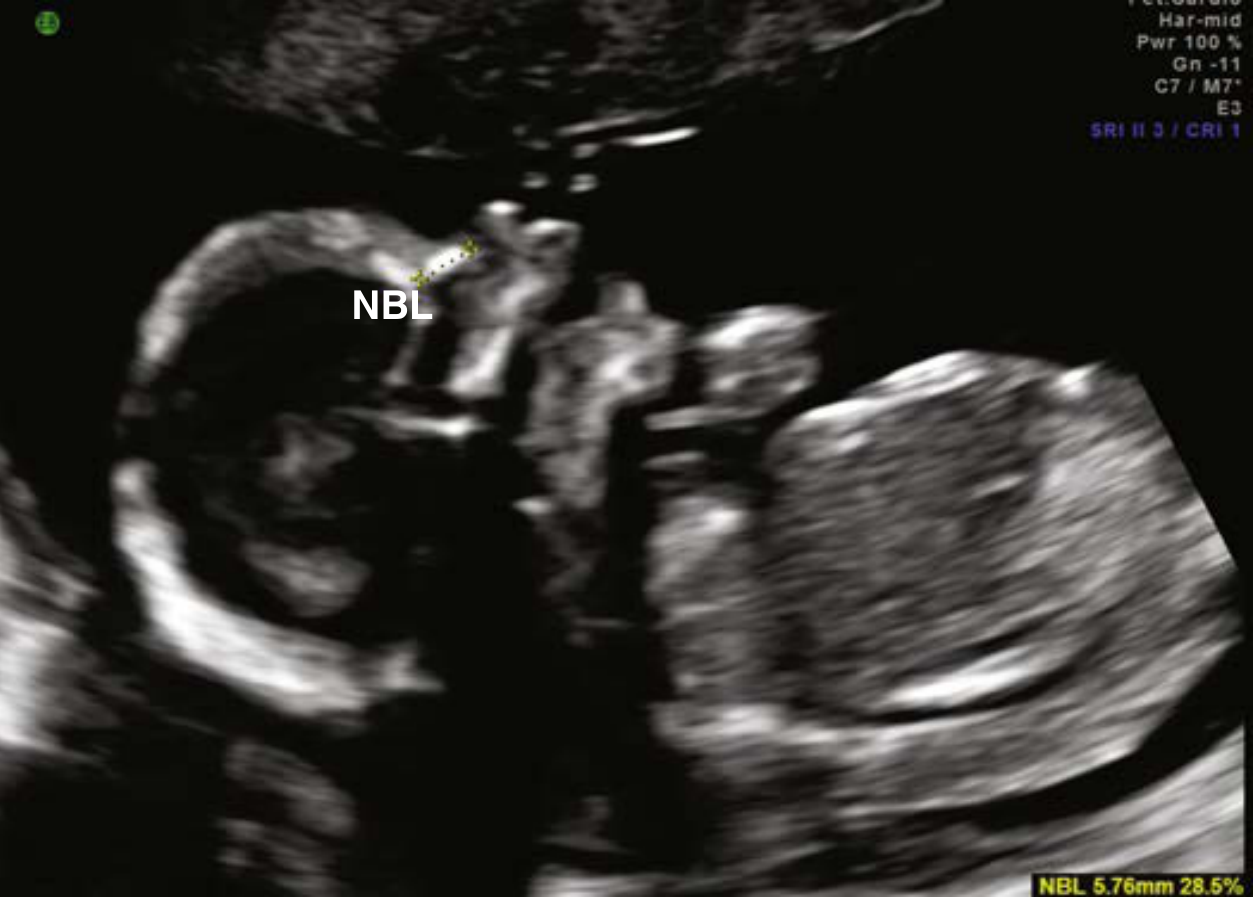
- Orbits, facial profile, nasal bone, upper lip
Thorax
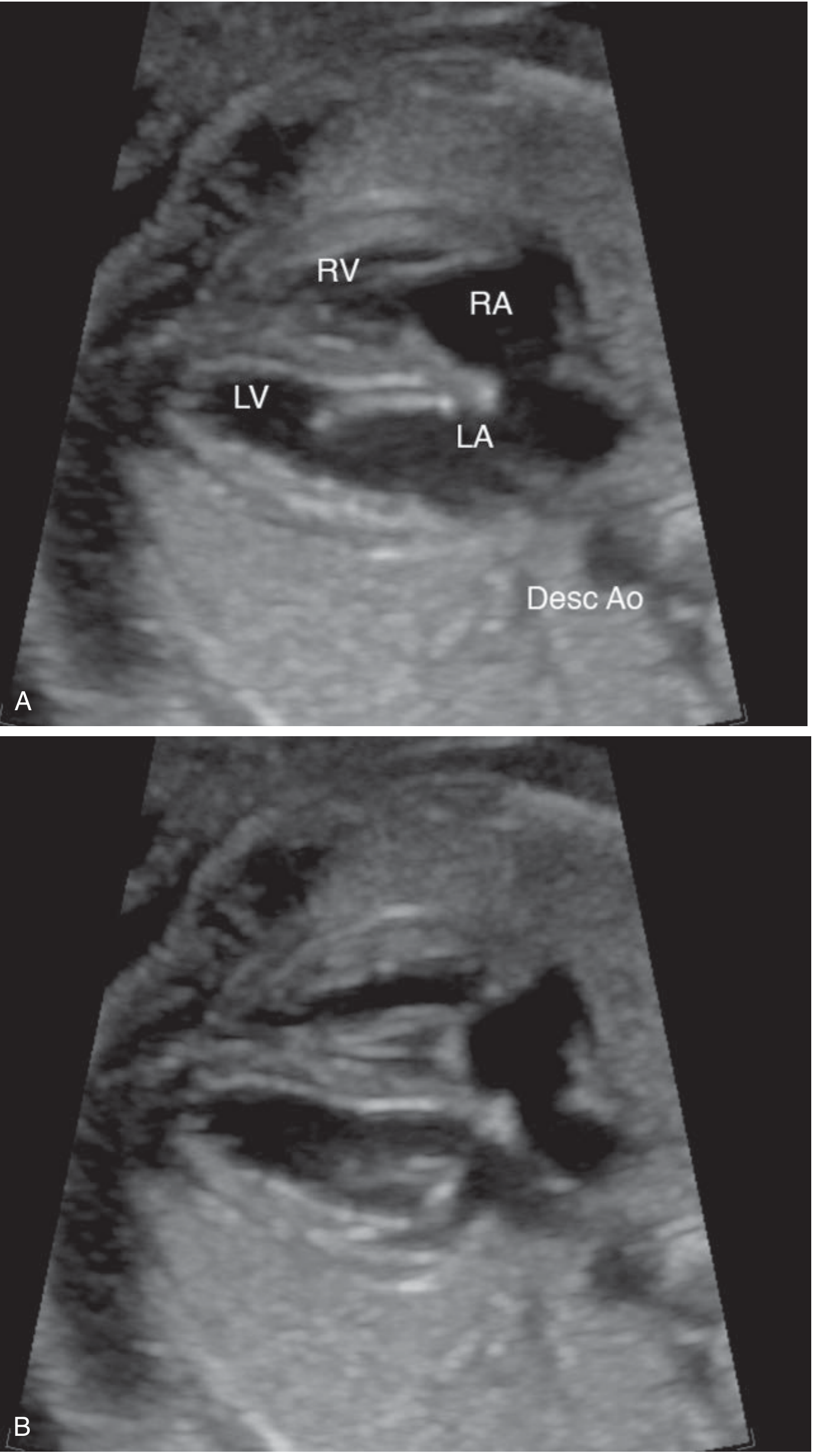
- Four-chamber view of the heart
- Cardiac axis (normally ~45° to the left)
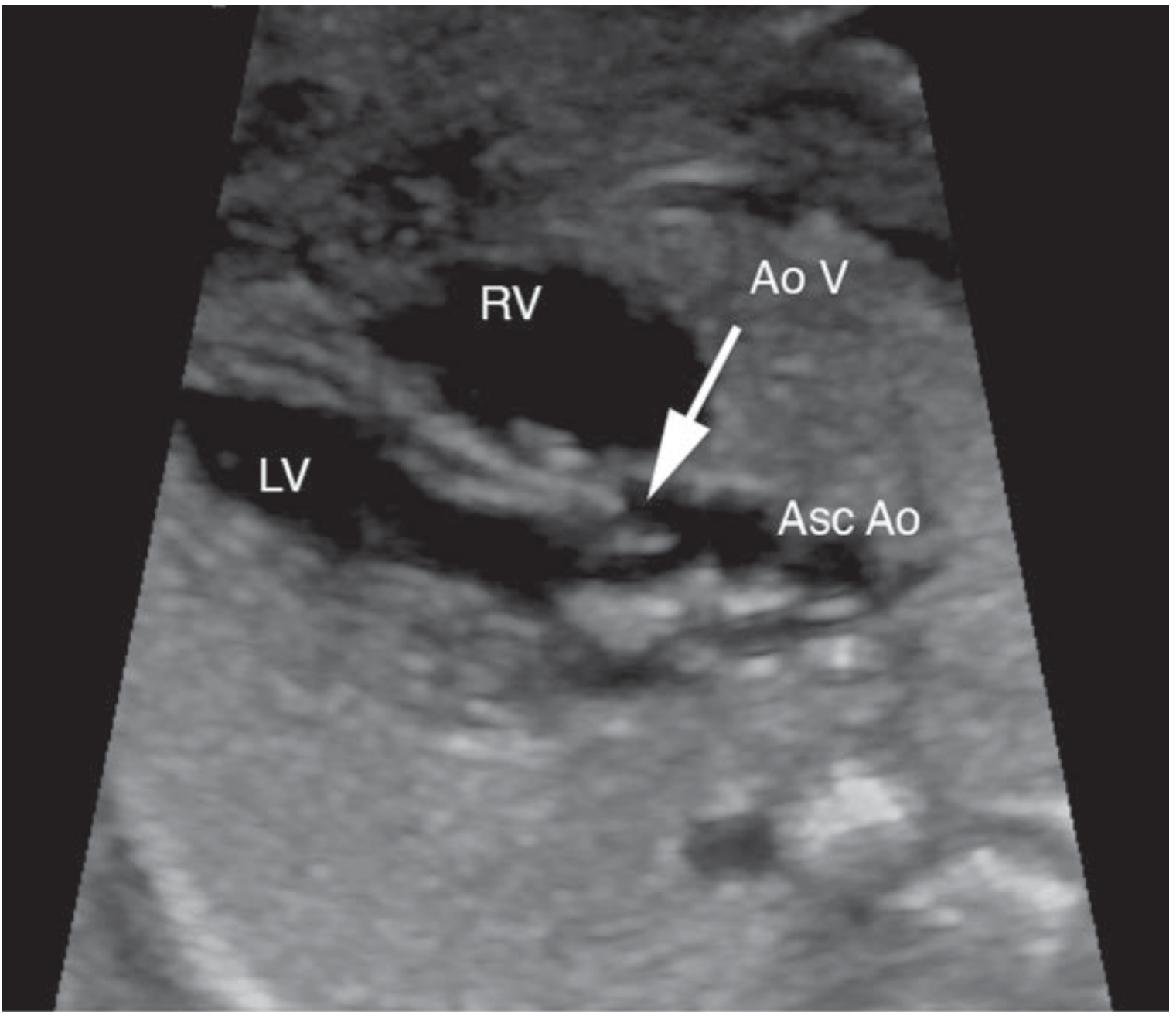
- Left and right ventricular outflow tracts
- Lung parenchyma
Abdomen
- Stomach (should be visible and fluid-filled)
- Abdominal umbilical cord insertion
- Kidneys and bladder
- Umbilical arteries (should be two)
Spine & Extremities
- Spine in longitudinal and transverse views
- All four extremities (upper and lower long bones)
- Hand/foot anatomy and posture
- Genitalia
Placenta, Cord & Amniotic Fluid
Placenta:
- Location (note if low-lying or previa)
- Appearance (masses, cysts, lucencies, accessory lobe)
- Umbilical cord insertion site (central/marginal/velamentous)
- Number of umbilical cord vessels (normally 3 — 2 arteries + 1 vein)
Amniotic Fluid Volume:
- Maximum Vertical Pocket (MVP): Normal 2–8 cm
- Amniotic Fluid Index (AFI): Sum of MVPs in four quadrants; normal 5–24 cm
- Oligohydramnios: MVP < 2 cm / AFI < 5 cm
- Polyhydramnios: MVP > 8 cm / AFI > 24 cm
5. Third-Trimester Ultrasound — Growth & Well-being
Fetal Growth Assessment
- Serial biometry every 3–4 weeks in growth-restricted fetuses
- EFW < 10th percentile = small for gestational age (SGA); EFW < 3rd percentile = severely growth-restricted
Biophysical Profile (BPP)
Assesses fetal well-being by scoring five parameters (2 points each, maximum score = 10):
| Parameter | Normal (Score 2) |
|---|---|
| Fetal breathing movements | ≥ 1 episode lasting ≥ 30 seconds in 30 min |
| Gross body movements | ≥ 3 discrete movements in 30 min |
| Fetal tone | ≥ 1 extension/flexion cycle |
| Amniotic fluid volume | MVP ≥ 2 cm |
| Non-stress test (NST) | Reactive (in BPP with NST, CPT 76818) |
Score ≥ 8/10 is reassuring; score ≤ 4/10 warrants delivery or intensive monitoring.
6. Doppler Velocimetry
Doppler ultrasound evaluates blood flow velocity waveforms in fetal and maternal vessels. It is essential for monitoring feto-placental compromise in fetal growth restriction (FGR) and preeclampsia.
Umbilical Artery (UA) Doppler
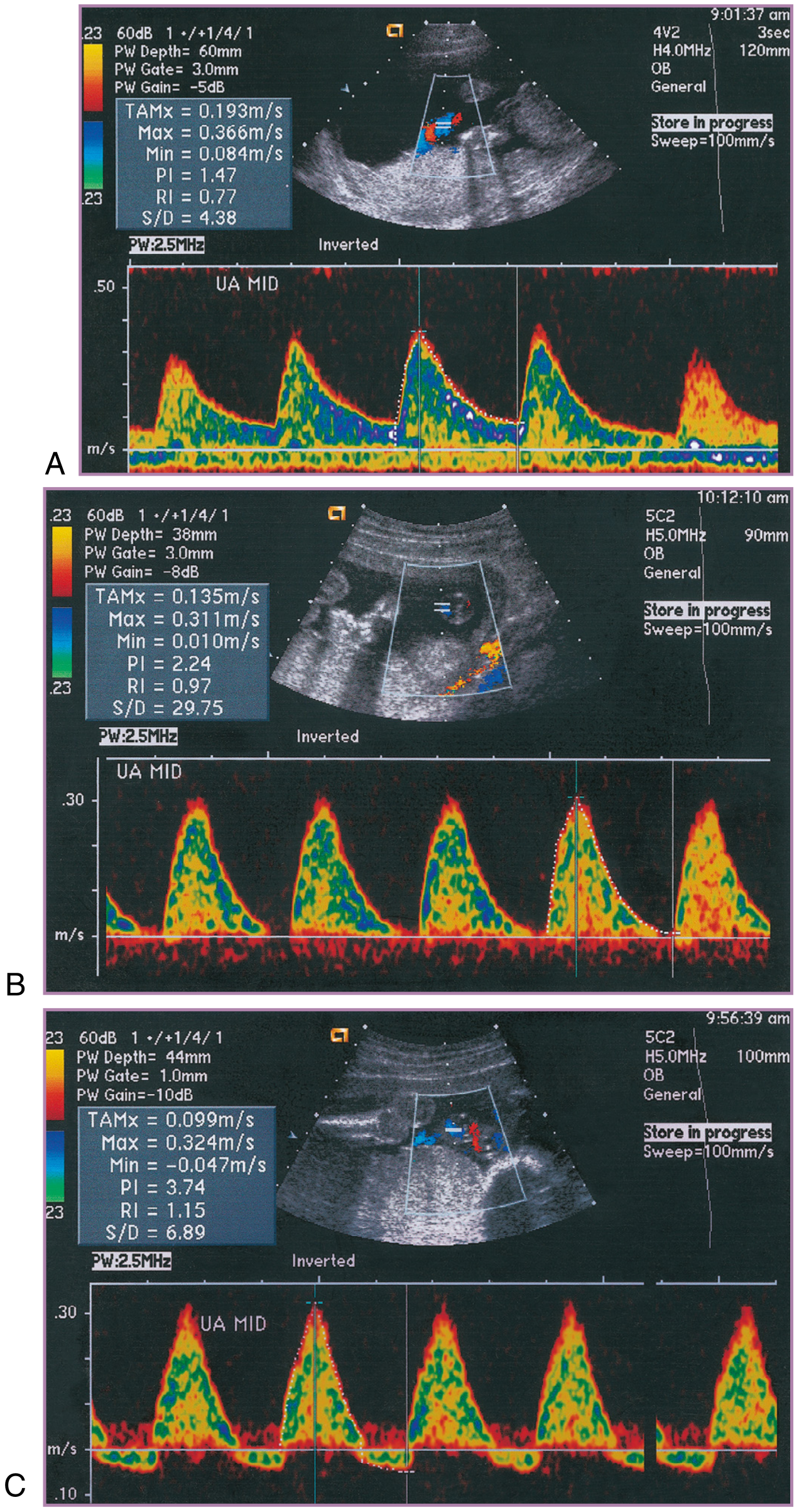
- Reflects placental vascular resistance
- Normal: diastolic flow present and progressive throughout pregnancy
- Abnormal patterns (in order of severity):
- Elevated S/D ratio / increased PI, RI — increased resistance
- Absent End-Diastolic Velocity (AEDV) — critical worsening
- Reversed End-Diastolic Velocity (REDV) — imminent fetal compromise; strong indicator for delivery
Middle Cerebral Artery (MCA) Doppler
- Measures MCA Peak Systolic Velocity (PSV)
- Brain-sparing effect: in FGR, MCA resistance decreases (vasodilation) as the fetus preferentially perfuses the brain
- MCA PSV > 1.5 MoM (multiples of the median): hallmark for fetal anaemia (e.g., Rh isoimmunization, hydrops fetalis)
Ductus Venosus (DV) Doppler
- Reflects right heart pressure and venous return
- Absent or reversed a-wave in DV waveform = sign of severe cardiac compromise; indicates imminent fetal acidosis and guides timing of delivery in preterm FGR
7. Cervical Length Assessment
- Transvaginal ultrasound (TVS) is the standard method
- Short cervix (< 25 mm before 24 weeks) predicts preterm birth
- Used to guide decisions on:
- Cervical cerclage
- Progesterone supplementation
- Antenatal corticosteroids
8. Ultrasound Markers for Aneuploidy
First Trimester Markers
| Marker | Association |
|---|---|
| ↑ Nuchal Translucency (≥ 3.0 mm) | Trisomy 21, 18, 13; cardiac defects; Turner syndrome |
| Absent nasal bone | Trisomy 21 |
| Reversed ductus venosus a-wave | Trisomy 21, cardiac defects |
| Tricuspid regurgitation | Trisomy 21 |
Second Trimester "Soft Markers"
| Marker | Main Association |
|---|---|
| Choroid plexus cysts | Trisomy 18 |
| Echogenic intracardiac focus | Trisomy 21 |
| Nuchal fold ≥ 6 mm | Trisomy 21 |
| Short femur/humerus | Trisomy 21 |
| Pyelectasis | Trisomy 21 |
| Echogenic bowel | Trisomy 21, CF, CMV |
9. Special Applications
Multiple Pregnancy
- Chorionicity determination is critical and most accurately assessed at < 14 weeks:
- Dichorionic-diamniotic (DCDA): "Twin peak" (lambda sign) — triangular wedge of placental tissue between membranes
- Monochorionic-diamniotic (MCDA): "T-sign" — membrane inserts at right angle to placenta
- Ultrasound staging of Twin-Twin Transfusion Syndrome (TTTS) using Quintero criteria (based on UA, UV, DV Doppler and amniotic fluid discordance)
- Detection of Selective FGR in monochorionic twins
Placental Abnormalities
- Placenta previa: Placenta covering the internal os — typically confirmed by TVS at 32–36 weeks
- Placenta accreta spectrum: Abnormal placentation suspected on grey-scale and colour Doppler — loss of retroplacental clear space, placental lacunae, bridging vessels to bladder
10. Reporting Requirements
Every obstetric ultrasound report must include:
- Patient identifying information and date
- Indication for the procedure and type of examination
- Gestational age by established dates
- Number of fetuses (and chorionicity if multiples)
- Fetal biometry with predicted gestational age
- Principal findings (normal, abnormal, or poorly visualized)
- Differential diagnosis for abnormalities
- Recommendations for management or follow-up
Summary Table: Ultrasound Schedule in Normal Pregnancy
| Timing | Examination | Key Parameters |
|---|---|---|
| 7–10 weeks | Early pregnancy | Confirm IUP, CRL, cardiac activity, number |
| 11–13+6 weeks | NT scan | NT, nasal bone, CRL, chorionicity |
| 18–22 weeks | Anatomy scan (level II) | Full fetal anatomy, biometry, placenta, AFI |
| 28–32 weeks | Growth scan | Biometry, EFW, AFI, presentation |
| 36+ weeks | Term scan | Presentation, AFI, BPP if indicated |
| Any trimester | Doppler | UA, MCA, DV when FGR or anaemia suspected |
Sources: Creasy & Resnik's Maternal-Fetal Medicine: Principles and Practice (9780323828499), pp. 318–335; Berek & Novak's Gynecology (9781496380357)
This is a shared conversation. Sign in to Orris to start your own chat.