
Platinychia & koilonychia
Reading File
Finding Sources
Finding Sources
Reading File
Reading File
Reading File
Finding Sources
Loading Image
Loading Image
Finding Sources
Reading File
Finding Sources
Reading File
Now I have enough information from multiple authoritative dermatology textbooks. Let me compile a thorough answer.
Platonychia & Koilonychia
These are two distinct nail plate shape abnormalities, both involving changes to the normal convex curvature of the nail.
Platonychia
Platonychia (from Greek platus = flat) refers to a nail plate that is abnormally flat, losing the normal transverse convexity without becoming concave (which would be koilonychia). It represents an intermediate stage between a normal nail and a spoon nail.
Associations:
- Found as a nail feature in Chondrodysplasia Punctata (Conradi-Hunermann type, caused by EBP mutation), where it accompanies onychoschizia
- Can occur in Plummer-Vinson syndrome (alongside koilonychia), iron deficiency, and various systemic conditions
- Also seen in racket nail (brachyonychia) - a short, wide flat nail mostly of the thumb, resulting from premature ossification of the epiphysis of the distal phalanx
Platonychia is less commonly discussed as an isolated entity and more often appears as a precursor to or accompaniment of koilonychia, or as a minor feature in syndromic nail dysplasias.
Koilonychia (Spoon Nails)
Definition: The nail plate is thinned and depressed centrally, with upward eversion of its lateral and distal edges, creating a concave, spoon-like shape. Classically described as: if a drop of water were placed on the nail, it would not run off.
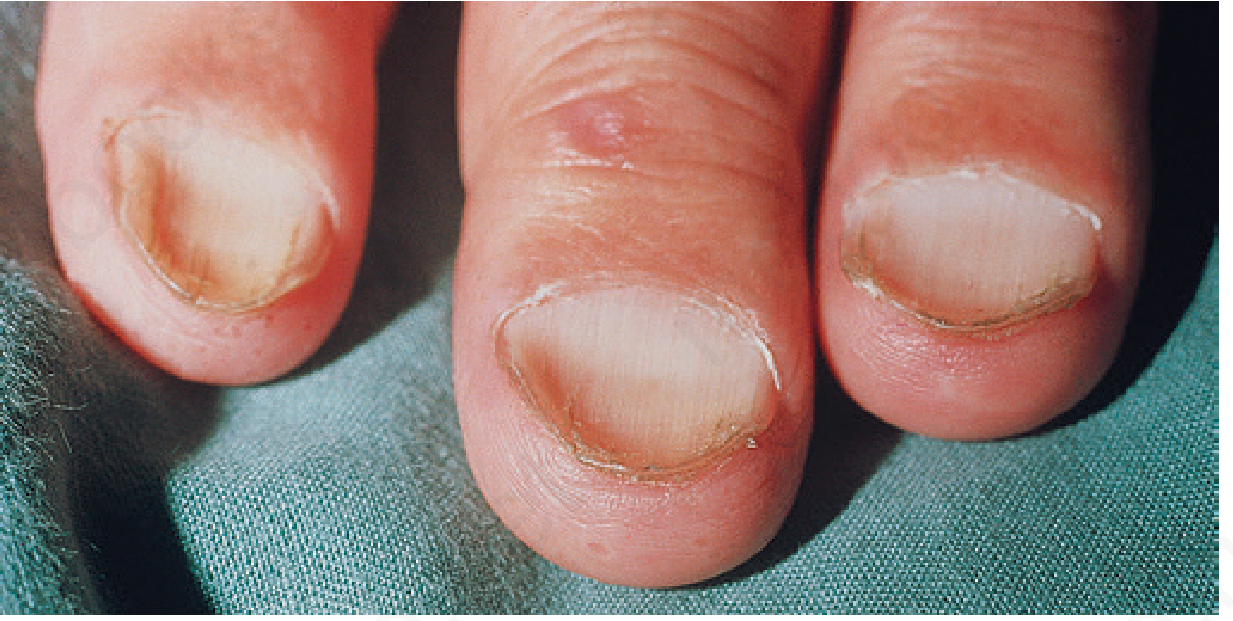
Fig. 33.44 - Koilonychia (Andrews' Diseases of the Skin)
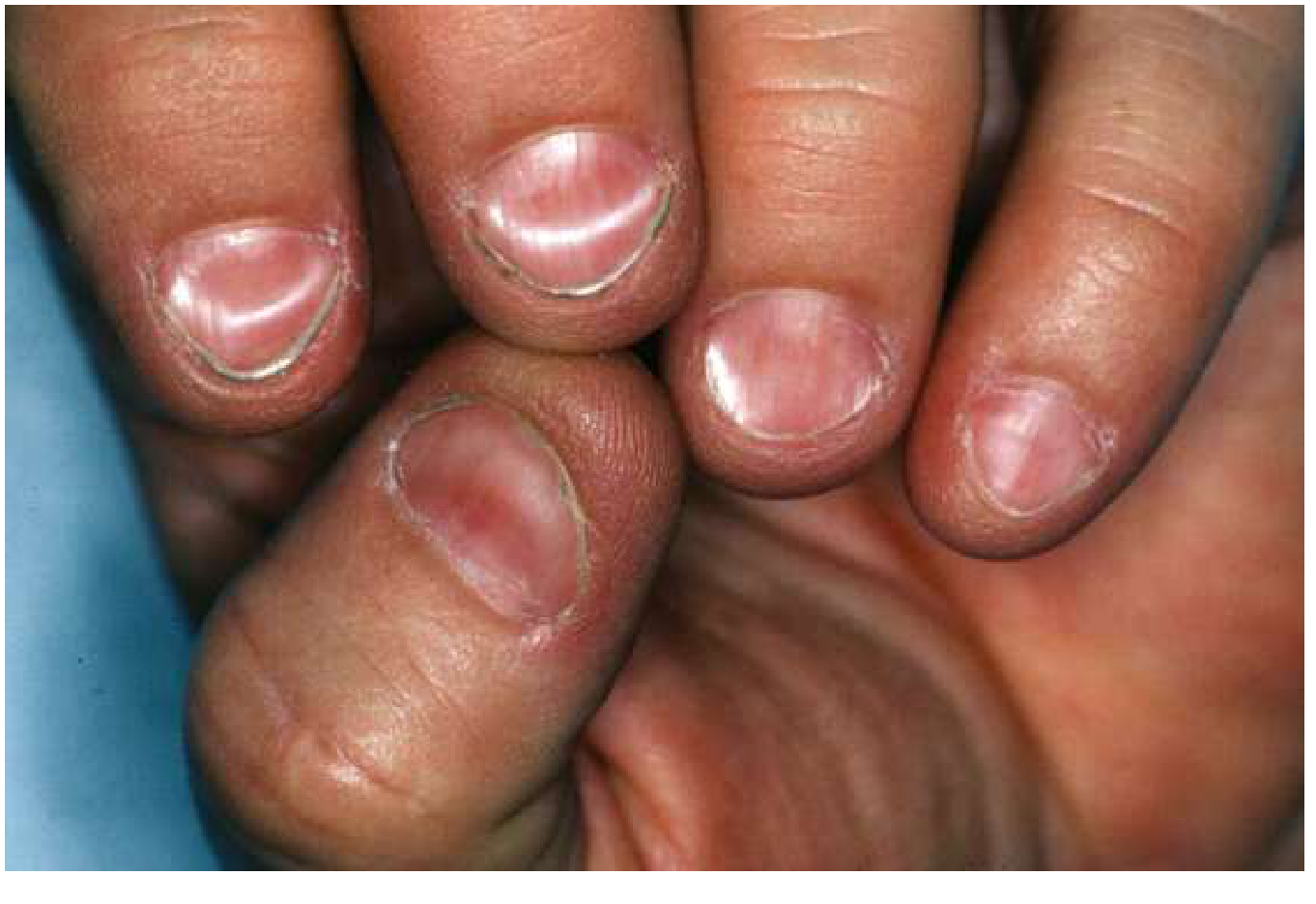
Fig. 409-9 - Spooning of the nails (Goldman-Cecil Medicine)
Causes / Associations
| Category | Specific Conditions |
|---|---|
| Iron metabolism | Iron deficiency anemia, hemochromatosis, Plummer-Vinson syndrome |
| Endocrine | Hypothyroidism, hyperthyroidism, acromegaly |
| Cardiovascular | Coronary artery disease, polycythemia |
| Dermatologic | Psoriasis, lichen planus, Raynaud syndrome, scleroderma, acanthosis nigricans, palmar hyperkeratoses, steatocystoma multiplex, monilethrix |
| Infectious | Syphilis |
| Hepatic | Liver disease (along with clubbing, Muehrcke nails, Terry nails) |
| Occupational/Environmental | Chemical contact damaging the nail plate; chronic cold exposure + hypoxemia (notably high among Sherpas and people of the Leh Ladakh region of India) |
| Familial | Autosomal dominant familial forms exist |
| Physiological | Normal finding in young children (especially toes 2-4, ages 1-4 years); resolves spontaneously |
| Idiopathic | A significant number of cases have no identifiable cause |
Key Clinical Points
- Plummer-Vinson syndrome is the classic triad to remember: dysphagia (esophageal web) + iron-deficiency anemia + koilonychia (with glossitis and angular stomatitis)
- Koilonychia often accompanies other nail abnormalities (e.g., trachyonychia) rather than presenting in isolation
- In children aged 1-4 years, koilonychia of the 2nd-4th toes is considered physiologic and resolves without treatment
- In adults, isolated koilonychia is unusual; always consider iron deficiency or chemical/occupational exposure
- Seasonal koilonychia can occur from manual trauma combined with cold exposure
- In liver disease, koilonychia is one of several nail signs, alongside Terry nails, Muehrcke nails, and clubbing
- In nail-patella syndrome (nephropathy context), koilonychia can occur with longitudinal ridges and triangular lunulae
Pathomechanism
The spoon shape results from thinning of the nail plate, which loses its normal structural rigidity. The thinned plate bends upward at the lateral and distal edges due to the underlying nail bed contour. In iron deficiency, disrupted keratin synthesis in the matrix contributes to nail plate fragility and thinning.
Sources: Andrews' Diseases of the Skin (Clinical Dermatology), p. 33; Dermatology 2-Volume Set 5e, p. 71; Goldman-Cecil Medicine, p. 409; Yamada's Textbook of Gastroenterology 7e; Fitzpatrick's Dermatology Vol. 1-2
This is a shared conversation. Sign in to Orris to start your own chat.