
Peptic ulcer in surgery
I'll start by reading the medical library skill, then search for peptic ulcer content in the textbooks.
Searching sources...
Reading File
Finding Sources
Searching PubMed
"peptic ulcer disease" AND surgery
Now let me read the key surgical textbook sections - Bailey & Love's (the primary surgery text) and Sabiston, plus the perforated peptic ulcer section.
Reading File
Reading File
Reading File
Reading File
Reading File
Reading File
Reading File
Reading File
Reading File
Reading File
Reading File
Finding Sources
Reading File
Finding Sources
Reading File
Reading File
I now have excellent material from both Bailey & Love's and Sabiston. Let me fetch a couple of the key images and check the perforated ulcer section from Bailey & Love's for the Graham patch repair.
Reading File
Loading Image
I now have comprehensive, high-quality content from multiple surgical textbooks. Let me compile the full answer.
Peptic Ulcer Disease - A Surgical Perspective
Sources: Bailey & Love's Short Practice of Surgery 28th Ed., Sabiston Textbook of Surgery, Schwartz's Principles of Surgery
1. Definition and Basic Pathology
Peptic ulcers are erosions in the GI mucosa that extend through the muscularis mucosae. Although the term "peptic" implies a role for pepsin, the key driver is acid - in the absence of acid, peptic ulcers simply do not occur. Nearly all ulcers heal when rendered achlorhydric with PPIs.
Common sites:
- First part of the duodenum (most common)
- Lesser curve of the stomach (near the incisura)
- Stomal (after gastric surgery, near the jejunal-gastric mucosal junction)
- Oesophagus and Meckel's diverticulum (ectopic gastric epithelium)
The ulcer characteristically develops at the junction of different epithelia, in the epithelium least resistant to acid damage.
2. Aetiology and Risk Factors
The two dominant causes are H. pylori and NSAIDs:
| Factor | Association |
|---|---|
| H. pylori | 90% of duodenal ulcers; 70-90% of gastric ulcers |
| NSAIDs | Break mucosal prostaglandin barrier |
| Cigarette smoking | Predisposes and increases relapse rate |
| Zollinger-Ellison syndrome (gastrinoma) | Massive acid hypersecretion |
| Stress | Major surgery, burns (Curling's), brain injury (Cushing's) |
| Corticosteroids, alcohol | Secondary risk factors |
Pathogenesis: Ulcers arise when damaging factors (HCl, pepsin, NSAIDs, H. pylori, bile) overcome protective factors (mucosal bicarbonate, mucus, prostaglandins, adequate blood flow, cell renewal).
3. Gastric Ulcer Classification: Modified Johnson System
This classification is still surgically relevant because it guides operative choice:
| Type | Location | Acid Level |
|---|---|---|
| I (50-60%) | Lesser curve at incisura | Low to normal |
| II (15-20%) | Gastric body + concurrent duodenal ulcer | Increased |
| III (20%) | Prepyloric | Increased (behaves like DU) |
| IV (<10%) | High on lesser curve, near GEJ | Normal |
| V | Anywhere | Normal (NSAID-induced) |
Types II and III have excess acid and behave like duodenal ulcers. Type I occurs near the transitional zone between fundic and antral mucosa. Type IV is near the cardia and technically challenging to resect.
4. Clinical Features
Duodenal ulcer:
- Epigastric pain relieved by food and antacids; classically wakes patient at night
- More common in males (historically), though the gender gap is narrowing
- Rarely malignant - giant DU can appear alarming but is confidently benign
Gastric ulcer:
- Similar epigastric pain, but food may exacerbate it
- Equal gender incidence; tends to affect older patients
- MUST be biopsied - malignancy cannot be excluded clinically
- Ulcerated gastric cancer can mimic a benign ulcer
Key distinction: Anterior duodenal ulcers tend to perforate; posterior duodenal ulcers tend to bleed (by eroding the gastroduodenal artery). "Kissing ulcers" = anterior + posterior DU simultaneously.
5. Investigations
- Gastroduodenoscopy (OGD): Investigation of choice. Allows direct visualization, biopsy, H. pylori testing (CLO test/urease), and therapeutic intervention. Multiple biopsies (minimum 4-6) from all quadrants of a gastric ulcer are essential to maximize sensitivity for malignancy (single biopsy: 70% sensitivity; 4 biopsies: 95%; 7 biopsies: 98%).
- Barium meal: Largely replaced by OGD. Double-contrast technique detects 80-90% of ulcers; single-contrast misses 50%.
- CT scan: Required in suspected perforation - more accurate than plain CXR.
- Serum gastrin: If ZES/gastrinoma is suspected.
- Serum amylase: To differentiate peptic perforation from pancreatitis (amylase may be mildly elevated in both).
6. Medical Treatment
Antisecretory Agents
- PPIs (omeprazole, pantoprazole, etc.): Most potent. Irreversibly block the H⁺/K⁺-ATPase pump. Render patients virtually achlorhydric. Heal virtually all benign ulcers within 2 weeks. Safe and well-tolerated.
- H2-receptor antagonists (ranitidine, famotidine): Now largely superseded by PPIs.
- Problem: Relapse is almost universal after stopping either agent unless H. pylori is eradicated.
H. pylori Eradication (Triple/Quadruple Therapy)
Eradication of H. pylori cures the disease in patients where it is the primary cause. Reinfection in adults is uncommon. Regimens typically use a PPI + two antibiotics (e.g., amoxicillin + clarithromycin) for 7-14 days. Quadruple therapy (PPI + bismuth + metronidazole + tetracycline) for resistant organisms.
7. Elective Surgery for PUD
Elective surgery for uncomplicated PUD is now very rarely performed due to the success of PPIs and H. pylori eradication. Surgery is considered for:
- True refractory disease (failed 8-12 weeks PPI + confirmed H. pylori eradication)
- Inability to eradicate H. pylori or stop NSAIDs
- Non-compliance with medical therapy
- Rare causes (ZES, Crohn's, sarcoidosis)
Goal of operative ulcer surgery: Reduce acid secretion (via vagotomy ± antrectomy) and/or resect the diseased mucosa.
Vagotomy-Based Procedures
| Procedure | Mechanism | Acid Reduction | Notes |
|---|---|---|---|
| Truncal vagotomy | Division of both vagal trunks above GEJ | ~50% | Requires drainage (gastric stasis) |
| Selective vagotomy | Divides gastric branches, preserves hepatic/coeliac | ~50% | Still requires drainage |
| Highly selective vagotomy (HSV) | Denervates only parietal cell mass; preserves antral innervation | ~50% | No drainage needed; lowest morbidity; higher recurrence rate |
- Truncal vagotomy always requires a drainage procedure (e.g., Heineke-Mikulicz pyloroplasty or gastrojejunostomy) because antral denervation causes gastroparesis.
- HSV (Figure 67.19 - Bailey & Love) preserves the crow's feet (nerve of Latarjet branches to antrum) and avoids the need for drainage.
Gastrectomy
| Operation | Description | Indication |
|---|---|---|
| Billroth I | Distal gastrectomy + gastroduodenostomy | Standard for gastric ulcer |
| Billroth II (Pólya) | Distal gastrectomy + gastrojejunostomy, duodenum closed | Complex DU with scarred duodenum |
| Truncal vagotomy + antrectomy | Removes gastrin-producing antrum + vagal drive | Lowest ulcer recurrence (1%) but highest morbidity |
- Vagotomy + antrectomy reduces peak acid output by ~85% (vs. ~50-70% for vagotomy alone).
- Operations for gastric ulcer always include excision of the ulcer so malignancy can be excluded.
8. Complications of PUD and Their Surgical Management
A. Perforation
Epidemiology: Despite PPIs and eradication therapy, the incidence of perforated peptic ulcer has changed little. The profile has shifted to elderly females taking NSAIDs.
Clinical features:
- Sudden-onset, severe generalised abdominal pain (peritoneal irritation by gastric acid)
- Board-like rigidity, patient motionless, not moving with respiration
- Initial tachycardia; pyrexia develops hours later as bacterial peritonitis supervenes
- Elderly patients may have an atypically mild presentation (NSAIDs mask signs)
- Fluid may track down right paracolic gutter → pain in epigastrium + RIF (mimics appendicitis)
Investigations:
- Erect CXR: Free gas under diaphragm in >50% of cases
- CT abdomen: Now preferred - more sensitive and accurate; also rules out pancreatitis
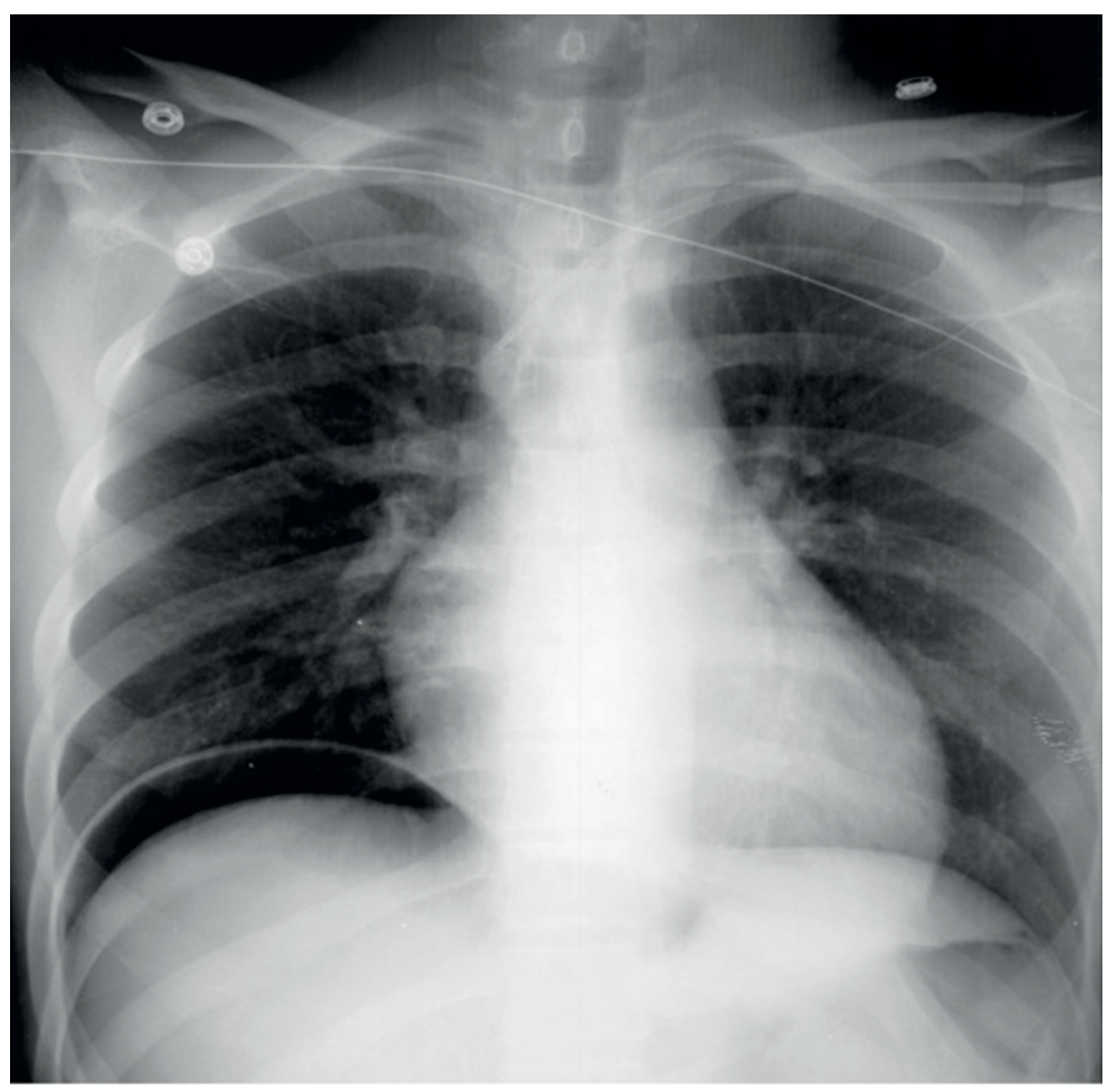
Treatment:
- Resuscitation + analgesia (do not withhold - adequate analgesia actually clarifies signs)
- Surgery: Upper midline laparotomy or laparoscopy
- Thorough peritoneal toilet (remove all fluid and food debris)
- Omental (Graham) patch repair: Suture closure of perforation ± reinforcement with a pedicle of omentum. For difficult closures, omental patch alone (without suture closure) is widely used.
- Gastric ulcers: Excise if possible to exclude malignancy
- Massive perforation (primary closure impossible): Distal gastrectomy + Roux-en-Y reconstruction
- Postoperatively: NG suction, IV PPIs, then H. pylori eradication (mandatory)
- Conservative management: Possible only in selected patients with small, contained leaks and minimal contamination - any deterioration mandates immediate surgery
- Lifelong PPI therapy after perforation, especially if NSAIDs must be continued
B. Haemorrhage (Upper GI Bleeding)
PUD is the most common cause of upper GI bleeding (35-50% of cases). Bleeding occurs in 15-20% of patients with PUD. In-hospital mortality: 5-10%, rising to 33% when bleeding first occurs in hospitalized patients.
Forrest Classification of bleeding peptic ulcers (endoscopic):
| Class | Finding | Rebleed Risk |
|---|---|---|
| Ia | Active arterial (spurting) bleeding | Very high |
| Ib | Active oozing bleeding | High |
| IIa | Visible vessel (non-bleeding) | ~50% |
| IIb | Adherent clot | ~25-30% |
| IIc | Flat pigmented spot | Low |
| III | Clean ulcer base | Very low |
Management:
- Resuscitation: Large-bore IV access, blood products, IV PPI infusion
- Endoscopy within 24 hours (urgent in active/high-risk bleeding): Haemostatic clips, electrocoagulation, APC, heater probe. Epinephrine injection alone is insufficient.
- Repeat endoscopy for re-bleeding after initial success
- Interventional radiology (transarterial embolization): For failed endoscopic therapy, especially in high-risk surgical patients
- Surgery (if above fail):
- Posterior DU (erodes gastroduodenal artery): Open duodenum longitudinally → under-run the bleeding vessel with deep sutures → close as pyloroplasty (transversely)
- Gastric ulcer: Open stomach anteriorly → under-run the vessel → local excision of ulcer with biopsy to exclude malignancy
- For massive/complex bleeding: Distal gastrectomy + Roux-en-Y
- Definitive acid-lowering surgery is no longer routinely added - PPIs and H. pylori eradication achieve this medically (damage-control philosophy in elderly/unfit)
C. Gastric Outlet Obstruction (Pyloric Stenosis)
Chronic inflammation and healing → fibrosis → stenosis of the pyloric/duodenal outflow tract.
Presentation: Early satiety, anorexia, weight loss, nausea, vomiting, projectile vomiting of undigested food
Metabolic consequence: Hypochloraemic, hypokalaemic metabolic alkalosis (loss of HCl + secondary hyperaldosteronism retaining Na⁺ in exchange for K⁺ and H⁺)
Management:
- NG decompression + correct fluid/electrolyte abnormalities first
- OGD to exclude malignancy (gastric cancer is now a more common cause)
- Endoscopic balloon dilation + H. pylori eradication (first-line)
- Surgery (if endoscopic treatment fails):
- Vagotomy + antrectomy (preferred when possible)
- Vagotomy + drainage procedure (Jaboulay gastroduodenostomy or gastrojejunostomy) when duodenal inflammation/scarring is too severe for resection
9. Elective Surgical Procedures - Summary Table
| Procedure | Acid Reduction | Ulcer Recurrence | Complication Rate |
|---|---|---|---|
| Truncal vagotomy + drainage | 50-70% | ~10% | Low-moderate |
| Truncal vagotomy + antrectomy | ~85% | ~1% | Highest |
| Highly selective vagotomy | ~50% | Variable (surgeon-dependent) | Lowest |
10. Post-Gastrectomy Complications
| Complication | Mechanism | Treatment |
|---|---|---|
| Dumping syndrome (early) | Rapid gastric emptying → osmotic fluid shift to gut | Small frequent meals; lying after eating; octreotide |
| Late dumping (reactive hypoglycaemia) | Rapid absorption → insulin overshoot | Small, low-carbohydrate meals |
| Bile vomiting / Alkaline reflux gastritis | Bile reflux into stomach | Roux-en-Y diversion (45-60 cm limb) |
| Small stomach syndrome | Loss of receptive relaxation | Improves with time |
| Afferent loop syndrome | Long afferent limb obstruction (Billroth II) | Convert to Billroth I or Roux-en-Y |
| Efferent loop obstruction | Adhesions, stricture, retroanastomotic hernia | Operative revision |
| Gastrocolic/gastrojejunocolic fistula | Anastomotic ulcer penetrates transverse colon | Correct nutrition + revisional surgery |
| Iron/B12/folate deficiency | Loss of IF, reduced acid for iron absorption | Supplementation |
| Postvagotomy diarrhoea | Loss of pyloric motor function | Cholestyramine; antidiarrhoeals |
11. Stress Ulceration
Occurs in ICU patients with major injury, sepsis, burns, or major surgery. Characterized by multiple superficial mucosal erosions (vs. single deep peptic ulcer). Both perforation and bleeding can occur.
Prevention (now standard of care): Prophylactic PPIs or H2-antagonists + sucralfate for all at-risk ICU patients. This has significantly reduced incidence.
Key Summary Points (Bailey & Love's Summary Box)
- Most peptic ulcers are caused by H. pylori or NSAIDs
- Duodenal ulcers are more common than gastric ulcers, but symptoms are indistinguishable
- Gastric ulcers may be malignant - an ulcerated gastric cancer can mimic a benign ulcer
- Gastric antisecretory agents + H. pylori eradication are the mainstays of treatment
- Elective surgery is now very rarely performed
- The common complications are perforation, bleeding, and stenosis
- Treatment of perforated peptic ulcer is primarily surgical, though selected patients can be managed conservatively
Sources: Bailey and Love's Short Practice of Surgery 28th Edition | Sabiston Textbook of Surgery | Schwartz's Principles of Surgery 11th Edition | Mulholland & Greenfield's Surgery 7th Ed.
This is a shared conversation. Sign in to Orris to start your own chat.