
I want to learn thematic apperception test… introduction principles, characteristics, method procedure, administration, indian version and applications , advantages disadvantages indications contraindications new advances updates
I'll start with a quick overview while I research this thoroughly from medical/psychology textbooks.
Quick Answer: The Thematic Apperception Test (TAT) is a projective psychological assessment tool developed by Henry Murray and Christiana Morgan in 1935 at Harvard. It uses a series of ambiguous pictures to elicit stories, revealing the subject's underlying motives, conflicts, dominant drives, and personality dynamics. It is widely used in clinical, forensic, and research settings.
Searching sources...
Reading File
Now let me search the library and web simultaneously for comprehensive TAT coverage.
Finding Sources
Searching the Web
Thematic Apperception Test TAT Indian version Sohan Lal Bhatia principles procedure applications
Searching PubMed
thematic apperception test projective personality assessment
Let me search the library more broadly and search the web for more targeted content.
Finding Sources
Searching the Web
TAT thematic apperception test Murray Morgan cards administration scoring interpretation psychology
Good - found relevant textbook sections. Let me read them in parallel along with the web source.
Reading File
Reading File
Reading Web Page
https://dspmuranchi.ac.in/pdf/Blog/thematicapperceptiontest.…
Excellent - very rich content. Let me read more from the textbooks and fetch the TAT card image, and also search for the Indian version specifically.
Reading File
Reading File
Searching the Web
Indian TAT Bhatia Chowdhury Venkatesan modified thematic apperception test India adaptation new advances 2020 2024
Excellent material gathered. Let me now fetch the TAT card image and get more details from the web source, plus read the comprehensive textbook section.
Loading Image
Reading Web Page
https://www.indianmentalhealth.com/pdf/2016/vol3-issue1/Revi…
Reading File
I now have comprehensive information to write a thorough, well-structured answer. Let me compile the complete response.
Thematic Apperception Test (TAT): A Complete Guide
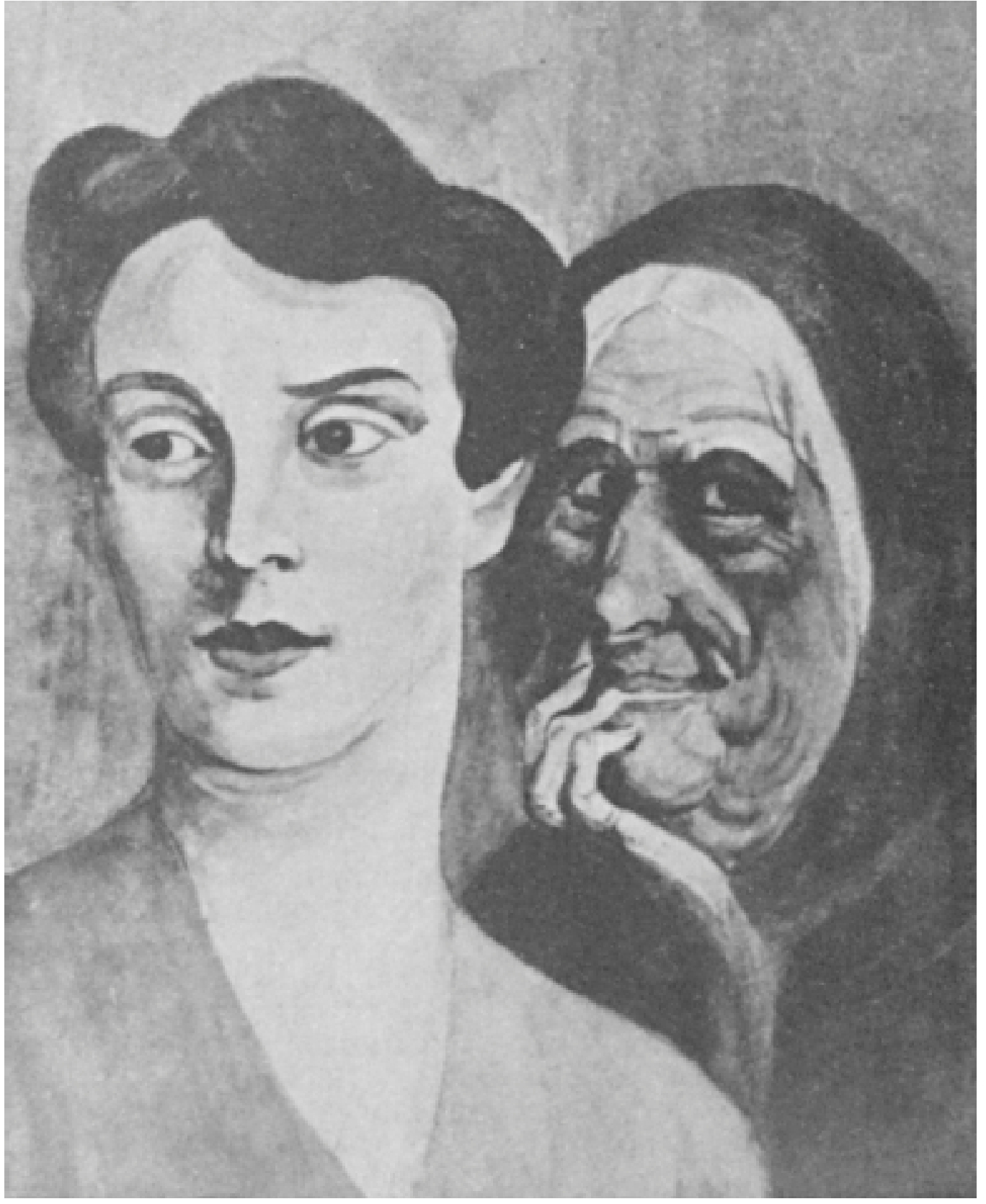
1. Introduction and Historical Background
The Thematic Apperception Test (TAT) is a projective psychological assessment tool developed by Henry A. Murray and Christiana D. Morgan in 1935 at the Harvard Psychological Clinic, and formally published in 1943. It is considered the second most frequently used projective personality test after the Rorschach test.
Historical Timeline:
- 1935 - Murray and Morgan first introduced TAT as a research instrument
- 1943 - Formally published by Harvard University Press
- By 1950 - Several books and over 100 articles were published
- By 1971 - Over 1,800 articles had been written based on the TAT
- World War II - TAT was used by the OSS (US intelligence service) for personality assessment of candidates
- Today it ranks as the 6th most frequently used test by clinical psychologists
Murray coined the term "apperception" - meaning the process of interpreting a new stimulus based on prior experiences - to distinguish TAT from simple perception. The full test consists of 31 black-and-white picture cards depicting ambiguous scenes and human situations.
"The Thematic Apperception Test, originated in 1935, is a method..." - Kaplan and Sadock's Synopsis of Psychiatry
2. Theoretical Principles and Underlying Concepts
2.1 The Projective Hypothesis
The fundamental premise is that when people respond to ambiguous stimuli, they "project" their own unconscious needs, motives, fears, desires, and conflicts onto the material. Because the purpose is disguised, the subject is less likely to censor or distort responses.
2.2 Murray's Need-Press Theory
Murray developed a theory of personality built around:
| Concept | Definition |
|---|---|
| Need | An internal motivational force driving the hero (e.g., need for achievement, affiliation, power, dominance, nurturance) |
| Press | External environmental forces that support or obstruct the need (e.g., a domineering parent = press of dominance) |
| Thema | The interaction and conflict between need and press, forming the core narrative unit |
2.3 Apperception vs. Perception
- Perception = neutral registration of stimuli
- Apperception = interpretation colored by one's experiences, desires, and inner world
2.4 Psychoanalytic Basis
The TAT draws from psychoanalytic theory - the assumption that unconscious mental content can be surfaced through projective techniques. Murray believed that a person's interpretation of a narrative reveals their deepest self, analogous to Freudian notions of depth and surface, inner and outer life.
2.5 The Hero Identification
The examinee identifies with a character in the picture (the "hero"), and through that character's story, reveals their own needs, anxieties, defenses, and interpersonal patterns.
3. Characteristics of the TAT
- Projective nature - ambiguous stimuli elicit unconscious projection
- Narrative format - responses are stories, not forced-choice answers
- Indirect/disguised purpose - less susceptible to faking than self-report tests
- Idiographic approach - focuses on the unique individual rather than norms
- Multi-dimensional - reveals personality, affect, cognition, and interpersonal dynamics simultaneously
- Clinician-dependent - skilled interpretation is required; more art than algorithm
- Flexible administration - subset of cards is typically selected based on clinical purpose
- Semi-structured - standardized stimuli, but open-ended response format
- Qualitative in nature - unlike objective tests like MMPI, lacks rigid scoring
- Comprehensive - assesses motives, emotions, conflicts, defenses, interpersonal dynamics, and world view in one setting
4. The TAT Cards - Description
The standard TAT consists of 31 cards total, of which 20 are used in any single administration:
| Card No. | Description |
|---|---|
| Card 1 | A boy contemplating a violin on a table |
| Card 2 | Country scene: woman with book, man plowing a field, older woman watching |
| Card 3BM | Object on floor, figure hunched against a couch (ambiguous gender) |
| Card 4 | A woman clutching a man's shoulders; man looking away |
| Card 6BM | Short elderly woman with back turned to tall young man |
| Card 7BM | Gray-haired man looking at a younger man |
| Card 8BM | Adolescent boy; rifle to one side; in background, figure lying down |
| Card 10 | A young woman's head resting against a man's shoulder |
| Card 12F | Portrait of a young woman; an old woman with shawl in background |
| Card 13MF | Young man standing; a woman lying in bed behind him |
| Card 17BM | Naked figure clinging to a rope; climbing/descending |
| Card 20 | Dimly lit figure of a man (or woman) leaning against lamppost at night |
| Blank card | Subject asked to imagine their own picture and tell a story |
The cards are coded: M (male), F (female), B (boy), G (girl), and some are used for all groups (no suffix).
5. Method and Procedure
5.1 Preparatory Phase
- Establish rapport with the subject
- Explain the test as a "test of imagination" or "storytelling exercise"
- Avoid disclosing the true purpose (to prevent censorship of responses)
5.2 Standard Instructions (Murray's Original)
The examiner tells the subject:
"This is a test of imagination. I will show you some pictures and I want you to make up a story for each one. Tell me what is happening in the picture, what led up to this scene, what the people are feeling and thinking, and how it will turn out."
5.3 Number of Cards and Sessions
- Full administration: 20 cards (from the 31 available)
- Typically split into 2 sessions of 10 cards each (Session 1 and Session 2)
- Session 1: relatively realistic or common-life situations
- Session 2: more unusual, bizarre, or symbolic scenes
- In clinical practice, clinicians often select 10-12 cards relevant to the presenting problem
5.4 Recording
- Verbatim recording of the story is preferred (audio recording or written notes)
- Note reaction time (time from card presentation to first word)
- Note total time taken per card
- Note any unusual behaviors, hesitations, emotional reactions, or refusals
5.5 Inquiry Phase (Follow-up)
After the story is given, the examiner may ask:
- "How does the story end?"
- "What are the characters feeling?"
- "What happened before this scene?"
5.6 Administration Time
- Full battery (20 cards): approximately 60-90 minutes
- Abbreviated (10-12 cards): approximately 45-60 minutes
- Scoring and interpretation: additional 30-60 minutes
6. Scoring Methods
TAT lacks a universally agreed-upon scoring system - this is one of its key limitations. Multiple systems exist:
6.1 Murray's Original Scoring System (1943)
Five components are evaluated:
| Component | What to Analyze |
|---|---|
| The Hero | Who is the central character? Age, sex, occupation, values |
| Needs of the Hero | What does the hero want or strive for? (need for achievement, power, affiliation, etc.) |
| Press | What environmental forces affect the hero? (alpha press = objective reality; beta press = subjective perception) |
| Themes (Thema) | The interaction pattern of needs and presses; the emotional core of the story |
| Outcome | How does the story end? Happy/unhappy? Controlled by the hero's strength or by external forces? |
6.2 Bellak's Scoring System (1975)
Bellak's method involves 10 variables:
- Main theme
- Main hero (age, sex, vocational status)
- Main needs of the hero
- Concept of the environment/world
- Relationship figures (parental, sibling, partner figures)
- Significant conflicts
- Nature of anxieties (punishment, injury, abandonment, etc.)
- Main defenses against conflicts and fears
- Adequacy of the superego (punishments, rewards)
- Integration of the ego (reality testing, logical thinking, adequacy of resolution)
6.3 Other Scoring Systems
- Social Cognition and Object Relations Scale (SCORS) - assesses object relations and interpersonal functioning
- Defense Mechanisms Manual (DMM) - measures use of defense mechanisms
- Picture Story Exercise (PSE) - McClelland's system for measuring need for achievement (n-Ach)
- Westen's SCORS-G - global ratings of object relations
- Nomothetic approach - comparing responses to normative data
- Idiographic approach - understanding the unique individual without group norms
7. Interpretation
Interpretation in TAT occurs at three levels:
- Descriptive level - What literally happens in the story? Who are the characters? What events occur?
- Interpretive level - What do the themes, needs, and conflicts suggest about underlying personality dynamics?
- Diagnostic level - How do the patterns of themes correlate with clinical categories or psychological states?
Key interpretive areas:
- Aggression - type, direction (inward vs. outward), management
- Sexuality - themes of intimacy, attraction, taboo, guilt
- Achievement - strivings, obstacles, outcomes
- Dependency - reliance on others, abandonment fears
- Depression - sad endings, helpless heroes, loss themes
- Paranoia - themes of being watched, plotted against, persecuted
- Psychosis - bizarre, illogical stories; loose associations
- Anxiety - long reaction times, excessive hedging, refusals
8. Administration in Practice
Session Organization
- Session 1 cards (more everyday): 1, 2, 3BM, 4, 5, 6BM, 6GF, 7BM, 7GF, 8BM
- Session 2 cards (more unusual/symbolic): 8GF, 9BM, 9GF, 10, 11, 12M, 12F, 12BG, 13MF, 13B, 13G
Card Selection Guidelines
Cards are selected based on:
- Age and sex of the subject
- Nature of the clinical concern (e.g., 13MF for sexual conflicts, 6BM for mother-son issues)
- Setting (forensic, clinical, research)
Conditions
- Quiet, private room
- No time limit imposed on responses
- Non-directive, non-judgmental stance by examiner
- Subject should not see cards in advance
9. Indian Version of the TAT
9.1 Uma Chowdhury's Indian Adaptation (1960)
The most widely used Indian version was developed by Dr. Uma Chowdhury (also written as Choudhary), published by Manasayan, New Delhi (1960), following McClelland's procedure using Murray's original cards as the template.
Key Features:
- Consists of 14 cards (vs. 31 in the original)
- 12 cards adapted from the original Murray TAT
- 2 additional cards representing uniquely Indian themes:
- Joint family dynamics
- Religious fantasy
Modifications made:
- Stimuli depict Indian characters in traditional Indian clothing (e.g., saris, dhotis)
- Facial features changed to represent Indian physiognomy
- Cultural substitutions: e.g., Card 1 - the tanpura (Indian stringed instrument) replaces the violin
- Situations and emotional themes are retained from the original
- Language of stories adapted for Hindi/regional usage
Validation:
- Chowdhury compared responses of 260 individuals on both Rorschach results and TAT results; responses were found to be congruent
- Participants came from different socio-economic strata and religious backgrounds
9.2 Indian Adaptation of CAT (Children's Apperception Test)
Dr. Uma Chowdhury also prepared the Indian Adaptation of CAT (1985), adapting the children's version to Indian cultural context.
9.3 Other Indian Adaptations
- Depiction of village and agricultural scenes relevant to the Indian rural context
- Studies from institutes like NIMHANS, Bangalore, and various Indian universities have used adapted or modified versions for specific populations
- Efforts by Indian Museum of Calcutta on further TAT modifications are documented
9.4 Need for Cultural Adaptation
The original Murray TAT was designed for Western (American/European) populations. Key issues for Indian adaptation include:
- Joint family systems not represented in original cards
- Caste and socioeconomic contexts specific to India
- Religious themes (Hinduism, Islam, etc.) important for Indian subjects
- Dress and physical appearance of characters affecting identification
10. Applications
Clinical Applications
- Personality assessment in psychiatric patients
- Diagnosis - supporting diagnosis of depression, anxiety, PTSD, personality disorders, psychosis
- Assessment of motivational states - achievement, power, affiliation
- Conflict identification - uncovering unconscious conflicts, defense mechanisms
- Trauma assessment - detecting post-traumatic themes, abuse, neglect
- Dissociative Identity Disorder - part of the standard battery alongside Rorschach and SCID-D
- Suicidality and aggression risk - themes of death, destruction
Research Applications
- n-Ach (need for achievement) - McClelland's classic research using TAT
- n-Pow (need for power) - political and organizational psychology research
- n-Aff (need for affiliation) - social motivation research
- Cross-cultural studies of personality and motivation
Forensic Applications
- Custody disputes - assessing parental emotional patterns
- Competency evaluations - in legal proceedings
- Malingering assessment - combined with other tests
- Offender profiling
Organizational/Industrial Applications
- Personnel selection - assessing leadership and achievement motivation
- Executive assessment - identifying power and affiliation needs in managers
- Training needs analysis
Other Applications
- Vocational counseling
- Pre-surgical psychological evaluation
- Assessment of children (using CAT - Children's Apperception Test)
- Geriatric assessment (using SAT - Senior Apperception Test)
11. Advantages
- Access to unconscious material - reveals covert and deeper personality structures that self-report tests miss
- Less susceptible to faking - the purpose is disguised; subjects cannot easily fake "good" or "bad" profiles
- Rich, holistic data - a single administration yields information on personality, affect, cognition, and interpersonal dynamics
- Flexible - clinician can select cards relevant to specific clinical concerns
- Intrinsically interesting - subjects typically find it engaging and non-threatening
- Applicable across settings - clinical, forensic, organizational, and research contexts
- Idiographic depth - captures uniqueness of individual personality
- Unstructured format reduces response set bias
- Provides narrative context - useful for treatment planning and psychotherapy
- Useful in low-literacy populations - requires spoken response, not written
12. Disadvantages
- Poor standardization - no single agreed-upon scoring or normative system
- Subjectivity - interpretation heavily dependent on clinician skill and theoretical orientation
- Reliability concerns - interscorer reliability ranges from .37 to .90; test-retest reliability is variable
- Validity concerns - reviews show wide variability; correlations often modest (.25 range)
- Time-consuming - full administration and scoring takes 90-150 minutes
- Situational sensitivity - results can be affected by mood, stress, sleep deprivation, or recent life events
- Cultural limitations - original cards reflect Western cultural assumptions
- Not a stand-alone diagnostic tool - must be used as part of a battery
- Not applicable to all populations - original form inadequate for children, elderly, and minority populations without adaptation
- Requires extensive training - cannot be meaningfully administered or interpreted without graduate-level psychology training
13. Indications
The TAT is indicated when:
- Routine clinical interview and self-report tools are insufficient
- Exploring unconscious motivational dynamics in personality assessment
- Differential diagnosis is unclear (e.g., distinguishing depression from schizophrenia)
- The patient is guarded or defensive on direct questioning
- Assessment of suicidal ideation in a projective context
- Psychotherapy planning - identifying core conflicts and defenses
- Evaluating interpersonal functioning and object relations
- Research on motivation (n-Ach, n-Pow, n-Aff)
- Forensic evaluation - court-ordered assessments
- Organizational psychology - executive assessment and leadership profiling
14. Contraindications
The TAT should be used with caution or avoided when:
- Acute psychosis - severely psychotic patients may decompensate further with unstructured stimuli
- Severe intellectual disability - inability to construct coherent narratives renders the test uninterpretable
- Acute crisis states - extreme distress, agitation, or suicidal crisis
- Very young children (under age 6) - replaced by CAT (Children's Apperception Test with animal figures)
- Profound alexithymia - inability to identify or describe emotions may yield uninformative responses
- Time-critical situations where rapid assessment is needed
- Limited language ability - poor verbal fluency severely limits response quality
- Malingering without cross-validation - TAT alone cannot confirm or deny malingering
- Severe neurological impairment affecting narrative construction
15. Reliability and Validity
Reliability
- Interscorer reliability: generally ranges from .37 to .90, with most reports above .85 for structured systems
- Test-retest reliability: variable and typically lower than objective tests; affected by mood and context
- Complex verbal material makes exact quantitative analysis difficult
- Reliability figures for one scoring system do not automatically apply to another
Validity
- Reviews show wide variability in validity studies
- More supported for specific constructs (e.g., n-Ach measured by Picture Story Exercise) than for global personality diagnosis
- The TAT lacks the standardization of MMPI or WAIS
- Construct validity is better when specific, theoretically-grounded scoring systems are used
16. New Advances and Updates
16.1 Revised Scoring Systems
- SCORS-G (Social Cognition and Object Relations Scale - Global) by Drew Westen - widely researched, reliable system for assessing object relations and affect regulation
- DMM (Defense Mechanisms Manual) - systematic coding of defense mechanisms from TAT narratives
- ORI (Object Relations Inventory) - measures quality of object representations
16.2 Computer-Assisted Analysis
- NLP (Natural Language Processing) tools are being explored to automate thematic coding
- Computerized text analysis for identifying emotional content, attachment themes, and narrative structure
16.3 Neuroimaging Correlates
- Research combining TAT responses with fMRI data to link narrative themes with brain activation patterns (prefrontal, limbic systems)
16.4 New Cultural Adaptations
- Pakistani adaptation (Faiza Ali and Roomana Zeb, 2023) - 20 cards modified for Pakistani cultural context with validation data
- Ongoing work on adaptations for other Asian, African, and Latin American populations
16.5 Digital and Virtual Formats
- Digital presentation of TAT cards on tablets/screens, allowing standardized delivery
- Remote administration explored post-COVID, though validity of telepsychology TAT administration is still under study
16.6 Integration with Neurodiversity Assessment
- Increasing use with ASD spectrum clients to assess social cognition and theory of mind through narrative analysis
16.7 Comparison with INSIGHT and Other Tools
- Recent qualitative reviews (IJIP, 2025) compare TAT with structured tools like INSIGHT, emphasizing complementary use rather than replacement
- Trend toward multi-method batteries combining TAT (projective), MMPI/PAI (objective), and structured interview
16.8 Movement Away from Psychoanalytic Scoring
- Shift from classical psychoanalytic interpretation toward more empirically supported, cognitive-behavioral frameworks for analyzing TAT narratives
- Emphasis on attachment theory-based scoring (coherence of narrative, secure base themes)
17. Related Tests Derived from TAT
| Test | Population | Key Feature |
|---|---|---|
| CAT (Children's Apperception Test) | Children 3-10 yrs | Animal figures; psychosexual/developmental themes |
| SAT (Senior Apperception Test) | Elderly | Themes relevant to aging, loneliness, loss |
| MAPS (Make-A-Picture Story) | General | Subject arranges figures on backgrounds; more active |
| Roberts Apperception Test (Roberts-2) | Children 6-18 yrs | Empirically normed; structured scoring |
| TEMAS | Minority children | Culturally sensitive; colorful images |
| Indian TAT (Uma Chowdhury) | Indian adults | 14 culturally adapted cards |
| Indian CAT (Uma Chowdhury) | Indian children | Culturally adapted animal figures |
Summary at a Glance
| Feature | Details |
|---|---|
| Developed by | Henry A. Murray & Christiana Morgan (1935/1943) |
| Type | Projective personality test |
| Total cards | 31 (20 administered per session) |
| Typical administration | 10-20 cards; 60-90 minutes |
| Core theory | Need-Press theory; projective hypothesis |
| Key scoring | Hero, Needs, Press, Thema, Outcome |
| Indian version | Uma Chowdhury (1960); 14 cards; Manasayan, Delhi |
| Age range | 6+ years (adults primarily) |
| Main use | Personality assessment, psychotherapy planning, research |
| Key strength | Rich unconscious data, not fakeable |
| Key weakness | Poor standardization, clinician-dependent |
Sources:
- Kaplan and Sadock's Synopsis of Psychiatry (9781975145569), pp. 205-208
- Kaplan & Sadock's Comprehensive Textbook of Psychiatry (9781975175733), pp. 3195-3197
- Chowdhury, U. Indian Adaptation of TAT. New Delhi: Manasayan, 1960
- Indian Mental Health Review: "A Review of Picture Based Psychological Assessment Tools" (2016)
- Murray, H.A. Thematic Apperception Test. Harvard University Press, 1943
- Bellak, L. The TAT, CAT, and SAT in Clinical Use (3rd ed.), 1975
This is a shared conversation. Sign in to Orris to start your own chat.