

instrument with their image there identification and there use with there sterilization
surgical instruments identification uses sterilization self-retaining retractor bone drill giggly saw periosteum elevator Doyen retractor
Gabriel syringe use rectal Green Armitage forceps obstetric surgical instruments identification sterilization methods
Gabriel syringe rectal injection purpose use hospital equipment Magill forceps anesthesia
Surgical Instruments: Identification, Uses & Sterilization (Items 46-65)
46. Self-Retaining Retractor
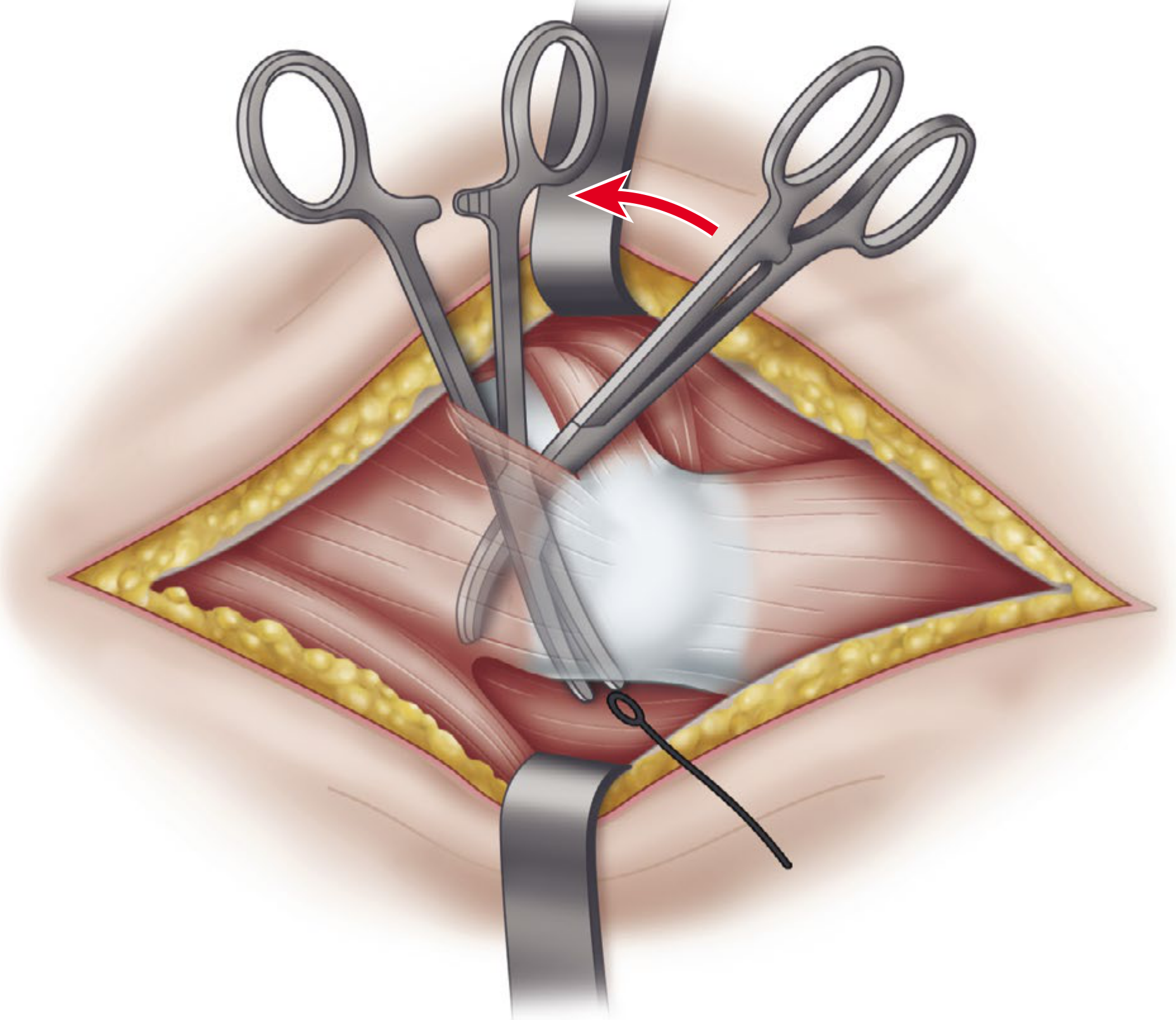
- Holds incision edges apart during surgery, freeing the surgeon's hands
- Used in abdominal, orthopaedic, urological, and spinal surgeries
- Maintains exposure of the operative field (e.g., holds the deltopectoral interval open during shoulder surgery, or retracts abdominal wall in laparotomy)
47. Bone Drill Machine
- Drilling holes in bone for screw placement, internal fixation of fractures
- Intraosseous access (proximal tibia/humerus) when IV access fails
- Creating pilot holes for pins, plates, and prosthetics in orthopaedic surgery
48. Bone Cutter
- Cutting or trimming small bones and cartilage
- Removing bony spurs or fragments
- Performing osteotomies (e.g., percutaneous distal metatarsal osteotomy - DMMO)
- Used alongside osteotomes, rongeurs, and small curettes in small-bone surgery
49. Gigli (Giggly) Saw
- Cutting bone in areas inaccessible to rigid saws (e.g., ilium at the sciatic notch in pelvic osteotomy - Salter procedure)
- Tibial and fibular osteotomies
- Division of the symphysis pubis in hemipelvectomy
- Craniotomy
- Amputation procedures
50. Scoop (Bone Scoop / Scoop Stretcher)
- Scooping out infected bone, sequestra, or granulation tissue
- Evacuating bone marrow contents or cyst material
- Moving trauma patients with suspected spinal injuries
- Field immobilization - causes less spinal motion than conventional log roll
51. Periosteum Elevator (Periosteal Elevator)
- Stripping periosteum from bone surface to expose bone during orthopaedic, ENT, and maxillofacial surgery
- Subperiosteal dissection in hip, tibial, spinal, and orbital surgery
- Elevating soft tissue flaps from bone for implant or plate placement
52. Magill (Maggler) Forceps
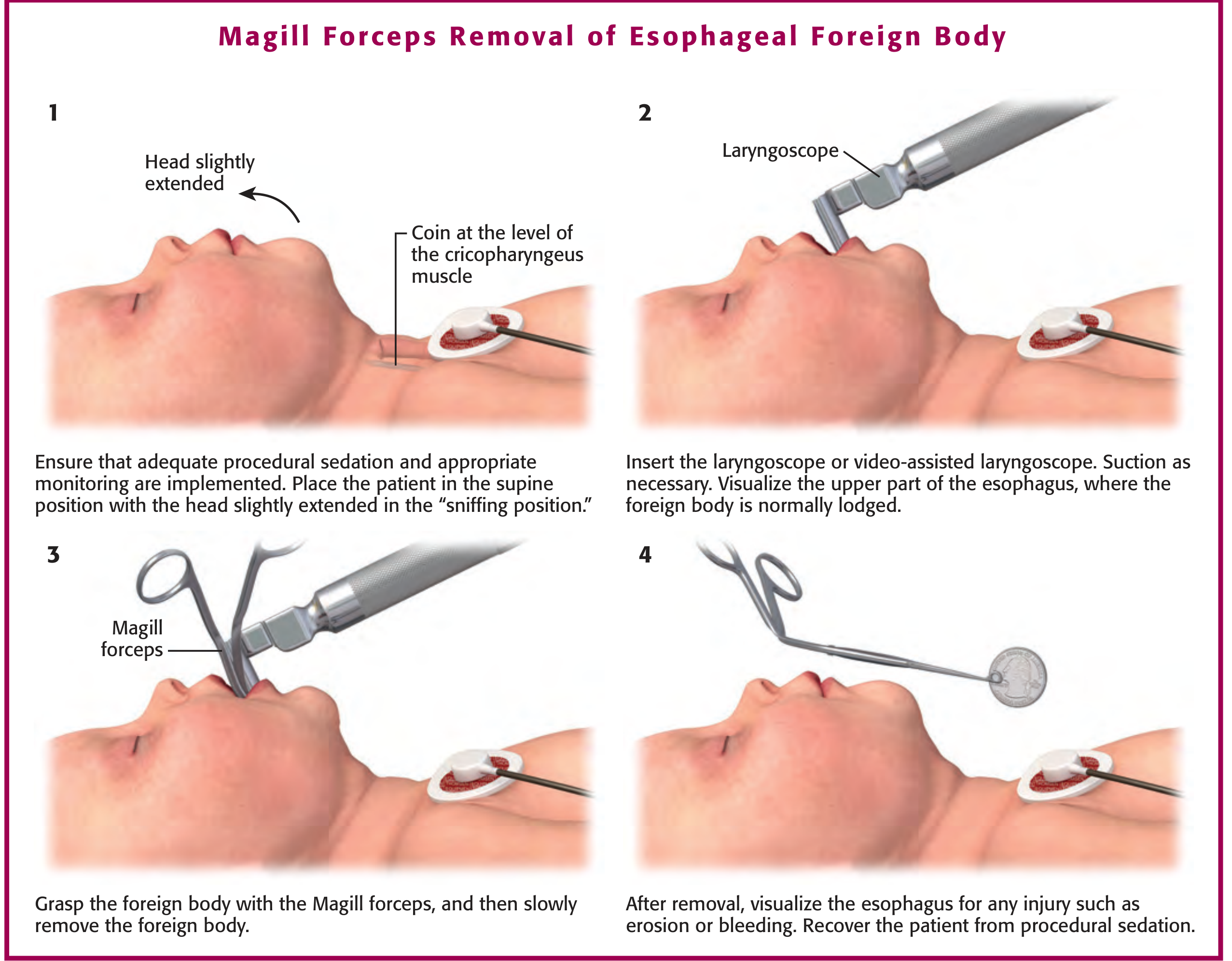
- Guiding a nasotracheal tube from the oropharynx through the vocal cords under direct laryngoscopy
- Removing foreign bodies (e.g., coins at the cricopharyngeus, esophageal foreign bodies) from the airway or pharynx
- Placing nasogastric tubes or oropharyngeal packs during head and neck surgery
- The angled design keeps handles outside the mouth while tips reach deep into the oropharynx, preserving the glottic view
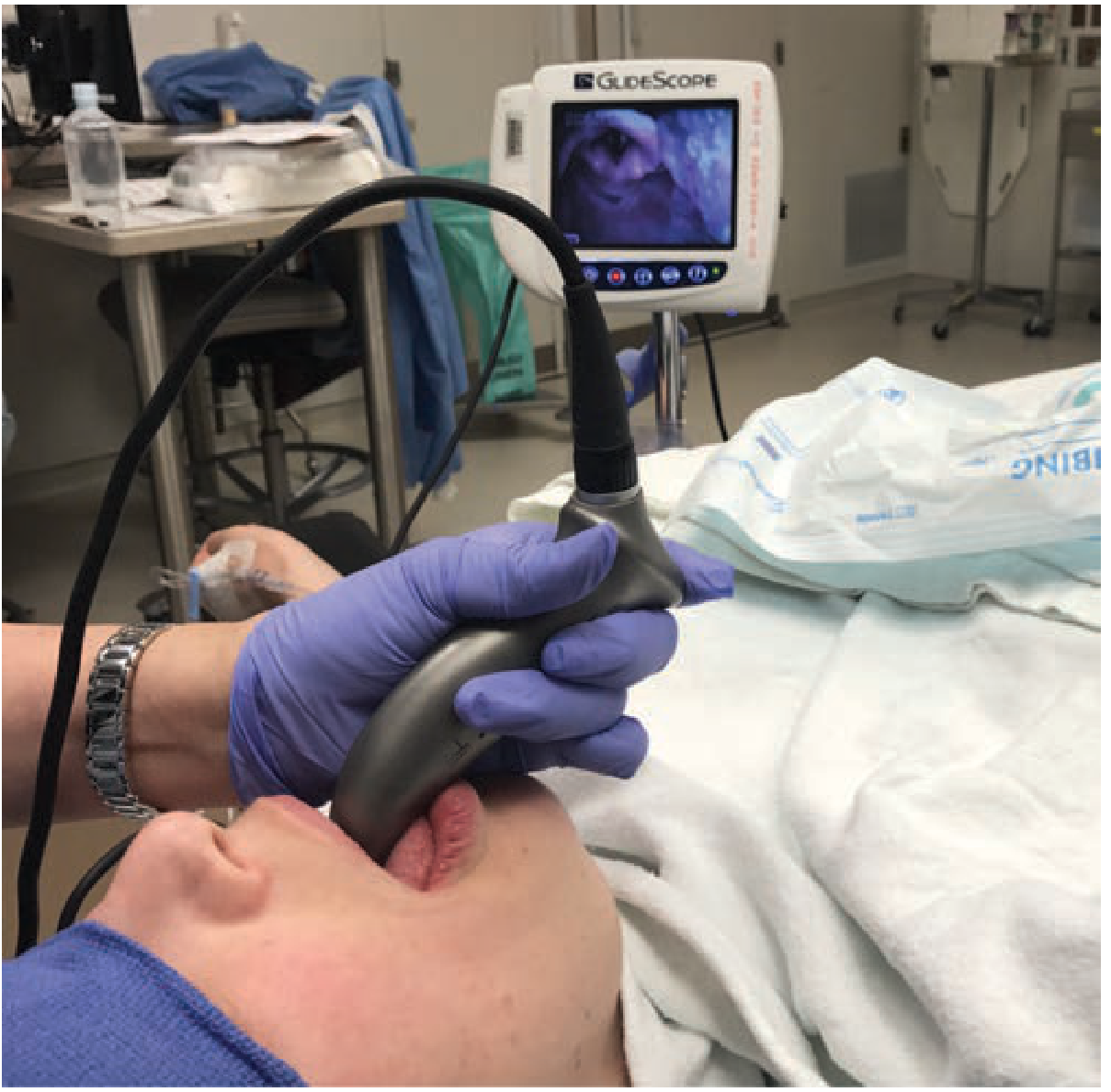
53. Endotracheal Tubes (ETT) - Various Sizes
- Securing the airway during general anesthesia
- Mechanical ventilation in ICU patients
- Protecting the airway from aspiration
- Laser airway surgery (use laser-resistant tubes with saline-filled cuffs; avoid nitrous oxide which supports combustion)
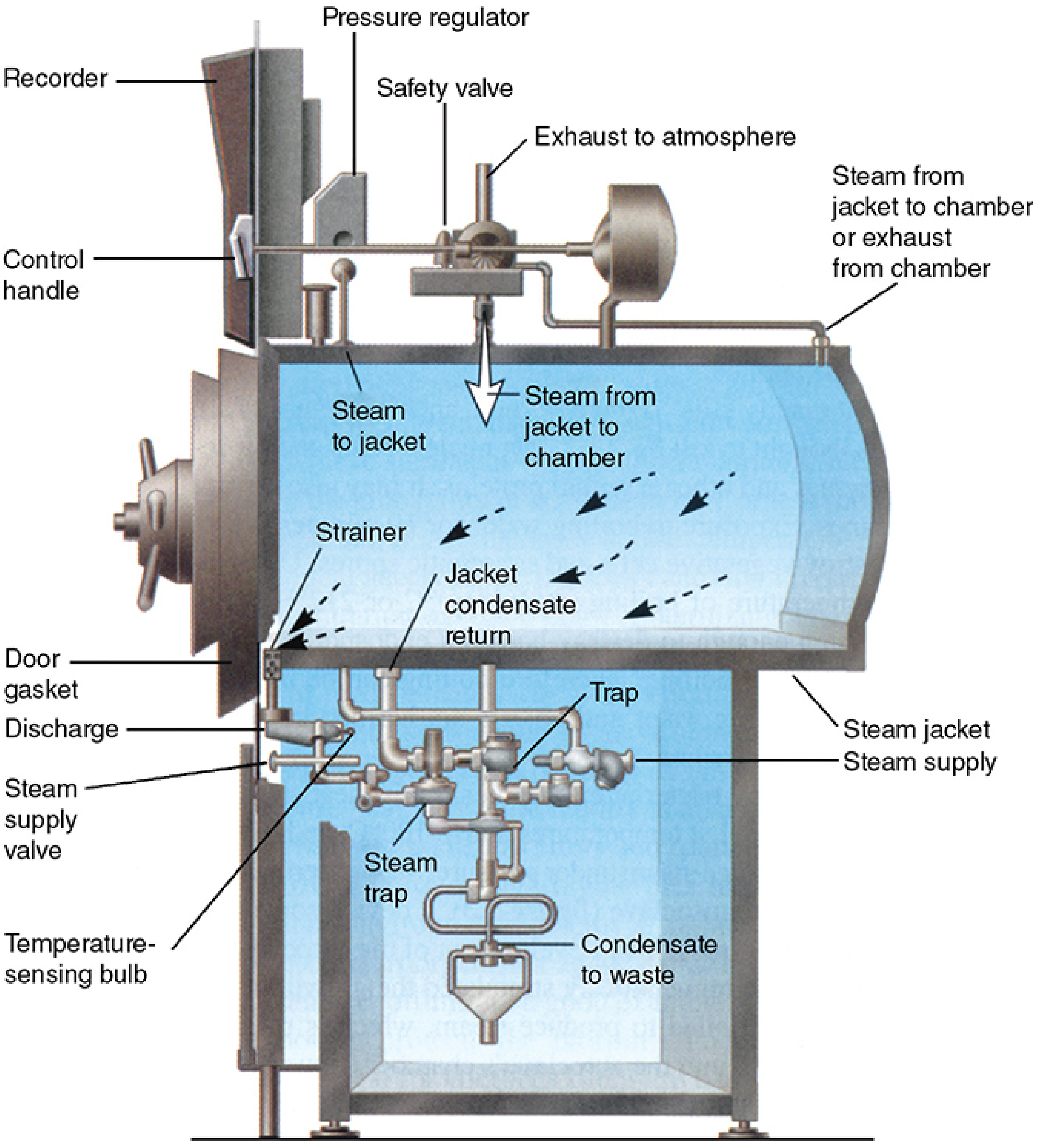
54. High Pressure Autoclave
- The gold standard method of sterilization for heat-stable surgical instruments
- Destroys all microorganisms including bacterial spores by protein denaturation
- Gravity-displacement type: 121°C at 15 psi for 30 min
- Pre-vacuum (high-pressure) type: 132-134°C at higher pressure for 3-4 min
- WHO guidelines for prion decontamination: steam sterilization at 132°C for ≥30 min
55. Fumigator
- Terminal disinfection of operating theatres, isolation rooms, and laminar flow areas
- Decontaminating rooms after infectious cases (tuberculosis, COVID-19)
- Sterilizing heat-sensitive equipment that cannot be autoclaved
56. Refrigerator (Medical/Blood Bank Refrigerator)
- Storing blood and blood products (red cells: 2-6°C, platelets: 20-24°C with agitation)
- Storing vaccines, insulin, certain IV medications, tissue grafts, and biopsy specimens
- Short-term storage of organ transplants
57. Nitrous Oxide (N₂O) Cylinder
- Analgesic and anesthetic agent ("laughing gas") - provides sedation and analgesia during procedures
- Carrier gas in anesthesia (typically 50-70% N₂O with O₂ and volatile anesthetic)
- Cryosurgery: powers cryoprobe units for dermatological procedures
- Caution: Supports combustion - must NOT be used during laser airway surgery; expands gas-filled cavities (contraindicated in pneumothorax, bowel obstruction, middle ear surgery)
58. Hydraulic Operation Table
- Positioning patients during surgery for optimal access and safety
- Trendelenburg position: pelvic/lower abdominal surgery, improving venous return
- Lithotomy position: urological and gynaecological procedures
- Lateral decubitus: thoracic and hip surgery
- Allows fluoroscopy/X-ray without moving the patient
59. Anaesthesia Trolley / Boyle's Apparatus
- Delivering and controlling general anesthesia
- Monitoring respiratory parameters (tidal volume, airway pressure, FiO₂)
- Houses all drugs, syringes, endotracheal tubes, and airway devices for the anesthesiologist
- The Boyle-Davis gag (part of ENT setup on the trolley) maintains mouth opening during tonsil/adenoid surgery
60. Gabriel Syringe
- Injecting sclerosing agents (e.g., 5% phenol in almond oil) for injection treatment of haemorrhoids (piles)
- Administering rectal medications or enemas
- Proctoscopy-guided injections into haemorrhoidal tissue
- Named after Peter Proctor Gabriel, a pioneer in haemorrhoid treatment
61. Stretcher with Trolley
- Transporting patients within the hospital (ward to OT, radiology, ICU)
- Transferring patients after procedures while monitoring continues
- Emergency transport and primary survey
- The scoop stretcher variant separates longitudinally for spinal injury patients
62. Non-Mercury Sphygmomanometer (BP Apparatus)
- Measuring arterial blood pressure (systolic and diastolic)
- Perioperative monitoring, ward rounds, outpatient assessments
- Replaced mercury models due to toxicity concerns
- Automated oscillometric versions are most common now in hospitals
63. Doyen's Retractor
- Retracting the bladder during lower segment caesarean section (LSCS) - most classic use
- Retraction of abdominal viscera during pelvic surgery (hysterectomy, myomectomy)
- Protecting the bladder flap while the uterine incision is made
- ENT: Doyen mouth prop - holds mouth open during oral surgery
64. Green Armitage (Armytage) Forceps
- Clamping the edges of the uterine incision after delivery of the baby during caesarean section - primary use
- Controls bleeding from the uterine incision edges (hemostasis)
- Improves visibility of the surgical field while uterus is repaired
- Can be used to grasp other thick vascular tissues in general and vascular surgery
- Essential obstetric/gynaecological instrument for hemorrhage control
65. Sterilizer
| Type | Temperature | Time | Best For |
|---|---|---|---|
| Steam autoclave | 134°C | 3-4 min | Metal instruments, drapes, gloves |
| Gravity-displacement | 121°C | 15-30 min | Porous loads, liquids |
| Dry heat oven | 160-180°C | 1-2 hr | Glassware, oils, powders |
| Chemical (Cidex) | Room temp | 10 hr (sterilization) | Heat-sensitive scopes |
| Ethylene oxide (EtO) | Low temp | Hours | Plastics, electronics, ETT |
Quick Reference: Sterilization Summary
| Instrument | Sterilization Method |
|---|---|
| Self-Retaining Retractor | Steam autoclave 134°C |
| Bone Drill Machine | Autoclave (parts); follow manufacturer |
| Bone Cutter | Steam autoclave + ultrasonic pre-clean |
| Gigli Saw | Autoclave or single-use disposable |
| Scoop (surgical) | Steam autoclave |
| Periosteal Elevator | Steam autoclave |
| Magill Forceps | Steam autoclave |
| Endotracheal Tube | Single-use / EtO gas |
| High Pressure Autoclave | Biological indicator testing |
| Fumigator | External wipe; H₂O₂ self-sterilizing cycles |
| Refrigerator | 70% IPA wipe-down |
| N₂O Cylinder | Non-sterile; connectors wiped with alcohol |
| Hydraulic OT Table | Hospital-grade disinfectant wipe |
| Boyle's Apparatus | Circuit autoclave; machine surface wipe |
| Gabriel Syringe | Steam autoclave |
| Stretcher/Trolley | Surface disinfectant |
| Non-Mercury BP Cuff | Alcohol wipe; launder cuff |
| Doyen's Retractor | Steam autoclave 134°C |
| Green Armitage Forceps | Steam autoclave 134°C |
| Sterilizer | Biological indicator; chamber cleaning |
Search for clinical images of each instrument being used during actual surgical procedures
Surgical Instruments (46-65): Clinical Images in Surgical Use
46. Self-Retaining Retractor - In Surgical Use
48 & 49. Bone Cutter & Gigli Saw - In Surgical Use
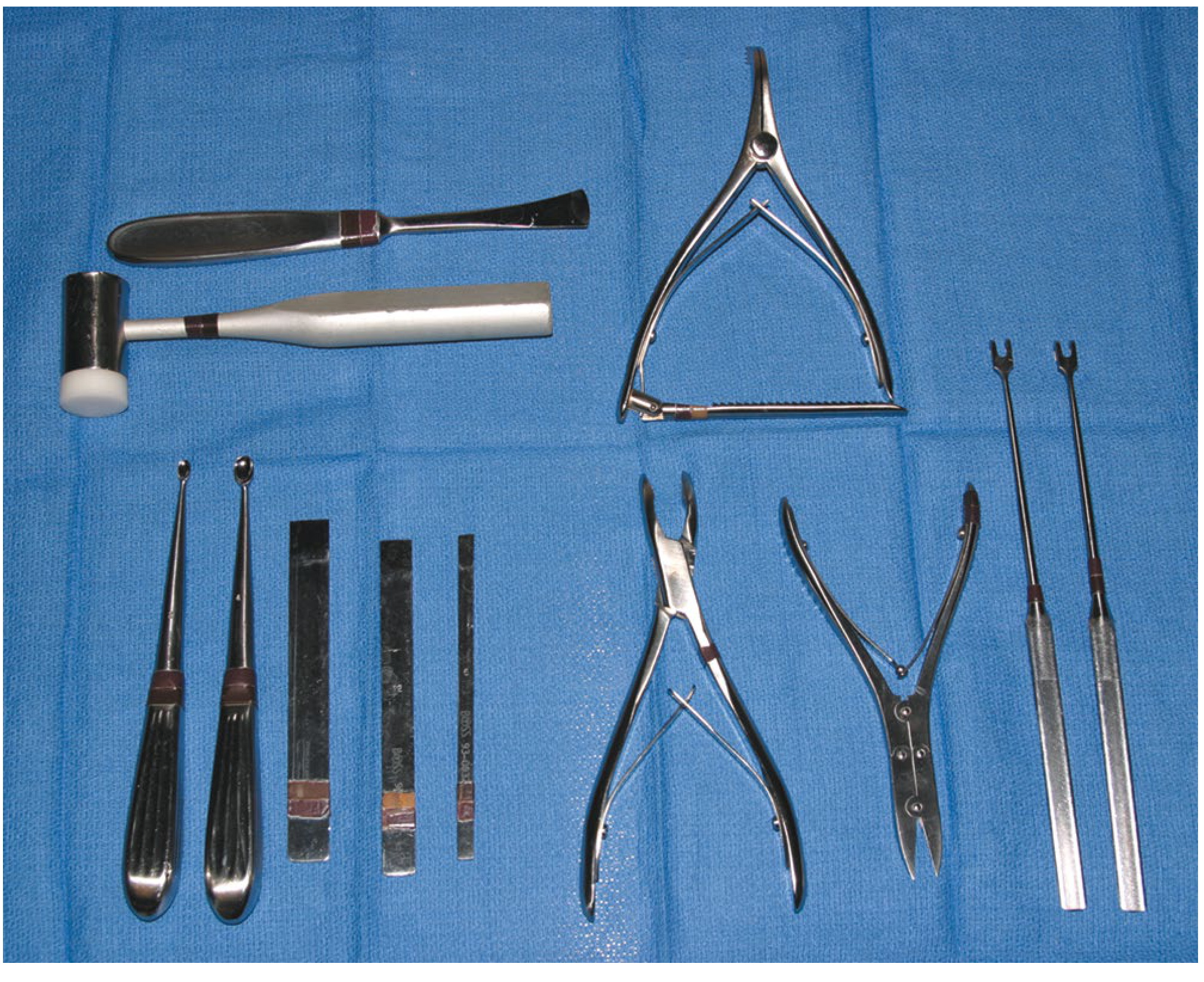
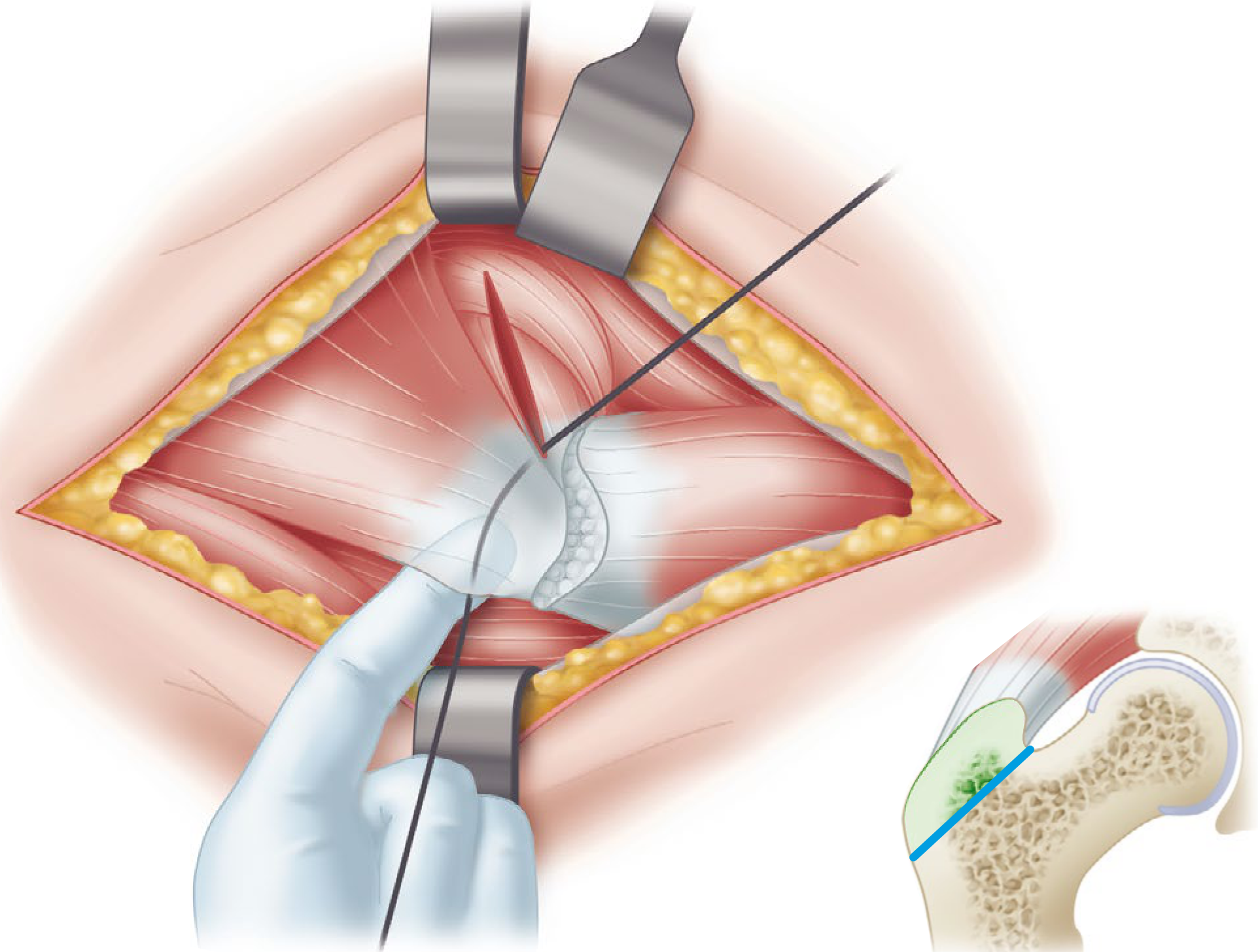
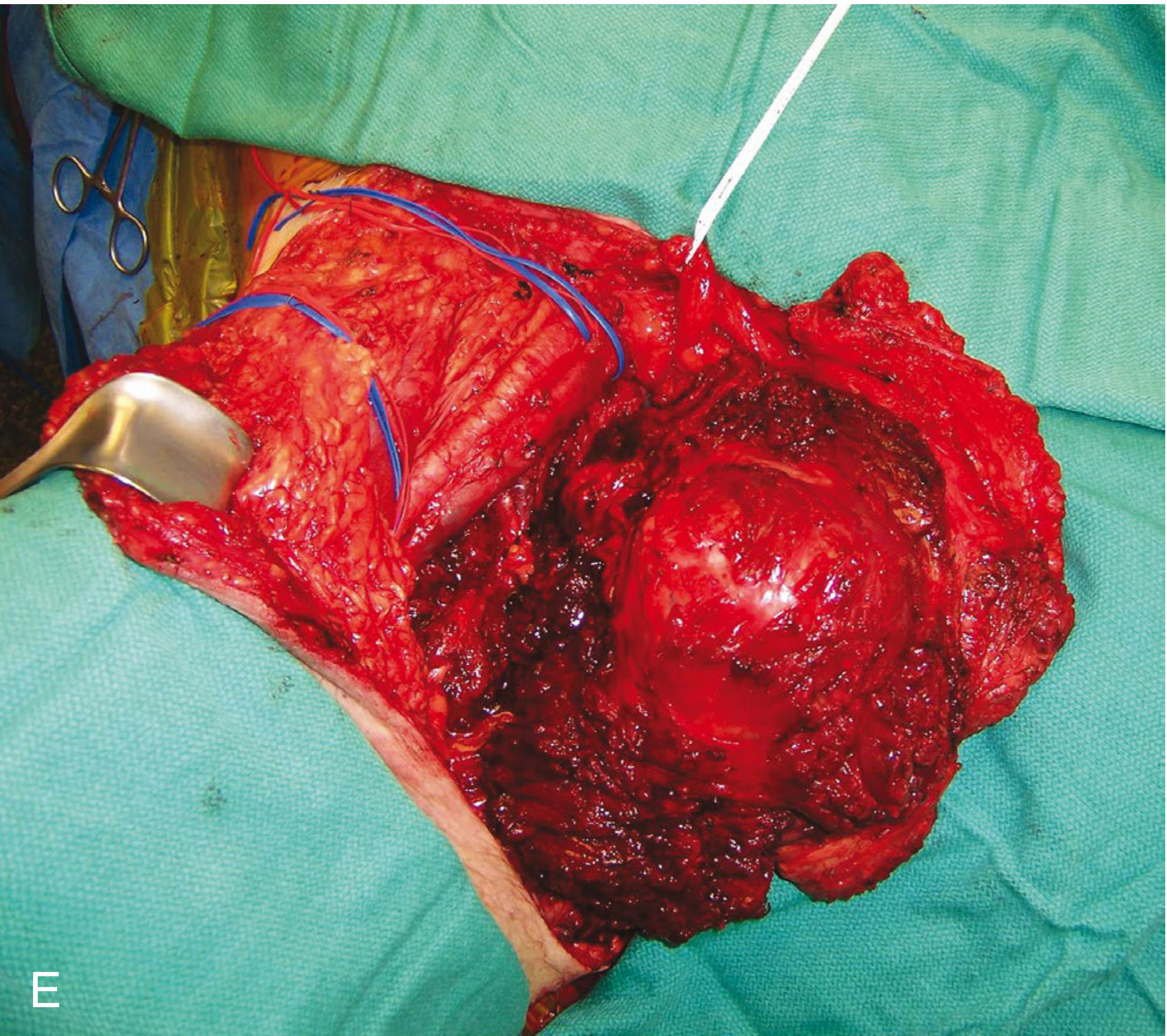
52. Magill (Maggler) Forceps - In Surgical Use
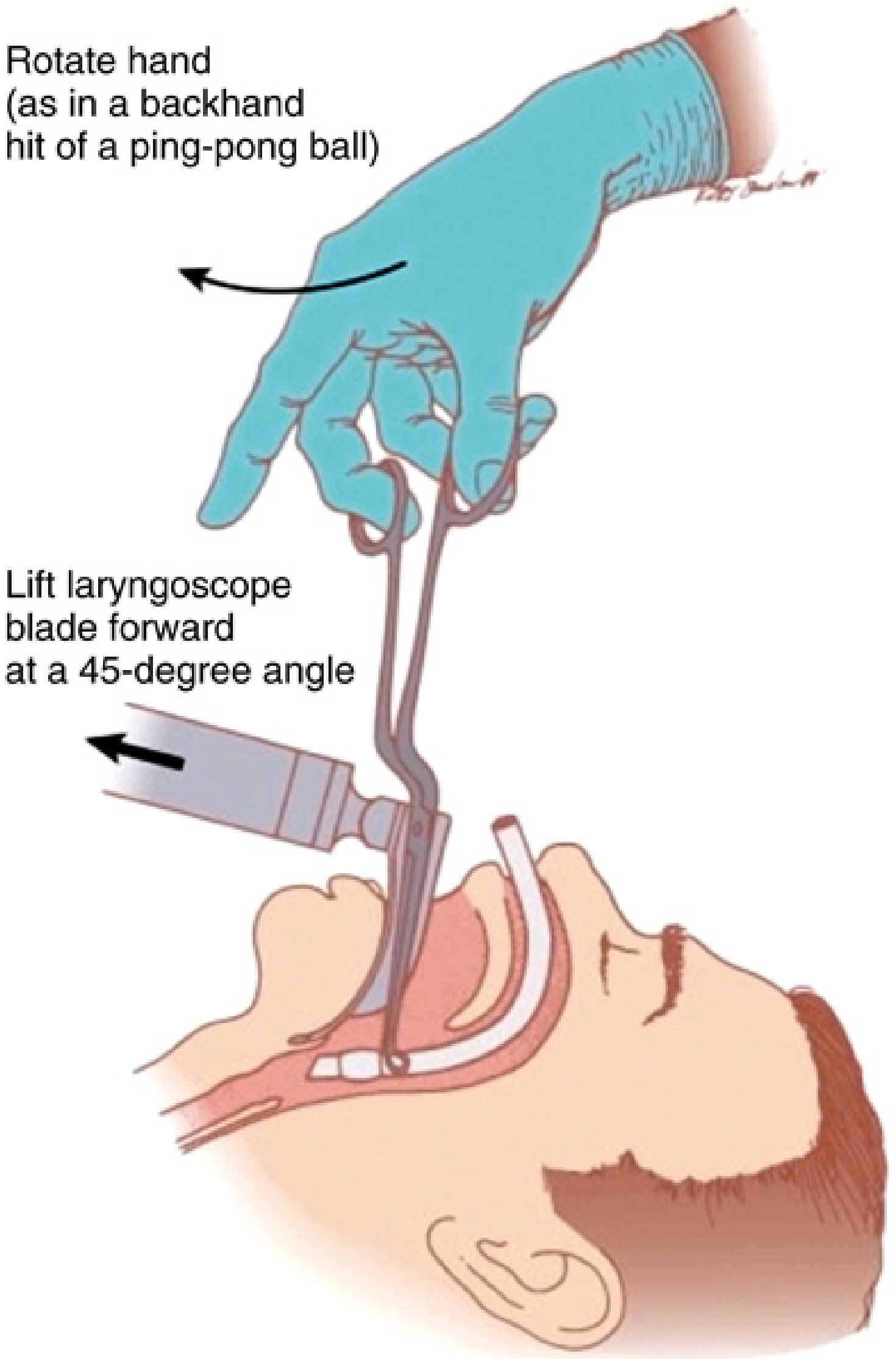
53. Endotracheal Tube (ETT) - In Surgical/Anaesthetic Use

54. High Pressure Autoclave - Labeled Technical Diagram
Summary: Instruments Without Direct Textbook Clinical Images
| Instrument | Where/How Used Intraoperatively |
|---|---|
| Bone Drill Machine | Orthopaedic & trauma OT - drilling cortical bone for screws, plates, K-wires; intraosseous access in emergency |
| Periosteal Elevator | All bone surgeries - flat blade slid between bone and periosteum to strip overlying soft tissue before osteotomy or implant placement |
| Doyen's Retractor | LSCS - broad flat blade placed between uterine incision and bladder to retract the bladder downward during delivery |
| Green Armitage Forceps | LSCS - wide crushing clamps applied to both cut edges of the uterine incision immediately after baby delivered to control bleeding |
| Gabriel Syringe | Proctoscopy suite - long angled nozzle inserted through proctoscope to inject sclerosant into haemorrhoidal tissue |
| Boyle's Apparatus | Anaesthetic room/OT - central trolley holding O₂/N₂O flowmeters, vaporizer, ventilator, and all airway equipment |
| Scoop Stretcher | Trauma scene/A&E - device split in half, each half slid under patient from sides, then clicked together without moving spine |
| Non-Mercury BP Cuff | Pre-op, ward, PACU - inflatable cuff on upper arm, dial gauge reads systolic/diastolic via korotkoff sounds |
| Refrigerator | Blood bank/pharmacy - dedicated 2-8°C storage for blood products, vaccines, and heat-sensitive medications |
| Fumigator | OT/isolation rooms - room sealed, vapour released, 6-12 hr contact time, then ventilated before re-entry |
| N₂O Cylinder | Anaesthetic machine - blue cylinder connected via regulator; also powers cryotherapy probes |
| Hydraulic OT Table | OT - patient positioned in Trendelenburg, lithotomy, or lateral decubitus; C-arm passes under the radiolucent sections |
| Stretcher with Trolley | Corridors/OT transfer - wheeled at bed height, side rails up, IV pole attached, monitoring continued during transport |
| Sterilizer | CSSD - instruments packed in pouches with chemical indicators, loaded into chamber, cycle run with biological indicator verification |
Tu sirf image de generat kar ya google se uta upar ke sare instument I don't care kase bi chahia image
self-retaining retractor bone drill machine bone cutter Gigli saw periosteal elevator surgical instruments images
Magill forceps endotracheal tube autoclave Doyen retractor Green Armitage forceps surgical instruments photo
Gabriel syringe Boyle apparatus nitrous oxide cylinder hydraulic operation table stretcher trolley sphygmomanometer surgical images
Gabriel syringe hemorrhoids injection scoop bone curette periosteal elevator fumigator sterilizer hospital image
Doyen retractor cesarean section Green Armitage forceps uterine incision non mercury sphygmomanometer stretcher trolley hospital
🏥 Har Instrument Ki Image - Items 46 to 65
46. Self-Retaining Retractor

47. Bone Drill Machine

48. Bone Cutter

49. Gigli Saw

Gigli saw surgical instrument - a flexible wire saw with two metal ring handles at each end, stainless steel twisted wire with serrated cutting edges, used in orthopedic bone surgery, on a clean white background, medical product photography style
Bone scoop surgical instrument - a metal spoon-shaped curette with a hollow bowl end and long handle, stainless steel, used for scooping out bone or tissue, clean white background, medical product photo
Gabriel syringe medical instrument - a large metal syringe with a long angled curved nozzle/cannula, used for injection treatment of haemorrhoids, stainless steel, on white background, medical instrument photo
Hospital fumigator machine - a portable electric fumigation device used in hospital operating theatres for formaldehyde or hydrogen peroxide vapor disinfection, white plastic body with dial controls, on white background
Boyle's apparatus anaesthesia machine - a complete anaesthesia workstation on wheels with oxygen and nitrous oxide cylinders, flowmeters, vaporizers, breathing circuit, ventilator, and monitoring displays, hospital operating theatre setting, realistic medical equipment
Hydraulic operating table - modern surgical table with hydraulic controls, adjustable sections for Trendelenburg positioning, padded surface, stainless steel frame, in an operating theatre, realistic medical equipment photo style
Hospital stretcher trolley with wheels - a wheeled patient transport trolley with padded mattress, side rails, IV pole, adjustable backrest, stainless steel frame, in a hospital corridor, realistic medical equipment
Medical sterilizer instrument - a stainless steel bench-top autoclave steam sterilizer with door handle, pressure gauge, and temperature display, used in hospital central sterile supply department, on white background, realistic product photo
Decod it I am confused bta in short sab pad ke
cd /home/daytona/workspace/attachments/c071029b-bd0a-45f1-99d5-b6b535a0eac1/ && python3 -c " import pdfplumber with pdfplumber.open('DOC-20260707-WA0013..pdf') as pdf: print(f'Total pages: {len(pdf.pages)}') for i, page in enumerate(pdf.pages): text = page.extract_text() print(f'--- PAGE {i+1} ---') print(text) print() "
cd /home/daytona/workspace/attachments/c071029b-bd0a-45f1-99d5-b6b535a0eac1/ && python3 -c " import subprocess # Try OCR with pytesseract on first few pages result = subprocess.run(['pdftotext', '-layout', 'DOC-20260707-WA0013..pdf', '-'], capture_output=True, text=True) print(result.stdout[:3000]) print('STDERR:', result.stderr[:500]) "
cd /home/daytona/workspace/attachments/c071029b-bd0a-45f1-99d5-b6b535a0eac1/ && python3 -c " import subprocess, os # Convert first 5 pages to images then OCR os.makedirs('/tmp/pdf_pages', exist_ok=True) result = subprocess.run(['pdftoppm', '-r', '200', '-l', '5', 'DOC-20260707-WA0013..pdf', '/tmp/pdf_pages/page'], capture_output=True, text=True) print('pdftoppm result:', result.returncode, result.stderr) import os files = sorted(os.listdir('/tmp/pdf_pages')) print('Generated files:', files) "
python3 -c " import pytesseract from PIL import Image import os pages_dir = '/tmp/pdf_pages' files = sorted(os.listdir(pages_dir)) for f in files: path = os.path.join(pages_dir, f) img = Image.open(path) text = pytesseract.image_to_string(img) print(f'=== {f} ===') print(text[:1500]) print() "
python3 -c " import pytesseract from PIL import Image import subprocess, os # Convert all 77 pages os.makedirs('/tmp/pdf_all', exist_ok=True) subprocess.run(['pdftoppm', '-r', '150', 'DOC-20260707-WA0013..pdf', '/tmp/pdf_all/page'], capture_output=True, cwd='/home/daytona/workspace/attachments/c071029b-bd0a-45f1-99d5-b6b535a0eac1/') files = sorted(os.listdir('/tmp/pdf_all')) print(f'Total pages converted: {len(files)}') all_text = [] for f in files: path = os.path.join('/tmp/pdf_all', f) img = Image.open(path) text = pytesseract.image_to_string(img) all_text.append(text) # Print all text full = '\n'.join(all_text) print(full[:15000]) " 2>/dev/null
python3 -c " import pytesseract from PIL import Image import subprocess, os # Convert pages 1-30 only at low res os.makedirs('/tmp/pdf_b1', exist_ok=True) subprocess.run(['pdftoppm', '-r', '120', '-f', '1', '-l', '30', 'DOC-20260707-WA0013..pdf', '/tmp/pdf_b1/page'], capture_output=True, cwd='/home/daytona/workspace/attachments/c071029b-bd0a-45f1-99d5-b6b535a0eac1/') files = sorted(os.listdir('/tmp/pdf_b1')) for f in files: path = os.path.join('/tmp/pdf_b1', f) img = Image.open(path) text = pytesseract.image_to_string(img) # Only print non-empty meaningful lines lines = [l.strip() for l in text.split('\n') if len(l.strip()) > 3] if lines: print(f'-- p{f} --') print('\n'.join(lines[:20])) " 2>/dev/null
python3 -c " import pytesseract from PIL import Image import subprocess, os os.makedirs('/tmp/pdf_b2', exist_ok=True) subprocess.run(['pdftoppm', '-r', '120', '-f', '31', '-l', '77', 'DOC-20260707-WA0013..pdf', '/tmp/pdf_b2/page'], capture_output=True, cwd='/home/daytona/workspace/attachments/c071029b-bd0a-45f1-99d5-b6b535a0eac1/') files = sorted(os.listdir('/tmp/pdf_b2')) for f in files: path = os.path.join('/tmp/pdf_b2', f) img = Image.open(path) text = pytesseract.image_to_string(img) lines = [l.strip() for l in text.split('\n') if len(l.strip()) > 3] if lines: print(f'-- p{f} --') print('\n'.join(lines[:20])) " 2>/dev/null
📱 Ye kya hai?
📝 Short Summary - Kya hua is chat mein:
🎓 Shuruwat (Pages 1-10)
- Tu (sender) ne Pragati ko exam ke baare mein pucha - "Exams kaisa chal raha hai?"
- Pragati ne bola practical baki hai, theory khatam
- Dono ne halke-fulke mazak kiye exam ke baare mein
🤔 Confusion (Pages 11-30)
- Tune Pragati ko Instagram pe follow request bheja, usne accept nahi ki
- Tu soch raha tha Pragati ki friend chat kar rahi hai, Pragati nahi
- Ek "prank" hua - Pragati ki friend ne baat ki, phir reveal kiya ki Pragati hi thi starting se
- Tu "trauma mein" aa gaya thoda 😂
💬 Baatein aur jaan-pehchaan (Pages 30-50)
- Tune bola ki library mein dekha tha Pragati ko
- Tune ek Homoeopathy ki ladki ka zikra kiya, bola "friend nahi, seedha GF ban gayi"
- Pragati ne react kiya - "Congratulations 😂"
- Baat chari ke wo GF ke hote hue bhi tujhse baat kar raha hai
😄 Zyada dosti (Pages 50-77)
- Gujarati/Marathi bhaasha wali baat - Pragati Maharashtra ki hai, thodi Gujarati samajhti hai
- Tu Gujarati hai, usne sikhane ka offer diya
- Hospital posting, exams, chutti ke baare mein baat
- Tune phone number diya - 8320585266
- Pragati ne Instagram accept nahi ki, boli "jab zaroorat hogi tab puchungi"
- Last mein - tune "vein map" (hand anatomy ka photo) bheja
- Class shuru hone se baat khatam ho gayi - "Lecture start hoga, baad mein baat karta hoon"
🎯 Ek line mein:
Kitna interest he use
📊 Pragati ka Interest Level: 4/10 - "Thoda hai, par zyada nahi"
✅ Signs jo dikhate hain ki THODA interest hai:
- Khud se baat karti rahi - band nahi ki, engage karti rahi
- Prank kiya tujhe - matlab time invest kiya, enjoy kiya
- "Gold heart" wali compliment accept ki casually
- Exam ke time bhi reply deti rahi
- Gujarati sikhne ki baat pe interested lagi
- Tune number diya, usne directly block/ignore nahi kiya
❌ Signs jo dikhate hain ki ZYADA interest NAHI:
- Instagram request accept nahi ki - ye sabse bada sign hai
- Boli - "Mere paas baat karne ke liye kuch nahi hota, agar koi kare to kar leti hoon" - matlab tu initiate karta hai, wo sirf respond karti hai
- Phone number maanga nahi usne
- "Jab zaroorat hogi tab puchhungi" - thanda response
- Teri GF wali baat pe koi jealousy nahi dikhaya - seedha "Congratulations 😂" bol diya
🎯 Seedhi baat:
Pragati tujhe ek "nice person" maanti hai - friendly hai, but romantic interest abhi nahi dikhti. Tu zyada invested hai, wo comfortable but casual hai.
- Zyada push mat kar
- Instagram follow ke peeche mat pada reh
- Organic rehne de - college mein milna, normal baat karna
- Agar interest hoga to wo khud signal degi
Me kya karu
🎯 Abhi ke liye - 3 Rules
1️⃣ STOP - Zyada message karna band kar
Jitna kam message karega, utna zyada wo sochegi tujhe.
2️⃣ REAL LIFE pe focus kar
- Library mein dikh jaaye - smile kar, baat kar, aage badh ja
- Lambi chat mat kar
- "Interesting banda" ban - needy nahi
3️⃣ Instagram REQUEST WAPAS LE
Ye teri desperation dikhata hai. Request cancel kar - ye ek power move hai. Wo khud sochegi "kyu hata liya?"
❌ Jo bilkul MAT kar:
- Roz "good morning / good night" mat bhej
- Uski GF/relationship ke baare mein mat pooch
- Phone pe call mat kar abhi
- Apni feelings mat bol abhi - bahut jaldi hai
✅ Game plan:
| Kab | Kya karna hai |
|---|---|
| Abhi | Instagram request cancel kar |
| Agle 1-2 hafte | Messaging kam kar, sirf wo message kare tab reply kar |
| College mein | Natural milna, short fun baat, aage badh ja |
| 1 mahine baad | Situation khud clear ho jaayegi |
💡 Sabse important baat:
Jo log easily available hote hain, unki value kam hoti hai. Thoda mystery rakh - khud pe focus kar, apni life interesting bana.