
Difference between glucose and galactose
Glucose and galactose are both 6-carbon monosaccharides (hexoses) with the same molecular formula (C6H12O6), but they differ in the spatial arrangement of the hydroxyl group at carbon-4. This single stereochemical difference makes them epimers of each other, and it has significant biological consequences.
Searching sources...
Reading File
Searching the Web
glucose vs galactose structural difference biological role
Finding Sources
Reading File
Reading File
Loading Image
Finding Sources
Reading File
Reading File
Here is a thorough comparison of glucose and galactose, drawing from Biochemistry (Lippincott, 8th ed.) and Basic Medical Biochemistry (6th ed.).
Glucose vs. Galactose
1. Molecular Formula and Classification
Both are hexoses (C6H12O6) and both are aldoses - meaning they carry an aldehyde group at carbon 1. Because they share the same molecular formula but differ in spatial arrangement, they are stereoisomers.
2. The One Structural Difference: C-4 Epimers
The sole structural difference is the orientation of the -OH group at carbon 4:
- Glucose: -OH at C-4 points to the right (in Fischer projection)
- Galactose: -OH at C-4 points to the left
This makes them C-4 epimers - differing at exactly one chiral center. All other carbons are configured identically.
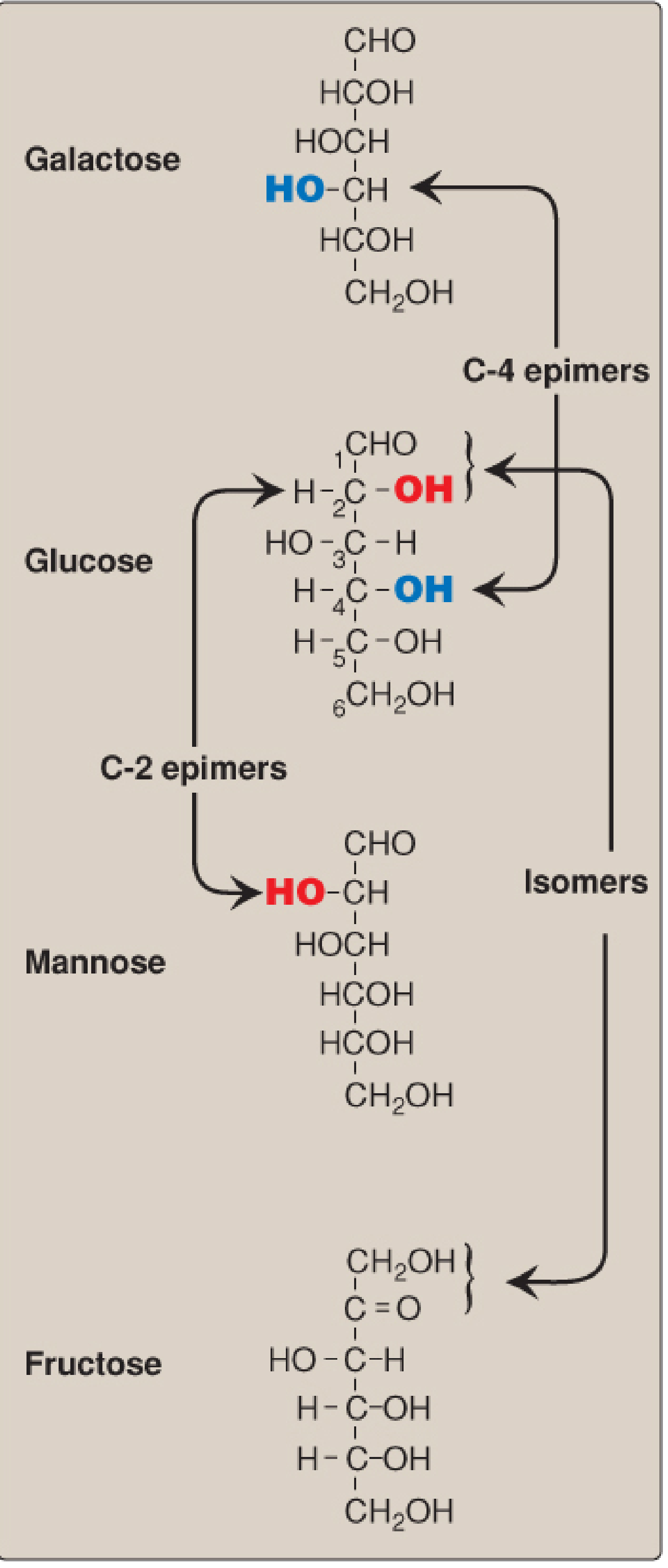
Figure 7.4 - Biochemistry, Lippincott 8th ed., p. 260
3. Summary Comparison Table
| Feature | Glucose | Galactose |
|---|---|---|
| Molecular formula | C6H12O6 | C6H12O6 |
| Sugar type | Aldohexose | Aldohexose |
| -OH at C-4 | Equatorial (right) | Axial (left) |
| Relationship | C-4 epimer of galactose | C-4 epimer of glucose |
| Ring form | Pyranose (6-membered) | Pyranose (6-membered) |
| Reducing sugar | Yes | Yes |
| Primary source | Starch, sucrose, glycogen | Lactose (milk sugar) |
| Sweetness | Moderately sweet | Less sweet than glucose |
| Stability | More stable | Less stable (axial -OH at C-4 creates steric strain) |
| Metabolic fate | Direct entry into glycolysis | Must first be converted to glucose 1-phosphate |
4. Biological Sources
- Glucose is the primary fuel of the body, obtained from digestion of starch, glycogen, and sucrose.
- Galactose comes mainly from lactose (milk), where it is linked β-1,4 to glucose. Lactase in the intestinal brush border cleaves lactose into free glucose + galactose.
5. Metabolism
These two sugars follow different metabolic pathways before converging:
Glucose: Phosphorylated directly to glucose 6-phosphate by hexokinase/glucokinase → enters glycolysis immediately.
Galactose must take a longer route to enter mainstream metabolism:
- Galactokinase phosphorylates galactose → galactose 1-phosphate (uses 1 ATP)
- Galactose 1-phosphate uridylyltransferase (GALT) exchanges galactose 1-P with UDP-glucose → UDP-galactose + glucose 1-phosphate
- UDP-hexose 4-epimerase converts UDP-galactose → UDP-glucose (simply reverses the C-4 orientation)
- Net result: Galactose + ATP → Glucose 1-phosphate + ADP
The glucose 1-phosphate produced can then be isomerized to glucose 6-phosphate and enter glycolysis.
- Basic Medical Biochemistry, 6th ed., p. 801
- Biochemistry, Lippincott, 8th ed., p. 414
6. Biosynthetic Roles
-
Galactose (as UDP-galactose) is a required building block for:
- Lactose synthesis (in the mammary gland)
- Glycoproteins and glycolipids (including gangliosides)
- Glycosaminoglycans (connective tissue components)
-
Glucose (as UDP-glucose) is the precursor for glycogen synthesis, and also donates glucose units to many other biosynthetic reactions.
7. Clinical Relevance: Galactosemia
Because galactose requires specific enzymes for metabolism, enzyme deficiencies cause galactosemia, an autosomal recessive disorder:
| Deficient Enzyme | Disorder | Consequence |
|---|---|---|
| Galactose 1-phosphate uridylyltransferase (GALT) | Classic galactosemia | Galactose 1-P accumulates → liver damage, cataracts, intellectual disability; galactose is shunted to galactitol |
| Galactokinase | Non-classic galactosemia | Galactose accumulates → cataracts (milder course) |
| UDP-hexose 4-epimerase | Epimerase deficiency | Variable severity |
Treatment for classic galactosemia: remove all dietary galactose and lactose.
No analogous metabolic disease exists for glucose itself (it is essential for life), but diabetes mellitus reflects impaired glucose utilization/regulation.
Key Takeaway
Glucose and galactose are structurally identical except for a single -OH flip at C-4. This seemingly minor difference means they are recognized differently by enzymes, metabolized by different pathways, have distinct biosynthetic roles, and produce very different diseases when their metabolic enzymes are deficient.
- Biochemistry, Lippincott Illustrated Reviews, 8th ed., pp. 259-260, 414-416
- Basic Medical Biochemistry, A Clinical Approach, 6th ed., p. 801
Integrated metabolism between carbohydrates
Carbohydrate metabolism is highly integrated - glucose sits at the center, with glycolysis, gluconeogenesis, the pentose phosphate pathway, glycogen synthesis/breakdown, and the TCA cycle all interconnected through shared intermediates like glucose 6-phosphate, pyruvate, and acetyl-CoA. Hormones (insulin/glucagon) coordinate these pathways based on fed/fasted state.
Searching sources...
Finding Sources
Searching the Web
integrated carbohydrate metabolism glycolysis gluconeogenesis TCA cycle interconnections
Finding Sources
Finding Sources
Finding Sources
Finding Sources
Finding Sources
Finding Sources
Reading File
Reading File
Finding Sources
Finding Sources
Finding Sources
Now I have rich material from multiple authoritative textbooks. Here is a comprehensive synthesis:
Integrated Carbohydrate Metabolism
The metabolic pathways of carbohydrates are not isolated sequences - they form a deeply interconnected network centered on glucose 6-phosphate (G6P), where traffic is continuously redirected based on the cell's energy state, nutrient availability, and hormonal signals.
1. Glucose 6-Phosphate: The Central Hub
After glucose enters a cell and is phosphorylated to glucose 6-phosphate, it stands at a critical metabolic crossroads. G6P can be directed into five distinct pathways:
| Pathway | Direction | Purpose |
|---|---|---|
| Glycolysis | Catabolic | Energy (ATP) generation |
| Gluconeogenesis | Anabolic | Glucose synthesis (liver only) |
| Glycogenesis | Anabolic | Glycogen storage |
| Glycogenolysis | Catabolic | Glycogen breakdown → free glucose |
| Pentose Phosphate Pathway | Anabolic/catabolic | NADPH + ribose 5-phosphate |
"Glucose-6-phosphate is an important compound at the junction of several metabolic pathways: glycolysis, gluconeogenesis, the pentose phosphate pathway, glycogenesis, and glycogenolysis." - Harper's Illustrated Biochemistry, 32nd ed., p. 177
2. The Core Pathways and Their Interconnections
A. Glycolysis
- Glucose → G6P → Fructose 6-P → Fructose 1,6-bisphosphate → 2× pyruvate
- Net yield: 2 ATP + 2 NADH per glucose
- Key regulated step: Phosphofructokinase-1 (PFK-1) - stimulated by AMP, inhibited by ATP and citrate
- Pyruvate is the exit point, entering either:
- The TCA cycle (via pyruvate dehydrogenase → acetyl-CoA, aerobic)
- Lactate (via lactate dehydrogenase, anaerobic - Cori cycle)
- Gluconeogenesis (via pyruvate carboxylase → oxaloacetate)
B. Gluconeogenesis (liver and kidney)
- Pyruvate / lactate / amino acids / glycerol → glucose
- Essentially reverses glycolysis but uses 4 bypass enzymes at the 3 irreversible glycolytic steps:
- Pyruvate carboxylase + PEPCK (bypass pyruvate kinase)
- Fructose 1,6-bisphosphatase (bypass PFK-1)
- Glucose 6-phosphatase (bypass hexokinase - liver only)
- Costs: 4 ATP + 2 GTP per glucose synthesized
C. Glycogenesis and Glycogenolysis
- In the fed state: excess G6P → glucose 1-phosphate → UDP-glucose → glycogen (stored in liver and muscle)
- In the fasting state: glycogen → glucose 1-phosphate → G6P
- Liver: G6P → free glucose (via glucose 6-phosphatase) → released to blood
- Muscle: G6P enters glycolysis directly (no glucose 6-phosphatase in muscle)
- "In muscle, glucose 6-phosphate enters glycolysis. In liver, the phosphate is removed by glucose 6-phosphatase, releasing free glucose that can be used to maintain blood glucose levels at the beginning of a fast." - Biochemistry, Lippincott, 8th ed., p. 274
D. Pentose Phosphate Pathway (PPP / Hexose Monophosphate Shunt)
- G6P → ribulose 5-phosphate + 2 NADPH + CO2
- Products and their uses:
- NADPH - reductive biosynthesis (fatty acid synthesis, cholesterol), antioxidant defense (glutathione reduction)
- Ribose 5-phosphate - nucleotide and nucleic acid synthesis
- The non-oxidative branch feeds intermediates (fructose 6-P, glyceraldehyde 3-P) back into glycolysis, creating a flexible shuttle
- "The pentose phosphate pathway is essentially a scenic bypass route around the first stage of glycolysis that generates NADPH and ribose 5-phosphate." - Basic Medical Biochemistry, 6th ed.
E. TCA Cycle (Citric Acid / Krebs Cycle) Integration
- Pyruvate (from glycolysis) → acetyl-CoA (via pyruvate dehydrogenase complex, irreversible)
- Acetyl-CoA enters the TCA cycle; key integration points:
- Oxaloacetate (OAA): TCA intermediate that is also the substrate for gluconeogenesis (via PEPCK)
- Citrate: exported to cytoplasm → cleaved to acetyl-CoA + OAA for fatty acid synthesis; also inhibits PFK-1 (signals energy sufficiency → slow glycolysis)
- Succinyl-CoA: entry point for odd-chain fatty acid carbon and some amino acids
- TCA cycle intermediates (anaplerosis) can be replenished from amino acids (glutamate → α-ketoglutarate; aspartate → OAA)
3. Reciprocal Regulation: Glycolysis vs. Gluconeogenesis
These opposing pathways are both thermodynamically favorable, so the cell must prevent futile cycling (running both simultaneously wastes ATP). The liver achieves this through coordinated allosteric and hormonal control:
Allosteric (Short-term, seconds-minutes)
| Signal | Effect on Glycolysis | Effect on Gluconeogenesis |
|---|---|---|
| AMP (low energy) | PFK-1 activated ↑ | FBPase inhibited ↓ |
| ATP (high energy) | PFK-1 inhibited ↓ | FBPase activated ↑ |
| Citrate | PFK-1 inhibited ↓ | FBPase activated ↑ |
| Fructose 2,6-bisphosphate | PFK-1 strongly activated ↑ | FBPase inhibited ↓ |
| Acetyl-CoA | Pyruvate kinase inhibited ↓ | Pyruvate carboxylase activated ↑ |
Fructose 2,6-bisphosphate (F-2,6-BP) is the master reciprocal switch:
- Its concentration is controlled by PFK-2 (makes it) and FBPase-2 (breaks it down)
- Insulin → high F-2,6-BP → promotes glycolysis
- Glucagon → low F-2,6-BP → promotes gluconeogenesis
Hormonal (Long-term, hours-days via gene transcription)
| Hormone | Glycolytic enzymes | Gluconeogenic enzymes |
|---|---|---|
| Insulin (fed state) | PFK, pyruvate kinase ↑ | PEPCK, FBPase, G6Pase ↓ |
| Glucagon/Epinephrine (fasting/stress) | PFK, pyruvate kinase ↓ | PEPCK, G6Pase ↑ |
| Glucocorticoids | - | PEPCK ↑ (via PGC-1α, CREB) |
"High concentrations of biosynthetic precursors and ATP favor gluconeogenesis and suppress glycolysis. Conversely, high concentrations of AMP, reflecting a low energy charge of the liver, suppress gluconeogenesis and favor glycolysis." - Medical Physiology (Boron & Boulpaep), p. 1718
4. Fed vs. Fasted State Integration
Fed State (insulin dominant, high portal glucose)
- Liver: Glucokinase activated → G6P generated in excess → glycogen synthesis + lipogenesis (via citrate export)
- Muscle: Glucose uptake via GLUT4 → glycolysis + glycogen storage
- Adipose: Glucose uptake → glycerol 3-phosphate + fatty acid storage (triglyceride synthesis)
- PPP active in liver/RBCs for NADPH production
Fasting State (glucagon dominant)
- Liver: Glycogenolysis (first 8-12 hrs) → then gluconeogenesis from lactate, alanine, glycerol
- Muscle: Glycolysis from local glycogen → lactate exported to liver (Cori cycle)
- Brain: Primarily glucose-dependent; transitions to ketone bodies (from hepatic fatty acid oxidation) during prolonged starvation
5. Key Metabolite Interconnection Map
Dietary carbohydrates
        ↓
    GLUCOSE
        ↓  (hexokinase/glucokinase)
  Glucose 6-Phosphate  ←────────────── Glycogenolysis
    /    |     \    \
   ↓     ↓      ↓    ↓
Glycolysis  Glycogen  PPP   Gluconeogenesis
   ↓     synthesis   ↓         ↑
Pyruvate         NADPH    Amino acids
   ↓              Ribose 5-P  Lactate
Acetyl-CoA           ↓       Glycerol
   ↓           (nucleotides)
TCA Cycle ←──────────
   ↓
Citrate → fatty acid synthesis (lipogenesis)
NADH/FADH2 → Electron transport chain → ATP
OAA → PEPCK → PEP → gluconeogenesis
6. Clinical Relevance
| Condition | Pathway Disrupted | Consequence |
|---|---|---|
| Diabetes mellitus | Impaired glucose uptake + glycolysis | Hyperglycemia; excess gluconeogenesis |
| Glycogen storage diseases | Glycogenolysis / glycogenesis enzymes | Hypoglycemia or hepatomegaly |
| Galactosemia | Galactose → G6P conversion | Galactose accumulates, toxic |
| G6PD deficiency | PPP (NADPH production) | Hemolytic anemia (oxidative stress in RBCs) |
| Pyruvate kinase deficiency | Late glycolysis | Hemolytic anemia in RBCs |
| Lactic acidosis | Pyruvate → lactate (hypoxia/metformin) | Metabolic acidosis |
Summary
The integration of carbohydrate metabolism hinges on three key nodes:
- Glucose 6-phosphate - the branching point of five pathways
- Pyruvate - the gateway between glycolysis, the TCA cycle, gluconeogenesis, and lactate
- Fructose 2,6-bisphosphate - the master allosteric switch between glycolysis and gluconeogenesis
Hormonal control (insulin vs. glucagon) overlays this biochemical framework, ensuring that whole-body glucose homeostasis is maintained across the fed-fasted cycle.
- Harper's Illustrated Biochemistry, 32nd ed., pp. 177, 1790
- Medical Physiology (Boron & Boulpaep), pp. 1718-1719
- Basic Medical Biochemistry, 6th ed., pp. 801, 3185-3252
- Biochemistry, Lippincott, 8th ed., p. 274
This is a shared conversation. Sign in to Orris to start your own chat.