
Sinusitis prescription
sinusitis antibiotic treatment guidelines
PMID: 40741969
Sinusitis: Evidence-Based Prescribing
Note: Most acute sinusitis is viral. The 2025 AAO-HNS updated guideline (Payne et al., Otolaryngol Head Neck Surg, 2025) now recommends watchful waiting as an initial strategy for all patients with uncomplicated acute bacterial rhinosinusitis (ABRS), regardless of severity - not just mild cases. Antibiotics should be reserved for those who truly meet prescribing criteria.
1. Determine If Antibiotics Are Indicated
| Criterion | Definition |
|---|---|
| Persistent | Symptoms lasting ≥10 days |
| Severe | Fever >102°F (39°C) with purulent nasal discharge or facial pain for ≥3-4 consecutive days |
| Worsening ("double sickening") | New fever, headache, or increased nasal discharge after initial improvement following a URI lasting 5-6 days |
Only ~20-50% of adults with sinusitis actually meet antibiotic prescribing criteria.
2. Symptomatic Treatment (All Patients)
- Intranasal decongestant: Oxymetazoline 2 sprays each nostril twice daily - do NOT use >5 days
- Oral decongestant: Pseudoephedrine 120 mg (12-hour release) during the day
- Analgesic/antipyretic: Paracetamol (acetaminophen) or ibuprofen
- Saline nasal spray or wash: Higher-volume nasal saline washes are more effective than sprays
- Intranasal glucocorticoid: Particularly helpful if allergic component is suspected
3. Antibiotic Selection (Acute Bacterial Sinusitis)
First-Line
| Drug | Dose | Duration |
|---|---|---|
| Amoxicillin-clavulanate (preferred) | 875 mg/125 mg PO twice daily | 7 days |
| Amoxicillin (alternative) | 875 mg PO twice daily | 7 days |
The 2025 AAO-HNS guideline updated first-line therapy to amoxicillin with or without clavulanate (previously amoxicillin alone).
Penicillin Allergy
| Allergy Type | Antibiotic |
|---|---|
| Mild penicillin allergy | Cefuroxime |
| Severe penicillin allergy | Doxycycline |
| Macrolides | NOT recommended - high rates of resistant S. pneumoniae |
Reassess at 3-5 Days
- Amoxicillin-clavulanate (high-dose): 2000 mg/125 mg PO twice daily x 7 days
- Levofloxacin (use cautiously - risk of dysglycemia, peripheral neuropathy, tendinopathy, aortic rupture)
4. Special Scenarios
Pediatric (3-36 months)
- High-dose amoxicillin: 30 mg/kg/dose three times daily (max adult dose)
- Alternative: Amoxicillin-clavulanate
Chronic Sinusitis (>12 weeks)
- Mainstay: Intranasal glucocorticoids - mometasone, fluticasone sprays, or budesonide rinses (especially with polyps)
- Oral glucocorticoids: 2-3 week course for refractory cases; reduces polyp size
- Macrolides: 3-month course has modest evidence in chronic sinusitis without polyps (e.g., azithromycin or clarithromycin - low-dose, anti-inflammatory use)
- Antibiotics (2-4 weeks): Commonly prescribed but evidence is poor for chronic sinusitis
- Antifungal agents: No benefit in any subtype of chronic sinusitis
- Saline washes: High-volume nasal irrigation is a key adjunct
- Surgery (FESS): Consider after failure of adequate medical therapy; particularly effective for chronic sinusitis with polyps
Allergic Fungal Sinusitis
- Medical therapy is classically ineffective
- Surgery is first-line, with perioperative glucocorticoids
Nosocomial Sinusitis
- Suspect in ICU patients with fever of unknown origin, especially those with nasotracheal intubation
- Requires culture-directed therapy; cover gram-negative organisms and S. aureus
5. When to Refer or Image
- Lack of improvement after second-line antibiotic (3-5 days)
- Concern for complication (orbital, intracranial extension)
- Recurrent acute sinusitis (consider allergic/immunologic workup and anatomic imaging)
- Imaging modality of choice: Non-contrast CT of paranasal sinuses
Can i only get only medicine names i dont want in detail
Sinusitis Medicines
- Amoxicillin-clavulanate
- Amoxicillin
- Cefuroxime
- Doxycycline
- Levofloxacin
- Oxymetazoline (nasal spray)
- Pseudoephedrine (oral)
- Paracetamol (Acetaminophen)
- Ibuprofen
- Mometasone
- Fluticasone
- Budesonide
- Prednisolone
UTI prescription
urinary tract infection antibiotic treatment guidelines
UTI Medicines
Uncomplicated Cystitis (Lower UTI) - First Line
- Nitrofurantoin
- Trimethoprim-Sulfamethoxazole (TMP-SMX / Co-trimoxazole)
- Fosfomycin
- Pivmecillinam
Uncomplicated Cystitis - Second Line
- Cefpodoxime
- Cefdinir
- Cefaclor
- Amoxicillin-clavulanate
Pyelonephritis (Upper UTI)
- Ciprofloxacin
- Levofloxacin
- Ceftriaxone (IV)
- Gentamicin (IV, initial empiric)
- TMP-SMX (oral step-down)
- Cefixime (oral step-down)
Complicated UTI / Urosepsis
- Piperacillin-tazobactam (IV)
- Meropenem (IV)
- Ertapenem (IV)
- Amikacin (IV)
Symptom Relief (Urinary Analgesic)
- Phenazopyridine (pain/burning relief only - NOT an antibiotic)
Pregnant Women (Safe Options)
- Nitrofurantoin
- Cephalosporins (oral)
Note: Fluoroquinolones (ciprofloxacin, levofloxacin) are not recommended for uncomplicated cystitis - reserve for pyelonephritis or complicated UTI only.
Coughing only at night what could it be
Causes of Night-Only Cough
Most Common
1. Asthma
2. GERD (Acid Reflux)
3. Postnasal Drip (Upper Airway Cough Syndrome)
4. Heart Failure
Other Causes to Consider
| Cause | Clue |
|---|---|
| ACE Inhibitor medication (e.g., Enalapril, Lisinopril) | Dry irritating cough, started after medication began |
| COPD / Chronic Bronchitis | Smoker, usually morning cough too |
| Whooping cough (Pertussis) | Severe coughing fits, "whoop" sound |
| Allergies (dust mites, pet dander) | Worse in bedroom, allergic history |
| Bronchiectasis | Productive cough, recurrent infections |
| Lung cancer | Persistent, new cough - especially in smokers |
Key Questions to Help Find the Cause
- Do you have heartburn or a sour taste? → Think GERD
- Do you wheeze or feel chest tightness? → Think Asthma
- Do you take a blood pressure pill? → Check for ACE inhibitor
- Do your ankles swell and you feel breathless? → Think Heart Failure
- Do you have allergies or sinus problems? → Think Postnasal Drip
- Are you a smoker? → Think Chronic Bronchitis or COPD
The three most common causes of chronic nocturnal cough are asthma, GERD, and postnasal drip - together accounting for the majority of cases. A doctor's evaluation is recommended to identify the exact cause.
Rheumatoid arthritis prescription
rheumatoid arthritis treatment guidelines DMARDs
Rheumatoid Arthritis Medicines
Symptom Relief (Short-term)
- Ibuprofen
- Naproxen
- Diclofenac
- Celecoxib
- Prednisolone
- Methylprednisolone
Conventional DMARDs (Disease-Modifying - First Line)
- Methotrexate (most common first-line)
- Hydroxychloroquine
- Sulfasalazine
- Leflunomide
- Azathioprine
Often combined: Methotrexate + Hydroxychloroquine + Sulfasalazine (triple therapy)
Biologic DMARDs (if conventional DMARDs fail)
- Etanercept
- Adalimumab
- Infliximab
- Golimumab
- Certolizumab pegol
- Tocilizumab
- Sarilumab
- Rituximab
- Abatacept
- Anakinra
JAK Inhibitors (targeted synthetic DMARDs)
- Tofacitinib
- Baricitinib
- Upadacitinib
Supplement (given with Methotrexate)
- Folic acid (reduces methotrexate side effects)
Tell in detail means not only names
Rheumatoid Arthritis - Detailed Prescription Guide
Key principle: Start DMARDs early - as soon as diagnosis is confirmed. NSAIDs and steroids only provide symptom relief; only DMARDs slow/stop joint destruction.
STEP 1 - Symptom Relief (While DMARDs take effect)
NSAIDs
- Ibuprofen 400-800 mg three times daily with food
- Naproxen 500 mg twice daily
- Diclofenac 50 mg twice or three times daily
- Celecoxib 100-200 mg twice daily (safer for stomach, used in patients with GI risk)
Corticosteroids (Steroids)
- Prednisolone 5-10 mg/day orally (low dose, long-term)
- Methylprednisolone IM or IV injection for acute severe flares
STEP 2 - Conventional DMARDs (First Line - Disease Modifying)
1. Methotrexate (MTX) - THE cornerstone of RA treatment
- Dose: Start 7.5-10 mg once weekly, increase up to 20-25 mg/week
- Route: Oral or subcutaneous (SC route has better absorption and fewer GI side effects)
- Onset: 6-12 weeks
- Always give with: Folic acid 1 mg/day (reduces mouth sores and liver toxicity without reducing efficacy)
- Side effects: Liver toxicity, bone marrow suppression, mouth sores (stomatitis), nausea, fatigue, rare lung inflammation, risk of lymphoma
- Monitoring: LFTs + CBC monthly for 3 months, then every 3-4 months. Renal function also
- Contraindicated in: Pregnancy (teratogenic), liver disease, alcohol use, severe renal failure
2. Hydroxychloroquine (Plaquenil)
- Dose: 400-600 mg/day initially, then 200 mg/day maintenance
- Use: Mild RA, or combined with MTX and sulfasalazine (triple therapy)
- Onset: 3-6 months
- Key side effect: Retinopathy (eye damage) - rare but important
- Monitoring: Eye exam (ophthalmology) every 3 months - visual acuity, slit-lamp exam
- Safest DMARD - least toxic of the conventional DMARDs
3. Sulfasalazine (Azulfidine)
- Dose: Start low, increase to 2-3 g/day in 2 divided doses
- Use: Mild-moderate RA; good if MTX is contraindicated
- Side effects: GI upset (nausea, diarrhea), rash, low WBC. Check for sulfa allergy first.
- Monitoring: CBC + LFTs weekly for 1 month, then every 4-6 weeks
4. Leflunomide (Arava)
- Dose: Loading dose 100 mg/day x 3 days, then 20 mg/day maintenance
- Use: Alternative to MTX or combined with MTX
- Half-life: Very long (~2 weeks) due to liver recycling - stays in body up to 2 years
- Side effects: Liver injury, diarrhea, alopecia (hair loss), bone marrow suppression, lung disease
- Monitoring: LFTs + CBC monthly for 3-6 months, then every 2-3 months
- Contraindicated in: Pregnancy (teratogenic) - requires cholestyramine washout before conception
5. Azathioprine (Imuran)
- Dose: 50-100 mg/day, can increase to 2.5 mg/kg/day over 4-week intervals
- Use: Second or third-line; often used in combination
- Side effects: Bone marrow suppression, infection risk, GI distress, rare leukaemia
- Monitoring: LFTs weekly x 6 weeks, then monthly; also CBC
Triple Therapy Combination
STEP 3 - Biologic DMARDs (If conventional DMARDs fail after 3-6 months)
TNF Inhibitors (Most commonly used biologics)
| Drug | Dose & Route |
|---|---|
| Etanercept | 50 mg SC once weekly OR 25 mg SC twice weekly |
| Adalimumab | 40 mg SC every 2 weeks |
| Infliximab | 3 mg/kg IV at 0, 2, 6 weeks, then every 8 weeks |
| Golimumab | 50 mg SC once monthly |
| Certolizumab pegol | 400 mg SC at 0, 2, 4 weeks, then 200 mg every 2 weeks |
IL-6 Inhibitors
- Tocilizumab - 4-8 mg/kg IV every 4 weeks OR 162 mg SC every 1-2 weeks. Can be used as monotherapy (unlike most TNF inhibitors). Side effects: Upper respiratory infections, elevated liver enzymes, high BP, rarely GI perforation.
- Sarilumab - 200 mg SC every 2 weeks
B-cell Depleter
- Rituximab - 1000 mg IV x 2 doses given 2 weeks apart; repeated every 6 months. Used in patients who fail TNF inhibitors. Side effects: Infusion reactions, serious infections, progressive multifocal leukoencephalopathy (rare).
T-cell Co-stimulation Blocker
- Abatacept - 500-1000 mg IV monthly OR 125 mg SC weekly. Well tolerated; good option for patients with interstitial lung disease.
IL-1 Blocker
- Anakinra - 100 mg SC daily. Less commonly used now due to daily injection burden.
STEP 4 - JAK Inhibitors (Targeted Synthetic DMARDs - Oral Biologics)
| Drug | Dose | Notes |
|---|---|---|
| Tofacitinib | 5 mg twice daily OR 11 mg once daily (extended release) | First JAK inhibitor approved for RA |
| Baricitinib | 2-4 mg once daily | Also used in COVID-19 |
| Upadacitinib | 15 mg once daily | Most selective JAK1 inhibitor |
Supplement Always Given Alongside DMARDs
- Folic acid 1 mg/day - given with methotrexate to reduce side effects
- Calcium + Vitamin D - for all patients on long-term corticosteroids (bone protection)
- Bisphosphonate (e.g., Alendronate) - if on steroids >3 months (prevent osteoporosis)
Summary: Treatment Ladder
1. Diagnosis confirmed → Start DMARD immediately
2. First: Methotrexate (± Hydroxychloroquine ± Sulfasalazine)
3. Add low-dose steroids or NSAIDs for short-term symptom control
4. If no response in 3-6 months → Add/switch to Biologic DMARD (TNF inhibitor first)
5. If biologic fails → Switch to another biologic class OR JAK inhibitor
6. Severe refractory → Rituximab, Abatacept
What are the monitoring tests required during RA treatment?
Monitoring Tests During RA Treatment
BEFORE Starting Any Treatment (Baseline Tests)
| Test | Purpose |
|---|---|
| CBC (Complete Blood Count) | Baseline white cells, red cells, platelets |
| LFTs (Liver Function Tests) - ALT, AST, Alkaline Phosphatase, Albumin | Baseline liver health |
| Renal Function - Serum Creatinine, BUN, eGFR | Kidney function (affects drug clearance) |
| Urine Analysis (U/A) | Detect proteinuria or blood in urine |
| Chest X-ray | Exclude active TB and lung disease |
| TB Screening - Tuberculin test (PPD) or QuantiFERON Gold | Screen for latent TB before biologics/immunosuppressants |
| Hepatitis B & C serology | Reactivation risk with biologics and methotrexate |
| HIV test | Before starting immunosuppressive therapy |
| Pregnancy test | Mandatory for women of childbearing age before MTX or Leflunomide |
| RF (Rheumatoid Factor) & Anti-CCP antibodies | Confirm diagnosis and assess prognosis |
| ESR & CRP | Baseline inflammation markers |
| Lipid profile | Baseline before JAK inhibitors and tocilizumab (both affect lipids) |
| Eye exam (ophthalmology) | Baseline before starting Hydroxychloroquine |
Drug-by-Drug Ongoing Monitoring Schedule
Methotrexate (MTX)
| Test | Frequency |
|---|---|
| CBC + platelets | 7-14 days after starting, then every 2-4 weeks for first few months, then every 1-3 months |
| LFTs (ALT, AST, Albumin) | Every 4-8 weeks |
| Serum Creatinine / eGFR | Every 1-2 months |
| Folic acid supplementation check | Ensure patient is taking 1 mg/day |
| Chest X-ray + respiratory symptoms | If patient develops cough or shortness of breath (methotrexate lung) |
| Pregnancy test | Any time pregnancy is suspected |
Hydroxychloroquine (Plaquenil)
| Test | Frequency |
|---|---|
| Eye exam (ophthalmology) - visual acuity, slit-lamp, fundoscopy, visual field | Every 3 months (retinopathy screening) |
| CBC | Periodically |
| Muscle strength assessment | Monthly until dose stable |
Sulfasalazine
| Test | Frequency |
|---|---|
| CBC + platelet count | Weekly for first month, twice monthly for 2 months, then monthly |
| LFTs | Weekly for 1 month, then every 4-6 weeks |
| Urine Analysis | Periodically |
| Check sulfa allergy | Before starting |
Leflunomide
| Test | Frequency |
|---|---|
| LFTs (ALT, AST) | Monthly for first 3-6 months, then every 2-3 months |
| CBC | Monthly for first 3-6 months, then every 2-3 months |
| Blood pressure | Regularly (can cause hypertension) |
| Pregnancy test | Before starting; avoid pregnancy (teratogenic - needs washout) |
Azathioprine
| Test | Frequency |
|---|---|
| LFTs | Weekly for first 6 weeks, then monthly |
| CBC | Weekly initially, then monthly |
| Urine Analysis | Periodically |
Biologic DMARDs (All TNF inhibitors, IL-6 inhibitors, Rituximab, Abatacept)
| Test | Frequency |
|---|---|
| TB screening repeat | Annually (PPD or QuantiFERON Gold) |
| CBC | Every 3-6 months |
| LFTs | Every 3-6 months |
| Hepatitis B viral load | Regularly if carrier (reactivation risk) |
| Infection surveillance | At every visit - ask about fever, cough, wounds |
| Skin examination | Annually (increased risk of skin cancers with TNF inhibitors) |
| Lipid profile | Every 3-6 months for Tocilizumab and Sarilumab (raise LDL) |
JAK Inhibitors (Tofacitinib, Baricitinib, Upadacitinib)
| Test | Frequency |
|---|---|
| CBC | 4-8 weeks after starting, then every 3 months |
| LFTs | Every 3 months |
| Lipid profile | 4-8 weeks after starting, then every 6 months |
| Creatinine / eGFR | Every 3-6 months |
| TB screening | Annually |
| Cardiovascular risk assessment | At every visit - blood pressure, cholesterol, smoking |
| DVT/PE symptoms | Ask at every visit (increased clot risk) |
Corticosteroids (Long-term use monitoring)
| Test | Frequency |
|---|---|
| Blood glucose / HbA1c | Every 3-6 months (steroids cause diabetes) |
| Blood pressure | Every visit |
| Bone density scan (DEXA) | At baseline, then every 1-2 years |
| Eye check | Annually (cataracts, glaucoma) |
| Weight | Every visit |
| Calcium + Vitamin D levels | Check if not supplementing |
Disease Activity Monitoring (At Every Clinic Visit)
| Assessment | What it measures |
|---|---|
| DAS28 score (Disease Activity Score - 28 joints) | Counts swollen + tender joints + ESR/CRP + patient global score. Target: remission (DAS28 <2.6) or low disease activity (<3.2) |
| ESR (Erythrocyte Sedimentation Rate) | General inflammation marker |
| CRP (C-Reactive Protein) | More sensitive acute inflammation marker |
| Joint count (swollen + tender joints) | Direct measure of disease activity |
| X-ray of hands and feet | Every 1-2 years to check for new bone erosions |
| Patient function score (HAQ - Health Assessment Questionnaire) | Self-reported ability to perform daily activities |
Quick Summary Table
| Drug | Key Tests to Monitor |
|---|---|
| Methotrexate | CBC, LFTs, Creatinine monthly → then every 3 months |
| Hydroxychloroquine | Eye exam every 3 months |
| Sulfasalazine | CBC + LFTs weekly x 1 month, then monthly |
| Leflunomide | CBC + LFTs monthly x 3-6 months, then every 2-3 months |
| Azathioprine | CBC + LFTs weekly x 6 weeks, then monthly |
| All Biologics | CBC, LFTs, TB screen annually, infection check every visit |
| JAK Inhibitors | CBC, lipids, LFTs, cardiovascular risk every 3 months |
| Long-term Steroids | Blood glucose, BP, DEXA scan, eye check |
Kidney stone prescription
nephrolithiasis kidney stone medical treatment guidelines
Kidney Stone (Nephrolithiasis) - Detailed Prescription Guide
Types of Kidney Stones (Know the type to treat correctly)
| Stone Type | Frequency | Cause |
|---|---|---|
| Calcium Oxalate / Phosphate | 70-80% | Hypercalciuria, low citrate, dehydration, high sodium/protein diet |
| Uric Acid | 10-15% | Low urine pH, gout, obesity, high purine diet |
| Struvite (Infection stones) | 10-15% | Urinary infections (Proteus, Klebsiella) |
| Cystine | <1% | Genetic (autosomal recessive cystinuria) |
STEP 1 - Acute Attack: Pain Relief (Renal Colic)
NSAIDs - First Choice for Pain
- Ketorolac 15-30 mg IM or IV - preferred when patient has nausea/vomiting and cannot take oral medication
- Ibuprofen 200-400 mg orally every 4-6 hours (max 1.2 g/day) - for patients who can swallow
- Diclofenac 75 mg IM - another good option
Caution: NSAIDs can worsen kidney function. Always give adequate IV hydration (Normal Saline 75-150 mL/hour) alongside NSAIDs. Do NOT use in patients with dehydration or pre-existing kidney injury without fluids.
Opioids - Second Choice (if NSAIDs fail or are contraindicated)
- Morphine 2-4 mg IV every 4-6 hours
- Tramadol 50-100 mg orally
- Pethidine (Meperidine) - historically used but now less favored
Anti-nausea / Anti-vomiting (often needed alongside pain relief)
- Metoclopramide 10 mg IV or oral
- Ondansetron 4-8 mg IV or oral
IV Fluids
- Normal Saline (0.9% NaCl) at 75-150 mL/hour to maintain hydration
- High-volume fluids alone do NOT speed stone passage but protect kidneys from NSAID injury
STEP 2 - Help the Stone Pass (Medical Expulsive Therapy)
Alpha-1 Blockers (Most effective for stone passage)
- Tamsulosin 0.4 mg orally once daily - drug of choice. Relaxes ureteral smooth muscle, increases stone passage rate by ~50%, reduces time to pass, and reduces need for pain medication
- Alfuzosin 10 mg once daily - alternative
Calcium Channel Blockers (Alternative)
- Nifedipine 30 mg once daily - used if alpha blocker not tolerated; best combined with a steroid
Continue medical expulsive therapy for 4-6 weeks while waiting for stone to pass. If stone does not pass, refer for surgery (ESWL, ureteroscopy, or PCNL).
STEP 3 - Preventing Recurrence (By Stone Type)
A. Calcium Stones (Calcium Oxalate / Calcium Phosphate) - 70-80% of cases
- Increase fluid intake to produce >2 liters of urine per day (most important single step - reduces recurrence by 50%)
- Reduce sodium intake to <2 g/day (sodium causes calcium leakage into urine)
- Reduce animal protein intake
- Maintain normal dietary calcium (1000 mg/day from food, NOT supplements) - restricting calcium actually increases stone risk
- Avoid high-oxalate foods (spinach, nuts, cocoa, tea)
| Indication | Drug | Dose |
|---|---|---|
| Persistent high urine calcium (hypercalciuria) | Chlorthalidone (thiazide diuretic) | 12.5-25 mg/day - reduces urine calcium by ~50% |
| Indapamide (if patient has high cholesterol/sugar) | 1.25-5 mg/day | |
| Low urine citrate (hypocitraturia) | Potassium Citrate | 10-40 mEq/day orally - raises citrate in urine, binds calcium, prevents crystallization |
| High urine uric acid with calcium stones | Allopurinol | 300 mg/day |
| Monitoring thiazide side effects | Potassium supplement if hypokalemia develops |
B. Uric Acid Stones - 10-15% of cases
- Increase fluid intake (>2 L urine/day)
- Low purine diet (reduce red meat, organ meats, shellfish, beer)
- Reduce animal protein
| Drug | Dose | Purpose |
|---|---|---|
| Potassium Citrate | 10-40 mEq/day | Alkalinizes urine to pH 6.5-7.0 - FIRST LINE |
| Sodium Bicarbonate | 650 mg 3x/day | Alternative if potassium citrate not available |
| Allopurinol | 100-300 mg/day | If hyperuricemia is present; reduces uric acid production |
| Acetazolamide | 250-500 mg/day | Raises urine pH - used when citrate is insufficient |
C. Struvite Stones (Infection Stones) - 10-15%
- Complete surgical removal of the stone is required first (stones harbor bacteria - antibiotics alone cannot cure)
- Long-term antibiotics based on culture sensitivity from stone fragments:
- Common organisms: Proteus, Klebsiella, Staphylococcus, Pseudomonas
- Continue at full dose until urine is sterile, then reduce to prophylactic dose
- Monthly urine cultures until 3 consecutive sterile cultures, then monthly for 1 more year
D. Cystine Stones (Rare - <1%)
| Drug | Dose | Purpose |
|---|---|---|
| Potassium Citrate | 10-40 mEq/day | Alkalinize urine to pH ≥7.0 (cystine more soluble at high pH) |
| Tiopronin (alpha-mercaptopropionylglycine) | Specialist-prescribed | Chelating agent - binds cystine, forms soluble compound |
| D-Penicillamine | Specialist-prescribed | Older chelating agent - high side effect profile |
STEP 4 - When Surgery is Needed
- Stone causes complete obstruction
- Stone + infection (urological emergency)
- Stone causing acute kidney injury
- Pain that cannot be controlled with medication
- Stone >10 mm (unlikely to pass spontaneously)
- No passage after 4-6 weeks of medical expulsive therapy
- ESWL (Extracorporeal Shock Wave Lithotripsy) - sound waves break stone from outside; best for kidney stones <15 mm
- Ureteroscopy + Laser - scope passed up ureter; laser fragments the stone; best for ureteral stones
- PCNL (Percutaneous Nephrolithotomy) - scope through skin into kidney; best for large stones ≥15 mm
Summary by Stone Type
| Stone Type | First-Line Prevention Drug |
|---|---|
| Calcium (hypercalciuria) | Thiazide diuretic (Chlorthalidone) |
| Calcium (low citrate) | Potassium Citrate |
| Calcium (high uric acid) | Allopurinol |
| Uric Acid | Potassium Citrate + Allopurinol |
| Struvite | Surgery + targeted Antibiotics |
| Cystine | Potassium Citrate + Chelating agents (specialist) |
Most important single intervention for ALL stone types: Drink enough fluid to produce >2 litres of urine per day. This alone reduces recurrence by 50%.
Allergic bronchitis prescription
Allergic Bronchitis - Detailed Prescription Guide
Important note: "Allergic bronchitis" is not a distinct formal diagnosis. It describes bronchial inflammation triggered by allergens, and clinically overlaps with allergic asthma (most common) and acute bronchitis with bronchospasm. The treatment follows the same pathway as allergic/asthmatic bronchitis.
Understanding the Condition
- Bronchial inflammation and swelling
- Increased mucus production
- Bronchospasm (airway narrowing) causing wheeze and cough
- Eosinophilic infiltration of the airway
STEP 1 - Immediate Symptom Relief (Rescue Treatment)
Short-Acting Beta-2 Agonists (SABAs) - First and most important
- Salbutamol (Albuterol) - the gold standard rescue inhaler
- MDI (metered dose inhaler): 2 puffs (200 mcg) every 4-6 hours as needed
- Nebulization: 2.5 mg in 2.5 mL normal saline via nebulizer for severe attacks
- Oral tablet: 2-4 mg three times daily (less effective than inhaled; used when inhaler not available)
- Levosalbutamol (Levalbuterol) - purified form, fewer side effects like palpitations
- MDI: 1-2 puffs every 4-6 hours
Important: SABAs should ONLY be used as needed (rescue), not regularly scheduled. If you need them more than twice a week, you need a controller medicine (Step 2).
Short-Acting Anticholinergic (Add-on for severe attacks)
- Ipratropium bromide (Atrovent)
- MDI: 2-4 puffs (40-80 mcg) every 6 hours
- Often combined with salbutamol in a nebulizer for acute severe attacks (Combivent: salbutamol + ipratropium)
- Works differently from beta-agonists - reduces mucus and further opens airways
STEP 2 - Controller Medicines (Prevent inflammation - taken daily)
Inhaled Corticosteroids (ICS) - CORNERSTONE of allergic bronchitis/asthma control
| Drug | Brand Name | Low Dose | High Dose |
|---|---|---|---|
| Budesonide | Pulmicort | 200-400 mcg/day | 800-1600 mcg/day |
| Fluticasone propionate | Flixotide, Flovent | 100-250 mcg/day | 500-1000 mcg/day |
| Beclomethasone | Beclovent, Clenil | 100-400 mcg/day | 1000-2000 mcg/day |
| Mometasone | Asmanex | 200 mcg/day | 400 mcg/day |
| Ciclesonide | Alvesco | 80-160 mcg/day | 320-640 mcg/day |
- Always rinse mouth with water and gargle after using ICS inhaler (prevents oral thrush and hoarseness)
- Use a spacer device with MDI inhalers for better delivery
- Side effects of ICS: oral thrush (candidiasis), hoarseness, mild growth suppression in children (at high doses)
STEP 3 - Combination Inhalers (ICS + Long-Acting Beta-Agonist)
| Combination Drug | Dose |
|---|---|
| Budesonide + Formoterol (Symbicort) | 1-2 puffs twice daily |
| Fluticasone + Salmeterol (Seretide / Advair) | 1 puff twice daily |
| Fluticasone furoate + Vilanterol (Relvar / Breo) | 1 puff once daily |
| Beclomethasone + Formoterol (Foster) | 2 puffs twice daily |
STEP 4 - Add-On Medications
Leukotriene Receptor Antagonists (Anti-inflammatory, oral)
- Montelukast (Singulair)
- Adults: 10 mg orally once daily at night
- Children 6-14 years: 5 mg chewable tablet once daily
- Children 2-5 years: 4 mg granules/chewable once daily
- Especially useful when allergic rhinitis coexists with bronchitis (treats both)
- FDA warning: May cause mood changes, depression, suicidal thoughts in some patients (rare)
- Zafirlukast - 20 mg twice daily (less commonly used)
Antihistamines (For the allergic component)
- Cetirizine 10 mg once daily
- Loratadine 10 mg once daily
- Fexofenadine 120-180 mg once daily
- Desloratadine 5 mg once daily
- Levocetirizine 5 mg once daily
- Chlorpheniramine 4 mg every 6-8 hours
- Diphenhydramine 25-50 mg at bedtime
Long-Acting Anticholinergic (Add-on for persistent symptoms)
- Tiotropium (Spiriva) - 18 mcg once daily via DPI
- Used as add-on in Step 4-5 when ICS + LABA is insufficient
- Reduces exacerbations and improves lung function
STEP 5 - Severe/Refractory Allergic Bronchitis - Oral Steroids & Biologics
Oral Corticosteroids (Short courses for acute flares)
- Prednisolone 30-40 mg/day for 5-7 days (short burst)
- Taper gradually if used >1 week
- Long-term oral steroids avoided due to serious side effects
Biologic (Monoclonal Antibody) Therapies - For severe allergic asthma/bronchitis
| Drug | Target | Dose | Use |
|---|---|---|---|
| Omalizumab (Xolair) | Anti-IgE | SC monthly (weight + IgE-guided) | Severe allergic asthma with elevated IgE |
| Mepolizumab (Nucala) | Anti-IL-5 | 100 mg SC every 4 weeks | Severe eosinophilic asthma |
| Benralizumab (Fasenra) | Anti-IL-5R | 30 mg SC every 4-8 weeks | Severe eosinophilic asthma |
| Dupilumab (Dupixent) | Anti-IL-4/IL-13R | 300 mg SC every 2 weeks | Moderate-severe allergic asthma |
| Tezepelumab (Tezspire) | Anti-TSLP | 210 mg SC every 4 weeks | Severe asthma (any type) |
| Reslizumab (Cinqair) | Anti-IL-5 | 3 mg/kg IV every 4 weeks | Eosinophilic asthma |
Supportive / Symptom Relief Medicines
| Drug | Use | Dose |
|---|---|---|
| Guaifenesin (expectorant) | Thin mucus, ease cough | 200-400 mg every 4-6 hours |
| N-acetylcysteine | Mucolytic - breaks down thick mucus | 200 mg three times daily |
| Nasal saline spray | If allergic rhinitis is also present | 2 sprays each nostril twice daily |
| Intranasal fluticasone / budesonide | Treat coexisting allergic rhinitis | 1-2 sprays each nostril daily |
Treatment Ladder (GINA Step Approach)
STEP 1 (Mild, occasional):
→ SABA (Salbutamol) as needed ONLY
STEP 2 (Symptoms >2x/week):
→ Low-dose ICS daily + SABA as needed
→ OR: Montelukast (alternative)
STEP 3 (Not controlled on Step 2):
→ Low-dose ICS + LABA (combination inhaler)
→ OR: Medium-dose ICS alone
STEP 4 (Still not controlled):
→ Medium-to-High dose ICS + LABA
→ Add Montelukast or Tiotropium
STEP 5 (Severe, refractory):
→ High-dose ICS + LABA + specialist referral
→ Biologic therapy (Omalizumab, Dupilumab, etc.)
→ Oral prednisolone at lowest effective dose
Key Points to Remember
- Never use LABA without ICS - increases risk of asthma death
- Rinse mouth after every ICS inhaler use (prevents thrush)
- Salbutamol used >2x/week = needs a controller (daily ICS)
- Montelukast is particularly useful when patient has both allergic bronchitis AND allergic rhinitis
- Allergen avoidance is as important as medicines - identify and reduce exposure to triggers
Breathelessness what could it be
Breathlessness (Dyspnea) - What Could It Be?
Organised by Onset
Acute Breathlessness (Sudden onset - hours to days)
| Cause | Key Clues |
|---|---|
| Pulmonary Embolism (PE) | Sudden onset, sharp chest pain, leg swelling, recent long travel or surgery, fast heart rate |
| Acute Heart Failure / Pulmonary Oedema | Worsens lying flat (orthopnoea), pink frothy sputum, swollen ankles, history of heart disease |
| Asthma attack | Wheeze, chest tightness, history of allergies, worse at night |
| Pneumonia | Fever, productive cough, chest pain on breathing, crackling sounds |
| Spontaneous Pneumothorax | Sudden sharp chest pain + breathlessness, tall thin young person, no prior warning |
| Pleural Effusion | Fluid around lung - dull to percussion, reduced breath sounds one side |
| Severe Anaemia | Pallor, fatigue, dizziness, palpitations alongside breathlessness |
| Anaphylaxis / Severe Allergy | Swelling of throat/tongue, rash, wheezing, after exposure to allergen |
| Foreign Body Aspiration | Sudden choking episode, mainly in children |
| Pulmonary Haemorrhage | Coughing up blood + severe breathlessness |
Chronic / Progressive Breathlessness (Weeks to months)
| Cause | Key Clues |
|---|---|
| COPD (Chronic Obstructive Pulmonary Disease) | Smoker, gradual worsening over years, morning cough with phlegm, barrel chest, wheeze |
| Asthma | Episodes of wheeze + breathlessness, worse at night or with exercise, responds to inhaler |
| Heart Failure (Chronic) | Worsens on lying flat, ankle swelling, fatigue, history of heart attack or hypertension |
| Interstitial Lung Disease (ILD/Pulmonary Fibrosis) | Dry cough, crackling sounds at lung bases, finger clubbing, gradual worsening |
| Pulmonary Hypertension | Breathlessness on exertion, fatigue, right heart strain on ECG/echo |
| Chronic Pulmonary Thromboembolism | Multiple clot episodes, progressive worsening despite treatment |
| Anaemia (Chronic) | Pallor, fatigue, dizziness - no lung or heart cause found |
| Pleural Effusions (recurring) | Fluid repeatedly accumulating - cancer, TB, heart failure, liver disease |
| Pulmonary Vascular Disease | Rare; young women; symptoms on exertion |
Recurrent / Episodic Breathlessness
| Cause | Key Clues |
|---|---|
| Asthma | Triggered by allergens, cold air, exercise; resolves with inhaler |
| Cardiac arrhythmia | Palpitations + breathlessness together; fast or irregular heartbeat |
| Angina / Coronary Artery Disease | Breathlessness + chest pain or tightness on exertion; middle-aged or older |
| Anxiety / Panic Disorder | Breathlessness at rest that improves with activity (opposite of cardiac/lung causes); tingling fingers, dizziness, feeling of doom |
| Vocal Cord Dysfunction | Inspiratory stridor, throat tightness; often misdiagnosed as asthma |
| Hypersensitivity Pneumonitis | Comes on hours after allergen exposure (mould, birds, farmer's lung) |
By Body System
Lung Causes
- Asthma
- COPD
- Pneumonia
- Pulmonary embolism
- Interstitial lung disease / Pulmonary fibrosis
- Pleural effusion
- Pneumothorax
- Pulmonary hypertension
- Lung cancer
- Bronchiectasis
- Hypersensitivity pneumonitis
Heart Causes
- Heart failure (left or right sided)
- Coronary artery disease / Angina
- Cardiomyopathy
- Arrhythmias (fast AF, SVT)
- Pericardial effusion / Cardiac tamponade
- Constrictive pericarditis
- Valvular heart disease (aortic stenosis, mitral regurgitation)
Blood Causes
- Anaemia (iron deficiency, B12/folate deficiency, haemolytic)
- Carbon monoxide poisoning
- Methaemoglobinaemia
Chest Wall / Neuromuscular Causes
- Kyphoscoliosis (curved spine compressing lung)
- Motor neurone disease (ALS)
- Myasthenia gravis
- Guillain-Barré syndrome
- Diaphragm paralysis
Other Causes
- Severe obesity (reduced lung expansion)
- Pregnancy (raised diaphragm + increased oxygen demand)
- Deconditioning / Low fitness
- Anxiety / Panic disorder / Hyperventilation syndrome
- Thyrotoxicosis (overactive thyroid - increased metabolic demand)
- Metabolic acidosis (e.g., diabetic ketoacidosis - Kussmaul breathing)
- Post-COVID breathlessness syndrome
Key Questions That Help Identify the Cause
| Question | What it Suggests |
|---|---|
| Is it worse lying flat? | Heart failure, GORD |
| Does it wake you from sleep? | Asthma, heart failure |
| Is it with wheeze? | Asthma, COPD, heart failure |
| Is it only with exertion? | COPD, heart disease, anaemia, deconditioning |
| Is it sudden onset? | PE, pneumothorax, asthma attack |
| Is it with chest pain? | PE, angina, pneumothorax, pneumonia |
| Is it with swollen legs? | Heart failure, DVT/PE |
| Is it better at rest? | Anxiety, panic disorder |
| Are you a smoker? | COPD, lung cancer |
| Do you have allergies? | Asthma |
| Are you pale and tired? | Anaemia |
| Any fever or cough with phlegm? | Pneumonia, acute bronchitis |
Red Flag Signs (Seek Emergency Care Immediately)
- Breathlessness at rest
- Blue lips or fingertips (cyanosis)
- Chest pain alongside breathlessness
- Coughing up blood
- Breathlessness + swollen painful leg (possible clot/PE)
- Breathlessness + swollen face/tongue (anaphylaxis)
- Confusion or drowsiness with breathlessness
- Very rapid breathing rate (>25 breaths/minute)
Breathlessness always warrants proper evaluation. Key investigations include: chest X-ray, ECG, blood tests (full blood count, D-dimer, BNP), spirometry, oxygen saturation (pulse oximetry), and sometimes echocardiogram or CT chest depending on suspected cause.
Ulcerative colitis prescription
ulcerative colitis treatment guidelines
Ulcerative Colitis (UC) - Detailed Prescription Guide
Two goals in UC treatment: (1) Induce remission - stop the active flare, and (2) Maintain remission - keep the disease quiet long-term.
Classify First: Disease Severity & Location
| Severity | Definition |
|---|---|
| Mild | <4 bloody stools/day, no systemic symptoms |
| Moderate | 4-6 bloody stools/day, mild systemic symptoms |
| Severe | >6 bloody stools/day, fever, tachycardia, anaemia, raised CRP |
| Fulminant | >10 stools/day, continuous bleeding, abdominal distension - hospitalise urgently |
| Location | Drugs of choice |
|---|---|
| Proctitis (rectum only) | Topical (suppository/enema) mesalamine first |
| Left-sided colitis (to splenic flexure) | Topical + oral mesalamine |
| Extensive/pancolitis | Oral mesalamine ± systemic steroids |
STEP 1 - First-Line: 5-Aminosalicylates (5-ASA / Mesalamine)
Oral Preparations
| Drug | Dose (Induction) | Dose (Maintenance) | Notes |
|---|---|---|---|
| Mesalamine (Mesalazine) | 2.4-4.8 g/day for up to 8 weeks | 2-2.4 g/day | Once-daily dosing as effective as divided doses |
| Sulfasalazine | 500-1000 mg every 6-8 hours (max 5 g/day) | 2 g/day | Cheaper; more side effects due to sulfapyridine component |
| Olsalazine | 1-3 g/day in divided doses | 1 g/day | Diarrhoea common (10-20%) |
| Balsalazide | 6.75 g/day in 3 divided doses | 3-6 g/day | Better tolerated than sulfasalazine |
Always give Folic acid 5 mg/week with sulfasalazine as it interferes with folate absorption.
Topical Preparations (Rectal - Superior to oral for distal disease)
| Preparation | Use | Dose |
|---|---|---|
| Mesalamine suppository (1g) | Proctitis (rectum only) | 1g once at bedtime; can reduce to alternate nights in remission |
| Mesalamine enema (4g/60mL) | Proctosigmoiditis (up to sigmoid) | 4g once at bedtime |
| Mesalamine foam | Proctitis/proctosigmoiditis | 1-2 g twice daily |
| Hydrocortisone enema | If mesalamine not tolerated rectally | 100 mg enema at bedtime |
| Budesonide foam | Proctitis/proctosigmoiditis | 2 mg once daily x 8 weeks |
| Beclomethasone dipropionate enema | Distal colitis | 3 mg once daily |
Topical mesalamine is superior to topical hydrocortisone for distal UC with response rates of 75-90%.
STEP 2 - Corticosteroids (Moderate-to-Severe UC or 5-ASA failure)
Oral Steroids
- Prednisolone 40-60 mg/day orally - most common
- Most patients respond within 10-14 days
- Taper: reduce by 5 mg/week once responding
- Do NOT use long-term for maintenance
- Budesonide MMX (Cortiment) 9 mg/day orally x 8 weeks
- Targeted-release formulation; acts in colon, minimal systemic absorption (only 9-21% bioavailability)
- Fewer steroid side effects than prednisolone
- Taper: reduce to 6 mg for 2 weeks, then 3 mg for 2 weeks
IV Steroids (Severe/Hospitalised Patients)
- IV Hydrocortisone 100 mg every 6-8 hours OR
- IV Methylprednisolone 40-60 mg/day
- Use for acute severe colitis requiring hospitalisation
- If no response after 3-5 days → escalate to IV ciclosporin or infliximab (rescue therapy)
- Steroid-responsive: Improve and stay in remission as steroids taper ✓
- Steroid-dependent: Improve but relapse when dose tapered → needs immunomodulator
- Steroid-resistant: Do not improve despite high-dose steroids → needs biologic
STEP 3 - Immunomodulators (For steroid-dependent or steroid-resistant UC)
Thiopurines (Most commonly used)
- Azathioprine 1.5-2.5 mg/kg/day orally - most used
- 6-Mercaptopurine (6-MP) 1.5-2.0 mg/kg/day orally
- Both are essentially interchangeable (azathioprine is converted to 6-MP in the body)
- Onset: 3-6 months (slow - combine with steroids short-term while waiting)
- Check TPMT enzyme level before starting (genetic test) - patients with low/absent TPMT get severe bone marrow suppression at normal doses
Ciclosporin (Emergency use only)
- IV Ciclosporin (Cyclosporine) 2-4 mg/kg/day IV
- Used as rescue therapy in acute severe UC not responding to IV steroids after 3-5 days
- Prevents urgent colectomy in ~70-80% of patients short-term
- Bridge to longer-term therapy with azathioprine
STEP 4 - Biologic Therapies (Moderate-to-Severe UC failing immunomodulators)
TNF-Alpha Inhibitors (Most used biologics in UC)
| Drug | Induction Dose | Maintenance Dose |
|---|---|---|
| Infliximab (Remicade) | 5 mg/kg IV at weeks 0, 2, 6 | 5 mg/kg IV every 8 weeks |
| Adalimumab (Humira) | 160 mg SC at week 0, then 80 mg at week 2 | 40 mg SC every 2 weeks |
| Golimumab (Simponi) | 200 mg SC at week 0, then 100 mg at week 2 | 100 mg SC every 4 weeks |
Infliximab is preferred over adalimumab or golimumab for UC - better efficacy especially in severe disease. Infliximab often combined with azathioprine to prevent antibody formation.
Gut-Selective Biologic (Preferred in patients at higher infection risk)
- Vedolizumab (Entyvio) - anti-integrin (α4β7), gut-selective mechanism
- Induction: 300 mg IV at weeks 0, 2, 6
- Maintenance: 300 mg IV every 8 weeks OR 108 mg SC every 2 weeks
- Preferred in: elderly, prior infections, prior malignancy, multiple comorbidities
- Slower onset than infliximab but excellent safety profile (gut-selective = lower systemic infection risk)
IL-12/23 Inhibitor
- Ustekinumab (Stelara) - now approved for UC
- Induction: single IV dose (weight-based: ~260-520 mg)
- Maintenance: 90 mg SC every 8-12 weeks
- Good safety profile; used as second-line biologic after anti-TNF failure
STEP 5 - JAK Inhibitors (Oral targeted therapies for moderate-to-severe UC)
| Drug | Dose | Notes |
|---|---|---|
| Tofacitinib (Xeljanz) | 10 mg twice daily x 8 weeks induction, then 5 mg twice daily maintenance | NOT first-line; risk of VTE and cardiovascular events at higher doses |
| Upadacitinib (Rinvoq) | 45 mg once daily x 8 weeks induction, then 15-30 mg once daily maintenance | More potent; approved for moderate-severe UC |
| Filgotinib (Jyseleca) | 200 mg once daily | Selective JAK1 inhibitor |
STEP 6 - Acute Severe UC (In-Hospital Emergency Protocol)
- IV Hydrocortisone 100 mg every 6 hours OR IV Methylprednisolone 60 mg/day
- IV fluids + correct electrolytes
- Thromboprophylaxis (UC patients have high clot risk) - Low-molecular-weight heparin (e.g., Enoxaparin)
- VTE prophylaxis with compression stockings
- Nutritional support
- Daily abdominal X-ray to monitor for toxic megacolon
- Surgical team involved early
- IV Ciclosporin 2 mg/kg/day, OR
- IV Infliximab 5 mg/kg (rescue therapy)
Summary Treatment Ladder
Mild UC (Proctitis):
→ Mesalamine suppository/enema (topical)
Mild-Moderate UC (Extensive):
→ Oral Mesalamine (2.4-4.8 g/day)
→ Add topical mesalamine if not responding
Moderate UC (5-ASA failure):
→ Oral Prednisolone 40 mg/day (taper over weeks)
→ Add Azathioprine (steroid-sparing, long-term)
→ Or Budesonide MMX if tolerability concern
Moderate-Severe UC (Steroid-dependent/resistant):
→ Biologic: Infliximab or Vedolizumab
→ ± Azathioprine combined with infliximab
Severe UC (Hospital):
→ IV Steroids → if no response → IV Ciclosporin or Infliximab
→ Failure → Colectomy
Maintenance of Remission:
→ Continue 5-ASA (mesalamine) long-term
→ Continue biologic or immunomodulator as needed
Key Points
- 5-ASA is the first-line for mild-to-moderate UC and also for long-term maintenance
- Steroids only for induction - never for long-term maintenance
- Topical > oral for distal/rectal disease
- Screen for TB + Hepatitis B before all biologics
- Check TPMT before azathioprine/6-MP
- Anti-TNF drugs (infliximab) + azathioprine together = more effective but higher lymphoma risk
- Vedolizumab = safer option for high-risk patients (gut-selective)
- Persistent severe UC not responding = surgical colectomy is curative

Explain with ecg photos
ECG RR interval regular irregular rhythm atrial fibrillation 2nd degree AV block example image
ECG normal sinus rhythm vs atrial fibrillation RR interval comparison diagram
ECG Wenckebach Mobitz type 1 second degree AV block regularly irregular PR interval lengthening
ECG Rhythm Analysis - Explained with ECG Photos
What is the R-R Interval?
P Q R S T P Q R S T
↑ ↑
R R
|←── R-R ───────|
- Measured in seconds or millimetres on ECG paper
- Normal: 0.6 - 1.0 seconds (heart rate 60-100 bpm)
- If all R-R intervals are equal → Regular rhythm
- If R-R intervals vary → Irregular rhythm
Regular Rhythm (Normal Sinus Rhythm)
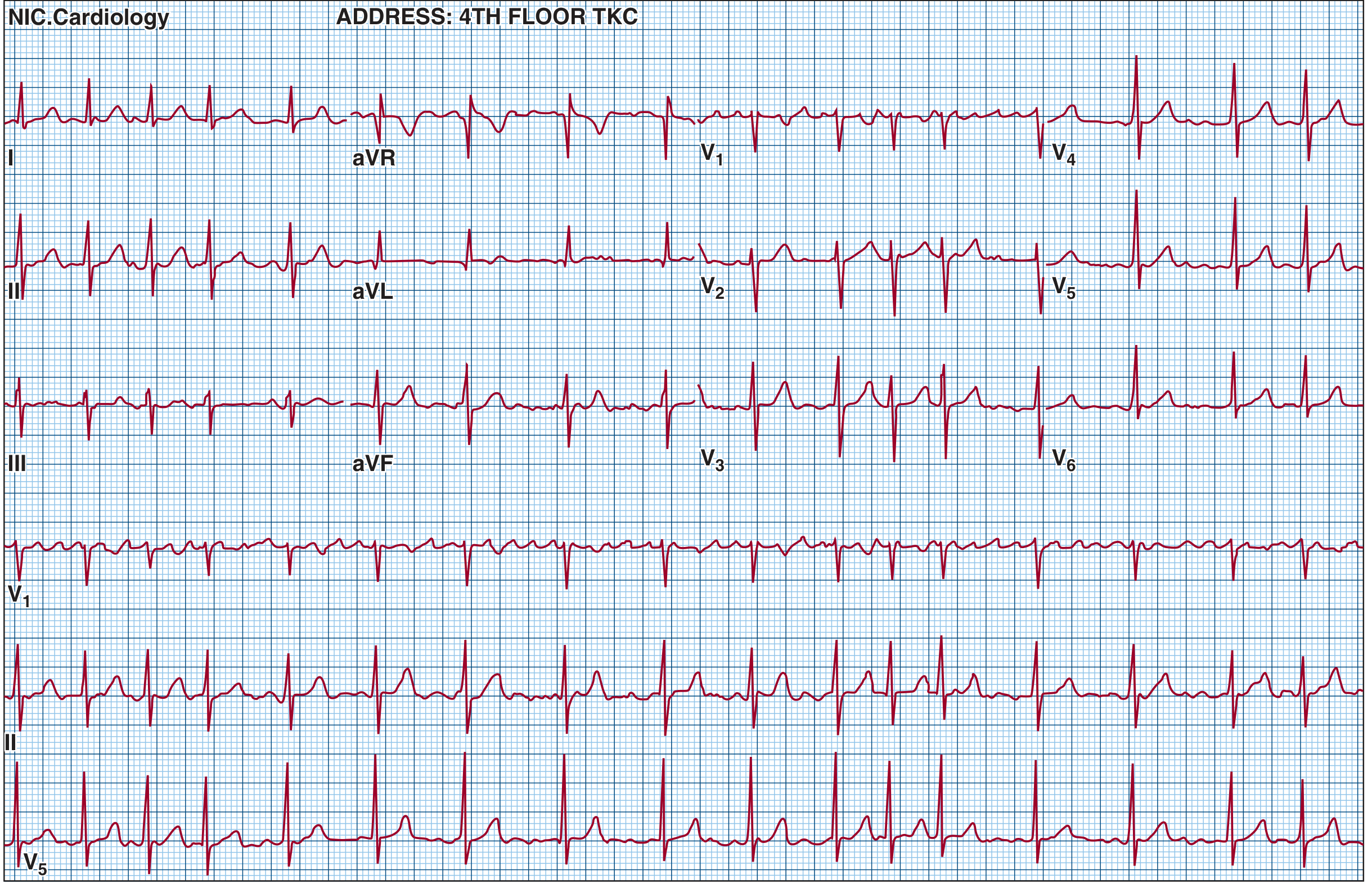
Variable R-R Interval = Irregular Rhythm
1. IRREGULARLY IRREGULAR
No pattern at all - every R-R interval is a different length. Completely chaotic.
Example: Atrial Fibrillation (AF)
- The SA node (normal pacemaker) stops working properly
- Instead, hundreds of chaotic electrical impulses fire from random spots in the atria
- The AV node receives random impulses and conducts them irregularly to the ventricles
- Result: completely random R-R intervals with no detectable pattern
| Feature | Finding |
|---|---|
| P waves | Absent - replaced by rapid fibrillatory (f) waves |
| Baseline | Chaotic, irregular wavy line |
| QRS complexes | Present but at completely random intervals |
| R-R intervals | Totally variable - no two are the same |
| Rate | Ventricular rate usually 100-160 bpm (uncontrolled) |
2. REGULARLY IRREGULAR
There IS a pattern to the irregularity - the irregular beats repeat in a predictable cycle.
Example: 2nd Degree AV Block (Wenckebach / Mobitz I)
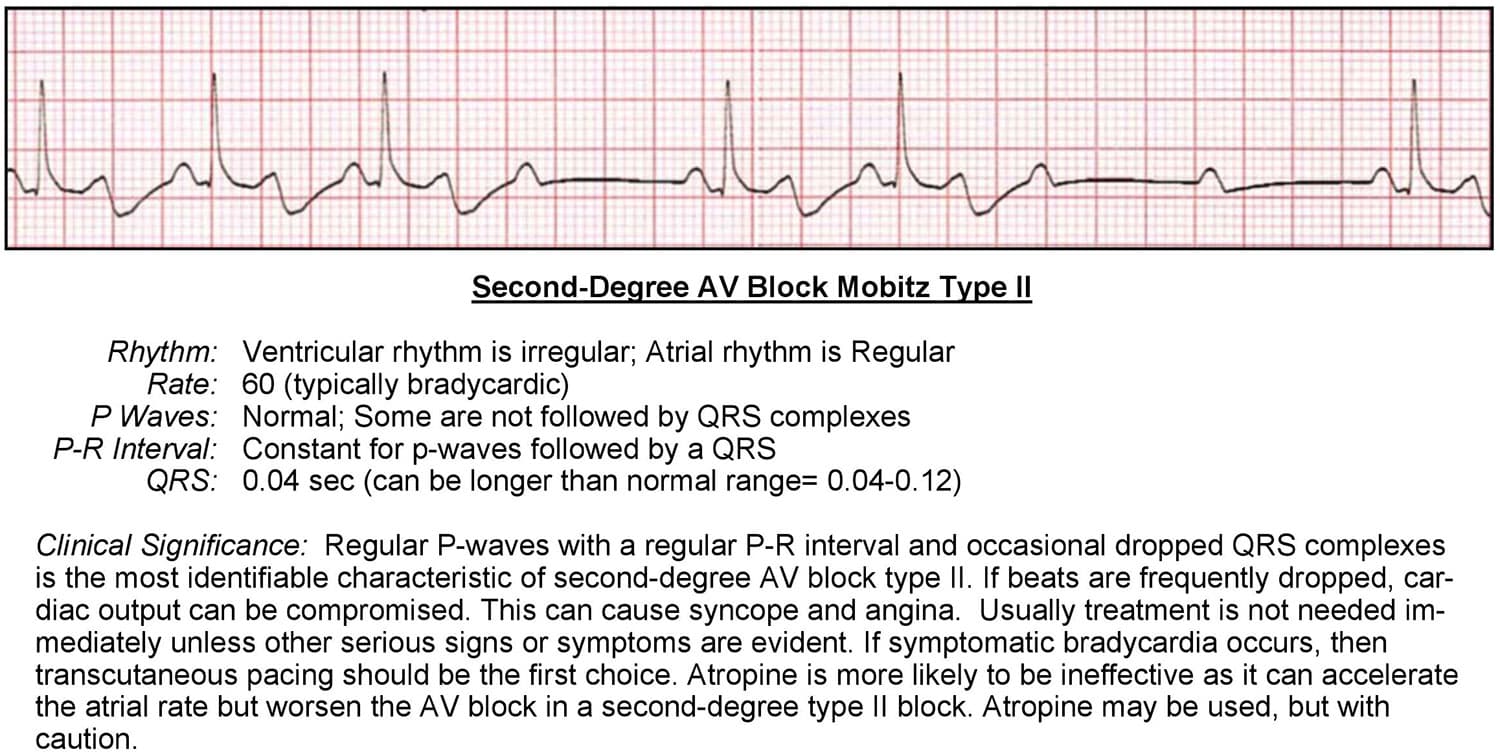
- The AV node (the gatekeeper between atria and ventricles) is diseased
- It struggles to conduct every beat through to the ventricles
- Periodically, one beat gets completely blocked = dropped QRS
Mobitz Type I (Wenckebach) - Classic "Regularly Irregular"
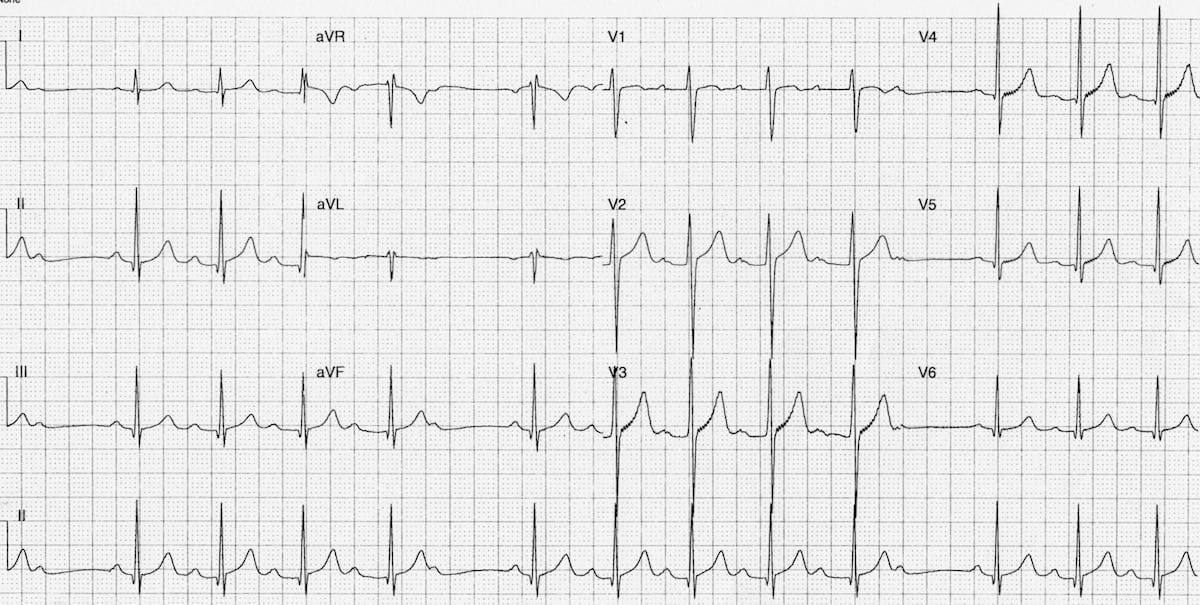
Beat 1: PR = short → QRS appears ✓
Beat 2: PR = longer → QRS appears ✓
Beat 3: PR = longest → QRS appears ✓
Beat 4: PR too long → QRS DROPPED ✗ ← PAUSE
Beat 5: PR = short again → cycle repeats
| Feature | Finding |
|---|---|
| P waves | Present, regular (atria beating normally) |
| PR interval | Gets progressively longer each beat |
| QRS | Periodically dropped (no QRS after a P wave) |
| R-R intervals | Gets shorter then suddenly longer (pause when QRS dropped) |
| Pattern | Repeating groups - e.g., 4 beats then pause, 4 beats then pause |
Mobitz Type II - Also Regularly Irregular
- PR interval stays constant (does not lengthen)
- QRS drops suddenly without warning
- Pattern: e.g., every 2nd P wave blocked (2:1 block) or every 3rd (3:1 block)
- More dangerous than Mobitz I - can progress to complete heart block
Summary of Your Notes
RHYTHM ASSESSMENT
↓
Measure all R-R intervals (gap between QRS peaks)
↓
Are they all equal?
YES NO (Variable R-R)
↓ ↓
Regular Rhythm Is there a PATTERN to the irregularity?
(Normal Sinus)
NO pattern YES, repeating pattern
↓ ↓
IRREGULARLY IRREGULAR REGULARLY IRREGULAR
e.g. ATRIAL FIBRILLATION e.g. 2nd DEGREE AV BLOCK
(completely random) (Wenckebach/Mobitz)
Quick Memory Tip
| Type | Think of it as... | Example |
|---|---|---|
| Regular | Every beat like clockwork | Normal Sinus Rhythm |
| Irregularly Irregular | Chaos - no pattern at all | Atrial Fibrillation |
| Regularly Irregular | Pattern within irregularity | 2nd Degree AV Block (Wenckebach) |
Can you explain full ecg and how to read ecg in simpler way with necessary diagrams and images
ECG normal waveform labeled P wave QRS complex T wave intervals diagram