
Sertraline for panic spell
I'll look up the medical library for information on sertraline for panic disorder right away.
Searching sources...
Reading File
Now I'll run parallel searches across the library and PubMed for sertraline in panic disorder.
Finding Sources
Searching PubMed
sertraline AND "panic disorder"
Good results. Now I'll read the key textbook sections for detailed clinical content in parallel.
Reading File
Reading File
Reading File
I now have comprehensive textbook content. Let me also get the Stahl's mechanistic section and the Maudsley dosing details.
Reading File
Reading File
I now have all the material needed for a thorough answer. Let me also fetch the Stahl's mechanism diagram.
Loading Image
Here is a complete, evidence-based summary on sertraline for panic disorder.
Sertraline for Panic Disorder
Indication & Place in Therapy
Sertraline has FDA approval for panic disorder (with or without agoraphobia), alongside paroxetine, fluoxetine, and venlafaxine. It is considered a first-line agent, alongside other SSRIs and SNRIs. SSRIs work less rapidly than benzodiazepines but are far superior for panic disorder with comorbid depression and carry no abuse potential. All SSRIs have supporting data even if not all carry the FDA label. - Kaplan and Sadock's Synopsis of Psychiatry, p. 1886; Textbook of Family Medicine 9e, p. 1329
Mechanism of Action
Sertraline is primarily a serotonin transporter (SERT) inhibitor. What distinguishes it from other SSRIs are two secondary mechanisms:
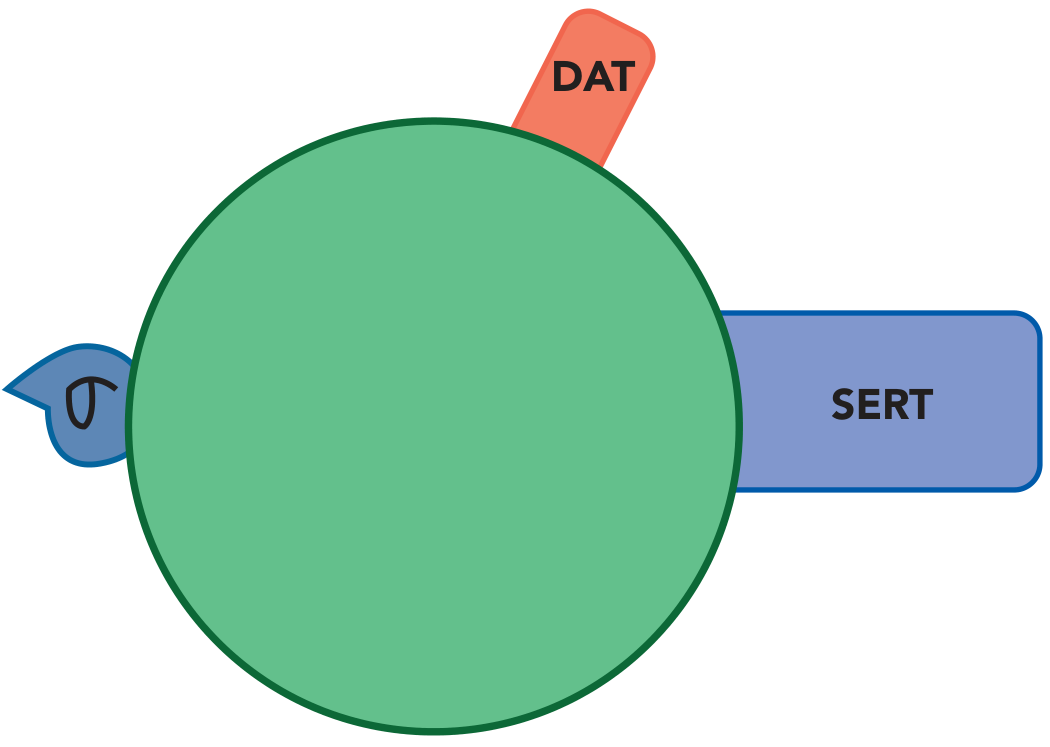
- Weak DAT (dopamine transporter) inhibition - may mildly improve energy and motivation; also underlies its slight "activating" quality, which can transiently worsen anxiety/panic early in treatment
- Sigma-1 (σ1) receptor binding - may contribute to anxiolytic effects, particularly relevant in anxiety and panic; also may benefit psychotic depression
The sigma-1 actions in particular may contribute to sertraline's efficacy in panic. - Stahl's Essential Psychopharmacology, p. 171
Why Sertraline Can Initially Worsen Panic - Key Clinical Point
The weak DAT inhibition causes a mild activating/stimulatory effect in some patients. Clinicians have observed overactivation of patients with panic disorder by sertraline, producing worsening of anxiety or even triggering panic attacks early in treatment. This necessitates a slower dose titration approach in anxious patients. - Stahl's Essential Psychopharmacology, p. 171
Dosing in Panic Disorder
| Parameter | Detail |
|---|---|
| Starting dose (panic) | 25 mg/day (lower than the 50 mg used for depression, specifically to reduce risk of provoking a panic attack) |
| Standard target dose | 50-200 mg/day |
| Titration | Increase by 50 mg every 1-3 weeks as tolerated |
| Maximum dose | 200 mg/day |
| Formulations | Scored 25-, 50-, 100-mg tablets; oral concentrate (20 mg/mL) |
| Timing | Can be taken morning or evening; with food reduces GI side effects |
- Kaplan and Sadock's Synopsis of Psychiatry, p. 1898
The 25 mg starting dose for panic disorder is essential - starting at the standard 50 mg depression dose risks precipitating a panic attack due to initial serotonergic activation.
Bridging with Benzodiazepines
Low-dose benzodiazepines (e.g., clonazepam or lorazepam) may be co-prescribed initially to:
- Manage the early activating/anxiety-provoking side effects of sertraline
- Provide rapid symptom relief during the 2-6 week lag before sertraline's full effect appears
- They should generally be tapered off once sertraline reaches therapeutic effect
High-potency benzodiazepines (alprazolam, clonazepam) are most commonly used. Clonazepam is often preferred over alprazolam due to its longer half-life and slower onset, reducing abuse potential and rebound. - Textbook of Family Medicine 9e, p. 1329
Comparative Efficacy
- SSRIs vs. benzodiazepines: Benzodiazepines have faster onset but SSRIs are superior when comorbid depression is present. Effectiveness of agents (SSRIs, SNRIs, TCAs, benzos) appears relatively equal for panic reduction; agent selection is based on tolerability, comorbidities, abuse risk, and patient preference.
- SSRIs vs. TCAs: TCAs (imipramine, clomipramine) are equally effective but less tolerated (anticholinergic, antihistaminic side effects, lethality in overdose) - second-line.
- SSRIs vs. MAOIs: Comparable response rates to phenelzine (previous standard), but SSRIs are far safer.
- In older adults: Sertraline, citalopram, and escitalopram are particularly favored due to their tolerability profile. A 2023 systematic review in older patients (PMID 37676054) confirms SSRIs including sertraline are appropriate first-line agents in this population.
Key Side Effects Relevant to Panic Patients
- Early worsening of anxiety - most common concern; managed by low starting dose and/or BZD bridge
- GI effects (nausea, diarrhea) - take with food, start low
- Insomnia or agitation - may need dose timing adjustment
- Sexual dysfunction (delayed ejaculation/anorgasmia) - common, can be dose-dependent
- False-positive urine benzodiazepine immunoassay has been reported with sertraline; confirm with GC-MS if suspected
Duration of Treatment
Maintenance treatment of panic disorder reduces relapse likelihood. Long-term treatment (typically at least 1 year after remission) is generally recommended for recurrent or severe panic disorder.
In summary: Start sertraline at 25 mg/day in panic disorder (not 50 mg), titrate slowly, consider a short-term benzodiazepine bridge for the first few weeks, and expect full therapeutic benefit in 4-8 weeks. The FDA indication is well-supported by RCTs and meta-analyses, and sertraline's sigma-1 receptor activity may offer a pharmacological advantage specific to anxiety/panic.
This is a shared conversation. Sign in to Orris to start your own chat.