
Explain Vertigo in easy way.
Vertigo is the sensation that you or your surroundings are spinning or moving when there is no actual movement. It is not a disease itself but a symptom, most often caused by problems in the inner ear or brain. The most common cause is BPPV (tiny calcium crystals shifting in the inner ear canals).
Searching sources...
Reading File
Searching the Web
vertigo causes types treatment explained simply
Finding Sources
Reading File
Reading File
Reading File
Reading File
Now I have enough from the textbooks. Let me also get a relevant image of the inner ear anatomy and compile the full answer.
Loading Image
Here is a clear, easy-to-understand explanation of Vertigo:
🌀 Vertigo - Explained Simply
What Is It?
Vertigo is the false sensation that you or your surroundings are spinning or moving when nothing is actually moving. Think of stepping off a merry-go-round - that dizzy, spinning feeling even when you are standing still. That is vertigo.
It is not a disease itself, but a symptom of something else going wrong, most often in your inner ear or brain.
The Key Organ: Your Inner Ear
Your inner ear does two jobs - it helps you hear AND helps you balance. Inside it are tiny fluid-filled canals (the semicircular canals) that detect head movement and send signals to your brain about your position in space.
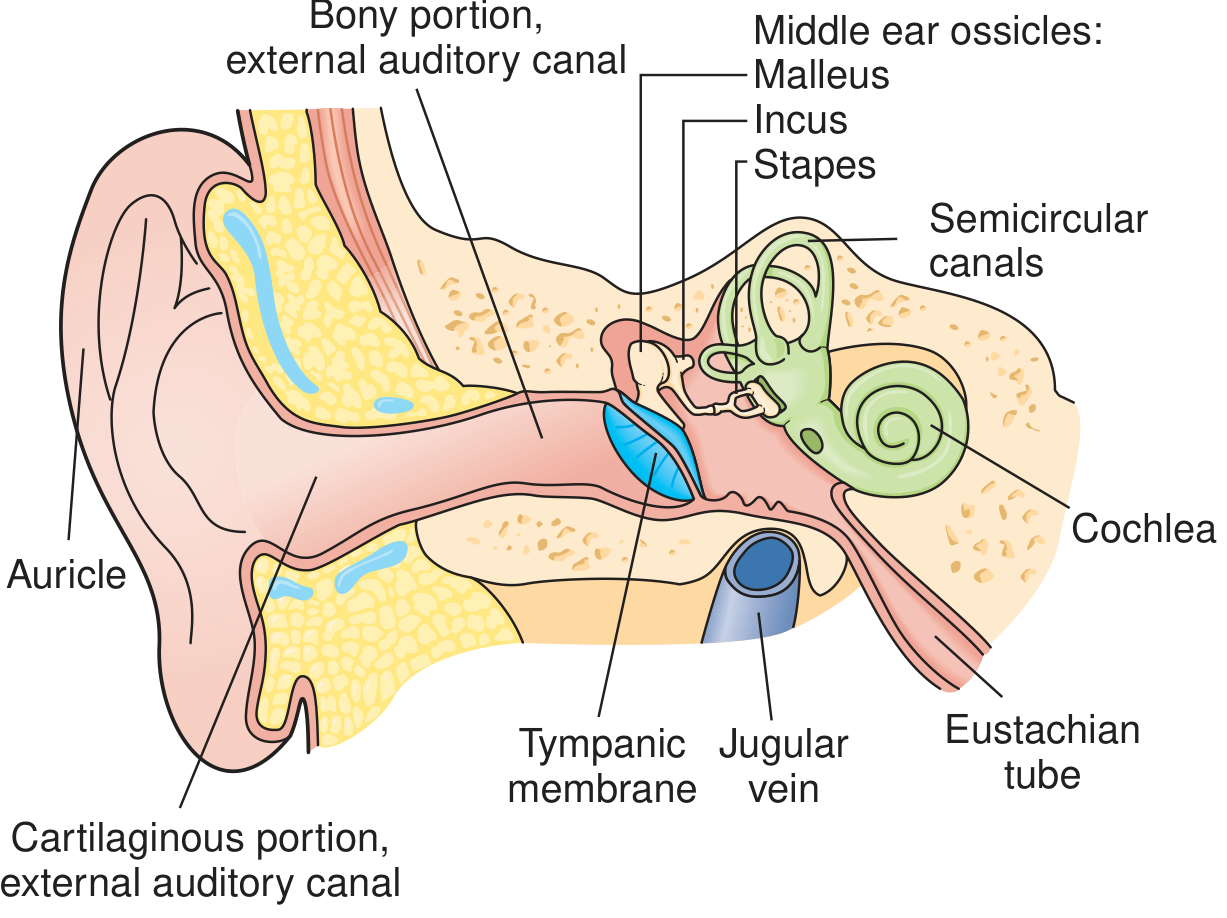
When something disturbs this system, your brain gets wrong signals - it thinks you are moving when you are not. That is vertigo.
Two Main Types
1. Peripheral Vertigo (Inner Ear Problem) - Most Common ~90%
The problem is in the inner ear or the vestibular nerve. It is usually:
- Episodic (comes and goes)
- Triggered by head movement
- No other neurological symptoms (no weakness, no speech problems)
Common causes:
| Cause | What happens |
|---|---|
| BPPV (Benign Paroxysmal Positional Vertigo) | Tiny calcium crystals (otoliths) fall out of place inside the ear canals, sending wrong signals |
| Vestibular Neuritis | A viral infection inflames the vestibular nerve |
| Labyrinthitis | Infection/inflammation of the inner ear, often with hearing loss |
| Meniere's Disease | Excess fluid builds up in the inner ear, causing vertigo + hearing loss + ringing (tinnitus) |
2. Central Vertigo (Brain Problem) - Less Common ~10%
The problem is in the brain (brainstem, cerebellum, or cortex). It is usually:
- Constant (does not come and go)
- Not worsened by head movement alone
- May have other neurological signs (double vision, slurred speech, weakness)
Common causes: Stroke, brain tumor, multiple sclerosis, migraine.
⚠️ Central vertigo is more serious and needs urgent evaluation.
Symptoms - What You Feel
- Spinning or tilting sensation
- Nausea and vomiting
- Loss of balance / unsteady walking
- Involuntary eye movements (nystagmus - eyes flicker side to side)
- Worsening with head movements
- Sometimes: hearing loss or ringing in the ear (points to inner ear cause)
How Doctors Diagnose It
1. History - When did it start? Does head movement trigger it? Any hearing loss?
2. Dix-Hallpike Test - The doctor turns your head and lays you back quickly. If this triggers spinning + eye flickering (nystagmus), it confirms BPPV (the most common cause).
3. Romberg Test - Standing with eyes closed to check balance.
4. Audiogram - Hearing test, if inner ear disease is suspected.
5. Brain MRI - Only if a central (brain) cause is suspected, or if symptoms don't respond to treatment.
Treatment
| Type | Treatment |
|---|---|
| BPPV | Epley Maneuver - a series of head movements that reposition the displaced crystals back to where they belong (very effective, no medicines needed!) |
| Vestibular Neuritis / Labyrinthitis | Rest, antihistamines (meclizine, dimenhydrinate), sometimes steroids |
| Meniere's Disease | Low-salt diet, diuretics, betahistine |
| Central Vertigo | Treat the underlying cause (stroke treatment, tumor removal, etc.) |
Medicines for symptom relief:
- Antihistamines (meclizine/Antivert, dimenhydrinate/Dramamine) - reduce dizziness and nausea
- Benzodiazepines - second-line, for severe episodes
- Anti-nausea drugs - for vomiting
Simple Analogy
Imagine your inner ear is like a spirit level (the bubble tool carpenters use). Normally the bubble sits perfectly centered and tells your brain "you are upright and still." In vertigo, the bubble goes haywire - it keeps bouncing around even when you are not moving, so your brain constantly thinks you are spinning.
Key Takeaways
- Vertigo = false sensation of spinning (not just dizziness)
- Most common cause = BPPV (displaced ear crystals) - benign and very treatable
- Inner ear (peripheral) causes are far more common than brain (central) causes
- The Epley maneuver can cure BPPV in minutes
- Red flags suggesting brain cause: constant vertigo, neurological symptoms (weakness, speech problems, double vision) - seek urgent care
Sources: Textbook of Family Medicine 9e, Ch. 18 | Rosen's Emergency Medicine
k f t Report Kaise Padhe easily or report dekh ke Diagnosis Banana sikhe,
KFT (Kidney Function Test) ek blood test hai jo batata hai ki aapke kidneys kitna achha kaam kar rahe hain. Isme mainly Creatinine, BUN, Uric Acid, Electrolytes aur GFR dekha jata hai.
Searching sources...
Reading File
Searching the Web
KFT kidney function test report interpretation normal values creatinine BUN GFR
Finding Sources
Finding Sources
Reading File
Reading File
Reading File
Finding Sources
Finding Sources
Finding Sources
Loading Image
Reading File
Ab mere paas saari zaroori information hai. Ab ek comprehensive, easy Hindi/Hinglish guide banata hoon.
🧪 KFT Report Kaise Padhein - Aasaan Guide
KFT Kya Hota Hai?
KFT = Kidney Function Test - yeh blood aur urine tests ka ek group hai jo batata hai ki aapke dono kidneys kitna achha kaam kar rahe hain.
Kidneys ka kaam hai:
- Blood se waste filter karna
- Pani aur salts ka balance rakhna
- Blood pressure control karna
Jab kidneys theek se kaam nahi karte, toh waste blood mein ikatha hone lagta hai - aur yahi KFT pakad leta hai.
KFT Report Mein Kya Kya Hota Hai?
📋 Ek Typical KFT Report Mein 7-8 Tests Hote Hain:
1. 🔵 Serum Creatinine
| Detail | Value |
|---|---|
| Normal (Purush/Male) | 0.7 - 1.2 mg/dL |
| Normal (Mahila/Female) | 0.5 - 1.0 mg/dL |
| High matlab | Kidney filter nahi kar rahi |
| Low matlab | Muscle mass kam hai (less concerning) |
Aasaan language mein: Creatinine ek waste product hai jo muscles banati hain. Kidney isko blood se filter karke urine mein nikaalti hai. Agar kidney weak hai toh creatinine blood mein ruk jaata hai aur report mein HIGH dikhayi deta hai.
⚠️ Dhyan do: Ek baar ka high creatinine, haamesha kidney disease nahi hota. Dehydration, high protein diet, ya exercise bhi temporarily badha sakti hai.
2. 🟡 BUN (Blood Urea Nitrogen)
| Detail | Value |
|---|---|
| Normal Range | 7 - 20 mg/dL |
| High matlab | Kidney problem, dehydration, ya zyada protein khana |
| Low matlab | Malnutrition ya liver disease |
Aasaan language mein: Jab aap protein khate hain, liver ussey todkar Urea banata hai. Kidney isko filter karti hai. Agar BUN high hai, ya toh kidney nahi kar rahi kaam, ya aap bahut zyada protein kha rahe hain.
3. 🔴 BUN : Creatinine Ratio (Sabse Important Diagnostic Tool!)
| Ratio | Matlab (Diagnosis) |
|---|---|
| 10:1 (Normal) | Kidneys theek hain |
| > 20:1 (BUN zyada) | Pre-renal AKI - Kidney tak khoon kam ja raha hai (dehydration, blood loss, heart failure) |
| < 10:1 (Creatinine zyada) | Renal AKI - Kidney ke andar kharabi (nephritis, nephropathy) |
💡 Trick: Ratio se aap samajh sakte hain ki problem kidney ke bahar hai ya kidney ke andar.
4. 🟢 eGFR (Estimated Glomerular Filtration Rate) - Sabse Important Number!
eGFR = Kidney ki filtering speed ka number
Yeh number directly batata hai kidney kitne percent kaam kar rahi hai:
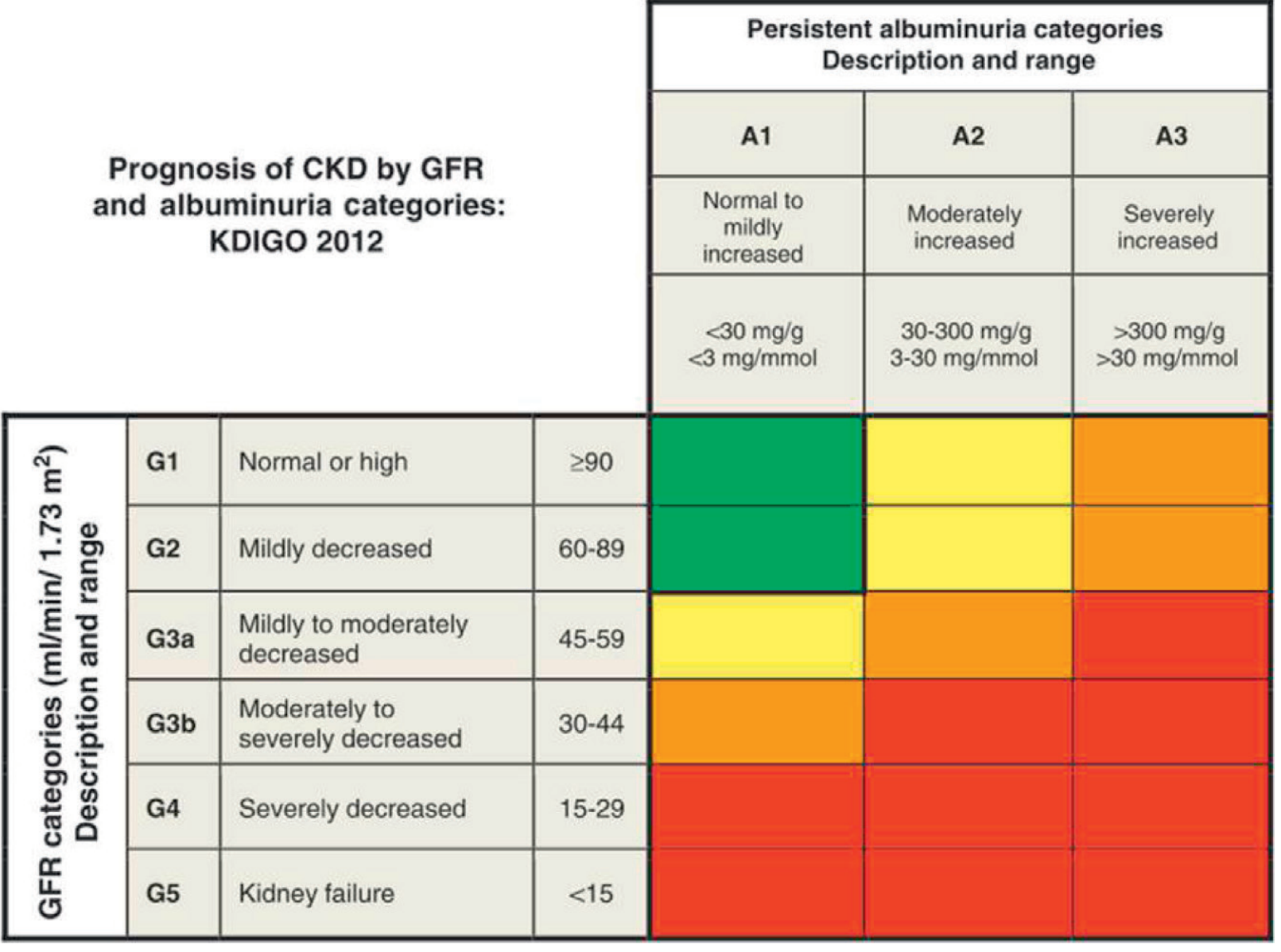
| Stage | eGFR | Matlab |
|---|---|---|
| G1 | ≥ 90 | ✅ Normal - Kidneys bilkul theek |
| G2 | 60 - 89 | 🟡 Thoda kam - Monitoring karo |
| G3a | 45 - 59 | 🟠 Mild-Moderate kharabi |
| G3b | 30 - 44 | 🟠 Moderate-Severe kharabi |
| G4 | 15 - 29 | 🔴 Severe - Dialysis ki taiyaari |
| G5 | < 15 | 🔴🔴 Kidney Failure - Dialysis/Transplant |
5. 🟤 Uric Acid
| Detail | Value |
|---|---|
| Normal (Male) | 3.5 - 7.2 mg/dL |
| Normal (Female) | 2.6 - 6.0 mg/dL |
| High matlab (Hyperuricemia) | Gout ka risk, kidney stones, ya kidney disease |
6. 🔵 Electrolytes (Sodium, Potassium, Chloride)
| Test | Normal Range | High Hone Par | Low Hone Par |
|---|---|---|---|
| Sodium (Na+) | 136 - 145 mEq/L | Dehydration | Overhydration/SIADH |
| Potassium (K+) | 3.5 - 5.0 mEq/L | ⚠️ Dangerous - Heart arrhythmia | Weakness, muscle cramps |
| Chloride (Cl-) | 98 - 107 mEq/L | Dehydration | Vomiting, excess diuretics |
⚠️ Potassium bahut important hai! Kidney failure mein potassium bahut badh jaata hai jo heart attack ka kaaran ban sakta hai.
7. Urine Tests (Jo KFT ke saath aate hain)
| Test | Normal | Abnormal Matlab |
|---|---|---|
| Proteinuria (Protein in urine) | Negative / < 30 mg/g | Kidney filter leak ho raha hai |
| Albumin-Creatinine Ratio (ACR) | < 30 mg/g | 30-300 = early damage; >300 = advanced damage |
| Hematuria (Blood in urine) | Negative | Infection, stones, ya glomerulonephritis |
🩺 Report Dekh Ke Diagnosis Kaise Karein?
Step-by-Step Approach:
STEP 1: eGFR dekho → Kidney kitne percent kaam kar rahi hai?
STEP 2: Creatinine + BUN dekho → Kitna waste blood mein hai?
STEP 3: BUN:Creatinine Ratio → Problem kidney ke bahar hai ya andar?
STEP 4: Electrolytes (Potassium) → Koi emergency toh nahi?
STEP 5: Urine protein → Kidney leaking toh nahi kar rahi?
🔍 Common Diagnoses aur Unke KFT Patterns:
| Condition | Creatinine | BUN | BUN:Cr Ratio | eGFR | Protein in Urine |
|---|---|---|---|---|---|
| Normal | Normal | Normal | 10:1 | >90 | Negative |
| Dehydration (Pre-renal) | Thoda high | Zyada high | >20:1 | Thoda kam | Negative |
| Acute Kidney Injury (AKI) | High | High | <15:1 | Bahut kam | ± Present |
| Chronic Kidney Disease (CKD) | High | High | ~15:1 | <60 | Present |
| Nephrotic Syndrome | Normal/High | Normal | Normal | Normal/Low | ⚠️ Bahut zyada |
| Urinary Tract Obstruction | High | High | >20:1 | Kam | Variable |
| Diabetic Nephropathy | Normal → High | Normal → High | Normal | Normal → Low | Early se hi present |
🚨 Emergency Signs - Foran Doctor ke Paas Jaao:
- Potassium > 6.0 mEq/L → Heart arrhythmia ka risk
- Creatinine achaanak 2x se zyada ho gaya → Acute Kidney Injury
- eGFR < 15 → Kidney Failure
- Urine bilkul band ho gayi → Medical Emergency
- Protein in urine > 3.5 g/day + Swelling + Low Albumin → Nephrotic Syndrome
🧠 Yaad Rakhne Ka Aasaan Formula:
📌 Creatinine HIGH = Kidney slow hai
📌 BUN HIGH + Creatinine thoda HIGH = Pani kam piya (Dehydration)
📌 BUN aur Creatinine dono HIGH = Kidney kharab hai
📌 eGFR < 60 = Kidney disease ki jagah confirm
📌 Protein in urine = Kidney "leak" ho rahi hai
Sources: Tietz Textbook of Laboratory Medicine 7th Ed. | Brenner & Rector's The Kidney | Robbins & Kumar Basic Pathology | Goldman-Cecil Medicine
Mera specific KFT report analyze karo - values bataunga
Bilkul! Apni KFT report ki values share karein. 😊
Neeche diye gaye format mein values batayein - jo bhi available ho:
📋 Apni Values Yahan Share Karein:
| Test | Aapki Value | Unit |
|---|---|---|
| Serum Creatinine | ? | mg/dL |
| BUN (Blood Urea Nitrogen) | ? | mg/dL |
| Uric Acid | ? | mg/dL |
| eGFR | ? | mL/min/1.73m² |
| Sodium (Na+) | ? | mEq/L |
| Potassium (K+) | ? | mEq/L |
| Chloride (Cl-) | ? | mEq/L |
| Urine Protein | ? | - |
| Albumin | ? | g/dL |
Saath mein yeh bhi batayein (diagnosis ke liye zaroori hai):
- 🧑 Age aur Gender (Male/Female)?
- 🤒 Koi symptoms hain? - Swelling, urine kam aana, thakaan, high BP?
- 💊 Koi bimari already hai? - Diabetes, Hypertension, etc.?
- 💉 Koi dawai chal rahi hai?
Jitni bhi values hon, share karein - main detailed analysis aur diagnosis dunga! 🔬
This is a shared conversation. Sign in to Orris to start your own chat.