
Prepare a colourful chart including diagrams and images, short sentences for world mosquito day, take reference from k park for CM, include information regarding mosquito bite prevention
mosquito net bed net prevention
World Mosquito Day 2026 theme date history
dengue Aedes mosquito breeding sites stagnant water
applying mosquito repellent cream on skin
dengue fever clinical signs rash
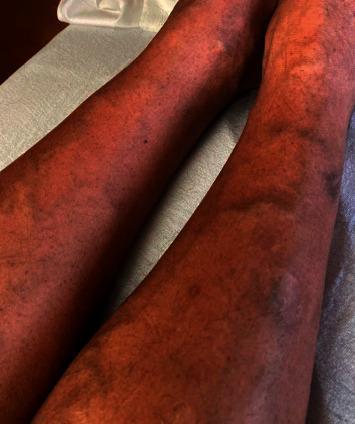
This clinical photograph shows the bilateral lower extremities of a 47-year-old male presenting with a diffuse dermatologic manifestation of thrombocytopenia. The skin demonstrates widespread, non-blanching petechiae, appearing as numerous pinpoint-sized (1-2 mm), reddish-purple macules. These lesions are densely scattered across the anterior and lateral aspects of the shins and calves. In addition to the petechial rash, several larger, coalescent purpuric lesions and subtle ecchymoses are visible, indicating small-vessel bleeding into the dermis. The background skin exhibits generalized erythema. This visual finding is characteristic of severe thrombocytopenia, in this clinical context associated with a viral hemorrhagic fever such as dengue. The image serves as an educational example of the cutaneous signs of low platelet counts and the systemic progression of infectious diseases like dengue fever in a hospital setting.
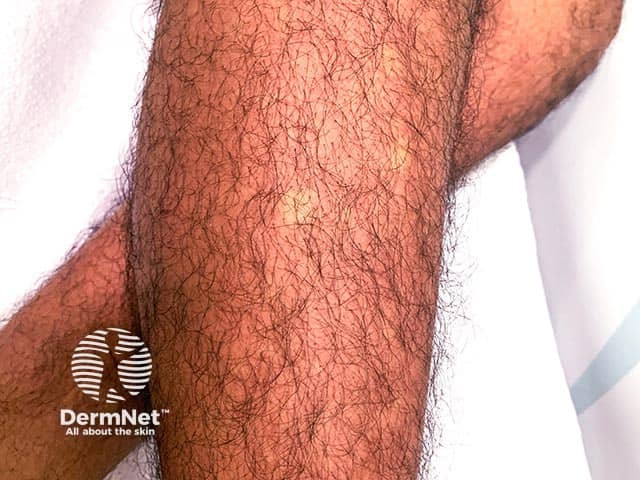
Clinical photography of a forearm demonstrates an acute, diffuse erythematous exanthem with pale islands of hypopigmentation or normal skin creating a white islands in a sea of red pattern. The imaging modality is surface, noninvasive dermatologic photography using standard lighting and color calibration; no stains or contrast agents applied. Anatomic context is the integumentary system, skin of the forearm (anterior-lateral aspect) in a febrile patient. Lesion morphology includes confluent erythema composed of macules and small papules merging to form broad red patches, with discrete islands of preserved or lighter skin within the inflamed background. The pattern may blanch with pressure and lacks overt vesiculation or necrosis in this view. Clinically this appearance is characteristic of viral exanthems seen in febrile illnesses such as dengue fever, chikungunya, or Zika; extension to trunk and limbs is common. Differential considerations include measles, rubella, drug eruption, pityriasis rosea, and pityriasis lichenoides. Diagnostic significance lies in recognizing a febrile exanthem pattern, prompting laboratory evaluation for dengue (NS1/IgM/IgG), complete blood count, and coagulation tests; monitor for warning signs. Potential educational uses include dermatology teaching, infectious disease triage, and documentation of rash evolution over time. This description supports rapid clinical triage and correlates with febrile dengue syndromes.
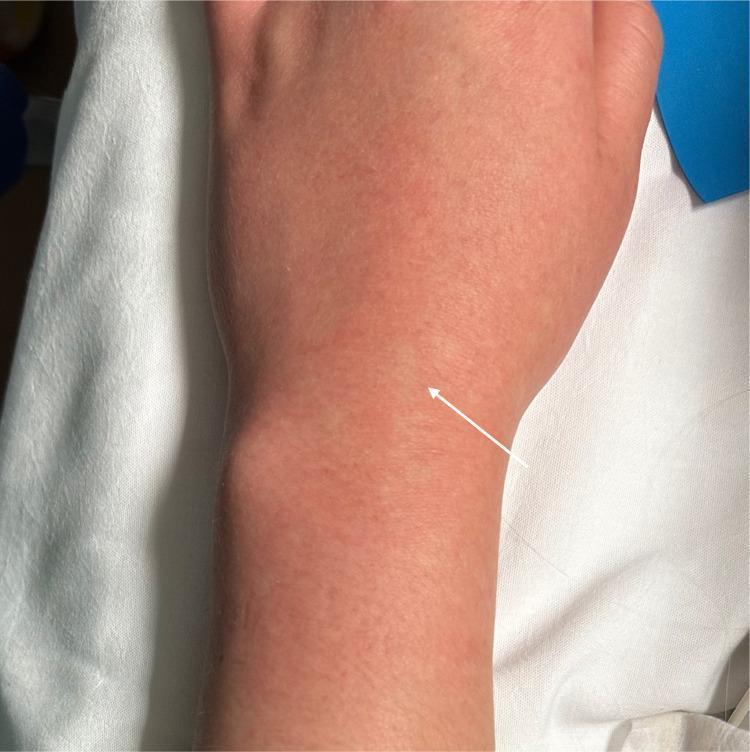
This clinical photograph displays a maculopapular rash on the dorsal surface of the human upper extremity, extending from the wrist to the distal forearm. The dermatological presentation is characterized by widespread, confluent erythema that gives the skin a deep reddish-pink appearance. A distinctive feature is the presence of several small, pale, well-demarcated patches of unaffected skin within the larger erythematous area, commonly referred to as 'islands of white in a sea of red.' An arrow indicates one such spared island on the wrist. The skin texture appears relatively smooth without prominent scaling, vesicles, or ulceration. This specific visual pattern is a classic clinical finding often associated with the recovery phase of Dengue fever or other viral exanthems. The image illustrates key diagnostic signs for infectious disease evaluation, emphasizing distribution patterns and characteristic skin sparing.
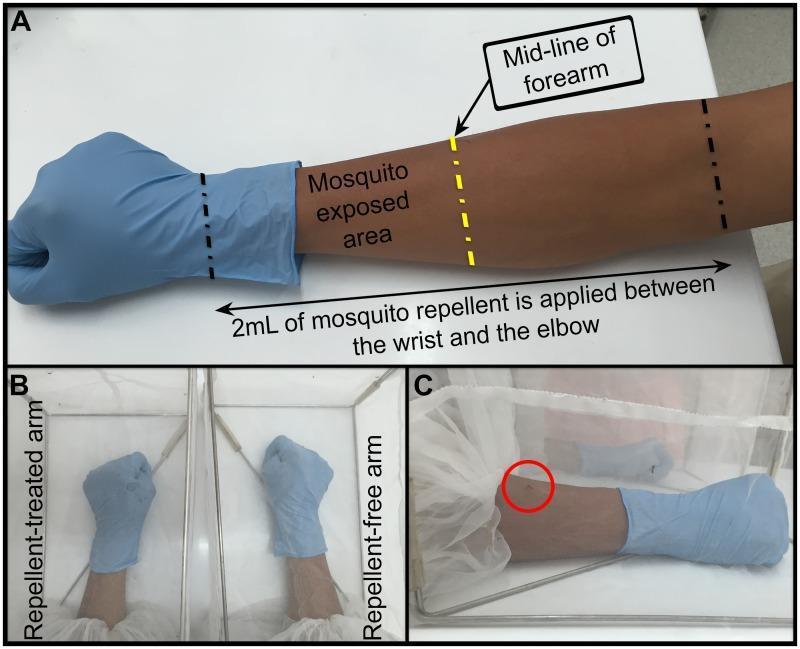
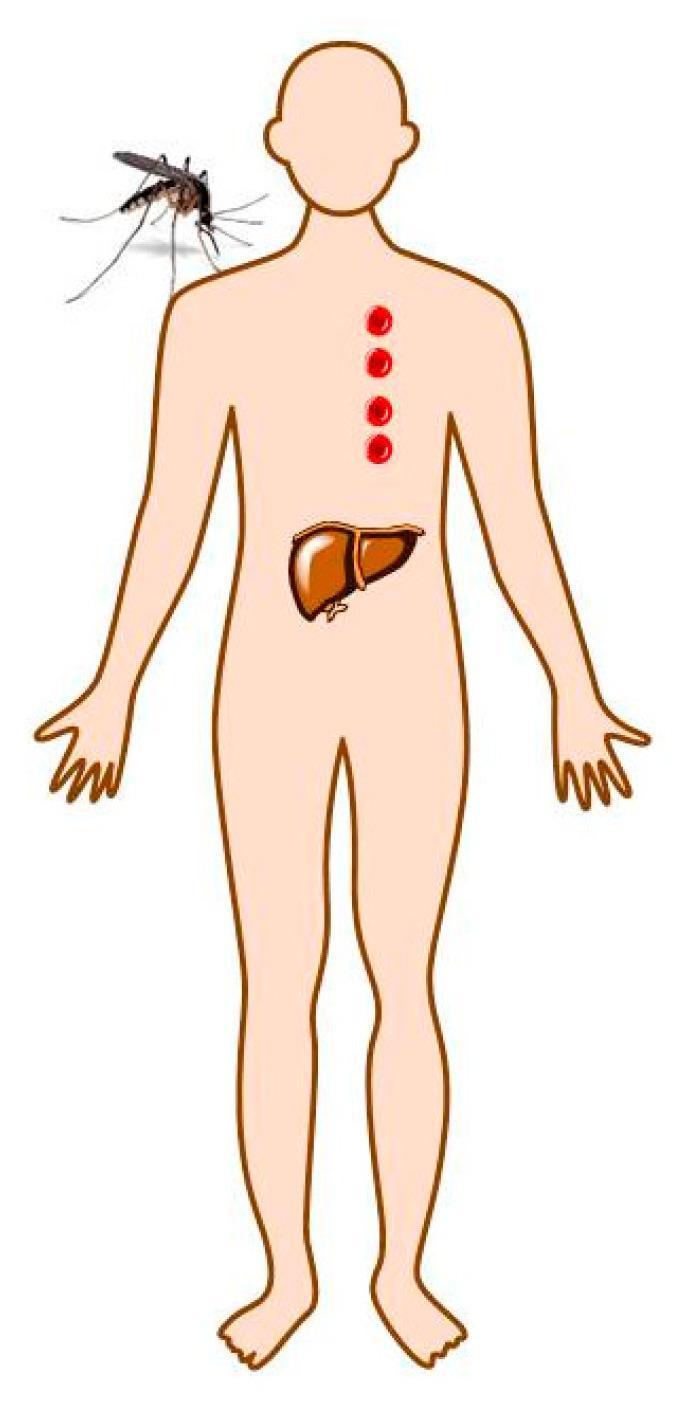
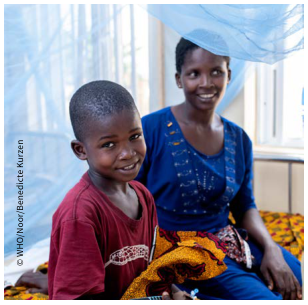
mkdir -p /tmp/workspace/world-mosquito-day/assets /tmp/workspace/world-mosquito-day/output && cd /tmp/workspace/world-mosquito-day/assets && \ curl -sL -o mosquito_bite.jpg "https://cdn.orris.care/cdss_images/pmc_clinical_VQA_21381b853189c4c4018a11339d3490f58b3145ab2a2ccc0a70b14b6d67a79291.jpg" && \ curl -sL -o malaria_cycle.jpg "https://cdn.orris.care/cdss_images/pmc_clinical_VQA_0bc515316c051426a5b330810301f5aff9a72ac6a8b72e1b50833836ed1b68d2.jpg" && \ curl -sL -o bednet.png "https://cdn.orris.care/cdss_images/GLGCA_2442997_1763309336390_f414afb5-ff3b-44c5-965f-11307146f8b9.png" && \ curl -sL -o dengue_rash.jpg "https://cdn.orris.care/cdss_images/DermNetNZ_1760030703310_7ff95126-9754-42b9-ba48-2ced1029d46a.jpg" && \ ls -la
~/world-mosquito-day/build_poster.py
from PIL import Image, ImageDraw, ImageFont, ImageOps
import os

ASSETS = "/tmp/workspace/world-mosquito-day/assets"
OUT = "/tmp/workspace/world-mosquito-day/output/World_Mosquito_Day_Poster.png"

W, H = 1600, 2400
img = Image.new("RGB", (W, H), "#FFFFFF")
draw = ImageDraw.Draw(img)

# ---------- Fonts ----------
FD = "/usr/share/fonts/truetype/dejavu/"
def font(name, size):
    return ImageFont.truetype(os.path.join(FD, name), size)

f_title   = font("DejaVuSans-Bold.ttf", 76)
f_sub     = font("DejaVuSans-Bold.ttf", 34)
f_h2      = font("DejaVuSans-Bold.ttf", 40)
f_h3      = font("DejaVuSans-Bold.ttf", 28)
f_body    = font("DejaVuSans.ttf", 24)
f_body_b  = font("DejaVuSans-Bold.ttf", 24)
f_small   = font("DejaVuSans.ttf", 20)
f_tiny    = font("DejaVuSans.ttf", 17)

# ---------- Palette ----------
TEAL   = "#0B7A75"
DARK   = "#0A3D3B"
ORANGE = "#F2994A"
RED    = "#E5533D"
YELLOW = "#F6C445"
GREEN  = "#4CAF7D"
BLUE   = "#3A7CA5"
LIGHT  = "#EAF7F4"
WHITE  = "#FFFFFF"
GREY   = "#5A5A5A"

def rounded(draw, box, radius, fill):
    draw.rounded_rectangle(box, radius=radius, fill=fill)

def wrap_text(text, fnt, max_width, draw):
    words = text.split()
    lines, cur = [], ""
    for w in words:
        trial = (cur + " " + w).strip()
        if draw.textlength(trial, font=fnt) <= max_width:
            cur = trial
        else:
            lines.append(cur)
            cur = w
    if cur:
        lines.append(cur)
    return lines

def draw_bullets(draw, x, y, items, fnt, color, max_width, line_gap=10, bullet_gap=14, bullet_color=None):
    bullet_color = bullet_color or color
    cy = y
    for it in items:
        draw.ellipse([x, cy+10, x+12, cy+22], fill=bullet_color)
        lines = wrap_text(it, fnt, max_width, draw)
        for i, ln in enumerate(lines):
            draw.text((x+26, cy), ln, font=fnt, fill=color)
            cy += fnt.size + line_gap
        cy += bullet_gap
    return cy

# ============ HEADER BAND ============
rounded(draw, [0, 0, W, 340], 0, TEAL)
draw.rectangle([0, 300, W, 340], fill=ORANGE)

draw.text((W/2, 90), "WORLD MOSQUITO DAY", font=f_title, fill=WHITE, anchor="mm")
draw.text((W/2, 165), "20th AUGUST  ·  A tiny insect, the world's deadliest animal", font=f_sub, fill=YELLOW, anchor="mm")
note = "Marks Sir Ronald Ross's 1897 discovery in Secunderabad, India, that female Anopheles mosquitoes transmit malaria"
lines = wrap_text(note, f_body, 1300, draw)
ty = 220
for ln in lines:
    draw.text((W/2, ty), ln, font=f_body, fill=WHITE, anchor="mm")
    ty += 30

y = 380

# ============ SECTION: mosquitoes & diseases they spread ============
rounded(draw, [40, y, W-40, y+60], 14, DARK)
draw.text((70, y+30), "MOSQUITOES & THE DISEASES THEY SPREAD", font=f_h2, fill=WHITE, anchor="lm")
y += 90

# image (mosquito biting) left
img1 = Image.open(os.path.join(ASSETS, "mosquito_bite.jpg")).convert("RGB")
img1 = ImageOps.fit(img1, (480, 340), Image.LANCZOS)
img.paste(img1, (60, y))
draw.rectangle([60, y, 60+480, y+340], outline=ORANGE, width=6)
draw.text((60, y+350), "Female mosquitoes need a blood meal to lay eggs -\nonly females bite.", font=f_tiny, fill=GREY)

# table of vectors/diseases on right
tx = 580
tw = W - 40 - tx
rows = [
    ("Anopheles", "Malaria", RED),
    ("Culex", "Filariasis, Japanese Encephalitis, West Nile fever", BLUE),
    ("Aedes", "Dengue, Dengue Haemorrhagic Fever, Chikungunya, Yellow fever", ORANGE),
    ("Mansonoides", "Brugian (Malayan) filariasis, Chikungunya", GREEN),
]
ry = y
row_h = 90
for name, disease, col in rows:
    rounded(draw, [tx, ry, tx+tw, ry+row_h-10], 12, LIGHT)
    draw.rounded_rectangle([tx, ry, tx+150, ry+row_h-10], radius=12, fill=col)
    draw.text((tx+75, ry+(row_h-10)/2), name, font=f_h3, fill=WHITE, anchor="mm")
    dl = wrap_text(disease, f_body, tw-190, draw)
    dy = ry + (row_h-10)/2 - (len(dl)-1)*14
    for ln in dl:
        draw.text((tx+170, dy), ln, font=f_body, fill=DARK, anchor="lm")
        dy += 28
    ry += row_h
y = max(y+340+70, ry+20)

# ============ SECTION: Life cycle / mosquito habits ============
rounded(draw, [40, y, W-40, y+60], 14, DARK)
draw.text((70, y+30), "MOSQUITO HABITS AT A GLANCE", font=f_h2, fill=WHITE, anchor="lm")
y += 90

img2 = Image.open(os.path.join(ASSETS, "malaria_cycle.jpg")).convert("RGB")
img2 = ImageOps.fit(img2, (480, 380), Image.LANCZOS)
img.paste(img2, (60, y))
draw.rectangle([60, y, 60+480, y+380], outline=BLUE, width=6)
draw.text((60, y+390), "Malaria life cycle: mosquito bite -> sporozoites\n-> liver -> bloodstream.", font=f_tiny, fill=GREY)

habits = [
    "Bite mostly at dusk, night and dawn - stay covered at these times.",
    "Anopheles breeds in clean water; Culex in dirty water; Aedes in small artificial water collections (pots, tyres, coolers).",
    "Rest in dark, cool corners indoors or outdoors between bites.",
    "Fly short distances (a few km) - local breeding sites drive local outbreaks.",
    "Adult lifespan: 8-34 days - breaking the breeding cycle controls the population fast.",
]
draw_bullets(draw, 580, y+10, habits, f_body, DARK, tw-20, bullet_color=BLUE)
y = y + 400 + 20

# ============ SECTION: BITE PREVENTION ============
rounded(draw, [40, y, W-40, y+60], 14, RED)
draw.text((70, y+30), "MOSQUITO BITE PREVENTION - PERSONAL MEASURES", font=f_h2, fill=WHITE, anchor="lm")
y += 90

img3 = Image.open(os.path.join(ASSETS, "bednet.png")).convert("RGB")
img3 = ImageOps.fit(img3, (480, 360), Image.LANCZOS)
img.paste(img3, (60, y))
draw.rectangle([60, y, 60+480, y+360], outline=RED, width=6)
draw.text((60, y+370), "Sleep under an insecticide-treated bed net,\nespecially children and pregnant women.", font=f_tiny, fill=GREY)

prevention = [
    "Wear full-sleeve shirts and full-length pants, especially at dusk and night.",
    "Apply mosquito repellent creams, liquids, coils or mats on exposed skin.",
    "Sleep under insecticide-treated bed nets, day and night for infants.",
    "Fix wire-mesh screens on doors and windows to keep mosquitoes out.",
    "Avoid unnecessary outdoor exposure between dusk and dawn.",
    "Use vaporizers/electric mats indoors in endemic and monsoon seasons.",
]
draw_bullets(draw, 580, y+10, prevention, f_body, DARK, tw-20, bullet_color=RED)
y = y + 380 + 10

# ============ SECTION: ENVIRONMENTAL / VECTOR CONTROL ============
rounded(draw, [40, y, W-40, y+60], 14, GREEN)
draw.text((70, y+30), "SOURCE REDUCTION & VECTOR CONTROL - COMMUNITY MEASURES", font=f_h2, fill=WHITE, anchor="lm")
y += 90

env_left = [
    "Detect and destroy mosquito breeding places every week.",
    "Empty, dry, cover or scrub water containers, coolers, pots and tanks.",
    "Observe a weekly 'Dry Day' - empty all stored water once a week.",
    "Manage roof tops, porticos, sunshades where rainwater collects.",
]
env_right = [
    "Larviciding of water surfaces with temephos or biological agents.",
    "Indoor residual spraying and space (fog) spraying of insecticides.",
    "Improve drainage and peri-domestic sanitation to remove stagnant water.",
    "Community health education and participation drive lasting control.",
]
col_w = (tw)/2 - 20
draw_bullets(draw, 60, y, env_left, f_body, DARK, 480, bullet_color=GREEN)
draw_bullets(draw, 580, y, env_right, f_body, DARK, tw-20, bullet_color=GREEN)
y += 4*(f_body.size+10+14) + 30

# ============ FOOTER ============
rounded(draw, [0, y, W, y+170], 0, DARK)
draw.text((W/2, y+45), "\"See it. Stop it. No breeding, no biting, no disease.\"", font=f_h3, fill=YELLOW, anchor="mm")
draw.text((W/2, y+100), "Reference: Park's Textbook of Preventive and Social Medicine (Community Medicine)", font=f_small, fill=WHITE, anchor="mm")
draw.text((W/2, y+135), "Malaria | Dengue | Chikungunya | Filariasis | Japanese Encephalitis | West Nile Fever", font=f_small, fill="#BFE9E3", anchor="mm")

final_h = int(y+170)
img = img.crop((0,0,W,final_h))
img.save(OUT, quality=95)
print("Saved:", OUT, img.size)
cd /tmp/workspace/world-mosquito-day && python3 build_poster.py
python3 -c "import matplotlib.font_manager as fm; print([f for f in fm.findSystemFonts() if 'ejaVu' in f or 'DejaVu' in f][:10])"; find / -iname "*.ttf" 2>/dev/null | grep -i dejavu | head -20
~/world-mosquito-day/build_poster.py
Successfully replaced 1 instance(s) of the string in '/tmp/workspace/world-mosquito-day/build_poster.py'
cd /tmp/workspace/world-mosquito-day && python3 build_poster.py
ls -la /tmp/workspace/world-mosquito-day/output/
World Mosquito Day Poster
Image · PNG
- Header - August 20, World Mosquito Day, commemorating Sir Ronald Ross's 1897 discovery in Secunderabad that female Anopheles mosquitoes transmit malaria.
- Mosquitoes & the diseases they spread - a colour-coded table (Anopheles-Malaria, Culex-Filariasis/JE/West Nile, Aedes-Dengue/Chikungunya/Yellow fever, Mansonoides-Brugian filariasis) with a real clinical image of the "arm-in-cage" repellent-testing method.
- Mosquito habits at a glance - biting time, breeding water preference, resting habits, flight range, lifespan - paired with a malaria life-cycle diagram.
- Bite prevention - personal measures: full-sleeve clothing, repellent creams/coils/mats, insecticide-treated bed nets, window screening, avoiding dusk-to-dawn exposure - shown next to a real bed-net photo.
- Source reduction & vector control - community measures: weekly "Dry Day," destroying breeding sites, larviciding, indoor residual spraying, drainage, and community health education.
- Footer tagline: "See it. Stop it. No breeding, no biting, no disease," with the K Park citation.
Poster

World Mosquito Day Poster
Image · PNG
- Header: World Mosquito Day, Aug 20 - Ronald Ross's 1897 malaria discovery
- Mosquito-disease table: Anopheles/Culex/Aedes/Mansonoides and what each spreads
- Mosquito habits: biting time, breeding water types, resting, flight range, lifespan
- Bite prevention (personal): repellents, full-sleeve clothing, treated bed nets, screening
- Vector control (community): dry day, larviciding, indoor spraying, drainage
- Footer tagline with the K Park citation