
Treatment of patients with vomiting
antiemetics vomiting treatment
antiemetic drug classes mechanism of action vomiting treatment diagram
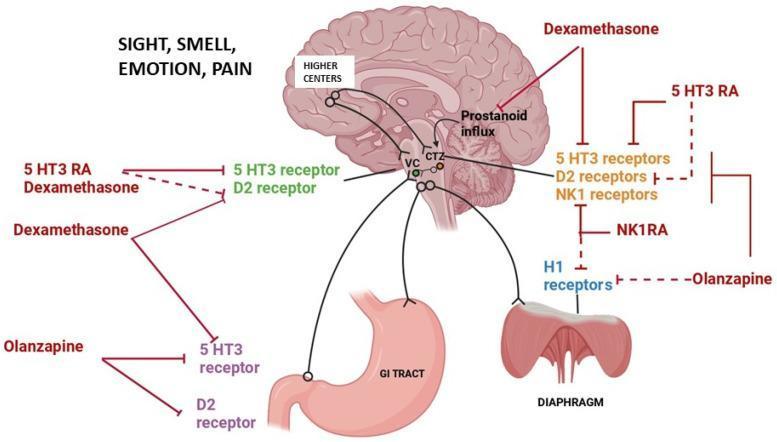
A pathophysiology diagram and pharmacological algorithm illustrating the mechanisms of chemotherapy-induced nausea and vomiting (CINV) and the corresponding sites of action for anti-emetic agents. The central anatomical figure is a sagittal section of the human brain, highlighting the Higher Centers (processing sensory/emotional stimuli), the Vomiting Center (VC) in the medulla, and the Chemoreceptor Trigger Zone (CTZ). Neural pathways connect these central regions to peripheral effectors including the GI tract and the diaphragm. The diagram maps specific drug classes to their molecular targets: 5-HT3 Receptor Antagonists (5-HT3 RA), NK1 Receptor Antagonists (NK1RA), Dexamethasone, and Olanzapine. These agents are shown inhibiting various receptors including 5-HT3, D2 (dopamine), NK1 (neurokinin-1), and H1 (histamine) receptors within the CTZ and peripheral pathways. Dexamethasone is specifically noted for its role in inhibiting prostanoid influx. Solid red lines represent predominant mechanisms of action, while dashed lines indicate minor pathways. This educational visual summarizes multi-receptor antagonism strategies used in clinical oncology to manage nausea and vomiting reflexes.
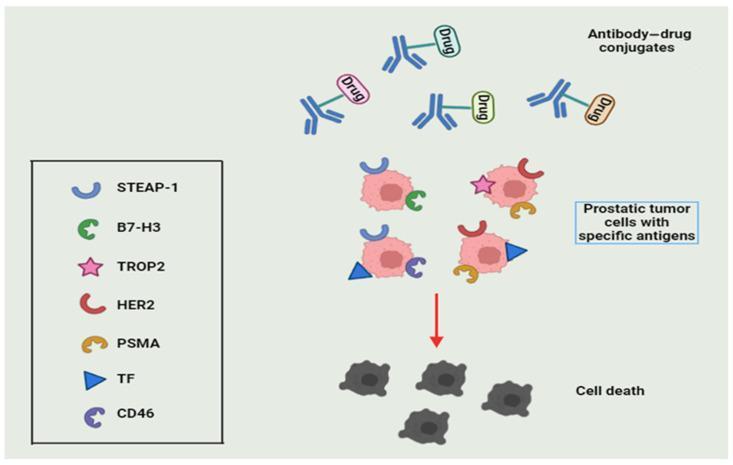
A pathophysiology diagram illustrating the mechanism of action for Antibody-Drug Conjugates (ADCs) in prostate cancer treatment. The visual depicts a three-stage sequence: antigen recognition, targeting, and apoptosis. At the top, ADCs are shown as blue Y-shaped monoclonal antibodies carrying cytotoxic 'drug' payloads (represented by pink, green, and orange ovals). These conjugates approach pink, irregularly shaped prostatic tumor cells that express specific surface antigens. A legend identifies seven key prostate cancer-associated antigens: STEAP-1 (blue crescent), B7-H3 (green curve), TROP2 (pink star), HER2 (red curve), PSMA (orange curve), TF (blue triangle), and CD46 (purple curve). The middle section shows the ADCs binding to these specific surface markers. A red downward arrow indicates the subsequent progression to 'Cell death,' where the tumor cells are rendered as shrunken, darkened gray structures. This diagram serves as an educational resource for oncology and pharmacology, highlighting selective targeting through antigen-specific recognition to deliver cytotoxic agents directly to malignant cells while sparing healthy tissue.
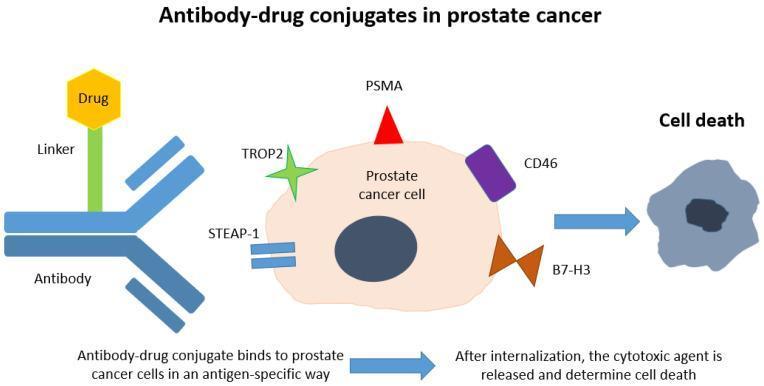
This pathophysiology diagram illustrates the mechanism of action for antibody-drug conjugates (ADCs) in the treatment of prostate cancer. The visual is divided into a three-step progression. First, an ADC is depicted consisting of a blue Y-shaped monoclonal antibody connected via a green 'Linker' to a yellow hexagonal 'Drug' (cytotoxic payload). Second, a central prostate cancer cell is shown expressing several key targetable surface antigens: PSMA (red triangle), TROP2 (green star), STEAP-1 (blue rectangles), CD46 (purple rectangle), and B7-H3 (orange trapezoid). An arrow indicates the first clinical phase where the ADC binds to these specific antigens. Third, the diagram depicts the outcomes of internalization, leading to the release of the cytotoxic agent and culminating in the final stage: 'Cell death', represented by a shrunken, irregular apoptotic cell. This educational graphic focuses on oncology pharmacotherapy and molecular targeting for metastatic castration-resistant prostate cancer (mCRPC).
Treatment of Patients with Vomiting
1. General and Supportive Measures
- Correct fluid and electrolyte imbalances (IV or oral rehydration as appropriate).
- Identify and treat the underlying cause (e.g., bowel obstruction, diabetic ketoacidosis, raised intracranial pressure, medications, infections).
- Withhold oral intake temporarily if vomiting is severe; gradually reintroduce clear fluids.
- Consider nasogastric tube decompression if obstruction is suspected.
- Non-pharmacological options: acupressure at the P6 (Nei Guan) point has shown benefit in some settings, particularly postoperative nausea and vomiting (PONV). Ginger (6-gingerol, 6-shogaol components act on 5-HT3, D2, NK1, and histamine receptors) has antiemetic properties in multiple clinical settings.
2. Pharmacological Treatment by Drug Class
A. Anticholinergic / Antihistamine Agents
| Drug | Dose | Route |
|---|---|---|
| Scopolamine patch | 1.5 mg / 72 hr | Transdermal |
| Meclizine | 25-50 mg every 24 hr | PO |
| Dimenhydrinate (dimethindrine) | 50-100 mg every 4-6 hr | PO, IM, IV |
| Cyclizine | 50 mg every 8 hr | PO, IM |
| Diphenhydramine | 25-50 mg every 6 hr | PO, IV, IM |
| Promethazine | 25 mg every 6-12 hr | PO, PR, IV, IM |
B. Dopamine Receptor Antagonists (D2 blockers)
| Drug | Dose | Route |
|---|---|---|
| Prochlorperazine | 5-10 mg every 6-8 hr (or 25 mg PR every 12 hr) | PO, IV, IM, PR |
| Metoclopramide | 10-20 mg every 6-8 hr | PO, IV, IM |
| Trimethobenzamide | 200-300 mg every 6-8 hr | IM, PO |
| Domperidone | Peripheral D2 antagonist; not available in the US | PO |
Metoclopramide as a prokinetic: It also stimulates gastric emptying via 5-HT4 receptor facilitation and D2 antagonism - useful in gastroparesis.
C. Serotonin (5-HT3) Receptor Antagonists
| Drug | Dose | Route |
|---|---|---|
| Ondansetron | 4-8 mg every 8 hr | PO, IV |
| Granisetron | 1 mg twice daily; or 3.1 mg/24 hr transdermal patch | PO, transdermal |
| Dolasetron | 50-100 mg once | PO |
| Palonosetron | 0.25 mg once (long-acting, half-life ~40 hr) | IV |
D. Neurokinin-1 (NK1) Receptor Antagonists
| Drug | Dose | Route |
|---|---|---|
| Aprepitant | 125 mg day 1, then 80 mg on days 2-3 | PO |
| Fosaprepitant | 150 mg on day 1 | IV |
E. Corticosteroids
| Drug | Dose | Route |
|---|---|---|
| Dexamethasone | 4-20 mg before chemotherapy or surgery | IV, PO |
F. Atypical Antipsychotics
| Drug | Dose | Notes |
|---|---|---|
| Olanzapine | 5-10 mg once daily | Multi-receptor antagonist (D2, 5-HT2, H1, M1) |
G. Cannabinoids
| Drug | Dose | Route |
|---|---|---|
| Dronabinol (THC) | 2.5 mg twice daily | PO |
| Nabilone | 1-2 mg twice daily | PO |
H. Benzodiazepines
| Drug | Dose | Route |
|---|---|---|
| Lorazepam | 0.5-2 mg before chemotherapy | IV, PO |
I. Prokinetic Agents (Macrolide Antibiotics)
- Erythromycin (motilin receptor agonist): stimulates antroduodenal contractions. Narrow dose range of efficacy; associated with tachyphylaxis and risk of sudden cardiac death (especially with CYP3A inhibitors).
- Azithromycin, clarithromycin: similar motilin receptor action, used off-label in gastroparesis.
3. Treatment by Clinical Scenario
| Cause of Vomiting | Preferred Agents |
|---|---|
| Motion sickness | Scopolamine patch, meclizine, dimenhydrinate |
| Viral gastroenteritis | Ondansetron, prochlorperazine, metoclopramide |
| PONV (prophylaxis/treatment) | Ondansetron, dexamethasone, scopolamine, aprepitant, droperidol |
| Mildly emetogenic chemotherapy | 5-HT3 antagonist + dexamethasone |
| Highly emetogenic chemotherapy | 5-HT3 antagonist + NK1 antagonist + dexamethasone ± olanzapine |
| Anticipatory emesis (pre-chemo) | Lorazepam |
| Gastroparesis | Metoclopramide, domperidone, erythromycin |
| Pregnancy (NVP / hyperemesis) | Pyridoxine (B6) ± doxylamine (first-line); phenothiazines; ondansetron |
| Refractory nausea/vomiting | Olanzapine, cannabinoids (dronabinol) |
4. Refractory and Structural Options
- Gastric electrical stimulation (neurostimulator implant)
- Peroral endoscopic pyloromyotomy (POP) - endoscopic procedure to divide the pyloric muscle
5. Special Populations
- Pregnancy: First-line is pyridoxine (Vitamin B6) ± doxylamine (FDA-approved combination). Phenothiazines and ondansetron are used in more severe cases; however, some data suggest a possible link between ondansetron and cardiac septum defects (inconsistent evidence - consult current guidelines).
- Children (PONV): Ondansetron is the preferred agent; aprepitant and dexamethasone are also used. Promethazine is avoided in children under 2 years.
- Elderly: Anticholinergic agents should be used cautiously due to delirium risk. Extrapyramidal reactions with dopamine antagonists are more common.
Recent Evidence
Medicine to stop mense
What is the goal of stopping menses?
Medicine to delay menstruation
medicine to delay menstruation norethisterone medroxyprogesterone clinical use dose
Medicines to Delay Menstruation
1. Norethisterone (NET) - First-line, Licensed Option
How it works
Dosing Protocol
| Parameter | Detail |
|---|---|
| Dose | 5 mg three times daily (TDS) |
| When to start | At least 3 days before the expected period onset |
| Maximum duration | Up to 3-4 weeks |
| Return of period | Within 2-3 days of stopping |
Important Notes
- Not a contraceptive at this dose - additional contraception is needed to avoid pregnancy.
- Because it is partly converted to ethinyl estradiol, it carries a VTE (venous thromboembolism) risk similar to combined oral contraceptives. Women with a history of VTE, thrombophilia, or other VTE risk factors should not use norethisterone for this purpose.
2. Medroxyprogesterone Acetate (MPA) - Alternative (Off-label)
| Parameter | Detail |
|---|---|
| Dose | 10 mg two to three times daily (BD or TDS) |
| Advantage | Does not convert to ethinyl estradiol - lower VTE risk |
| Return of period | Within 3 days of stopping |
| Breakthrough bleeding | Can occur |
3. Depot Medroxyprogesterone Acetate (DMPA) - Injection
- No periods in ~30% of users within the first 3 months
- Increases to ~55% amenorrhea after 1 year
- Not suitable for short-term, one-off period delay (due to its prolonged, irreversible effect over 12 weeks)
- Fertility may take up to 12 months to return after stopping
4. Combined Oral Contraceptive Pill (COCP) - For Pill Users
- Skipping the pill-free interval (or the placebo/inactive pills) and starting the next active pack immediately.
- This can be done for one or more cycles.
- This is the simplest option for those already on the COCP.
Contraindications / Cautions for Progestogen-Based Delay
| Condition | Action |
|---|---|
| History of VTE / thrombophilia | Avoid norethisterone; use MPA instead |
| Migraine with aura | Prefer progestogen-only options (MPA) |
| Liver disease | Use with caution; avoid if severe |
| Pregnancy | Contraindicated |
| Breast cancer (current or past) | Avoid |
| Drug interactions | Rifampicin, anticonvulsants (carbamazepine, phenytoin), ritonavir - reduce efficacy via CYP induction |
Common Side Effects
- Breakthrough / irregular spotting
- Headache, nausea
- Breast tenderness
- Mood changes, bloating
- Acne
Summary Table
| Drug | Dose | Licensed? | VTE Risk | Duration of Use |
|---|---|---|---|---|
| Norethisterone | 5 mg TDS | Yes (UK) | Yes (converts to EE) | Up to 3-4 weeks |
| Medroxyprogesterone tablets | 10 mg BD-TDS | Off-label | Lower | Short-term |
| DMPA injection | 150 mg IM | Off-label for delay | Lower | Long-acting (12 weeks+) |
| COCP (skip pill-free week) | As per pill | Yes (for COCP users) | Yes | Flexible |
Clinical note: Period delay medications require a medical consultation. The choice of agent depends on the patient's medical history, VTE risk factors, and any concurrent medications. Norethisterone is the standard first-line option for healthy women with no VTE risk factors.
Drugs to delay menstruation
Drugs to Delay Menstruation
1. Norethisterone (NET) - First-line, Licensed
- Dose: 5 mg three times daily (TDS)
- Start: At least 3 days before expected period
- Duration: Up to 3-4 weeks
- Brand names: Primolut N, Utovlan
- Return of period: 2-3 days after stopping
- Note: Partially converts to ethinyl estradiol - carries VTE risk. Not a contraceptive at this dose.
2. Medroxyprogesterone Acetate Tablets (MPA) - Off-label
- Dose: 10 mg two to three times daily
- Brand: Provera
- Use when: Norethisterone is contraindicated (e.g., VTE risk, migraine with aura)
- Advantage: Does not convert to ethinyl estradiol - lower VTE risk
- Return of period: ~3 days after stopping
3. Combined Oral Contraceptive Pill (COCP) - For Women Already on the Pill
- Simply skip the pill-free interval (or placebo pills) and start the next active pack immediately
- Most convenient option for existing COCP users
- Can be done for one or more consecutive cycles
4. Depot Medroxyprogesterone Acetate (DMPA) Injection - Long-term Only
- Dose: 150 mg IM every 12 weeks
- Causes amenorrhea in ~30% at 3 months, ~55% at 1 year
- Not suitable for a short one-off delay - effect lasts 12 weeks and fertility return can take up to 12 months
- Used when long-term menstrual suppression is desired
Quick Reference Table
| Drug | Dose | Licensed for Delay? | VTE Risk | Best For |
|---|---|---|---|---|
| Norethisterone | 5 mg TDS | Yes | Higher | Short-term delay, most women |
| MPA tablets | 10 mg BD/TDS | Off-label | Lower | Women with VTE risk / migraine |
| COCP (skip break) | As per pill | Yes (pill users) | Moderate | Women already on COCP |
| DMPA injection | 150 mg IM | Off-label | Lower | Long-term suppression |
Key Contraindications
- Avoid norethisterone in: history of VTE, thrombophilia, migraine with aura
- All progestogens: contraindicated in pregnancy, active liver disease, hormone-sensitive cancers
- Drug interactions: Rifampicin, phenytoin, carbamazepine, ritonavir reduce efficacy (enzyme inducers)
Always consult a clinician before using any of these agents - the appropriate choice depends on individual medical history and VTE risk profile.
Drugs for diarrhea
Drugs for Diarrhea
1. First-line: Oral Rehydration
- Oral Rehydration Salts (ORS) - WHO formula (sodium, potassium, glucose, water)
- In severe dehydration: IV fluids (Normal Saline or Ringer's Lactate)
- Zinc supplementation (in children) reduces duration and severity
2. Opiate / Opioid-Based Antidiarrheals (Motility Reducers)
| Drug | Dose | Notes |
|---|---|---|
| Loperamide | 4 mg initial, then 2 mg after each loose stool; max 16 mg/day | Drug of choice - not absorbed systemically, minimal CNS effects, non-addictive at therapeutic doses |
| Diphenoxylate + Atropine | 2.5-5 mg four times daily | Combined with atropine to deter abuse; mild CNS effects possible |
| Codeine | 15-60 mg four times daily | More CNS/addictive potential; used when other agents fail |
| Tincture of opium | 2-20 drops four times daily | Reserved for severe/refractory cases |
| Morphine | 2-20 mg four times daily | For palliative/chronic severe diarrhea |
Caution: Avoid loperamide and diphenoxylate when fever >38.5°C or blood is in the stool (risk of prolonging infection / toxic megacolon in C. difficile).
3. Enkephalinase Inhibitor
| Drug | Dose | Notes |
|---|---|---|
| Racecadotril (acetorphan) | 1.5 mg/kg three times daily | Inhibits enkephalinase → increases endogenous opioid effects on gut; antisecretory, not antimotility; safe in children; not approved in the USA |
4. Intraluminal / Adsorbent Agents
| Drug | Dose | Notes |
|---|---|---|
| Bismuth subsalicylate (Pepto-Bismol) | 525 mg every 30 min for 8 doses | Reduces stool frequency by ~50%; also has antimicrobial properties; useful for traveler's diarrhea prophylaxis. Avoid with aspirin/warfarin, renal impairment, pregnancy |
| Kaolin-pectin | As directed | Older adsorbent; reduces stool fluidity |
5. Antisecretory Agents
| Drug | Dose | Notes |
|---|---|---|
| Octreotide (somatostatin analog) | 50-250 mcg SC three times daily | For secretory diarrhea (VIPoma, carcinoid syndrome, chemotherapy-induced, short bowel syndrome) |
| Clonidine (α2-adrenergic agonist) | 0.1-0.3 mg three times daily | Promotes gut fluid absorption; useful in diabetic diarrhea and opioid withdrawal diarrhea |
6. Bile Acid-Binding Resins
| Drug | Dose |
|---|---|
| Cholestyramine | 4 g one to four times daily |
| Colesevelam | 1.875 g twice daily |
| Colestipol | 4 g one to four times daily |
7. Antibiotics (for Infectious Diarrhea)
| Indication | Drug | Dose |
|---|---|---|
| Traveler's diarrhea (non-invasive) | Rifaximin | 200 mg TDS x 3 days |
| Traveler's diarrhea (invasive / Campylobacter) | Azithromycin | 500-1000 mg PO once, or 500 mg x 3 days |
| Traveler's diarrhea | Ciprofloxacin | 750 mg once or 500 mg BD |
| C. difficile | Vancomycin (oral) or Fidaxomicin | Vancomycin 125 mg QDS x 10 days |
| C. difficile (recurrent) | Bezlotoxumab (monoclonal antibody) | Single IV infusion |
| Protozoal (Giardia, Entamoeba) | Metronidazole or Nitazoxanide | Metronidazole 400 mg TDS x 5-7 days |
Note: Avoid antibiotics empirically in suspected Salmonella (risk of prolonging carriage) and STEC E. coli O157 (risk of HUS).
8. Drugs Specific to IBS with Diarrhea (IBS-D)
| Drug | Mechanism | Notes |
|---|---|---|
| Eluxadoline | Mixed μ/κ-opioid agonist + δ-opioid antagonist | FDA-approved for IBS-D; avoid in prior cholecystectomy, pancreatitis, heavy alcohol use |
| Alosetron | 5-HT3 antagonist | For severe IBS-D in women; restricted prescribing due to risk of ischemic colitis |
| Rifaximin | Non-absorbable antibiotic | Targets gut microbiota; 2-week course for IBS-D |
9. Fiber Supplements (Stool Normalizers)
- Psyllium (10-20 g/day)
- Calcium polycarbophil (5-10 g/day)
Summary by Diarrhea Type
| Type of Diarrhea | Preferred Agents |
|---|---|
| Acute watery (e.g. gastroenteritis) | ORS + loperamide or bismuth subsalicylate |
| Traveler's diarrhea | Loperamide + rifaximin or azithromycin |
| Secretory (e.g. VIPoma, carcinoid) | Octreotide |
| Bile acid malabsorption | Cholestyramine, colesevelam |
| C. difficile | Oral vancomycin or fidaxomicin |
| IBS-D | Loperamide, eluxadoline, alosetron, rifaximin |
| Diabetic / autonomic diarrhea | Clonidine, loperamide |
| Pediatric acute diarrhea | ORS + zinc + racecadotril |
Treatment for fever with chills
Treatment for Fever with Chills (Rigors)
Understanding the Symptom
Step 1: Identify and Treat the Underlying Cause
| Common Cause | Clues | Specific Treatment |
|---|---|---|
| Malaria | Travel history, cyclical fever, splenomegaly | Artemisinin-based combination therapy (ACT); chloroquine in sensitive P. vivax |
| Bacterial sepsis | High fever, hypotension, confusion | Broad-spectrum IV antibiotics (e.g., piperacillin-tazobactam + gentamicin) |
| Urinary tract infection / Pyelonephritis | Dysuria, flank pain, positive urine culture | Ciprofloxacin, co-amoxiclav, cephalosporins |
| Pneumonia | Cough, dyspnoea, consolidation on CXR | Amoxicillin ± clarithromycin (community-acquired) |
| Infective endocarditis | Heart murmur, embolic phenomena | IV antibiotics per organism (e.g., IV benzylpenicillin + gentamicin) |
| Cholangitis | Jaundice, RUQ pain, fever (Charcot's triad) | IV antibiotics + biliary drainage |
| Typhoid | Slow-rising fever, bradycardia, rose spots | Azithromycin or fluoroquinolones |
| Viral infections (e.g., influenza, dengue, COVID-19) | Myalgia, headache, typical exposure | Supportive care ± antivirals (oseltamivir for influenza) |
| Drug fever | Recent new medication | Withdraw offending drug |
| Transfusion reaction | During/after blood transfusion | Stop transfusion, IV antihistamines, hydrocortisone |
Step 2: Symptomatic / Antipyretic Treatment
A. Antipyretics
| Drug | Dose (Adults) | Dose (Children) | Notes |
|---|---|---|---|
| Paracetamol (Acetaminophen) | 500 mg - 1 g every 4-6 hr; max 4 g/day | 15 mg/kg every 4-6 hr | First-line; safe in most patients including pregnancy; no anti-inflammatory effect; hepatotoxic in overdose |
| Ibuprofen | 400 mg every 6-8 hr | 5-10 mg/kg every 6-8 hr | NSAID; anti-inflammatory + antipyretic; avoid in renal impairment, peptic ulcer, dehydration, third trimester pregnancy |
| Aspirin | 300-600 mg every 4-6 hr | Contraindicated <16 years | Avoid in children (Reye's syndrome risk); avoid in dengue (bleeding risk); useful in adults with rheumatic fever |
| Diclofenac | 75 mg IM (acute) / 50 mg PO TDS | - | Useful for rapid parenteral antipyresis in adults |
| Naproxen | 250-500 mg BD | - | Longer-acting NSAID |
| Metamizole (Dipyrone) | 500 mg - 1 g PO/IV | - | Potent antipyretic; risk of agranulocytosis; not available in some countries (USA, UK) |
Combination/alternating paracetamol and ibuprofen every 3 hours is used in practice for persistent high fever, particularly in children, to provide more sustained temperature reduction.
B. Treatment of Chills / Rigors Specifically
- Keep the patient warm - do not cool with cold packs or ice during the chill/shivering phase (this worsens shivering and discomfort). Apply blankets.
- Wait for the fever to peak - once shivering stops and patient becomes hot/sweaty, cooling measures can be applied.
- Pethidine (Meperidine) 25-50 mg IV - specifically reduces the severity of rigors during amphotericin B infusions, post-transfusion reactions, and other drug-induced rigors. It suppresses shivering via kappa-opioid and NMDA receptor mechanisms.
- Chlorpromazine 10-25 mg IV - sometimes used to abolish severe rigors (suppresses shivering center).
C. Physical / Non-pharmacological Cooling
- Tepid sponging (lukewarm water, not cold - cold causes shivering)
- Remove excess clothing/blankets
- Increase air circulation / fans
- Cold IV fluids for hyperthermia (temperature >41°C) or heatstroke
Step 3: Supportive Care
| Measure | Details |
|---|---|
| Hydration | Oral fluids encouraged; IV Normal Saline or Ringer's Lactate for high fever, vomiting, or poor oral intake. Fever increases insensible fluid losses by ~10% per 1°C rise above normal |
| Electrolyte correction | Monitor and correct sodium, potassium |
| Nutrition | Maintain caloric intake; metabolic rate increases ~7% per 1°C fever |
| Rest | Bed rest reduces metabolic demand |
| Monitoring | Temperature, pulse, BP, respiratory rate, SpO2, urine output |
Step 4: When to Escalate / Seek Urgent Care
- Temperature >39.5°C not responding to antipyretics
- Hypotension, tachycardia, confusion (sepsis/septic shock)
- Petechial or purpuric rash (meningococcal disease)
- Neck stiffness, photophobia (meningitis)
- Recent travel to malaria-endemic area
- Immunocompromised patient (HIV, chemotherapy, steroids)
- Newborn or infant <3 months old
- No improvement after 48-72 hours of treatment
Quick Summary Table
| Component | Intervention |
|---|---|
| Cause-directed | Antibiotics, antimalarials, antivirals as appropriate |
| Antipyretics | Paracetamol 1 g QDS (first-line); ibuprofen 400 mg TDS (if no contraindications) |
| Rigors | Blankets during chills; pethidine 25-50 mg IV for severe rigors |
| Cooling | Tepid sponging after fever peaks |
| Fluids | Oral/IV hydration |
| Monitor | Vital signs, blood cultures, FBC, CRP, malaria film if travel history |
porcupine thorns injury treatment
porcupine quill thorn injury treatment removal medical management
porcupine quill injury in humans treatment puncture wound management tetanus
Treatment of Porcupine Thorn (Quill) Injury in Humans
Why Porcupine Quills Are Dangerous
- Each quill has microscopic retrograde barbs that grip soft tissue and prevent spontaneous expulsion
- Quills can migrate inward through muscle, fat, and fascial planes - reaching joints, eyes, body cavities, lungs, heart, or major vessels if not removed promptly
- They are vegetative/organic material - Tintinalli's Emergency Medicine specifically notes that "thorns, spines, wood splinters, and other vegetative materials should be promptly removed because they cause intense and excessive inflammation"
- They carry a significant risk of abscess, cellulitis, and deep infection
Step 1: Immediate First Aid (Before Reaching Medical Care)
- Keep the injured area still and immobile - movement drives barbs deeper
- Note how many quills are visible and their locations
- Apply a clean dressing loosely over the area
- Seek medical attention promptly
- Do not cut the quills - cutting them makes removal harder (the hollow shaft collapses, increasing barb grip) and risks breaking them beneath the skin level
- Do not rub or press on quills - this drives them deeper
- Do not attempt forceful removal without proper instruments and anesthesia
- Do not squeeze or crush the quill
Step 2: Medical Assessment
History
- Time of injury (quills migrate with time - hours matter)
- Number and location of quills penetrated
- Whether quills broke at the skin surface
- Tetanus vaccination status
Examination
- Full body survey - quills can be hidden in the mouth, axillae, groin, scalp
- Assess for signs of deep penetration (chest pain, dyspnoea, reduced eye movement, joint pain)
- Check neurovascular status distal to injury site
Imaging
- X-ray - quills are often not radiopaque but can show indirect signs (air, displacement of tissues)
- Ultrasound - very useful for locating superficial-to-moderate depth quills and guiding removal
- CT scan - gold standard for deep or migrating quills, especially in the thorax, abdomen, or near joints
Step 3: Quill Removal
Anesthesia
- Local anesthetic (e.g., 1% lidocaine) infiltrated around each quill before removal
- For multiple quills, extensive penetration, or uncooperative patients: procedural sedation or general anesthesia may be required
Technique (based on Roberts & Hedges' Clinical Procedures in Emergency Medicine)
- Hold the skin taut with one hand around the quill site
- Grasp the quill firmly at its base (as close to the skin as possible) with forceps/needle holders
- Apply steady, firm, direct traction along the axis of penetration (in the direction the quill entered) - do not wiggle or rotate
- If the quill is deeply embedded: make a small incision with a No. 11 scalpel blade down to the quill tip to expose and free it before extraction
- Inspect the wound after removal for retained fragments
- Irrigate the wound thoroughly with normal saline under pressure
- Do not primarily suture puncture wounds from quill removal - leave open to drain
Deep / Migrated Quills
- Quills near vessels, joints, eyes, or body cavities require specialist surgical removal (orthopaedic, ophthalmic, thoracic, or general surgery as appropriate)
- Operative removal under fluoroscopic or ultrasound guidance in theatre
Step 4: Wound Care After Removal
| Measure | Detail |
|---|---|
| Wound irrigation | Copious normal saline irrigation of all puncture sites |
| Debridement | Remove devitalized tissue if present |
| Leave wound open | Do not close puncture wounds - allow drainage |
| Dressing | Non-adherent, absorbent dressing; change daily |
| Elevation | If limb involved, elevate to reduce swelling |
Step 5: Pharmacological Treatment
Pain Relief
- Paracetamol 500 mg-1 g every 6 hr PO
- NSAIDs (ibuprofen 400 mg every 8 hr) for anti-inflammatory effect and analgesia
- Stronger analgesia (codeine, tramadol) for deeper injuries
Antibiotics
- Antibiotics are not routinely needed for clean, promptly removed superficial quills
- Prescribe antibiotics if:
- Quills present for >24 hours before removal
- Signs of infection (redness, warmth, purulent discharge, cellulitis)
- Incision required for removal
- Deep penetration (joint, hand, face)
- Immunocompromised patient
- Antibiotic choice: Cover skin flora + anaerobes:
- Co-amoxiclav (amoxicillin-clavulanate) 625 mg every 8 hr for 5-7 days (first-line)
- Doxycycline + metronidazole if penicillin allergic
- If established abscess/cellulitis: add MRSA cover (flucloxacillin or trimethoprim-sulfamethoxazole)
Anti-inflammatory
- NSAIDs reduce the intense local inflammatory reaction to organic vegetative material
- Short course of oral corticosteroids is occasionally considered for severe inflammatory reactions around deeply embedded quills
Step 6: Tetanus Prophylaxis
| Vaccination History | Clean Minor Wound | Tetanus-Prone Wound (quill injury) |
|---|---|---|
| Full course + booster within 10 years | Nothing needed | Nothing needed |
| Full course but last booster >10 years ago | Nothing needed | Tetanus toxoid booster |
| Incomplete or unknown | Tetanus toxoid | Tetanus toxoid + Tetanus Immune Globulin (TIG) 250 IU IM |
Step 7: Follow-up and Monitoring
- 48-72 hour wound review for all but the most trivial quill injuries
- Watch for: new swelling, pain, warmth, abscess formation, restricted joint movement, or new neurological symptoms
- Any new symptoms weeks after the injury should prompt imaging - quills can migrate silently and cause delayed complications (joint infection, pulmonary abscess, intraocular injury)
Summary
| Priority | Action |
|---|---|
| 1. Remove promptly | Under local/regional anesthesia; firm axial traction at the base |
| 2. Never cut quills | Cutting collapses the hollow shaft and worsens removal |
| 3. Full body survey | Hidden quills in mouth, axilla, scalp are common |
| 4. Imaging if needed | Ultrasound/CT for deep or suspected migrating quills |
| 5. Wound care | Irrigate, debride, leave open |
| 6. Analgesia | Paracetamol + NSAIDs |
| 7. Antibiotics | Only if infected, delayed, or high-risk wound |
| 8. Tetanus | Assess and update prophylaxis |
| 9. Follow-up | Review at 48-72 hr; monitor for migration |
Aspirin for severe chest pain
Aspirin for Severe Chest Pain (Suspected Acute Coronary Syndrome)
Why Aspirin Works: Mechanism of Action
- Irreversibly acetylating cyclooxygenase-1 (COX-1) in platelets
- This blocks the conversion of arachidonic acid to thromboxane A2 (TXA2)
- TXA2 is a potent vasoconstrictor and platelet aggregation inducer
- Without TXA2, the platelet activation cascade is blunted and clot growth is inhibited
The net antithrombotic effect reflects the balance between reduced TXA2 (pro-thrombotic) and reduced prostacyclin (anti-thrombotic) - but at low doses, the platelet COX-1 effect dominates.
Dosing in Acute Severe Chest Pain (ACS)
| Setting | Dose | Route | Timing |
|---|---|---|---|
| Acute suspected ACS (STEMI/NSTEMI/UA) | 162-325 mg (loading dose) | PO - chewed (not swallowed whole) | Immediately on presentation / pre-hospital |
| Maintenance (post-ACS, chronic) | 75-100 mg (81 mg) | PO once daily | Lifelong |
Why Chew, Not Swallow?
Tintinalli's Emergency Medicine: "For reliable antiplatelet effect, an initial dose of 162 to 325 mg is recommended."
Goldman-Cecil Medicine: "Aspirin achieves peak levels within 15-20 minutes and platelet inhibition within 40-60 minutes after administration."
Aspirin as Part of Dual Antiplatelet Therapy (DAPT)
| Agent | Loading Dose | Maintenance | Notes |
|---|---|---|---|
| Clopidogrel | 300-600 mg | 75 mg/day | Prodrug; slower onset; use when prasugrel/ticagrelor contraindicated |
| Ticagrelor | 180 mg | 90 mg BD | Faster onset, reversible; preferred in NSTEMI/STEMI |
| Prasugrel | 60 mg | 10 mg/day | Most potent; avoid in prior stroke/TIA, age >75, weight <60 kg |
Evidence Base
- Aspirin reduces non-fatal MI and non-fatal stroke by approximately one-third and vascular death by about 25% in high-risk patients
- The ISIS-2 trial (landmark RCT) showed aspirin alone reduced 5-week vascular mortality by 23% in STEMI
- For cardiovascular protection, 81 mg/day is as effective as higher doses and causes less GI bleeding
Contraindications / Cautions
| Contraindication | Action |
|---|---|
| Active peptic ulcer / GI bleed | Weigh risk vs. benefit - in STEMI, benefit nearly always outweighs risk |
| True aspirin allergy (anaphylaxis) | Use clopidogrel 600 mg loading as substitute |
| Aspirin-exacerbated respiratory disease | Caution; clopidogrel is the alternative |
| Severe thrombocytopenia (<30,000/μL) | Caution |
| Haemorrhagic stroke (suspected) | Aspirin contraindicated until haemorrhage excluded by imaging |
| Aortic dissection | Aspirin NOT given - chest pain may mimic ACS but aspirin worsens dissection |
Important: Always consider aortic dissection before giving aspirin in severe chest pain - tearing/ripping pain radiating to back, unequal BP in arms, wide mediastinum on CXR are warning signs. Aspirin would be harmful in dissection.
Full ACS Management (Aspirin in Context)
| Intervention | Drug/Action |
|---|---|
| Antiplatelet | Aspirin 300 mg chewed + ticagrelor 180 mg (or clopidogrel 300-600 mg) |
| Anticoagulation | Unfractionated heparin (UFH) or LMWH (enoxaparin) or fondaparinux |
| Anti-ischaemic | GTN (glyceryl trinitrate) sublingual; IV nitrates if persistent pain |
| Analgesia | IV morphine (with caution - may delay P2Y12 absorption) |
| Oxygen | Only if SpO2 <94% |
| Beta-blocker | Oral metoprolol/bisoprolol if no contraindication |
| Reperfusion | Primary PCI (STEMI) within 90 min; thrombolysis if PCI unavailable |
| Statin | High-intensity statin (atorvastatin 80 mg) immediately |
Primary Prevention - When NOT to Give Aspirin Routinely
- Aspirin for primary prevention (no prior heart disease) is now not recommended for adults >70 years due to bleeding risk outweighing benefit
- In younger adults, the benefit-to-risk ratio only becomes favorable when 10-year ASCVD risk ≥10%
- This is distinct from the acute ACS scenario where aspirin is always indicated (absent true contraindications)
Summary
| Situation | Aspirin Dose | Timing |
|---|---|---|
| Suspected ACS / severe chest pain | 300 mg chewed | Immediately (pre-hospital or on arrival) |
| Post-ACS maintenance | 75-81 mg/day | Lifelong |
| Chronic stable angina | 75-100 mg/day | Daily |
| Primary prevention (high-risk only) | 75-100 mg/day | With caution; individualize |
Ointment cream for mouth ulcers
topical treatment mouth ulcers aphthous stomatitis ointment cream triamcinolone amlexanox
Ointments, Creams, and Topical Treatments for Mouth Ulcers
1. Topical Corticosteroids (First-line)
| Drug | Formulation | How to Use | Notes |
|---|---|---|---|
| Triamcinolone acetonide 0.1% (Kenalog in Orabase, Oraways) | Oral paste / ointment in adhesive base | Apply a thin layer to ulcer 2-4 times daily after meals and at bedtime | Gold standard; the adhesive base (Orabase) helps it stick to wet mucosa; reduces pain and healing time significantly |
| Betamethasone 0.1% | Mouthwash / tablet dissolved in water | Rinse and spit 3-4 times daily | Used when multiple ulcers present |
| Dexamethasone 0.5 mg/5 mL | Oral rinse | Rinse for 2 minutes, 3-4 times daily | More potent; used for severe or widespread ulcers |
| Hydrocortisone 2.5 mg | Mucoadhesive pellet (Corlan) | Dissolve on ulcer 4 times daily | Milder option; good for mild single ulcers |
| Clobetasol propionate 0.05% | Oral paste (off-label) | Apply thinly to ulcer | Highest-potency; for refractory lesions |
| Fluocinonide 0.05% | Gel | Apply to ulcer 4 times daily | Used in some countries |
Key tip: Apply corticosteroid paste as soon as the ulcer appears (prodromal stage) for best results. The Orabase vehicle is specifically formulated to adhere to moist oral mucosa and protect the ulcer.
A 2022 network meta-analysis of 36 RCTs found triamcinolone (p-score 0.15) to be the optimal topical choice overall, with an excellent safety profile - no adverse events in 259 subjects.
2. Amlexanox 5% Paste (Anti-inflammatory, Non-steroidal)
- FDA-approved (1996) - the first treatment specifically licensed for aphthous ulcers in immunocompetent patients
- Mechanism: Anti-inflammatory; inhibits leukotrienes and histamine; exact mechanism in aphthous ulcers is not fully established
- Dose: Apply to ulcer 4 times daily (after meals and at bedtime)
- Effect: Accelerates complete healing; reduces pain ~1.3 days sooner than no treatment
- Side effects: Mild transient burning/stinging at application site
- Best for: Patients who cannot use corticosteroids or prefer a non-steroid option
- Brand names: Aphthasol (USA), various generics
3. Topical Anesthetics (Pain Relief)
| Drug | Formulation | Notes |
|---|---|---|
| Benzocaine 10-20% | Gel / liquid (Orajel, Anbesol) | Apply directly to ulcer; numbs within 1-2 min; lasts 15-30 min; OTC available |
| Lidocaine 2% (viscous) | Gel / solution | Swish and spit or apply topically; used for widespread mucosal involvement |
| Lignocaine (lidocaine) 5% | Ointment | Apply topically for localized pain |
| Benzydamine hydrochloride (Difflam) | Mouthwash / spray | Anti-inflammatory + mild anesthetic; rinse or spray every 3 hr |
4. Antiseptic / Antimicrobial Agents
| Drug | Formulation | Notes |
|---|---|---|
| Chlorhexidine gluconate 0.2% | Mouthwash | Rinse twice daily; reduces pain and duration; does not heal but prevents secondary infection; may stain teeth with long use |
| Tetracycline (doxycycline) | Mouthwash (dissolved tablet) | Rinse and spit; inhibits matrix metalloproteinases; effective in reducing ulcer duration; do not use in children <12 yr or pregnant women |
| Minocycline | Rinse | Similar to doxycycline |
5. Protective / Barrier Agents
| Drug | Notes |
|---|---|
| Carboxymethylcellulose paste (Orabase plain) | Protective paste without active drug; acts as physical barrier |
| Sucralfate suspension (1 g/5 mL) | Swish and spit; forms protective coating over ulcer; originally used for GI ulcers; effective for oral ulcers |
| Hyaluronic acid gel | Promotes tissue healing and acts as protective barrier; safe and well tolerated |
6. Combination Products (OTC)
| Product | Contents | Notes |
|---|---|---|
| Bonjela (adults) | Choline salicylate 8.7% + cetalkonium chloride | Anti-inflammatory + antiseptic; apply to ulcer with fingertip; not for children <16 yr (salicylate risk) |
| Bonjela Cool Gel | Lidocaine + antiseptic | Pain relief + antiseptic |
| Iglu gel | Carboxymethylcellulose + antiseptic | Protective + antiseptic |
7. Systemic Treatments (for Severe / Recurrent Cases)
| Drug | Dose | Indication |
|---|---|---|
| Prednisolone | 25-40 mg/day tapered over 1-2 weeks | Severe major aphthous ulcers; short course only |
| Colchicine | 0.5 mg BD-TDS | Recurrent frequent ulcers |
| Dapsone | 50-100 mg/day | Recurrent severe RAS |
| Thalidomide | 100-300 mg/day | Severe RAS in HIV or Behçet's; teratogenic - strictly controlled |
Practical Step-by-Step Treatment Guide
| Severity | Treatment |
|---|---|
| Mild, single ulcer | Triamcinolone 0.1% oral paste QDS + chlorhexidine mouthwash BD |
| Painful, interfering with eating | Topical anesthetic (benzocaine/lidocaine) before meals + triamcinolone paste |
| Multiple ulcers | Dexamethasone or betamethasone mouthwash + amlexanox paste |
| Recurrent (>3 episodes/month) | Systemic colchicine ± topical corticosteroid |
| Severe / major aphthous | Short oral prednisolone course; refer to specialist |
Important: When to See a Doctor
- Ulcer does not heal within 3 weeks
- Ulcer is painless (may indicate malignancy)
- Ulcer is >1 cm, deep, or has raised irregular edges
- Multiple recurrent episodes - may indicate underlying disease (Crohn's, Behçet's, celiac disease, HIV, SLE, vitamin B12/folate/iron deficiency)
Treatment of hypothermia
Treatment of Hypothermia
Classification by Severity
| Stage | Clinical Features | Core Temperature |
|---|---|---|
| Mild (HT I) | Conscious, shivering | 35-32°C |
| Moderate (HT II) | Impaired consciousness, may or may not shiver | <32-28°C |
| Severe (HT III) | Unconscious, vital signs still present | <28°C |
| Hypothermic Cardiac Arrest (HT IV) | No vital signs | Usually <28°C |
When a low-reading thermometer is unavailable, classify by clinical signs. Standard clinical thermometers do not read below 35°C and will miss hypothermia.
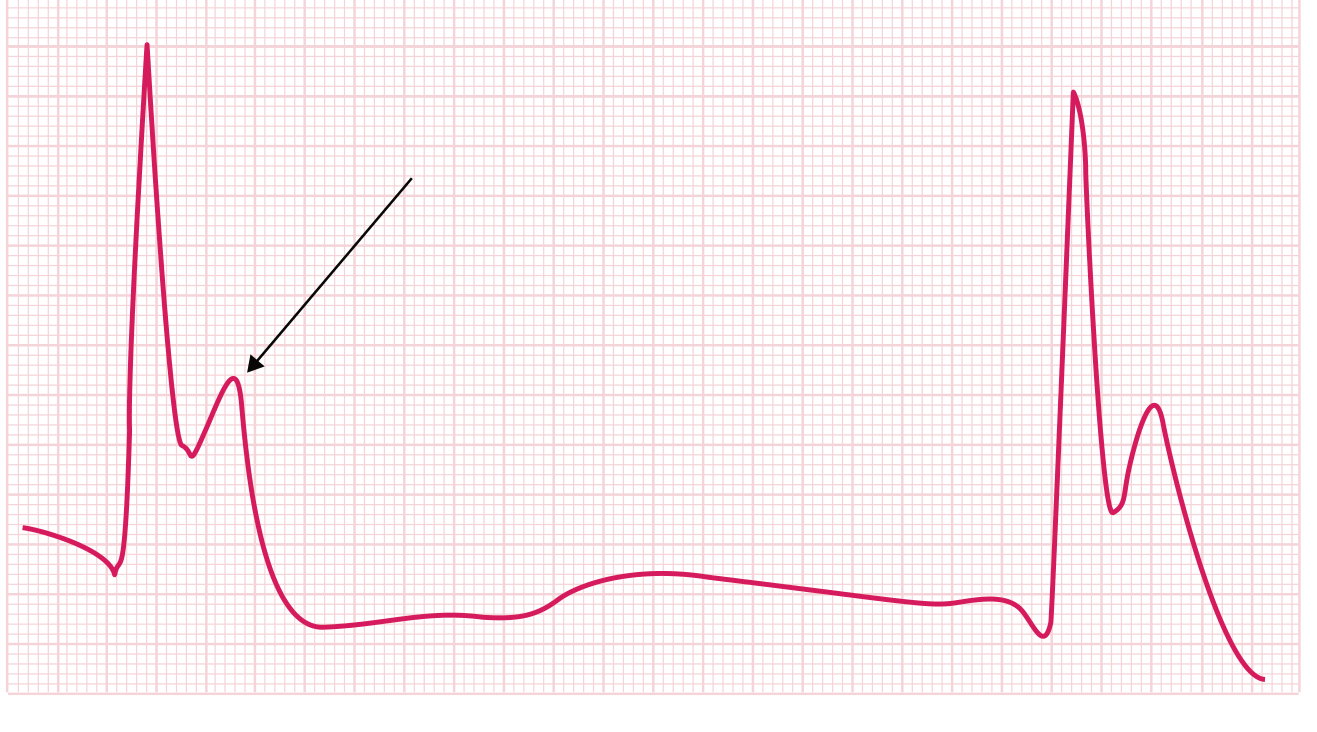
ECG Finding: J (Osborne) Wave
Management Algorithm (European Resuscitation Council)
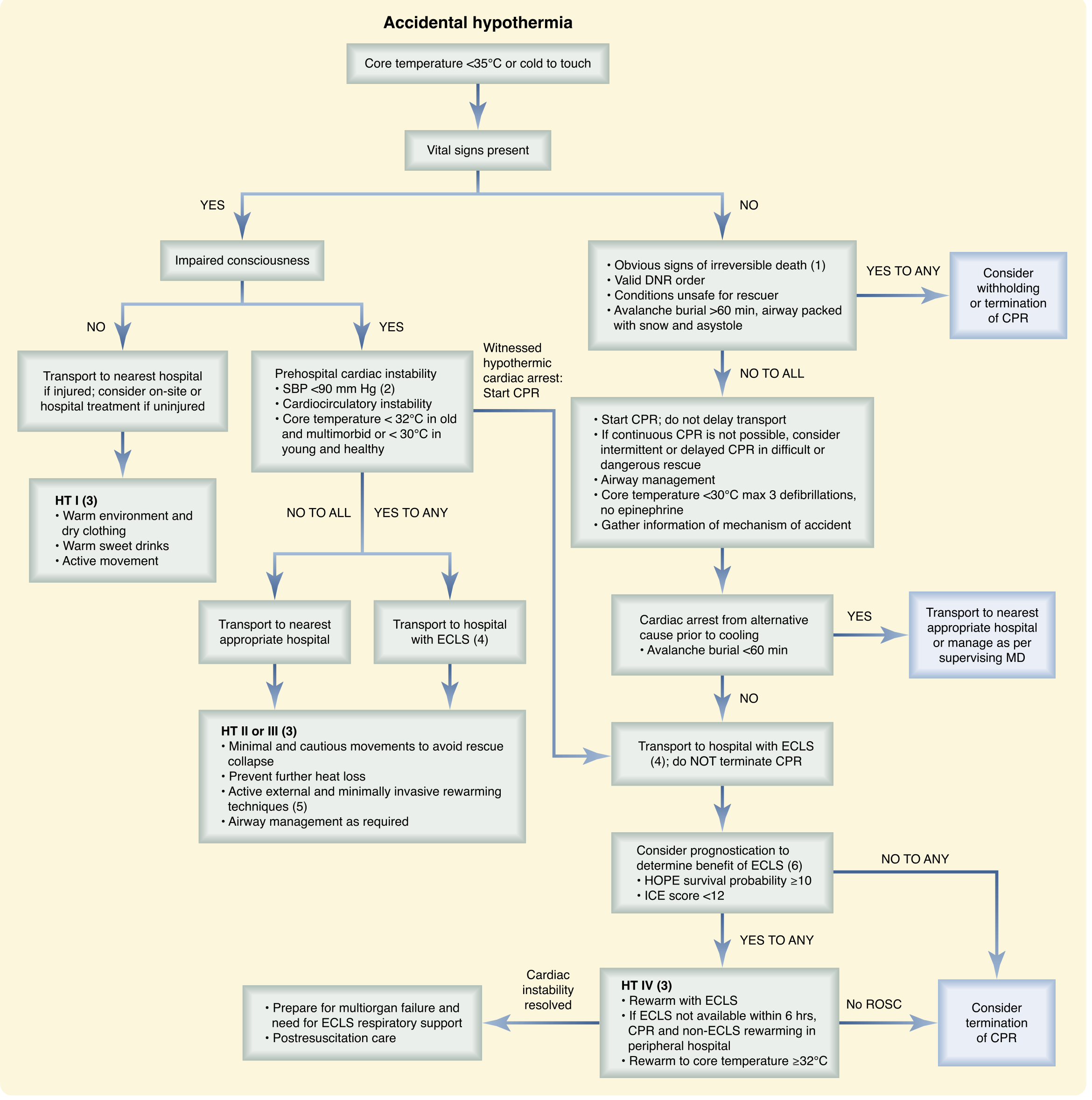
Step-by-Step Treatment
All Stages: Immediate General Measures
- Remove wet clothing - even damp clothing accelerates heat loss dramatically
- Insulate - dry blankets, sleeping bags, space/foil blanket; cover head (large proportion of heat is lost here)
- Horizontal position - prevent orthostatic collapse; avoid unnecessary movement (can trigger VF)
- Gentle handling - rough movement of a hypothermic patient can precipitate ventricular fibrillation
- Monitor ECG, core temperature, vitals continuously
- Do not give alcohol - causes peripheral vasodilation and worsens heat loss
Stage 1 - Mild Hypothermia (35-32°C): Passive/Active External Rewarming
| Measure | Detail |
|---|---|
| Warm environment | Move to warm room; remove from wind/water exposure |
| Dry clothing | Replace all wet clothing |
| Warm sweet drinks | Oral warm fluids if conscious and able to swallow |
| Active movement | If patient is able and uninjured - movement generates heat |
| Active external warming | Chemical heating packs, electric blankets, forced-air warming blankets (e.g., Bair Hugger) - applied to trunk, not periphery |
| Shivering | Do not suppress - it is the most effective physiological rewarming mechanism, generating up to 5x basal metabolic heat |
Target rewarming rate: 0.5-1.0°C per hour is acceptable for most mild cases.
Stage 2 - Moderate Hypothermia (<32-28°C): Active External + Minimally Invasive Core Rewarming
| Measure | Detail |
|---|---|
| IV warm fluids | 250-1000 mL of heated (40-42°C) normal saline or 5% dextrose/NS; avoid Lactated Ringer (liver cannot metabolize lactate efficiently during hypothermia) |
| Warmed humidified oxygen | Delivered via mask or ETT (41°C, 100% humidity); transfers ~9 kcal/hr; prevents respiratory heat loss |
| Cardiac monitoring | Continuous ECG for arrhythmia detection |
| Minimal movement | Cautious handling; horizontal position; immobilize |
| Full-body insulation | Prevent further heat loss during transport |
Stage 3 - Severe Hypothermia (<28°C): Active Core Rewarming
| Technique | Detail | Rewarming Rate |
|---|---|---|
| Warmed IV fluids | 40-42°C saline (as above) | Modest |
| Warmed humidified oxygen | Via ETT at 41-44°C | ~9 kcal/hr |
| Bladder irrigation | Warm saline via Foley catheter | Limited |
| Pleural lavage | Warm saline via chest tubes (38-40°C) | Moderate |
| Peritoneal lavage/dialysis | Warm dialysate (40-42°C) infused and drained repeatedly | ~1-3°C/hr |
| Gastric/colonic lavage | Warm saline via NG tube or enema | Limited heat transfer |
| Endovascular temperature catheter | Heat-exchange catheter via femoral vein to vena cava | ~3°C/hr |
| ECMO / Cardiopulmonary Bypass (CPB) | Extracorporeal circulation rewarming; gold standard for HT IV; requires anticoagulation | 6-9°C/hr |
Prefer transfer to an ECLS (Extracorporeal Life Support) center for Stage III if cardiac instability develops or cardiac arrest is imminent.
Stage 4 - Hypothermic Cardiac Arrest (HT IV): CPR + ECLS
- Check for vital signs for up to 1 minute before starting CPR (pulse may be very slow and faint)
- Start CPR - chest compressions and ventilation at standard rate; do NOT reduce rate
- Defibrillation: If VF is present, attempt up to 3 defibrillation shocks. If core temperature is <30°C, delay further shocks until rewarmed to >30°C (defibrillation is ineffective at very low temperatures)
- Epinephrine (adrenaline):
- Withhold if core temp <30°C
- If core temp >30°C: give at extended intervals (6-10 min) rather than standard 3-5 min intervals
- Do not terminate CPR until patient is rewarmed or ECLS team makes that decision
- "No one is dead until warm and dead" - survival has been reported with core temperatures as low as 13.7°C
- Transport to ECLS center for extracorporeal rewarming (ECMO or CPB) - this offers the best chance of survival in cardiac arrest
- If ECLS is not available within 6 hours: continue CPR + non-ECLS core rewarming in a peripheral hospital
Fluid and Electrolyte Management
| Issue | Treatment |
|---|---|
| Cold diuresis (hypothermia causes obligatory diuresis) | IV replacement: 250-1000 mL warm 5% dextrose in NS |
| Hypoglycemia (common due to depleted glycogen) | 50-100 mL of 50% dextrose IV |
| Alcohol intoxication (common precipitant) | Thiamine 100 mg IV (to prevent Wernicke's), then glucose |
| Opiate/sedative intoxication | Naloxone 0.4-2 mg IV or IM |
| Potassium | Monitor closely; hyperkalemia (>12 mmol/L) suggests irreversible cell death; used in ECLS prognostication |
Avoid Lactated Ringer - the hypothermic liver cannot metabolize lactate efficiently.
Complications of Rewarming
| Complication | Mechanism | Management |
|---|---|---|
| Afterdrop | Cold blood from periphery returns to core, causing further temperature drop | Warm core first before periphery; maintain IV fluids |
| Rewarming shock / aftershock | Peripheral vasodilation as patient warms, causing hypotension | IV fluid bolus; vasopressors if refractory |
| Ventricular fibrillation | Highly susceptible at <28°C; triggered by movement, acidosis, electrolyte shifts | Defibrillation + ECLS rewarming |
| Pulmonary edema | Fluid shifts and cardiac dysfunction during rewarming | Careful fluid management; CPAP/mechanical ventilation |
| Coagulopathy | Hypothermia impairs coagulation enzymes (especially in trauma) | Rewarm to >35°C; FFP, cryoprecipitate if PT/aPTT prolonged |
| Infection / multiorgan dysfunction | Impaired immune response | Monitor; broad-spectrum antibiotics if sepsis suspected |
Special Situation: Trauma Hypothermia
- Rewarming alone corrects coagulopathy if PT/aPTT are normal when plasma is tested at 37°C
- Clotting factor replacement is only indicated if PT/aPTT are prolonged even at 37°C
- Avoid cool IV fluids; use fluid warmers; warm the OR
Summary Table
| Severity | Core Temp | Key Treatment |
|---|---|---|
| Mild (HT I) | 35-32°C | Remove wet clothing, insulate, warm drinks, active movement, heating blankets |
| Moderate (HT II) | 32-28°C | Above + warm IV fluids, warmed O2, cardiac monitoring |
| Severe (HT III) | <28°C | Above + peritoneal lavage, airway warming, transfer to ECLS center |
| Cardiac Arrest (HT IV) | Variable | CPR + max 3 shocks at <30°C + ECLS (ECMO/CPB) for rewarming |
Drugs for the treatment of typhoid
typhoid fever rose spots rash Salmonella typhi
Drugs for the Treatment of Typhoid (Enteric Fever)
Background: The Resistance Problem
| Resistance Type | Strains Resistant To | Common in |
|---|---|---|
| Fully susceptible (FS) | Nothing (susceptible to all first-line drugs) | Some regions |
| Multidrug-resistant (MDR) | Chloramphenicol + ampicillin + TMP-SMX | Indian subcontinent, Africa, Asia |
| Nalidixic acid-resistant (NAR) | Reduced susceptibility to fluoroquinolones (ciprofloxacin) | South and Southeast Asia, Indian subcontinent |
| Extensively drug-resistant (XDR) | MDR + fluoroquinolones + cephalosporins (except azithromycin) | Pakistan (since 2016), spreading |
Critical note: Fluoroquinolone resistance is now high on the Indian subcontinent. Nalidixic acid-resistant strains predict clinical fluoroquinolone failure even when lab MIC appears susceptible. Fluoroquinolones should no longer be used as first-line empirical therapy in travelers from South/Southeast Asia.
Antibiotic Treatment Table (Harrison's 22e, Table 171-1)
Empirical Treatment (before susceptibility results)
| Drug | Dose | Route | Duration |
|---|---|---|---|
| Ceftriaxone | 2 g/day | IV | 10-14 days |
| Ciprofloxacin | 500 mg BD | PO | 5-7 days |
| 400 mg every 12 hr | IV | 5-7 days | |
| Azithromycin | 1 g/day | PO | 10 days |
Fully Susceptible Strains
| Type | Drug | Dose | Route | Duration |
|---|---|---|---|---|
| Optimal | Ceftriaxone | 2 g/day | IV | 10-14 days |
| Ciprofloxacin | 500 mg BD | PO | 5-7 days | |
| Alternative | Azithromycin | 1 g/day | PO | 5 days |
| Amoxicillin | 1 g TDS (or 2 g IV q6h) | PO/IV | 14 days | |
| Chloramphenicol | 25 mg/kg TDS | PO/IV | 14-21 days | |
| Trimethoprim-sulfamethoxazole | 160/800 mg BD | PO | 7-14 days |
Multidrug-Resistant (MDR) Strains (resistant to chloramphenicol, ampicillin, TMP-SMX)
| Drug | Dose | Route | Duration |
|---|---|---|---|
| Ceftriaxone | 2 g/day | IV | 10-14 days |
| Ciprofloxacin | 500 mg BD | PO | 5-7 days |
| Azithromycin | 1 g/day | PO | 5-10 days |
| Cefixime | 15-20 mg/kg/day (max 400 mg/day) | PO | 7-14 days |
Note: Oral cefixime is effective but may have a higher clinical failure rate and longer time to defervescence compared to fluoroquinolones.
Nalidixic Acid-Resistant / Fluoroquinolone-Reduced-Susceptibility Strains
| Drug | Dose | Route | Duration | Notes |
|---|---|---|---|---|
| Ceftriaxone | 2 g/day | IV | 10-14 days | Preferred for severe cases |
| Azithromycin | 1 g/day | PO | 5-10 days | Preferred for uncomplicated cases |
| Cefixime | 400 mg/day | PO | 7-14 days | Oral alternative |
| High-dose fluoroquinolone | Gatifloxacin or levofloxacin at higher doses | PO/IV | 7 days | Use with caution; check local MIC data |
Extensively Drug-Resistant (XDR) Strains (resistant to all of above except azithromycin and carbapenems)
| Drug | Notes |
|---|---|
| Azithromycin | Currently the main oral option for uncomplicated XDR typhoid |
| Meropenem / Imipenem | For severe/complicated XDR typhoid; IV hospital use |
| Carbapenems | Last resort for XDR strains; high efficacy |
Drug Details and Clinical Notes
1. Ceftriaxone (Third-generation Cephalosporin) - Preferred for Severe Cases
- Dose: 2 g IV once daily (children: 75-80 mg/kg/day)
- Best option for severe, hospitalized, or complicated typhoid
- Effective against MDR and fluoroquinolone-resistant strains
- Duration: 10-14 days (can shorten to 5-7 days if clinical response good)
- Can step down to oral cefixime once patient improves
2. Azithromycin (Macrolide) - Preferred for Uncomplicated Outpatient Cases
- Dose: 1 g/day orally x 5-10 days (children: 20 mg/kg/day)
- Drug of choice for uncomplicated typhoid in areas with fluoroquinolone resistance
- Achieves high intracellular concentrations - effective against intracellular S. Typhi
- A 2022 systematic review of 27 RCTs found no significant difference in treatment failure between ceftriaxone, fluoroquinolones, and azithromycin
3. Ciprofloxacin (Fluoroquinolone)
- Dose: 500 mg BD PO or 400 mg IV every 12 hours x 5-7 days
- Historically the drug of choice but now limited by widespread resistance on the Indian subcontinent and South/Southeast Asia
- Still effective for fully susceptible strains and in regions with low resistance
- Do not use empirically for travelers returning from South Asia without susceptibility data
4. Chloramphenicol (Historical / Resource-Limited Settings)
- Dose: 25 mg/kg TDS PO or IV x 14-21 days
- Was the original drug of choice (introduced 1948) - dramatically reduced mortality from 20% to <1%
- Now largely replaced due to MDR strains and risk of aplastic anaemia (1 in 25,000-40,000 patients)
- May still be used in resource-limited settings where susceptibility is confirmed
5. Amoxicillin / Ampicillin
- Dose: 1 g TDS PO or 2 g IV q6h x 14 days
- Only for fully susceptible strains; MDR strains are resistant
- Alternative when other agents are not available
6. Trimethoprim-Sulfamethoxazole (Co-trimoxazole)
- Dose: 160/800 mg (TMP/SMX) BD x 7-14 days
- Only for fully susceptible strains; commonly resistant in MDR
- Alternative in resource-limited settings
Severe / Complicated Typhoid: Additional Measures
- Add dexamethasone 3 mg/kg initial dose IV, then 1 mg/kg every 6 hr x 8 doses
- Reduces mortality in severe disease
- Continue IV ceftriaxone or meropenem
- IV fluid resuscitation
- Antipyretics (paracetamol - not aspirin, due to dengue co-infection risk in endemic areas)
- Blood transfusion if significant GI bleeding
- Monitor for and manage complications: intestinal perforation (surgical), DIC, hepatitis, myocarditis
Chronic Carrier Treatment
| Strain | Drug | Duration | Eradication Rate |
|---|---|---|---|
| Fluoroquinolone-susceptible | Ciprofloxacin 500 mg BD | 4 weeks | ~80% |
| Fluoroquinolone-resistant | Azithromycin 1 g/day | 4 weeks | Limited data |
| FQ-resistant + ampicillin-susceptible | Amoxicillin | 4 weeks | Lower rate |
| With biliary/urinary stones | Antibiotics + surgical correction | - | Required |
Summary: Drug of Choice by Situation
| Clinical Scenario | Preferred Drug |
|---|---|
| Uncomplicated typhoid, fully susceptible strain | Ciprofloxacin 500 mg BD x 5-7 days |
| Uncomplicated, from South/Southeast Asia | Azithromycin 1 g/day x 5-10 days |
| Severe / hospitalized typhoid | IV Ceftriaxone 2 g/day x 10-14 days |
| MDR typhoid | Ceftriaxone or Azithromycin |
| XDR typhoid | Azithromycin (mild) or Meropenem (severe) |
| Typhoid meningitis/shock | IV Ceftriaxone + Dexamethasone |
| Chronic carrier (FQ-susceptible) | Ciprofloxacin x 4 weeks |
Prevention (Vaccines)
| Vaccine | Type | Schedule | Efficacy | Duration |
|---|---|---|---|---|
| Ty21a (Vivotif) | Oral live attenuated | Days 1, 3, 5, 7 | 50% at 3 yr | 5 years |
| Vi CPS (Typhim Vi) | Parenteral Vi polysaccharide | Single IM dose | 55% at 3 yr | 2-3 years |
| Typbar TCV / TYPHIBEV | Vi conjugate (WHO-recommended) | Single IM dose | 79-95% | Up to 7 years |
Conjugate vaccines (TCV) are now WHO-preferred, especially for children <5 years, as unconjugated vaccines are poorly immunogenic in young children.
Vaccine for typhoid in india
typhoid vaccine India 2024 2025 available brands schedule immunization program
https://pmc.ncbi.nlm.nih.gov/articles/PMC11927812
Typhoid Vaccines Available in India
Overview of Vaccine Types Available in India
| Type | Examples in India | Age | Doses | Duration |
|---|---|---|---|---|
| Typhoid Conjugate Vaccine (TCV) | Typbar-TCV, TyphiBEV, PedaTyph, Zyvac TCV | ≥6 months | 1 dose (some: 2 doses) | ≥5 years (no routine booster) |
| Unconjugated Vi Polysaccharide (ViPS) | Vac Typh, Biovac Typhoid | ≥2 years | 1 dose | 2-3 years (booster every 3 yr) |
| Oral live attenuated (Ty21a) | Vivotif (historically) | ≥6 years | 3 doses on alternate days | 3-7 years |
Note: The oral Ty21a vaccine (Vivotif) is currently not available in India as of recent guidelines.
1. Typhoid Conjugate Vaccines (TCV) - Recommended First-Line
A. Typbar-TCV (Bharat Biotech, Hyderabad) ⭐ - Gold Standard
- Type: Vi-Tetanus Toxoid (Vi-TT) conjugate
- Age: ≥6 months (licensed for infants, children, and adults up to 45 years)
- Dose: Single 0.5 mL IM injection
- Booster: No routine booster recommended
- Efficacy:
- 87.1% protection in Oxford human challenge study
- 98.05% seroconversion in children 6 months-2 years
- 99.17% seroconversion in children 2-15 years
- 92% maintained seroconversion at 7 years in follow-up study
- WHO Status: WHO prequalified (2018) - first typhoid vaccine ever WHO prequalified; recommended by WHO-SAGE for routine immunization
- IAP Recommendation: Preferred TCV for India
- IAPSM (2024): Recommends routine use up to 45 years of age in India
- Cost (private sector): Approx. ₹1,300-₹2,500 per dose
B. TyphiBEV (Biological E, Hyderabad)
- Type: Vi-CRM197 conjugate
- Age: ≥6 months
- Dose: Single 0.5 mL IM injection
- Licensed in India: Since 2020
- WHO Status: WHO prequalified (2020) - second TCV to be prequalified
- Booster: No routine booster recommended
- Note: Recommended by WHO-SAGE alongside Typbar-TCV for national immunization programs
C. PedaTyph / Peda-Typh (Biomed)
- Type: Vi-Tetanus Toxoid conjugate
- Age: 6 months and above
- Dose: 2 doses (some formulations)
- Efficacy: 83.87% seroconversion at 1 year; long-term immune response maintained at 30 months
- Booster: A booster dose is recommended at 24-30 months after primary dose (unique among TCVs)
- Cost: ~₹1,000-₹1,500
D. Zyvac TCV (Zydus Cadila)
- Type: Vi-Tetanus Toxoid conjugate
- Age: ≥6 months
- Dose: Single IM injection
- Efficacy: 77.2% seroconversion maintained at 3 years in a study of 117 children
- Booster: No routine booster recommended
E. Vi-rEPA (Investigational / Limited)
- Type: Vi conjugated to recombinant exoprotein A of Pseudomonas
- Doses: 2 doses at 0 and 6 weeks (children >2 years)
- Limited commercial availability in India currently
2. Unconjugated Vi Polysaccharide Vaccines (ViPS) - Older Generation
| Brand | Manufacturer | Age | Dose | Booster |
|---|---|---|---|---|
| Vac Typh | Zydus Cadila | ≥2 years | Single 0.5 mL IM/SC | Every 3 years |
| Biovac Typhoid | Dr. Reddy's Laboratories | ≥2 years | Single 0.5 mL IM/SC | Every 3 years |
ViPS vaccines are less preferred compared to TCVs due to shorter duration of protection, no memory induction, and inability to protect children <2 years. Still used in adults where TCVs are unavailable.
3. Oral Live Attenuated Vaccine (Ty21a)
| Detail | Information |
|---|---|
| Brand | Vivotif (PaxVax/Emergent BioSolutions) |
| Age | ≥6 years |
| Schedule | 3 capsules on alternate days (Days 1, 3, 5) |
| Efficacy | ~50% at 3 years |
| Booster | Every 3-7 years |
| Availability in India | Currently NOT available in India |
| Contraindications | Immunocompromised patients, concurrent antibiotics, pregnancy |
IAP (Indian Academy of Pediatrics) 2025 Recommendations
| Recommendation | Detail |
|---|---|
| Preferred vaccine | Typbar-TCV or TyphiBEV (TCV) |
| Age to start | 9 months onwards (can be given from 6 months) |
| When to give | Can be given with other vaccines in the schedule |
| Schedule | Single dose; no routine booster in the IAP schedule |
| Programme status | Recommended by IAP but NOT yet in Universal Immunization Programme (UIP) - available in private sector only |
| Travel | Give at least 2 weeks before potential exposure |
India's UIP currently provides: BCG, OPV, Hepatitis B, DPT (Pentavalent), IPV, PCV, Rotavirus, MR, Td - Typhoid is not yet in the UIP but IAP and IAPSM strongly advocate for its inclusion given India's high disease burden.
IAPSM 2024 Position Paper (Adults)
- Routine use of Typbar-TCV for adults up to 45 years in India
- Post-marketing surveillance to monitor long-term safety and effectiveness
- Development of vaccines covering a broader range of Salmonella infections
- Priority vaccination for:
- Food handlers and sanitation workers
- Healthcare workers
- Travelers to endemic areas
- Military personnel
- Children in high-burden urban areas
Comparison Summary
| Vaccine | Brand | Min Age | Doses | Duration | Booster | Available in India |
|---|---|---|---|---|---|---|
| TCV (Vi-TT) | Typbar-TCV | 6 months | 1 | ≥5-7 years | No | ✅ Yes (private) |
| TCV (Vi-CRM) | TyphiBEV | 6 months | 1 | ≥5 years | No | ✅ Yes (private) |
| TCV (Vi-TT) | PedaTyph | 6 months | 1-2 | 2-3 years | Yes (at 24-30 months) | ✅ Yes (private) |
| TCV (Vi-TT) | Zyvac TCV | 6 months | 1 | ≥3 years | No | ✅ Yes (private) |
| ViPS | Vac Typh / Biovac | 2 years | 1 | 2-3 years | Every 3 yr | ✅ Yes (private) |
| Oral Ty21a | Vivotif | 6 years | 3 | 3-7 years | Every 3-7 yr | ❌ Not available |
Key Points to Remember
- TCVs are superior to ViPS vaccines - better immunogenicity, longer protection, effective from 6 months of age, induce memory
- Typbar-TCV is the flagship - world's first WHO-prequalified typhoid conjugate vaccine, made in India (Bharat Biotech, Hyderabad)
- Single dose for most TCVs - simple to administer
- Not in UIP yet - available in private sector; advocacy ongoing for inclusion in government programme
- Vaccine does not replace safe water/food hygiene - protective efficacy can be overcome by high inocula
- S. Paratyphi - no licensed vaccine exists for paratyphoid fever specifically; Typbar-TCV confers some cross-protection
Tab mox dose and schedule
Tab Mox amoxicillin dose schedule indications adults children India
Can we do normal delivery at 34 weeks of gestational age
Drugs for severe chest pain