
Treatment protocol of typhoid fever
Reading File
Finding Sources
Searching PubMed
"typhoid fever"[MeSH Terms] AND treatment
Searching the Web
typhoid fever treatment protocol guidelines 2024 antibiotics
Finding Sources
Finding Sources
Let me pull the full Harrison's treatment section, including the treatment table, plus supportive care/complications.
Reading File
Reading File
Reading File
Let me get the rest of the table (XDR treatment, dexamethasone for severe cases, complications management) which was truncated.
Reading File
Typhoid (Enteric) Fever - Treatment Protocol
Overview
Untreated enteric fever (caused by Salmonella Typhi or Paratyphi A/B/C) has a case-fatality rate of 10-30%. Prompt appropriate antibiotic therapy reduces mortality to under 1%. Treatment choice depends on disease severity and local/travel-related antimicrobial resistance patterns (Harrison's Principles of Internal Medicine, 22E).
1. General and Supportive Measures
- Most patients with uncomplicated disease can be managed at home with oral antibiotics, antipyretics, and adequate hydration.
- Hospitalize patients with persistent vomiting, diarrhea, abdominal distension, altered mental status, or signs of complications (intestinal perforation, GI bleeding, encephalopathy) - give IV fluids/electrolyte correction and parenteral antibiotics.
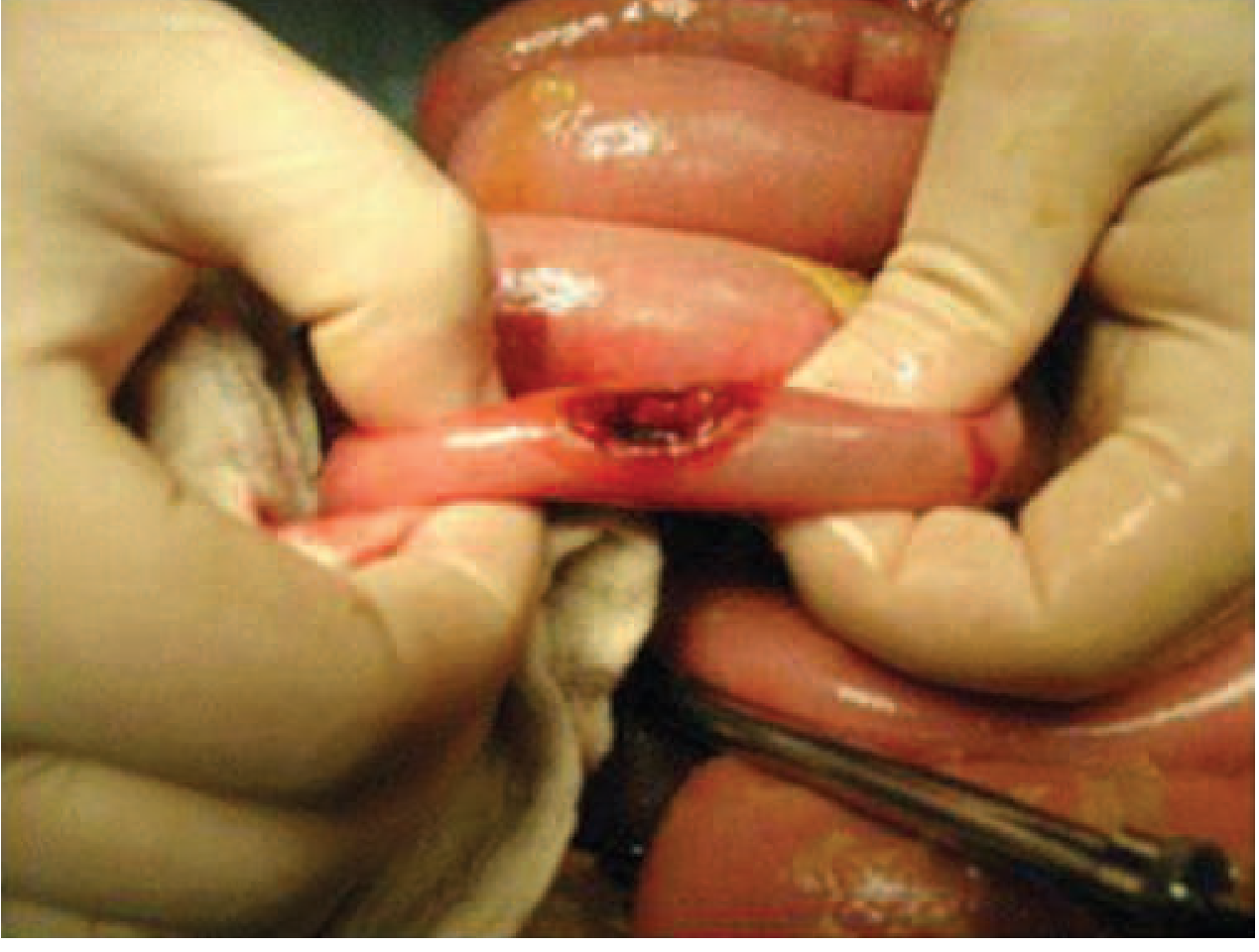
- Monitor for complications: intestinal hemorrhage/perforation (usually week 2-3, terminal ileum), encephalopathy, myocarditis, relative bradycardia, hepatosplenomegaly.
2. Antibiotic Therapy (Adults) - Harrison's Table 171-1
Empirical treatment (susceptibility unknown):
| Agent | Dose (route) | Duration |
|---|---|---|
| Ceftriaxone | 2 g/d IV | 10-14 days |
| Ciprofloxacin* | 500 mg bid PO or 400 mg q12h IV | 5-7 days |
| Azithromycin | 1 g/d PO | 10 days |
*Ciprofloxacin should generally be avoided empirically now given widespread decreased ciprofloxacin susceptibility on the Indian subcontinent and parts of Africa.
Fully susceptible strains:
- Optimal: Ceftriaxone 2 g/d IV (10-14 d) or Ciprofloxacin 500 mg bid PO/400 mg q12h IV (5-7 d)
- Alternative: Azithromycin 1 g/d PO (5 d); Amoxicillin 1 g tid PO or 2 g q6h IV (14 d); Chloramphenicol 25 mg/kg tid PO/IV (14-21 d); Trimethoprim-sulfamethoxazole 160/800 mg bid PO (7-14 d)
Multidrug-resistant (MDR) strains (resistant to ampicillin, chloramphenicol, TMP-SMX):
- Ceftriaxone, cefotaxime, or oral cefixime are effective (fever clears in ~1 week; failure ~5-10%, relapse 3-6%)
- Azithromycin is preferred for uncomplicated MDR/ESBL/fluoroquinolone-resistant disease - defervescence in 4-6 days, relapse/carriage <3%
- Fluoroquinolones remain effective against genuinely susceptible strains (cure ~98%)
Extensively drug-resistant (XDR) strains (e.g., travel to Pakistan or Iraq):
- Treat empirically with a carbapenem (e.g., meropenem or imipenem 500 mg q6h IV) or azithromycin
- If a patient on carbapenem alone fails to improve, consider adding a second agent (e.g., azithromycin)
General duration principle: continue antibiotics for at least 10 days, or 5 days after fever resolution (defervescence).
3. Severe/Complicated Disease (Shock, Delirium, Obtundation)
- Adjunctive dexamethasone: initial 3 mg/kg IV, then 1 mg/kg every 6 hours for 8 doses, combined with antibiotics - historically reduced mortality substantially (10% vs 55% with chloramphenicol alone in the original Indonesian trial). Steroids beyond 48 hours may increase relapse risk. This remains one of the few indications for glucocorticoids in an acute bacterial infection.
- Ileal perforation or major hemorrhage may require surgical management.
4. Chronic Carriers (2-5% of untreated patients)
- Fluoroquinolone-susceptible strains: 4-week course of oral ciprofloxacin (~80% eradication)
- Fluoroquinolone-resistant strains: 4-week course of oral azithromycin (limited data) or amoxicillin (lower eradication rates)
- Anatomic abnormalities (gallstones, renal/bladder stones): eradication usually needs antibiotics plus surgical correction (e.g., cholecystectomy)
5. Prevention
Typhoid vaccination (Ty21a oral or Vi capsular polysaccharide/typhoid conjugate vaccine) for travelers to endemic areas, plus safe food/water practices.
Current Evidence Check
A 2022 systematic review of 27 RCTs cited in Harrison's found no significant difference between ceftriaxone, fluoroquinolones, and azithromycin for treatment failure, relapse, or carriage - though most trials were small and predate current resistance patterns. More recent reviews support this:
- A 2024 systematic review (PMID: 39623850) evaluating oral azithromycin versus other antimicrobials across age groups found azithromycin comparably or more effective, reinforcing its role especially where fluoroquinolone/MDR resistance is prevalent.
- A 2025 Cochrane review (PMID: 40326553) on typhoid conjugate vaccines supports vaccination as a key resistance-prevention strategy, given rising antimicrobial resistance limiting treatment options.
These don't contradict the standard protocol above but reinforce azithromycin's growing preferred role and the importance of vaccination as resistance spreads.
Sources: Harrison's Principles of Internal Medicine, 22E, pp. 1359-1362; Jawetz, Melnick & Adelberg's Medical Microbiology, 28E, p. 205; CDC Yellow Book 2024 (Typhoid and Paratyphoid Fever) and CDC Clinical Guidance for Typhoid Fever.
This is a shared conversation. Sign in to Orris to start your own chat.