
Heme and bilirubin metabolism
Reading File
Now let me search the library for heme and bilirubin metabolism content in parallel:
Finding Sources
Finding Sources
Searching Images
heme bilirubin metabolism pathway diagram
Let me search more specifically in the library:
Finding Sources
Finding Sources
Searching Images
bilirubin conjugation liver jaundice pathway
Excellent. Now let me read the key sections in parallel — Harrison's heme biosynthesis, the Medical Physiology heme metabolism section, and Henry's bilirubin section:
Reading File
Reading File
Reading File
Good content. Let me now fetch the key pathway images and read more of the Medical Physiology section which has bilirubin secretion:
Loading Image
Loading Image
Reading File
I now have rich content and images. Let me also fetch the Harrison's heme pathway diagram and the jaundice diagnostic flowchart image:
Loading Image
Loading Image
Finding Sources
I now have comprehensive content and excellent diagrams. Let me compile the full answer.
Heme and Bilirubin Metabolism
1. Heme Biosynthesis
Heme synthesis involves eight enzymatic steps converting glycine and succinyl-CoA to heme. These eight enzymes are encoded by nine genes (two genes encode the first enzyme, ALA-synthase). The pathway is split between mitochondria (first and last three enzymes) and cytosol (middle four enzymes).
| Step | Enzyme | Location | Product |
|---|---|---|---|
| 1 | ALA-synthase (ALAS1/ALAS2) | Mitochondria | δ-Aminolevulinic acid (ALA) |
| 2 | ALA-dehydratase | Cytosol | Porphobilinogen (PBG) |
| 3 | HMB-synthase (PBG-deaminase) | Cytosol | Hydroxymethylbilane |
| 4 | Uroporphyrinogen III synthase | Cytosol | Uroporphyrinogen III |
| 5 | Uroporphyrinogen decarboxylase | Cytosol | Coproporphyrinogen III |
| 6 | Coproporphyrinogen oxidase | Mitochondria | Protoporphyrinogen IX |
| 7 | Protoporphyrinogen oxidase | Mitochondria | Protoporphyrin IX |
| 8 | Ferrochelatase | Mitochondria | Heme |
Key points:
- ALA-synthase is the rate-limiting enzyme. It condenses glycine (activated by pyridoxal phosphate) + succinyl-CoA → ALA.
- ALAS1 (housekeeping, chromosome 3p21.1) is induced in the liver by drugs, steroids, and chemicals.
- ALAS2 (erythroid-specific, chromosome Xp11.2): loss-of-function → X-linked sideroblastic anemia (XLSA); gain-of-function → X-linked erythropoietic protoporphyria (XLP).
- ~85% of daily heme synthesis occurs in erythroid precursors (for hemoglobin); hepatocytes account for most of the remainder (primarily for CYP450 enzymes).
— Harrison's Principles of Internal Medicine 22E, p. 3386; Tietz Textbook of Laboratory Medicine 7e
2. Heme Catabolism: Heme → Biliverdin → Bilirubin
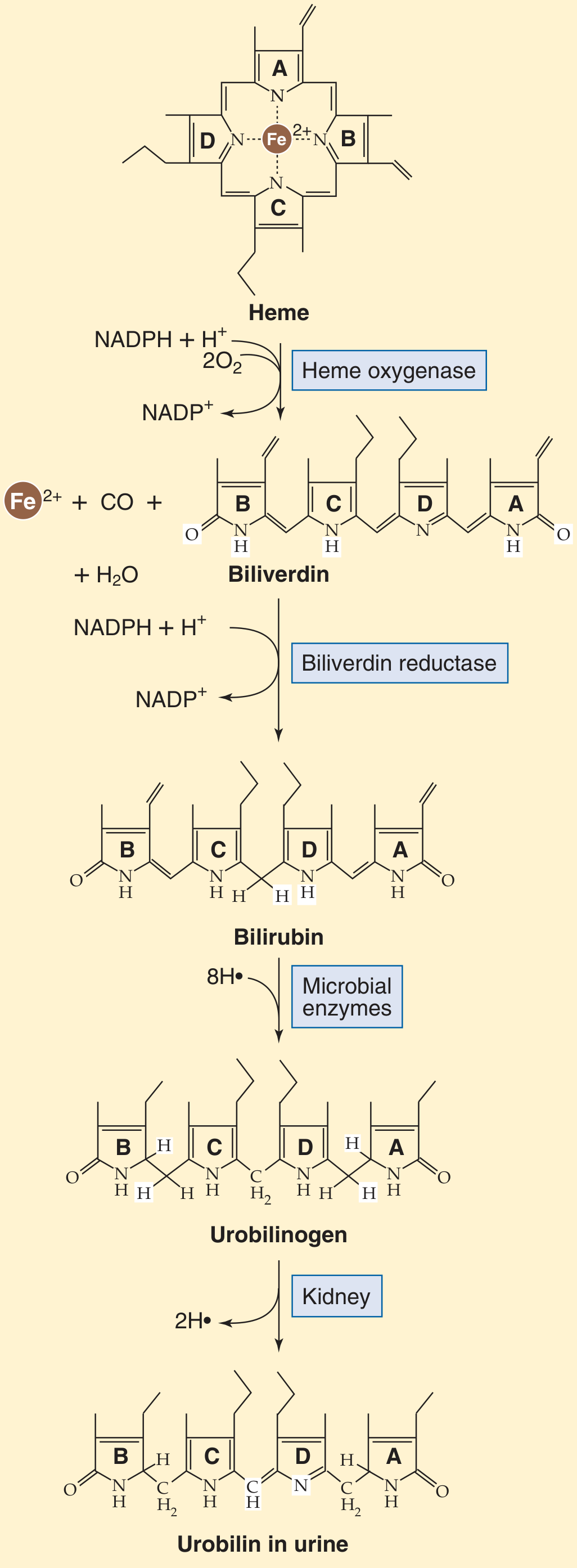
Figure 46-6A — Medical Physiology (Boron & Boulpaep)
Heme is degraded in the reticuloendothelial system (macrophages in spleen, liver, bone marrow):
-
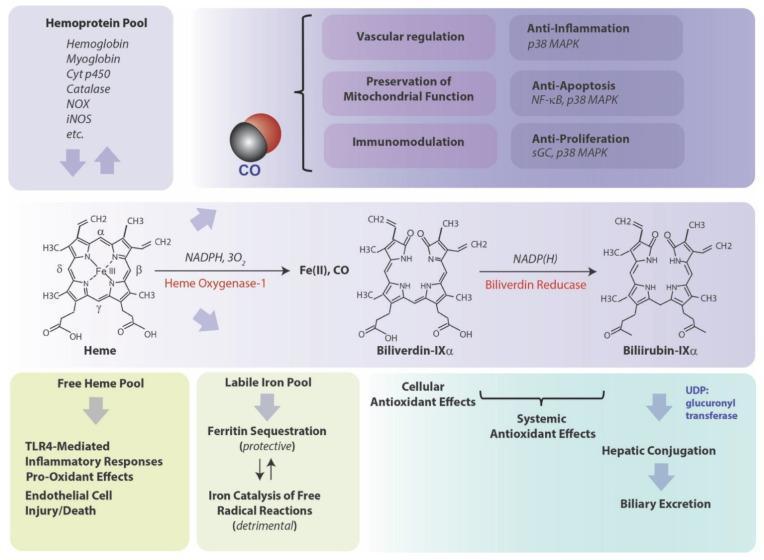
Heme oxygenase (HO-1 inducible, HO-2 constitutive) cleaves the α-methene bridge of the porphyrin ring using NADPH + 3O₂, releasing:
- Biliverdin-IXα (green tetrapyrrole)
- CO (carbon monoxide — signaling molecule with vasodilatory, anti-apoptotic, anti-inflammatory effects via p38 MAPK, NF-κB, sGC)
- Fe²⁺ (ferrous iron — recycled via transferrin; sequestered by ferritin to prevent Fenton reaction ROS)
-
Biliverdin reductase reduces biliverdin → bilirubin-IXα (yellow pigment) using NADPH.
Sources of bilirubin:
- 65–80% from hemoglobin of senescent red cells (RBC lifespan ~120 days)
- ~15% from myoglobin, cytochromes, and other hemoproteins
- ~10–15% from "ineffective erythropoiesis" (premature destruction of RBC precursors)
— Medical Physiology (Boron & Boulpaep), p. 1410
3. Bilirubin Transport and Hepatic Uptake
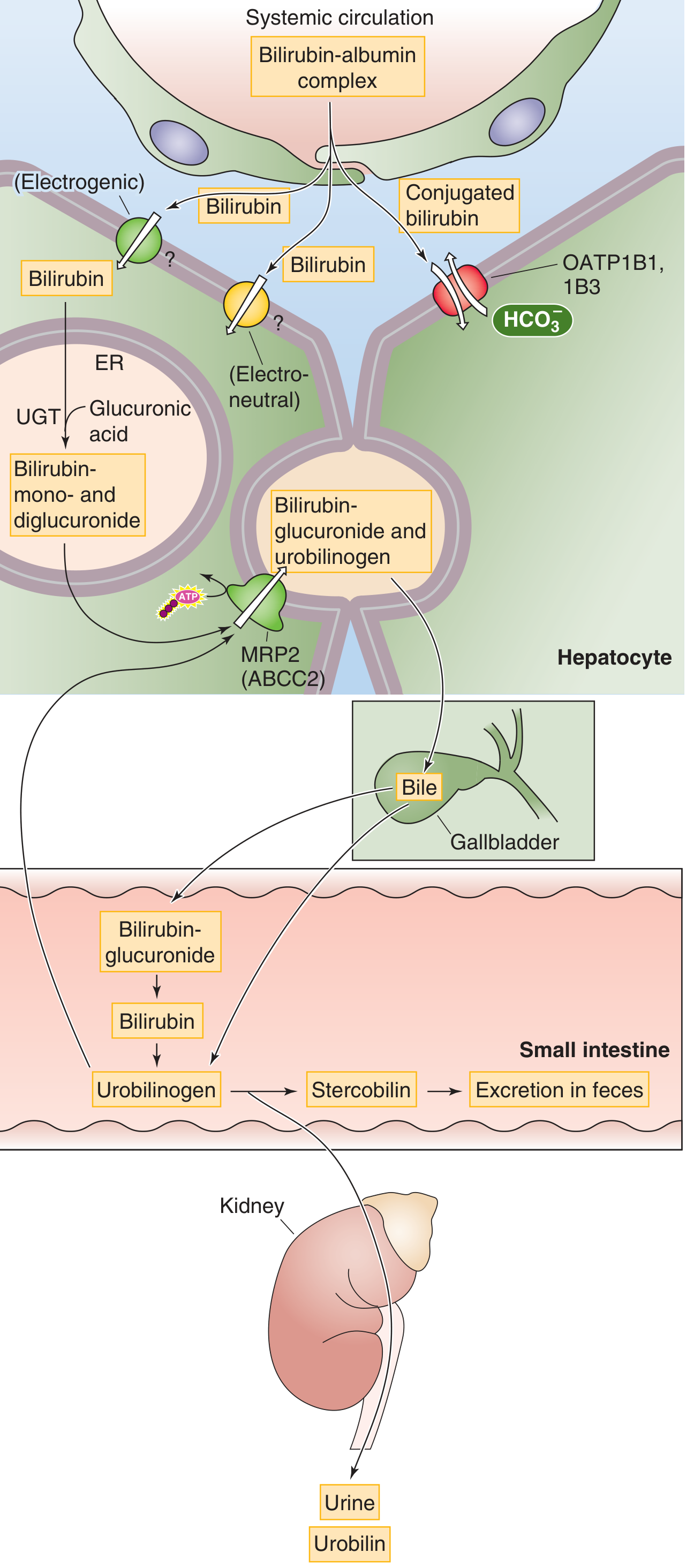
Figure 46-6B — Medical Physiology (Boron & Boulpaep)
Unconjugated (indirect) bilirubin is:
- Lipophilic and water-insoluble → cannot be excreted in urine or bile directly
- Bound reversibly to albumin in plasma (normally ~0.5 mg/dL total bilirubin, mostly unconjugated)
- Taken up by hepatocytes via OATP1B1 and OATP1B3 (organic anion transporting polypeptides) at the basolateral membrane
4. Hepatic Conjugation
Inside the hepatocyte endoplasmic reticulum, the enzyme UGT1A1 (UDP-glucuronosyltransferase 1A1) conjugates bilirubin with glucuronic acid:
- Bilirubin monoglucuronide (BMG)
- Bilirubin diglucuronide (BDG) — predominant form in bile
Conjugated bilirubin is water-soluble and can be excreted. It cannot be reabsorbed by biliary or intestinal epithelia once secreted.
Clinically important UGT1A1 defects:
| Disorder | UGT1A1 Activity | Bilirubin type | Features |
|---|---|---|---|
| Gilbert syndrome | Mildly reduced (~30%) | Unconjugated ↑ | Benign, common; exacerbated by fasting/stress |
| Crigler-Najjar type I | Absent | Unconjugated ↑↑↑ | Kernicterus, fatal without liver transplant |
| Crigler-Najjar type II | Severely reduced | Unconjugated ↑↑ | Less severe; responds to phenobarbital |
— Medical Physiology, p. 1410
5. Biliary Secretion and Intestinal Fate
Conjugated bilirubin is exported from the hepatocyte into the bile canaliculus via MRP2 (ABCC2) — an ATP-dependent efflux pump. It then flows through bile ducts → gallbladder → small intestine.
In the terminal ileum and colon:
- Intestinal bacteria (β-glucuronidases) deconjugate bilirubin glucuronides → free bilirubin
- Microbial enzymes reduce bilirubin → urobilinogen (colorless)
- Urobilinogen → stercobilin (brown pigment of feces) in the colon
- ~20% of urobilinogen is reabsorbed (enterohepatic circulation) → re-excreted in bile; small fraction reaches kidney → oxidized to urobilin (yellow pigment of urine)
6. Clinical Correlations: Jaundice
Jaundice (icterus) appears when serum bilirubin rises to 1.5–3 mg/dL. Normal total bilirubin is ≤1 mg/dL.
Classification of Hyperbilirubinemia
| Type | Mechanism | Bilirubin | Urine Bilirubin | Urine Urobilinogen | Stool Color |
|---|---|---|---|---|---|
| Pre-hepatic (hemolytic) | ↑ RBC destruction | Unconjugated ↑ | Absent (albumin-bound) | ↑↑ | Normal/dark |
| Hepatocellular | Liver disease (hepatitis, cirrhosis) | Mixed ↑ | Present | Variable | Pale |
| Post-hepatic (obstructive) | Bile duct obstruction | Conjugated ↑ | Present (dark urine) | Absent | Pale/clay-colored |
Diagnostic Approach
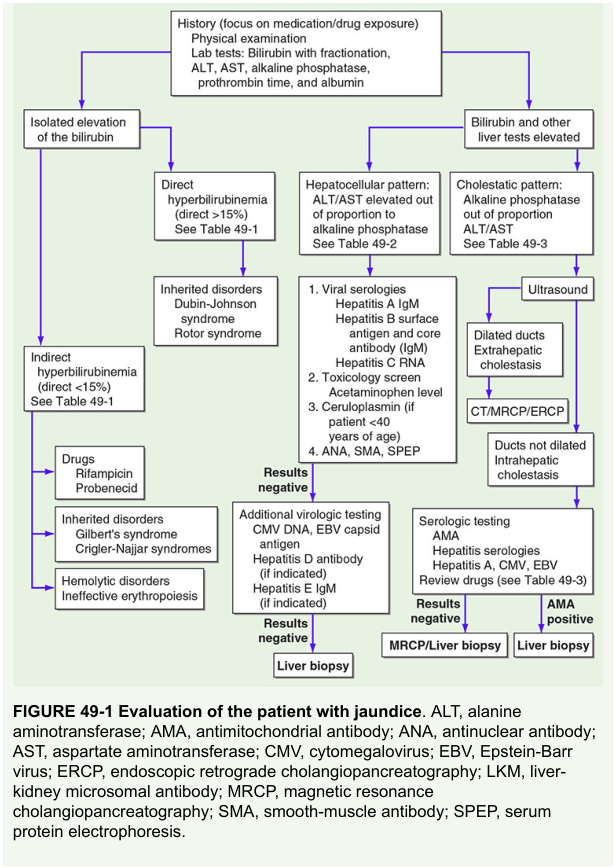
Figure 49-1 — Harrison's Principles of Internal Medicine, Evaluation of jaundice
Key inherited direct hyperbilirubinemia syndromes:
- Dubin-Johnson syndrome — defective MRP2; conjugated bilirubin cannot be exported into canaliculus; black liver pigment; benign
- Rotor syndrome — defective OATP1B1/1B3 re-uptake; conjugated bilirubin leaks into plasma
7. Laboratory Measurement of Bilirubin
The Jendrassik-Gróf method is the most common clinical assay:
- Diazotized sulfanilic acid reacts with bilirubin's pyrrole rings to form colored phenyl-azo adducts (absorbance at 600 nm)
- Direct bilirubin = conjugated bilirubin that reacts without a dissociating agent
- Total bilirubin = reacts after adding caffeine-benzoate (displaces albumin-bound unconjugated bilirubin)
- Indirect bilirubin = total − direct (≈ unconjugated bilirubin)
— Henry's Clinical Diagnosis and Management by Laboratory Methods, p. 527
8. Neonatal Jaundice
Physiological neonatal jaundice results from:
- ↑ RBC turnover (fetal hemoglobin replacement)
- Immature UGT1A1 conjugation capacity
- Enhanced enterohepatic circulation (higher intestinal β-glucuronidase activity)
Treatment with phototherapy converts bilirubin to photoisomers and oxidation products that are less lipophilic and can be excreted without hepatic conjugation (photoisomers → bile; oxidation products → urine).
Extreme unconjugated hyperbilirubinemia → kernicterus (bilirubin deposition in basal ganglia and brainstem nuclei, causing brain damage).
Summary Pathway
Hemoglobin (senescent RBCs, ~80%)
        ↓  [Macrophages - RES]
      Heme
        ↓  Heme Oxygenase (NADPH, O₂)  →  CO + Fe²⁺
   Biliverdin
        ↓  Biliverdin Reductase (NADPH)
  Unconjugated Bilirubin (lipophilic)
        ↓  [Bound to albumin in plasma]
     Liver (OATP1B1/1B3 uptake)
        ↓  UGT1A1 (ER)
  Conjugated Bilirubin (water-soluble)
        ↓  MRP2/ABCC2
       Bile → Intestine
        ↓  Bacterial β-glucuronidase + reduction
    Urobilinogen
    ↙              ↘
Stercobilin         Reabsorbed → Re-excreted in bile
(feces, brown)      Small fraction → Kidney → Urobilin (urine, yellow)
Sources: Medical Physiology (Boron & Boulpaep), p. 1409–1411 | Harrison's 22E, pp. 3386–3387 | Henry's Clinical Diagnosis and Management by Laboratory Methods | Tietz Textbook of Laboratory Medicine 7e
This is a shared conversation. Sign in to Orris to start your own chat.