
Whats cancrum oris
Reading File
Now let me search the medical library and PubMed in parallel.
Finding Sources
Finding Sources
Searching PubMed
cancrum oris noma
Good results from the library. Let me now read the detailed content from the most relevant sources in parallel, including fetching the clinical image.
Reading File
Reading File
Loading Image
Now let me get the detailed clinical description from S Das (the most comprehensive surgical text entry):
Reading File
I now have comprehensive information to give a thorough answer. Here it is:
Cancrum Oris (Noma)
Cancrum oris, also known as noma or gangrenous stomatitis, is a rapidly progressive, polymicrobial gangrenous infection of the mouth and face. It represents the most severe end of the necrotizing periodontal disease spectrum.
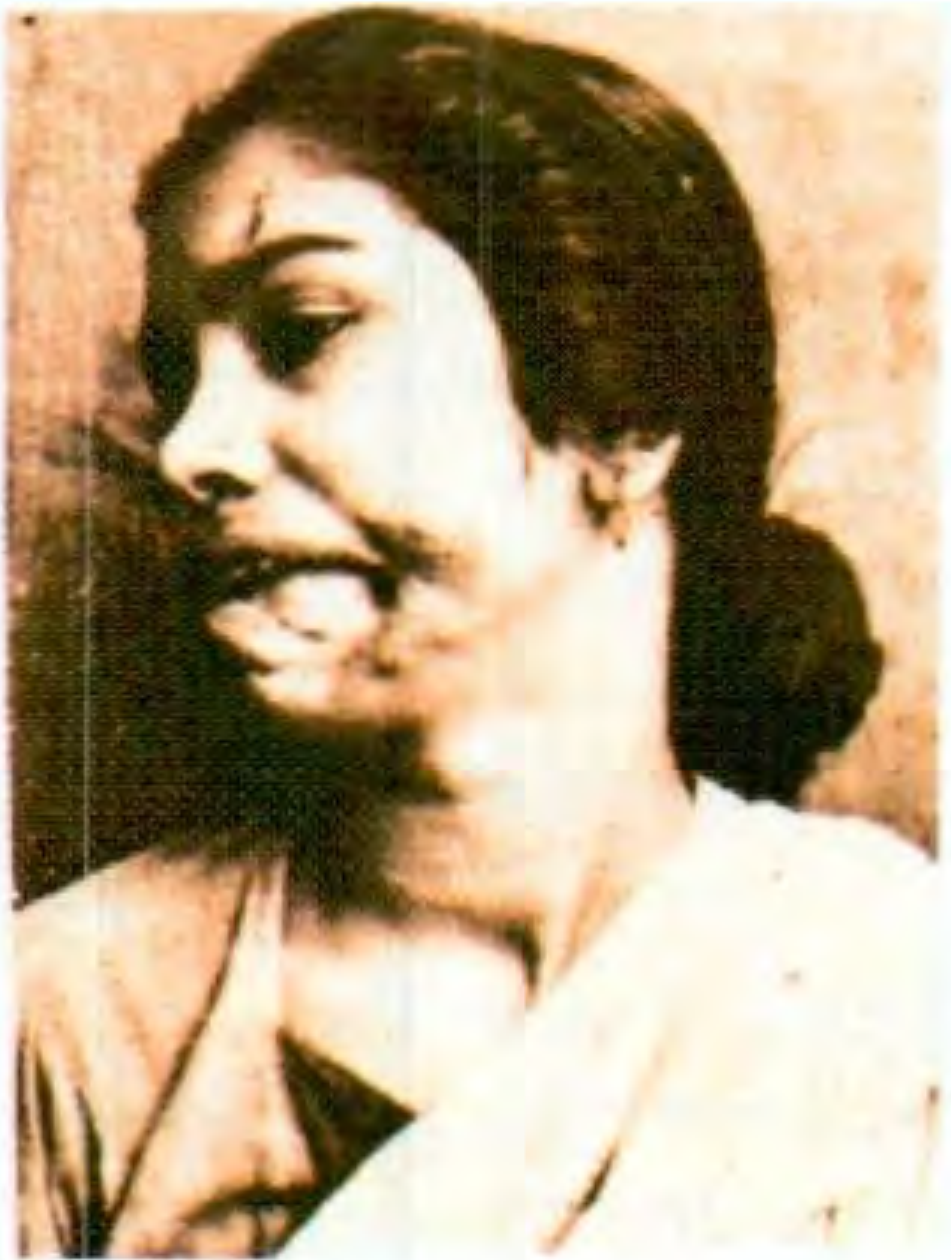
Fig. 22.13 - Cancrum oris (S Das, Manual on Clinical Surgery)
Who Gets It?
- Primarily affects young, malnourished children in developing countries (sub-Saharan Africa, parts of Asia and South America)
- Also seen as a complication of measles and leukemia
- Predisposing factors: severe malnutrition, poor oral hygiene, immunocompromise (e.g., HIV), preceding illness (measles, TB)
Pathophysiology and Microbiology
The disease involves invasion of oral tissues by polymicrobial bacteria, predominantly:
- Fusobacterium necrophorum and Fusobacterium nucleatum
- Spirochetes (Treponema species)
- Prevotella intermedia and other anaerobes
It is considered the extreme end of a spectrum:
- Necrotizing gingivitis (ANUG / "trench mouth") - gingiva only
- Necrotizing periodontitis - extends to attachment apparatus
- Necrotizing stomatitis - spreads to surrounding oral mucosa
- Noma / cancrum oris - entire mouth and face involved, often fatal
Clinical Features
Early stage:
- Begins as an area of oedema and induration on the gums
- Small painful ulcers covered with yellow slough
- Gums swell, bleed easily; fetor oris (foul breath) is prominent
- Fever, anorexia, malaise, cervical lymphadenopathy
Advanced stage:
- The necrosis spreads rapidly from gums to the inner cheek, lips, and through to the external skin surface
- Produces a large area of full-thickness tissue loss - the characteristic feature
- Extremely painful; patient is very ill
- Can result in massive destruction of the face (cheeks, lips, nose, even jaw bones)
- Case fatality rate is high (70-90%) without treatment; survivors are left with severe disfigurement
Classification within Gangrene
In surgical pathology, cancrum oris is classified under moist/infective gangrene, alongside carbuncle and postoperative progressive gangrene - S Das, A Manual on Clinical Surgery.
Treatment
- Nutritional rehabilitation - addressing underlying malnutrition is essential
- Antibiotics - penicillin (covers Fusobacterium and spirochetes) + metronidazole (anaerobic cover); amoxicillin-clavulanate is an alternative
- Wound care - debridement of necrotic tissue, antiseptic mouth rinses
- Treat the precipitant - manage underlying measles, HIV, leukemia
- Reconstructive surgery - after the acute phase resolves, surgical reconstruction is needed for the severe facial defects (may require multiple procedures)
Key Points for Exams
| Feature | Detail |
|---|---|
| Synonym | Noma, gangrenous stomatitis, fusospirochetal gangrene |
| Age group | Young children (2-6 years most common) |
| Main predisposing factor | Malnutrition |
| Common precipitant | Measles |
| Key organisms | Fusobacterium, spirochetes |
| Pattern of spread | Gums → inner cheek → lips → external skin (full-thickness) |
| Mortality (untreated) | ~70-90% |
| Treatment | Nutrition + antibiotics (penicillin + metronidazole) + surgery |
Sources: S Das, A Manual on Clinical Surgery, 13th Ed.; Rosen's Emergency Medicine; Fitzpatrick's Dermatology; Park's Preventive & Social Medicine
This is a shared conversation. Sign in to Orris to start your own chat.