
Analyze last five years NEET PG, recent FMG and recent INICT papers and frame me a predicted NEET PG 2026. Paper.
- NEET PG trend analysis: subject-wise weightage and recurring concepts across the last 5 years
- Recent INI-CET analysis: high-concept and integrated clinical-question trends
- Recent FMGE analysis: core factual repeats and commonly tested basics
- 2026 prediction blueprint: expected subject distribution, high-yield themes, and question styles
- Full mock paper: 200 single-best-answer MCQs with answers and concise explanations
- Revision add-on: a list of predicted repeat topics and “must-do” areas
- Complete 200-question mock
- Trend analysis + predicted blueprint
- Predicted topics subject-wise
- 50-question high-yield mini mock
Generate a 50-question high-yield predicted mini mock But with crisp explanations beliw
NEET PG recent exam pattern subject weightage INI CET question trends 2025 2026
medical education NEET PG examination
India clinical practice guideline
Predicted NEET PG 2026 Mini Mock
Attempt first, then check the crisp explanations below.
Questions
A. Pulmonary edema
B. Right ventricular infarction
C. Papillary muscle rupture
D. Ventricular septal rupture
A. Anti-thyroglobulin antibody
B. Anti-thyroid peroxidase antibody
C. TSH receptor antibody
D. Anti-microsomal antibody
A. Broad QRS complex
B. Tall tented T waves
C. Sine-wave pattern
D. Prolonged PR interval
A. Start IV insulin infusion
B. Give IV sodium bicarbonate
C. Begin potassium replacement before insulin
D. Start dextrose infusion
A. Albumin
B. Antithrombin III
C. Immunoglobulin A
D. Transferrin
A. Sepsis
B. Acute respiratory distress syndrome
C. Hypovolemic shock
D. Pancreatic pseudocyst
A. Japanese encephalitis virus
B. Herpes simplex virus-1
C. Rabies virus
D. Cytomegalovirus
A. Optic nerve
B. Oculomotor nerve
C. Trochlear nerve
D. Abducens nerve
A. Granulomatosis with polyangiitis
B. Goodpasture syndrome
C. IgA nephropathy
D. Polyarteritis nodosa
A. Isoniazid
B. Rifampicin
C. Ethambutol
D. Pyrazinamide
A. Rifampicin
B. Isoniazid
C. Ethambutol
D. Streptomycin
A. Continue heparin and observe
B. Stop heparin and start warfarin immediately
C. Stop heparin and use a non-heparin anticoagulant
D. Give platelet transfusion alone
A. Naloxone
B. N-acetylcysteine
C. Atropine
D. Pralidoxime
A. Atropine
B. Pralidoxime only
C. Diazepam
D. Naloxone
A. Gray baby syndrome
B. Red man syndrome
C. Stevens-Johnson syndrome
D. Serotonin syndrome
A. Thalassemia
B. Sideroblastic anemia
C. Iron deficiency anemia
D. Anemia of chronic disease
A. Iron deficiency anemia
B. Megaloblastic anemia
C. Microangiopathic hemolytic anemia
D. Hereditary spherocytosis
A. CD3 and CD20
B. CD15 and CD30
C. CD5 and CD23
D. CD10 and BCL2
A. Papillary RCC
B. Chromophobe RCC
C. Clear-cell RCC
D. Collecting-duct carcinoma
A. Fibroadenoma
B. Invasive ductal carcinoma
C. Phyllodes tumor
D. Fat necrosis
A. Retained placenta
B. Uterine atony
C. Genital tract trauma
D. Coagulation disorder
A. Diazepam
B. Phenytoin
C. Magnesium sulfate
D. Phenobarbitone
A. Mandatory before ultrasound
B. Contraindicated until placental location is known
C. Required to assess cervical dilatation
D. Safe after 28 weeks
A. Isthmus of fallopian tube
B. Ampulla of fallopian tube
C. Ovary
D. Cervix
A. Postpartum endometritis
B. Mastitis
C. Urinary tract infection
D. Deep vein thrombosis
A. Epiglottitis
B. Croup
C. Foreign-body aspiration
D. Bronchiolitis
A. ORS 75 mL/kg over 4 hours
B. IV fluid resuscitation as per severe-dehydration protocol
C. Zinc alone
D. Antibiotics in all cases
A. Ventricular septal defect
B. Atrial septal defect
C. Patent ductus arteriosus
D. Tetralogy of Fallot
A. Transposition of great arteries
B. Tetralogy of Fallot
C. Tricuspid atresia
D. Total anomalous pulmonary venous connection
A. Group B Streptococcus
B. Klebsiella pneumoniae
C. Listeria monocytogenes
D. Streptococcus pneumoniae
A. Visceral pain becomes somatic after parietal peritoneal irritation
B. The appendix moves from umbilicus to right iliac fossa
C. Obturator nerve is irritated initially
D. The cecum shifts position
A. Volvulus
B. Adhesions
C. Intussusception
D. Colorectal carcinoma
A. Gallstone obstruction of common bile duct
B. Carcinoma of head of pancreas
C. Acute cholecystitis
D. Hepatitis A
A. Plain X-ray abdomen
B. Ultrasound abdomen
C. Barium enema
D. PET-CT
A. Chest X-ray before treatment
B. Needle decompression
C. CT chest
D. Bronchoscopy
A. Hypoglossal nerve
B. Recurrent laryngeal nerve
C. Facial nerve
D. Phrenic nerve
A. C5-C6 roots
B. C8-T1 roots
C. Radial nerve
D. Ulnar nerve
A. Radial nerve
B. Axillary nerve
C. Median nerve
D. Ulnar nerve
A. Anterior cerebral artery
B. Middle meningeal artery
C. Posterior inferior cerebellar artery
D. Lenticulostriate artery
A. Wernicke aphasia
B. Broca aphasia
C. Conduction aphasia
D. Global aphasia
A. Clostridium tetani
B. Clostridium perfringens
C. Clostridioides difficile
D. Staphylococcus aureus
A. Numerous RBCs and pus cells
B. Rice-water stool with darting motility of Vibrio
C. Trophozoites with ingested RBCs
D. Sulfur granules
A. Rabies
B. Measles
C. Poliomyelitis
D. Herpes simplex encephalitis
A. Tetanus toxoid
B. Inactivated influenza vaccine
C. Hepatitis B vaccine
D. MMR vaccine
A. Total cases in a population during a year
B. Proportion of susceptible contacts who develop disease after exposure to a primary case
C. Number of deaths due to disease divided by population
D. Proportion of people with a disease at a point in time
A. Persons without disease
B. Persons with disease
C. True negatives only
D. False positives only
A. Mean
B. Median
C. Mode only
D. Standard deviation
A. A friend requests it
B. A journalist requests it
C. Required by law or there is serious risk to others
D. The patient is famous
A. Autonomy
B. Non-maleficence
C. Justice
D. Paternalism
A. Recovery of enzyme activity with time
B. Irreversible strengthening of the organophosphate-enzyme bond
C. Increased production of acetylcholine
D. Delayed absorption of poison from gut
Answers With Crisp Explanations
| Q | Answer | Crisp explanation |
|---|---|---|
| 1 | B | Inferior-wall MI with hypotension, raised JVP, and clear lungs suggests right-ventricular infarction. |
| 2 | C | TSH-receptor antibodies directly stimulate the receptor and are specific for Graves disease. |
| 3 | B | Hyperkalemia first produces tall, narrow, tented T waves. |
| 4 | C | If K+ is <3.3 mEq/L, replace potassium before insulin, as insulin further lowers serum K+. |
| 5 | B | Loss of antithrombin III in urine causes the hypercoagulable state of nephrotic syndrome. |
| 6 | C | Early death in acute pancreatitis is usually from hypovolemia/shock due to third-space fluid loss. |
| 7 | B | HSV-1 encephalitis classically affects temporal lobes and causes seizures with altered behavior/sensorium. |
| 8 | B | A dilated pupil with ptosis and diplopia suggests compressive oculomotor nerve palsy. |
| 9 | B | Pulmonary hemorrhage + RPGN + linear GBM IgG deposits = anti-GBM disease/Goodpasture syndrome. |
| 10 | C | Ethambutol causes optic neuritis, red-green color defect, and central scotoma. |
| 11 | B | Isoniazid can cause peripheral neuropathy, prevented with pyridoxine. |
| 12 | C | In HIT, stop all heparin and anticoagulate with a non-heparin drug such as argatroban. |
| 13 | B | N-acetylcysteine replenishes glutathione and limits toxic NAPQI injury. |
| 14 | A | Atropine reverses life-threatening muscarinic manifestations, especially bronchorrhea and bradycardia. |
| 15 | B | Rapid vancomycin infusion can cause histamine-mediated red man syndrome. |
| 16 | C | Iron deficiency anemia is the commonest microcytic hypochromic anemia worldwide. |
| 17 | C | Schistocytes are fragmented RBCs seen in microangiopathic hemolytic anemia such as DIC/TTP/HUS. |
| 18 | B | Classical Hodgkin lymphoma Reed-Sternberg cells are CD15+ and CD30+. |
| 19 | C | Clear-cell RCC is the most common histologic subtype. |
| 20 | A | A mobile, painless, well-circumscribed breast mass in a young woman is typically a fibroadenoma. |
| 21 | B | The commonest cause of primary PPH is uterine atony. Think “Tone, Trauma, Tissue, Thrombin.” |
| 22 | C | Magnesium sulfate is first line for eclampsia seizure control and prevention of recurrence. |
| 23 | B | Do not perform digital vaginal examination in suspected placenta previa until placental location is established. |
| 24 | B | The ampulla is the commonest location for ectopic implantation. |
| 25 | A | Fever, uterine tenderness, foul lochia after delivery indicate postpartum endometritis. |
| 26 | B | Barking cough, hoarseness, and inspiratory stridor indicate croup due to subglottic edema. |
| 27 | B | Severe dehydration requires prompt IV rehydration, followed by reassessment and oral replacement when possible. |
| 28 | A | Ventricular septal defect is the most common congenital heart disease overall. |
| 29 | B | Squatting increases systemic vascular resistance and reduces right-to-left shunting in tetralogy of Fallot. |
| 30 | B | In Indian exam settings, Klebsiella pneumoniae is a frequent key answer for neonatal sepsis. |
| 31 | A | Early visceral pain is periumbilical; later parietal peritoneal irritation causes localized right-iliac-fossa pain. |
| 32 | B | Postoperative adhesions are the commonest cause of small-bowel obstruction. |
| 33 | B | A palpable, nontender gallbladder with jaundice suggests malignant obstruction, classically pancreatic-head carcinoma. |
| 34 | B | Ultrasound is preferred initially in children because it avoids radiation. |
| 35 | B | This is tension pneumothorax. Treat immediately with needle decompression, without waiting for imaging. |
| 36 | B | Injury to the recurrent laryngeal nerve causes hoarseness and vocal-cord paralysis. |
| 37 | A | Erb palsy is an upper trunk injury involving C5-C6 roots, causing “waiter’s tip” posture. |
| 38 | B | The axillary nerve winds around the surgical neck of the humerus. |
| 39 | B | Extradural hematoma most often follows rupture of the middle meningeal artery. |
| 40 | B | Dominant inferior frontal gyrus is Broca area. Its lesion causes nonfluent Broca aphasia. |
| 41 | B | Clostridium perfringens is the usual cause of gas gangrene/myonecrosis. |
| 42 | B | Cholera produces rice-water stools; Vibrio cholerae shows darting motility on dark-field microscopy. |
| 43 | A | Negri bodies are intracytoplasmic inclusions in neurons in rabies. |
| 44 | D | MMR is a live attenuated vaccine and is contraindicated in pregnancy. |
| 45 | B | Secondary attack rate measures disease among susceptible contacts exposed to a primary case. |
| 46 | B | Sensitivity is the ability to correctly identify people who truly have disease. |
| 47 | B | Median is least affected by extreme values and is best for skewed distributions. |
| 48 | C | Confidentiality can be breached when legally required or to prevent serious harm to others. |
| 49 | A | Honoring a competent patient’s organ-donation preference respects autonomy. |
| 50 | B | Aging makes organophosphate-AChE binding increasingly irreversible, reducing pralidoxime benefit. |
High-yield focus from this mock
Okay, just add the answers and explanation below the question. Not... After completion of the questions.
A. Option
B. Option
C. Option
D. Option
Explanation: One-line reason why B is correct, with a quick differentiator if useful.
Regenerate the 50-question mock in this format
Predicted NEET PG 2026: 50-Question High-Yield Mini Mock
1. Acute MI with hypotension
B. Right ventricular infarction
C. Papillary-muscle rupture
D. Ventricular septal rupture
Explanation: Hypotension + raised JVP + clear lungs is the classic triad of right-ventricular infarction. These patients are preload dependent.
2. Graves disease antibody
B. Anti-thyroid peroxidase antibody
C. TSH-receptor antibody
D. Anti-mitochondrial antibody
Explanation: Thyroid-stimulating immunoglobulins bind and activate the TSH receptor, producing Graves hyperthyroidism.
3. Hyperkalemia ECG
B. Tall tented T waves
C. Sine-wave pattern
D. Complete heart block
Explanation: Peaked T waves occur early. Progressive hyperkalemia causes PR prolongation, QRS widening, and eventually a sine-wave pattern.
4. DKA and low potassium
B. Give sodium bicarbonate
C. Begin potassium replacement before insulin
D. Start dextrose infusion immediately
Explanation: If K+ is below 3.3 mEq/L, insulin must be withheld temporarily because it can precipitate dangerous hypokalemia.
5. Nephrotic syndrome thrombosis
B. Antithrombin III
C. Ceruloplasmin
D. Transferrin
Explanation: Loss of antithrombin III, along with increased hepatic production of clotting factors, predisposes to thrombosis.
6. Acute pancreatitis
B. Gallstones
C. Hypercalcemia
D. Scorpion sting
Explanation: Gallstones are the leading cause overall. Alcohol is another major cause, especially in recurrent pancreatitis.
7. Temporal-lobe encephalitis
B. Herpes simplex virus-1
C. Rabies virus
D. Cytomegalovirus
Explanation: HSV-1 encephalitis classically involves the temporal lobes and often presents with seizures and behavioral change.
8. Dilated pupil with ptosis
B. Oculomotor nerve
C. Trochlear nerve
D. Abducens nerve
Explanation: A compressive third-nerve palsy causes ptosis, “down-and-out” eye, and pupillary dilatation.
9. Pulmonary-renal syndrome
B. Goodpasture syndrome
C. IgA nephropathy
D. Polyarteritis nodosa
Explanation: Anti-GBM antibodies produce pulmonary hemorrhage and rapidly progressive glomerulonephritis with linear IgG deposits.
10. ATT-associated optic neuritis
B. Rifampicin
C. Ethambutol
D. Pyrazinamide
Explanation: Ethambutol causes retrobulbar optic neuritis, typically with red-green color blindness and central scotoma.
11. Isoniazid adverse effect
B. Isoniazid
C. Ethambutol
D. Streptomycin
Explanation: Isoniazid depletes pyridoxine, causing peripheral neuropathy. Vitamin B6 prophylaxis is especially important in high-risk patients.
12. Heparin-induced thrombocytopenia
B. Stop heparin and begin warfarin immediately
C. Stop heparin and use a non-heparin anticoagulant
D. Give platelet transfusion only
Explanation: In HIT, stop all heparin and use an alternative anticoagulant such as argatroban. Warfarin should not be started alone in the acute phase.
13. Paracetamol poisoning
B. N-acetylcysteine
C. Atropine
D. Pralidoxime
Explanation: N-acetylcysteine replenishes glutathione and detoxifies the toxic metabolite NAPQI.
14. Organophosphate poisoning
B. Pralidoxime only
C. Naloxone
D. Flumazenil
Explanation: Atropine reverses muscarinic toxicity, particularly bronchorrhea, bronchospasm, and bradycardia. Pralidoxime is added early when indicated.
15. Vancomycin reaction
B. Red man syndrome
C. Serotonin syndrome
D. Stevens-Johnson syndrome
Explanation: Rapid infusion causes histamine release, resulting in flushing, pruritus, and hypotension. Slow the infusion rate.
16. Microcytic anemia
B. Sideroblastic anemia
C. Iron deficiency anemia
D. Anemia of chronic disease
Explanation: Iron deficiency is the most common cause of microcytic anemia. Low ferritin is a useful diagnostic marker.
17. Schistocytes
B. Megaloblastic anemia
C. Microangiopathic hemolytic anemia
D. Hereditary spherocytosis
Explanation: RBC fragmentation occurs in TTP, HUS, DIC, HELLP syndrome, and mechanical-valve hemolysis.
18. Hodgkin lymphoma marker
B. CD15 and CD30
C. CD5 and CD23
D. CD10 and BCL2
Explanation: Classical Hodgkin lymphoma is characteristically CD15+ and CD30+.
19. Renal cell carcinoma
B. Chromophobe renal cell carcinoma
C. Clear-cell renal cell carcinoma
D. Collecting-duct carcinoma
Explanation: Clear-cell RCC is the most common subtype and is associated with VHL gene abnormalities.
20. Breast lump in young woman
B. Invasive ductal carcinoma
C. Phyllodes tumor
D. Fat necrosis
Explanation: Fibroadenoma is the commonest benign breast tumor in young women and is typically mobile and well defined.
21. Primary postpartum hemorrhage
B. Uterine atony
C. Genital tract trauma
D. Coagulation disorder
Explanation: Uterine atony is the leading cause of PPH. Recall the four Ts: Tone, Trauma, Tissue, Thrombin.
22. Eclampsia management
B. Phenytoin
C. Magnesium sulfate
D. Phenobarbitone
Explanation: Magnesium sulfate is preferred for seizure control and prevention of recurrent convulsions in eclampsia.
23. Placenta previa
B. Contraindicated until placental location is known
C. Necessary to assess cervical dilatation
D. Safe after 28 weeks
Explanation: Digital examination can provoke severe hemorrhage in placenta previa. Ultrasound should establish placental location first.
24. Ectopic pregnancy
B. Ampulla of fallopian tube
C. Ovary
D. Cervix
Explanation: The ampullary region is the most frequent site of ectopic implantation.
25. Postpartum fever
B. Mastitis
C. Deep-vein thrombosis
D. Acute pyelonephritis
Explanation: Fever with foul lochia and uterine tenderness is typical of postpartum endometritis, especially after cesarean delivery.
26. Croup
B. Croup
C. Bronchiolitis
D. Foreign-body aspiration
Explanation: Croup is viral laryngotracheobronchitis causing subglottic edema, barking cough, and inspiratory stridor.
27. Severe dehydration in child
B. Intravenous fluid resuscitation according to severe-dehydration protocol
C. Zinc only
D. Routine antibiotic therapy
Explanation: These are WHO signs of severe dehydration. Immediate IV rehydration is required, followed by reassessment.
28. Commonest congenital heart disease
B. Atrial septal defect
C. Patent ductus arteriosus
D. Tetralogy of Fallot
Explanation: VSD is the most common congenital cardiac defect overall.
29. Cyanosis relieved by squatting
B. Tetralogy of Fallot
C. Tricuspid atresia
D. Total anomalous pulmonary venous connection
Explanation: Squatting raises systemic vascular resistance, decreasing right-to-left shunting in TOF.
30. Neonatal sepsis
B. Streptococcus pneumoniae
C. Corynebacterium diphtheriae
D. Haemophilus influenzae type b
Explanation: Klebsiella is a major cause of hospital-acquired neonatal sepsis in India. Local microbiological patterns may vary.
31. Migratory pain in appendicitis
B. The appendix migrates toward the right iliac fossa
C. The cecum moves downward during inflammation
D. The obturator nerve is irritated first
Explanation: Initial visceral afferent pain is referred to T10, around the umbilicus. Parietal peritoneal involvement causes localized somatic pain.
32. Small-bowel obstruction
B. Adhesions
C. Intussusception
D. Colorectal carcinoma
Explanation: Postoperative adhesions are the leading cause of small-bowel obstruction in adults.
33. Courvoisier sign
B. Carcinoma of head of pancreas
C. Acute cholecystitis
D. Acute viral hepatitis
Explanation: Courvoisier sign suggests malignant distal biliary obstruction, classically carcinoma of the pancreatic head.
34. Appendicitis imaging in child
B. Ultrasound abdomen
C. Barium enema
D. PET-CT
Explanation: Ultrasound is preferred first because it avoids ionizing radiation. CT is used if ultrasound is inconclusive and suspicion remains high.
35. Tension pneumothorax
B. Needle decompression
C. CT chest
D. Bronchoscopy
Explanation: This is tension pneumothorax. It is a clinical diagnosis and requires immediate decompression, followed by tube thoracostomy.
36. Thyroidectomy nerve injury
B. Recurrent laryngeal nerve
C. Facial nerve
D. Phrenic nerve
Explanation: Recurrent laryngeal nerve injury causes hoarseness due to vocal-cord paralysis.
37. Erb palsy
B. C8-T1 roots
C. Radial nerve
D. Ulnar nerve
Explanation: Upper trunk injury causes the “waiter's tip” deformity: adducted, internally rotated arm with extended elbow.
38. Surgical neck of humerus
B. Axillary nerve
C. Median nerve
D. Ulnar nerve
Explanation: The axillary nerve and posterior circumflex humeral artery pass around the surgical neck.
39. Extradural hematoma
B. Middle meningeal artery
C. Posterior inferior cerebellar artery
D. Lenticulostriate artery
Explanation: Temporal bone fracture can tear the middle meningeal artery, producing a biconvex lens-shaped hematoma.
40. Broca area
B. Broca aphasia
C. Conduction aphasia
D. Global aphasia
Explanation: Broca aphasia causes nonfluent, effortful speech with relatively preserved comprehension.
41. Gas gangrene
B. Clostridium perfringens
C. Clostridioides difficile
D. Staphylococcus aureus
Explanation: C. perfringens causes clostridial myonecrosis through toxins, particularly alpha toxin.
42. Cholera
B. Darting motility of Vibrio cholerae
C. Trophozoites containing ingested RBCs
D. Sulfur granules in pus
Explanation: V. cholerae demonstrates rapid darting motility. Clinically, it causes profuse rice-water diarrhea.
43. Negri bodies
B. Measles
C. Poliomyelitis
D. Herpes simplex encephalitis
Explanation: Negri bodies are intracytoplasmic inclusions found in neurons, classically hippocampal pyramidal cells and Purkinje cells.
44. Vaccine in pregnancy
B. Inactivated influenza vaccine
C. Hepatitis B vaccine
D. MMR vaccine
Explanation: MMR is a live attenuated vaccine and is contraindicated during pregnancy.
45. Secondary attack rate
B. Proportion of susceptible contacts who develop disease after exposure to a primary case
C. Proportion of people with disease at a point in time
D. Number of deaths divided by total population
Explanation: It measures disease spread among close susceptible contacts of primary cases.
46. Sensitivity
B. People who have disease
C. False-positive results
D. True-negative results
Explanation: Sensitivity = true positives divided by all persons who truly have the disease.
47. Skewed data
B. Median
C. Standard deviation
D. Variance
Explanation: The median is less affected by extreme values and is preferred for skewed distributions.
48. Medical confidentiality
B. A journalist asks
C. Disclosure is required by law or needed to prevent serious harm
D. The patient is a public figure
Explanation: Confidentiality may be breached only when legally mandated or when necessary to prevent serious risk to the patient or others.
49. Organ donation ethics
B. Non-maleficence
C. Justice
D. Paternalism
Explanation: Autonomy is the right of a competent person to make informed decisions about their own body and treatment.
50. Organophosphate “aging”
B. Irreversible strengthening of the organophosphate-acetylcholinesterase bond
C. Increased acetylcholine synthesis
D. Delayed gastrointestinal absorption of poison
Explanation: After aging, the enzyme-organophosphate complex cannot be reactivated by pralidoxime.
Okay, I did this 50 questions. So, you are saying, you predicted 200 questions and these are just 50 of them, and 150 are left. Right.
- You have completed a 50-question high-yield predicted mock.
- If you want a full 200-question NEET PG 2026 predicted mock, I can build 150 new questions to complete it.
- Those 150 would be fresh questions, with answers and crisp explanations immediately below each question, in the same format.
Generate the remaining 150 questions in the same format But consider recent trends,clinical based,imaging based etc coz that’s what they ask And predict the 150 not random ones
-
Questions 51-100: Major clinical subjects
Medicine, Surgery, Obstetrics-Gynecology, Pediatrics, emergency algorithms, ECG/radiology/pathology interpretation. -
Questions 101-150: Preclinical and paraclinical integration
Pathology, Pharmacology, Microbiology, Forensic Medicine, PSM, image and lab-based vignettes. -
Questions 151-200: Remaining subjects and recent-trend integration
Anatomy, Physiology, Biochemistry, ENT, Ophthalmology, Orthopedics, Dermatology, Psychiatry, Radiology, Anaesthesia, plus INI-CET-style linked clinical stems.
Which 50-question predicted batch should I generate first, with answer and crisp explanation directly below every question?
- NEET PG trend analysis: subject-wise weightage and recurring concepts across the last 5 years
- Recent INI-CET analysis: high-concept and integrated clinical-question trends
- Recent FMGE analysis: core factual repeats and commonly tested basics
- 2026 prediction blueprint: expected subject distribution, high-yield themes, and question styles
- Full mock paper: 200 single-best-answer MCQs with answers and concise explanations
- Revision add-on: a list of predicted repeat topics and “must-do” areas
- Complete 200-question mock
- Trend analysis + predicted blueprint
- Predicted topics subject-wise
- 50-question high-yield mini mock## Predicted NEET PG 2026 Mini Mock
50 single-best-answer questions
Attempt first, then check the crisp explanations below.
Questions
A. Pulmonary edema
B. Right ventricular infarction
C. Papillary muscle rupture
D. Ventricular septal rupture
A. Anti-thyroglobulin antibody
B. Anti-thyroid peroxidase antibody
C. TSH receptor antibody
D. Anti-microsomal antibody
A. Broad QRS complex
B. Tall tented T waves
C. Sine-wave pattern
D. Prolonged PR interval
A. Start IV insulin infusion
B. Give IV sodium bicarbonate
C. Begin potassium replacement before insulin
D. Start dextrose infusion
A. Albumin
B. Antithrombin III
C. Immunoglobulin A
D. Transferrin
A. Sepsis
B. Acute respiratory distress syndrome
C. Hypovolemic shock
D. Pancreatic pseudocyst
A. Japanese encephalitis virus
B. Herpes simplex virus-1
C. Rabies virus
D. Cytomegalovirus
A. Optic nerve
B. Oculomotor nerve
C. Trochlear nerve
D. Abducens nerve
A. Granulomatosis with polyangiitis
B. Goodpasture syndrome
C. IgA nephropathy
D. Polyarteritis nodosa
A. Isoniazid
B. Rifampicin
C. Ethambutol
D. Pyrazinamide
A. Rifampicin
B. Isoniazid
C. Ethambutol
D. Streptomycin
A. Continue heparin and observe
B. Stop heparin and start warfarin immediately
C. Stop heparin and use a non-heparin anticoagulant
D. Give platelet transfusion alone
A. Naloxone
B. N-acetylcysteine
C. Atropine
D. Pralidoxime
A. Atropine
B. Pralidoxime only
C. Diazepam
D. Naloxone
A. Gray baby syndrome
B. Red man syndrome
C. Stevens-Johnson syndrome
D. Serotonin syndrome
A. Thalassemia
B. Sideroblastic anemia
C. Iron deficiency anemia
D. Anemia of chronic disease
A. Iron deficiency anemia
B. Megaloblastic anemia
C. Microangiopathic hemolytic anemia
D. Hereditary spherocytosis
A. CD3 and CD20
B. CD15 and CD30
C. CD5 and CD23
D. CD10 and BCL2
A. Papillary RCC
B. Chromophobe RCC
C. Clear-cell RCC
D. Collecting-duct carcinoma
A. Fibroadenoma
B. Invasive ductal carcinoma
C. Phyllodes tumor
D. Fat necrosis
A. Retained placenta
B. Uterine atony
C. Genital tract trauma
D. Coagulation disorder
A. Diazepam
B. Phenytoin
C. Magnesium sulfate
D. Phenobarbitone
A. Mandatory before ultrasound
B. Contraindicated until placental location is known
C. Required to assess cervical dilatation
D. Safe after 28 weeks
A. Isthmus of fallopian tube
B. Ampulla of fallopian tube
C. Ovary
D. Cervix
A. Postpartum endometritis
B. Mastitis
C. Urinary tract infection
D. Deep vein thrombosis
A. Epiglottitis
B. Croup
C. Foreign-body aspiration
D. Bronchiolitis
A. ORS 75 mL/kg over 4 hours
B. IV fluid resuscitation as per severe-dehydration protocol
C. Zinc alone
D. Antibiotics in all cases
A. Ventricular septal defect
B. Atrial septal defect
C. Patent ductus arteriosus
D. Tetralogy of Fallot
A. Transposition of great arteries
B. Tetralogy of Fallot
C. Tricuspid atresia
D. Total anomalous pulmonary venous connection
A. Group B Streptococcus
B. Klebsiella pneumoniae
C. Listeria monocytogenes
D. Streptococcus pneumoniae
A. Visceral pain becomes somatic after parietal peritoneal irritation
B. The appendix moves from umbilicus to right iliac fossa
C. Obturator nerve is irritated initially
D. The cecum shifts position
A. Volvulus
B. Adhesions
C. Intussusception
D. Colorectal carcinoma
A. Gallstone obstruction of common bile duct
B. Carcinoma of head of pancreas
C. Acute cholecystitis
D. Hepatitis A
A. Plain X-ray abdomen
B. Ultrasound abdomen
C. Barium enema
D. PET-CT
A. Chest X-ray before treatment
B. Needle decompression
C. CT chest
D. Bronchoscopy
A. Hypoglossal nerve
B. Recurrent laryngeal nerve
C. Facial nerve
D. Phrenic nerve
A. C5-C6 roots
B. C8-T1 roots
C. Radial nerve
D. Ulnar nerve
A. Radial nerve
B. Axillary nerve
C. Median nerve
D. Ulnar nerve
A. Anterior cerebral artery
B. Middle meningeal artery
C. Posterior inferior cerebellar artery
D. Lenticulostriate artery
A. Wernicke aphasia
B. Broca aphasia
C. Conduction aphasia
D. Global aphasia
A. Clostridium tetani
B. Clostridium perfringens
C. Clostridioides difficile
D. Staphylococcus aureus
A. Numerous RBCs and pus cells
B. Rice-water stool with darting motility of Vibrio
C. Trophozoites with ingested RBCs
D. Sulfur granules
A. Rabies
B. Measles
C. Poliomyelitis
D. Herpes simplex encephalitis
A. Tetanus toxoid
B. Inactivated influenza vaccine
C. Hepatitis B vaccine
D. MMR vaccine
A. Total cases in a population during a year
B. Proportion of susceptible contacts who develop disease after exposure to a primary case
C. Number of deaths due to disease divided by population
D. Proportion of people with a disease at a point in time
A. Persons without disease
B. Persons with disease
C. True negatives only
D. False positives only
A. Mean
B. Median
C. Mode only
D. Standard deviation
A. A friend requests it
B. A journalist requests it
C. Required by law or there is serious risk to others
D. The patient is famous
A. Autonomy
B. Non-maleficence
C. Justice
D. Paternalism
A. Recovery of enzyme activity with time
B. Irreversible strengthening of the organophosphate-enzyme bond
C. Increased production of acetylcholine
D. Delayed absorption of poison from gut
Answers With Crisp Explanations
| Q | Answer | Crisp explanation |
|---|---|---|
| 1 | B | Inferior-wall MI with hypotension, raised JVP, and clear lungs suggests right-ventricular infarction. |
| 2 | C | TSH-receptor antibodies directly stimulate the receptor and are specific for Graves disease. |
| 3 | B | Hyperkalemia first produces tall, narrow, tented T waves. |
| 4 | C | If K+ is <3.3 mEq/L, replace potassium before insulin, as insulin further lowers serum K+. |
| 5 | B | Loss of antithrombin III in urine causes the hypercoagulable state of nephrotic syndrome. |
| 6 | C | Early death in acute pancreatitis is usually from hypovolemia/shock due to third-space fluid loss. |
| 7 | B | HSV-1 encephalitis classically affects temporal lobes and causes seizures with altered behavior/sensorium. |
| 8 | B | A dilated pupil with ptosis and diplopia suggests compressive oculomotor nerve palsy. |
| 9 | B | Pulmonary hemorrhage + RPGN + linear GBM IgG deposits = anti-GBM disease/Goodpasture syndrome. |
| 10 | C | Ethambutol causes optic neuritis, red-green color defect, and central scotoma. |
| 11 | B | Isoniazid can cause peripheral neuropathy, prevented with pyridoxine. |
| 12 | C | In HIT, stop all heparin and anticoagulate with a non-heparin drug such as argatroban. |
| 13 | B | N-acetylcysteine replenishes glutathione and limits toxic NAPQI injury. |
| 14 | A | Atropine reverses life-threatening muscarinic manifestations, especially bronchorrhea and bradycardia. |
| 15 | B | Rapid vancomycin infusion can cause histamine-mediated red man syndrome. |
| 16 | C | Iron deficiency anemia is the commonest microcytic hypochromic anemia worldwide. |
| 17 | C | Schistocytes are fragmented RBCs seen in microangiopathic hemolytic anemia such as DIC/TTP/HUS. |
| 18 | B | Classical Hodgkin lymphoma Reed-Sternberg cells are CD15+ and CD30+. |
| 19 | C | Clear-cell RCC is the most common histologic subtype. |
| 20 | A | A mobile, painless, well-circumscribed breast mass in a young woman is typically a fibroadenoma. |
| 21 | B | The commonest cause of primary PPH is uterine atony. Think “Tone, Trauma, Tissue, Thrombin.” |
| 22 | C | Magnesium sulfate is first line for eclampsia seizure control and prevention of recurrence. |
| 23 | B | Do not perform digital vaginal examination in suspected placenta previa until placental location is established. |
| 24 | B | The ampulla is the commonest location for ectopic implantation. |
| 25 | A | Fever, uterine tenderness, foul lochia after delivery indicate postpartum endometritis. |
| 26 | B | Barking cough, hoarseness, and inspiratory stridor indicate croup due to subglottic edema. |
| 27 | B | Severe dehydration requires prompt IV rehydration, followed by reassessment and oral replacement when possible. |
| 28 | A | Ventricular septal defect is the most common congenital heart disease overall. |
| 29 | B | Squatting increases systemic vascular resistance and reduces right-to-left shunting in tetralogy of Fallot. |
| 30 | B | In Indian exam settings, Klebsiella pneumoniae is a frequent key answer for neonatal sepsis. |
| 31 | A | Early visceral pain is periumbilical; later parietal peritoneal irritation causes localized right-iliac-fossa pain. |
| 32 | B | Postoperative adhesions are the commonest cause of small-bowel obstruction. |
| 33 | B | A palpable, nontender gallbladder with jaundice suggests malignant obstruction, classically pancreatic-head carcinoma. |
| 34 | B | Ultrasound is preferred initially in children because it avoids radiation. |
| 35 | B | This is tension pneumothorax. Treat immediately with needle decompression, without waiting for imaging. |
| 36 | B | Injury to the recurrent laryngeal nerve causes hoarseness and vocal-cord paralysis. |
| 37 | A | Erb palsy is an upper trunk injury involving C5-C6 roots, causing “waiter’s tip” posture. |
| 38 | B | The axillary nerve winds around the surgical neck of the humerus. |
| 39 | B | Extradural hematoma most often follows rupture of the middle meningeal artery. |
| 40 | B | Dominant inferior frontal gyrus is Broca area. Its lesion causes nonfluent Broca aphasia. |
| 41 | B | Clostridium perfringens is the usual cause of gas gangrene/myonecrosis. |
| 42 | B | Cholera produces rice-water stools; Vibrio cholerae shows darting motility on dark-field microscopy. |
| 43 | A | Negri bodies are intracytoplasmic inclusions in neurons in rabies. |
| 44 | D | MMR is a live attenuated vaccine and is contraindicated in pregnancy. |
| 45 | B | Secondary attack rate measures disease among susceptible contacts exposed to a primary case. |
| 46 | B | Sensitivity is the ability to correctly identify people who truly have disease. |
| 47 | B | Median is least affected by extreme values and is best for skewed distributions. |
| 48 | C | Confidentiality can be breached when legally required or to prevent serious harm to others. |
| 49 | A | Honoring a competent patient’s organ-donation preference respects autonomy. |
| 50 | B | Aging makes organophosphate-AChE binding increasingly irreversible, reducing pralidoxime benefit. |
High-yield focus from this mock
A. Option
B. Option
C. Option
D. Option
Explanation: One-line reason why B is correct, with a quick differentiator if useful.# Predicted NEET PG 2026: 50-Question High-Yield Mini Mock
1. Acute MI with hypotension
B. Right ventricular infarction
C. Papillary-muscle rupture
D. Ventricular septal rupture
Explanation: Hypotension + raised JVP + clear lungs is the classic triad of right-ventricular infarction. These patients are preload dependent.
2. Graves disease antibody
B. Anti-thyroid peroxidase antibody
C. TSH-receptor antibody
D. Anti-mitochondrial antibody
Explanation: Thyroid-stimulating immunoglobulins bind and activate the TSH receptor, producing Graves hyperthyroidism.
3. Hyperkalemia ECG
B. Tall tented T waves
C. Sine-wave pattern
D. Complete heart block
Explanation: Peaked T waves occur early. Progressive hyperkalemia causes PR prolongation, QRS widening, and eventually a sine-wave pattern.
4. DKA and low potassium
B. Give sodium bicarbonate
C. Begin potassium replacement before insulin
D. Start dextrose infusion immediately
Explanation: If K+ is below 3.3 mEq/L, insulin must be withheld temporarily because it can precipitate dangerous hypokalemia.
5. Nephrotic syndrome thrombosis
B. Antithrombin III
C. Ceruloplasmin
D. Transferrin
Explanation: Loss of antithrombin III, along with increased hepatic production of clotting factors, predisposes to thrombosis.
6. Acute pancreatitis
B. Gallstones
C. Hypercalcemia
D. Scorpion sting
Explanation: Gallstones are the leading cause overall. Alcohol is another major cause, especially in recurrent pancreatitis.
7. Temporal-lobe encephalitis
B. Herpes simplex virus-1
C. Rabies virus
D. Cytomegalovirus
Explanation: HSV-1 encephalitis classically involves the temporal lobes and often presents with seizures and behavioral change.
8. Dilated pupil with ptosis
B. Oculomotor nerve
C. Trochlear nerve
D. Abducens nerve
Explanation: A compressive third-nerve palsy causes ptosis, “down-and-out” eye, and pupillary dilatation.
9. Pulmonary-renal syndrome
B. Goodpasture syndrome
C. IgA nephropathy
D. Polyarteritis nodosa
Explanation: Anti-GBM antibodies produce pulmonary hemorrhage and rapidly progressive glomerulonephritis with linear IgG deposits.
10. ATT-associated optic neuritis
B. Rifampicin
C. Ethambutol
D. Pyrazinamide
Explanation: Ethambutol causes retrobulbar optic neuritis, typically with red-green color blindness and central scotoma.
11. Isoniazid adverse effect
B. Isoniazid
C. Ethambutol
D. Streptomycin
Explanation: Isoniazid depletes pyridoxine, causing peripheral neuropathy. Vitamin B6 prophylaxis is especially important in high-risk patients.
12. Heparin-induced thrombocytopenia
B. Stop heparin and begin warfarin immediately
C. Stop heparin and use a non-heparin anticoagulant
D. Give platelet transfusion only
Explanation: In HIT, stop all heparin and use an alternative anticoagulant such as argatroban. Warfarin should not be started alone in the acute phase.
13. Paracetamol poisoning
B. N-acetylcysteine
C. Atropine
D. Pralidoxime
Explanation: N-acetylcysteine replenishes glutathione and detoxifies the toxic metabolite NAPQI.
14. Organophosphate poisoning
B. Pralidoxime only
C. Naloxone
D. Flumazenil
Explanation: Atropine reverses muscarinic toxicity, particularly bronchorrhea, bronchospasm, and bradycardia. Pralidoxime is added early when indicated.
15. Vancomycin reaction
B. Red man syndrome
C. Serotonin syndrome
D. Stevens-Johnson syndrome
Explanation: Rapid infusion causes histamine release, resulting in flushing, pruritus, and hypotension. Slow the infusion rate.
16. Microcytic anemia
B. Sideroblastic anemia
C. Iron deficiency anemia
D. Anemia of chronic disease
Explanation: Iron deficiency is the most common cause of microcytic anemia. Low ferritin is a useful diagnostic marker.
17. Schistocytes
B. Megaloblastic anemia
C. Microangiopathic hemolytic anemia
D. Hereditary spherocytosis
Explanation: RBC fragmentation occurs in TTP, HUS, DIC, HELLP syndrome, and mechanical-valve hemolysis.
18. Hodgkin lymphoma marker
B. CD15 and CD30
C. CD5 and CD23
D. CD10 and BCL2
Explanation: Classical Hodgkin lymphoma is characteristically CD15+ and CD30+.
19. Renal cell carcinoma
B. Chromophobe renal cell carcinoma
C. Clear-cell renal cell carcinoma
D. Collecting-duct carcinoma
Explanation: Clear-cell RCC is the most common subtype and is associated with VHL gene abnormalities.
20. Breast lump in young woman
B. Invasive ductal carcinoma
C. Phyllodes tumor
D. Fat necrosis
Explanation: Fibroadenoma is the commonest benign breast tumor in young women and is typically mobile and well defined.
21. Primary postpartum hemorrhage
B. Uterine atony
C. Genital tract trauma
D. Coagulation disorder
Explanation: Uterine atony is the leading cause of PPH. Recall the four Ts: Tone, Trauma, Tissue, Thrombin.
22. Eclampsia management
B. Phenytoin
C. Magnesium sulfate
D. Phenobarbitone
Explanation: Magnesium sulfate is preferred for seizure control and prevention of recurrent convulsions in eclampsia.
23. Placenta previa
B. Contraindicated until placental location is known
C. Necessary to assess cervical dilatation
D. Safe after 28 weeks
Explanation: Digital examination can provoke severe hemorrhage in placenta previa. Ultrasound should establish placental location first.
24. Ectopic pregnancy
B. Ampulla of fallopian tube
C. Ovary
D. Cervix
Explanation: The ampullary region is the most frequent site of ectopic implantation.
25. Postpartum fever
B. Mastitis
C. Deep-vein thrombosis
D. Acute pyelonephritis
Explanation: Fever with foul lochia and uterine tenderness is typical of postpartum endometritis, especially after cesarean delivery.
26. Croup
B. Croup
C. Bronchiolitis
D. Foreign-body aspiration
Explanation: Croup is viral laryngotracheobronchitis causing subglottic edema, barking cough, and inspiratory stridor.
27. Severe dehydration in child
B. Intravenous fluid resuscitation according to severe-dehydration protocol
C. Zinc only
D. Routine antibiotic therapy
Explanation: These are WHO signs of severe dehydration. Immediate IV rehydration is required, followed by reassessment.
28. Commonest congenital heart disease
B. Atrial septal defect
C. Patent ductus arteriosus
D. Tetralogy of Fallot
Explanation: VSD is the most common congenital cardiac defect overall.
29. Cyanosis relieved by squatting
B. Tetralogy of Fallot
C. Tricuspid atresia
D. Total anomalous pulmonary venous connection
Explanation: Squatting raises systemic vascular resistance, decreasing right-to-left shunting in TOF.
30. Neonatal sepsis
B. Streptococcus pneumoniae
C. Corynebacterium diphtheriae
D. Haemophilus influenzae type b
Explanation: Klebsiella is a major cause of hospital-acquired neonatal sepsis in India. Local microbiological patterns may vary.
31. Migratory pain in appendicitis
B. The appendix migrates toward the right iliac fossa
C. The cecum moves downward during inflammation
D. The obturator nerve is irritated first
Explanation: Initial visceral afferent pain is referred to T10, around the umbilicus. Parietal peritoneal involvement causes localized somatic pain.
32. Small-bowel obstruction
B. Adhesions
C. Intussusception
D. Colorectal carcinoma
Explanation: Postoperative adhesions are the leading cause of small-bowel obstruction in adults.
33. Courvoisier sign
B. Carcinoma of head of pancreas
C. Acute cholecystitis
D. Acute viral hepatitis
Explanation: Courvoisier sign suggests malignant distal biliary obstruction, classically carcinoma of the pancreatic head.
34. Appendicitis imaging in child
B. Ultrasound abdomen
C. Barium enema
D. PET-CT
Explanation: Ultrasound is preferred first because it avoids ionizing radiation. CT is used if ultrasound is inconclusive and suspicion remains high.
35. Tension pneumothorax
B. Needle decompression
C. CT chest
D. Bronchoscopy
Explanation: This is tension pneumothorax. It is a clinical diagnosis and requires immediate decompression, followed by tube thoracostomy.
36. Thyroidectomy nerve injury
B. Recurrent laryngeal nerve
C. Facial nerve
D. Phrenic nerve
Explanation: Recurrent laryngeal nerve injury causes hoarseness due to vocal-cord paralysis.
37. Erb palsy
B. C8-T1 roots
C. Radial nerve
D. Ulnar nerve
Explanation: Upper trunk injury causes the “waiter's tip” deformity: adducted, internally rotated arm with extended elbow.
38. Surgical neck of humerus
B. Axillary nerve
C. Median nerve
D. Ulnar nerve
Explanation: The axillary nerve and posterior circumflex humeral artery pass around the surgical neck.
39. Extradural hematoma
B. Middle meningeal artery
C. Posterior inferior cerebellar artery
D. Lenticulostriate artery
Explanation: Temporal bone fracture can tear the middle meningeal artery, producing a biconvex lens-shaped hematoma.
40. Broca area
B. Broca aphasia
C. Conduction aphasia
D. Global aphasia
Explanation: Broca aphasia causes nonfluent, effortful speech with relatively preserved comprehension.
41. Gas gangrene
B. Clostridium perfringens
C. Clostridioides difficile
D. Staphylococcus aureus
Explanation: C. perfringens causes clostridial myonecrosis through toxins, particularly alpha toxin.
42. Cholera
B. Darting motility of Vibrio cholerae
C. Trophozoites containing ingested RBCs
D. Sulfur granules in pus
Explanation: V. cholerae demonstrates rapid darting motility. Clinically, it causes profuse rice-water diarrhea.
43. Negri bodies
B. Measles
C. Poliomyelitis
D. Herpes simplex encephalitis
Explanation: Negri bodies are intracytoplasmic inclusions found in neurons, classically hippocampal pyramidal cells and Purkinje cells.
44. Vaccine in pregnancy
B. Inactivated influenza vaccine
C. Hepatitis B vaccine
D. MMR vaccine
Explanation: MMR is a live attenuated vaccine and is contraindicated during pregnancy.
45. Secondary attack rate
B. Proportion of susceptible contacts who develop disease after exposure to a primary case
C. Proportion of people with disease at a point in time
D. Number of deaths divided by total population
Explanation: It measures disease spread among close susceptible contacts of primary cases.
46. Sensitivity
B. People who have disease
C. False-positive results
D. True-negative results
Explanation: Sensitivity = true positives divided by all persons who truly have the disease.
47. Skewed data
B. Median
C. Standard deviation
D. Variance
Explanation: The median is less affected by extreme values and is preferred for skewed distributions.
48. Medical confidentiality
B. A journalist asks
C. Disclosure is required by law or needed to prevent serious harm
D. The patient is a public figure
Explanation: Confidentiality may be breached only when legally mandated or when necessary to prevent serious risk to the patient or others.
49. Organ donation ethics
B. Non-maleficence
C. Justice
D. Paternalism
Explanation: Autonomy is the right of a competent person to make informed decisions about their own body and treatment.
50. Organophosphate “aging”
B. Irreversible strengthening of the organophosphate-acetylcholinesterase bond
C. Increased acetylcholine synthesis
D. Delayed gastrointestinal absorption of poison
Explanation: After aging, the enzyme-organophosphate complex cannot be reactivated by pralidoxime.Not exactly.
- You have completed a 50-question high-yield predicted mock.
- If you want a full 200-question NEET PG 2026 predicted mock, I can build 150 new questions to complete it.
- Those 150 would be fresh questions, with answers and crisp explanations immediately below each question, in the same format.A 150-question expansion is best created in three prediction-focused batches, not as one long unstructured dump, so each block can target the newer clinical and image-driven pattern rather than padding with random recall.
-
Questions 51-100: Major clinical subjects
Medicine, Surgery, Obstetrics-Gynecology, Pediatrics, emergency algorithms, ECG/radiology/pathology interpretation. -
Questions 101-150: Preclinical and paraclinical integration
Pathology, Pharmacology, Microbiology, Forensic Medicine, PSM, image and lab-based vignettes. -
Questions 151-200: Remaining subjects and recent-trend integration
Anatomy, Physiology, Biochemistry, ENT, Ophthalmology, Orthopedics, Dermatology, Psychiatry, Radiology, Anaesthesia, plus INI-CET-style linked clinical stems.
-
Q51-100: Clinical core
Medicine, Surgery, OBGYN, Pediatrics, emergencies, ECG, X-ray/CT, pathology image-style descriptions. -
Q101-150: Integrated basics
Pharmacology, Pathology, Microbiology, PSM, Forensic Medicine, lab interpretation, drug charts, histology-style questions. -
Q151-200: Short subjects and INI-CET-style integration
Anatomy, Physiology, Biochemistry, ENT, Ophthalmology, Orthopedics, Dermatology, Psychiatry, Radiology, Anaesthesia.
Generate questions 51–100 with clinical vignettes
India clinical guidelines 2024 2025 emergency medicine obstetrics pediatric tuberculosis hypertension diabetes official
sepsis management
postpartum hemorrhage management
Predicted NEET PG 2026 Mock: Questions 51-100
These are prediction-oriented practice questions based on recurring high-yield clinical decision-making, imaging, ECG, emergency, and integrated concepts. They are not recalled questions or a guarantee of the exact examination content.
51. Acute ischemic stroke: next step
B. IV thrombolysis with alteplase or tenecteplase, as per protocol
C. Heparin infusion
D. Decompressive craniectomy
Explanation: This is acute ischemic stroke within the reperfusion window, with CT excluding hemorrhage. Eligible patients should receive IV thrombolysis promptly. Aspirin is used when thrombolysis is not given or after the appropriate post-thrombolysis interval.
52. Large-vessel occlusion stroke
B. IV thrombolysis only
C. Mechanical thrombectomy, with IV thrombolysis if eligible without delaying thrombectomy
D. Decompressive hemicraniectomy immediately
Explanation: Proven anterior-circulation large-vessel occlusion requires urgent endovascular thrombectomy in the appropriate time window. IV thrombolysis should not delay transfer for thrombectomy.
53. Intracerebral hemorrhage on CT
B. Lenticulostriate branches of middle cerebral artery
C. Posterior inferior cerebellar artery
D. Anterior communicating artery
Explanation: Chronic hypertension commonly causes Charcot-Bouchard microaneurysms in lenticulostriate vessels, producing basal-ganglia hemorrhage.
54. Subarachnoid hemorrhage
B. Lumbar puncture for xanthochromia
C. EEG
D. Carotid Doppler
Explanation: If CT is negative but clinical suspicion for subarachnoid hemorrhage remains high, CSF examination for xanthochromia is indicated.
55. Atrial fibrillation ECG
B. Verapamil or a beta-blocker
C. Digoxin as the only immediate option
D. Amiodarone in every patient
Explanation: Stable atrial fibrillation with rapid ventricular response is usually rate-controlled initially with a beta-blocker or nondihydropyridine calcium-channel blocker, if not contraindicated.
56. Broad-complex tachycardia
B. Synchronized DC cardioversion
C. Oral beta-blocker
D. Observation only
Explanation: A tachyarrhythmia with hypotension and ischemic symptoms is unstable. Immediate synchronized cardioversion is indicated.
57. Pericardial tamponade
B. Pericardiocentesis
C. Thrombolysis
D. Coronary angiography
Explanation: The clinical and echocardiographic findings indicate cardiac tamponade. Urgent drainage of pericardial fluid relieves obstructive shock.
58. Aortic dissection
B. Urgent surgical repair
C. Anticoagulation
D. Thrombolysis
Explanation: Stanford type A dissection involves the ascending aorta and requires emergency surgery. Type B dissections are generally initially managed medically unless complicated.
59. Pulmonary embolism
B. Anticoagulation
C. Immediate thrombolysis in every case
D. Aspirin alone
Explanation: Hemodynamically stable pulmonary embolism is treated with therapeutic anticoagulation. Thrombolysis is reserved mainly for high-risk PE with shock or persistent hypotension.
60. High-risk pulmonary embolism
B. Systemic thrombolysis
C. Aspirin
D. Diuretics
Explanation: PE with shock is high-risk or massive PE. Reperfusion therapy, usually systemic thrombolysis when not contraindicated, is indicated.
61. COPD exacerbation with acidosis
B. Noninvasive ventilation
C. Immediate tracheostomy
D. No ventilatory support is needed
Explanation: Acute hypercapnic respiratory failure with respiratory acidosis in an alert cooperative COPD patient is a classic indication for noninvasive ventilation.
62. Acute severe asthma
B. Clinical improvement
C. Severe airflow limitation and impending respiratory failure
D. Anxiety only
Explanation: Reduced or absent breath sounds in severe asthma can reflect critically low airflow. It is an ominous sign requiring urgent escalation of care.
63. Pleural effusion imaging
B. Pleural effusion
C. Pneumothorax
D. Pulmonary edema
Explanation: The meniscus sign, with blunting of the costophrenic angle, is characteristic of pleural effusion.
64. Tension pneumothorax imaging and action
B. Needle decompression followed by chest tube placement
C. Give IV diuretics
D. Start anticoagulation
Explanation: Tension pneumothorax is diagnosed clinically. Life-saving decompression must not be delayed for imaging.
65. Community-acquired pneumonia severity
B. Observation without antibiotics
C. Urgent hospital admission with assessment for intensive care
D. Antitubercular treatment alone
Explanation: Confusion, hypotension, and tachypnea indicate severe pneumonia and high mortality risk. This patient needs urgent inpatient management.
66. Tuberculous meningitis CSF
B. Viral meningitis
C. Tuberculous meningitis
D. Subarachnoid hemorrhage
Explanation: Subacute presentation with lymphocytic pleocytosis, raised protein, and low CSF glucose strongly suggests tuberculous meningitis.
67. Meningococcal meningitis prophylaxis
B. Chemoprophylaxis for close contacts
C. Start antitubercular therapy in contacts
D. Give oral acyclovir to contacts
Explanation: Close contacts need prompt chemoprophylaxis, commonly rifampicin, ciprofloxacin, or ceftriaxone depending on the setting and contraindications.
68. Sepsis bundle concept
B. Oral antibiotics after 24 hours
C. Steroids as the only treatment
D. Diuretics to improve urine output
Explanation: Septic shock requires prompt resuscitation, cultures where feasible, early IV broad-spectrum antimicrobials, source control, and vasopressor support if hypotension persists.
69. Septic shock vasopressor
B. Norepinephrine
C. Phenylephrine in all cases
D. Isoproterenol
Explanation: Norepinephrine is the usual first-line vasopressor for septic shock to maintain mean arterial pressure.
70. Diabetic foot infection
B. Osteomyelitis
C. Charcot arthropathy only
D. Venous ulceration
Explanation: A positive probe-to-bone test in an infected diabetic foot ulcer raises strong suspicion for underlying osteomyelitis.
71. Diabetic retinopathy
B. Moderate nonproliferative diabetic retinopathy
C. Proliferative diabetic retinopathy
D. Hypertensive retinopathy
Explanation: Retinal or disc neovascularization is the defining feature of proliferative diabetic retinopathy and risks vitreous hemorrhage and retinal detachment.
72. Thyroid storm
B. Thyroid storm
C. Pheochromocytoma crisis
D. Serotonin syndrome
Explanation: Severe thyrotoxicosis with fever, CNS disturbance, GI symptoms, and cardiovascular decompensation indicates thyroid storm.
73. Myxedema coma
B. Myxedema coma
C. Addisonian crisis
D. Neuroleptic malignant syndrome
Explanation: Myxedema coma is severe decompensated hypothyroidism causing hypothermia, bradycardia, altered mentation, and metabolic abnormalities.
74. Adrenal crisis
B. Insulin infusion only
C. Oral levothyroxine
D. Restrict fluids
Explanation: This is adrenal crisis. Treat immediately with parenteral glucocorticoid and aggressive IV fluid resuscitation.
75. Hyponatremic seizure
B. Fluid restriction only
C. Hypertonic 3% saline in carefully controlled boluses
D. Oral salt tablets
Explanation: Severe symptomatic hyponatremia with seizures requires cautious hypertonic saline to raise sodium promptly but safely.
76. Hypercalcemia ECG
B. Shortened QT interval
C. Delta wave
D. Tall peaked T waves
Explanation: Hypercalcemia shortens the QT interval. Hypocalcemia prolongs it.
77. Acute kidney injury after diarrhea
B. Prerenal acute kidney injury
C. Acute interstitial nephritis
D. Rapidly progressive glomerulonephritis
Explanation: Volume depletion causes renal hypoperfusion. Low FeNa and bland urine sediment favor prerenal AKI.
78. Acute interstitial nephritis
B. Acute interstitial nephritis
C. Nephrotic syndrome
D. Renal artery stenosis
Explanation: Fever, rash, eosinophilia, and AKI after a drug exposure are classic for drug-induced acute interstitial nephritis.
79. Nephritic syndrome
B. Poststreptococcal glomerulonephritis
C. IgA nephropathy
D. Membranous nephropathy
Explanation: A latent period after skin or throat infection, low complement, hematuria, edema, and hypertension indicate poststreptococcal GN.
80. Renal colic imaging
B. Ultrasound only
C. Noncontrast CT KUB
D. Intravenous urography
Explanation: Noncontrast CT KUB is highly sensitive for urinary stones and defines stone size and location. Ultrasound is preferred initially in pregnancy.
81. Upper GI bleed
B. Oral proton-pump inhibitor only
C. Loperamide
D. Metoclopramide only
Explanation: Suspected acute variceal bleeding requires vasoactive therapy, antibiotics, resuscitation, and urgent endoscopic control.
82. Acute cholangitis
B. Urgent biliary drainage, usually by ERCP
C. Appendicectomy
D. Colonoscopy
Explanation: Charcot triad plus shock and confusion is Reynolds pentad, indicating severe ascending cholangitis requiring urgent biliary decompression.
83. Acute mesenteric ischemia
B. Acute mesenteric ischemia
C. Acute cholecystitis
D. Perforated peptic ulcer
Explanation: “Pain out of proportion to examination” in a patient with atrial fibrillation suggests acute mesenteric ischemia due to embolic arterial occlusion.
84. Perforation peritonitis X-ray
B. Hollow-viscus perforation
C. Intestinal obstruction without perforation
D. Acute hepatitis
Explanation: Pneumoperitoneum on an erect chest X-ray strongly suggests perforation of a hollow abdominal viscus.
85. Acute limb ischemia
B. IV unfractionated heparin and urgent vascular assessment
C. Compression stockings
D. Oral aspirin only
Explanation: Acute limb ischemia is a vascular emergency. Immediate anticoagulation limits thrombus propagation while urgent revascularization is arranged.
86. Compartment syndrome
B. Measure blood pressure only
C. Urgent fasciotomy
D. Ice packs and observation
Explanation: Pain out of proportion and pain on passive stretch are early clues to acute compartment syndrome. Do not wait for pulselessness.
87. Open fracture
B. IV antibiotics, tetanus prophylaxis, irrigation, and urgent orthopedic management
C. Immediate definitive internal fixation without debridement
D. Plaster cast alone
Explanation: Open fractures need immediate infection prevention and surgical assessment. Early antibiotics and debridement are priorities.
88. Cauda equina syndrome
B. Urgent MRI lumbosacral spine and surgical referral
C. Lumbar puncture
D. Bed rest for two weeks
Explanation: This is cauda equina syndrome, commonly due to a large central disc prolapse. Urgent imaging and decompression are needed to prevent permanent deficits.
89. Septic arthritis
B. Urgent joint aspiration or drainage plus IV antibiotics
C. Oral analgesics and review after one week
D. Steroid injection into the joint
Explanation: Septic arthritis is an orthopedic emergency. Prompt drainage and antibiotics prevent cartilage destruction and long-term disability.
90. Shoulder dystocia
B. McRoberts maneuver with suprapubic pressure
C. Forceful traction on fetal head
D. Internal podalic version
Explanation: Shoulder dystocia is initially managed with McRoberts positioning and suprapubic pressure. Fundal pressure is contraindicated.
91. Umbilical-cord prolapse
B. Elevate the presenting part manually and arrange emergency delivery
C. Wait for spontaneous vaginal delivery
D. Give oxytocin infusion
Explanation: Cord prolapse causes acute fetal hypoxia. Relieve cord compression by elevating the presenting part and expedite delivery, usually cesarean section.
92. Placental abruption
B. Placental abruption
C. Vasa previa
D. Cervical polyp
Explanation: Painful bleeding with uterine tenderness and hypertonicity suggests placental abruption. Placenta previa usually causes painless bleeding.
93. Postpartum hemorrhage: atony pathway
B. Warfarin
C. Terbutaline
D. Magnesium sulfate
Explanation: In postpartum hemorrhage, early tranexamic acid is part of current hemorrhage-management approaches, alongside uterotonics, resuscitation, and identifying the cause.
94. Preeclampsia with severe features
B. Oxytocin
C. Methylergometrine
D. Misoprostol
Explanation: Magnesium sulfate prevents and treats seizures in eclampsia and severe preeclampsia. Blood pressure must also be urgently controlled.
95. Postpartum DVT
B. Compression ultrasonography with Doppler
C. MRI brain
D. Echocardiography
Explanation: Compression ultrasound is the usual first-line test for suspected lower-limb DVT in pregnancy or postpartum settings.
96. Neonatal resuscitation
B. Positive-pressure ventilation
C. Endotracheal intubation in every case before ventilation
D. Naloxone routinely
Explanation: In neonatal resuscitation, apnea or heart rate below 100/min after initial steps requires effective positive-pressure ventilation.
97. Neonatal jaundice
B. Assess bilirubin against an age-specific treatment threshold and initiate phototherapy if indicated
C. Start iron supplementation
D. Stop feeding completely
Explanation: Jaundice involving palms and soles may be significant. Management depends on age in hours, gestation, bilirubin level, and neurotoxicity risk factors.
98. Pediatric status epilepticus
B. Oral phenytoin
C. Oral valproate
D. Haloperidol
Explanation: Benzodiazepines such as IV lorazepam or diazepam, or buccal/intranasal midazolam when IV access is unavailable, are first-line therapy for an ongoing seizure.
99. Intussusception
B. Intussusception
C. Hirschsprung disease
D. Malrotation with volvulus
Explanation: Intermittent colicky pain, vomiting, currant-jelly stools, and a target sign on ultrasound are typical of intussusception.
100. Congenital diaphragmatic hernia
B. Immediate oral feeding
C. Endotracheal intubation with gastric decompression
D. Chest tube insertion into the left chest as first step
Explanation: This is congenital diaphragmatic hernia. Avoid bag-mask ventilation because it inflates herniated bowel and worsens lung compression. Intubate and insert an orogastric tube for decompression.
Now next
dengue clinical management
anaphylaxis management
India dengue TB HIV rabies national guidelines clinical management 2025 official
Predicted NEET PG 2026 Mock: Questions 101-150
101. Anaphylaxis after antibiotic
B. IM adrenaline in the anterolateral thigh
C. IV chlorpheniramine only
D. Nebulized salbutamol only
Explanation: This is anaphylaxis. Immediate intramuscular adrenaline is first line. Airway support, oxygen, IV fluids, and adjunctive agents follow.
102. ACE inhibitor cough
B. Bradykinin
C. Aldosterone
D. Endothelin
Explanation: ACE breaks down bradykinin. ACE inhibitors increase bradykinin, causing dry cough and occasionally angioedema.
103. ACE inhibitor in pregnancy
B. Renal dysgenesis and oligohydramnios
C. Ebstein anomaly
D. Gray baby syndrome
Explanation: ACE inhibitors are contraindicated in pregnancy because fetal renal injury can lead to oligohydramnios and impaired skull development.
104. Digoxin toxicity
B. Hypokalemia
C. Hypernatremia
D. Hypercalcemia only
Explanation: Hypokalemia increases digoxin binding to Na+/K+-ATPase and predisposes to toxicity. Loop diuretics are a common cause.
105. Digoxin overdose antidote
B. Digoxin-specific antibody fragments
C. Sodium bicarbonate
D. N-acetylcysteine
Explanation: Digoxin immune Fab is indicated in severe toxicity, including life-threatening arrhythmia or significant hyperkalemia.
106. Beta-blocker poisoning
B. Methylene blue
C. Protamine sulfate
D. Pyridoxine
Explanation: Glucagon increases cardiac cAMP independently of beta receptors and can improve bradycardia and hypotension in beta-blocker poisoning.
107. Calcium-channel blocker overdose
B. Naloxone
C. Deferoxamine
D. Vitamin K
Explanation: High-dose insulin therapy improves myocardial carbohydrate utilization and is a key treatment in severe calcium-channel blocker toxicity.
108. Serotonin syndrome
B. Serotonin syndrome
C. Malignant hyperthermia
D. Anticholinergic toxicity
Explanation: Serotonin syndrome causes neuromuscular hyperactivity, especially clonus and hyperreflexia. NMS usually causes lead-pipe rigidity and hyporeflexia.
109. Neuroleptic malignant syndrome
B. Neuroleptic malignant syndrome
C. Thyroid storm
D. Acute dystonia
Explanation: NMS is associated with dopamine-blocking drugs and presents with fever, rigidity, altered mental state, autonomic instability, and elevated CK.
110. Malignant hyperthermia
B. Naloxone
C. Pralidoxime
D. Calcium gluconate
Explanation: Malignant hyperthermia is due to uncontrolled calcium release from skeletal-muscle sarcoplasmic reticulum. Dantrolene is the antidote.
111. Local-anesthetic systemic toxicity
B. IV iron
C. Methylene blue
D. Activated charcoal
Explanation: This is local-anesthetic systemic toxicity, often due to bupivacaine. IV lipid emulsion acts as a lipid sink and is part of emergency treatment.
112. Rifampicin interaction
B. Rifampicin can reduce OCP efficacy
C. OCPs prevent rifampicin hepatotoxicity
D. Rifampicin must never be used in women
Explanation: Rifampicin is a potent hepatic enzyme inducer and reduces the efficacy of hormonal contraceptives. Additional or alternative contraception is needed.
113. Warfarin monitoring
B. Activated partial thromboplastin time
C. Prothrombin time/INR
D. Thrombin time
Explanation: Warfarin affects vitamin K-dependent clotting factors and is monitored with PT/INR. Unfractionated heparin is monitored using aPTT.
114. Heparin reversal
B. Protamine sulfate
C. Idarucizumab
D. Andexanet alfa
Explanation: Protamine binds and neutralizes heparin. It provides only partial reversal of low-molecular-weight heparin.
115. Direct oral anticoagulant reversal
B. Protamine sulfate
C. Vitamin K
D. Desmopressin
Explanation: Idarucizumab is a monoclonal antibody fragment that specifically reverses dabigatran.
116. Methotrexate toxicity
B. Pyridoxine
C. Vitamin K
D. Leucine
Explanation: Folinic acid, or leucovorin, bypasses dihydrofolate-reductase blockade and rescues normal cells from methotrexate toxicity.
117. Gout after chemotherapy
B. Tumor lysis syndrome
C. Acute interstitial nephritis
D. Hemolytic uremic syndrome
Explanation: Rapid lysis of tumor cells releases potassium, phosphate, and nucleic acids. Uric-acid nephropathy can produce AKI.
118. Tumor lysis prophylaxis
B. Rasburicase
C. Probenecid
D. Acetazolamide
Explanation: Rasburicase converts uric acid to soluble allantoin and rapidly lowers existing uric acid. Allopurinol prevents new uric-acid formation.
119. Leukemia smear
B. Acute myeloid leukemia
C. Chronic myeloid leukemia
D. Multiple myeloma
Explanation: ALL is the most common childhood malignancy. TdT is a marker of lymphoblasts.
120. Acute promyelocytic leukemia
B. Imatinib
C. Rituximab
D. Hydroxyurea only
Explanation: Acute promyelocytic leukemia is associated with PML-RARA translocation and DIC. ATRA should be started immediately when suspected.
121. Chronic myeloid leukemia
B. ATRA
C. Methotrexate
D. Bleomycin
Explanation: CML is driven by BCR-ABL tyrosine kinase. Imatinib inhibits this kinase.
122. Multiple myeloma
B. Multiple myeloma
C. Hodgkin lymphoma
D. Osteopetrosis
Explanation: The CRAB features are hyperCalcemia, Renal dysfunction, Anemia, and Bone lesions. A monoclonal plasma-cell disorder causes these findings.
123. Monoclonal protein test
B. Bence Jones protein testing
C. Coombs test
D. Schilling test
Explanation: Bence Jones proteins are free monoclonal light chains in urine, typically kappa or lambda.
124. Lymph-node biopsy
B. Mantle-cell lymphoma
C. Burkitt lymphoma
D. Follicular lymphoma
Explanation: CLL/SLL typically expresses CD5 and CD23. Mantle-cell lymphoma is cyclin D1 positive and usually CD23 negative.
125. Mantle-cell lymphoma
B. Mantle-cell lymphoma
C. Burkitt lymphoma
D. Diffuse large B-cell lymphoma
Explanation: Mantle-cell lymphoma is associated with t(11;14), causing cyclin D1 overexpression.
126. Burkitt lymphoma
B. Hodgkin lymphoma
C. Mantle-cell lymphoma
D. Multiple myeloma
Explanation: Burkitt lymphoma is associated with c-MYC activation, classically t(8;14), and shows a starry-sky histologic pattern.
127. Papillary thyroid carcinoma
B. Medullary thyroid carcinoma
C. Papillary thyroid carcinoma
D. Anaplastic thyroid carcinoma
Explanation: Papillary thyroid carcinoma shows Orphan Annie eye nuclei, nuclear grooves, inclusions, and psammoma bodies. It commonly spreads via lymphatics.
128. Medullary thyroid carcinoma
B. MEN 1
C. Von Hippel-Lindau syndrome
D. Lynch syndrome
Explanation: Medullary thyroid carcinoma arises from parafollicular C cells, secretes calcitonin, and may occur in MEN 2 with pheochromocytoma.
129. Cervical cytology
B. Herpes simplex virus
C. Cytomegalovirus
D. Epstein-Barr virus
Explanation: Koilocytosis is the characteristic cytopathic change of HPV infection and is relevant to cervical neoplasia.
130. Barrett esophagus
B. Squamous-cell carcinoma of esophagus only
C. Gastric lymphoma
D. Achalasia
Explanation: Barrett esophagus is intestinal metaplasia caused by chronic GERD and raises the risk of esophageal adenocarcinoma.
131. Amyloidosis staining
B. Fibrinoid necrosis
C. Hyaline arteriolosclerosis
D. Fatty change
Explanation: Congo-red positivity with apple-green birefringence is the classic diagnostic finding of amyloid.
132. Lupus nephritis
B. Full-house pattern
C. Pauci-immune pattern
D. Anti-GBM pattern
Explanation: Lupus nephritis shows “full-house” immunofluorescence staining for multiple immunoglobulins and complement components.
133. Goodpasture pathology
B. Desmoglein 3
C. Acetylcholine receptor
D. Double-stranded DNA only
Explanation: Anti-GBM disease targets the alpha-3 chain of type IV collagen in glomerular and alveolar basement membranes.
134. Meningococcal rash
B. Streptococcus pneumoniae
C. Listeria monocytogenes
D. Haemophilus influenzae
Explanation: Meningococcemia can cause septic shock and a petechial or purpuric nonblanching rash due to DIC and vascular injury.
135. Infective endocarditis
B. Plain chest radiograph
C. CT abdomen
D. Coronary angiography
Explanation: Echocardiography is used to identify valvular vegetations and complications. Transesophageal echo is more sensitive when suspicion remains high or prosthetic valves are involved.
136. Intravenous drug use and endocarditis
B. Aortic valve
C. Tricuspid valve
D. Pulmonary valve
Explanation: Right-sided infective endocarditis, commonly involving the tricuspid valve, is associated with intravenous drug use and can produce septic pulmonary emboli.
137. Dengue warning signs
B. Dengue with warning signs and plasma leakage risk
C. Simple viral fever only
D. Bacterial meningitis
Explanation: Warning signs often occur around defervescence and indicate risk of severe dengue. Careful monitoring and judicious fluid management are needed.
138. Dengue fluid management
B. Careful isotonic IV fluid resuscitation with close reassessment
C. Aspirin for myalgia
D. Intramuscular injections
Explanation: Shock in dengue results from plasma leakage and requires carefully titrated isotonic fluid resuscitation. Platelet count alone does not determine transfusion need.
139. Malaria peripheral smear
B. Plasmodium falciparum
C. Plasmodium malariae
D. Plasmodium ovale
Explanation: Multiple ring forms per RBC and crescent-shaped gametocytes are characteristic of P. falciparum.
140. Severe malaria
B. IV artesunate
C. Primaquine alone
D. Oral doxycycline alone
Explanation: Severe malaria requires parenteral artesunate. Supportive management of complications is also essential.
141. Rabies exposure category
B. Rabies vaccine only
C. Rabies vaccine plus rabies immunoglobulin infiltrated into wounds
D. Tetanus vaccine only
Explanation: Transdermal bites or scratches are category III exposures. Immediate wound washing, vaccine, and rabies immunoglobulin are indicated in an unvaccinated person.
142. HIV testing algorithm principle
B. Confirm infection using the recommended sequential testing algorithm
C. Repeat the same test only after one year
D. Diagnose AIDS based on screening result alone
Explanation: HIV diagnosis requires the validated testing algorithm using sequential assays. A single reactive screening test is not sufficient for definitive diagnosis.
143. HIV prophylaxis after needle-stick injury
B. Begin post-exposure prophylaxis as soon as possible after risk assessment
C. Give only tetanus toxoid
D. Use antiretrovirals only after six months
Explanation: HIV PEP should be initiated promptly after a significant exposure, ideally within hours. Do not wait for seroconversion.
144. Tuberculosis diagnosis
B. Cartridge-based nucleic acid amplification test
C. Widal test
D. Gram stain
Explanation: CBNAAT/rapid molecular testing detects M. tuberculosis DNA and can identify rifampicin resistance rapidly.
145. Pseudomembranous colitis
B. Vibrio cholerae
C. Shigella dysenteriae
D. Entamoeba histolytica
Explanation: Antibiotic-associated pseudomembranous colitis is caused by C. difficile toxins A and B.
146. Food poisoning
B. Salmonella typhi endotoxin
C. Clostridium botulinum neurotoxin
D. Vibrio cholerae enterotoxin
Explanation: Rapid-onset vomiting within a few hours is characteristic of ingestion of preformed heat-stable S. aureus enterotoxin.
147. Screening-test interpretation
B. Ruling out disease
C. Establishing prevalence
D. Estimating mortality rate
Explanation: A highly sensitive test has few false negatives. Therefore, a negative result helps rule out disease: “SnNout.”
148. Lead-time bias
B. Lead-time bias
C. Recall bias
D. Berkson bias
Explanation: Earlier diagnosis can artificially increase measured survival time even when the actual time of death is unchanged.
149. Organophosphate poisoning and aging
B. Organophosphate-AChE complex undergoes aging
C. Atropine destroys pralidoxime
D. Acetylcholine becomes inactive
Explanation: Aging strengthens the organophosphate-acetylcholinesterase bond, making enzyme reactivation by pralidoxime ineffective.
150. Forensic estimation of burn surface area
B. 18%
C. 27%
D. 36%
Explanation: In an adult, one entire upper limb equals 9%, and the anterior trunk equals 18%. Total = 27%.
Generate questions 151–200 with imaging-heavy clinical vignettes
high-yield radiology clinical images chest x-ray CT brain fracture ultrasound obstetric exam
radiology medical education image interpretation
NEET PG INI CET 2025 2026 image based questions radiology clinical pattern
Predicted NEET PG 2026 Mock: Questions 151-200
151. Extradural hematoma on CT
B. Extradural hematoma
C. Subarachnoid hemorrhage
D. Diffuse axonal injury
Explanation: A biconvex hyperdense lesion limited by suture lines is an extradural hematoma, usually from middle meningeal artery injury.
152. Subdural hematoma on CT
B. Acute subdural hematoma
C. Intracerebral hemorrhage
D. Epidermoid cyst
Explanation: Subdural hematoma results from torn bridging veins. It is crescent shaped and can cross sutures.
153. Diffuse axonal injury
B. Extradural hematoma
C. Meningitis
D. Brain abscess
Explanation: Rotational acceleration-deceleration injury causes diffuse axonal injury. MRI is more sensitive than CT for lesions at the gray-white junction and corpus callosum.
154. Hydrocephalus on CT
B. Obstructive hydrocephalus at the cerebral aqueduct
C. Normal-pressure hydrocephalus
D. Cerebral atrophy
Explanation: Enlargement of lateral and third ventricles with a normal fourth ventricle suggests aqueductal obstruction.
155. Pituitary macroadenoma imaging
B. Pituitary macroadenoma
C. Meningioma
D. Schwannoma
Explanation: A pituitary macroadenoma can compress the optic chiasm and cause bitemporal hemianopia.
156. Acoustic neuroma
B. Vestibular schwannoma
C. Pituitary adenoma
D. Medulloblastoma
Explanation: Vestibular schwannoma, commonly called acoustic neuroma, arises from the vestibular division of CN VIII and expands the internal auditory canal.
157. Multiple sclerosis MRI
B. Glioblastoma
C. Tuberculoma
D. Meningioma
Explanation: Periventricular Dawson fingers are characteristic MRI lesions of multiple sclerosis.
158. Spinal tuberculosis
B. Pyogenic discitis only
C. Pott disease
D. Multiple myeloma
Explanation: Spinal tuberculosis commonly involves adjacent vertebrae and disc space, with paravertebral abscess and kyphotic deformity. MRI is the preferred imaging modality to assess neural compression and soft-tissue disease.
159. Cord compression
B. Malignant spinal-cord compression
C. Cauda equina syndrome
D. Peripheral neuropathy
Explanation: Cancer with back pain, motor weakness, sphincter dysfunction, and MRI evidence of epidural compression is malignant spinal-cord compression, requiring urgent steroids and specialist treatment.
160. Chest X-ray: lobar collapse
B. Right pleural effusion
C. Right pneumothorax
D. Right lower-lobe pneumonia
Explanation: Volume loss with fissural and hilar displacement toward the affected side indicates lobar collapse.
161. Chest X-ray: pneumothorax
B. Pneumothorax
C. Lobar consolidation
D. Pulmonary edema
Explanation: Absence of peripheral lung markings beyond a pleural line indicates pneumothorax.
162. Chest X-ray: pulmonary edema
B. Cardiogenic pulmonary edema
C. Pneumocystis pneumonia
D. Bronchiectasis
Explanation: Bat-wing perihilar opacities with acute heart-failure symptoms are typical of alveolar pulmonary edema.
163. Chest X-ray: miliary TB
B. Bronchogenic carcinoma
C. Lobar pneumonia
D. Pulmonary edema
Explanation: Diffuse millet-seed-sized nodules throughout both lungs suggest hematogenous dissemination of tuberculosis.
164. Pancoast tumor
B. Pancoast tumor
C. Pleural effusion
D. Pulmonary embolism
Explanation: An apical lung tumor can invade the lower brachial plexus and sympathetic chain, producing shoulder pain, C8-T1 symptoms, and Horner syndrome.
165. HRCT in interstitial lung disease
B. Acute pulmonary edema
C. Lobar consolidation
D. Pulmonary embolism
Explanation: Basal subpleural honeycombing with traction bronchiectasis is the classic usual interstitial pneumonia pattern, commonly associated with idiopathic pulmonary fibrosis.
166. CT pulmonary angiography
B. Pulmonary embolism
C. Aortic dissection
D. Lung abscess
Explanation: An intraluminal filling defect on CT pulmonary angiography confirms pulmonary embolism.
167. CT abdomen: acute pancreatitis severity
B. Necrotizing pancreatitis
C. Pancreatic carcinoma
D. Chronic pancreatitis only
Explanation: Nonenhancement of pancreatic tissue on contrast CT indicates pancreatic necrosis.
168. CT abdomen: appendicitis
B. Meckel diverticulitis
C. Crohn disease
D. Intussusception
Explanation: A dilated noncompressible appendix with periappendiceal inflammation and appendicolith confirms acute appendicitis.
169. CT abdomen: sigmoid volvulus
B. Sigmoid volvulus
C. Intussusception
D. Acute pancreatitis
Explanation: The coffee-bean sign is characteristic of sigmoid volvulus.
170. CT abdomen: intussusception
B. Intussusception
C. Acute appendicitis
D. Hirschsprung disease
Explanation: The target or doughnut sign on ultrasound is characteristic of intussusception.
171. Ultrasound: hypertrophic pyloric stenosis
B. Hypertrophic pyloric stenosis
C. Malrotation with volvulus
D. Intussusception
Explanation: Hypertrophic pyloric stenosis causes nonbilious projectile vomiting. Ultrasound demonstrates increased pyloric muscle thickness and length.
172. Double-bubble sign
B. Duodenal atresia
C. Intussusception
D. Hirschsprung disease
Explanation: The double-bubble sign represents a dilated stomach and proximal duodenum, classically due to duodenal atresia.
173. Corkscrew appearance
B. Pyloric stenosis
C. Hirschsprung disease
D. Necrotizing enterocolitis
Explanation: A corkscrew configuration on upper GI contrast study suggests malrotation with midgut volvulus, a surgical emergency.
174. Necrotizing enterocolitis imaging
B. Necrotizing enterocolitis
C. Intussusception
D. Hirschsprung disease
Explanation: Pneumatosis intestinalis, gas within the bowel wall, is a hallmark radiographic feature of necrotizing enterocolitis.
175. Ultrasound in ectopic pregnancy
B. Ectopic pregnancy
C. Complete abortion
D. Molar pregnancy
Explanation: An extrauterine gestational sac with free fluid in a pregnant woman indicates ectopic pregnancy, often tubal rupture if unstable.
176. Molar pregnancy ultrasound
B. Placenta previa
C. Ectopic pregnancy
D. Missed abortion
Explanation: A snowstorm appearance without fetus is typical of complete molar pregnancy.
177. Placenta accreta spectrum
B. Abruptio placentae
C. Vasa previa
D. Chorioamnionitis
Explanation: Placenta previa with previous cesarean scar is a major risk factor for morbidly adherent placenta. Ultrasound lacunae and abnormal interface vascularity are suggestive.
178. Ovarian torsion ultrasound
B. Ovarian torsion
C. Pelvic inflammatory disease
D. Endometriosis
Explanation: Enlarged edematous ovary with peripherally displaced follicles and impaired flow suggests ovarian torsion. It requires urgent gynecologic intervention.
179. Breast imaging
B. Invasive breast carcinoma
C. Simple breast cyst
D. Lipoma
Explanation: A spiculated lesion with suspicious pleomorphic calcifications is highly concerning for breast malignancy.
180. Testicular torsion Doppler
B. Testicular torsion
C. Hydrocele
D. Varicocele
Explanation: Absent testicular blood flow on Doppler in acute scrotum indicates testicular torsion. Immediate surgical exploration is required.
181. Renal ultrasound
B. Renal-cell carcinoma
C. Polycystic kidney disease
D. Nephrotic syndrome
Explanation: Dilatation of the renal pelvis and calyces indicates hydronephrosis, often due to urinary outflow obstruction.
182. Renal mass CT
B. Renal-cell carcinoma
C. Pyelonephritis
D. Wilms tumor
Explanation: An enhancing renal mass with renal-vein invasion is characteristic of renal-cell carcinoma.
183. Polycystic kidney disease
B. Carotid stenosis
C. Aortic coarctation
D. Cavernous sinus thrombosis
Explanation: Autosomal dominant polycystic kidney disease is associated with intracranial berry aneurysms.
184. Avascular necrosis of femoral head
B. Avascular necrosis of femoral head
C. Septic arthritis
D. Slipped capital femoral epiphysis
Explanation: MRI is the most sensitive test for early avascular necrosis. Corticosteroid exposure is an important risk factor.
185. Slipped capital femoral epiphysis
B. Slipped capital femoral epiphysis
C. Legg-Calvé-Perthes disease
D. Septic arthritis
Explanation: SCFE occurs in adolescents, especially with obesity. The epiphysis slips posteroinferiorly through the growth plate.
186. Osteosarcoma imaging
B. Osteosarcoma
C. Giant-cell tumor
D. Chondrosarcoma
Explanation: Osteosarcoma typically occurs in the metaphysis around the knee and produces sunburst periosteal reaction with Codman triangle.
187. Ewing sarcoma imaging
B. Ewing sarcoma
C. Osteochondroma
D. Chondroblastoma
Explanation: Ewing sarcoma commonly affects the diaphysis and classically causes onion-skin periosteal reaction.
188. Giant-cell tumor imaging
B. Giant-cell tumor
C. Ewing sarcoma
D. Osteoid osteoma
Explanation: Giant-cell tumor occurs in adults after epiphyseal closure and is typically an epiphyseal, eccentric “soap-bubble” lytic lesion.
189. Osteomyelitis MRI
B. Osteomyelitis
C. Cellulitis only
D. Gout
Explanation: Bone-marrow edema and cortical destruction under a diabetic foot ulcer indicate osteomyelitis. MRI is highly useful for defining extent.
190. Anterior shoulder dislocation
B. Anterior shoulder dislocation
C. Acromioclavicular dislocation
D. Surgical-neck fracture only
Explanation: Anterior shoulder dislocation is the commonest type and usually follows abduction with external rotation.
191. Posterior shoulder dislocation
B. Posterior shoulder dislocation
C. Clavicle fracture
D. Acromioclavicular separation
Explanation: Posterior dislocation is associated with seizures and electric shock. Fixed internal rotation produces the light-bulb sign on AP X-ray.
192. Scaphoid fracture
B. Treat as scaphoid fracture and immobilize, with repeat imaging or MRI
C. Start shoulder exercises
D. Diagnose carpal tunnel syndrome
Explanation: Occult scaphoid fractures may be missed on initial X-ray. Immobilization is needed because proximal-fragment avascular necrosis is a risk.
193. Ophthalmology: retinal detachment
B. Retinal detachment
C. Optic neuritis
D. Central retinal artery occlusion
Explanation: Flashes, floaters, and a curtain-like visual-field defect are typical of retinal detachment and require urgent ophthalmology assessment.
194. Ophthalmology: acute angle-closure glaucoma
B. Acute angle-closure glaucoma
C. Retinal detachment
D. Bacterial conjunctivitis
Explanation: Acute angle closure causes abrupt painful visual loss, corneal edema, fixed mid-dilated pupil, and elevated IOP. It is an ophthalmic emergency.
195. Ophthalmology: central retinal artery occlusion
B. Central retinal artery occlusion
C. Diabetic retinopathy
D. Papilledema
Explanation: Retinal ischemia produces a pale retina with cherry-red fovea. It is an ocular emergency and may signal embolic disease.
196. Ophthalmology: papilledema
B. Papilledema due to raised intracranial pressure
C. Central retinal artery occlusion
D. Cataract
Explanation: Bilateral optic-disc swelling with symptoms of raised intracranial pressure is papilledema. Neuroimaging should precede lumbar puncture if a mass lesion is possible.
197. ENT: cholesteatoma CT
B. Cholesteatoma
C. Acute otitis media
D. Otitis externa
Explanation: Cholesteatoma can erode ossicles and mastoid bone. Foul-smelling scanty discharge and attic disease are classic clues.
198. ENT: peritonsillar abscess
B. Peritonsillar abscess
C. Acute epiglottitis
D. Viral pharyngitis
Explanation: Quinsy presents with trismus, hot-potato voice, and contralateral uvular deviation due to a peritonsillar collection.
199. Anaesthesia: difficult airway imaging
B. Maintain cervical-spine immobilization while securing the airway
C. Avoid oxygen administration
D. Use blind nasal intubation in all facial trauma cases
Explanation: In suspected cervical-spine injury, airway management must minimize neck movement while maintaining oxygenation and ventilation.
200. Radiology: investigation of choice in pregnancy
B. Compression ultrasonography with Doppler
C. CT pulmonary angiography
D. Conventional X-ray of leg
Explanation: Compression ultrasound with Doppler is the first-line imaging modality for suspected lower-limb DVT in pregnancy because it is noninvasive and avoids ionizing radiation.
But you didn't show the images.
CT brain extradural hematoma biconvex subdural hematoma crescent diffuse axonal injury MRI
chest x ray pneumothorax pleural effusion pulmonary edema miliary tuberculosis Pancoast tumor
CT MRI brain hydrocephalus pituitary macroadenoma vestibular schwannoma multiple sclerosis Dawson fingers
CT abdomen acute pancreatitis appendicitis sigmoid volvulus ultrasound intussusception pyloric stenosis
neonatal abdominal x ray double bubble sign malrotation volvulus necrotizing enterocolitis pneumatosis
ultrasound ectopic pregnancy molar pregnancy snowstorm placenta accreta ovarian torsion Doppler
x ray MRI orthopedic avascular necrosis SCFE osteosarcoma Ewing sarcoma giant cell tumor shoulder dislocation
ophthalmology retinal detachment acute angle closure glaucoma cherry red spot papilledema fundus images
CT temporal bone cholesteatoma x ray chest radiology high yield medical exam
mammogram spiculated breast cancer ultrasound testicular torsion Doppler hydronephrosis renal cell carcinoma CT
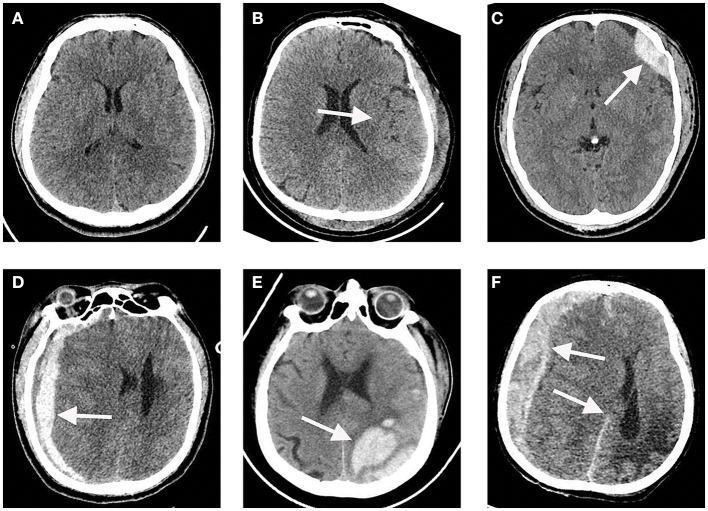
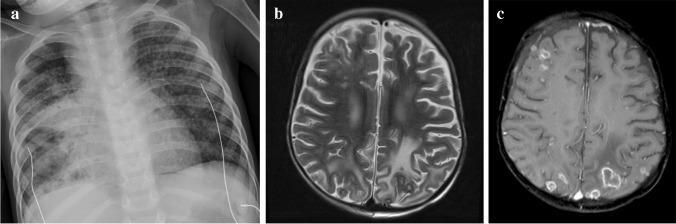
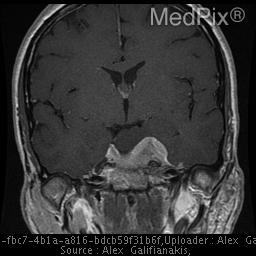
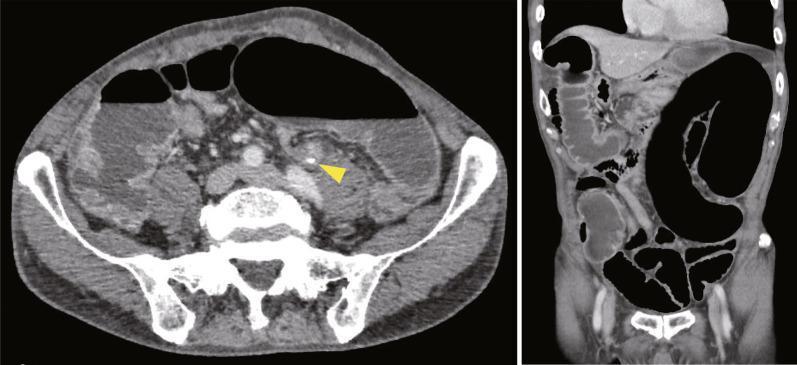
- Show the actual image
- Give only a short clinical stem and options
- Put the answer and explanation immediately underneath
Okay, since 200 questions are over, what's your suggestion? I have two days left now.