
Ptosis Tell me everything from scratch Definition , pathophysiology , mechanism , clinical features , associated disease, anatomy involved , management , surgery involved and their steps All in explanatory way
ptosis eyelid drooping clinical photo
"blepharoptosis" AND surgery
Ptosis (Blepharoptosis)
1. Definition
2. Anatomy Involved
- Skin and orbicularis oculi - the outermost layer; orbicularis is the eyelid closure muscle (CN VII).
- Orbital septum - a fibrous sheet separating the eyelid from orbital fat; it fuses with the levator aponeurosis above the tarsus.
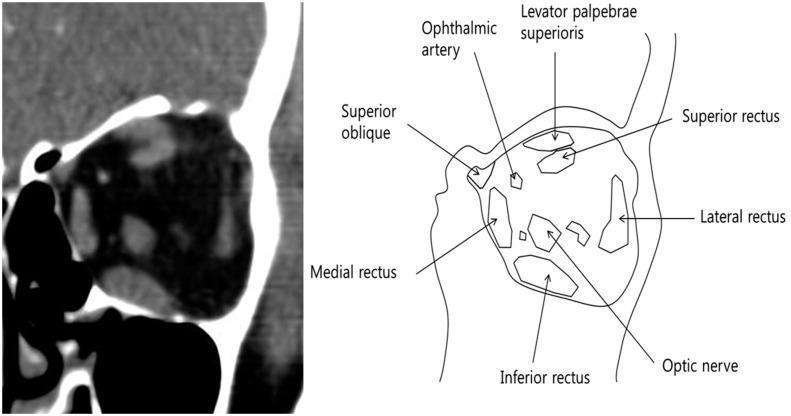
- Levator palpebrae superioris (LPS) - the principal lid elevator. It arises from the lesser wing of the sphenoid near the orbital apex, runs forward above the superior rectus, and becomes the levator aponeurosis near Whitnall's ligament (a fibrous condensation that acts as a pulley/check ligament, changing the muscle's pull from horizontal to vertical). The aponeurosis fans out and inserts onto the anterior surface of the tarsal plate and into the skin (forming the upper lid crease). LPS is supplied by the superior division of the oculomotor nerve (CN III).
- Müller's muscle (superior tarsal muscle) - a smooth muscle lying deep to the levator, running from the undersurface of the levator to the superior border of the tarsal plate. It provides an additional 2-3 mm of lid elevation and is supplied by sympathetic (oculosympathetic) fibers - this is why Horner syndrome causes mild ptosis.
- Tarsal plate - the dense fibrous "skeleton" of the eyelid, giving it rigidity.
- Frontalis muscle - not a normal eyelid elevator, but patients with poor levator function recruit it (raising the eyebrow) to compensate - this is why brow elevation is a clue on examination.
-
Levator (voluntary, main elevator) → CN III (superior division)
-
Müller's muscle (fine-tuning, tonic) → sympathetic pathway (hypothalamus → ciliospinal center C8-T2 → superior cervical ganglion → along carotid plexus)
-
Orbicularis oculi (closure) → CN VII
-
Kanski's Clinical Ophthalmology, p. 89-94
3. Pathophysiology and Mechanism
- Third nerve (CN III) palsy: loss of levator innervation → often complete, severe ptosis, usually with associated pupil and extraocular motility abnormalities.
- Horner syndrome: loss of sympathetic supply to Müller's muscle → mild ptosis (~2 mm), often with miosis and anhidrosis.
- Marcus Gunn jaw-winking syndrome: aberrant connection between the trigeminal nerve (motor branch to pterygoid muscles) and the levator, so the ptotic lid elevates with jaw movement/chewing.
- Congenital myogenic ptosis: localized dysgenesis (fibrosis, fatty infiltration instead of normal muscle fibers) of the levator - poor levator function from birth.
- Myasthenia gravis: autoimmune destruction of acetylcholine receptors at the neuromuscular junction → fatigable, fluctuating ptosis, worse late in the day.
- Chronic progressive external ophthalmoplegia (CPEO)/Kearns-Sayre syndrome: mitochondrial DNA mutations causing progressive symmetric myopathy of the levator and extraocular muscles.
- Myotonic dystrophy: dystrophic muscle changes affecting the levator.
- Kanski's Clinical Ophthalmology, p. 88-89; Harrison's Principles of Internal Medicine 22e, p. 277
4. Clinical Features and Examination
- Palpebral fissure height - vertical distance between upper and lower lid margins in primary gaze (normal ~10 mm).
- Margin reflex distance (MRD1) - distance from the corneal light reflex to the upper lid margin; the standard severity measure.
- Levator function - the excursion of the upper lid from extreme downgaze to extreme upgaze while the frontalis is manually immobilized at the brow. Graded as poor (0-4 mm), fair (5-7 mm), or good (8 mm or more).
- Upper lid crease - high or absent crease suggests aponeurotic disinsertion; absent crease with poor function suggests congenital myogenic ptosis.
- Lid position in downgaze - in congenital ptosis the lid sits higher than normal in downgaze (poor relaxation of a dysgenetic, fibrotic levator); in acquired (aponeurotic) ptosis it behaves more normally or worsens.
- Bell's phenomenon - upward globe rotation on forced lid closure; a weak Bell's phenomenon is important to identify before surgery because it predicts postoperative exposure keratopathy.
- Associated findings to actively look for: pupil size and reactivity (Horner's miosis vs CN III mydriasis), extraocular motility, fatigability with sustained upgaze (myasthenia), jaw-winking, and old photographs to establish true onset.
5. Associated Diseases
-
Horner syndrome (sympathetic pathway lesion) - mild ptosis, miosis, anhidrosis
-
Third cranial nerve palsy - complete/severe ptosis with a "down and out" eye and often a dilated pupil (if compressive, e.g. posterior communicating artery aneurysm)
-
Myasthenia gravis - fluctuating, fatigable ptosis, often with diplopia, worsens with fatigue/end of day
-
Chronic progressive external ophthalmoplegia / Kearns-Sayre syndrome - mitochondrial disease, progressive symmetric ptosis and ophthalmoplegia
-
Myotonic dystrophy - myopathic ptosis with facial and systemic muscle involvement
-
Marcus Gunn jaw-winking syndrome - congenital, aberrant CN III-trigeminal synkinesis
-
Blepharophimosis syndrome - congenital ptosis with telecanthus, epicanthus inversus, poor levator function
-
Trauma / orbital fractures - traumatic levator injury
-
Post-cataract or post-ocular surgery ptosis - mechanical/aponeurotic, usually resolves without intervention within a year
-
Harrison's Principles of Internal Medicine 22e, p. 277; Localization in Clinical Neurology 8e
6. Management
- Distinguish true ptosis from pseudoptosis first.
- Identify the underlying cause - neurogenic ptosis (especially new-onset CN III palsy with a dilated pupil) needs urgent neuro-imaging to rule out a compressive aneurysm; suspected myasthenia needs serologic/electrophysiologic workup; congenital ptosis in a child needs assessment for amblyopia and astigmatism.
- Treat the underlying disease where possible: pyridostigmine/immunosuppression for myasthenia gravis, decompression or observation for compressive third nerve lesions, correction of any orbital mass.
- Observation - many mild or post-surgical (post-cataract) cases resolve spontaneously within about a year; corrective surgery should be deferred until then.
- Oxymetazoline 0.1% ophthalmic solution - an alpha-adrenergic agonist that stimulates Müller's muscle, providing a temporary, non-surgical lift of 1-2 mm in acquired (especially Horner-related) ptosis. A recent systematic review supports modest efficacy for acquired blepharoptosis (PMID 39172003).
- Ptosis crutch glasses - mechanically hold the lid up in patients unfit for surgery.
- Correction of the underlying trigger (discontinuing rigid contact lenses, treating chalazion/tumor, managing dermatochalasis).
7. Surgical Procedures and Steps
A. Conjunctival Müller-muscle resection (Fasanella-Servat type procedure)
- Evert the upper lid to expose the palpebral conjunctiva and Müller's muscle.
- A clamp is placed to grasp a measured strip of conjunctiva and underlying Müller's muscle above the superior tarsal border.
- The clamped tissue (conjunctiva + Müller's muscle, sometimes a sliver of tarsus) is excised.
- The cut edges are re-apposed with running or mattress sutures (often through-and-through, tied on the skin side), which also shortens the effective lid-elevating mechanism.
- The amount of elevation is titrated to the width of tissue resected.
B. Levator advancement (resection)
- Mark the planned skin crease incision on the upper lid.
- Incise skin and orbicularis muscle along the marked crease.
- Open the orbital septum to expose the underlying orbital fat and the levator aponeurosis/muscle beneath it.
- Dissect and free the levator aponeurosis from surrounding attachments (identify and free it from Müller's muscle if further shortening is needed).
- Place traction sutures through the aponeurosis and pass them through the tarsal plate.
- With the patient sitting up (often under local anesthesia so lid height/contour can be checked intraoperatively), adjust the amount of aponeurosis advanced/resected until the desired lid height and contour are achieved.
- Secure the aponeurosis to the tarsus with sutures.
- Reform the lid crease by anchoring skin sutures to the underlying levator/tarsus.
- Close the skin incision.
C. Brow (frontalis) suspension
- Small stab incisions are made above the brow and at the lid margin/lash line (and sometimes a mid-lid incision), in a triangular or pentagonal pattern.
- A sling material - non-absorbable synthetic material (commonly silicone rod) or autologous fascia lata - is threaded from the brow incisions down through the lid incisions using a special needle or introducer, forming a loop around/through the tarsal plate.
- The sling is tightened until the desired lid height is achieved, effectively transferring the lifting action from the frontalis muscle (via the brow) to the eyelid.
- The sling ends are tied or secured (knots buried) at the brow incisions.
- Incisions are closed. This works by making the patient elevate the lid using their frontalis (forehead) muscle whenever they raise their eyebrows, bypassing the non-functional levator entirely.
- Kanski's Clinical Ophthalmology 10e, p. 93-94; The Wills Eye Manual, p. 376-377
Find recent guidelines for managing congenital ptosis and amblyopia prevention and also the complications of ptosis
"congenital ptosis" AND amblyopia
"blepharoptosis surgery" AND complications
AAPOS OR AAO clinical guidelines congenital ptosis amblyopia management 2024 2025
PMID: 36114384
PMID: 37145320
PMID: 37808334
Congenital Ptosis: Amblyopia Prevention, Management Guidelines, and Complications of Ptosis
1. Why Congenital Ptosis Threatens Vision
- Deprivation (occlusion) amblyopia - the drooping lid physically covers the visual axis/pupil, blocking form vision. This is the least common cause of amblyopia in congenital ptosis but the most urgent, since it mimics congenital cataract in its severity.
- Refractive/astigmatic amblyopia - the lid rests on and mechanically distorts the cornea, inducing significant astigmatism (and sometimes anisometropia if unilateral). According to Kanski's textbook, refractive error is actually more commonly responsible for amblyopia in congenital ptosis than direct visual axis occlusion itself.
- Kanski's Clinical Ophthalmology 10e, p. 91-92
2. Guideline-Level Recommendations for Amblyopia Prevention
- Close, regular follow-up from infancy is mandatory specifically to monitor for amblyopia (both deprivation and refractive/astigmatic), abnormal head posturing, and strabismus - not just to track the ptosis itself.
- Cycloplegic refraction should be performed and any significant astigmatism or anisometropia corrected with glasses; this treats the more common cause of amblyopia in these children, independent of whether surgery is needed.
- Amblyopia, once detected, is treated in the standard fashion (occlusion/patching or atropine penalization of the better eye) - this often needs to run in parallel with, not instead of, ptosis correction.
- If ptosis is mild, there is no visual axis occlusion, and no abnormal head position or amblyopia, observation alone is acceptable (Wills Eye Manual).
- If the lid margin or lash line encroaches on the pupil enough to occlude the visual axis, or if a significant chin-up head posture develops, surgery should be done early, in infancy, not deferred, specifically to prevent deprivation amblyopia.
- Kanski specifically states: treatment is usually carried out during the preschool years once accurate levator function/MRD measurements can be obtained, "but may be considered earlier in severe cases to prevent amblyopia."
- For simple congenital ptosis without visual-axis occlusion, most authors favor waiting until the preschool years (roughly age 3-5), because:
- Reliable measurements (MRD1, levator function, fissure height) require a cooperative child.
- Intraoperative adjustment techniques used in adults are not feasible in young children, so procedures are done to fixed pre-measured amounts, and inaccurate preoperative data increases the risk of over- or under-correction.
- A 2023 narrative review on timing of surgery for congenital ptosis in children (Bai et al., PMID 36114384) confirms this tension: current surgical techniques still commonly produce over- or under-correction in children, attributable to difficulty obtaining accurate measurements at a young age, patient cooperation, and intraoperative swelling/bleeding altering intraoperative values. It reinforces that accurate preoperative assessment of severity and visual developmental status, more than a fixed age cutoff, should guide timing.
-
Simple congenital ptosis with poor levator function: frontalis (brow) suspension.
-
Simple congenital ptosis with moderate/normal levator function: levator resection.
-
Blepharophimosis syndrome: ptosis must be repaired with frontalis suspension because levator function is characteristically poor; associated telecanthus may need separate correction.
-
Marcus Gunn jaw-winking ptosis: no treatment needed if mild (often improves around school age); if levator resection is performed for the ptosis component, it will paradoxically increase the jaw-wink excursion, so more extensive procedures (levator disinsertion with frontalis suspension) are sometimes preferred in marked cases.
-
A 2023 systematic review and meta-analysis of 14 RCTs (909 eyes; Chen et al., PMID 37145320) gives comparative technique data: frontalis sling produced significantly greater MRD1 improvement than levator plication; levator resection produced significantly greater palpebral fissure height gain; among frontalis sling patterns, the "fox pentagon" configuration gave better lagophthalmos outcomes than the "double triangle," and an open sling technique gave better cosmetic results than a closed one; absorbable sutures outperformed non-absorbable sutures for MRD1 in levator plication; and silicone rod slings outperformed Gore-Tex strips for fissure height, while autogenous fascia lata gave the best symmetry/contour outcomes overall.
-
Wills Eye Manual, p. 376-377; Kanski's Clinical Ophthalmology 10e, p. 91-93; Bai et al. 2023 (PMID 36114384); Chen et al. 2023 (PMID 37145320)
3. Complications of Ptosis (and of Ptosis Surgery)
- Amblyopia (deprivation or astigmatic/refractive) in children, as above - the main reason timing matters.
- Compensatory chin-up head posture and secondary neck strain in bilateral severe ptosis.
- Superior visual field restriction in adults, which a large 2025 retrospective study (Davila et al., PMID 41335095) found to be an independent, modifiable risk factor for falls and fractures, particularly relevant in elderly patients.
- Functional impairment: reduced quality of life, ocular fatigue, headaches, and "heavy eyelid" sensation, which a 2021 review on acquired blepharoptosis quantifies as measurable quality-of-life burden (Bacharach et al., PMID 33927356).
- Overcorrection or undercorrection of lid height - the most frequent technical complication, especially in children where intraoperative adjustment is not possible.
- Lagophthalmos (incomplete lid closure) - an expected trade-off of adequate lid elevation, more pronounced after frontalis sling surgery.
- Exposure keratopathy / superficial punctate keratopathy (SPK) - from lagophthalmos combined with a weak Bell's phenomenon; this is explicitly flagged in Kanski as a key preoperative risk to screen for ("a weak Bell phenomenon can result in exposure keratopathy after ptosis surgery"). A 2023 prospective study in elderly patients (Shirakawa et al., PMID 37808334) found SPK worsened specifically when the surgical MRD1 increase exceeded 2.5 mm, meaning conservative, smaller corrections are safer in older patients with more fragile tear film/Bell's reflex.
- Lid contour abnormality (peaked, irregular, or asymmetric lid) - more common with anterior (skin) approach than posterior (conjunctival) approach to levator advancement.
- Asymmetry between the two eyes if only one side is operated on, or differential healing.
- Induced astigmatism - a case-based finding (Zheng et al., PMID 35611022) documented severe irregular corneal astigmatism following blepharoptosis surgery, detectable on anterior segment OCT, reinforcing that surgical correction itself can transiently alter corneal shape via changed lid-corneal mechanical interaction.
- Entropion, corneal epithelial defects, wound dehiscence, infection, and granuloma formation at suture sites (documented outcomes tracked in the Chen 2023 meta-analysis above).
- Recurrence of ptosis over time, particularly after conjunctiva-Müller resection (limited correction) or aponeurotic disinsertion recurring with age.
- Unmasking of previously undiagnosed contralateral ptosis after fixing one eye (described in the "Essential Otolaryngology" surgical anatomy notes) - correcting lid laxity/ptosis on one side can reveal mild ptosis on the other that was previously masked by asymmetric compensation.
- Postoperative diplopia if Müller's muscle/levator dissection inadvertently affects the superior rectus (given their close embryologic and anatomic association).
4. Summary Table
| Aspect | Congenital Ptosis Amblyopia Prevention | Key Complications |
|---|---|---|
| Screening | Cycloplegic refraction + regular follow-up from infancy | Amblyopia (deprivation/refractive) |
| Urgent surgery trigger | Visual axis occlusion or chin-up posture | Missed axis occlusion → deprivation amblyopia |
| Routine surgery timing | Preschool years (accurate measurement possible) | Over-/undercorrection if measured too early |
| Technique choice | Levator resection (good function) vs frontalis sling (poor function) | Lagophthalmos, exposure keratopathy, contour defects |
| Elderly-specific caution | N/A (adult acquired ptosis) | SPK risk if MRD1 increase >2.5 mm |
Create a file combining all the above information in one file
mkdir -p /tmp/workspace/ptosis && cat > /tmp/workspace/ptosis/build_doc.py << 'PYEOF' from docx import Document from docx.shared import Pt, Inches, RGBColor from docx.enum.text import WD_ALIGN_PARAGRAPH from docx.enum.table import WD_TABLE_ALIGNMENT doc = Document() style = doc.styles["Normal"] style.font.name = "Arial" style.font.size = Pt(11) def h1(text): doc.add_heading(text, level=1) def h2(text): doc.add_heading(text, level=2) def h3(text): doc.add_heading(text, level=3) def p(text): doc.add_paragraph(text) def bullet(text): doc.add_paragraph(text, style="List Bullet") def numb(text): doc.add_paragraph(text, style="List Number") # Title page title = doc.add_heading("Ptosis (Blepharoptosis)", level=0) sub = doc.add_paragraph("A Complete Clinical Reference: Definition, Anatomy, Pathophysiology, Clinical Features, Associated Diseases, Management, Surgery, Guidelines for Congenital Ptosis, and Complications") sub.alignment = WD_ALIGN_PARAGRAPH.CENTER doc.add_page_break() # TOC-like intro h1("Contents Overview") for item in [ "1. Definition", "2. Anatomy Involved", "3. Pathophysiology and Mechanism", "4. Clinical Features and Examination", "5. Associated Diseases", "6. Management (Medical and Non-Surgical)", "7. Surgical Procedures and Steps", "8. Congenital Ptosis: Amblyopia Prevention and Guideline-Level Recommendations", "9. Complications of Ptosis and Ptosis Surgery", "10. Summary Table", "11. Key References", ]: bullet(item) doc.add_page_break() # 1. Definition h1("1. Definition") p("Ptosis is an abnormally low position of the upper eyelid margin relative to its normal resting position. " "Normally the upper lid margin covers about 1.5-2 mm of the superior cornea (sits just below the superior limbus). " "Ptosis is diagnosed when the upper lid margin is lower than this, either narrowing the palpebral fissure or, in severe cases, " "covering the visual axis.") p("It can be unilateral or bilateral, congenital or acquired, and ranges from a cosmetic issue to a condition causing " "amblyopia (in children) or visual field obstruction (in adults).") # 2. Anatomy h1("2. Anatomy Involved") p("Understanding ptosis requires knowing the layered anatomy of the upper eyelid:") bullet("Skin and orbicularis oculi - the outermost layer; orbicularis is the eyelid closure muscle (CN VII).") bullet("Orbital septum - a fibrous sheet separating the eyelid from orbital fat; it fuses with the levator aponeurosis above the tarsus.") bullet("Levator palpebrae superioris (LPS) - the principal lid elevator. It arises from the lesser wing of the sphenoid near the " "orbital apex, runs forward above the superior rectus, and becomes the levator aponeurosis near Whitnall's ligament " "(a fibrous condensation acting as a pulley/check ligament, changing the muscle's pull from horizontal to vertical). " "The aponeurosis inserts onto the anterior surface of the tarsal plate and into the skin (forming the upper lid crease). " "LPS is supplied by the superior division of the oculomotor nerve (CN III).") bullet("Muller's muscle (superior tarsal muscle) - smooth muscle deep to the levator, running from the undersurface of the " "levator to the superior border of the tarsal plate. Provides an additional 2-3 mm of lid elevation; supplied by " "sympathetic (oculosympathetic) fibers - explains why Horner syndrome causes mild ptosis.") bullet("Tarsal plate - the dense fibrous skeleton of the eyelid, giving it rigidity.") bullet("Frontalis muscle - not a normal eyelid elevator, but patients with poor levator function recruit it (raising the " "eyebrow) to compensate.") h3("Innervation Summary") bullet("Levator (voluntary, main elevator) -> CN III (superior division)") bullet("Muller's muscle (fine-tuning, tonic) -> sympathetic pathway (hypothalamus -> ciliospinal center C8-T2 -> superior " "cervical ganglion -> along carotid plexus)") bullet("Orbicularis oculi (closure) -> CN VII") p("Source: Kanski's Clinical Ophthalmology, p. 89-94") # 3. Pathophysiology h1("3. Pathophysiology and Mechanism") p("Ptosis results from failure of the lid elevation system, and the mechanism differs by cause:") h2("A. Neurogenic Ptosis") p("A defect in the nerve supply to the levator or Muller's muscle.") bullet("Third nerve (CN III) palsy: loss of levator innervation -> often complete, severe ptosis, usually with associated " "pupil and extraocular motility abnormalities.") bullet("Horner syndrome: loss of sympathetic supply to Muller's muscle -> mild ptosis (~2 mm), often with miosis and anhidrosis.") bullet("Marcus Gunn jaw-winking syndrome: aberrant connection between the trigeminal nerve (motor branch to pterygoid muscles) " "and the levator, so the ptotic lid elevates with jaw movement/chewing.") h2("B. Myogenic Ptosis") p("Primary weakness or dysgenesis of the levator muscle itself, or a defect at the neuromuscular junction.") bullet("Congenital myogenic ptosis: localized dysgenesis (fibrosis, fatty infiltration instead of normal muscle fibers) of " "the levator - poor levator function from birth.") bullet("Myasthenia gravis: autoimmune destruction of acetylcholine receptors at the neuromuscular junction -> fatigable, " "fluctuating ptosis, worse late in the day.") bullet("Chronic progressive external ophthalmoplegia (CPEO)/Kearns-Sayre syndrome: mitochondrial DNA mutations causing " "progressive symmetric myopathy of the levator and extraocular muscles.") bullet("Myotonic dystrophy: dystrophic muscle changes affecting the levator.") h2("C. Aponeurotic (Involutional) Ptosis") p("The aponeurosis (tendon connecting levator muscle to the tarsal plate) becomes dehisced, stretched, or disinserted, so " "the force generated by an otherwise normal levator muscle fails to transmit fully to the tarsal plate. This is the most " "common cause of ptosis in the elderly, and can also follow ocular surgery (cataract surgery, speculum trauma), chronic " "eye rubbing, rigid contact lens wear, or eyelid swelling/trauma. Because the muscle itself is normal, levator function is " "usually preserved (10-15 mm), but the lid crease is high or absent and ptosis worsens in downgaze.") h2("D. Mechanical Ptosis") p("A mass effect or scarring physically weighs down or tethers the lid: dermatochalasis (redundant skin/fat), eyelid tumors, " "chalazion, edema, or cicatricial scarring.") h2("E. Traumatic Ptosis") p("Direct laceration or contusion of the levator, or cicatricial tethering after orbital roof fracture.") h2("F. Pseudoptosis") p("Not true ptosis at all, but an illusion of lid droop from: contralateral lid retraction, ipsilateral hypotropia (lid " "follows the globe down), globe volume loss (enophthalmos, phthisis bulbi, microphthalmos, anophthalmic socket), or brow " "ptosis from excess skin/CN VII palsy.") p("Source: Kanski's Clinical Ophthalmology, p. 88-89; Harrison's Principles of Internal Medicine 22e, p. 277") # 4. Clinical Features h1("4. Clinical Features and Examination") p("Key measurements used to classify and quantify ptosis:") bullet("Palpebral fissure height - vertical distance between upper and lower lid margins in primary gaze (normal ~10 mm).") bullet("Margin reflex distance (MRD1) - distance from the corneal light reflex to the upper lid margin; the standard " "severity measure.") bullet("Levator function - excursion of the upper lid from extreme downgaze to extreme upgaze while the frontalis is " "manually immobilized at the brow. Graded as poor (0-4 mm), fair (5-7 mm), or good (8 mm or more).") bullet("Upper lid crease - a high or absent crease suggests aponeurotic disinsertion; absent crease with poor function " "suggests congenital myogenic ptosis.") bullet("Lid position in downgaze - in congenital ptosis the lid sits higher than normal in downgaze (poor relaxation of a " "dysgenetic, fibrotic levator); in acquired (aponeurotic) ptosis it behaves more normally or worsens.") bullet("Bell's phenomenon - upward globe rotation on forced lid closure; a weak Bell's phenomenon predicts postoperative " "exposure keratopathy and must be checked before surgery.") bullet("Associated findings to actively check: pupil size and reactivity (Horner's miosis vs CN III mydriasis), extraocular " "motility, fatigability with sustained upgaze (myasthenia), jaw-winking, and old photographs to establish true onset.") # 5. Associated Diseases h1("5. Associated Diseases") bullet("Horner syndrome (sympathetic pathway lesion) - mild ptosis, miosis, anhidrosis") bullet("Third cranial nerve palsy - complete/severe ptosis with a down-and-out eye, often a dilated pupil if compressive " "(e.g. posterior communicating artery aneurysm)") bullet("Myasthenia gravis - fluctuating, fatigable ptosis, often with diplopia, worsens with fatigue/end of day") bullet("Chronic progressive external ophthalmoplegia / Kearns-Sayre syndrome - mitochondrial disease, progressive " "symmetric ptosis and ophthalmoplegia") bullet("Myotonic dystrophy - myopathic ptosis with facial and systemic muscle involvement") bullet("Marcus Gunn jaw-winking syndrome - congenital, aberrant CN III-trigeminal synkinesis") bullet("Blepharophimosis syndrome - congenital ptosis with telecanthus, epicanthus inversus, poor levator function") bullet("Trauma / orbital fractures - traumatic levator injury") bullet("Post-cataract or post-ocular surgery ptosis - mechanical/aponeurotic, usually resolves without intervention within " "a year") p("Source: Harrison's Principles of Internal Medicine 22e, p. 277; Localization in Clinical Neurology 8e") # 6. Management h1("6. Management (Medical and Non-Surgical)") h2("General Principles") numb("Distinguish true ptosis from pseudoptosis first.") numb("Identify the underlying cause - neurogenic ptosis (especially new-onset CN III palsy with a dilated pupil) needs " "urgent neuro-imaging to rule out a compressive aneurysm; suspected myasthenia needs serologic/electrophysiologic " "workup; congenital ptosis in a child needs assessment for amblyopia and astigmatism.") numb("Treat the underlying disease where possible: pyridostigmine/immunosuppression for myasthenia gravis, decompression " "or observation for compressive third nerve lesions, correction of any orbital mass.") h2("Medical / Non-Surgical Options") bullet("Observation - many mild or post-surgical (post-cataract) cases resolve spontaneously within about a year; " "corrective surgery should be deferred until then.") bullet("Oxymetazoline 0.1% ophthalmic solution - an alpha-adrenergic agonist that stimulates Muller's muscle, providing a " "temporary, non-surgical lift of 1-2 mm in acquired (especially Horner-related) ptosis. A recent systematic review " "supports modest efficacy for acquired blepharoptosis (PMID 39172003).") bullet("Ptosis crutch glasses - mechanically hold the lid up in patients unfit for surgery.") bullet("Correction of the underlying trigger (discontinuing rigid contact lenses, treating chalazion/tumor, managing " "dermatochalasis).") p("Surgical management is indicated when ptosis is visually significant, amblyogenic in a child, or cosmetically " "unacceptable, and once the cause and levator function have been established.") # 7. Surgery h1("7. Surgical Procedures and Steps") p("Choice of operation depends mainly on levator function:") h2("A. Conjunctival Muller-Muscle Resection (Fasanella-Servat Type Procedure)") p("Indication: mild ptosis with good levator function (10 mm or more) - e.g. mild Horner syndrome, mild congenital ptosis. " "Maximum correction achievable is only 2-3 mm.") h3("Steps") numb("Evert the upper lid to expose the palpebral conjunctiva and Muller's muscle.") numb("A clamp is placed to grasp a measured strip of conjunctiva and underlying Muller's muscle above the superior tarsal border.") numb("The clamped tissue (conjunctiva + Muller's muscle, sometimes a sliver of tarsus) is excised.") numb("The cut edges are re-apposed with running or mattress sutures (often through-and-through, tied on the skin side), " "which also shortens the effective lid-elevating mechanism.") numb("The amount of elevation is titrated to the width of tissue resected.") h2("B. Levator Advancement (Resection)") p("Indication: ptosis of virtually any cause, provided residual levator function is at least 5 mm. Can be done via an " "anterior (skin) or posterior (conjunctival) approach; correction predictability is similar, but the posterior approach " "gives more predictable lid contour.") h3("Steps (Anterior / Skin Approach)") numb("Mark the planned skin crease incision on the upper lid.") numb("Incise skin and orbicularis muscle along the marked crease.") numb("Open the orbital septum to expose the underlying orbital fat and the levator aponeurosis/muscle beneath it.") numb("Dissect and free the levator aponeurosis from surrounding attachments (identify and free it from Muller's muscle if " "further shortening is needed).") numb("Place traction sutures through the aponeurosis and pass them through the tarsal plate.") numb("With the patient sitting up (often under local anesthesia so lid height/contour can be checked intraoperatively), " "adjust the amount of aponeurosis advanced/resected until the desired lid height and contour are achieved.") numb("Secure the aponeurosis to the tarsus with sutures.") numb("Reform the lid crease by anchoring skin sutures to the underlying levator/tarsus.") numb("Close the skin incision.") h2("C. Brow (Frontalis) Suspension") p("Indication: severe ptosis (greater than 4 mm) with very poor levator function (less than 4 mm) - e.g. severe congenital " "myogenic ptosis, third nerve palsy, blepharophimosis syndrome, or after a failed levator resection.") h3("Steps") numb("Small stab incisions are made above the brow and at the lid margin/lash line (and sometimes a mid-lid incision), in " "a triangular or pentagonal pattern.") numb("A sling material - non-absorbable synthetic material (commonly silicone rod) or autologous fascia lata - is threaded " "from the brow incisions down through the lid incisions using a special needle or introducer, forming a loop " "around/through the tarsal plate.") numb("The sling is tightened until the desired lid height is achieved, transferring the lifting action from the frontalis " "muscle (via the brow) to the eyelid.") numb("The sling ends are tied or secured (knots buried) at the brow incisions.") numb("Incisions are closed.") p("Postoperative consideration common to all techniques: a weak Bell's phenomenon noted preoperatively increases the risk " "of exposure keratopathy after any ptosis surgery, so lubrication and monitoring for lagophthalmos are important " "postoperatively.") p("Newer technique note: A 2025 meta-analysis found that conjoint fascial sheath (CFS) suspension is an effective and safe " "alternative technique for blepharoptosis correction with good patient satisfaction (Ji et al., PMID 39982488).") p("Source: Kanski's Clinical Ophthalmology 10e, p. 93-94; The Wills Eye Manual, p. 376-377") # 8. Congenital Ptosis Guidelines h1("8. Congenital Ptosis: Amblyopia Prevention and Guideline-Level Recommendations") h2("Why Congenital Ptosis Threatens Vision") p("Congenital ptosis results from localized dysgenesis of the levator palpebrae superioris (fibrofatty replacement of " "normal muscle fibers) rather than a nerve problem, presenting at birth with poor levator function and an absent/faint " "upper lid crease. It threatens vision through two mechanisms:") numb("Deprivation (occlusion) amblyopia - the drooping lid physically covers the visual axis/pupil, blocking form vision. " "Least common but most urgent, mimicking congenital cataract in severity.") numb("Refractive/astigmatic amblyopia - the lid rests on and mechanically distorts the cornea, inducing significant " "astigmatism (and sometimes anisometropia if unilateral). Refractive error is actually more commonly responsible for " "amblyopia in congenital ptosis than direct visual axis occlusion itself.") p("Other visually relevant associations to screen for: superior rectus weakness (shared embryologic origin with the " "levator), compensatory chin-up head posture in severe bilateral cases, and strabismus.") p("Source: Kanski's Clinical Ophthalmology 10e, p. 91-92") h2("Guideline-Level Recommendations") p("There is no single dedicated AAO/AAPOS 'congenital ptosis' practice guideline as a standalone document (their formal " "Preferred Practice Patterns cover amblyopia and pediatric vision screening broadly, not ptosis specifically), so " "management is guided by consensus in major textbooks/reviews plus AAPOS/AAO pediatric vision-screening policy.") h3("A. Screening and Monitoring (Every Congenital Ptosis Case)") bullet("Close, regular follow-up from infancy to monitor for amblyopia (both deprivation and refractive/astigmatic), " "abnormal head posturing, and strabismus - not just the ptosis itself.") bullet("Cycloplegic refraction should be performed and any significant astigmatism or anisometropia corrected with " "glasses; this treats the more common cause of amblyopia, independent of whether surgery is needed.") bullet("Amblyopia, once detected, is treated in the standard fashion (occlusion/patching or atropine penalization of the " "better eye), often in parallel with, not instead of, ptosis correction.") bullet("If ptosis is mild, there is no visual axis occlusion, and no abnormal head position or amblyopia, observation " "alone is acceptable (Wills Eye Manual).") h3("B. Indications for Early / Urgent Surgery") bullet("If the lid margin or lash line encroaches on the pupil enough to occlude the visual axis, or if a significant " "chin-up head posture develops, surgery should be done early, in infancy, specifically to prevent deprivation " "amblyopia.") bullet("Kanski: treatment is usually carried out during the preschool years once accurate levator function/MRD " "measurements can be obtained, but may be considered earlier in severe cases to prevent amblyopia.") h3("C. Standard Timing for Non-Severe Cases") bullet("For simple congenital ptosis without visual-axis occlusion, most authors favor waiting until the preschool years " "(roughly age 3-5), because reliable measurements (MRD1, levator function, fissure height) require a cooperative " "child, intraoperative adjustment techniques used in adults are not feasible in young children, and inaccurate " "preoperative data increases the risk of over- or under-correction.") bullet("A 2023 narrative review on timing of surgery for congenital ptosis in children (Bai et al., PMID 36114384) " "confirms current surgical techniques still commonly produce over- or under-correction in children, attributable " "to difficulty obtaining accurate measurements at a young age, patient cooperation, and intraoperative " "swelling/bleeding altering intraoperative values. Accurate preoperative assessment of severity and visual " "developmental status, more than a fixed age cutoff, should guide timing.") h3("D. Choice of Operative Technique") bullet("Simple congenital ptosis with poor levator function: frontalis (brow) suspension.") bullet("Simple congenital ptosis with moderate/normal levator function: levator resection.") bullet("Blepharophimosis syndrome: frontalis suspension required because levator function is characteristically poor; " "associated telecanthus may need separate correction.") bullet("Marcus Gunn jaw-winking ptosis: no treatment needed if mild (often improves around school age); levator resection " "will paradoxically increase jaw-wink excursion, so more extensive procedures (levator disinsertion with frontalis " "suspension) are sometimes preferred in marked cases.") bullet("A 2023 systematic review and meta-analysis of 14 RCTs (909 eyes; Chen et al., PMID 37145320): frontalis sling " "produced significantly greater MRD1 improvement than levator plication; levator resection produced significantly " "greater palpebral fissure height gain; among frontalis sling patterns, the 'fox pentagon' configuration gave " "better lagophthalmos outcomes than the 'double triangle'; an open sling technique gave better cosmetic results " "than a closed one; absorbable sutures outperformed non-absorbable sutures for MRD1 in levator plication; and " "silicone rod slings outperformed Gore-Tex strips for fissure height, while autogenous fascia lata gave the best " "symmetry/contour outcomes overall.") p("Source: Wills Eye Manual, p. 376-377; Kanski's Clinical Ophthalmology 10e, p. 91-93; Bai et al. 2023 (PMID 36114384); " "Chen et al. 2023 (PMID 37145320)") # 9. Complications h1("9. Complications of Ptosis and Ptosis Surgery") h2("A. Complications of Untreated / Uncorrected Ptosis") bullet("Amblyopia (deprivation or astigmatic/refractive) in children - the main reason timing matters.") bullet("Compensatory chin-up head posture and secondary neck strain in bilateral severe ptosis.") bullet("Superior visual field restriction in adults; a large 2025 retrospective study (Davila et al., PMID 41335095) " "found this to be an independent, modifiable risk factor for falls and fractures, particularly in elderly " "patients.") bullet("Functional impairment: reduced quality of life, ocular fatigue, headaches, and 'heavy eyelid' sensation, " "quantified in a 2021 review on acquired blepharoptosis (Bacharach et al., PMID 33927356).") h2("B. Complications of Ptosis Surgery - Common / Early") bullet("Overcorrection or undercorrection of lid height - the most frequent technical complication, especially in " "children where intraoperative adjustment is not possible.") bullet("Lagophthalmos (incomplete lid closure) - an expected trade-off of adequate lid elevation, more pronounced after " "frontalis sling surgery.") bullet("Exposure keratopathy / superficial punctate keratopathy (SPK) - from lagophthalmos combined with a weak Bell's " "phenomenon (key preoperative risk per Kanski). A 2023 prospective study in elderly patients (Shirakawa et al., " "PMID 37808334) found SPK worsened specifically when the surgical MRD1 increase exceeded 2.5 mm, meaning " "conservative, smaller corrections are safer in older patients with more fragile tear film/Bell's reflex.") bullet("Lid contour abnormality (peaked, irregular, or asymmetric lid) - more common with the anterior (skin) approach " "than the posterior (conjunctival) approach to levator advancement.") bullet("Asymmetry between the two eyes if only one side is operated on, or differential healing.") bullet("Induced astigmatism - a case-based finding (Zheng et al., PMID 35611022) documented severe irregular corneal " "astigmatism following blepharoptosis surgery, detectable on anterior segment OCT.") h2("C. Complications of Ptosis Surgery - Less Common / Delayed") bullet("Entropion, corneal epithelial defects, wound dehiscence, infection, and granuloma formation at suture sites " "(tracked outcomes in the Chen 2023 meta-analysis above).") bullet("Recurrence of ptosis over time, particularly after conjunctiva-Muller resection (limited correction) or " "aponeurotic disinsertion recurring with age.") bullet("Unmasking of previously undiagnosed contralateral ptosis after fixing one eye - correcting lid laxity/ptosis on " "one side can reveal mild ptosis on the other that was previously masked by asymmetric compensation.") bullet("Postoperative diplopia if Muller's muscle/levator dissection inadvertently affects the superior rectus (given " "their close embryologic and anatomic association).") h2("D. Special Population Note") p("Elderly patients are specifically flagged as higher-risk for SPK/exposure complications after ptosis surgery due to " "reduced tear film reserve and Bell's phenomenon; conservative correction (MRD1 increase of 2.0-2.5 mm or less) is " "recommended by Shirakawa et al. (PMID 37808334) to balance functional gain against corneal surface risk.") # 10. Summary table h1("10. Summary Table") table = doc.add_table(rows=1, cols=3) table.style = "Light Grid Accent 1" table.alignment = WD_TABLE_ALIGNMENT.CENTER hdr = table.rows[0].cells hdr[0].text = "Aspect" hdr[1].text = "Congenital Ptosis Amblyopia Prevention" hdr[2].text = "Key Complications" rows_data = [ ("Screening", "Cycloplegic refraction + regular follow-up from infancy", "Amblyopia (deprivation/refractive)"), ("Urgent surgery trigger", "Visual axis occlusion or chin-up posture", "Missed axis occlusion leading to deprivation amblyopia"), ("Routine surgery timing", "Preschool years (accurate measurement possible)", "Over-/undercorrection if measured too early"), ("Technique choice", "Levator resection (good function) vs frontalis sling (poor function)", "Lagophthalmos, exposure keratopathy, contour defects"), ("Elderly-specific caution", "N/A (adult acquired ptosis)", "SPK risk if MRD1 increase greater than 2.5 mm"), ] for r in rows_data: row_cells = table.add_row().cells for i, val in enumerate(r): row_cells[i].text = val doc.add_paragraph("") p("Bottom line: No dedicated single guideline exists specifically for congenital ptosis; management is guideline-adjacent " "consensus built from AAPOS/AAO pediatric vision-screening principles plus recent systematic reviews/meta-analyses " "(2023 RCT meta-analysis, 2023 timing review) that refine technique selection and timing. The core amblyopia-prevention " "principle remains constant: screen refraction and visual axis status early, treat any occlusion urgently, correct " "refractive error regardless of surgical timing, and reserve definitive surgical correction for the preschool years " "unless occlusion or head posturing mandates earlier intervention.") # 11. References doc.add_page_break() h1("11. Key References") refs = [ "Kanski's Clinical Ophthalmology: A Systematic Approach, 10th Edition - Ptosis chapter, p. 88-94.", "Harrison's Principles of Internal Medicine, 22nd Edition (2025) - Ptosis section, p. 277.", "The Wills Eye Manual - Office and Emergency Room Diagnosis and Treatment of Eye Disease - Ptosis section, p. 376-377.", "Localization in Clinical Neurology, 8th Edition - Ptosis and Congenital Ptosis sections.", "Textbook of Family Medicine, 9th Edition - Ptosis section.", "Ji D, Liu Y, Han X. Efficacy and Safety of Conjoint Fascial Sheath (CFS) Suspension in the Treatment of " "Blepharoptosis: A Systematic Review and Meta-analysis. Aesthetic Plast Surg. 2025. PMID: 39982488.", "Newland M, Eberly H, Ma C. The Use of Oxymetazoline 0.1% Ophthalmic Solution for Acquired Blepharoptosis: A " "Systematic Review. Laryngoscope. 2025. PMID: 39172003.", "Lee CC, Lai YW, Huang SH. Resolving conjunctival prolapse following severe blepharoptosis correction: A simple " "sutureless direct excision technique and systematic review. J Plast Reconstr Aesthet Surg. 2024. PMID: 38945109.", "Bai JS, Song MJ, Li BT, Tian R. Timing of Surgery and Treatment Options for Congenital Ptosis in Children: A " "Narrative Review of the Literature. Aesthetic Plast Surg. 2023. PMID: 36114384.", "Chen L, Li J, Zhang C, Li Y, Hou L, Ma J. Surgical Interventions for Congenital Ptosis: a Systematic Review and " "Meta-analysis of 14 Randomized Controlled Trials. Aesthetic Plast Surg. 2023. PMID: 37145320.", "Shirakawa Y, Uemura K, Kumegawa S, Ueno K, Iwanishi H, Saika S. Safety and Pitfalls of Blepharoptosis Surgery in " "Elderly People. Arch Plast Surg. 2023. PMID: 37808334.", "Bacharach J, Lee WW, Harrison AR. A review of acquired blepharoptosis: prevalence, diagnosis, and current " "treatment options. Eye (Lond). 2021. PMID: 33927356.", "Zheng X, Yamaguchi M, Kamao T. Anterior Segmental OCT Analyses of Severe Corneal Irregular Astigmatism following " "Blepharoptosis Surgery. Case Rep Ophthalmol. 2022. PMID: 35611022.", "Davila N, Pradeep T, Saffari PS. Blepharoptosis as a Modifiable Risk Factor for Falls and Fractures in Adults: A " "Large-Scale Retrospective Study. Ophthalmic Plast Reconstr Surg. 2025. PMID: 41335095.", ] for r in refs: bullet(r) doc.save("/tmp/workspace/ptosis/Ptosis_Complete_Clinical_Reference.docx") print("saved") PYEOF python3 /tmp/workspace/ptosis/build_doc.py
Ptosis Complete Clinical Reference
Word Document · DOCX
- Definition
- Anatomy Involved
- Pathophysiology and Mechanism (neurogenic, myogenic, aponeurotic, mechanical, traumatic, pseudoptosis)
- Clinical Features and Examination (MRD1, levator function, Bell's phenomenon, etc.)
- Associated Diseases (Horner syndrome, CN III palsy, myasthenia gravis, CPEO/Kearns-Sayre, blepharophimosis, Marcus Gunn, etc.)
- Management (medical/non-surgical options)
- Surgical Procedures and Steps (Muller-muscle resection, levator advancement, frontalis suspension)
- Congenital Ptosis: Amblyopia Prevention and Guideline-Level Recommendations
- Complications of Ptosis and Ptosis Surgery
- Summary Table
- Key References (including all PMIDs cited)