
ANS
Asking for Preferences
What aspect of the Autonomic Nervous System (ANS) would you like to explore?
The ANS is the division of the peripheral nervous system that controls involuntary functions - heart rate, digestion, gland secretion, and more. It has two main divisions (sympathetic and parasympathetic) plus the enteric nervous system, and uses a two-neuron chain (preganglionic → postganglionic) unlike the somatic nervous system.
Searching sources...
Reading File
Finding Sources
Searching the Web
autonomic nervous system overview anatomy sympathetic parasympathetic
Reading File
Reading File
Reading File
Loading Image
Loading Image
Here is a thorough overview of the Autonomic Nervous System (ANS) drawing from Neuroanatomy through Clinical Cases (3rd Ed.) and Guyton & Hall Textbook of Medical Physiology.
Autonomic Nervous System (ANS) - Overview & Anatomy
What is the ANS?
The ANS is the division of the peripheral nervous system that controls involuntary (visceral) functions. Unlike the somatic motor system - where a single neuron connects the CNS directly to skeletal muscle - the ANS uses a two-neuron chain:
CNS → Preganglionic neuron → Ganglion → Postganglionic neuron → Target organ (smooth muscle, cardiac muscle, or gland)
It has three divisions:
- Sympathetic (thoracolumbar)
- Parasympathetic (craniosacral)
- Enteric (gut-intrinsic neural plexus)
Two-Neuron Efferent Architecture
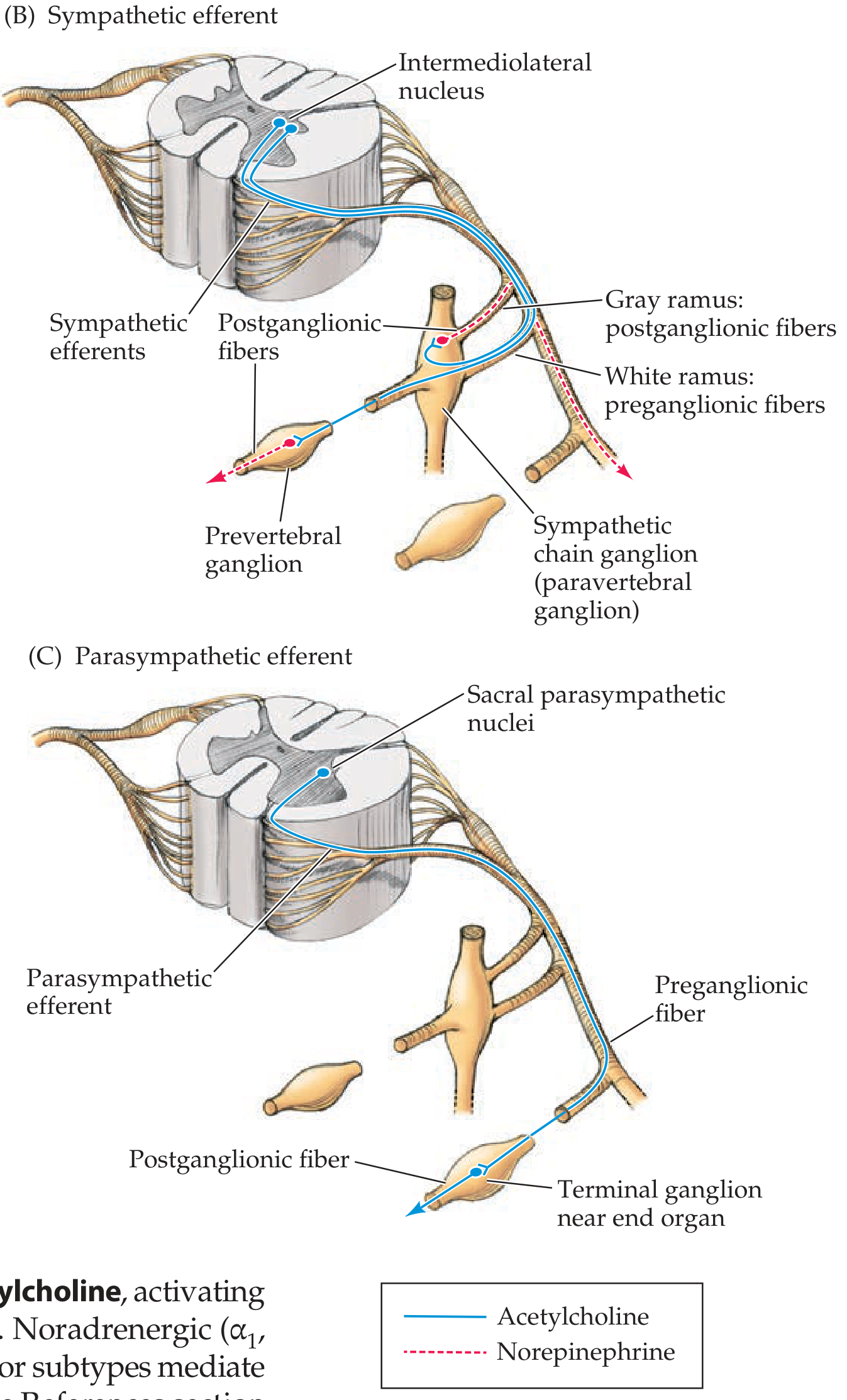
Figure 6.12 from Neuroanatomy through Clinical Cases - Somatic and Autonomic Efferents
| Feature | Sympathetic | Parasympathetic |
|---|---|---|
| Origin | Intermediolateral cell column, T1-L2/L3 | Cranial nerve nuclei + S2-S4 |
| Preganglionic fiber | Short | Long |
| Ganglion location | Paravertebral (chain) or prevertebral | In or near the target organ |
| Postganglionic fiber | Long | Short |
| Preganglionic NT | Acetylcholine (nicotinic) | Acetylcholine (nicotinic) |
| Postganglionic NT | Norepinephrine (adrenergic) | Acetylcholine (muscarinic) |
Exception: Sweat glands are innervated by sympathetic postganglionic neurons that release acetylcholine (not norepinephrine).
Division 1: Sympathetic ("Thoracolumbar") - Fight or Flight
-
Origin: Intermediolateral (IML) cell column, spinal cord levels T1 to L2/L3
-
Ganglia - two sets:
- Paravertebral ganglia: Paired chain running from cervical to sacral levels on each side of the vertebral column (the sympathetic trunk). Allows T1-L3 efferents to reach all body regions. The head/neck is supplied via the superior, middle, and inferior (stellate) cervical ganglia.
- Prevertebral ganglia: Unpaired, located around the aorta - celiac ganglion, superior mesenteric ganglion, inferior mesenteric ganglion.
-
Key effects: Increases heart rate/contractility, dilates bronchioles, dilates pupils, constricts blood vessels, inhibits digestion, piloerection, stimulates sweat glands, promotes glucose release from liver, stimulates ejaculation
Division 2: Parasympathetic ("Craniosacral") - Rest and Digest
- Origin: Two regions:
- Cranial: CN III (oculomotor), CN VII (facial), CN IX (glossopharyngeal), CN X (vagus)
- Sacral: S2-S4 sacral parasympathetic nuclei
- Ganglia: Located in or very near the target organ (terminal ganglia), so preganglionic fibers are very long
- Key effects: Slows heart rate, constricts pupils, stimulates salivation/lacrimation, constricts airways, stimulates digestion/peristalsis, stimulates gallbladder, contracts urinary bladder, stimulates penile erection
Division 3: Enteric Nervous System
- A neural plexus embedded within the gut wall
- Controls peristalsis and GI secretions largely independently
- Considered the "second brain" - can function autonomously but is modulated by sympathetic and parasympathetic input
Full ANS Map
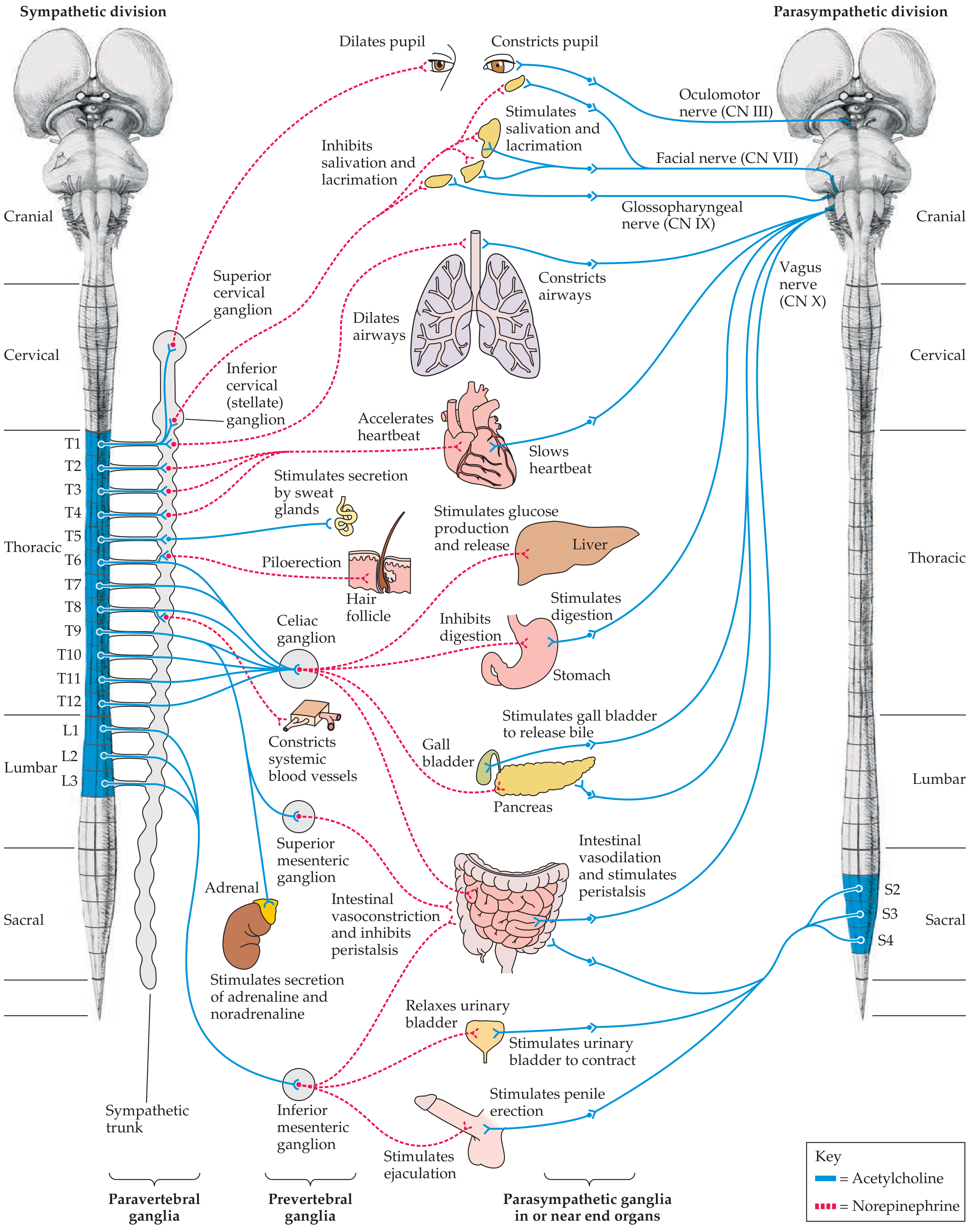
Figure 6.13 from Neuroanatomy through Clinical Cases - Complete ANS map
Neurotransmitters & Receptors
| Receptor Type | Location | Agonist | Effect |
|---|---|---|---|
| Nicotinic (nAChR) | All autonomic ganglia | ACh | Excitatory (preganglionic synapse) |
| Muscarinic M1 | CNS, gastric parietal cells | ACh | Varied |
| Muscarinic M2 | Heart (SA/AV node) | ACh | Decreased HR |
| Muscarinic M3 | Smooth muscle, glands | ACh | Contraction, secretion |
| α1 adrenergic | Vascular smooth muscle | NE/Epi | Vasoconstriction |
| α2 adrenergic | Presynaptic terminals | NE | Inhibits NE release |
| β1 adrenergic | Heart | NE/Epi | Increased HR + contractility |
| β2 adrenergic | Bronchial/vascular smooth muscle | Epi | Bronchodilation, vasodilation |
Higher Control of the ANS
Autonomic outflow is regulated by:
- Hypothalamus - the master integrator
- Brainstem nuclei (e.g., nucleus solitarius - receives baroreceptor input)
- Amygdala and limbic cortex (emotional/stress responses)
- Peripheral afferents: baroreceptors, chemoreceptors, osmoreceptors, thermoreceptors
ANS vs. Somatic Motor System - Key Distinction
| Feature | Somatic Motor | Autonomic |
|---|---|---|
| Neurons to effector | 1 (direct) | 2 (preganglionic + postganglionic) |
| Target tissue | Skeletal muscle | Smooth muscle, cardiac muscle, glands |
| Control | Voluntary | Involuntary |
| Myelination of final neuron | Yes (thick) | Thin or unmyelinated |
Sources: Neuroanatomy through Clinical Cases, 3rd Ed. (pp. 262-264); Guyton & Hall Textbook of Medical Physiology (p. 223)
This is a shared conversation. Sign in to Orris to start your own chat.