I now have comprehensive content from Harrison's 22E, Lippincott Pharmacology, and Guyton & Hall. I have enough material to write a world-class comprehensive DM teaching document. Let me now synthesize everything.Now I will write the comprehensive, structured teaching document on Diabetes Mellitus.
🩺 DIABETES MELLITUS - A Complete Medical Teaching Guide
Sources: Harrison's Principles of Internal Medicine 22E (2025) | Guyton & Hall Textbook of Medical Physiology | Lippincott Illustrated Reviews: Pharmacology | Tietz Textbook of Laboratory Medicine | ADA Standards of Care 2024 | Goldman-Cecil Medicine
QUICK BEGINNER EXPLANATION
Think of your body like a car. Glucose (sugar) is the fuel. Insulin (a hormone made by the pancreas) is the key that opens the car's "door" so fuel can get inside the engine (your cells) and produce energy.
In Diabetes Mellitus, either:
- The key is missing (Type 1 - no insulin made), OR
- The lock is broken (Type 2 - cells don't respond to insulin)
Result: The fuel (glucose) floods the bloodstream but cannot enter cells. The cells starve. The blood becomes "syrupy" with excess sugar. Over years, this damages blood vessels and nerves throughout the body.
SECTION 1: DEFINITION
Diabetes Mellitus (DM) is a group of metabolic diseases characterized by chronic hyperglycemia (high blood glucose) resulting from defects in:
- Insulin secretion (the pancreas doesn't make enough)
- Insulin action (the body doesn't respond to it), OR
- Both
The chronic hyperglycemia of DM is associated with long-term damage, dysfunction, and failure of various organs, especially the eyes, kidneys, nerves, heart, and blood vessels.
Simple version: DM = too much glucose in the blood, for too long, destroying organs silently.
(Harrison's 22E, Chapter 416)
SECTION 2: CAUSES & RISK FACTORS
Type 1 DM - Causes
- Autoimmune destruction of pancreatic beta cells (islets of Langerhans)
- Triggered by: genetic susceptibility (HLA-DR3, HLA-DR4) + environmental trigger (viral infection, e.g., Coxsackievirus B)
- Results in: absolute insulin deficiency
Type 2 DM - Causes
- Insulin resistance (cells ignore insulin's signal)
- Progressive beta-cell failure (pancreas eventually "burns out")
- Strong genetic component + lifestyle factors
Risk Factors Table
| Risk Factor | Type 1 | Type 2 |
|---|
| Family history | Moderate | Strong |
| Obesity/Overweight | No | Yes - major factor |
| Age | Usually <30 | Usually >30 (but rising in youth) |
| Sedentary lifestyle | No | Yes |
| Hypertension/Dyslipidemia | No | Yes (metabolic syndrome) |
| Ethnicity (South Asian, Black, Hispanic) | Less relevant | Higher risk |
| Gestational DM history | No | Yes |
| PCOS | No | Yes |
| Drugs (corticosteroids, antipsychotics) | No | Yes |
| Autoimmune disease | Yes | No |
| HLA-DR3/DR4 genes | Yes | No |
Clinical Pearl: 80-90% of Type 2 DM patients are overweight or obese. Obesity causes fat accumulation, particularly visceral fat, which releases inflammatory cytokines that impair insulin receptor signaling - this is the mechanistic link. (Guyton & Hall)
SECTION 3: CLASSIFICATION / TYPES
| Type | Key Feature | Who Gets It |
|---|
| Type 1 DM | Absolute insulin deficiency; autoimmune | Children/young adults (any age) |
| Type 2 DM | Insulin resistance + relative deficiency | Adults >30, increasingly children |
| Gestational DM (GDM) | Hyperglycemia first detected during pregnancy | Pregnant women |
| MODY (Maturity-Onset Diabetes of the Young) | Single-gene mutation; mimics T2DM in young | Young adults with family history |
| Secondary DM | Due to another disease or drug | Any age |
| Latent Autoimmune DM in Adults (LADA) | Slow-onset autoimmune; initially looks like T2DM | Adults >30 |
Secondary causes to know:
- Pancreatic disease (pancreatitis, cystic fibrosis, hemochromatosis)
- Hormonal excess: Cushing's syndrome, acromegaly, pheochromocytoma, hyperthyroidism
- Drugs: corticosteroids, tacrolimus, atypical antipsychotics (olanzapine), thiazides (high dose)
Mnemonic for secondary DM: "HCAP + Drugs" = Hemochromatosis, Cushing's, Acromegaly, Pancreatitis + Drugs
SECTION 4: RELEVANT ANATOMY & PHYSIOLOGY
The Pancreas and Beta Cells
The pancreas is both an exocrine gland (digestive enzymes) and an endocrine gland (hormones). The endocrine portion consists of the Islets of Langerhans, which contain:
| Cell Type | Hormone | Function |
|---|
| Beta (β) cells - 70% | Insulin | Lowers blood glucose |
| Alpha (α) cells - 20% | Glucagon | Raises blood glucose |
| Delta (δ) cells | Somatostatin | Inhibits both insulin and glucagon |
| PP cells | Pancreatic polypeptide | Inhibits exocrine pancreas |
Normal Glucose Homeostasis
When you eat:
- Blood glucose rises
- Beta cells sense glucose via GLUT-2 transporter
- Glucose enters beta cell → metabolized → ATP rises → K+ channel closes → cell depolarizes → Ca2+ enters → Insulin released
- Insulin acts on liver (suppresses glucose production), muscle and fat (increases glucose uptake via GLUT-4)
- Blood glucose falls back to normal (3.9-5.5 mmol/L / 70-99 mg/dL)
When fasting:
- Blood glucose falls
- Alpha cells release glucagon
- Glucagon acts on liver → glycogenolysis + gluconeogenesis → blood glucose rises
Key concept: The insulin:glucagon ratio controls blood glucose. In DM, this ratio is disrupted - either too little insulin (T1DM) or insulin that doesn't work well (T2DM).
SECTION 5: PATHOPHYSIOLOGY (Step-by-Step)
Type 1 DM Pathophysiology
TRIGGER (virus, environment)
        ↓
Genetic predisposition activates
        ↓
Auto-reactive T lymphocytes attack beta cells
        ↓
Autoantibodies appear (GAD65, IA-2, IAA, ZnT8)
        ↓
Progressive beta-cell destruction (silent phase, months-years)
        ↓
>80-90% beta cells destroyed
        ↓
ABSOLUTE INSULIN DEFICIENCY
        ↓
No insulin → Liver freely produces glucose (gluconeogenesis)
No insulin → Muscle/fat cannot take up glucose
No insulin → Fat breakdown uncontrolled → Free fatty acids flood liver
        ↓
Liver converts FFAs to KETONE BODIES (beta-hydroxybutyrate, acetoacetate)
        ↓
Blood glucose ↑↑↑ (hyperglycemia)
Blood ketones ↑↑↑ (ketonemia)
Blood pH falls ↓ (metabolic acidosis)
        ↓
DIABETIC KETOACIDOSIS (DKA) if untreated
(Harrison's 22E, Chapter 416)
Type 2 DM Pathophysiology - The "Ominous Octet" (DeFronzo)
The pathophysiology of T2DM involves 8 organs/systems:
| Organ | Defect | Effect |
|---|
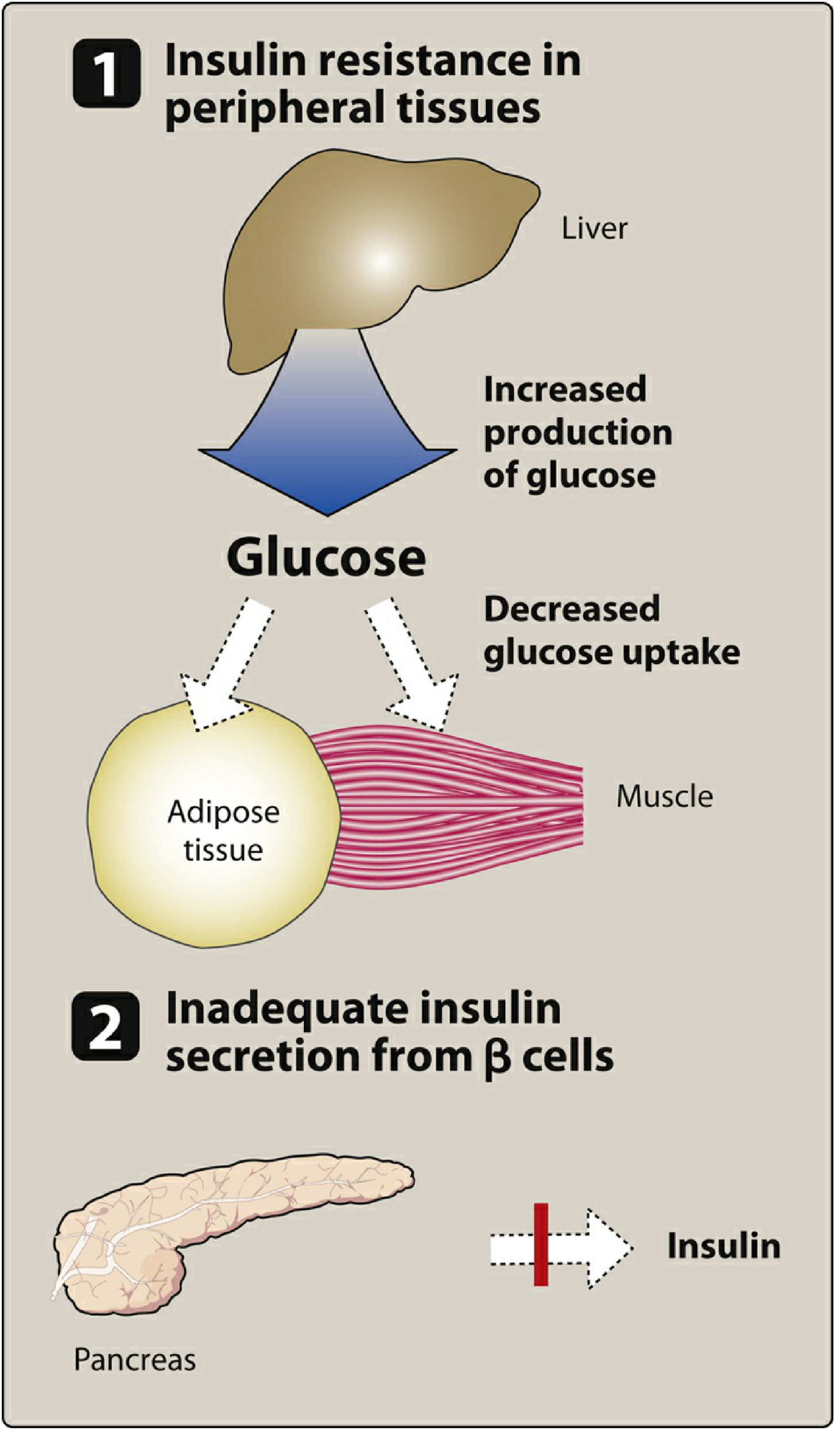
| Muscle | Insulin resistance → decreased glucose uptake | Hyperglycemia |
| Liver | Insulin resistance → excess glucose production | Fasting hyperglycemia |
| Beta cells | Progressive failure → insufficient insulin | Unable to compensate |
| Alpha cells | Excess glucagon despite hyperglycemia | More liver glucose output |
| Adipose tissue | Increased lipolysis → excess FFA | Worsens insulin resistance |
| Gut | Decreased incretin effect (GLP-1, GIP) | Less insulin stimulus |
| Kidney | Increased glucose reabsorption (SGLT-2) | Perpetuates hyperglycemia |
| Brain | Insulin resistance → impaired appetite control | Overeating, obesity |
The Dual Defect in Type 2 DM:
Lippincott Illustrated Reviews: Pharmacology - Major factors contributing to hyperglycemia in T2DM
How Hyperglycemia Causes Damage (Chronic Complications):
Four key biochemical pathways:
| Pathway | What happens | Damage caused |
|---|
| Polyol pathway | Excess glucose → sorbitol via aldose reductase | Nerve, lens, kidney damage |
| Advanced Glycation End-products (AGEs) | Glucose attaches to proteins, cross-links them | Basement membrane thickening, vascular damage |
| Protein Kinase C (PKC) activation | Excess DAG activates PKC | Vascular permeability, inflammation |
| Hexosamine pathway | Excess glucose diverted to hexosamine pathway | Oxidative stress, endothelial dysfunction |
Simple version: Prolonged high blood sugar chemically "caramelizes" blood vessel walls, making them stiff, leaky, and inflamed - this is how it destroys the eyes, kidneys, nerves and heart.
SECTION 6: CLINICAL FEATURES
Classic Symptoms - "The 3 Polys + 1 Weight"
| Symptom | Why it happens |
|---|
| Polyuria (excessive urination) | Glucose in urine acts as osmotic diuretic - pulls water with it |
| Polydipsia (excessive thirst) | Water loss from polyuria triggers thirst center |
| Polyphagia (excessive hunger) | Cells starving despite high blood glucose → brain signals hunger |
| Weight loss | Cells break down fat and muscle for energy (especially T1DM) |
Additional Symptoms
| Symptom | Mechanism | Significance |
|---|
| Fatigue/weakness | Cells not getting glucose for energy | Very common in T2DM |
| Blurred vision | Osmotic changes in lens | Resolves with treatment |
| Recurrent infections | Hyperglycemia impairs neutrophil function; fungi thrive in sugar-rich environment | Recurrent UTIs, candidal vaginitis, skin infections |
| Slow wound healing | Impaired immune function, poor circulation | Red flag |
| Numbness/tingling in feet | Peripheral neuropathy (in chronic disease) | Late presentation |
| Nocturia | Osmotic diuresis at night | Disrupts sleep |
Important Signs on Examination
| Sign | Type/Stage | Significance |
|---|
| Acanthosis nigricans | T2DM / insulin resistance | Darkened, velvety skin in neck folds, axillae |
| Lipohypertrophy | Any DM on insulin | Fatty lumps at injection sites |
| Foot ulcers | Chronic DM | Diabetic foot - emergency |
| Reduced foot pulses | Macrovascular disease | Peripheral arterial disease |
| Loss of monofilament sensation | Neuropathy | Loss of protective sensation |
| Retinal changes (on fundoscopy) | Diabetic retinopathy | Most common cause of blindness <65 |
| Dehydration, Kussmaul breathing, fruity breath | DKA | Emergency |
| High BMI | T2DM risk | >25 kg/m² (>23 in South Asians) |
| Charcot foot deformity | Autonomic neuropathy | Painless foot destruction |
Key difference: T1DM patients are typically thin (muscle/fat wasted). T2DM patients are typically overweight/obese. This is a useful clinical clue.
SECTION 7: HISTORY TAKING
What to Ask - and Why
Presenting Complaint:
- "How long have you had increased thirst and urination?" - establishes duration
- "Have you lost weight recently without trying?" - red flag for T1DM or uncontrolled T2DM
- "Have you noticed blurry vision?" - osmotic lens changes
- "Any recurrent infections? Skin, urinary, vaginal?" - glucose-rich environment promotes infections
Past History:
- Previous glucose levels or pre-diabetes diagnosis
- Hypertension, dyslipidemia, cardiovascular disease (metabolic syndrome, T2DM risk)
- Pancreatitis, autoimmune diseases, PCOS
- Previous gestational diabetes (7x higher risk of T2DM later)
- Previous DKA or hypoglycemic episodes
Drug History:
- Corticosteroids, atypical antipsychotics, tacrolimus, HIV antiretrovirals → can cause DM
- Current diabetes medications + adherence
Family History:
- First-degree relative with T1DM (6% risk vs 0.3% general population)
- T2DM in parents/siblings (3-6x higher risk)
Social History:
- Diet (carbohydrate intake, processed food)
- Exercise habits
- Smoking (amplifies vascular risk)
- Alcohol (hypoglycemia risk with insulin/sulfonylureas; pancreatitis risk)
- Occupation (important for hypoglycemia risk - driving, machinery)
System Review (Complications Screen):
- Eyes: Visual changes, floaters → retinopathy
- Kidneys: Foamy urine, swelling → nephropathy
- Feet: Numbness, tingling, pain, ulcers → neuropathy
- Heart: Chest pain, breathlessness → macrovascular disease
- Erectile dysfunction (autonomic neuropathy in men)
- Postural dizziness (autonomic neuropathy)
SECTION 8: DIFFERENTIAL DIAGNOSIS
Differential Diagnosis of Diabetes
| Condition | How to Distinguish |
|---|
| Diabetes Insipidus (DI) | Also causes polyuria/polydipsia BUT urine is very dilute (low osmolality), blood glucose is NORMAL. Due to ADH deficiency (central) or renal unresponsiveness (nephrogenic). |
| Stress Hyperglycemia | High glucose during acute illness/surgery, normalizes after recovery. No prior history, no HbA1c elevation. |
| MODY (Maturity-onset DM of young) | DM in young patient with strong family history, no obesity, no autoantibodies. Genetic testing confirms. |
| LADA | Looks like T2DM initially but GAD65 antibodies positive; progresses to insulin requirement. |
| Cushing's Syndrome | High glucose + obesity + moon face + striae + hypertension + buffalo hump. Cortisol suppression test confirms. |
| Acromegaly | DM + enlarged hands/feet/jaw + features of growth hormone excess. IGF-1 elevated. |
| Hemochromatosis | DM + liver disease + skin bronzing + arthropathy + hypogonadism. Serum ferritin + transferrin saturation elevated. |
| Pancreatogenic DM (Type 3c) | History of pancreatitis/pancreatic surgery. Exocrine insufficiency (steatorrhea). |
| Psychogenic polydipsia | Polydipsia + polyuria but blood glucose and urine glucose NORMAL. Dilutional hyponatremia may be present. |
Key Rule: Always check blood glucose (not just urine glucose) to diagnose DM. Urine glucose can be absent even with moderate hyperglycemia.
SECTION 9: INVESTIGATIONS
Basic Tests (Every Patient)
| Test | What it Measures | Normal Value |
|---|
| Fasting Plasma Glucose (FPG) | Blood glucose after 8 hr fast | <5.6 mmol/L (<100 mg/dL) |
| Random/Casual Plasma Glucose | Blood glucose at any time | <7.8 mmol/L (<140 mg/dL) |
| HbA1c (Glycated Haemoglobin) | Average blood glucose over last 3 months | <5.7% (normal) |
| Urine dipstick | Glucosuria, proteinuria, ketonuria | Negative |
| Urine ACR (Albumin:Creatinine Ratio) | Early kidney damage | <3 mg/mmol |
| Serum creatinine / eGFR | Kidney function | eGFR >60 mL/min/1.73m² |
| Lipid profile | Cardiovascular risk (usually: high TG, low HDL, small dense LDL in T2DM) | LDL <2.6 mmol/L in DM |
| Liver function tests | NAFLD common in T2DM | - |
| Blood pressure | Hypertension risk | Target <130/80 mmHg in DM |
Specific/Diagnostic Tests
| Test | Normal | Pre-DM | Diabetes |
|---|
| Fasting Plasma Glucose | <5.6 mmol/L (<100 mg/dL) | 5.6-6.9 mmol/L (100-125) | ≥7.0 mmol/L (≥126 mg/dL) |
| 75g OGTT (2-hour) | <7.8 mmol/L (<140 mg/dL) | 7.8-11.0 mmol/L (140-199) | ≥11.1 mmol/L (≥200 mg/dL) |
| HbA1c | <5.7% | 5.7-6.4% | ≥6.5% |
| Random glucose + symptoms | - | - | ≥11.1 mmol/L (≥200 mg/dL) |
Note: Confirmation requires 2 abnormal tests on separate days (unless symptoms + random glucose ≥200 mg/dL - this alone is diagnostic). (ADA Standards of Care 2024, adapted in Harrison's 22E)
Autoantibody Panel (to distinguish T1DM from T2DM)
- GAD65 (Glutamic Acid Decarboxylase) - most sensitive
- IA-2 (Islet Antigen 2)
- IAA (Insulin Autoantibodies)
- ZnT8 (Zinc Transporter 8)
Additional Tests for Complications Screening
| Test | Complication Screened |
|---|
| HbA1c (every 3-6 months) | Glycemic control |
| Urine ACR (annually) | Diabetic nephropathy |
| eGFR/serum creatinine (annually) | Renal function |
| Dilated fundoscopy (annually) | Diabetic retinopathy |
| Foot examination + monofilament (annually) | Peripheral neuropathy |
| ECG / stress test if symptoms | Coronary artery disease |
| Ankle-Brachial Index (ABI) | Peripheral arterial disease |
| TSH | Thyroid disease (commonly co-exists with T1DM) |
Imaging
- Renal ultrasound - if proteinuria or abnormal eGFR
- Echocardiography - if heart failure symptoms (diabetic cardiomyopathy)
- Carotid Doppler / CT coronary angiography - if macrovascular disease suspected
- MRI foot - to assess osteomyelitis in diabetic foot ulcer
SECTION 10: DIAGNOSIS
Diagnostic Criteria (ADA 2024 / WHO)
Diabetes is diagnosed by ANY ONE of the following, confirmed on two separate occasions:
┌─────────────────────────────────────────────────────────────────┐
│  DIAGNOSTIC CRITERIA FOR DIABETES MELLITUS                      │
├─────────────────────────────────────────────────────────────────┤
│  1. FPG ≥ 7.0 mmol/L (≥126 mg/dL) after 8h fast               │
│  2. 2-hr PG ≥ 11.1 mmol/L (≥200 mg/dL) on 75g OGTT           │
│  3. HbA1c ≥ 6.5% (48 mmol/mol)                                 │
│  4. Random glucose ≥ 11.1 mmol/L WITH classic symptoms          │
│     (polyuria, polydipsia, unexplained weight loss)             │
│                                                                  │
│  ⚠️ In the ABSENCE of hyperglycemic symptoms, criteria 1-3     │
│  require CONFIRMATION on a SECOND test                          │
└─────────────────────────────────────────────────────────────────┘
Pre-Diabetes Criteria
| Impaired Fasting Glucose (IFG) | Impaired Glucose Tolerance (IGT) | Pre-DM by HbA1c |
|---|
| FPG | 5.6-6.9 mmol/L (100-125 mg/dL) | Normal | - |
| OGTT 2h | - | 7.8-11.0 mmol/L (140-199 mg/dL) | - |
| HbA1c | - | - | 5.7-6.4% |
Clinical Pearl: HbA1c is unreliable in: haemolytic anaemia (falsely low), iron deficiency anaemia (falsely high), haemoglobin variants (HbS, HbC), pregnancy, and haemoglobinopathies. Use FPG or OGTT in these situations.
SECTION 11: COMPLICATIONS
Microvascular Complications (Small vessel damage)
| Complication | Target Organ | Key Features |
|---|
| Diabetic Retinopathy | Eyes | #1 cause of new blindness in adults (20-65 yrs); background → pre-proliferative → proliferative → maculopathy |
| Diabetic Nephropathy | Kidneys | #1 cause of end-stage renal disease globally; microalbuminuria → proteinuria → declining GFR |
| Diabetic Neuropathy | Nerves | Most common: distal symmetric polyneuropathy (glove-and-stocking); also autonomic neuropathy |
Macrovascular Complications (Large vessel damage)
| Complication | What happens |
|---|
| Coronary Artery Disease | MI risk 2-4x higher; often silent (painless) due to autonomic neuropathy |
| Stroke | 2-4x higher risk; both ischaemic and lacunar |
| Peripheral Arterial Disease | Claudication, rest pain, ulceration, gangrene → amputation |
Other Complications
| Complication | Details |
|---|
| Diabetic Foot | Combination of neuropathy + PAD + infection → ulceration, osteomyelitis, amputation |
| Diabetic Cardiomyopathy | Heart muscle damage independent of coronary disease |
| NAFLD/NASH | Very common in T2DM; can progress to cirrhosis |
| Erectile Dysfunction | Autonomic neuropathy + vascular disease; affects 50% of men with DM >10 years |
| Gastroparesis | Delayed gastric emptying due to autonomic neuropathy; nausea, vomiting, erratic glucose |
| Cataracts | Osmotic damage to lens |
| Recurrent infections | Skin, urinary, fungal |
SECTION 12: RED FLAGS & EMERGENCIES
Acute Emergencies
| Emergency | Key Features | Immediate Action |
|---|
| DKA (Diabetic Ketoacidosis) | Glucose >13.9 mmol/L + ketones + pH <7.3 + HCO3 <18; Nausea, vomiting, abdominal pain, Kussmaul breathing, fruity breath | ADMIT - IV fluids, insulin infusion, K+ replacement |
| HHS (Hyperosmolar Hyperglycaemic State) | Glucose >33 mmol/L + profound dehydration + altered consciousness, NO significant ketosis; typically elderly T2DM | ADMIT - cautious IV rehydration (slower than DKA), low-dose insulin |
| Severe Hypoglycaemia | Glucose <3.0 mmol/L + confusion/seizure/unconsciousness | IV Dextrose 50% 50mL OR IM Glucagon 1mg; do NOT leave alone |
DKA vs HHS Comparison
| Feature | DKA | HHS |
|---|
| Type of DM | Usually T1DM | Usually T2DM |
| Onset | Hours to days | Days to weeks |
| Blood glucose | >13.9 mmol/L (often 20-30) | >33 mmol/L (often 50-80) |
| Ketones | High (>3 mmol/L) | Low or absent |
| pH | <7.3 (acidosis) | Normal or slightly low |
| HCO3 | <18 mmol/L | Normal |
| Osmolality | Mildly elevated | Very high (>320 mOsm/kg) |
| Consciousness | May be normal to confused | Often obtunded/coma |
| Mortality | ~1-5% | ~10-20% |
Admission Criteria
- Any patient with DKA or HHS
- Severe hypoglycaemia not responding to oral glucose
- Blood glucose >25 mmol/L with symptoms
- New-onset T1DM
- Diabetic foot with cellulitis or osteomyelitis
- Altered consciousness, vomiting (unable to take medications)
Referral Criteria
- T1DM → Endocrinology/Diabetologist always
- T2DM not at target after 3 months of dual therapy → Diabetologist
- Diabetic retinopathy → Ophthalmology
- Diabetic nephropathy (proteinuria/declining eGFR) → Nephrology
- Diabetic foot → Vascular Surgery + Podiatry + Orthopaedics (MDT)
- HbA1c >10% at diagnosis with symptoms → Endocrinology early
SECTION 13: MANAGEMENT
Treatment Goals (ADA 2024 / Harrison's 22E)
| Target | Most Patients | Elderly/High Comorbidity |
|---|
| HbA1c | <7% (53 mmol/mol) | <7.5-8% |
| Fasting glucose | 80-130 mg/dL (4.4-7.2 mmol/L) | - |
| Post-meal glucose | <180 mg/dL (<10 mmol/L) | - |
| Blood pressure | <130/80 mmHg | <140/90 |
| LDL cholesterol | <2.6 mmol/L (<100 mg/dL); <1.8 if CVD | - |
| BMI | Aim for 5-10% weight loss if obese | - |
Important update from Harrison's 22E (2025): Near-normal glycemia (very tight HbA1c <6%) is NOT the goal in patients with established ASCVD (cardiovascular disease), as it increases hypoglycemia risk and cardiovascular events. GLP-1 agonists and SGLT-2 inhibitors now take priority in patients with CVD, heart failure, or CKD regardless of HbA1c.
Non-Drug Treatment (Lifestyle - The Foundation of All DM Care)
1. Medical Nutrition Therapy (Diet)
- Reduce total carbohydrate intake - especially refined sugars
- Mediterranean or DASH diet preferred (reduces cardiovascular risk)
- Increase dietary fiber (slows glucose absorption)
- Reduce saturated fats (reduces cardiovascular risk)
- Caloric restriction if overweight (aim 500 kcal/day deficit)
- Avoid sugar-sweetened beverages
2. Physical Activity
- Aerobic exercise: 150 min/week of moderate intensity (brisk walking, cycling, swimming)
- Resistance training: 2-3x/week (increases insulin sensitivity in muscle)
- Reduces HbA1c by ~0.5-1%
- Reduces cardiovascular risk
3. Weight Loss
- 5-10% weight loss improves insulin sensitivity significantly
- 10%+ weight loss can achieve remission of T2DM in some patients
- Bariatric surgery: most effective intervention for T2DM in obese patients (BMI >35 with DM, or >30 with poor control)
4. Smoking Cessation
- Smoking worsens insulin resistance and cardiovascular risk dramatically
5. Patient Education (DSMES - Diabetes Self-Management Education)
- Glucose monitoring technique
- Insulin injection technique
- Hypoglycemia recognition and treatment
- Foot care (daily inspection, proper footwear)
- Sick day rules
SECTION 14: DRUG TREATMENT & PHARMACOLOGY
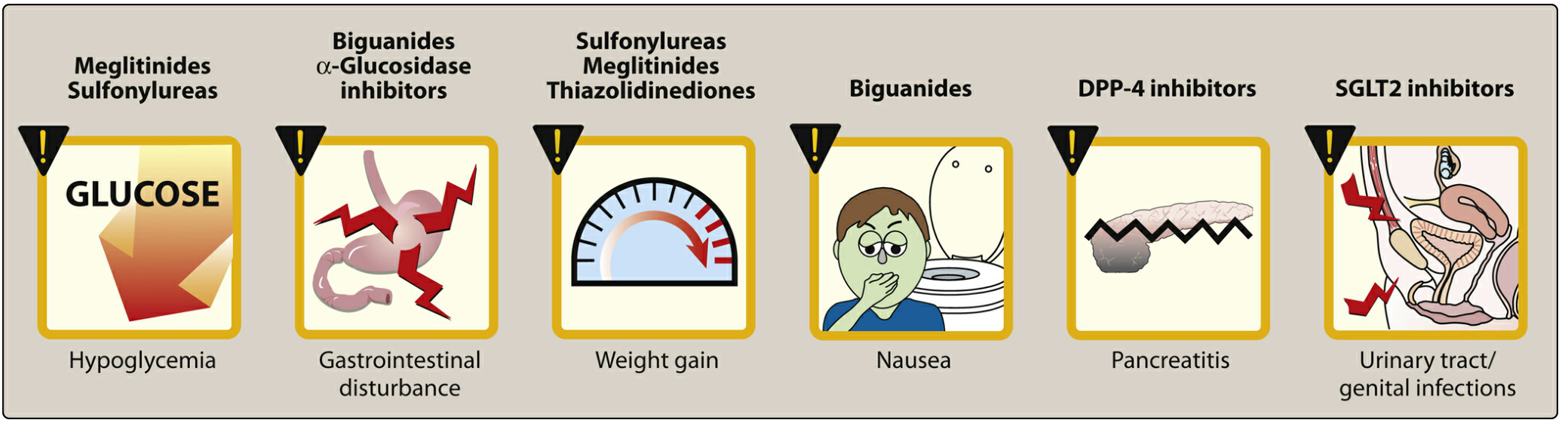
Drug Classes Overview
Lippincott Illustrated Reviews: Pharmacology - Major adverse effects of antidiabetic drugs
1. METFORMIN (Biguanide) - First-Line Agent
Mechanism: Primary action = reduces hepatic gluconeogenesis (liver produces less glucose). Also improves peripheral insulin sensitivity. Works by activating AMPK pathway. Does NOT stimulate insulin secretion → NO hypoglycemia risk.
| Property | Detail |
|---|
| Dose | Start 500 mg BD with food; titrate to 1000 mg BD (max 2550 mg/day) |
| HbA1c reduction | ~1-2% |
| Weight effect | Neutral or slight weight loss |
| CV benefit | Yes - UKPDS showed mortality reduction |
| Key side effects | GI upset (nausea, diarrhea, bloating) - take with food; Lactic acidosis (rare but serious); Vitamin B12 deficiency (long-term use) |
| Contraindications | eGFR <30 mL/min (hold if <45); iodinated contrast (hold 48h before/after); acute illness causing dehydration; hepatic failure; alcohol excess |
| Monitoring | eGFR annually; Vitamin B12 every 2-3 years |
Clinical Pearl: Metformin is the ONLY oral antidiabetic shown to reduce cardiovascular mortality (UKPDS 1998). It should be started at diagnosis of T2DM unless contraindicated.
2. SULFONYLUREAS (e.g., Glibenclamide, Gliclazide, Glimepiride)
Mechanism: Bind to ATP-sensitive K+ channels on beta cells → depolarization → calcium influx → insulin release. Work independently of blood glucose level.
| Property | Detail |
|---|
| Examples | Gliclazide (preferred, shorter acting), Glibenclamide, Glimepiride |
| Dose (Gliclazide) | 40-320 mg/day in divided doses |
| HbA1c reduction | ~1-2% |
| Weight effect | Weight gain (increases insulin → fat storage) |
| Key side effects | HYPOGLYCEMIA (most important risk - can be prolonged with longer-acting agents); Weight gain |
| Contraindications | T1DM, severe renal/hepatic failure, pregnancy, sulfonamide allergy |
| Caution | Elderly patients (hypoglycemia risk), irregular meal patterns |
3. GLP-1 RECEPTOR AGONISTS (e.g., Semaglutide, Liraglutide, Dulaglutide, Exenatide)
Mechanism: Mimic GLP-1 (glucagon-like peptide-1) - a gut hormone released after eating. GLP-1 receptor agonists:
- Stimulate insulin secretion only when glucose is elevated (glucose-dependent → low hypoglycemia risk)
- Suppress glucagon
- Slow gastric emptying (reduces post-meal glucose spike; causes satiety)
- Act on brain to reduce appetite
| Property | Detail |
|---|
| Examples | Semaglutide (Ozempic/Wegovy - weekly injection or daily oral), Liraglutide (Victoza - daily), Dulaglutide (Trulicity - weekly) |
| HbA1c reduction | 1-2% |
| Weight effect | Significant weight loss (semaglutide: up to 15% body weight) |
| CV benefit | Yes - major benefit (LEADER trial with liraglutide; SUSTAIN-6 with semaglutide) - reduce MACE in patients with established CVD |
| Key side effects | Nausea, vomiting, diarrhea (common initially); pancreatitis (rare); injection site reactions; NOT hypoglycemia |
| Contraindications | History of medullary thyroid carcinoma, MEN-2, chronic pancreatitis, severe renal impairment (exenatide), personal/family history of thyroid C-cell tumors |
| Route/Frequency | Subcutaneous injection or oral (semaglutide) |
2025 Update (Harrison's 22E): GLP-1 receptor agonists are now first-choice add-on therapy (or may even replace metformin as first-line) in T2DM patients with established ASCVD, heart failure, or CKD, given their cardiovascular and renal protective effects.
4. SGLT-2 INHIBITORS (e.g., Empagliflozin, Dapagliflozin, Canagliflozin)
Mechanism: Block SGLT-2 (sodium-glucose cotransporter 2) in the proximal renal tubule → prevents reabsorption of glucose → glucose excreted in urine. Blood glucose falls. Also reduces blood pressure and body weight.
| Property | Detail |
|---|
| Examples | Empagliflozin (Jardiance), Dapagliflozin (Farxiga), Canagliflozin (Invokana) |
| HbA1c reduction | ~0.5-1% |
| Weight effect | Weight loss (glucose calories excreted) |
| CV/Renal benefit | Excellent - EMPA-REG OUTCOME (empagliflozin): 38% reduction in CV death; significant renal protection; benefit in heart failure (reduced hospitalisations) |
| Key side effects | Genital mycotic infections (thrush) - most common; UTIs; polyuria; euglycemic DKA (rare but important) |
| Contraindications | eGFR <45 (for glucose-lowering; some can be continued for HF/renal protection to eGFR 20-25); T1DM (DKA risk); recurrent genital infections; surgical patients (hold 3-4 days pre-op) |
| Monitoring | eGFR, genitalia for infection, educate about DKA symptoms |
5. DPP-4 INHIBITORS (Gliptins - e.g., Sitagliptin, Vildagliptin, Saxagliptin)
Mechanism: Inhibit enzyme DPP-4 which normally breaks down GLP-1. So endogenous GLP-1 lasts longer → more insulin secretion (glucose-dependent) + less glucagon. Modest effect.
| Property | Detail |
|---|
| Examples | Sitagliptin (Januvia), Vildagliptin (Galvus), Saxagliptin |
| HbA1c reduction | ~0.5-0.8% (modest) |
| Weight effect | Weight neutral |
| Side effects | Well tolerated; nasopharyngitis, UTI; rare: pancreatitis; saxagliptin may increase heart failure hospitalizations |
| Contraindications | Chronic pancreatitis, dose adjust in renal failure |
6. THIAZOLIDINEDIONES / TZDs (e.g., Pioglitazone)
Mechanism: Activate PPAR-γ (peroxisome proliferator-activated receptor gamma) in fat and muscle cells → improves insulin sensitivity by redistribution of fat (visceral to peripheral).
| Property | Detail |
|---|
| Examples | Pioglitazone (Actos) |
| HbA1c reduction | ~0.5-1.4% |
| Weight effect | Weight gain + fluid retention (edema) |
| CV benefit | Modest (PROactive trial) |
| Side effects | Edema, weight gain, increased fracture risk (especially in women); bladder cancer risk (pioglitazone, long-term) |
| Contraindications | Heart failure (all classes), hepatic disease, bladder cancer, pregnancy |
7. ALPHA-GLUCOSIDASE INHIBITORS (e.g., Acarbose)
Mechanism: Inhibit intestinal alpha-glucosidase enzyme → slows carbohydrate digestion and absorption → blunts post-meal glucose spike.
| Property | Detail |
|---|
| HbA1c reduction | ~0.5-0.8% |
| Side effects | Flatulence, bloating, diarrhea (very common - limits use) |
| Use | Mainly as add-on; useful in patients with predominant post-meal hyperglycemia |
8. INSULIN THERAPY
Types of Insulin:
| Type | Examples | Onset | Peak | Duration |
|---|
| Rapid-acting | Aspart, Lispro, Glulisine | <15 min | 0.5-1.5 h | 3-5 h |
| Short-acting (Regular) | Regular human insulin | 30-60 min | 2-3 h | 4-8 h |
| Intermediate | NPH (Isophane) | 1-2 h | 4-10 h | 12-18 h |
| Long-acting (Basal) | Glargine (Lantus), Detemir, Degludec | 1-2 h | No peak | 20-24+ h |
| Premixed | 70/30, 75/25 (NPH/Regular or NPA/Rapid) | Variable | Variable | Variable |
(Harrison's 22E, 2025 - Chapter 416)
Insulin Regimens:
| Regimen | Description | Use |
|---|
| Basal only | 1 injection of long-acting insulin at bedtime | T2DM - starting insulin |
| Basal-bolus (MDI) | Basal (once daily) + rapid-acting before each meal | T1DM; advanced T2DM |
| Twice daily premixed | 2 injections of premixed insulin (BD) | T2DM - simpler regimen |
| CSII (Insulin Pump) | Continuous subcutaneous infusion via pump | T1DM, motivated patients |
| AID (Closed-loop / Artificial Pancreas) | Pump + CGM + algorithm automatically adjusts insulin | T1DM - most physiological |
SECTION 15: TREATMENT ALGORITHM
Type 2 DM Treatment Algorithm (ADA 2024 / Harrison's 22E 2025)
STEP 1: DIAGNOSIS OF TYPE 2 DM
            ↓
    Lifestyle modification (diet + exercise) + METFORMIN
    (Start metformin at diagnosis unless contraindicated)
            ↓
    At 3 months: HbA1c still not at target?
            ↓
STEP 2: ADD SECOND AGENT based on clinical profile:

  ┌─────────────────────────────────────────────────────┐
  │  Does patient have:                                 │
  │  • Established CVD, HF, or high CV risk?           │
  │    → ADD GLP-1 RA (semaglutide/liraglutide)        │
  │       or SGLT-2 inhibitor (empagliflozin)          │
  │                                                     │
  │  • Chronic Kidney Disease?                          │
  │    → ADD SGLT-2 inhibitor (dapagliflozin)          │
  │       + finerenone (if proteinuric)                 │
  │                                                     │
  │  • Need to MINIMIZE weight gain?                    │
  │    → GLP-1 RA (most weight loss) or SGLT-2i        │
  │                                                     │
  │  • Need to MINIMIZE hypoglycemia?                   │
  │    → DPP-4i, GLP-1 RA, or SGLT-2i                 │
  │                                                     │
  │  • Cost is primary concern?                         │
  │    → Sulfonylurea (gliclazide) or TZD              │
  └─────────────────────────────────────────────────────┘
            ↓
    At 3-6 months: still not at target?
            ↓
STEP 3: TRIPLE THERAPY
    (Metformin + GLP-1 RA + SGLT-2i, or
     Metformin + Sulfonylurea + DPP-4i, etc.)
            ↓
    Still not at target after triple therapy OR
    HbA1c >10% at diagnosis / Type 1 DM?
            ↓
STEP 4: ADD INSULIN
    (Usually basal insulin first: Glargine or Degludec)
    If still not controlled → Basal-Bolus regimen
Type 1 DM Algorithm
DIAGNOSIS OF TYPE 1 DM
        ↓
INSULIN THERAPY - MANDATORY (not optional)
        ↓
Basal-Bolus (MDI) or CSII (pump) regimen
        ↓
CGM (Continuous Glucose Monitoring) recommended for all T1DM
        ↓
AID (Automated Insulin Delivery) = Gold standard if accessible
        ↓
Target: HbA1c <7% without undue hypoglycemia
        ↓
Annual screening: Eyes, Kidneys, Feet, BP, Lipids
SECTION 16: REAL-WORLD CLINICAL APPROACH
OPD (Outpatient) Approach - The Diabetic Review
Every visit (every 3-6 months):
- Ask about symptoms: hypoglycemia episodes, hyperglycemia symptoms, foot problems, visual changes
- Check weight, BMI, blood pressure
- Review medications - adherence, side effects
- Review self-monitored glucose diary or CGM data
- Check HbA1c result
- Examine feet (inspection + monofilament + pulses)
Annual review:
- All of the above
- Dilated fundoscopy (refer ophthalmology)
- Urine ACR + serum creatinine/eGFR
- Full lipid profile
- 12-lead ECG
- Detailed foot examination
- Review vaccination status (influenza, pneumococcal, COVID-19)
- Dental check reminder
Emergency Approach - DKA Protocol (Harrison's 22E)
Patient presents with: N&V, abdominal pain, fruity breath,
Kussmaul breathing, dehydration, altered consciousness
        ↓
1. STABILIZE: Airway, Breathing, Circulation
2. BLOODS: ABG, glucose, ketones, electrolytes (especially K+),
   renal function, FBC, blood cultures, lactate
3. URINE: dipstick for ketones and glucose; culture if infection
4. ECG: hyperkalemia changes?
        ↓
DKA CONFIRMED (Glucose >13.9 + Ketones >3 + pH <7.3)
        ↓
IV FLUIDS: 0.9% NaCl - 1L over 1h → 1L over 2h → 1L over 4h →
           reassess (total ~3-6L first 24h)
        ↓
INSULIN: Fixed-rate IV insulin infusion (FRIII) at 0.1 units/kg/hr
         (only start insulin once K+ >3.5 mmol/L)
        ↓
POTASSIUM REPLACEMENT: K+ falls as acidosis corrected
  - K+ 3.5-5.5: add 40 mmol/L to each bag
  - K+ <3.5: DO NOT start insulin - correct K+ first
        ↓
MONITOR: Glucose every hour, electrolytes every 2-4h, ketones every 2h
TARGET: Reduce ketones >0.5 mmol/L/hour; glucose fall 3-5 mmol/L/hr
        ↓
SWITCH to subcutaneous insulin when:
  ketones <0.6 mmol/L + pH >7.3 + patient eating
        ↓
FIND AND TREAT PRECIPITANT (infection is #1 cause)
Common Mistakes to Avoid
| Mistake | Why it's wrong | What to do instead |
|---|
| Not checking K+ before starting insulin in DKA | Insulin drives K+ intracellularly → can cause fatal hypokalemia | Always check K+ first; hold insulin if K+ <3.5 |
| Stopping metformin without reason | Metformin has CV benefits and is safe in most T2DM | Only stop if eGFR <30 or acutely unwell |
| Diagnosing T2DM in young, thin patient without autoantibodies | May be T1DM or LADA - would need insulin eventually | Check GAD65 antibodies, C-peptide |
| Using glibenclamide in elderly | Prolonged hypoglycemia - dangerous | Use gliclazide (shorter acting) or avoid sulfonylureas altogether |
| Tight glycemic control in elderly/frail patients | Hypoglycemia → falls, MI, dementia | Relax targets to HbA1c <7.5-8% |
| Forgetting to hold SGLT-2 inhibitor before surgery | Risk of euglycemic DKA | Hold 3-4 days before elective surgery |
| Diagnosing "T2DM" without checking HbA1c/confirmatory test | Stress hyperglycemia is common in hospital | Confirm with HbA1c 3 months after acute illness |
| Not checking feet at every visit | Diabetic foot can be silent until gangrene | Inspect and test monofilament at every review |
Clinical Pearls
- "Start low, go slow" with metformin to minimize GI side effects
- ACE inhibitor or ARB is the BP drug of choice in diabetic nephropathy (reduces proteinuria)
- Statin is indicated for virtually all DM patients >40 years regardless of cholesterol level
- Aspirin 75-100 mg daily for secondary prevention if established CVD (not for primary prevention in DM)
- A patient on insulin who is "unconscious" should get IV dextrose immediately - always check glucose first
- Microalbuminuria is the earliest detectable sign of diabetic nephropathy - screen annually
- Pregnancy: Switch oral agents to insulin; tight glycemic control (HbA1c <6.5% pre-conception)
SECTION 17: PRESCRIPTION EXAMPLES
Example 1: Newly Diagnosed T2DM (Overweight, HbA1c 8.5%, no CVD)
Rx
1. Metformin 500 mg tablet - 1 tablet twice daily with meals
   (increase to 1000 mg BD after 2 weeks if tolerated)

2. Atorvastatin 20 mg tablet - 1 tablet at night
   (all diabetic patients >40 yrs benefit from statin)

3. Amlodipine 5 mg tablet - 1 tablet once daily
   (if BP >130/80 mmHg)

Lifestyle advice:
  - Reduce carbohydrate intake, increase vegetables and fiber
  - 30 minutes brisk walk 5 days/week
  - Target weight loss: 5-10%

Follow-up: 3 months with HbA1c, eGFR, urine ACR, BP
Example 2: T2DM with Established CVD (Post-MI, HbA1c 8%, on Metformin)
Rx - Add:
1. Empagliflozin (Jardiance) 10 mg tablet - 1 tablet once daily
   in morning
   [SGLT-2i - CV mortality benefit proven in EMPA-REG OUTCOME]

   OR

   Semaglutide (Ozempic) 0.5 mg injection - once weekly subcutaneous
   (increase to 1 mg at 4 weeks if tolerated)
   [GLP-1 RA - CV benefit proven in SUSTAIN-6]

Continue: Metformin 1000 mg BD
Ensure: Aspirin 75 mg OD (secondary prevention), Statin, ACEi/ARB
Example 3: Type 1 DM - Basal-Bolus Insulin
Rx
1. Insulin Glargine (Lantus) 20 units subcutaneous injection
   - at bedtime (BASAL)
   [Dose: ~0.2 units/kg/day as starting dose for basal]

2. Insulin Aspart (NovoRapid) 4-6 units subcutaneous injection
   - before each main meal (BOLUS)
   [Adjust dose based on carbohydrate content: ~1 unit per 10g carbs]

3. Blood glucose monitoring: Before meals and 2h after meals
   OR Freestyle Libre (CGM) - preferred

4. Glucagon Emergency Kit 1 mg - IM injection for severe hypoglycaemia
   [Educate patient AND family member on administration]

Follow-up: 3 months - HbA1c, annual complications screen
Common Prescribing Errors
| Error | Consequence | Prevention |
|---|
| Prescribing metformin without checking eGFR | Lactic acidosis if severe renal failure | Always check eGFR before starting |
| Not adjusting insulin during illness (sick day rules) | DKA (T1DM) or severe hypoglycemia | Educate patient: never stop basal insulin during illness |
| Giving glibenclamide to elderly patient | Prolonged hypoglycemia, falls, MI | Use gliclazide MR or DPP-4i in elderly |
| Adding DPP-4i to GLP-1 RA | Overlapping mechanism (both increase GLP-1 effect); no additive benefit, unnecessary cost | Use one class or the other |
| Not prescribing statin in DM patient >40 | Increased CV mortality | Statin is near-universal in adult T2DM |
| Prescribing TZD in heart failure patient | Fluid retention worsens heart failure | Absolute contraindication |
SECTION 18: PREVENTION
Primary Prevention of Type 2 DM
| Intervention | Evidence | Magnitude |
|---|
| Lifestyle modification (diet + exercise + weight loss) | Diabetes Prevention Program (DPP) - RCT | 58% reduction in T2DM in high-risk individuals |
| Metformin in pre-diabetes | DPP trial | 31% reduction (less than lifestyle) |
| Weight loss (pharmacological - semaglutide, orlistat) | Multiple RCTs | Significant T2DM prevention in obese patients |
| Bariatric surgery | Multiple studies | Near-complete remission of T2DM; prevention of progression |
Screening Recommendations (ADA 2024)
- Screen all adults ≥35 years with FPG or HbA1c every 3 years
- Screen younger adults if BMI ≥25 (≥23 in Asians) + any risk factor
- Screen all pregnant women at 24-28 weeks gestation for GDM
Secondary Prevention (Preventing Complications)
- Tight glycemic control (HbA1c <7%)
- Blood pressure control (<130/80 mmHg) - most important for microvascular
- Statin therapy - most important for macrovascular
- ACE inhibitor/ARB - for nephropathy prevention/progression
- Annual complication screening
- Smoking cessation
- Foot care education
SECTION 19: PROGNOSIS
| Factor | Impact on Prognosis |
|---|
| HbA1c control | Every 1% reduction in HbA1c = 37% reduction in microvascular complications, 14% reduction in MI (UKPDS) |
| Blood pressure control | Tight BP control reduces stroke, retinopathy, nephropathy dramatically |
| Duration of DM | Longer duration = more complications accumulate |
| Type 1 DM | Life expectancy reduced ~13 years vs non-diabetic if poorly controlled; near-normal if well-controlled |
| Type 2 DM | Average life expectancy reduced ~6-10 years; major cause of death = cardiovascular disease (70% of deaths) |
| Remission (T2DM) | Possible with significant weight loss (>15 kg); bariatric surgery achieves remission in 50-80% |
| Modern therapy | GLP-1 agonists + SGLT-2 inhibitors have significantly improved cardiovascular and renal outcomes |
SECTION 20: PATIENT COUNSELING
What to Tell Your Patient
"What is happening in your body?"
"Your blood sugar is higher than normal because your body is not using insulin properly. Sugar is building up in your blood instead of going into your cells for energy. Over time, this high sugar damages blood vessels and nerves throughout your body."
"Is this serious?"
"Yes, but it is very manageable. With the right treatment and lifestyle changes, most people with diabetes live a full, healthy life. The key is consistency - taking your medications, watching your diet, and exercising regularly."
Key Counseling Points:
-
Diet: "Reduce rice, bread, sweets, and sugary drinks. Fill half your plate with vegetables. Eat at regular times."
-
Exercise: "Walk briskly for at least 30 minutes most days. Exercise helps sugar enter your cells without needing insulin."
-
Medications: "Take your tablets every day with food. Do not skip doses. Even when you feel well, diabetes is still present."
-
Monitoring: "Check your blood sugar regularly as instructed. Keep a record. Bring it to every appointment."
-
Hypoglycemia (low blood sugar): "If you feel shaky, sweaty, dizzy or confused - this is a 'hypo.' Immediately eat 15g of fast sugar (3 glucose tablets, half a can of regular soda, or a glass of fruit juice). Tell someone nearby."
-
Foot care: "Check your feet EVERY DAY. Look for cuts, blisters, redness, or swelling. Never walk barefoot. Wear comfortable, well-fitting shoes. Come to clinic immediately if you see any foot problems."
-
Eye and kidney checkups: "You must have your eyes checked by an eye doctor at least once a year, even if your vision seems fine. We will also check your kidneys and urine once a year."
-
Sick day rules (T1DM patients especially): "If you are ill - vomiting, fever, or unable to eat - DO NOT stop your insulin. Your body needs more insulin when sick. Check your blood sugar and ketones every 2-4 hours and call us."
-
Pregnancy: "If you plan to become pregnant, tell us in advance. We need to get your HbA1c below 6.5% before conception, and some medications must be changed."
-
Driving: "If you take insulin or sulfonylureas, check your blood sugar before driving. Do not drive if glucose is <5 mmol/L."
SUMMARY TABLE - The Diabetic Patient in One Page
| Question | Answer |
|---|
| What is happening? | Chronic hyperglycemia due to insulin deficiency (T1DM) or resistance (T2DM) |
| Why is it happening? | T1DM: autoimmune beta-cell destruction; T2DM: obesity/genetics causing insulin resistance + progressive beta-cell failure |
| How does patient present? | Classic: polyuria, polydipsia, weight loss, fatigue; T2DM often silent and found incidentally |
| What else could it be? | Diabetes insipidus, stress hyperglycemia, MODY, LADA, Cushing's, acromegaly |
| How to confirm diagnosis? | FPG ≥7.0, OGTT 2h ≥11.1, HbA1c ≥6.5%, or random glucose ≥11.1 with symptoms (confirm on 2nd day unless symptomatic random glucose) |
| How to treat? | T2DM: Lifestyle + Metformin first; add GLP-1 RA or SGLT-2i if CVD/HF/CKD; insulin when oral agents fail. T1DM: Insulin always. |
| What must NEVER be missed? | DKA, HHS, severe hypoglycemia, silent MI, foot ulcer/osteomyelitis, rapidly progressing nephropathy |
| When to refer/admit? | DKA/HHS → admit; T1DM → endocrinology always; foot ulcer → MDT; retinopathy → ophthalmology; nephropathy → nephrology |
Sources cited throughout:
- Harrison's Principles of Internal Medicine 22E (2025), McGraw-Hill - Chapters 416, 417
- Guyton and Hall Textbook of Medical Physiology, Chapter 79
- Lippincott Illustrated Reviews: Pharmacology, Chapter 24
- Tietz Textbook of Laboratory Medicine, 7th Edition - Chapter on Diabetes
- ADA Standards of Medical Care in Diabetes 2024 (Diabetes Care 47 Suppl 1)
- Goldman-Cecil Medicine - Chapter on T2DMThis comprehensive guide covers all 20 sections you requested. Here is a brief overview of what was covered and the key learning points to remember:
How to Use This Guide
For Exam Preparation: Focus on Sections 3 (Classification), 5 (Pathophysiology), 10 (Diagnosis criteria), 12 (Emergencies), and 14 (Pharmacology).
For Clinical Rotations/Internship: Sections 7 (History), 9 (Investigations), 15 (Algorithm), 16 (Clinical Approach), and 17 (Prescriptions) are your daily reference.
High-Yield Points You Must Know:
-
Diagnosis requires confirmation - two abnormal results on separate days (except symptomatic random glucose ≥11.1 mmol/L)
-
HbA1c reflects 3 months - but unreliable in haemolytic anaemia, haemoglobinopathies, and pregnancy
-
Metformin is first-line for T2DM - but GLP-1 agonists/SGLT-2 inhibitors are now co-first-line if CVD, HF, or CKD is present (ADA 2024/Harrison's 22E)
-
DKA = NEVER stop insulin - even if patient is vomiting; start IV fluids first, then insulin only after confirming K+ >3.5
-
T1DM always needs insulin - no oral agents are adequate for T1DM monotherapy
-
The three pillars of DM management: Glycemia (HbA1c), Blood Pressure, and Lipids (Statin) - all three must be managed, not just glucose
-
The diabetic foot is an emergency - even a small ulcer with cellulitis needs urgent MDT review; osteomyelitis can lead to amputation within days if missed