
Scorpion bite management
I'll check the medical library skill first, then pull relevant textbook content and recent evidence in parallel.
Reading File
Now I'll run parallel searches across the textbook library, PubMed, and the web simultaneously.
Finding Sources
Searching PubMed
scorpion envenomation management treatment
Searching the Web
scorpion bite envenomation management guidelines 2024 2025
Excellent - found great sources. Now I'll read all relevant textbook sections in parallel.
Reading File
Reading File
Reading File
Searching PubMed
scorpion envenomation antivenom prazosin
I have comprehensive data from Harrison's 2025, Andrews' Dermatology, and Forensic Medicine textbooks plus recent PubMed evidence. Let me now compile the full answer.
Loading Image
Reading File
I now have all the information needed. Here is the complete, structured answer.
Scorpion Sting (Envenomation) Management
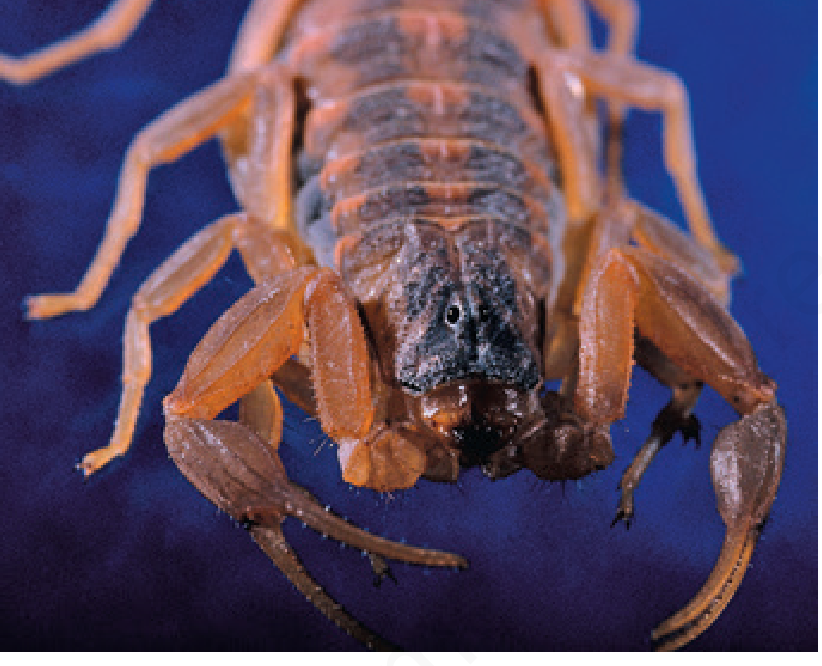
1. Background
Scorpions are nocturnal arachnids that hide in shoes, clothing, bedding, crevices, and loose bark. Of ~1,000 known species, roughly 30 cause potentially lethal envenomations, accounting for several thousand deaths globally per year. Children and the elderly are at greatest risk of fatal outcomes.
2. Clinically Important Species
| Species | Region | Key Toxidrome |
|---|---|---|
| Centruroides sculpturatus | SW United States | Neuromuscular - sodium channel activation |
| Leiurus quinquestriatus | Middle East, N. Africa | Catecholamine surge, cardiac crisis |
| Androctonus spp. | N. Africa, Mediterranean | Catecholamine surge, pulmonary edema |
| Mesobuthus tamulus | India | Hypertensive crisis, arrhythmias, myocardial damage |
| Tityus serrulatus | Brazil | Catecholamine surge, arrhythmias |
| Tityus trinitatis | Trinidad | Acute pancreatitis |
| Hemiscorpius lepturus | Iran, adjacent countries | Cytotoxic - hemolysis, tissue necrosis, AKI |
| Parabuthus/Buthotus | South Africa | CNS toxicity |
- Harrison's Principles of Internal Medicine 22E (2025), p. 3778
3. Venom Composition
Scorpion venom is a clear, colorless toxalbumin containing:
-
Neurotoxins - act on preganglionic/postganglionic terminals and muscle end-plates; keep sodium channels open
-
Hemolysins, hemorrhagins, proteinases
-
Phospholipase A, leucocytolysins, coagulins
-
PC Dikshit Textbook of Forensic Medicine and Toxicology
4. Clinical Features
Local (most species)
- Immediate sharp burning pain at the sting site
- Erythema, edema, paresthesia, hyperesthesia
- "Tap test" - tapping the sting site exacerbates pain (classic for Centruroides)
- Minimal or no visible wound in many neurotoxic species
Systemic - Neurotoxic (Centruroides)
- Paresthesia spreading from the sting site
- Restlessness, profuse salivation, lacrimation, rhinorrhea
- Abnormal roving eye movements (classic), blurred vision, slurred speech
- Muscle twitching/jerking (may mimic seizure)
- Tachycardia, arrhythmias, hypertension, hyperthermia
- Rhabdomyolysis, acidosis
- Fatal respiratory arrest possible in children and the elderly
Systemic - Adrenergic Surge (Middle East, India, Brazil species)
- Hypertensive crisis
- Pulmonary edema (cardiogenic + non-cardiogenic)
- Myocardial damage, arrhythmias
Cytotoxic (H. lepturus)
- Minimal symptoms at first, then pain and hemolysis after 24 hours
- Hemoglobinuria, acute kidney injury
5. Grading (Simplified)
| Grade | Features |
|---|---|
| I (Mild) | Local pain only, no systemic symptoms |
| II (Moderate) | Systemic symptoms without cardiovascular compromise |
| III (Severe) | Cardiovascular, respiratory, or neurological compromise |
6. Management
6a. All Stings - First Aid
- Keep the patient calm and reassured; minimize movement
- Pressure dressing + cold packs over the sting site (reduces venom absorption)
- Do NOT suck out venom, apply tourniquets improperly, or use unproven treatments
- Immobilize the affected limb at or below heart level
6b. Mild Envenomation (Local Pain Only)
- Ice packs, oral analgesics (NSAIDs/paracetamol), oral antihistamines
- Can be managed at home with clear return precautions
- Instruct patient to return if cranial nerve or neuromuscular dysfunction develops
6c. Moderate-to-Severe Envenomation (Systemic Symptoms)
Monitoring: IV access, cardiac monitoring, pulse oximetry, frequent vitals
Sedation/Anxiolysis:
- Continuous IV midazolam infusion - reduces agitation and involuntary movements; preferred over opiates (which risk respiratory compromise)
- Benzodiazepines are the mainstay for neuromuscular hyperexcitability
Hypertension and Pulmonary Edema:
- Prazosin (post-synaptic alpha-blocker) - especially effective in Indian red scorpion envenomation; counteracts catecholamine surge
- Pediatric dose: 30 mcg/kg/dose orally or via NG tube; first repeat at 3 hours, then every 6 hours until recovery
- Nifedipine, nitroprusside, or hydralazine are alternatives
- A 2025 RCT (PMID 39953590) studied antivenom + prazosin combination vs. antivenom alone
Arrhythmias:
- Bradydysrhythmia: Atropine
- Tachyarrhythmias: Managed per arrhythmia type
Respiratory:
- Airway vigilance - severe Centruroides spasm can cause respiratory arrest
- Intubation and mechanical ventilation if respiratory compromise
Analgesia:
- Local infiltration of lidocaine (lignocaine) around the sting site for pain relief
- Systemic opioids with close respiratory monitoring if needed
6d. Antivenom
- Antivenom is the most effective intervention when available and matched to the species
- Reduces or eliminates deaths in severe envenomation
- Indications: moderate-to-severe systemic symptoms refractory to analgesics and benzodiazepines
- Pre-medicate before antivenom: IV diphenhydramine + steroids; keep epinephrine at bedside (risk of anaphylaxis)
- Anascorp (Centruroides antivenom) - FDA-approved in the US; initial dose typically 3 vials IV, repeated every 30-60 minutes; up to 8 vials may be needed in severe cases
- Antivenom for many species remains controversial due to variable efficacy and adverse reactions
6e. Drugs to AVOID
- Lytic cocktail (pethidine + promethazine + chlorpromazine) - little efficacy
- Steroids - can worsen cardiac complications
- Antihistamines alone - insufficient for systemic effects
- Calcium channel blockers - negative inotropic effect, worsen cardiac outcomes
- Diuretics - can worsen hemodynamics
- Beta-blockers - harmful in catecholamine-mediated toxidrome
7. Special Populations
| Population | Consideration |
|---|---|
| Children | Higher mortality risk; more likely to need ICU; lower prazosin dose per kg |
| Elderly | Fatal respiratory arrest more likely |
| Pregnant | Treat aggressively; fetal monitoring |
8. Disposition
| Severity | Disposition |
|---|---|
| Grade I (local only) | Discharge home with return precautions; observe 2-4 hours |
| Grade II (systemic, stable) | Admit for observation and monitoring |
| Grade III (severe) | ICU admission |
| No antivenom or ICU available | Transfer immediately |
Symptoms of Centruroides typically peak at ~5 hours and resolve within 1-2 days; pain and paresthesia may last weeks.
9. Prevention
- Shake out shoes, clothing, and bedding before use in endemic areas
- Wear gloves when moving rocks, wood, or debris
- Use a flashlight when walking outdoors at night
- Seal cracks and gaps in buildings
Recent Evidence Note
A 2025 RCT (PMID 39953590) compared antivenom alone vs. antivenom + prazosin for scorpion sting management, supporting the combination approach for cases with significant sympathetic symptoms.
Sources:
- Harrison's Principles of Internal Medicine, 22nd Ed. (2025), pp. 3778-3779
- Andrews' Diseases of the Skin - Clinical Dermatology
- PC Dikshit Textbook of Forensic Medicine and Toxicology
- UN DHMOSH Guidance for Prevention & Management of Scorpion Stings (2024)
- Joint Trauma System CPG: Global Spider and Scorpion Envenomation Management (2021)
This is a shared conversation. Sign in to Orris to start your own chat.