
Give me detailed pic of anatomical snuffbox
Reading File
The anatomical snuffbox is a triangular depression on the radial (lateral) side of the wrist, visible when the thumb is extended. It's bounded by the tendons of the extensor pollicis longus (posteriorly) and abductor pollicis longus + extensor pollicis brevis (anteriorly), with the scaphoid and trapezium forming its floor.
Searching sources...
Finding Sources
Searching the Web
anatomical snuffbox anatomy diagram labeled
Reading File
Loading Image
Loading Image
Loading Image
Loading Image
Here is a detailed breakdown of the anatomical snuffbox, with diagrams from Gray's Anatomy for Students:
Anatomical Snuffbox
Overview
The anatomical snuffbox (also called the radial fossa or tabatière) is a triangular depression on the posterolateral (dorsoradial) aspect of the wrist and the base of the first metacarpal. It is best seen when the thumb is fully extended. Historically, powdered tobacco (snuff) was placed here before being inhaled - hence the name.
- Shape: Triangle, with the base proximally at the wrist and the apex pointing distally toward the thumb
- Best visualized: With the thumb actively extended
Detailed Diagrams
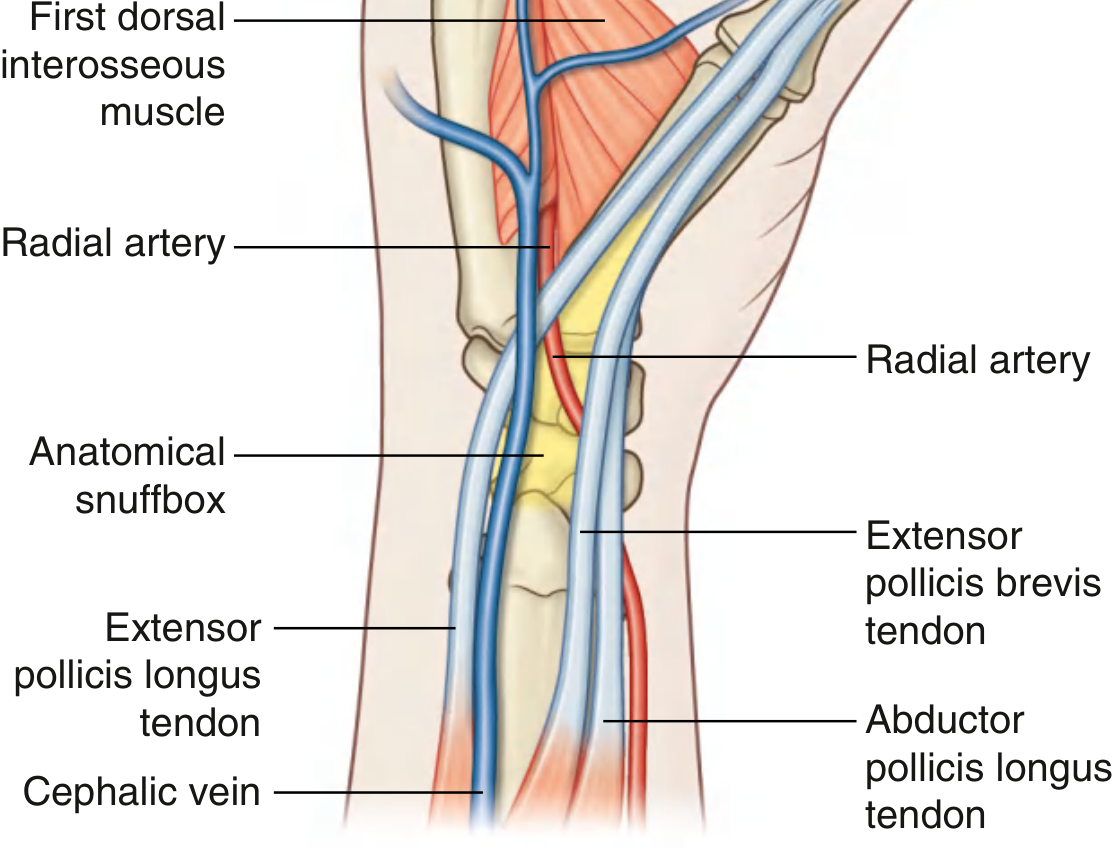
Fig. 7.100 from Gray's Anatomy for Students - Left Hand:
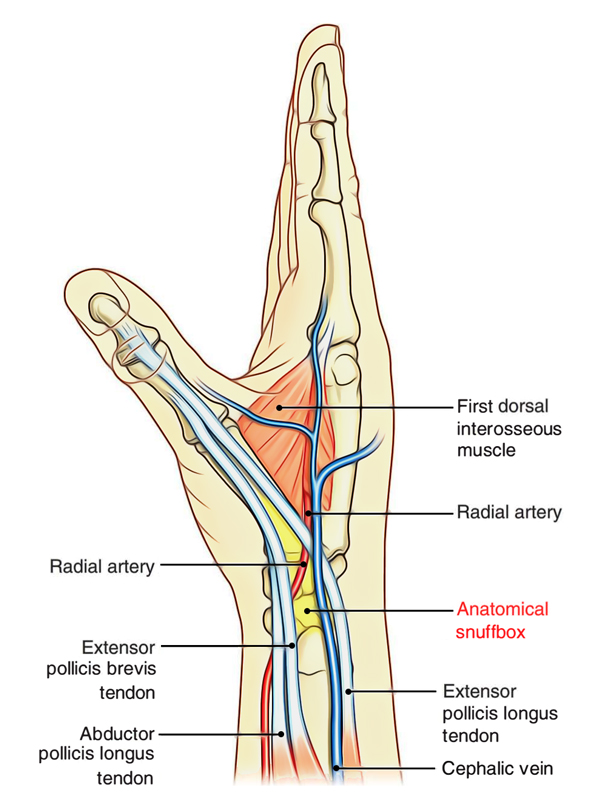
Full hand view showing the snuffbox and all passing structures:
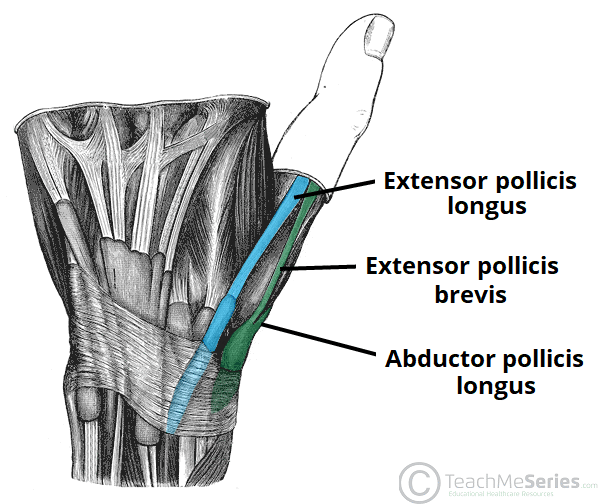
Tendinous borders highlighted (TeachMeAnatomy):
Borders
| Border | Structure(s) |
|---|---|
| Lateral (radial/anterior) | Tendons of abductor pollicis longus (APL) and extensor pollicis brevis (EPB) |
| Medial (ulnar/posterior) | Tendon of extensor pollicis longus (EPL) |
| Proximal (base) | Styloid process of the radius |
| Distal (apex) | Base of the first metacarpal (pointing into the thumb) |
Floor
The floor is formed by:
- Scaphoid (proximal part)
- Trapezium (distal part)
- Distal ends of the tendons of extensor carpi radialis longus (ECRL) and extensor carpi radialis brevis (ECRB) - these run along the floor heading to the 2nd and 3rd metacarpal bases
Contents (Superficial to Deep)
Superficial (above tendons / subcutaneous)
- Cephalic vein - originates from the dorsal venous arch and passes over the snuffbox
- Superficial branch of the radial nerve - terminal cutaneous branches pass subcutaneously over the snuffbox, supplying sensation to the dorsal thumb and adjacent fingers
Deep (below extensor tendons)
- Radial artery - passes obliquely through the snuffbox, lying directly on the scaphoid and trapezium, deep to the extensor tendons; it exits by passing between the two heads of the first dorsal interosseous muscle to enter the palm and complete the deep palmar arch
Mnemonic for Contents
"So I Can Run"
- Superficial radial nerve
- I = (cephalic vein passes superficially)
- Cephalic vein
- Radial artery (deepest)
Clinical Significance
1. Scaphoid Fracture
- The most important clinical use: tenderness in the anatomical snuffbox after a fall on an outstretched hand (FOOSH) is the hallmark sign of a scaphoid fracture
- The scaphoid lies directly on the floor of the snuffbox
- When the hand is in ulnar deviation, the scaphoid becomes more palpable within the snuffbox
- The waist of the scaphoid has a precarious blood supply (enters distally); fracture can disrupt it and cause avascular necrosis (AVN) of the proximal pole - a serious complication
2. Radial Artery Pulse
- The radial artery can be palpated in the snuffbox - clinically used as an alternative pulse point (e.g., in Allen's test for hand collateral circulation)
- Also used as an access point for radial artery cannulation or as a landmark for wrist arthroscopy portals
3. De Quervain's Tenosynovitis
- Stenosing inflammation of the APL and EPB tendons in their common synovial sheath (extensor compartment 1), which forms the lateral border
- Causes pain and swelling directly over the snuffbox
- Finkelstein's test is positive (passive ulnar deviation with thumb flexed reproduces the pain)
Source: Gray's Anatomy for Students, Fig. 7.100, p. 922
This is a shared conversation. Sign in to Orris to start your own chat.