
xray to see mandible fracture
Reading File
This is a visual/radiology question. Following the medical library skill - I'll search headings and paragraphs simultaneously for mandible fracture imaging content.
Finding Sources
Finding Sources
Good results from multiple high-quality textbooks. Now I'll read the most relevant sections, especially from Grainger & Allison (radiology textbook) and Bailey & Love (surgery), and grab the sections with images.
Reading File
Reading File
Reading File
Excellent content found. Now I'll read the Grainger section continuation and fetch the key images in parallel.
Reading File
Loading Image
Loading Image
Loading Image
I now have all the key content and images. Let me also fetch the Grainger & Allison fracture site diagram.
Finding Sources
Reading File
I have comprehensive content. Here is the full answer:
Radiographic Imaging for Mandible Fractures
Standard Views (Plain Radiography)
The mandible is a U-shaped bone and fractures frequently occur at two sites simultaneously - one at the point of impact and a contralateral fracture (commonly the condylar neck). For this reason, at least two views at right angles are mandatory.
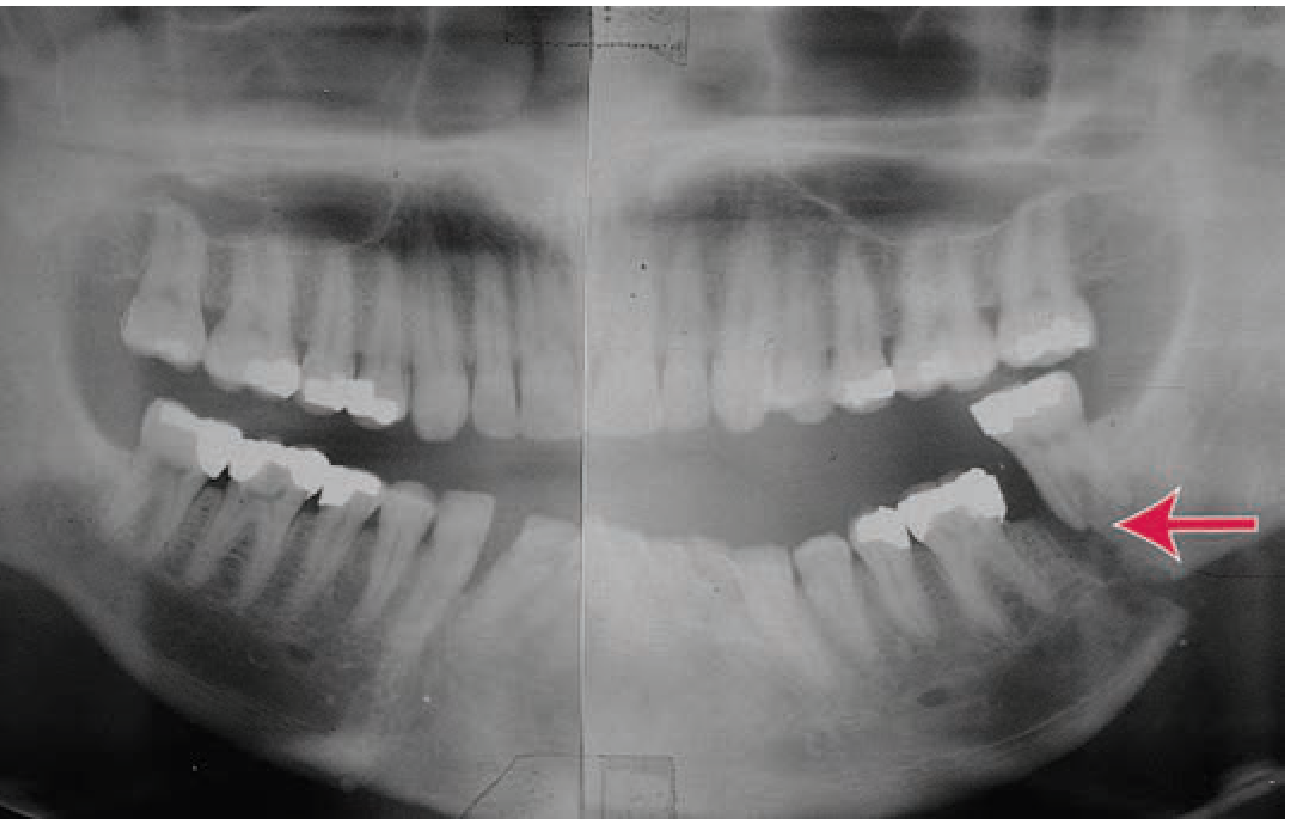
1. Orthopantomogram (OPT) / Panorex - First-line study
The dental panoramic radiograph (OPT/Panorex) is the single most useful initial view. It captures the entire mandible in one image and has a sensitivity of ~92% for mandible fractures (vs. 66% for other plain radiographic series).
- Demonstrates fractures of the body, angle, parasymphysis, and ramus
- Good for detecting condylar and subcondylar fractures
- The standard first investigation when clinical suspicion is moderate-to-low
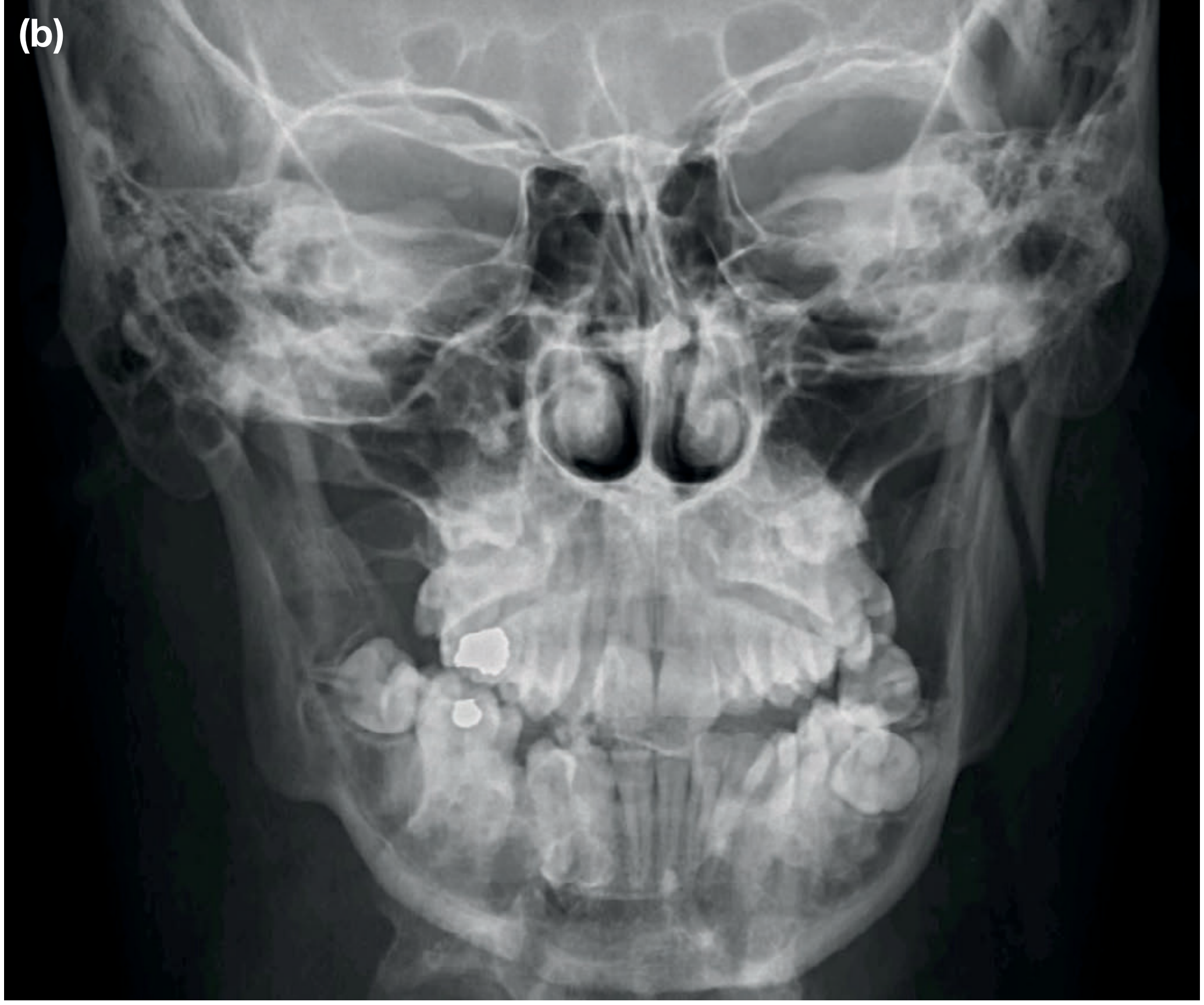
2. Posteroanterior (PA) Mandible Radiograph - Paired with OPT
Always obtained alongside the OPT. It is particularly good for:
- Confirming and clarifying condylar fractures that may be subtle on the OPT
- Demonstrating displacement in the coronal plane
3. Additional Plain Views
| View | Indication |
|---|---|
| Intraoral (periapical) | Parasymphyseal fractures; suspected dental/alveolar fractures |
| Right & Left oblique lateral mandibular views | Alternative to OPT if patient cannot cooperate (e.g., dementia, agitation) |
| Chest radiograph | Unconscious patient with missing teeth - exclude aspiration |
CT Scan - When Indicated
CT (axial + coronal sections) is ordered in:
- Positive plain radiograph with suspected condylar fracture
- Complex or comminuted fractures
- Multiple facial fractures
- High-energy mechanism (MVA)
- Air-fluid level seen in any sinus
CT provides gold-standard bony detail and allows 3D reconstruction, which is invaluable for surgical planning and reconstructive procedures.
Fracture Sites to Look For
Common sites (from most to least frequent per Tintinalli's):
- Angle - 36%
- Body - 21%
- Parasymphyseal - 17%
- Condyle/subcondylar, symphysis, coronoid, ramus
Key rule: A mandibular fracture should be considered bilateral until proven otherwise because the U-shaped ring tends to break in two places.
What to Look For on the Radiograph
- Radiolucent fracture line (break in cortex)
- Step deformity at the inferior border - can mimic a missing tooth in the parasymphyseal region
- Tooth displacement or loss
- Malocclusion / malalignment of dental arches
- Condylar displacement or telescoping
- Subcondylar fractures (slender neck - easily missed on OPT alone)
Sources:
- Grainger & Allison's Diagnostic Radiology, Fractures of the Mandible section
- Bailey and Love's Short Practice of Surgery (28th Ed.), pp. 429-430
- Tintinalli's Emergency Medicine, Chapter 259 (Mandible Fractures)
- Cummings Otolaryngology Head and Neck Surgery (Panorex sensitivity 92% vs. 66%)
This is a shared conversation. Sign in to Orris to start your own chat.