
Make me 250 mcqs according to this tos from Bailey and Love Surgery 28th Edition


Make me 250 mcqs according to this tos from Bailey and Love Surgery 28th Edition
- Principles of Radiology (S1-037 to S1-043): Chest X-ray, Skull X-ray, Abdominal X-ray, Spine X-ray, Barium Studies, Specialized Imaging (IVU, MCU, Cholecystogram), Advanced Imaging (Echo, CT, MRI)
- Burn Injuries (S1-044 to S1-045): Assessment & Management, fluid resuscitation, Rule of Nines, wound management, complications, rehabilitation
- Reconstructive and Plastic Surgery (S1-046): Basics of plastic surgery, grafts, flaps, wound healing
mkdir -p /tmp/workspace/mcq-burns-radiology-plastics && ls /tmp/workspace/
Word file to download
Document to download
Search bailey and love 28th edition and give me a list if all investigations of choice gold standard treatment or investigations and all first line investigations and treatments
mkdir -p /tmp/workspace/bailey-gold-standards && cat << 'PYEOF' > /tmp/workspace/bailey-gold-standards/generate.py from docx import Document from docx.shared import Pt, RGBColor, Inches from docx.enum.text import WD_ALIGN_PARAGRAPH from docx.oxml.ns import qn from docx.oxml import OxmlElement doc = Document() # Page margins from docx.shared import Inches section = doc.sections[0] section.top_margin = Inches(1) section.bottom_margin = Inches(1) section.left_margin = Inches(1) section.right_margin = Inches(1) # Normal style style = doc.styles['Normal'] style.font.name = 'Arial' style.font.size = Pt(11) # Helper: colored heading def add_main_heading(doc, text, color_hex='1F4E79'): p = doc.add_heading(text, level=1) for run in p.runs: run.font.color.rgb = RGBColor.from_string(color_hex) run.font.size = Pt(16) run.bold = True def add_section_heading(doc, text): p = doc.add_heading(text, level=2) for run in p.runs: run.font.color.rgb = RGBColor.from_string('2E75B6') run.font.size = Pt(13) run.bold = True def add_row(doc, condition, value, note=''): table = doc.tables[-1] row = table.add_row() row.cells[0].text = condition row.cells[1].text = value row.cells[2].text = note for i, cell in enumerate(row.cells): for para in cell.paragraphs: for run in para.runs: run.font.size = Pt(10.5) if i == 0: run.bold = True def add_table(doc, headers=['Condition / Disease', 'Gold Standard / Investigation or Treatment', 'Notes']): table = doc.add_table(rows=1, cols=3) table.style = 'Table Grid' hdr = table.rows[0].cells widths = [Inches(2.2), Inches(2.8), Inches(2.0)] for i, (h, w) in enumerate(zip(hdr, widths)): h.text = h for para in h.paragraphs: para.runs[0].bold = True para.runs[0].font.color.rgb = RGBColor(255, 255, 255) para.runs[0].font.size = Pt(11) # Background color tc = h._tc tcPr = tc.get_or_add_tcPr() shd = OxmlElement('w:shd') shd.set(qn('w:val'), 'clear') shd.set(qn('w:color'), 'auto') shd.set(qn('w:fill'), '1F4E79') tcPr.append(shd) # Set column widths for i, w in enumerate(widths): for row in table.rows: row.cells[i].width = w # Re-add headers correctly hdr_cells = table.rows[0].cells hdr_cells[0].text = headers[0] hdr_cells[1].text = headers[1] hdr_cells[2].text = headers[2] for cell in hdr_cells: for para in cell.paragraphs: for run in para.runs: run.bold = True run.font.color.rgb = RGBColor(255, 255, 255) run.font.size = Pt(11) tc = cell._tc tcPr = tc.get_or_add_tcPr() shd = OxmlElement('w:shd') shd.set(qn('w:val'), 'clear') shd.set(qn('w:color'), 'auto') shd.set(qn('w:fill'), '1F4E79') tcPr.append(shd) return table # ───────────────────────────────────────── # TITLE PAGE # ───────────────────────────────────────── p = doc.add_paragraph() p.alignment = WD_ALIGN_PARAGRAPH.CENTER run = p.add_run('BAILEY AND LOVE\'S SHORT PRACTICE OF SURGERY') run.bold = True run.font.size = Pt(18) run.font.color.rgb = RGBColor.from_string('1F4E79') p2 = doc.add_paragraph() p2.alignment = WD_ALIGN_PARAGRAPH.CENTER run2 = p2.add_run('28th Edition') run2.font.size = Pt(14) run2.font.color.rgb = RGBColor.from_string('2E75B6') p3 = doc.add_paragraph() p3.alignment = WD_ALIGN_PARAGRAPH.CENTER run3 = p3.add_run('GOLD STANDARDS · INVESTIGATIONS OF CHOICE · FIRST-LINE TREATMENTS') run3.bold = True run3.font.size = Pt(13) run3.font.color.rgb = RGBColor.from_string('C00000') doc.add_paragraph() p4 = doc.add_paragraph() p4.alignment = WD_ALIGN_PARAGRAPH.CENTER p4.add_run('A comprehensive reference compiled directly from the textbook\nfor MBBS, MRCS, and surgical examination revision').font.size = Pt(11) doc.add_page_break() # ───────────────────────────────────────── # SECTION 1: GOLD STANDARD INVESTIGATIONS # ───────────────────────────────────────── add_main_heading(doc, 'SECTION 1: GOLD STANDARD INVESTIGATIONS') doc.add_paragraph('The following investigations are explicitly stated as the "gold standard" in Bailey & Love 28th Edition.') doc.add_paragraph() add_table(doc) rows_inv = [ ('Oesophageal motility disorders / Achalasia', 'High-Resolution Manometry (HRM)', 'Gold standard for diagnosing achalasia and all oesophageal motility disorders'), ('Coronary artery disease (CAD) — anatomy', 'Selective Coronary Angiography', 'Gold standard for accurate diagnosis of presence and extent of CAD'), ('Fitness / cardiopulmonary assessment pre-op', 'Cardiopulmonary Exercise Testing (CPET)', 'Gold standard measurement of patient fitness; VO2max and VCO2 measured'), ('Spinal trauma imaging', 'CT with 2D reconstruction', 'Remains gold standard in spinal trauma; indicated for suspected injuries on plain XR'), ('Prostate gland obstruction (large BPH)', 'TURP (Transurethral Resection of Prostate)', 'Remains gold standard; HOLEP recommended for glands >35 g'), ('Renal cell carcinoma — localised disease', 'Radical Nephrectomy', 'Remains gold standard treatment; nephron-sparing surgery for tumours <4 cm'), ('Liver tumour — resectable disease', 'Surgical Resection', 'Gold standard; ablation is adjunct only; anatomical resection preferred for HCC'), ('HCC — preoperative imaging', 'Triple-phase CT abdomen/pelvis + MRI liver', 'Standard of care; MRI improves sensitivity for lesions <1 cm with liver-specific contrast'), ('Ischaemic heart disease — multivessel / complex', 'Coronary Artery Bypass Grafting (CABG)', 'Remains gold standard over PCI in multivessel disease, diabetes, left main stem'), ('Heart failure — end stage', 'Heart Transplantation', 'Remains gold standard surgical treatment for end-stage heart failure'), ('Organ preservation — pancreas transplantation', 'Static Cold Storage (SCS)', 'Remains gold standard of preservation; machine perfusion under investigation'), ('Staging of malignancy', 'Histopathological specimen (biopsy)', 'Pathological specimen remains the gold standard; imaging supplements but does not replace'), ('Oral cavity SCC resection margin', 'Resection with 1-cm clinical margin', 'Gold standard in oral cavity SCC circumferentially, vital structures permitting'), ('Endometrial cancer histological diagnosis', 'Hysterectomy specimen (endometrial sampling)', 'Historically gold standard; limited in fertility-preserving cases'), ('Upper GI NETs (gastrinoma, etc.) diagnosis', 'Upper GI Endoscopy + biopsy + EUS', 'Gold standard with biopsy of lesions; EUS measures tumour depth; CT/SRS/68Ga-PET for staging'), ('Intraoperative liver assessment', 'Intraoperative Ultrasonography (IUS)', 'Standard of care for hepatobiliary surgery; used with bimanual palpation'), ('Colorectal liver metastases', 'Parenchyma-sparing anatomical resection', 'Now standard of care; anatomical resection for HCC when liver function allows'), ('Cystic myxomatous degeneration (popliteal)', 'Duplex Ultrasound Scan', 'Investigation of choice; treatment: decompression or excision with vein graft'), ('Total hip replacement (THR) bearing surface', 'Metal-on-high-density polyethylene (Charnley)', 'Classic gold standard bearing surface since 1961'), ] for row in rows_inv: add_row(doc, row[0], row[1], row[2]) doc.add_paragraph() # ───────────────────────────────────────── # SECTION 2: INVESTIGATIONS OF CHOICE # ───────────────────────────────────────── add_main_heading(doc, 'SECTION 2: INVESTIGATIONS OF CHOICE') doc.add_paragraph('Explicitly stated as "investigation of choice" in Bailey & Love 28th Edition.') doc.add_paragraph() add_table(doc) rows_ioc = [ ('Osteoarthritis of the hip / knee', 'Plain Radiographs (weight-bearing)', 'Joint space narrowing, subchondral sclerosis, osteophytes, subchondral cysts; MRI for soft tissue'), ('Urolithiasis (renal / ureteric stones)', 'Non-contrast CT (NCCT) KUB', 'Investigation of choice; replaces IVU; IVU dose 1–5 mSv'), ('Liver trauma (stable patient)', 'CT Scanning', 'Investigation of choice in haemodynamically stable patient'), ('Jaundice — initial investigation', 'Ultrasonography (USS)', 'Initial investigation of choice; determines bile duct dilatation, gallstones, liver metastases'), ('Thyroid discrete swelling / nodule', 'Fine-Needle Aspiration Cytology (FNAC)', 'Investigation of choice; excellent compliance, simple, repeatable in outpatient'), ('Acute osteomyelitis', 'MRI', 'Investigation of choice; plain XR may be normal for up to 1 week'), ('Bone infection (early diagnosis)', 'MRI', 'Usually the investigation of choice; ESR/CRP non-specific'), ('Neck lymphadenopathy (head & neck cancer)', 'FNAC (ultrasound-guided)', 'First-line biopsy; sensitivity 89–98%; ultrasound-guided FNAC now standard of care'), ('Hypopharyngeal dysphagia / swallowing', 'Videofluoroscopy', 'Investigation of choice; assesses bolus passage from oral cavity to stomach'), ('Sigmoid volvulus / colonic volvulus', 'CT Scanning', 'Now the imaging of choice; plain XR shows classic dilated loop / coffee bean sign'), ('Nasopharyngeal carcinoma (NPC)', 'MRI', 'Imaging of choice; assesses brain parenchyma, cavernous sinus, cranial foramina'), ('Hydronephrosis / renal masses', 'Intravenous Urogram (IVU)', 'Per TOS; identifies hydronephrosis and renal masses'), ('Vesicoureteric reflux', 'Micturating Cystourethrogram (MCU)', 'Identifies VUR; also evaluates bladder and urethra'), ('Gallbladder disease / gallstones', 'Ultrasound (USS)', 'Initial and primary investigation for gallbladder diseases'), ('Urodynamics for voiding dysfunction', 'Urodynamic Studies', 'Necessary for accurate diagnosis of raised voiding pressures and diminished flow'), ('Hydrocephalus / raised ICP', 'CT Scan (first line)', 'First line of investigation; LP can confirm raised CSF pressure in communicating type'), ('Subarachnoid haemorrhage', 'Plain CT + Lumbar Puncture', 'First-line investigations; LP detects xanthochromia if CT negative'), ('Malignant hypopharyngeal tumour', 'Rigid pharyngoscopy + oesophagoscopy + biopsy under GA', 'Preferred investigation with systematic neck assessment and FNAC for nodes'), ('Chest (pulmonary masses)', 'CT (multi-phase)', 'Imaging of choice for detection of pulmonary masses'), ('Peripheral arterial disease (PAD)', 'Duplex Ultrasound → CT/MR Angiography', 'Confirms presence/severity; identifies anatomical location for intervention planning'), ('Bone anatomy assessment (spinal)', 'CT Scan', 'Best test for bone anatomy; 3D reconstruction for congenital deformity'), ('Splenic trauma (stable patient)', 'CT Scanning', 'Investigation of choice in haemodynamically stable patient'), ('Liver abscess', 'CT Scanning + percutaneous CT-guided drainage', 'CT for diagnosis; CT-guided drainage is primary treatment'), ] for row in rows_ioc: add_row(doc, row[0], row[1], row[2]) doc.add_paragraph() # ───────────────────────────────────────── # SECTION 3: FIRST-LINE TREATMENTS # ───────────────────────────────────────── add_main_heading(doc, 'SECTION 3: FIRST-LINE TREATMENTS') doc.add_paragraph('Explicitly stated as "first-line", "first line", or "treatment of choice" in Bailey & Love 28th Edition.') doc.add_paragraph() add_table(doc, ['Condition / Disease', 'First-Line Treatment', 'Notes']) rows_tx = [ ('Erectile dysfunction (ED)', 'Phosphodiesterase-5 (PDE5) inhibitors (e.g., sildenafil)', 'First-line; penile implants for refractory cases'), ('Spontaneous bacterial peritonitis (SBP)', 'IV Cefotaxime (3rd-generation cephalosporin)', 'First-line; avoids renal toxicity of aminoglycosides; alternatives: amoxicillin/clavulanic acid, ciprofloxacin'), ('Prostate cancer — advanced / metastatic', 'Hormone ablation (androgen deprivation therapy)', 'First-line; chemotherapy used when hormone therapy fails'), ('Ascariasis / intestinal helminthiasis obstruction', 'Anthelminthics (conservative medical management)', 'First-line even in obstruction; surgery is last resort'), ('Coagulopathic haemorrhage (massive transfusion)', 'Fresh Frozen Plasma (FFP)', 'First-line therapy for coagulopathic haemorrhage in massive transfusion'), ('Ischaemic priapism', 'Aspiration of corpora cavernosa (sludged blood)', 'First-line; if fails → intracavernosal phenylephrine; if fails → surgical shunt'), ('Raised ICP — medical management (head injury)', 'Optimise sedation + ventilation + serum sodium control', 'First line; paralysis and EVD as adjuncts; little evidence for barbiturate coma / hypothermia'), ('Varicocele — symptomatic', 'Percutaneous embolisation of gonadal veins', 'Usual first-line; surgical ligation alternative'), ('Hyperthyroidism (pre-op preparation)', 'Carbimazole 30–40 mg/day', 'Drug of choice; render euthyroid over 8–12 weeks; iodine added 10 days pre-op'), ('Prosthetic heart valve — anticoagulation', 'Warfarin (target INR per valve type/position)', 'Drug of choice; INR target adapted to patient risk and valve thrombogenicity'), ('Acute MI / acute coronary syndromes', 'Primary PCI (Percutaneous Coronary Intervention)', 'Treatment of choice for ACS; drug-eluting stents preferred'), ('Oral cavity SCC (localised)', 'Surgical resection with 1-cm margin', 'Gold standard; adjuvant RT/CRT for high-risk features'), ('Warthin\'s tumour (parotid)', 'Surgical excision with adequate margin', 'Treatment of choice; recurrences very rare'), ('Adrenal incidentaloma / cyst (symptomatic)', 'Laparoscopic excision', 'Treatment of choice; prognosis excellent, recurrences rare'), ('Bulbar urethral trauma', 'Delayed urethroplasty', 'Surgical treatment of choice; immediate: suprapubic cystostomy if catheter fails'), ('Chlamydial epididymo-orchitis / prostatitis', 'Doxycycline', 'Antibiotic treatment of choice when Chlamydia suspected'), ('NEC (Grade III) / high-grade NET', 'Platinum-based (cisplatin/etoposide) chemotherapy', 'Treatment of choice for poorly differentiated neuroendocrine carcinoma grade 3'), ('Localised GI NET (no nodal metastases)', 'Surgical resection (endoscopic or open)', 'Treatment of choice in absence of lymph node metastases'), ('Choledochal cyst', 'Excision of cyst + hepaticojejunostomy (Roux-en-Y)', 'Treatment of choice; avoids risk of malignant transformation'), ('Urinary incontinence — stress (female)', 'Mid-urethral sling (TVT / TOT)', 'Treatment of choice dependent on underlying cause; combined/individualised approach'), ('BPH — large gland (>35 g)', 'HOLEP (Holmium Laser Enucleation of Prostate)', 'Preferred over TURP for glands >35 g; TURP still gold standard for standard cases'), ('Colorectal cancer liver metastases', 'Hepatic resection (parenchyma-sparing)', 'Treatment of choice when resectable; portal vein embolisation for inadequate FLR'), ('Hepatocellular carcinoma (resectable)', 'Anatomical hepatic resection', 'Treatment of choice; ablation adjunct for unresectable; liver transplant for cirrhotic patients within Milan criteria'), ('Achalasia — long-term management', 'Laparoscopic Heller myotomy OR pneumatic balloon dilatation', 'Gold standard options; POEM emerging; botulinum toxin for poor surgical candidates'), ('Carbon monoxide poisoning (burn/inhalation)', 'High-flow, high-concentration oxygen (100% O2)', 'Early recognition and O2 therapy; hyperbaric O2 for severe cases'), ] for row in rows_tx: add_row(doc, row[0], row[1], row[2]) doc.add_paragraph() # ───────────────────────────────────────── # SECTION 4: RADIOLOGY – IMAGING MODALITIES & WHAT THEY DIAGNOSE # ───────────────────────────────────────── add_main_heading(doc, 'SECTION 4: RADIOLOGY — KEY IMAGING MODALITIES & THEIR APPLICATIONS') doc.add_paragraph('Based on Bailey & Love Chapter 8 (Principles of Radiology) and TOS S1-037 to S1-043.') doc.add_paragraph() add_table(doc, ['Imaging Modality', 'Key Surgical Applications / Diagnoses', 'Radiation Dose (mSv)']) rows_rad = [ ('Chest X-ray (CXR)', 'Pneumothorax, pneumonia, pleural effusion, cardiomegaly, pulmonary oedema, fractures, surgical emphysema, neoplastic disease, chronic inflammatory conditions', '<1 mSv'), ('Skull X-ray', 'Fractures, lytic/sclerotic lesions, calcifications, pituitary fossa abnormalities, paranasal sinus pathology', '<1 mSv'), ('Abdominal X-ray (AXR)', 'Free gas under diaphragm (perforation), renal/ureteric/gallstones, hepatomegaly/splenomegaly, bowel obstruction pattern', '<1 mSv'), ('Spine X-ray', 'Normal spinal anatomy, disc space reduction, vertebral collapse, spondylolisthesis, fractures', '<1 mSv'), ('Barium Meal (UGI)', 'Gastric outlet obstruction, filling defects, stomach masses, oesophageal varices and strictures, double-contrast studies', 'Low'), ('Barium Enema / Follow-through', 'Intussusception, colonic defects, malabsorption patterns, strictures, ulcerative colitis, diverticular disease, ulcers', 'Low'), ('Intravenous Urogram (IVU)', 'Hydronephrosis, renal masses, ureteric calculi, renal anatomy', '1–5 mSv'), ('Micturating Cystourethrogram (MCU)', 'Vesicoureteric reflux (VUR), bladder pathology, urethral stricture/valve', 'Low'), ('Cholecystogram', 'Gallbladder disease, gallstones, cholecystitis', 'Low'), ('Ultrasound (USS)', 'Gallstones, hepatic lesions, renal masses, DVT, abdominal aortic aneurysm, thyroid, soft tissue, FAST in trauma', '0 (no radiation)'), ('CT Scan (standard)', 'Trauma assessment, abdominal pathology, staging of malignancy, pulmonary masses, PE', '1–10 mSv'), ('CT Scan (extensive/multi-phase)', 'HCC staging (triple-phase), colorectal liver metastases, aortic dissection', '>10 mSv'), ('MRI', 'Osteomyelitis, spinal cord, CNS, soft tissue tumours, NPC, liver lesions with contrast, joint pathology', '0 (no radiation)'), ('PET-CT', 'Distant metastases, unknown primary head & neck tumour, post-treatment surveillance', '>10 mSv'), ('Echocardiography', 'Cardiac function, valve disease, pericardial effusion, wall motion abnormality, congenital heart disease', '0 (no radiation)'), ('Coronary Angiography', 'Extent/severity/location of CAD stenosis; distal tree quality; suitability for CABG/PCI', 'Moderate'), ('Duplex Ultrasound', 'Peripheral arterial disease (PAD), carotid stenosis, DVT, cystic adventitial disease', '0 (no radiation)'), ('Nuclear Medicine (bone scan)', 'Bone metastases, osteomyelitis, stress fractures', '1–5 mSv'), ('Interventional Radiology', 'Embolisation (varicocele, haemorrhage), angioplasty, stenting, CT-guided drainage of abscess, TIPS', 'Variable'), ] for row in rows_rad: add_row(doc, row[0], row[1], row[2]) doc.add_paragraph() # ───────────────────────────────────────── # SECTION 5: QUICK REFERENCE SUMMARY TABLE # ───────────────────────────────────────── add_main_heading(doc, 'SECTION 5: RAPID REVISION — MNEMONICS & HIGH-YIELD FACTS') doc.add_paragraph() bullets = [ ('GOLD STANDARD INVESTIGATIONS (key)', [ 'HRM → Achalasia / oesophageal motility disorders', 'Coronary angiography → CAD anatomy (gold standard)', 'CPET → Pre-op fitness assessment (gold standard)', 'CT with 2D reconstruction → Spinal trauma (gold standard)', 'MRI → Osteomyelitis / bone infection (gold standard)', 'FNAC → Thyroid nodule (investigation of choice)', 'USS → Jaundice initial workup (investigation of choice)', 'NCCT KUB → Urolithiasis (investigation of choice)', 'Videofluoroscopy → Hypopharyngeal dysphagia (investigation of choice)', 'CT → Sigmoid volvulus, liver trauma, splenic trauma (investigation of choice)', ]), ('GOLD STANDARD TREATMENTS (key)', [ 'CABG → Multivessel CAD / diabetics (gold standard over PCI)', 'TURP → BPH (gold standard; HOLEP for glands >35 g)', 'Radical nephrectomy → Localised RCC (gold standard)', 'Surgical resection → Resectable liver tumours (gold standard)', 'Heart transplantation → End-stage heart failure (gold standard)', 'Anatomical hepatic resection → HCC (gold standard)', 'Laparoscopic Heller myotomy → Achalasia (gold standard surgical option)', ]), ('FIRST-LINE TREATMENTS (key)', [ 'PDE5 inhibitors (sildenafil) → Erectile dysfunction', 'IV Cefotaxime → Spontaneous bacterial peritonitis', 'Hormone ablation (ADT) → Metastatic prostate cancer', 'FFP → Coagulopathic haemorrhage', 'Aspiration of corpora → Ischaemic priapism', 'Carbimazole → Pre-op hyperthyroidism preparation (drug of choice)', 'Warfarin → Prosthetic heart valve anticoagulation (drug of choice)', 'Doxycycline → Chlamydial infection (drug of choice)', 'Platinum-based chemo → Grade 3 NEC/NEC tumours', '100% O2 → Carbon monoxide poisoning', 'Anthelminthics → Ascariasis obstruction (first line even in obstruction)', ]), ('RADIATION DOSES (Bailey & Love Table 8.1)', [ '0 mSv → Ultrasound (USS), MRI', '<1 mSv → CXR, limb/pelvis/spine XR, mammography', '1–5 mSv → IVU, bone scan, CT head/neck', '5.1–10 mSv → CT KUB, cardiac nuclear medicine', '>10 mSv → Extensive CT, PET/CT studies', ]), ] for section_title, items in bullets: p = doc.add_paragraph() run = p.add_run(section_title) run.bold = True run.font.size = Pt(12) run.font.color.rgb = RGBColor.from_string('1F4E79') for item in items: bp = doc.add_paragraph(style='List Bullet') bp.add_run(item).font.size = Pt(10.5) doc.add_paragraph() # Footer note p_footer = doc.add_paragraph() p_footer.alignment = WD_ALIGN_PARAGRAPH.CENTER run_f = p_footer.add_run('Source: Bailey and Love\'s Short Practice of Surgery, 28th Edition | Compiled for surgical examination revision') run_f.font.size = Pt(9) run_f.font.color.rgb = RGBColor.from_string('808080') run_f.italic = True out_path = '/tmp/workspace/bailey-gold-standards/BaileyLove28_GoldStandards_InvestigationsTreatments.docx' doc.save(out_path) print(f'Saved: {out_path}') PYEOF python3 /tmp/workspace/bailey-gold-standards/generate.py
cat << 'PYEOF' > /tmp/workspace/bailey-gold-standards/generate.py from docx import Document from docx.shared import Pt, RGBColor, Inches from docx.enum.text import WD_ALIGN_PARAGRAPH from docx.oxml.ns import qn from docx.oxml import OxmlElement def set_cell_bg(cell, hex_color): tc = cell._tc tcPr = tc.get_or_add_tcPr() shd = OxmlElement('w:shd') shd.set(qn('w:val'), 'clear') shd.set(qn('w:color'), 'auto') shd.set(qn('w:fill'), hex_color) tcPr.append(shd) def add_table_with_header(doc, headers, col_widths_inches): table = doc.add_table(rows=1, cols=len(headers)) table.style = 'Table Grid' hdr_cells = table.rows[0].cells for i, (h, w) in enumerate(zip(headers, col_widths_inches)): hdr_cells[i].width = Inches(w) hdr_cells[i].text = h for para in hdr_cells[i].paragraphs: for run in para.runs: run.bold = True run.font.color.rgb = RGBColor(255, 255, 255) run.font.size = Pt(11) set_cell_bg(hdr_cells[i], '1F4E79') return table def add_data_row(table, values, col_widths_inches, bold_first=True): row = table.add_row() for i, (val, w) in enumerate(zip(values, col_widths_inches)): row.cells[i].width = Inches(w) row.cells[i].text = val for para in row.cells[i].paragraphs: for run in para.runs: run.font.size = Pt(10.5) if i == 0 and bold_first: run.bold = True doc = Document() section = doc.sections[0] section.top_margin = Inches(0.9) section.bottom_margin = Inches(0.9) section.left_margin = Inches(0.9) section.right_margin = Inches(0.9) style = doc.styles['Normal'] style.font.name = 'Arial' style.font.size = Pt(11) # ── TITLE ── p = doc.add_paragraph() p.alignment = WD_ALIGN_PARAGRAPH.CENTER run = p.add_run("BAILEY AND LOVE'S SHORT PRACTICE OF SURGERY — 28th EDITION") run.bold = True; run.font.size = Pt(17); run.font.color.rgb = RGBColor(31, 78, 121) p2 = doc.add_paragraph() p2.alignment = WD_ALIGN_PARAGRAPH.CENTER r2 = p2.add_run("Gold Standards | Investigations of Choice | First-Line Treatments") r2.bold = True; r2.font.size = Pt(13); r2.font.color.rgb = RGBColor(192, 0, 0) p3 = doc.add_paragraph() p3.alignment = WD_ALIGN_PARAGRAPH.CENTER p3.add_run("Compiled directly from the textbook for MBBS, MRCS & surgical exam revision").font.size = Pt(11) doc.add_page_break() COL3 = [2.2, 2.8, 2.0] # ═══════════════════════════════════════════════ # SECTION 1: GOLD STANDARD INVESTIGATIONS # ═══════════════════════════════════════════════ h = doc.add_heading('SECTION 1: GOLD STANDARD INVESTIGATIONS', level=1) for run in h.runs: run.font.color.rgb = RGBColor(31,78,121); run.font.size = Pt(15) doc.add_paragraph("Explicitly stated as 'gold standard' investigation in Bailey & Love 28th Edition.") doc.add_paragraph() t1 = add_table_with_header(doc, ['Condition / Disease', 'Gold Standard Investigation', 'Notes / Key Facts'], COL3) gs_inv = [ ('Achalasia / Oesophageal motility disorders', 'High-Resolution Manometry (HRM)', 'Gold standard for diagnosing achalasia and ALL oesophageal motility disorders'), ('Coronary artery disease (CAD) — anatomy', 'Selective Coronary Angiography', 'Gold standard for accurate diagnosis of presence, extent and location of CAD; assesses distal tree for CABG'), ('Pre-operative fitness / cardiopulmonary reserve', 'Cardiopulmonary Exercise Testing (CPET)', 'Gold standard measurement of fitness; VO2 and VCO2 measured during 10-min incremental exercise'), ('Spinal trauma', 'CT with 2D reconstruction', 'Remains gold standard; indicated for suspected or visible injuries on plain radiographs'), ('BPH surgical treatment (standard gland)', 'TURP (Transurethral Resection of Prostate)', 'Remains gold standard; HOLEP preferred for glands >35 g; new minimally invasive options emerging'), ('Localised renal cell carcinoma (RCC)', 'Radical Nephrectomy', 'Remains gold standard; partial nephrectomy / nephron-sparing surgery for tumours <4 cm'), ('Resectable liver tumours', 'Surgical Resection (anatomical)', 'Gold standard; ablation is adjunct only; anatomical resection preferred for HCC when liver function allows'), ('HCC pre-operative imaging', 'Triple-phase CT abdomen/pelvis + MRI liver', 'Standard of care; MRI with liver-specific contrast improves sensitivity for lesions <1 cm'), ('Multivessel CAD / diabetes / left main stem disease', 'Coronary Artery Bypass Grafting (CABG)', 'Remains gold standard over PCI with drug-eluting stents in these patient groups'), ('End-stage heart failure', 'Heart Transplantation', 'Remains gold standard surgical treatment; resynchronisation pacemakers/ICD improve symptoms but many progress'), ('Pancreas transplantation — organ preservation', 'Static Cold Storage (SCS)', 'Remains gold standard of preservation; machine perfusion under active research'), ('Cancer staging confirmation', 'Histopathological specimen (biopsy)', 'Pathological specimen is gold standard; imaging supplements but does not replace it'), ('Oral cavity SCC resection', '1-cm clinical margin resection (circumferential)', 'Gold standard in OCSCC; vital structures permitting'), ('Endometrial cancer histological diagnosis', 'Hysterectomy specimen (endometrial sampling)', 'Historically gold standard; limited in fertility-preserving cases'), ('GI NETs — diagnosis', 'Upper GI Endoscopy + biopsy; EUS for depth', 'Gold standard; CT/SRS/68Ga-DOTATOC PET for staging'), ('Intraoperative liver assessment', 'Intraoperative Ultrasonography (IUS)', 'Standard of care for hepatobiliary surgery; used with bimanual palpation; detects additional 10% vs palpation alone'), ('Colorectal liver metastases', 'Parenchyma-sparing anatomical resection', 'Now standard of care; non-anatomical multi-segmentectomy / metastasectomy acceptable'), ('Cystic adventitial / myxomatous popliteal disease', 'Duplex Ultrasound Scan', 'Investigation of choice; treatment: decompression or excision with interposition vein graft'), ('THR bearing surface (classic)', 'Metal-on-high-density polyethylene (Charnley 1961)', 'Classic hard-on-soft bearing surface; gold standard for decades; low coefficient of friction'), ] for r in gs_inv: add_data_row(t1, r, COL3) doc.add_paragraph() # ═══════════════════════════════════════════════ # SECTION 2: INVESTIGATIONS OF CHOICE # ═══════════════════════════════════════════════ h2 = doc.add_heading('SECTION 2: INVESTIGATIONS OF CHOICE', level=1) for run in h2.runs: run.font.color.rgb = RGBColor(31,78,121); run.font.size = Pt(15) doc.add_paragraph("Explicitly stated as 'investigation of choice' in Bailey & Love 28th Edition.") doc.add_paragraph() t2 = add_table_with_header(doc, ['Condition / Disease', 'Investigation of Choice', 'Notes / Key Facts'], COL3) inv_choice = [ ('Osteoarthritis hip / knee', 'Plain radiographs (weight-bearing)', 'Shows: joint space narrowing, subchondral sclerosis, osteophytes, subchondral cysts; MRI for soft tissue detail'), ('Urolithiasis (renal / ureteric stones)', 'Non-contrast CT (NCCT) KUB', 'Has replaced IVU; identifies stone location, size, obstruction; dose 5.1–10 mSv'), ('Liver trauma — haemodynamically stable patient', 'CT Scan (contrast-enhanced)', 'Grades injury; guides management: non-operative vs angio-embolisation vs surgery'), ('Jaundice — initial workup', 'Ultrasonography (USS)', 'Initial investigation; determines bile duct dilatation, gallstones, liver metastases, hepatic parenchymal disease'), ('Thyroid discrete swelling / nodule', 'FNAC (Fine-Needle Aspiration Cytology)', 'Simple, quick, outpatient; excellent compliance; sensitivity excellent; readily repeatable; developed in Scandinavia'), ('Acute osteomyelitis (early)', 'MRI', 'Investigation of choice; plain XR may be normal for up to 1 week; WCC and CRP usually raised'), ('Bone infection — early diagnosis', 'MRI', 'Usually investigation of choice; ESR/CRP neither sensitive nor specific alone'), ('Neck lymphadenopathy (head & neck cancer)', 'Ultrasound-guided FNAC or core biopsy', 'First-line biopsy; sensitivity 89–98%; now standard of care in most units; CT/PET-CT for staging'), ('Hypopharyngeal dysphagia / swallowing disorders', 'Videofluoroscopy', 'Assesses bolus passage from oral cavity to stomach; multiple textures; detects aspiration'), ('Sigmoid / colonic volvulus', 'CT Scan', 'Now imaging of choice; plain XR shows classic coffee bean / dilated loop; CT confirms and may show ischaemia'), ('Nasopharyngeal carcinoma (NPC)', 'MRI', 'Imaging of choice; assesses brain parenchyma, cavernous sinus, cranial foramina; CT/PET-CT for staging'), ('Pulmonary masses (chest)', 'CT (multi-phase)', 'Imaging of choice for pulmonary mass characterisation and staging'), ('Hydronephrosis / renal masses', 'Intravenous Urogram (IVU)', 'Classically used; now largely replaced by CT urogram; dose 1–5 mSv'), ('Vesicoureteric reflux (VUR)', 'Micturating Cystourethrogram (MCU)', 'Grades VUR; also evaluates bladder and urethral anatomy'), ('Gallbladder disease / gallstones', 'Ultrasound (USS)', 'Identifies gallstones, wall thickening, pericholecystic fluid, bile duct dilatation'), ('Voiding dysfunction / BOO', 'Urodynamic studies', 'Demonstrates raised voiding pressures and diminished flow rate; necessary for accurate diagnosis'), ('Hydrocephalus (first-line)', 'CT Scan', 'First-line investigation; LP can confirm raised CSF pressure in communicating type but dangerous in obstruction'), ('Subarachnoid haemorrhage', 'Plain CT + Lumbar puncture (if CT negative)', 'First-line investigations; LP detects xanthochromia if CT negative; most SAH from aneurysm in circle of Willis'), ('Malignant hypopharyngeal tumour', 'Rigid pharyngoscopy + oesophagoscopy + biopsy under GA', 'Preferred investigation; full systematic neck assessment; FNAC for suspicious nodes'), ('Peripheral arterial disease (PAD)', 'Duplex Ultrasound → CT/MR Angiography', 'Confirms presence/severity of PAD; defines anatomical location; assesses suitability for intervention'), ('Bone anatomy / congenital spinal deformity', 'CT Scan (± 3D reconstruction)', 'Best test for bone anatomy; remember radiation dose to lumbar spine is significant'), ('Liver abscess', 'CT Scan + CT-guided percutaneous drainage', 'CT for diagnosis and guidance; treatment: CT-guided drainage + antibiotics; surgery if unsuccessful'), ('Deep vein thrombosis (DVT)', 'Duplex Ultrasound (compression USS)', 'Non-invasive; confirms clot; assesses extent; guides anticoagulation decision'), ] for r in inv_choice: add_data_row(t2, r, COL3) doc.add_paragraph() # ═══════════════════════════════════════════════ # SECTION 3: FIRST-LINE & TREATMENT OF CHOICE # ═══════════════════════════════════════════════ h3 = doc.add_heading('SECTION 3: FIRST-LINE TREATMENTS & TREATMENTS OF CHOICE', level=1) for run in h3.runs: run.font.color.rgb = RGBColor(31,78,121); run.font.size = Pt(15) doc.add_paragraph("Explicitly stated as 'first-line', 'first line', 'treatment of choice', or 'drug of choice' in Bailey & Love 28th Edition.") doc.add_paragraph() t3 = add_table_with_header(doc, ['Condition / Disease', 'First-Line / Treatment of Choice', 'Notes / Key Facts'], COL3) tx_choice = [ ('Erectile dysfunction (ED)', 'PDE5 inhibitors (sildenafil, tadalafil)', 'First-line treatment; identify vascular risk factors; penile implants for refractory ED'), ('Spontaneous bacterial peritonitis (SBP)', 'IV Cefotaxime (3rd-gen cephalosporin)', 'First-line; avoids aminoglycoside renal toxicity; alternatives: amoxicillin/clavulanic acid, ciprofloxacin'), ('Metastatic / advanced prostate cancer', 'Hormone ablation (androgen deprivation therapy)', 'First-line palliative therapy; chemotherapy used when ADT fails'), ('Ascariasis / intestinal helminthiasis (obstruction)', 'Anthelminthics (conservative medical)', 'First-line even in obstruction; surgery last resort for acute abdomen'), ('Coagulopathic haemorrhage (massive transfusion)', 'Fresh Frozen Plasma (FFP)', 'First-line therapy for coagulopathy; contains all clotting factors; Rh-positive FFP may be given to Rh-negative women'), ('Ischaemic priapism', 'Aspiration of corpora cavernosa', 'First-line; if fails → intracavernosal phenylephrine (alpha agonist); if fails → surgical cavernosal shunt'), ('Raised ICP (head injury) — medical', 'Sedation optimisation + controlled ventilation + serum sodium control', 'First-line ICP control; paralysis and EVD are adjuncts; barbiturate coma/hypothermia/craniectomy: limited evidence'), ('Varicocele — symptomatic', 'Percutaneous embolisation of gonadal veins', 'Usual first-line; surgical ligation is alternative; caution: risk of overtreatment in adolescents'), ('Pre-operative hyperthyroidism preparation', 'Carbimazole 30–40 mg/day', 'Drug of choice; render euthyroid in 8–12 weeks; Lugol\'s iodine added 10 days pre-op to reduce vascularity'), ('Prosthetic heart valve anticoagulation', 'Warfarin (target INR per valve type/position)', 'Drug of choice; INR target adapted to patient risk and valve thrombogenicity; lower INR target for aortic valves'), ('Acute coronary syndromes (ACS) / acute MI', 'Primary PCI (Percutaneous Coronary Intervention) + drug-eluting stent', 'Treatment of choice for ACS; dual antiplatelet therapy for 12 months post-stent'), ('Oral cavity SCC', 'Surgical resection with 1-cm margin', 'Gold standard; adjuvant RT/CRT for high-risk features (margin, LVI, PNI, N2+ disease)'), ('Warthin\'s tumour (parotid)', 'Surgical excision with adequate margin', 'Treatment of choice; recurrences very rare; may be due to multifocal tumours'), ('Adrenal/retroperitoneal cyst (symptomatic)', 'Laparoscopic excision', 'Treatment of choice; excellent prognosis; recurrences rare'), ('Bulbar urethral trauma', 'Delayed urethroplasty', 'Surgical treatment of choice; immediate management: suprapubic cystostomy if catheter fails to drain'), ('Chlamydial epididymo-orchitis / prostatitis', 'Doxycycline', 'Drug of choice when Chlamydia suspected; alpha-blockers and anti-inflammatories as adjuncts'), ('Grade 3 NEC / poorly differentiated NET', 'Platinum-based chemotherapy (cisplatin/etoposide)', 'Treatment of choice for high-grade neuroendocrine carcinoma'), ('Localised GI NET (no nodal metastases)', 'Surgical resection (endoscopic or open)', 'Treatment of choice in absence of lymph node metastases'), ('Choledochal cyst', 'Excision of cyst + Roux-en-Y hepaticojejunostomy', 'Treatment of choice; avoids malignant transformation risk of simple drainage procedures'), ('Urinary incontinence — dependent on cause', 'Individualised per underlying mechanism', 'Treatment of choice depends on cause; can be combined; MDT discussion if initial therapy fails'), ('BPH — large gland (>35 g)', 'HOLEP (Holmium Laser Enucleation of Prostate)', 'Better outcome for large glands; TURP remains gold standard for standard-sized glands'), ('Achalasia', 'Laparoscopic Heller myotomy OR pneumatic balloon dilatation', 'Both are gold standard options; POEM emerging alternative; botulinum toxin for high surgical risk'), ('Carbon monoxide poisoning (burn / inhalation)', 'High-flow 100% oxygen therapy', 'CO binds Hb 250x more avidly than O2; treatment is early high-concentration O2; hyperbaric O2 for severe cases'), ('Resectable colorectal liver metastases', 'Hepatic resection (parenchyma-sparing preferred)', 'Treatment of choice; portal vein embolisation for inadequate FLR; perioperative chemotherapy improves outcome'), ('Hepatocellular carcinoma (HCC) — resectable', 'Anatomical hepatic resection', 'Treatment of choice; liver transplantation for cirrhotic patients within Milan criteria; ablation for non-resectable'), ('Ruptured AAA', 'Emergency open repair or EVAR (if anatomy suitable)', 'Haemodynamic control; permissive hypotension; EVAR preferred in anatomically suitable patients'), ('Acute limb ischaemia', 'Emergency revascularisation (embolectomy / bypass / thrombolysis)', 'Time-critical; embolectomy for embolic occlusion; on-table angiogram guides approach'), ] for r in tx_choice: add_data_row(t3, r, COL3) doc.add_paragraph() # ═══════════════════════════════════════════════ # SECTION 4: RADIOLOGY APPLICATIONS # ═══════════════════════════════════════════════ h4 = doc.add_heading('SECTION 4: RADIOLOGY — IMAGING MODALITIES & SURGICAL APPLICATIONS', level=1) for run in h4.runs: run.font.color.rgb = RGBColor(31,78,121); run.font.size = Pt(15) doc.add_paragraph('Based on Bailey & Love Chapter 8 (Principles of Radiology) and TOS S1-037 to S1-043.') doc.add_paragraph() t4 = add_table_with_header(doc, ['Imaging Modality', 'Key Surgical Diagnoses / Applications', 'Dose (mSv)'], [2.5, 3.5, 1.0]) rad_data = [ ('Chest X-ray (CXR)', 'Pneumothorax, pneumonia, pleural effusion, cardiomegaly, pulmonary oedema, rib fractures, surgical emphysema, neoplastic disease, chronic inflammatory conditions', '<1'), ('Skull X-ray', 'Fractures, lytic/sclerotic lesions, intracranial calcifications, pituitary fossa abnormalities, paranasal sinus pathology', '<1'), ('Abdominal X-ray (AXR)', 'Free gas under diaphragm (perforation), renal/ureteric calculi, gallstones, bowel obstruction (dilated loops), hepatomegaly/splenomegaly signs', '<1'), ('Spine X-ray', 'Normal anatomy, disc space narrowing/reduction, vertebral collapse, fractures, spondylolisthesis', '<1'), ('Barium Meal / Double-contrast UGI', 'Gastric outlet obstruction, filling defects, stomach masses, oesophageal varices, oesophageal strictures', 'Low'), ('Barium Enema / Follow-through', 'Intussusception, colonic defects, malabsorption patterns, strictures, ulcerative colitis, diverticular disease, colonic ulcers', 'Low'), ('Intravenous Urogram (IVU)', 'Hydronephrosis, renal masses, ureteric calculi, renal anatomy and collecting system', '1–5'), ('Micturating Cystourethrogram (MCU)', 'Vesicoureteric reflux (VUR) grading, posterior urethral valves, bladder diverticula, urethral strictures', 'Low'), ('Cholecystogram', 'Gallbladder disease, gallstones, cholecystitis, GB polyps', 'Low'), ('Ultrasound (USS)', 'Gallstones, hepatic lesions, renal masses, AAA, DVT, thyroid nodules, scrotal pathology, FAST scan in trauma', '0'), ('CT — standard', 'Trauma (polytrauma), abdominal pathology, staging of cancer, PE, mesenteric ischaemia', '1–10'), ('CT — extensive/multi-phase', 'HCC staging, aortic dissection, colorectal liver metastases, pulmonary masses', '>10'), ('MRI', 'CNS tumours, spinal cord injury, osteomyelitis, NPC, soft tissue sarcoma, liver lesions, joint pathology, rectal cancer staging', '0'), ('PET-CT', 'Distant metastases detection, unknown primary head & neck, post-treatment surveillance, lymphoma staging', '>10'), ('Echocardiography', 'Cardiac function, valve disease, pericardial effusion, wall motion abnormality, congenital heart disease, endocarditis', '0'), ('Coronary Angiography', 'Extent/severity/location of coronary stenosis; distal tree quality; suitability for CABG vs PCI', 'Moderate'), ('Duplex Ultrasound', 'PAD, carotid stenosis, DVT, varicocele, cystic adventitial disease of popliteal artery', '0'), ('Nuclear Medicine (bone scan)', 'Bone metastases, osteomyelitis, stress fractures, avascular necrosis', '1–5'), ('Interventional Radiology (IR)', 'Embolisation (haemorrhage, varicocele, hepatic artery), angioplasty/stenting, CT-guided drainage, TIPSS', 'Variable'), ] for r in rad_data: add_data_row(t4, r, [2.5, 3.5, 1.0]) doc.add_paragraph() # ═══════════════════════════════════════════════ # SECTION 5: RAPID REVISION BULLETS # ═══════════════════════════════════════════════ h5 = doc.add_heading('SECTION 5: RAPID REVISION — HIGH-YIELD BULLET POINTS', level=1) for run in h5.runs: run.font.color.rgb = RGBColor(31,78,121); run.font.size = Pt(15) doc.add_paragraph() bullets_data = [ ('KEY GOLD STANDARD INVESTIGATIONS', [ 'HRM = gold standard for Achalasia / oesophageal motility disorders', 'Selective coronary angiography = gold standard for CAD anatomy', 'CPET = gold standard for pre-operative fitness assessment', 'CT with 2D reconstruction = gold standard in spinal trauma', 'MRI = gold standard / investigation of choice for osteomyelitis', 'Pathological specimen = gold standard for cancer staging (not imaging)', ]), ('KEY GOLD STANDARD TREATMENTS', [ 'CABG = gold standard for multivessel CAD / diabetics (over PCI)', 'TURP = gold standard for BPH (HOLEP for glands >35 g)', 'Radical nephrectomy = gold standard for localised RCC', 'Surgical resection = gold standard for resectable liver tumours', 'Heart transplantation = gold standard for end-stage heart failure', 'Anatomical hepatic resection = gold standard for HCC', 'Laparoscopic Heller myotomy or pneumatic dilatation = gold standard options for achalasia', 'SCS (static cold storage) = gold standard for pancreas transplant preservation', ]), ('KEY FIRST-LINE / DRUGS OF CHOICE', [ 'PDE5 inhibitors (sildenafil) = first-line for Erectile Dysfunction', 'IV Cefotaxime = first-line for SBP (avoids aminoglycoside nephrotoxicity)', 'Hormone ablation (ADT) = first-line for metastatic prostate cancer', 'FFP = first-line for coagulopathic haemorrhage in massive transfusion', 'Corpora aspiration = first-line for ischaemic priapism', 'Carbimazole = drug of choice for pre-op hyperthyroidism preparation', 'Warfarin = drug of choice for anticoagulation with prosthetic heart valve', 'Doxycycline = drug of choice for Chlamydial infection', 'Platinum-based chemotherapy = treatment of choice for Grade 3 NEC', 'Anthelminthics = first-line even in Ascariasis obstruction (surgery is last resort)', '100% O2 = treatment for CO poisoning (CO binds Hb 250x more avidly than O2)', ]), ('RADIATION DOSE BANDS (Bailey & Love Table 8.1)', [ '0 mSv → Ultrasound, MRI (no ionising radiation)', '<1 mSv → CXR, limb/pelvis/spine XR, mammography', '1–5 mSv → IVU, bone scan (NM), CT head and neck', '5.1–10 mSv → CT KUB, cardiac nuclear medicine', '>10 mSv → Extensive CT studies, some PET/CT studies', ]), ('INVESTIGATIONS THAT HAVE BEEN REPLACED', [ 'IVU replaced by NCCT for urolithiasis diagnosis', 'Barium swallow largely replaced by OGD + biopsy for upper GI malignancy', 'Plain XR largely replaced by CT for trauma imaging', 'Open biopsy largely replaced by ultrasound-guided FNAC or core biopsy', ]), ] for title, items in bullets_data: p_h = doc.add_paragraph() r = p_h.add_run(title) r.bold = True; r.font.size = Pt(12); r.font.color.rgb = RGBColor(31,78,121) for item in items: bp = doc.add_paragraph(style='List Bullet') bp.add_run(item).font.size = Pt(10.5) doc.add_paragraph() # Footer pf = doc.add_paragraph() pf.alignment = WD_ALIGN_PARAGRAPH.CENTER rf = pf.add_run("Source: Bailey and Love's Short Practice of Surgery, 28th Edition | For examination revision use only") rf.italic = True; rf.font.size = Pt(9); rf.font.color.rgb = RGBColor(128,128,128) out = '/tmp/workspace/bailey-gold-standards/BaileyLove28_GoldStandards.docx' doc.save(out) print(f"SUCCESS: {out}") PYEOF python3 /tmp/workspace/bailey-gold-standards/generate.py
BaileyLove28 GoldStandards
Word Document · DOCX
SECTION 1 — Gold Standard Investigations (19 entries)
| Condition | Gold Standard |
|---|---|
| Achalasia / oesophageal motility disorders | HRM (High-Resolution Manometry) |
| Coronary artery disease anatomy | Selective Coronary Angiography |
| Pre-op fitness | CPET |
| Spinal trauma | CT with 2D reconstruction |
| BPH (standard) | TURP |
| Localised RCC | Radical Nephrectomy |
| Resectable liver tumours | Anatomical Surgical Resection |
| HCC pre-op imaging | Triple-phase CT + MRI liver |
| Multivessel CAD / diabetes | CABG |
| End-stage heart failure | Heart Transplantation |
SECTION 2 — Investigations of Choice (23 entries)
SECTION 3 — First-Line Treatments & Drugs of Choice (27 entries)
SECTION 4 — Radiology Imaging Modalities (19 entries)
SECTION 5 — Rapid Revision Bullets
All about cervical polyp for Gynaecology long case
CERVICAL POLYP — Complete Gynaecology Long Case
1. DEFINITION
2. INCIDENCE & EPIDEMIOLOGY
- Affect 4% of women
- Rarely seen before menarche (premenarchal girls)
- Most common in multiparous women aged 30-50 years and perimenopausal women
- Fairly common in parous women in their 20s
- Incidence increases with age
- Postmenopausal cervical polyps are frequently associated with concomitant endometrial polyps
- Women on tamoxifen with a cervical polyp are significantly more likely to have concomitant endometrial polyps — hysteroscopy is indicated in this group
3. AETIOLOGY & PATHOGENESIS
- Obstructed cervical blood vessels
- Chronic inflammation / recurrent vaginitis
- Abnormal response to increased oestrogen stimulation
- Pregnancy (increased vascularity)
- Diabetes mellitus
4. CLASSIFICATION / TYPES
| Type | Origin | Most common in | Key feature |
|---|---|---|---|
| Endocervical polyp | Endocervical canal | Premenopausal women | Can prolapse through cervix |
| Ectocervical polyp | Ectocervical surface | Postmenopausal women | Stalk attached to ectocervix |
5. PATHOLOGY
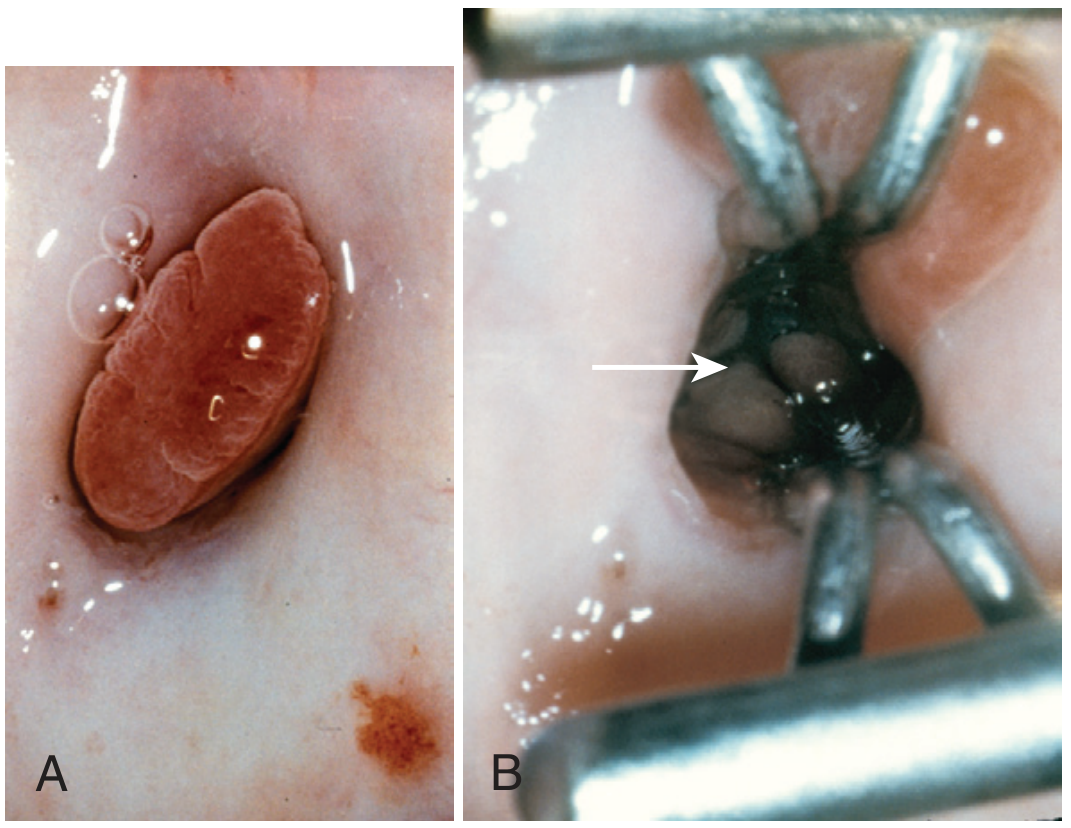
- Macroscopic: Bright red to pink, spongy in appearance; size ranges from a few mm to several cm
- Microscopic/Histology: Covered by columnar (endocervical) or squamous (ectocervical) epithelium; stroma contains dilated blood vessels, fibroblasts, and inflammatory cells
- Usually solitary — although multiple polyps are occasionally encountered
- Polyps on longer pedicles may protrude from the vaginal orifice
- Large endocervical polyps can cause cervical dilation and pain
- Malignant transformation occurs in ~1% of lesions — hence all polyps should be histologically examined after removal
6. CLINICAL FEATURES
Symptoms
- Postcoital bleeding (most classic) — due to vascular congestion, oedema and ulceration of the polyp tip
- Intermenstrual spotting (larger polyps)
- Vaginal spotting after exercise, douching, or straining/defecation
- Abnormal vaginal discharge (non-purulent)
- Abnormal menses
- Pain (large polyps causing cervical dilation)
- Postmenopausal bleeding — must exclude malignancy
Signs (On Examination)
- Visible fleshy, reddish-pink, smooth or lobulated pedunculated mass protruding from the cervical os on speculum examination
- Bleeds easily on contact (friable)
- Usually soft, non-tender
- May be single or multiple
7. DIFFERENTIAL DIAGNOSIS
- Endometrial polyp (prolapsed through cervix) — most important mimic; larger, more vascular stalk; stalk extends into endocervical canal
- Cervical malignancy (adenocarcinoma, squamous cell carcinoma)
- Condyloma acuminatum (HPV-related)
- Nabothian cyst (retention cyst)
- Prolapsed fibroid / submucous myoma
- Retained products of conception
- Sarcoma (botryoid sarcoma in children)
- Squamous papilloma
Key point: Histological study is often the only way to be certain of the true nature of a cervical lesion.
8. INVESTIGATIONS
Mandatory
- Histopathological examination of the polyp after removal — to rule out malignancy (1% risk of malignant transformation)
- Pap smear (cervical cytology) — if not recently done
Additional Investigations (as indicated)
- Colposcopy — if abnormal Pap smear or suspicious lesion
- Hysteroscopy — if:
- Postmenopausal polyp (exclude endometrial pathology)
- Tamoxifen use (high risk of concurrent endometrial polyp)
- Stalk appears to originate in the endocervical canal (endometrial polyp suspected)
- Multiple polyps suspected
- Transvaginal Ultrasound (TVS) — assess endometrium and uterine cavity, especially in postmenopausal women
- Endocervical curettage (ECC) — optional at time of polypectomy to ensure all abnormal tissue removed
- Suction D&C — older recommendation; current evidence does not support as routinely improving outcomes
9. MANAGEMENT
Pre-procedure Preparation
- NSAID (e.g., naproxen 500 mg) orally 1 hour before procedure
- Do not schedule during menses
- Informed consent
Indications for Removal
- All cervical polyps (asymptomatic or symptomatic) — because of the 1% risk of malignancy
- Symptomatic polyps (bleeding, discharge, pain)
Contraindications to Office Removal
| Type | Examples |
|---|---|
| Absolute | Inability/refusal to consent; inability to cooperate with vaginal examination |
| Relative | Dense/thick pedicle (endometrial polyp likely); polyp >several cm (surgical suite needed); pregnancy; blood dyscrasias; high likelihood of multiple polyps (consider hysteroscopy first) |
Procedure — Cervical Polypectomy
- Vaginal speculum, non-sterile gloves
- Ring forceps (polyp forceps)
- Endocervical curette (Kevorkian curette)
- Kogan's endocervical speculum
- Colposcope (optional)
- Silver nitrate sticks (haemostasis)
- Topical anaesthetic (usually not needed)
- Pathology specimen container with formalin
- Insert vaginal speculum; perform Pap smear if not recently done
- Visualise the polyp (colposcope for better visualisation)
- Gently manipulate cervical os with ring forceps to identify the polyp base/stalk
- Determine whether cervical or endometrial origin (critical step)
- Remove the polyp by twisting/avulsion with ring forceps (most common) OR cut through the stalk at its base
- Place specimen in formalin — send for histology (mandatory)
- Perform endocervical curettage (optional — ensures all abnormal tissue removed)
- Apply silver nitrate to the base for haemostasis if needed
Haemostasis
- Silver nitrate application to the polyp base
- Electrocautery or LEEP if bleeding during pregnancy
Special Situations
| Situation | Management |
|---|---|
| Pregnancy | Increased vascularity; asymptomatic polyps observed and removed post-delivery; if symptomatic: electrocautery or LEEP |
| Endometrial polyp | Hysteroscopic polypectomy (more extensive blood supply, higher attachment) |
| Large polyp (>several cm) | Outpatient surgical suite |
| Tamoxifen user | Hysteroscopy to evaluate endometrial cavity |
| Postmenopausal | TVS + hysteroscopy to exclude endometrial pathology |
10. HISTOPATHOLOGICAL FEATURES
| Feature | Endocervical polyp | Ectocervical polyp |
|---|---|---|
| Epithelium | Columnar (mucus-secreting) | Squamous epithelium |
| Stroma | Loose fibrovascular stroma, dilated vessels | Fibrous stroma |
| Inflammatory cells | Chronic inflammatory infiltrate | Variable |
| Colour | Bright red/dark red | Pink |
11. COMPLICATIONS
Of the Polyp Itself:
- Malignant transformation (~1%) — adenocarcinoma most common
- Infection / ulceration of polyp tip
- Significant bleeding (less common)
Of the Procedure (Polypectomy):
- Bleeding at the polyp base (usually minor; controlled with silver nitrate)
- Infection (rare)
- Incomplete removal (especially endometrial polyps)
- Misidentification of a prolapsed endometrial polyp as a cervical polyp (most common error)
12. PROGNOSIS & FOLLOW-UP
- Prognosis is excellent for benign polyps
- Recurrence is possible — follow-up examination advised
- Patients with postmenopausal bleeding require continued surveillance
- If histology shows malignancy → refer to gynaecological oncology
13. LONG CASE — KEY POINTS FOR VIVA
| Question | Answer |
|---|---|
| Most common symptom | Postcoital bleeding |
| Most common finding | Incidental on speculum exam (most are asymptomatic) |
| Most common age group | Multiparous women 30-50 years; perimenopausal |
| Risk of malignancy | ~1% — all polyps must be sent for histology |
| Most important differential | Prolapsed endometrial polyp (larger, more vascular stalk) |
| Most common error in diagnosis | Mistaking endometrial polyp for cervical polyp |
| First-line investigation | Speculum examination + FNAC/biopsy; TVS |
| Gold standard confirmation | Histopathology after polypectomy |
| Treatment | Cervical polypectomy (office procedure) + histology |
| Haemostasis method | Silver nitrate; electrocautery for pregnancy |
| When to do hysteroscopy | Postmenopausal, tamoxifen use, suspected endometrial polyp, multiple polyps |
| Association with tamoxifen | High risk of concurrent endometrial polyp |
| Management in pregnancy | Observe if asymptomatic; LEEP/electrocautery if symptomatic |
| ICD code | 622.7 Polyp of cervix |
14. COEXISTING CONDITIONS TO REMEMBER
- Endometrial polyps (especially postmenopausal and tamoxifen users)
- Diabetes mellitus (increased risk of cervical polyps)
- Recurrent vaginitis (chronic inflammation as aetiology)
- HPV infection / CIN (on Pap smear — warrants colposcopy)
- Cervical ectropion (common in young women on OCP — mimics polyp on inspection)
All about UV prolapse for clincial viva
UTEROVAGINAL (UV) PROLAPSE — Complete Clinical Viva Guide
1. DEFINITION
2. ANATOMY & SUPPORT MECHANISMS
Three Levels of Pelvic Support (DeLancey's Levels)
| Level | Structures | Supports |
|---|---|---|
| Level I (Apical) | Uterosacral + cardinal (Mackenrodt's) ligaments | Uterus, upper vagina, vaginal vault |
| Level II (Mid-vaginal) | Arcus tendineus fascia pelvis (ATFP), pubocervical fascia anteriorly; rectovaginal fascia posteriorly | Mid-vagina, bladder, rectum |
| Level III (Distal) | Perineal body, external anal sphincter, urogenital diaphragm | Distal vagina, urethra, perineum |
Pelvic Support Structures
- Muscles and connective tissue of the pelvic floor (levator ani - puborectalis, pubococcygeus, iliococcygeus)
- Fibromuscular tissue of the vaginal wall (endopelvic fascia)
- Ligamentous attachments (uterosacral, cardinal, round, broad ligaments)
3. CLASSIFICATION OF PROLAPSE
By Compartment
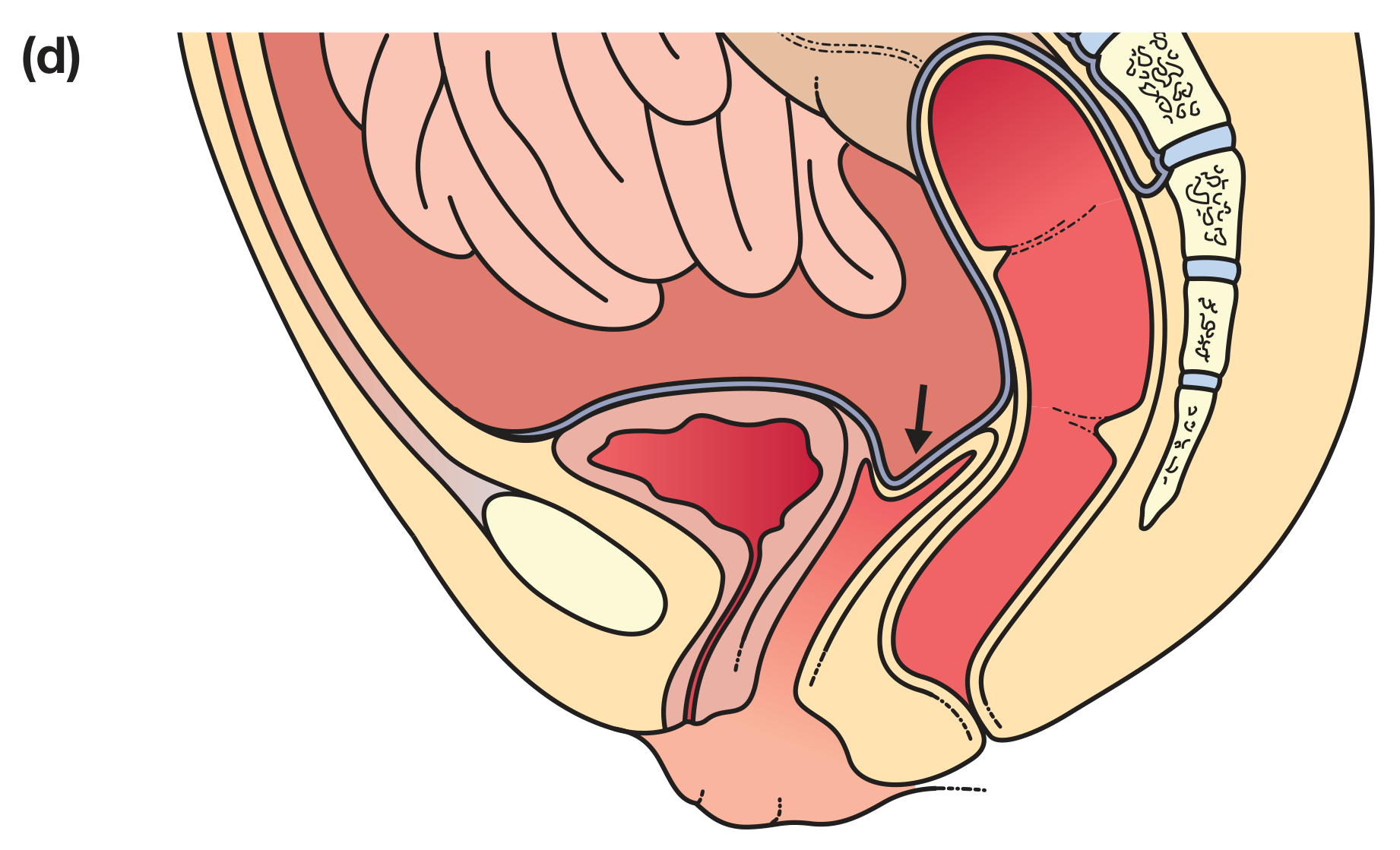
| Compartment | Structure | Type of Prolapse | Displaced Organ |
|---|---|---|---|
| Anterior | Anterior vaginal wall | Urethrocele (distal) / Cystocele (proximal) | Urethra / Bladder |
| Apical | Uterus/cervix or vault | Uterine prolapse / Vault prolapse | Uterus or vaginal apex |
| Apical | Pouch of Douglas | Enterocele | Small bowel + peritoneum |
| Posterior | Posterior vaginal wall | Rectocele | Rectum |
Enterocele = the only true hernia among pelvic support disorders (herniation of peritoneum and small bowel)
Procidentia = complete prolapse of uterus AND vagina outside the introitus (3rd degree uterine prolapse)
4. GRADING SYSTEMS
(A) Traditional Grading (Shaw/RCOG grading — commonly used in clinical exams)
| Grade | Description |
|---|---|
| Grade 1 | Descent of the uterus/cervix within the vagina, not reaching the introitus |
| Grade 2 | Cervix descends to the level of the introitus |
| Grade 3 | Cervix (and part of uterus) protrudes outside the introitus (procidentia) |
(B) POP-Q System (ICS standard — modern, used in research)
- Anterior: Aa (3 cm proximal to external urethral meatus = bladder neck; range -3 to +3), Ba (most distal anterior wall point)
- Apical: C (cervix or vault), D (posterior fornix)
- Posterior: Ap (3 cm proximal to hymen posterior), Bp (most distal posterior wall point)
| Stage | Definition |
|---|---|
| Stage 0 | No prolapse demonstrated |
| Stage I | Most distal portion >1 cm above hymen |
| Stage II | Most distal portion ≤1 cm above or below hymen |
| Stage III | Most distal portion >1 cm below hymen but < (tvl - 2 cm) |
| Stage IV | Complete eversion / maximal descent |
5. AETIOLOGY & RISK FACTORS
Primary Causes
- Damage to levator ani muscles (obstetric trauma - most important)
- Damage to pelvic connective tissue / endopelvic fascia
- Nerve damage (pudendal neuropathy)
Risk Factors
| Category | Risk Factors |
|---|---|
| Obstetric | Multiparity (especially vaginal deliveries), prolonged second stage, instrumental delivery (forceps > ventouse), large baby (macrosomia), perineal tears |
| Hormonal | Post-menopausal oestrogen deficiency → reduced tissue strength and elasticity |
| Connective tissue | Congenital connective tissue disorders (Marfan's, Ehlers-Danlos), racial factors (less common in African-American women) |
| Increased intra-abdominal pressure | Chronic cough (COPD, smoking), constipation/straining, obesity, heavy lifting, ascites |
| Iatrogenic | Previous hysterectomy (→ vault prolapse), pelvic surgery |
| Ageing | Prevalence doubles in women >80 years; pelvic floor disorders affect 23.7% of women overall |
| Other | Spina bifida, sacral agenesis, prior pelvic radiotherapy |
6. CLINICAL FEATURES
Symptoms
| System | Symptoms |
|---|---|
| Prolapse itself | Sensation of a lump/bulge at the vaginal introitus; feeling of something coming down; worse on standing, coughing, straining; relieved by lying down |
| Urinary | Stress urinary incontinence (SUI), urinary urgency/frequency, voiding difficulty (incomplete emptying, poor stream — may need to digitally reduce prolapse to void) |
| Bowel | Obstructed defecation, feeling of incomplete evacuation, need to digitate (insert finger into vagina to assist defecation - pathognomonic of rectocele), constipation, faecal incontinence |
| Sexual | Dyspareunia, reduced sensation, sexual dissatisfaction |
| Local | Vaginal discharge (from ulceration), bleeding (from decubitus ulcer in advanced/neglected cases), backache |
Key viva point: Paradoxically, large prolapse can cause urinary retention (kinking of urethra) and occult stress incontinence may be unmasked after surgical repair
7. EXAMINATION FINDINGS
General
- BMI assessment, signs of chronic cough, chronic straining
Abdominal Examination
- Exclude pelvic mass (fibroid, ovarian cyst) which may be contributing
Speculum Examination (key — done with patient straining/Valsalva)
- Sim's speculum (left lateral position) or cusco's speculum (dorsal lithotomy)
- Assess all three compartments systematically
- Assess at rest AND with Valsalva/coughing
- Quantify degree of prolapse
- Look for decubitus ulcer (chronic procidentia)
- Reduce prolapse and reassess for occult stress incontinence
Bimanual Examination
- Assess uterine size/position
- Exclude pelvic masses
Rectal Examination
- Assess sphincter tone; confirm rectocele
Additional
- Cough stress test (supine and standing)
- POP-Q measurement at maximal strain
8. INVESTIGATIONS
Routine
- Urine dipstick + MSU (exclude UTI — common co-existing condition)
- Cervical smear (if not up to date)
- Transvaginal ultrasound (TVS) — assess uterus, ovaries, endometrium (especially if abnormal bleeding)
Urological Assessment (if urinary symptoms)
- Urodynamic studies — diagnose type of urinary incontinence; detect occult SUI; assess voiding function
- Uroflowmetry — detect voiding dysfunction
- Post-void residual (PVR) measurement
Bowel Assessment (if bowel symptoms)
- Defecography / MRI defecography — dynamic assessment of pelvic floor during defecation
- Colonoscopy/sigmoidoscopy — if rectal bleeding or change in bowel habit
Imaging
- Dynamic MRI pelvic floor — assesses all three compartments simultaneously; useful pre-operatively for complex/recurrent cases
- Pelvic floor electromyography — assess levator ani muscle function
9. MANAGEMENT
A. Conservative (Non-Surgical) Management
1. Lifestyle Modifications
- Weight reduction
- Treat chronic cough (stop smoking)
- Treat constipation (high-fibre diet, adequate hydration, laxatives)
- Avoid heavy lifting
- Pelvic floor physiotherapy
2. Pelvic Floor Muscle Training (PFMT / Kegel Exercises)
- Minimum 16 weeks of training for Grade 1 or 2 prolapse
- Supervised by specialist physiotherapist
- Evidence of modest improvement in symptoms
3. Topical Oestrogen
- For postmenopausal women with oestrogen deficiency
- Improves tissue strength, elasticity and vascularity
- Applied locally (cream/pessary) to vaginal mucosa
- Also treats associated atrophic vaginitis
4. Vaginal Pessaries — Mechanical Devices
- Most commonly used: Ring pessary — inserted between posterior fornix and pubic symphysis
- Replaced every 3-6 months
- Complication: Vaginal ulceration and infection (→ discharge and bleeding) — hence frequent replacement is essential
| Pessary Type | Indication |
|---|---|
| Ring pessary (with or without support) | 1st and 2nd degree prolapse (most common) |
| Gellhorn / Donut | 3rd degree prolapse; heavier prolapse |
| Cube / Tandem-Cube | 3rd degree |
| Gehrung | Cystocele and/or rectocele |
| Hodge | SUI (stress urinary incontinence) |
| Shelf pessary | Complete procidentia |
B. Surgical Management
- Vaginal vs abdominal approach
- Reconstructive vs obliterative surgery
- Native tissue vs graft/mesh augmentation
- Uterine preservation vs hysterectomy
SURGICAL PROCEDURES BY COMPARTMENT
Bailey & Love Surgical Treatment Table (Table 87.12)
- Procedure: Anterior vaginal wall repair (Anterior colporrhaphy) — without mesh (native tissue)
- Plicates the pubocervical fascia in the midline
- Complications: Bleeding, infection, fistula formation, voiding dysfunction, unmasking of occult SUI, failure, recurrence
- Vaginal hysterectomy ± vaginal sacrospinous fixation — preferred when family is complete
- Laparoscopic hysterectomy — preferred approach for POP per Berek & Novak
- After hysterectomy, the vaginal apex MUST be suspended — or post-hysterectomy vault prolapse will develop
- Manchester (Fothergill) repair — amputation of cervix + suturing of transverse cervical (Mackenrodt's) ligaments vaginally; can cause infertility, miscarriage and dystocia
- McCall suture — laparoscopic plication of uterosacral ligaments
- Hysteropexy — vaginal (attaching cervix to sacrospinous ligaments with non-absorbable sutures) OR laparoscopic/abdominal sacrohysteropexy using polypropylene mesh to sacral promontory
- Colpocleisis — in women who no longer wish penetrative intercourse (obliterative procedure)
- Similar technique to hernia repair
- Vaginal mucosa opened, hernial sac ligated and repaired, deep sutures placed in the uterosacral ligaments
- Complications: Bleeding, infection, rectal/bowel injury, fistula, dyspareunia, recurrence
- Sacrospinous fixation (vaginal approach): Vault attached to right sacrospinous ligament using non-absorbable suture/mesh — avoid rectosigmoid on the left
- Sacrocolpopexy (abdominal/laparoscopic): Vaginal vault attached to sacral promontory using mesh — gold standard; superior anatomic outcomes; reduced complications laparoscopically
- Colpocleisis — obliterative; for women not wanting sexual intercourse
- Complications: Right buttock pain (sacrospinous fixation), injury to bowel/ureter, SUI unmasking, sexual dysfunction
Key point: Abdominal approaches are superior to vaginal approaches for vault prolapse; laparoscopic = equivalent anatomic outcomes at 12 months, less morbidity
- Posterior colpoperineorrhaphy (without mesh): posterior vaginal wall opened, rectum returned to normal position, levator ani muscles plicated, redundant vaginal mucosa excised
- Complications: Bleeding, infection, bowel injury, fistula, dyspareunia, recurrence
ADDITIONAL SURGICAL OPTIONS
| Procedure | Use |
|---|---|
| Paravaginal repair | Lateral defect cystocele (detachment of pubocervical fascia from ATFP) |
| Burch colposuspension | SUI; anterior vaginal wall attached to Cooper's (pectineal) ligament |
| Mid-urethral sling (TVT/TOT) | SUI — has largely superseded Burch colposuspension |
| Anterior uterosacral ligament suspension | Apical support using native tissue |
10. COMPLICATIONS OF SURGERY
| General | Specific |
|---|---|
| Bleeding | Bladder, bowel or ureteric injury |
| Infection | Fistula formation (vesicovaginal, rectovaginal) |
| DVT/PE | Voiding dysfunction / retention |
| Anaesthetic | Unmasking of occult SUI after prolapse repair |
| Dyspareunia | |
| Mesh complications (erosion, exposure, pain) | |
| Right buttock pain (sacrospinous fixation) | |
| Recurrence (~30% lifetime recurrence rate) |
30% of women report recurrence of symptoms after surgical treatment — this figure increases with subsequent repeat procedures
11. SPECIAL SITUATIONS
Procidentia (Complete / 3rd degree prolapse)
- Entire uterus protruding outside the introitus
- May develop decubitus ulcer (pressure ulcer on exposed cervix/vagina)
- Often associated with cystocele, rectocele and enterocele
- Treat decubitus ulcer first (topical oestrogen, saline soaks, reduction) before surgery
Prolapse in Pregnancy
- Usually managed conservatively with pessary
- Definitive surgery deferred until after delivery
Young Nulliparous Women
- Rare — consider connective tissue disorder (Marfan's, Ehlers-Danlos)
- Uterine-preserving surgery preferred
Post-hysterectomy Vault Prolapse
- Vaginal vault prolapse occurs when apex unsuspended at hysterectomy
- Sacrocolpopexy or sacrospinous fixation are procedures of choice
12. VIVA KEY POINTS — RAPID REVISION
| Question | Answer |
|---|---|
| Most important single risk factor | Multiparity / vaginal delivery (obstetric trauma) |
| Cardinal symptom | Sensation of something coming down / vaginal bulge |
| Symptom pathognomonic of rectocele | Digitation (inserting finger into vagina to assist defecation) |
| Only true hernia in POP | Enterocele (herniation of peritoneum + small bowel) |
| Procidentia | Complete prolapse of uterus + vagina outside introitus |
| Most common pessary used | Ring pessary (replaced every 3-6 months) |
| Complication of ring pessary | Vaginal ulceration and infection |
| Minimum PFMT duration (grade 1-2) | 16 weeks |
| Why topical oestrogen in post-menopausal? | Improves tissue strength and elasticity; treats atrophic vaginitis |
| Why hysterectomy alone is inadequate | Vault must be suspended or vault prolapse follows |
| Gold standard for vault prolapse | Sacrocolpopexy (abdominal/laparoscopic) |
| Manchester repair complication | Infertility, miscarriage, dystocia |
| Sacrospinous fixation — which side? | Right sacrospinous ligament (avoid rectosigmoid on left) |
| Investigation for urinary symptoms with POP | Urodynamic studies |
| Paradox of large prolapse | May cause urinary retention (urethral kinking); occult SUI unmasked after repair |
| Recurrence rate after surgery | ~30% lifetime; increases with repeat procedures |
| Best approach for posterior defects | Vaginal approach (best visualised and repaired vaginally) |
| Lifetime surgical risk | 1 in 5 women (20.2% by age 80) |
| DeLancey Level I ligaments | Uterosacral + Cardinal (Mackenrodt's) ligaments |
| Obliterative procedure name | Colpocleisis (for women not wanting sexual intercourse) |
Make 500 mcqs from Surgery
Make 500 mcqs from Surgery-1 syllabus
python3 -c " import pdfplumber pdf_path = '/tmp/workspace/attachments/9beaafcd-8324-4c4c-8191-b2f01456a985/Final Year MBBS Syllabus (2026).pdf' with pdfplumber.open(pdf_path) as pdf: print(f'Total pages: {len(pdf.pages)}') # Find Surgery pages for i, page in enumerate(pdf.pages): text = page.extract_text() or '' if 'Surgery' in text or 'SURGERY' in text or 'surgery' in text: print(f'--- PAGE {i+1} ---') print(text[:2000]) print() if i > 60: break " 2>&1 | head -300
python3 -c " import pdfplumber pdf_path = '/tmp/workspace/attachments/9beaafcd-8324-4c4c-8191-b2f01456a985/Final Year MBBS Syllabus (2026).pdf' with pdfplumber.open(pdf_path) as pdf: # Extract Surgery section pages 17-68 (index 16-67) for i in range(16, 68): page = pdf.pages[i] text = page.extract_text() or '' if text.strip(): print(f'=== PAGE {i+1} ===') print(text) print() " 2>&1
Generate 500 MCQs from complete Surgery-1 syllabus (S1-001 to S1-073 topics)
Make 500 mcqs from this syllabus from Pervaiz Akbar Peadeatrics and increasing difficulty with clinical scenarios