

45504408-a918-4cd8-ab45-e77574c50856.jpeg
Kdt
Reading File
The image shows Chapter 10: Adrenergic Transmission and Adrenergic Drugs from a pharmacology textbook - it contains MCQ answers, long/essay questions, short essay questions, and scenario-based questions. The user typed "Kdt" which is likely short for "KD Tripathi" - a popular Indian pharmacology textbook.
Let me search the medical library for adrenergic drugs content to answer these questions comprehensively.
Searching sources...
Finding Sources
Finding Sources
Finding Sources
Finding Sources
Finding Sources
Reading File
Finding Sources
Finding Sources
Finding Sources
Reading File
Reading File
I now have solid textbook content. Let me compile the full answers based on what I found plus my knowledge base for this pharmacology chapter.
Loading Image
Here is a full structured answer for Chapter 10: Adrenergic Transmission and Adrenergic Drugs covering all the question types from the image.
Chapter 10: Adrenergic Transmission and Adrenergic Drugs
LONG/ESSAY QUESTIONS (10 Marks)
Q1. Classify Sympathomimetic Drugs. Explain with pharmacological actions, clinical uses, and adverse effects.
Classification
Sympathomimetic drugs are classified by their mechanism of action:
A. Direct-acting - Act directly on adrenergic receptors
- Non-selective (α + β): Adrenaline (epinephrine), noradrenaline
- α-selective: Phenylephrine, methoxamine, clonidine (α2)
- β-selective: Isoprenaline (β1+β2), salbutamol/terbutaline (β2), dobutamine (β1)
B. Indirect-acting - Release stored NE from nerve terminals or inhibit its reuptake
- Release NE: Amphetamine, tyramine
- Inhibit NE reuptake: Cocaine, tricyclic antidepressants
- Inhibit MAO: Phenelzine, tranylcypromine
C. Mixed-acting - Both direct receptor action + indirect NE release
- Ephedrine, pseudoephedrine
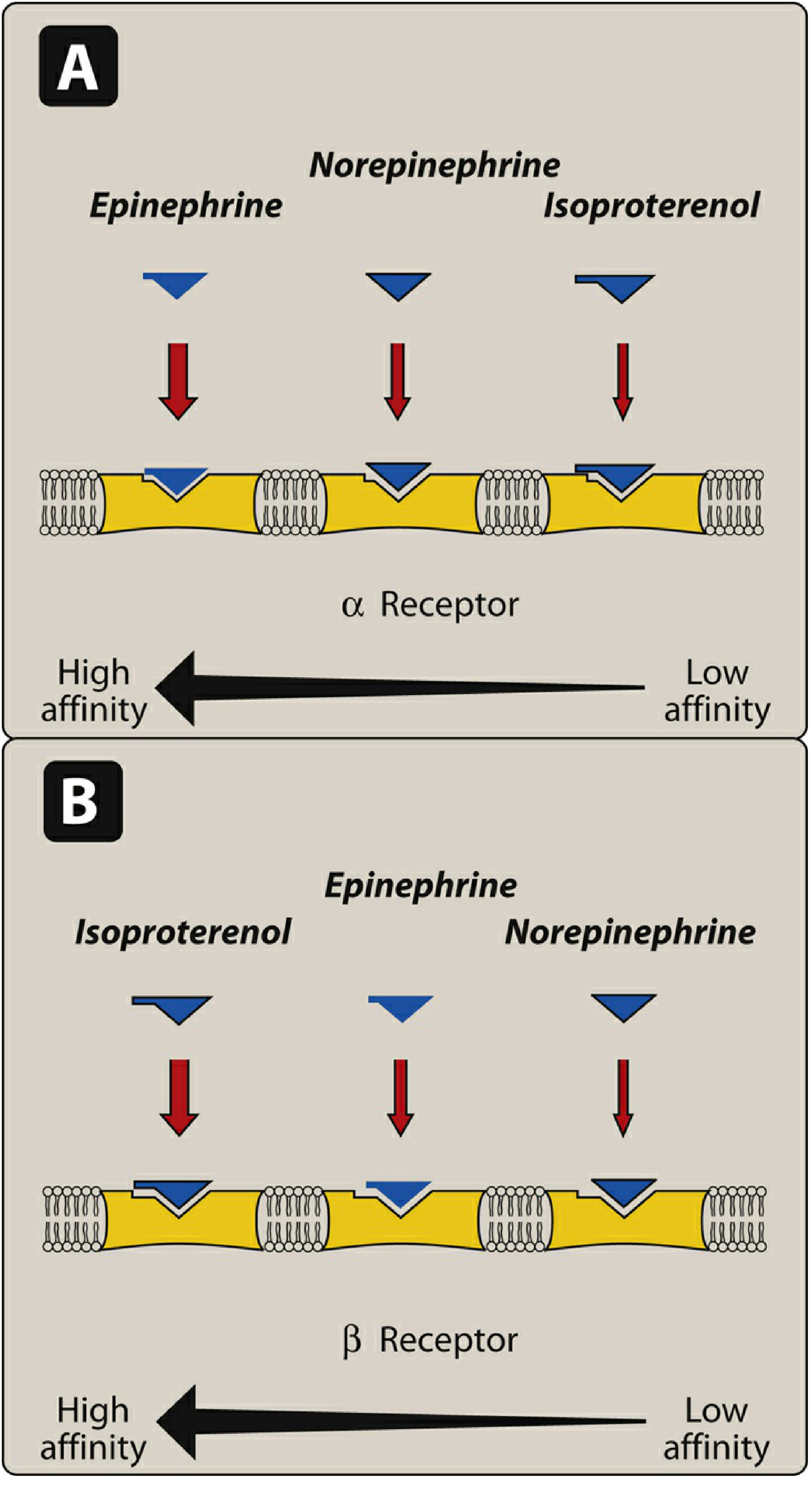
Rank order of potency at α receptors: Epinephrine ≥ Norepinephrine >> Isoproterenol
Rank order of potency at β receptors: Isoproterenol > Epinephrine > Norepinephrine
Pharmacological Actions (by receptor):
| Receptor | Location | Effect |
|---|---|---|
| α1 | Vascular smooth muscle, iris | Vasoconstriction, mydriasis |
| α2 | Presynaptic nerve terminals, pancreas | Inhibits NE release, decreases insulin |
| β1 | Heart, kidney | ↑ HR, ↑ contractility, renin release |
| β2 | Bronchi, blood vessels, uterus | Bronchodilation, vasodilation, uterine relaxation |
| β3 | Adipose tissue, bladder | Lipolysis, bladder relaxation |
Clinical Uses:
- Anaphylactic shock (adrenaline)
- Bronchial asthma (salbutamol, terbutaline)
- Cardiogenic shock (dopamine, dobutamine)
- Nasal decongestants (xylometazoline, oxymetazoline)
- Hypertensive emergencies (phenylephrine)
- Overactive bladder (mirabegron - β3 agonist)
- Local anesthesia adjunct (adrenaline to prolong action)
Adverse Effects:
- Tachycardia, palpitations, arrhythmias
- Hypertension (risk of stroke, pulmonary edema)
- Anxiety, tremors, headache
- Hyperglycemia (especially in diabetics)
- Tissue necrosis if IV extravasates
- Pulmonary edema with non-selective agents
Q2. Therapeutic Uses of Adrenergic Drugs Under Various Disorders
Vascular Disorders:
- Hypotensive shock: Noradrenaline or dopamine (maintains BP)
- Spinal anesthesia hypotension: Ephedrine or phenylephrine
- Orthostatic hypotension: Midodrine (α1 agonist)
- Bleeding: Adrenaline for local hemostasis
Cardiac Disorders:
- Cardiac arrest: Adrenaline (IV/intraosseous) - restores electrical activity
- Cardiogenic shock: Dobutamine (β1) - increases cardiac output without excessive tachycardia
- Heart block with bradycardia: Isoprenaline (β1 + β2)
- Congestive heart failure: Low-dose dopamine (dopaminergic receptors increase renal blood flow)
Respiratory Disorders:
- Acute bronchospasm: Adrenaline (SC/IM)
- Bronchial asthma (long-term): Salbutamol, terbutaline, salmeterol (β2 agonists)
- COPD: Salmeterol, formoterol
Ocular Disorders:
- Open-angle glaucoma: Brimonidine (α2 agonist - decreases aqueous humor production)
- Closed-angle glaucoma: Avoid sympathomimetics
- Mydriasis for examination: Phenylephrine
Allergic Disorders:
- Anaphylaxis: Adrenaline is drug of choice (reverses bronchospasm, hypotension, angioedema)
- Urticaria/angioedema: Adrenaline SC
CNS Disorders:
- ADHD: Amphetamine, methylphenidate
- Narcolepsy: Amphetamine, modafinil
- Obesity: Phentermine (indirect sympathomimetic)
SHORT ESSAY QUESTIONS (3-5 Marks)
Q1. Catecholamines
Catecholamines are compounds with a catechol nucleus (benzene ring with two adjacent hydroxyl groups) and an ethylamine side chain.
Endogenous catecholamines: Adrenaline, noradrenaline, dopamine
Synthesis pathway: Tyrosine → DOPA → Dopamine → Noradrenaline → Adrenaline (in adrenal medulla by PNMT enzyme)
Properties:
- Water soluble, poorly lipid soluble (poor CNS penetration)
- Rapidly degraded by MAO and COMT
- Short duration of action
- Not effective orally (gut MAO destroys them)
Used clinically: Adrenaline, noradrenaline, dopamine, dobutamine, isoprenaline
Q2. Drugs That Modify Adrenergic Transmission
| Stage | Drug | Mechanism |
|---|---|---|
| Synthesis inhibition | α-Methyltyrosine | Inhibits tyrosine hydroxylase |
| Storage depletion | Reserpine | Blocks VMAT (vesicle uptake) |
| Release inhibition | Guanethidine, bretylium | Block vesicle exocytosis |
| Release facilitation | Amphetamine, tyramine | Displace NE from vesicles |
| Reuptake inhibition | Cocaine, TCAs | Block NET (NE transporter) |
| MAO inhibition | Phenelzine, tranylcypromine | Block NE metabolism |
| COMT inhibition | Entacapone, tolcapone | Block peripheral NE degradation |
Q3. Adrenergic Receptors - Classification, Distribution, Selective Agonists/Antagonists
| Receptor | Location | Selective Agonist | Selective Antagonist |
|---|---|---|---|
| α1 | Vascular SM, iris, prostate | Phenylephrine, methoxamine | Prazosin, tamsulosin |
| α2 | Presynaptic (brain, periphery), pancreas | Clonidine, brimonidine | Yohimbine, idazoxan |
| β1 | Heart, kidney (JGA) | Dobutamine | Metoprolol, atenolol |
| β2 | Bronchi, uterus, skeletal vessels | Salbutamol, terbutaline, salmeterol | Butoxamine |
| β3 | Adipose, detrusor muscle | Mirabegron | - |
| D1 | Renal/mesenteric vessels | Fenoldopam | - |
| D2 | Presynaptic (nerve terminals) | - | Domperidone |
Signal transduction:
- α1: Gq → PLC → IP3 + DAG → ↑Ca2+
- α2: Gi → ↓cAMP
- β1, β2, β3: Gs → ↑cAMP → PKA activation
Q4. Compare Pharmacological Actions of Adrenaline, Noradrenaline, and Isoprenaline
| Action | Adrenaline (EPI) | Noradrenaline (NE) | Isoprenaline (ISO) |
|---|---|---|---|
| Receptors | α1, α2, β1, β2 | α1, α2, β1 (weak β2) | β1, β2 (no α) |
| Heart rate | ↑ (β1) | ↓ (reflex bradycardia due to ↑BP) | ↑↑ (β1) |
| BP (systolic) | ↑↑ | ↑↑↑ | ↑ or unchanged |
| BP (diastolic) | ↓ (β2 vasodilation) | ↑↑ (α vasoconstriction) | ↓↓ (β2 vasodilation) |
| Peripheral resistance | ↑ (high dose) / ↓ (low dose) | ↑↑↑ | ↓↓ |
| Bronchi | Dilates (β2) | Minimal effect | Dilates (β2) |
| Vasomotor reversal | Yes (Dale's vasomotor reversal) | No | No |
| Main use | Anaphylaxis | Hypotensive shock | Heart block, cardiogenic shock |
Q5. Differentiate Between α and β Adrenergic Receptors
| Feature | α Receptors | β Receptors |
|---|---|---|
| Subtypes | α1, α2 | β1, β2, β3 |
| Second messenger | Gq-IP3/DAG (α1); Gi-↓cAMP (α2) | Gs-↑cAMP (all β) |
| Major location | Vascular smooth muscle, presynaptic | Heart (β1), Bronchi (β2), Adipose (β3) |
| Rank order potency | NE ≥ EPI >> ISO | ISO > EPI > NE |
| Blocked by | Phentolamine (non-selective), Prazosin (α1) | Propranolol (non-selective), Metoprolol (β1) |
| Main effect | Vasoconstriction, mydriasis | Cardiac stimulation, bronchodilation |
Q6. Dopamine - Pharmacological Actions, Therapeutic Uses, Adverse Effects
Mechanism: Acts on dopaminergic (D1, D2) and adrenergic (β1, α1) receptors in a dose-dependent manner:
- Low dose (1-2 mcg/kg/min): Dopaminergic (D1) - renal and mesenteric vasodilation → ↑ urine output
- Medium dose (2-10 mcg/kg/min): β1 stimulation → ↑ cardiac output, ↑ heart rate
- High dose (>10 mcg/kg/min): α1 stimulation → vasoconstriction → ↑ BP
Therapeutic Uses:
- Cardiogenic shock (drug of choice)
- Septic shock with oliguria
- Acute heart failure
- Acute renal failure (low dose to preserve renal function - though evidence is debated)
Adverse Effects:
- Tachycardia, arrhythmias
- Nausea, vomiting
- Hypertension at high doses
- Tissue necrosis if extravasation occurs (treat with phentolamine injection)
- Contraindicated in pheochromocytoma
Q7. Mechanism of Action and Uses of Dobutamine
Structure: Synthetic catecholamine, structural analogue of dopamine
Mechanism:
- Primarily β1 receptor agonist (some β2 and mild α1 effects)
- Increases myocardial contractility (positive inotrope) WITHOUT significant increase in heart rate
- Increases cardiac output, decreases filling pressures
- Does NOT increase renal blood flow (unlike dopamine)
Therapeutic Uses:
- Short-term management of acute decompensated heart failure
- Cardiogenic shock
- Dobutamine stress echocardiography (to detect coronary artery disease)
- Bridge to cardiac transplantation
Advantage over dopamine: Less tachycardia, less arrhythmogenic at therapeutic doses
Q8. Amphetamines
Mechanism: Indirect sympathomimetic - enters presynaptic terminal via NET, displaces NE from vesicles (via VMAT reversal), also inhibits MAO. Net effect: massive increase in synaptic NE, dopamine, and serotonin.
Pharmacological Actions:
- CNS stimulation - wakefulness, euphoria, decreased appetite, stereotyped behavior
- Cardiovascular: tachycardia, ↑ BP
- Anorexia
Therapeutic Uses:
- ADHD (methylphenidate, lisdexamphetamine preferred now)
- Narcolepsy
- Obesity (short-term, limited use)
Adverse Effects:
- Insomnia, agitation, anxiety
- Hypertension, arrhythmias
- Psychosis (amphetamine psychosis resembles paranoid schizophrenia)
- High abuse potential - Schedule II controlled substance
- Tolerance and dependence develop
Q9. Mirabegron in Overactive Bladder
Mechanism: Selective β3 adrenoceptor agonist. β3 receptors on detrusor muscle mediate relaxation → increases bladder capacity → reduces urgency/frequency without causing urinary retention.
Advantage over antimuscarinics (oxybutynin, solifenacin):
- No anticholinergic side effects (no dry mouth, blurred vision, constipation, cognitive impairment)
- Safe in elderly and patients with cognitive issues
Dose: 25-50 mg once daily orally
Adverse Effects:
- Hypertension (most common - monitor BP)
- Tachycardia
- Urinary tract infection
- Contraindicated in severe uncontrolled hypertension
Q10. Vasomotor Reversal of Dale
When a large dose of adrenaline is given, it produces a rise in BP (α1 effect). If an α-blocker (e.g., phentolamine, ergotamine) is given beforehand, the same dose of adrenaline now produces a FALL in blood pressure - this is "Dale's vasomotor reversal."
Explanation: Adrenaline acts on both α1 (vasoconstriction) and β2 (vasodilation) receptors. The α-blocker blocks the vasoconstrictive (pressor) component, unmasking the β2-mediated vasodilation, which is now dominant → blood pressure falls instead of rising.
Significance:
- Demonstrates the dual action of adrenaline
- Shows that β2 effects exist but are normally masked by α effects
- Clinical relevance: Why phentolamine is used to treat adrenaline extravasation
Q11. Nasal Decongestants
Drugs: Xylometazoline, oxymetazoline, naphazoline (topical); pseudoephedrine, phenylephrine (oral)
Mechanism: α1/α2 agonists → constrict nasal mucosal blood vessels → reduce congestion and rhinorrhea
Clinical Use: Allergic rhinitis, common cold (symptomatic)
Adverse Effects (topical):
- Rebound congestion (rhinitis medicamentosa) with prolonged use (>3-5 days)
- Burning, stinging
- Systemic absorption can cause hypertension and tachycardia
Oral decongestants (pseudoephedrine):
- Hypertension, tachycardia, insomnia, urinary retention in BPH
Q12. Pharmacological Treatment of Cardiogenic Shock
Cardiogenic shock = reduced cardiac output despite adequate filling pressures
Goals: Restore cardiac output, maintain perfusion pressure, avoid worsening ischemia
| Drug | Dose | Mechanism | Role |
|---|---|---|---|
| Dopamine | 5-15 mcg/kg/min | β1 (+ α at higher doses) | ↑ CO + maintains BP |
| Dobutamine | 2.5-15 mcg/kg/min | β1 primarily | ↑ contractility, ↓ filling pressure |
| Noradrenaline | 0.1-2 mcg/kg/min | α1 + β1 | Maintains MAP when BP very low |
| Adrenaline | 0.05-0.5 mcg/kg/min | α + β | Last resort, refractory shock |
Current evidence favors dobutamine as first-line inotrope in cardiogenic shock with adequate BP, and noradrenaline if BP is too low.
SCENARIO-BASED QUESTIONS (5-10 Marks)
Scenario 1: 25-year-old man with anaphylactic shock (insect bite)
a. Drug of choice: Adrenaline (Epinephrine)
Why: It acts on all adrenergic receptors:
- α1: Vasoconstriction → reverses hypotension, reduces laryngeal edema
- β1: ↑ cardiac output → reverses cardiovascular collapse
- β2: Bronchodilation → reverses bronchoconstriction; also stabilizes mast cell membranes, inhibiting further mediator release
b. Pharmacological actions on heart, bronchi, blood vessels:
- Heart (β1): ↑ contractility, ↑ HR → ↑ cardiac output
- Bronchi (β2): Bronchodilation, ↓ mast cell histamine/LTC4 release
- Blood vessels (α1): Constricts skin/visceral vessels → ↑ BP; β2 dilates skeletal muscle vessels
c. Routes and doses in anaphylaxis:
- IM (anterolateral thigh) - PREFERRED: 0.3-0.5 mg of 1:1000 (1 mg/mL) solution; repeat every 5-15 min if needed
- SC: 0.3-0.5 mg of 1:1000 (slower absorption, not preferred in shock)
- IV: 0.1 mg of 1:10,000 (only in cardiac arrest / severe refractory anaphylaxis with IV access)
- Autoinjector (EpiPen): 0.3 mg IM for self-administration
d. Two contraindications/precautions:
- Hypertension / cardiovascular disease - risk of hypertensive crisis, stroke, MI (use with caution; anaphylaxis itself is a stronger indication)
- Patients on non-selective β-blockers (e.g., propranolol) - β-blockade can make adrenaline less effective (β-blocker blocks β effects, leaving unopposed α → paradoxical severe hypertension); use glucagon as alternative
Scenario 2: 30-year-old asthmatic with bronchospasm given inhaled adrenergic agonist
a. Drug: Salbutamol (Albuterol) - selective β2 agonist
Receptor selectivity: β2 adrenoceptor selective (20:1 selectivity for β2 over β1)
b. Mechanism of bronchodilation:
- Salbutamol binds β2 receptors on bronchial smooth muscle
- Gs protein activation → ↑ adenylyl cyclase → ↑ cAMP → activates PKA
- PKA phosphorylates myosin light chain kinase (inactivates it) and opens K+ channels → smooth muscle relaxation
- Also stabilizes mast cell membranes → inhibits mediator release
c. Other selective β2 agonists used in asthma:
- Short-acting (SABA): Terbutaline, levosalbutamol, fenoterol, bitolterol
- Long-acting (LABA): Salmeterol, formoterol (used with ICS, not as monotherapy)
- Ultra-long-acting: Indacaterol (LABA for COPD, once daily)
d. Important adverse effects of β2 agonists:
- Tremors (skeletal muscle β2 stimulation)
- Tachycardia, palpitations (some β1 spillover)
- Hypokalemia (β2 stimulation on skeletal muscle drives K+ into cells via Na+/K+ATPase)
- Paradoxical bronchospasm (rare, with overuse)
- Tolerance with long-term SABA use (downregulation of β2 receptors)
- Metabolic: Hyperglycemia, hypomagnesemia
Scenario 3: 50-year-old woman - spinal anesthesia with hypotension and bradycardia, given drug acting on both α and β receptors
a. Drug used: Ephedrine
Ephedrine acts on both α (vasoconstriction → ↑ BP) and β1 (positive chronotrope → corrects bradycardia) receptors. It is the classic drug used for spinal/epidural anesthesia-induced hypotension.
b. Mechanism in raising blood pressure:
- Direct action: Mild direct stimulation of α1 and β receptors
- Indirect action (main mechanism): Displaces NE from presynaptic vesicles → released NE stimulates α1 (vasoconstriction) and β1 (↑ HR, ↑ contractility) receptors → ↑ BP
- Net effect: Raises both systolic and diastolic BP, increases cardiac output
c. Compare with noradrenaline:
| Feature | Ephedrine | Noradrenaline |
|---|---|---|
| Mechanism | Mixed (direct + indirect) | Direct |
| Receptors | α1, β1, β2 (weak) | α1, α2, β1 |
| Heart rate | ↑ (β1 effect) | ↓ (reflex bradycardia) |
| Duration | Longer (30-60 min oral) | Short (IV infusion needed) |
| Route | IM/IV/oral | IV only |
| CNS | Stimulant effect | Minimal CNS |
| Tachyphylaxis | Yes (repeated doses) | No |
| Vasomotor reversal | No | No |
d. Other clinical uses of ephedrine:
- Myasthenia gravis (improves neuromuscular transmission)
- Nasal decongestion (oral pseudoephedrine is its stereoisomer)
- Narcolepsy, chronic fatigue (CNS stimulant)
- Urinary incontinence (α effect on bladder neck sphincter)
- Bronchial asthma (now replaced by selective β2 agonists)
Scenario 4: 55-year-old woman with raised intraocular pressure (glaucoma)
The adrenergic drug prescribed is most likely Brimonidine (α2 agonist) or Timolol (β-blocker) in the context of the question.
For open-angle glaucoma (raised IOP + halos):
- Brimonidine (α2 agonist): Reduces aqueous humor production via α2 on ciliary epithelium; increases uveoscleral outflow
- Apraclonidine: Another α2 agonist used topically
- Dipivefrin: Prodrug of adrenaline (converted to adrenaline in the eye) → ↑ outflow
Higher doses of adrenergic drugs can cause cardiac stimulation, which explains the footnote visible at the bottom of the image about "cardiac stimulation" and "heart rate."
Sources: Lippincott Illustrated Reviews: Pharmacology (6th ed.), Goodman & Gilman's Pharmacological Basis of Therapeutics (13th ed.)
This is a shared conversation. Sign in to Orris to start your own chat.